Facts
What is bronchitis
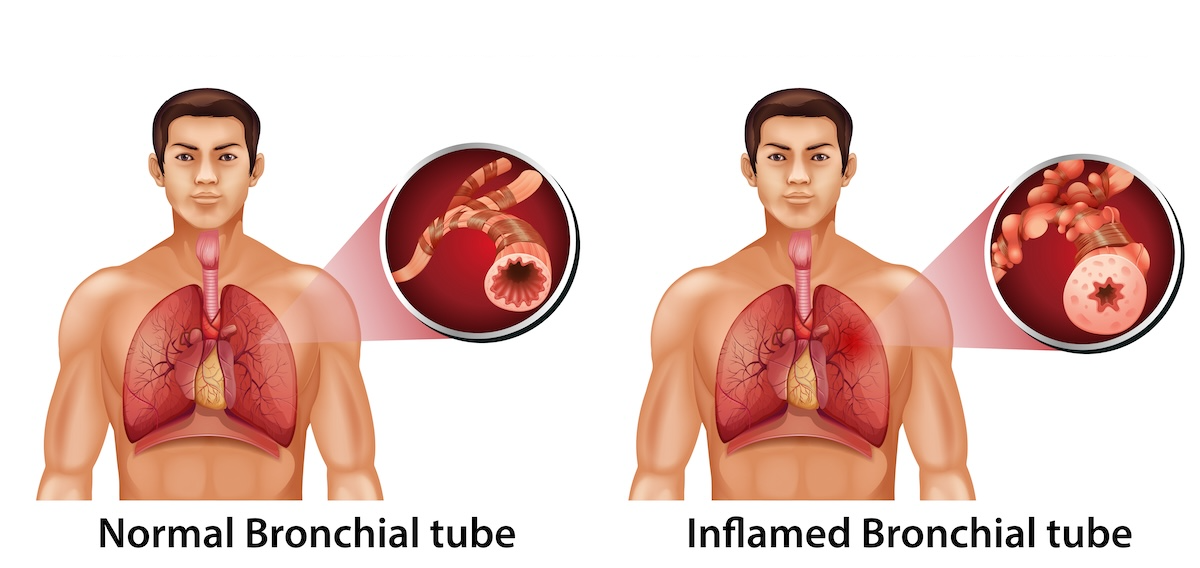
Bronchitis is a condition which is characterised by inflammation and swelling of the trachea and the large and smaller bronchial tubes that are in the lungs. The inflamed bronchi produce a lot of thick mucous, which makes the airways more narrow and make it hard to breath properly and also causes the coughing.
Bronchitis usually does not cause serious or long-term damage in most people, but it can cause complications in the elderly, young children, people who smoke, or those who have serious illnesses.
Two types of bronchitis
- Acute bronchitis – is normally caused by a bacterial or a virus infection of the bronchi and may last a few weeks, after which it generally clears up in most people
- Chronic bronchitis – is generally considered to be one of a chronic pulmonary disorders, as it is not normally caused by a virus or bacteria but is a chronic disorder of the lungs, where there is thickening and inflammation of the lungs with a mucous build-up, which narrows the airways and obstructs proper air flow
Facts about bronchitis
- Bronchitis can develop into pneumonia, a potentially serious complication, so some medical treatment is required when bronchitis is first diagnosed to prevent it from developing further in many people
- Emphysema is a complication of severe chronic bronchitis
- Chronic bronchitis is one type of chronic obstructive pulmonary disease (COPD)
- People with serious lung or heart problems should seek medical attention if they think they have any symptoms of bronchitis as it can become a serious problem, possibly life threatening
- Chronic bronchitis causes the bronchi to become thick and inelastic, causing breathing difficulty
- Chronic and severe bronchitis can be very hard to differentiate with emphysema
- Chronic bronchitis is very common in people who have smoked a long time
Symptoms
Symptoms of bronchitis
Acute bronchitis
This type of bronchitis is an upper respiratory infection and causes the following symptoms:
- Cough (dry at first, but then often produces green/yellow phlegm, which is usually an indication of an infection)
- Difficulty breathing in deeply (can’t seem to take a deep breath in properly without some pain)
- Fever (mild to moderate)
- Lethargy and tiredness
- Sinus congestion
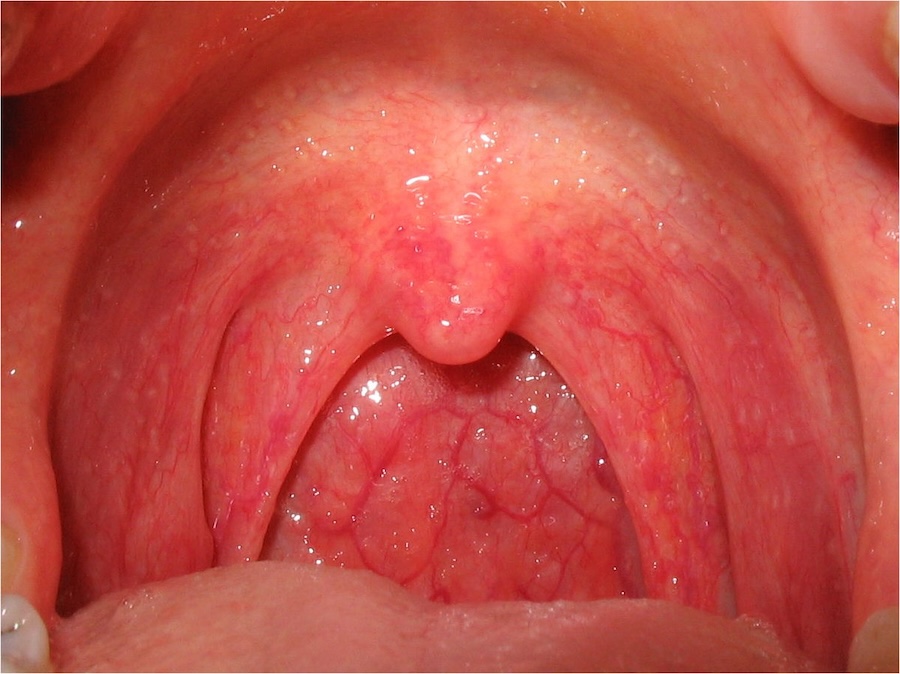
- Sore throat
- Tightness in the chest
Chronic bronchitis
This type of bronchitis is not caused by an infection and causes the following symptoms:
- Asthma-like symptoms
- Cough (usually dry and unproductive)
- Difficulty breathing
- Lethargy and tiredness
- Mucous from the lungs (sputum)
- Tightness in the chest
- Wheezing
Causes
Causes of bronchitis
Causes of acute bronchitis
Acute bronchitis is usually a short-term, severe infection of the upper respiratory tract (mainly the bronchi) and the main causes are:
- Bacteria and viruses that cause the common cold can also cause acute bronchitis (infectious bronchitis)
- Most commonly occurs in winter when there are more viruses in circulation
- Can sometimes be caused by inhalation of irritant chemicals, such as cleaning products, paints, solvents and other chemicals
Causes of chronic bronchitis
Chronic bronchitis is usually caused by non-infectious irritants to the lungs, which have been inhaled. Smoking is the main cause of this condition, but there are other irritants which can cause it. Any of the irritants below can cause bronchitis which normally occurs with longer term exposure, but some people with more sensitive lungs and bronchi may experience the condition after only a shorter term:
- Air pollution
- Asthma – untreated (or not properly treated) can develop into bronchitis
- Environmental chemicals
- Household cleaners
- Dust
- Smoking – the most common cause of chronic bronchitis
- Toxic gases
Prevention
Prevention of bronchitis
Acute bronchitis
The main way to prevent an acute bronchitis infection from developing is to avoid the bacteria or viruses that can cause the upper respiratory infection that progresses to an acute bronchitis infection.
Sometimes acute bronchitis can be caused by inhalation of irritant chemicals. The only way to prevent bronchitis causes by this, is to always wear protective breathing devices when handling toxic, irritant chemicals if you need to be around them, to avoid exposure to your lungs and prevent this type of acute bronchitis.
There are a number of risk factors for the development of acute bronchitis:
- Common cold (or flu) infection
- Excessive antibiotic usage
- Excessive fatigue (not enough rest and relaxation)
- Inhalation of chemical irritant
- Lowered immunity
- Vitamin A deficiency
Chronic bronchitis
The most common reason that causes chronic bronchitis is smoking. In order to prevent chronic bronchitis due to smoking, it is advisable to stop smoking.
Chronic bronchitis can also be caused by prolonged inhalation of irritant chemicals – the only way to prevent bronchitis causes by this, is to always wear protective breathing devices when handling toxic, irritant chemicals if you need to be around them, to avoid exposure to your lungs and prevent this type of chronic bronchitis.
Sometimes chronic bronchitis can occur when there has either been improper treatment (or none at all) for asthma. While asthma is not preventable, proper management of asthma is required to ensure it does not get worse.
There are a number of risk factors for the development of chronic bronchitis:
- Excessive antibiotic usage
- Exposure to pollution every day
- Improperly treated asthma
- Paint fumes – extended exposure
- Prolonged inhalation of chemical irritants
- Prolonged malnutrition
- Smoking cigarettes
- Using toxic household or industrial cleaners
Complications
Complications of bronchitis
Acute bronchitis
There are a number of possible serious complications that can occur as a result of an acute bronchial infection and although these serious complications can be rare, they do occur:
- Chronic bronchitis – repeated occurrences of acute bronchitis can results in chronic bronchitis, which is considered a chronic obstructive pulmonary disease (COPD), that can cause chronic obstruction of the airways in the lungs, which is generally considered to be permanent and worsens over time
- Pneumonia – if the acute bronchitis infection worsens, it can develop into the more serious infection condition pneumonia, which can occur due to the airway obstruction and the inability to cough out infected secretions of mucus. Pneumonia can be serious and life threatening, especially in babies, young children, older adults and anyone with any other condition
Chronic bronchitis
There are a number of possible serious complications that can occur as a result of severely chronic bronchitis:
- COPD – chronic obstructive pulmonary disease (COPD) can be caused when there is damage to the air passageways in the lungs due to chronic and severe bronchitis. COPD prevents normal breathing and is a leading cause of death due to respiratory failure, if the damage to the lungs is severe and widespread
- Emphysema – chronic bronchitis can develop into the serious lung condition emphysema, which can cause damage to the small air sacs (alveoli) in the lungs, prevent normal breathing and is a leading cause of death due to respiratory failure, if the damage to the lungs is severe and widespread
- Pneumonia – if the chronic bronchitis infection worsens, it can develop into the more serious infectious condition pneumonia, which can occur due to the airway obstruction and the inability to cough out infected secretions of mucus. Pneumonia can be serious and life threatening, especially in babies, young children, older adults and anyone with any other condition
Diagnosis
When to see a doctor about bronchitis
Acute bronchitis
People who have any of the symptoms associated with acute bronchitis (such as difficulty breathing and fever) should make an appointment to visit their doctor as soon as possible.
Anyone with a current acute bronchitis infection should see their doctor if their symptoms get worse or they develop new symptoms that were not present on initial diagnosis.
The following are signs that acute bronchitis may be getting worse:
- Fever that gets much worse
- Increased amount of mucous being coughed up that is dark yellow or green in colour and thicker than normal
- Pain in the chest when breathing in or out
- Shortness of breath
Chronic bronchitis
People who have been diagnosed with chronic bronchitis will need to see their doctor if they have any new symptoms, if their symptoms change in severity or if they have any side effects from their medication.
Chronic bronchitis needs to be managed properly to avoid any serious complications which may occur.
The following are signs that chronic bronchitis may be getting worse:
- Increased amount of mucous being coughed up that is dark yellow or green in colour and thicker than normal
- Pain in the chest when breathing in or out
- Severe difficulty in breathing at all
Diagnosis of bronchitis
Acute bronchitis
Acute bronchitis is diagnosed by the following:
- Medical history – your doctor will take notes on the duration and severity of symptoms and will order other tests as necessary
- Chest x-ray – to rule out pneumonia, which is a serious complication of acute bronchitis, if the infection has been particularly severe and the medical history of symptoms warrants it
- Phlegm sample – this test is sometimes (but not often) performed, to test the bacteria or virus in the sputum
Chronic bronchitis
Chronic bronchitis is diagnosed by the following:
- Medical history – your doctor will take notes on the duration and severity of symptoms and will order other tests as necessary
- Chest x-ray – to rule out pneumonia, which is a serious complication of chronic bronchitis, if the medical history of symptoms warrants it
- Oxygen saturation levels – this is a test to measure the amount of oxygen in the lungs to determine how much oxygen is getting to the blood cells in order to understand how inflamed and swollen the airways in the lungs, to ascertain the damage to the bronchi (and bronchiole)
- Phlegm sample – this test is sometimes (but not often) performed, to test the bacteria or virus in the sputum
- Spirometry test – this is a test to measure the volume of the lungs which is used in people who may have chronic bronchitis, to rule out or confirm asthma or even emphysema as an underlying factor causing the chronic bronchitis
Treatment
Conventional treatment of bronchitis
Acute bronchitis
The conventional treatment of acute bronchitis depends on the symptoms and especially on the severity of symptoms:
- Antibiotics – to clear up the existing bacterial infection which may have caused the bronchitis in the first place and to prevent further (bacterial) infection
- Cough suppressant – these medications help to reduce coughing and so reduce the irritation and inflammation of the lungs. Cough suppressants are usually recommended by most doctors for acute bronchitis and can be purchased without a prescription over the counter at pharmacies
- Fluids – ensuring the body is well hydrated helps the lungs clear more quickly and helps to reduce any fever present. Doctors usually recommend drinking more water and/or fruit juice to help hydrate the body better and especially to help the lungs improve through better hydration
- Humidifier – this is recommended to help moisten the dry and inflamed air passages and decrease lung irritation, which helps to assist breathing. A humidifier can contain either plain steam or with eucalyptus or tea tree oil
- Painkillers – drugs such as Paracetamol or other analgesics are recommended to relieve any fever and muscle aches and pains that may be present
- Rest – adequate rest allows the body to heal itself properly, so take it easy
- Smokers – are advised to stop smoking while an acute bronchitis infection is present (and to quit permanently)
- Steam inhalation – this works along the same principles as a humidifier, but care needs to be taken not to get burnt by the hot steam. Steam inhalation involves adding hot water into a bowl and breathing in the steam. Stay at least 30cm away from the level of the bowl and if it feels too hot, move away. Steam inhalation should not be done on young children and older children should be supervised by an adult
Chronic bronchitis
The conventional treatment of chronic bronchitis is to manage the symptoms present with this chronic disorder:
- Bronchodilators – this is a medication in a spray or pump form and it helps to open up the airways (bronchi) and reduce inflammation. Bronchodilators are usually only obtained by prescription from the doctor (although there are some which can be purchased over the counter at pharmacies). The best person who can advise on which bronchodilator is right for you, is your doctor
- Corticosteroids – these steroid medications may be prescribed for chronic bronchitis to help clear the lungs by reducing the inflammation, which makes breathing much easier
- Cough suppressant – these medications help to reduce coughing and so reduce the irritation and inflammation of the lungs. Cough suppressants are usually recommended by most doctors for acute bronchitis and can be purchased without a prescription over the counter at pharmacies
- Fluids – ensuring the body is well hydrated helps the lungs clear more quickly. Doctors usually recommend drinking more water and/or fruit juice to help hydrate the body better and especially to help the lungs improve through better hydration
- Humidifier – this is recommended to help moisten the dry and inflamed air passages and decrease lung irritation, which helps to assist breathing. A humidifier can contain either plain steam or with eucalyptus or tea tree oil
- Painkillers – drugs such as Paracetamol or other analgesics are recommended to relieve any fever and muscle aches and pains that may be present
- Rest – adequate rest allows the body to heal itself properly, so take it easy
- Stop smoking – are advised to stop smoking as it is the number one reason why people get chronic bronchitis. You should speak to your doctor about some strategies to help you quit smoking
- Steam inhalation – this works along the same principles as a humidifier, but care needs to be taken not to get burnt by the hot steam. Steam inhalation involves adding hot water into a bowl and breathing in the steam. Stay at least 30cm away from the level of the bowl and if it feels too hot, move away
Alternative
Alternative/complementary treatment of bronchitis
Acute bronchitis
Alternative / complementary treatment of acute bronchitis centres on reducing severity and duration of symptoms, enhancing immune system function and preventing further bronchial infection
Herbs
There are various herbs which help to clear up the lungs and reduce the symptoms of bronchitis more quickly. It is advisable to talk to a qualified herbalist who can create a liquid formula especially for you (it does not necessarily have to contain all of the herbs below, as everyone’s symptoms are different):
- Astragalus – the herb astragalus has anti-bacterial and anti-viral properties and stimulates the immune system into action to reduce severity and length of symptoms associated with acute bronchitis
- Echinacea – the herb echinacea has both anti-viral and anti-bacterial properties and studies show it prevents the onset of bronchitis in the first place, but also reduces symptoms in people with existing bronchitis as it assists the immune system the clear out the inflammation and other symptoms associated with bronchitis
- Elderflower – studies show that the herb elderflower has anti-bacterial and anti-viral properties, lowers fever, breaks up mucous and allows it to be expelled, plus it is useful in alleviating the other symptoms of bronchitis and reduces length of illness
- Ginger – either fresh or as a supplement, ginger acts to loosen and break up thick mucous, assisting with breathing
- Goldenseal – the herb goldenseal clears up congestion and alleviates inflammation. Goldenseal also decreases over-production of mucous and helps breathing
- Mullein – the herb mullein acts to break up mucous and soothes the lining of the bronchi, so helps with alleviation of inflammation
- Olive leaf – studies show olive leaf is a potent antioxidant herb which helps to reduce inflammation and severity of symptoms
- Thyme – the herb thyme has beneficial effects on the respiratory tract, loosening thick mucous to allow it to be expelled, decreasing congestion and enabling breathing to be normal
Minerals
Studies have shown that certain minerals may help reduce symptoms once bronchitis starts, prevent it from worsening or prevent this condition altogether
- Zinc – many studies show that the mineral zinc is a potent antioxidant which helps to relieve many of the symptoms associated with bronchitis and it also help to heal the lung tissue more quickly
Nutrients
Certain nutrients have a positive effect on bronchitis and can reduce symptoms
- Cod liver oil – this potent oil contains high levels of both vitamin A and vitamin D, which help to restore mucous membranes to normal healthy levels, assist with immunity and reduce any inflammation in the lungs
- Garlic – either as a supplement or fresh in cooking, garlic is great for reducing severity and duration of symptoms. Garlic has anti-bacterial and anti-viral properties, so is very beneficial for acute bronchitis
- N-acetyl-cysteine (NAC) – studies show that NAC loosens mucous, opens up the airways and makes breathing much easier, as well as alleviating other symptoms
- Omega 3 fatty acids – studies show that omega 3 fatty acids are useful in reducing the inflammation associated with any type of bronchitis. Studies also show that newborns who get adequate amounts of the essential omega 3 essential fatty acids EPA and DHA have a much lowered risk of developing bronchitis in their first twelve months of life
- Quercetin – studies show that people who eat foods high in quercetin develop less upper respiratory infections such as bronchitis
Nutrition
Certain foods should be limited (or eliminated) for the duration of the illness, while others should be increased:
- Artificial colours, flavours, preservatives – should be eliminated as they put more stress in the body and provide no real nutrition, when the body requires as much support from the diet as possible to help reduce symptoms
- Dairy foods – might produce more mucous and exacerbate some symptoms in some people. Higher fat dairy usually has more of an adverse effect and should be limited
- Fruit – eat good quality, preferably organic fruit (3-5 servings a day), as they have a lot of essential vitamins, minerals and are packed full of potent antioxidants which all help the body heal much more quickly from an acute bronchial infection
- Nuts – any type of nuts may be hard to eat (and also swallow) with a sore throat
- Soup – organic vegetable or organic chicken soup with plenty of vegetables is a great way to support the body to help it heal
- Vegetables – eat plenty of raw or steamed vegetables, which have a lot of essential vitamins, minerals and are packed full of potent antioxidants which all help the body heal much more quickly from an acute bronchial infection
- Water – keeping the body well hydrated is essential to help heal the inflamed bronchi and break up and expel thick mucous, plus keeping the mucous membranes well hydrated ensures they are healthy and are able to expel bacteria and viruses before they can cause infection. Aim to drink at least 8 glasses of water each day
Vitamins
Studies have shown that certain vitamins may help reduce symptoms once bronchitis starts, prevent it from worsening or prevent this condition altogether:
- Vitamin A – the antioxidant vitamin A is important to ensure the mucous membranes lining the bronchi are healthy and strong. Studies show that vitamin A is important in reducing symptoms of acute bronchitis by reducing inflammation of the bronchi
- Betacarotene – the vitamin betacarotene is the precursor to vitamin A, so it has the same properties. There is some controversy to using betacarotene if you drink or smoke or did in the past. To stay on the safe side, use vitamin A instead
- Vitamin C – studies show that vitamin C help to reduce the incidence of respiratory infections like bronchitis and it also assist with healing the mucous lining of the bronchi, thereby reducing inflammation and irritation
- Vitamin E – the antioxidant vitamin E has an important role in maintaining the immune system and helps to improve symptoms of existing bronchitis and protect against getting bronchitis in the first place
Chronic bronchitis
Alternative / complementary treatment of chronic bronchitis centres on improving lung function, reducing further damage to the lungs and reducing severity and duration of symptoms
Herbs
There are various herbs which help to clear up the lungs and reduce the symptoms of bronchitis more quickly. It is advisable to talk to a qualified herbalist who can create a liquid formula especially for you:
- Ginger – either fresh or as a supplement, ginger acts to loosen and break up thick mucous, assisting with breathing
- Goldenseal – the herb goldenseal clears up congestion and alleviates inflammation. Goldenseal also decreases over-production of mucous and helps breathing
- Mullein – the herb mullein acts to break up mucous and soothes the lining of the bronchi, so helps with alleviation of inflammation
- Olive leaf – studies show olive leaf is a potent antioxidant herb which helps to reduce inflammation and severity of symptoms
- Thyme – the herb thyme has beneficial effects on the respiratory tract, loosening thick mucous to allow it to be expelled, decreasing congestion and enabling breathing to be normal
Minerals
Studies have shown that certain minerals may help reduce symptoms once bronchitis starts, prevent it from worsening or prevent this condition altogether
- Zinc – many studies show that the mineral zinc is a potent antioxidant which helps to relieve many of the symptoms associated with bronchitis and it also help to heal the lung tissue more quickly
Nutrients
Certain nutrients have a positive effect on bronchitis and can reduce symptoms
- Cod liver oil – this potent oil contains high levels of both vitamin A and vitamin D, which help to restore mucous membranes to normal healthy levels, assist with immunity and reduce any inflammation in the lungs, so it is very beneficial for people with chronic bronchitis
- Coenzyme Q10 – studies have shown that levels of coenzyme Q10 seems to be quite low in people with chronic bronchitis and supplementation helps to improve oxygenation in the blood
- N-acetyl-cysteine (NAC) – studies show that NAC loosens mucous, opens up the airways and makes breathing much easier, as well as alleviating other symptoms
- Omega 3 fatty acids – studies show that omega 3 fatty acids are very useful in reducing the inflammation that is associated with chronic bronchitis and can help to improve lung function and reduce symptoms overall
Nutrition
People with chronic bronchitis have very special requirements to help support them through the duration of the illness, when symptoms are at their worst:
- Artificial colours, flavours, preservatives – should be eliminated as they put more stress in the body and provide no real nutrition, when the body requires as much support from the diet as possible to help reduce symptoms
- Dairy foods – might produce more mucous and exacerbate symptoms in some people. Higher fat dairy usually has more of an adverse effect and should be limited while symptoms are at their worst
- Fruit – eat good quality, preferably organic fruit (3-5 servings a day), as they have a lot of essential vitamins, minerals and are packed full of potent antioxidants which all help the body heal much more quickly from an acute bronchial infection
- Nuts – any type of nuts may be hard to eat (and also swallow) with a sore throat
- Soup – organic vegetable or organic chicken soup with plenty of vegetables is a great way to support the body to help it heal
- Vegetables – eat plenty of raw or steamed vegetables, which have a lot of essential vitamins, minerals and are packed full of potent antioxidants which all help the body heal much more quickly from an acute bronchial infection
- Water – keeping the body well hydrated is essential to help heal the inflamed bronchi and break up and expel thick mucous, plus keeping the mucous membranes well hydrated; aim to drink at least 8 glasses of water each day
Vitamins
Studies have shown that certain vitamins may help reduce symptoms once bronchitis starts, prevent it from worsening or prevent this condition altogether:
- Vitamin A – the antioxidant vitamin A is important to ensure the mucous membranes lining the bronchi are healthy and strong. Studies show that vitamin A is important in reducing symptoms of chronic bronchitis by reducing inflammation of the bronchi
- Betacarotene – the vitamin betacarotene is the precursor to vitamin A, so it has the same properties. There is some controversy to using betacarotene if you drink or smoke or did in the past. To stay on the safe side, use vitamin A instead
- Vitamin C – studies show that vitamin C help to reduce the incidence of respiratory infections like bronchitis and it also assist with healing the mucous lining of the bronchi, thereby reducing inflammation and irritation
- Vitamin E – the antioxidant vitamin E has an important role in maintaining the immune system and helps to improve symptoms of existing bronchitis in people with chronic bronchitis and protect against getting it in the first place
Always ensure that you notify your medical practitioner of any supplements that you want to take – it may interfere with other medication or conditions you have. Confirm with your doctor it is safe to take before you try it.
Self care
Living with bronchitis
Anyone who is living with either acute or chronic bronchitis, can manage their condition with the following strategies.
Acute bronchitis – self care strategies
- Avoid alcohol – this is because alcohol is a diuretic which can can cause extra fluid loss and dehydration and this is problematic in acute bronchitis, as the lungs need to be rehydrated with more fluids
- Avoid caffeine – this is because caffeine is a diuretic which can can cause extra fluid loss and dehydration and this is problematic in acute bronchitis, as the lungs need to be rehydrated with more fluids
- Drink fluids – you must maintain your fluid levels with plenty of water (around 8 glasses a day) or freshly squeezed juices, which can help provide the fluids to rehydrate the lung tissue
- Moist air – the congestion in your lungs may be broken up a little more quickly, so that you can cough it out and moisten the airways in your lungs, so that your breathing can be a little easier if you use a humidifier, have a warm shower (and leave the fan off), or a sink filled with warm water and a towel around your head
- Reduce fever and pain – you may be able to reduce any fever or body aches and pains with panadol, Acetimophen, ibuprofen or aspirin. People with any type of gastric (stomach) or intestinal disorder or anyone younger than 18 years should not take aspirin
- Rest – you need to rest if you have an acute bronchitis infection, to give your body enough energy to more effectively deal with the infection. Your doctor will let you know how long you need to rest, to give your body a better chance to fight off the infection much sooner
- Supplements – there are a number of useful supplements that may help to reduce severity and durating of respiratory infections such as bronchitis: zinc (this helps the body heal more quickly and effectively), vitamin A, vitamin C and vitamin E (these have very potent anxiodant properties which boost the immune system to help the body heal more quickly)
- Stop smoking – if you smoke, you need to at least reduce your intake for the duration of the acute bronchitis, as the cigarettes will just worsen your symptoms and may make breathing much more difficult
Chronic bronchitis – self care strategies
- Avoid alcohol – this is because alcohol is a diuretic which can can cause extra fluid loss and dehydration and this is problematic in chronic bronchitis, as the lungs need to be rehydrated with more fluids
- Avoid caffeine – this is because caffeine is a diuretic which can can cause extra fluid loss and dehydration and this is problematic in chronic bronchitis, as the lungs need to be rehydrated with more fluids
- Bronchodilators – you need to make sure that you are using your bronchodilator properly, whether it is a prescription or over-the-counter bronchodilator
- Drink fluids – you must maintain your fluid levels with plenty of water (around 8 glasses a day) or freshly squeezed juices, which can help provide the fluids to rehydrate the lung tissue
- Medication – your doctor may prescribe some medication (corticosteroids for the inflammation and painkiller for the pain), which you should taken as directed. If you experience any side effects from the medication, you must let your doctor know and you cant just suddenly stop taking the corticosteroid medication on your own, as it may cause a major worsening of symptoms. Your doctor needs to provide you with a tapering off strategy for reducing your intake of your medication until you are not taking any more (if that is your choice)
- Humidifier – you can try to break up the congestion in your lungs if you use some form of humidifier. A humidifier helps to moisten the airways in your lungs so that you can breath a little better. Even having a warm shower (but leave the fan off to create more steam) or filling a sink with hot water and having a towel over your head and inhaling the warm steam can also help to break up the congestion
- Stop smoking – if you smoke, you need to at least reduce your intake for the duration of the chronic bronchitis flare-up, as the cigarettes will just worsen your symptoms and may make breathing much more difficult
- Supplements – if you want to take some supplements, you need to confirm with your doctor that they will not cause an adverse reaction with any other medications (or health conditions) you have. The supplements most commonly advised for treating bronchitis are: zinc (this helps the body heal more quickly and effectively), vitamin A, vitamin C and vitamin E (these have very potent anxiodant properties which boost the immune system to help the body heal more quickly) and vitamin D (this is important for the health of the lungs). Exercise caution if you want to try betacarotene instead of vitamin A, as some studies show it can help cancer grow in people who used to or currently smoke/drink alcohol
Caring for someone with bronchitis
Partner
If your partner has acute or chronic bronchitis, there are some strategies you can use to help them recover more quickly:
- Allow your partner to rest – your partner’s condition (either acute or chronic bronchitis) will get better much more quickly if they can rest properly, so it may be up to you to take care of the household duties such as cooking, while your partner recovers
- Don’t smoke – your partner will be adversely affected by your cigarette smoke, so make sure you do not smoke anywhere near them as it may cause them to cough more, make their breathing difficult and possible cause them some distress
- Medication – you should try to make sure your partner is taking their medication as prescribed, especially if they have a fever or are feeling too sick to manage it themselves
- Moist air – encourage your partner to moisten the airways in their lungs by having a humidifier in the home, or get them to have a shower (with the fan off to generate more steam) or even fill a sink with hot water and get your partner to stand over it with a towel over their head and breathe in the steam. All of these strategies will help break up the some of the congestion in their lungs, which will help them breathe more easily
- Provide fluids to your partner – your partner needs lots of fluids, so you could get them a glass of water or juice every few hours, to make sure they are drinking enough fluids to rehydrate their lungs and mucous membranes. This is especially important if your partner is laying down resting – it is much easier if you can provide their fluids to them so they can rest more
Friends
If your friend has acute or chronic bronchitis, there are some strategies you can use to help them:
- Don’t smoke – your friend will be adversely affected by your cigarette smoke, so if you are going to see them, make sure you do not smoke anywhere near them as it may cause them to cough more, make their breathing difficult and possible cause them some distress
Parents
If your child has acute or chronic bronchitis, there are some strategies you can use to help them recover more quickly:
- Allow your child to rest – your child’s condition (either acute or chronic bronchitis) will get better much more quickly if they can rest properly, so you should ensure they stay in bed and rest so they can recover
- Don’t smoke – you must not smoke anywhere near your child, so that they can inhale your smoke, whether your child has acute or chronic bronchitis, as your cigarette smoke will make it more difficult for your child to breath, cause them to cough and wheeze and this may cause your child to be distressed
- Inform the school – you need to inform your child’s school of their absence as recommended by your doctor and speak to their teachers about any school work they may be missing
- Medication – you should try to make sure your child is taking their medication as prescribed, especially if they have a fever, are too young, or feeling too sick to manage it themselves. You should avoid giving over-the-counter cough suppressants to children as studies show they do not provide any relief from cough symptoms
- Moist air – encourage your child to moisten the airways in their lungs by having a humidifier in the home, or get them to have a shower (with the fan off to generate more steam) or even fill a sink with hot water and get your partner to stand over it with a towel over their head and breathe in the steam – ensure the water is not too hot and watch over your child to make sure they do not get too close to the hot water and burn themselves. All of these strategies will help break up the some of the congestion in their lungs, which will help them breathe more easily
- Provide fluids to your child – your child needs lots of fluids, so you could get them a glass of water or juice every 1-2 hours, to make sure they are drinking enough fluids to rehydrate their lungs and mucous membranes. This is especially important if your child is laying down resting – it is much easier if you can provide their fluids to them so they can rest more
References
References
Last reviewed and updated: 14 May 2024