


Facts
What is mesothelioma
Mesothelioma is a rare, malignant cancer of the mesothelial cells. This cancer is almost always found in people who have had some type of exposure to asbestos particles which have been inhaled or digested.
Asbestos is a mineral which used to be mined in Australia and other countries due to its insulating and fire-retardant properties. It was used everywhere that was required to be able to withstand fire or provide insulation – fireplaces, fireman’s uniform, furnaces, building materials (floors, roofs, tiles, walls). Asbestos was used quite extensively in the past, but it is not allowed to be mined, used or exported into Australia any longer, due to the known and adverse health risks it causes.
Mesothelioma can develop in the lining of the mesothelial cells in the body. The mesothelial cells are found in the following areas of the body:
- Pleural lining of the lungs – malignant pleural mesothelioma (MPM) is a highly aggressive cancer of the pleura (lining of the lungs) and is the most common type of mesothelioma
- Peritoneum around the abdominal organs – malignant peritoneal mesothelioma acounts for about 15-20% of all mesothelioma cases
The stages of malignant mesothelioma is divided into two groups:
- Stage I – Localised malignant mesothelioma – found only in a specific area (or areas) and has not spread to surrounding areas
- Stage II, stage III, and stage IV – Advanced malignant mesothelioma – the cancer has spread to other areas such as the heart, chest wall and lymph nodes. In stage IV the cancer has spread all over the body
Facts about mesothelioma
- While mesothelioma is a very rare cancer, its level of occurrence is too high in Australia in comparison to many other countries
- Asbestos is the usual cause of mesothelioma (very rarely it is caused by other factors)
- Asbestos no longer mined or processed in Australia nor is it allowed to be imported into Australia because of the known health risks
- Most people who develop mesothelioma have had heavier and long term exposure to asbestos
- A small percentage of people that develop mesothelioma have only had brief exposure to asbestos
- Mesothelioma is more common in men than in women
- Mesothelioma is usually diagnosed after age 50, it is very rare in younger people
- There is a type of non-cancerous mesothelioma that can develop in the pleura or the lining of the reproductive organs, but is more rare than the cancerous type
- Mesothelioma is most often diagnosed in the pleura, which is where it is related to inhaled asbestos fibre particles, as these are implicated in its development
- Family members of people who worked with asbestos may also be at risk of developing mesothelioma if they were exposed to the asbestos dust that was on the clothes, skin or hair of the asbestos worker
- Incidence of mesothelioma and other asbestos-related disease is expected to start peaking about 30-50 years after the period when asbestos was used really extensively all around the world in construction and building (in the 1960’s and 1970’s)
Symptoms
Symptoms of mesothelioma
The symptoms of mesothelioma depend on which part of the body the condition occurs, whether in the pleura or the peritoneum of the abdomen.
Pleural mesothelioma
Mesothelioma that occurs in the pleura of the lungs has the following symptoms:
- Chest pain
- Difficulty breathing
- Dry cough
- Fluid build-up in the lungs
- Hoarseness
- Pain under the rib cage
- Shortness of breath
- Wheezing
Peritoneal mesothelioma
Mesothelioma that occurs in the peritoneum of the abdomen has the following symptoms:
Causes
Causes of mesothelioma
Asbestos
Most cases (up to around 90%) of the underlying cause of developing mesothelioma is exposure to asbestos.
There are currently two large clinical trials being conducted to try to find out more about the causes of mesothelioma and the role of asbestos in the development of this rare cancer. These studies are:
- Early Diagnosis of Lung Cancer and Mesothelioma in Prior Asbestos Workers
- Biomarkers to Detect Mesothelioma Early in Patients Exposed to Asbestos or Vermiculite
Tremolite asbestos and fibrous erionite
A number of studies have shown that people in the Mediterranean regions of Corsica, Cyprus, Greece, Turkey as well as New Caledonian in the Pacific have all experienced epidemics of malignant mesothelioma due to non-occupational, “domestic” exposure to tremolite asbestos and fibrous erionite. The tremolite asbestos and fibrous erionite occur naturally in the soil in these areas (“white soil”) which people have been using for whitewashing their houses and this is how they have been exposed to these substances.
Unknown
Approximately 10% of all cases of mesothelioma are due to unknown reasons, which means that the patient has not had any known exposure to asbestos and no other known carcinogen to trigger to development of the mesothelioma.
Prevention
Prevention of mesothelioma
Non-preventable risk factors
Mesothelioma may be unpreventable in certain circumstances:
- Brief exposure to asbestos – some people who have any type of exposure to asbestos, be it brief, can also develop mesothelioma
- Construction workers – asbestos was previously used in extensively in building and construction materials which constructions workers were exposed to. Today, most construction materials containing asbestos are used on a commercial basis and are installed under conditions regulated by OH&S
- Electricians – anyone who worked in construction work has been exposed to asbestos fibres, including people who worked as electricians who would also have had exposure to asbestos in the insulated pipes
- Family members of asbestos workers – people who live with an asbestos worker are also at risk of developing mesothelioma, because of the asbestos fibres that may be on the clothes, skin and hair of the asbestos worker when they come home after work and are still wearing their uniform. Partners of asbestos workers may also be exposed when they are laundering their partner’s uniform
- Plumbers – water and other pipes were insulated with asbestos and plumbers working with installation and fixing pipes have all had some exposure to asbestos fibres
- Working with asbestos – people who previously worked with asbestos have an extremely high risk of developing mesothelioma, much higher than people who have never worked with it
Preventable risk factors
There may be ways to prevent mesothelioma from occurring:
- Asbestos workers who smoke – people who worked with asbestos and also smoked cigarettes have much greater risk of developing mesothelioma than asbestos workers who did not smoke
- Avoid exposure – the best way to prevent malignant mesothelioma is to avoid all exposure to asbestos, either in the work place or at home
- Don’t smoke – asbestos workers who also smoke cigarettes have a much higher risk of developing mesothelioma than asbestos workers who do not smoke cigarettes, so it is really advisable to give up smoking (yet another reason)
- Don’t touch possible asbestos fibres – if there are any building materials that are crumbling or broken, especially anything that is insulated or fire-resistant, do not touch them as that will make asbestos fibres active and easily inhalable. Call an asbestos removalist to remove it appropriately or to make it inert again
- Proper precautions – people who work with any materials that contain asbestos fibres need to follow certain protocols to protect themselves and to prevent taking the asbestos fibres home to their families who may be then exposed too. Some of the precautions include: wearing proper protective clothing and masks, as well as showering at work before leaving to come home
Complications
Complications of mesothelioma
Mesothelioma is a fatal condition, but there are a number of serious complications that can occur during disease progression:
Collapse of the lungs (pneumothorax)
The malignant pleural mesothelioma may cause an accumulation of air inside the pleural cavity which can occur due to the malignant growths in the pleural cavity and in the lungs, which causes the pressure in the pleural cavity to change and this can result in one or both lungs collapsing.
Metastasis to other parts of the body
In very severe cases of mesothelioma, when the disease has progressed to an advanced stage, it can cause the cancer cells to spread to other parts of the body, creating malignant tumours all over the body and this is ultimately fatal.
Pleural effusion
People with mesothelioma can experience an excessive build-up of liquids in the pleural cavity particularly in between two of the membranes that surround the lungs and this can cause difficulty in breathing. The pleural effusion occurs due to the inflammation in the lungs and also due to pressure of the malignant tumours.
Respiratory failure
If the mesothelial cells of the pleural lining have been affected by mesothelioma, a worsening of the condition can cause respiratory failure when the lungs are unable to function properly because of the malignant tumours inside and outside the lungs that are obstruction the lungs function and restrict the airways.
Diagnosis
When to see a doctor about mesothelioma
People who suspect they have been exposed to asbestos fibres during their work (construction workers especially) who are in one of the risk factors for developing mesothelioma and who develop symptoms of mesothelioma should visit their doctor to undertake diagnosis of this condition and be recommended appropriate treatment for relief of symptoms.
People who have already been diagnosed with mesothelioma need to ensure that they understand their treatment options and to attend all follow-up appointments. In particular, if any side effects of treatment are experienced, these need to be identified so that the doctor/specialist can try to possibly minimise these.
Any worsening of symptoms or experience of new symptoms must be reported to the doctor/specialist as this could signify worsening of the condition and there may be need to adjust treatment.
Diagnosis of mesothelioma
Mesothelioma is initially diagnosed by a doctor through the following methods:
- History of symptoms – the doctor will ask a series of questions about the severity and duration of symptoms, when they started and how often they occur. Your doctor will also ask about past exposure to asbestos
- Physical examination – to check for any symptoms of the disease (and their severity). This includes blood pressure check, listening to the lungs with a stethoscope and examining the abdominal area for pain
- Blood test – a blood test will be requested to test the blood for the levels of red and white blood cell counts to determine if they are at normal levels
Further tests
If further tests are warranted, the following may be requested:
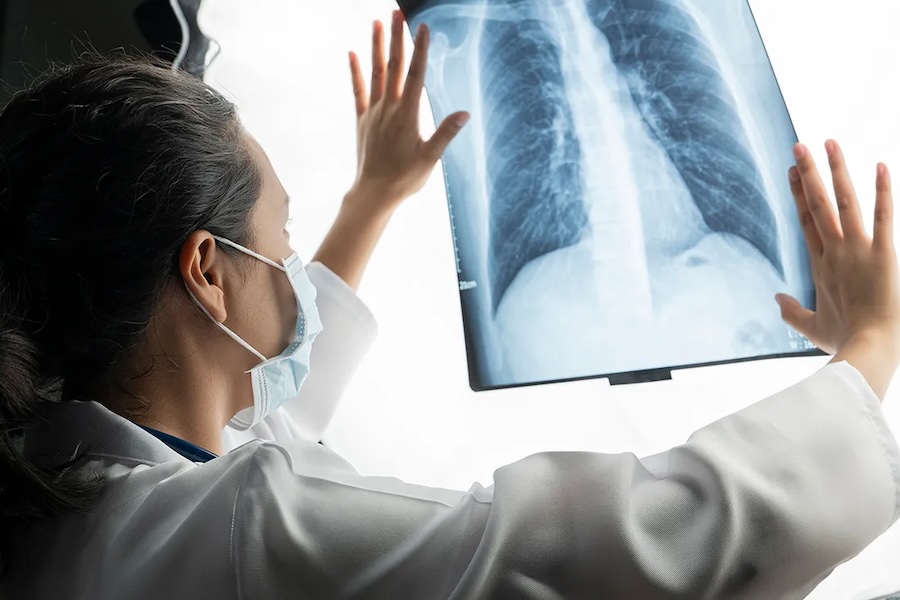
- Chest x-ray – to review the chest for symptoms of the disease
- Cytological exam – fluid from the lining around the lungs or abdomen are removed to test for signs of malignancy
Tests for suspected malignancy
If malignancy is suspected, then the following test will be done to confirm it:
- Biopsy – some of the cells of the suspected area of malignancy are removed to test them under a microscope for signs of the cancer (there are various procedures which are used to take some of the suspected malignant cells); this test is normally performed once x-ray and other tests confirm suspicious areas in either the lungs or abdomen
Treatment
Conventional treatment of mesothelioma
Certain factors affect the treatment and chances of recovery (and even survival) of mesothelioma:
- If the tumour can be removed by surgical means
- Patient age and health
- Newly diagnosed cancer or recurrent one
- Stage of the cancer
- Size of the tumour
- Type and health of mesotheliomal cells (which have been reviewed under a microscope)
- Whether the cancer has spread to other cells, tissues or organs in the body
Standard treatment
- Chemotherapy – drugs which kill cancer cells are either injected or swallowed. More than one type of anti-cancer drug can be used and the types of drugs used depends on the stage and type of mesothelioma being treated
- Radiation therapy – high energy x-rays or other radiation is used to kill cancer cells. The type of radiation therapy used depends on the stage and type of mesothelioma being treated
- Surgery – to remove the cancer cells and even some of the surrounding healthy cells. Surgery is normally done in conjunction with either chemotherapy or radiation therapy, depending on the stage of the mesothelioma and where it is located
Experimental treatment
- Biotherapy/Immunotherapy – certain biological agents are used that boost the body’s immune system to fight off the mesothelioma. Since this is only experimental therapy, it means that the results of this type of treatment cannot be confirmed as having the most positive outcome and should be considered carefully – all cancer clinical trials in the USA
Alternative
Alternative/complementary treatment of mesothelioma
People who have mesothelioma must talk to their doctor about any alternative / complementary strategies that they are thinking about undertaking, before doing so. Your doctor will be in the best position to advise you if these strategies will help you. Vitamins, herbs, minerals and other nutrients can have major adverse effects if taken in combination with some medications – so always be careful and ask before taking them.
Use these strategies here as a guide and work with your doctor (and possibly alternative health specialist) to find the best combination of medication and alternative/complementary therapy that can work the best for you.
At present, there is no cure for mesothelioma
Herbs
There are a number of excellent herbs which may help to provide relief for symptoms:
- Echinacea – the herb echinacea assists the immune system to stimulate it to work more effectively at fighting off illness and infection. Check with your doctor if this herb is suitable for you
- Olive leaf – the potent mediterranean herb olive leaf is an anti-viral herb which has a supportive effect on the immune system. Check with your doctor if this herb is suitable for you
Vitamins
There are a number of vitamins which may help to provide relief for symptoms:
- Bioflavonoids – the antioxidant effects of the bioflavonoids work best in conjunction with vitamin C to provide a huge boost to the immune system, to help it function more effectively in ridding the body of free radical, viruses and bacteria and ensuring the cells in the body are healthy and normal
- Vitamin A – the antioxidant effect of vitamin A is needed to boost the function of the immune system to help it rid the body of free radicals, viruses and bacteria and ensuring the cells in the body are healthy and normal . Vitamin A is also needed to ensure the mucous membranes are supple, moist and healthy and this is important for people with mesothelioma
- Vitamin B3 – the antioxidant vitamin B3 (niacin) helps to provide a boost to the immune system to get rid of free radicals that are released from any activity in the cells. In addition to this, vitamin B3 (niacin) helps to reduce the toxicity of chemotherapy medications
- Vitamin C – the antioxidant effect of vitamin C works best in conjunction with the bioflavonoids to provide a huge boost to the immune system, to help it function more effectively in ridding the body of free radicals, viruses and bacteria and ensuring the cells in the body are healthy and normal. In addition to this, vitamin C helps to reduce the toxicity of chemotherapy medications
- Vitamin D – the hormone vitamin D is needed by the immune system for it to function properly. In addition to this, vitamin D is very effective helping the body uptake the benefits of the chemotherapy medication Thiotepa for mesothelioma in the lungs, by increasing the amount of cancer cells that are killed off
- Vitamin E – the antioxidant effect of vitamin E works to improve the function of the immune system, to help it function more effectively in ridding the body of free radicals, viruses and bacteria and ensuring the cells in the body are healthy and normal. Animal studies show that vitamin E help to kills off cancer cells in mice with malignant mesothelioma. In addition to this, vitamin E helps the chemotherapy/radiotherapy drugs kill off more of the cancer cells and it also helps to reduce the toxicity of the chemotherapy medications
- Vitamin K – it is important to have adequate intake of vitamin K as it help the blood clot properly and this is important when there are any injuries in the body. People who have surgery to remove the tumour may need extra vitamin K to help their body heal more quickly – discuss supplementation with your doctor prior to surgery. In addition to this, vitamin K, in conjunction with vitamin C, helps to kill tumour cells
Minerals
There are a number of minerals which may help to provide relief for symptoms:
- Calcium – the mineral calcium is very effective helping the body uptake the benefits of the chemotherapy medication Thiotepa for mesothelioma in the lungs, by increasing the amount of cancer cells that are killed off
- Selenium – the potent antioxidant mineral selenium helps the immune system function more effectively and may be a useful adjunct to conventional therapy to help boost white blood cell function in fighting the spread of the tumour. In addition to this, selenium helps to reduce the toxicity of chemotherapy medications
- Zinc – the antioxidant mineral zinc has excellent healing properties. It provides a boost to the body to heal more quickly from any infection, illness or injury because it greatly boosts the function of the white blood cells and the immune system
Other nutrients
There are a number of other nutrients which may help to provide relief for symptoms:
- Coenzyme Q10 – the nutrient co-enzyme q10 is vital in helping the body produce and use energy within the cells more effectively. In addition to this, coenzyme Q10 helps to reduce the toxic side effects of chemotherapy medications
- Cysteine – the non-essential amino acid cysteine is beneficial for providing protection to the liver, brain and lining of the stomach. In addition to this, cysteine (in the form of -acetyl cysteine) specifically helps to protect the kidneys against damage from some chemotherapy drugs but it also helps to prevent side effects from chemotherapy and radiation therapy in general
- Fish oil – the omega-3 fatty acids in fish oil are beneficial in reducing inflammation in the body from all causes. People with mesothelioma have inflamed cells due to the malignant growth and so the omega-3 fatty acids may assist with reducing the inflammation. In addition to this, omega-3 fatty acids help to increase the effectiveness of the chemotherapy drugs and radiation therapy in killing off the cancer cells
- Glutathione – the powerful antioxidant amino acid-like substance glutathione is very effective in detoxifying harmful compounds in the liver which provides a protective effect on the body in general from the chemotherapy and radiotherapy medications. In addition to this, glutathione helps to specifically protect the kidneys against damage from some chemotherapy drugs
- Lipoic acid – the potent antioxidant lipoic acid help to boost the function of the other antioxidants. In addition to this, lipoic acid helps to reduce the toxic side effects of chemotherapy medications
- Pancreatic enzymes – there are a number of pancreatic enzymes which are useful in enabling proper digestion and absorption of food, which is really important in people who have mesothelioma (and any form of cancer) as proper nutrition becomes a huge issue for cancer patients. In addition to this, the pancreatic enzymes help the chemotherapy drugs (any type) to kill off the cancer cells more efficiently and improve survival
Dietary modifications
There are a number of dietary modification strategies which may help to provide relief for symptoms:
- Garlic, onions and ginger – fresh garlic and ginger especially, but also onions have potent anti-viral effects, provide a huge boost to the immune system and ensure that circulation is normal
- More fruit – the darker and more richer the colour, the more antioxidants the fruit contains and the more nutrients it provides. Only eat organic fruit from local farms as that will be the freshest and have the most nutrients
- More vegetables – the darker and more richer the colour, the more antioxidants the vegetable contains and the more nutrients it provides. Eat lots of dark green leafy vegetables in a salad every day to get the most nutrients (unless advised against this). Only eat organic vegetables from local farms as that will be the freshest and have the most nutrients
Lifestyle modifications
There are a number of lifestyle modifications which may help to provide relief for symptoms:
- Don’t smoke – people with any form of mesothelioma must not smoke, especially if they have the lung form, as that will only make symptoms worse, progress the condition more quickly and make breathing even harder. People who do not smoke but live with smokers should endeavour not to be exposed to any second-hand smoke at all
- Exercise – some light exercise is beneficial every day. Exercise such as walking is gentle and can be handled by most people with mesothelioma
- Meditation – studies show that meditation not only improves mental function, but it can also help to boost and improve immune system function, which is very beneficial in people with any type of malignant condition
Alternative treatments
- Naturopath – a naturopath, in conjunction with the medical specialists (including oncologists) can be a good combination of therapies, as long as all are aware the medications you are taking in order to tailor an alternative plan with specific supplements to help reduce toxicity of the chemotherapy medications and to boost their function in killing the cancer cells
Always ensure that you notify your medical practitioner of any supplements that you want to take – it may interfere with other medication or conditions you have. Confirm with your doctor it is safe to take before you try it.
Self care
Living with mesothelioma
Self care strategies
There are a number of strategies which are recommended to help deal with mesothelioma:
- Avoid processed foods – any type of processed foods have little to no nutritional benefits for the body and most are loaded with sugar, salt and artificial additives, which put a burden on the liver to detoxify from these chemicals. People with mesothelioma already have a body in distress, so eating processed foods adds to the burden on the liver, which may not be able to cope. Get rid of all processed foods from the diet
- Avoid yeast and foods made with yeast – studies show that the polysaccharide Zymosan, which occurs in the cell wall of yeast may help to stimulate tumour cell growth. Foods commonly made with yeast are: bread, beer, cakes, biscuits. There are many breads made with sour dough so these should be chosen instead
- Don’t smoke – people with any form of mesothelioma must not smoke, especially if they have the lung form, as that will only make symptoms worse, progress the condition more quickly and make breathing even harder. People who do not smoke but live with smokers should endeavour not to be exposed to any second-hand smoke at all
- Limit sugar intake – sugar provides the energy for the cancer cells to grow and should be restricted. Sugar itself is not a problem. The issue is that sugar is quickly converted into glucose, which is the basic form of energy for the body cells and if the cancer cells get access to too much glucose, they are likely to grow more quickly and spread further
- Meditation – more and more studies are showing that meditation not only improves mental function, but it can also help to boost and improve immune system function, which is very beneficial in people with any type of malignant condition
- Organic food – try to eat food which is organic (or has not been sprayed with toxic chemicals) fruit, vegetables, seeds and nuts that has been grown locally, as that means it will be freshest and have more of the nutrients intact. Organic food in general, puts less of a load on the liver, to detoxify the body from the chemicals used in foods grown without chemicals. People with mesothelioma (or any form of malignancy) need to get the most nutrients with the least chemicals to provide the most benefits
- Supplements – consult with your doctor if you want to take any types of supplements to either reduce the toxicity of the chemotherapy medications and radiotherapy or to boost the function of those medications in helping them kill off more of the malignant cells and improve survival. Today, more and more hospitals and doctors are willing to provide vitamins/minerals and other nutrients as part of the treatment options to help reduce toxicity of the medications and to also help boost the function of the medications
Caring for someone with mesothelioma
Partner
There are a number of strategies you can use to help a partner who has mesothelioma:
- Don’t smoke – it is not beneficial for your partner if you smoke cigarettes, which are an irritant. If you need to smoke, do so outside and not anywhere near your partner
- Provide fluids – it is important for your partner to be drinking enough water, diluted fruit juice or herbal tea to keep the body well hydrated
- Support – your partner will need a lot of care and support from all their family and friends, so if you can provide some support when you are able to, it will benefit them and make them feel less isolated and alone
Friends
There are a number of strategies you can use to help a friend who has mesothelioma:
- Don’t smoke – it is not beneficial for your friend if you smoke cigarettes, which are an irritant. If you need to smoke, do so outside and not anywhere near your friend
- Support – your friend will need a lot of care and support from all their friends and family, so if you can provide some support when you are able to, it will benefit them and make them feel less isolated and alone
Family
There are a number of strategies you can use to help a family member who has mesothelioma:
- Don’t smoke – it is not beneficial for your family member if you smoke cigarettes, which are an irritant. If you need to smoke, do so outside and not anywhere near your partner
- Support – your family member will need a lot of care and support from all their friends and family, so if you can provide some support when you are able to, it will benefit them and make them feel less isolated and alone
References
References
- Bégin R, Christman JW. Detailed occupational history: the cornerstone in diagnosis of asbestos-related lung disease. Am J Respir Crit Care Med. 2001 Mar;163(3 Pt 1):598-9. Accessed 15 December 2009
- Constantopoulos SH. Environmental mesothelioma associated with tremolite asbestos: lessons from the experiences of Turkey, Greece, Corsica, New Caledonia and Cyprus. Regul Toxicol Pharmacol. 2008 Oct;52(1 Suppl):S110-5. Epub 2007 Nov 13
- Hatfield DL, Gladyshev VN. The Outcome of Selenium and Vitamin E Cancer Prevention Trial (SELECT) reveals the need for better understanding of selenium biology. Mol Interv. 2009 Feb;9(1):18-21
- Heederik D, Attfield M. Characterization of dust exposure for the study of chronic occupational lung disease: a comparison of different exposure assessment strategies. Am J Epidemiol. 2000 May 15;151(10):982-90
- Ireland DJ, Kissick HT, Beilharz MW. Alpha-Tocopheryl succinate: toxicity and lack of anti-tumour activity in immuno-competent mice. Food Chem Toxicol. 2008 Feb;46(2):508-12. Epub 2007 Aug 29
- Järvinen K, Pietarinen-Runtti P, Linnainmaa K, Raivio KO, Krejsa CM, Kavanagh T, Kinnula VL. Antioxidant defense mechanisms of human mesothelioma and lung adenocarcinoma cells. Am J Physiol Lung Cell Mol Physiol. 2000 Apr;278(4):L696-702
- Kahlos K, Anttila S, Asikainen T, Kinnula K, Raivio KO, Mattson K, Linnainmaa K, Kinnula VL. Manganese superoxide dismutase in healthy human pleural mesothelium and in malignant pleural mesothelioma. Am J Respir Cell Mol Biol. 1998 Apr;18(4):570-80
- Kinnula VL, Linnala A, Viitala E, Linnainmaa K, Virtanen I. Tenascin and fibronectin expression in human mesothelial cells and pleural mesothelioma cell-line cells. Am J Respir Cell Mol Biol. 1998 Sep;19(3):445-52
- Kasseyet S, Astoul P, Boutin C. Results of a phase II trial of combined chemotherapy for patients with diffuse malignant mesothelioma of the pleura. Cancer. 1999 Apr 15;85(8):1740-9
- Lee SF, O’Connor MM, Chapman Y, Hamilton V, Francis K. A very public death: dying of mesothelioma and asbestos-related lung cancer (M/ARLC) in the Latrobe Valley, Victoria, Australia. Rural Remote Health. 2009 Jul-Sep;9(3):1183. Epub 2009 Aug 25
- Muscat JE, Huncharek M. Dietary intake and the risk of malignant mesothelioma. Br J Cancer. 1996 May;73(9):1122-5
- O’Reilly KM, Mclaughlin AM, Beckett WS, Sime PJ. Asbestos-related lung disease. Am Fam Physician. 2007 Mar 1;75(5):683-8. Accessed 15 December 2009
- Osiecki H. The Physicans Handbook of Clininical Nutrition, 6th Edition. Bioconcepts Publishing QLD, 2001
- Osman E, Hasan B, Meral U, Ercan A, Mehmet T, Nazan B, Ayhan O, Erhan E, Oner D. Recent discovery of an old disease: malignant pleural mesothelioma in a village in south-east Turkey. Respirology. 2007 May;12(3):448-51
- Post WK, Heederik D, Kromhout H, Kromhout D. Occupational exposures estimated by a population specific job exposure matrix and 25 year incidence rate of chronic nonspecific lung disease (CNSLD): the Zutphen Study. Eur Respir J. 1994 Jun;7(6):1048-55
- Tomasetti M, Amati M, Santarelli L, Alleva R, Neuzil J. Malignant mesothelioma: biology, diagnosis and therapeutic approaches. Curr Mol Pharmacol. 2009 Jun;2(2):190-206
- Tratter R, Jones A. Better Health Through Natural Healing: How to Get Well Without Drugs or Surgery, 2nd Edition. McGraw Hill, 2001
- Van Cleemput J, De Raeve H, Verschakelen J, Nemery B. The “gold standard” for past asbestos exposure. Am J Respir Crit Care Med. 2002 Jan 1;165(1):134
- Wambi CO, Sanzari JK, Sayers CM, Nuth M, Zhou Z, Davis J, Finnberg N, Lewis-Wambi JS, Ware JH, El-Deiry WS, Kennedy AR. Protective effects of dietary antioxidants on proton total-body irradiation-mediated hematopoietic cell and animal survival. Radiat Res. 2009 Aug;172(2):175-86
Last reviewed and updated: 14 May 2024

