Facts
What is scurvy
Scurvy is a condition which develops when there is not enough intake of vitamin C (or ascorbic acid) in the diet for a long time, from severe vitamin C deficiency.
Vitamin C is necessary to maintain proper skin, bone and teeth tissue through the production of collagen the connective tissue that keeps all the tissues in place. It helps the body absorb iron better (especially non-haeme iron) and to help wounds heal properly.
Sea sailors who voyaged for months on the open seas were prone to developing scurvy, but at the time, they didn’t know what caused the debilitating symptoms and finally the death that occurred.
Dr James Lind was the naval physician who first discovered and proved that eating citrus fruits cured scurvy in the late 1700’s (the concept of vitamins was not yet known at that time, so it was not realised that it was the vitamin C in the citrus fruits that prevented scurvy).
Facts about scurvy
- Scurvy is one of the oldest known vitamin deficiency disorders
- Untreated and severe scurvy can ultimately cause death
- Getting enough fruits and vegetables in the diet every day is enough to prevent scurvy
- Scurvy is due to a deficiency of vitamin C, an important antioxidant vitamins
- Over 200 years ago, sailors going on long journeys would often develop scurvy as they had no access to any fruit on these sea voyages
- Older people, especially those in nursing homes or who do not eat properly, are often prone to developing scurvy in Western countries today
- Scurvy may be more prevalent in Western countries than previously thought, especially in people of lower socioeconomic backgrounds and the homeless
- The body cannot make its own vitamin C so dietary intake is needed every day
- Many animals can make their own vitamin C in their body and do not need to get in their diet in the same levels as humans
Symptoms
Symptoms of scurvy
Initial and general symptoms of scurvy
- Bruising easily
- Dry skin and hair
- Gingivitis (gum disease)
- Lethargy
- Slow healing wounds
Later and more serious symptoms of scurvy
- Anaemia
- Bleeding into muscles and joints, causing pain
- Muscle and joint pain
- Weakness
Causes
Causes of scurvy
Scurvy is caused by a lack of adequate vitamin C in the diet, which causes a deficiency. This can especially occur if the lack of intake of vitamin C is over many weeks or months.
Humans cannot metabolise (make their own) vitamin C in the body from other nutrients, so must get it from the diet in the form of fruits and vegetables (which have the highest levels).
Prevention
Prevention of scurvy
Non-preventable risk factors
Scurvy may be unpreventable in certain circumstances:
- Inability to absorb vitamin C from food – there are very rare instances where people may have an inability to properly digest and absorb the vitamin C in foods eaten. This would only occur in people who are very old and have some sort of serious degenerative illness
Preventable risk factors
There are ways to prevent scurvy from occurring:
- Adequate of foods high in vitamin C – the only way to prevent scurvy from occurring is to get an adequate intake of foods high in vitamin C every day. The foods highest in vitamin C are: rosehip, acerola, red peppers, native Australian fruits and citrus fruits. Today, very few people in Australia (and other developed countries) are at risk for developing scurvy. The only people who are at risk are:
- Older people who may not be eating properly and not getting enough vitamin C in their diet
- People who are malnutritioned are not enough enough to get any of the nutrients in their diet
Complications
Complications of scurvy
There are a number of complications of scurvy some of which are very serious:
- Anaemia – when there is a lack of vitamin C in the diet, it makes it very difficult for the body to properly absorb the iron in food, especially the non-meat forms of iron and this can lead to anaemia. If the lack of vitamin C is severe enough, the anaemia can be severe enough to cause serious ill health and even death
- Gingivitis – a less serious, but annoying complication of scurvy are bleeding gums, which is due to gingivitis. In addition to this, gingivitis is implicated in heart disease, which is very serious
Diagnosis
When to see a doctor about scurvy
People who have any of the symptoms of scurvy need to make an appointment to see their doctor who can diagnose this condition (or rule it out) and prescribe appropriate treatment to relieve symptoms.
People who have been diagnosed with rosacea need to see their doctor if:
- Their symptoms suddenly get worse and none of the medications or other strategies to alleviate symptoms are effective
- They experience different symptoms to the ones they normally experience
Diagnosis of scurvy
Diagnosis of scurvy is initially made through the following tests:
- Medical history of symptoms – the doctor will ask a series of questions about your symptoms (especially the duration and severity), your diet (to determine if you eat enough food high in vitamin C) and onset of symptoms
- Physical examination – the doctor will ask questions about your symptoms and examine your body for any obvious signs of scurvy (bleeding gums, poor wound healing and bruises)
Other tests
If initial diagnosis warrants it, then definite confirmation of scurvy can be made through the following test:
- Blood test – a blood test will be ordered to check levels of red and white blood cells, but more importantly, levels of vitamin C will be checked and this can give a definite confirmation on whether scurvy can be diagnosed
Treatment
Conventional treatment of scurvy
Conventional treatment of scurvy involves a combination of strategies, including:
Dietary modifications
Incorporating more fresh fruits and vegetables (especially citrus) in the diet to help increase intake of vitamin C.
Supplements
Vitamin C supplements will be recommended to be taken for a number of weeks (to months), depending on severity of the condition and symptoms.
These strategies will clear up the main symptoms of scurvy quite quickly (such as pain) and other symptoms such as bruising will usually resolve within a few weeks.
If the deficiency of vitamin C that causes scurvy is left untreated it can eventually cause death.
Alternative
Alternative / complementary treatment of scurvy
The alternative/complementary approach to treating scurvy is exactly the same as the conventional treatment approach.
People who suspect they have scurvy must see their doctor to have the appropriate diagnosis made so that appropriate treatment can be recommended.
Herbs
There are no herbs which are recommended for treating scurvy.
Vitamins
There are some vitamins which are recommended for helping treat scurvy:
- Bioflavonoids – supplements with vitamin C normally have the bioflavonoids included. The bioflavonoids also have antioxidant properties and they help vitamin C perform it’s actions more effectively
- Vitamin C – since scurvy is a nutritional deficiency disorder caused by a deficiency of vitamin C, then supplementation with vitamin C is required to reduce symptoms and heal the condition
Minerals
There are no minerals which are recommended for treating scurvy.
Other nutrients
There are no other nutrients which are recommended for treating scurvy.
Dietary modifications
There are some dietary modifications which are recommended for reducing severity and duration of symptoms:
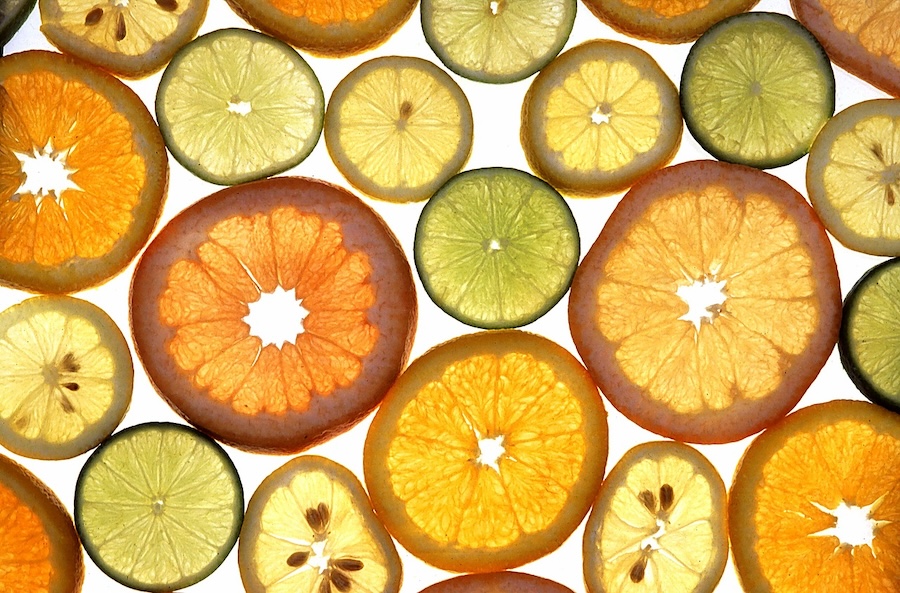
- Eat more citrus fruits – the citrus fruits (oranges, mandarins, grapefruits, lemons, limes) are very high in vitamin C and should be included in the diet together with the vitamin C supplements
- Eat more fruit and vegetables – many fruits and vegetables have a high vitamin C content and should also be included in the diet. The fresher the fruit and vegetables, the better
Lifestyle modifications
There are no lifestyle modifications which are recommended for treating scurvy.
Alternative treatments
There are no other alternative treatments which are recommended for treating scurvy.
Always ensure that you notify your medical practitioner of any supplements that you want to take – it may interfere with other medication or conditions you have. Confirm with your doctor it is safe to take before you try it.
Self care
Living with scurvy
Self care strategies
There are a number of strategies which are recommended to help deal with scurvy:
- Eat foods rich in vitamin C – you must start to eat more foods high in vitamin C to help boost your vitamin C levels and stop the deficiency of this important vitamin. Foods that are very high in vitamin C are: rose hip (usually made into a tea), acerola, red peppers, native Australian fruits and citrus fruits
- Eat foods rich in iron – if you are low in vitamin C, you may also have low iron levels or even anaemia. Your doctor will do a blood test and let you know what supplements you need to take. If you are low in iron you may need to take an iron supplement, but you need to also eat foods rich in iron. Foods that are very high in iron are: beef liver, beef, eggs, spinach. In order to get the most iron absorbed from the foods, eat them with a food rich in vitamin C
- Use supplements as recommended – your doctor will recommend a specific dose of vitamin C, depending on the severity of your symptoms and after checking the results of your blood test. You may also be recommended to take iron supplements too, because if you are not taking in enough vitamin C, then you could also be deficient in iron, which could mean you have anaemia, or are on the verge of getting anaemia if your iron stores are low. This will also be identified in a blood test. Take your supplements as recommended at the time of day and dosage levels
- Visit the doctor to check vitamin C and iron levels – you will be asked to visit the doctor again, usually in a week’s time, to check on your blood levels of iron and vitamin C after supplementation has been recommended, to determine if treatment is successful
Caring for someone with scurvy
Partner
There are a number of useful strategies that you can use to help a partner with scurvy:
- Ensure adequate intake of vitamin C – ensure your partner is eating enough foods high in vitamin C, to boost their intake and prevent worsening of symptoms
Friends
There are a number of useful strategies that you can use to help a friend with scurvy:
- Support – it would be useful for your friend if you can be supportive of them as this condition can be potentially very serious
Parents
There are a number of useful strategies that you can use to help a child with scurvy:
- Ensure adequate intake of vitamin C – ensure your child is eating enough foods high in vitamin C, to boost their intake and prevent worsening of symptoms
- Supplementation – ensure your child is taking the vitamin C (and other) supplements as recommended by their doctor, to boost their vitamin C intake and prevent worsening of symptoms
References
References
- Bartholomew M. James Lind’s Treatise of the Scurvy (1753). Postgrad Med J. 2002 Nov;78(925):695-6
- Lazareth I, Hubert S, Michon-Pasturel U, Priollet P. Vitamin C deficiency and leg ulcers. A case control study. J Mal Vasc. 2007 Apr;32(2):96-9
- Léger D. Scurvy: reemergence of nutritional deficiencies. Can Fam Physician. 2008 Oct;54(10):1403-6
- Libby P, Aikawa M. Vitamin C, collagen, and cracks in the plaque. Circulation. 2002 Mar 26;105(12):1396-8
- Malmauret L, Leblanc J, Cuvelier I, Verger P. Dietary intakes and vitamin status of a sample of homeless people in Paris. Eur J Clin Nutr. 2002 Apr;56(4):313-20
- Mapp SJ, Coughlin PB. Scurvy in an otherwise well young man. Med J Aust. 2006 Sep 18;185(6):331-2
- Milne I, Chalmers I. Documenting the evidence: the case of scurvy. Bull World Health Organ. 2004 Oct;82(10):791-6
- Mosdøl A, Erens B, Brunner EJ. Estimated prevalence and predictors of vitamin C deficiency within UK’s low-income population. J Public Health (Oxf). 2008 Dec;30(4):456-60. Epub 2008 Sep 23
- Noble JM, Mandel A, Patterson MC. Scurvy and rickets masked by chronic neurologic illness: revisiting “psychologic malnutrition”. Pediatrics. 2007 Mar;119(3):e783-90
- Rajakumar K. Infantile scurvy: a historical perspective. Pediatrics. 2001 Oct;108(4):E76
- Richardson TI, Ball L, Rosenfeld T. Will an orange a day keep the doctor away? Postgrad Med J. 2002 May;78(919):292-4
- Velandia B, Centor RM, McConnell V, Shah M. Scurvy is still present in developed countries. J Gen Intern Med. 2008 Aug;23(8):1281-4. Epub 2008 May 6
Last reviewed and updated: 14 May 2024