Facts
Why betacarotene is good for you
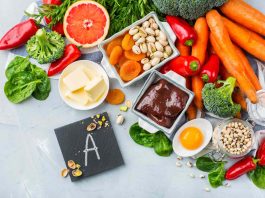
Betacarotene is responsible for the orange colour of carrots and other other orange coloured fruits and vegetables.
Some of the betacarotene in foods eaten gets converted to Vitamin A in the liver and small intestine, as necessary by the body, while the rest acts as a powerful antioxidant within the body to remove free radicals.
Betacarotene is needed to ensure the immune system functions at optimal levels, by increasing the number of white blood cells and protecting the body against infection and illness.
Important betacarotene facts
Betacarotene is a very important nutrient for the body.
- Betacarotene is a fat-soluble vitamin – betacarotene is one of the few vitamins that is fat-soluble and so it requires some fat to be eaten at the same time, to enable it to be digested and absorbed properly so that it can be used by the body as required. As most betacarotene sources are from animal food sources, they will also contain some fat helping with its absorption
- Betacarotene is a potent antioxidant – betacarotene’s antioxidant properties are very potent. It acts to scavenge free radicals in the body that may otherwise do damage to DNA and raise risk of cancer and heart disease. Betacarotene reduces the oxidative damage that may otherwise occur in the cells of the body, from free radicals causing damage to them, if it was not available to neutralise and remove them
- Betacarotene is the precursor of vitamin A – some of the betacarotene, the precursor of vitamin A, gets converted into vitamin A (by the thyroid hormone thyroxine) in the body when it is required and the rest is used by the body as a powerful antioxidant. The body uses as much of the betacarotene that is required to be convert into vitamin A and the rest is used as an antioxidant. Research shows that less than 50% of the betacarotene in foods eaten is converted into vitamin A, which means a significant portion of betacarotene being used as an antioxidant by the body.
- Betacarotene is converted into vitamin A in the intestines – betacarotene is converted into vitamin A in the intestines, through a complex process involving bile (from the liver) and thyroxine (from the thyroid).
- Betacarotene is responsible for the colour in orange fruits and vegetables – betacarotene is the substance that is responsible for the orange colour of raw fruits and vegetables that are rich in this vitamin. Other non-orange coloured vegetables also contain high levels of betacarotene too. Food rich in betacarotene are: apricots, carrots, endive, green and red lettuce, kale, rockmelon, pumpkin, red capsicum and peppers, spinach, sweet potatoes, tomatoes, watermelon.
- Cook vegetables for more betacarotene – the carotenes in vegetables are better absorbed if they are either cooked or steamed lightly
- Don’t soak vegetables and fruit in water – betacarotene rich vegetables and fruit should not be soaked in water for long periods, as the nutrient can be lost
- Betacarotene supplements are essentially non-toxic – large doses of betacarotene are almost non-toxic and therefore preferable to vitamin A supplements – which can be toxic at higher levels
- Betacarotene is abundant – carotenes are found in almost all fruit and vegetables
Betacarotene works best with
Betacarotene works in synergy with the other major antioxidant vitamins:
- Vitamin B1
- Vitamin B2
- Vitamin B3
- Vitamin B5
- Vitamin B6
- Vitamin B12
- Vitamin C
- Vitamin D
- Vitamin E (but not excessive dosage of either supplement)
- Choline
- Alpha-lipoic acid
- Co-enzyme Q10
- Essential fatty acids
- Calcium
- Phosphorus
- Selenium
- Zinc
Deficiency
Groups at risk of betacarotene deficiency
Deficiency of betacarotene is quite rare. Certain groups of people may be more susceptible to risk of betacarotene deficiency:
- Alcoholics – alcoholics tend to eat poorly, so their vitamin intake is low and alcohol blocks absorption of many nutrients, as well as excreting much of it that is absorbed. It’s better for this group to supplement with vitamin A instead of betacarotene. This is due to the detrimental effect betacarotene may have for them
- People taking certain medications – certain medications may reduce the absorption of betacarotene from foods causing a deficiency in this important antioxidant vitamin. People who are taking any type of medication should consult their medical doctor for advice.
- People who are exposed to environmental toxins – people who are constantly exposed to environmental toxins such as cigarette smoke, toxic chemicals, industrial and exhaust fume pollution, could have an elevated amount of free radical activity in their body and may have lowered betacarotene levels because it is being very quickly used up to mop up and neutralise the existing free radicals and it may not be enough to be effectively.
- People who are under major stress – people who are undergoing any type of major (and ongoing) stress, such as physical or physiological stress, overworking, fatigue, not eating enough or properly and exercising too much all create free radicals which lowers betacarotene levels and may cause a deficiency.
- People with cataracts – people with cataracts may have lowered levels of both betacarotene and vitamin A. The eyes need sufficient levels of both of these vitamins to ensure that the eye functions effectively and eyesight is healthy.
- People with certain illness – people with certain illnesses such as liver disease, cystic fibrosis or chronic diarrhoea all may have lower betacarotene levels.
- People with chronic infections – people with chronic infections may have lowered immunity resistance due to the higher levels of free radicals in the body. This may cause them to have lowered betacarotene levels, which could cause deficiency in this vitamin.
- Smokers – usually have low levels of all antioxidants, including low betacarotene. It’s better for this group to supplement with vitamin A instead of betacarotene. This is due to the detrimental effect betacarotene may have for them
- Women who use oral contraceptives – may have high levels of betacarotene in their blood, but low levels stored in the liver so this could signify a deficiency of this vitamin.
People in any of these groups should seek advice from their doctor before trying any betacarotene supplements to ensure it is suitable for their individual circumstances.
Symptoms of betacarotene deficiency
Deficiency of is quite rare, as there are so many common, easily accessible foods that contain this very useful nutrient.
General symptoms of betacarotene deficiency include:
- Cataracts
- Increased infections (flu and colds)
- Increased LDL (“bad”) cholesterol levels
- Increased risk of gastritis
- Probable increased susceptibility to cancer
People with any of these symptoms should seek advice from their medical practitioner to determine if betacarotene supplementation is warranted in their individual situation.
People who have cancer must consult their doctor about taking any type of supplement before trying them, as there could be an adverse reaction between their medication and the betacarotene supplements.
Health
Betacarotene and health
Betacarotene is essential for good health. Some of the main health benefits for betacarotene are:
- Helps the immune system fight off infection – betacarotene has an enhancing effect on the immune system due to its powerful antioxidant properties. It is necessary to activate the white blood cells used for fighting infection
- Preventing night blindness – betacarotene helps the eyes see better in the dark, because it tops up all the vitamin A in the retina, which is needed to enable the vision to function properly
- Preventing cataracts – betacarotene helps mop up the free radicals which damage the lens of the eye and cause cataracts in susceptible people
- Preserving eyesight – betacarotene helps prevent the condition age related macular degeneration (ARMD) which causes blindness in older people. Betacarotene does this by reducing levels of free radicals
- Betacarotene helps to lower LDL (“bad”) cholesterol – studies show that betacarotene has a very protective effect on the whole cardiovascular system and can help to lower and prevent oxidation of LDL (“bad”) cholesterol, while increasing levels of HDL (“good”) cholesterol. High levels of LDL (“bad”) cholesterol are implicated in heart disease and betacarotene reduces this risk
- Betacarotene protects the heart – studies show that people who eat foods high in betacarotene have fewer heart attacks and strokes. The Harvard university Physicians Health Study looked at the heart health of over 22,000 male doctors. This study showed that those doctors who took a betacarotene supplement every second day had a 50% less chance of heart attack, stroke and death than doctors who did not take a betacarotene supplement. The study also showed betacarotene supplements had a much better and more protective effect on the heart than aspirin
- Betacarotene may reduce risk of cancer – studies have shown that people who have low levels of betacarotene are generally more at risk of developing a number of cancers, while increased levels of betacarotene are associated with a lowered risk for many types of cancers. Studies show that higher levels of betacarotene are especially associated with 80% less risk of cervical cancer and 30% less risk of lung cancer. In other studies of patients with cancer, who were undergoing chemotherapy, the patients who were supplemented with betacarotene (and vitamin A) lived longer, had a better response rate and less side effects to the chemotherapy treatment than the patients who did not get any betacarotene (and vitamin A) supplements
- Betacarotene may help with HIV and AIDS – studies have shown betacarotene supplements used in conjunction with conventional drug treatment for people infected with the human immunodeficiency virus (HIV) increased the number of white blood and immunity (CD4+) cells responsible for fighting infection and preventing virus replication
Talk to a medical professional about betacarotene supplements before taking them.
Food sources
Betacarotene in food
| Food | Amount | Betacarotene (mcg) |
|---|---|---|
| Sweet potato, cooked | 1 medium | 9230 |
| Carrot | 1 medium | 8100 |
| Collard greens cooked | ½ cup | 7400 |
| Spinach, cooked | ½ cup | 7290 |
| Winter squash, cooked | ½ cup | 6560 |
| Kale, cooked | ½ cup | 4560 |
| Apricots, fresh | 3 | 2890 |
| Rockmelon (cantaloupe) | 1 cup | 2720 |
| Pepper, sweet red | ½ cup | 2225 |
| Peach, yellow | 1 large | 2030> |
| Broccoli, cooked | ½ cup | 1940 |
| Tomato Juice | 1 cup | 1460 |
| Asparagus, cooked | 1 cup | 1220 |
| Tomato | 1 medium | 1110 |
| Prunes, stewed | ½ cup | 1065 |
| Watermelon, cubed | 1 cup | 940 |
| Peas | ½ cup | 430 |
| Brussels sprouts | ½ cup | 405 |
| Orange | 1 medium | 400 |
| Green beans, cooked | ½ cup | 340 |
| Zucchini | ½ cup | 270 |
| Banana | 1 medium | 230 |
| Pepper, green | ½ cup | 210 |
| Apple | 1 medium | 120 |
| Cabbage | ½ cup | 90 |
| Cauliflower | 1 cup | 80 |
| Grapefruit | ½ medium | 80 |
Daily intake
Betacarotene recommended daily intake (RDI)
The recommended daily intake of betacarotene, is the recommended minimum intake required to maintain good health. The tolerable upper intake for betacarotene, is the maximum intake possible without causing any toxicity effects.
| RDA | lifestage | age | amount |
|---|---|---|---|
| INFANTS | 0-6mths 7-12mths | 400mcg (1320IU) 500mcg (1650IU) | |
| CHILDREN | 1-3yrs 4-8yrs | 300mcg (1000IU) 400mcg (1320IU) | |
| CHILDREN | 9-13yrs male: 14-18yrs female: 14-18yrs | 600mcg (2000IU) 900mcg (3000IU) 700mcg (2310IU) | |
| ADULTS | male: 19-50yrs female: 19-50yrs | 900mcg (3000IU) 700mcg (2310IU) | |
| SENIORS | male: 51+yrs female: 51+yrs | 900mcg (3000IU) 700mcg (2310IU) | |
| PREGNANT | <18yrs 19-50yrs | 750mcg (2500IU) 770mcg (2565IU) | |
| LACTATING | <18yrs 19-50yrs | 1200mcg (4000IU) 1300mcg (4300IU) | |
| TOLERABLE UPPER LIMIT | Lifestage | Age | Amount |
| INFANTS | 0-12mths | 600mcg (2000IU) | |
| CHILDREN | 1-3yrs 4-8yrs | 600mcg (2000IU) 900mcg (3000IU) | |
| CHILDREN | 9-13yrs 14-18yrs | 1700mcg (5610IU) 2800mcg (9240IU) | |
| ADULTS | 19-50yrs | 3000mcg (10000IU) | |
| SENIORS | 51+yrs | 3000mcg (10000IU) | |
| PREGNANT | <18yrs 19-50yrs | 2800mcg (9240IU) 2000mcg (10000IU) | |
| LACTATING | <18yrs 19-50yrs | 2800mcg (9240IU) 3000mcg (10000IU) | |
| TOXIC LEVELS | >60mg for otherwise healthy adults smokers, former smokers and heavy drinkers should NOT take betacarotene at any dosage (see cautions) | ||
The tolerable upper limits should only be taken for short periods and only under medical supervision.
Toxicity
Toxicity
When betacarotene supplementation is over 15mg, it must be given with supplementation of the following antioxidants too – vitamin A, vitamin C, vitamin E, zinc, selenium and possibly co-enzyme Q10 to reduce any possible toxicity effects.
Betacarotene can produce reversible toxicity at doses greater than 60mg per day.
Overdosage
Betacarotene is a really safe vitamin, even in relatively high doses, but extra high supplements of this vitamin can cause the following side effects:
- Enlarged liver
- Hypercarotenaemia (yellow-orange colouring of the skin)
- Lower blood pressure
- Weakness
- Weight loss
Betacarotene is in general, a non-toxic vitamin and even if the side effects listed above should occur, they will only be temporary and will not usually cause any lasting effects. Betacarotene overdosage symptoms are usually reversible.
Smokers, former smokers and heavy drinkers should not take betacarotene supplements. This group should get their betacarotene requirements from the fruits and vegetables they eat.
Precautions
Precautions
Certain people should not take high levels of betacarotene supplements without first consulting their doctor for advice:
- Current and former heavy smokers – a fairly recent large study (in 1996), the CARET (beta-Carotene and Retinol Efficacy Trial) tested betacarotene as well as vitamin A supplements in people who were at high risk for lung cancer — such as smokers and former smokers. The study was conducted to determine if betacarotene and vitamin A had anti-cancer protective effects on the lungs of these study subjects, because it was already known that people who had a diet high in fruits and vegetables rich in betacarotene had a lowered risk for lung (and other) cancers. Unfortunately, the study was stopped before it was completed because it was discovered the people taking the betacarotene supplements (they took up to 30mg per day) had a higher incidence of lung cancer and higher mortality rate than the people who were taking a placebo (no betacarotene supplement). The betacarotene supplements increased the lung cancer risks only in people who smoked more than a pack a day and/or drank “above-average” amounts of alcohol. Another large Finnish study published two years earlier showed similar results.
- Current and former heavy drinkers – the CARET study also tested betacarotene and vitamin A on current and former heavy drinkers, alcoholics and found the same results as for smokers – the betacarotene supplements provided in the sudy seemed to enhance the development of lung and other cancers. The study was stopped and the authors advised people who were current or former heavy drinks to not take betacarotene supplements and to get their intake from food sources. The betacarotene supplements increased the lung cancer risks only in people who smoked more than a pack a day and/or drank “above-average” amounts of alcohol. Another large Finnish study published two years earlier showed similar results.
- People that have been exposed to asbestos – similary, people who had been exposed to asbestos were part of the CARET study and the same types of results occured for those people too and they were similarly advised not to take betacarotene supplements, but to instead get their intake from food sources.
People who fall into these groups (heavy smoker, former smoker, current or former asbestos-industry workers and heavy drinkers) should not take betacarotene supplements. These people should instead get their betacarotene requirements from the foods they eat.
Interactions
Betacarotene interactions with medications and supplements
Betacarotene has detrimental interactions with the following medications and supplements:
- Statins – Atorvastatin (Lipitor), Fluvastatin (Lescol), Lovastatin (Mevacor), Pravastatin (Pravachol).
Medications that lower cholesterol (Statins) when taken with betacarotene, selenium, vitamin C, vitamin E may decrease the effectiveness of the statins. Research has not yet identified if betacarotene alone can cause the statins to become ineffective or whether it is the combination of the antioxidant supplements which decreases the effectiveness of the statins. - Orlistat
The weight loss medication Orlistat can interfere with the absorption of betacarotene, reducing it by as much as 30%. Orlistat also interferes with the absorption of other fat-soluble vitamins. - Verteporfin (Visudyne)
Verteporfin, a medication used to treat macular degeneration or fungal eye infections should not be taken together with betacarotene, as the betacarotene may decrease the effectiveness and blood levels of verteporfin in the body. - Niacin (Vitamin B3)
Betacarotene, together with selenium, vitamin C, vitamin E may decrease the blood levels of niacin (vitamin B3). Niacin helps to increase HDL (“good”) cholesterol and lowered levels of niacin may possibly reduce HDL (“good”) cholesterol
Betacarotene interactions with other substances
- Alcohol
Excessive alcohol intake can reduce betacarotene levels in the body to such an extent that this can contribute to further liver damage.
Betacarotene’s effect on lab tests
There are none reported.
References
References
- Ahmed S, Leo MA, Lieber CS. Interactions between alcohol and beta-carotene in patients with alcoholic liver disease. Am J Clin Nutr. 1994 Sep;60(3):430-6
- Baron JA, Cole BF, Mott L, et al. Neoplastic and antineoplastic effects of beta-carotene on colorectal adenoma recurrence: results of a randomized trial. J Natl Cancer Inst 2003;95(10):717-7
- Cheung MC, Zhao XQ, Chait A, Albers JJ, Brown BG. Antioxidant supplements block the response of HDL to simvastatin-niacin therapy in patients with coronary artery disease and low HDL. Arterioscler Thromb Vasc Biol. 2001 Aug;21(8):1320-6
- Gabriele S, Alberto P, Sergio G, Fernanda F, Marco MC. Emerging potentials for an antioxidant therapy as a new approach to the treatment of systemic sclerosis. Toxicology. 2000; 155(1-3):1-15
- Heart Protection Study Collaborative Group. MRC/BHF Heart Protection Study of antioxidant vitamin supplementation in 20,536 high-risk individuals: a randomised placebo-controlled trial. Lancet 2002;360(9326):23-33
- Keefe KA, Schell MJ, Brewer C, et al. A randomized, double blind, Phase III trial using oral beta-carotene supplementation for women with high-grade cervical intraepithelial neoplasia. Cancer Epidemiol Biomarkers Prev 2001;10(10):1029-1035
- Leo MA, Lieber CS. Alcohol, vitamin A, and beta-carotene: Adverse interactions, including hepatotoxicity and carcinogenicity. Am J Clin Nutr. 1999;69(6):1071-1085
- Office of Dietary Supplements USA – has the official USA RDI for all vitamins (these are also adopted by Australia), accessed 9 August 2005
- Niki E, Noguchi N, Tsuchihashi H, Gotoh N. Interaction among vitamin C, vitamin E, and beta-carotene. Am J Clin Nutr. 1995 Dec;62(6 Suppl):1322S-1326S
- Omen GS, Goodman GE, et al. Effects of a Combination of Beta Carotene and Vitamin A on Lung Cancer and Cardiovascular Disease. NEJM 2006 (May), Volume 334:1150-1155
- Omenn GS, Goodman GE, Thornquist MD, et al. Risk factors for lung cancer and for intervention effects in CARET, the Beta-Carotene and Retinol Efficacy Trial. J Natl Cancer Inst. 1996;88(21):1550-1559. [abstract]
- Osiecki, Henry, The Nutrient Bible 2002, BioConcepts Publishing
- Rapola JM, Virtamo J, Haukka JK, et al. Effect of vitamin E and beta carotene on the incidence of angina pectoris. A randomized, double-blind, controlled trial. JAMA 1996;275(9):693-698
- Schaumberg DA, Frieling UM, Rifai N, et al. No effect of beta-carotene supplementation on risk of nonmelanoma skin cancer among men with low baseline plasma beta-carotene. Cancer Epidemiol Biomarkers Prev 2004;13(6):1079-1080
- Woutersen RA, Wolterbeek AP, Appel MJ, van den Berg H, Goldbohm RA, Feron VJ. Safety evaluation of synthetic beta-carotene. [Review] Crit Rev Toxicol. 1999;29(6):515-542. (abstract)
- Zhi J, Melia AT, Koss-Twardy SG, Arora S, Patel IH. The effect of orlistat, an inhibitor of dietary fat absorption, on the pharmacokinetics of beta-carotene in healthy volunteers. J Clin Pharmacol. 1996 Feb;36(2):152-9
Last reviewed and updated: 9 May 2024