


Facts
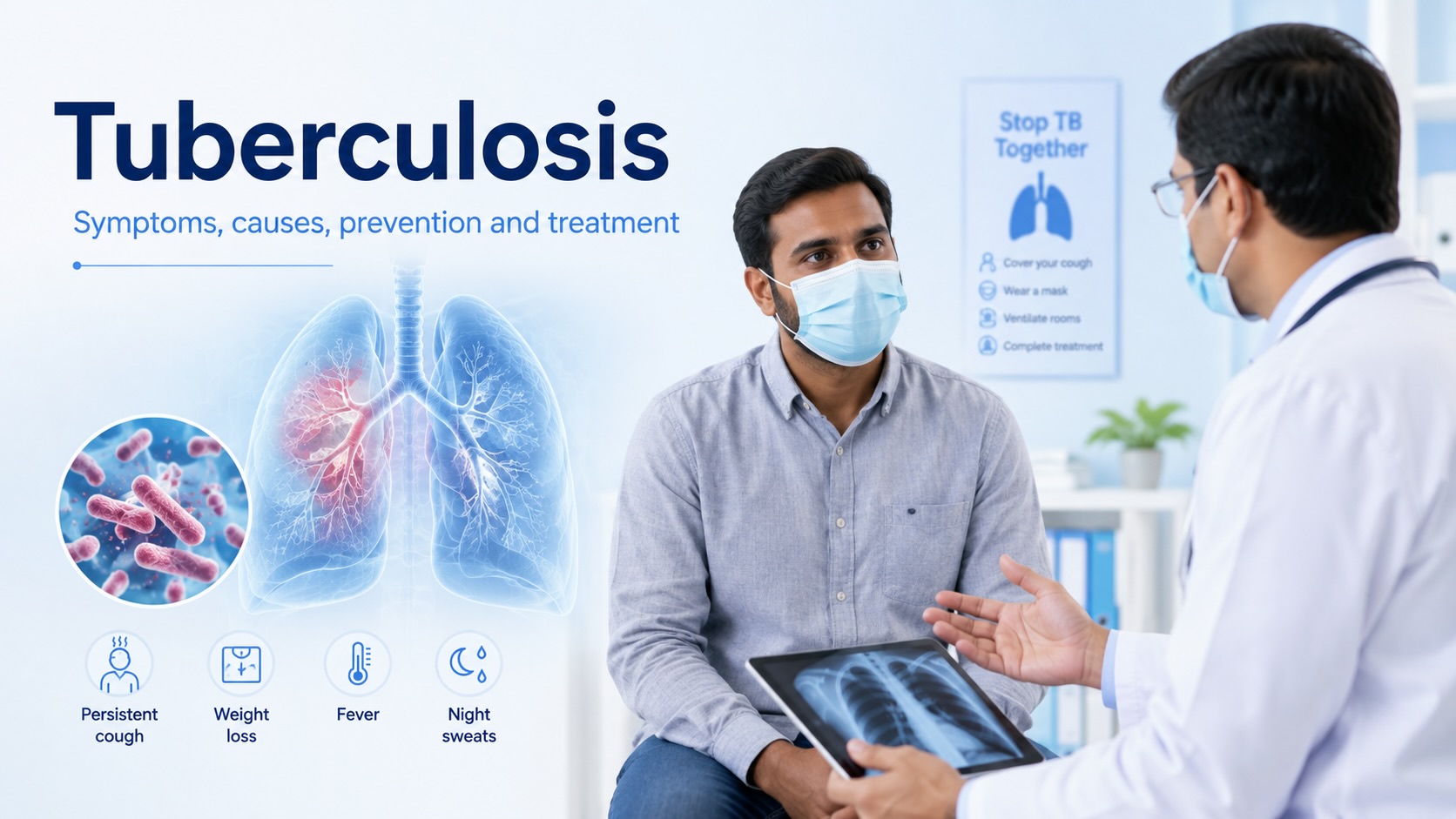
Tuberculosis, commonly called TB, is a bacterial infection that most often affects the lungs. It can also develop in the lymph nodes, brain, spine, bones, kidneys and other parts of the body.
TB is preventable and curable. However, treatment usually requires several antibiotics taken for at least six months. Untreated active tuberculosis can cause permanent organ damage, spread to other people and become life-threatening.
Tuberculosis remains a major global health problem. In Australia, the risk of catching TB is low, but the disease has not been eliminated. Cases continue to be diagnosed each year, particularly among people who have previously lived in or spent extended periods in countries where TB is more common.
Facts
What is tuberculosis?
Tuberculosis is caused by a bacterium called Mycobacterium tuberculosis. The infection most commonly develops in the lungs, where it is known as pulmonary tuberculosis.
There are two main forms of tuberculosis:
Latent tuberculosis infection means TB bacteria are present in the body, but the immune system is keeping them under control. A person with latent TB:
- does not feel unwell
- has no symptoms
- cannot spread TB to other people
- may develop active TB later in life
Active tuberculosis disease develops when the immune system can no longer control the bacteria. The bacteria multiply, cause inflammation and damage tissue. People with active pulmonary or throat TB may release bacteria into the air and infect others.
Around 5 to 10 per cent of people with latent TB will eventually develop active tuberculosis. The risk is greatest during the first two years after infection, but active disease can develop many years later.
Facts about tuberculosis
- TB most commonly affects the lungs but can develop in almost any organ
- latent TB does not cause symptoms and is not infectious
- active TB affecting the lungs or throat can spread through the air
- transmission usually requires prolonged or repeated close contact
- TB is not normally spread through food, cups, cutlery, bedding or toilet seats
- anyone can develop TB, although exposure and immune health affect the risk
- active TB is usually curable when the correct medicines are taken for the full treatment period
- stopping treatment early can allow TB bacteria to become resistant to antibiotics
- active TB is a notifiable disease in Australia
- public health services arrange testing for people who may have had close contact with an infectious person
Is tuberculosis an issue in Australia today?
Yes. Tuberculosis remains an important public health issue in Australia, although it is uncommon compared with many other countries.
Australia has one of the lowest tuberculosis rates in the world. The national notification rate has generally remained at around five to six cases per 100,000 people for many years. In 2023, 1,430 cases of tuberculosis were notified nationally, equivalent to approximately 5.3 cases per 100,000 people.
Most people in Australia are at very low risk of acquiring TB through everyday community contact. Most Australian cases are diagnosed in people who were born in countries where tuberculosis is more common. In many cases, the original infection occurred overseas and remained latent before becoming active later.
This does not mean that tuberculosis is linked to a person’s ethnicity. Risk is associated with exposure to the bacteria, living conditions, access to healthcare and factors that affect the immune system. Anyone who has had close contact with infectious tuberculosis can become infected.
Australia also continues to experience occasional local transmission, imported drug-resistant tuberculosis and outbreaks in particular settings. Maintaining specialist TB clinics, contact tracing, screening and preventive treatment is therefore necessary, even though overall rates remain low. Researchers have found that progress towards eliminating TB in Australia has slowed or plateaued in recent years.
Globally, tuberculosis remains much more common. The World Health Organization estimated that 10.7 million people developed TB and 1.23 million people died from it during 2024.
Symptoms
Symptoms of latent tuberculosis
Latent TB does not cause symptoms. A person may feel completely healthy and be unaware that the bacteria are present.
Latent infection is usually discovered through a tuberculosis skin or blood test performed after a known exposure, during health screening or before starting medication that suppresses the immune system.
Symptoms of active pulmonary tuberculosis
Active TB often develops gradually. Symptoms may initially be mild and can be mistaken for a lingering respiratory infection.
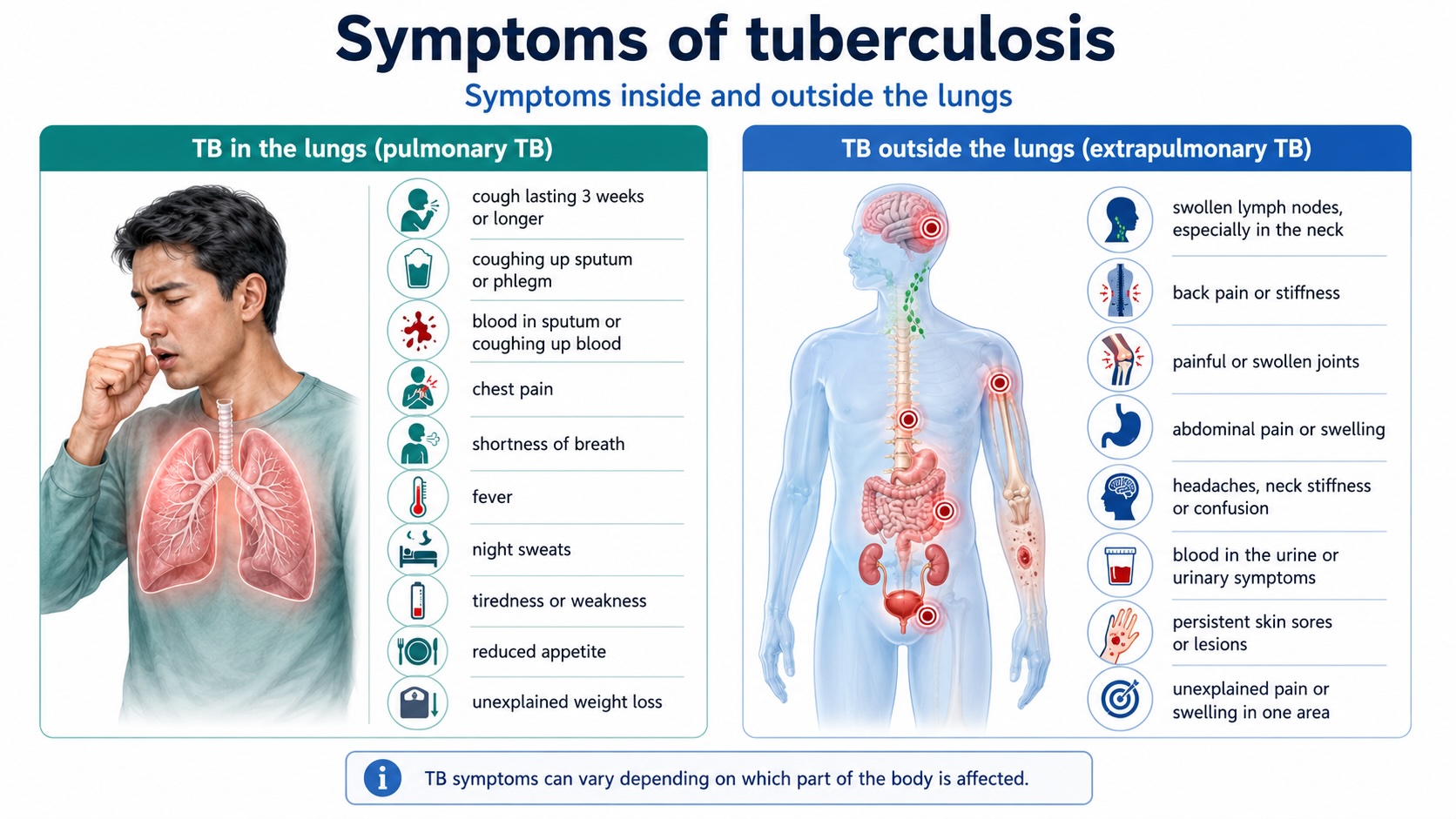
Possible symptoms include:
- a cough lasting three weeks or longer
- coughing up sputum or phlegm
- blood-streaked sputum or coughing up blood
- chest pain
- shortness of breath
- fever
- night sweats
- persistent tiredness or weakness
- reduced appetite
- unexplained weight loss
- chills or generally feeling unwell
Not everyone experiences every symptom. Older adults and people with weakened immune systems may have less obvious symptoms.
Symptoms of tuberculosis outside the lungs
Tuberculosis affecting another part of the body is called extrapulmonary tuberculosis. Symptoms depend on the organ involved.
These may include:
- persistently swollen lymph nodes, particularly in the neck
- back pain or stiffness when the spine is affected
- painful or swollen joints
- abdominal pain or swelling
- headaches, neck stiffness, confusion or sensitivity to light when the tissues surrounding the brain are affected
- blood in the urine or urinary symptoms
- persistent skin sores or lesions
- unexplained pain or swelling in a particular area
Extrapulmonar (outside the lungs) TB is generally not infectious unless tuberculosis is also present in the lungs or throat.
Causes
Causes
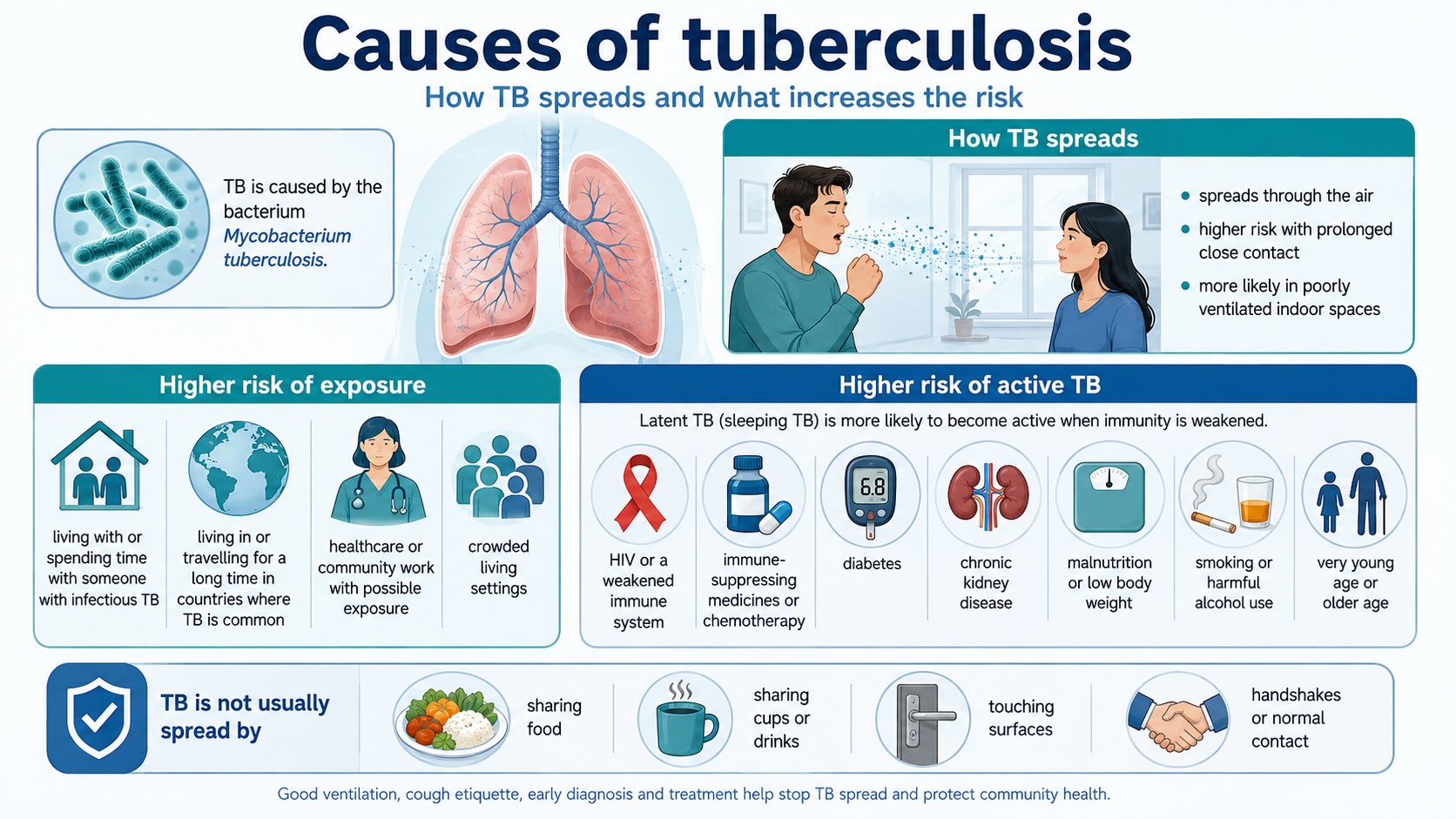
Tuberculosis is caused by infection with Mycobacterium tuberculosis.
A person with active tuberculosis in the lungs or throat can release tiny bacteria-containing particles into the air when they:
- cough
- sneeze
- speak
- laugh
- sing
Another person may become infected if they breathe in these particles. Transmission is more likely when people spend extended periods together in an enclosed or poorly ventilated space. Brief contact with someone who has TB is less likely to result in infection than frequent or prolonged close contact.
How tuberculosis is not usually spread
Tuberculosis is not normally spread by:
- shaking hands
- hugging
- sharing food or drinks
- using the same cups, plates or cutlery
- touching clothing or bedding
- using the same toilet
- touching surfaces
Separating a person’s plates, cups and household items is not generally required. The public health or TB team will provide specific advice about infection precautions.
Risk factors for exposure
A person may have a higher chance of being exposed to tuberculosis if they:
- have lived in or travelled for an extended period in a country where TB is common
- live with or regularly spend time with someone who has infectious pulmonary TB
- work in healthcare or another setting where people with TB may be treated
- live or work in a crowded residential environment
- have experienced homelessness or insecure housing
- live in a correctional facility or another congregate setting
- work with vulnerable communities where undiagnosed TB may occur
The likelihood of infection depends on how infectious the person with TB is, how close the contact is, how long the exposure lasts and the ventilation within the environment.
Risk factors for active tuberculosis
Most healthy immune systems can keep TB bacteria under control. The likelihood of latent infection becoming active increases when immunity is weakened.
Risk factors include:
- HIV infection
- medicines that suppress the immune system
- treatment with corticosteroids or anti-TNF medicines
- chemotherapy
- organ transplantation
- poorly controlled diabetes
- chronic kidney disease or kidney failure
- some cancers
- severe malnutrition or low body weight
- smoking
- harmful alcohol use
- very young age, particularly under five years
- older age
- recent TB infection
- previous tuberculosis that was not fully treated
Prevention
Prevention
Early diagnosis and treatment
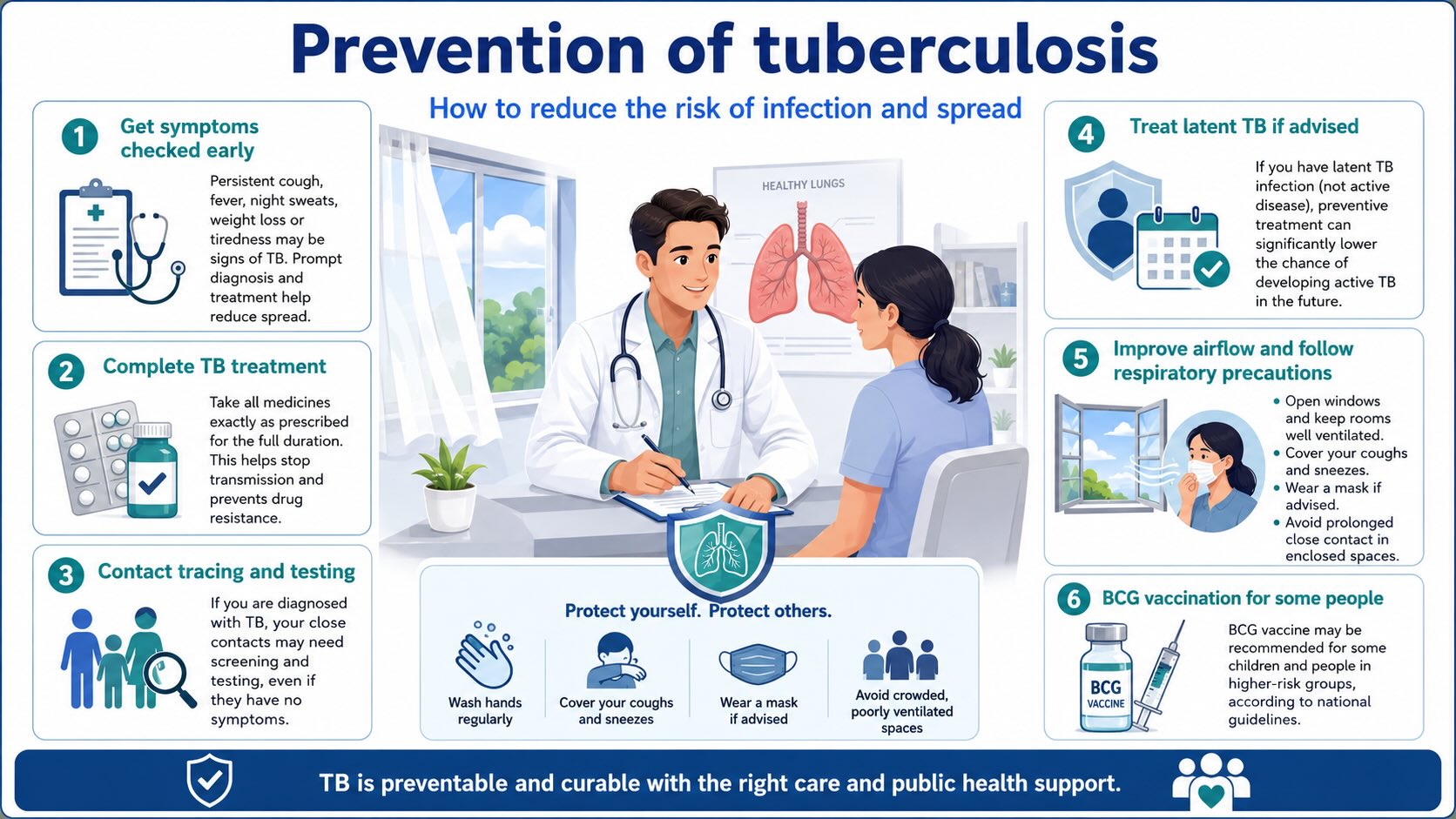
Finding and treating active tuberculosis promptly is one of the most effective ways to prevent transmission.
People with possible TB symptoms should seek medical assessment rather than waiting for the symptoms to resolve. Once effective treatment begins, infectiousness usually falls substantially. However, only the treating TB team can confirm when a person is no longer infectious.
Contact tracing
When active pulmonary tuberculosis is diagnosed, the local public health unit identifies people who may have had significant exposure.
Close contacts may be offered:
- a symptom assessment
- a tuberculin skin test
- an interferon-gamma release assay blood test
- a chest X-ray
- follow-up testing after the exposure window
Contact tracing is confidential. It helps identify both active TB and latent infection before further illness or transmission occurs.
Treating latent tuberculosis
Preventive antibiotic treatment may be offered to some people with latent TB. It reduces the chance that dormant bacteria will later become active.
Treatment is particularly important for people at increased risk of progression, including young children, recent contacts and people whose immune systems are weakened.
Before preventive treatment begins, doctors must make sure that active TB disease is not present. The treatment recommended will depend on the person’s age, health, possible medication interactions and the likelihood that the bacteria are drug resistant.
Ventilation and respiratory precautions
When infectious TB is suspected or confirmed, prevention measures may include:
- staying home from work, school or public activities until medically cleared
- wearing a suitable mask when advised
- covering coughs and sneezes
- opening windows and improving airflow
- avoiding prolonged close contact in enclosed spaces
- following the TB clinic’s instructions about visitors and household contact
- using specialised respiratory protection in healthcare environments
Masks and isolation precautions should be guided by the treating team rather than stopped simply because symptoms have improved.
BCG vaccination
The bacille Calmette-Guérin vaccine, known as the BCG vaccine, helps protect young children against serious forms of tuberculosis, including TB meningitis and widespread miliary TB.
BCG vaccination does not completely prevent infection and its protection against adult pulmonary TB varies.
The vaccine is not part of Australia’s routine National Immunisation Program because TB is uncommon. It may be recommended for:
- young children travelling to or living in a country with a high TB rate
- babies who will have close contact with someone who has TB
- some Aboriginal and Torres Strait Islander children living in higher-risk regions
- certain healthcare workers or laboratory workers with occupational exposure
A doctor, travel health service or TB clinic can advise whether BCG vaccination is appropriate.
Complications
Complications
Without treatment, tuberculosis can progressively damage the lungs or spread through the blood and lymphatic systems.
Possible complications include:
- permanent lung scarring
- bronchiectasis
- coughing up significant amounts of blood
- collapsed lung
- respiratory failure
- fluid around the lungs
- infection of the brain or meninges
- seizures or neurological damage
- spinal damage or deformity
- bone and joint destruction
- kidney damage
- abdominal or intestinal disease
- widespread or miliary tuberculosis
- sepsis
- death
Some people continue to experience breathlessness, fatigue, reduced exercise capacity or recurrent respiratory infections after microbiological cure because of lasting lung damage.
Tuberculosis medicines can also cause significant adverse effects, particularly liver injury, visual changes, nerve symptoms and medication interactions. Regular clinical monitoring helps identify these problems early.
Diagnosis
Diagnosis
When to see a doctor
Arrange a medical assessment if you:
- have a cough lasting three weeks or longer
- cough up blood
- have persistent fever, night sweats or unexplained weight loss
- have been in close contact with someone diagnosed with infectious TB
- have recently arrived from or lived in a country where TB is common
- are about to start medicine that suppresses the immune system
- have a weakened immune system and may previously have been exposed
- have been asked to attend screening by a public health unit
Tell the clinic before arriving if you think you may have tuberculosis. This allows staff to arrange appropriate respiratory precautions.
Seek urgent medical help
Call triple zero (000) for an ambulance if a person:
- is coughing up a large amount of blood
- is coughing up blood and is also short of breath
- has severe difficulty breathing
- cannot speak properly because of breathlessness
- becomes confused, very drowsy, pale, sweaty or blue around the lips
- has severe headache, neck stiffness, confusion or reduced consciousness
Even a small amount of coughed-up blood should be assessed by a doctor as soon as possible.
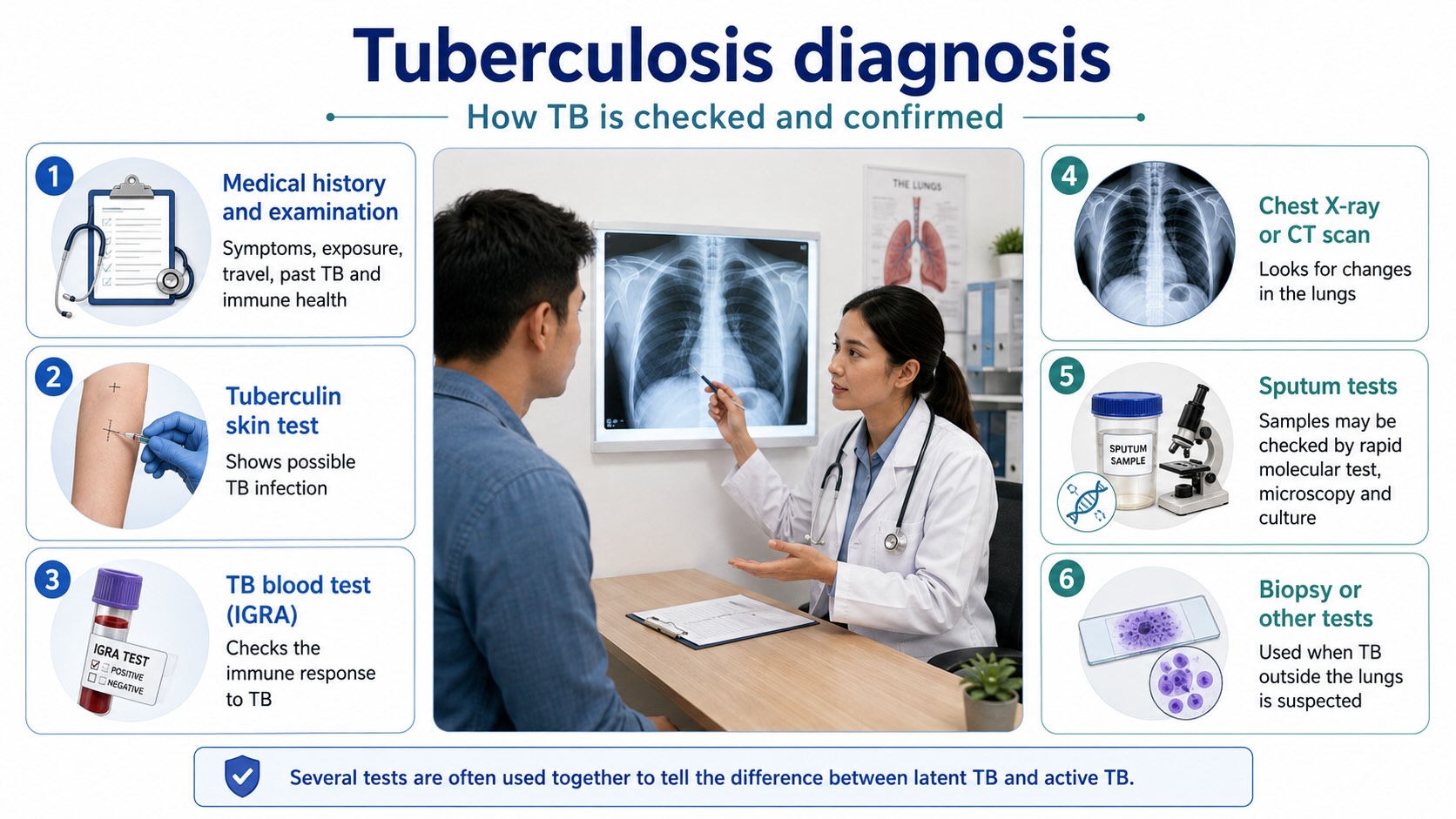
Tests for tuberculosis
Diagnosis may involve several different tests.
Medical history and examination
The doctor will ask about:
- current symptoms
- previous TB exposure
- countries where the person has lived or travelled
- previous tuberculosis tests or treatment
- medicines and medical conditions affecting immunity
- occupational or household exposure
Tuberculin skin test
The tuberculin skin test, also called a Mantoux test, places a small amount of testing material beneath the skin of the forearm. The site is checked several days later for a reaction.
A positive test suggests previous exposure to TB bacteria but does not confirm active disease.
Interferon-gamma release assay
An interferon-gamma release assay is a blood test that measures the immune response to TB proteins. It is sometimes referred to by a brand name such as QuantiFERON.
Like the skin test, it can indicate TB infection but cannot by itself distinguish latent infection from active disease.
Chest imaging
A chest X-ray may show changes associated with pulmonary TB. A CT scan may be used when more detailed imaging is needed.
A normal X-ray does not always exclude TB, particularly in people with weakened immunity or disease outside the lungs.
Sputum tests
People with suspected pulmonary TB may be asked to provide sputum samples.
Testing can include:
- rapid molecular testing for TB genetic material
- microscopy
- bacterial culture
- testing for antibiotic resistance
Culture can take several weeks because TB bacteria grow slowly. Rapid molecular tests can provide earlier information and may identify resistance to certain medicines.
Biopsy and other tests
When extrapulmonary (outside the lungs) TB is suspected, doctors may test fluid or tissue from the affected area. This may involve a lymph node biopsy, lumbar puncture, urine testing or sampling fluid from around the lungs.
Treatment
Treatment
Tuberculosis must be treated by a medical team experienced in TB care. Treatment is usually coordinated with a state or territory tuberculosis service and public health unit.
Treatment for active tuberculosis
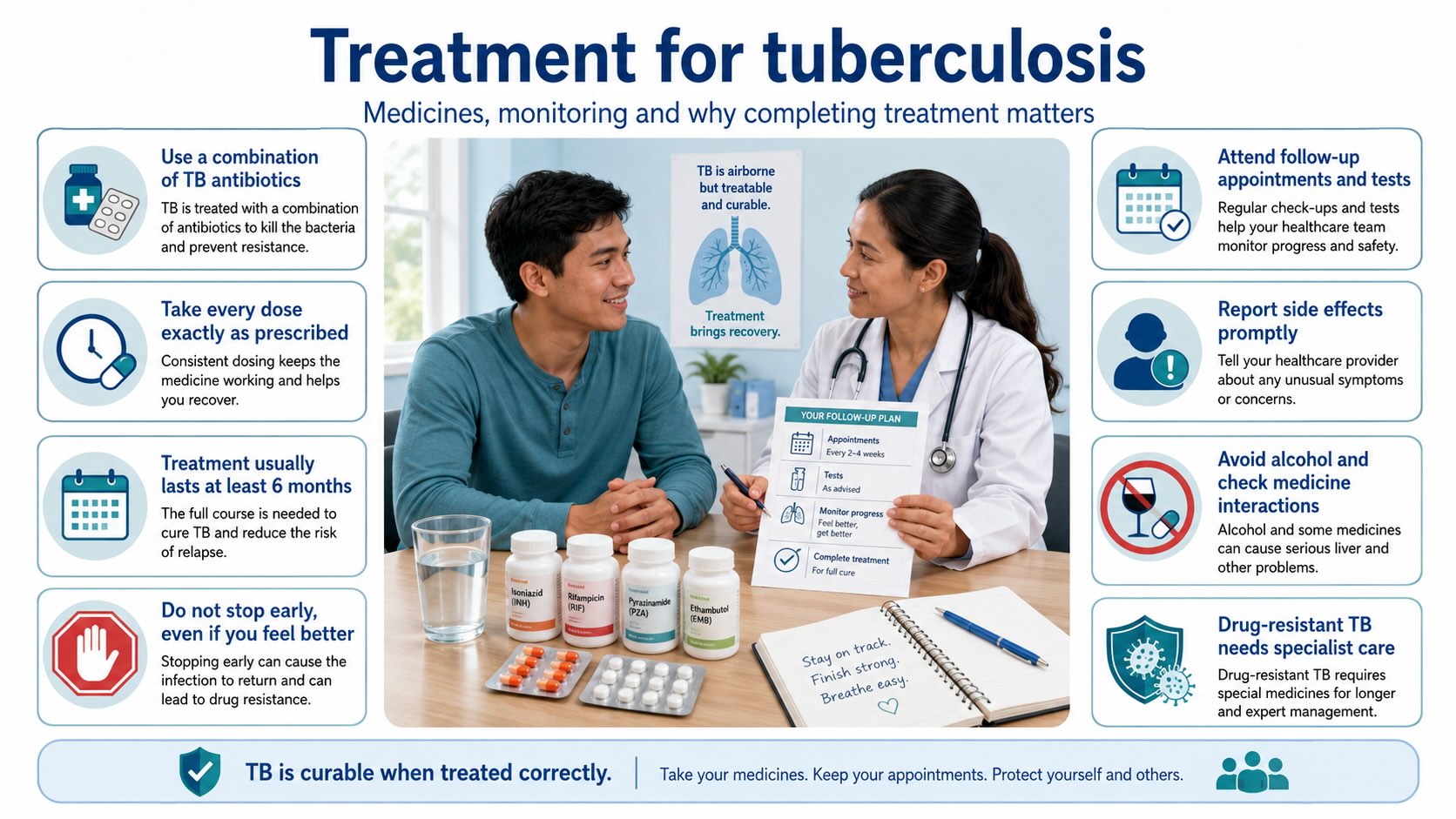
Drug-susceptible pulmonary TB is usually treated with a combination of:
- isoniazid
- rifampicin
- pyrazinamide
- ethambutol
Several antibiotics are used together because TB bacteria can quickly become resistant when treatment is incomplete or relies on too few medicines.
Treatment usually lasts at least six months. Some forms of TB, including disease affecting the brain, bones or joints, may require longer treatment.
Medicines must be taken exactly as prescribed, even after symptoms have disappeared. Treatment may be supervised by a nurse or other healthcare worker to support adherence and identify side effects. Cure rates for correctly treated drug-susceptible tuberculosis are very high.
Treatment for latent tuberculosis
Latent TB may be treated with one or more antibiotics to prevent active disease.
Not every person with latent infection requires treatment. The doctor will consider:
- age
- recent exposure
- immune health
- pregnancy
- liver health
- medication interactions
- the likelihood of completing treatment
- the risk that the TB strain is drug resistant
People receiving preventive therapy still require follow-up and monitoring for medication side effects.
Drug-resistant tuberculosis
Drug-resistant TB occurs when the bacteria are resistant to one or more standard antibiotics.
Multidrug-resistant tuberculosis is resistant to at least isoniazid and rifampicin, two of the most important first-line medicines. Treatment requires specialist care and may involve different medicines, more monitoring and a longer treatment period.
Resistance can develop when medicines are prescribed incorrectly, are unavailable or are not taken consistently. A person can also be infected directly with a resistant strain.
Monitoring for medicine side effects
Contact the TB clinic or treating doctor promptly if treatment causes:
- yellow skin or eyes
- dark urine or unusually pale bowel motions
- persistent nausea or vomiting
- abdominal pain
- severe loss of appetite
- unusual tiredness or weakness
- rash, swelling or difficulty breathing
- blurred vision or altered colour vision
- numbness or tingling in the hands or feet
- unusual bruising or bleeding
- severe joint pain
- dizziness, hearing changes or balance problems
Do not stop TB medicine without speaking to the treatment team unless emergency medical care is required. Sudden or repeated interruptions can reduce treatment effectiveness and increase the risk of resistance.
Rifampicin can turn urine, sweat and tears orange, red or reddish-brown. This is usually harmless. It can also reduce the effectiveness of oral contraceptive pills and interact with medicines including warfarin, some seizure medicines, HIV medicines, diabetes medicines and transplant medicines.
Doctors and pharmacists should be told about all prescription medicines, over-the-counter products, vitamins and herbal remedies being used.
Alternative
Complementary and alternative treatment
There is no herbal remedy, supplement, essential oil, detox, breathing practice or special diet that can cure active or latent tuberculosis.
Antibiotic treatment is essential. Delaying medical care or replacing prescribed medicines with alternative treatment can allow the disease to worsen, spread to other people or become drug resistant.
Complementary measures may support general wellbeing during recovery but must not replace treatment. These may include:
- eating regular, nutrient-dense meals
- obtaining enough protein and energy when weight has been lost
- maintaining hydration
- resting while energy levels are low
- gradually rebuilding physical activity after medical clearance
- receiving psychological support
- stopping smoking
- addressing harmful alcohol use
Supplements should only be used after discussion with the treating team. Some herbal products and supplements can affect the liver or interact with TB medicines.
Vitamin B6, or pyridoxine, is sometimes prescribed with isoniazid to reduce the risk of nerve problems. The dose should be determined by the treating clinician rather than self-prescribed.
Self care
Living with tuberculosis
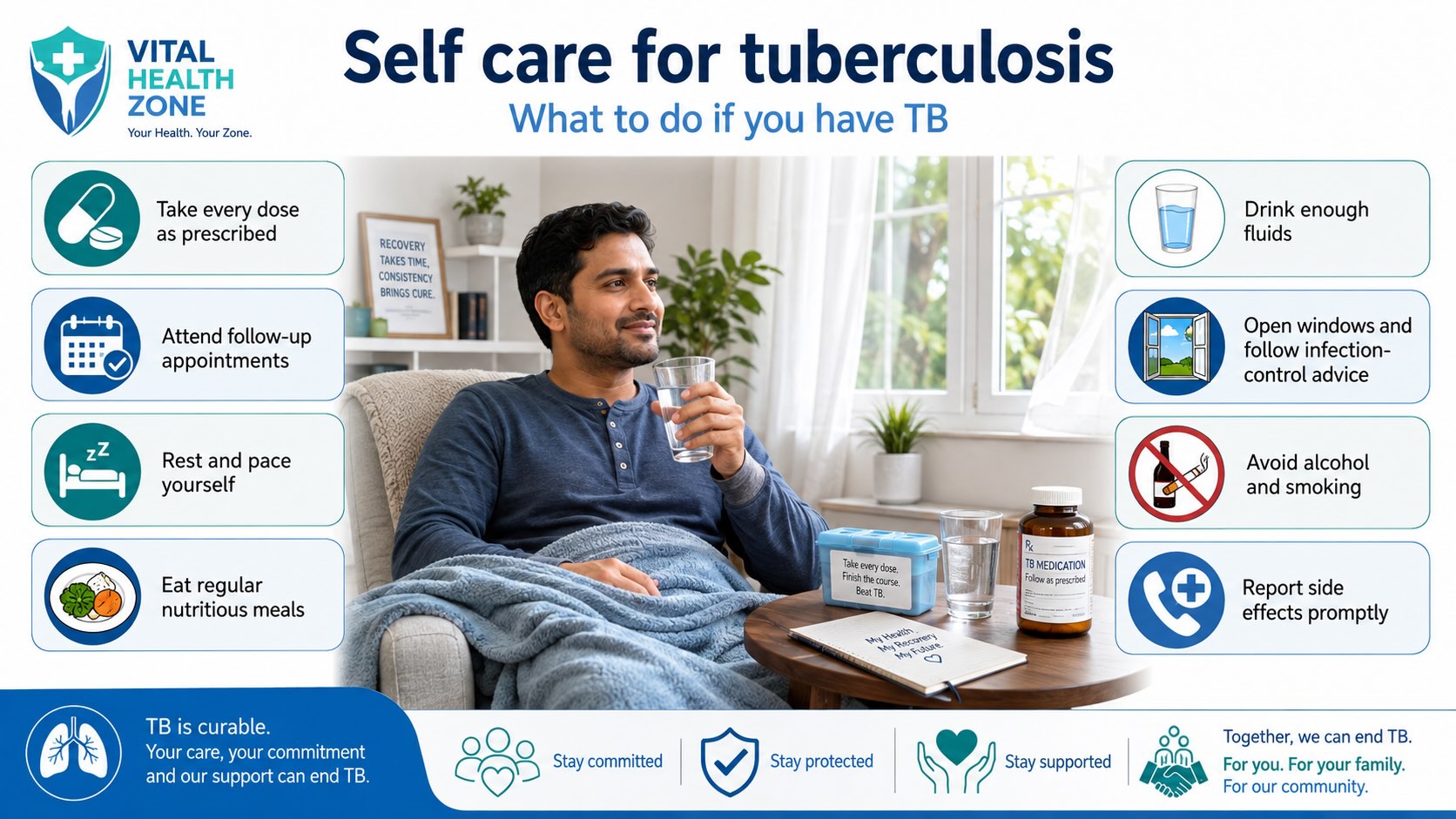
Self-care cannot replace antibiotics, but it can make treatment easier and support recovery.
Take every dose
Follow the medication schedule exactly. Use a routine, calendar or reminder system if recommended by the TB team.
Tell the clinic early if side effects, transport problems, work commitments, unstable housing, cost concerns or other difficulties make treatment hard to continue. Support can often be arranged.
Follow infection-control instructions
Do not return to work, school or crowded activities until the TB team confirms that it is safe.
Follow advice about:
- masks
- household contact
- visitors
- ventilation
- cough hygiene
- sleeping arrangements
- follow-up sputum testing
Feeling better does not necessarily mean that a person is no longer infectious.
Avoid alcohol
Alcohol can increase the risk of liver injury during tuberculosis treatment. Avoid alcohol unless the treating doctor has specifically advised that it is safe.
Ask the TB team before using paracetamol, herbal remedies or other products that may affect the liver.
Eat enough nutritious food
Tuberculosis can cause reduced appetite, muscle loss and unintended weight loss.
Choose manageable meals containing:
- protein-rich foods such as eggs, fish, lean meat, legumes, dairy foods or suitable alternatives
- wholegrain breads and cereals
- vegetables and fruit
- healthy fats
- energy-rich snacks when appetite is low
A dietitian may help if weight loss is significant, chewing or swallowing is difficult or another condition such as diabetes or kidney disease affects food choices.
Stop smoking
Smoking damages lung tissue, increases respiratory symptoms and may make recovery more difficult. Avoid smoking and exposure to second-hand smoke.
Discuss pregnancy and contraception
Tell the TB team if you are pregnant, breastfeeding or planning a pregnancy.
Rifampicin can make oral contraceptive pills less reliable. Ask the doctor about an alternative or additional form of contraception during treatment.
Attend follow-up appointments
Monitoring may involve:
- blood tests
- vision tests
- sputum testing
- chest imaging
- review of symptoms
- medicine adjustments
- checks for interactions and side effects
Continue follow-up for as long as the TB service recommends.
Look after mental wellbeing
A tuberculosis diagnosis can cause fear, isolation, uncertainty or concern about stigma. TB is an infection, not a personal failing.
Ask the treatment team for counselling, interpreter support, social work assistance or culturally appropriate services when needed.
Caring for someone with tuberculosis
Partners, family and friends
People providing support can help by:
- encouraging the person to take every dose
- assisting with transport or appointments
- providing nutritious meals
- helping with childcare or household responsibilities
- following public health advice about contact testing
- respecting the person’s privacy
- watching for serious medicine side effects
- avoiding blame or stigmatising language
Household members should not arrange their own tests or preventive medicine without medical guidance. The public health unit will identify which contacts require assessment and when testing should occur.
Separate plates, cups, cutlery and laundry are not normally necessary. Airborne precautions, ventilation and avoiding prolonged close contact are more relevant while a person remains infectious.
Caring for a child with tuberculosis
Tuberculosis may progress more quickly in babies and young children. Symptoms can also be less specific than they are in adults.
Possible signs include:
- poor weight gain
- reduced appetite
- persistent fever
- ongoing cough
- unusual tiredness
- reduced play or activity
- swollen lymph nodes
Children who have been exposed to infectious TB should be assessed promptly, even when they appear well. Preventive treatment may be recommended because young children have a higher risk of severe disease.
Parents and carers should ensure that all medicines and follow-up tests are completed. Ask the treating team for advice about returning to childcare or school, travel and BCG vaccination.

References
References
- Australian Centre for Disease Control. Tuberculosis. Canberra: Australian Government Department of Health, Disability and Ageing; updated 27 January 2026.
- Australian Centre for Disease Control. Tuberculosis – CDNA national guidelines for public health units. Canberra: Australian Government Department of Health and Aged Care; 2022. Updated 2 December 2025.
- Australian Government Department of Health, Disability and Ageing. Tuberculosis. Australian Immunisation Handbook. Canberra: Australian Government Department of Health, Disability and Ageing; updated 24 October 2025.
- Centers for Disease Control and Prevention. Clinical and laboratory diagnosis for tuberculosis. Atlanta: US Department of Health and Human Services; updated 31 January 2025.
- Centers for Disease Control and Prevention. Clinical overview of tuberculosis. Atlanta: US Department of Health and Human Services; updated 6 January 2025.
- Donnan EJ, Pett J, Ulbricht E, Massey PD, Sintchenko V, Marais BJ. Progress and challenges to TB elimination in New South Wales, Australia. IJTLD Open. 2025;2(6):324–332. doi:10.5588/ijtldopen.24.0596.
- National Tuberculosis Advisory Committee, Denholm J. The Strategic Plan for Tuberculosis Elimination and Equity in Australia, 2026–2030. Commun Dis Intell. 2026;50. doi:10.33321/cdi.2026.50.039.
- NSW Health. Bacille Calmette-Guérin (BCG) vaccination for tuberculosis. Sydney: NSW Ministry of Health; updated 9 January 2024.
- NSW Health. Standard medications for TB disease. Sydney: NSW Ministry of Health; updated 18 August 2025.
- NSW Health. Tuberculosis fact sheet. Sydney: NSW Ministry of Health; updated 4 November 2025.
- NSW Health. Tuberculosis information for contacts. Sydney: NSW Ministry of Health.
- Queensland Health. Tuberculosis medications. Brisbane: Queensland Government; 2025.
- World Health Organization. Global tuberculosis report 2025. Geneva: World Health Organization; 2025.
- World Health Organization. Tuberculosis fact sheet. Geneva: World Health Organization; updated 24 March 2026.
- World Health Organization. WHO consolidated guidelines on tuberculosis: module 1: prevention – tuberculosis preventive treatment. 2nd ed. Geneva: World Health Organization; 2024.
- World Health Organization. WHO consolidated guidelines on tuberculosis: module 3: diagnosis. Geneva: World Health Organization; 2025.
- World Health Organization. WHO consolidated guidelines on tuberculosis: module 4: treatment and care. Geneva: World Health Organization; 2025.
- World Health Organization. WHO consolidated guidelines on tuberculosis: module 5: management of tuberculosis in children and adolescents. Geneva: World Health Organization; 2022.
This information is general in nature and is not a substitute for individual medical advice. Anyone who has symptoms of diabetes, persistently high or low blood glucose, or concerns about their treatment should contact their doctor or diabetes healthcare professional.
Last reviewed and updated: 11 August 2026

