


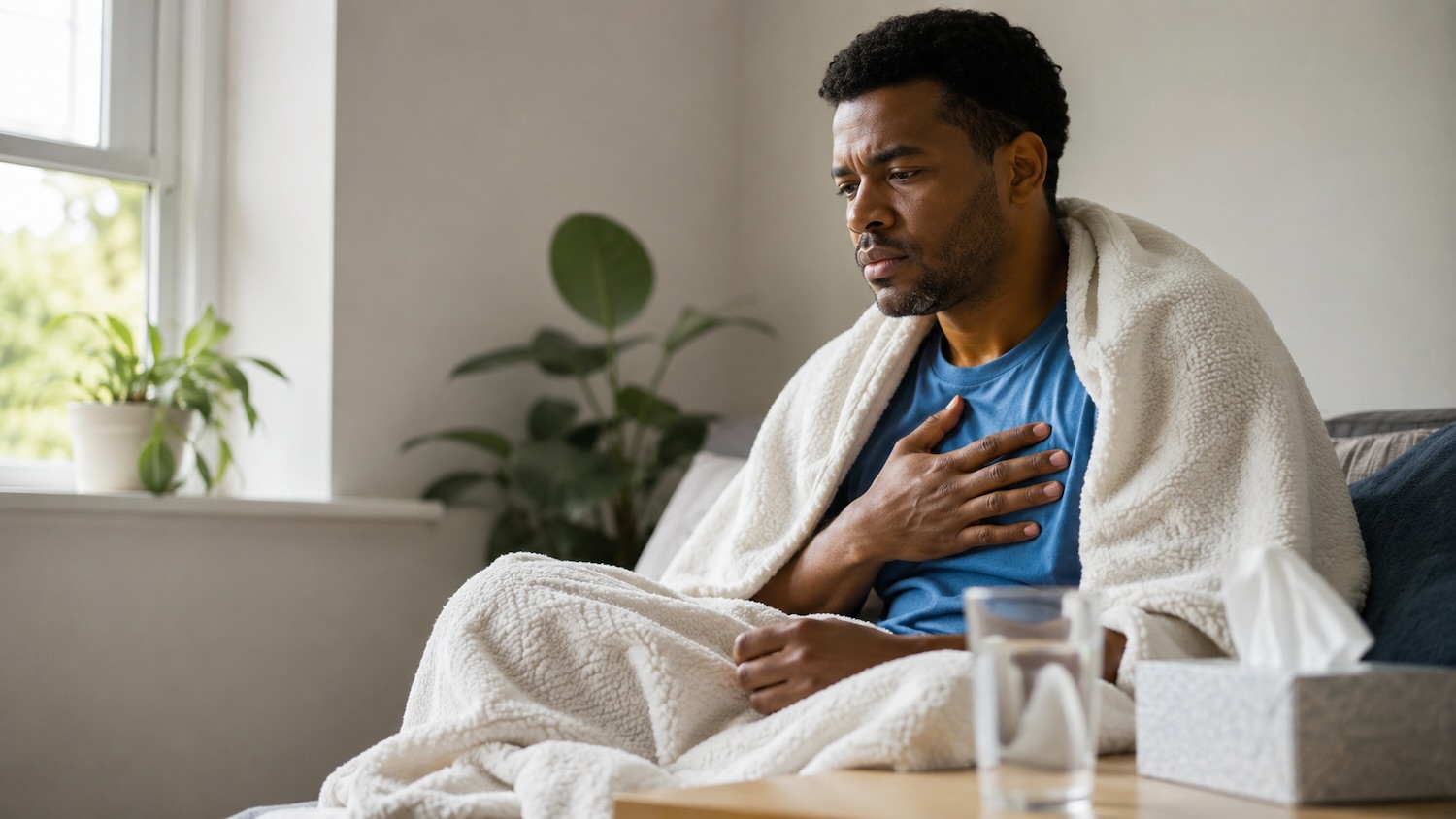
Facts
What is pneumonia
Pneumonia is inflammation of the small air sacs in the lungs, known as alveoli. It is usually caused by an infection. When the alveoli become inflamed, they can fill with fluid, mucus and inflammatory cells, making it harder for oxygen to pass from the lungs into the bloodstream.
Pneumonia can affect one lung or both lungs. It may be mild enough to manage at home or severe enough to require hospital treatment, oxygen or intensive care. Babies, older adults and people with certain medical conditions have a higher risk of developing serious pneumonia.
Types of pneumonia
Pneumonia can be described according to what caused it or where the infection was acquired.
- Bacterial pneumonia – caused by bacteria. Streptococcus pneumoniae, also called pneumococcus, is one of the most common causes
- Viral pneumonia – caused by viruses such as influenza, respiratory syncytial virus (RSV), SARS-CoV-2 and human parainfluenza viruses
- Atypical pneumonia – usually caused by organisms such as Mycoplasma pneumoniae, Chlamydophila pneumoniae or Legionella pneumophila. Symptoms may develop more gradually than typical bacterial pneumonia
- Fungal pneumonia – uncommon in otherwise healthy people but may affect people with weakened immune systems
- Aspiration pneumonia – occurs when food, liquid, saliva or vomit enters the lungs instead of being swallowed
- Community-acquired pneumonia – develops outside a hospital or residential healthcare setting
- Hospital-acquired pneumonia – develops during a hospital stay
- Ventilator-associated pneumonia – develops in someone receiving mechanical ventilation
“Walking pneumonia” is an informal term often used for a milder form of atypical pneumonia. A person may still be able to carry out some daily activities, but the illness can last for several weeks and occasionally becomes serious.
“Double pneumonia” means that pneumonia is affecting both lungs. It is not a separate type of infection.
Facts about pneumonia
- Pneumonia affects the alveoli rather than only the larger breathing tubes
- A cough may be dry or may bring up thick mucus
- Pneumonia can develop after a cold, influenza, COVID-19 or another respiratory infection
- Bacteria and viruses are the most common causes
- Antibiotics treat bacterial pneumonia but do not treat viral pneumonia
- Pneumonia is not always contagious, but some of the bacteria and viruses that cause it can spread between people
- Aspiration pneumonia and pneumonia caused by medicines or autoimmune disease are not contagious
- Pneumonia can affect one or both lungs
- People can develop pneumonia more than once
- Recovery may take several weeks and tiredness or coughing can continue after the infection has cleared
- Vaccination can prevent some, but not all, causes of pneumonia
- Smoking and vaping increase the risk of respiratory infection and severe pneumococcal disease
- Prompt medical assessment is important because pneumonia may become serious quickly in vulnerable people.
Symptoms
Symptoms of pneumonia
Symptoms vary according to a person’s age, the organism causing the infection, the severity of the illness and whether the person has other medical conditions.
General symptoms
Common pneumonia symptoms include:
- Cough, which may be dry or produce yellow, green, brown or blood-streaked mucus
- Fever of 38°C or higher
- Chills or shivering
- Fast breathing
- Shortness of breath
- Chest pain that becomes worse when breathing deeply or coughing
- Tiredness and weakness
- Sweating
- Headache
- Muscle aches
- Reduced appetite
- Nausea, vomiting or diarrhoea in some people
- A fast heartbeat
- Feeling generally unwell
A respiratory infection that initially appears to be improving but then suddenly becomes worse can be a sign of pneumonia or another complication.
Symptoms in babies and children
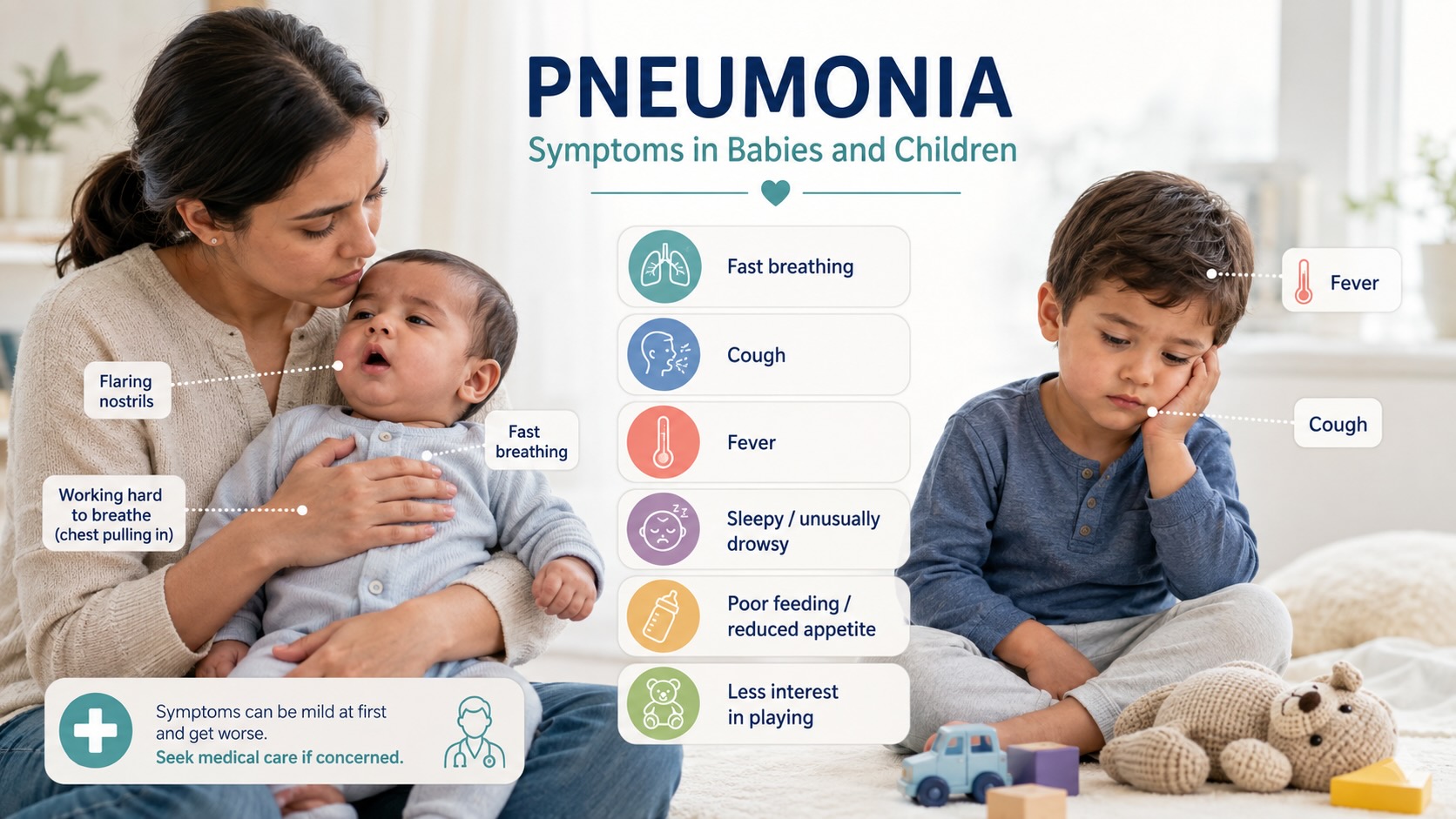
Babies and young children may not have the same symptoms as adults. Signs can include:
- Fast or difficult breathing
- The skin between or beneath the ribs pulling in during breathing
- Flaring of the nostrils
- Grunting noises
- Head bobbing in young babies
- Fever
- Cough
- Poor feeding
- Vomiting
- Fewer wet nappies
- Unusual irritability
- Sleepiness or difficulty waking
- Chest or abdominal pain
- Pale, grey or bluish skin
- Reduced interest in playing or normal activities
Babies can become dehydrated or develop breathing difficulties quickly. A baby younger than three months with a fever, poor feeding or breathing problems should be assessed urgently.
Symptoms in older people
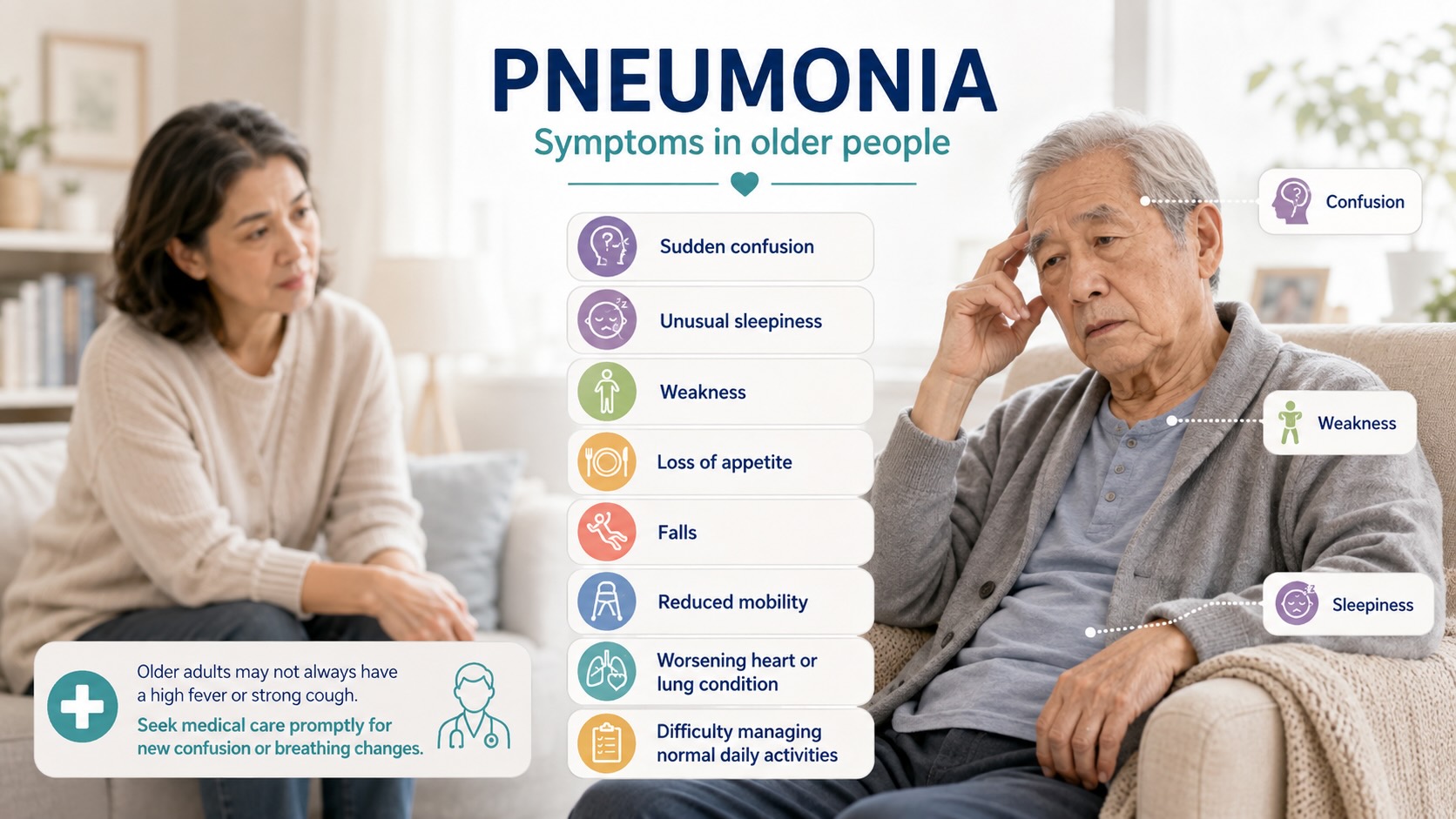
Older adults do not always develop a high fever or a strong cough. Their first symptoms may include:
- Sudden confusion
- Unusual sleepiness
- Weakness
- Loss of appetite
- Falls
- Reduced mobility
- Worsening of an existing heart or lung condition
- Difficulty managing normal daily activities
New confusion in an older person with a possible infection requires prompt medical attention.
Emergency warning signs
Call triple zero (000) and ask for an ambulance if someone with suspected pneumonia:
- Is struggling to breathe or cannot speak normally because of breathlessness
- Has blue, grey or very pale lips, tongue or skin
- Is confused, collapses or is difficult to wake
- Has severe or worsening chest pain
- Is coughing up a significant amount of blood
- Has pauses in breathing
- Has signs of severe sepsis, such as rapid breathing, confusion, mottled skin or extreme drowsiness
- Is a baby who is limp, blue, unable to feed or working very hard to breathe
Do not drive yourself to hospital if you are severely breathless, confused or at risk of collapsing.
Causes
Causes of pneumonia
Pneumonia most commonly develops when bacteria or viruses reach the lower respiratory tract and the immune system is unable to clear them before they cause inflammation in the lungs.
Bacterial pneumonia
Common bacterial causes include:
- Streptococcus pneumoniae
- Haemophilus influenzae
- Moraxella catarrhalis
- Staphylococcus aureus
- Klebsiella pneumoniae
- Mycoplasma pneumoniae
- Chlamydophila pneumoniae
- Legionella pneumophila
Bacterial pneumonia may develop on its own or after a viral infection such as influenza. A preceding viral infection can damage the protective lining of the airways and make it easier for bacteria to enter the lungs.
Viral pneumonia
Viruses that can cause pneumonia include:
- Influenza
- RSV
- SARS-CoV-2
- Human metapneumovirus
- Parainfluenza viruses
- Adenoviruses
- Measles
- Varicella-zoster virus, which causes chickenpox
Viral pneumonia can range from mild to life-threatening. Some people also develop a secondary bacterial infection during or after the viral illness.
Fungal pneumonia
Fungal pneumonia is more likely to affect people who have a weakened immune system because of cancer treatment, organ transplantation, HIV infection, immune-suppressing medicines or another serious illness.
The fungi involved can vary according to the person’s immune status, environmental exposure and geographic location. Specialist investigation and antifungal treatment are usually required.
Aspiration pneumonia
Aspiration pneumonia can develop when material from the mouth or stomach enters the lungs.
The risk is higher in people who:
- Have swallowing difficulties
- Have experienced a stroke or neurological condition
- Have reduced consciousness
- Are affected by alcohol, sedatives or anaesthesia
- Experience frequent vomiting
- Have severe reflux
- Are fed through certain types of feeding tubes
- Have poor mobility or difficulty sitting upright during meals
Aspiration can irritate the lungs directly and may also introduce bacteria into the lower airways.
Risk factors
Anyone can develop pneumonia, but the risk of severe illness is higher in:
- Babies and young children
- Older adults
- Aboriginal and Torres Strait Islander people
- People who smoke or vape
- People with asthma, chronic obstructive pulmonary disease, bronchiectasis or another lung condition
- People with heart disease
- People with diabetes
- People with chronic kidney or liver disease
- People with cancer
- People with weakened immune systems
- People without a functioning spleen
- People who are undernourished or frail
- People with swallowing difficulties
- People living in residential aged care
- People recovering from surgery or a prolonged hospital stay
- People who have recently had influenza, COVID-19 or another respiratory infection
The Australian Immunisation Handbook identifies infants, older adults, Aboriginal and Torres Strait Islander peoples and people with certain medical condition (like cancer) s as groups with a higher risk of developing pneumonia.
Prevention
Prevention of pneumonia
Not every case of pneumonia can be prevented. However, vaccination, infection control and reducing lung irritants can lower the risk.
Vaccination
Vaccines can reduce the risk of pneumonia caused by or associated with:
- Pneumococcal bacteria
- Influenza
- COVID-19
- Pertussis
- Measles
- Haemophilus influenzae type b
Pneumococcal vaccination recommendations in Australia changed during 2026. Current Australian guidance recommends 20-valent pneumococcal conjugate vaccine for children and 21-valent pneumococcal conjugate vaccine for adults.
Pneumococcal vaccination is routinely recommended for:
- Infants and children
- All adults aged 65 years and older
- Aboriginal and Torres Strait Islander adults aged 25 years and older
- Children and adults with specified medical risk conditions
The required vaccine and timing depend on age, medical history and any pneumococcal vaccines previously received. Check the current Australian Immunisation Handbook or speak to a doctor or immunisation provider rather than relying on an older schedule.
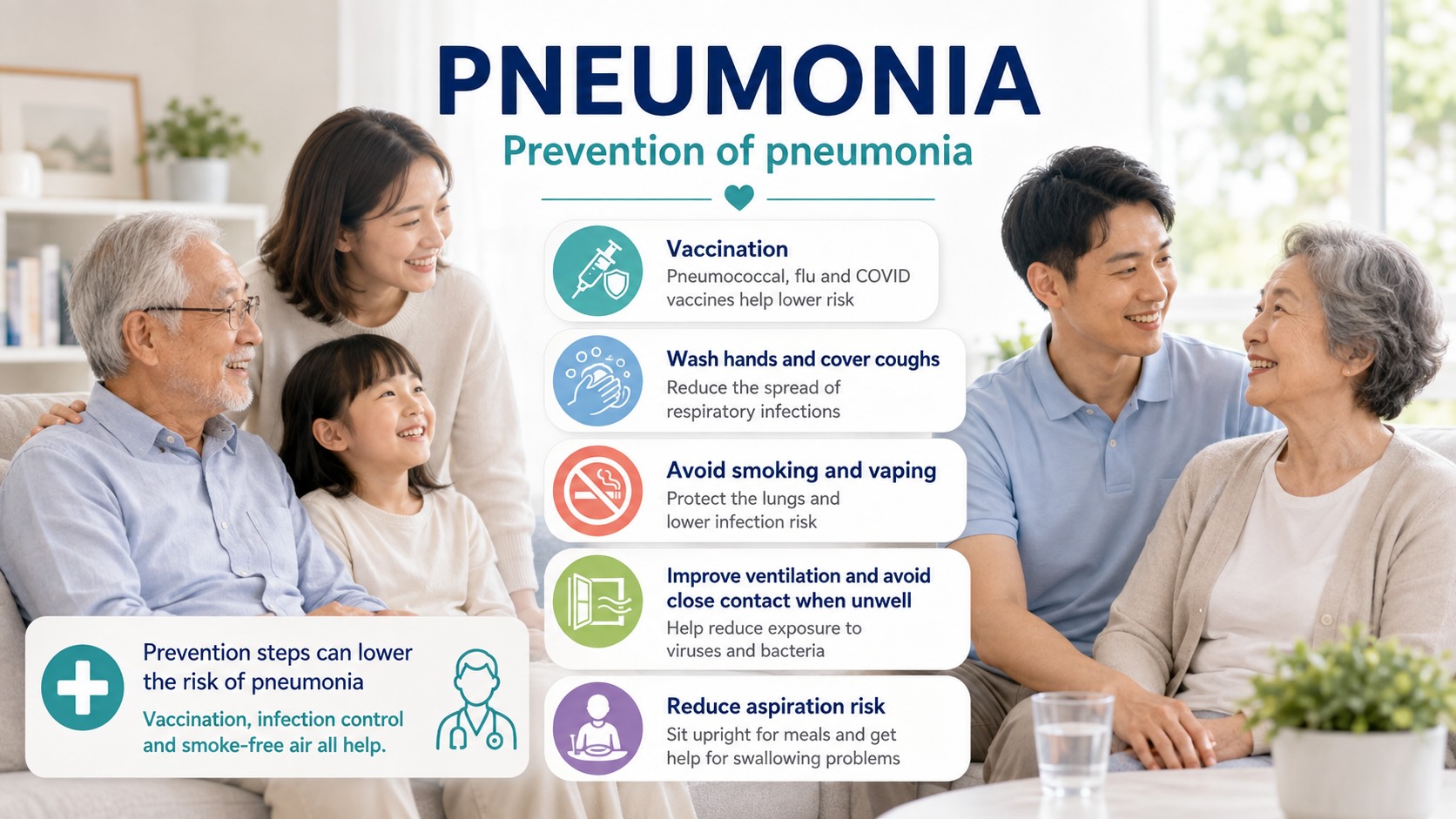
Reduce the spread of respiratory infections
- Wash hands thoroughly with soap and water
- Use alcohol-based hand sanitiser when soap and water are unavailable
- Cover coughs and sneezes with a tissue or the inside of the elbow
- Dispose of used tissues promptly
- Avoid touching the eyes, nose and mouth with unwashed hands
- Do not share drinking vessels, cutlery or cigarettes
- Improve ventilation when spending time indoors with other people
- Stay away from vulnerable people while unwell
- Follow current public health advice about testing, masks and isolation during infectious outbreaks
These measures reduce exposure to respiratory organisms that may lead to pneumonia.
Stop smoking and avoid second-hand smoke
Smoking damages the airways and interferes with the lungs’ normal defence mechanisms. Stopping smoking lowers the risk of respiratory infection and provides benefits even after many years of smoking.
Avoid second-hand smoke, vaping aerosols, wood smoke, chemical fumes and other airborne irritants while recovering.
Reduce aspiration risk
People with swallowing problems may benefit from assessment by a speech pathologist or another qualified healthcare professional.
Risk may be reduced by:
- Sitting upright during meals
- Eating slowly
- Following recommended food and fluid textures
- Remaining upright after eating
- Maintaining good dental and mouth care
- Reviewing sedating medicines with a doctor
- Seeking help for persistent choking, coughing during meals or unexplained recurrent chest infections
Complications
Complications of pneumonia
Most people recover without lasting complications, particularly when pneumonia is diagnosed and treated early. Severe pneumonia can nevertheless cause:
- Respiratory failure – the lungs cannot supply enough oxygen or remove enough carbon dioxide
- Sepsis – a life-threatening response to infection that can damage organs
- Bacteraemia – bacteria enter the bloodstream
- Pleural effusion – excess fluid collects around the lung
- Empyema – infected fluid or pus collects in the pleural space
- Lung abscess – a pus-filled cavity forms inside the lung
- Necrotising pneumonia – areas of lung tissue become severely damaged
- Acute respiratory distress syndrome – widespread lung inflammation causes severe breathing failure
- Dehydration
- Delirium – sudden confusion, particularly in older adults
- Worsening of asthma, COPD, heart failure or another existing condition
- Kidney, heart or other organ complications
- Death
Complicated pneumonia in children can include parapneumonic effusion, empyema, lung abscess or necrotising pneumonia.
Diagnosis
When to see a doctor about pneumonia
Arrange medical assessment as soon as possible if you have symptoms that could indicate pneumonia, particularly:
- Shortness of breath
- Fast breathing
- Chest pain when breathing or coughing
- Persistent or worsening fever
- A cough that is becoming worse
- Blood in mucus
- Symptoms that improve and then suddenly deteriorate
- New confusion
- Difficulty eating or drinking
- Symptoms in a baby, older adult or immunocompromised person
- A chronic heart or lung condition that is becoming harder to control
A person taking antibiotics for pneumonia should contact their doctor if symptoms are worsening or there is no meaningful improvement within the timeframe advised by the treating clinician.
Diagnosis of pneumonia
A doctor will ask about:
- When symptoms began
- Whether symptoms are worsening
- Recent respiratory infections
- Medical conditions
- Smoking and vaping
- Medicines
- Recent hospital treatment
- Travel or environmental exposures
- Difficulty swallowing
- Contact with other unwell people
The examination may include:
- Measuring temperature
- Counting the breathing and heart rates
- Measuring oxygen saturation with a pulse oximeter
- Listening to the lungs
- Checking blood pressure
- Looking for dehydration, confusion or increased effort of breathing
Diagnostic tests
Not every person requires every test. Tests may include:
- Chest X-ray
- Blood tests
- Sputum testing
- Blood cultures
- Nose or throat swabs for respiratory viruses
- Urine antigen testing for selected organisms
- CT scan when the diagnosis is unclear or complications are suspected
- Pleural fluid testing when fluid has collected around the lungs
Doctors also assess illness severity to decide whether treatment at home is appropriate or hospital care is needed. A follow-up chest X-ray is not required for everyone but may be recommended when symptoms persist, recovery is unusual or there is concern about another underlying condition.
Treatment
Conventional treatment of pneumonia
Treatment depends on the cause, severity, age of the patient and any underlying medical conditions.
Antibiotics
Antibiotics are used when pneumonia is caused or strongly suspected to be caused by bacteria.
The antibiotic selected depends on factors such as:
- Age
- Allergy history
- Pregnancy
- Illness severity
- Other medical conditions
- Recent antibiotic use
- Local patterns of antibiotic resistance
- Whether the infection developed in the community or hospital
Take antibiotics exactly as prescribed. Do not share antibiotics, use leftover tablets or stop and restart treatment without medical advice. Contact the prescriber if side effects occur or symptoms become worse.
Antibiotics do not kill viruses and are not routinely used for uncomplicated viral pneumonia unless bacterial infection is also suspected.
Antiviral treatment
An antiviral medicine may be recommended when pneumonia is caused by influenza, COVID-19 or another virus for which specific treatment is available.
Antiviral treatment is most useful for selected people and may need to begin early. Suitability depends on the virus, symptom duration, pregnancy, age, risk factors and illness severity.
Antifungal treatment
Fungal pneumonia requires antifungal medicine selected for the organism involved. Treatment is usually managed by specialists and may continue for an extended period.
Pain and fever relief
Paracetamol or an anti-inflammatory medicine such as ibuprofen may help reduce fever, headache and chest discomfort when these medicines are safe for the individual.
Check with a doctor or pharmacist before using them if you:
- Have kidney, liver, stomach or heart disease
- Take blood-thinning medication
- Are pregnant
- Have previously reacted to an anti-inflammatory medicine
- Are dehydrated
- Are treating a baby or young child
Never give aspirin to a child or teenager unless it has been specifically prescribed.
Cough medicines
Coughing helps move mucus out of the lungs. Over-the-counter cough medicines have not been shown to provide clear benefits for people being treated for acute pneumonia and some products are unsuitable for children.
Ask a doctor or pharmacist before using a cough suppressant, expectorant, decongestant or combination cold and flu product.
Hospital treatment
Hospital care may include:
- Oxygen
- Intravenous antibiotics
- Intravenous fluids
- Antiviral or antifungal medicine
- Pain and fever treatment
- Close monitoring
- Treatment for sepsis
- Drainage of infected fluid around the lung
- Non-invasive breathing support
- Mechanical ventilation in intensive care
A person may need hospital treatment if oxygen levels are low, breathing is difficult, blood pressure is unstable, oral medicines cannot be taken or there is a high risk of complications.
Alternative
Alternative and complementary treatment of pneumonia
Complementary treatments must not replace medical assessment, antibiotics for bacterial pneumonia, antivirals when indicated, oxygen or hospital treatment.
There is no reliable evidence that a herb, vitamin, essential oil, detox product or home remedy can cure pneumonia.
Fluids and warm drinks
Water, soup and other suitable fluids may help prevent dehydration and make thick mucus easier to clear. Warm drinks may temporarily soothe an irritated throat.
People with heart failure, kidney disease or a prescribed fluid restriction should follow their clinician’s fluid advice rather than deliberately increasing intake.
Nutritious food
The body needs energy and protein during recovery. When appetite is poor, try small meals and snacks such as:
- Soup containing vegetables, legumes, chicken or fish
- Eggs
- Yoghurt
- Porridge
- Fruit
- Wholegrain toast
- Soft vegetables
- Nut or seed pastes where suitable
Poor appetite for a few days is common, but ongoing inability to eat or drink requires medical advice.
Vitamins and supplements
Vitamin C is important for normal immune function, but clinical evidence is insufficient to show that vitamin C supplements prevent or treat pneumonia. Large doses may cause diarrhoea, interact with medicines or be unsuitable for people with certain kidney conditions.
Vitamin D, zinc and other nutrients should be used to correct a confirmed or likely deficiency rather than as a substitute for pneumonia treatment. Discuss supplements with a doctor or pharmacist, especially when taking prescription medicines.
Breathing exercises and chest physiotherapy
Some people may be given breathing exercises or airway-clearance techniques by a respiratory physiotherapist, particularly when they have difficulty clearing mucus or an underlying lung condition.
Routine chest physiotherapy is not clearly beneficial for every adult with pneumonia. Current evidence is very uncertain, so forceful breathing exercises, percussion devices or airway-clearance routines should be used only when recommended for the individual.
Positioning
Sitting upright or sleeping with the upper body comfortably raised may make breathing easier than lying completely flat.
Change position regularly if you are spending long periods in bed, but do not attempt strenuous movement while severely breathless, dizzy or medically unstable.
Self care
Living with and recovering from pneumonia
Recovery is different for each person. Fever and acute breathing symptoms may settle first, while coughing, weakness and tiredness can continue for several weeks. Recovery may take longer after severe pneumonia or in people with an existing lung condition.
Take prescribed medicine correctly
- Take medicine at the correct dose and time
- Follow storage instructions
- Do not share prescriptions
- Ask what to do if a dose is missed
- Report significant side effects
- Attend follow-up appointments
- Do not use someone else’s inhaler or antibiotics
Rest, but avoid prolonged immobility
Sleep and rest are important during the early stage of pneumonia. As symptoms improve, gradually resume light movement around the home.
Avoid immediately returning to demanding exercise, heavy lifting or a full workload. Increase activity in small steps and stop if it causes marked breathlessness, dizziness, chest pain or exhaustion.
Maintain fluids
Drink regularly unless you have been advised to restrict fluids. Signs of dehydration include:
- Dark urine
- Passing less urine
- Dry mouth
- Dizziness
- Increasing weakness
- Lack of tears in a child
- Fewer wet nappies in a baby
Seek medical advice if fluids cannot be kept down.
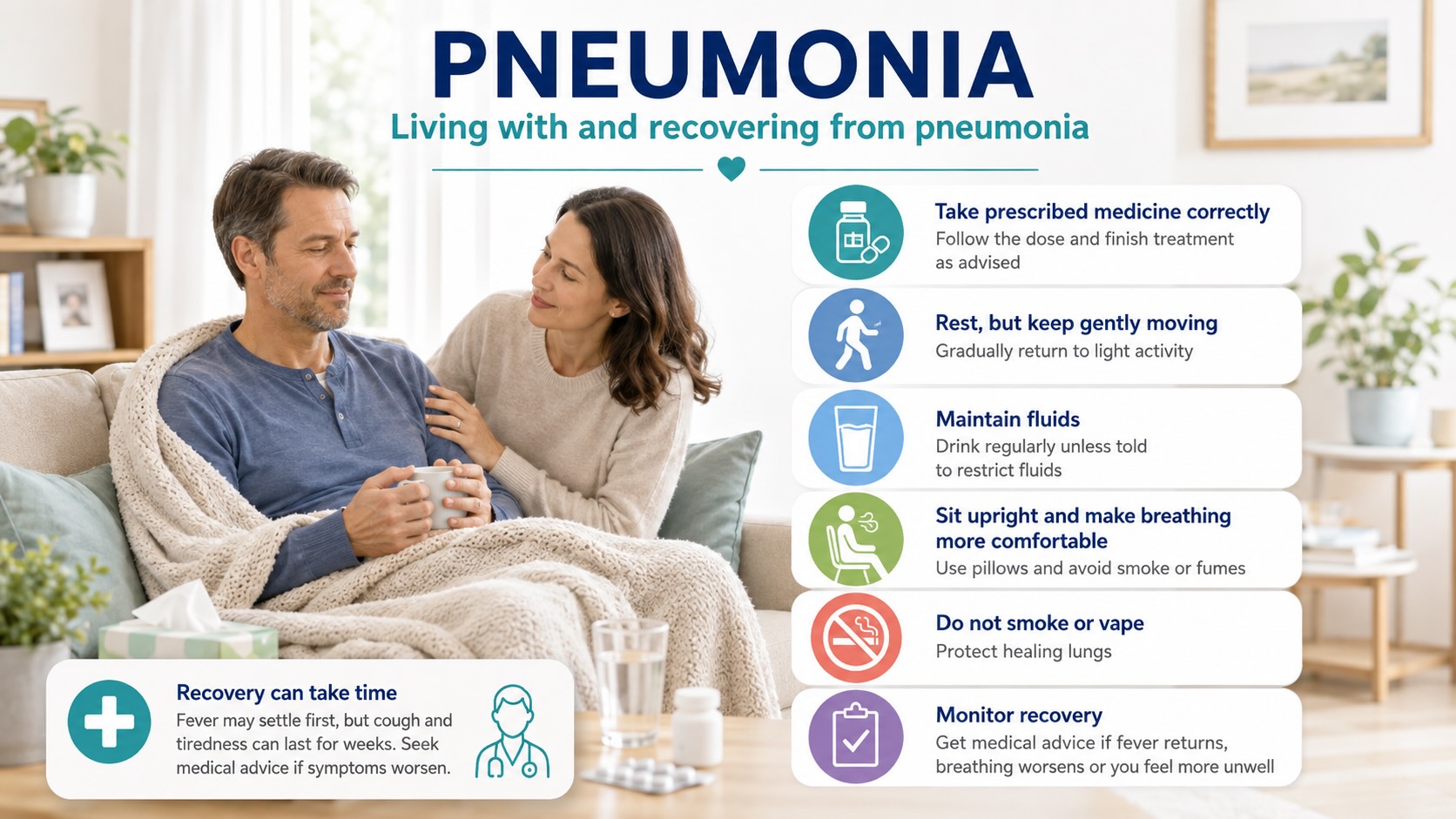
Make breathing more comfortable
- Sit upright
- Support the arms on pillows or a table if breathless
- Wear loose clothing
- Keep rooms comfortably ventilated
- Avoid smoke, aerosols, perfumes and cleaning fumes
- Cough into a tissue and dispose of it promptly
- Use prescribed inhalers exactly as directed if you also have asthma or another airway condition
Do not smoke or vape
Do not smoke or vape while recovering. Avoid exposure to second-hand smoke and other airborne pollutants because they can irritate healing airways and worsen coughing or breathlessness.
Monitor recovery
Seek further medical advice if:
- Fever returns
- Breathlessness becomes worse
- Chest pain increases
- You cough up blood
- You become confused or unusually sleepy
- You cannot eat, drink or take medicine
- Your oxygen level is lower than the target provided by your clinician
- Your condition is not improving as expected
- A chronic condition such as asthma, COPD, diabetes or heart failure becomes harder to manage
A lingering cough can occur after pneumonia, but a cough that is worsening, accompanied by blood or associated with renewed fever should be reviewed.
Caring for someone with pneumonia
Partner, friend or family member
You can help by:
- Collecting prescribed medicine
- Keeping a written record of doses if needed
- Providing drinks and small meals
- Helping the person sit upright
- Reducing household chores and physical demands
- Keeping the home smoke-free
- Watching for confusion or worsening breathing
- Helping arrange medical reviews
- Cleaning frequently touched surfaces
- Washing hands after contact with tissues or respiratory secretions
- Keeping vulnerable visitors away while the person may still be infectious
Do not pressure someone with pneumonia to exercise or return to work before they are recovering.
Caring for a child
- Offer breastmilk, formula or other suitable fluids frequently
- Give small amounts more often if the child tires easily
- Follow the doctor’s antibiotic instructions
- Use only age-appropriate pain or fever medicine
- Do not give aspirin
- Do not give cough and cold medicines unless advised by a healthcare professional
- Keep the child away from cigarette smoke and vaping aerosols
- Watch the child’s breathing, colour, alertness and fluid intake
- Seek urgent help if the child is working harder to breathe, becomes difficult to wake, cannot drink or develops blue or grey skin
Children with bacterial pneumonia often begin improving after treatment starts, but coughing may continue after the infection has settled. Return for medical review if the child becomes more unwell or does not improve as advised.
Caring for an older or frail person
Monitor for subtle changes, including:
- New confusion
- Falls
- Reduced appetite
- Incontinence
- Unusual sleepiness
- Weakness
- Reduced mobility
- Missed medicines
- Worsening breathlessness
- Reduced urine output
Older people can deteriorate without developing a high fever. New confusion, marked drowsiness or breathing difficulty should be treated as urgent.
References
References
- Australian Government Department of Health, Disability and Ageing. Australian Immunisation Handbook: pneumococcal disease. Updated 22 June 2026
- Bai AD, Loeb M. Community-acquired pneumonia in adults. NEJM Evidence. 2025;4(12)
- Bonten MJM, Huijts SM, Bolkenbaas M, Webber C, Patterson S, Gault S, et al. Polysaccharide conjugate vaccine against pneumococcal pneumonia in adults. New England Journal of Medicine. 2015;372(12):1114-1125. doi:10.1056/NEJMoa1408544
- Chen X, Jiang J, Wang R, Fu H, Lu J, Yang M. Chest physiotherapy for pneumonia in adults. Cochrane Database of Systematic Reviews. 2022;(9). doi:10.1002/14651858.CD006338.pub4
- Healthdirect Australia. Pneumococcal disease. Reviewed 2026
- Healthdirect Australia. Pneumonia. Reviewed 2026
- Lung Foundation Australia. Pneumonia. Updated 26 June 2026
- Metlay JP, Waterer GW, Long AC, Anzueto A, Brozek J, Crothers K, et al. Diagnosis and treatment of adults with community-acquired pneumonia: an official clinical practice guideline of the American Thoracic Society and Infectious Diseases Society of America. American Journal of Respiratory and Critical Care Medicine. 2019;200(7). doi:10.1164/rccm.201908-1581ST
- Padhani ZA, Moazzam Z, Ashraf A, Bilal H, Salam RA, Das JK, Bhutta ZA. Vitamin C supplementation for prevention and treatment of pneumonia. Cochrane Database of Systematic Reviews. 2021;(11). doi:10.1002/14651858.CD013134.pub3
- Prina E, Ranzani OT, Torres A. Community-acquired pneumonia. Lancet. 2015;386(9998):1097-1108. doi:10.1016/S0140-6736(15)60733-4
- Royal Children’s Hospital Melbourne. Clinical practice guideline: community-acquired pneumonia
- World Health Organization. Pneumonia in children. Updated 11 November 2022
Last reviewed and updated: 1 August 2026
This information is general in nature and is not a substitute for individual medical advice. Anyone who has symptoms of diabetes, persistently high or low blood glucose, or concerns about their treatment should contact their doctor or diabetes healthcare professional.

