


Facts
Why PABA is good for you
Para-amino benzoic acid (PABA) is one of the B vitamin co-factors. It assists the B vitamins to function more effectively.
Para-amino benzoic acid (PABA) is used to improve the way proteins are used in the body, it assists with red blood cell formation, as well as assisting in the manufacture of folic acid in the intestines. PABA also maintains correct intestinal flora.
PABA is used in sunscreen preparations since it can help protect the skin against ultraviolet radiation.
Important PABA facts
- PABA is a water-soluble vitamin, which means that it is easily absorbed in the body (as most of the body is made of water and so are most of the foods eaten),
- Some of the PABA in food may be lost in cooking
- PABA is a B vitamin co-factor, which means it is not quite a vitamin, but works with all of the B vitamins to help them perform their activities more effectively
- PABA can be made by the bacteria inside the intestines, so it does not need to be taken in the form of food in the diet (which is the reason why there is no established recommended daily intake for paba)
- PABA is involved in the synthesis (creation) of folic acid (folate) in the small intestine and it is also required to ensure red blood cells are of proper form and function.
- People suffering from vitiligo, over-pigmentation of skin, or without pigment in some spots, have reported an improvement of the skin after more PABA was ingested
- Certain drugs affect PABA absorption, such as antibiotics and also alcohol
PABA works best with
Health
PABA and health
- PABA is involved with red blood cell formation
Since PABA is part of the folic acid molecule, it is involved in the formation of red blood cells and ensuring that the red blood cells created are healthy and structured properly and reduce risk of folic-acid deficiency anaemia. - PABA is used in sunscreen to field UV light
A specific form of PABA is used in sunscreen to screen out UV light, preventing sun burn and damage to the pigment of the skin and reducing risk of skin cancer. - PABA assists with protein and amino acid usage in the body
PABA helps to break down protein and enable it to be used properly by the body. Paba does this through its involvement with several enzymes that help to break down the proteins ingested from foods into their amino acids and help these amino acids to be used effectively by the various parts of the body as required. - PABA may help to stop hair from going grey
Animal studies have shown that when PABA supplementation is used in animals, it prevents their fur from turning white. There is only anecdotal evidence that PABA may help to prevent hair from greying in humans, there are no confirmed studies that consistently demonstrate this effect. - PABA may help to prevent wrinkles
PABA may actually help to rejuvenate older skin, by reducing the number of depth of wrinkles and in some people, even prevent the formation of wrinkles for longer. - PABA may treat nervousness and irritability
PABA has been shown in studies to manage mood problems. It helps to reduce anxiety, nervousness and irritability.
Deficiency
Groups at risk of PABA deficiency
Deficiency of PABA is extremely rare as it is freely available in many foods and the body can make enough of its own if required.
If a deficiency of PABA does occur it is usually because of malabsorption or malnutrition (whether from illness or being infirm).
Symptoms of PABA deficiency
Deficiency of PABA is extremely rare. If a deficiency does occur it is usually because of malabsorption or malnutrition and the following symptoms may occur:
- Constipation
- Depression
- Extreme tiredness, faigue or lethargy
- Irritability
- Nervousness
- Patchy, itchy areas on the skin
- Skin irritation and weeping eczema
People with any of these symptoms should seek advice from their doctor.
Food sources
PABA in food
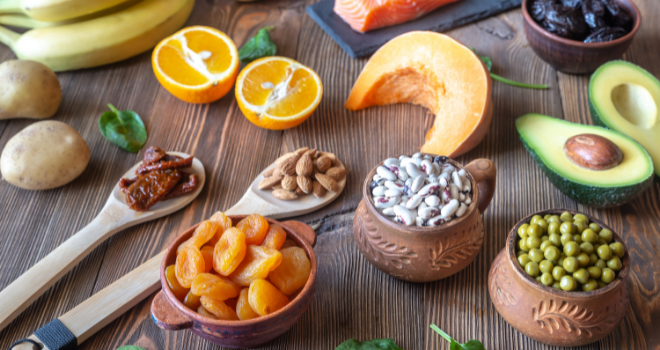
PABA is actually part of the folic acid molecule, so it will be found in folate-rich foods, such as:
- Beans
- Eggs
- Green leafy vegetables
- Lentils
- Organ meats
- Yeast
Daily intake
PABA recommended daily intake (RDI)
| RDA | No information available |
|---|---|
| TOLERABLE UPPER LIMIT | 10-1000mg |
| TOXIC LEVELS | No information available |
The tolerable upper limits should only be taken for short periods and only under medical supervision.
Toxicity
Toxicity
PABA may produce side effect symptoms in some people at doses greater than 1000mg per day. Overdosage and toxicity is more likely to occur from taking too many supplements, whereas dietary intake of paba is highly unlikely to cause overdosage.
Toxicity symptoms
PABA is an essentially a non-toxic vitamin (exception when taken in high doses over a long period) and some people do have a sensitivity to it and have reported some side effects of toxicity from higher dosage of supplements, as follows:
- Diarrhoea
- Fever
- Liver disease
- Nausea
- Rash
- Vomiting
People experiencing any of the above toxicity symptoms should discontinue their PABA supplements and seek medical advice.
Precautions
Precautions
Certain people should not take PABA supplements at all:
- People with any type of liver disease
People that have any type of liver disease should not take PABA supplements at all because high levels of PABA can produce liver toxicity and liver disease symptoms, which can be dangerous in people with existing liver problems.
Interactions
Interactions with medications and supplements
The following are the medications and supplements that are more likely to cause a reaction with paba supplements:
- Antibiotics
People who are taking antibiotics should avoid taking paba supplements at the same time, as the paba can decrease the effectiveness of the antibiotics, making them ineffective in reducing any infection. - Sulfonamides (or other sulfa medications)
People who are taking sulfonamides (or other sulfa medications) for ulcerative colitis should avoid taking paba supplements at the same time, as the paba can decrease the effectiveness of the Sulfonamides (or other sulfa medications).
Other interactions with paba
There are also other substances which have an interaction with PABA as follows:
- Alcohol
Alcohol can decrease the absorption and effectiveness of PABA, so supplementation may be required.
PABA’s effect on lab tests
There are none.
References
References
- Griffith HW. Minerals, Supplements and Vitamins – The Essential Guide. 2000 Fisher Books, USA
- Jakobsen J, Pendersen AN, Ovesen L. Para-aminobenzoic acid (PABA) used as a marker for completeness of 24 hour urine: effects of age and dosage scheduling. EJCN 2003, Vol 57(1); 138-142
- Lieberman S, Bruning N. The Real Vitamin and Mineral Book – Using Supplements for Optimal Health. 3rd Edition. Avery Publishing, New York, 2003
- Office of Dietary Supplements USA – has the official USA RDI for all vitamins (these are also adopted by Australia), accessed 9 August 2005
- Osiecki, Henry, The Nutrient Bible 2002, BioConcepts Publishing
Last reviewed and updated: 9 May 2024

