


Facts
Why vitamin K is good for you
Vitamin K is needed to make the blood clots that quickly stop the bleeding whenever injury occurs. This fat-soluble vitamin comes in three forms:
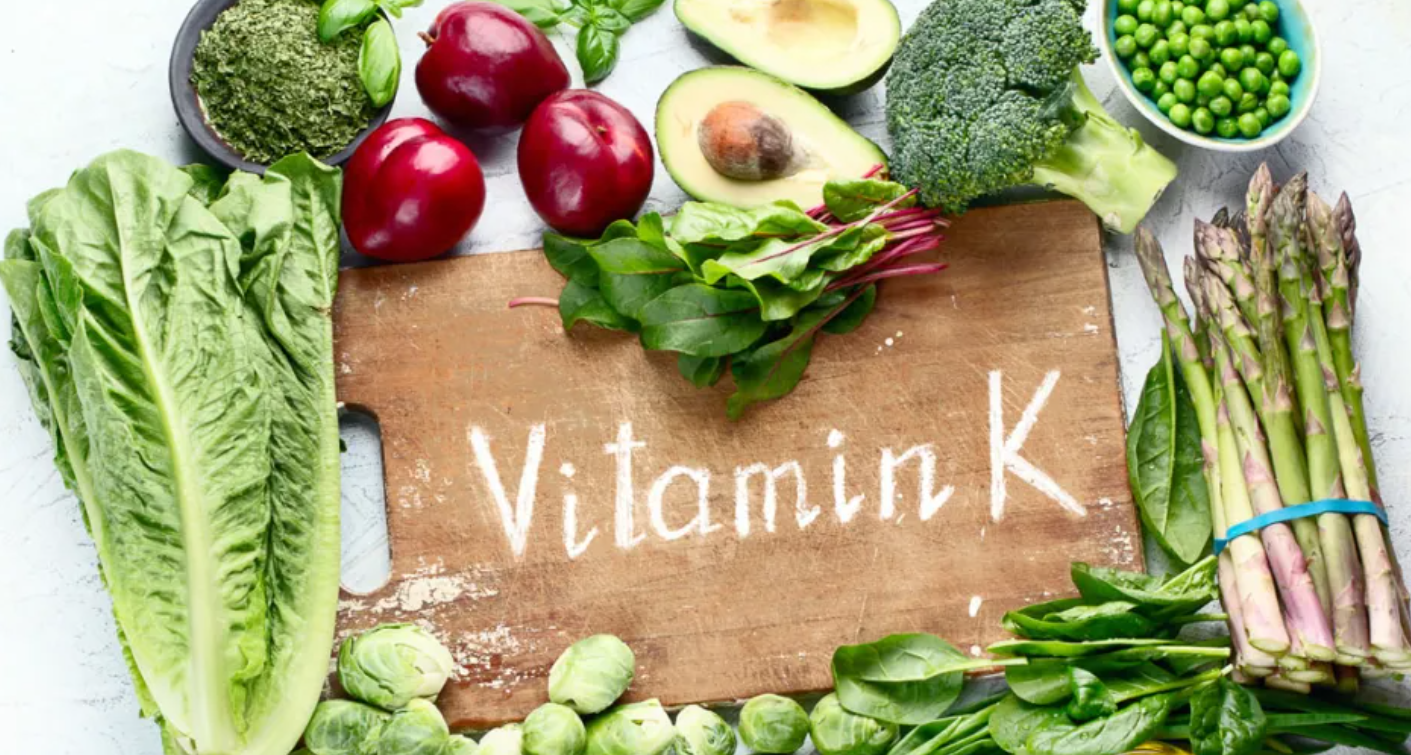
- Vitamin K1 or phylloquinone – this form is found in plant foods
- Vitamin K2 or menaquinone – this is the form that friendly bacteria make in the intestines
- Vitamin K3 or menadione – this is the artificial form, which is not so easily absorbed and should not be taken in high doses
Important vitamin K facts
- Prothrombin is a vitamin K-dependent protein directly involved with blood clotting
- All Vitamin K ends up in the liver, where it is used to make some of the substances that make the blood clot
- Vitamin K also has an important role in building bones – it is needed to keep the calcium in the bones and make sure it is getting to the right place
Vitamin K works best with
- Dietary fat is necessary for the absorption of this vitamin
- Vitamin K works well with if eaten with some leafy dark green vegetables.
- Calcium
- Magnesium
- Vitamin D
Health
Vitamin K and health
- Blood Clotting – blood has a number of different clotting factors, which are substances that help it form clots to stop bleeding from cuts, bruises and other injuries. Vitamin K is needed to help the liver make prothrombin (factor II), the most important of the clotting factors. Some of the other factors, including factors VII, IX and X, are also made in the liver and also depend on vitamin K. Without clotting factors, blood clots very slowly or not at all, so even a small cut can bleed for a long time and even a minor injury can cause a big bruise
- Osteoporosis – vitamin K is needed to help the bones absorb calcium from food and allocate it to the right places in the bones. If there is not enough vitamin K, bone cannot be very well formed and in the long run, a shortage of vitamin K can lead to osteoporosis – bones that are brittle and break easily. Researchers believe that once osteoporosis starts, vitamin K may help to slow down the process. This is still being researched
- Vitamin K kills cancer cells – so far, only in test tubes in the laboratory, Vitamin K seems to slow down or kill tumour cells just as well as powerful anti-cancer drugs. Research is continuing in this important area
Deficiency
Groups at risk of vitamin K deficiency
As a rule, vitamin K deficiency is rare – almost everyone gets enough from their own bacteria or their food. When adults get Vitamin K deficiency, it is generally because they eat very few green vegetables or because they have been taking oral antibiotics for a long time. Sometimes vitamin K deficiency is caused by liver disease or a problem digesting fat.
Deficiency of vitamin K occurs in
- People who have serious liver disease – these people cannot digest, absorb or utilise Vitamin K properly due to the malfunction of the liver and will most likely be recommended to have vitamin K shots to overcome the possible deficiency
- People intestinal disorders – people with gastrointestinal disorders such as Crohn’s disease, ulcerative colitis do not digest fats well, so may not absorb enough vitamin K from the food in their diet
- Long term users of antibiotics – antibiotics kill all bacteria (good and bad) so they kill the bacteria in the intestine that help make Vitamin K. Eating more foods rich in vitamin K should help re-populate the intestinal flora
- People who take cholesterol-lowering drugs – while these drugs help to lower the amount of LDL (“bad”) cholesterol in the blood, these drugs also may block absorption of vitamin K and the other fat-soluble vitamins
Talk to a medical professional about Vitamin K supplements before taking them.
Symptoms of vitamin K deficiency
The main signs of vitamin K deficiency are
- Blood clots very slowly, bleeding occurs for a long time from small injuries
- Blood in the urine
- Intestinal bleeding
- Nose-bleeds
- Small bruises cause big black-blue marks that heal very slowly
Food sources
Vitamin K in food
| FOOD | AMOUNT | Vitamin K (mcg) |
|---|---|---|
Turnip greens, raw | ½ cup | 182 |
Cauliflower, raw | ½ cup | 96 |
Beef, liver | 85g | 89 |
Soybean oil | 1 tsp | 76 |
Spinach, raw | ½ cup | 74 |
Broccoli, raw | ½ cup | 58 |
Cabbage, raw | ½ cup | 52 |
Tomato, raw | 1 medium | 28 |
Egg | 1 large | 25 |
Strawberries | 1 cup | 21 |
Milk, skim | 1 cup | 10 |
Wheatgerm | 28g | 10 |
Daily intake
Vitamin K recommended daily intake (RDI)
| RDA | lifestage | age | Amount |
|---|---|---|---|
| INFANTS | 0-6mths 7-12mths | 2.0mcg 2.5mcg | |
| CHILDREN | 1-3yrs 4-8yrs | 8mcg 12mcg | |
| CHILDREN | 9-13yrs 14-18yrs | 20mcg 25mcg | |
| ADULTS | 19-50yrs | 30mcg | |
| SENIORS | 51+yrs | 30mcg | |
| PREGNANT | 30mcg | ||
| LACTATING | 35mcg | ||
| TOLERABLE UPPER LIMIT | none established | ||
| TOXIC LEVELS | essentially non-toxic | ||
The tolerable upper limits should only be taken for short periods and only under medical supervision.
Toxicity
Overdosage, toxicity and cautions for vitamin K
Toxicity does not easily occur with normal dietary intake of this vitamin, but can happen if the synthetic compound vitamin K3 is taken. High to toxic uptake in the synthetic form can cause flushing and sweating, but jaundice and anaemia may also develop.
Any more than 100mcg in the synthetic form of vitamin K could be toxic and damage the liver. Talk to a medical professional about supplements made with phytonadione, a water-soluble version of Vitamin K1, the supplement least likely to cause toxicity.
Precautions
Precautions
- People on blood-thinning drugs such as Coumarin (Coumadin) or Warfarin should NOT take Vitamin K supplements – it will prevent the drug from doing its job!
- People on anti-coagulant drugs should NOT take Vitamin K supplements
People taking any type of medication should talk to a medical professional about Vitamin K supplements before taking them.
Interactions
References
References
- Bell RG, Sadowski JA, Matschiner JT. Mechanism of action of warfarin. Warfarin and metabolism of vitamin K1. Biochem. 1972;11:1959-1961
- Cashman KD. Vitamin K status may be an important determinant of childhood bone health. Nutr Rev. 2005 Aug;63(8):284-9. Review
- Knapen MH, Schurgers LJ, Vermeer C. Vitamin K(2) supplementation improves hip bone geometry and bone strength indices in postmenopausal women. Osteoporos Int. 2007 Feb 8
- Mager DR, McGee PL, Furuya KN, Roberts EA. Prevalence of vitamin K deficiency in children with mild to moderate chronic liver disease. J Pediatr Gastroenterol Nutr. 2006 Jan;42(1):71-6
- Office of Dietary Supplements USA – has the official USA RDI for all vitamins (these are also adopted by Australia), accessed 9 August 2005
- Osiecki, Henry, The Nutrient Bible 2002, BioConcepts Publishing
- Sato y, Honda Y, Hayasida N, Iwamoto J, Kanoko T, Satoh K. Vitamin K deficiency and osteopenia in elderly women with Alzheimer’s disease. Arch Phys Med Rehabil. 2005 Mar;86(3):576-81
Last reviewed and updated: 9 May 2024

