


Facts
Why sodium is good for you
- Sodium is an electrolyte
Sodium, along with potassium and chloride, is an electrolyte. An electrolyte is a mineral that dissolves in water and carries an electrical charge. Since the body is mostly made up of water, electrolytes are found everywhere in the body – inside the cells, in the spaces between cells, in the blood, in lymph glands and everywhere else. Sodium has a positive charge (as does potassium, while chloride has a negative charge) - Sodium works with other electrolytes to regulate fluid in body cells
Because electrolytes have electrical charges, they can move easily back and forth through cell membranes. This is important because as they move into a cell, they carry other nutrients in with them and as they move out of it, they carry out waste products and excess water - Potassium regulates sodium levels
Potassium is required to regulate and balance sodium levels in the body – if sodium levels are too high, then eating foods rich in potassium can help to reduce sodium levels in the body and enable them to be both balanced. To keep body fluid levels in balance, your cells need to have a lot of potassium inside them and a lot of sodium in the fluids outside them. To keep the balance, sodium and potassium constantly move back and forth through the cell membranes. - Processed foods contain high sodium levels
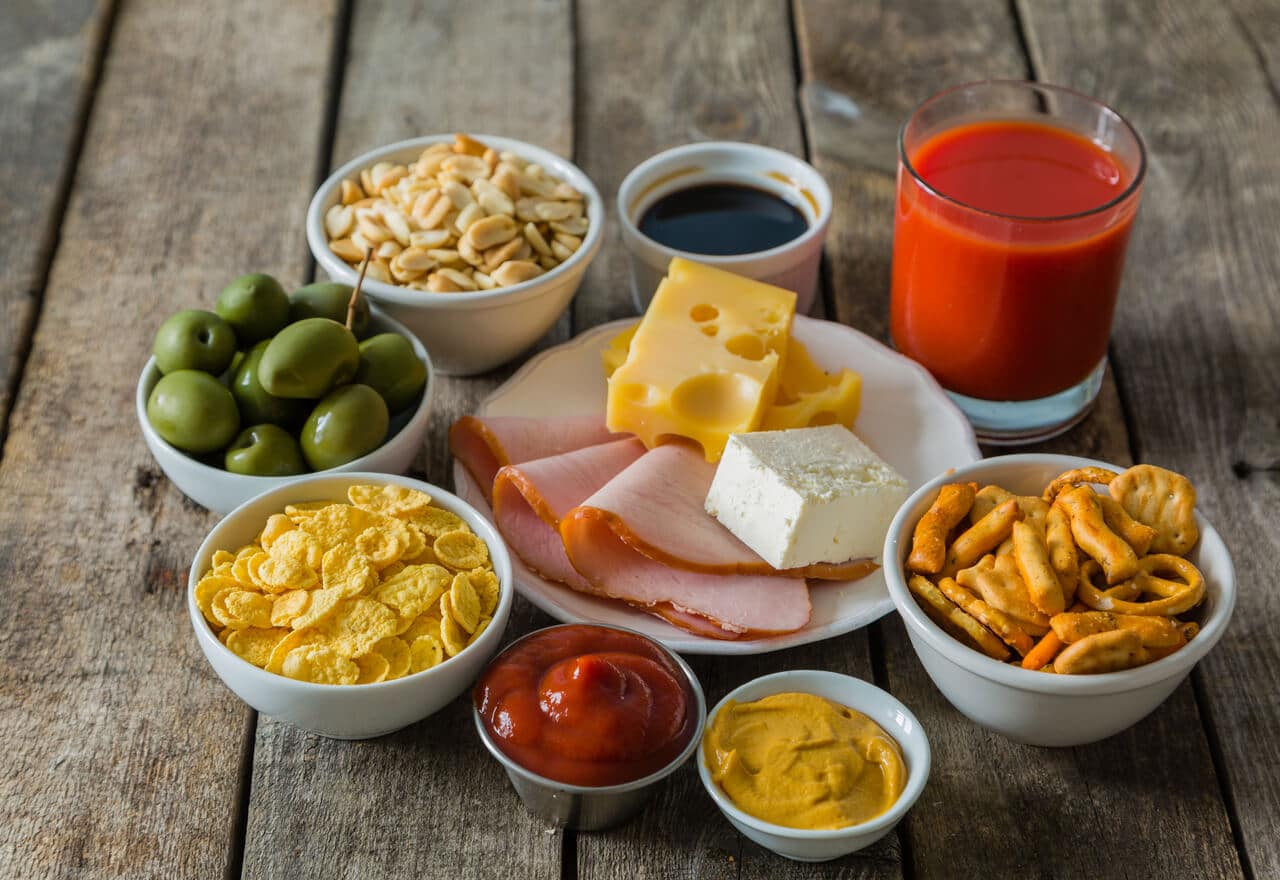
Foods which are highly processed tend to contain very high levels of sodium and excessive consumption of these foods may be detrimental to blood pressure health. - Natural foods have correct sodium:potassium levels
Natural foods, especially fruits and vegetables, have correct sodium:potassium levels. Fruits and vegetables have much higher levels of potassium compared to sodium, which is exactly what is needed for maintaining good health and balanced electrolytes.
Important sodium facts
- Sodium (together with potassium and chloride) work together to keep the amount of water in the cells and around them (ie your blood) at the right levels
- Anyone with a heart condition might also retain too much water because the heart is not pumping very well
- Too much sodium in the diet can attribute to high blood pressure
Sodium works best with
Health
Sodium and health
- Sodium and severe diarrhoea and/or vomiting – sodium, one of the electrolytes usually becomes deficient during severe diarrhoea, so supplementation is required with all the electrolytes (sodium, potassium and chloride)
- Sodium is needed for healthy stomach function
Sodium is necessary to make hydrochloric acid – the powerful digestive juice inside the stomach that breaks foods down to enable it to be digested and absorbed - Sodium helps the muscles work properly
All three electrolytes – sodium, potassium and chloride – keep the amount of water in the body in balance, carry impulses along the nerves, help keep the body from becoming too acidic or alkaline. Sodium is necessary to to enable correct muscle contractions and nerve impulses, especially the nerves that instruct the muscles to contract - Sodium is necessary for good glucose levels
Electrolytes are also required to carry glucose (blood sugar) and other nutrients into the cells and to carry waste products and extra water out again - Sodium is beneficial for good heart health
Sodium plays a very important part in maintaining normal and healthy blood pressure. Many studies have shown that high sodium intake (in the form of salt) is implicated in elevating blood pressure and causing hypertension (high blood pressure). Studies show that low-sodium diets help to reduce blood pressure in some people who have high blood pressure - Sodium ensures proper heart rate
Adequate levels of sodium works with the other electrolytes to ensure the heart rate is healthy and in sinus rhythm. High sodium levels not only can increase blood pressure but also the heart rate
People who wish to take a sodium supplement should talk to a medical professional.
Deficiency
Groups at risk of sodium deficiency
Generally speaking, most people will not be at a risk for sodium deficiency as there is too much salt in our diet already. The only groups of people who may be deficient are:
- People that have been vomiting or have severe diarrhoea – will be eliminating most of the chloride in the body and will need to restore the electrolyte balance. A medical professional will usually prescribe an over-the-counter electrolyte remedy for to take. Fluid loss must be replaced by drinking a lot of water. It is vital for small children and babies to replace the water and electrolytes lost from vomiting and diarrhoea, as it can be a serious problem if they do not
- People who drink excessive amounts of water
People who drink excessive amounts of water (more than 3 litres a day) may have unbalanced levels of sodium and the other electrolytes, as water dilutes the amount of the electrolytes in the body and may cause a deficiency of sodium. - People who have cancer of the adrenal glands
People who have cancer of the adrenal glands may not be processing sodium properly because the adrenal hormone aldosterone, which is critical for sodium balance may not be functioning properly. - People who sweat excessively
People who sweat excessively either through engaging in heavy exercise or due to air temperatures (high heat) may be sweating too much of the sodium in the body and could become deficient. - People who use diuretics
People who use diuretics may be eliminating too much sodium (as well as the other electrolytes) and could become deficient if the diuretics are taken over a long term. - People with Addison’s disease
People with Addison’s disease, a condition which produces adrenal gland insufficiency, have low sodium (and chloride) levels, but high potassium levels. This condition causes a deficiency of sodium levels in the body. - People with chronic kidney disease
People with chronic kidney disease may not be able to process sodium (or the other electrolytes) properly and could be excreting too much of the sodium in the body and become deficient.
People in these groups at risk of deficiency should talk to a medical professional. Your doctor will recommend you have a bit more salt in your diet rather than taking supplements.
Symptoms of sodium deficiency
Sodium deficiency occurs when there is less than 500mg intake of sodium per day.
Sodium deficiency rarely occurs as salt (which is made up of sodium and chloride) is added to most processed foods, plus most natural foods contain some sodium, so most people get enough sodium in their diet.
Sodium deficiency usually only occurs with excessive vomiting, diarrhoea or heat exhaustion.
Sodium deficiency is very rare, as it is widely available in a number of natural foods as well as processed foods and most people get enough
Symptoms of early sodium deficiency include:
- Brain fog
- Diarrhoea
- Dizziness
- Fatigue
- Flatulence
- Inability to taste properly
- Loss of appetite
People who experience any of the symptoms above should seek the advice of their doctor.
Symptoms of acute and more serious sodium deficiency include:
- Abdominal cramps
- Apathy
- Hallucinations
- Heat exhaustion
- Loss of appetite
- Muscle weakness and cramps
- Nausea
- Low blood pressure (extreme and prolonged deficiency and requires immediate medical attention)
- Shock (extreme and prolonged deficiency and requires immediate medical attention)
People who experience any of the symptoms above should seek the advice of their doctor.
Food sources
Sodium in food
High sodium foods
| AMOUNT | SODIUM (mg) | |
|---|---|---|
| Potato chips, salted | 230g | 1348 |
| Macaroni and cheese, canned | 1 cup | 1343 |
| Canned, chicken noodle soup | 1 cup | 1106 |
| Pretzels, salted | 60g | 1029 |
| Ham | 85g | 1023 |
| Corned beef hash | 1 cup | 1003 |
| Corn dog | 1 | 973 |
| Fish sandwich with tartar sauce & cheese | 1 | 939 |
| Tomato juice, canned (salt added) | 1 cup | 877 |
| Dill pickle | 1 medium | 833 |
| Hot dog (beef) | 1 | 458 |
Low sodium foods
| AMOUNT | SODIUM (mg) | |
|---|---|---|
| Tomato juice, canned (no salt added) | 1 cup | 24.3 |
| Carrot | 1 medium | 21.4 |
| Potato chips, unsalted | 230g | 18.2 |
| Fruit cocktail, canned | 1 cup | 14.9 |
| Tomato | 1 medium | 11.1 |
| Mango | 1 medium | 4.1 |
| Orange juice (frozen) | 1 cup | 2.5 |
| Brown rice, cooked | 1 cup | 1.9 |
| Almonds (unsalted) | 1 cup | 1.4 |
| Popcorn, air-popped | 1 cup | 0.3 |
| Pear, raw | 1 medium | 0.0 |
| Olive oil | 1 Tbsp | 0.0 |
Daily intake
Sodium recommended daily intake (RDI)
| RDA | lifestage | age | amount |
|---|---|---|---|
| INFANTS | 0-6mths 7-12mths | 120mg 370mg | |
| CHILDREN | 1-3yrs 4-8yrs | 1000mg 1200mg | |
| CHILDREN | 9-18yrs | 1500mg | |
| ADULTS | 19-50yrs | 1500mg | |
| SENIORS | 51+yrs | 1500mg | |
| PREGNANT | all ages | 1500mg | |
| LACTATING | all ages | 1500mg | |
| TOLERABLE UPPER LIMIT | lifestage | age | amount |
| INFANTS | 0-12mths | n/a* | |
| CHILDREN | 1-3yrs 4-8yrs | 1500mg 1900mg | |
| CHILDREN | 9-13yrs 14-18yrs | 2200mg 2300mg | |
| ADULTS | 19-50yrs | 2300mg | |
| SENIORS | 51+yrs | 2300mg | |
| PREGNANT | all ages | 2300mg | |
| LACTATING | all ages | 2300mg | |
| Toxic Levels | >18000mg (18g) a day | ||
The tolerable upper limits should only be taken for short periods and only under medical supervision.
The tolerable upper limit for sodium for infants aged 0-12 months has not yet been determined due to a lack of data about the adverse effects in this age group. The only source of sodium intake should be from food (breast milk and/or baby formula).
Toxicity
Toxicity
Acute toxicity – levels higher than 18g per day
Symptoms include:
- diarrhoea
- excessive salivation and thirst *
- exhaustion
- high blood pressure *
- hyperactivity
- problems with cognition *
- seizures and convulsions*
- severe fluid retention
- tremors
- vomiting
* People who experience the highlighted symptoms should seek immediate emergency treatment
Chronic toxicity – higher than 3g per day
Symptoms include:
- anaemia
- fluid retention
- high blood pressure
- constant and uncontrollable thirst
- weight loss
People experiencing any of the above toxicity symptoms should discontinue their sodium supplements and seek medical advice.
Overdosage and toxicity is more likely to occur from taking too many supplements, whereas dietary intake of sodium is highly unlikely to cause overdosage, except if you’re eating too many high sodium processed foods or really over-salting your foods.
Precautions
Precautions
Certain people should not take sodium supplements at all or even food high in salt:
- People with congestive heart failure
People with congestive heart failure should not take sodium supplements because they can elevate blood pressure and cause further stress on a heart that is not in a healthy condition – sodium supplements may increase risk of having a heart attack in these people. - People with fluid retention
People experiencing fluid retention for any reason should not take sodium supplements as they will only exacerbate it and make it worse - People with high blood pressure or a family history of high blood pressure
Sodium supplements should not be taken by people with high blood pressure (or even a family history of high blood pressure) as the sodium can elevate blood pressure even further in some people and cause an even higher risk for heart attack or stroke. These people are recommended to eat more foods rich in potassium to help balance the existing sodium levels in their body and help reduce blood pressure - People with liver cirrhosis
People with cirrhosis of the liver should not take sodium supplements as it could cause an exacerbation of their condition
Certain other people should not take sodium supplements without first consulting their doctor for advice to ensure sodium supplementation does not conflict adversely with their condition:
- People who have any heart or blood vessel condition
- People with bleeding problems
- People with epilepsy
- People with kidney disease
Interactions
Interactions of medications and supplements
The following are the medications and supplements that are more likely to cause a reaction with sodium supplements:
- Bisacodyl
- Colchicine
- Cortisol
- Diuretics
- Furosemide
- Lithium
- Neomycin
- Oestrogen
- Phenylbutazone
- Progesterone
All of the medications above cause sodium levels to become elevated and cause fluid retention, so should not be taken with sodium supplements. People taking the above medications should not take sodium supplements.
A number of medications cause sodium levels to become elevated and cause fluid retention, so should not be taken with sodium supplements
Other interactions with sodium
There are none reported.
Sodium’s effect on lab tests
There are none reported.
References
References
- USDA National Nutrient Database – provides nutrient values for foods (accessed 5 January 2005)
- Osiecki, H. The Nutrient Bible. Bio-Concepts Publishing QLD, 2002
- Whitney EN, Cataldo DB, Rolfes SR. Understanding Normal and Clinical Nutrition, 6th Edition. Wadsworth/Thomson Learning, 2002
Last updated: 6 May 2024

