


Facts
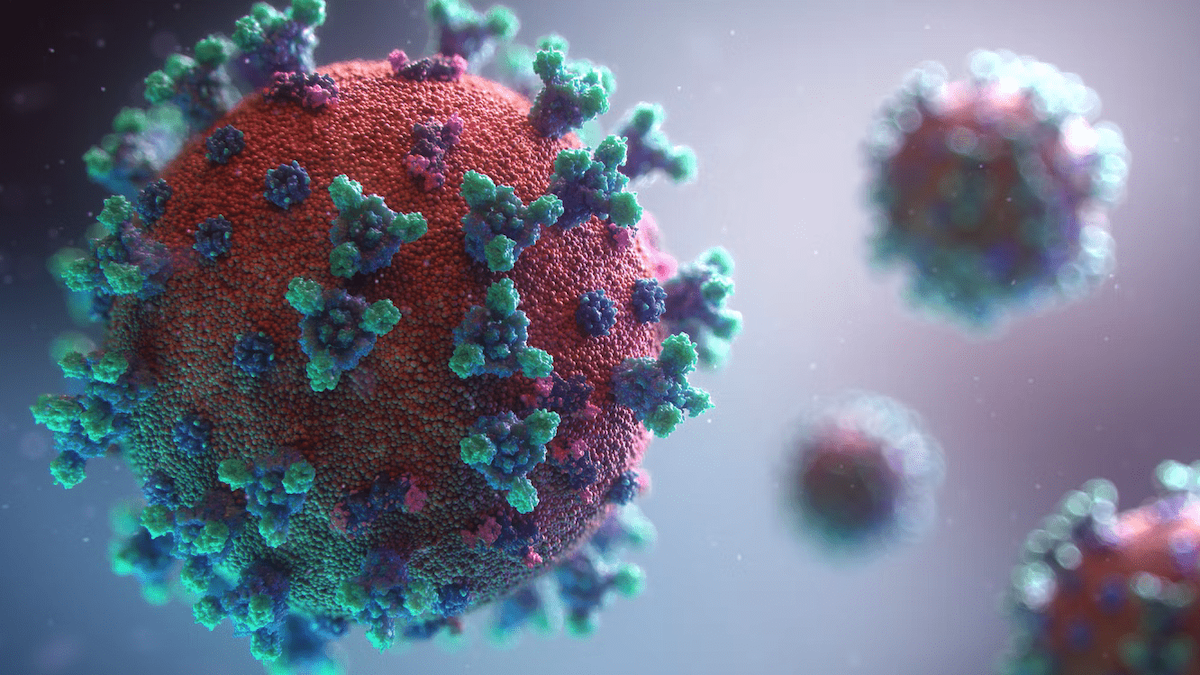
RSV (respiratory syncytial virus) is a very common virus that infects the respiratory tract (the nose, throat and lungs).
It’s one of the main causes of bronchiolitis (inflammation of the small airways) and pneumonia in babies and young children.
Most people recover in 1–2 weeks, but it can cause serious illness in infants, older adults, and people with weak immune systems.
RSV spreads easily through droplets from coughs and sneezes or by touching contaminated surfaces.
Almost everyone in the world has been infected with RSV by age 2.
Symptoms
RSV symptoms
Symptoms usually appear 4–6 days after exposure and can range from mild to severe:
Mild (similar to a cold):
- Runny nose
- Cough
- Sneezing
- Sore throat
- Mild headache
- Low-grade fever
- Decreased appetite
Severe (in infants or elderly):
- Wheezing or noisy breathing
- Rapid breathing or difficulty breathing
- Bluish lips or fingernails (sign of low oxygen)
- Pauses in breathing (apnea) in very young babies
- Dehydration (dry mouth, fewer wet nappies)
Causes
Causes of RSV
RSV is only caused by the respiratory syncytial virus, a single-stranded RNA virus.
- Spreads through droplets, direct contact, or contaminated objects (like toys, doorknobs or shared cups).
- The virus survives on surfaces for several hours.
- Outbreaks commonly occur in late autumn to early spring.
Prevention
Prevention of RSV
There’s no guaranteed way to avoid RSV, but risk can be reduced by:
- Frequent handwashing with soap and water.
- Avoiding close contact with people who are sick.
- Covering coughs and sneezes with tissues or elbows.
- Cleaning surfaces like doorknobs, toys, and phones regularly.
- Avoiding smoking exposure, as smoke irritates the airways.
- Vaccination:
- There are RSV vaccines now available for pregnant women (to protect newborns) and older adults (60+).
- Monoclonal antibody injections (eg nirsevimab, palivizumab) may be given to high-risk infants to prevent severe RSV.
Complications
Complications of RSV
There are multiple complications of RSV.
- Bronchiolitis – swelling of the small airways in the lungs
- Pneumonia – a serious lung infection
- Middle ear infection (otitis media)
- Asthma development or flare-ups in children predisposed to it
- Hospitalisation due to breathing difficulties or dehydration
- Rarely, death in very vulnerable individuals
Diagnosis
RSV diagnosis
Doctors diagnose RSV through:
- Physical examination – listening to your breathing sounds.
- Nasal swab test – PCR or antigen test to detect the virus.
- Chest X-ray if you get pneumonia or a severe infection is suspected.
- Oxygen saturation check (to assess blood oxygen levels).
Treatment
Conventional treatment of RSV
There is no specific cure for RSV – treatment focuses on relieving symptoms:
- Fluids to prevent dehydration.
- Oxygen therapy if oxygen levels are low.
- Hospital care for severe cases, especially for very ill infants and elderly.
- Fever control using paracetamol or ibuprofen (not aspirin in children).
- Saline nasal drops or suctioning for blocked noses.
- Ventilation support (rarely needed, in severe respiratory distress).
Antibiotics are not used unless there’s a bacterial infection as well.
Alternative
Alternative / complementary treatment of RSV
Always discuss complementary therapies with a doctor, especially for infants.
These are the evidence-based supportive therapies that may help recovery include:
- Humidifiers or steam inhalation – may ease congestion and soothe airways.
- Honey (for children over 1 year) – can help calm coughing (Manuka or other raw honey is best).
- Elderberry – shown in some studies to support immune response in viral infections.
- Zinc and vitamin C – may help reduce duration or severity of cold-like symptoms.
- Probiotics – support gut and immune health.
Self care
RSV self care
You can help get over an RSV infection with some self care strategies.
- Rest and stay hydrated (small sips often).
- Use a humidifier or sit in a steamy bathroom to loosen mucus.
- Keep the air clean – avoid smoke and strong fumes.
- Monitor breathing – seek urgent help if rapid breathing, wheezing, or blue lips occur.
- Keep sick children home to prevent spreading the virus.
- Elevate the head slightly during sleep to help breathing.
References
References
- Hall CB, Weinberg GA, Blumkin AK, et al. Respiratory syncytial virus–associated hospitalizations among children. N Engl J Med. 2009;360(6):588–598.
- Shi T, McAllister DA, O’Brien KL, et al. Global, regional, and national disease burden estimates of RSV. Lancet. 2017;390(10098):946–958.
- American Academy of Pediatrics. Updated guidance for RSV prevention and management. Pediatrics. 2023;152(2):e2023060324.
- Hammitt LL, Dagan R, Yuan Y, et al. Nirsevimab for prevention of RSV in healthy late-preterm and term infants. N Engl J Med. 2022;386(9):837–846.
- Centers for Disease Control and Prevention. RSV prevention and vaccine guidance. CDC, 2024.
- Falsey AR, Hennessey PA, Formica MA, Cox C, Walsh EE. Respiratory syncytial virus infection in elderly and high-risk adults. N Engl J Med. 2005;352(17):1749–1759.
Last reviewed and updated: 12 November 2025

