



Facts
What is type 2 diabetes?
Type 2 diabetes is a chronic metabolic condition that causes the level of glucose, commonly called sugar, in the blood to become too high.
Glucose is an important source of energy for the body. It comes mainly from carbohydrate-containing foods, including bread, rice, pasta, cereals, fruit, milk, yoghurt, legumes and starchy vegetables.
The hormone insulin helps move glucose from the bloodstream into the body’s cells, where it can be used for energy. Insulin is made by beta cells in the pancreas.
In type 2 diabetes, two main problems develop:
- The body’s cells become less responsive to insulin, which is known as insulin resistance
- The pancreas gradually becomes unable to produce enough insulin to keep blood glucose within a healthy range
As a result, glucose builds up in the bloodstream instead of moving efficiently into the cells.
Type 2 diabetes generally develops gradually. A person may have insulin resistance or elevated blood glucose for several years before being diagnosed. Some people have no noticeable symptoms and only discover they have diabetes during a routine blood test.
Type 2 diabetes is a serious condition, but it can be managed. Healthy eating, physical activity, weight management, medication and regular health checks can reduce blood glucose levels and significantly lower the risk of complications.
In some people, particularly those diagnosed relatively recently, substantial and sustained weight loss may place type 2 diabetes into remission. Remission does not mean that diabetes has been permanently cured. Blood glucose can rise again and ongoing medical monitoring remains necessary.
How insulin normally works
After carbohydrate-containing food is digested, some of it is broken down into glucose and absorbed into the bloodstream.
The rise in blood glucose signals the pancreas to release insulin. Insulin attaches to receptors on muscle, liver and fat cells, helping the cells absorb glucose.
The liver also stores some glucose for later use. Between meals, the liver releases small amounts of glucose to help keep the body supplied with energy.
When insulin resistance develops, the pancreas initially compensates by producing more insulin. Over time, the pancreatic beta cells may no longer be able to keep up with the body’s needs. Blood glucose then begins to rise into the pre-diabetes or diabetes range.
What is pre-diabetes?
Pre-diabetes means blood glucose levels are higher than the healthy range but are not yet high enough to meet the diagnostic criteria for diabetes.
Pre-diabetes may be described as:
- Impaired fasting glucose
- Impaired glucose tolerance
- Intermediate hyperglycaemia
Pre-diabetes usually causes no symptoms. However, it is associated with an increased risk of developing type 2 diabetes and cardiovascular disease.
Progression to type 2 diabetes is not inevitable. Healthy eating, regular physical activity and modest weight loss, where appropriate, can substantially reduce the risk. People with pre-diabetes should continue to have regular blood glucose checks.
Facts about type 2 diabetes
- Type 2 diabetes is the most common form of diabetes
- It can affect adults, teenagers and children
- It is increasingly being diagnosed in younger people
- Type 2 diabetes often develops slowly and may not initially cause noticeable symptoms
- A person can have type 2 diabetes for several years before it is diagnosed
- Type 2 diabetes involves both insulin resistance and a gradual reduction in the pancreas’s ability to produce enough insulin
- It is not caused simply by eating too much sugar
- Genetics, age, body fat distribution, physical activity, sleep, health conditions, medications and environmental factors can all affect risk
- People of any body size can develop type 2 diabetes
- Having overweight or obesity increases risk, but not everyone with overweight develops diabetes
- Type 2 diabetes is not contagious
- The condition is not a personal failure and should not be treated as one
- Healthy lifestyle measures remain important even when medication is required
- Some diabetes medicines also protect the heart or kidneys, independently of their glucose-lowering effects
- Some people with type 2 diabetes eventually need insulin
- Needing insulin does not mean that a person has failed to manage their diabetes
- Good diabetes management can considerably reduce the risk of damage to the heart, blood vessels, kidneys, eyes, nerves and feet
- Regular eye, kidney, foot, blood pressure and cholesterol checks are important even when a person feels well
- Type 2 diabetes may enter remission after substantial and sustained weight loss in some people, particularly when diabetes has been present for a shorter time
- Remission requires continued monitoring because blood glucose may rise again
Australian guidance recommends assessing diabetes risk at least every three years from the age of 40 in people without specific risk factors. Earlier or more frequent testing may be recommended for people at increased risk. Aboriginal and Torres Strait Islander adults should be offered direct blood testing from the age of 18 rather than relying only on a general risk calculator.
Symptoms
Symptoms of type 2 diabetes
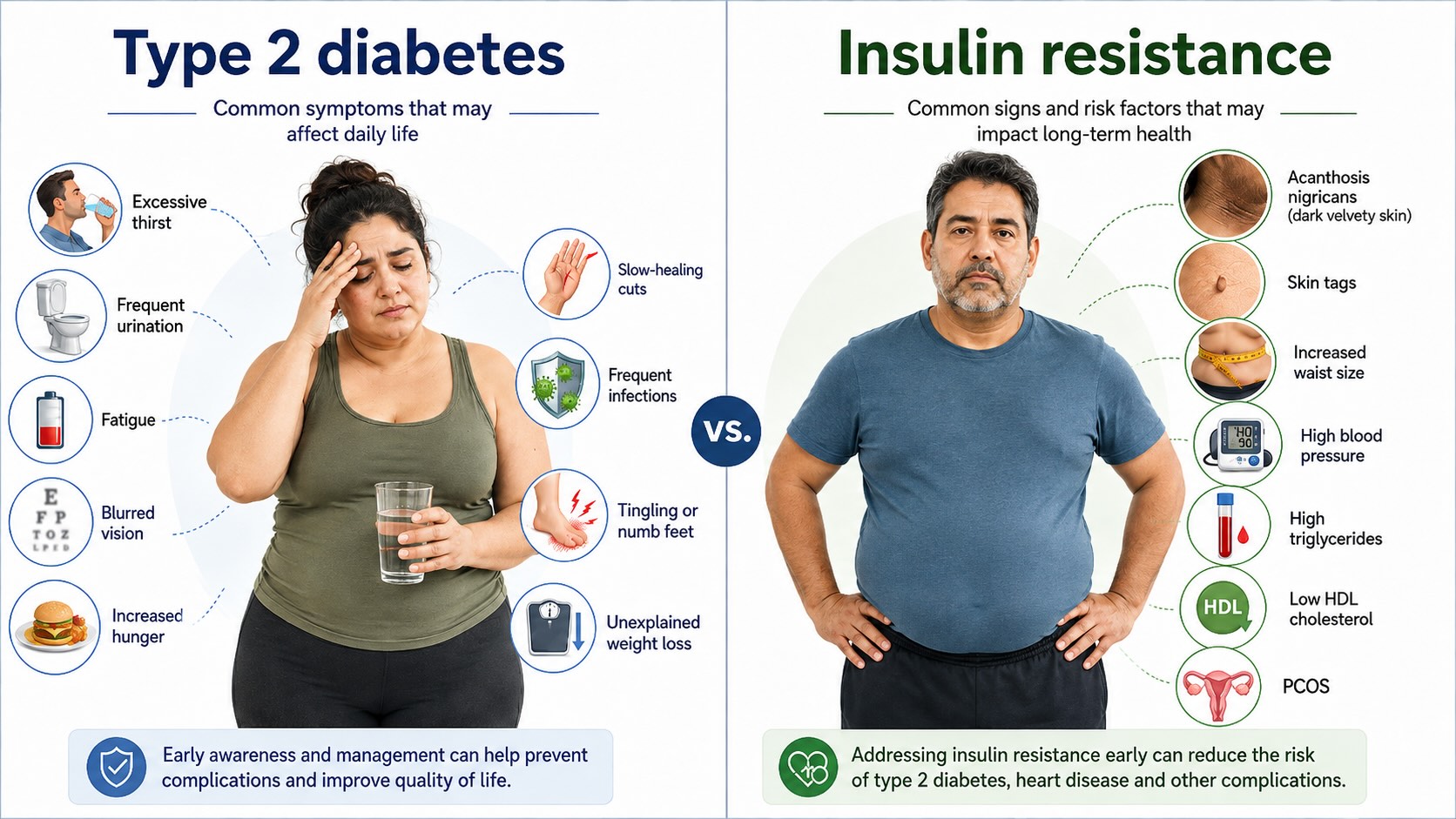
Type 2 diabetes may not produce symptoms when it first develops. When symptoms do occur, they may be mild, develop gradually or be mistaken for stress, ageing or another health problem.
Common symptoms
- Blurred vision
- Cuts, sores or wounds that heal slowly
- Feeling excessively thirsty
- Feeling hungry more often
- Feeling tired or lacking energy
- Frequent skin, urinary tract or fungal infections
- Headaches
- Itching, particularly around the genital area
- Leg cramps
- Mood changes or irritability
- Passing urine more frequently, particularly during the night
- Tingling, burning, numbness or pain in the hands or feet
- Unexplained weight loss
- Reduced concentration
Some people gradually gain weight before diagnosis, while others lose weight because the body cannot use glucose properly and begins breaking down fat and muscle for energy.
Blurred vision can occur when high blood glucose temporarily changes the fluid balance within the eye. Persistent high blood glucose can also damage the small blood vessels in the retina over time.
Frequent infections and slow wound healing can occur because elevated blood glucose affects immune function, blood circulation and tissue repair.
Signs of insulin resistance
Insulin resistance itself does not usually cause obvious symptoms. Some people may develop:
- Acanthosis nigricans, which causes darker, thicker or velvety skin, often around the neck, armpits or groin
- Skin tags
- Increased waist circumference
- High blood pressure
- Elevated triglycerides
- Low levels of HDL cholesterol
- Polycystic ovary syndrome
These signs do not confirm diabetes, but they may indicate that blood glucose testing is appropriate.
Symptoms requiring urgent medical attention
Seek urgent medical care if a person with diabetes develops:
- Abdominal pain
- Confusion or unusual drowsiness
- Deep or rapid breathing
- Extreme thirst and very frequent urination
- Fruity-smelling breath
- Inability to keep fluids down
- Persistent vomiting
- Severe dehydration
- Severe weakness
- Very high blood glucose that is not improving according to the person’s diabetes management plan
Very high blood glucose can lead to hyperosmolar hyperglycaemic state, particularly in older people with type 2 diabetes. Diabetic ketoacidosis is more common in type 1 diabetes but can also occur in people with type 2 diabetes, particularly during serious illness or when taking certain medicines.
Both conditions are medical emergencies.
Call triple zero on 000 if the person is unconscious, severely confused, having difficulty breathing or appears critically unwell.
Causes
Causes of type 2 diabetes
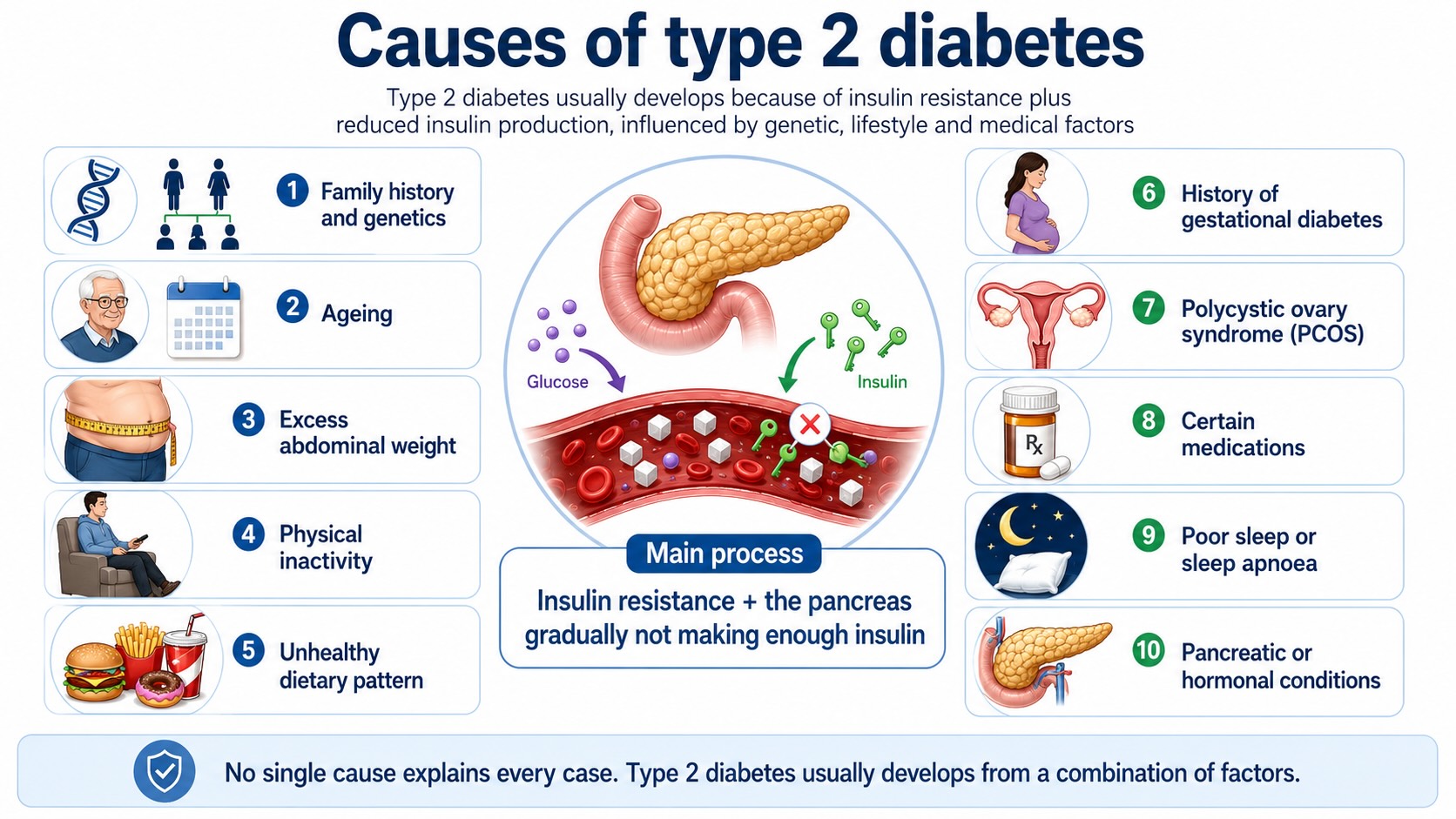
Type 2 diabetes develops through a combination of insulin resistance, reduced insulin production, genetic susceptibility and environmental or lifestyle-related factors.
There is rarely one single cause.
Insulin resistance
Insulin resistance occurs when muscle, liver and fat cells do not respond normally to insulin.
The pancreas tries to overcome this resistance by producing more insulin. This can keep blood glucose within the healthy range for some time.
Insulin resistance is associated with several factors, including:
- Excess fat stored around internal abdominal organs
- Genetic susceptibility
- Hormonal conditions
- Inadequate physical activity
- Increasing age
- Poor sleep or obstructive sleep apnoea
- Some medications
- Some patterns of highly processed food intake
Insulin resistance can occur in people who do not have overweight or obesity.
Reduced insulin production
Type 2 diabetes is not caused by insulin resistance alone. The pancreatic beta cells also gradually lose their ability to produce enough insulin.
The extent and rate of this decline differ between individuals. Genetics, age, duration of diabetes and ongoing exposure to elevated glucose and fatty acids may all affect beta-cell function.
This progressive loss of insulin production explains why treatment often needs to change over time.
Genetics and family history
A person is more likely to develop type 2 diabetes if a parent, sibling or child has the condition.
Genetics can influence:
- How effectively the pancreas produces insulin
- How sensitive the body’s cells are to insulin
- Where body fat is stored
- Appetite and energy regulation
- How the body processes glucose and fat
Family risk may also reflect shared environments, eating patterns and activity levels.
Age
The risk of type 2 diabetes generally increases with age because insulin sensitivity and pancreatic function may decline over time.
However, type 2 diabetes is no longer considered a condition that affects only older adults. It is increasingly diagnosed in adolescents and younger adults.
Early-onset type 2 diabetes can progress more rapidly and is associated with a greater lifetime risk of complications.
Body weight and fat distribution
Having overweight or obesity is an important risk factor, particularly when excess fat is stored around the abdomen and internal organs.
This type of fat can release inflammatory substances and fatty acids that interfere with insulin signalling.
However, body weight is not the only factor. Some people with obesity never develop diabetes, while some people within a lower weight range do.
Physical inactivity
Muscles use glucose for energy. Regular movement improves insulin sensitivity and helps muscles remove glucose from the bloodstream.
Long periods of inactivity can reduce insulin sensitivity, even in people who complete a planned exercise session later in the day.
Diet
No single food causes type 2 diabetes.
Risk may increase when a person regularly consumes a dietary pattern high in:
- Sugary drinks
- Highly refined carbohydrates
- Processed meats
- Foods high in saturated fat
- Energy-dense, highly processed snack foods
Risk may be reduced by a dietary pattern containing vegetables, legumes, wholegrains, nuts, seeds, fruit, fish, lean protein foods and unsaturated fats.
Gestational diabetes
People who have had gestational diabetes have a higher risk of developing type 2 diabetes later in life.
The child born from a pregnancy affected by gestational diabetes may also have an increased future risk of obesity and type 2 diabetes.
Regular follow-up glucose testing is important after gestational diabetes.
Polycystic ovary syndrome
Polycystic ovary syndrome is commonly associated with insulin resistance.
People with polycystic ovary syndrome may need earlier or more frequent diabetes screening, particularly if they also have a family history of diabetes, high blood pressure or overweight.
Medications
Some medicines can increase blood glucose or contribute to insulin resistance, including:
- Some antipsychotic medicines
- Corticosteroids
- Certain immunosuppressants
- Some HIV treatments
- Some medicines used after organ transplantation
Do not stop prescribed medication without medical advice. A doctor may monitor blood glucose, change the dose or recommend another treatment where appropriate.
Other medical conditions
Diabetes or persistent high blood glucose may also occur because of:
- Chronic pancreatitis
- Cystic fibrosis
- Haemochromatosis
- Hormonal disorders
- Pancreatic cancer
- Pancreatic surgery
- Severe acute illness
These forms of diabetes may require different treatment and should not automatically be assumed to be type 2 diabetes.
Risk factors
Non-modifiable risk factors
Some risk factors cannot be changed:
- Age
- A family history of type 2 diabetes
- A history of gestational diabetes
- Genetic susceptibility
- Previous impaired fasting glucose or impaired glucose tolerance
- Some ethnic backgrounds
- Some hormonal or pancreatic conditions
In Australia, type 2 diabetes occurs at higher rates and often at younger ages among Aboriginal and Torres Strait Islander people. Risk is also higher among some people with South Asian, South-east Asian, Pacific Islander, Māori, Middle Eastern, North African or Latin American backgrounds.
These differences reflect a complex interaction between genetics, social determinants of health, access to healthy food, healthcare access, historical disadvantage and environmental factors.
Modifiable risk factors
Factors that may be changed or managed include:
- High blood pressure
- Inadequate physical activity
- Low intake of minimally processed plant foods
- Poor-quality sleep
- Smoking
- Sugary drink consumption
- Unhealthy cholesterol or triglyceride levels
- Untreated obstructive sleep apnoea
- Weight gain, particularly around the abdomen
Having one or more risk factors does not mean that diabetes will definitely develop.
Prevention
Prevention of type 2 diabetes
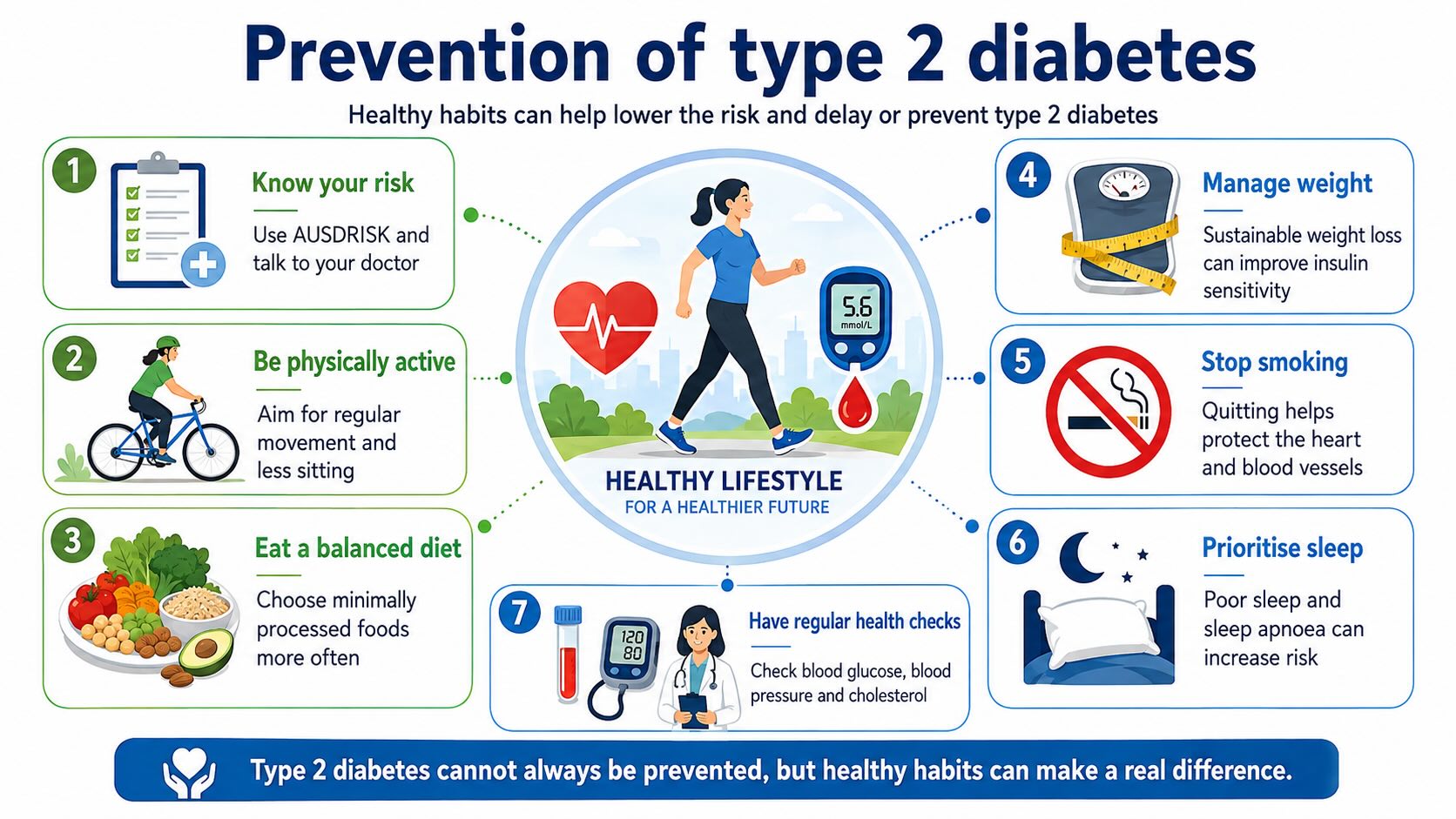
Type 2 diabetes cannot always be prevented. Genetics, age, medical conditions and other factors outside a person’s control can play a significant role.
However, people with pre-diabetes or an increased risk may be able to delay or prevent type 2 diabetes through sustainable lifestyle changes.
Know your risk
The Australian type 2 diabetes risk assessment tool, known as AUSDRISK, estimates a person’s risk of developing type 2 diabetes within five years.
A score of 12 or higher indicates increased risk and should be discussed with a doctor.
A risk calculator cannot diagnose diabetes. Blood testing is required.
Be physically active
Adults should generally aim for at least 150 minutes of moderate-to-vigorous aerobic activity each week, spread over at least three days.
Resistance exercise should also be performed on two or three days each week where appropriate.
Useful activities include:
- Brisk walking
- Cycling
- Dancing
- Gardening
- Resistance-band exercises
- Strength training
- Swimming
- Water-based exercise
Breaking up long periods of sitting with a few minutes of walking or movement can also help muscles use glucose.
People who have been inactive, have cardiovascular symptoms, have severe neuropathy or have other medical conditions should ask a health professional how to begin safely.
Follow a balanced eating pattern
There is no single diet that prevents diabetes in everyone.
Helpful eating patterns generally emphasise:
- Beans, chickpeas and lentils
- Fish and seafood
- Fruit in appropriate portions
- Lean meat, poultry, eggs or plant proteins
- Minimally processed wholegrains
- Nuts and seeds
- Reduced-fat or unsweetened dairy foods, where appropriate
- Unsaturated fats, including olive oil, nuts, seeds and avocado
- Vegetables of different colours
Try to limit:
- Highly processed snack foods
- Large portions of refined carbohydrate foods
- Processed meats
- Sugary drinks
- Excess saturated fat
- Frequent oversized meals
The overall pattern of eating is more important than avoiding one individual food.
Manage weight without extreme dieting
For people with overweight or obesity, losing approximately 5% to 10% of body weight can improve insulin sensitivity and reduce diabetes risk.
People with pre-diabetes may receive additional benefit from maintaining a weight loss of around 7% together with at least 150 minutes of moderate physical activity each week.
Weight loss does not need to be rapid. Small, sustainable changes are usually more useful than repeated restrictive diets.
Very-low-energy diets should only be used with clinical supervision because diabetes medication may need to be adjusted.
Stop smoking
Smoking increases cardiovascular risk and may worsen insulin resistance.
Stopping smoking reduces the risk of heart attack, stroke, blood vessel disease and many other complications associated with diabetes.
Temporary weight gain can occur after smoking cessation, but the health benefits of stopping smoking greatly outweigh this risk.
Prioritise sleep
Insufficient sleep, irregular sleep and untreated obstructive sleep apnoea may affect appetite, stress hormones and insulin sensitivity.
Helpful strategies include:
- Keeping a regular sleep schedule
- Limiting alcohol close to bedtime
- Reducing late-night screen use
- Seeking assessment for loud snoring, choking during sleep or severe daytime sleepiness
- Treating sleep apnoea when diagnosed
Have regular health checks
People with risk factors may need regular monitoring of:
- Blood glucose
- Blood pressure
- Cholesterol and triglycerides
- Waist circumference or weight
- Liver health
- Kidney health
Earlier identification of pre-diabetes provides an opportunity to begin preventive care before diabetes develops.
Complications
Complications of type 2 diabetes
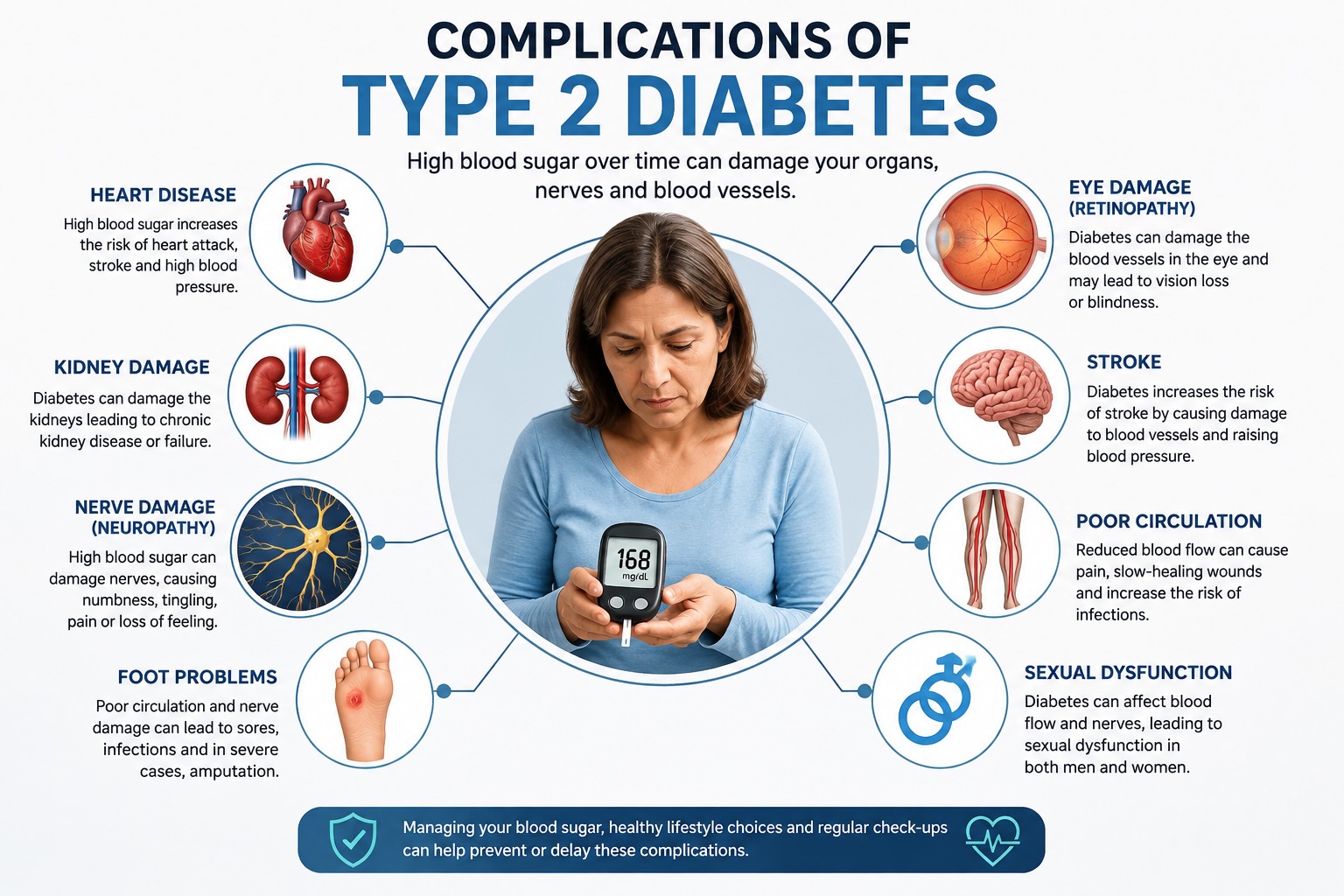
Persistently elevated blood glucose can damage blood vessels, nerves and organs throughout the body.
The risk of complications is influenced by more than glucose alone. Blood pressure, cholesterol, smoking, kidney function, weight, physical activity, genetics and duration of diabetes also play important roles.
Managing these factors together offers greater protection than focusing only on a single glucose result.
Cardiovascular disease
Type 2 diabetes increases the risk of:
- Angina
- Heart attack
- Heart failure
- Peripheral arterial disease
- Stroke
Blood pressure and cholesterol management are therefore important parts of diabetes care.
Some glucose-lowering medicines are selected partly because they can reduce cardiovascular or heart failure risk in suitable patients.
Kidney disease
Diabetes can damage the small blood vessels and filtering structures within the kidneys.
Early kidney damage may not cause symptoms. It is usually detected through:
- A blood test measuring kidney filtration
- A urine albumin-to-creatinine ratio
Early identification allows treatment to begin before severe loss of kidney function occurs.
Diabetes-related kidney disease can eventually lead to kidney failure if it progresses.
Eye disease
Diabetes-related retinopathy occurs when elevated blood glucose damages blood vessels in the retina.
Possible complications include:
- Bleeding inside the eye
- Diabetic macular oedema
- Retinal damage
- Vision loss
People with type 2 diabetes should have a comprehensive eye examination when diagnosed. When no or minimal retinopathy is present, follow-up is generally recommended every one to two years, although some people require more frequent assessment.
Nerve damage
Diabetes-related neuropathy can cause:
- Burning pain
- Increased sensitivity
- Numbness
- Pins and needles
- Reduced awareness of heat, cold or injury
- Weakness
Neuropathy most commonly affects the feet and lower legs.
Autonomic neuropathy can affect internal functions and contribute to:
- Bladder problems
- Changes in digestion
- Dizziness when standing
- Erectile dysfunction
- Changes in sweating
- Altered awareness of hypoglycaemia
Screening for peripheral neuropathy should begin when type 2 diabetes is diagnosed and continue at least annually.
Foot ulcers and infection
Reduced sensation may allow cuts, blisters or pressure injuries to go unnoticed.
Reduced blood flow can make wounds slower to heal. A small injury can therefore develop into an ulcer or serious infection.
Severe infection or loss of circulation may lead to amputation.
Prompt treatment of any foot wound is essential.
Dental and gum disease
High blood glucose can increase the risk of:
- Dry mouth
- Fungal infections
- Gum inflammation
- Periodontitis
- Tooth loss
Gum disease may also make blood glucose more difficult to manage.
Regular dental care, brushing and interdental cleaning are important.
Skin and other infections
Diabetes may increase susceptibility to:
- Bacterial skin infections
- Fungal infections
- Urinary tract infections
- Genital thrush
- Slow-healing wounds
Recurrent infections can be a sign that blood glucose is above the person’s target range.
Sexual and reproductive health
Diabetes can affect blood vessels, nerves and hormones.
Possible problems include:
- Erectile dysfunction
- Reduced sexual sensation
- Vaginal dryness
- Pain during sex
- Reduced libido
- Fertility or pregnancy complications
These concerns are common medical issues and can be discussed confidentially with a health professional.
Mental health
Living with diabetes can require continuous decisions about food, medication, monitoring, appointments and possible complications.
Some people experience:
- Anxiety
- Depression
- Diabetes distress
- Disordered eating
- Fear of hypoglycaemia
- Feelings of guilt or burnout
Diabetes distress is not the same as depression, although they may occur together.
Mental health support is an important part of diabetes treatment.
Hyperosmolar hyperglycaemic state
Hyperosmolar hyperglycaemic state is a life-threatening complication involving extremely high blood glucose and severe dehydration.
It may develop gradually during an infection, illness or period of inadequate diabetes treatment.
Symptoms can include:
- Confusion
- Extreme thirst
- Frequent urination
- Severe dehydration
- Weakness
- Drowsiness
- Seizures
- Loss of consciousness
Emergency hospital treatment is required.
Hypoglycaemia
Type 2 diabetes itself does not usually cause low blood glucose. Hypoglycaemia can occur as a side effect of insulin or certain glucose-lowering medicines.
A blood glucose level below 4 mmol/L is generally considered a hypo.
Symptoms may include:
- Confusion
- Dizziness
- Fast heartbeat
- Headache
- Hunger
- Irritability
- Shaking
- Sweating
- Tingling around the lips
- Weakness
Severe hypoglycaemia can cause seizures, unconsciousness or death if it is not treated promptly.
Diagnosis
When to see a doctor about type 2 diabetes
Make an appointment with a doctor if you:
- Have symptoms of type 2 diabetes
- Have had gestational diabetes
- Have a close relative with type 2 diabetes
- Have prediabetes
- Have polycystic ovary syndrome
- Have cardiovascular disease
- Have unexplained weight loss
- Repeatedly develop infections or slow-healing wounds
- Have tingling or numbness in your feet
- Have taken a medicine known to raise blood glucose
- Receive a high AUSDRISK score
Do not wait for symptoms if you have significant risk factors. Type 2 diabetes may already be present without causing obvious symptoms.
Seek urgent medical care
Seek urgent medical assessment if you have diabetes and:
- Blood glucose remains very high despite following your management plan
- You cannot keep fluids down
- You have persistent vomiting or diarrhoea
- You are becoming dehydrated
- You have ketones in your blood or urine
- You have abdominal pain or rapid breathing
- You are unusually drowsy or confused
Call triple zero on 000 for loss of consciousness, seizures, severe breathing difficulty or other signs of a life-threatening emergency.
Diagnosis of type 2 diabetes
Type 2 diabetes is diagnosed with laboratory blood tests.
HbA1c test
HbA1c measures the percentage of haemoglobin that has glucose attached to it. It provides an estimate of average blood glucose over approximately the previous two to three months.
An HbA1c of 6.5% or 48 mmol/mol or higher may indicate diabetes.
In an asymptomatic person, the result generally needs to be confirmed with another abnormal laboratory result on a separate occasion.
HbA1c may be less reliable in some circumstances, including pregnancy, severe kidney disease, iron deficiency, recent blood transfusion or conditions that affect red blood cells.
Fasting blood glucose
This test is performed after fasting for at least eight hours.
A fasting blood glucose level of 7.0 mmol/L or higher is within the diabetes range.
Oral glucose tolerance test
After an overnight fast, a blood sample is taken. The person then drinks a solution containing 75 grams of glucose and another blood sample is taken two hours later.
Diabetes may be diagnosed when:
- Fasting blood glucose is 7.0 mmol/L or higher
- The two-hour glucose result is 11.1 mmol/L or higher
Random blood glucose
A random blood glucose level of 11.1 mmol/L or higher, together with clear symptoms of high blood glucose, may confirm diabetes.
Home glucose meters are useful management tools but are not generally used on their own to diagnose diabetes. Diagnosis should be based on laboratory testing.
Tests after diagnosis
Once diabetes is diagnosed, the doctor may arrange:
- Blood pressure measurement
- Cholesterol and triglyceride tests
- Kidney function tests
- Liver function tests
- Urine testing for albumin
- Weight and waist measurements
- Foot circulation and sensation checks
- A comprehensive eye examination
- Cardiovascular risk assessment
- Review of current medicines
- Assessment of emotional wellbeing
Some people may need additional testing to distinguish type 2 diabetes from type 1 diabetes, latent autoimmune diabetes in adults, monogenic diabetes or diabetes caused by pancreatic disease.
Treatment
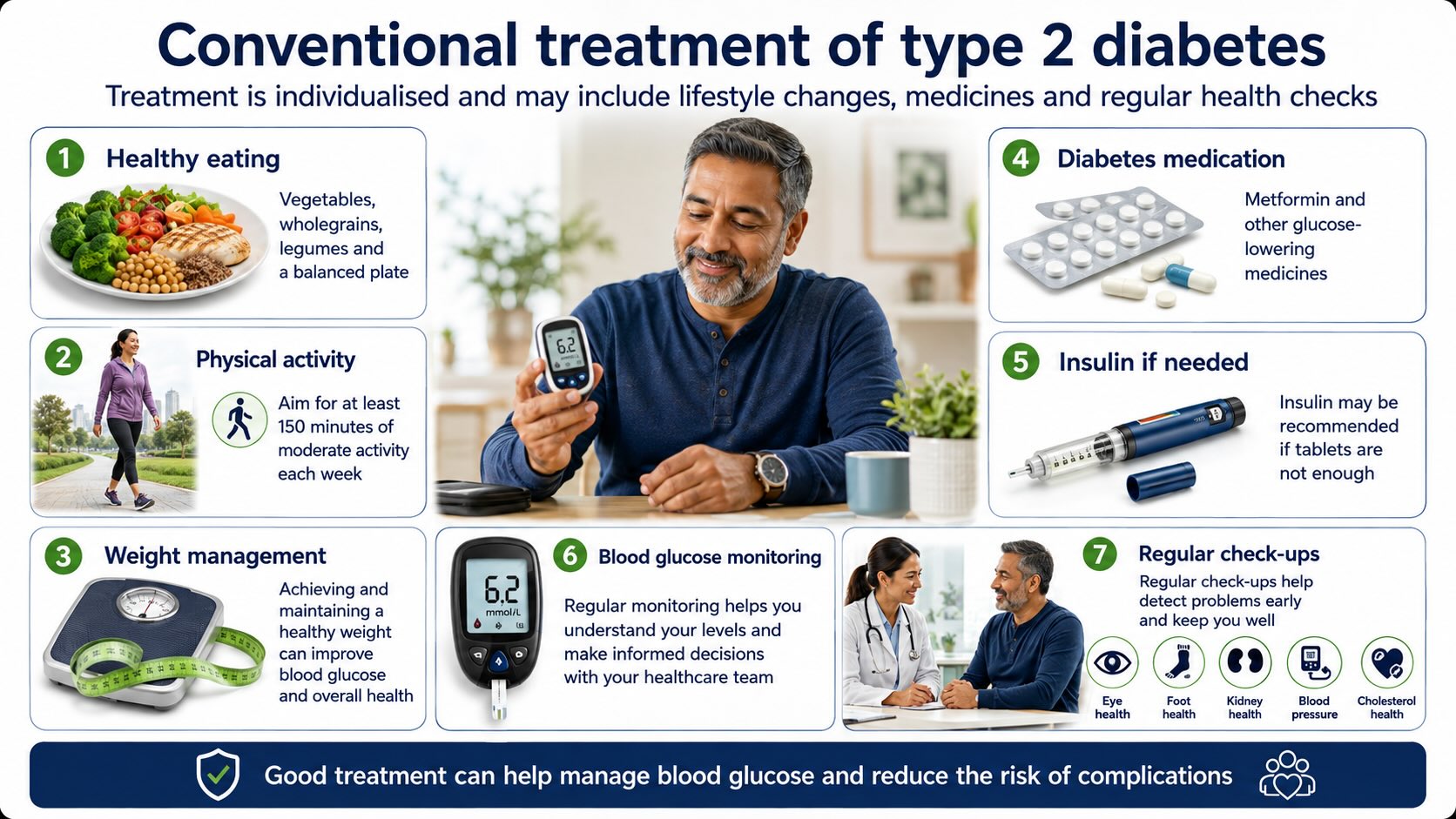
Conventional treatment of type 2 diabetes
Type 2 diabetes treatment is individualised.
The aim is not simply to lower one blood glucose number. Treatment should also reduce the risk of cardiovascular disease, kidney disease, eye damage, nerve damage and other complications while avoiding unnecessary side effects and hypoglycaemia.
A diabetes healthcare team may include:
- A general practitioner
- An endocrinologist
- A credentialled diabetes educator
- An accredited practising dietitian
- An accredited exercise physiologist
- A pharmacist
- A podiatrist
- An optometrist or ophthalmologist
- A dentist
- A psychologist or counsellor
People diagnosed with diabetes in Australia can usually register with the National Diabetes Services Scheme for subsidised products, education and support.
Individual treatment targets
Blood glucose and HbA1c targets should be personalised.
The most suitable target may depend on:
- Age
- Duration of diabetes
- Cardiovascular or kidney disease
- Pregnancy
- Risk of hypoglycaemia
- Other health conditions
- Life expectancy
- Personal preferences
- Ability to manage complex treatment
A commonly used HbA1c target for many non-pregnant adults is around 7%, but some people may have a lower or higher target.
Only the treating health professional can determine an appropriate individual target.
Healthy eating
Healthy eating remains part of diabetes management even when medication is required.
There is no single eating plan that suits everyone. A dietitian can consider cultural foods, budget, cooking ability, medications, weight goals and personal preferences.
Helpful strategies may include:
- Choosing minimally processed carbohydrates
- Eating plenty of non-starchy vegetables
- Including legumes regularly
- Choosing wholegrains in appropriate portions
- Spreading carbohydrate intake through the day
- Pairing carbohydrate foods with protein, vegetables or healthy fats
- Choosing unsweetened drinks
- Reducing sugary drinks
- Limiting heavily processed snack foods
- Choosing unsaturated fats more often than saturated fats
- Adjusting portions according to individual energy needs
Carbohydrate-containing foods do not need to be eliminated. The amount, type and distribution of carbohydrate can all influence blood glucose.
Very restrictive diets can cause nutritional deficiencies, medication-related hypoglycaemia or an unhealthy relationship with food and should not be attempted without appropriate guidance.
Physical activity
Exercise helps muscles use glucose and improves insulin sensitivity.
A balanced exercise program may include:
- Aerobic activity
- Resistance training
- Flexibility exercises
- Balance training
- Regular movement breaks
Exercise can improve blood glucose even when it does not cause weight loss.
People using insulin or medicines that can cause hypoglycaemia may need advice about glucose monitoring, carbohydrate intake and medication timing around exercise.
Weight management
Weight management should be approached respectfully and without blame.
For people with overweight or obesity, a weight loss of 5% to 10% can improve blood glucose, blood pressure, cholesterol and mobility.
Treatment options may include:
- Individual dietary counselling
- Structured lifestyle programs
- Behavioural support
- Medicines approved for weight management
- Very-low-energy diets under medical supervision
- Metabolic or bariatric surgery for selected people
The appropriate approach depends on health status, personal preference, access, cost and the person’s previous experience of weight management.
Glucose-lowering medication
Medication may be prescribed at diagnosis or added later if lifestyle measures alone do not keep blood glucose within the target range.
Treatment choice should consider heart disease, heart failure, kidney disease, hypoglycaemia risk, weight effects, side effects, cost and patient preference. Australian guidance was updated in May 2026 to reflect the available therapies and the importance of individualised treatment.
Metformin
Metformin is commonly used as an initial medicine when it is suitable.
It helps by:
- Reducing glucose released by the liver
- Improving the body’s response to insulin
- Helping cells absorb glucose
Common side effects include nausea, diarrhoea and abdominal discomfort. Taking it with food and increasing the dose gradually may help.
Kidney function needs to be considered. Long-term use can sometimes contribute to vitamin B12 deficiency, so testing may be recommended.
SGLT2 inhibitors
Sodium-glucose cotransporter-2 inhibitors cause the kidneys to remove more glucose through the urine.
In suitable people, some medicines in this class can reduce the risk of:
- Heart failure hospitalisation
- Progression of chronic kidney disease
- Cardiovascular events
Possible side effects include genital fungal infections, dehydration and increased urination.
A rare but serious complication is ketoacidosis, which can sometimes occur even when blood glucose is not extremely high. These medicines may need to be stopped temporarily during serious illness, fasting or before surgery according to a medical sick-day plan.
GLP-1 receptor agonists and dual GIP/GLP-1 receptor agonists
These injectable or oral medicines can:
- Increase insulin release when glucose is elevated
- Reduce glucagon release
- Slow stomach emptying
- Reduce appetite
- Support weight loss
Some GLP-1 receptor agonists reduce cardiovascular or kidney risk in selected people.
Common side effects include nausea, vomiting, diarrhoea, constipation and abdominal discomfort.
These medicines are not suitable for everyone and require medical supervision.
DPP-4 inhibitors
DPP-4 inhibitors help prolong the action of hormones that stimulate insulin release after eating.
They generally have a low risk of hypoglycaemia when used without insulin or a sulfonylurea and are usually weight neutral.
The choice of medicine may depend on kidney function and heart failure risk.
Sulfonylureas
Sulfonylureas stimulate the pancreas to release more insulin.
They can be effective and relatively inexpensive but may cause:
- Hypoglycaemia
- Weight gain
People taking a sulfonylurea need education about recognising and treating low blood glucose.
Thiazolidinediones
Thiazolidinediones improve insulin sensitivity.
Possible adverse effects include fluid retention, weight gain and an increased risk of some fractures. They are generally unsuitable for people with heart failure.
Acarbose
Acarbose slows the digestion and absorption of some carbohydrates.
It may reduce the rise in blood glucose after meals but commonly causes wind, bloating or diarrhoea.
Insulin
Some people with type 2 diabetes require insulin at diagnosis, particularly when blood glucose is very high or there are symptoms of significant insulin deficiency.
Others need insulin later as pancreatic insulin production declines.
Insulin may be used:
- Temporarily during illness, pregnancy or surgery
- Together with tablets or other injectable medicines
- As long-term treatment
Insulin can reduce blood glucose effectively but may cause hypoglycaemia and weight gain.
People starting insulin should receive practical education about injection technique, storage, glucose monitoring, hypoglycaemia and dose adjustment.
Blood pressure and cholesterol treatment
Managing blood pressure and blood lipids can be as important as managing glucose.
Treatment may include:
- Blood pressure medication
- Cholesterol-lowering medication
- Smoking cessation
- Dietary changes
- Physical activity
- Weight management
Some kidney-protective or heart-protective medicines may be prescribed even when blood glucose is close to target.
Blood glucose monitoring
Not every person with type 2 diabetes needs to check blood glucose at home every day.
Monitoring is particularly useful for people who:
- Use insulin
- Take a sulfonylurea
- Experience hypoglycaemia
- Are changing medication
- Are pregnant
- Are acutely unwell
- Need information about how food or exercise affects glucose
Continuous glucose monitoring may be appropriate for some people, particularly those using insulin.
The frequency and method should be agreed with the healthcare team.
Type 2 diabetes remission
Remission is generally defined as maintaining an HbA1c below 6.5% for at least three months without glucose-lowering medication.
Remission is more likely when:
- Diabetes has been present for a shorter time
- Pancreatic insulin production remains adequate
- Substantial weight loss is achieved and maintained
- The person receives structured long-term support
Australian guidance recognises intensive, professionally supervised weight-loss programs as an option for selected non-pregnant adults.
Metabolic surgery may also lead to remission in some people.
Medication must not be stopped without medical supervision. Even after remission, regular HbA1c, eye, kidney, foot and cardiovascular checks remain necessary because relapse can occur and previous exposure to high glucose may still influence future risk.
Alternative
Complementary treatment of type 2 diabetes
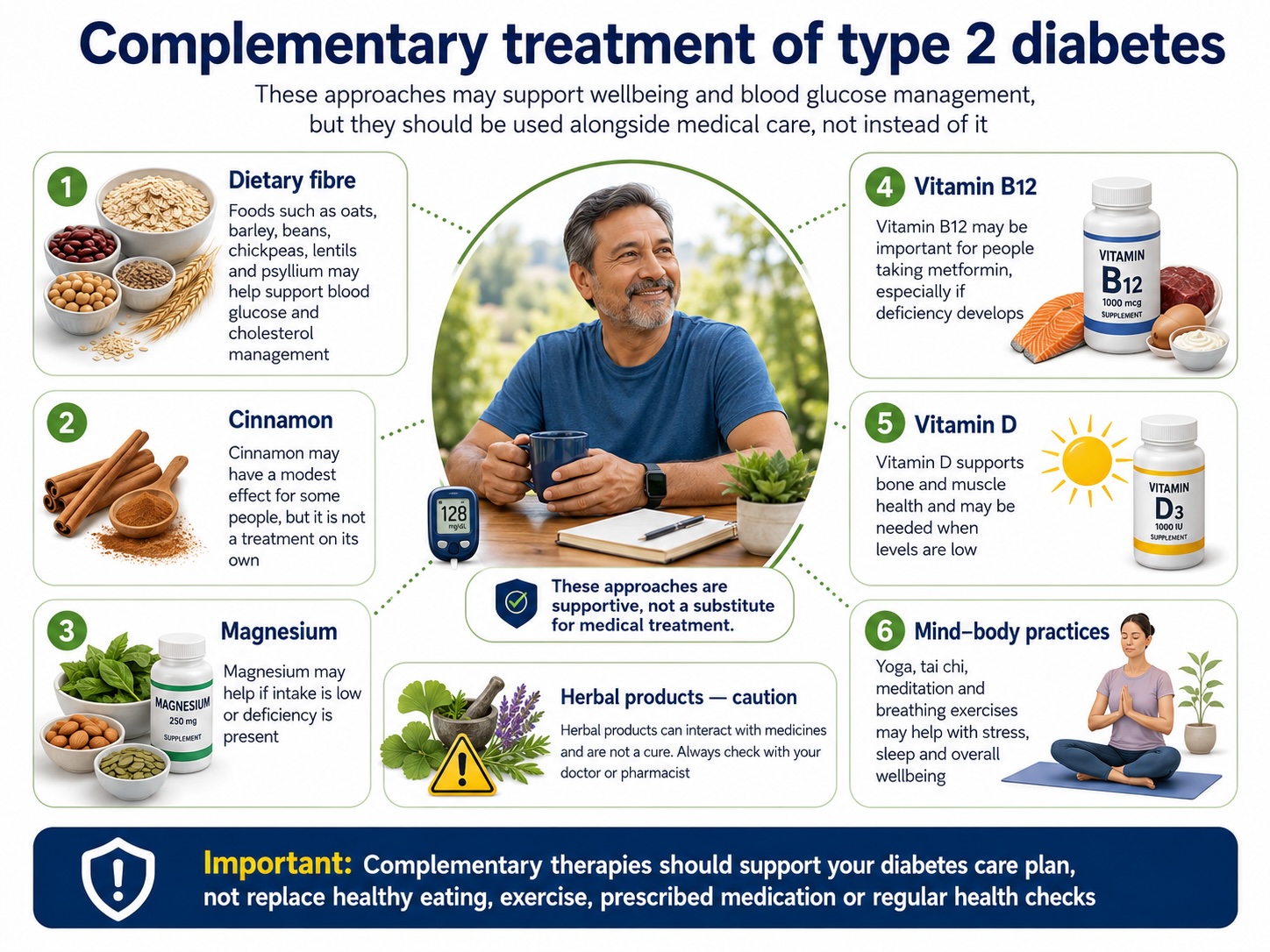
Complementary strategies should be used alongside evidence-based medical care, not instead of it.
No herb, vitamin or supplement has been shown to cure type 2 diabetes.
Supplements can interact with diabetes medicines, blood pressure medicines, anticoagulants and other treatments. Some may cause liver injury, kidney injury or hypoglycaemia.
Tell your doctor and pharmacist about every supplement or herbal product you use.
Dietary fibre
Soluble fibre may slow glucose absorption and support cholesterol management.
Food sources include:
- Barley
- Beans
- Chickpeas
- Lentils
- Oats
- Pears
- Psyllium
- Vegetables
Psyllium supplements may modestly improve fasting blood glucose and HbA1c in some people, but they can interfere with the absorption of medication.
Psyllium should be taken with adequate fluid and separated from medicines according to professional advice. It may not be suitable for people with swallowing difficulties or bowel narrowing.
Cinnamon
Cinnamon has been studied for possible glucose-lowering effects, but studies vary in quality, dose, preparation and results.
Adding normal culinary amounts of cinnamon to food is generally different from taking concentrated supplements.
High-dose cassia cinnamon can provide significant amounts of coumarin, which may affect the liver. Cinnamon supplements may also interact with medication.
Cinnamon should not replace prescribed diabetes treatment.
Magnesium
Low magnesium levels are sometimes found in people with poorly managed diabetes, particularly when increased urination causes mineral losses.
Magnesium supplementation is not routinely required unless deficiency or inadequate intake has been identified.
Excess magnesium can cause diarrhoea and may be unsafe in people with significant kidney disease.
Vitamin B12
Metformin can reduce vitamin B12 absorption in some people.
Testing may be appropriate if a person develops:
- Anaemia
- Fatigue
- Numbness or tingling
- Memory or concentration difficulties
- A sore or inflamed tongue
Vitamin B12 should be replaced when deficiency is confirmed or considered likely by a health professional.
Vitamin D
Vitamin D is important for bone and muscle health.
People who have low vitamin D may require supplementation, but vitamin D should not be presented as a substitute for glucose-lowering treatment.
The dose should be based on individual need, particularly in people with kidney disease or disorders of calcium metabolism.
Mind–body practices
Yoga, tai chi, meditation and breathing exercises may support:
- Physical activity
- Flexibility
- Balance
- Sleep
- Stress management
- Emotional wellbeing
They should complement, rather than replace, aerobic activity, resistance training and medical care.
Herbal products
Products marketed for diabetes may contain ingredients such as berberine, bitter melon, fenugreek or concentrated cinnamon.
Problems include:
- Inconsistent doses
- Contamination or substitution
- Medication interactions
- Gastrointestinal side effects
- Liver or kidney effects
- Hypoglycaemia when combined with medication
- Limited evidence about long-term safety
Consult a doctor or pharmacist before taking any herbal diabetes product.
Self care
Living with type 2 diabetes
Daily diabetes care involves more than avoiding sugar.
The most effective management plan is one that is medically appropriate, practical, affordable and sustainable.
Take medication as directed
Take diabetes, blood pressure and cholesterol medicines according to the prescribed schedule.
Do not:
- Double a dose after forgetting one unless specifically instructed
- Stop medication because glucose has improved
- Share medication
- Change insulin doses without an agreed adjustment plan
- Stop an SGLT2 inhibitor during illness without knowing the correct sick-day advice
Ask a pharmacist or doctor what to do after a missed dose.
Attend regular reviews
The diabetes annual cycle of care includes regular assessment of:
- HbA1c
- Blood pressure
- Cholesterol and triglycerides
- Kidney function
- Urine albumin
- Feet
- Eyes
- Weight and waist measurements
- Medication
- Nutrition
- Physical activity
- Smoking
- Emotional wellbeing
Some checks are required more frequently than once a year depending on results and treatment.
Check your feet
Check both feet every day, including between the toes and underneath the feet.
Look for:
- Blisters
- Broken skin
- Calluses
- Colour changes
- Cracks
- Cuts
- Redness
- Swelling
- Warm areas
Use a mirror or ask someone to help if the soles are difficult to see.
Do not cut corns or calluses yourself. Avoid over-the-counter acid treatments unless a health professional confirms they are safe.
Seek prompt medical or podiatry care for any wound, blister, infection or colour change that is not improving.
Protect your feet
- Avoid walking barefoot
- Choose well-fitting shoes
- Check inside shoes before putting them on
- Dry carefully between the toes
- Moisturise dry skin but not between the toes
- Trim toenails carefully
- Have circulation and sensation checked regularly
Care for your eyes
Arrange a comprehensive eye examination when type 2 diabetes is diagnosed.
Do not wait for vision changes. Early retinopathy may cause no symptoms.
Seek urgent eye care for:
- Sudden vision loss
- New flashes of light
- A curtain or shadow over the vision
- A sudden increase in floaters
- Severe eye pain
Care for your mouth
- Brush twice daily with fluoride toothpaste
- Clean between the teeth
- Attend regular dental checks
- Tell the dentist you have diabetes
- Seek care for bleeding gums, loose teeth, persistent bad breath or oral infections
Follow a sick-day plan
Illness, infection, pain and dehydration can raise blood glucose.
Ask your diabetes team for a written sick-day management plan explaining:
- How often to check blood glucose
- Whether to check ketones
- Which medicines should be temporarily withheld
- How to maintain fluids and carbohydrate intake
- When to contact a doctor
- When to seek emergency care
Do not assume all diabetes medicines should be stopped during illness. Some should continue, while others may need to be paused for safety.
Treat hypoglycaemia promptly
For most adults, a blood glucose level below 4 mmol/L should be treated immediately.
If the person is awake and can swallow safely:
- Take approximately 15 grams of fast-acting carbohydrate, such as glucose tablets, glucose gel, regular soft drink, fruit juice or sugar according to the person’s hypo plan
- Recheck blood glucose after 10 to 15 minutes
- Repeat treatment if the level remains below 4 mmol/L
- Once glucose is above 4 mmol/L, follow the person’s plan regarding a meal or longer-acting carbohydrate
Do not give food or drink to someone who is unconscious, drowsy or unable to swallow safely.
Place the person on their side, use glucagon if it has been prescribed and you know how to use it, and call triple zero on 000.
Be careful when driving
People using insulin or medication that can cause hypoglycaemia need specific advice about checking glucose before driving.
Never continue driving when experiencing hypo symptoms.
Pull over safely, switch off the engine and treat the hypo. Do not resume driving until glucose and cognitive function have recovered according to Australian driving guidance and the advice of the diabetes healthcare team.
Drink alcohol carefully
Alcohol can increase or decrease blood glucose depending on the drink, food intake and medication.
It can increase the risk of delayed hypoglycaemia in people using insulin or sulfonylureas.
Australian guidance recommends no more than 10 standard drinks per week and no more than four on any one day for healthy adults. Some people with diabetes should drink less or avoid alcohol completely.
Look after emotional wellbeing
Diabetes management can feel tiring or overwhelming.
Speak to a doctor, diabetes educator or mental health professional if you experience:
- Persistent sadness
- Anxiety about glucose readings
- Avoidance of appointments
- Fear of eating
- Frequent binge eating
- Intentional insulin or medication omission
- Loss of motivation
- Diabetes burnout
- Thoughts of self-harm
Support should focus on problem-solving rather than blame.
Caring for someone with type 2 diabetes
Partner
If your partner has type 2 diabetes:
- Ask how they would like to be supported
- Avoid policing their food
- Learn how to recognise and treat hypoglycaemia
- Know where their glucose treatment and medication are kept
- Join them in healthy meals or physical activity when appropriate
- Encourage appointments without nagging
- Learn the signs of severe high blood glucose
- Respect their privacy and independence
- Be aware that diabetes may affect mood, energy and sexual health
Do not assume every unusual mood or behaviour is caused by blood glucose. Ask the person what they need.
Friends and family members
Family and friends can help by:
- Providing ordinary balanced meals rather than separate “diabetic food”
- Avoiding judgement about body weight or food choices
- Learning what to do in a hypo emergency
- Supporting regular activity
- Taking symptoms of depression or diabetes distress seriously
- Avoiding the idea that medication or insulin represents failure
- Making social activities accessible and inclusive
People with diabetes can eat a wide range of foods. Support moderation and individual planning rather than unnecessary restriction.
Parents and carers
Type 2 diabetes can affect children and adolescents.
Young people require care from clinicians experienced in paediatric or adolescent diabetes because early-onset type 2 diabetes may progress rapidly.
Parents and carers should:
- Attend diabetes education appointments
- Make healthy food available to the entire household
- Avoid blaming or shaming the child
- Encourage enjoyable movement
- Support medication routines
- Watch for depression, anxiety, bullying or disordered eating
- Inform the school about the child’s treatment and emergency plan
- Ensure the child has access to water, toilets, medication and hypo treatment
- Encourage increasing independence as the child matures
A child with symptoms such as excessive thirst, frequent urination, rapid weight loss, vomiting or severe fatigue needs urgent medical assessment because type 1 diabetes must also be considered.
References
References
- American Diabetes Association Professional Practice Committee. Pharmacologic approaches to glycemic treatment: Standards of Care in Diabetes—2026. Diabetes Care. 2026;49(Suppl 1)–S215. doi:10.2337/dc26-S009
- Australian Diabetes Society. Australian Type 2 Diabetes Glycaemic Management Algorithm. Sydney: Australian Diabetes Society; 2026
- Diabetes Australia. Managing type 2 diabetes. Canberra: Diabetes Australia; 2026
- Gholami Z, Akhlaghi M, Rezaei S, et al. The effect of psyllium on fasting blood sugar, HbA1c, HOMA-IR and insulin in patients with type 2 diabetes: A systematic review and meta-analysis of randomised controlled trials. BMC Endocr Disord. 2024;24:105. doi:10.1186/s12902-024-01611-5
- Gibb RD, McRorie JW, Russell DA, Hasselblad V, D’Alessio DA. Psyllium fibre improves glycaemic control proportional to loss of glycaemic control: A meta-analysis of data in euglycaemic subjects, patients at risk of type 2 diabetes mellitus and patients being treated for type 2 diabetes mellitus. Am J Clin Nutr. 2015;102(6):1604–1614. doi:10.3945/ajcn.115.106989
- Healthdirect Australia. Hyperglycaemia: High blood sugar. Sydney: Healthdirect Australia; 2025
- Healthdirect Australia. Hypoglycaemia: Low blood sugar. Sydney: Healthdirect Australia; 2025
- Healthdirect Australia. Type 2 diabetes: Symptoms, causes and treatment. Sydney: Healthdirect Australia; 2025
- Knowler WC, Barrett-Connor E, Fowler SE, Hamman RF, Lachin JM, Walker EA, Nathan DM. Reduction in the incidence of type 2 diabetes with lifestyle intervention or metformin. N Engl J Med. 2002;346(6):393–403. doi:10.1056/NEJMoa012512
- Lean MEJ, Leslie WS, Barnes AC, et al. Five-year follow-up of the randomised Diabetes Remission Clinical Trial of continued support for weight-loss maintenance in the UK: An extension study. Lancet Diabetes Endocrinol. 2024;12(4):233–246. doi:10.1016/S2213-8587(23)00385-6
- National Diabetes Services Scheme. Managing hypoglycaemia. Canberra: National Diabetes Services Scheme; 2025
- National Diabetes Services Scheme. Your diabetes annual cycle of care. Canberra: National Diabetes Services Scheme; 2025
- Perkovic V, Tuttle KR, Rossing P, et al. Effects of semaglutide on chronic kidney disease in patients with type 2 diabetes. N Engl J Med. 2024;391(2):109–121. doi:10.1056/NEJMoa2403347
- Riddle MC, Cefalu WT, Evans PH, et al. Consensus report: Definition and interpretation of remission in type 2 diabetes. Diabetes Care. 2021;44(10):2438–2444. doi:10.2337/dci21-0034
- Royal Australian College of General Practitioners. Management of type 2 diabetes: A handbook for general practice. East Melbourne: RACGP; 2024
- Sattar N, Lee MMY, Kristensen SL, et al. Cardiovascular, mortality and kidney outcomes with GLP-1 receptor agonists in patients with type 2 diabetes: A systematic review and meta-analysis of randomised trials. Lancet Diabetes Endocrinol. 2021;9(10):653–662. doi:10.1016/S2213-8587(21)00203-5
- Stratton IM, Adler AI, Neil HAW, et al. Association of glycaemia with macrovascular and microvascular complications of type 2 diabetes: Prospective observational study. BMJ. 2000;321(7258):405–412. doi:10.1136/bmj.321.7258.405
- Tuomilehto J, Lindström J, Eriksson JG, et al. Prevention of type 2 diabetes mellitus by changes in lifestyle among subjects with impaired glucose tolerance. N Engl J Med. 2001;344(18):1343–1350. doi:10.1056/NEJM200105033441801
- Zelniker TA, Wiviott SD, Raz I, et al. SGLT2 inhibitors for primary and secondary prevention of cardiovascular and renal outcomes in type 2 diabetes: A systematic review and meta-analysis of cardiovascular outcome trials. Lancet. 2019;393(10166):31–39. doi:10.1016/S0140-6736(18)32590-X
This information is general in nature and is not a substitute for individual medical advice. Anyone who has symptoms of diabetes, persistently high or low blood glucose, or concerns about their treatment should contact their doctor or diabetes healthcare professional.
Last reviewed and updated: 6 August 2026

