Facts
Why boron is good for you
Boron is a trace mineral that has a remarkable effect on the bones – it prevents bone loss and demineralisation. Boron is associated with the metabolism of calcium and magnesium, so is essential for healthy bones and joints. Boron is also for women suffering from postmenopausal osteoporosis. Boron is essential to utilise vitamin D, which enhances the absorption of calcium.
Important boron facts
- Boron is a trace mineral, which means only very small amounts of this mineral are required to enable the proper functioning of the body
- Boron needs to be taken with calcium and magnesium to be effective
- Research shows that boron may be essential in the conversion of vitamin D to its active form
- Other research shows boron is needed to help vitamin D better absorb calcium from food
- Boron is essential for healthy bones, as it help to remineralise bones, strengthen bones and prevent bone loss
Boron works best with
Health
Boron and health
- Boron helps menopausal women at risk for osteoporosis
Recent studies found that when boron was given to postmenopausal women who were at the highest risk for osteoporosis, it worked in the same way as oestrogen does in pre-menopausal women, to prevent the loss of minerals from the bones. - Boron may be useful for people with osteoarthritis
Some recent animal studies have shown that boron increases the effectiveness of vitamin D and modulates the immune and inflammation processes, so may be useful in treating and / or preventing osteoarthritis. The study showed the subjects who were give a small supplemental dose of boron had significant improvement in their symptoms compared to the control group (who did not receive boron). Other studies show that people who have osteoarthritis have lower bone and synovial levels of boron than people who do not have osteoarthritis. - Boron is found in drinking water
A small amount of boron is found in drinking water, which will give an average person who drinks about 6-8 glasses of water a day, an intake of approximately 0.2-0.6mg of boron per day. - Boron is used in some cosmetics
Boron is sometimes used as a preservative and pH adjuster in some cosmetics, so exposure and usage of cosmetics will give an average person about 0.2-0.6 mg of boron per day.
- Boron helps menopausal women at risk for osteoporosis
People who wish to take an acidophilus supplement should talk to a medical professional before taking it.
Deficiency
Groups at risk of boron deficiency
Boron deficiency has not been firmly established, but there are certain factors which increase the need for boron and may cause a possible deficiency:
- People with vitamin D deficiency – may have an increased requirement for boron, due to the necessary and important function that both vitamin D and boron have on bone health.
- People with magnesium deficiency – may have an increased requirement for boron, due to the necessary and important function that both magnesium and boron have on bone health.
- People with methionine deficiency – may have an increased requirement for boron, due to the necessary function that both vitamin D and boron have on bone health.
- People with fluoride toxicity (excessive levels of fluoride) – may have an increased requirement for boron, because boron has a beneficial effect on the bones, whereas an excessive amount of fluoride has a detrimental and damaging effect on teeth. Boron may neutralise the damaging effects of excessive and toxic fluoride levels.
- People with Kashin-Beck disease – recent research has suggested that boron deficiency could be a contributing factor to Kashin-Beck disease (KBD), a musculoskeletal deficiency, which may cause severe joint deformity. Kashin-Beck disease affects children in China and the former Soviet Union and is also linked to selenium deficiency.
People in these groups at risk of deficiency who wish to take a boron supplement should talk to a medical professional BEFORE taking it.
Symptoms of boron deficiency
Boron deficiency cases symptoms similar to osteoporosis (calcium loss and bone demineralisation):
Boron deficiency also causes decreased blood levels of eostrogen and testosterone, both of which are associated with calcium loss and bone demineralisation.
Studies have shown that reduced boron intake over the short term, can cause decreased cognitive (learning, remembering) functions in otherwise healthy people.
Animal studies have shown that a deficiency in boron causes decreased blood levels of the steroid hormones (testosterone, oestrogen, aldosterone, cortisol, DHEA).
Daily intake
Boron recommended daily intake
| RDA | Lifestage | Age | Amount |
|---|---|---|---|
| INFANTS | 0-12mths | not known ** | |
| CHILDREN | 1-8yrs | not known ** | |
| CHILDREN | 9-18yrs | not known ** | |
| ADULTS | 19-50yrs | 2-3mg | |
| SENIORS | 51+yrs | 2-3mg | |
| PREGNANT | all ages | not known ** | |
| LACTATING | all ages | not known ** | |
| TOLERABLE UPPER LIMIT | Lifestage | Age | Amount |
| INFANTS | 0-12mths | not known * | |
| CHILDREN | 1-3yrs 4-8yrs | 3mg 6mg | |
| CHILDREN | 9-13yrs 14-18yrs | 11mg 17mg | |
| ADULTS | 19-50yrs | 20mg | |
| SENIORS | 51+yrs | 20mg | |
| PREGNANT | <18yrs 19-50yrs | 17mg 20mg | |
| LACTATING | <18yrs 19-50yrs | 17mg 20mg | |
| TOXIC LEVELS | 18-20g |
The tolerable upper limits should only be taken for short periods and only under medical supervision.
** Boron does not have an established recommended daily intake for for babies, children and pregnant / lactating women and these groups of people should not take it in supplement form.
* There is no known or established upper limit of boron for infants between the ages of 0-12 months, who should obtain adequate levels of boron from either their mother’s breast milk or from baby formula.
Food sources
Boron in food
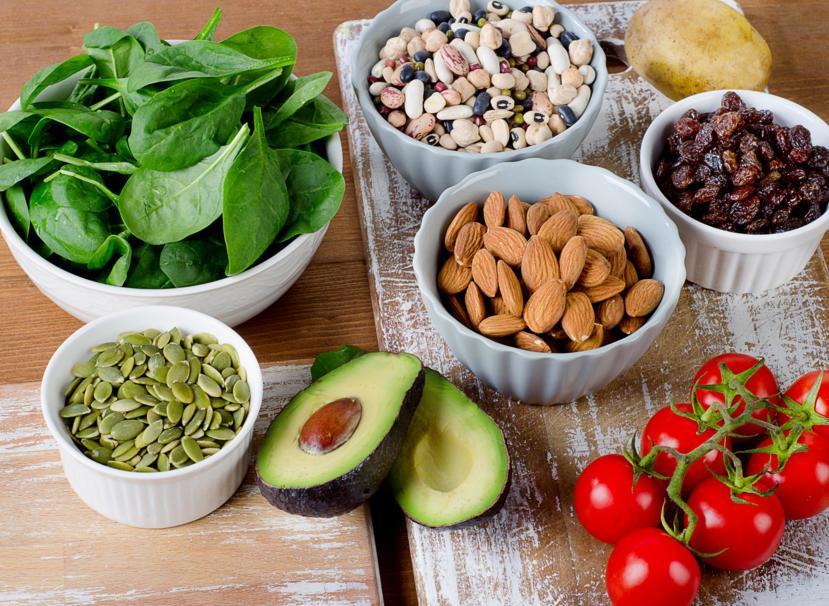
| Food | Amount | Boron (mg) |
|---|---|---|
| Raisins | 100g | 4.50 |
| Fruits | 100g | 3.00 |
| Almonds | 100g | 2.82 |
| Hazelnuts | 100g | 2.77 |
| Avocado | 100g | 2.04 |
| Green vegetables | 100g | 2.00 |
| Peanut butter | 100g | 1.92 |
| Brazil nuts | 100g | 1.72 |
| Walnuts | 100g | 1.63 |
Toxicity
Toxicity
Boron is very safe in the dosages recommended, but it can be extremely toxic in high doses (18-20g) which can lead to death. Do not exceed recommended dosage.
Toxic levels of boron
Data from accidental poisonings indicate that the acute, lethal dose of boric acid is 3000-6000 mg (3-6 grams) for infants and 15,000-20,000 mg (15-20 grams) for adults.
Overdosage and toxicity symptoms
Symptoms of toxicity side effects if intake is more than 100mg per kg of food:
- Breathing problems
- Chest pain or tightness
- Diarrhoea
- Headache
- Kidney damage
- Lethargy
- Nausea
- Oedema (swelling, fluid retention)
- Restlessness
- Skin rashes or hives
- Vomiting
- Weight loss
People experiencing any of the above toxicity symptoms should discontinue their boron supplements and seek medical advice.
Overdosage and toxicity is more likely to occur from taking too many supplements, whereas dietary intake of boron is highly unlikely to cause overdosage.
Precautions
Precautions
Certain people should not take boron supplements without first consulting their doctor for advice:
- Women who are pregnant or breastfeeding
There is no reliable data on the effect of boron on women who are pregnant or breastfeeding, so supplementation is not advised. - Women with breast cancer
Women with existing breast cancer or risk of developing breast cancer should be cautious when taking boron and only take this supplement if absolutely necessary as it may adversely affect hormone levels. - Men with prostate cancer
Men with existing prostate cancer or risk of developing prostate cancer should be cautious when taking boron and only take this supplement if absolutely necessary as it may adversely affect hormone levels. - People with kidney disease
People with kidney disease should only take boron supplements under medical supervision as excessive amounts of boron have a detrimental effect on the kidneys and cause kidney damage. - People with any type of health condition
People with any type of health condition need to seek the advice of their doctor if they also want to take boron supplements to ensure it is safe to do so.
- Women who are pregnant or breastfeeding
Interactions
Boron interactions with medications and supplements
The following are the medications and supplements that are more likely to cause a reaction with boron supplements:
- Calcium, Magnesium, Phosphorus
The minerals calcium, magnesium and phosphorus all aid the absorption and effectiveness of boron. Boron also assists to help metabolise calcium, magnesium and phosphorus so that they can be more effective in their actions. - Oral contraceptives
Women taking oral contraceptives are advised to limit intake of boron supplements as they can cause elevated oestrogen levels in the blood, which could be a risk for several types of cancer (breast, ovarian, uterus).
- Calcium, Magnesium, Phosphorus
Apart from the above mineral interactions with boron, there are no known interactions between boron and any drugs.
Boron’s effect on lab tests
There are none reported.
References
References
- Griffith, HW. Minerals, Supplements and Vitamins – the Essential Guide. 2000 Fisher Books
- Osiecki, H. The Nutrient Bible. Bio-Concepts Publishing QLD, 2002
- Whitney EN, Cataldo DB, Rolfes SR. Understanding Normal and Clinical Nutrition, 6th Edition. Wadsworth/Thomson Learning, 2002
Last updated: 6 May 2024