Water intake calculator

This tool helps you work out how much water you need, to see if it is in the healthy range for your age, activity, environment, height, weight and gender.

Select metric (for metres and centimetres) or standard (for feet and inches).

  • Age: select your age group
  • Sex: currently this tool only has two genders, so choose the one closely aligned to you
  • Height: taken without shoes
  • Weight: measure in the morning before you have eaten
  • Season: select winter, summer or standard, which is combined for spring and autumn
  • Activity level: select your activity from light, moderate or very active

Water Intake Calculator

require
require
require
require
 

You should drink ...... of water per day

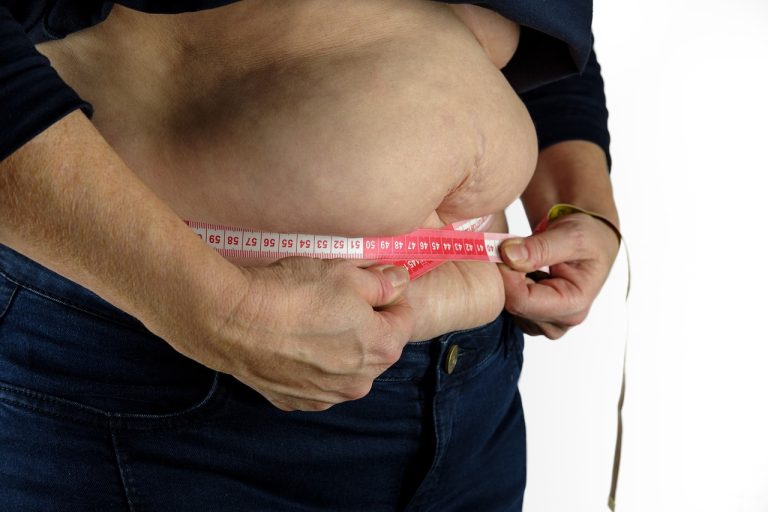
Body fat calculator

This tool helps you work out how much body fat you have, to see if it is in the healthy range for your age, gender and height.

The measurements need to be accurate to within 0.5cm or 0.25 inches (centimeters tends to produce the most accurate results) and should be taken as follows:

  • Height: taken without shoes
  • Weight: measure in the morning before you have eaten

Body Fat calculator

require
require
require
require
require


Your body fat is ......

Description
Women
Men
Recommended:
20-25%
8-14%
Average :
22-25%
15-19%
Obese :
30+%
25+%

What to avoid during pregnancy

Facts

Introduction

Pregnancy and pre-conception are a really important time in a woman’s life, where the health of the woman can severely impact the health of the foetus and subsequent baby.

More and more research is coming to the fore, which has uncovered so much about the mother’s health and exposure to certain elements that can adversely affect the foetus, cause miscarriage or even defects in the unborn child.

The following are defined in order to improve the chance of a healthy pregnancy with a healthy birth.

Cosmetics

Cosmetics

It is important to note that whatever a pregnant woman puts on her skin can ultimately end up in her unborn foetus (as it crosses the placenta and is “fed” to the foetus), which can cause a number of adverse effects to the unborn child.

Most cosmetics (either expensive or cheap) contain many chemicals which are now being deemed to be unsafe for the unborn foetus. Studies are showing these chemicals can cause a number of adverse health effects, such as:

  • miscarriage
  • birth defects
  • still birth
  • feminisation of the males
  • reduction in the number of male births
  • reduction of fertility

The main chemicals that are the worst offenders and should be avoided are:

  • Methyl paraben
  • Propyl paraben
  • Any paraben
  • Sodium lauryl sulphate (or sulfate) – SLS
  • Formaldehyde
  • Toluene
  • Coal tar
  • Mineral oil
  • Synthetic colours
  • Synthetic fragrances
  • Dibutyl phthalate
  • Phthalates

The Pregnant? Know your chemicals – national information campaign by the Danish EPA has set out some guidelines for pregnant and breastfeeding women, which advises women to reduce the number of chemicals they are exposed to and specifically to reduce their exposure to the toxic chemicals in cosmetics and other toxic substances while they are pregnant and breastfeeding to reduce likelihood of possible adverse health effects.

The Danish EPA recommend pregnant and breastfeeding women do the following:

  • avoid using any cosmetics that are not deemed safe (only organics and only ones that are certified to be close to 100% organic)
  • avoid using creams and lotions on their baby (unless really necessary and then only use certified organic products)
  • avoid perfume and perfumed / scented products on either themselves or their baby
  • avoid colouring (dyeing) their hair
  • avoid products that come in spray cans (such as hair spray)

Hair dye

Hair colour / dye

Women who are pregnant, breastfeeding or who are trying to conceive should avoid using hair dyes, as they contain many toxic chemicals which can be harmful to the unborn foetus. The chemicals in the hair dyes are absorbed through the skin and can be passed to the unborn foetus which may cause harmful effects.

The best (and only) way to avoid the toxic chemicals in hair dyes is for women who are pregnant or breastfeeding to avoid dyeing their hair.

Studies show that there are a number of toxic chemicals in hair dyes, which have a number of adverse health effects, from irritation, to possible cancer links. The following are the most toxic chemicals in hair dyes and should be avoided:

  • 1-naphthol: this is used as an oxidising agent. It is made from coal tar and is linked to cancer. It is also used as an ingredient pesticides
  • Ammonium hydroxide: this is used as a pH (acidity) adjuster and is highly acidic on the body, with some studies showing it is linked to skin cancer
  • Ethanolamine: this is used as a surfactant (which create a smooth consistency). This chemical is irritating to the whole body and may aggravate asthma symptoms. Once absorbed by the skin, it can accumulate in the liver and kidneys and if exposure is high, it can damage the central nervous system. Research shows that when this chemical is combined with other ingredients in hair dyes, it can form carcinogenic substances
  • O leth-5, oleth-2: these are used as emulsifiers and surfactants (to bind the ingredients together and create a smooth consistency). They are both possible allergens (especially for sensitive people) and they are linked to breast cancer
  • p-phenylenediamine: this is dye made from coal tar and it is known to be potentially carcinogenic. This chemical can cause an allergic reaction and may damage the immune system
  • Propylene glycol: this is used as a solvent (to make the hair dye bright and soften the hair). This chemical is toxic to the skin and is not only absorbed by the skin, but opens the skin to absorb other toxic chemicals more easily. It is also used in hair and face care products
  • Resorcinol: this is used an oxidising agent (which helps to combine all the ingredients in the hair dye). This chemical is an irritant to the skin and the European Union (EU) has classified it as an endocrine disrupter (which has potential links to cancer)
  • Soytrimonium chloride: this is used as a surfactant (which create a smooth consistency). This chemical is irritating to the skin and the lungs – it can aggravate asthma symptoms. There are a number of other adverse health effects associated with this chemical

Studies also show that some of the chemicals in permanent hair dyes can cause cancer of the bladder. The European Union (RU) has banned 22 hair dye substances as of December 2007 because of the concern about the link with bladder cancer.

Hair dye chemicals banned in Europe

The hair dyes chemicals that have been banned by the EU include:

  • 1,7-Naphthalenediol
  • 2,3-Naphthalenediol
  • 2,4-Diamino-5-methylphenetol and its HCl salt
  • 2,4-Diaminodiphenylamine
  • 2,6-Bis(2-Hydroxyethoxy)-3,5-Pyridinediamine
  • 2-Aminomethyl-p-aminophenol and its HCl salt
  • 2-Methoxymethyl-p-Aminophenol
  • 3,4-Diaminobenzoic acid
  • 4,5-Diamino-1-((4-Chlorophenyl)Methyl)-1H-Pyrazole Sulfate
  • 4,5-Diamino-1-Methylpyrazole and its HCl salt
  • 4-Chloro-2-Aminophenol
  • 4-Hydroxyindole
  • 4-Methoxytoluene-2,5-Diamine and its HCl salt
  • 5-Amino-4-Fluoro-2-Methylphenol Sulfate
  • 6-Methoxy-2,3-Pyridinediamine and its HCl salt
  • Acid Orange 24 (CI 20170)
  • Acid Red 73 (CI 27290)
  • N,N-Diethyl-m-Aminophenol
  • N,N-Dimethyl-2,6-Pyridinediamine and its HCl salt
  • N-Cyclopentyl-m-Aminophenol
  • N-(2-Methoxyethyl)-p-phenylenediamine and its HCl salt
  • Solvent Red 1 (CI 12150)

The Danish EPA have recommended pregnant and breastfeeding women avoid dyeing their hair altogether.

Safe hair dyes / colours

The only hair dyes that may not have any toxic effects are those from certain plants:

  • Henna – only totally natural henna straight from the source
  • Walnut shells – these provide a natural dark colour

Paints

Paint

Women who are pregnant or breastfeeding should stay away from any type of paints, primers, paint strippers, solvents, thinners and wood stains.

Current recommendations suggest that pregnant women should avoid exposure to oil-based paint, lead-based paints and latex paints that contain ethylene glycol ethers and biocides. Lead-based paints were used prior to the 1970’s, so any paint that needs to be removed should not be performed by women who are pregnant or breastfeeding due to the exposure to lead, which is implicated in lead poisoning and mental retardation in the unborn foetus and growing child.

All paints emit fumes, even the water-based ones. Pregnant and breastfeeding women are advised to avoid painting (the house or even painting pictures on canvas) to avoid exposure to any of the toxic chemicals in the various types of paints, strippers, thinners or primers.

In addition to this, it is advisable to avoid painting the baby’s bedroom after it is born. Try to paint their bedroom (but only with natural, water-based paint) when the baby is several months old and ensure it is well ventilated for about one week before you allow your child to sleep in their room. This will prevent possible exposure to the worst of the fumes.

Toxins

Environmental toxins / pollution

There is mounting scientific evidence that exposure to environmental toxins and pollution produces adverse health effects for the unborn foetus, with a number of studies suggesting that women need to avoid exposure to pollution (from cars, factories and other pollution sources).

Studies show that when the unborn foetus is exposed to consistent pollution, the weight of the baby at birth is lower than normal. The research suggests that air pollution might alter cell activity in the unborn foetus, or cut the amount of oxygen and nutrients a baby receives while in the womb.

Other studies show that when a pregnant woman is exposed to lead from car pollution, this can be implicated in lead poisoning and mental retardation in the unborn foetus, which presents upon birth. Babies and infants are also more likely to be exposed to lead poisoning and lower mental growth if they live on a main road with high traffic exposure from cars.

Other studies show a link between exposure to pollution and child mortality, with babies having the highest exposure to a number of pollutant chemicals being the most likely to becomes sick and die.

Another recent study of newborns in New York City revealed that prenatal exposure to combustion-related urban air pollutants alters the structure of chromosomes (the carriers of genes) of babies in the womb. This is the first study to show a link between exposure to environmental chemicals during pregnancy and an increase in foetal abnormalities. Other studies show there is a link between these types of genetic mutations to cancer (in babies, children and adults).

There are a number of other chemicals that are emitted from car exhaust fumes, from factories and other pollution sources which have adverse effects on the unborn foetus and should be avoided as much as possible.

Women who are pregnant or breastfeeding should also steer clear of any type of pesticides, irrespective of how “natural” they may seem. The chemicals in pesticides have known neurotoxins and if the unborn foetus is exposed to them, they can cause adverse health effects, including foetal abnormalities.

Plastics

Toxic plastics

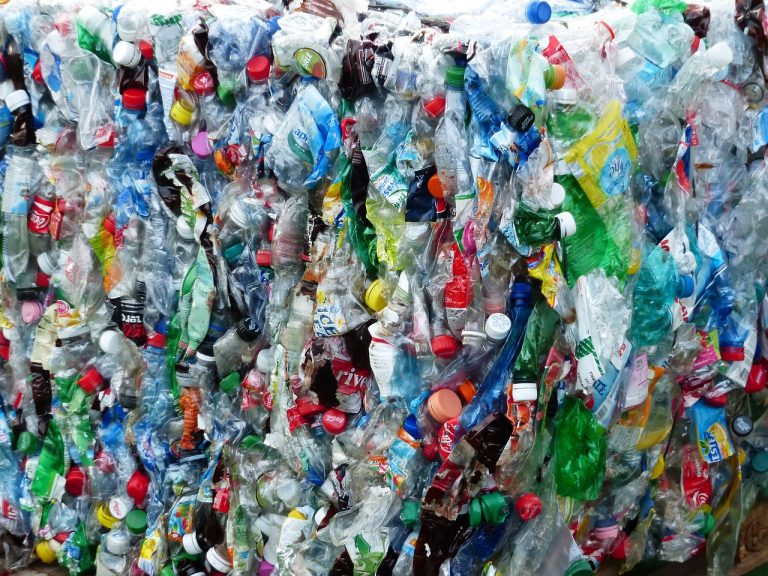
The most toxic plastic that all women who are either pregnant, breastfeeding, or considering getting pregnant should avoid is plastic # 3, which is better known as PVC or vinyl.

PVC (Polyvinyl chloride) is considered by many experts to be the most toxic, carcinogenic plastic ever created. It cannot be recycled and will continue to emit toxic, carcinogenic fumes forever.

Results from animal studies show that being exposed to vinyl chloride (by breathing it in or drinking it in water) at moderate levels (100ppm) may increase the risk for liver cancer.

The US Department of Health and Human Services has determined that vinyl chloride is a known carcinogen. The International Agency for Research on Cancer has determined that vinyl chloride is carcinogenic to people and EPA has determined that vinyl chloride is a human carcinogen.

Women who are pregnant, breastfeeding or considering getting pregnant should especially avoid this plastic. PVC is found just about everywhere: packaging materials, in shower curtains, infant products, children’s toys, packaging and fashion accessories.

Other plastics to avoid

The other plastics which should be avoided are:

  • # 6 (Polystyrene): Polystyrene is another plastic which is used in disposable hot drink containers, food trays, egg cartons, carpet backing, shoes, take-away containers, opaque plastic cutlery and other disposable take-away items. The Environment Protection Agency (EPA) warns that even short term exposure to this plastic can cause a number of nervous system effects and long terms exposure can lead to liver and nerve damage and cancer.
  • # 7 (Polycarbonates and Others): these are plastics which are used in plastic baby bottles, the lining of metal food cans (even in some organic foods), sports water bottles, and other items. Bisphenol-A (BPA) is used to make polycarbonates and BPA is a known endocrine disrupter, which can leech from the polycarbonate plastics when they are used. This BPA is breathed in, is ingested from the liquid in the plastic containers or is absorbed through the skin. Many studies are now showing that even low level exposure to BPA is laboratory animals caused significant adverse health effects, including alterations to brain chemistry and structure, mood and behavior problems, the immune system dysfunction, as well as adverse effects to both the male and female reproductive systems. In addition to this, long term exposure to BPA is associated with a number of cancers, especially breast and endocrine cancers, allergies, asthma, as well as heart disease.

Safer plastics

Plastics should be totally avoided when pregnant, breastfeeding or when trying to conceive, but if exposure is unavoidable, use the products with the following numbers only:

  • # 1: PETE or PET (Polyethylene Terephthalate) – Used for clear beverage bottles. Widely recyclable; generally considered safe, with some precautions.
  • # 2: HDPE (High-Density Polyethylene) – Used for colored or cloudy bottles and jugs, yogurt containers, and other tubs. Widely recyclable, but consumers need to verify with local recyclers whether tubs and bottles (which are made differently and can’t be recycled together) need to be separated. Generally considered safe, with some precautions.
  • # 4: LDPE (Low-Density Polyethylene) – Used for garbage bags, food storage bags, and some cling wrap and bottles. Not widely recyclable; generally considered safe, with some precautions.
  • # 5: PP (Polypropylene) – Used in butter tubs, some baby bottles, and other rigid containers. Not widely recycled; generally considered safe.

This will ensure a better chance of reducing exposure to the worst of the carcinogenic and other detrimental effects that the toxic plastics can cause.

Due to the concern about Bisphenol A, the US Government is now cautioning women against using hot food in plastics that may contain Bisphenol A.

The USA Department of Health and Human Services has recently produced a guideline for women with babies and infants regarding Bisphenol A exposure.

Water

Bottled water

A recent investigation by the Environmental Working Group (EWG) in the USA in 2008 determined that the bottled water they tested was either no better than tap water, or it had significant pollutants in it, at levels much higher than the limits set for bottled water.

The pollutants that were found in the bottles of water were:

  • Bromodichloromethane – a known carcinogen
  • Trihalomethanes – disinfectant by-products
  • Pharmaceuticals – such as Tylenol, antidepressants and birth control pills
  • Fertilizer residue – such as nitrate and ammonia
  • Heavy metals and minerals – including arsenic
  • Industrial chemicals – such as solvents, plasticisers

Pregnant and breastfeeding women (and even women trying to conceive) should avoid bottled water and only drink filtered (or unfiltered) tap water.

GMO foods

Genetically modified foods

A recent study by the Austrian government on laboratory mice has shown that genetically modified (GM) crops pose serious threats to reproductive health. This long term study, sponsored by the Austrian Ministries for Agriculture and Health was presented at a scientific seminar in Vienna, Austria in early November 2008.

A statement from Greenpeace about the implications of this study: “This study clearly demonstrates that GMOs (genetically modified organisms) have a lot of unknown environmental and health risks and that the safety of GMO crops can not be guaranteed. This is not the first GMO to have been discovered to pose serious health risks, and it will not be the last.”

While there have not been many studies published on the health effects of GMO crops (adverse or beneficial), the majority of the studies published do show that genetically modified crops have adverse effects on the laboratory animal’s reproductive health.

Pregnant women should avoid the following, to ensure they reduce their consumption of foods with possible contamination of genetically modified organisms:

  • Canola
  • Corn
  • Cottonseed oil
  • Lecithin
  • Potatoes
  • Soy

If a food is certified organic, even if it does contain the above ingredients, it should be fine. As long as the ingredient is certified organic.

Greenpeace’s True Food Network provides a list of foods which are safe (do not contain GMO) and ones which are not safe. Take this list when you go shopping.

Cleaning

Cleaning products

Women who are pregnant especially, but also those women who are breastfeeding are advised to avoid using cleaning products, as the fumes from the chemicals in these products can adversely affect the growing foetus.

The skin can absorb the fumes from the chemicals in cleaning products, which can then transmit these toxic chemicals to the unborn foetus and this may cause foetal abnormalities. The higher and more consistent the exposure, the more likely the damage to the foetus.

There are a number of chemical-free ways to clean the home, which should be adopted to avoid exposure to harmful chemicals.

Pregnant or breastfeeding women who cannot avoid exposure to cleaning products must wear gloves when handling these products, use them in a well ventilated room (open the windows) and exit the room as soon as possible after completion to avoid further exposure to the fumes and possible absorption through the skin to the unborn foetus.

References

References

  • Begoun P, Barron B. Don’t Go to the Cosmetics Counter Without Me, 7th edition. Beginning Press, 2007
  • Co-op America: Greener Path: Recyclable Plastic, Jan/Feb 2006. Accessed 21 November 2008
  • Department of Health and Human Services: Agency for Toxic Substances and Disease Registry (ATSDR) – Polystyrene, Toxological Profile. http://www.atsdr.cdc.gov/toxprofiles/tp53-c2.pdf – accessed 30 December 2008
  • Department of Health and Human Services: Agency for Toxic Substances and Disease Registry (ATSDR) – Vinyl Chloride, Toxological Profile. http://www.atsdr.cdc.gov/toxprofiles/tp20.html – accessed 30 December 2008
  • Environmental Working Group. Bottled Water Quality Investigation: 10 Brands, 38 Pollutants. October 2008. Accessed 21 November 2008
  • Greenpeace. Austrian Study Finds Eating GE Corn May Reduce Fertility. 12 Nov 2008. Accessed 30 December 2008
  • Hansen, C., Neller, A., Williams, G.M. and Simpson, R. (2007) Low levels of ambient air pollution during pregnancy and fetal growth among term neonates in Brisbane, Australia. Environmental Research, 103 3: 383-389
  • Jaakkola JJK, Knight TL. The Role of Exposure to Phthalates from Polyvinyl Chloride Products in the Development of Asthma and Allergies: A Systematic Review and Meta-analysis. Environ Health Perspect. 2008 July; 116(7): 845–853, accessed 20 November 2008
  • Marshall A. GM soybeans and health safety–a controversy reexamined. Nat Biotechnol. 2007 Sep;25(9):981-7
  • MotherLove.com – Bodycare Ingredients to Avoid. Accessed 28 November 2008
  • Skin Deep, Environmental Working Group, searchable database with safety ratings for body care product ingredients – http://www.ewg.org, accessed 21 November 2008
  • Å rám RJ, Binková B, Dejmek J, Bobak M. Ambient Air Pollution and Pregnancy Outcomes: A Review of the Literature. Environ Health Perspect. 2005 April; 113(4): 375–382. Accessed 21 June 2009
  • The Campaign for Safe Cosmetics http://www.safecosmetics.org, accessed 21 November 2008
  • The Green Guide. Safe, Not Sorry, Hair: The Case for Nontoxic Shampoos, Conditioners and Colors. http://www.thegreenguide.com, accessed 29 November 2008
  • The Organic and Non-GMO Report. Government Funded Austrian Study on GM Crops Reducing Fertility. December 2008. Accessed 30 December 2008
  • Winter R. A Consumer’s Dictionary of Cosmetic Ingredients: Complete Information About the Harmful and Desirable Ingredients Found in Cosmetics and Cosmeceuticals. Three Rivers Press; 6 Rev Upd edition, 2005

Last reviewed and updated: 27 June 2024

Tips for a healthy pregnancy

Move

Move your body

Women need to get enough moderate exercise every day, in general, but especially when pregnant (unless a medical doctor advises bed rest), as it help the body in a variety of ways:

  • ensures proper blood flow/circulation – to ensure all the nutrients and oxygen are being passed onto the unborn baby, which is especially required in pregnancy as there is an increase of about 50% of the blood volume
  • relieves swelling – exercise helps to ensure better lymphatic and blood circulation and can reduce swelling in the legs especially
  • reduces stress and tension – exercising releases endorphins which can reduce the hormones that contribute to feeling stressed and tense and this is better for the unborn baby, not just the mother

Pregnant women need at least 30 minutes of moderate exercise every day. You can try walking, yoga, pilates and some gentle (low-impact) aerobics.

Eat fish

Eat the good fish for Omega-3

The good and healthy fats in oily fish especially provide essential fatty acids which otherwise cannot be obtained other than from the diet. The essential fatty acids

The essential fatty acids, and especially omega-3 fatty acids are vital for proper and healthy brain development and to help reduce the risk of the child developing allergies and skin conditions such as eczema and dermatitis.

Pregnant women need to eat a variety of oily fish each week to ensure the health of your unborn child. The best and safest fish sources are those which are wild and from the deep ocean, to avoid contamination with mercury (a heavy metal found in some fish due to industrial pollution):

  • salmon (not raw)
  • sardines
  • tuna (not raw)
  • mackerel
  • trout

There are also non-fish sources of omega-3 essential fatty acids, which can be eaten on a regular basis, in addition to (or instead of) the oily fish and they are:

  • avocados
  • hazelnuts
  • walnuts
  • pumpkin seeds
  • sunflower seeds
  • extra virgin olive oil (cold pressed is the best)
  • sunflower oil

No caffeine

Ditch the coffee or try decaffeinated coffee

Some studies have shown that drinking more than 1-2 cups of coffee (that contain about 200mg of caffeine) per day may increase the risk of miscarriage by almost double!

Look at the amount of caffeine in the foods/drinks below and check out your risk:

  • 1 cup instant coffee: 60-100mg caffeine
  • 1 cup brewed coffee: 80-350mg caffeine
  • 1 cup tea: 8-90mg caffeine
  • 1 cup hot chocolate: 10-70mg caffeine
  • 1 cup cola drink: at least 35mg caffeine
  • 1 x 200g chocolate bar: 20-60mg caffeine

To limit your risk of miscarriage, ensure you limit your caffeine intake during pregnancy. Use decaffeinated coffee or better yet, try not to drink any coffee at all (if you can). Try some herbal tea or warmed up water with lemon.

Don't overeat

Keep an eye on your weight

It is important that know that while gaining some weight during pregnancy, it is not healthy to gain too much weight, nor is it healthy to over-indulge in sweets and processed foods. It is better for you and your unborn child to eat as much natural (unprocessed) foods as possible each day, to get all the nutrients you need and to ensure weight gain is normal.

To keep you pregnancy healthy and ensure you gain only an appropriate amount of weight, the following should be considered:

  • Eat at least 5-7 servings of vegetables each day
  • Eat at least 3-5 servings of fruit each day
  • Eat one serving of legumes each day
  • Eat at least 3-5 servings of whole grains each day
  • Eat good quality protein each day
  • Get enough good fats in the form of vegetable oil, nuts, seeds and avocado every day
  • Exercise moderately for at least 30 minutes every day
  • Limit intake of processed food
  • Limit intake of deep fried foods
  • Limit intake of sweets and sugary food
  • Limit intake of saturated fats

Folic acid

Know your folic acid (folate) needs

Folic acid (or folate) is a B vitamin which has been proven to prevent neural tube defects (such as spina bifida) in the unborn baby, especially in the first 12 weeks, when the foetus is developing the neural tubes.

It is recommended that women of child-bearing age get enough folic acid in their diet, either through supplementation or through food intake in the diet.

Recommended daily intake for folic acid: 600mcg

Some foods high in folic acid are:

  • spinach
  • green leafy vegetables
  • lentils
  • beans
  • oranges
  • orange juice
  • fortified breakfast cereals and pasta

Mediterranean diet

Follow a mediterranean diet

Various studies have shown that women who follow a Mediterranean diet while they are pregnant, reduce the risk of their child developing allergies by 90%.

The Mediterranean diet is a healthy diet based on the foods eaten by the people in the Mediterranean region (Italy, Greece, Turkey) and consists of eating the following foods:

  • olive oil (with every meal)
  • fresh fruit
  • legumes
  • fish (a few times a week)
  • poultry (a few times a week)
  • bread
  • pasta
  • cheese
  • yoghurt

The following are restricted or disallowed on a Mediterranean diet:

  • red meat (restricted)
  • processed foods (disallowed)

Stop smoking

Don’t smoke cigarettes of any kind

Cigarette smoking is dangerous not only to your health, but it is also detrimental to your unborn child.

Cigarette smoke depletes many of your vitamin levels, but especially vitamin C, which is an essential nutrient required for enabling the absorption of iron and to produce collagen needed for your body, but also for the growing foetus’ body. If you are not getting enough iron, you may become anaemic and this is not beneficial at pregnancy where your blood volume can increase by up to 50%.

In addition to this, cigarette smoking can decrease your chances in conceiving in the first place and may increase your risk of miscarriage when you are pregnant.

Before you try to conceive, talk to your doctor about ways to help you stop smoking, for your health and your child’s health.

No alcohol

Don’t drink alcohol

At present (2024), there is conflicting evidence about the consumption of alcohol in pregnancy – some studies show that having one glasses of alcohol on some days of the week do not harm the unborn foetus, while other studies show that any alcohol can harm the unborn foetus and cause miscarriage (or some type of abnormality in the foetus).

In order to err on the side of caution, it would be prudent to avoid all alcohol consumption when you are pregnant in order to reduce risk of miscarriage or abnormality in the foetus.

Plastics

Don’t heat plastics

Recent research has uncovered a concern about a certain chemical (Bisphenol A) in plastics and in linings of cans, which could have carcinogenic effects on both the pregnant (and lactating) mother as well as on the child because of its endocrine disrupting activity. In addition, Bisphenol A (BPA) is also implicated in learning and behavioural difficulties in the child.

The BPA levels in the pregnant (and lactating) mother concentrate in the fatty tissue and also pass through the placenta into the unborn child.

BPA in plastics is especially released at high levels into the liquid when the plastics containers or bottles are heated or when hot liquid is added to a plastic container. When cans of food are heated (as would happen when canned food is placed in water and boiled), the BPA inside the can lining also leeches into the food inside.

To avoid exposure to BPA:

  • always use glass or ceramic containers in the microwave
  • always use a glass baby bottle (or try to find one which is certified to be BPA-free)
  • always take food out of cans and use a stainless steel saucepan to heat it (or put it in the microwave into a glass or ceramic container) – better yet, avoid usage of canned food and use fresh food instead

As of April 2008, Canada has banned all plastic baby bottles that contain BPA (and most do) and is looking into the health implications of BPA on adult health and will ban all other plastics (and cans) if they deem they are also unsafe.

References

References

  • Canada Government Health Alerts. Accessed 19 April 2008
  • Duyff, RL. American Dietetic Association: Complete Food and Nutrition Guide, 2nd edition. John Wiley & Sons, NJ USA
  • Environmental Working Group web site- accessed 19 April 2008
  • Osiecki, H. The Nutrient Bible. Bio-Concepts Publishing QLD, 2002
  • Osiecki, H. The Physicians Handbook of Clinical Nutrition. Bio-Concepts Publishing QLD, 2002
  • Stoppard M. New Pregnancy and Birth: A Practical Guide for All Parents To Be. Dorling Kindersley, 2007pregnancy, healthy, pregnant, exercise, diet, nutrition, legumes, olive oil, vegetables, spinach, leafy green vegetables, immune system, foods, omega 3, omega-3, fish, folate, folic acid, allergies, baby, plastics, heating, BPA, bisphenol A, endocrine, disruptor, weight, brain, gaining eight, smoking, coffee, decaffeinated, alcohol, processed, drinking,
  • Whitney EN, Cataldo DB, Rolfes SR. Understanding Normal and Clinical Nutrition, 6th Edition. Wadsworth/Thomson Learning, 2002

Last reviewed and updated: 27 June 2024

Phytochemicals

Facts

Phytochemicals (also called phytonutrients) are the powerhouse natural chemicals inside plants, which basically give the plants protection against disease and but which also have disease-preventing properties in humans too. Phytochemicals have really potent antioxidant.

Effects of phytochemicals

Phytochemicals have various health-promoting effects on human and some of these include:

  • Antioxidant – all phytochemicals work on protecting the body from the oxidative effects of things like stress, pollution, smoking (as well as many bodily processes) by scavenging and getting rid of free radicals. The reason phytochemicals are so important is because free radicals can damage the body’s DNA and thus lead to the development of cancer and serious heart problems
  • Antibacterial – some phytochemicals (allicin in garlic) have an antibacterial effect, which is protective and guards against colds and flus
  • Hormonal – some phytochemicals have a weak oestrogen effect, which assist in preventing the build-up of oestrogen in the body (high oestrogen levels have some degree of influence on the rate and levels of some female cancers of the reproductive system)

Different types of phytochemicals

There are over 100 different types of phytochemicals, but this site will not list them all. Only some of the most common and more recognisable ones will be listed here.

Alkaloids

Alkaloids are a bitter phytochemical that occur in some plant foods. The main types of these phytochemicals are:

  • Caffeine
  • Theobromine
  • Theophylline

Foods high in alkaloids are:

  • Black tea
  • Caffeine
  • Cocoa
  • Green tea
  • Mate (a herb)

Anthocyanins

Provide cross-links or bridges that connect and strengthen the intertwined strands of collagen protein in plant foods, provide strong antioxidant effects by scavenging for free radicals, are water-soluble and create the blue/purple/dark red pigment of the skin and flesh of certain fruits and vegetables.

Foods high in anthocyanins:

  • Blackberries
  • Blueberries
  • Dark purple grapes
  • Raspberries
  • Cranberries

Carotenes

Carotenes come in the following forms (although this list does not by any means show all the carotenes):

Beta-carotene

Beta-carotene is the more common form of the two (alpha and beta). Fruits and vegetables that are brightly coloured (dark green, orange, red and yellow) have a high content of beta-carotene.

Carotenes protect vitamin A & vitamin E from oxidation and eliminate toxins and pollutants from the body. Research has shown that carotenes offer protection against various cancers and enhance the immune systemresponse.

Foods high in beta-carotene:

  • Yellow fruits / vegetables – lemons, sweet potato, sweet yellow (banana) peppers, grapefruit
  • Orange fruits / vegetables – carrots, mango, oranges, mandarin, rockmelon (cantaloupe), papaya, tomato
  • Leafy green vegetables – kale, spinach, broccoli

Lutein

Lutein is essential for ensuring good vision, especially as people get older. Research has shown that lutein reduces the risk of age-related macular degeneration and cataracts and may even reduce the incidence of some types of cancers.

Foods high in lutein:

  • Leafy green vegetables – spinach, kale, collard greens (most highest source)
  • Leafy green vegetables – broccoli, Brussels sprouts, Romaine lettuce, Swiss chard
  • Fruit – kiwi fruit

Lycopene

A great deal of research on lycopene has shown that it reduces the risk of prostate cancer and heart disease. Lycopene is abundant in red fruits / vegetables and is the substance which gives those foods their red colouring. Lycopene appears to be released in higher concentrations from tomatoes that have been cooked in olive oil, but raw tomatoes are still very healthy.

Foods high in lycopene:

  • Red fruits – tomato, watermelon, pink grapefruit
  • Red vegetables – red capsicum (or red peppers)

Zeaxanthin

Research on zeaxanthin has shown that this carotene also assists with reducing the risk of age-related macular degeneration, cataracts and that it may also prevent some types of cancers too. Zeaxanthin is found mainly in bright yellow foods.

Foods high in zeaxanthin:

  • Yellow corn
  • Winter squash
  • Egg yolks

Flavonoids

Flavonoids are a large family of phytochemicals found in fruits and vegetables. Flavonoids, also known as bioflavonoids, act as potent antioxidants to neutralise the damage from free radicals (which cause cancer, heart disease and ageing). Flavonoids also act against allergies and inflammation, so are beneficial for conditions such as hayfever and sinusitis.

The most common flavonoids are:

Anthocyanin

Anthocyanins strengthen and encourage better collagen formation. Other research has shown that foods high in anthocyanins slow down the process of aging. Other research has proved that the anthocyanins in cranberries and blueberries prevents urinary tract infections.

Anthocyanins provide strong antioxidant effects by scavenging for free radicals, are water-soluble and create the pigment of the skin and flesh of certain fruits and vegetables.

Foods high in anthocyanins:

  • Blackberries
  • Blueberries
  • Dark purple grapes
  • Raspberries
  • Cranberries
  • Strawberries

Hesperidin

Hesperidin is an anthcyanin found in citrus fruits and fruit juices that may protect against heart disease.

Foods high in hesperidin:

  • Oranges and orange juice
  • Grapefruit and grapefruit juice
  • Lemons
  • Limes
  • Mandarines
  • Tangelos
  • Tangerines

Quercetin

Quercetin appears to be beneficial with allergies and inflammation of the upper and lower respiratory system. Research has shown that quercetinprotects the lungs from oxidative damage due to pollution and cigarette smoke.

Foods high in quercetin:

  • Fruits – apples, pears, cherries, grapes
  • Green tea
  • Red wine
  • Vegetables – onions, garlic, kale, lettuce

Resveratrol

Resveratrol is showing promise as an effective block against cancer of the lungs – latest research suggesting that this flavonoid may be the reason some people have a lowered risk of lung cancer. Resveratrol is mainly concentrated in the skin and pips of dark red grapes.

Foods high in reseveratrol:

  • Dark red/purple grapes (inluding skin and pips)
  • Dark red/purple grape juice
  • Red wine (made naturally, using skin and pips)

Tangeritin

Research shows that this interesting flavonoid is implication in lowering the incidence of cancers of the head and neck.

Foods high in tangeritin:

  • Citrus fruit – grapefruit, lemons, limes, oranges, tangerines

Isoflavones

Isoflavones are one of flavonoid phytochemicals. Isoflavones have both a weak eostrogen and a weak anti-oestrogen effect. Isoflavones have strong antioxidant effects on the body.

There are three types of isoflavones:

  • Daidzein
  • Genistein
  • Coumesterol

Isoflavones block enzymes that promote tumour growth. Soy consumption is known to decrease incidence of breast, uterine and prostate cancers.

Foods high in isoflavones:

  • Soy beans
  • Kuszu
  • Red clover (herb)
  • Chickpeas

Lignans

To learn more.

Organosulfides

To learn more

Phenolic acids

Phenolic acid compounds may reduce the risk of heart disease and certain types of cancer.

Phenolic compounds can be found in many fruits such as: berries, prunes, red grapes and red grape juice, kiwifruit, currants, apples and apple juice, and tomatoes.

There are a few types of phenolic acids:

  • Capsaicin – may help with arthritis, ulcers and psoriasis; found in chilles, peppers, capsicums
  • Ellagic acid – has anti-cancer and antioxidant properties; found in red fruits and berries, pecans and walnuts
  • Gallic acid – an antioxidant which has major anti-fungal and anti-viral properties; found in almost all plant foods, but especially grapes, tea, hops
  • Rosemarinic acid – has antioxidant activity stronger than that of vitamin E as well as potent anti-inflammatory properties that may be useful for conditions such as arthritis and asthma; found in herbs such as rosemary, oregano, thyme, lemon balm, sage
  • Tannic acid – has anti-bacterial properties; found in tea, nettle, berries

Phytoestrogens

Phytoestrogens are chemicals in plants that have weak eostrogen-like activity. Phytoestrogens are part of the flavonoid class of phytochemicals.

There are two major groups of phytoestrogens:

Isoflavones

To learn more.

Lignans

To learn more

Phytosterols

Phytosterols (or plant sterols) are similar in structure to cholesterol, but with a minor difference in their chemical structure.

The main phytosterol is:

  • Beta-sitosterol

Phytosterols have a demonstrated ability to block cholesterol uptake and facilitate the excretion of cholesterol from the body. Phytosterols are also involved in tumour and cancer prevention.

Foods high in phytosterols:

  • Corn oil
  • Peanuts
  • Pumpkin seeds
  • Rice bran
  • Soy beans
  • Wheat germ
  • Yams

Terpenes

Terpenes another largest class of phytonutrients and they function primarily as antioxidant – protecting lipids, blood & other body fluids from free radical damage (oxidisation).

Foods high in terpenes:

  • Citrus fruits – lemons, limes, oranges, tangerines
  • Menthol – peppermint, spearmint

Xanthophylls

Xanthophylls are xxx.

Xanthophylls come in the two forms:

  • Astaxanthin
  • Beta-Cryptoxanthin

Xanthophylls xxx

Foods high in Xanthophylls:

  • xxx
  • xxx

References

References

  • Walker, M. Secrets of Long Life , New York, Devin-Adair Publishers, 1993.
  • Dragsted, L.O., et al., Pharmacology and Toxicology , 72 Suppl. 1:116-35; 1993

Last reviewed and updated: 27 June 2024

Pre-eclampsia in pregnancy

Facts

What is pre-eclampsia?

Pre-eclampsia is a serious blood pressure condition that only occurs in some women during pregnancy. It causes blood pressure to rise (which is often the most common and known symptom) in women who are pregnant.

Pre-eclampsia most commonly occurs after the 20th week of pregnancy, in those women who are affected by this condition. The high blood pressure of women with pre-eclampsia usually returns back to normal after they deliver their baby.

Around 5-10% of all women in Australia will develop pre-eclampsia during their pregnancy. Only about 1-2% of all pre-eclampsia cases are dangerous enough to threaten the lives of both the mother and the unborn foetus.

Pre-eclampsia is one of the most common reasons for early induction of pregnancy and for recommendation of a caesarian birth.

Symptoms

Pre-eclampsia symptoms

Pre-eclampsia generally presents with no obvious symptoms initially, so it is often hard to detect until symptoms are more pronounced. This is why it is very important for pregnant women to have regular ante-natal care to closely monitor their progress throughout the pregnancy and to prevent complications of pre-eclampsia before they occur.

Pre-eclampsia most commonly causes the following symptoms:

  • High blood pressure (higher than normal)
  • Proteins in the urine
  • Fluid retention, especially of the feet, face or hands that suddenly occurs or gets worse (fluid retention is also a common symptom of a normal, healthy pregnancy too which is why it is so important to regularly check blood pressure during pregnancy)

More serious symptoms of pre-eclampsia are:

  • Headaches
  • Blurring of vision or any other type of visual problems
  • Abdominal pain (usually in the upper abdomen, under the ribs)
  • Basically “just not feeling right”

Causes

Causes of pre-eclampsia

The cause of pre-eclampsia is not known, but since it does occur more in some families than others, there could be a genetic basis to this condition.

Scientists believe pre-eclampsia is most likely due to a problem with the placenta (the attachment between the unborn baby and the mother’s uterus).

The most common theory for pre-eclampsia is that the blood vessels in the placenta do not develop properly which may affect the transfer of oxygen and nutrients to the unborn baby.

Risks

Risk factors for pre-eclampsia

While it is not possible to predict with a great deal of accuracy which women will develop pre-eclampsia, certain women are more at risk than others:

  • Women having their first pregnancy
  • Women who have diabetes
  • Women who are obese
  • Women pregnant with multiple foetuses
  • Women who are either younger (under 18) or older (over 45) and this is their first pregnancy
  • Women with any type of kidney disease
  • Women with any type of cardiovascular disease
  • Women with pre-existing high blood pressure (and this can be either a diagnosed or undiagnosed condition)
  • Women with a family history of pre-eclampsia (mother, grandmother have experienced it)

Diagnosis

How is pre-eclampsia diagnosed?

Pre-eclampsia is normally diagnosed through the following tests:

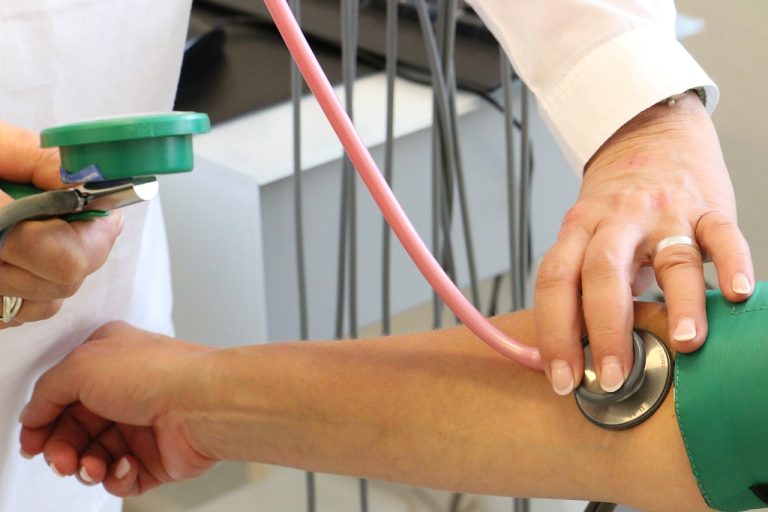
  • Blood pressure test – to determine if blood pressure is normal or too high. Normal blood pressure is around 120/80 mmHg; Mildly high blood pressure is between 140/90 mmHg – 160/100 mmHg; moderate to severely high blood pressure is over 160/100 mmHg
  • Urine test – if blood pressure is high and pre-eclampsia is suspected, a urine test can confirm if there are any proteins in the urine

The best way to ensure that pre-eclampsia does not get worse and does not cause serious complications is to have regular ante-natal checks to monitor blood pressure for any signs of this condition.

Treatment

How is pre-eclampsia treated?

There are a few treatments that are available for pre-eclampsia:

Delivering the baby early

The only total cure for pre-eclampsia is to deliver the baby (babies), because the mother’s blood pressure normally returns back to normal after delivery and the other symptoms usually abate too.

If the pre-eclampsia occurs late in pregnancy, it is normal practice for the obstetrician to recommend early delivery, either through induced labour or caesarian birth. The risk for the baby is quite small.

The decision to deliver early needs to be based on several factors, including:

  • Risk of complications occurring
  • The severity of the pre-eclampsia (how high is the blood pressure and how much protein is in the urine); if the pre-eclampsia is not too bad, delivery is usually postponed until closer to full term, otherwise if it is severe, then delivery is advised sooner
  • If the baby is being adversely affected
  • The chance of premature baby doing well or better in a hospital than in an unviable womb with possible complications occurring

Other treatments

There are other treatments which can be used until the baby is safely delivered:

Magnesium sulphate

Studies show that when pregnant women with pre-eclampsia are given a magnesium sulphate supplement, it reduces their risk of developing eclampsia by about 50%. This is because magnesium sulphate is an anticonvulsant (and eclampsia is a condition which causes convulsions). Magnesium sulphate prevents eclampsia better than any other anticonvulsant medications and it is safe to use while pregnant (it does not adversely affect the baby). Magnesium sulphate is usually given by drip, by the doctor at the hospital, directly into a vein and is usually given at the time of delivery. This should not be self-prescribed!

Blood pressure medication

Some women are advised to take blood pressure medication for a short time if their pre-eclampsia is too severe. The blood pressure medication reduces symptoms, risk of complications and helps the pregnancy to progress further before delivery is required. Women taking blood pressure medication to manage their pre-eclampsia need to be strictly monitored by their obstetrician or family doctor. Examples of blood pressure medications are: Adalat, Nifecard, Aldomet

Bed rest

Bed rest is often advised for women with pre-eclampsia, but there isn’t much evidence that it makes much of a difference. It is though, common practice to admit women with severe pre-eclampsia to hospital, to monitor them and their unborn baby.

Complications

What are possible complications of pre-eclampsia?

Most women who have pre-eclampsia while pregnant do not develop serious complication, but some do. The risk of serious complications of pre-eclampsia depends mostly on the severity of the pre-eclampsia – the more severe it is, the more likely there will be serious complications.

Ante-natal care is mandatory for all pregnant women, but especially for those women in the higher risk groups, to reduce their risk of developing pre-eclampsia, treating it if it does occur, managing it properly to reduce risk of complications, thus ensure their pregnancy is as healthy as possible.

The risk of complications from pre-eclampsia is greatly reduced by early diagnosis, treatment and management.

Complications for the pregnant mother

There are a number of serious complications of pre-eclampsia that can occur for the pregnant mother, including:

  • Abruptio placentae – this causes the placenta to separate from the uterine wall. This can cause vaginal bleeding and abdominal pain. This is a serious complication and requires emergency medical treatment to save the life of the mother and unborn baby
  • Eclampsia – this is a type of seizure (convulsion) which is life-threatening. About 1% of women with pre-eclampsia develop this condition
  • Blood clotting disorder – this is the inability of the blood to clot properly and can cause severe bleeding (leading to death if it is not stopped)
  • Liver, kidney, lung problems – the proper function of any (or all) of these organs can be adversely affected
  • HELLP syndrome – “haemolysis, elevated liver enzymes and low platelets”. This occurs in about 20% of women who have severe pre-eclampsia and causes serious bleeding. This is a serious complication and requires emergency medical treatment to save the life of the mother and unborn baby
  • Stroke – bleeding into the brain, which causes possible brain damage and even ultimately possible death

Complications for the unborn baby

There are a number of serious complications of pre-eclampsia that can occur for the unborn baby, including:

  • Abruptio placentae – this causes the placenta to separate from the uterine wall. This can cause vaginal bleeding and abdominal pain. This is a serious complication and requires emergency medical treatment to save the life of the mother and unborn baby
  • Poor blood supply – if the baby does not get adequate blood supplying proper oxygen and nutrients, this can cause growth retardation to the baby. In general, babies born to women with pre-eclampsia tend to be smaller
  • Stillbirth – another complication of pre-eclampsia is an increased risk of delivering a deceased baby

Management

How is pre-eclampsia managed in pregnancy?

All pregnant women should be referred to an obstetrician (specialist who delivers babies) before they are 20 weeks pregnant if they are in any of the following high risk categories for pre-eclampsia:

  • Women having their first pregnancy
  • Women who have diabetes
  • Women who are obese
  • Women pregnant with multiple foetuses
  • Women who are either younger (under 18) or older (over 40) and this is their first pregnancy
  • Women with any type of kidney disease
  • Women with any type of cardiovascular disease
  • Women with pre-existing high blood pressure (and this can be either a diagnosed or undiagnosed condition)
  • Women with a family history of pre-eclampsia (mother, grandmother have experienced it

The obstetrician will make an assessment of your risk of developing pre-eclampsia (or possible complications) and will recommend a treatment plan for you. Regular check-ups on a monthly (or fortnightly) basis will be advised to ensure you have the best care possible.

Prevention

Is pre-eclampsia preventable?

There is some evidence that pre-eclampsia may be somewhat prevented in some women through the use of the following:

  • Adequate intake of fish or fish oil – there is some evidence to suggest that eating fish high in omega-3 fatty acids (oily fish such as mackerel, salmon, sardines, trout and tuna), or using a fish oil supplement may play a part in either preventing pre-eclampsia occurring in the first place or preventing worsening of symptoms. This is because these types of fish help to improve circulation, thin the blood (and so reduce risk of clotting) and may also reduce blood pressure. Larger studies need to be done to confirm this as a recommended course of action for women at the highest risk of developing pre-eclampsia
  • Adequate protein – there is some evidence to suggest that a diet with adequate intake of protein (between about 80g-100g per day) may assist in
  • Low dose aspirin – there is some evidence that low dose aspirin can help prevent worsening of pre-eclampsia symptoms in some women
  • Calcium rich foods – some evidence suggest that a diet rich in calcium may help to reduce the possibility of the condition worsening
  • Magnesium rich foods – there is evidence that people who eat foods high in the mineral magnesium tend to have lower blood pressure in general. There has been no research yet to suggest that taking magnesium supplements helps prevent pre-eclampsia
  • Vitamin D – there is some evidence to suggest that women who have adequate levels of vitamin D in their body are less likely to develop pre-eclampsia, especially with more serious complications. The research is limited on this, so more studies are needed to determine exactly how the vitamin from sunshine affects the body in pregnant women to possibly prevent pre-eclampsia
  • Water – this is vitally necessary to reduce likelihood of dehydration in both the mother and unborn baby

Pregnant women should never self-prescribe with any medication or supplement and only take the above if they are recommended by their obstetrician specialist.

Note: Women who are at a higher risk of developing pre-eclampsia should discuss their alternative options with their obstetrician specialist before trying them because this is a serious and potentially fatal condition and needs extra care.

References

References

  • Brown MA. Preeclampisa: a lifelong disorder. MJA 2003; 179 (4): 182-184
  • DeCherney, Pernoll. Current Obstetric and Gynecological Diagnosis and Treatment, 8th ed. eMedicine 2004
  • Duley L, Gulmezoglu AM, Henderson-Smart DJ. Magnesium sulphate and other anticonvulsants for women with pre-eclampsia (Review). 2007; 3: 6-14
  • Impey L. Obstetrics and Gynecology. 2nd ed. USA: Blackwell; 2006
  • Norwitz ER Repke JT. Acute complications of Preclampsia. Clinical Obstetrics and Gynecology 2002; 45 Suppl 2: 308-29
  • Osieki H. The Physicians Handbook of Clinical Nutrition, 2nd edition. BiConcepts 2002
  • Stoppard M. New Pregnancy and Birth: A Practical Guide for All Parents To Be. Dorling Kindersely, UK, 2007

Last reviewed and updated: 27 June 2024

Garlic, linseed and other superfoods

Facts

The term “superfoods” is basically a catch-cry for any foods that have high levels of various antioxidants or any other valuable nutrients which are essential for maintining good health (such as essential fatty acids) and so these foods are listed as superfoods because they have may more nutritional value (in terms of health) than other foods.

Antioxidants are potent free radical scavengers that stop the oxidisation that happens in the body and potentially have far reaching health effects. The antioxidants in plants are called phytonutrients (or phytochemicals), which basically means “plant nutrients”.

While the list of the foods with the highest levels of antioxidants does change from time to time, the list below is one which shows the foods that are considered to be in the top 10 of high-antioxidant foods.

Benefits

Benefits of superfoods

Foods rich in potent antioxidants have the following health benefits:

  • Anti-inflammatory – many of the superfoods in this list below have potent anti-inflammatory properties (from the omega 3 essential fatty acids), which research shows helps people who have conditions such as allergies and rheumatoid arthritis; the research shows that the omega 3 essential fatty acids stem the allergic reaction in the body, as well as relieving any type of other inflammatory condition such as rheumatoid arthritis
  • Cancer prevention – a lot of research has shown the foods high in a number of different, but equally potent antioxidants can prevent cancer cells from replicating, which stops them the cancer from growing in the first place or stops it from spreading to nearby organs and tissues; the antioxidants stop the free radicals from causing damage and mutation to the cells DNA, thus preventing cancer from starting
  • Heart protective – a lot of research shows that fruits and vegetables high in potassium keep blood pressure normal and healthy. A diet high in fruits, vegetables, nuts and seeds provides heart boosting properties by keeping the blood vessels supple and flexible, reducing blockages and keeping bad (LDL) cholesterol to a minimum
  • Immune boosting – research from several studies has shown that various antioxidant compounds in these “superfoods” as well as their many vitamins, minerals and other nutrients help to boost the immune system and prevent bacteria, viruses (or other substances) from causing infection and illness in the body; they have potent anti-viral, anti-bacterial and anti-fungal properties
  • Macular degeneration – research has shown that antioxidants such as Vitamin A slows and even halts the progression of macular degeneration

Blueberries

Blueberries

Blueberries are considered a superfood as they contain very high levels of antioxidants – the highest of many plant foods. These antioxidants are the compounds which produce many health benefits.

One of the antioxidants in blueberries (the flavonoid anthocyanin) prevents cancer-causing enzymes from spreading in the body and inhibiting the cancer’s migration to different parts of the body. Anthocyanin is also responsible for giving blueberries their purple-blue colour. Blueberries also contain polyphenols (one of which is anthocyanin).

Studies have shown that the antioxidants in blueberries can help to reduce declining brain function as people age. Other research has shown that blueberries reduce inflammation of the brain and so could be useful in treating conditions such as Alzheimer’s disease and further studies have also shown that any genetic predisposition to certain diseases such as Alzheimer’s disease could be mitigated through intake of blueberries.

Studies have also shown that blueberries can ensure that the brain is protected from damage if ischemic stroke occurs, which may improve ischemic stroke outcome in patients.

Antioxidants are known as free-radical scavengers, which means they find and destroy free radicals, which are known to cause cancer, heart disease and a whole host of other diseases, such as Alzheimer’s disease.

Blueberries also prevent infection of the urinary tract and ensure it is healthy and free from infection-causing bacteria. Blueberries achieve this because they contain compounds that prevent the bacteria responsible from causing urinary tract infections from sticking to the bladder wall. Many studies have proven this very special effect that blueberries have on the urinary tract.

Another benefit of blueberries is that they help with eyestrain and give improvement of night vision. This benefit again comes from the flavonoid anthocyanin.

Nutrients in 1 cup of blueberries

NUTRIENTUnitFRESH (148g)FROZEN (155g)
Energy
Kcal
84.00
79.00
Protein
grams
1.10
0.65
Fat
grams
0.49
0.99
Carbohydrate
grams
21.45
18.86
Fibre
grams
3.60
4.20
Calcium
mg
9.00
12.00
Iron
mg
0.41
0.28
Magnesium
mg
9.00
8.00
Phosphorus
mg
18.00
17.00
Potassium
mg
114.00
84.00
Sodium
mg
1.00
2.00
Zinc
mg
0.24
0.11
Copper
mg
0.08
0.05
Manganese
mg
0.49
0.23
Selenium
mcg
0.10
0.20
Vitamin C
mg
14.40
3.90
Thiamin (Vitamin B1)
mg
0.06
0.05
Riboflavin (Vitamin B2)
mg
0.06
0.06
Niacin (Vitamin B3)
mg
0.62
0.81
Panthothenic acid
(Vitamin B5)
mg
0.18
0.19
Vitamin B6
mg
0.08
0.90
Folate
mcg
9.00
11.00
Vitamin B12
mcg
0
0
Vitamin A
IU
80.00
71.00
Vitamin E
mg
0.84
0.74
Vitamin K
mcg
28.60
25.40


Broccoli

Broccoli

Broccoli is considered a superfood, as it is one of the vegetables that have very high levels of betacarotene and the phytonutrients sulforaphane, indoles and glucosinolates, all of which have significant anti-cancer effects.

The phytonutrient sulforaphane has been shown in studies to boost the body’s detoxification enzymes, which helps to clear potentially carcinogenic substances more quickly out of the body.

The indoles are naturally-occuring phytonutrients in broccoli (and other cruciferous vegetables, such as cauliflower) which have displayed in anticancer properties against certain types of reproductive tumor cells in various studies.

Broccoli also contains large amounts of the flavonoids called glucosinolates, which are a sulphur-containing glucosides and which are are amino acid-derived natural plant substances. Studies show that glucosinolates provide protection against cancers of the lungs, gastrointestinal tract and breast. Glucosinolates also help the body by detoxifying the liver.

Some of the glucosinolates in broccoli may be lost through processing or storage of broccoli, so the fresher the broccoli that is eaten the better for health.

Other research has found that broccoli is one of five vegetables and fruitsthat contain substances that act in the same way as the drugs used to treat Alzheimer’s disease. Most of these drugs act as inhibitors of an enzyme called acetylcholinesterase, which is responsible for the breakdown of one of the brain’s neurotransmitters, acetylcholine. Potatoes, oranges, apples and radishes were also found to display this same activity, but broccoli had the most profound effect. While it is too early to proclaim broccoli as a treatment of Alzheimer’s disease, regular consumption of it may be beneficial in reducing a decline in acetylcholine levels in the central nervous system.

Nutrients in 1 cup of broccoli

NUTRIENTUnitFRESH (148g)FROZEN (155g)
Energy
Kcal
Protein
grams
Fat
grams
Carbohydrate
grams
Fibre
grams
Calcium
mg
Iron
mg
Magnesium
mg
Phosphorus
mg
Potassium
mg
Sodium
mg
Zinc
mg
Copper
mg
Manganese
mg
Selenium
mcg
Vitamin C
mg
Thiamin (Vitamin B1)
mg
Riboflavin (Vitamin B2)
mg
Niacin (Vitamin B3)
mg
Panthothenic acid
(Vitamin B5)
mg
Vitamin B6
mg
Folate
mcg
Vitamin B12
mcg
Vitamin A
IU
Vitamin E
mg
Vitamin K
mcg


Garlic

Garlic

Garlic is well known for its antibacterial and antiviral properties, which is due to its active component – allicin.

Many studies have shown that garlic helps to ward off the common cold. Other studies have suggested garlic protects against Helicobacter pylori, the bacteria that causes stomach ulcers.

Several studies have shown that garlic, especially fresh and slightly crushed (but also cooked or in supplement form) has a powerful protective effect on the heart. Studies have shown that garlic supplements have positive short-term effects on reducing blood triglyceride levels (high triglyceride levels are a risk factor for heart disease and stroke).

Many other studies have shown that garlic is useful in reducing total blood cholesterol, together with LDL (“bad”) cholesterol levels in people who have raised cholesterol levels.

Garlic has a proven blood thinning effect, which means it protects against dangerous blood clots forming in the blood vessels, which ultimately can lead to stroke (and death). People on blood thinning medications need to be careful about taking garlic.

Some recent research has determined that people who eat fresh garlic may be protected against hardening of the arteries, through deposits of cholesterol, in a condition called atherosclerosis, which can lead to heart attack and stroke if not treated. This is a positive step, as it shows that diet plays a very significant role in ensuring good heart health.

Scientists are well aware that people who eat a Mediterrean-type diet (higher in unsaturated fats, vegetables, fruit, nuts, seeds, legumes and garlic) appear to have less incidence of heart disease than people who do not have a diet such as this.

Further research on garlic is currently being conducted to determine its effect on various heart disease risk factors (high triglycerides, high blood pressure and high cholesterol), over the longer term. Once these studies are published, the information will be reviewed and released here too.

Garlic is known to have proven anti-fungal properties – several studies have shown that direct application of freshly cut garlic to the skin of people with an active fungal infection find relief from the infection. The fungal infections also include any type of yeast infections.

Nutrients in 1 cup of garlic

NUTRIENTUnitFRESH (148g)FROZEN (155g)
Energy
Kcal
Protein
grams
Fat
grams
Carbohydrate
grams
Fibre
grams
Calcium
mg
Iron
mg
Magnesium
mg
Phosphorus
mg
Potassium
mg
Sodium
mg
Zinc
mg
Copper
mg
Manganese
mg
Selenium
mcg
Vitamin C
mg
Thiamin (Vitamin B1)
mg
Riboflavin (Vitamin B2)
mg
Niacin (Vitamin B3)
mg
Panthothenic acid
(Vitamin B5)
mg
Vitamin B6
mg
Folate
mcg
Vitamin B12
mcg
Vitamin A
IU
Vitamin E
mg
Vitamin K
mcg


Linseed

Linseed

Up to around a hundred years ago, linseed was a staple in the diet, but the short shelf life of linseed probably reduced its popularity over the years, so that today it is not as popular in the diet as it used to be.

Today, health conscious people have been again adding linseed to their diet in the form of linseed oil or linseeds (either ground or whole). Many bread companies have also realised the health benefits of linseeds and have starting making more breads with linseed added.

Linseed seeds contain many beneficial nutrients, such as protein, fibre, various vitamins and minerals and omega-3 fatty acids in the form of lignans. Lignans have been recently discovered to have anti-cancer properties, as well having antibacterial, anti-fungal, and antiviral properties.

Lignans are phytoestrogens, which have a positive hormone-like action in the body. Lignans have very strong antioxidant properties as well as strong anti-cancer properties. Various studies have shown that phytoestrogens can possibly prevent some types of cancer, including oestrogen-dependent breast cancer, as well as colon and prostate cancer.

The reason that phytoestrogens have a beneficial effect on the body and reduce risk of cancer is that they attach to the body’s oestrogen receptors so that any excess oestrogen is processed through the liver to be excreted out of the body. This protective action prevents the toxic effects of excessive oestrogen in the body and thus prevents cancers which are oestrogen-dependent. Linseed has a similar action to prevent prostate cancers in men.

Linseed (or flax seeds) have more than 100 times as much natural phytoestrogenic lignans than any other plant source.

Linseeds have the following health benefits:

  • the omega-3 fatty acids are beneficial for heart health as they reduce inflammation in the body and especially in the heart;
  • the natural lubricant properties and source of fibre makes linseed beneficial for constipation and colon health promotion;
  • linseed provides the fats that are the precursors to brain building compounds;
  • linseeds promote healthy skin.

Nutrients in 1 cup of linseed

NUTRIENTUnitFRESH (148g)FROZEN (155g)
Energy
Kcal
Protein
grams
Fat
grams
Carbohydrate
grams
Fibre
grams
Calcium
mg
Iron
mg
Magnesium
mg
Phosphorus
mg
Potassium
mg
Sodium
mg
Zinc
mg
Copper
mg
Manganese
mg
Selenium
mcg
Vitamin C
mg
Thiamin (Vitamin B1)
mg
Riboflavin (Vitamin B2)
mg
Niacin (Vitamin B3)
mg
Panthothenic acid
(Vitamin B5)
mg
Vitamin B6
mg
Folate
mcg
Vitamin B12
mcg
Vitamin A
IU
Vitamin E
mg
Vitamin K
mcg


Mushrooms

Mushrooms

Recent studies have discovered that mushrooms are much richer in the immune-boosting antioxidant ergothionene than any other food that exists and this means that mushrooms can help prevent colds, flu and other viruses due to the potent immune boosting effects of this antioxidant.

The mushrooms that appear to have the most health benefits are the maitake, shiitake, and reishi mushrooms, but even the common button mushroom is now known to be rich in the antioxidant ergothionene too and it good for health too.

All the edible mushrooms below have anti-cancer properties.

Shiitake

  • This mushroom is know as the “elixir of life” in China, Japan and Korea due to its beneficial effect on health
  • Studies show it has anti-cancer, anti-fungal, anti-viral properties, is an immune-booster, as it helps the body fight against disease and infection
  • Other studies show it has heart-protective qualities, as it lowers LDL (“bad”) cholesterol and may even help to lower blood pressure in people whose blood pressure is already high (hypertension)
  • Rich in many nutrients, especially selenium

Maitake

  • This mushroom is excellent for people with sugar imbalances and diabetes, as studies show it helps to normalise blood sugar levels and it also stimulates production of insulin to normal levels
  • Studies show it has anti-inflammatory properties, helps to lower LDL (“bad”) cholesterol levels and regulate blood pressure
  • Rich in many nutrients, especially selenium

Reishi

  • This mushroom is popular in Traditional Chinese Medicine
  • Studies show it calms and nourishes the emotions and relaxes the nervous system (especially the parasympathetic nervous system), as well as being able to relieve pains and aches
  • Other studies show that it has anti-viral, anti-bacterial, anti-inflammatory properties and these anti-inflammatory properties are that which assist in promoting heart heart and relieving respiratory illnesses such as asthma and bronchitis
  • Rich in many nutrients, especially selenium

Oyster

  • Studies show that this mushroom has anti-viral propertie, reduces high LDL (“bad”) cholesterol levels and has supportive, healing effects on the digestive system, blood vessels and liver
  • Studies also show that it is beneficial for people with diabetes, as it stabilises blood sugar levels
  • Rich in many nutrients, especially selenium

Button

  • Studies show this mushroom is high in the antioxidant ergothionene, which has anti-cancer properties, especially cancers of the breast and prostate
  • Studies also show it has protective effects on the heart
  • Rich in many nutrients, especially selenium and copper

Nutrients in 1 cup of mushrooms

NUTRIENTUnitFRESH (148g)FROZEN (155g)
Energy
Kcal
Protein
grams
Fat
grams
Carbohydrate
grams
Fibre
grams
Calcium
mg
Iron
mg
Magnesium
mg
Phosphorus
mg
Potassium
mg
Sodium
mg
Zinc
mg
Copper
mg
Manganese
mg
Selenium
mcg
Vitamin C
mg
Thiamin (Vitamin B1)
mg
Riboflavin (Vitamin B2)
mg
Niacin (Vitamin B3)
mg
Panthothenic acid
(Vitamin B5)
mg
Vitamin B6
mg
Folate
mcg
Vitamin B12
mcg
Vitamin A
IU
Vitamin E
mg
Vitamin K
mcg


Oily fish

Oily fish

The benefits of eating oily fish, such as salmon, tuna, mackerel and herringregularly are extensive and linked to the high levels of the essential omega-3 and omega-6 fatty acids they contain and the fact that these fatty acids are in the right combination (higher level of omega-3 to omega-6 fatty acids).

Several studies have shown the heart benefits of eating oily fish, so much that fish oil supplements are now recommended to heart patients, as well as a recommendation to increase consumption of oily fish.

One important study showed that if oily fish was eaten three times a week, the risk of fying from heart disease dropped by around 30%! Other research has shown that people who regularly eat oily fish have lower levels of markers for the disease artherosclerosis (blockage of the arteries).

Many studies have also shown that oily fish have anti-inflammatory properties due to the essential fatty acids they contain.

There is also some quite compelling evidence that eating oily fish regularly can help with mild to moderate depression.

Nutrients in 1 cup of oily fish

NUTRIENTUnitFRESH (148g)FROZEN (155g)
Energy
Kcal
Protein
grams
Fat
grams
Carbohydrate
grams
Fibre
grams
Calcium
mg
Iron
mg
Magnesium
mg
Phosphorus
mg
Potassium
mg
Sodium
mg
Zinc
mg
Copper
mg
Manganese
mg
Selenium
mcg
Vitamin C
mg
Thiamin (Vitamin B1)
mg
Riboflavin (Vitamin B2)
mg
Niacin (Vitamin B3)
mg
Panthothenic acid
(Vitamin B5)
mg
Vitamin B6
mg
Folate
mcg
Vitamin B12
mcg
Vitamin A
IU
Vitamin E
mg
Vitamin K
mcg


Olive oil

Olive oil

Olive oil has long been proved to be a heart-friendly fat, with cholesterol-lowering properties, but new research has shown that freshly pressed olive oil also contains a compound with the same pain-relieving effects as the popular over-the-counter drug ibuprofen. Scientists have recently discovered that olive oil contains a powerful anti-inflammatory compound called oleocanthal.

It is not just the olive oil which is extremely beneficial for heart health, but also the actual olives which are excellent fruits and very good for the heart. The olives can be eaten raw or just immersed in some olive oil.

Oleocanthal has exactly the same anti-inflammatory effect that ibuprofen has. Research has shown that only the freshest – and usually the most expensive – olive oil contains significant amounts of oleocanthal. Ageing and cooking the oil at extremely high temperatures for too long can destroy the oleocanthal content.

To ensure the benefits of the olives (and olive oil), the oil should be cold pressed and extra virgin. This means the olive oil has not been boiled before squeezing the olives to make the oil. In addition to this, the extra virgin olive oil has the most fruity, aromatic full flavour, less acid and less likely to go rancid than the other types of olive oil. In addition to this, extra virgin olive oil contains polyphenols which are powerful antioxidants. These polyphenols are the substance which prevent cholesterol from clogging up the arteries and blood vessels. The polyphenols are the substance which stabilise the olive oil, preserving the olive oil during storage and cooking and preventing it from going rancid.

Extra virgin olive oil is the only oil which has larger amounts of the antixodant vitamin E, than any other vegetable oil.

Nutrients in 1 cup of olive oil

NUTRIENTUnitFRESH (148g)FROZEN (155g)
Energy
Kcal
Protein
grams
Fat
grams
Carbohydrate
grams
Fibre
grams
Calcium
mg
Iron
mg
Magnesium
mg
Phosphorus
mg
Potassium
mg
Sodium
mg
Zinc
mg
Copper
mg
Manganese
mg
Selenium
mcg
Vitamin C
mg
Thiamin (Vitamin B1)
mg
Riboflavin (Vitamin B2)
mg
Niacin (Vitamin B3)
mg
Panthothenic acid
(Vitamin B5)
mg
Vitamin B6
mg
Folate
mcg
Vitamin B12
mcg
Vitamin A
IU
Vitamin E
mg
Vitamin K
mcg


Strawberries

Strawberries

Studies have shown that strawberries are rich in the disease-fighting antioxidants such as ellagic acid and anthocyanins. These antioxidants are the substance that gives strawberries their red colour. The red pigment in strawberries has also been shown to protect against heart problems. The antioxidants in strawberries (together with all the vitamins and minerals) are vital for helping to lower blood pressure and reducing risk of heart disease.

In 2002, a study found that people who ate about eight strawberries daily experienced an increase in blood folate levels and a decrease in blood pressure, which was an important finding for heart patients. These findings show the the importance of including fruit as part of a heart-healthy diet.

The folate (or folic acid) in strawberries is important not just in heart health, but it is also extermely important for women who want to get pregnant or who have just conceived. Many studies have shown that adequate folate is essential in ensuring that the risk of the unborn baby having any type of neural tube defects (such as spina bifida) is minimised. This has been such an important finding that doctors recommend any women of child-bearing age need to ensure they get at least the recommended daily intake of folate in case they do become pregnant.

Nutrients in 1 cup of strawberries

NUTRIENTUnitFRESH (148g)FROZEN (155g)
Energy
Kcal
Protein
grams
Fat
grams
Carbohydrate
grams
Fibre
grams
Calcium
mg
Iron
mg
Magnesium
mg
Phosphorus
mg
Potassium
mg
Sodium
mg
Zinc
mg
Copper
mg
Manganese
mg
Selenium
mcg
Vitamin C
mg
Thiamin (Vitamin B1)
mg
Riboflavin (Vitamin B2)
mg
Niacin (Vitamin B3)
mg
Panthothenic acid
(Vitamin B5)
mg
Vitamin B6
mg
Folate
mcg
Vitamin B12
mcg
Vitamin A
IU
Vitamin E
mg
Vitamin K
mcg


Tomatoes

Tomatoes

Tomatoes are one of the richest sources of the antioxidant lycopene, which is the pigment that gives vegetables and fruit their red colour and their disease-fighting properties.

Tomatoes in any form are beneficial for health, but it has been discovered that cooking tomatoes in olive oil releases higher levels of lycopene, so tomato sauce has a higher level of lycopene than raw tomatoes. Home cooked tomato sauce is the preferable option.

Several studies suggest that the eating foods rich in lycopene is associated with a lower risk of prostate cancer and lower incidence of cardiovascular disease. In one study, men who consumed the highest amounts of tomatoeswere half as likely to suffer a heart attack as those who consumed the lowest amounts.

Nutrients in 1 cup of tomatoes

NUTRIENTUnitFRESH (148g)FROZEN (155g)
Energy
Kcal
Protein
grams
Fat
grams
Carbohydrate
grams
Fibre
grams
Calcium
mg
Iron
mg
Magnesium
mg
Phosphorus
mg
Potassium
mg
Sodium
mg
Zinc
mg
Copper
mg
Manganese
mg
Selenium
mcg
Vitamin C
mg
Thiamin (Vitamin B1)
mg
Riboflavin (Vitamin B2)
mg
Niacin (Vitamin B3)
mg
Panthothenic acid
(Vitamin B5)
mg
Vitamin B6
mg
Folate
mcg
Vitamin B12
mcg
Vitamin A
IU
Vitamin E
mg
Vitamin K
mcg


Walnuts

Walnuts

Walnuts are an important source of monounsaturated fats, which are a type of unsaturated fat vitally necessary for good health in general, but essential for heart health.

Walnuts contain alpha-linolenic acid, which is an omega-3 fatty acid both of which have a number of heart-healthy benefits, including lowering cholesterol. Alpha-linolenic acid in particular, has been shown in studies to reduce the risk of sudden death from dangerous, abnormal heart rhythms.

A study published in 2006 showed that walnuts have beneficial effects similar to oily fish on lowering cholesterol levels and also on C-reactive protein (CRP), an inflammation marker that is strongly associated with heart disease and atherosclerosis (build up of fatty deposits in the arteries, which then block the arteries and cause blood clots and heart attack). Various other studies have shown that walnuts have a protective effect on the heart, by reducing LDL (“bad”) cholesterol levels and preventing blood clots, which can result in stroke or heart attack.

Walnuts also contain the conditionall essential amino acid l-arginine, which is again beneficial for the heart, especially in terms of ensuring blood pressure is at healthy and optimum levels. Arginine does this by releasing nitric oxide in the blood, which helps to keep the blood vessel walls relaxed and pliable (preventing hardening of the arteries), so that blood can flow through properly without any problems.

In addition to the heart protective properties of walnuts, they also contain an antioxidant called ellagic acid which supports the immune system and also has anti-cancer properties.

Walnuts are also excellent for ensuring the brain is healthy. All the cells in the brain need omega-3 fatty acids to help make their protective shield (the cell membrane).

Interestingly, walnuts are also beneficial for allergy sufferers – the omega 3 essential fatty acids in walnuts stems the allergic reaction in people with allergies, due to the walnuts’ anti-inflammatory properties.

In addition to all these great qualities, walnuts also contain melatonin, a hormone that helps the body go to sleep.

Nutrients in 1 cup of walnuts

NUTRIENTUnitFRESH (148g)FROZEN (155g)
Energy
Kcal
Protein
grams
Fat
grams
Carbohydrate
grams
Fibre
grams
Calcium
mg
Iron
mg
Magnesium
mg
Phosphorus
mg
Potassium
mg
Sodium
mg
Zinc
mg
Copper
mg
Manganese
mg
Selenium
mcg
Vitamin C
mg
Thiamin (Vitamin B1)
mg
Riboflavin (Vitamin B2)
mg
Niacin (Vitamin B3)
mg
Panthothenic acid
(Vitamin B5)
mg
Vitamin B6
mg
Folate
mcg
Vitamin B12
mcg
Vitamin A
IU
Vitamin E
mg
Vitamin K
mcg


References

References

  • Graci S, Diamond H, Martin JM, The Power of Superfoods, Prentice Hall Canada, 1999
  • Pratt SG, Matthews, K. SuperFoods Rx: Fourteen Foods That Will Change Your Life, Harper-Collins Publishers USA, 2004

Last reviewed and updated: 27 June 2024

Nutrients important in pregnancy

B vitamins

B vitamins

The B vitamins (thiamin, riboflavin, niacin, pantothenic acid, pyridoxine, cobalamin) are all necessary for the unborn infant as they enable the carbohydrates coming through the placenta to be converted into glucose and used as energy to help the foetus grow and develop properly.

  • Niacin (vitamin B1), riboflavin (vitamin B2), thiamin (vitamin B3), in particular, are involved in the conversion of carbohydrates to glucose for energy
    • RDI Vitamin B1 – 1.4mg
    • RDI Vitamin B2 – 1.4mg
    • RDI Vitamin B3 – 18.0mg
  • Pantothenic acid (vitamin B5) is important to enable the production of healthy red blood cells and to manufacture vitamin D
    • RDI Vitamin B5 – 6.0mg
  • Pyridoxine (vitamin B6) helps the unborn foetus make new body cells, assisting in growth and development
    • RDI Vitamin B6 – 1.9mg
  • Cobalamin (vitamin B12) is needed to help folic acid make healthy red blood cells, which means both the pregnant mother and unborn child have adequate blood supply for a healthy pregnancy
    • RDI Vitamin B12 – 2.6mcg

Best food sources: milk, egg, cheese, meat, wholegrains, legumes

Folic acid

Folic acid

  • Folic acid is a B vitamin co-factor and has been proven to prevent neural tube defects (such a spina bifida) in the unborn foetus, so it is vitally important that any woman who is thinking about getting pregnant should take a supplement (or increase food intake) of this nutrient prior to conceiving and during the whole pregnancy.
  • Folic acid is involved in managing and maintaining healthy cell division and reproduction (which is why it is so important for the developing foetus)
  • Folic acid is also important for ensuring the red blood cells are healthy and well-formed, which is essential for a pregnant woman as she needs her blood cells healthy and functioning, to ensure adequate nutrients and oxygen are being delivered to the growing foetus
  • RDI Folic acid – 600mcg

Best food sources: green leafy vegetables (especially spinach), lentils, dried beans, navy beans, oranges, folate-fortified breakfast cereals and pasta, wheat germ, avocado, peanuts, mil

Vitamin C

Vitamin C

  • Vitamin C helps the body absorb iron from all food sources (both meat – haeme and plant – non-haeme), but especially from plant sources, which is vital, as blood volume increases by almost 50% during pregnancy
  • Vitamin C helps produce collagen, the substance that helps keep all the body’s bones, muscles and other tissues together, which is why it is necessary for the unborn and growing foetus
  • RDI Vitamin C – 80-85mg

Best food sources: guava, red capsicum, papaya, orange, orange juice, broccoli, green capsicum, strawberries, grapefruit, rockmelon, mango, tomato, tangerine

Vitamin D

Vitamin D

  • Vitamin D is necessary to help the body absorb the calcium from foods which is necessary for both the pregnant mother and unborn foetus, so that calcium is not leeched from the mother’s bones and teeth to provide the calcium the unborn child requires
  • Vitamin D helps to deposit the calcium into the bones and teeth of both mother and unborn foetus, to help make them stronger and resilient
  • RDI Vitamin C – 200IU (5mcg)

Best food sources: mainly sunlight (uncovered skin with no sunblock for about 10-20mins, before 10am and after 3.30pm every day), but it can also be found in cheese, eggs, fortified milk, margarine and breakfast cereals, sardines, salmon

Calcium

Calcium

  • This mineral is essential for building healthy bone and teeth, something which the growing foetus needs and to ensure your own bone mass is preserved (if your calcium intake is not adequate, your body will withdraw calcium from your bones to send to the growing foetus, which is not ideal)
  • Research suggests that pregnant women who are deficient in calcium are more likely to develop toxaemia and high blood pressure (which is also associated with pre-eclampsia) than women who do get adequate calcium in their diet
  • RDI Calcium – 1300mg (< 18yrs), 1000mg (> 18yrs)

Best food sources: milk, cheese, yoghurt, dark green leafy vegetables (kale, rocket, spinach, bok choi, broccoli), canned salmon and sardines with the bones, calcium-fortified soy and tofu, whole grains, dried figs, almonds, brazil nuts, chick peas, sesame seeds

Iodine

Iodine

  • This mineral is required for a healthy thyroid in both pregnant mother and unborn child
  • Iodine is also necessary for healthy brain development and prevents health conditions such as cretinism (a condition that retards brain growth and development ) in the unborn foetus
  • RDI Iodine – 220mcg

Best food sources: iodised salt, seaweed (nori and others), fish, molluscs, crustaceans

Iron

Iron

  • Iron is the mineral that is necessary to help carry oxygen in the haemoglobin of the red blood cells
  • The mineral iron is required to create haemoglobin, which is essential for pregnant women whose blood volume can increase by up to 50%
  • Iron is necessary to help carry oxygen and all the nutrients to the unborn foetus
  • Eating foods rich in vitamin C will help the body better absorb the iron in food or supplements, but taking an iron supplement with tea or coffee may decrease its absorption
  • RDI Iron – 27mg

Best food sources: lean red meat, liver (especially beef), eggs, poultry, iron-fortified grain products, leafy green vegetables

Magnesium

Magnesium

  • This mineral is important to enable a variety of enzymes to function correctly, including producing enough energy, which is necessary for the growing foetus
  • Magnesium is required to enable cells in muscles and nerves to relax and contract normally, necessary for the growing foetus, but also for the pregnant mother’s body too
  • RDI Magnesium – 400mg (<18yrs), 350mg (19-30yrs), 360mg (>30yrs)

Best food sources: spinach, peanut butter (natural), pecans, black-eyed peas, lima beans, whole wheat bread, parsnips, whole wheat spaghetti, almonds, cashews, chickpeas, sesame seeds

Zinc

Zinc

  • This mineral is necessary for pregnant women is it promotes cell reproduction, growth and repair
  • Zinc is really necessary for the unborn foetus, as it is required for cell growth and brain development
  • RDI Zinc – 13mg (<18yrs), 11mg (>18yrs)

Best food sources: meat, seafood (especially oysters), liver, eggs, milk.  Whole grains, legumes and miso also contain zinc, but in a form that is harder for the body to absorb

Omega 3

Omega 3 essential fatty acids

  • Essential fatty acids in the form of omega-3 fatty acids are needed for healthy brain cells
  • Essential fatty acids are needed to enable the unborn foetus to develop healthy skin and to prevent skin disorders such as eczema and dermatitis in the child
  • RDI Omega-3 – there is no RDI (recommended to eat oily fish – salmon, mackerel, herring, tuna, trout – three times a week and include some of the food other sources each day)

Best food sources: oily fish (salmon, mackerel, herring, tuna, trout), avocados, hazelnuts, walnuts, pumpkin seeds, sunflower seeds, extra virgin olive oil, canola oil (be sure to use only GM free), sunflower oil

References

References

  • Duyff, RL. American Dietetic Association: Complete Food and Nutrition Guide, 2nd edition. John Wiley & Sons, NJ USA
  • Osiecki, H. The Nutrient Bible. Bio-Concepts Publishing QLD, 2002
  • Osiecki, H. The Physicians Handbook of Clinical Nutrition. Bio-Concepts Publishing QLD, 2002
  • Whitney EN, Cataldo DB, Rolfes SR. Understanding Normal and Clinical Nutrition, 6th Edition. Wadsworth/Thomson Learning, 2002

Last reviewed and updated: 27 June 2024

Water and body hydration

Facts

Water is vitally essential for good health and proper hydration of all the cells and tissues in the body.

An adult’s body weight is made up of between 50%-65% of water – thats a lot of water! Water exists in the cells, between the cells and within various organs and tissues.

Water is necessary for the following:

  • In cells – water is necessary for the biological activity of proteins inside the cell
  • Between the cells – water is necessary to enable information is exchanged between the cells
  • Outside the cells – to ensure there is the right balance of the electrolytes (sodium, potassium, chloride) so that the cells and its surroundings have correct function
  • Blood flow – blood is mainly made up of water (around 50%) and adequate hydration is necessary to enable proper blood flow
  • In the colon – water is used to soften the faeces to allow them to pass through the colon and be excreted
  • Various others – many, many other tissues and organs require proper hydration to be effective and healthy

Water is necessary to hydrate the body cells, so that they can move properly and in various tissues such as blood, to allow it to flow effectively

Water needs to be in a particular balance in the body for good health – not in excess and not in deficit.

How much water

How much water per day

Water is one of the macronutrient, as it is required in relatively large amounts to maintain good health (the other macronutrients are carbohydrates, protein and fats).

In general, adults are recommended to drink at least 8 glasses of water each day – more is required if exercise is performed, or if the weather is very hot.

Water intake recommendation

The dietary reference intake (DRI) of water set by the DRI committee is:

  • Adults – 1.0ml – 1.5ml per KCal expended
  • Infants / Athletes – 1.5ml per KCal expended

The water intake for an adult on a 2,000 kCal diet is:

  • 2 – 3 litres (or 7 – 11 cups) of water

Calculate your water intake requirements

Water in food

Water in food

Most foods contain water. The foods with the highest amount of water are:

Even cheese, pasta, legumes, poultry and meat contains some water.

Fluid retention

Fluid retention – excess of water

Fluid retention is caused when there is an imbalance of the electrolytes (chloride, potassium and sodium) within the cells and outside the cells of the body and / or an imbalance of certain proteins and hormones.

Fluid retention is also known as oedema, which causes a reduced ability to deliver oxygen and nutrients to the cells and to remove wastes from the cells. A very bad result of this condition is that the body cells stop functioning properly and ill health ensues.

Dehydration

Dehydration – deficit of water

Dehydration is a condition whereby more water is excreted than that which is taken in. Dehydration often occurs frequently after vomiting and diarrhoea because that is when an excessive amount of fluid is lost very quickly and not replaced quickly enough.

Dehydration can be a serious condition if not treated properly, especially in infants, young children and the elderly.

Symptoms of dehydration are:

  • thirst
  • dry skin
  • headache
  • low blood pressure
  • fast heart beat
  • weakness

Dehydration needs to be treated quickly to replace the water that has not been consumed, or has been lost.

Water intoxication

Water intoxication (hyponatraemia)

This is a rare, but fatal condition where the body is overwhelmed with water that it cannot excrete the excess water through the kidneys. This condition happens when excessive water is consumed or when the kidneys are not functioning properly. Basically the body’s cells drown within themselves as they become swollen with excessive water, which is not excreted normally.

The symptoms of water intoxication are:

  • headaches
  • blurred vision
  • confusion
  • convulsions
  • death (in extreme cases)

Water intoxication would generally not occur unless an excessive amount of water was consumed (around 30 litres of water or more).

References

References

  • McGuire M, Beerman KA, Nutritional Sciences: From Fundamentals to Food, 2007 Thomson Wadsworth USA
  • Rolfes SR, Pinna K, Whitney E, Understanding Normal and Clinical Nutrition 7th Edition, 2006 Thomson Wadsworth USA

Last reviewed and updated: 27 June 2024
Caesarean birth

Facts

General facts about caesarean birth

Today, having a baby by caesarean is very common – around 30% of all births in Australia are performed as caesarean birth.

While caesarean birth is a very common surgery in Australia, it is important to know that it is major abdominal surgery, which requires at least six weeks for the pregnant woman to recover fully. The caesarean requires an incision (or cut) to be made in the mother’s abdomen, as well as another incision (or cut) in the uterus, so the baby can be lifted out.

Caesarean can be performed either with general anaesthetic (the pregnant woman is not awake) or, if the pregnant woman has already had an epidural, she can remain conscious throughout the actual operation, as her lower spine (and associated organs) have been anaesthetised by the epidural.

Caesarean is also known as caesarean section, or c-section.

Step-by-step

Caesarean birth: step-by-step

The caesarean surgery, in detail and step-by-step:

  • Drip inserted – a drip will be inserted into your arm for the medications (pain relief and anti-nausea) and fluids
  • Anaesthetics given – a local anaesthetic will be administered to the area where the spinal block and epidural will be given; the spinal block will numb you from the chest down and the epidural will numb you from the waist down (both require stillness when they are given, as they are both injected into the spine)
  • Catheter inserted and abdomen screened – a catheter will be inserted into your bladder and your abdomen will be swabbed for the incision; your stomach area will be screened so that you do have to view your insides
  • Incisions – the surgeon will make a cut in your abdomen and once through it, will make another cut in your uterus
  • Baby pulled out – your baby will be pulled out of your uterus and you may feel a slight tugging sensation, or just some pressure as the baby comes out (but you should not feel any pain)
  • Umbilical cord is cut – the umbilical cord will be cut, the baby will be checked for any obvious health issues and then you will be able to hold your baby
  • Medications given – you could be given some antibiotics to prevent infection and some oxytocin to shrink your uterus
  • Placenta is removed – the placenta will be removed from the uterus, after which your uterus and abdomen will be stitched up; your partner will also be able to hold the baby if it has been given the okay for health
  • Back to your room – after all checks have been completed on you and your baby, you will be able to go back to your room, where you will rest at first, but within a few hours of going back to your room, you will be encouraged to take some steps to help aid your recovery
  • Painkillers given – you will be given painkillers to take in the first few days after the caesarean, as you will be in pain from the major surgery; the stitches in your uterus will be dissolvable ones and will have dissolved after a few days, while the ones in your abdomen will need to be removed after about five days

Full recovery from the caesarean surgery will take approximately six weeks, due to the seriousness of the surgery. You should not lift anything heavy nor should you do any heavy manual work or exercise. Moderate, very low impact exercise such as walking, swimming, some types of yoga and pilates are recommended.

Elective surgery

Elective caesarean birth

Some women may elect to have a caesarean prior to the birth, for one or a combination of any of the reasons below:

  • low lying placenta (placenta praevia)
  • the baby is in an abnormal position and natural birth is not possible
  • an active genital herpes infection
  • the baby’s head is too big to go through the birth canal (pelvis), which is called a “known cephalopelvic disproportion”
  • pre-eclampsia
  • problems with a previous birth
  • breech presentation
  • poor placental function
  • multiple babies
  • diabetes

The advantages of having an elective caesarean procedure is that it can be scheduled for a particular day and planning for the birth can be easier.

Today, more and more women are electing to have a caesarean which does not have anything to do with any of the reasons above and there is some concern about this procedure being performed unnecessarily.

Complications

Complications of birth leading to caesarean birth

There are some situations during birth, which require a caesarean to be performed, otherwise the life of the mother or baby could be at risk:

  • Cord prolapse – if the umbilical cord slips down the cervix before the baby has come through, this could mean that when the baby does descend through the cervix, the umbilical cord could get squashed or compressed and this will cut off the baby’s oxygen supply; in some cases, the umbilical cord can be freed, but in general, a caesarean will be performed, usually as an emergency procedure
  • Foetal distress – if the mother’s water breaks and in the clear liquid, there is some greenish-coloured substance (called meconium, it is baby’s first poo), this is a warning that the baby is in distress; or if during monitoring of the baby’s heart beat, a change is detected that indicates possible distress of the baby. If distress of the baby is suspected and the mother is not close to delivering the baby naturally, then caesarean will be performed
  • Excessive bleeding – if there is an excessive amount of bleeding during birth, for any reason, a caesarean will be performed, and it will be an emergency procedure as both mother and baby’s lives could be in danger
  • Breech birth – if the baby’s head is not descending correctly or if the baby’s feet are trying to come through the birth canal first, then caesarean birth will be performed
  • Lack of progress – if the birthing process is slow or the contractions are not dilating (opening up) the cervix enough, the doctor or midwife will either relax or stimulate the mother (through getting the mother to sleep, take a walk, change positions or even give the mother oxytocin or helping the mother’s waters to break); if both the mother and baby doing well and not distressed by the extended labour, it will be allowed to continue, but if it continues for over 24 hours, the doctor or midwife will recommend caesarean

If caesarean is recommended during birth, it is advisable to go ahead with it (even if a natural birth was the goal of the birth), as it could mean saving the life of the mother and child.

Emergency

Emergency caesarean birth

Emergency caesarean surgery is performed when something goes seriously wrong in labour and either the mother or the baby’s lives (or both) are in serious danger.

In Australia, the mother will be asked to sign the consent form for the caesarean before it is performed and her partner will not be able to stay while the surgery goes ahead, due to the seriousness of the situation. The mother will be given a general anaesthetic for the caesarian surgery.

Advantages

Advantages of caesarean birth

There are a few advantages of having a caesarean birth, some of which are below:

  • the baby is born in a safe and controlled environment
  • the mother’s perineum remains intact
  • the baby’s birth can be scheduled and the mother can plan accordingly
  • the mother does not have to feel the pain of labour and can enjoy the birth (as long as there are no complications and it is not an emergency caesarean birth)

Disadvantages

Disadvantages of caesarean birth

There are a few advantages of having a caesarean birth, some of which are below:

  • it is major abdominal surgery which carries risk – damage to the mother’s organs and infection
  • there is a higher risk that the baby may suffer respiratory distress (doesn’t immediately breath) as it did not go through the birth canal
  • the mother is immobile for a few hours, as the drugs used to numb the body take a while to wear off, plus the mother will still have a drip and catheter in place during this time
  • mother’s recovery time is much longer (around six weeks) than for a natural birth, so certain activities are restricted during this time so recovery is not compromised
  • bonding with the baby may be delayed, as some mothers will not be able to hold the baby immediately after the caesarean birth (especially so if there were any complications, which need further care and monitoring of the baby)
  • some women feel disappointed or guilty, as they were not able to have a natural birth

References

References

Last reviewed and updated: 14 May 2024