All day fitness for retirees

0

Question

My husband and I are in our late 50’s. We’re about about to retire and are both out of shape but physically healthy. My husband has declared we’re going to take 1 year off and slowly get into a daily routine of exercise – 5-6 hours a day and healthy eating. Gym, walking, bicycling etc.

Have you had any experience with this amount of exercise and is there a program for us? We’re both very excited about the prospect.

Answer

Congratulations on your upcoming retirement! It is good to be comfortable and make healthy choices in the process.

I like your husband’s “declaration” about taking 12 months to change your lifestyle. It will take some time, discipline, determination and “stick-to-it-ivness” to form new habits for the rest of your life. It is possible for late bloomers and I do have a few ideas and cautions for your to consider.

Healthy eating will be important, along with 6-8 hours of restful sleep, for sure Carol. It is the 5-6 hours a day of exercise for two late-bloomers that are admittedly “out of shape” that worries me. It is very hard to go from zero to running a marathon, 5 minute mile on desire and wilfulness alone. Your excitement is admirable and very important. To keep it as a motivator, I would make the following recommendations to begin the process:

1) Plan to invest time and money with a Certified Professional Trainer. It will be very easy to fall back into poor form and habits, hurt yourself and thus throw aside your 12 month plan in less than a month without the support, advise and modifications required for starting a new program at this stage of your life. The dollar invested will save you hours of pain and recovery.

2) Find and join an organized group exercise class/program to support flexibility training, e.g., pilates, yoga, tai chi or martial arts. Building strength and new muscle will require stretching and lengthening that each of these disciplines can provide. Everything you do will be noticeably easier with flexibility training added to your regimen.

3) Plan to use a massage therapist (bi-monthly) to iron out the kinks your body will run into with the new program approach you are planning to pursue.

I believe if you plan to incorporate these three variables into your 12-month lifestyle re-design, you will find that moderation is key to the success of fitness and longevity. In my experience, amateur and professional body-builders who compete for titles on the world stage workout 5-6-7 days a week (not hours a day) and incorporate cardio 30-40 minutes and 1-2 hour workouts a day.

I provide personal training to non-athletes, such as yourselves, and recommend a 3-4 day/week cardio program; incorporating walking, cycling, running, elliptical, swimming, etc for 40-50 minutes and a 3 day/week 60-minute, upper/lower body split in the gym with the use of the equipment for muscle development, strength and toning. For most people, I advise doing cardio on the alternate days, i.e., Strength Training on M/W/F and Cardio Training on Tu/Th/Sat. Further, as a Certified Pilates Instructor, I also advise my clients to utilize 1-2x day/week of stretching and toning through pilates, yoga or tai-chi, for the reasons mentioned earlier. For example, one of these classes can be incorporated preceding/following a cardio session with great benefit for the overall body and psyche.

In this moderate approach to fitness and health, the muscles being work are given a chance for rest and recovery; the cardiovascular system is challenged with focused attention; flexibility and toning can be achieved with the mind/body programs. Lastly, by moderating your approach to the end goal, you are more likely to stay in the game and the process and enjoy the benefits free of pain and restriction.

Please come back and let us know how you are doing in about 6 months, won’t you?

Running for cardio health

0

Question

Is it better “cardio-vascular wise” to run 2 mi 3 times week or 3 miles twice a week?

Answer

In terms of cardiovascular fitness, it really depends on a number of factors – your age, your current health and your fitness levels. In all types of exercise, you need to ensure you start slowly and build up to more physically demanding workouts over time, especially if you have not been exercising as much previously.

In general, it is more beneficial to do some exercise which strengthens and works out the heart muscle around 3-4 times a week, to help the heart function properly and keep it healthy – this is what cardiovascular exercise does for the body. Also aim to incorporate some strength (or resistance) training in your work-outs on the other days, to improve muscle tone and keep your bones healthy.

A personal trainer can work out a fitness regime tailored just for you and help you get the most out of your exercise routine in terms of cardiovascular health, fat burning and strength training.

Exercising but not losing weight

0

Question

I am 25 years old and have always been lucky to be very slim, but have noticed recently I have gained a little more body fat and am getting wobbly. I would like to be as slim and toned as I was before.

I have started doing personal training once a fortnight (30 mins) and 2 group personal training sessions each week (one hour), but I have noticed that all it seems to be doing is building up my muscles – it seems like I am getting bigger from all the training which is definitely not what I want to be doing. My jeans are starting to feel tighter on me around the legs and are uncomfortable which is unusual for me.

I have a fast metabolism and I eat lots of small meals throughout the day. I generally eat pretty well. I am not concerned with getting heavier from the muscle, I am just concerned that my legs and bum in particular are actually wider and more prominent than they have ever been before. Just wondering if anyone can give me some ideas as to how I can tone up but still remain really lean. I just want to get rid of the fat and not really build much muscle.

Answer

Cardiovascular and strength training are crucial to the maintenance of a healthy body, toned form and physique.

Cardiovascular training (bike, elliptical, running, hiking, kick boxing, dancing) will assist you in building and toning your heart muscle while supporting your weight management efforts in balancing the calories you intake as food. You need to do this to use and burn excess body fat that surrounds the muscle you are building.

Strength training (weight machines, dumbbells, dyna-bands, resistance training) will tone and tighten the underlying muscle but body fat reduction is imperative to reduce and eliminate the “wobble” or “giggle” frequently found and hated by women in our hips, legs, arms and abdominals as we get older.

There is a balance you want to achieve with both. I would recommend that you incorporate 2-3X week of 30-40 minutes of cardiovascular training and 2X week of 45-50 minutes of strength training and perhaps 1-2X a week of a stretching and muscle lengthening program. Pilates and yoga are excellent disciplines to pursue for lengthening the muscle while you develop it.

Lunges are one of my favourite exercises for tightening and toning the legs and glutes. Everybody hates lunges but they are very effective for elongating the leg muscle. Ask your trainer to incorporate them into your program regularly and feel free to use an article for other support to create a “lean, long leg line”.

Lastly, your dietary habits are key. Use this site to uncover the best models for eating to support lean muscle development. If you eat high-fat, high carb foods with regularity you will continue to spin like a mouse on a wheel to achieve the long, lean look you desire.

Protein powders for muscle building

0

Question

I work out at home for maintaining an average figure, but I am not very muscular. I work on almost every part (biceps, triceps, chest, shoulders, abs) and I also do cardio. I was doing it at least 4 days a week previously. But now due my busy routine I manage to do only 2 days a week. So I am worried whether it would be sufficient or not to keep building muscle. I also take horlicks everyday.

So I want to know that the protein powders available in the shops, are they really helpful in building muscles? Please advise me.

Answer

Building muscle requires work of the muscle. This you can accomplish with regular strength and flexibility training as you have mentioned. Sometimes life does shift the variables around us and our regular healthy training regimen may fall to the wayside. I suggest you re-prioritize your day and find the time to reconnect yourself as a priority in the day, so that you can achieve your regular fitness goals.

Feeding muscle (and the body to grow the muscle) requires quality protein, complex carbs and polyunsaturated fats. Horlicks was not familiar to me and based on the nutrition quality of the ingredients it supplies, I must say that there are much higher quality, alternative RTD (ready to drink) meals that include much more protein, less fat and sugars that I would recommend for use to support “feeding muscle.” Myoplex Lite, EAS AdvantEdge are two product brands readily available worldwide that provide a better ratio balance of carb to protein and minimizing the sugars found in Horlicks.

Calculating calorie intake

0

Question

According to the calorie calculator based on my height, age, weight, and activity, I need around 3300 calories to maintain my current weight. For example: 3800 calories eaten – 500 calorie workout = 3300 calorie goal

My question is: Do I subtract out calories burned from my workouts or is this 3300 calorie goal including my daily activity.

Answer

The recommended calorie calculator provides your daily energy requirements based on a number of factors – your age, your height, your weight, your gender. This calculator also takes into consideration how much (approximately) exercise you do on a daily basis. You need more calories (energy) each day if you do vigorous exercise compared to someone who is sedentary.

So to answer your question, the recommended calorie calculator takes into consideration your activity levels to provide an estimate for your calorie (energy) intake per day.

If the calorie calculator recommends 3300 calories, this will already incorporate the physical activity you do per day (check the activity levels to find out your approximate level of activity to determine how many calories you need to consume daily).

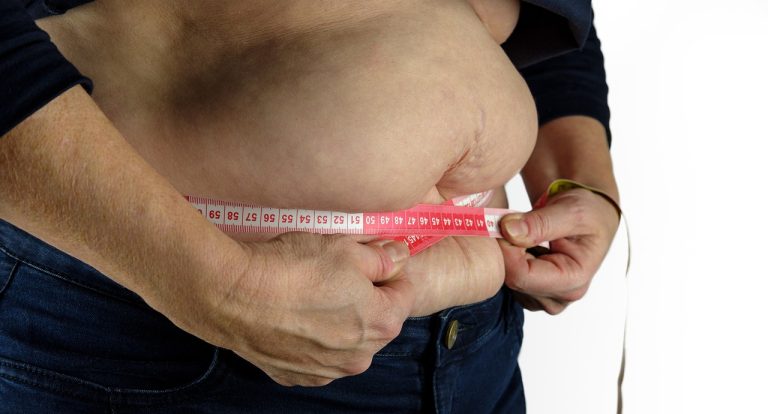
Is it possible to quickly lose belly fat

0

Question

What is the fastest, but most healthy way to lose the fat on a flabby stomach quickly in order to have a flat stomach? Is this even possible to achieve quickly?

Answer

Your answer in a nutshell is no.

It is not possible to tone the muscles underlying the stomach and get rid of the fat on the stomach quickly in a healthy way.

There are six abdominal muscles which provide a number of functions, from helping with posture (helping to create and maintain a healthy spine), help with breathing, provide movement and define the form (this is what gives the six-pack muscle tone). The abdominal muscles are often called “core” muscles as they provide the stability for the spine.

In order to lose weight from the stomach and tone up the muscles that support the mid-section, you need to approach it jointly in two ways:

  • Healthy eating plan – this is vital to ensure you are eating adequate amounts of protein, carbohydrates and fat in a recommended ratio to burn fat (this will also help to ensure that fat is burnt from everywhere on the body where it is in excess)
  • Exercise plan – this is vital to ensure that you are toning up all the muscles in the body, not just the muscles around the stomach

As it is impossible to spot reduce (only reduce fat in one particular area in the body), you will notice that you tone up all the muscles in your body and reduce fat all over your body if you follow a stringent exercise and diet plan.

Some good exercises for the core and healthy eating ideas (just to start you off in the right direction) can be found here:

If you are serious about reducing the fat on your stomach and increasing muscle tone, you need to find a qualified personal trainer who can help you achieve your goals more quickly (and in a healthier way).

Exercises for teenage girl

0

Question

I am 15 years old and I want to tone up pretty much everywhere, especially my tummy, hips and thighs. I walk to school everyday (25mins there and 25mins home.) I play 3 basketball games a week, plus 2 basketball trainings so I’m average.

What exercises would be useful in toning my problem areas and to help me lose weight?

Answer

You are doing some good physical exercise, with the basketball and walking every day.

To tone up and lose some fat from the stomach, hips and thighs, you have to burn more calories than you eat. The most effective way to do this is with diet and exercise.

Current advice about exercise for teenagers is that they should get around 60 minutes of exercise every day, which can be broken up into smaller chunks throughout the day (it doesn’t have to be done all at once). This is any type of exercise and includes:

  • Dancing
  • Jogging or running
  • Riding a bike
  • Organised sport (such as basketball)
  • Skateboarding
  • Walking

In addition to this, a good diet is essential. You need to be eating enough foods from the six food groups:

If you look at the information in these pages, you will see that there is a recommended level of food, including what constitutes a portion size, for teenagers of your age.

As a general rule, try to eat less foods that come in packets (or are packaged) and eat more natural, unprocessed foods.

Being a teenager, your body is still changing, which is normal, so do not stress about this too much. You can also speak to your parents about seeing a dietician who can recommend the best foods for you, based on your activity levels.

Exercising after injury

Question

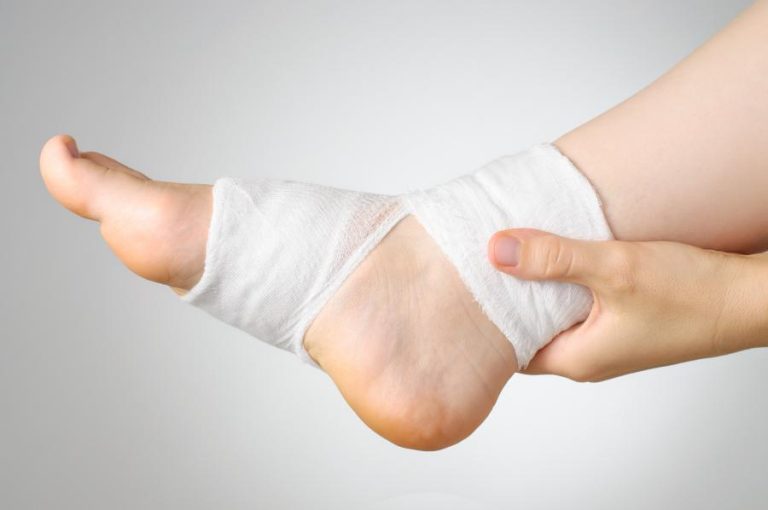
I have had to stop my usual routine of walking 20 minutes in the mornings and 30 minutes in the evenings at a fairly fast pace about 6 times per week due to injury.

On reflection my routine became rather mundane and like a chore and I sometimes felt I ‘had to’ exercise for fear of putting on weight not because I enjoyed it. If I decide to not recommence my rigid routine and continue to eat at balance diet as I do, am I likely to put on weight or lose muscle therefore weight?

Answer

The short answer is yes.

There is no way to prevent muscle loss without exercising. Women especially need to exercise (especially weight bearing exercise) as it helps to prevent bone loss in menopause.

You need to find physical activity that you enjoy, so that you do not become bored with it. There are a range of different types of activities that you can take part in, without feeling bored, especially if you mix it up and choose a few different types. Maybe you can find a friend to come with you on some days, so that you can feel more motivated.

You have not stated what your injury is, so it is not possible to give you specific advice on the physical activities best suited to you, but I can tell you that yoga and pilates are usually fine for most people with injuries. Just ensure you let your instructor know your exact injury so that she/he can give you alternate movements if necessary.

How to increase muscle mass on vegetarian diet

Question

I have recently moved to Australia from India, but I am unable to maintain my health properly, as I am a vegetarian. Could you please suggest to me what changes I can make in my diet plan in order to have proper nutrition.

I am 30 years old and want to build more muscle tone, as I am very lean. I weigh 55kg and my height is 5’9″. Should I eat meat and other meat products to help with building more muscle tone?

Answer

Yes, muscle needs high quality complete protein for development, maintenance and strength training. High quality complete protein is protein which contains all the 9 essential amino acids in the right quantities and this exists in all meats and meat products. The only plant-based food which is a high quality complete protein is soy, which is the reason why they use it in protein powders.

If you want to develop muscle, you could use poultry, eggs (try to ensure it is organic) and fish several times a week, supplemented with complex carbohydrates (wholegrains, vegetables, legumes) and continue your workouts.

If your desire is to exclusively follow a strict vegan diet (without any meat products at all) and build muscle, you will need to rely on protein powders, protein drinks, legumes and soy as a quality source of protein that is a complete protein. Ensure you use soy that has not been genetically modified (there will be a stamp on the package if the soy comes from non-genetically modified stock).

If you are following a vegan diet, be mindful that if you consume more simple carbohydrates (ie white rice, potatoes, white bread, white sugar), that while they will satisfy your hunger and provide a quick energy boost, they will not support lean muscle development. Try to eat more complex carbohydrates (ie wholegrains, legumes, vegetables of every colour) every day, combined with the protein sources of your choice to help you develop more lean muscle.

Vegetarians of all types tend to have a leaner look due to the protein choices made in their dietary habit, so your body may not easily bulk up your muscles due to your dietary choices anyway.

Diet plan for professional soccer player

Question

I am professional goalkeeper soccer player and require an exact 1800 to 2000 kcal diet. My training is mainly anaerobic exercise. My fat level is 13% and feel a need to lose 4 lb. Recommend me a diet please?

Answer

As a professional athlete, you need to consult your team dietician to provide you with a tailor-made diet plan, based on your physical and dietary requirements.

A registered dietician can examine your dietary habits and physical requirements based on the training you perform and then recommend a ratio of carbs:protein: fats you require which is tailored to your specific requirements.

Unfortunately it is simply not enough to recommend a “diet” for you, as you require a tailor-made diet plan specifically for you. Your question is beyond the scope of this free advice page, which is to provide general exercise and fitness advice.