Seared tuna in asparagus salad

0
Diabetes friendly recipe
Low GI recipe
Low carb recipe
Dairy free recipe
Gluten free recipe
Heart healthy recipe


This is a delicious summer recipe, perfect for those warm summer nights. It’s great for dinner parties too.

You can substitute the tuna with salmon or mackerel.

The dressing can be made up to 3 hours ahead of the meal. It will keep for up to 5 days in the fridge.

Nutrition rundown

  • High-protein meal (47.5g per serve) supports muscle repair, metabolism and satiety
  • Rich in lean marine protein from sashimi-grade tuna is naturally low in carbohydrates
  • Excellent source of omega-3 fatty acids from tuna – supports heart, brain and anti-inflammatory health
  • Moderate total fat (27g) primarily from extra virgin olive oil and almonds, providing heart-healthy monounsaturated fats
  • Low carbohydrate (15.8g) and suitable for lower-carb eating patterns
  • Good fibre content (4.6g) from asparagus, snow peas, capsicum and salad leaves, supports gut health and blood sugar balance
  • High in vitamin C from red and yellow capsicum, supports immune function and collagen production
  • Rich in folate and antioxidants from asparagus and leafy greens
  • Excellent source of iron which supports oxygen transport in the blood, energy production and helps prevent fatigue
  • Rich in potassium from the vegetables, supports healthy blood pressure regulation, heart function and muscle contraction
  • Contains magnesium and vitamin E from flaked almonds, beneficial for muscle and cellular health
  • Moderate sodium (420mg) mainly from tamari, far lower than typical soy-based dressings
  • Low sugar (6.1g) as it is entirely from natural vegetable sources
  • Balanced macro profile which is high protein, moderate healthy fats, low refined carbohydrates
Recipe information
Serves: 4
Prep time: 35 mins
Cooking time: 10 mins
Recipe nutrition (per serving)
Calories: 486.0
Carbs: 15.8 grams
Protein: 47.5 grams
Fat: 27.0 grams

Ingredients – tuna and salad

  • 600g sashimi-quality tuna
  • 2 spring onions, cut into julienne
  • 12 organic asparagus spears, trimmed
  • 150g organic snow peas
  • 4 cups organic salad leaves
  • 1 red organic capsicum, halved and sliced1 organic yellow capsicum, halved and sliced
  • 1/3 cup fresh organic basil leaves
  • 1/3 cup fresh organic coriander leaves
  • 2 Tbsp flaked almonds, roasted
  • 1 large fresh chilli, deseeded and chopped finely
  • Extra virgin, cold pressed olive oil
  • Salt and pepper

Ingredients – dressing

  • 1 Tbsp extra virgin, cold pressed olive oil
  • 1 Tbsp lime juice (substitute with lemon if lime not available)
  • 1 Tbsp wheat-free tamari sauce
  • 1 clove garlic, finely chopped

Method – tuna and salad

  1. Brush the tuna with olive oil on both sides and then rub it with the salt and pepper.
  2. Heat a cast iron pan with a little of the olive oil at high heat.
  3. Add the tuna to the pan and sear tuna on each side for about 1 minute (just until the skin is sealed).
  4. Rest the tuna for about 10 minutes.
  5. Once rested, cut the tuna into thin slices (about 5mm).
  6. Bring some water (which has had some salt added) to the boil.
  7. Add the asparagus to the boiling water for 1 minute (this is called blanching).
  8. Remove the asparagus from the water after the 1 minute and drain on absorbent paper.
  9. Blanch the snow peas in the same way as the asparagus and when completed, drain on absorbent paper.
  10. Combine asparagus, snow peas, salad leave, capsicum, chilli, spring onions and half the herbs in a large bowl.
  11. Add tamari sauce and toss gently.
  12. Divide salad mixture amongst 4 bowls.
  13. Top with sliced tuna pieces.
  14. Scatter rest of herbs and almond flakes on top of salad.
  15. Serve warm.

Method – dressing

  1. Combine all ingredients in a small bowl and season with salt and pepper to taste.
  2. Leave the dressing aside for at least 30 minutes, so the flavours can develop.

Nutrition information

  Nutrition InformationAmount% Daily
Value
Calories486.024.3%
Calories from fat24350.3%
Total fat27.0 g28.7%
Saturated fat4.2 g18.0%
Cholesterol78.0 mg31.3%
Sodium420.0 mg12.3%
Carbohydrate15.8 g5.7%
Dietary fibre4.6 g15.3%
Sugars1.9 g12.1%
Protein47.5 g95.0%

The % daily values are based on a diet of 2000 calories per day
These are approximate values.
Mushroom eggplant pilaf

0
Diabetes friendly recipe
Low GI recipe
Low fat recipe
Dairy free recipe
Gluten free recipe
Heart healthy recipe
Vegetarian recipe
Vegan recipe


This vegetarian and vegan recipe is simple, quick and delicious, provides a lot of dietary fibre and is low in fat and the mushrooms provide a range of antioxidants, vitamins and minerals.

To make this recipe lower in carbohydrates and low GI, use either no rice or less rice and substitute more vegetables (for example, okra, eggplant, zucchini) in the recipe.

Nutrition rundown

  • High in plant-based protein (12.6g per serve) from borlotti beans and rice, supporting muscle repair and sustained energy.
  • Excellent source of dietary fibre (45% daily value) which supports gut health, improves satiety and assists with blood sugar regulation.
  • Very low cholesterol (0mg) making it heart-friendly and suitable for vegetarian and vegan diets.
  • Low sodium (just 3.3% daily value) thanks to home-made low-sodium stock, supporting healthy blood pressure.
  • Rich in antioxidants from eggplant skin, red capsicum and mushrooms, which help combat oxidative stress.
  • Contains iron and magnesium from legumes and basmati rice, important for oxygen transport and energy metabolism.
  • Provides slow-release carbohydrates (26.9% daily value) for steady energy without sharp glucose spikes.
  • Healthy fats from extra virgin olive oil support absorption of fat-soluble vitamins and contribute anti-inflammatory benefits.
  • Good source of potassium from eggplant, mushrooms and capsicum, helping regulate fluid balance and muscle function.
  • Naturally dairy-free and plant-based, suitable for vegan, vegetarian and cholesterol-conscious eating patterns.
  • Currants provide natural sweetness plus polyphenols, contributing to antioxidant intake.
  • Fresh herbs (mint and parsley) add vitamin K and additional phytonutrients that support overall health.
Recipe information
Serves: 4
Prep time: 25 mins
Cooking time: 50mins
Recipe nutrition (per serving)
Calories: 416.8
Carbs: 73.9 grams
Protein: 12.6 grams
Fat: 9.4 grams

Ingredients

  • 1/2 cup borlotti beans, soaked overnight in cold water
  • 1 eggplant, chopped into 3cm pieces
  • 1 red capsicum, chopped into 3cm pieces
  • 400g Swiss Brown or Shiitake mushrooms
  • 1/4 cup vegetable stock
  • 1 large red (Spanish) onion, chopped finely
  • 3 cloves garlic, finely chopped
  • 1/3 cup organic currants
  • 1 Tspn ground coriander
  • 1 tspn ground cumin
  • 3 Tbsp fresh mint, finely chopped
  • 3 Tbsp fresh parsley, coarsely chopped
  • Extra virgin, cold pressed olive oil
  • 1 cup basmati rice, steamed or boiled

Method

  1. Cook the drained beans in simmering water over medium heat for about 30 minutes, or until the beans are almost completely cooked.
  2. Put the eggplant and capsicum on an oven tray and spread some olive oil on them.
  3. Roast the eggplant and capsicum at 200°C (or 400°F) for about 20 minutes, turning over once, until they are golden in colour (do not let them get blackened).
  4. When the eggplant and capsicum are cooked, remove from the oven and set aside.
  5. Heat 1-2 tablespoons of the olive oil in a large saucepan.
  6. Cook the onion and spices over low heat until the onion is soft and spices become aromatic. Add a little water if the onion starts sticking to the pan.
  7. Add the mushrooms and increase the heat to medium-high.
  8. Add the vegetable stock, beans, garlic, lemon juice, currants, eggplant and capsicum.
  9. Season to taste with some salt.
  10. Cook over low heat for about 15 minutes, so that all the vegetables are cooked through.
  11. Meanwhile, wash the rice and steam or boil it to cook it.
  12. When the vegetables are cooked and the heat is turned off, stir in the mint and parsley
  13. Add equal portions of the cooked rice to 4 plates.
  14. Top with the vegetables and some coriander leaves.

Nutrition information

  Nutrition InformationAmount% Daily
Value
Calories416.820.8%
Calories from fat84.620.6%
Total fat9.4 g12.1%
Saturated fat1.4 g7.0%
Cholesterol0 mg0%
Sodium76.8 mg3.3%
Carbohydrate73.9 g26.9%
Dietary fibre12.6 g45.0%
Sugars16.2 g25.2%
Protein12.6 g25.2%

The % daily values are based on a diet of 2000 calories per day
These are approximate values.
Prawns with vegetable infused spaghetti

0
Diabetes friendly recipe
Low GI recipe
Low fat recipe
Dairy free recipe
Gluten free recipe
Heart healthy recipe


A delicious prawn recipe with a tomato-based sauce. It’s really delicious, simple to make, low in calories and very good for you.

This recipe tastes great even when it’s heated up the following day. It’s delicious and you’ll want more. The kids will love it too.

Nutrition rundown

  • High in lean protein (28.6 g) as prawns provide a concentrated source of complete protein to support muscle repair, metabolic health and satiety.
  • Excellent source of fibre (7.4 g – 26.4% daily value) as the whole-wheat spaghetti plus vegetables significantly support digestive health, blood sugar stability and gut microbiome diversity.
  • Rich in omega-3 fatty acids from prawns supports heart health, reduces inflammation and contributes to brain function.
  • Low in saturated fat (2.3 g – 11.5% daily value), olive oil contributes mainly monounsaturated fats, which are cardioprotective.
  • High cholesterol content (214.5 mg – 71.5% daily value) naturally occurring from prawns, however, dietary cholesterol has minimal impact on blood cholesterol for most people.
  • Low sodium (185.4 mg – 8.1% daily value) as minimal added salt and fresh ingredients keep this dish heart-friendly.
  • Balanced carbohydrate profile (41.2 g) due to complex carbs from whole-wheat pasta provide steady energy release rather than rapid spikes.
  • Rich in antioxidants, cherry tomatoes and red capsicum supply vitamin C, beta-carotene and lycopene, supporting immune and skin health.
  • Good source of iron, zinc and selenium as the prawns contribute key minerals for immune resilience and thyroid function.
  • Moderate healthy fats (16.0 g total fat) primarily from extra virgin olive oil, supporting cardiovascular health and nutrient absorption.
Recipe information
Serves: 4
Prep time: 15 mins
Cooking time: 20 mins
Recipe nutrition (per serving)
Calories: 398.3
Carbs: 41.2 grams
Protein: 28.6 grams
Fat: 16.0 grams

Ingredients

  • 50g organic spaghetti, whole-wheat, cooked
  • 300g raw prawns, shell removed, tail intact
  • 12 organic cherry tomatoes
  • 2 (75 g) organic red capsicums (thinly sliced)
  • 1 cup organic shallot
  • 85g organic broccolini (pieces)
  • 2 tablespoons organic, cold pressed olive oil
  • few sprigs of organic parsley, chopped
  • Salt to taste

Method

  1. Add 2 litres of water, some olive oil and a pinch of salt into a stainless steel pan and bring to the boil.
  2. Add the spaghetti to the boiling water and cook until al dente. Drain the spaghetti when cooked, but leave a little of the water aside.
  3. Finely chop the capsicum pieces into strips the length of the capsicum (if it’s a really large one, cut in half).
  4. Finely chop up a shallot – the green leafy parts and the white part
  5. Wash and cut up the broccolini. Cut the stalks and slice into thin pieces. Cut the flowery head into smaller, long pieces.
  6. Add the olive oil to a stainless steel or iron pan and put on medium-high heat.
  7. Add the chopped up shallots and cook for 2-3 minutes (until just wilted and starting to be transluscent).
  8. Add the sliced capsicum and cherry tomatoes and cook for 2-3 minutes.
  9. Add the sliced broccolini and cook for 2-3 minutes.
  10. Add the raw prawns and cook until the prawns are almost pink. Add a little salt.
  11. Add the drained spaghetti and the water left aside. With some tongs, turn the spaghetti through the prawns and vegetables until all ingredients are mixed through.
  12. Serve immediately with chopped up parlsey mixed through.

Nutrition information

  Nutrition InformationAmount% Daily
Value
Calories398.319.9%
Calories from fat144.034.5%
Total fat16.0 g20.5%
Saturated fat2.3 g11.5%
Cholesterol214.5 mg71.5%
Sodium185.4 mg8.1%
Carbohydrate41.2 g15.0%
Dietary fibre7.4 g26.4%
Sugars6.3 g35.9%
Protein28.6 g57.2%

The % daily values are based on a diet of 2000 calories per day
These are approximate values.
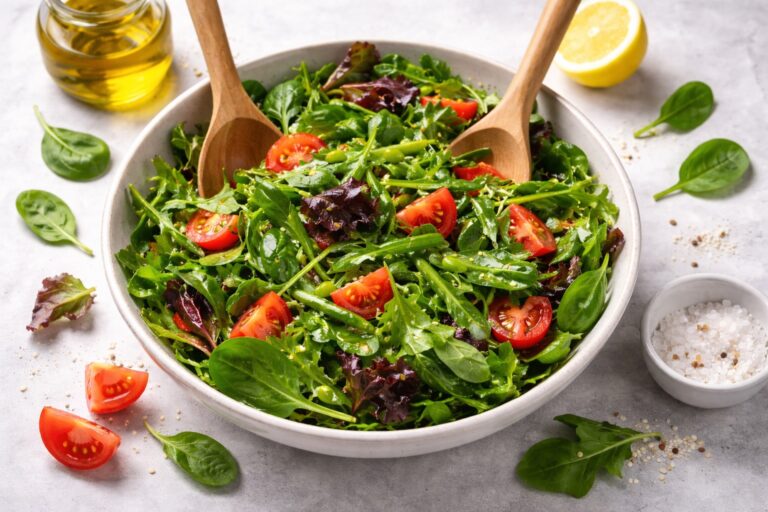
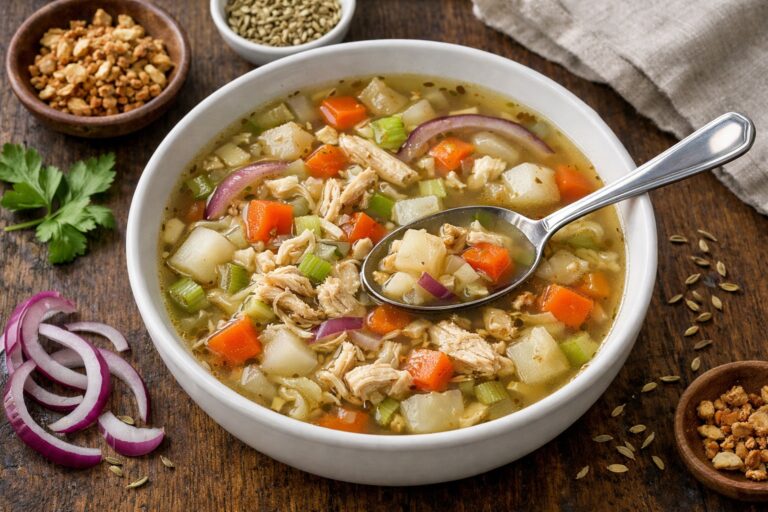
Peppered beef with beetroot salsa

0
Diabetes friendly recipe
Low GI recipe
Low carb recipe
Dairy free recipe
Gluten free recipe
Heart healthy recipe


This recipe is rich in flavour and healthy nutrients – vitamins, minerals and antioxidants. The beetroot salsa is the perfect accompaniment to the beef.

Try to buy organic beef, as contains more of the vitamins and minerals you need, but it has none of the chemicals or antibiotics and other nasties that non-organic beef contains. Enjoy meat in moderation.

Nutrition rundown

  • High in protein (30.6g per serve) and excellent for muscle repair, metabolism support and satiety, making this a strong option for active individuals.
  • Rich in iron and zinc from the beef so it supports oxygen transport, immune function and energy production, particularly important for women and athletes.
  • Moderate total fat but largely from tahini (sesame seeds) – Provides heart-healthy unsaturated fats and plant sterols.
  • Saturated fat remains moderate (6.9g) which is within reasonable limits for a red-meat based meal.
  • Very good fibre content (7.8g per serve) from beetroot, snow peas, rocket and watercress, supporting gut health, cholesterol balance and blood sugar control.
  • Naturally occurring sugars (15.2g) primarily from beetroot and capsicum, paired with fibre so they digest slowly.
  • Low sodium (209.6mg) especially considering salt is added “to taste” and dressing is home-made. Supports healthy blood pressure regulation.
  • High in antioxidants
    • Beetroot provides betalains, linked to reduced inflammation and improved blood flow.
    • Rocket and watercress contain glucosinolates, associated with cellular protection.
    • Capsicum contributes vitamin C, enhancing iron absorption from the beef.
  • Good source of folate and nitrates (from beetroot) – May assist with circulation and exercise performance.
  • Contains magnesium and calcium (from tahini) – Supports bone health and muscle function.
  • Balanced macronutrient profile – the combination of quality protein, fibre-rich carbohydrates and healthy fats helps stabilise energy levels.
Recipe information
Serves: 4
Prep time: 25 mins
Cooking time: 45 mins
Recipe nutrition (per serving)
Calories: 416.8
Carbs: 73.9 grams
Protein: 12.6 grams
Fat: 9.4 grams

Ingredients – peppered beef

  • 4 x 100g organic beef leg steaks
  • 12 organic asparagus spears, trimmed
  • 150g organic snow peas, cut julienne
  • 1 red capsicum, halved and cut lengthwise
  • 1 bunch rocket
  • 1/2 bunch watercress leaves
  • 1 Tbsp lemon juice
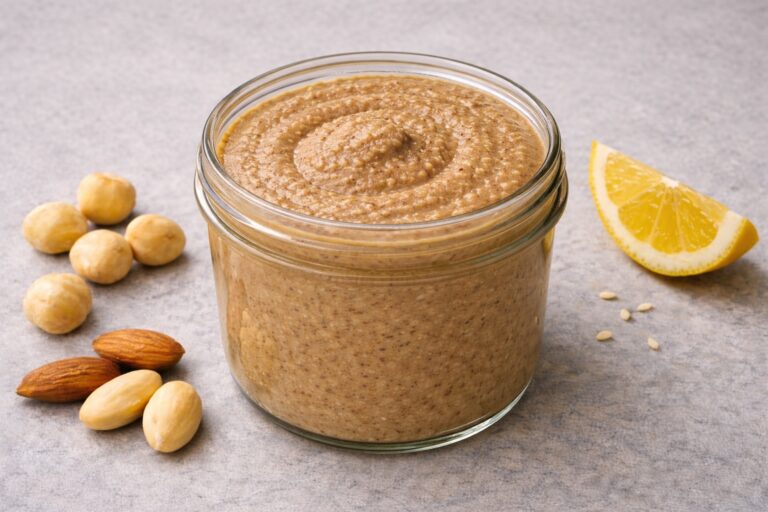
  • 1/2 cup tahini dressing
  • Cracked black pepper
  • Salt to taste

Ingredients – beetroot salsa

  • 2 large beetroots, quartered
  • 1 Tspn extra virgin, cold pressed olive oil
  • 1 Tspn balsamic vinegar
  • 2 Tbsp fresh mint, chopped finely

Method – peppered beef

  1. Brush beef steaks with some of the olive oil and sprinkle with the cracked black pepper.
  2. Char grill steaks over medium to high heat for 2-3 minutes each side, or until cooked enough.
  3. Rest the beef, loosely covered with the foil that was used to cook the beetroot, in the oven, for about 10 minutes.
  4. Once rested, cut each steaks across the grain, into three pieces.
  5. Blanch the asparagus, snow peas and capsicum in boiling, salted water for about 1-2 minutes.
  6. Remove the vegetables and allow to drain on absorbent paper.
  7. Tear up rocket and watercress leaves into a large bowl.
  8. Add olive oil and lemon juice to rocket and watercress, season with salt to taste and toss gently.
  9. Place some of the rocket equally into 4 plates.
  10. Top the rocket with the snow peas, asparagus, capsicum and the beef strips.
  11. Spoon the beetroot salsa over the top.
  12. Drizzle the tahini dressing over the top and serve warm.

Method – beetroot salsa

  1. Wrap beetroot pieces in foil and place on an oven tray.
  2. Roast beetroot at 200°C for about 50-60 minutes, or until the beetroot are tender.
  3. Remove beetroot from oven and remove foil.
  4. When cooled enough, remove skin from beetroot, by peeling it off.
  5. Cut beetroot into small cubes (5mm).
  6. Combine the rest of the ingredients with the beetroot pieces in a small bowl and set aside.

Nutrition information

  Nutrition InformationAmount% Daily
Value
Calories497.524.9%
Calories from fat264.252.3%
Total fat29.4 g37.7%
Saturated fat6.9 g34.5%
Cholesterol77.0 mg25.7%
Sodium209.6 mg9.1%
Carbohydrate30.5 g11.1%
Dietary fibre7.8 g42.0%
Sugars15.2 g25.4%
Protein29.4 g61.2%

The % daily values are based on a diet of 2000 calories per day
These are approximate values.
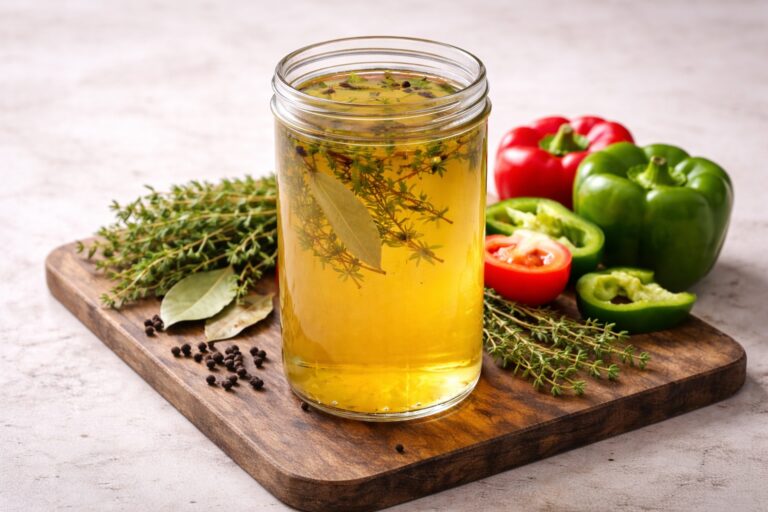
Mediterranean calamari and prawns with lemon herbed potatoes

0
Diabetes friendly recipe
Low GI recipe
Low carb recipe
Dairy free recipe
Gluten free recipe
Heart healthy recipe


Calamari can be difficult to cook properly – they need to be cooked either really quickly or long and slowly to ensure they taste soft and melt in the mouth, otherwise if they are cooked incorrectly, they can end up hard and chewy.

This is a great recipe to showcase a meal that looks beautiful and tastes absolutely delicious. Impress your guests or your family.

Nutrition rundown

  • Excellent high-protein meal (55.8g per serve) which supports muscle maintenance, satiety and metabolic health.
  • Naturally high in cholesterol (221% daily value) from calamari and prawns but seafood cholesterol affects people differently compared to saturated-fat–heavy animal products (it’s better for you).
  • Moderate total fat (30.5% daily value) with the majority coming from heart-healthy extra virgin olive oil.
  • Relatively low in saturated fat (18% daily value) for a seafood-based dish.
  • Sodium is moderate (17.9% daily value) thanks to homemade stock which is significantly lower than commercial stock-based versions.
  • Rich in iodine and selenium, key minerals for thyroid function and antioxidant protection.
  • Provides natural omega-3 fatty acids from seafood, contributing to cardiovascular and brain health.
  • Strong fibre content (24.6% daily value) from potatoes, tomatoes, herbs and leafy greens, supporting digestive health and blood sugar regulation.
  • Potatoes deliver steady-release carbohydrates for sustained energy.
  • Fresh herbs (rosemary, oregano, parsley, coriander) add anti-inflammatory polyphenols and flavonoids.
  • Lemon rind and garlic provide additional antioxidant compounds and immune-supportive benefits.
  • Naturally gluten-free and aligned with a Mediterranean-style whole food approach.
  • Nutrient-dense at 606 kcal per serve so it has high satiety value relative to calories.
Recipe information
Serves: 4
Prep time: 25 mins
Cooking time: 45 mins
Recipe nutrition (per serving)
Calories: 489
Carbs: 38.6 grams
Protein: 55.8 grams
Fat: 23.8 grams

Ingredients – calamari and prawns

  • 500ml chicken stock
  • 1kg calamari
  • 12 large green prawns, peeled, de-veined and chopped finely
  • 1 x 400g can organic tomatoes
  • 2 cloves garlic, finely chopped
  • 1/2 cup finely chopped parsley
  • 1/2 cup finely chopped coriander
  • 1 Tbsp grated lemon rind
  • 1 Tbsp extra virgin, cold pressed olive oil
  • Leafy Green Salad

Ingredients – lemon herbed potatoes

  • 500g King Edward or desiree potatoes, peeled and chopped in 4cm pieces
  • 2 lemons, chopped into 4cm pieces
  • 1 whole garlic, cloves separated
  • 2 Tbsp extra virgin, cold pressed olive oil
  • 1/4 cup fresh rosemary leaves
  • 1/4 cup fresh oregano leaves
  • 1 Tspn sweet paprika powder

Method – calamari and prawns

  1. Combine prawns, parsley, coriander and lemon rind and season with salt and pepper to taste.
  2. Heat the olive oil in a large frying pan and add onion and cook over a low heat until it is soft. Add some of the chicken stock if the onions start to stick to the pan.
  3. When the onions are completed cooking, add the garlic, tomatoes and chicken stock and cook, uncovered over a high heat until the liquid has been reduced in half.
  4. Season to taste with salt and pepper.
  5. Add the calamari and cover the pan partially with the lid and cook over a low heat, turning occasionally, until the calamari are tender (about 1 hour).
  6. Serve calamari and braising sauce with the lemon herbed potatoes and the leafy green salad.

    Method – lemon herbed potatoes

    1. Place potatoes and lemon pieces in a roasting pan.
    2. Toss with the olive oil until all the potatoes are covered.
    3. Roast in a medium-high oven at 200°C for about 30 minutes, turning them occasionally.
    4. Add the garlic cloves whole and roast another 30 minutes until the potatoes and lemons are browned and garlic is soft.
    5. Remove from oven and stir in oregano and rosemary.

    Nutrition information

      Nutrition InformationAmount% Daily
    Value
    Calories48924.3%
    Calories from fat21341.1%
    Total fat23.8 g30.5%
    Saturated fat3.6 g18.0%
    Cholesterol221 mg71.3%
    Sodium412 mg17.9%
    Carbohydrate38.6 g12.9%
    Dietary fibre6.9 g24.6%
    Sugars7.8 g8.7%
    Protein55.8 g111.6%

    The % daily values are based on a diet of 2000 calories per day
    These are approximate values.
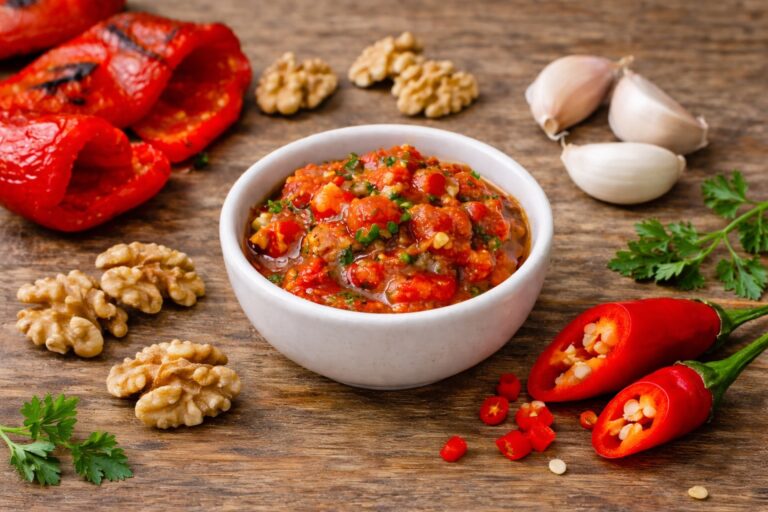
    Beef and veggie stuffed eggplant

    0
    Diabetes friendly recipe
    Dairy free recipe
    Gluten free recipe
    Heart healthy recipe


    This recipe can be made as a vegetarian dish, without the minced meat – just add some legumes (lentils, chickpeas, beans) to the mix to make it up for the removal of the meat and then this recipe becomes even more heart healthy and really low in fat.

    Nutrition rundown

    • High in protein and nearly 27g per serve supports muscle repair, metabolism and satiety.
    • Excellent fibre content with over 9g per serving (almost one-third of daily needs) thanks to eggplant, peppers and tomatoes.
    • Moderate healthy fats mainly from extra virgin olive oil, providing heart-supportive monounsaturated fats.
    • Controlled saturated fat as lean beef keeps saturated fat at a moderate level for a red meat dish.
    • Rich in antioxidants from the eggplant skin, as it contains nasunin, while tomatoes provide lycopene and peppers deliver vitamin C.
    • Low glycaemic impact because the high fibre and moderate carbs help slow glucose release.
    • Iron & zinc source as beef provides highly bioavailable haem iron and immune-supporting zinc.
    • Potassium boost from the eggplant and tomatoes, which contribute to healthy blood pressure regulation.
    • Naturally gluten-free so it’s suitable for coeliac or gluten-sensitive diets.
    • Mediterranean-style profile which combines lean protein, vegetables, olive oil and herbs for anti-inflammatory potential.
    Recipe information
    Serves: 4
    Prep time: 25 mins
    Cooking time: 35 mins
    Recipe nutrition (per serving)
    Calories: 408.5
    Carbs: 24.7 grams
    Protein: 26.9 grams
    Fat: 25.4 grams

    Ingredients

    • 4 medium eggplants
    • 4 spring onions
    • 3 large peppers (green/red/yellow or combo) chopped finely
    • 500g lean beef mince
    • 4 medium ripe tomatoes, diced
    • 2-3 cloves of garlic
    • 2 Tbsp dried oregano
    • 2 Tbsp extra virgin olive oil
    • Salt and pepper to taste
    • Fresh oregano and basil leaves to garnish

    Method

    1. Pre-heat oven to 200°C (400°F).
    2. Cut each eggplant in half lengthways and scoop out all the inner flesh using a spoon leaving the skin and a layer of flesh – this will give 8 half eggplant shells.
    3. Lightly brush the inside and outside of each eggplant shell with olive oil and set aside.
    4. Cut the scooped out eggplant flesh into small pieces.
    5. Add minced meat to a large frying pan and cook until the meat in completely cooked.
    6. In a separate large pan, add the remaining olive oil and add the eggplant flesh, spring onions and garlic. Cook over high heat for 3 minutes, until vegetables are soft.
    7. Add chopped peppers and then diced tomatoes to the pan with eggplant and continue to cook another 5 minutes.
    8. Add the minced meat to the vegetable mixture and stir through.
    9. Stir in oregano and season with salt and pepper.
    10. Arrange the 8 eggplant shells side by side on a large baking tray and fill with cooked mince and vegetable mixture.
    11. Bake in pre-heated oven for 15 minutes, until the eggplant shells are cooked through, but still hold their shape and the meat filling is cooked and hot right through.
    12. Serve garnished with fresh oregano leaves.

    Nutrition information

      Nutrition InformationAmount% Daily
    Value
    Calories408.520.4%
    Calories from fat228.655.3%
    Total fat25.4 g36.3%
    Saturated fat7.5 g31.3%
    Cholesterol81.3 mg27.1%
    Sodium305.4 mg13.3%
    Carbohydrate53.8 g23.3%
    Dietary fibre9.2 g30.7%
    Sugars13.1 g14.6%
    Protein26.9 g53.8%

    The % daily values are based on a diet of 2000 calories per day
    These are approximate values.
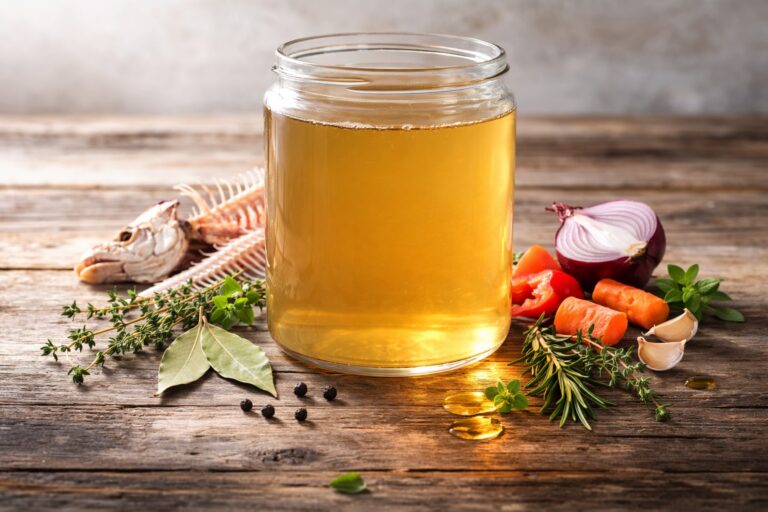
    Spice encrusted trout with zucchini salad

    0
    Diabetes friendly recipe
    Low GI recipe
    Low carb recipe
    Dairy free recipe
    Gluten free recipe
    Heart healthy recipe


    This is a great heart healthy dish which looks very colourful and is very suitable to be served to the family or even at a dinner party. While this recipe is high in fat, it is from the “good fats”, the heart healthy omega-3 essential fatty acids.

    The vegetables suggested in this recipe can always be substituted with other vegetables that are in season (such as spinach, okra, capsicum) – use your imagination and be creative.

    Nutrition rundown

    • Excellent source of omega-3 fatty acids (EPA & DHA) from ocean trout, supporting heart health, brain function and reduced inflammation.
    • Very high in complete protein, providing all essential amino acids for muscle repair, hormone production and immune strength.
    • Low sodium (12.4% daily value) due to sparing use of sea salt and low-sodium yoghurt dressing, making this suitable for most heart-conscious eating plans.
    • Rich in monounsaturated fats from extra virgin olive oil, which support healthy cholesterol balance.
    • Provides vitamin D naturally from trout, important for bone density and immune resilience.
    • High in vitamin B12, essential for nerve health and red blood cell production.
    • Good source of potassium from vegetables and fish, helping regulate blood pressure.
    • Contains fibre from zucchini, cucumber, tomato and leafy greens to support digestive health and gut microbiome balance.
    • Naturally low in carbohydrates, making it suitable for lower-carb or blood-sugar-stable eating patterns.
    • Antioxidant-rich herbs and spices (mint, parsley, cumin, coriander, paprika) provide polyphenols that help combat oxidative stress.
    • Calcium contribution from yoghurt dressing supports bone and tooth strength.
    • Balanced macronutrient profile combining healthy fats and protein promotes satiety and stable energy levels.
    • A Mediterranean-style meal pattern associated with reduced cardiovascular disease risk and improved metabolic health.
    Recipe information
    Serves: 4
    Prep time: 20 mins
    Cooking time: 5-20 mins
    Recipe nutrition (per serving)
    Calories: 489
    Carbs: 33.8 grams
    Protein: 37.6 grams
    Fat: 22.4 grams

    Ingredients – trout

    • 4 x 180g ocean trout fillets
    • 2 Tspn ground coriander
    • 2 Tspn ground cumin
    • 1 Tspn sweet paprika
    • 1 Tspn fine sea salt
    • 1 Tbsp extra virgin, cold pressed olive oil
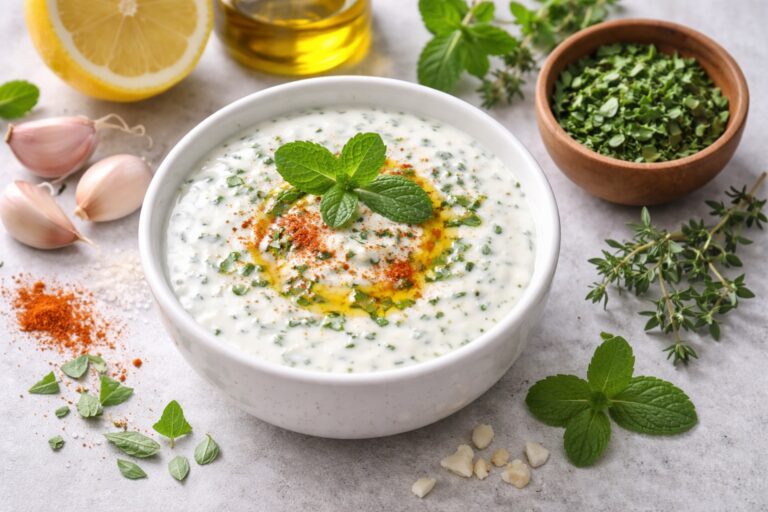
    • 1/2 cup yoghurt dressing
    • Leafy green salad

    Ingredients – zucchini salad

    • 2 organic zucchini, chopped into 1cm pieces
    • 1/2 red Spanish onion (finely chopped)
    • 2 vine-ripened, organic tomatoes, chopped into 1cm pieces
    • 1 organic Lebanese cucumber, chopped into 1cm pieces
    • 2 Tbsp fresh mint, chopped
    • 2 Tbsp fresh parsley, chopped
    • 2 Tbsp extra virgin, cold pressed olive oil
    • 1 Tbsp lemon juice

    Method

    1. Combine ground coriander, cumin and paprika and salt and rub over each side of the fish.
    2. Stand for about 1 hour for the flavour to imbue the fish.
    3. Heat the olive oil in a large frying pan and cook the trout for about 5 minutes on each side (until it is just pink).
    4. Add equal portions of the zucchini salad to each plate.
    5. Top with the trout fillet and drizzle with the yoghurt dressing.
    6. Serve garnished with a lemon wedge.

    Method – zucchini salad

    1. Combine all ingredients and season to taste.
    2. Serve immediately.

    Nutrition information

      Nutrition InformationAmount% Daily
    Value
    Calories703.224.3%
    Calories from fat478.860.2%
    Total fat53.2 g68.2%
    Saturated fat10.4 g52.0%
    Cholesterol118.4 mg39.5%
    Sodium285.0 mg12.4%
    Carbohydrate14.8 g5.4%
    Dietary fibre3.6 g12.9%
    Sugars7.9 g2.1%
    Protein45.6 g91.2%

    The % daily values are based on a diet of 2000 calories per day
    These are approximate values.
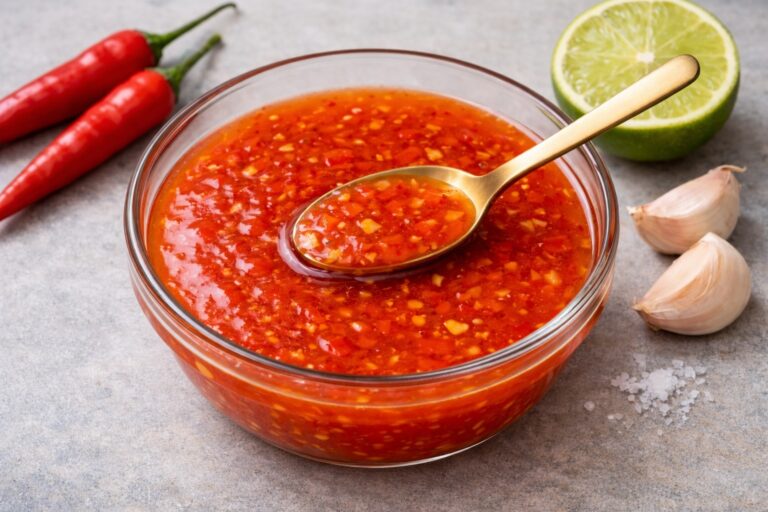
    Thai sweet chilli chicken salad

    0
    Diabetes friendly recipe
    Low GI recipe
    Low carb recipe
    Dairy free recipe
    Gluten free recipe
    Heart healthy recipe


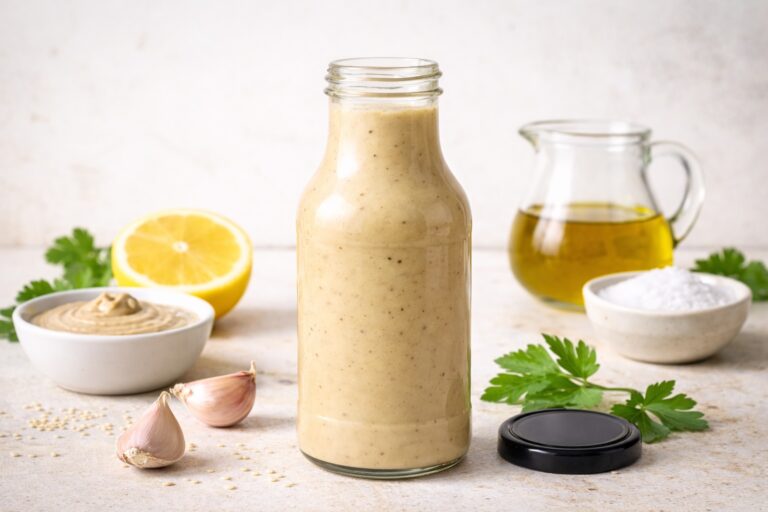
    This recipe is quick and easy to prepare and is perfect for summer days or nights.

    Nutrition rundown

    • High-protein meal delivering over 26 g protein per serve, supporting muscle repair, satiety and metabolic function.
    • Moderate-to-high healthy fat content primarily from extra virgin olive oil and chicken, providing monounsaturated fats beneficial for heart health.
    • Saturated fat remains moderate due to using chicken thighs without heavy creamy dressings.
    • Naturally low in sodium, especially since no commercial sweet chilli sauce or processed dressing is used.
    • Excellent source of vitamin A from carrots and capsicum, supporting eye and immune health.
    • Rich in vitamin C from capsicum, lemon juice and spinach, enhancing iron absorption from the chicken and greens.
    • Provides iron and zinc from chicken thighs, essential for immune function and energy production.
    • High in fibre from spinach, salad leaves, cucumber and carrots, promoting digestive health and blood sugar stability.
    • Honey contributes natural sugars, keeping overall carbohydrates relatively low compared with grain-based salads.
    • Fried spring onions add flavour and texture but also contribute to overall fat and calorie content.
    • Coriander and lemon juice add antioxidants and phytonutrients with negligible calories.
    • Balanced macronutrient profile: high protein, moderate fat, low-to-moderate carbohydrates — making it suitable for lower-carb eating patterns.
    • Energy density is moderate, making it satisfying without being overly heavy.
    • Naturally gluten-free and grain-free.
    Recipe information
    Serves: 4
    Prep time: 25 mins
    Cooking time: 10 mins
    Recipe nutrition (per serving)
    Calories: 421.0
    Carbs: 13.8 grams
    Protein: 25.8 grams
    Fat: 30.0 grams

    Ingredients

    • 4 skin chicken thighs
    • 2 small carrots, thinly sliced
    • 1 spring onion, sliced into 5cm pieces
    • 1/2 cup bean sprouts
    • 1 Lebanese cucumber, sliced
    • 1 medium red capsicum, sliced into 5cm pieces
    • 1 bunch baby English spinach leaves
    • 3 Tbsp fried spring onions
    • 1 cup salad leaves (oak leaf and mignonette)
    • 2 Tbsp extra virgin, cold pressed olive oil
    • 2 Tspn honey
    • 2 Tspn lemon juice
    • Fresh coriander leaves

    Ingredients – dressing

    Method

    1. Cut the chicken into 3cm strips and add to a bowl.
    2. Add the lemon juice and honey to the chicken and toss to ensure all the chicken pieces have been coated.
    3. Cook in a pan with the olive oil for about 5-10 minutes, or until they are golden brown and cooked through (the chicken can be grilled if desired instead).
    4. Add all the salad leaves to a large bowl.
    5. Add the fried shallots, bean sprouts, cucumber, capsicum and carrots into the bowl with the salad leaves and toss to combine.
    6. Divide the salad even and add equal portions to 4 bowls.
    7. Top with the cooked chicken thigh strips.
    8. Pour the sauce on top of the chicken salad.
    9. Serve topped with some fresh coriander leaves.

    Method – dressing

    1. Whisk together the sesame oil, sweet chilli sauce and lemon juice in a small bowl. Set aside.

    Nutrition information

      Nutrition InformationAmount% Daily
    Value
    Calories421.021.1%
    Calories from fat270.064.8%
    Total fat30.0 g38.5%
    Saturated fat6.8 g34.0%
    Cholesterol145.0 mg48.3%
    Sodium165.0 mg7.2%
    Carbohydrate13.8 g5.0%
    Dietary fibre3.6 g12.9%
    Sugars9.2 g18.4%
    Protein26.8 g53.6%

    The % daily values are based on a diet of 2000 calories per day
    These are approximate values.
    Chicken and seafood paella

    0
    Diabetes friendly recipe
    Dairy free recipe
    Gluten free recipe
    Heart healthy recipe


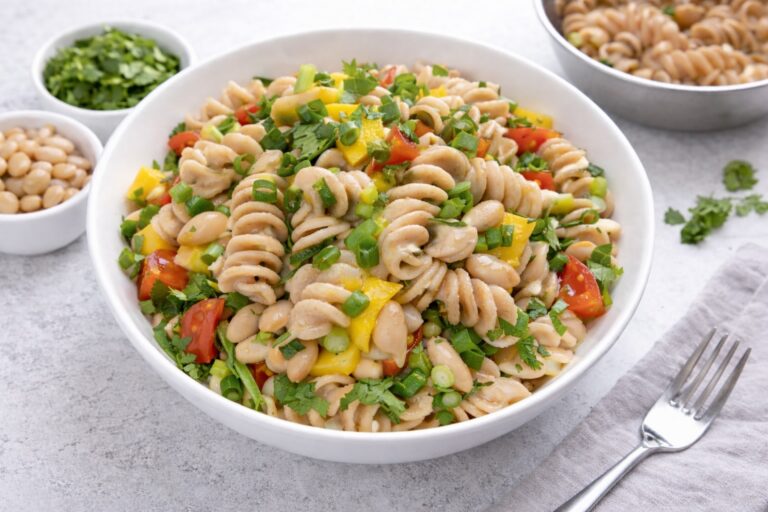
    This is a really great variation on the traditional Spanish paella. It contains the obligatory prawns, calamari and fish in a rice base, plus there are a great deal of vegetables make it even more wholesome.

    This is a great recipe for the family, but it can be easily served at a dinner party. It can be prepared earlier and reheated prior to the guests arriving. It’s a bit high in sodium, due to the prawns, so should be eaten on occasion as part of a healthy diet.

    Nutrition rundown

    • High-protein meal delivering over 60 grams per serve from a combination of chicken, prawns, calamari and white fish.
    • Provides complete amino acid coverage, supporting muscle repair, immune health and satiety.
    • Moderate total fat level, with the majority coming from naturally occurring unsaturated fats in seafood and lean chicken.
    • Low saturated fat relative to total calories due to skinless poultry and lean white fish.
    • Contains natural marine omega-3 fatty acids, supporting cardiovascular and brain health.
    • Moderate cholesterol level primarily from prawns and calamari, balanced by low saturated fat content.
    • Carbohydrates are mainly complex starches from arborio rice, providing steady energy release.
    • Nearly 7 grams of dietary fibre per serve from peas, vegetables and rice, supporting gut health and blood sugar regulation.
    • Naturally occurring sugars from tomatoes, peas and onion only with no added sugars.
    • Sodium level is moderate and largely naturally occurring from seafood and chicken, especially with low-salt homemade stock.
    • Rich in selenium from seafood, supporting thyroid function and antioxidant defence.
    • Strong source of vitamin B12 from fish and prawns, important for nerve function and red blood cell formation.
    • Good source of niacin (vitamin B3) from chicken, assisting energy metabolism.
    • Provides iron from chicken and seafood, supporting oxygen transport in the blood.
    • Contains zinc from seafood, important for immune and reproductive health.
    • Tomatoes contribute lycopene, a powerful antioxidant linked to heart health.
    • Capsicum and parsley add vitamin C, enhancing iron absorption from the meal.
    • Peas provide plant-based phytonutrients and additional fibre.
    • Saffron and paprika contribute antioxidant compounds and anti-inflammatory properties.
    • Balanced macronutrient profile at approximately 48% carbohydrates, 32% protein and 20% fat.
    • Naturally gluten-free when prepared with pure rice and whole ingredients.
    • Whole-food based meal with minimal processed components.
    Recipe information
    Serves: 4
    Prep time: 35 mins
    Cooking time: 35 mins
    Recipe nutrition (per serving)
    Calories: 778.4
    Carbs: 89.5 grams
    Protein: 57.6 grams
    Fat: 16.6 grams

    Ingredients

    • 300g organic skinless chicken thighs
    • 100g uncooked (green) prawns peeled
    • 1 1/2 cups arborio (short grain) rice
    • 150g cooked calamari, cut into 2cm thick pieces
    • 300g fish fillets (choose any white fish)
    • 4 tomatoes, coarsely chopped
    • 1 medium red (Spanish) onion, finely chopped
    • 1 green pepper, sliced into 3cm pieces
    • 750ml (3 cups) chicken stock
    • 2 large cloves garlic, crushed
    • 1 Tspn saffron
    • 1 Tspn sweet paprika
    • 150g peas
    • 1/2 cup flat leaf parsley
    • Salt and pepper to taste
    • Lemon wedges

    Method

    1. Add the olive oil to a large pan over medium heat.
    2. Cut each chicken thighs into 2-3 pieces and fry in the oil until both sides are golden brown.
    3. Remove the chicken from the pan and place on absorbent paper to absorb excess oil. Set aside and keep warm.
    4. In the same pan, saute the onions, garlic and pepper for about 3-5 minutes, or until the onions are soft and light golden in colour.
    5. Stir in the rice and cook for about 5 minutes, until the rice becomes translucent in colour.
    6. Add the tomatoes, peas, saffron, sweet paprika and 1/3 (one cup) of the chicken stock, ensure that it is over medium-high heat.
    7. Bring the mixture to the boil, stirring it to make sure it does not stick to the pan.
    8. Return the chicken pieces to the pan and continue to simmer for a few minutes.
    9. When the liquid has been absorbed, add another 1/3 (one cup) of the chicken stock and cook for a few minutes.
    10. When the stock has again been absorbed, add the last of the chicken stock.
    11. Add the peas, prawns, calamari and fish on top and cook, covered until the rice and seafood are cooked and liquid has been absorbed.
    12. Sprinkle paella with the parsley leaves and season with pepper.
    13. Serve the paella in a large serving platter (ensure that most of the prawns and other seafood stay on top).
    14. Serve with lemon wedges.

    Nutrition information

      Nutrition InformationAmount% Daily
    Value
    Calories742.637.1%
    Calories from fat149.420.9%
    Total fat16.6 g21.3%
    Saturated fat3.5 g17.5%
    Cholesterol126.5 mg42.2.9%
    Sodium418.7 mg18.2%
    Carbohydrate89.5 g32.5%
    Dietary fibre6.8 g24.3%
    Sugars9.1 g18.2%
    Protein47.3 g94.6%

    The % daily values are based on a diet of 2000 calories per day
    These are approximate values.

    Mediterranean mussels salad

    0
    Diabetes friendly recipe
    Low GI recipe
    Low carb recipe
    Dairy free recipe
    Gluten free recipe
    Heart healthy recipe


    This delicious mussels and vegetable salad is so easy to make and fills you up with all the fibre in the vegetables. There’s a piece of sour dough bread to give it even more fibre.

    Nutrition rundown

    • High in protein (29.2 g) which supports muscle repair, satiety and metabolic efficiency.
    • Naturally moderate sodium (447 mg, 19.4% daily value) primarily from the mussels (377 mg). Bread and dressing contribute minimally, making this a very reasonable sodium seafood meal.
    • Rich in marine omega-3 fatty acids (EPA & DHA) supports heart health, brain function and inflammation control.
    • Extremely high in Vitamin B12 (well over 100% daily value) essential for energy production, nervous system health and red blood cell formation.
    • Very high in zinc (over 100% daily value) strengthens immune function, skin repair and hormonal balance.
    • Excellent iron source (~35–45% daily value) supports oxygen transport and helps reduce fatigue.
    • High selenium (over 100% daily value) important for thyroid regulation and antioxidant defence.
    • Outstanding Vitamin C levels (90–110% daily value) from capsicum, snow peas and tomatoes – boosts immunity and enhances iron absorption.
    • High Vitamin A & beta-carotene from spinach and capsicum promotes eye health and skin integrity.
    • Rich in Vitamin K supports bone strength and cardiovascular health.
    • Potassium ~900 mg (~20% daily value) assists with blood pressure balance and muscle contraction.
    • Magnesium (~15–20% daily value) supports energy production and muscle relaxation.
    • High fibre (8.5 g, 30.4% daily value) promotes gut microbiome health, cholesterol reduction and blood sugar stability.
    • Balanced macronutrient profile combining lean marine protein, heart-healthy fats and complex carbohydrates for sustained energy and satiety.
    Recipe information
    Serves: 2
    Prep time: 15 mins
    Cooking time: 0 mins
    Recipe nutrition (per serving)
    Calories: 498
    Carbs: 58.0 grams
    Protein: 29.2 grams
    Fat: 18.0 grams

    Ingredients

    • 1 can mussels (you can also use cooked prawns, salmon, mackerel, tuna, sardines or a combo)
    • 1 cup roughly torn baby spinach (or any type of spinach, kale, whatever you like)
    • 1/2 cup corn pieces
    • 1 red capsicum, cut in smaller pieces, lengthwise)
    • 12 cherry tomatoes cut in half (use any sort, but get the larger ones)
    • 12 snow peas cut julienne
    • 2 tbsp green goddess dressing (can substitute with balsamic vinegar dressing or olive oil and balsamic vinegar)
    • 2 pieces sour dough bread

    Method

    1. Drain the mussels and add to a large bowl.
    2. Tear up the baby spinach and add to the bowl.
    3. Add the corn pieces to the bowl.
    4. Cut the cherry tomatoes in half and add to the bowl.
    5. Cut the capsicum and snow peas and add to the bowl.
    6. Add the dressing to the bow and mix thoroughly.
    7. Serve in two bowls with a piece of sour dough bread (which can be toasted if you like) and serve.

    Nutrition information

      Nutrition InformationAmount% Daily
    Value
    Calories48924.9%
    Calories from fat162.032.1%
    Total fat18.0 g23.1%
    Saturated fat3.0 g15.0%
    Cholesterol54.0 mg18.0%
    Sodium447 mg19.4%
    Carbohydrate58.0 g21.1%
    Dietary fibre8.5 g30.4%
    Sugars12.1 g15.2%
    Protein29.2 g58.4%

    The % daily values are based on a diet of 2000 calories per day
    These are approximate values.