Carcinogens

What are carcinogens?

Carcinogens are substances which are found in nature or created by humans than can start or help the growth of cancer cells.

Substances that can cause changes that can lead to cancer are called carcinogens. Some carcinogens do not act on DNA directly, but lead to cancer in other ways, such as causing cells to divide at a faster rate, which could increase the chances that DNA changes will occur.

Carcinogens can be classified as genotoxic or nongenotoxic:

  • Genotoxic carcinogens – cause irreversible genetic damage or mutations to cells by binding to DNA
  • Non-genotoxic carcinogens – do not directly affect DNA but act in other ways to promote cancer growth

The most common carcinogens (cancer-producing) substances are:

Important carcinogens facts

  • A carcinogen may cause cancer due to genomic instability or to the disruption of cellular metabolic processes
  • Carcinogens can be classified as genotoxic or nongenotoxic
  • Carcinogens cause damage to DNA, or cause cells to divide quicker than they normally divide (thus causing cancer)

Why carcinogens are important

It is very important to understand what carcinogens are in order to avoid them as much as possible to avoid getting cancer and sustain good health (although avoiding all carcinogens is no guarantee to avoiding cancer).

Menstrual cycle

What is the menstrual cycle?

The menstrual cycle is a part of the female reproductive cycle that only females experience.

The menstrual cycle is the body of a woman’s way of preparing for a possible pregnancy. The menstrual cycle happens once every 28 days (approximately) – although the cycle can vary anywhere from 23-35 days and still be considered to be normal and healthy.

In the first half of the menstrual cycle, the following occurs:

  • oestrogen levels rise and the lining of the uterus starts to thicken
  • the anterior pituitary gland releases follicle stimulating hormone (FSH) which causes an egg from one of ovaries to mature, preparing for release.
  • around day 14 (the middle of the cycle) leutinising hormone is secreted which causes the mature egg to be released from the ovary – which is termed ovulation

In the second half of the menstrual cycle, the following occurs:

  • the mature egg travels down the Fallopian tubes and into the uterus
  • progesterone levels rise, which aid the uterine walls for possible pregnancy
  • if a sperm cells fertilises the egg at this time, and the fertilised egg attached to the uterus cell wall, the woman becomes pregnant
  • if there is no sperm cell to fertilise the egg, it is either absorbed into the body or is dissolved
  • if pregnancy does not happen, the levels of both the hormones oestrogen and progesterone steadily fall
  • the uterine wall is shed during menstruation, which occurs at approximately day 28

Important menstrual cycle facts

  • The menstrual cycle is the way the body prepares for pregnancy
  • Menstruation is just part of the menstrual cycle
  • The menstrual cycle lasts from anywhere between 23-35 days
  • Many hormones are released during the menstrual cycle and a disruption of these can cause health problems

Why the menstrual cycle is important

Women who are approaching menopause (in perimenopause) can experience an irregular menstrual cycle and thus irregular menstruation. Young girls who have just started menstruating also experience an irregular menstrual cycle too.

The menstrual cycle is necessary to enable pregnancy to occur.

Cholesterol

What is cholesterol?

Cholesterol is a waxy, fat-like substance which is found in all cells of the body. The body can manufacture all the cholesterol it requires for all the processes it is involved in.

Important cholesterol facts

  • The body uses cholesterol to make hormones, vitamin D, and help with digestion of food
  • Is necessary in creating bile
  • Forms every part of every cell

Why cholesterol is important

Cholesterol travels in the blood packaged with a protein (called a lipoprotein) – the type of lipoprotein that is packaged is indicative of heart health.

LDL cholesterol – low density lipoprotein

  • Often referred to as “bad cholesterol”
  • High levels of LDL in the bloodstream lead to a buildup of bad cholesterol in arteries and this can lead to heart disease

HDL cholesterol – high density lipoprotein

  • Often referred to as “good cholesterol”
  • HDL gathers up other cholesterol from the body back to the liver to be removed from the body
  • High levels of HDL are an excellent indication for reducing the risk of heart disease

Blood pressure

What is blood pressure?

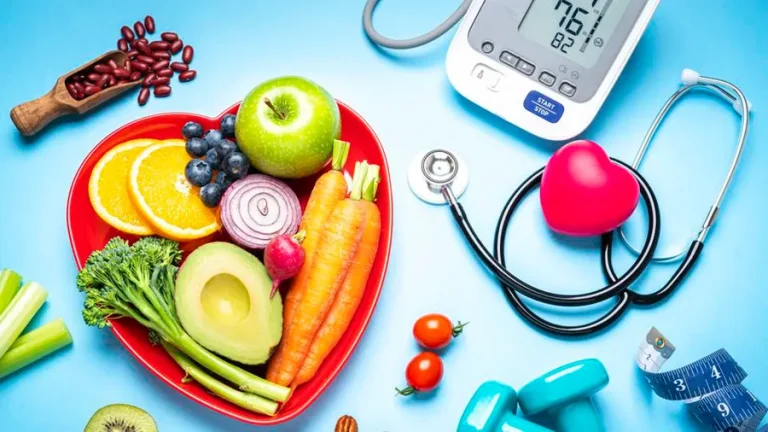
Blood pressure is the force that the blood exerts against the walls of arteries. The heart beats 60-70 beats per minute and each time it beats, it pumps blood into the arteries, which is when the blood pressure is at its highest and it rests between heart beats, when blood pressure is at its lowest.

Blood pressure is recorded as two numbers

  • systolic pressure – this is the pressure when the heart pushes blood out into the arteries (when the heart beats)
  • diastolic pressure – this is the pressure when the heart relaxes between beats

Blood pressure measurement is written as one number above or before the other, with the systolic number on top and the diastolic number on the bottom. For example, a blood pressure measurement of 120/80 mmHg (millimeters of mercury) is expressed verbally as “120 over 80.”

Important blood pressure facts

  • Blood pressure varies constantly due to many factors such as body temperature, diet, emotional stress, posture, exercise, health and medication/drugs
  • High blood pressure is called “the silent killer” because is has no apparent symptoms
  • Many people with high blood pressure do not realise they have this conditions
  • A high salt diet affects blood pressure by increase it

Measuring blood pressure

Measuring blood pressure is vitally important as high blood pressure does not often have any symptoms until it is too late and the person has a heart attack or stroke.

Blood pressure measurements for adults (mmHg):

Blood Pressure MeasureSystolicDiastolic
Normal< 120< 80
Pre-hypertensive120-13980-89
High Blood Pressure MeasureSystolicDiastolic
Stage 1140-15990-99
Stage 2> 160> 100


The table above shows the different blood pressure measurement for adults over 18 years of age.

Can d-Ribose reduce blood sugar

Question

Do you have any information on D-Ribose? I have slightly high blood sugar, and I am not currently taking any medications for this.

I’m looking for supplements that will naturally lower blood sugar levels to normal. I’m a runner and work out regularly, height/weight proportionate, and very healthy.

Answer

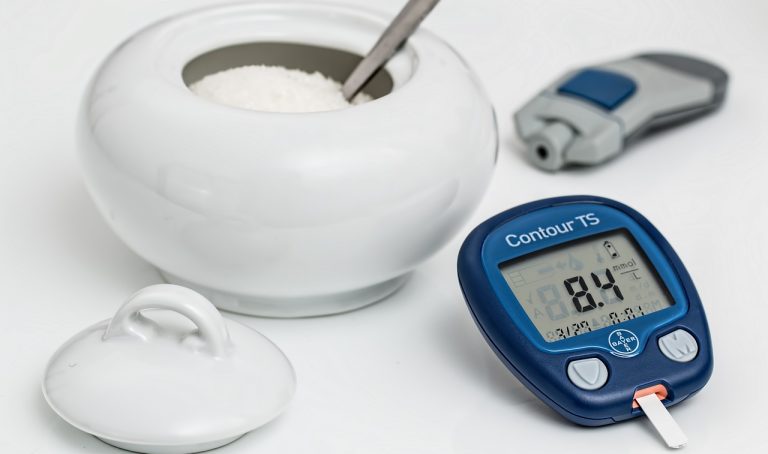
Blood sugar levels at a higher than normal level means that the pancreas is slightly overworked and is not able to produce enough insulin to use up the glucose from the food that is eaten.

Excessive levels of glucose occur when there is a higher intake of foods that are high GI (or have simple sugars that can be broken down very quickly by the body to produce glucose). You may be surprised to know that while fruits are really good for us, they are broken down very quickly in the body and produce glucose, which is the reason why nutritionists focus more on a higher proportion of vegetables compared to fruit in the diet.

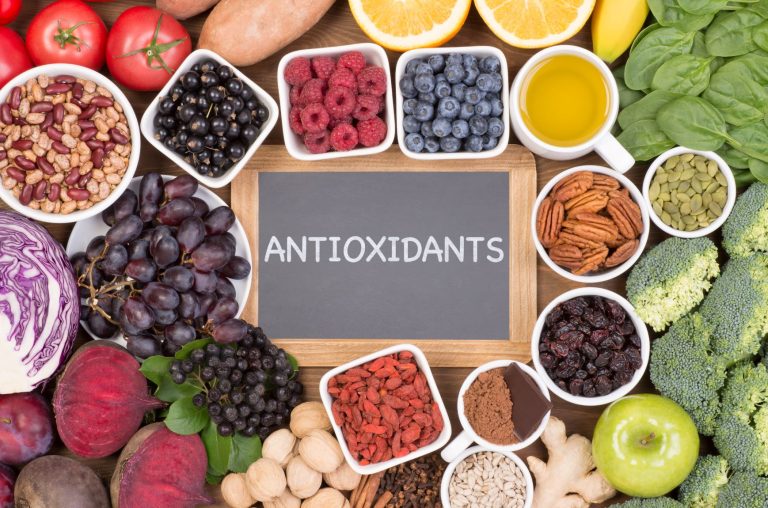
Your diet needs to incorporate 5-7 servings of vegetables each day together with 2-3 servings of fruit (these links take you to the foods groups and an understanding of what actually constitutes a serving), together with adequate amounts of legumes, seeds and nuts. Good quality protein should also be part of the diet, at every meal together with unsaturated fat (such as olive oil). The vegetables have many essential nutrients and especially antioxidants which help the body reduce the effect of free radicals which every person needs in their diet. Be careful not to eat too many processed foods, in which there are many sugars hidden in the ingredients list as they will be broken down very quickly in the body and released as glucose in the bloodstream.

I presume you mean deoxyribose when mentioning D-ribose. It is a part of DNA and a sugar unit but with one OH (hydrogen oxide) group being just H (hydrogen).

Being an athlete requires proper sports nutritional guidance. Please note you work out and that increases your nutritional requirements, so you need supplementation. I know that energy drinks aimed at people who go to the gym are high in sugar and perhaps you need to monitor what and how much sugar you are taking in. Also try to supplement with the 9 essential amino acids to support yourself after tougher physical exercise. Try eating more onions to lower your blood sugar while supplementing on calcium, magnesium, zinc, chromium and other micro-minerals. Do try be sure to have regular protein in healthy forms as structural damage during exercise requires replacement and plant proteins definitely stabilises our blood sugar levels.

Please note that the information provided is for educational purposes only and is not meant to diagnose or treat medical conditions. Consult with your medical physician regarding appropriateness of using supplements in your healing process.

Antioxidants

What are antioxidants?

Antioxidants are compounds that neutralise or destroy free radicals (oxidants) that are naturally created in the body when cells in the body burn oxygen to produce energy. Free radicals are also produced by pollution, stress, smoking, excessive exercise, drinking alcohol and other factors. Antioxidants are found abundantly in fresh fruits and vegetables especially, but also in some grains, seeds and herbs. Antioxidants contribute to good health by reducing the levels of free radicals in the body.

There are many antioxidants, the most common ones are:

Besides the above vitamins and minerals, there are many herb and other nutrients which are also potent antioxidants.

Important antioxidants facts

  • Antioxidants stop free radical damage to our bodies, especially to the DNA of our cells
  • Fresh fruits and vegetables have an abundance of antioxidant nutrients
  • Nuts, grains, some meats, poultry and fish also contain antioxidants
  • Antioxidants reduce the risk of cancer
  • Antioxidants slow down ageing
  • Antioxidants have a protective effect on the heart
  • Antioxidants act as stabilisers by preventing the breakdown (oxidation ) of polyunsaturated fatty acids such as essential fatty acids in oils and in the body

Why antioxidants are important

Antioxidants are important because they reduce the amount of free radicals in the body. Free radicals can clog arteries and contribute to cancer, diabetes, and other diseases. Free radicals also cause ageing to be accelerated.

By reducing the amount of free radical, antioxidants reduce the effects they produce and reduce any potential cellular damage that may otherwise occur.

Our bodies need a constant supply of antioxidants in our diet to counteract the effects of free radicals that are produced every day, from a variety of sources.

Antibodies

What are antibodies?

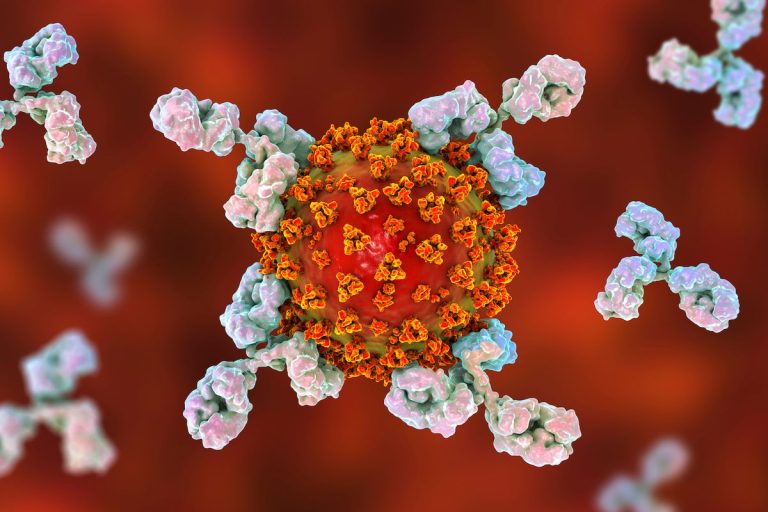
Antibodies are proteins that are present in the blood and other bodily fluids (such as interstitial fluid and lymphatic fluid). Antibodies are part of the immune system to identify and neutralise antigens such as bacteria, virus and fungii.

Antibodies are molecules in the blood or secretory fluids which identify, destroy, or neutralise bacteria, viruses, or other harmful pathogens (foreign invading substances). They are members of a class of proteins known as immunoglobulins, which are produced and secreted by B lymphocytes in response to stimulation by antigens. An antibody is specific to a particular antigen and will recognise it if it comes into contact with it.

Circulating in the blood and in tissues, antibodies bind to toxins to remove them by forming easily recognised antibody-antigen complexes which are phagocytosed (engulfed and destroyed) in the liver and elsewhere in the body.

Important antibodies facts

  • The ability of antibodies to recognise a specific antigen is an important characteristic of antibodies
  • Immunity (from illness) is acquired through the production of antibodies
  • Antibodies are one of the two important antigen recognition molecules of the immune system

Why antibodies are important

Antibodies are essential to providing immunity and sustaining health and resisting disease caused by virus, bacteria, fungii.

There are five different classes of antibodies or immunoglobulins (Ig) known as IgD, IgA, IgM, IgE and IgG. There are four subclasses of IgG and two sublcasses of IgA.

The first exposure to an antigen (bacteria, fungus, virus) will initiate a primary response that initiates the production of IgM antibodies first, and then IgG antibodies. Further exposure to the same antigen will initiate a secondary response and the main antibodies produced quickly and in large numbers are the IgG antibodies.

Stressed, inflamed veins and at risk of stroke

Question

I have been stressed for about a year and would like to know what damage has this done to my body?

My doctor just told me to drink water, and wasn’t concerned. I didn’t think much of that as a solution. After a blood test I am told that my veins are inflamed, and I am at risk of a stroke. I am 115 lbs 5’1″ and I eat as much fruits and veggies as I can, I take a multivitamin and my diet is full of low carbohydrates.

What should I do besides getting a second opinion?

Answer

To begin you probably require another opinion and it is not safe to make recommendations without knowing your full medical history. However, to guide you along the way you have been very wise in selecting fruits and vegetables! They are our prime vitamin C sources and this is vitamin that has a role in an anti-inflammatory diet. What you can do is avoid all meats such as the red meats and chicken skin to avoid any omega 6 fatty acids. Omega 6 is converted to prostaglandins that are pro-inflammatory. Try seek fatty fish (mackerel, salmon, sardines, trout) to gain omega 3 fatty acids, which are anti-inflammatory by inhibiting those pro-inflammatory prostaglandins. Prostaglandins are essential and needed hormone like substances, but at levels that are balanced.

A great anti-inflammatory and anti-coagulant (to prevent strokes) is an enzyme named bromelain. This comes from pineapple, especially the stem and it may be of great aid for you. Phlebitis (inflammation of the veins) can be assisted by aloe vera, as this plant is anti-inflammatory. Then do try find one without the aloin to avoid the laxative effect that can come with aloe vera preparations. Aloe vera will additionally support the immune system and digestion, which are compromised when we are under strain/stress.

Do try get to the source of your stress. If it is your lifestyle, aim for stress management. In the mean time, rescue homeopathic drops or tablets can be of aid with guidelines, such as avoid coffee when taking homeopathic medicine. Coffee destroys the effectiveness of the subtle medicines. Chamomile tea may help with stress. Generally there are many herbal preparations for stress.

Whenever we are under any type or form of stress our nutritional requirements increase so do keep up on the multi-vitamin supplementation. Low carbohydrates is fine but having complex carbohydrates such as whole oats and brown rice is supportive. Oats are energy building foods and support times of stress, indeed oat tinctures have been utilised for nervousness, stress and strain. Do allow yourself to have nourishing complex carbohydrates in whole foods and take time for yourself!

Always listen to your body and if you feel you need attention do seek it, even second opinions.

Please note that the information provided is for educational purposes only and is not meant to diagnose or treat medical conditions. Consult with your medical physician regarding appropriateness of using supplements in your healing process.
Allergies

What are allergies?

An allergy is an excessively exaggerated immune response or reaction to a substance that is generally not harmful to most people.

Allergic reactions can vary from a mild one to the very severe. Interestingly, some children grow out of their allergies, while others do not.

People with allergies are often sensitive to more than one substance. The most common substances that often cause allergic reactions are:

  • Food
  • Insect stings
  • Dust mites
  • Pollen
  • Medicines
  • Mould spores
  • Pet dander
  • Jewellery
  • Chemicals
  • Plants
  • Cosmetics

Important facts about allergies

  • Allergies are quite common in the general populace
  • Some people experience allergies so severe that they are life threatening and require medical intervention in order not to expire
  • Anaphylaxis is a severe allergic reaction, which if left untreated could mean the person may die (adrenaline is usually the first line of treatment for people with anaphylaxis)
  • Both genetics and environmental factors play a role in whether or not a person will get allergies at any time in their life
  • Some medical conditions such as eczema and asthma, are linked to allergies

Why allergies are important

Allergies can cause the following symptoms:

  • runny nose
  • sneezing
  • itching
  • rashes
  • swelling
  • asthma (this is a more serious allergic reaction)

The part of the body that is in contact with the allergen is what has an impact on the symptoms that develop.

  • Food allergies can cause nausea, vomiting, diarrhoea, abdominal pain, cramps
  • Allergens that are breathed in, can cause a blocked and itchy nose, itchy throat, excessive mucous, coughing and even wheezing
  • Drug allergies often affect most of the body and can have a whole variety of symptoms
  • Allergies to plants and cosmetics, often cause a skin rash on the site of application

Symptoms of allergies vary among person to person in their severity. Even at their worst, allergies generally will not kill you, although they will make you feel bad. However, some people can experience a really rare and extreme allergic reaction (called anaphylaxis) which is very much life-threatening. Anaphylaxis is normally treated with adrenaline.

Acetylcholine

What is acetylecholine?

Acetylcholine is a chemical neurotransmitter which is released by the nerves in the central nervous system (brain and spinal cord) as well as by nerves in the peripheral nervous system.

Acetylcholine is a neurotransmitter that allows nerves to communicate with each other and also with other cells of the cells of the body.

Acetylcholine is released from a nerve ending (terminal) through the gap (synaptic cleft) between two nerve cells and carries information across this gap to the other cell.

Acetylcholine is released from the ends of certain types of nerve cells when they are stimulated. It transmits a signal to an adjacent (target) nerve or muscle cell by binding to receptors on the target cell surface.

Important acetylcholine facts

  • choline, a B-vitamin co-factor is important in the synthesis of acetylcholine
  • neurons that synthesise and release acetylecholine are called cholinergic neurons
  • muscle tissue stimulation is especially reliant on acetylcholine
  • acetylcholine is severely reduced in the brains of persons with Alzheimer’s disease
  • acetylecholine is important in cognition and especially in memory and learning
  • there is some evidence that increased dietary choline can increase both the production and use of acetylcholine
  • an imbalance between acetylcholine and dopamine is associated with some of the symptoms of Parkinson’s disease
  • acetylcholine was the first neurotransmitter identified

Why acetylcholine is important

Low levels of acetylcholine in the brain and nerve cells can produce the following symptoms:

  • depression
  • low energy
  • fatigue
  • inability to think clearly
  • slow reflexes
  • poor memory
  • nervousness
  • anxiety

The symptoms above disappear once the body get adequate levels of acetylcholine (usually through the diet in the form of foods high in choline).

There is some evidence that when supplements of acetylcholine are used, energy, mood and brain function improve quite dramatically.