Epinephrine (adrenaline)

What is epinephrine (adrenaline)?

Epinephrine (or adrenaline) is a neuro-hormone that is produced and secreted by the medulla (inner part) of the adrenal glands in direct response by nervous stimulation. Epinephrine is not only a hormone, but it is also one of the important neurotransmitters that is used by the nervous system to send messages to other nerves and muscle tissue.

Epinephrine the hormone, is produced by the adrenal glands when the body is faced with a stressful (or even life-threatening) situation that causes them to either stand and fight or get away – this is called the “flight or flight” response, which is the way humans react when they are frightened and possibly in danger.

Epinephrine causes blood pressure to raise, the heart rate to beat faster, increased metabolism and blood glucose levels, increased energy production and blood flow to the extremities is also increased.

Important epinephrine (adrenaline) facts

  • Most cells of the body are affected by epinephrine (when it is stimulated to be produced)
  • Epinephrine is a neurotransmitter of the adrenergic nervous system
  • The amino acid tyrosine is a precursor which is necessary for the synthesis of Epinephrine
  • Cholesterol is also required to synthesize Epinephrine
  • Constant levels of stress can elevate Epinephrine levels, which may not be advisable over the long term
  • Exercise burns off excess epinephrine (as well as allowing muscles to reduce tension and stress, by providing an outlet for the release of excess energy)
  • Epinephrine, in the short term, to deal with a dangerous or stressful situation is necessary and beneficial as it makes you feel more alert, awake and aware
  • Epinephrine is an excitatory neurotransmitter involved with alertness and mental focus
  • Epinephrine stimulates the body systems to prepare to “fight or flight”, which is a well-known human preservation reaction to any dangerous situations

Why epinephrine (adrenaline) is important

Epinephrine is injected to treat life-threatening allergic reactions caused by a variety of substances: chemicals, fods, insect bites, latex, medication and other items.

Symptoms of allergic reactions include:

  • Diarrhoea
  • Hives
  • Itching
  • Loss of bladder control
  • Low blood pressure
  • shortness of breath
  • stomach cramps
  • swelling
  • wheezing

Epinephrine as a medication is called a sympathomimetic agents, which works by relaxing the muscles in the airways and also by tightening blood vessels to allow recovery from the allergic reaction.

Oesophagus

What is the oesophagus?

The oesophagus/esophagus (or gullet) is a long, muscular tube that connects the throat, specifically the pharynx, with the stomach. The oesophagus is located between the trachea (windpipe) and spine.

The oesophagus moves food down by a contraction and release pattern called peristalsis. This peristalsis action allows the swallowed food to be moved into the stomach for digestion. Since the oesophagus is lined with glands that produce mucous, the whole tube is always moistened and this assists with swallowing and peristalsis.

Important oesophagus facts

  • In adults, the oesophagus is about 25cm (10 inches) long
  • Heartburn (acid reflux) is caused by stomach acid refluxing or splashing up into the oesophagus

Why the oesophagus is important

There are several layers of tissue that make up the oesophagus – which makes up its strength and enables the effective peristalsis action that it performs on a daily basis.

Electrolytes

What are electrolytes?

Electrolytes are substances that become electrically charged when they are in a solution (the fluids of the body).

Some common electrolytes are:

* The three main electrolytes are chloride, potassium and sodium.

Important electrolytes facts

  • The kidneys work hard to ensure there are correct levels of all the electrolytes in the body
  • The electrolytes help to balance blood pH
  • The electrolytes manage body fluid levels in and around the cells

Why electrolytes are important

Electrolytes are important for normal functioning of the cells, tissues and organs in the body and they need to be in a correct balance to achieve this.

Electrolytes are also important as they are used to main electrical voltage across cell membranes, to allow nerves to carry electrical impulses and to allow musces to contract.
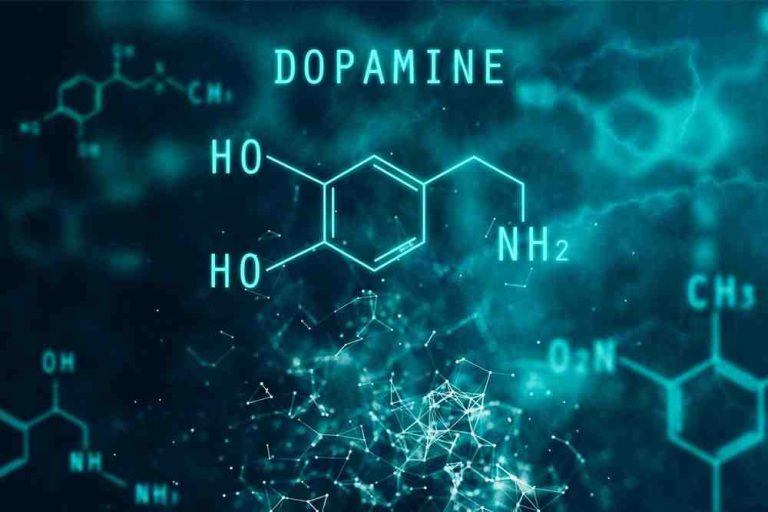
Dopamine

What is dopamine?

Dopamine is a monoamine neurotransmitter which is produced in the brain. It is mainly synthesised in parts of the central and peripheral nervous systems, such as the hypothalamus, the arcuate nucleus and the caudad.

Dopamine plays a role in enabling or regulating healthy thought processes, movement, balance, emotional response, and the ability to feel pleasure and pain.

Important dopamine facts

  • Tyrosine is a precursor to enable synthesis of dopamine
  • Dopamine itself is a precursor to the two neurohormones epinephrine and norepinephrine
  • Dopamine has similar actions to adrenaline – it increases heart rate and blood pressure
  • Dopamine has an influence on cognition and memory
  • Dopamine is associated with the pleasure system of the brain, which motives a proactive behaviour by reinforcing feelings of enjoyment and happiness when certain activities are performed

Why dopamine is important

Dopamine plays a major role in the central nervous, hormonal, renal and cardiovascular systems.  Studies show dopamine control processes as diverse as movement to addiction.

In addition to being a neurotransmitter, dopamine is also a neurohormone, which functions to inhibit release of the hormone prolactin (which regulates milk production) from the anterior pituitary.

DNA

What is DNA?

DNA (deoxyribonucleic acid) is the hereditary material in the nucleus of all cells in the body. While almost all DNA is located in the cell nucleus, a small amount of DNA is found in the mitochondria. Nearly every single cell in the body has the same DNA.

DNA contains information which is used in everyday metabolism inside the body, as well as for cell growth and division, and it influences most of your particular characteristics.

Important DNA facts

  • There are 23 pairs of genes in the DNA (46 in total), half of which come from your father and the other half from your mother
  • The DNA is called a “double helix”, which is the two strands of 23 chromosomes wrapped around each other
  • DNA is so tightly coiled that amazingly, about 1.8 metres of it is able to fit into the nucleus of a human cell

Why DNA is important

DNA is divided into 23 pairs of functional units of genes which carry the instructions for every part of the body. There is a gene that tells the body what colour the eyes should be, another for hair colour and so on. Each gene is a code for a particular protein, which make up the body. The genes in DNA dictate how you are created and what your body will look like.

The information contained within DNA is passed from one generation to the next – that is why some illness are deemed to be “hereditary”. Even still, there is debate about how much a person’s gentic makeup is due to inheritance and defined by DNA (nature) and how much of an influence the environment (nurture) is.

Creatine

What is creatine?

Creatine is a protein found in all skeletal muscles, which supplies energy to the muscles when they require it – when muscles need to contract it provides them with power and energy.

Most of the creatine in the body is inside the skeletal muscles, with a very small amount found in the heart, brain and testes (in males).

Creatine can be either synthesised within the body from certain amino acids, or it can be supplied in the diet from protein foods.

Important creatine facts

  • Creatine is naturally a part of skeletal muscles
  • Half of the creatine in the body is synthesised from three amino acids – arginine, glycine and methionine
  • The liver is the where most of the creatine is synthesised (some is also synthesised in the pancreas and kidneys)
  • Creatine is one of the nutrients contained in protein powders

Why creatine is important

Creatine is important as it allows skeletal muscles to perform properly in activities such as walking, running and other forms of physical activity.

Creatine enables muscles to recover quickly from physical exertion, it increases muscles strength, size and activity and drives muscles to perform longer and better.

Due to its beneficial effects on skeletal muscles, creatine is popular with athletes, bodybuilders and people who exercise a lot – to help build muscles tissue and give extra endurance and performance in training.

Dietary fibre

What is dietary fibre

Dietary fibre is a group of plant foods that pass through the stomach and small intestine undigested and reach the large intestine (colon) basically unchanged. While most other nutrients get digested and absorbed in the small intestine, fibre does not.

Dietary fibre (or “roughage”) is a complex mixture of different parts, including the carbohydrate parts – cellulose, hemicellulose, gums, mucilages, pectins and the non-carbohydrate part – lignin.

Some dietary fibre, found in fruits and legumes are digested (fermented) by bacteria in the colon. Other dietary fibre, found in grains and vegetables are not easily digested, but are expelled out of the colon, which they move through.

Important dietary fibre facts

  • Fibres that are naturally intact in a plant are dietary fibre
  • Most dietary fibres are one of the complex carbohydrates
  • Insoluble fibre yields little if any energy, as it is not digested in the intestines

Why dietary fibre is important

The soluble dietary fibre in found in fruits and legumes provide protection against the following health conditions:

  • heart disease – by lowering blood cholesterol levels
  • diabetes – by lowering blood glucose levels

The insoluble dietary fibre found in grains and vegetables provides protection against the following health conditions:

  • constipation – by promoting healthy bowel movements
  • heart disease – by lowering blood cholesterol levels

Collagen

What is collagen?

Collagen is a type of connective tissue that provides strength of the tissue. Collagen is a protein. Collagen is plentiful in the body – it makes up 25% of all the protein in the body.

Collagen makes up a large part of the extracellular matrix between cells, which gives cells structure from the outside. In addition to this, collagen is found inside some cells too. Collagen basically holds the body together – it is the building block of the body.

Collagen is a major constituent in the skin, bones, ligaments, tendons, teeth, cartilage and fascia.

Important collagen facts

  • Collagen is responsible for skin elasticity and strength
  • Collagen makes up about 75% of the skin
  • Collagen deficits in the skin leads to wrinkles (a symptom of ageing)
  • Collagen is a very strong connective tissue
  • Collagen strengthens the walls of blood vessels

Why collagen is important

Collagen is so important for the body as it is such a large constituent (about 25%) of the protein in the body. It is part of almost every single tissue in the body.

Collagen is made up of many amino acids, the two most predominant are: glycine and proline and requires vitamin C to enable it to function effectively.

Collagen basically is the building block of the body, that which holds the body tissues together.

Neurotransmitters

What are neurotransmitters?

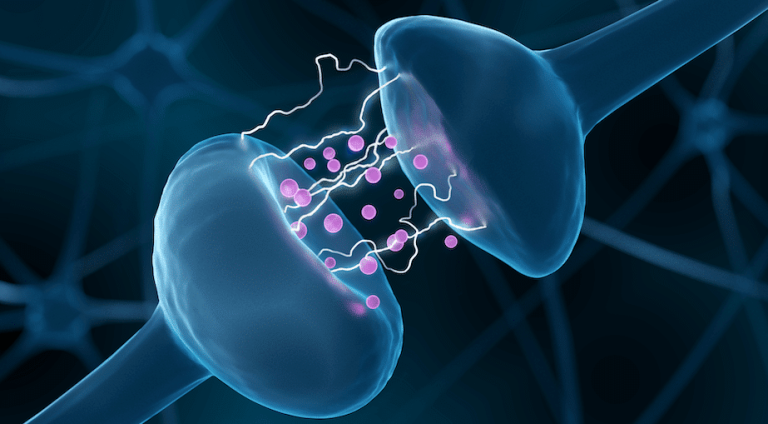
Neurotransmitters are chemicals that transmit signals from one nerve cell (neuron) to the next across synapses. Neurotransmitters have a wide variety of roles in many of the processes in the body.

There are two types of neurotransmitters – excitatory and inhibitory.

Dopamine is considered both an excitatory and inhibitory neurotransmitter.

Important neurotransmitters facts

  • The brain uses neurotransmitters to tell the stomach to digest food, the heart to beat and the lungs to breathe
  • Neurotransmitters are chemicals that transfer messages between different brain cells

Why neurotransmitters are important

The brain uses neurotransmitters to tell your heart to beat, your lungs to breathe, and your stomach to digest.  They can also affect mood, sleep, concentration, weight, and can cause adverse symptoms when they are out of balance. Neurotransmitter levels can be depleted many ways.

Inhibitory neurotransmitters

GABA

  • nature’s natural relaxer
  • balances high levels of excitatory neurotransmitters
  • low levels of GABA could lead to anxiety

Dopamine

  • helps with depression
  • regulates mood
  • low levels of dopamine make the brain fuzzy

Serotonin

  • balances and stabilises mood
  • regulates carbohydrate cravings, sleep cycle and pain control
  • signals fullness to stop eating
  • balances high levels of excitatory neurotransmitters
  • low serotonin levels be link to lowered immunity

Excitatory neurotransmitters

Acetylcholine

  • Controls muscle movement

Dopamine

  • enables better mental focus and clarity of mind
  • responsible for high energy, motivation, hunger regulation and sex drive
  • low levels of dopamine make the brain fuzzy
  • responsible for motivation and the desire to complete projects / activities / tasks

Epinephrine

  • reflective of high stress levels
  • regulates heart rate and blood pressure
  • long-term stress/insomnia causes epinephrine levels to be depleted

Glutamate

  • helps to regulate mood
  • plays a crucial role in learning and memory
  • abnormal levels can contribute to diseases such as Huntington’s disease, Alzheimer’s disease, and amyotrophic lateral sclerosis (ALS)

Norepinephrine

  • helps to make epinephrine
  • can cause anxiety at elevated levels
  • low levels are associated with low energy, inability to focus and sleep problems

Coenzymes

What are coenzymes?

Coenzymes are organic molecules that are not proteins like enzymes, but still play a role in reactions that enzymes act as catalysts.

Many enzymes are involved in oxidation-reduction reactions. These reactions are essential for providing energy for all of the cells in the body.

Important coenzymes facts

  • Most of the most important coenzymes are vitamins or vitamin co-factors, especially of the B-vitamins
  • Water-soluble vitamins function as coenzymes
  • Vitamins appear to be precursors to coenzymes
  • The most well-known coenzyme is coenzyme Q10

Why coenzymes are important

Coenzymes are vitally important to enable many enzymes to catalyse and be active.

Many coenzymes, which are small organic molecules, are derived from vitamins.