Haemoglobin

What is haemoglobin?

Haemoglobin (also written as heamoglobin) is a protein in red blood cells that carries oxygen from the lungs to every cell in the body via the arteries.

Haemoglobin is made up of:

  • Haeme (or heme) – contains iron ions and
  • Globin – contains serum proteins

Important haemoglobin facts

  • The iron in haemoglobin is responsible for the red colour of blood
  • Low haemoglobin levels in otherwise healthy individuals normally indicate some type of anaemia

Why haemoglobin is important

Haemoglobin is important as it allows all cells to breath. Without oxygen the cells would die.

Normal levels of haemoglobin in adults are:

  • Male: 13.8 to 17.2 gm/dL
  • Female: 12.1 to 15.1 gm/dL

Glucose

What is glucose?

Glucose is the simplest forms of all sugars and that which all types of sugars are broken down into. Glucose is a monosaccharide.

The bloodstream carries glucose to every single cell in the body which they use as an energy source. The cells need insulin to unlock them and allow the glucose inside.

The makes its glucose mainly from carbohydrates (other monosaccharides, disaccharides and polysaccharides) as well as from fats and proteins if it really needs to.

Important glucose facts

  • The brain has an intensive requirements for glucose for its energy needs
  • Insulin is required to unlock cells so that they can accept glucose
  • Glucose is known as a monosaccharide (the other two are fructose and galactose)
  • The body needs a constant supply of glucose each day to enable all the cells to work properly
  • Blood glucose levels can be tested through a simple blood test

Why glucose is important

Glucose is vital to keep the body running properly. Without glucose the body cannot survive for long (even if it breaks down fats and protein for its energy source).

A problem with glucose metabolism can lead to type 2 diabetes.

There are several blood glucose test that can be done, which test levels of glucose in the blood. This test is normally performed in the morning before any food has been eaten – fasting blood glucose levels. The following table shows blood glucose levels for pre-diabetes and diabetes as well as healthy blood glucose levels:

Fasting blood glucose
Normal glucose tolerance (healthy)70 to 99 mg/dL
(3.9 to 5.5 mmol/L)
Impaired fasting glucose (pre-diabetes)100 to 125 mg/dL
(5.6 to 6.9 mmol/L)
Diabetes> 126 mg/dL (7.0 mmol/L)

Free radicals

What are free radicals?

A free radical is a highly reactive compound that releases excess energy. These compounds are present in the human body and occur during normal metabolic reactions, and may also enter in from the environment. Free radicals can come from the sun, solar flares, x-rays, cigarette smoke, alcohol, exhaust, chemicals and the ozone.

Free radicals interact with chemicals in your body, preventing normal cell functions, which can lead to many problems and can lead to cancer and heart disease.

To be able to prevent the damage caused by free radicals, you need to have enough antioxidants in your body to fight them back.

Free radicals damage the body by a process called oxidation (which means to lose electrons), which makes them unstable. Antioxidants give up one of their electrons to the free radicals, to stabilise them and therefore neutralise them.

Important free radicals facts

  • Antioxidants scavenge for free radicals and either prevent, neutralise or kill them
  • Free radicals are damaging to health and even cause premature ageing
  • Free radicals can cause permanent damage to the cells of the body and can even mutate DNA which is how cancer forms
  • Free radicals change the structure of LDL cholesterol, making it even more sticky and dangerous, thereby enabling it to clog arteries even more
  • Many plants naturally produce antioxidants, which are very beneficial for preventing damage from free radicals

Why free radicals are important

People who are exposed to environmental free radicals (pollution, chemicals, cigarette smoke, excessive sun, heavy metals) should supplement their body’s antioxidant levels to protect the body cells from more damage.

Antioxidants are naturally available in all plant foods (especially fruits, vegetables, but also grains, seeds, legumes) and consuming enough of these each day will go a long way to protecting the cells in the body and reducing the level of free radicals in the body.

Fluid retention

What is fluid retention?

Fluid retention (oedema) happens when fluid isn’t removed from tissues in the body by the kidneys and urinary system, instead it just accumulates excessively and swelling occurs.

The lymphatic system, which is a network of vessel, tissues and organs which is involved in the transport of substances, such as fluid in and out of cells. The urinary system, which includes the kidneys excretes the excessive fluids out of the body and the hormone that controls fluid in the the body is aldosterone, one of the hormones associated with the adrenal glands on the kidneys.

Fluid retention is defined as being:

  • Generalised oedema – swelling throughout the whole body
  • Localised oedema – when only particular parts of the body are affected by the swelling

Important fluid retention facts

  • Fluid retention is a common symptom for women with premenstrual syndrome (PMS) or premenstrual dysphoric disorder (PMDD)
  • Dietary intake of potassium may assist with reducing fluid retention as it helps the body excrete more water and reduce the amount of fluid retained
  • Foods rich in potassium include bananas, leafy green vegetables, vegetables and fruits in general
  • People with fluid retention should avoid foods high in the mineral sodium as it increased the amount of fluid retained in the body. Foods that are exceedingly high in sodium are processed foods
  • People with kidney disease often experience fluid retention as the kidneys are involved in removing excess fluids out of the body and if they are not functioning correctly, this can result in fluid retention
  • People with heart disease often experience fluid retention

Why fluid retention is important

Generally, most causes of fluid retention happen for a variety of reasons:

  • a reaction to hot weather
  • high salt (sodium) intake
  • the adrenal hormone aldosterone, which is associated with the amount of fluid the body retains
  • the hormones associated with the menstrual cycle

Most cases of fluid retention are not serious, but in some cases, fluid retention can also be symptomatic of serious medical conditions such as heart, kidney or liver disease.

Flu vaccine

What is the flu vaccine?

The flu (influenza) is a viral infection that affects the nose, throat and lungs which affects from 5-20% of people all over the world each year, mostly during winter.

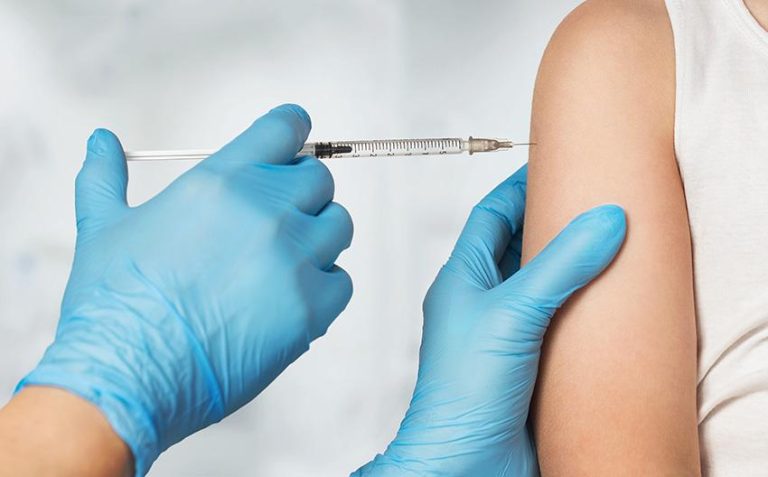
The flu vaccine is an inactivated vaccine – this means it contains influenza virus that is not alive. This is injected into the upper arm to stimulate the immune system to produce antibodies to the influenza virus. The injected person’s immune system produce antibodies that attack and kill the virus and provide more memory antibodies to attack and kill the virus if the person is further infected later, so that they do not become as ill and often do not actually get a flu infection at all.

The flu vaccine was developed because many people get very sick from the flu, have to miss work or school, others need hospitalisation for the symptoms they develop, while some even die from it and other complications that arise from it. The flu vaccine can prevent this.

Important flu vaccine facts

  • Flu vaccine should be given in late summer/early autumn to be really effective
  • Many work places provide free (or really cheap) flu vaccines for those not eligible to get it for free
  • Each year, different strains are added to the flu vaccine, depending on the flu strains that are in circulation at the time
  • The flu vaccine prevents flu infection in about 70%-90% of healthy adults under 65 years
  • People with a severe allergy to eggs should not get the flu vaccine – talk to your doctor about what you should do

Why the flu vaccine is important

Flu vaccine (the flu shot) is recommended for people who are more likely to get really sick from the flu if they get it as they are more susceptible to getting complications (such as pneumonia) from the flu if they catch it. The flu vaccine provides some immunity and lessens the symptoms of the flu if a person gets it.

The following groups of people are recommended to get the flu vaccine:

  • People over 65 years of age
  • People with chronic heart and lung conditions
  • Babies and toddlers from 6 months – 5 years
  • Healthcare workers
  • Nursing home residents

National Immunisation Program Schedule in Australia provides a free influenze vaccine for people aged over 65 and for Aboriginal and Torres Strait Islander people 15-49 with health risks, and for those over 50.

How effective the flu vaccine is, depends on a few factors:

  • the match between the virus strains in the vaccine and the virus strains that are infecting people the season
  • the health and age of those getting the flu vaccine

Flatulence

What is flatulence?

Everybody has gas – burping or passing gas through the rectum is perfectly normal.

Most of the gas passed is odourless. The odour in gas comes from the sulphur produced by bacterial fermentation in the large intestine.

Gas can cause bloating and pain for some people. The amount of gas created and how sensitive the person is to the gas is what effects the level of discomfort.

Important flatulence facts

  • People can normally pass approximately 14 passages of gas every 24 hours
  • Passing gas is considered normal and healthy
  • Burping is also referred to as passing wind
  • Flatulence is also known as farting
  • Swallowing air when eating is a common cause of gas

More about flatulence

Some foods cause more flatulence than others. If you are experiencing a lot of gas, you may try reducing the following foods:

  • beans – all types
  • cabbage, cauliflower, brussels sprouts, broccoli
  • some fruits – peaches, pears, apples
  • wholewheat and bran
  • soft drinks (soda)
  • milk and milk products

Fat

What is fat?

Fat is one of the necessary macronutrients (along with protein and carbohydrates) which is required in sufficiently large quantities each day.

Fats, which are chemically known as lipids, are defined as being one of the following:

  • Triglycerides – can be saturated (from animal sources) or unsaturated (from plant sources)
  • Phospholipids – similar chemical structure to triglycerides, are the main component of cell membranes
  • Sterols – cholesterols from animal sources and phytosterols from plant sources

Important fat facts

  • About 30% of the diet should come from fat
  • Some saturated fat is necessary in the diet, but should not be the main constituent of all fat intake
  • Some cholesterol is necessary in the diet, for a variety of purposes

Why fat is important

There are a great many reasons why fat is necessary and important in the diet:

Enzymes

What are enzymes?

Enzymes are proteins that act as catalysts – they are required in order to cause some type of reaction. Enzymes are made up of long chains of amino acids joined together by peptide bonds.

Enzymes perform a vital function by controlling the metabolic processes whereby nutrients are converted into energy and fresh cell material. Enzymes also are the catalyst that help to break down food ingested into its simplest form.

Some examples of enzymes:

  • amylase – an enzyme that breaks down carbohydrates as soon as they are eaten
  • pepsinogen – an enzyme in the stomach that activates pepsin
  • gastric lipase – an enzyme in the stomach that has a minor action on digesting fats

Important enzymes facts

  • Enzyme activity is affected by: temperature, blood and tissue pH, chemical environment
  • Enzymes are quite specific about which reactions they act as catalyst
  • Many drugs and poisons inhibit enzymes from carrying out their normal activity

Why enzymes are important

Cells use enzymes to grow, reproduce and create energy, and they often remove enzymes out of their cell walls too.

Enzymes allow the cells to carry out all the necessary chemical reactions inside them. Without the enzymes, cells would not survive long.

Endoscopy

What is endoscopy?

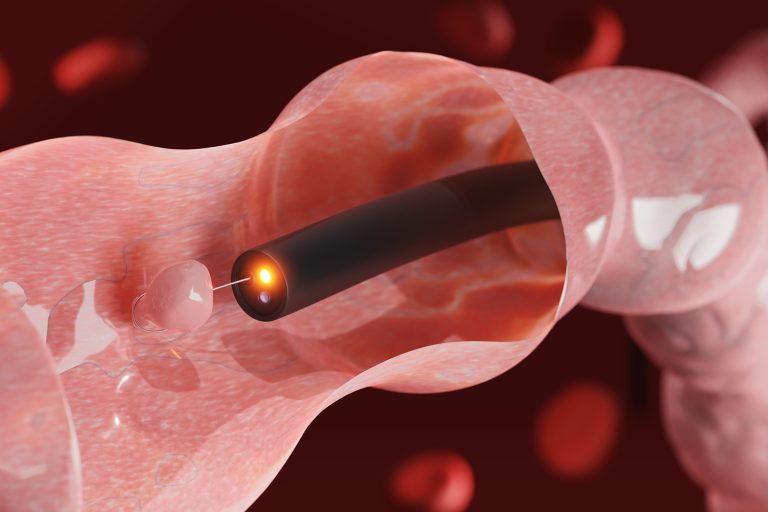
Endoscopy is a medical procedure that allows a viewing of either the upper or lower gastrointestinal (GI) tract with an endoscopy.

The endoscope is a long, flexible tube with a light and camera at the end of it.

A gastroenterologist is the specialist doctor who performs both of the two endoscopy procedures:

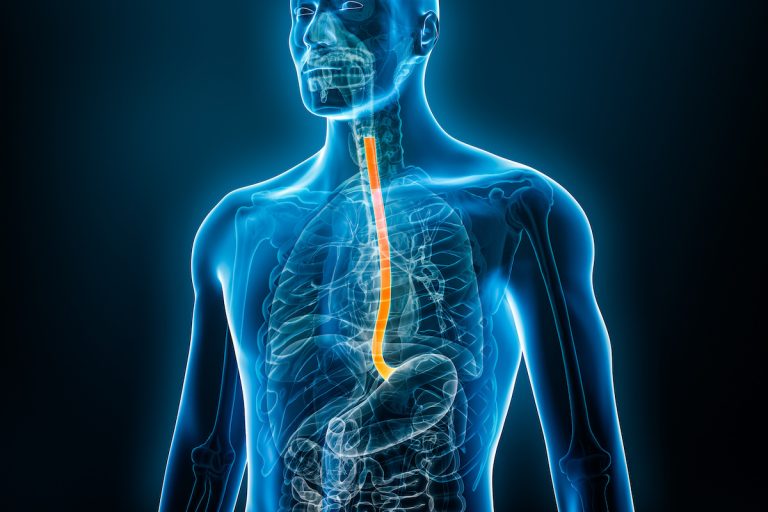
  • upper GI endoscopy – to view the oesophagus, stomach and duodenum (first part of the small intestine) the endoscope is swallowed; the patient is given a numbing throat spray and light sedation before the procedure
  • lower GI endoscopy – to view the colon (large intestine), the endoscope is inserted into the rectum; the patient is given a laxative and lightly sedated before the procedure

Important endoscopy facts

  • Endoscopy is used as a tool to definitely diagnose any type of ulcers (gastric, duodenal, peptic)
  • Endoscopy is a minimally invasive medical procedure
  • This procedure has a low risk of complications (usually less than 1%)

Why endoscopy is important

Endoscopy may be used to determine the reason for any number of physical symptoms:

  • abdominal pain
  • bleeding
  • indigestion
  • nausea
  • reflux
  • swallowing difficulties
  • vomiting

Norepinephrine

What is norepinephrine?

Norepinephrine is a neurotransmitter that is used by the sympathetic nervous system to send messages to other nerves and also muscle tissue.

Norepinephrine is also a hormone that is produced and secreted by the medulla (inner part) of the adrenal glands in direct response by nervous stimulation.

Norepinephrine causes blood pressure to rise, the heart to beat faster, increases metabolism and blood glucose levels, and increases energy production and blood flow to the extremities.

Important norepinephrine facts

  • The amino acid tyrosine is a precursor to norepinephrine
  • Dopamine needs to be synthesised to produce norepinephrine
  • Norepinephrine is known as a neurohormone as it acts as both a neurotransmitter and hormone
  • Norepinephrine is also known as noradrenaline
  • Norepinephrine is a neurotransmitter of the adrenergic nervous system
  • Norepinephrine stimulates the body systems to prepare to “fight or flight”, which is a well-known human preservation reaction to any dangerous situations

Why norepinephrine is important

Norepinephrine activates two types of cell membrane receptors:

  • A-receptors – contracts smooth muscle (except in the intestines)
  • B-receptors – relaxes smooth muscles; increases rate and force of heart muscle contractions

Norepinephrine is also an important neurotransmitter in many parts of the central nervous system, where it participates in blood pressure regulation, arousal and mood.