

Facts
Symptoms
Causes
Prevention
Complications
Diagnosis
Treatment
Alternative
Self care
References
References
Last reviewed and updated: 10 July 2024

Last reviewed and updated: 10 July 2024

Chronic obstructive pulmonary disease (COPD) is a long-term lung disease that makes it hard to breathe.
It happens when the airways (the tubes that carry air in and out of your lungs) become inflamed and narrowed and the air sacs (alveoli) in the lungs are damaged. This limits airflow in and out of the lungs. The damage is usually permanent and gets worse over time, progressively getting worse.
COPD is caused by two conditions:
People with COPD often feel short of breath doing everyday activities because their lungs can’t move air in and out as easily as in people with healthy lungs.
According to the Lung Foundation of Australia, around 1 in 13 people over 40 have COPD. Over 50% of those people have not been diagnosed with this condition, so they are not aware they have this disease. Indigenous Australians have a higher risk of developing this disease (2.2x more) than non-Indigenous Australians)
Early diagnosis and treatment can slow COPD progression. If you experience persistent cough, shortness of breath or increased mucous production, especially if you have risk factors like smoking history, consult a healthcare provider for proper evaluation and lung function testing.
In the early stages of COPD, symptoms are often subtle and may be mistaken for a cold, sinusitis, hay fever, mild respiratory infection, normal signs of aging or being out of shape:
As COPD progresses and gets worse, symptoms become more persistent and can interfere with daily activities:
In advanced COPD, symptoms are severe and significantly impact quality of life:
These are the main causes of COPD
Asthma and airway hyper-responsiveness
Emphysema causes:
Chronic bronchitis causes:
Understanding causes helps with prevention:
Most COPD cases are preventable. The single most effective way to prevent COPD is to never start smoking or to quit if you currently smoke. Even in people with genetic predisposition, avoiding smoking and avoiding other risk factors can dramatically reduce the likelihood of developing the disease.
If you have risk factors for COPD, especially a smoking history, talk to your healthcare provider about lung function testing (spirometry) to detect the disease early when interventions are most effective.
If COPD isn’t managed well, it can lead to the following very severe complications:
Pulmonary hypertension
Depression and anxiety
3. Sleep Disturbances
At any stage, COPD patients can experience exacerbations (flare-ups) with worsening symptoms:
COPD is diagnosed through the following assessments. Your doctor will decide which tests they will do after the initial assessment:
Medical history – Your doctor will begin with a detailed medical history, asking about:
Physical examination – The doctor will perform a thorough physical exam:
Spirometry (primary diagnostic test) – This is the gold standard for diagnosing COPD:
Based on FEV1 percentage of predicted normal:
While not diagnostic for COPD, it helps:
More detailed than X-ray and is useful for:
Measures oxygen and carbon dioxide levels in blood:
This blood test is recommended if:
Your doctor will rule out conditions with similar symptoms:
Typical diagnostic pathway:
Get evaluated if you have:
Early detection is crucial because:
Once diagnosed, regular monitoring includes:
Remember: If you have symptoms or risk factors for COPD, don’t wait. Early diagnosis and treatment can significantly improve outcomes and quality of life. Talk to your doctor about getting tested, especially if you’re a current or former smoker over age 40.
Treatment can’t cure COPD but it helps control symptoms and slow the progression from getting worse.
This is a supervised program of exercise, breathing training and education to improve quality of life. Your doctor needs to refer you. To be eligible in Australia, your doctor needs to confirm you have been diagnosed with COPD. There are Medicare rebates.
For people with very low oxygen levels and may be used at home.
In severe cases, surgery may be required.
Complementary approaches may help relieve symptoms and improve wellbeing, but they don’t replace medical treatment. Always talk to your doctor before trying them as they can interact with medications.
These techniques can help you breathe better and reduce shortness of breath.
This breathing exercise, helps you exhale air slowly and fully, preventing air from getting trapped in the lungs.
This breathing exercise, helps to strengthen the main breathing muscle — the diaphragm.
Although considered mainstream, it includes many holistic elements: exercise training, nutrition advice and psychological support.
Gentle exercise that improves breathing control, flexibility and relaxation.
These can help to support lung health. Always consult a doctor before trying any supplements as they can interfere and react badly with your medications. Don’t stop taking medications to try supplements.
This antioxidant vitamin may protect the lungs from oxidative stress
This antioxidant vitamin may protect the lungs from oxidative stress
This hormone-like vitamin is essential for lung health.
Vitamin E
This antioxidant vitamin may protect the lungs from oxidative stress
This antioxidant vitamin may protect the lungs from oxidative stress
This antioxidant vitamin may protect the lungs from oxidative stress
This mineral is one of the most important ones for relaxing muscles and calming the mood.
Ginger has anti-inflammatory and antioxidant properties. Study results are mixed but this could be due to the type, amount and strength of ginseng used in the studies. More studies are needed to confirm any benefits for COPD.
Ginger has potent anti-inflammatory and antioxidant properties that may support lung function and reduce inflammation.
Studies show echinacea supports and enhances the immune system. It may be beneficial to shorten the duration and intensity of respiratory infections.
Studies show elderberry may support immunity during infections. It may be beneficial to shorten the duration and intensity of respiratory infections.
some studies show it can ease breathlessness and improve exercise tolerance.
meditation and mindfulness reduce stress and improve coping.
Simple lifestyle actions can make a big difference:
This is the single most important intervention to slow the progression of COPD. Some of the ways you can help yourself quit:
Even gentle walking strengthens the lungs.
Make sure to eat mostly fresh, unprocessed foods.
Too much or too little can make breathing harder.
Maintain good sleep hygiene.
There can be a lot of stress when living with a chronic disease.
Avoid anything that irritates your airways and makes breathing more difficult:
Take the medications your doctor prescribes exactly as they recommend. This will help reduce the incidence of flareup.
Check on your symptoms regularly.
Try to stay germ free as infections can exacerbate symptoms and cause flare-ups.
When symptoms cause issues with daily activities, take your time and conserve your energy.
Join both online and in-person support groups or talk with others living with COPD. This will help you feel less alone and more connected to others experiencing the same illness as you.
Last reviewed and updated: 12 November 2025

RSV (respiratory syncytial virus) is a very common virus that infects the respiratory tract (the nose, throat and lungs).
It’s one of the main causes of bronchiolitis (inflammation of the small airways) and pneumonia in babies and young children.
Most people recover in 1–2 weeks, but it can cause serious illness in infants, older adults, and people with weak immune systems.
RSV spreads easily through droplets from coughs and sneezes or by touching contaminated surfaces.
Almost everyone in the world has been infected with RSV by age 2.
Symptoms usually appear 4–6 days after exposure and can range from mild to severe:
RSV is only caused by the respiratory syncytial virus, a single-stranded RNA virus.
There’s no guaranteed way to avoid RSV, but risk can be reduced by:
There are multiple complications of RSV.
Doctors diagnose RSV through:
There is no specific cure for RSV – treatment focuses on relieving symptoms:
Antibiotics are not used unless there’s a bacterial infection as well.
Always discuss complementary therapies with a doctor, especially for infants.
These are the evidence-based supportive therapies that may help recovery include:
You can help get over an RSV infection with some self care strategies.
Last reviewed and updated: 12 November 2025
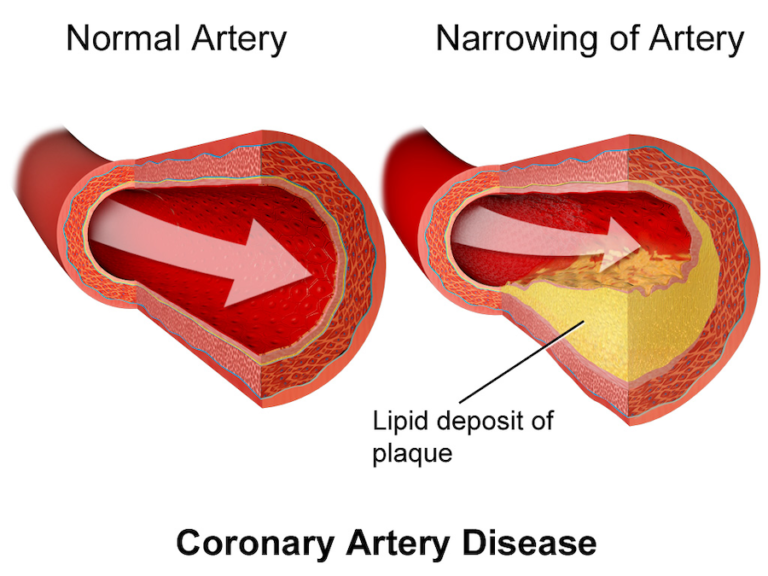
Coronary artery disease (CAD) occurs when the coronary arteries that supply blood to the heart muscle become narrowed or blocked, most commonly due to atherosclerosis – the buildup of cholesterol, fatty deposits (plaques) and inflammatory cells on the arterial walls. This process can lead to reduced oxygen delivery to the myocardium (heart muscle), causing angina, heart attack (myocardial infarction), and potentially heart failure if untreated.
CAD is the leading cause of death worldwide, responsible for around 17.9 million deaths per year globally (WHO, 2023).
CAD starts with the cells lining the blood vessels (endothelial cells) becoming damaged and unhealthy. This leads to impaired blood vessels. Smoking, high blood pressure, high LDH cholesterol, diabetes, obesity can all contribute to CAD developing.
When the inner lining of your blood vessels (called the endothelium) gets damaged from things like smoking, high blood pressure or too much cholesterol, it becomes a bit “leaky.” This lets bad cholesterol (LDL) slip into the wall of the artery.
Once inside, that cholesterol becomes damaged by oxygen (oxidised), which makes it harmful. The body sees this as a problem and sends in white blood cells (called macrophages) to clean it up. But instead of fixing the issue, the white blood cells fill up with the fatty cholesterol and turn into foam cells – like little fat-filled bubbles.
Over time, these foam cells pile up and form fatty streaks along the artery wall. As the process continues, more fat, cells and scar tissue build up, creating a plaque. This is a thick, hard lump that can narrow the artery and slow down blood flow to your heart, brain, lungs or other parts of your body.
As plaques grow, they narrow blood vessels or arteries, which reduces blood flow. If a plaque burst in the blood vessel, it triggers the body to form a blood clot at the rupture site as a way to repair the damage. This can lead to life-threatening blockage of the artery.
All of these require immediate medical attention. Call an ambulance 000 (in Australia).
The first common symptom of coronary artery disease often include:
Other common initial symptoms are:
These symptoms can indicate another health condition, so always consult your medical doctor if you’re experiencing any of these symptoms. Always call an ambulance on 000 (in Australia) if you suspect you’re having a heart attack. It’s better to have a false alarm than the alternative.
There are a number of risk facts that are associated with coronary artery disease:
Strategies you can use to reduce your risk of coronary artery disease – not everyone of these strategies applies to every person:
Coronary artery disease doesn’t just cause chest pain or tiredness. It can lead to serious and sometimes life-threatening problems when blood flow to the heart muscle becomes too restricted or completely blocked.
The complications depend on how severe the blockages are and how long the heart muscle is deprived of oxygen.
When your heart muscle doesn’t get enough oxygen during exertion, stress, or cold exposure, it causes pain or pressure in the chest (sometimes spreading to the arm, neck, or jaw). There are 3 types of angina:
Angina is an early warning sign that your heart isn’t getting enough oxygen and needs medical attention to prevent more serious complications.
A plaque in a coronary artery ruptures, causing a blood clot (thrombus) that suddenly blocks blood flow to part of the heart muscle.
The heart muscle begins to die (infarct) from lack of oxygen.
Symptoms
Quick treatment is critical – within 90 minutes if possible – to restore blood flow and limit damage to the heart.
If untreated, a heart attack can lead to heart failure, arrhythmias or death.
When parts of the heart muscle are damaged or weakened by repeated lack of oxygen (or a large heart attack), the heart can’t pump blood very well. Over time, the heart enlarges and becomes less efficient, leading to chronic breathlessness and reduced quality of life.
Symptoms
CAD is the most common cause of heart failure worldwide.
Abnormal heart rhythms can be caused by damaged heart muscle or electrical pathways from CAD. This can disrupt the heart’s normal rhythm. There are a few types of arrhythmias:
The risk of arrhythmias increase after a heart attack or when the heart’s pumping function (ejection fraction) is reduced.
The heart suddenly stops beating effectively, often due to ventricular fibrillation after a heart attack or severe arrhythmia.
Without immediate cardiopulmonary resuscitation (CPR) or defibrillation, sudden cardiac arrest is fatal within minutes.
CAD is the leading cause of sudden cardiac death in adults.
When a large portion of the heart muscle is damaged (usually after a major heart attack), the heart can’t pump enough blood to supply vital organs.
Symptoms
This is a medical emergency with high mortality unless treated rapidly in an intensive care unit.
The sac around the heart (pericardium) becomes inflamed, sometimes after a heart attack – known as Dressler’s syndrome.
Symptoms
Pericarditis can cause pericardial effusion (fluid around the heart), restricting its pumping ability if severe.
After a large heart attack, part of the weakened heart wall bulges outward, forming an aneurysm in a ventricle.
It can lead to heart failure, arrhythmias or blood clots inside the aneurysm that may cause stroke.
CAD and atherosclerosis often adversely affect the function and health of other arteries too — in the brain and legs.
These conditions share the same root cause – atherosclerosis – and increase overall cardiovascular risk.
After a heart attack or diagnosis of CAD, many people experience anxiety, depression or fear of exertion.
Emotional stress can worsen symptoms, increase heart rate and blood pressure and affect recovery.
Cardiac rehabilitation and psychological support significantly improve long-term outcomes.
Your doctor will diagnose your condition through:
Your doctor starts by asking questions to understand your symptoms and risk factors, such as:
This information helps the doctor estimate your likelihood of having CAD before ordering further tests.
A physical exam may include:
These physical clues can suggest how well your heart and cardiovascular system is working.
Blood tests help identify risk factors and detect evidence of heart stress or injury.
This test checks total cholesterol, LDL (bad), HDL (good), triglycerides. It’s important to see if there is high LDL cholesterol as it increases risk of plaque buildup.
This test measures the level of inflammation in the body. It’s a good all-round test to check for any type of inflammatory illness. Chronic inflammation contributes to coronary artery disease and atherosclerosis.
This test checks for diabetes or pre-diabetes as diabetes can speed up artery plaque damage.
This is a cardiac enzyme. It is released after
Blood clots don’t release troponin – it is a protein found in heart muscle cells. It is the strain and potential damage to the heart caused by the clot that leads to the release of troponin.
This test checks overall health and is important before any imagine or medications are prescribed. It may also be prescribed if certain heart medications are taken, as they can potentially damage the kidneys.
An ECG is often the first test if your doctor thinks you might have CAD as it’s quick, painless and non-invasive.
This test is very useful as it can identify heart damage caused by reduced oxygen from blocked arteries.
There are several types of cardiac stress tests. In all of these test, you have small sticky patches (electrodes) are placed on your chest, arms, and legs to record heart signals:
This is a special CT (CAT or computed axial tomography) scan that uses contrast dye and X-rays to create 3D images of your coronary arteries. It shows:
CCTA is non-invasive and often used to rule out CAD in people with moderate risk or unclear test results.
If a blockage is found, a stent can sometimes be placed while this test is being performed to open the artery (angioplasty). Your doctor will explain all the details and the risks of the test before you do it.
Because this test is invasive, it’s usually reserved for people with strong evidence of CAD or severe symptoms.
Sometimes more tests are used to assess overall heart health or plaque buildup:
The conventional treatment of coronary artery disease is based on lifestyle changes and taking certain medicines. Surgery may be needed for severe cases.
Changes to your lifestyle is the one biggest factor to reducing your risk of coronary artery disease or reducing it from worsening.
Plant-based diets are shown to reduce LDL cholesterol and atherosclerosis progression (Ornish et al., 1998).
Omega-3 fatty acids (EPA/DHA) reduce triglycerides, inflammation, and platelet aggregation.
Yoga, meditation and mindfulness reduce stress hormones and may improve blood vessels
Within one year of quitting, CAD risk drops by about 50%.
You can be prescribed one medicine or a combination, depending on your symptoms and disease progression.
When the arteries supplying the heart (coronary arteries) become too narrow or blocked, blood can’t reach the heart muscle properly. If this causes severe chest pain (angina), shortness of breath, or a heart attack, procedures are used to open or bypass the blocked arteries.
There are two main types of procedures:
PCI is a minimally invasive surgical procedure to help open up narrowed or blocked coronary arteries. It’s performed in a hospital by a specialist cardiologist.
How it’s done (step by step)
Recovery
Benefits
Risks (generally low)
When PCI is used
CABG is a major surgical procedure performed when there are multiple blockages, complex plaque patterns or when PCI isn’t suitable.
The surgeon creates a new route (“bypass”) for blood to flow around the blocked arteries, supplying oxygen-rich blood to the heart muscle.
How it’s done (step by step)
Recovery
Hospital stay: usually 5-7 days.
Full recovery: 6-12 weeks, depending on your health and surgery type.
You’ll continue medications for blood pressure, cholesterol and to protect grafts from clotting.
Benefits
Excellent long-term symptom relief
Improves blood flow to all affected heart areas
Reduces the risk of future heart attacks
Proven to extend survival, especially in people with left main coronary artery disease, multiple blocked arteries, diabetes
Risks
Bleeding or infection (especially in diabetic or older patients)
Stroke (small risk due to surgery)
Irregular heart rhythms (usually temporary)
Memory or concentration issues for a short time
Graft closure over time (most last 10–15+ years)
When CABG Is Used
Severe multi-vessel CAD (especially involving 3 or more arteries)
Blockage in the left main coronary artery (the artery supplying most of the heart muscle)
Failed previous PCI/stent
Patients with diabetes or poor heart function (CABG often gives better long-term results than stenting in these cases)
Do not stop taking any of your medications. Always consult your doctor about any supplements as they should not replace prescription medications
The best known and evidence based supplements to support your heart to help improve heart function, reduce symptoms and prevent further plaque build-up. They should be used only under the guidance of a doctor.
CoQ10 is a vitamin-like compound naturally made in the body. It helps cells produce energy and acts as an antioxidant, protecting blood vessels and heart tissue from damage.
Ensure you take the ubiquinol format at that is the one that is better absorbed by the body.
100-200 mg daily (taken with food for better absorption).
Omega-3s are essential fats found in fish oils and some plants (like flaxseed and chia). The main heart-protective types are EPA and DHA.
A vital mineral for muscle and nerve function, blood pressure regulation, and heartbeat rhythm.
200-400 mg/day (as magnesium citrate, glycinate or malate). Don’t use magnesium oxide as it is not well absorbed by the body.
Garlic has long been used for heart health and has natural cholesterol-lowering and anti-clotting effects.
Typical dose:
Green tea is rich in catechins (especially EGCG), powerful antioxidants that support blood vessel health.
A fruit high in polyphenols (especially punicalagins), which act as strong antioxidants.
50-250 mL of pure, no sugar, organic pomegranate juice daily.
A spice from the turmeric root with anti-inflammatory and antioxidant effects.
How it helps the heart
Meditation is a way to achieve a calmer state of mind and mental clarity. Techniques focus on breath, sounds or a mantra to reduce stress and enhance wellbeing.
Combines movement, breathing, and relaxation — shown to:
Always consult your doctor before using herbs as they can interact with heart medications, especially blood thinners and statins
Hawthorn has been traditionally used for hundreds of years in Europe to support and strengthen the heart.
Studies do show moderate evidence that hawthorn is beneficial for the heart:
Hawthorn won’t stop angina and should never be used instead of your heart medicines. It can interact with many heart medicines, so always consult your doctor if you want to take it.
There is limited evidence (in older studies, nothing recent) that it may reduce cholesterol.
Ginkgo biloba is one of the most common herbs used in Europe.
Ginkgo biloba won’t dissolve a blood clot, there’s not enough clinical trials to confirm these results and it should never be used instead of your heart medicines. It can interact with many heart medicines, so always consult your doctor if you want to take it.
Naturally contains compound monacolin K which is chemically identical to the active ingredient in statins. Studies prove red yeast rice does reduce LDL cholesterol and overall cholesterol. As it’s a food, the amount of monacolin K in red yeast rice varies. There is also concern about it being contaminated by citrinin a mycotoxin that is toxic to human health.
Acupuncture is considered safe as an addition to your treatment, along with your medications:
There are many strategies you can take to help keep yourself healthier.
Last reviewed and updated: 5 June 2026

Almost all babies develop some form of nappy rash during the first 12 months of their life.
Nappy rash is linked to wet or infrequently changed nappies, diarrhoea, new foods and antibiotics.
Nappy rash is usually called diaper rash in the USA. It is also known as irritant diaper dermatitis.
Nappy rash is normally harmless, albeit distressing for baby and mother. Sometimes it can become infected, which requires medical attention.
Nappy rash occurs when the faeces and urine irritate the delicate skin around the baby’s buttocks and genital area.
In general, nappy rash occurs due to the following:
Nappy rash causes:
Sometimes there can also be blisters, pimples and spots.
change the baby’s nappy as soon as it becomes soiled or wet. Newborn babies generally need nappy changing about 10-12 times a day, while toddlers (up to 12 months old) usually require 6-8 nappy changes.
A calendula based barrier cream can be an effective and natural remedy. The calendula is very gentle, yet it is also an antiseptic, which promotes healing and helps to reduce inflammation. The barrier cream should provide a barrier between the urine/faeces and the baby’s skin.
Doctors will prescribe a nappy cream for nappy rash.
Last reviewed and updated: 7 July 2024
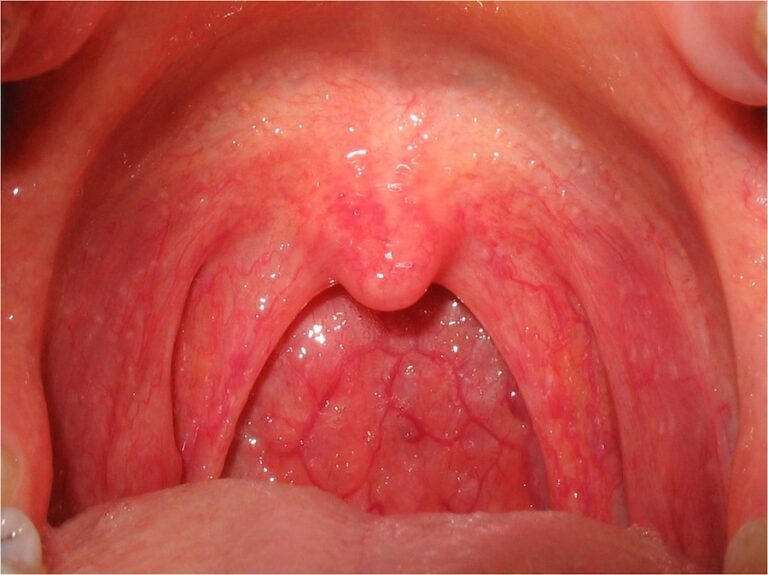
Pharyngitis is inflammation of the pharynx, the muscular passage at the back of the throat that connects the mouth and nasal cavity to the oesophagus.
The inflammation causes pain, irritation, or scratchiness in the throat, often worse when swallowing.
It can occur on its own or as part of a wider upper respiratory tract infection.
The symptoms of pharyngitis vary from minor to more severe if there is a serious infection:
Seek medical attention if you experience any of the following:
Most cases of pharyngitis are due to a viral infection but some are due to a bacterial infection. And there are non-infectious causes.
You can’t completely prevent for certain but there are ways you can greatly reduce your risk.
There are a number of complications of pharyngitis, from the common ones to rare and serious ones.
While these complications are common, they won’t happen to everyone.
These rare complications which can occur in people with lowered immune systems, the very young or very old. Being very old or very young or having a compromised immune system doesn’t automatically mean you will experience these complications but be aware of them.
A doctor diagnoses pharyngitis through the following:
In the physical examination, the doctor will usually:
Most medical clinics now request you wear a mask if you have upper respiratory symptoms as it could be a coronavirus infection. You may be asked to have a Rapid Antigen Test (RAT) to determine if you have covid-19.
Your doctor may do these test within the clinic or may request you do these at a pathology clinic:
<li”>Recurrent sore throats occur as this may indicate reflux, allergy or chronic infection which need to be investigated
The conventional, medical treatment is based on whether the pharyngitis is due to a viral or bacterial cause.
These approaches can help reduce inflammation, support immunity and soothe the throat, particularly in viral or mild cases.
Try these methods to help soothe symptoms:
You can use these self care strategies to help you heal.
Invest in a good quality humidifier. Using a cool-mist humidifier reduces dryness, especially in air-conditioned rooms.
Tobacco smoke (from smoking and second hand smoke), alcohol, spicy foods and acidic drinks all can worsen inflammation.
Soothe your throat with lozenges or honey-lemon drinks. This stimulates saliva and coats the throat to reduce dryness and pain. Lozenges with zinc and vitamin C will reduce inflammation and help to heal your throat more quickly.
Eat raw, unprocessed honey or Manuka honey. If choosing Manuka honey, buy one with MGO 260+ (UMF 10+) or higher. You can use higher strength of MGO550+ (UMF10+) for more severe symptoms.
Breathe through your nose to warm and humidify air. Mouth breathing worsens throat dryness and pain.
Wash your hands frequently, avoid sharing your personal items with others and replace your toothbrush after recovery to prevent reinfection.
This can promote local circulation and comfort. Massage your throat gently with olive oil and put a warm thin compress to help with pain and inflammation.
Last reviewed and updated: 6 November 2025

Emphysema is a chronic lung disease which is a type of chronic obstructive pulmonary disease (COPD).
Emphysema involves progressive damage to the air sacs (alveoli). These sacs gradually lose their elasticity, causing air to become trapped and making it difficult to exhale fully. Over time, this limits oxygen exchange and makes breathing difficult.
A rare inherited condition called alpha-1 antitrypsin deficiency (AATD) can also cause emphysema, even in non-smokers. It occurs more in people with European ancestry. The prevalence is 1 in 2,500 to 1 in 5,000 people. Many people with AATD are misdiagnosed with chronic obstructive pulmonary disorder (COPD) or asthma. It’s estimated that 30,000 people in Australia and New Zealand have AATD but less than 10% are diagnosed.
People with two abnormal AATD genes have a 75% chance of developing lung issues, like emphysema.
AATD is uncommon in people with Asian ancestry.
Emphysema develops slowly and symptoms may appear gradually.
The leading cause of emphysema is long-term exposure to airborne irritants, especially:
There are ways to mostly prevent emphysema:
There is no way to prevent AATD as it is a genetic condition.
There are numerous complications of emphysema, most of them are very serious.
Emphysema makes you more susceptible to infections like pneumonia, pleurisy and bronchitis
Emphysema can cause a collapsed lung (pneumothorax) because of the damage to the alveoli (tiny balloon shaped air sacs at the ends of the bronchioles, which are small branches of the bronchial tubes).
The strain on the heart from the lungs not getting enough oxygen can lead to heart failure.
This is an increase in blood pressure in the arteries of the lungs.
In advanced cases, the lungs may be unable to maintain normal oxygen and carbon dioxide levels.
Doctors diagnose emphysema using the following diagnostic tests:
Diagnosis of AATD is done through a simple blood test, which measures the amount of alpha-1 antitrypsin in your blood. You should ask for this test if your parents or other close family members have AATD or you develop COPD if you are under 40.
There’s no cure for emphysema, but treatment can relieve symptoms and slow progression of this disease:
This is the most crucial step for people who smoke any type of tobacco products.
These inhaler medication help to open airways and help people with emphysema to breathe a bit better:
These inhalers are often used before physical activities as they provide quick relief that usually lasts for 4-6 hours.
As with all medicines, they can cause side effects which will be on the packaging instructions.
You may be prescribed Ventolin and Apo-Ipratropium together.
These medications help to reduce overall inflammation in the body but are mostly used for major emphysema flare ups. They come with many side effects and can’t be taken for long.
Short courses of oral corticosteroids (prednisone) are prescribed for severe flare-ups as they:
Typical treatment length is 5-14 days with doses from 10mg to 40mg per day.
Inhaled corticosteroids are prescribed to help reduce inflammation in the airways for long term control of symptoms. They’re often prescribed in combination with long-acting bronchodilators (LAMA inhalers) for people with severe condition or frequent flare-ups.
Long term corticosteroids come with many very serious side effects and may not be suitable for everyone. While they can provide massive relief of symptoms, they are not a cure.
this helps people with low oxygen levels
helps for breathing exercises and education
in severe cases can involve lung volume reduction surgery or lung transplant
Augmentation therapy is a specific treatment for AATD. It is an intravenous (needle with a canula usually) treatment where a concentrate of alpha-1-antitrypsin (AAT) protein is delivered into the blood to help increase its levels in your body. The AAT is sources from healthy donors. This therapy is the only treatment for AATD and works to protect the lungs from further damage by restoring the balance of enzymes that break down lung tissue. It can slow the progression of emphysema but doesn’t reverse existing lung damage.
Augmentation therapy isn’t covered by Medicare in Australia or the UK. Some insurance companies cover it in the US but not all. For other countries, you’ll need to ask your doctor about the treatment cost.
These are well-rounded, evidence-based summary of alternative, complementary and supportive approaches for emphysema (COPD type), focused on strategies that have some scientific backing or clinical evidence for benefit.
These are adjuncts, not replacements, for medical care such as inhalers, oxygen therapy, or pulmonary rehabilitation.
A structured program combining supervised exercise, breathing retraining, education and psychological support.
Multiple meta-analyses show improved exercise tolerance, less breathlessness and better quality of life. The techniques used:
✅ Strong evidence base
Why it matters: People with emphysema often have higher energy demands and muscle wasting.
✅ Moderate-to-strong evidence depending on deficiency status
Both yoga and tai chi improve respiratory muscle strength and flexibility. They both help to reduce anxiety and depression.
✅ Moderate-strong evidence for IMT and Tai Chi/Yoga
✅ Some supportive evidence, low risk if performed by trained practitioner
Studies show ginseng improves lung function and overall quality of life when used in conjunction with emphysema medications.
Studies show it reduce symptoms in people with mild to moderate emphysema.
Some studies have shown that green tea helps to heal emphysema lesions in the lungs.
✅ Low-moderate quality human evidence
Cognitive behavioural therapy (CBT) and mindfulness-based stress reduction help manage anxiety, depression and panic related to breathlessness.
✅ Strong supportive evidence for quality-of-life improvement
✅ Well-established preventive evidence
There are many strategies you can use to help you your symptoms, in addition to the strategies mentioned in this article.
Last reviewed and updated: 5 November 2025
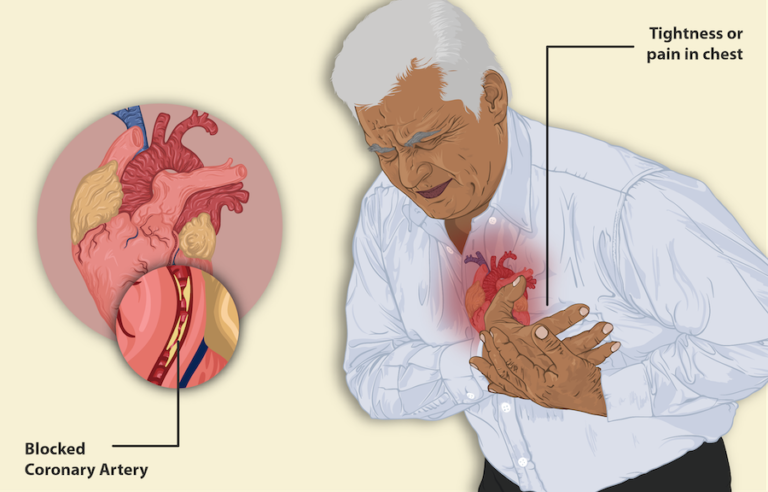
Chest pain can be frightening and for good reason. It’s one of the main warning signs of a heart attack (myocardial infarction). But not every ache in the chest means you’re having a heart attack. Understanding how to tell the difference and what to do if you suspect it’s your heart, could save your life or someone else’s.
There are a number of symptoms associated with having a heart attack.
These are the most common warning signs.
Heart attack pain often radiates or spreads beyond the chest.
Shortness of breath is one of the most important accompanying signs.
These often appear together with chest pain but can also occur alone.
Heart attacks can also trigger stress-related or nervous-system symptoms.
Women often have subtler or “non-classic” signs, which can delay diagnosis.
If any of these apply, assume a heart attack until proven otherwise:
These groups may have “silent” heart attacks, meaning little or no chest pain.
Call 000 (Australia) or your local emergency number immediately if:
Women are often misdiagnosed because their heart attack symptoms can differ. Instead of crushing chest pain, they may feel:
Don’t ignore these symptoms or put them down to stress or “just getting older”. Trust your instincts and get checked.
Every minute counts during a heart attack.
Paramedics can start lifesaving treatment on the way to hospital but early intervention can mean the difference between a full recovery and serious damage.
If chest pain lasts more than a few minutes or if it’s accompanied by sweating, shortness of breath or nausea, call 000 (in Australia) immediately.
It’s always better to be safe than sorry.
These other conditions may be the actual cause of your pain but you need to get it checkout by a doctor to be sure. Never self-diagnose. Always call an ambulance on 000 in Australia if you think it’s a heart attack.
Last reviewed and updated: 10 November 2025

| Lifestage | Age | Amount (per day) |
|---|---|---|
| INFANTS | 0-12mths | Not recommended |
| CHILDREN | 1-8yrs | Not recommended |
| CHILDREN | 9-18yrs | Seek medical advice before taking it |
| ADULTS | 19-50yrs | General health & immune support 50mg twice a day |
| SENIORS | 51+yrs | General health & immune support 50mg twice a day |
| PREGNANT | Seek medical advice before taking it | |
| LACTATING | Seek medical advice before taking it |

I was wondering what would be the best possible food menu in order to keep a healthy heart. What kinds of foods would I have to include in my diet? Is olive leaf really a good thing for the heart?
To promote heart health with your food menu it’s best to implement the basic principles of the Mediterranean diet.
You can learn more about the Mediterranean diet if you view the detailed information on the page below:
Olive leaf, the leaf from the olive tree, has been studied and shown to reduce LDL cholesterol, lower blood pressure and increase blood flow by dilating (relaxing) arteries. It is also a good source of antioxidants. I recommend you discuss all supplements with your physician. There is potential for a drug nutrient interaction if you take medications.
Please note that the information provided is for educational purposes only and is not meant to diagnose or treat medical conditions. Consult with your medical physician regarding appropriateness of using supplements in your healing process.