Heal depression & anxiety by processing feelings

0

Denying feelings is unhealthy

Denying feelings can create stagnation emotionally and lead to states of depression and anxiety.

Use this handy checklist to assess if you are processing experiences in a way to avoid stagnation and depression and anxiety.

Checklist for healthy processing

Are you acknowledging both the positive and negative aspects of a challenge?

Tip: Listen for the language of denial and depression that may include phrases such as “all is okay” or “everything is fine” when you’re not feeling okay or fine.

Also, listen for language that focuses only on the negative such as “Everything is all wrong.”

Ask yourself, what are all the feelings I am experiencing about this situation, person, or life change?

Journaling

Develop a variety of tools to process your feelings such as journalling.

Using collage art to represent the feelings. This method requires no art talent, just a willingness to express.

Exercise such as qi gong which has movements that address releasing certain emotions such as depression, anxiety, sadness, grief, or anger.

Visualise and meditate feelings

Imagine the anxiety or depression you are feeling as a leaf floating down a stream or river and drifting far out of sight.

A study released in the May 2008 edition of the Journal of Clinical Psychology reported that people who suffered with depression and participated in meditation and yoga classes experienced similar results as those who participated in group therapy.

Allow yourself down time to process. Sometimes people fill their days with hectic activity to avoid processing feelings or facing depression. Scheduling down time is a way of nourishing your body, mind and spirit to release anxiety or depression.

Allow your friends and family to support you. Often times, loved ones have no idea that you are going through difficulties if you put on a happy face.

Yes, be positive but also be willing to acknowledge that you are hurting or finding a situation challenging.

Allow yourself to seek professional help with a psychotherapist, counselor or life coach to gain new tools to deal with the challenges in your life.

For additional strategies for healing depression and anxiety by processing your feelings, call Kay Hutchinson on (USA) 512.468.6588 or email her at info@aikihealing.com

Author bio

Kay Hutchinson is a Classical Chinese Medicine and Qi Gong practitioner, who consults with clients at her clinic in Texas, but she is also available for online consultations too.

Kay Hutchinson is an expert on the Vital Health Zone web site, so you can ask Kay a question about health from a Chinese medicine perspective for free.

Last reviewed and updated: 5 February 2026

Trout with wilted spinach and sweet potatoes

0
Diabetes friendly recipe
Dairy free recipe
Gluten free recipe
Heart healthy recipe


This is a great heart healthy dish which looks very colourful and is very suitable to be served to the family or even at a dinner party. While this recipe is high in fat, it is from the “good fats”, the heart healthy omega-3 essential fatty acids.

A great summer dish, but equally it works well in winter. Ensure to get wild ocean trout, as that type of trout is more flavoursome than farmed trout.

Nutrition rundown

  • High-protein, nutrient-dense meal thanks to ocean trout and peas — excellent for satiety and muscle support
  • Strong omega-3 fat profile from trout, with moderate total fat overall
  • Very high fibre (over 50% DV) from sweet potatoes, peas and spinach — gut-friendly and blood-sugar stabilising
  • Sodium remains moderate, assuming reduced-salt stock and light seasoning
  • Naturally occurring sugars only, no added sugars
  • Excellent source of vitamin A (beta-carotene) from orange sweet potatoes and spinach, supporting immune function, skin integrity and eye health.
  • Very rich in vitamin K1 from English spinach, essential for proper blood clotting and bone mineralisation.
  • High in potassium from sweet potatoes and peas, helping regulate blood pressure and support heart rhythm.
  • Strong magnesium contribution, supporting muscle recovery, nerve signalling and energy production.
  • Contains significant iron, particularly from spinach and trout, aiding oxygen transport and reducing fatigue risk.
  • Provides folate (vitamin B9) from peas and spinach, important for cell repair and DNA synthesis.
  • Naturally high in antioxidants, including carotenoids (sweet potato), lutein (spinach) and astaxanthin (ocean trout), which help reduce oxidative stress.
  • Balanced glycaemic profile where fibre, protein and fat work together to slow glucose absorption despite the carbohydrate content.
  • Supports anti-inflammatory pathways due to omega-3 fatty acids combined with antioxidant-rich vegetables.
  • Good source of selenium from trout, supporting thyroid function and immune defence.
  • Naturally gluten-free meal, suitable for coeliac or gluten-sensitive diets (as the stock is home-made).
  • Provides complete protein as trout contains all the essential amino acids required for tissue repair and enzyme production.
  • Moderate cholesterol counterbalanced with omega-3 fatty acids (EPA and DHA), which support heart health and reduce triglycerides
Recipe information
Serves: 4
Prep time: 30 mins
Cooking time: 15 mins
Recipe nutrition (per serving)
Calories: 675
Carbs: 60.9 grams
Protein: 47.9 grams
Fat: 27.5 grams

Ingredients

  • 4 ocean trout fillets (180g each), skinned and bones removed
  • 800g orange sweet potatoes, cut into 3cm pieces
  • 500ml chicken stock
  • 1kg peas
  • Extra virgin, cold pressed olive oil
  • 2 bunches English spinach

Method

  1. Place sweet potatoes on an oven tray and brush them with a little olive oil.
  2. Roast the sweet potatoes in a medium-hot oven at 200°C for about 30 minutes or until just browned and tender.
  3. Add chicken stock to a large saucepan and bring to the boil.
  4. Add peas and cook uncovered over medium heat, for about 10 minutes or until they are tender.
  5. Mash the peas with a potato masher in the pan until they are coarsely crushed and season with salt and pepper to taste.
  6. Brush the skinned side of the ocean trout with olive oil and sprinkle some salt on both sides of the trout.
  7. Add the trout to a frying pan over high heat and cook each side for about 5 minutes or until slightly pink in the middle.
  8. Meanwhile, place the spinach in a large saucepan and add a 1-2 tablespoon of water.
  9. Cook the spinach in a saucepan over medium heat until it has just wilted.
  10. Drain and rinse the spinach under cold water and squeeze out the water.
  11. Return the spinach to the saucepan, season with salt and pepper to taste and toss over high heat with some olive oil.
  12. Spoon wilted spinach in equal portions on the 4 plates.
  13. Top with the mushy peas and add the ocean trout on top.
  14. Add the roasted sweet potatoes on the side and serve warm.

Nutrition information

  Nutrition InformationAmount% Daily
Value
Calories67533.7%
Calories from fat24829.9%
Total fat27.5 g35.3%
Saturated fat5.6 g23.3%
Cholesterol122.4 mg40.8%
Sodium548.6 mg22.9%
Carbohydrate60.9 g22.1%
Dietary fibre15.8 g52.7%
Sugars15.1 g16.8
Protein47.9 g95.8%

The % daily values are based on a diet of 2000 calories per day
These are approximate values.

Sardines, beans and vegetables salad

0
Diabetes friendly recipe
Low GI recipe
Low fat recipe
Low carb recipe
Dairy free recipe
Gluten free recipe
Heart healthy recipe


This recipe is fresh, light and very easy to prepare and is very high in dietary fibre, very low in fat, but high in the heart-healthy omega-3 fatty acids and is full of antioxidants, vitamins and minerals.

You can substitute the sardines with salmon or tuna instead of the sardines if desired.

Nutrition rundown

  • Excellent source of complete protein, delivering nearly half of daily needs per serve.
  • Rich in omega-3 fatty acids from sardines, supporting heart and brain health.
  • Provides over one-third of daily fibre, promoting gut health and satiety.
  • Strong source of iron and plant-based protein from mixed beans and spinach.
  • High in vitamin C from capsicum, tomatoes and lemon juice, supporting immunity.
  • Good source of vitamin A and antioxidants from red capsicum and spinach.
  • Sardines provide significant calcium (if bones included) for bone strength.
  • Contains natural potassium from beans and vegetables for blood pressure balance.
  • Low sodium content using whole vegetables.
  • Provides steady energy due to combination of complex carbohydrates + protein + healthy fats.
  • Naturally gluten-free and rich in phytonutrients from colourful vegetables.
  • Balanced macronutrient profile suitable for a Mediterranean-style eating pattern.
  • Supports blood sugar stability due to fibre and protein combination.
  • Contains small amounts of vitamin E and polyphenols from olive oil and balsamic vinegar.
  • Offers anti-inflammatory compounds from omega-3s and plant antioxidants.
Recipe information
Serves: 4
Prep time: 25 mins
Cooking time: 3 mins
Recipe nutrition (per serving)
Calories: 328.4
Carbs: 30.7 grams
Protein: 24.6 grams
Fat: 12.8 grams

Ingredients

  • 1 can organic mixed beans (400g)
  • Small bunch organic baby spinach leaves shredded (about 50g, 1/2 packet)
  • 12 organic cherry tomatoes cut in half
  • 1 organic cucumber, cut in half and chopped
  • 1 organic red pepper (capsicum) chopped into 2cm pieces
  • 2 tins (106g each) sardines (you can use tuna, salmon, mackerel instead)
  • 2 Tbsp balsamic vinegar
  • 1 Tspn extra virgin olive oil
  • 1/2 Tspn salt
  • 1 Tspn lemon juice

Method

  1. Cut up the cherry tomatoes and place into a large bowl.
  2. Cut the capsicum into small pieces (about 2cm) and add to the bowl.
  3. Wash and drain the baby spinach leaves and shred into the bowl.
  4. Cut the cucumber in half, diagonally, then slice and add into the bowl.
  5. Drain and wash the beans in a small bowl and add to the lager bowl with the rest of the ingredients.
  6. Drain the sardines and chop them into smaller bits and add to the bowl.
  7. Add the salt, balsamic vinegar and olive oil and toss the salad.
  8. Add the salad to each plate in equal portions.

Nutrition information

  Nutrition InformationAmount% Daily
Value
Calories328.416.4%
Calories from fat8619.2%
Total fat12.8 g19.7%
Saturated fat2.7 g13.5%
Cholesterol52.6 mg17.5%
Sodium240 mg12.5%
Carbohydrate30.7 g10.2%
Dietary fibre9.4 g33.6%
Sugars6.8 g7.6
Protein24.6 g49.2%

The % daily values are based on a diet of 2000 calories per day
These are approximate values.

Chicken laksa

0
Diabetes friendly recipe
Low GI recipe
Low carb recipe
Dairy free recipe
Gluten free recipe


This is a great winter recipe for the family. It is really warming, hearty, filling and delicious. As it contains a lot of vegetables, it is full of fibre and healthy nutrients.

It has a bit more saturated fat due to the coconut milk but it’s a healthy saturated fat which is fine to eat in moderation. This is not an every day meal.

Make sure to use salt reduced laksa paste to reduce the salt intake even further.

Nutrition breakdown

  • Cholesterol is moderate and largely from chicken thighs.
  • Sodium remains somewhat elevated from laksa paste, but reduced compared to traditional laksa.
  • High potassium from vegetables helps balance sodium.
  • 5.6 g fibre per serving supports digestive health.
  • Shiitake mushrooms contribute beta-glucans for immune support.
  • Provides 525.8 kcal per serving, making it a substantial but balanced main meal.
  • Delivers 34.7 g protein (69.4% daily value), supporting muscle repair, immune health and satiety.
  • Contains 28.2 g total fat, with 14.1 g saturated fat primarily from coconut milk.
  • Supplies beneficial monounsaturated fats from extra virgin olive oil.
  • Moderate carbohydrate content (39.8 g) from rice vermicelli, vegetables and a small amount of palm sugar.
  • Offers 5.6 g dietary fibre (18.7% daily value) to support digestion and gut health.
  • Sodium is 812.0 mg (32.1% daily value) which is lower than traditional laksa but still moderate due to laksa paste.
  • Provides 812.4 mg potassium (23.2% daily value) to help balance sodium and support blood pressure regulation.
  • Good source of vitamin A (41.7% daily value) and Vitamin C (64.3% daily value) from bok choy, snow peas and coriander.
  • Contains 3.8 mg iron (21.1% daily value) and 2.9 mg zinc (26.4% daily value) for immune and metabolic function.
  • Supplies calcium (14.8% daily value) from tofu puffs and leafy greens.
  • Balanced macronutrient profile helps stabilise blood sugar due to protein and fat slowing carbohydrate absorption.
  • Rich in plant phytonutrients from mushrooms, garlic, shallots and fresh herbs.
  • Good magnesium intake supports muscle and nerve function.
  • Coconut milk contributes creaminess while increasing saturated fat, so portion control supports heart health.
Recipe information
Serves: 4
Prep time: 20 mins
Cooking time: 35 mins
Recipe nutrition (per serving)
Calories: 525.8
Carbs: 39.8 grams
Protein: 34.7 grams
Fat: 28.2 grams

Ingredients

  • 500g organic chicken thigh fillets, cut into strips
  • 400ml reduced fat coconut milk
  • 1 can bamboo shoots
  • 150g snow peas, cut diagonally in half
  • 150g shiitake mushrooms
  • 1 bunch baby bok choi, torn into smaller pieces
  • 1 small shallot
  • 1/2 cup bean sprouts
  • 2-3 Tbsp laksa paste
  • 3 cups chicken stock
  • 100g organic tofu puffs, halved
  • 100g rice vermicelli
  • 2 Tspn extra virgin, cold pressed olive oil
  • 1 Tbsp grated palm sugar or raw sugar
  • Coriander leaves, to garnish

Method

  1. Put the rice vermicelli into a glass or ceramic bowl and cover with boiling water. Set aside for 10 minutes or until the noodles are soft.
  2. Heat the olive oil in a large pot over medium heat.
  3. Add the chicken strips and cook for about 5 minutes or until the chicken is slightly browned on both sides.
  4. Add the laksa paste and cook for about 3 minutes, or until there is a fragrant aroma.
  5. Stir in the coconut milk, chicken stock and tofu puffs and bring the mixture to the boil.
  6. Reduce the heat and simmer gently for about 10 minutes.
  7. Add the bamboo shoots, snow peas, mushrooms and bok choi and cook for a further 5 minutes.Add the sugar and take off the heat.
  8. Drain the rice noodles and divide them between 4 bowls and add the bean sprouts on top.
  9. Spoon the laksa soup on top.
  10. Garnish with the cut up shallot leaves and coriander leaves and serve hot.

Nutrition information

  Nutrition InformationAmount% Daily
Value
Calories525.826.3%
Calories from fat254.243.4%
Total fat28.2 g40.3%
Saturated fat14.1 g58.8%
Cholesterol98.8 mg32.9%
Sodium812.0 mg32.1%
Carbohydrate39.8 g14.5%
Dietary fibre5.6 g18.7%
Sugars8.9 g9.9
Protein34.7 g69.4%

The % daily values are based on a diet of 2000 calories per day
These are approximate values.

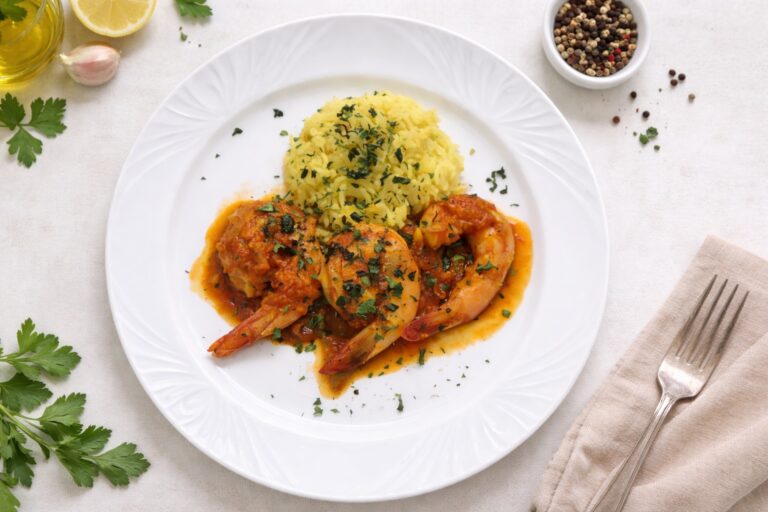
Mediterranean prawns with spicy basmati rice

Diabetes friendly recipe
Low GI recipe
Low carb recipe
Dairy free recipe
Gluten free recipe
Heart healthy recipe


This is an excellent dish for summer entertaining and is ideal for serving outdoors on hot, summer nights. It is so simple and easy to make and tastes amazing. It’s very low in calories and fat.

Nutrition rundown

  • Excellent lean protein source as the prawns provide over 44g protein per serve, supporting muscle repair, satiety and metabolic health.
  • Very high in selenium & iodine which are important for thyroid function and immune defence.
  • Rich in vitamin B12 essential for energy production and nervous system health.
  • Anti-inflammatory spices like turmeric (curcumin), cumin and coriander provide antioxidant and digestive benefits.
  • High lycopene content in tomatoes and tomato paste, which are rich in lycopene, linked to heart health and reduced oxidative stress.
  • Strong vegetable diversity in the capsicum, carrot, tomato and spring onion, which increase vitamin A, C and phytonutrient intake.
  • Moderate healthy fats in the extra virgin olive oil, as it supplies heart-protective monounsaturated fats and polyphenols.
  • High cholesterol but low saturated fat as prawn cholesterol is naturally high but research shows it has minimal impact on blood cholesterol for most people.
  • Balanced macronutrient profile in a strong mix of protein, complex carbohydrates and healthy fats makes it filling and stabilising for blood sugar.
Recipe information
Serves: 4
Prep time: 20 mins
Cooking time: 15 mins
Recipe nutrition (per serving)
Calories: 698
Carbs: 63.4 grams
Protein: 44.2 grams
Fat: 28.8 grams

Ingredients – prawns

  • 600 g prawns (use wild caught, fresh, uncooked prawns)
  • 3 spring onions (chopped finely)
  • 2 carrots (grated)
  • 2 large capsicums (chopped finely)
  • 6 tomatoes (chopped finely)
  • 2 tbsp tomato paste
  • 1/2 cup fresh coriander
  • 2 tbsp olive oil (cold pressed, extra virgin)
  • 1/2 tsp salt
  • 1/4 tsp pepper

Ingredients – spicy basmati rice

  • 1 cup basmati rice
  • 2 tbsp Olive oil (cold pressed, extra virgin)
  • 1/2 tsp ground turmeric
  • 1/2 tsp ground cumin
  • 1/2 tsp ground coriander
  • 1 tsp salt

Method – prawns

  1. Peel the shell from the prawns, but leave the tail intact.
  2. Remove the vein from the outer middle part of the prawns. Set the prawns aside in the fridge until they are ready to be added.
  3. Add the olive oil to a stainless steel frying pan and when warmed a little, add the chopped spring onions and cook over medium-high heat until they are almost translucent in colour.
  4. Add the grated carrots and stir through for about 2-3 minutes.
  5. Add the chopped peppers and stir through for another 2-3minutes.
  6. Add the chopped tomatoes as well as the tomato paste, salt and pepper and stir through.
  7. Leave to simmer for about 10 minutes. Add a little cold water if the sauce thickens too much.
  8. Add the basil leaves about five minutes into the simmering and stir through.
  9. Add the uncooked prawns and stir through until they are cooked – they become pink and curl around into a circular shape.
  10. Serve the dish by adding some rice to the dish, then to the side add some sauce and place the prawns on top of the sauce. Sprinkle with a bit of the coriander leaves.

Method – spicy basmati rice

  1. Rinse out rice in cold water several times, until water is clear.
  2. Add rice to stainless steel pot with about 5cm (2″) water covering it.
  3. Add the rest of the ingredients and leave covered to cook on medium heat, stirring occasionally.
  4. Check on the rice to make sure there is enough water for the rice to absorb (it can be a matter of trial and error until the right amount of water is used for this method).
  5. The rice will be cooked when the water has absorbed. The cooked rice will be fluffy and perfectly cooked.

Nutrition information

  Nutrition InformationAmount% Daily
Value
Calories69834.9%
Calories from fat259.059.3%
Total fat28.8 g36.9%
Saturated fat4.3 g21.5%
Cholesterol285 mg95.0%
Sodium640 mg27.3%
Carbohydrate63.4 g23.1%
Dietary fibre6.4 g22.9%
Sugars11.3 g9.6%
Protein44.2 g88.4%

The % daily values are based on a diet of 2000 calories per day
These are approximate values.

Spicy basil snapper with quinoa

0
Diabetes friendly recipe
Low GI recipe
Low fat recipe
Low carb recipe
Dairy free recipe
Gluten free recipe
Heart healthy recipe


A really delicious snapper recipe with basil sauce. The quinoa is fragrant and perfectly complements the snapper fish. This recipe is gluten-free, relatively low in calories, rich in protein, low in fat and is really nutritious.

While most of the calories from this recipe come from the fat in the snapper, it is a good fat and very healthy. It is full of omega3 fatty acids, which are very beneficial for your heart. It’s relatively low in cholesterol, saturated fat and sodium and very high in protein. For more fibre, add more vegetables, for example, a side salad or lightly steamed vegetables.

Nutrition rundown

  • High-quality lean protein is excellent for muscle repair, satiety and metabolic support, while remaining relatively low in saturated fat.
  • Rich in heart-healthy monounsaturated fats like olive oil, as they provide beneficial fats that support cardiovascular health and help reduce inflammation.
  • Moderate calorie density which are balanced enough for a main meal without being heavy or excessive.
  • Low saturated fat keeps heart-health profile favourable despite added olive oil.
  • Naturally low sodium is ideal for blood pressure management when salt is kept minimal.
  • Good fibre content from quinoa and snow peas, supporting digestive health and gut microbiome balance.
  • Low sugar which come naturally from vegetables, with no added sweeteners.
  • Complex carbohydrates as quinoa provides slow-releasing energy and helps stabilise blood glucose levels.
  • Rich in antioxidants and phytonutrients – basil, coriander and snow peas contribute vitamin C, flavonoids and anti-inflammatory compounds.
  • Source of essential minerals – snapper provides selenium and phosphorus, while quinoa contributes magnesium and iron.
Recipe information
Serves: 4
Prep time: 20 mins
Cooking time: 15 mins
Recipe nutrition (per serving)
Calories: 486
Carbs: 31.9 grams
Protein: 36.4 grams
Fat: 23.8 grams

Ingredients – snapper

  • 140g x 4 wild snapper fillet
  • 3 tablespoon olive oil
  • 1 cup basil – roughly chopped
  • 1/2 cup coriander – roughly chopped
  • 2 cups snow peas, cut in half, julienne style
  • Salt and pepper to taste
  • Lemon wedges

Ingredients – quinoa

  • 1/2 cup quinoa
  • 1/4 teaspoon ground coriander
  • 1/4 teaspoon ground cumin
  • 1/2 teaspoon sweet paprika
  • Pinch of salt

Method – quinoa

  1. Wash the quinoa under cold water and use a sieve to strain the water without losing the seeds.
  2. Add the quinoa, ground coriander, ground cumin, ground sweet paprika and salt to 1.5 cups of cold water in a pot and bring to the boil.
  3. Once the quinoa has come to the boil, lower the heat and simmer for about 10 minutes, or until completely cooked through.
  4. Strain the water (if there is any left) and set aside.

Method – basil snapper

  1. Cut the snapper fillets to smaller sizes, if they have not already been cut to size.
  2. Add oil to the pan and turn heat to medium-high.
  3. Roughly cut the basil and set aside.
  4. Add the snapper to the hot pain and cook on each side for about 5-7 minutes.
  5. As the fish is cooking, near the end of cooking each side, add the basil to the fish.
  6. Once the fish is cooked, served each fillet on top of the cooked quinoa and add cooked basil on top. Serve with some of the snow peas and coriander and some lemon.

Nutrition information

  Nutrition InformationAmount% Daily
Value
Calories48624.3%
Calories from fat21410.7%
Total fat23.8 g30.5%
Saturated fat3.4 g17.0%
Cholesterol62.8 mg20.9%
Sodium122.6 mg5.1%
Carbohydrate31.9 g11.6%
Dietary fibre5.6 g2.0%
Sugars2.6 g2.9
Protein36.4 g72.8%

The % daily values are based on a diet of 2000 calories per day
These are approximate values.

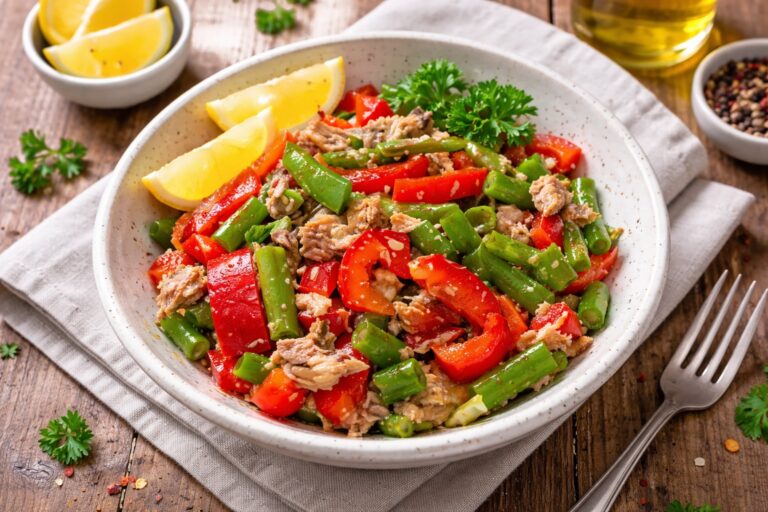
Tuna salad

0
Diabetes friendly recipe
Low GI recipe
Low fat recipe
Low carb recipe
Dairy free recipe
Gluten free recipe
Heart healthy recipe


This delicious tuna salad is simple delicious. It is high in omega-3 fatty acids, vitamins, minerals and antioxidants. The balsamic vinegar and olive oil dressing is light in flavour and light in calories. Eat this regularly eaten for good heart health.

Nutrition rundown

  • Protein-dense thanks to tuna – excellent for satiety and muscle repair.
  • Healthy fats dominate (olive oil + avocado), with saturated fat staying reasonable.
  • High fibre from vegetables, avocado and leafy greens (over half daily needs).
  • Naturally low sugar, mostly from tomatoes and capsicum.
  • Sodium is moderate, mainly from tuna and added salt, which is easy to reduce if needed.
  • Rich in omega-3 fatty acids – tuna provides marine omega-3s (EPA and DHA), which support heart health, brain function and healthy inflammation balance.
  • Loaded with antioxidants – the tomatoes and capsicums supply lycopene and vitamin C, while leafy greens add beta-carotene and polyphenols that help combat oxidative stress.
  • Supports blood sugar stability – the combination of fibre, protein and healthy fats slows digestion, helping prevent energy crashes.
  • High in potassium – avocado, spinach and vegetables contribute potassium, which supports healthy blood pressure regulation.
  • Naturally low in refined carbohydrates – with no processed grains or added sugars, this meal supports metabolic health and steady insulin response.
  • Hydrating and nutrient-dense – high water content from cucumber, lettuce and tomatoes adds volume and fullness without excessive calories.
Recipe information
Serves: 2
Prep time: 10 mins
Cooking time: 3 mins
Recipe nutrition (per serving)
Calories: 296
Carbs: 17.9 grams
Protein: 23.6 grams
Fat: 15.8 grams

Ingredients

  • 1 can tinned tuna (in water)
  • 1/2 cucumber
  • 1/2 avocado
  • 1/2 red capsicum
  • 1/2 green capsicum
  • 1/2 cup lightly cooked green beans cut into 5cm pieces
  • Lettuce leaves,
  • Baby spinach leaves
  • 2 tomatoes
  • Balsamic vinegar
  • Olive Oil
  • Salt, to taste
  • Parsley, for decoration
  • Lemon, cut in wedges

Method

  1. Drain tuna from can and add to large bowl
  2. Slice or chop capsicum and add to bowl
  3. Shred lettuce leaves and baby spinach and add to bowl
  4. Cut avocado & tomatoes into small chunks and add to bowl
  5. Slice cucumber and add to bowl
  6. Add balsamic vinegar, olive oil and salt to taste
  7. Mix all the ingredients together, so they are coated with the dressing
  8. Serve immediately with some of the parsley and lemon wedges

Nutrition information

  Nutrition InformationAmount% Daily
Value
Calories29614.9%
Calories from fat14348.3%
Total fat15.8 g24.0%
Saturated fat2.7 g14.1%
Cholesterol28 mg8.7%
Sodium347 mg14.5%
Carbohydrate17.9 g6.3%
Dietary fibre14.2 g50.7%
Sugars6.7 gn/a
Protein23.6g55.8%

The % daily values are based on a diet of 2000 calories per day
These are approximate values.

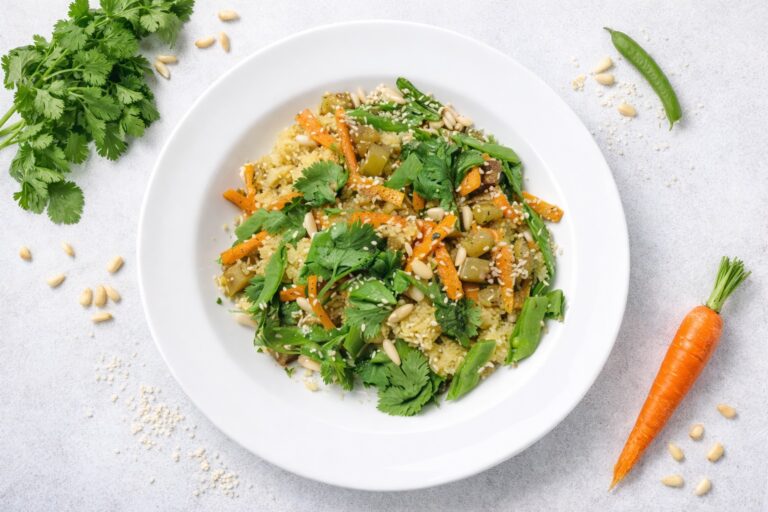
Vegetable cous cous and quinoa delight

0
Diabetes friendly recipe
Low GI recipe
Low fat recipe
Low carb recipe
Dairy free recipe
Gluten free recipe
Heart healthy recipe
Vegetarian recipe
Vegan recipe


This is a very filling, but nutritious recipe healthy for all the family and very quick to prepare. This recipe is high in fibre, very low in sodium and high in iron and other health nutrients.

To make this a totally gluten-free, use either 100g rice or 100g red lentils instead of the cous cous.

Try to use fresh, organic ingredients as this will be much more tastier and healthier.

Nutrition rundown

  • Solid plant-based protein hit thanks to the quinoa, cous cous, seeds and nuts — very respectable for a veg-forward dish.
  • High fibre (over a third of daily needs per serve), which is excellent for gut health, blood-sugar control and satiety.
  • Healthy fats dominate (olive oil, sesame seeds, pine nuts), with saturated fat staying low.
  • Sodium is low moderate, by using low-sodium or homemade stock.
  • Naturally cholesterol-free, making it heart-friendly.
  • Carbs are nutrient-dense, not empty – wholegrains + vegetables doing the heavy lifting.
  • Absolutely — here are some deeper nutrient-level highlights you can add to your recipe card or blog post:
  • Rich in magnesium from quinoa, sesame seeds and wholewheat cous cous — supports muscle function, nervous system health and blood pressure regulation.
  • Excellent source of plant-based iron, particularly from quinoa, sesame seeds and pine nuts — important for oxygen transport and energy production. Pairing with vegetables boosts absorption.
  • High in vitamin A (beta-carotene) from carrots — essential for immune health, skin repair and eye function.
  • Good source of vitamin C from snow peas and eggplant — supports collagen production and enhances plant-based iron absorption.
  • Strong B-vitamin profile, especially B1, B6 and folate from wholegrains and vegetables — critical for energy metabolism and nervous system support.
  • Provides potassium from vegetables and quinoa — important for fluid balance and healthy blood pressure.
  • Contains zinc and copper from seeds and nuts — key minerals for immune resilience and antioxidant defence.
  • Naturally rich in antioxidants, particularly from eggplant (anthocyanins in the skin), carrots (carotenoids) and fresh coriander — helping reduce oxidative stress.
  • Low glycaemic impact compared to refined grains, thanks to fibre + protein + healthy fats slowing digestion and stabilising blood sugar.
  • Contains small amounts of omega-6 fatty acids from sesame seeds and pine nuts — beneficial when balanced within a whole-food dietary pattern.
Recipe information
Serves: 4
Prep time: 20 mins
Cooking time: 15 mins
Recipe nutrition (per serving
Calories: 400
Carbs: 62.9 grams
Protein: 13.6 grams
Fat: 11.3 grams

Ingredients

  • 200g wholewheat cous cous (use 100g rice or lentils for a gluten-free variation)
  • 100g wholegrain quinoa
  • 3 carrots, cut into 2-3cm thin sticks
  • 1 eggplant, cut into small cubes
  • 1 red (Spanish) onion, chopped finely
  • 3 cloves garlic, crushed and chopped finely
  • 12-16 snow peas, cut julienne
  • 4 tsp sesame seeds
  • 4 tsp pine nuts
  • 1 vegetable stock cube (use an organic one)
  • Olive oil
  • Fresh coriander leaves

Method

  1. Finely chop the garlic and onions and to a pan with some olive oil.
  2. Saute the garlic and onion at medium heat until they are translucent.
  3. In a pan, add 3 cups of water to the quinoa with a pinch of salt and a small amount of olive oil and boil until the quinoa opens a little (about 5-7 minutes) with the lid on, checking on the quinoa to see when it is finished.
  4. Meanwhile, add 200g cous cous with about 2-3 teaspoons of olive oil, the stock cube and 300ml of boiling water and let simmer uncovered for about 1 minute, after which you need to turn off the heat and place a lid on the pan. After about 4-5 minutes of this, fluff the cous cous with a fork and set aside.
  5. Add the carrots to the pan with the garlic and onion and saute for a few minutes.
  6. Add the eggplant to the pan and sauteed a little more. Add a little olive oil and/or water if there is not enough liquid to get the eggplant cooked properly.
  7. Drain the quinoa and add it to the pan with the cous cous.
  8. In a large serving bowl, add the quinoa/cous cous, then slowly add the vegetables and mix through thoroughly.
  9. Serve immediately, topped with the snow peas, some chopped coriander, a sprinkle of sesame seeds and pine seeds.

Nutrition information

  Nutrition InformationAmount% Daily
Value
Calories399.620.0%
Calories from fat101.717.7%
Total fat11.3 g14.5%
Saturated fat1.6 g8.0%
Cholesterol0 mg0%
Sodium368.4 mg16.0%
Carbohydrate62.9 g22.9%
Dietary fibre9.8 g35.0%
Sugars6.7 gn/a
Protein13.6 g27.7%

The % daily values are based on a diet of 2000 calories per day
These are approximate values.

Identifying allergic rashes on babies and children

Babies and toddlers can be (or become) sensitive to certain substances and foods, which can stimulate their immune system to causing an allergic response.

The allergen is the substance that causes the immune system to have an allergic reaction. In an allergic reaction, the immune system believes that the allergen is attacking the body, so the body produces antibodies against the allergen. The antibodies cause a series of reactions in the body which cause the allergic reaction symptoms.

Allergies are not usually dangerous in most cases, just irritating and bothersome for the baby or toddler. The exception to this is the serious form of an allergic reaction anaphylaxis.

Common causes of allergic rashes

Some common causes of allergic rashes in babies and children are:

  • Cellulitis – this is a skin infection that is caused by a bacteria. There is no obvious break in the skin, cellulitis occurs for reasons unknown but could be due to lowered immunity
  • Chemicals – any type of chemical, from those used in baby products, to environmental chemicals (pollution) can cause an allergic reaction in some babies and toddlers
  • Contact dermatitis – anything can cause an allergic reaction if it is touched. Contact dermatitis occurs when a child touches an allergen, which then causes a rash
  • Eczema – is a chronic allergic rash that commonly affects children in families with a history of allergies. Eczema rash is usually dry, itchy and often painful
  • Food allergy – quite commonly, food allergies in babies occur due to the ingestion of food that makes them allergic. The most common food allergens are: chocolate. eggs, fish, milk, nuts (especially peanuts), seafood, spices, strawberries. The allergic reaction can occur from ingestion or even just contact with the food
  • Head lice – this is a very common condition in young children. Head lice are insects that lay eggs on the hair. They spread easily and make the scalp very itchy
  • Medications – any type of medication can cause an allergic reaction (especially rash) in a baby or toddler, with penicillin being the most common allergen in this category
  • Nappy rash – this occurs when the skin becomes red, irritated. Nappy rash is an allergic reaction to the nappy,urine and stools. It occurs when the nappy is not changed often enough
  • Plants – a number of plants are known to produce an allergic reaction, in particular, stinging nettle and poison ivy. Any type of plant or grass can be a potential allergen for a baby or toddler

Symptoms of allergies

The symptoms of an allergic reaction will be different depending on the type of allergen and whether it was ingested, inhaled or touched the skin:

Possible symptoms if the allergen affects the skin

  • Blistering – these can be formed on the skin together with the other skin symptoms
  • Itching – the skin can become very itchy, especially if a rash is present
  • Rash (urticaria) – this will most often occur when the skin is affected
  • Welts – these are raised swellings on the skin which are inflamed

Possible symptoms if the allergen is ingested

  • Fatigue – it requires a lot of energy for the body to “fight” an allergen
  • Fever – sometimes a mild fever can occur
  • Headache – another allergic reaction
  • Joint pains – another allergic reaction
  • Rash (urticaria) – this can occur on any part of the body, but more likely on the trunk or neck

Possible symptoms if the allergen is inhaled

  • Fatigue – it requires a lot of energy for the body to “fight” an allergen
  • Headache – another allergic reaction
  • Rash (urticaria) – this can occur on any part of the body, but more likely neck or chest area
  • Wheezing – breathing properly may be impaired as the air sacs in the lungs become constricted

Treatment of allergies

Allergies are treated through a number of ways:

  • Aloe vera lotion – the aloe vera plant is really beneficial to help calm irritated, red and inflamed skin
  • Avoid the allergen – as much as possible, find out what the baby is allergic to and ensure it is avoided
  • Calamine lotion – this is often recommended to reduce the inflammation of a rash
  • Cold compress – this is a useful way to reduce the inflammation of a rash
  • Eczema or dermatitis cream – these will help soothe the itchy skin. These creams usually contain calendula which is a potent skin soother
  • Have allergy tests – this will help to determine what allergens are causing the allergic reaction
  • Medications – if the allergic reaction is moderate to severe, antihistamine medications may be prescribed

Extreme allergies (anaphylaxis)

In rare cases, a baby or toddler may have a very severe reaction to an allergen (the substance that creates the allergic reaction) and this can be very dangerous.

A severe allergic reaction is known as anaphylaxis, which can culminate in anaphylactic shock if treatment is not given immediately (which is either with antihistamines or adrenaline).

Anaphylaxis impairs breathing ability as well as causing a number of distressing symptoms for the baby (or toddler), such as:

  • Severe breathing difficulties
  • Quick drop in blood pressure
  • Collapsing

If a baby (or toddler) experiences the above very serious symptoms, they need urgent emergency medical assistance. Call an ambulance on 000.

References

  • Kids health information: rashes. The Royal Children’s Hospital, Australia. Accessed 6 July 2024
  • Newborn skin: Part 1, common rashes. American Academy of Family Physicians | AAFP. Accessed 6 July 2024
  • Rash – child under 2 years information. Mount Sinai, USA. Accessed 6 July 2024

Last reviewed and updated: 6 July 2024

How much protein powder after exercise

Question

I do training at the gym and usually take Optimum 2222 amino acid supplement before training and then I take Ultimate Iso-Sensation whey protein after training. I just wanted to know if I am overloading my system with protein powder by taking these both on the same day. Is it okay for me to take these two powders?

Answer

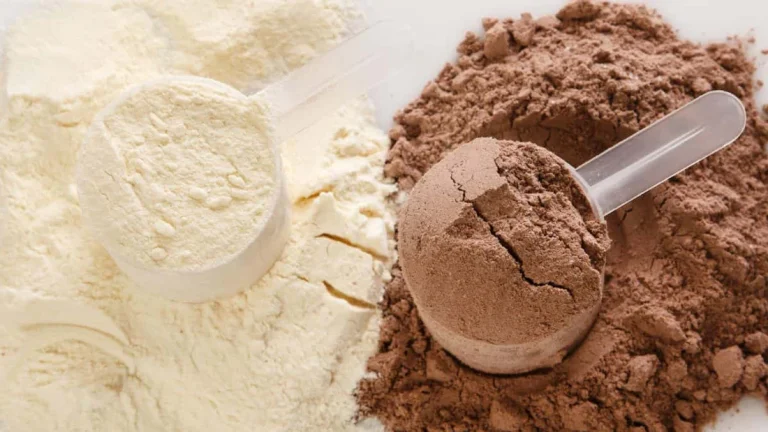
You can take protein powder two times a day, but it’s usually of the same formula (brand), as they are optimised to give you a specific amount of each amino acid.

When taking protein powder it is highly advisable to drink more water than you would normally drink without protein powder. Too much protein per day means that the kidneys have to work harder.

Some useful nutrition advice:

Taking 2 serves of protein powder per day for around 10 days, together with one meal consisting of a palm size portion of protein and salad and/or vegetables. Ideally, the protein shake is taken in the morning and one in the evening and the meal is at lunch time. After the 10 days, there should be 2 meals per day with vegetables and/or salad and one protein shake is taken in the morning or evening.

The brands you are talking about I’m not familiar with. I recommend Pharmafoods Isowhey in the clinic.

It is wise to take omega 3 fatty acids and an acidophilus supplement when on this diet plan.

Please note that the information provided is for educational purposes only and is not meant to diagnose or treat medical conditions. Consult with your medical physician regarding appropriateness of using supplements in your healing process.