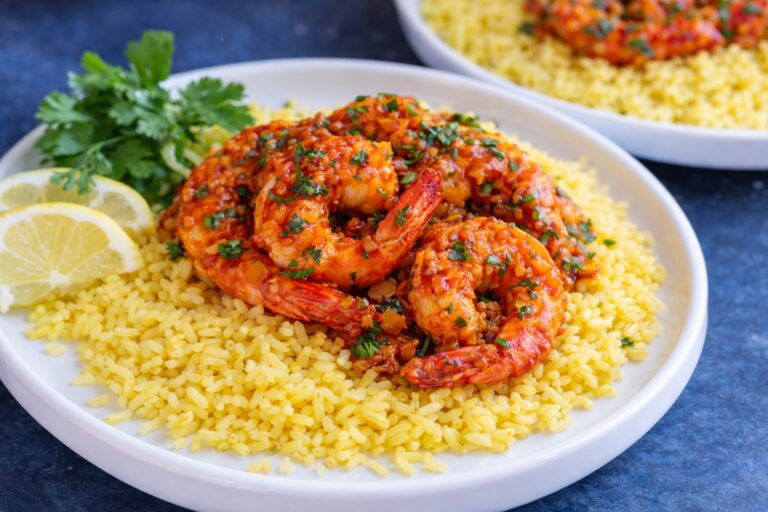
BBQ seafood with mango salsa

0
Diabetes friendly recipe
Low GI recipe
Low fat recipe
Low carb recipe
Dairy free recipe
Gluten free recipe
Heart healthy recipe


This is a really great recipe for entertaining, but it is equally satisfying for a family night of healthy eating, with the mango salsa providing the zing to the meal. This recipe is quick and easy to prepare.

Nutrition rundown

  • High-protein meal delivering nearly 74% of daily protein needs, ideal for muscle repair and satiety.
  • Good fibre contribution (15% daily value) from mango, avocado, onion and rocket.
  • Moderate cholesterol (largely from prawns and fish) but balanced by heart-healthy unsaturated fats from olive oil and fish.
  • Naturally low in refined carbohydrates and free from processed sugars.
  • Sodium remains moderate assuming only light seasoning.
  • Balanced macronutrient profile: high protein, healthy fats, and moderate natural carbohydrates.
  • Rich in omega-3 fatty acids (EPA & DHA) which are powerful anti-inflammatory fats from salmon, trout and mackerel, supporting heart, brain and eye health.
  • Vitamin D is especially high in salmon and mackerel; supports immunity and bone health.
  • Vitamin B12 often over 100% DV per serve; critical for nerve function and red blood cell production.
  • Iodine is important for thyroid function (especially from prawns and marine fish).
  • Selenium is a strong antioxidant mineral supporting immune health.
  • Zinc supports wound healing and immune function.
  • Iron helps oxygen transport; moderate levels from seafood.
  • Phosphorus is essential for bones and energy metabolism.
  • Choline is important for brain and liver function.
  • Coenzyme Q10 (CoQ10) supports cellular energy production and is found in fatty fish.
  • The mango salsa contains vitamin C (boosts collagen production and immunity), betacarotene (supports skin and eye health), vitamin E (antioxidant), vitamin K (bone health), folate (cell repair and DNA synthesis), vitamin K (regulate blood pressure and fluid balance), magnesium (muscle and nerve function), polyphenols & carotenoids (antioxidants), prebiotics (gut health).
Recipe information
Serves: 4
Prep time: 10 mins
Cooking time: 15 mins
Recipe nutrition (per serving)
Calories: 285
Carbs: 7.5 grams
Protein: 28 grams
Fat: 15.6 grams

Ingredients – barbecued seafood

  • Mixed seafood – salmon, trout, mackerel, rainbow trout, prawns, squid
  • Extra virgin, cold pressed olive oil
  • Rocket leaves, to serve
  • Lemon wedges, to serve

Ingredients – mango salsa

  • 1 mango, chopped finely
  • 1/2 red (Spanish) onion, finely chopped
  • 1/2 avocado, seeded, peeled and finely chopped
  • 2 Tbsp lemon juice
  • 1 Tbsp fresh mint, chopped finely
  • Salt to taste

Method – barbecued seafood

  1. Brush the fish and other seafood with some olive oil.
  2. Barbeque the fish and seafood until they are cooked.
  3. Add the rocket leaves to a large serving platter.
  4. Arrange the seafood on the rocket leaves.
  5. Garnish with the lemon wedges.
  6. Serve with the bowl of mango salsa.

Method – mango salsa

  1. Combine all ingredients in a bowl and season with the salt to taste.

Nutrition information

  Nutrition InformationAmount% Daily
Value
Calories28514.3%
Calories from fat14149.5%
Total fat15.6 g23.6%
Saturated fat3.0 g14.9%
Cholesterol160 mg52.1%
Sodium199 mg8.3%
Carbohydrate7.5 g3.3%
Dietary fibre1.6 g5.3%
Sugars4.4 gn/a
Protein28.0 g18.7%

The % daily values are based on a diet of 2000 calories per day
These are approximate values.

Baked apple with glazed orange

Diabetes friendly recipe
Low GI recipe
Low fat recipe
Low carb recipe
Dairy free recipe
Gluten free recipe
Heart healthy recipe
Vegetarian recipe
Vegan recipe

A healthy, delicious, yet decadent-looking dessert that is low in sugar, low in fat and high in fibre. Less sugar can be used, so adjust it to taste. It looks so decadent, yet it is a really healthy way to enjoy a sweet dessert after your main meal.

Nutrition rundown

  • 🍎 High in fibre (18.2% daily value per serve) primarily from apples, raspberries and orange pulp, supporting gut health and steady digestion.
  • 🍊 Naturally rich in vitamin C as oranges and raspberries provide strong antioxidant support for immune health and collagen production.
  • 🌰 Heart-supportive fats from pecans, a small amount of healthy monounsaturated fats contributes to overall cardiovascular balance.
  • 🩸 Low in sodium (under 1% DV) which excellent for those monitoring blood pressure.
  • ⚖️ Moderate natural sugar content as most sugars come from fruit, brown sugar adds sweetness but remains balanced by fibre.
  • 🔥 Low total fat and very low saturated fat and suitable for heart-conscious eating patterns.
  • 🦴 Small calcium contribution from yoghurt (varies depending on dairy or plant-based choice).
  • 🌿 Anti-inflammatory properties from cinnamon, which may assist blood sugar regulation.
  • 💪 Light protein boost from yoghurt and pecans, enhancing satiety.
  • 🧡 Antioxidant rich dessert option as the raspberries and apples contain polyphenols which help combat oxidative stress.
  • Energy-supporting whole carbohydrates are ideal as a wholesome dessert or post-meal sweet without excessive calories.
Recipe information
Serves: 6
Prep time: 20 mins
Cooking time: 25 mins
Recipe nutrition (per serving)
Calories: 162.8
Carbs: 30.3 grams
Protein: 4.2 grams
Fat: 2.7 grams

Ingredients

  • 6 organic apples (any firm type)
  • 2 organic oranges
  • 1/4 cup brown sugar
  • 2 Tbsp organic yoghurt (use coconut, milk, soy or whatever you like)
  • 1/2 cup raspberries (fresh or frozen)
  • 6 tspn grated pecans
  • 1 tsp ground cinnamon
  • 1/2 cup water

Method

  1. Peel the skin and most of the pith (white part) from the oranges and slice 1cm thick.
  2. Arrange half the orange slices on the bottom of a baking dish.
  3. Mix the ground cinnamon with the brown sugar and add about half of it to the oranges.
  4. Peel the skin from the apples and set aside in cold water to prevent browning of the skin (from oxidisation).
  5. Add the apples to the baking tray, on top of the oranges.
  6. Add the rest of the orange slices on top of the oranges (add any extra slices to the bottom of the tray).
  7. Sprinkle the rest of the sugar over the apples and the oranges.
  8. Measure out 1/2 cup of the water that the apples were in and pour it over everything in the baking dish.
  9. Cook at low-medium heat 150°C for about 20-25 minutes (or until the apples are soft and there is a glaze on the oranges).
  10. Serve warm with some yoghurt, sprinkle some raspberries over the yoghurt and sprinkle some grated pecan nuts over the top.

Nutrition information

  Nutrition InformationAmount% Daily
Value
Calories162.88.1%
Calories from fat24.614.7%
Total fat2.7 g3.5%
Saturated fat0.5 g2.5%
Cholesterol0.3 mg0.1%
Sodium9.8mg0.4%
Carbohydrate30.3 g9.9%
Dietary fibre5.1 g18.2%
Sugars2.1 g1.9%
Protein4.2 g9.8%

The % daily values are based on a diet of 2000 calories per day
These are approximate values.
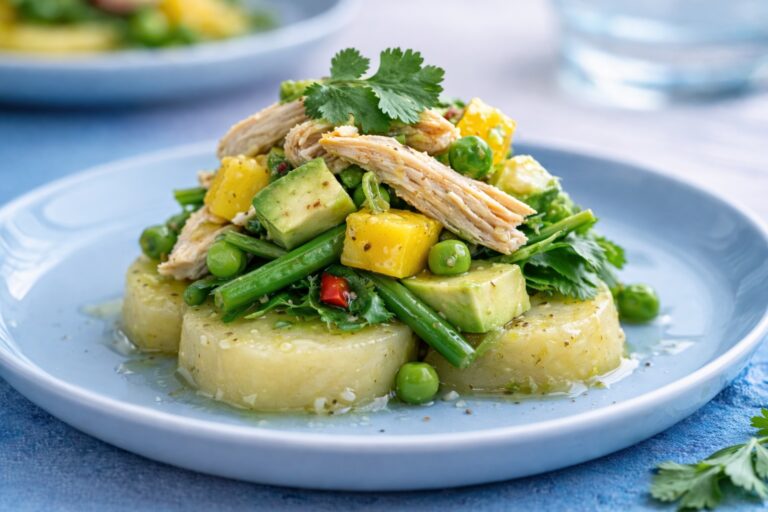
Homous

0
Diabetes friendly recipe
Low GI recipe
Low fat recipe
Low carb recipe
Dairy free recipe
Gluten free recipe
Heart healthy recipe
Vegetarian recipe
Vegan recipe


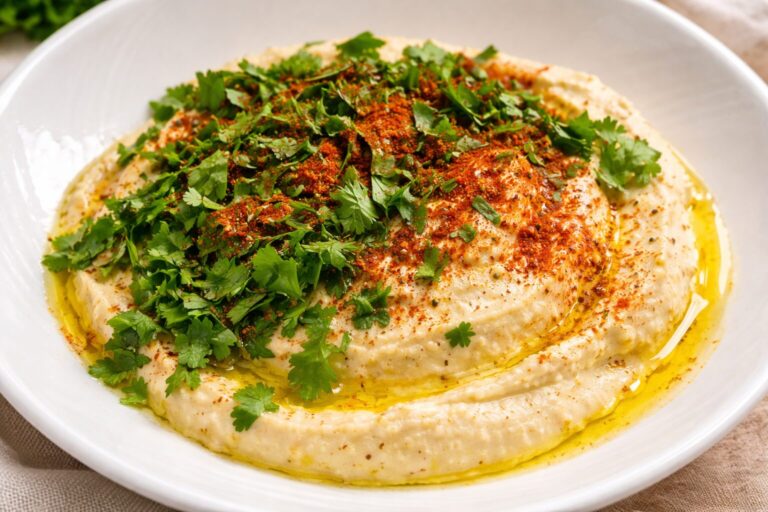
Homous is excellent accompanied to either fresh or roasted vegetables, with any type of meat (but especially lamb or chicken) or as a dipping sauce for home made, healthy crackers.

The homous will keep in the refrigerator, covered, for up to 5 days.

Nutrition rundown

  • Provides plant-based protein from chickpeas and tahini, supporting muscle repair and satiety.
  • Rich in heart-healthy monounsaturated fats from extra virgin olive oil and tahini.
  • Naturally cholesterol-free, making it supportive of cardiovascular health.
  • Contains beneficial soluble fibre, which supports gut health and stable blood sugar levels.
  • Moderate in healthy fats, which helping improve absorption of all the fat-soluble vitamins (A, D, E, K) from other foods.
  • Lemon juice contributes small amounts of vitamin C, aiding iron absorption from chickpeas.
  • Chickpeas provide important minerals including iron, magnesium, phosphorus and potassium.
  • Tahini adds calcium and zinc, important for bone health and immune support.
  • Low in saturated fat and very low in sodium (minimal added salt).
  • Provides steady-release carbohydrates for sustained energy.
  • The olive oil contributes anti-inflammatory polyphenols and antioxidants.
  • Garlic contains beneficial sulphur compounds that may support immune function.
  • Suitable for vegetarian and vegan diets.
  • Naturally gluten-free.
  • When paired with vegetables instead of refined crackers or bread, it becomes a very nutrient-dense snack.
Recipe information
Serves: 12 (2.5 cups)
Prep time: 35 mins
Cooking time: 10 mins
Recipe nutrition (per serving)
Calories: 95
Carbs: 12.3 grams
Protein: 7.0 grams
Fat: 4.2 grams

Ingredients

  • 1 cup dried organic chickpeas, soaked overnight in cold water
  • 3 cloves organic garlic, finely grated
  • 1/2 cup organic lemon juice
  • 1/4 cup organic tahini
  • 1/4 cup organic virgin, cold pressed olive oil
  • 1/3 tsp organic sweet paprika powder
  • 1/4 tsp salt
  • Few sprigs of fresh organic coriander (chopped) to garnish

Method

  1. Add the drained chickpeas and bay leaves to a pot of water.
  2. Simmer the chickpeas over medium heat for about 30 minutes, or until the chickpeas are tender.
  3. Drain the chickpeas, reserve the cooking liquid, but discard the bay leaves.
  4. Combine the chickpeas and the garlic, lemon juice and tahini in a food processor.
  5. Add some of the cooking liquid (of the chickpeas) and process the mixture until it is a smooth paste.
  6. Season the homous mixture to taste with the salt.
  7. Serve the tahini with some sweet paprika sprinkled over the top and drizzled with a little of the olive oil.
  8. Serve immediately.

Nutrition information

  Nutrition InformationAmount% Daily
Value
Calories954.8%
Calories from fat3334.7%
Total fat6.7 g6.7%
Saturated fat0 g0%
Cholesterol0 mg02%
Sodium58mg2.4%
Carbohydrate12.3 g5.5%
Dietary fibre3.4 g11.3%
Sugars2.1 g1.9%
Protein4.2 g12.8%

The % daily values are based on a diet of 2000 calories per day
These are approximate values.

Braised Mediterranean chicken with wild rice

0
Diabetes friendly recipe
Low GI recipe
Low carb recipe
Dairy free recipe
Gluten free recipe
Heart healthy recipe


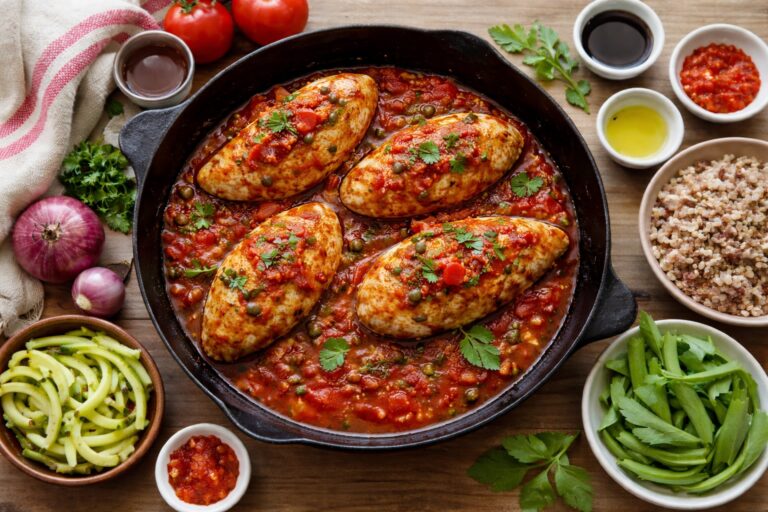
This is a really hearty winter recipe, that is very filling, delicious and full of fibre and nutrients.

This recipe is a little high in fat, but if you trim the fat off the chicken, then it reduces the amount of fat in the recipe. It is relatively low in sodium (especially if you use your own chicken stock) and very high in fibre, making it a heart healthy recipe.

Nutrition rundown

  • Excellent protein density as there’s nearly 43g protein per serve, making this highly supportive for muscle maintenance, satiety and metabolic health.
  • Lean protein foundation with skinless organic chicken keeps saturated fat controlled while delivering complete amino acids.
  • Healthy fat profile where most fat comes from extra virgin olive oil, rich in monounsaturated fats that support heart health.
  • Moderate carbohydrate load as wild and brown rice provide complex carbohydrates for steady energy release rather than blood sugar spikes.
  • Strong fibre contribution with almost 6g fibre per serve from vegetables and wholegrains, supports digestion and gut microbiome health.
  • Naturally low in added sugars which come primarily from tomatoes and balsamic vinegar.
  • Sensible sodium level due to using low-sodium home-made chicken stock.
  • Rich in antioxidants like tomatoes (lycopene), basil, chilli and zucchini provide anti-inflammatory plant compounds.
  • Micronutrient dense as it has a good source of vitamin C, potassium, B vitamins and protective phytonutrients.
  • Mediterranean-style eating pattern includes lean protein, olive oil and abundant vegetables align with cardioprotective dietary models.
Recipe information
Serves: 4
Prep time: 35 mins
Cooking time: 35 mins
Recipe nutrition (per serving)
Calories: 506
Carbs: 38.3 grams
Protein: 42.7 grams
Fat: 20.8 grams

Ingredients

  • 4 organic skinless chicken breasts fillets, cut in half
  • 4 large organic vine-ripened tomatoes, chopped
  • 1 red Spanish onion, chopped
  • 400ml chicken stock
  • 1/4 cup fresh basil
  • 200g snow peas
  • 4 zucchini, cut julienne
  • 1/2 cup wild and brown rice
  • 2-3 Tbsp balsamic vinegar
  • 1 small fresh chilli, seeded and chopped finely
  • 3 Tbsp extra virgin, cold pressed olive oil

Method

  1. Heat 1 tablespoon of the olive oil in a large, cast iron casserole pan.
  2. Cook onion over low heat, until it is soft (add a little stock if the onion starts sticking to the pan).
  3. Add the vinegar, then add the garlic, chilli and tomatoes and cook uncovered on high heat, until the tomatoes are thick and pulpy.
  4. Add the stock and bring to the boil.
  5. Once it has boiled, reduce the heat and simmer gently, uncovered, until the sauce is reduced by about half and then season to taste with salt.
  6. Brush the chicken with some olive oil and brown it in a large saucepan over high heat.
  7. Add the browned chicken pieces to the tomato mixture.
  8. Cook the tomato mixture, covered on low heat, for about 20 minutes, or until chicken is properly cooked.
  9. Stir in the chopped basil.
  10. Meanwhile, cook the wild and brown rice, uncovered in salted water for about 20 minutes or until cooked.
  11. Drain the rice, stir in 2 tablespoons of olive oil and season with salt and pepper to taste.
  12. Spoon rice into bowls. Add the tomato chicken mixture and serve with the snow peas and zucchini on the side.

Nutrition information

  Nutrition InformationAmount% Daily
Value
Calories50625.3%
Calories from fat18729.0%
Total fat20.8 g28.4%
Saturated fat4.2 g19.5%
Cholesterol107 mg35.4%
Sodium222 mg9.3%
Carbohydrate38.3 g17.0%
Dietary fibre7.0 g23.3%
Sugars11.7 gn/a
Protein42.7 g79.8%

The % daily values are based on a diet of 2000 calories per day
These are approximate values.

Chicken, corn and rice soup

0
Diabetes friendly recipe
Low GI recipe
Low fat recipe
Low carb recipe
Dairy free recipe
Gluten free recipe
Heart healthy recipe


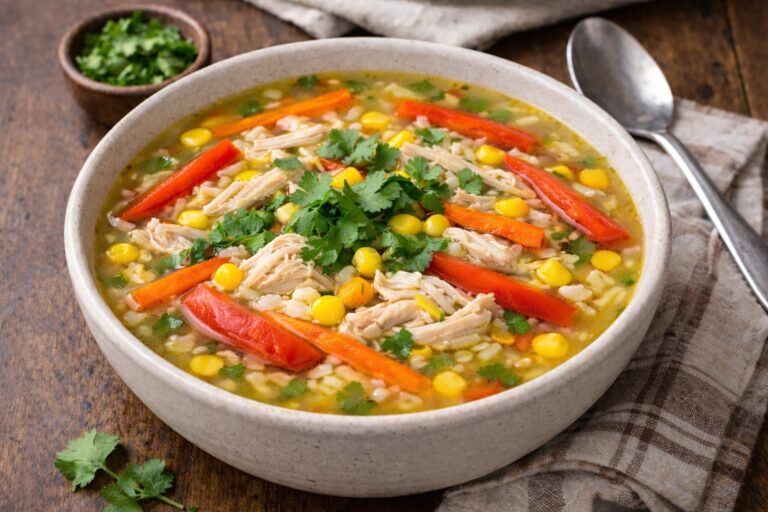
This is a filling soup that is a variation on the traditional chicken and corn soup, with a few extra flavours and nutrients. It’s a really easy soup, perfect for those winter days or nights when you need something comforting and warm.

Always buy organic chicken were possible, as it’s better for you and healthier.

Nutrition rundown

  • Provides high-quality lean protein (21.2g per serve) from chicken to support muscle repair, immune function and satiety.
  • Low calorie content makes this a light but filling meal option.
  • Contains beta-carotene (vitamin A precursor) from carrots and capsicum to support eye health and immunity.
  • Corn and rice supply steady-release carbohydrates for gentle energy without being overly heavy.
  • Offers over 11% of daily fibre needs, helping digestion and gut health.
  • Naturally rich in vitamin C from capsicum and coriander to support collagen production and immune defence.
  • Provides important B vitamins (especially B3 and B6) from chicken to assist energy metabolism.
  • Supplies potassium and magnesium from vegetables for fluid balance and nerve function.
  • Relatively high sodium content (from stock), so using a reduced-salt stock would significantly lower sodium.
  • Very low in added sugars, where the sweetness comes naturally from carrot and corn.
  • Low in saturated fat, supporting heart health.
  • Hydrating due to high fluid content from stock base.
  • Gluten-free when using plain rice.
  • Easily adaptable: can increase protein by adding extra chicken or fibre by increasing vegetables.
Recipe information
Serves: 4
Prep time: 15 mins
Cooking time: 40 mins
Recipe nutrition (per serving)
Calories: 225
Carbs: 19.3 grams
Protein: 21.2 grams
Fat: 6.7 grams

Ingredients

  • 1/4 cup jasmine rice (or any long grain rice)
  • 4 cups chicken stock
  • 2 skinless organic chicken thigh or breast fillets, coarsely chopped/shredded
  • 2 medium carrots, julienne into 5cm strips
  • 1 red capsicum, sliced into 5cm strips
  • 125g frozen (or canned or fresh) corn
  • Handful of coriander leaves, chopped

Method

  1. Add the chicken stock to a heavy, iron-based pot.
  2. Add the rice and bring to the boil, covered with the lid.
  3. Once the water has reached the boil, reduce the heat and simmer for about 10 minutes or until the rice is softened.
  4. Add the chicken and cook for 20 minutes
  5. Then add the carrot, capsicum and corn and cook on a medium heat for a further 10 minutes.
  6. Serve garnished with the coriander.

Nutrition information

  Nutrition InformationAmount% Daily
Value
Calories22511.3%
Calories from fat156.6%
Total fat6.7 g9.8%
Saturated fat2.0 g10.2%
Cholesterol79 mg26.2%
Sodium414 mg17.3%
Carbohydrate19.3 g8.6%
Dietary fibre3.1 g11.1%
Sugars5.6 g6.2
Protein21.2 g41.4%

The % daily values are based on a diet of 2000 calories per day
These are approximate values.

20 minutes to leaner, longer legs

An area of concern for many women – no matter what age – is the shape, tone and length of muscle of our legs. The suppleness of front, back, sidelines of the legs and surely the curve of the derriere are the parts of our bodies that get a lot of focus and attention in everything we do, every way we move and everywhere we come and go.

Why not spend a minimum of twenty minutes a session, twice a week, shaping and toning these lifelong supports to mental and physical health and beauty.

Two easy legs exercises

Two easy, but very efficient leg workouts are simple squats and lunges. Sure, you can make the exercise more intense by adding weights for added resistance while you work (e.g., dumbbells of 8, 10lbs; a 2, 4, 6lb medicine ball, or even a weighted bar) or you can perform the following exercise using your own body weight as the resistance.

The side-to-side squat

Starting with the right leg and:

  1. stand tall with both feet parallel and closed in a narrow stance (both feet directly under your pelvis)
  2. holding the Left Foot in place, step the right leg horizontally to the right of your body, bend both knees into a squat and hold for a three second count
  3. press off the right foot and stand, returning both feet to the starting position
  4. holding the Right Foot in place, step the LEFT leg horizontally to the left side of your body, bend both knees into the squat, holding for a three-second count; press off the left foot and stand tall.

Repeat the sequence ten (10) times for each leg.

Be mindful to keep the torso aligned over your pelvis; keep the abdominals pulled in and up; knees tracking over the ankles – not the toes for full squat alignment. You will work your quadriceps, adductors and glutes and build strength in the muscles of your legs. Add extra resistance after you can master this move with ease.

‘Round the clock lunges

Forward and backward lunges are pretty straight forward (no pun intended) and are used to build and shape the quadricep, hamstrings and glutes.

Begin with both feet in a parallel, narrow stance. Instead of moving the body horizontally, as outlined above, start with the right leg and:

  1. step forward to firmly place the foot forward enough such that your knee aligns directly over the ankle and the quadricep is parallel to the floor – as you bend the knee
  2. as you do above, simplyhold the left foot in place, rolling thru to the ball of the foot (the heel will lift from the floor) hold the position for a three-second count
  3. press off the right foot to return to the standing position.

Repeat with the sequence with left leg for ten (10) repetitions for each leg FORWARD (as if lunging to 12 O’clock) and BACKWARD (as if lunging to 6 o’clock). Oh the burn of it all!

To build muscle, tone and strengthen the inner and outer thighs (adductors and abductors), I encourage the use of four additional clock points; 2 and 5 (for the Right Leg) 7 and 10 (for the Left Leg). In so doing, simply keep the pelvis square and aligned and open the leg to place the foot at the respective clock point.

The whole sequence will take you no more than 7-10 minutes and will create a little perspiration on your brow and down your back, for sure!

Tone the legs with pilates side kicks

I use the Pilates side kicks to further tone and lengthen the muscle of the sidelines, glutes and encourage use, strength and stability development of the abdominal trunk, particularly the back erectors and obliques.

Beginning with the right leg

(Set Up) Lie down on a mat and align your left elbow, shoulder, hips and spine at the back edge of the mat, as if it was a brick wall. Place your left hand under your head to support your head and neck. Lift your abdominals in and up and be mindful to keep your back firmly pressed against the “wall” of your abdominals. Stack your legs and bring the heels to the front edge of the mat, stacking the Right Leg atop the bottom leg:

  1. engage your abdominals and lift the long straight leg to hip level; flex the foot and lengthen the leg bringing top heel over bottom heel
  2. inhale to lift the leg 4 inches (10cm) and then
  3. exhale to slowly lower it to the hip level

Repeat this action 10 times. Keep the abdominal wall strongly lifted. Maintain spinal alignment.

Work the hips and glutes

(Set Up) Rotate the right hip open, knee and toe reach to the ceiling:

  1. kick the straight leg forward, while maintaining core and spinal alignment
  2. return the leg to the bottom heel. Work to maintain the hip rotation, keeping the knee and toe reaching to the ceiling and the lift and length of the abdominals for stability

Repeat this sequence for 8-10 repetitions. Flip to the other side of your mat and perform the same work for the other leg. This entire series will take no more than 10 minutes and will greatly tone and lengthen the outer leg, hips and glute.

Finish with stretching exercises of your choice and repeat the work 2-3x a week and start to pay attention to what happens when you enter and leave a room!

Author

Gina Jackson - pilatesThis article was written by Gina Jackson, MBA, CPT, who holds an Advanced PFT recognition as a member of the International Association of Fitness Professionals (IDEA); maintains affiliate membership in the National Federation of Professional Trainers (NFPT) and is certified as a Power Pilates Teacher and a proud Business Member of the Pilates Method Alliance.

Gina Jackson is an expert on the Vital Health Zone web site, so you can ask Gina a question about fitness for free.


Last reviewed and updated: 6 February 2026

Stir fried lamb with noodles

0
Diabetes friendly recipe
Low GI recipe
Low fat recipe
Low carb recipe
Dairy free recipe
Gluten free recipe
Heart healthy recipe

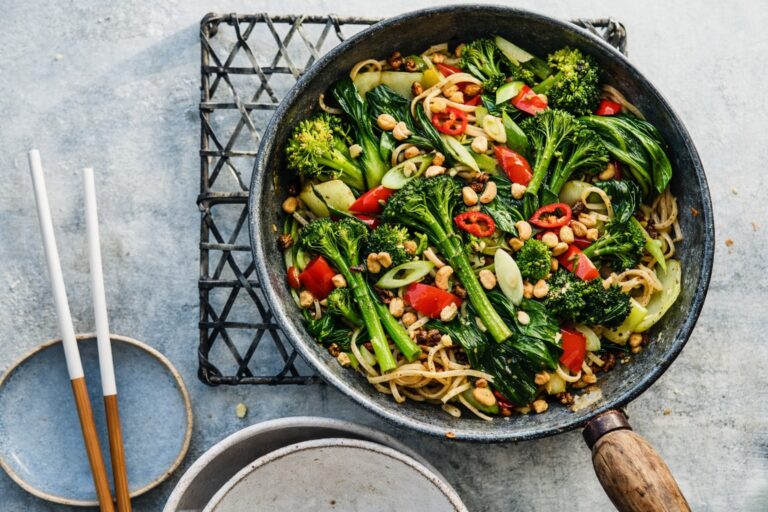
A delicious lamb recipe with vegetables served on a base of noodles. It’s low GI, relatively low in fat, gluten-free, rich in protein and is nutritious. All the vegetables are full of heart healthy vitamins, minerals and other nutrients.

This meal is very high in protein, so it satisfies and is filling. Saturated fat is low due to the lean lamb. It is high in dietary fibre, which is gut friendly and diabetes friendly. Using a low salt soy sauce or omitting it, reduces the salt greatly.

Nutrition rundown

  • 455 calories per serving so it has moderate energy, suitable for a balanced main meal
  • High protein (38 g) supports muscle repair, metabolism and satiety
  • Moderate total fat (18.3 g) primarily from lean lamb and a small amount of healthy oils
  • Saturated fat kept controlled (6.5 g) significantly reduced by trimming lamb and lowering added oils
  • Cholesterol moderate (85 mg) typical for a lean red meat serving
  • Sodium well managed (390 mg) reduced by using low-sodium stock and minimal tamari
  • Carbohydrates balanced (32 g) mainly from rice vermicelli and vegetables
  • Good fibre intake (6.2 g) contributed by broccoli, bok choi, broccolini and spinach
  • Naturally low in added sugars (5.8 g total sugars) coming from vegetables only
  • Rich in iron, zinc and B vitamins thanks to lean lamb
  • High in antioxidants and phytonutrients from capsicum, leafy greens, ginger, garlic and chilli
  • Contains healthy fats from the small amounts of olive oil, sesame oil and cashews provide heart-supportive unsaturated fats
Recipe information
Serves: 4
Prep time: 25 mins
Cooking time: 45 mins
Recipe nutrition (per serving)
Calories: 455
Carbs: 32.0 grams
Protein: 38.0 grams
Fat: 18.3 grams

Ingredients

  • 600g lean lamp chump chops (no bones), sliced into 2cm slices
  • 125ml chicken stock
  • 5 spring onions, cut into 5cm pieces
  • 1 bunch broccoli, broken into small florets
  • 1 bunch baby spinach
  • 1 bunch bok choi
  • 1 bunch broccolini, trimmed and halved crosswise
  • 1 red capsicum, sliced and cut in 5cm pieces
  • 1/3 cup fresh coriander
  • 1/4 cup cashews roasted and coarsely chopped
  • 1 large fresh chilli, sliced
  • 2 Tbsp fresh lime juice
  • 125g rice vermicelli noodles, cooked
  • 2 cloves garlic, finely chopped
  • 2 Tspn grated fresh ginger
  • 1 Tspn sesame oil
  • Soy sauce, or wheat-free tamari
  • Extra virgin, cold pressed olive oil

Method

  1. Rub the lamb pieces with a little soy sauce and olive oil, just to ensure they are covered.
  2. Heat 1 tablespoon of the olive oil in a wok and stir fry lamb over high heat in batches until all of it is cooked.
  3. Remove cooked lamb from wok and set aside, somewhere warm (oven).
  4. Add a little more olive oil to the work and add garlic and ginger.
  5. Stir fry for 1 minute and then add the chicken stock.
  6. Add the broccoli stems, floret, capsicum and broccolini, stir fry for 30 seconds and then cover and cook over a low heat for about 1 minutes.
  7. Add baby spinach and bok choi and stir fry until wilted.
  8. Add chilli, lime juice and 1 tablespoon of the soy (or tamari) sauce and stir fry for 1 more minute.
  9. Meanwhile, cook the rice noodles in boiling, salted water.
  10. When rice noodles are cooked, place equal portions in 4 serving bowls.
  11. Top with vegetable mixture, lamb and any lamb juices.
  12. Sprinkle over the top with the sliced spring onions, sliced chilli, coriander and cashews and serve hot.

Nutrition information

  Nutrition InformationAmount% Daily
Value
Calories45526.0%
Calories from fat165512.8%
Total fat18.3 g23.5%
Saturated fat6.5 g32.5%
Cholesterol85.0 mg28.3%
Sodium390.0 mg17.0%
Carbohydrate32.0 g11.6%
Dietary fibre6.2 g22.1%
Sugars6.2 g6.4
Protein38.0 g76.0%

The % daily values are based on a diet of 2000 calories per day
These are approximate values.

Heal depression & anxiety by processing feelings

0

Denying feelings is unhealthy

Denying feelings can create stagnation emotionally and lead to states of depression and anxiety.

Use this handy checklist to assess if you are processing experiences in a way to avoid stagnation and depression and anxiety.

Checklist for healthy processing

Are you acknowledging both the positive and negative aspects of a challenge?

Tip: Listen for the language of denial and depression that may include phrases such as “all is okay” or “everything is fine” when you’re not feeling okay or fine.

Also, listen for language that focuses only on the negative such as “Everything is all wrong.”

Ask yourself, what are all the feelings I am experiencing about this situation, person, or life change?

Journaling

Develop a variety of tools to process your feelings such as journalling.

Using collage art to represent the feelings. This method requires no art talent, just a willingness to express.

Exercise such as qi gong which has movements that address releasing certain emotions such as depressionanxiety, sadness, grief, or anger.

Visualise and meditate feelings

Imagine the anxiety or depression you are feeling as a leaf floating down a stream or river and drifting far out of sight.

A study released in the May 2008 edition of the Journal of Clinical Psychology reported that people who suffered with depression and participated in meditation and yoga classes experienced similar results as those who participated in group therapy.

Allow yourself down time to process. Sometimes people fill their days with hectic activity to avoid processing feelings or facing depression. Scheduling down time is a way of nourishing your body, mind and spirit to release anxiety or depression.

Allow your friends and family to support you. Often times, loved ones have no idea that you are going through difficulties if you put on a happy face.

Yes, be positive but also be willing to acknowledge that you are hurting or finding a situation challenging.

Allow yourself to seek professional help with a psychotherapist, counselor or life coach to gain new tools to deal with the challenges in your life.

For additional strategies for healing depression and anxiety by processing your feelings, call Kay Hutchinson on (USA) 512.468.6588 or email her at info@aikihealing.com

Author bio

Kay Hutchinson is a Classical Chinese Medicine and Qi Gong practitioner, who consults with clients at her clinic in Texas, but she is also available for online consultations too.

Kay Hutchinson is an expert on the Vital Health Zone web site, so you can ask Kay a question about health from a Chinese medicine perspective for free.

Last reviewed and updated: 5 February 2026

Trout with wilted spinach and sweet potatoes

0
Diabetes friendly recipe
Dairy free recipe
Gluten free recipe
Heart healthy recipe


This is a great heart healthy dish which looks very colourful and is very suitable to be served to the family or even at a dinner party. While this recipe is high in fat, it is from the “good fats”, the heart healthy omega-3 essential fatty acids.

A great summer dish, but equally it works well in winter. Ensure to get wild ocean trout, as that type of trout is more flavoursome than farmed trout.

Nutrition rundown

  • High-protein, nutrient-dense meal thanks to ocean trout and peas — excellent for satiety and muscle support
  • Strong omega-3 fat profile from trout, with moderate total fat overall
  • Very high fibre (over 50% DV) from sweet potatoes, peas and spinach — gut-friendly and blood-sugar stabilising
  • Sodium remains moderate, assuming reduced-salt stock and light seasoning
  • Naturally occurring sugars only, no added sugars
  • Excellent source of vitamin A (beta-carotene) from orange sweet potatoes and spinach, supporting immune function, skin integrity and eye health.
  • Very rich in vitamin K1 from English spinach, essential for proper blood clotting and bone mineralisation.
  • High in potassium from sweet potatoes and peas, helping regulate blood pressure and support heart rhythm.
  • Strong magnesium contribution, supporting muscle recovery, nerve signalling and energy production.
  • Contains significant iron, particularly from spinach and trout, aiding oxygen transport and reducing fatigue risk.
  • Provides folate (vitamin B9) from peas and spinach, important for cell repair and DNA synthesis.
  • Naturally high in antioxidants, including carotenoids (sweet potato), lutein (spinach) and astaxanthin (ocean trout), which help reduce oxidative stress.
  • Balanced glycaemic profile where fibre, protein and fat work together to slow glucose absorption despite the carbohydrate content.
  • Supports anti-inflammatory pathways due to omega-3 fatty acids combined with antioxidant-rich vegetables.
  • Good source of selenium from trout, supporting thyroid function and immune defence.
  • Naturally gluten-free meal, suitable for coeliac or gluten-sensitive diets (as the stock is home-made).
  • Provides complete protein as trout contains all the essential amino acids required for tissue repair and enzyme production.
  • Moderate cholesterol counterbalanced with omega-3 fatty acids (EPA and DHA), which support heart health and reduce triglycerides
Recipe information
Serves: 4
Prep time: 30 mins
Cooking time: 15 mins
Recipe nutrition (per serving)
Calories: 675
Carbs: 60.9 grams
Protein: 47.9 grams
Fat: 27.5 grams

Ingredients

  • 4 ocean trout fillets (180g each), skinned and bones removed
  • 800g orange sweet potatoes, cut into 3cm pieces
  • 500ml chicken stock
  • 1kg peas
  • Extra virgin, cold pressed olive oil
  • 2 bunches English spinach

Method

  1. Place sweet potatoes on an oven tray and brush them with a little olive oil.
  2. Roast the sweet potatoes in a medium-hot oven at 200°C for about 30 minutes or until just browned and tender.
  3. Add chicken stock to a large saucepan and bring to the boil.
  4. Add peas and cook uncovered over medium heat, for about 10 minutes or until they are tender.
  5. Mash the peas with a potato masher in the pan until they are coarsely crushed and season with salt and pepper to taste.
  6. Brush the skinned side of the ocean trout with olive oil and sprinkle some salt on both sides of the trout.
  7. Add the trout to a frying pan over high heat and cook each side for about 5 minutes or until slightly pink in the middle.
  8. Meanwhile, place the spinach in a large saucepan and add a 1-2 tablespoon of water.
  9. Cook the spinach in a saucepan over medium heat until it has just wilted.
  10. Drain and rinse the spinach under cold water and squeeze out the water.
  11. Return the spinach to the saucepan, season with salt and pepper to taste and toss over high heat with some olive oil.
  12. Spoon wilted spinach in equal portions on the 4 plates.
  13. Top with the mushy peas and add the ocean trout on top.
  14. Add the roasted sweet potatoes on the side and serve warm.

Nutrition information

  Nutrition InformationAmount% Daily
Value
Calories67533.7%
Calories from fat24829.9%
Total fat27.5 g35.3%
Saturated fat5.6 g23.3%
Cholesterol122.4 mg40.8%
Sodium548.6 mg22.9%
Carbohydrate60.9 g22.1%
Dietary fibre15.8 g52.7%
Sugars15.1 g16.8
Protein47.9 g95.8%

The % daily values are based on a diet of 2000 calories per day
These are approximate values.
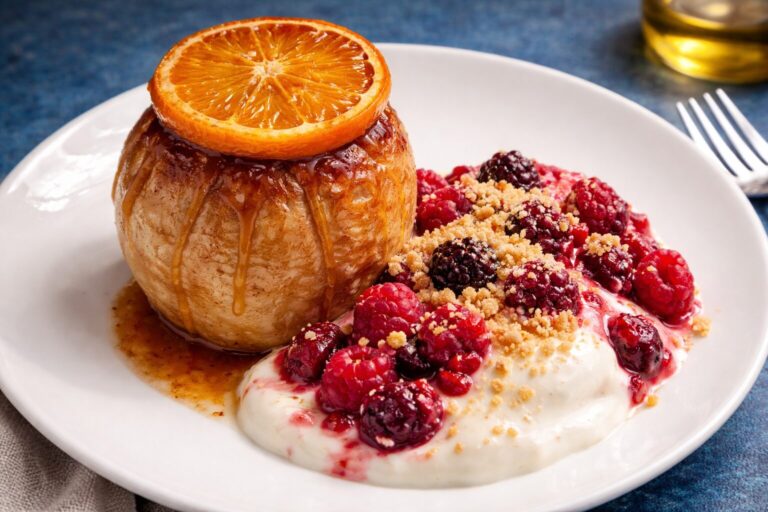
Sardines, beans and vegetables salad

0
Diabetes friendly recipe
Low GI recipe
Low fat recipe
Low carb recipe
Dairy free recipe
Gluten free recipe
Heart healthy recipe


This recipe is fresh, light and very easy to prepare and is very high in dietary fibre, very low in fat, but high in the heart-healthy omega-3 fatty acids and is full of antioxidants, vitamins and minerals.

You can substitute the sardines with salmon or tuna instead of the sardines if desired.

Nutrition rundown

  • Excellent source of complete protein, delivering nearly half of daily needs per serve.
  • Rich in omega-3 fatty acids from sardines, supporting heart and brain health.
  • Provides over one-third of daily fibre, promoting gut health and satiety.
  • Strong source of iron and plant-based protein from mixed beans and spinach.
  • High in vitamin C from capsicum, tomatoes and lemon juice, supporting immunity.
  • Good source of vitamin A and antioxidants from red capsicum and spinach.
  • Sardines provide significant calcium (if bones included) for bone strength.
  • Contains natural potassium from beans and vegetables for blood pressure balance.
  • Low sodium content using whole vegetables.
  • Provides steady energy due to combination of complex carbohydrates + protein + healthy fats.
  • Naturally gluten-free and rich in phytonutrients from colourful vegetables.
  • Balanced macronutrient profile suitable for a Mediterranean-style eating pattern.
  • Supports blood sugar stability due to fibre and protein combination.
  • Contains small amounts of vitamin E and polyphenols from olive oil and balsamic vinegar.
  • Offers anti-inflammatory compounds from omega-3s and plant antioxidants.
Recipe information
Serves: 4
Prep time: 25 mins
Cooking time: 3 mins
Recipe nutrition (per serving)
Calories: 328.4
Carbs: 30.7 grams
Protein: 24.6 grams
Fat: 12.8 grams

Ingredients

  • 1 can organic mixed beans (400g)
  • Small bunch organic baby spinach leaves shredded (about 50g, 1/2 packet)
  • 12 organic cherry tomatoes cut in half
  • 1 organic cucumber, cut in half and chopped
  • 1 organic red pepper (capsicum) chopped into 2cm pieces
  • 2 tins (106g each) sardines (you can use tuna, salmon, mackerel instead)
  • 2 Tbsp balsamic vinegar
  • 1 Tspn extra virgin olive oil
  • 1/2 Tspn salt
  • 1 Tspn lemon juice

Method

  1. Cut up the cherry tomatoes and place into a large bowl.
  2. Cut the capsicum into small pieces (about 2cm) and add to the bowl.
  3. Wash and drain the baby spinach leaves and shred into the bowl.
  4. Cut the cucumber in half, diagonally, then slice and add into the bowl.
  5. Drain and wash the beans in a small bowl and add to the lager bowl with the rest of the ingredients.
  6. Drain the sardines and chop them into smaller bits and add to the bowl.
  7. Add the salt, balsamic vinegar and olive oil and toss the salad.
  8. Add the salad to each plate in equal portions.

Nutrition information

  Nutrition InformationAmount% Daily
Value
Calories328.416.4%
Calories from fat8619.2%
Total fat12.8 g19.7%
Saturated fat2.7 g13.5%
Cholesterol52.6 mg17.5%
Sodium240 mg12.5%
Carbohydrate30.7 g10.2%
Dietary fibre9.4 g33.6%
Sugars6.8 g7.6
Protein24.6 g49.2%

The % daily values are based on a diet of 2000 calories per day
These are approximate values.