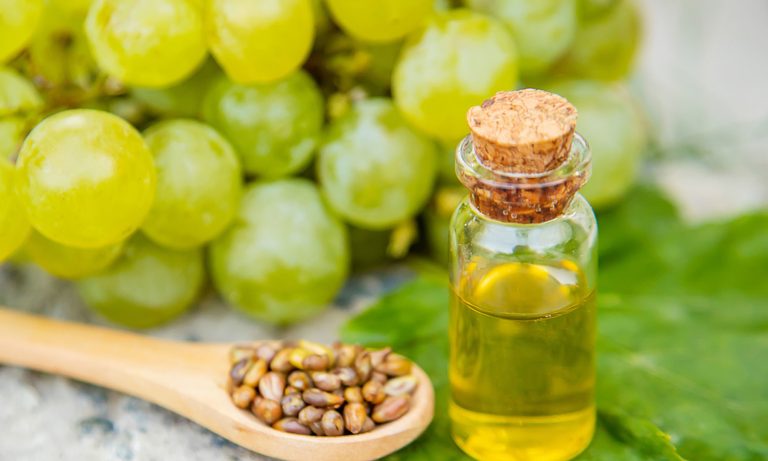
Grape seed

Facts

Important grape seed facts

Grapes have been used as medicine for thousands of years and red wine has been shown to have many beneficial effects. It is now thought that the seeds of the red grapes (together with the skin) are the parts of the grapes which have the most potent antioxidant and health benefits.

Grape seeds are rich in procyanidins, which are are potent free radical scavengers and a special class of water-soluble bioflavonoids.

Grape seeds contain compounds called procyanidolic oligomers (PCOs), which are powerful antioxidants (maybe even more so than vitamin C and vitamin E). PCOs inhibit a number of enzymes that cause degeneration and ageing to the body. PCOs are also found in berries, green and black tea, red grapes and red wine.

  • PCOs are key ingredients in one of the drugs most frequently prescribed for blood vessel disorders in western Europe
  • Grape seed extract is both water and oil soluble, so it can penetrate through cell membranes
  • Grape seed extract can cross the blood-brain barrier, so it has the potential to protect the brain from free radical damage
  • Grape seed blocks the release of two chemicals in the body that cause a variety of instigates allergy symptom and inflammation – histamine and prostaglandins

Grape seed works best with

Health

Grape seed and health

  • Allergy, hay fever, asthma – grape seed stabilises mast cells and inhibits both the production and release of histamine as well as other chemicals that create allergy and inflammation within the body so may help with conditions such as allergieshay feverasthma and sinusitis
  • Blood pressure – one prominent study has recently shown that grape seed extract lowered blood pressure in people with metabolic syndrome. More research needs to be done in this area
  • Capillaries – grape seed strengthens weak or fragile capillaries and increases blood flow into the extremities in particular, so helps to alleviate varicose veins and any leg cramps that may be associated with poor vascular function in the extremities
  • Eye health – since grape seed strengthens all types of blood vessels, it is also beneficial in the increase blood circulation in the eyes. It is recommended for people with macular degeneration and cataracts and even those with eyestrain. One study showed that taking 300mg of grape seed extract for 60 days reduced eyestrain from computer work and improved contrast vision

People who wish to take a grape seed supplement should talk to a medical professional before taking it.

Deficiency

Deficiency


Food sources

Food sources


Supplements

Types of grape seed supplements

Grape seed is only found in the one food – grapes! Especially red and purple grapes. Grape seed supplementation is available in the following ways:

  • Oral liquid – the active components are extracted
  • Natural seeds in grapes – the seeds (or “pips”) in grapes can be eaten to get the benefits

Grape seed supplementation checklist

  • Choose supplements that are standardised to contain 92%-95% PCOs
  • Only 30% of grape seed’s active components remain in the body, so it is important to take supplements at the same time each day
  • Find a supplement with other antioxidants as these will propagate and promote the health benefits further

Dosage

Grape seed recommended dosage

Dosage of grape seed depends on the condition that is being treated. A medical doctor and/or alternative health care provider can advise on individual cases – this information is provided as a guide only:

LifestageAgeAmount (per day)
INFANTS0-12mthsNot recommended
CHILDREN1-8yrsSeek medical advice before taking it
CHILDREN9-18yrsSeek medical advice before taking it
ADULTS19-50yrsAntioxidant Protection
100mg daily
Therapeutic Benefits
200mg daily
SENIORS51+yrsAntioxidant Protection
100mg daily
Therapeutic Benefits
200mg daily
PREGNANTNot recommended
LACTATINGNot recommended


Toxicity

Overdosage, toxicity and cautions for grape seed

There are no known overdosage or toxicity effects and no known interactions of medications with grape seeds.

Precautions

Precautions


Interactions

Interactions


References

References

  • Agarwal C, Sharma Y, Agarwal R. A Polyphenolic Fraction from Grape Seeds Causes Irreversible Growth Inhibition of Breast Carcinoma MDA-MB468 Cells by Inhibiting Mitogen-activated Protein Kinases Activation and Inducing G1 Arrest and Differentiation. Clinical Cancer Research July 2000. Vol 6, 2921-2930
  • Bagchi D, et al. Cellular Potection with proanthocyanidins derived from grape seeds. Annal of the New York Academy Sciences, 2002. 957; 260-270
  • Clifton, PM. J Biomed Biotechnol. Effect of Grape Seed Extract and Quercetin on Cardiovascular and Endothelial Parameters in High-Risk Subjects. 2004; 2004(5): 272–278. 15 June 2004
  • Khann S, et al. Dermal wound healing properties of redox-active grape seed proanthocyanidins. Free Radical Biology & Medicine 2002. 33 (8); 1089-1096
  • Nuttall SL, Kendall MJ, Bombardelli E, Morazzoni P. An evaluation of the antioxidant activity of a standardized grape seed extract. Journal of Clinical Pharmacy and Therapeutics, Vol. 23 Issue 5 Page 385 October 1998
  • Sato M,  Maulik G, Ray PS, Bagchi D, Das DK. Cardioprotective Effects of Grape Seed Proanthocyanidin Against Ischemic Reperfusion Injury. Journal of Mollecular and Cellular Cardiology, June 1999. 31 (6); 1289-1297
  • Stein JH, Keevil JG, Wiebe DA, Aeschlimann S, Folts JD. Purple grape juice improves endothelial function and reduces the susceptibility of LDL cholesterol to oxidation in patients with coronary artery disease. Circulation. 1999;100(10):1050-1055

Last reviewed and updated: 6 May 2024
Alpha-lipoic acid

Facts

Important alpha-lipoic acid facts

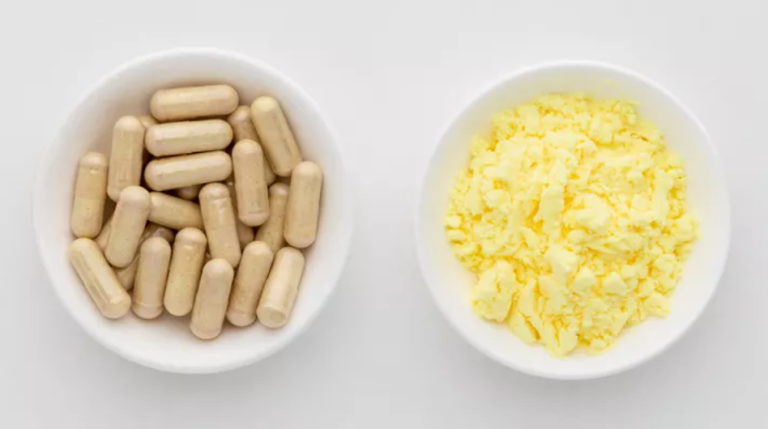
Lipoic acid (also known as alpha-lipoic acid or thioctic acid) is a coenzyme which is present in the mitochondria of cells. Lipoic acid is an enzyme helper, which works with enzymes to produce energy by breaking down sugar (in the Krebs cycle).

Alpha-lipoic acid (ALA) is a powerful antioxidant which is both water and fat soluble. This means that alpha-lipoic acid can deactivate both water and fat soluble free radicals.

The body usually makes enough of its own alpha-lipoic acid, but if there is an excess then alpha-lipoic acid behaves like an antioxidant.

An important part of alpha-lipoic acid’s antioxidant activity is that it actually helps to recycle the antioxidant activity of other antioxidants. Usually when an antioxidant scavenges for free radicals, the antioxidant is used up and disappears (along with the free radical), but lipoic acid can actually regenerate itself and other antioxidants so that they can all be used again and again to scavenge for free radicals.

  • Alpha-lipoic acid is approved in Germany to treat conditions such as diabetic and alcoholic polyneuropathies and liver disease
  • Alpha-lipoic acid speeds up the removal of glucose from the blood, an important effect for people with glucose problems, such as diabetics
  • An isomer of alpha-lipoic acid, called R-Alpha-Lipoic Acid is the form that is found naturally in the body
  • Alpha-lipoic acid is quickly absorbed when taken orally and once inside cells is quickly converted to its most potent form, dihydrolipoic acid
  • Alpha-lipoic acid is found in many foods – potatoes, carrots, broccoli, beets, yams, red meat
  • Alpha-lipoic acid is often referred to as the “universal antioxidant”

Alpha-lipoic acid works best with

Health

Alpha-lipoic acid and health

  • Diabetic neuropathy – several studies on people with this condition showed significant reduction in pain and better blood flow in the extremities
  • Diabetes – several studies have shown that alpha-lipoic acid increases glucose uptake and utilisation (thereby normalising blood glucose levels) and reducing the risk of complications of diabetes
  • Atherosclerosis – some studies have shown that alpha-lipoic acid slows or stops the development of atherosclerosis (diabetics are at higher risk for this condition), from alpha-lipoic acids’s antioxidant and metabolic effects
  • Heart health – a recent study showed that alpha-lipoic acid prevented the oxidisation of LDL (“bad”) cholesterol (this is an indicator of heart disease) in healthy people. Other studies have shown that alpha-lipoic acid can prevent or reduce cell and tissue damage in heart disease and stroke
  • Ageing – as people age, levels of alpha-lipoic acid naturally decreases, while free radical activity increases. Alpha-lipoic acid works to increase antioxidant activity and destroy free radicals
  • Cancer – one study has shown that alpha-lipoic acid inhibits the promotion of inflammation and genetic changes that have been linked with the development of cancer

People who wish to take an alpha-lipoic acid supplement should talk to a medical professional before taking it.

Deficiency

Deficiency


Food sources

Food sources


Supplements

Types of alpha-lipoic acid supplements

Alpha-lipoic acid supplementation is available in the following ways:

  • Capsules – alpha-lipoic acid powder is added into capsules
  • Tablets – alpha-lipoic acid powder is compressed and formed into a tablet
  • Soft gel Capsules – filled with alpha-lipoic acid liquid

Alpha-lipoic acid supplementation checklist

  • Check the label of ingredients for preservatives and colours
  • Doses up to 600mg have been well tolerated in trials – this high dosage level should only be taken under medical supervision
  • Sometimes other supplements are added to strengthen its effectiveness, such as vitamin H (biotin)
  • Can be taken with or without food – no major adverse effects have been found if you don’t have it with food

Dosage

Alpha-lipoic acid recommended dosage

Dosage of alpha-lipoic acid depends on the condition that is being treated. A medical doctor and/or alternative health care provider can advise on individual cases – this information is provided as a guide only:

LifestageAgeAmount (per day)
INFANTS0-12mthsNot recommended
CHILDREN1-8yrsNot recommended
CHILDREN9-18yrsSeek medical advice before taking it
ADULTS19-50yrs50-200mg per day
SENIORS51+yrs50-200mg per day
PREGNANTNot recommended – seek medical advice
LACTATINGNot recommended – seek medical advice


Toxicity

Overdosage, toxicity and cautions for alpha-lipoic acid

Very few side effects have been reported from the use of alpha-lipoic acid. Skin rashes are the only side effects that have rarely been reported.

Precautions

Precautions

  • People with diabetes – alpha-lipoic acid supplements can lower blood glucose levels, so people on medication for diabetes who want to take this supplement should have their condition regularly monitored, to ensure they do not develop hypoglycemia
  • Women who are pregnant and breastfeeding – should not take alpha-lipoic acid supplements, as there is no confirmed data on safety of use in pregnancy or lactation
  • People taking thyroid medications – studies have shown that alpha-lipoic acid supplements can affect thyroid hormones and people taking thyroid medications should seek medical advice before trying alpha-lipoic acid

Interactions

Interactions


References

References

  • Cui X, Zuo P, Zhang Q, et al. Chronic systemic D=galactose exposure induces memory loss, neurodegeneration and oxidative damanage in mice: Protective effects of R-alpha-lipoic acid. J Neurosci Res. 2006 Mar 22
  • Groff J L, Gropper SS, Hunt SM, Advanced Nutrition and Human Metabolism. West Publishing, USA, 1995
  • Hagen TM, Ingersoll RT, Lykkesfeldt J, et al. (R)-alpha-lipoic acid-supplemented old rats have improved mitochondrial function, decreased oxidative damage, and increased metabolic rate. FASEB J. 1999; 13:411-418
  • Hager, K, Marahrens A, Kenklies M, Riederer P, Munch G. Alpha-lipoic acid as a new treatment option for Azheimer type dementia. Arch Geron Geriatr 32 (3): 275-282 (2001)
  • Tirosh O, Sen CK, Roy S, et al. Neuroprotective effects of alpha-lipoic acid and its positively charged amide analogue. Free Rad Biol Med. 1999; 26:1418-1426
  • Voloboueva LA, Liu J, Suh JH, Ames BN, Miller SS. R-alpha-lipoic acid protects retinal pigment epithelial cells from oxidative damage. Invest Ophthalmol Vis Sci. 2005 Nov;46(11):4302-10

Last reviewed and updated: 6 May 2024
Quercetin

Facts

Important quercetin facts

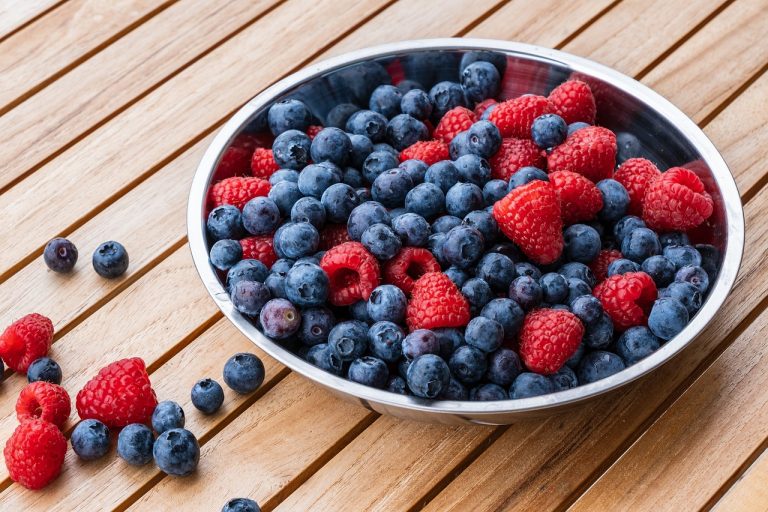
Quercetin is a flavonoid (or bioflavonoid – these names are used interchangeably) which is found in many fruits and vegetables such as strawberriesapplesgrapes and onions.

Quercetin is important as it serves as a building block for other flavonoids to function effectively.

Quercetin acts as an effective antihistamine, by reducing allergy symptoms as well as reducing inflammation.

Quercetin has powerful antioxidant properties and works to protect the body from free radical damage which can damage DNA and cause ageing, heart disease and cancer.

  • Quercetin has renowned antioxidant properties
  • Quercetin is one half of the rutin molecule and is the more active antioxidant component
  • Approximately 70% of the total flavonoid intake from food comes from quercetin
  • Quercetin is found mainly in the following foods: appleonionsstrawberriesgrapes, tea, red wine

Quercetin works best with

Health

Quercetin and health

  • Allergies, hay fever, asthma – quercetin stabilises mast cells and inhibits both the production and release of histamine as well as other chemicals that create allergy and inflammation within the body, so may be useful in reducing allergic symptoms, especially in people with asthma or hay fever (allergic rhinitis). Histamine is a chemical in the body that is released when the body tries to protect itself against allergens (such as dust, certain food, trees, plants). Histamine is what causes the itchy eyes and nose, hives and swelling of the face and mouth
  • Arthritis – in test tube studies, quercetin works to alleviate arthritis by inhibiting inflammation in the joints of people with arthritis
  • Varicose veins – a deficiency of quercetin can lead to varicose veins
  • Sinusitis – quercetin increases the effectiveness and activity of vitamin C in the body and can also inhibits the inflammatory processes involved in sinusitis by blocking the release of histamine, which can help to improve symptoms of sinusitis
  • Cancer – a recent study has shown that strawberries inhibited cancer cell proliferation and quercetin was the most active compound within the strawberries. While this study is still a preliminary stage of this research and the results were found only in test tubes, this is promising and more research will continue in this area

People who wish to take quercetin supplements should talk to a medical professional BEFORE taking it.

Deficiency

Quercetin deficiency


Food sources

Quercetin food sources


Supplements

Types of quercetin supplements

Quercetin is available in the following forms:

  • Capsules – powder is added to capsules
  • Soft gel – soft gelatin capsules are filled with quercetin liquid

Quercetin supplementation checklist

  • Check expiration date
  • Store in a cool, dry place away from direct heat
  • Check dosage levels and product label instructions

Dosage

Quercetin recommended dosage

Dosage of quercetin depends on the condition that is being treated. A medical doctor and/or alternative health care provider can advise on individual cases – this information is provided as a guide only:

LifestageAgeAmount (per day)
INFANTS0-12mthsNot recommended
CHILDREN1-8yrsSeek medical advice before taking it
CHILDREN9-18yrsSeek medical advice before taking it
ADULTS19-50yrsAllergy/sinusitis/hayfever
50-200mg 3 times a day
SENIORS51+yrsAllergy/sinusitis/hayfever
50-200mg 3 times a day
PREGNANTNot recommended
LACTATINGNot recommended


Toxicity

Overdosage, toxicity and cautions for quercetin

There are no known toxicities, adverse effects, overdosage or other side effects for flavonoids.

Precautions

Precautions

  • People with certain medical conditions – discuss quercetin supplementation with a medical professional before taking it if you have any type of medical condition

Interactions

Interactions


References

References

  • Boyer J, Brown D, Liu RH. Uptake of Quercetin and Quercetin 3-Glucoside from Whole Onion and Apple Peel Extracts by Caco-2 Cell Monolayers. Journal of Agriculture and Food Chemistry 2004; 52(23); 7172-7179
  • Groff J L, Gropper SS, Hunt SM, Advanced Nutrition and Human Metabolism. West Publishing, USA, 1995
  • Knekt P, et al. Quercetin intake and the incidence of cerebrovascular disease. EJCN, 2000. 54 (5); 415-417
  • Lamson DW, Brignall MS. Antioxidants and cancer III: quercetin. Alt Med Rev. 2000;5(3):196-208
  • McAnlis GT, McEneny J, Pearce J, Young IS. Absorption and antioxidant effects of quercetin from onions, in man. European Journal of Clinical Nutrition, 22 August 1999
  • Olsson M E, Andersson CS, Oredsson S, Berglund RH, Gustavsson K. Antioxidant Levels and Inhibition of Cancer Cell Proliferation in Vitro by Extracts from Organically and Conventionally Cultivated Strawberries.
    Journal of Agriculture and Food Chemistry 2006; 54(4); 1248-1255
  • Piantelli M, et al. Tamoxifen and Quercetin Interact with Type II Estrogen Binding Sites and Inhibit the Growth of Human Melanoma Cells. Journal of Investigative Dermatology (1995) 105, 248–253

Last reviewed and updated: 6 May 2024
Milk thistle

Facts

Important milk thistle facts

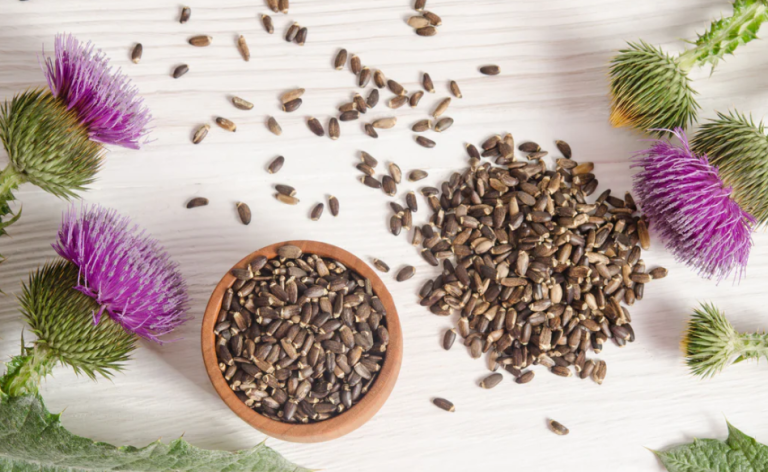
Milk thistle is a plant that is native to the Mediterranean region and has been used for medicinal purposes since ancient Greek times for many health problems (including and especially liver disease).

The active part of the plant (silymarin) is in the flower seeds and is a powerful antioxidant.

Milk thistle has only been recently studied (the last 20 years) for its liver and gall bladder protection effects.

Milk thistle grows as thistle plant which branches at the top, growing up to 3 metres (10 feet) high. The leaves are wide with white veins and the flowers are reddish-purple in colour. The fruit is hard-skinned, brown and shiny. The plant matures in less than a year and grows in dry and sunny areas.

  • Milk thistle dissolves completely in lipids (fats)
  • Silymarin is made up of the following three flavonolignan compounds: silybin, silydianin, silychristin
  • Milk thistle increase bile flow and production
  • Milk thistle is widely used for its liver detoxification properties, especially in Europe
  • Milk thistle is also known as St Mary’s Thistle

Milk thistle works best with

Health

Milk thistle and health

  • Liver cirrhosis – certain studies have shown that people with mild alcoholic liver disease found significant improvements in liver function when they were given milk thistle. Some of these studies were not designed properly or did not have enough participants and more research is needed
  • Hepatitis – studies have provided contradictory results on this condition. More research needs to be done before milk thistle can be recommended for this disease
  • Death cap mushroom poisoning – intravenous silybum has been used as an antidote to counteract the poisons in toxic mushrooms (amanita phalloides) that have been accidentally ingested. If given within 24 hours of ingestion, it can prevent liver damage and death
  • Gall bladder problems – studies have provided contradictory results on this condition. More research needs to be done before milk thistle can be recommended for this disease
  • Cholesterol – one study on animals found that silybum was as effective as a conventional drug to lower cholesterol, as well as increasing the HDL (“good”) cholesterol levels. More research is required in this area to prove the effect on humans
  • Cancer – some studies have shown preliminary results identify milk thistle as having anti-cancer properties, due to its antioxidant properties. The results have shown that it inhibits cancers of the breast, cervix and prostate in test-tubes, but more research is required to determine if it does the same for cancer in human. This is an exciting area of research

People who wish to take milk thistle supplements should talk to a medical professional before taking it.

Deficiency

Deficiency


Food sources

Milk thistle food sources


Supplements

Types of milk thistle supplements

Milk thistle is only found in one plant – milk thistle! Milk thistle supplementation is available in the following ways:

  • Tablet – silymarin is extracted and formed into a powder and compressed into tablet form
  • Capsule – silymarin powder is added to a capsule
  • Tincture – silymarin extract is added to ethanol.

Milk thistle supplementation checklist

  • The tincture has a shelf life of three months
  • Look for a supplement that contains 70-80% silymarin
  • Milk thistle supplement should be taken between meals

Dosage

Milk thistle recommended dosage

Dosage of milk thistle depends on the condition that is being treated. A medical doctor and/or alternative health care provider can advise on individual cases – this information is provided as a guide only:

LifestageAgeAmount (per day)
INFANTS0-12mthsNot recommended
CHILDREN1-8yrsNot recommended
CHILDREN9-18yrsSeek medical advice before taking it
ADULTS19-50yrsFor liver protection:
120mg tablets 2-3 times a day
SENIORS51+yrsFor liver protection:
120mg tablets 2-3 times a day
PREGNANTNot recommended
LACTATINGNot recommended


Toxicity

Overdosage, toxicity and cautions for milk thistle

Milk thistle very rarely causes side effects and only in extremely rare circumstances.

The rare and mild sides effects that have been reported include:

  • diarrhoea
  • headache
  • nausea
  • rash
  • stomach pain
  • vomiting

Extremely rare side effects that have been very rarely reported are:

  • impotence
  • anaphylaxis (an extremely serious allergic reaction that can result in loss of consciousness, laboured breathing, swelling of the tongue or even death)

Precautions

Precautions

  • People taking certain medications– should consult their medical practitioner to advice whether milk thistle is an appropriate supplement to take
  • Women with female-type cancers – since milk thistle has an eostrogenic effect on the body, it should be avoided by women with breast, uterine, ovarian and cervical cancers until research can prove its safety in these conditions

Do not take milk thistle if you have allergies to:

  • aster family of flowers
  • daisies
  • artichoke
  • common thistle
  • the active ingredients in milk thistle (silymarin, silibinin, silydianin, silymonin, silyandrin)

Interactions

Interactions


References

References

  • Bean P. The use of alternative medicine in the treatment of hepatitis C. American Clinical Laboratory. 2002;21(4):19-21
  • Bissett NG, “Herbal Drugs and Phytopharmaceuticals”, Medpharm, 1994
  • Feher J, Deak G, Muzes G, Lang I, Neiderland V, Nekan K, et al. Hepatoprotective activity of silymarin therapy in patients with chronic alcoholic liver disease. Orv Hetil. 1990;130:51
  • Kim DH, et al. Silymarin and its components are inhibitors of beta-glucuronidase. Biol Pharm Bull 17(3): 443-445, 1994
  • Lawrence V, Jacobs B, Dennehy C, et al. Milk thistle: effects on liver disease and cirrhosis and clinical adverse effects. Evidence Report/Technology Assessment No. 21. AHRQ Publication No. 01-E025. Rockville, MD: Agency for Healthcare Research and Quality. October 2000
  • Racz K, Feher J, Csomos G, Varga I, Kiss R, Glaz E. An antioxidant drug, silibinin, modulates steroid secretion in human pathological adrenocortical cells. J Endocrinol. 1990 Feb;124(2):341-5
  • Seeff LB, Lindsay KL, Bacon BR, et al. Complementary and alternative medicine in chronic liver disease. Hepatology. 2001;34(3):595-603

Last reviewed and updated: 6 May 2024
Inulin

Facts

Important inulin facts

Inulin is form of soluble fibre that can be found in many plants. Inulin’s fibre content helps the body increase its fibre content.

The bacteria in your gut bacteria converts inulin and other prebiotics into short-chain fatty acids, which help to nourish colon cells and keep the gut healthy.

  • Inulin is a prebiotic
  • Inulin is a fibrous carbohydrate classed as a starch
  • Inulin is added to many health food bars
  • Inulin naturally exists in many plant foods, such as asparagus, Jerusalem artichoke, garlic
  • Inulin found in pulses such as lentils and chickpeas

Inulin works best with

Health

Inulin and health

  • Gut health – several studies have shown that inulin helps to promote good digestive health
  • Gut bacteria – studies show that inulin helps to promote good bacteria, which in turn help to ensure a healthy digestive system

People who wish to take an inulin supplement should talk to a medical professional before taking it.

Deficiency

Deficiency

Inulin deficiency, in the context of a dietary fibre deficiency, can lead to various digestive issues like constipation, diverticulitis and haemorrhoids. It can also be linked to systemic issues like cardiovascular disease, diabetes and obesity.

While not a direct deficiency of inulin itself, a lack of dietary fibre, including inulin-type fructans, can impact gut health and overall well-being.

Food sources

Inulin food sources

The following are the highest food sources that contain adequate levels of inulin for good health:

Vegetables

  • Jerusalem artichokesthese are one of the richest sources of inulin
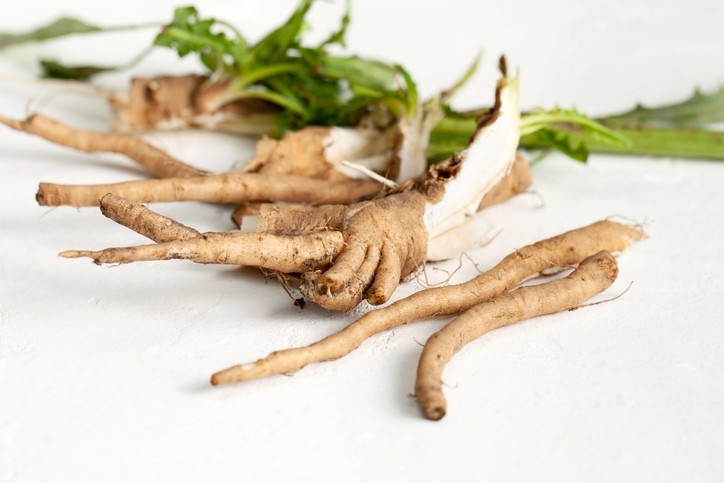
  • Chicory root – is a concentrated source of inulin
  • Onions – both raw and cooked onions contain inulin
  • Garlic – similar to onions, garlic is a good source of inulin
  • Leeks – these members of the onion family also contain good levels of inulin
  • Asparagus – is another vegetable that provides inulin 

Other food sources of inulin

  • Bananas – even though they are not as high in inulin as some of the vegetables above, bananas still have some inulin
  • Oats – oats and particularly oat bran are a good source of inulin
  • Wheat – whole wheat food items, like bread and pasta, can provide some inulin
  • Soy – soy in all its forms (soy beans, tofu, endamame, tempeh, miso, soy milk and others) also contain inulin

Supplements

Types of inulin supplements

Inulin supplementation is available in the following ways:

  • Capsules – inulin powder is added into capsules
  • Tablets – inulin powder is compressed and formed into a tablet
  • Powder – inulin is dried, crushed and made into a powder

Inulin supplementation checklist

  • Take inulin with food to help with digestion
  • Benefits of inulin are more noticeable when taken over a long period of time
  • Tablets are a convenient and quick way of getting inulin
  • Inulin powder can be taken if a more controlled or lower dose is required to start

Dosage

Inulin recommended dosage

Dosage of inulin depends on the condition that is being treated. A medical doctor and/or alternative health care provider can advise on individual cases – this information is provided as a guide only:

LifestageAgeAmount (per day)
INFANTS0-12mthsNot recommended
CHILDREN1-8yrsNot recommended
CHILDREN9-18yrsSeek medical advice on dosage before taking it
ADULTS19-50yrsGut health
5g powder
SENIORS51+yrsGut health
5g powder
PREGNANTSeek medical advice on dosage before taking it
LACTATINGSeek medical advice on dosage before taking it

Toxicity

Overdosage, toxicity and cautions for inulin

Generally inulin does not have any or many side effects if used at the recommended dosage. Some of the common (and mild) side effects that have been reported are:

  • gas (flatulence)
  • bloating
  • abdominal pain

No information on overdosage is available.

Precautions

Precautions

Certain groups should take inulin with caution or medical guidance:

  • People with irritable bowel syndrome or FODMAP sensitivity – inulin is a fructan (a type of FODMAP) that can trigger symptoms like bloating, cramping, diarrhoea, or pain. It is often recommended to be avoided in low-FODMAP diets.

  • People with small intestinal bacterial overgrowth – prebiotic fibres like inulin may worsen bloating and discomfort by feeding bacteria in the wrong part of the gut

  • Diabetesinulin is sometimes marketed for blood sugar support, but results vary. It is generally safe, but should not replace prescribed medication

  • Allergy – rare cases of allergic reaction have been reported, especially from chicory root inulin. Symptoms include rash, itching, or respiratory discomfort, possibly severe allergic reaction (anaphylaxis

  • Children – inulin is generally safe at small dietary amounts, but high-dose supplementation may cause diarrhoea or discomfort.

  • Pregnancy and breastfeedingno known harm, but high-dose supplements are not well studied. Best to stick to food sources or seek medical advice.

  • People allergic to ragweed – they may experience an allergic reaction so caution is advised

Interactions

Interactions

The following are the only possible interactions with inulin supplements:

  • Anti-diabetic medicationsInulin may modestly improve postprandial blood glucose control and insulin sensitivity. In people taking insulin or oral hypoglycaemics, this could (in theory) enhance blood sugar–lowering effects, so monitoring is advised

  • LaxativesInulin has a mild stool-softening and bulking effect. Taking it with stimulant laxatives (senna, bisacodyl) or osmotic laxatives (lactulose, PEG) can increase risk of diarrhoea, bloating, or cramping

  • AntibioticsBroad-spectrum antibiotics disrupt the gut microbiota, which diminishes the prebiotic effect of inulin. There is no harmful interaction, but supplementation may be less effective during or immediately after antibiotic therapy

  • Other prebiotics and probiotics – May have synergistic effects on gut microbiota. In some people, combining multiple prebiotic fibres (eg inulin + FOS + GOS) may increase GI side effects

  • IBS / FODMAP-related therapiesInulin is a high FODMAP fructan, so taking it may counteract a low-FODMAP diet and worsen IBS symptoms. Inulin should be avoided during elimination phases of FODMAP diets

  • Mineral absorptionInulin can enhance calcium and magnesium absorption in the gut. This is usually beneficial, but in people already on high-dose supplements, monitoring may be needed through blood tests

Notable non-interactions

  • There are no known harmful interactions with common cardiovascular drugs (g statins, ACE inhibitors, beta blockers)

  • No significant hepatic (liver) metabolism, so inulin is unlikely to affect cytochrome P450 drug metabolism

Inulin is generally safe, but the main concern is additive GI upset when combined with other gut-active agents or in sensitive groups (IBS, SIBO, low-FODMAP diet).

References

References

  • Black CJ, Ford AC. Global burden of irritable bowel syndrome: trends, predictions and risk factors. Lancet Gastroenterol Hepatol 2025;10(2):93-105
  • Bruhwyler J, Carreer F, Demanet E, Jacobs H. Digestive tolerance of inulin-type fructans: a double-blind, placebo-controlled, cross-over, dose-ranging, randomized study in healthy volunteers. Int J Food Sci Nutr 2009;60(2):165-75
  • Busci L, Poor G. Efficacy and tolerability of oral chondroitin sulfate as a symptomatic slow-acting drug for osteoarthritis (SYSADOA) in the treatment of knee osteoarthritis. Osteoarthritis Cartilage. 1998;6(suppl A):31-36
  • Dewulf EM, Cani PD, Claus SP, Fuentes S, Puylaert PGB, Neyrinck AM, Bindels LB, de Vos WM, Gibson GR, Thissen JP, Delzenne NM. Insight into the prebiotic concept: lessons from an exploratory, double blind intervention study with inulin-type fructans in obese women. Gut 2013;62(8):1112-21
  • EFSA Panel on Dietetic Products, Nutrition and Allergies (NDA). Scientific Opinion on the substantiation of a health claim related to “chicory inulin/fructo-oligosaccharides and reduction of post-prandial glycaemic responses”. EFSA J 2014;12(1):3513
  • Food Standards Australia New Zealand (FSANZ). Application A1055 – Short-chain fructo-oligosaccharides as a novel food. Canberra: FSANZ; 2011. Available from: https://www.foodstandards.gov.au
  • Groff J L, Gropper SS, Hunt SM, Advanced Nutrition and Human Metabolism. West Publishing, USA, 1995
  • Halmos EP, Power VA, Shepherd SJ, Gibson PR, Muir JG. Gastrointestinal tolerance of chicory inulin products: a randomized, double-blind, placebo-controlled, crossover trial. J Acad Nutr Diet 2010;110(6):865-8
  • Holscher HD, Bauer LL, Gourineni V, Pelkman CL, Fahey GC Jr, Swanson KS. Gastrointestinal tolerance and utilization of agave inulin by healthy adults: a randomized, double-blind, placebo-controlled, crossover trial. Food Funct 2014;5(11):2824-31
  • Kolida S, Gibson GR. Inulin and oligofructose: health benefits and claims – a review of the evidence. J Nutr 2007;137(11 Suppl):2503S-2506S
  • McAlindon TE, LaValley MP, Gulin JP, Felson DT. Glucosamine and chondroitin for treatment of osteoarthritis: a systematic quality assessment and meta-analysis. Journal of Americal Medical Association. 2000 15;283(11):1469-75
  • Monash University. The Monash University Low FODMAP Diet. 2023. Available from: https://www.monashfodmap.com
  • Mozaffari H, Daneshzad E, Larijani B, Bellissimo N, Azadbakht L. Efficacy and safety of inulin supplementation for functional constipation: a systematic review and meta-analysis. BMJ Open 2021;11(4):e042597
  • Reginster JY, Deroisy R, Rovati L, et al. Long-term effects of glucosamine sulphate on osteoarthritis progression: a randomised, placebo-controlled clinical trial. Lancet 2001;357:251-6
  • Rovetta G, Monteforte P, Molfetta G, Balestra V. Chondroitin sulfate in erosive osteoarthritis of the hands. Int J Tissue React 2002;24:29-32
  • Thie NM, Prasad NG, Major PW. Evaluation of glucosamine sulfate compared to ibuprofen for the treatment of temporomandibular joint osteoarthritis: a randomized double blind controlled 3 month clinical trial. J Rheumatol 2001;28:1347-55
  • US Food and Drug Administration. GRAS Notice (GRN) No. 849: Inulin from artichoke. 2019. Available from: https://www.fda.gov/food/generally-recognized-safe-gras/gras-notice-inventory

Last reviewed and updated: 15 August 2025

Grains and cereals food group

0

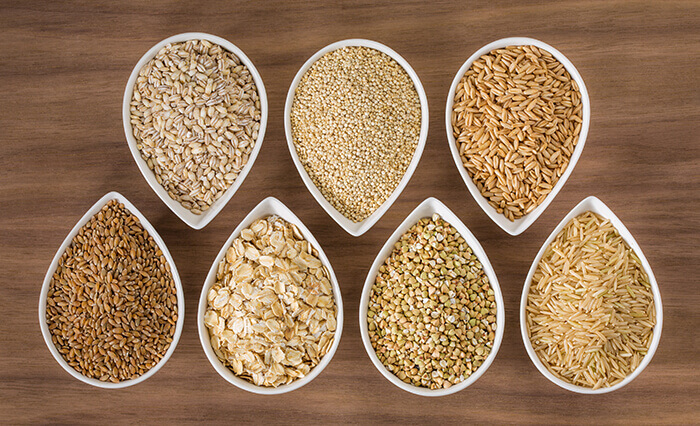
The grains & cereals food group includes any grain foods, both wholegrains (and wholewheat) foods, plus the refined grains. Wholegrains are advised to be chosen over refined grains at every meal:

  • grains – corn, barley, amaranth, buckwheat, millet, oats, rye, quinoa, wholewheat
  • cereals – oats, wholewheat, rye
  • rice – brown, wild, basmati, jasmine
  • pasta – corn, wholewheat,
  • noodles – buckwheat, soy, wheat, rice

How much of the grains & cereals food group is needed

The amount of grains & cereals required each day is dependent on the age and gender of the individual. Grains & cereals contain high levels of fibre, B vitamins, and phytonutrients. The recommended daily intake for this food group is dependent on the age and lifestage of the individual.
** these portions are for inactive to moderately active people; for those that are more active, there is scope to have slightly higher portion sizes

AGE
serving size
CHILDREN2-3 years
4-8 years
3-4
5-7
GIRLS9-13 years
14-18 years
7
9
BOYS9-13 years
14-18 years
9
10
WOMEN19-30 years
31-50 years
50+ years
9
9
7
MEN19-30 years
31-50 years
50+ years
12
10
9
PREGNANT & LACTATING WOMEN19-30 years
31-50 years
50+ years
9
9
7


Why the grains & cereals food group is good for you

The grains and cereals food group is healthy because of the following important reasons:

Portion size

Portion sizes for 1 cup (and equivalent) of grains and cereals are shown below (assume all portions are wholegrain or wholewheat for best health benefits):

1 portion
barley1/2 cup cooked
bread1 regular slice
4 small snack-sized rye bread
buckwheat1/2 cup cooked
bulgur1/2 cup cooked
crackers5 wholewheat
2 rye crisp breads
kamut1/2 cup cooked
85g raw
millet1/2 cup cooked
85g raw
quinoa1/2 cup cooked
85g raw
muffins1 small
oats, oatmeal1/2 cup cooked
1 packet instant (no sugar)
85g raw
rice (brown, wild,
basmati, jasmine)
1/2 cup cooked
85g raw
pasta (noodles
spaghetti, macaroni)
1/2 cup cooked
85g raw


Nutrients

Excellent source of energy

  • the carbohydrate content of grains and cereals make them useful foods in providing quick energy
  • wholegrains and whole cereals provide sustained energy over a longer period

Wholegrains vs processed (white) grains

  • wholegrains and wholewheat products have the whole grain (or cereal) and all the vital nutrients intact and are therefore a much more healthier option
  • processed grains have the bran removed, which is where much of the nutrients are stored, plus processing of the grains causes loss of other nutrients, so white grains end up having little nutritional value after such processing
  • although there are fortified grains and cereals (where the lost nutrients are replaced by the manufacturer in processing), it is still better to eat wholegrain foods

Amount of dietary fat recommended

  • Dietary fat should consist of no more than 30% of total daily calorie intake – which is about 50g-60g of fat for a sedentary person on 7500kJ (1800 calories) a day

Amount of dietary protein recommended

  • Dietary protein should consist of no more than 0.75g per kilogram body weight of total daily calorie intake – women who are pregnant should add another 6g of protein and lactating women should add 16-12g of protein per day

Amount of dietary carbohydrate recommended

  • Dietary carbohydrate should consist of 45%-65% of total daily calorie intake – it is recommended that these come from unrefined sources with a lower glycemic index

Fruits food group

0

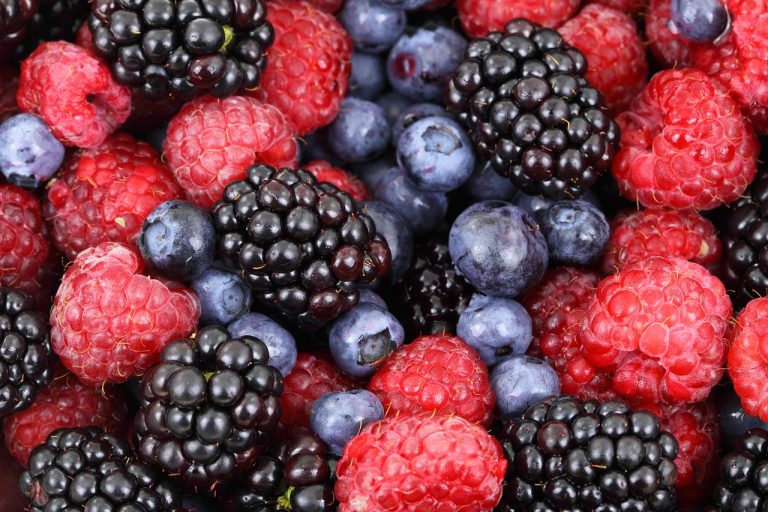
All fruit foods are included in the fruit food group. There are a variety of different types of fruits, including:

  • berries – blueberry, raspberry, strawberry
  • citrus – grapefruit, lime, lemon, orange, tangerines
  • melons – honeydew, rockmelon (cantaloupe), watermelon
  • stone – apricot, cherry, nectarine, peach, plum
  • tropical – banana, mango, papaya, pineapple
  • others – apple, avocado, dates, figs, grapes, pear

How much of the fruit food group is needed

The amount of fruits required each day is dependent on the age and gender of the individual. Fruits contain high levels of vitamin Cbetacarotenepotassiumphytochemicals and fibre. The recommended daily intake for this food group is dependent on the age and lifestage of the individual.
** these portions are for inactive to moderately active people; for those that are more active, there is scope to have slightly higher portion sizes

AGE
PORTION
CHILDREN2-3 years
4-8 years
1 cup
1-1.5 cups
GIRLS9-13 years
14-18 years
1.5 cups
1.5 cups
BOYS9-13 years
14-18 years
1.5 cups
2 cups
WOMEN19-30 years
31-50 years
50+ years
2 cups
1.5 cups
1.5 cups
MEN19-30 years
31-50 years
50+ years
2 cups
2 cups
2 cups
PREGNANT & LACTATING WOMEN19-30 years
31-50 years
50+ years
2 cups
1.5 cups
1.5 cups


Why the fruit food group is good for you

The fruit food group is healthy because of the following important reasons:

  • may reduce the incidence of stroke and other heart disease
  • may protect against certain cancers of digestive system
  • foods high in dietary fibre help reduce HDL (“bad”) cholesterol levels
  • contain high amounts of potassium which assists in reducing high blood pressure and water retention
  • provide natural sugars for energy sustenance
  • should be eaten raw to gain best health benefits
  • has many vital nutrients essential for good health:

Portion Size

Portion sizes for 1 cup (and equivalent) of fruits are shown below:

1 portion (1 cup)
apple1 cup chopped or sliced
1 small apple (6.5cm diameter)
1/2 large apple (8.5cm diameter)
banana1 cup sliced or diced
1 large (20cm long)
grapes32 medium
1 cup whole or sliced
orange, mandarin1 large (8cm diameter)
1 cup (sections)
peach, nectarine1 large (7cm diameter)
1 cup sliced or diced
pear1 medium
1 cup sliced or diced
plum3 medium or 2 large
1 cup sliced or diced
rockmelon (cantaloupe),
watermelon
1 cup diced or balls
1 wedge (2.5cm thick)
strawberries
(and other berries)
8 large berries
1 cup sliced or diced


High water content

  • most fruits have a high water content and hydrate the body effectively
  • fleshy fruits (pineapple, watermelon, peaches, mango) have the highest water content

Essential nutrients

Good source of energy

  • fruit contains natural sugars, are low in fat and provide a healthy energy source
  • are as a great snack in between meals

Amount of Dietary Fat Recommended

  • Dietary fat should consist of no more than 30% of total daily calorie intake – which is about 50g-60g of fat for a sedentary person on 7500kJ (1800 calories) a day

Amount of Dietary Protein Recommended

  • Dietary protein should consist of no more than 0.75g per kilogram body weight of total daily calorie intake – women who are pregnant should add another 6g of protein and lactating women should add 16-12g of protein per day

Amount of Dietary Carbohydrate Recommended

  • Dietary carbohydrate should consist of 45%-65% of total daily calorie intake – it is recommended that these come from unrefined sources with a lower glycemic index

Oils and fats food group

0

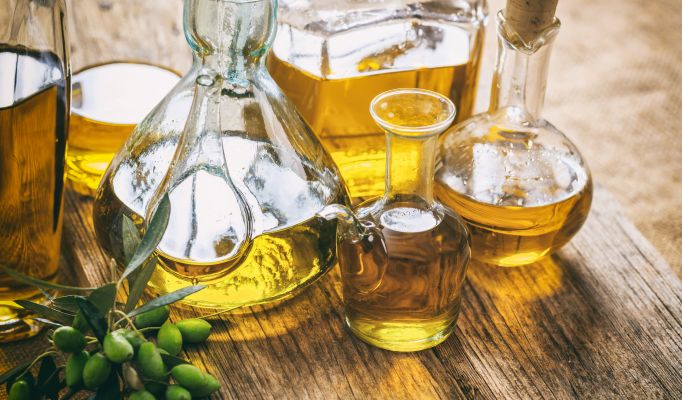
Oils are fats which liquify at room temperature. There are also fats from specific healthy foods. Types of oils included in the good oils and fats food group:

  • butter – any type of natural, unprocessed butter
  • vegetable oils – canola, olive, sunflower
  • other foods – avocado, nuts, olives, cod liver oil, evening primrose oil, fish oil, flaxseed, flaxseed oil

How much of the fats & oils food group is needed

The amount of fats and oils required each day is dependent on the age and gender of the individual. Fats and oils contain high levels of essential fatty acids and vitamin A.

The recommended daily intake for this food group is dependent on the age and lifestage of the individual.
** these portions are for inactive to moderately active people; for those that are more active, there is scope to have slightly higher portion sizes

AGE
PORTION
CHILDREN2-3 years
4-8 years
3 teaspoons
4 teaspoons
GIRLS9-13 years
14-18 years
5 teaspoons
5 teaspoons
BOYS9-13 years
14-18 years
5 teaspoons
6 teaspoons
WOMEN19-30 years
31-50 years
50+ years
6 teaspoons
5 teaspoons
5 teaspoons
MEN19-30 years
31-50 years
50+ years
7 teaspoons
6 teaspoons
6 teaspoons
PREGNANT & LACTATING WOMEN19-30 years
31-50 years
50+ years
6 teaspoons
5 teaspoons
5 teaspoons

Why the fats & oils food group is good for you

The fats and oils food group is healthy because of the following important reasons:

  • contains essential fatty acids which are essential for the proper working of various organs and cells in the body
  • contains high levels of vitamin A, which is essential for healthy mucous membranes, improves the immune system and provides protection against infection bacteria and viruses
  • fats are required as part of the calorie content of foods eaten each day
  • one type of fat, phospholipids is vital for use in the cell membranes
  • plant cholesterol, called phytosterols, are necessary for many vital process in the body
  • some cholesterol, an animal fat, is actually necessary for making vitamin D and bile acid

Portion size

Portion sizes for 1 cup (and equivalent) of fats & oils are shown below:

1 portion
avocado1/4 medium avocado
oilssee chart above
olives3-4 whole
other oils (flaxseed
fish, evening primrose)
see chart above
nuts10-15 nuts

Nutrients in oils and fats

  • Essential fatty acids have anti-inflammatory properties and play an important role in the regulation of cholesterol levels, they are precursors of prostaglandins, which are hormone-like substances that produce various metabolic effects in the body
  • Phospholipids are required to be used around cell membranes to ensure their integrity and proper function
  • Vitamin A is an essential nutrient beneficial for its antioxidant properties and protective effect on the immune system

Types of fats

There are four types of fats that occur naturally in foods, of which the unsaturated ones are the most healthiest:

  • saturated fats – found in animal foods and are known to be a major factor in causing high blood cholesterol levels of the bad (LDL) cholesterol – sources include red meat, poultry, butter and whole milk
  • monounsaturated fats – a good fat, which helps to lower bad (LDL) blood cholesterol levels – sources include avocado and most nuts
  • polyunsaturated fats – a good fat, which helps to lower bad (LDL) blood cholesterol levels – sources include vegetable oils
  • unsaturated fats – found in plant foods and some fish (salmon, tuna) and help to lower blood cholesterol levels of the bad (LDL) cholesterol and is the best fat type for health – sources include plants and fish

Apart from the naturally-occuring fats, there are also some fats which are artifically created and added to most processed and snack foods and are very unhealthy:

  • hydrogenated fats – oils that have been hardened (margarines) with the addition of hydrogen – this makes the oil solid at room temperature. Manufacturers use this type of oil as it has a longer storage time than just plain oil. These oils are complete unhealthy as they make trans fats
  • partially hydrogenated fats – oils that have been partially hardened (biscuits) with the addition of some hydrogen – this makes the oil more solid at room temperature. Manufacturers use this type of oil as it has a longer storage time than just plain oil. These oils are complete unhealthy as they make trans fats
  • trans fats – form when oils are hardened (hydrogenation) or partially hardened (partial hydrogenation) and causes bad (LDL) blood cholesterol levels to rise and raises the risk of heart disease

Amount of dietary fat recommended

  • Dietary fat should consist of no more than 30% of total daily calorie intake – which is about 50g-60g of fat for a sedentary person on 7500kJ (1800 calories) a day

Amount of dietary protein recommended

  • Dietary protein should consist of no more than 0.75g per kilogram body weight of total daily calorie intake – women who are pregnant should add another 6g of protein and lactating women should add 16-12g of protein per day

Amount of dietary carbohydrate recommended

  • Dietary carbohydrate should consist of 45%-65% of total daily calorie intake – it is recommended that these come from unrefined sources with a lower glycemic index

Dairy food group

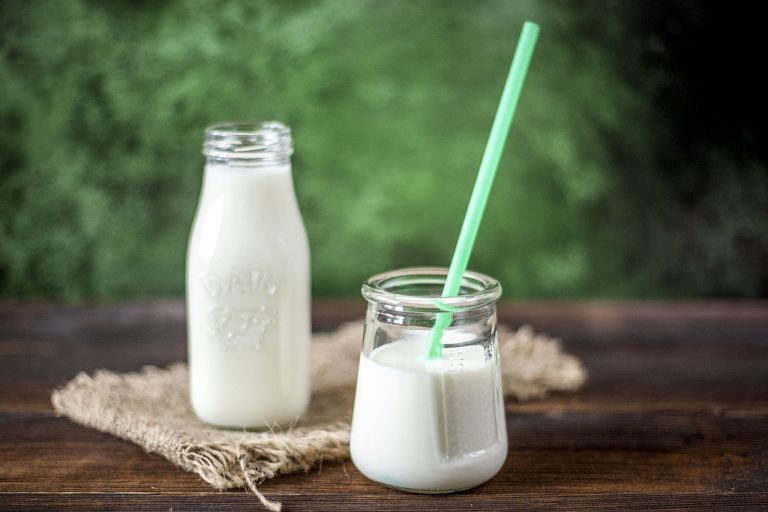
The dairy food group includes milk and milk-based foods:

  • Milk – fat free, low fat, reduced fat and full fat
  • Cheese – soft cheese to hard cheeses
  • Yoghurt – fat free, low fat, reduced fat and full fat

How much of each dairy food is needed

The amount of dairy foods required each day is dependent on the age and gender of the individual. Dairy foods contain high levels of calciumvitamin D and potassium, as well as being a good source of protein.

The recommended daily intake for this food group is dependent on the age and lifestage of the individual.
** these portions are for inactive to moderately active people. For those people who are more active, there is scope to have slightly higher portion sizes

AGE
PORTION
CHILDREN2-3 years
4-8 years
2 cups
2 cups
GIRLS9-13 years
14-18 years
3 cups
3 cups
BOYS9-13 years
14-18 years
3 cups
3 cups
WOMEN19-30 years
31-50 years
50+ years
3 cups
3 cups
3 cups
MEN19-30 years
31-50 years
50+ years
3 cups
3 cups
3 cups
PREGNANT & LACTATING WOMEN19-30 years
31-50 years
50+ years
4+ cups
4+ cups
4+ cups


Why the dairy food group is good for you

The dairy food group is healthy because of the following important reasons:

Portion size

Portion sizes for 1 cup (and equivalent) of dairy foods are shown below:

1 portion (1 cup)
milk250ml (one cup) fresh,
long life or reconstituted dried milk
125ml (1/2 cup) evaporated milk
yoghurt200g (one small carton)
cheese40g hard cheese
1/3 cup shredded cheese
1/2 cup ricotta
2 cups cottage cheese


Important information

Low Fat Options

  • Choose the dairy food with the lowest fat (skim, reduced or low fat) to limit the amount of (saturated) fat consumed with each dairy food portion.

Nutrients

  • Portions of milkcheese and yoghurt should be consumed in the amounts recommended to ensure good health and the intake of the correct level of nutrients required.
  • Milk, cheese and yoghurt foods contain high levels of calcium and protein. They also contain adequate levels of: magnesiumpotassiumsodiumzincvitamin B2 (riboflavin) and vitamin B12 (cobalamin).
  • Milk, cheese and yoghurt foods also have energy, fat, carbohydrates and cholesterol. The amounts of each of these nutrients for various milk foods can be found in the nutritional values of foods under each type of food.

Amount of dietary fat recommended

  • Dietary fat should consist of no more than 30% of total daily calorie intake – which is about 50g-60g of fat for a sedentary person on 7500kJ (1800 calories) a day

Amount of dietary protein recommended

  • Dietary protein should consist of no more than 0.75g per kilogram body weight of total daily calorie intake – women who are pregnant should add another 6g of protein and lactating women should add 16-12g of protein per day

Chondroitin

Facts

Important chondroitin facts

Chondroitin is found in connective tissue and specifically in the cartilage, which cushions joints from injury. The main benefit of chondroitin is its ability to attract water into the tissue, which allows nutrients in and makes the tissue more shock-absorbent.

Chondroitin also protects cartilage from deterioration by blocking enzymes that weaken it and by its water and nutrient attracting abilities.

Chondroitin is found abundantly in the skin and in heart tissue.

  • Chondroitin works even better if taken with glucosamine to repair cartilage in the body
  • Chondroitin helps cartilage retain water
  • Chondroitin naturally exists in the body, but it is worn down after years of usages, so older people have less than younger people
  • Chondroitin is found in cartilage in the body
  • Chondroitin is also found in shark cartilage.

Chondroitin works best with

Health

Chondroitin and health

  • Osteoarthritis – several studies have shown that chondroitin significantly decreases joint pain and reduces inflammation associated with osteoarthritis. In particular, the NIH Glucosamine/Chondroitin Arthritis Intervention Trial (GAIT) showed that about 70% of people taking the chondroitin and glucosamine supplement experienced significant pain relief

People who wish to take an acidophilus supplement should talk to a medical professional before taking it.

Deficiency

Deficiency


Food sources

Chondroitin food sources


Supplements

Types of chondroitin supplements

Chondroitin supplementation is available in the following ways:

  • Capsules – chondroitin powder is added into capsules
  • Tablets – chondroitin powder is compressed and formed into a tablet
  • Soft gel Capsules – filled with chondroitin liquid
  • Powder – chondroitin is crushed and made into a powder
  • Gel – chondroitin gel for external use on joints

Chondroitin supplementation checklist

  • Take chondroitin with food to minimise stomach upset
  • Benefits of chondroitin are more noticeable when taken over a long period of time
  • Tablets are a convenient and quick way of getting chondroitin
  • Chondroitin powder can be taken if a more controlled or lower dose is required to start

Dosage

Chondroitin recommended dosage

Dosage of chondroitin depends on the condition that is being treated. A medical doctor and/or alternative health care provider can advise on individual cases – this information is provided as a guide only:

LifestageAgeAmount (per day)
INFANTS0-12mthsNot recommended
CHILDREN1-3yrsNot recommended
CHILDREN4-8yrsSeek medical advice on dosage before taking it
CHILDREN9-18yrsSeek medical advice on dosage before taking it
ADULTS19-50yrsOsteoarthritis
400mg twice a day
SENIORS51+yrsOsteoarthritis
400mg twice a day
PREGNANTNot recommended
LACTATINGNot recommended


Toxicity

Overdosage, toxicity and cautions for chondroitin

Generally chondroitin rarely has side effects if used at the recommended dosage. Some of the common (and mild) side effects that have been reported are:

  • diarrhoea
  • constipation
  • abdominal pain

Some rare side effects that have been reported – swelling of lower limbs, irregular heartbeat, eyelid swelling and hair loss.

No information on overdosage is available.

Precautions

Precautions

  • People taking blood thinning medication – such as Coumadin or Warfarin should seek medical advice before taking a chondroitin supplement, as there may be bleeding complications
  • People with a blood clotting disorder – should seek medical advice before taking a chondroitin supplement as there may be bleeding complications

Interactions

Interactions


References

References

  • Busci L, Poor G. Efficacy and tolerability of oral chondroitin sulfate as a symptomatic slow-acting drug for osteoarthritis (SYSADOA) in the treatment of knee osteoarthritis. Osteoarthritis Cartilage. 1998;6(suppl A):31-36
  • Groff J L, Gropper SS, Hunt SM, Advanced Nutrition and Human Metabolism. West Publishing, USA, 1995
  • McAlindon TE, LaValley MP, Gulin JP, Felson DT. Glucosamine and chondroitin for treatment of osteoarthritis: a systematic quality assessment and meta-analysis. Journal of Americal Medical Association. 2000 15;283(11):1469-75
  • Reginster JY, Deroisy R, Rovati L, et al. Long-term effects of glucosamine sulphate on osteoarthritis progression: a randomised, placebo-controlled clinical trial. Lancet 2001;357:251-6
  • Rovetta G, Monteforte P, Molfetta G, Balestra V. Chondroitin sulfate in erosive osteoarthritis of the hands. Int J Tissue React 2002;24:29-32
  • Thie NM, Prasad NG, Major PW. Evaluation of glucosamine sulfate compared to ibuprofen for the treatment of temporomandibular joint osteoarthritis: a randomized double blind controlled 3 month clinical trial. J Rheumatol 2001;28:1347-55

Last reviewed and updated: 6 May 2024