Glutathione

0

Why glutathione is good for you

Glutathione is a powerful antioxidant and detoxifies harmful compounds in the liver, which is then excreted through bile.

Like carnitine, glutathione is not actually an amino acid, but because of its close relationships to amino acids, it is described here.

Glutathione is not an amino acid, but is actually a tri-peptide made up the amino acids glutamic acid, cysteine, and glycine and is also known as gamma-glutamylcysteinylglycine or GSH.

Important glutathione facts

  • Glutathione is found in large concentrations in the liver
  • The liver also excretes glutathione directly into the bloodstream where it is used to help maintain the integrity of red blood cells, as well as protecting white blood cells
  • Glutathione is also found in the intestinal tract where it assists in carbohydrate metabolism as well as breaking down oxidized fats

Groups at risk of glutathione deficiency

Since glutathione can be manufactured in the body by a number of other amino acids, deficiency is very rare, but it can occur in the following individuals:

  • People on low protein diets – people who are not eating enough protein foods may not get enough glutathione in their diet
  • Vegans and vegetarians – people who are on a strict vegetarian diet may suffer from a glutathione deficiency if their diet is deficient in protein

People in these groups at risk of glutathione deficiency should talk to a medical professional about aspartic acid supplementation BEFORE trying them.

Symptoms of glutathione deficiency

None known.

Glutathione and health

  • Antioxidant effects – glutathione is also used for its potent antioxidant properties to prevent oxidative stress in cells which helps to neutralise free radicals that can damage and mutate DNA and RNA, which is how cancer spreads throughout the body

Talk to a medical professional about glutathione supplements before taking them.

Glutathione in food

  • Cottage cheese
  • Duck
  • Granola
  • Oatmeal flakes
  • Toasted wheat germ
  • Yoghurt

Foods rich in cysteine, glutamic acid and glycine should be selected when wishing to increase your dietary intake of this nutrient.

Glutathione recommended daily intake (RDI)

RDANo information available
TOLERABLE UPPER LIMIT100-500mg
TOXIC LEVELSNo information available

Glutathione works best with

Overdosage, toxicity and cautions for glutathione

No information available.

References

  • Franco R, Schoneveld OJ, Pappa A, Panayiotidis MI. The central role of glutathione in the pathophysiology of human diseases. Arch Physiol Biochem. 2007 Oct-Dec;113(4-5):234-58
  • Micke P, Beeh KM, Schlaak JF, Buhl R. Oral supplementation with whey proteins increases plasma glutathione levels in HIV-infected patients. Pulmonary Division, III. Medical Department, Mainz University Hospital, D-455101 Mainz, Germany
  • Mulder TP, Court DA, Peters WH. Variability of glutathione S-transferase alpha in human liver and plasma. Clin Chem. 1999 Mar;45(3):355-9. www.clinchem.org/cgi/content/full/45/3/355, accessed 2 November 2007
  • Osieki H. The Nutrient Bible.5th Edition, Bio Concepts Publishing, QLD 2002
  • van Lieshout EM, Bedaf MM, Pieter M, Ekkel C, Nijhoff WA, Peters WH. Effects of dietary anticarcinogens on rat gastrointestinal glutathione S-transferase theta 1-1 levels. Carcinogenesis. 1998 Nov;19(11):2055-7. http://carcin.oxfordjournals.org/cgi/reprint/19/11/2055, accessed 2 November 2007
  • Wu G, Fang YZ, Yang S, Lupton JR, Turner ND. Glutathione metabolism and its implications for health. J Nutr. 2004 Mar;134(3):489-92. jn.nutrition.org/cgi/content/full/134/3/489, accessed 2 November 2007

Glycine

0

Why glycine is good for you

Glycine is a sweet-tasting, non-essential amino acid that can be produced from serine and threonine, so dietary intake is not essential.

Glycine is required to build protein in the body. It is required for the synthesis of nucleic acids, the construction of RNA as well as DNA and synthesis of bile acids and other amino acids in the body.

Glycine is also found to be useful in assisting with the absorption of calcium in the body. It helps in retarding degeneration of muscles as it helps to supply extra creatine in the body. Glycine is important in the body’s manufacture of hormones responsible for a strong immune system.

Important glycine facts

  • Glycine is used by the nervous system and functions as an inhibitory neurotransmitter, which makes it important to help prevent epileptic seizures
  • Glycine is also used in the treatment of manic depression and hyperactivity
  • Glycine is found in all cells of the body, but it is found in large amounts in the prostate fluid and may be important in prostate health
  • Glycine also participates in the major energy producing biochemical processes in the body

Groups at risk of glycine deficiency

None reported.

Symptoms of glycine deficiency

Few people are glycine deficient, partly because the body makes its own supply of it and partly because it is abundant in many different food sources.

Glycine and health

  • Repairing damaged tissue – high concentrations of glycine are found in the skin and connective tissues, which aids in repair of damaged tissue

Talk to a medical professional about glycine supplements before taking them

Glycine in food

FOODAMOUNT
Glycine
(mg)
Lean veal sirloin, cooked
100g
7245
Mozzarella, park skim
100g
4644
1/2 Turkey breast – no skin
306g
4562
1/2 Chicken – no skin
329g
3458
Clams mixed species
20 small (190g)
3036
Tuna, canned in oil
1 can (171g)
2391
Lean round beef, 0% fat
100g
2199
Snapped, cooked
1 fillet (170g)
2145
Chicken breast, no skin, roasted
1 cup ((140g)
2133
Halibut, cooked
1/2 fillet (159g)
2037
Canned tuna – in water
1 can (165g)
2020
Atlantic cod, cooked
1 fillet (180g)
1973
King mackerel, cooked
1/2 fillet (154g)
1922
Alaskan king crab
1 leg (172g)
1897
:Lean veal leg, cooked
100g
1886
Beef sirloin, 0% fat, cooked
100g
1844
Beef round eye, 0% fat, cooked
100g
1222
Lobster, cooked
1 cup (145g
1794


Glycine recommended daily intake (RDI)

RDANot necessary for healthy adults
TOLERABLE UPPER LIMIT2-10g
TOXIC LEVELSNo information available


Glycine works best with

Overdosage, toxicity and cautions for glycine

No clear toxicity has emerged from glycine studies, although having too much glycine in the body can cause fatigue.

Caution

People with kidney or liver disease should not consume high intakes of amino acids without consulting a health care professional.

References

  • Osiecki H, Meeke F, Smith J, The Encyclopaedia of Clinical Nutrition – Volume 1: The Nervous System, BioConceps Publishing QLD 2004

Gamma-amino butyric acid (GABA)

0

Some interesting facts about GABA:

  • GABA is a non-essential amino acid
    GABA is a non-essential amino acid, which means the body can metabolise (or make) it from the essential amino acids. It is not necessarily required in high levels in the diet.
  • GABA functions as a building block of protein in the body
    GABA, just like all the other amino acids, is one of the building blocks of all proteins in the body, which not only include muscles, but also all the other proteins required for normal function of the body.
  • GABA is manufactured in the body from glutamic acid
    Even if the diet is in short supply of GABA, the body can make as much as it requires, from the amino acid glutamic acid (as long as there is adequate intake of this amino acid in the diet).

GABA is a non-essential amino acid, which means the body can metabolise (or make) it from the essential amino acids. It is not necessarily required in high levels in the diet

GABA’s benefits

  • GABA is an inhibitory neurotransmitter that helps to calm the brain
    GABA is an amino acid neurotransmitter of an inhibitory nature, which means it calms the brain and ensures moods are less volatile. GABA balances high levels of excitatory neurotransmitters and relaxes the mind.
  • GABA is required to enable the body to sleep well
    GABA is vital to ensure the body calms down and enables sleep. GABA is directly involved with the thalamus’ function in enabling sleep. In fact, GABA’s impact on sleep are so important that medications to help people sleep (sleeping tablets) are manufactured to target the GABA receptors so that they induce sleep in those experiencing insomnia.
  • GABA ensures the nerves in the brain function correctly
    GABA also ensures that all the neurons in the brain function correctly, by ensuring they accept and act upon the the signals sent to them, which are to decrease activity and inhibit nerve cells from over-firing. GABA prevents anxiety and stress-related messages from reaching the motor centers of the brain by occupying their receptor sites, thus blocking these sites from the neural impulses.

GABA and health

  • Promote better sleep – GABA promotes relaxation and induces better sleep by easing anxiety
  • Epilepsy – a link has been made to low GABA levels and epileptic seizures in some patients. In these cases, extra GABA appeared to inhibit nerve cells in the brain from firing and setting off seizures.
  • Chronic pain – stress can aggravate pain, making it feel worse. As a natural stress-reducer, GABA supplements can help to relieve the intensity of pain and as it reduces the pain-related nerve impulses to make the sensation of feeling pain a lesser experience
  • ADHD – GABA is effective in treating attention deficit hyperactivity disorder (ADHD)
  • Depression – some evidence suggests that GABA may have mood-elevating properties
  • Panic attacks – it has been suggested that a shortage of GABA may cause panic attacks, since an intake of tranquilizers can decrease the level of GABA in the body
  • PMS – GABA may also be effective in treating PMS (premenstrual syndrome) in women

Talk to a medical professional about GABA supplements before taking them

GABA is an amino acid neurotransmitter of an inhibitory nature, which means it calms the brain and ensures moods are less volatile

GABA recommended daily intake (RDI)

There is no current recommended daily intake or tolerable upper intake for GABA.

Therapeutic dosage

There is a therapeutic dosage for GABA, which is the most that can be safely taken for a short period before supplementation produces side effects:

  • Adults: 250mg-500mg per day (divided into equal portions)

Supplementation of GABA should only be taken in smaller doses through the day and not in one huge supplement. The higher levels of GABA should only be taken under strict medical supervision because supplementation at very high levels may cause some side effects in some people.

GABA food sources

The best (but not the only) food sources of GABA are the following:

  • Almonds
  • Whole wheat
  • Mackerel
  • Halibut
  • Whole grain oats
  • Beef liver
  • Walnuts
  • Rice bran
  • Lentils

GABA exists in a whole range of foods in a number of foods groups, so it is easy to obtain in the diet

Groups at risk of GABA deficiency

The brain normally produces all the non-essential amino acid GABA that is required, but unfortunately, due to poor diet, exposure to environmental toxins, or other factors, levels of GABA may become depleted and so many people may be deficient without even realising it.

The following are the only people who may be at highest risk of experiencing a deficiency of GABA:

  • People on low protein diets
    People who are on low protein diets may become deficient not just in GABA but all of the amino acids (and especially the essential amino acids) if their protein intake is not sufficient.
  • People who are malnutritioned or starving
    People who are malnutritioned or starving are not not be eating enough foods to sustain health and will not be getting enough of not just GABA but also all the amino acids (and especially the essential amino acids).

GABA deficiency symptoms

Symptoms of GABA deficiency include:

  • Anxiety
  • Depression
  • Insomnia
  • Irritability
  • Palpitations

People with any of these symptoms should seek advice from their medical practitioner to determine if GABA supplementation is required.

GABA works best with

GABA cautions

Certain groups of people should not take GABA supplements:

  • People taking sleeping tablets
  • People taking any type of sedating medications
  • People with liver or kidney disease
  • People with any type of medical condition
  • Women who are pregnant or breastfeeding

GABA has a sedating effect on the body, so when it is used in combinations with other sedating prescription medications (sleeping tablets, codeine, anti-nausea medications) it can cause excessive drowsiness and other dangerous side effects.

In addition to this, people taking GABA supplements for the first time should not drive or operate machinery until the extent of the sedative effect of GABA is established.

Toxic levels of GABA

While GABA may be essentially non-toxic, it can produce some toxicity at doses greater than 2000mg per day.

Overdosage and toxicity symptoms

Toxic levels for GABA have not yet been established, but very high doses can cause the following side effects:

  • Mild gastric problems
  • Nausea
  • Numbness around the mouth
  • Shortness of breath
  • Tingling in the extremities

Medications and supplements

At the time of writing this article (May 2008), there were no well-known interactions between GABA and any medications.

People who are taking sleeping tablets of any type should seek advice from their doctor before trying GABA supplements.

Other interactions with GABA

There are none reported.

GABA’s effect on lab tests

There are none reported.

References

  1. Osieki H. The Nutrient Bible. Everything You Need to Know About Vitamins, Minerals, Amino Acids, Enzymes – Even Toxic Metals. BioConcepts Publishing QLD. 2002
Leucine

0

Why leucine is good for you

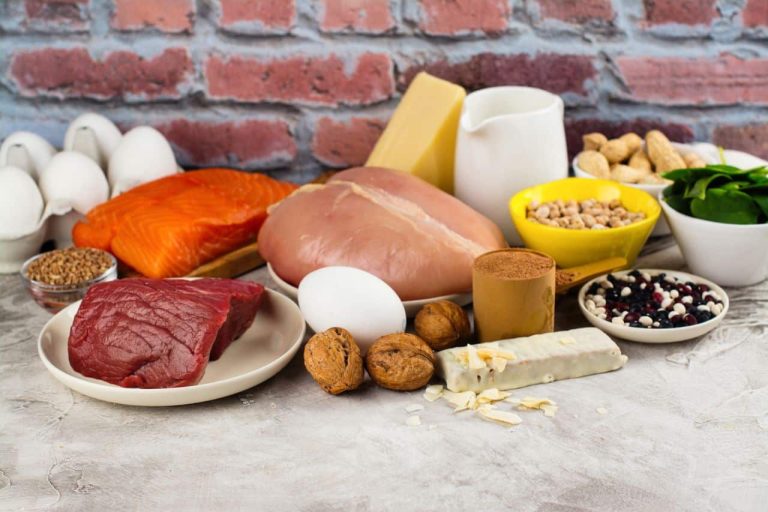
Leucine is an essential amino acid which assists to regulate blood sugar and energy levels, production of the human growth hormone, wound healing as well as the growth and repair of muscle tissue.

Leucine can also assist in the prevention of the breakdown of muscle proteins that may occur after severe stress or trauma.

Important leucine facts

  • Leucine is part of the three branched chain amino acids (BCAA) – the other two are valine and isoleucine

Groups at risk of leucine deficiency

Deficiency of leucine is rare, but can occur in the following individuals:

  • People on low protein diets – people who are not eating enough protein foods may not get enough leucine in their diet
  • Vegans / vegetarian – people who are on a strict vegetarian diet may suffer from a leucine deficiency if their diet is deficient in protein

People in these groups at risk of leucine deficiency should talk to a medical professional about leucine supplementation before trying it.

Symptoms of leucine deficiency

Deficiency occurs in individuals who are deficient in dietary protein – symptoms are similar to hypoglycaemia and may include:

  • headaches
  • dizziness
  • fatigue
  • depression
  • confusion
  • irritability

Leucine and health

  • Phenylketonuria – leucine may be beneficial for individuals with phenylketonuria, which is a genetic disorder where the body cannot metabolise the amino acid phenylalanine

Talk to a medical professional about leucine supplements before taking them.

Leucine in food

FOODAMOUNT
Leucine
(mg)
Lean Round Beef, cooked
250g
6377
Lean Veal leg, cooked
250g
5585
Turkey breast, no skin, cooked
1/2 breast (200g)
4791
Snapper, cooked
1 fillet (170g)
3633
Canned tuna – in water
1 tin (165g)
3420
Clams mixed species
20 small (190g)
3416
Atlantic cod, cooked
1 fillet (180g)
3341
Chicken breast – no skin
1/2 breast (200g)
3210
Northern pike, cooked
1/2 fillet (155g)
3111
Yellow fish tuna, cooked
100g
2436
Lobster
1 cup (145g)
2359
Alaskan king crab
1 leg (172g)
2058
Blue crab – flaked
1 cup (118g)
1892
Ling, cooked
1 fillet (151g)
1688
Whiting, cooked
1 fillet (72g)
1374
Atlantic perch, cooked
1 fillet (50g)
970
Pastrami Beef
6 slices (57g)
722
Silken tofu – lite
1 slice (84g)
421
Egg white – raw
1 large (33g)
335
Spinach – frozen
1 cup (156g)
296
Chicken breast – oven roasted
28g, sliced
229
Seaweed – spirulina – raw
28g
144

Leucine recommended daily intake (RDI)

RDA135mg/kg body weight (infants)
42mg/kg body weight (children)
26mg/kg body weight (adult)
TOLERABLE UPPER LIMIT170-1100mg
TOXIC LEVELSNo information available

Leucine works best with

In order to balance a leucine supplement, it needs to be kept in balance by: 2mg of each of leucine and valine for each 1mg of isoleucine. Talk to your natural health practitioner to get the right balance.

Overdosage, toxicity and cautions for leucine

There has not been any consistent evidence that leucine supplements have any toxicity. Although it is known that a high intake of leucine may give rise to the disease pellagra and may increase the amount of ammonia in the body.

References

  • Osiecki H, Meeke F, Smith J, The Encyclopaedia of Clinical Nutrition – Volume 1: The Nervous System, BioConceps Publishing QLD 2004

Alanine

0

Why alanine is good for you

Alanine is a non-essential amino acid that plays a key role in maintaining glucose levels in the body by helping the body to convert glucose into energy. Alanine also eliminates excess toxins from the liver.

Alanine is required for the metabolism of glucose and tryptophan and beta-alanine (which is a constituent of vitamin B5 – pantothenic acid) as well as coenzyme A.

Important alanine facts

  • People suffering from Epstein-Barr (sometimes referred to as glandular fever) as well as chronic fatigue syndrome have been linked to excessively high levels of alanine while having low levels of tyrosine and phenylalanine
  • Alanine is a non-essential amino acid and is used by the body to build protein

Groups at risk of alanine deficiency

As a rule, alanine deficiency is rare. Alanine is a non-essential amino acid, so the body can manufacture enough of its own.

The following groups are the only ones known to be at any risk of alanine deficiency:

  • People on low protein diets – people who are not eating enough protein foods may not get enough alanine in their diet
  • Vegans and vegetarians – people who are on a strict vegetarian diet may suffer from a alanine deficiency if their diet is deficient in protein
  • People with eating disorders – people who have eating disorders may not be eating enough foods, so may not get enough alanine in their diet
  • People with liver disease – low levels of alanine have been found in patients with liver disease (especially hepatitis)
  • People with diabetes – low levels of alanine have been found in patients with diabetes

People in these groups at risk of alanine deficiency should talk to a medical professional about alanine supplementation before taking it.

Symptoms of alanine deficiency

None known.

Alanine is a non-essential amino acid, so the body can normally manufacture enough of its own for normal usage.

Alanine and health

  • Alanine and prostate health – alanine is present in prostate fluid, so it may play a role in the role of the prostate. In one study of men with benign prostatic hyperplasia (benign prostate enlargement), it was found that daily doses of alanine for two weeks which was halved for the next two and a half months, taken together in combination with equal amounts of glycine and glutamic acid reduced the symptoms

Always talk to a medical professional about alanine supplements before taking them.

Alanine in food

FoodAmount
Alanine (mg)
Turkey – bone/skin removed
1/4 (240g)
3600
Snapper fish – raw or cooked
1 fillet (218g)
2703
Canned tuna (in water)
1 can (165g)
2546
Northern pike – cooked
1/2 fillet (155g)
2314
Northern pike – raw
1/2 fillet (198g
2307
Ling fish – cooked
1 fillet (151g)
2223
Ling fish – raw
1 fillet (193g)
2215
Haddock fish – raw
1 fillet (193g)
2206
Northern Lobster – cooked
1 cup (145g)
1683
Pacific Cod – raw
1 fillet (116g)
1256
Pacific Cod – cooked
1 fillet (90g)
1249
Yellow fin tuna – raw
1/2 fillet (100g)
1414
Atlantic perch fish – cooked
1 fillet (50g)
722
Perch fish – raw
1 fillet (60g)
704
Chicken breast – oven roasted
2 slices (42g)
426
Beef pastrami
3 slices (28g)
351
Egg white – raw
1 large (33g)
232
Blue crab – raw
1 crab (21g)
215
Seaweed, raw
10 sheets (28g)
184


Alanine recommended daily intake (RDI)

RDANo information available
TOLERABLE UPPER LIMIT200-600mg
TOXIC LEVELSNo information available


Alanine works best with

Overdosage, toxicity and cautions for carnitine

Alanine does not have many side effects for healthy individuals, but it is not advisable to take it in excessive amounts.

The following groups should not consume high levels of alanine supplements and should seek medical advice before taking it at all:

  • People with kidney / liver disease – may be adversely affected by alanine supplements
  • Pregnant / breastfeeding mothers – the effect of alanine supplements on the unborn child is unknown

References

  • Osiecki H, Meeke F, Smith J, The Encyclopaedia of Clinical Nutrition – Volume 1: The Nervous System, BioConceps Publishing QLD 2004

Proline

0

Why proline is good for you

Proline is a non-essential amino acid, as it can be synthesised from glutamic acid, so it is not required to be obtained from dietary sources.

Proline improves skin texture by aiding in the production of collagen and reduces the loss of collagen through the aging process. Proline works with vitamin C to promote healthy connective tissue. Proline also helps in the maintenance and healing of cartilage and the strengthening of joints, tendons, and muscles (including the heart muscle).

Important proline facts

  • Proline is obtained primarily from meat sources
  • Proline helps vitamin C produce collagen. Together with vitamin C, proline boosts collagen production a boost
  • Collagen is composed of the metabolic by-product of proline called hydroxyproline
  • Proline helps with the maintenance and regulation of cartilage production and helps to heal cartilage tissue if it is injured or damaged in any way
  • Proline helps the body heal the tissues damaged after accident or injury, so it is very useful in wound healing

Groups at risk of proline deficiency

None.

Symptoms of proline deficiency

None – it is readily obtained and available to the body.

Proline and health

  • None known

Proline in food

FOODAMOUNT
Proline
(mg)
Gruyere cheese
100g
3780
Romano cheese
100g
3718
Goat cheese, hard
100g
3693
Swiss cheese
100g
3690
Edam cheese
100g
3251
Pumpkin seeds, roasted
1 cup (230g)
3051
Mozzarella, part skim milk
100g
2498
Mozzarella, whole milk
100g
2351
Soybeans, dry roasted
100g
2315
Chicken breast meat only, roasted
1 cup (140g)
1785
Tuna, canned in oil
1 can (171g)
1761
Lean round beef
100g
1722
Cottage cheese, 2% fat
100g
1592
Snapper, cooked
1 fillet (170g)
1581
Veal leg, cooked
100g
1533
Halibut, cooked
1/2 fillet (159g)
1501
Beef, top sirloin, 0% fat, cooked
100g
1444
Lean shoulder lamb, cooked
100g
1432


Proline recommended daily intake (RDI)

RDANo information available
TOLERABLE UPPER LIMIT500-1000mg
TOXIC LEVELSNo information available


Proline works best with

Overdosage, toxicity and cautions for proline

None known.

References

  • Osiecki H, Meeke F, Smith J, The Encyclopaedia of Clinical Nutrition – Volume 1: The Nervous System, BioConceps Publishing QLD 2004

Dealing with weight loss plateau

Question

I am a 70 1/2 year old woman and am on a diet of 1200 calories a day (since 05/07/15). I went from 220 to 194 pounds but now I am at a stand still. I am hungry  a lot and try to drink water stop my hunger, but it does not always work. I drink about 72 ounces or more a day.

Am I trying to cut too many calories or what?  According to the chart I am suppose to eat about 1850-1900 a day but i want to lose about 30 more pounds.

Answer

Thank you for your email to Vital Health Zone.

As you have not provided your past or current weight as well as height, I cannot give more precise advise. It is possible that your body is not receiving enough nutrients on such a calorie restricted diet. I highly recommend that you get some supplements and eat as many whole foods as possible. Remember vitamins and minerals help us burn calories.

My advice is to be more concerned about the quality of the food you are eating. Are you eating enough fresh vegetables and fruit? Do you eat a good balanced intake of healthy fats? Your body may be trying to conserve every calorie you eat as you are eating an extremely low calorie diet.

As I said I do not have enough information to guide you further. Feel free to email if you would like more detailed assistance.

I wish you all the best and the team at Vital Health Zone is here for you anytime should you require further assistance in your quest for greater health.

Please note that the information provided is for educational purposes only and is not meant to diagnose or treat medical conditions. Consult with your medical physician regarding appropriateness of using supplements in your healing process.

Adrenal fatigue and always tired

Question

I am 48 years old today. I was diagnosed with adrenal fatigue and I am always tired and think I am premenopausal. I have sleep apnea, I am 35 lbs overweight and have premature ventricular contractions (PVCs).

Currently I am only taking a vitamin D supplement because my Vitamin D levels are very low. Can you please tell me which vitamins you feel are very important for a woman my age with my current health.

Answer

Thank you for your email to Vital Health Zone.

Adrenal exhausting is an extremely tiring problem and to help you in that I would need to do a whole medical and life history with lifestyle factors being addressed. Some of the known risk factors for premature ventricular contractions (PVCs) are similar to what leads to adrenal exhaustion.

I strongly advise that you take up some form of stress management exercise, such as yoga. Practice deep breathing. Avoid caffeine, tobacco (including second hand cigarette smoke) and alcohol as much as you can.

Follow a low GI (glycemic index) diet with ample whole grains. Naturally when you follow a whole grain (unprocessed) diet a person’s weight usually comes to a healthy suitable range. Incorporating more soya based foods will supply you with natural estrogen to aid you in your hormonal transitional menopausal period.

As for supplements, please note these are general guidelines and as I do not know your full case history, I’m being general. Vitamin C and vitamin B5 will be highly beneficial for cases of adrenal exhaustion. Magnesium is known to aid the muscle functions, which will support heart function. Try moderating all salt intake and by increasing fruit and vegetable intakes you beneficially increase potassium levels.

I recommend that you try follow a natural based diet and incorporate a multi mineral and vitamin supplement into your diet. Adding extra vitamin C will be fine and some extra magnesium at standard doses should be supportive.

You should consult with a relevant health care professional, who knows your full past and present case history, before taking any supplements. This protects you from possible interactions with any medication you may be on and any other possible consequences due to your unique state of health.

I wish you all the best and the team at Vital Health Zone is here for you anytime should you require further assistance in your quest for greater health.

Please note that the information provided is for educational purposes only and is not meant to diagnose or treat medical conditions. Consult with your medical physician regarding appropriateness of using supplements in your healing process.

Immune system

What is the immune system?

The immune system is a part of the lymphatic system which protects the body from disease causing organisms (pathogens). There are many types of pathogens, the most common being viruses and bacteria.

The immune system protects the body from invading pathogens through both (a) non-specific mechanism and (b) specific resistance (immunity).

The immune system is prevents the body from becoming ill and dying from an infection from a pathogen, so has a very important role in the body’s defences.

Important immune system facts

  • The immune system is the body’s main line of defence against invading bacteria and viruses
  • The immune system provides many defence mechanisms
  • The thymus gland is important as it matures the T cells which help to destroy the pathogens
  • The B cells, which provide immunity are matured in the bone marrow

Why the immune system is important

The immune system is responsible for defending the body from invading pathogens which take any opportunity to infect the body – without the immune system, the body would not survive long.

The immune system consists of the following defence mechanisms:

1. Non-specific defence mechanisms

These are normally the first line of defence in preventing the pathogens from entering the body (or expelling them when they first enters) are

  • Barriers – skin, mucous, hair and sebum
  • Expulsion – vomiting, diarrhoea, lacrimation (tears), sneezing, urination, defacation
  • Chemical – saliva, skin pH, stomach acid, sweat
  • Metabolic – fever, inflammation, phagocytosis (where the invading pathogen is englufed by the cell and destroyed), interferon (secreted by natural killer cells – NK cells), complement cascade

2. Specific resistance (immune response)

This type of defence includes the T lymphocytes (T cells) and the B lymphocytes (B cells), which are all white blood cells. Many pathogens (invading viruses and bacteria) provoke both types of immune responses from both the T cells and the B cells.

The T cells and the B cells provide a specific response to a particular pathogen in a particular way:

  • T cells – cytotoxic T cells target infected cells by secreting chemicals that destoy the cell – by either create holes in it or by destroying the cell’s DNA
  • B cells – clone into specialised plasma cells that produce antibodies in response to an infection

Daily calories for teenage boy

Question

I’m a 16 year old teenager. I’m 5’11” and 160lbs, and I do 30 minutes of stationary bike everyday, which says I burned about 1000 calories (resistance level was 14 to 24, and my heart rate was about 140 and it was 220~250 watts).

In this case, how many calories should I eat per a day? Are the calories burned during my exercise overestimated or are they almost correct?

Answer

Thank you for your email to Vital Health Zone.

It is great that you are taking part in some exercise. As far as my knowledge is concerned the readings on exercise machines often vary and consequently it may not be accurate. To say how much you burn, is more of a guideline.

Your body weight for your height seems to be within the healthy range and you are not underweight or overweight. A moderately active male at your age is considered to need from about 2500 to 2800 calories daily.

As you don’t mention that you do any other exercise, I assume that you are moderately active. The most clear answer to your question will come when you lose weight, then you know you need to increase your calorie intake as it is not meeting your energy using needs.

If you have any further questions or need more clarification do email anytime.

Please note that the information provided is for educational purposes only and is not meant to diagnose or treat medical conditions. Consult with your medical physician regarding appropriateness of using supplements in your healing process.