Carnitine

0

Facts

Why carnitine is good for you

Carnitine is really not an amino acid, but because it is structurally similar to amino acids, it is normally classed with amino acids, and is also known as vitamin T. Carnitine is used in energy supply within cells and muscles and assists in preventing fatty build-up in areas such as the heart, liver, and skeletal muscles.

Important carnitine facts

  • Carnitine is available as D-carnitine, L-carnitine, DL-carnitine as well as acetyl-L-carnitine, but L-carnitine is the most popular type.
  • L-Carnitine is synthesized from the essential amino acids lysine and methionine, but enough vitamin B1 (thiamine) and vitamin B6 (pyridoxine) must be available
  • Men normally require more carnitine than women, because of their heavier body mass
  • Carnitine has also been shown to improve the antioxidant effect of vitamin C and vitamin E
  • Carnitine can be manufactured by the body if iron, vitamin B1 (thiamine), vitamin B6 (pyridoxine), and the amino acids lysine and methionine are available
  • Insufficient carnitine will not allow fatty acids to be moved to the right place and the body will eventually wear down, resulting in a person feeling drained and tired

Carnitine works best with

Health

Carnitine and health

  • Diabetes – carnitine reduces the health risks posed by poor fat metabolism associated with diabetes
  • Immune system – some studies indicate carnitine may improve endurance in people weakened by disease, and boost an immune response in people who are HIV-infected
  • Heart health – the heart is highly dependent on carnitine, and taking it in supplement form is currently being explored as an option for speeding recovery after a heart attack as well as for treating angina (chest pain), arrhythmia (irregular heartbeats), and congestive heart failure.

Talk to a medical professional about carnitine supplements before taking it.

Deficiency

Groups at risk of carnitine deficiency

Primarily, carnitine deficiency occurs because of a genetic defect preventing carnitine transport and synthesis. The groups that may be at risk of deficiency are:

  • People on low protein diets – people who are not eating enough protein foods may not get enough carnitine in their diet
  • Vegans and vegetarians – people who are on a strict vegetarian diet may suffer from a carnitine deficiency if their diet is deficient in protein

Symptoms of carnitine deficiency

A deficiency of carnitine may present with the following symptoms:

  • confusion
  • heart pain
  • muscular weakness
  • obesity

Food sources

Carnitine in food

Carnitine can be found primarily in:

  • Chicken
  • Fish
  • Milk
  • Red meats

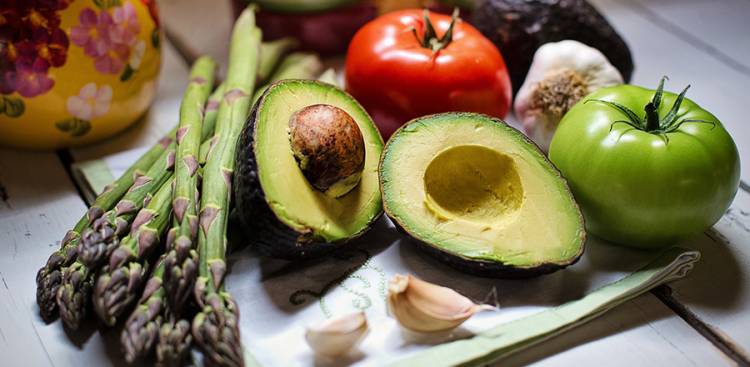
Less carnitine is available in tempeh (fermented soybeans), wheat, and avocados. Vegetables and grains contain very little carnitine.

Daily intake

Carnitine recommended daily intake (RDI)

RDANo information available
TOLERABLE UPPER LIMIT400mg-3000mg
TOXIC LEVELS> 3g per day


Toxicity

Overdosage, toxicity and cautions for carnitine

No known effects of toxicity.

Supplements in excess of 3g carnitine per day may cause diarrhea and/or “fish odour” syndrome.

Precautions

Precautions


Interactions

Interactions


References

References

  • Osiecki H, Meeke F, Smith J, The Encyclopaedia of Clinical Nutrition – Volume 1: The Nervous System, BioConceps Publishing QLD 2004

Last reviewed and updated: 8 May 2024
Isoleucine

0

Facts

Why isoleucine is good for you

Isoleucine is an essential amino acid which is important in stabilising blood sugar and energy levels. Isoleucine is required to create haemoglobin (the oxygen carrying red blood cells which contain iron) and is also involved in blood clot formation.

Isoleucine is often used by bodybuilders to help build more muscles.

Important isoleucine facts

  • Isoleucine is part of the three branched chain amino acids (BCAA) – the other two are valine and leucine
  • Isoleucine’s chemical composition is identical to leucine, but the arrangement of its atoms is slightly different resulting in different properties

Isoleucine works best with

Health

Isoleucine and health

  • Muscle building and recovery – isoleucine helps prevent muscle proteins from breaking down during exercise and may also be beneficial in preventing muscle wasting and promoting tissue repair after surgery or trauma

Talk to a medical professional about isoleucine supplements before taking them

In order to balance an isoleucine supplement, it needs to be kept in balance by: 2mg of each of leucine and valine for each 1mg of isoleucine. Talk to a natural health practitioner to get the right balance.

Deficiency

Groups at risk of isoleucine deficiency

  • Athletes and mountain climbers – people involved in strenuous athletic activity under extreme pressure and high altitude may require more of this amino acid
  • People on low protein diets – people who are not eating enough protein foods may not get enough isoleucine in their diet

People in these groups at risk of isoleucine deficiency should talk to a medical professional about isoleucine supplementation before taking it

Symptoms of isoleucine deficiency

Deficiency only usually occurs in individuals who are deficient in dietary protein – symptoms are similar to hypoglycaemia and may include:

  • headaches
  • dizziness
  • fatigue
  • depression
  • confusion
  • irritability

Food sources

Isoleucine in food

FOODAMOUNT
Isoleucine
(mg)
Tuna, canned in oil
1 can (171g)
2295
Chicken breast roasted, no skin
1 cup (140g)
2293
Snapper, cooked
1 fillet (170g)
2060
Halibut, cooked
1/2 fillet (159g)
1956
Soybeans, dry roasted
100g
1920
King mackerel, cooked
1/2 fillet (154g)
1845
Lean veal leg, cooked
100g
1808
Romano cheese
100g
1685
Lean veal sirloin, cooked
100g
1672
Lean shoulder lamb, cooked
100g
1651
Lean round beef, cooked
100g
1643
Gruyere cheese
100g
1612
Lean veal shank, cooked
100g
1588
Turkey, light meat only, cooked
100g
1570
Turkey breast only, cooked
100g
1563
Swiss cheese
100g
1537
Alaskan king crab
1 leg (172g)
1525
Turkey leg meat, cooked
100g
1518


Daily intake

Isoleucine recommended daily intake (RDI)

RDA12mg/kg body weight (adults)
28mg/kg body weight (kids 10-12)
80mg/kg body weight (infant 3-6mths)
TOLERABLE UPPER LIMIT5-10g (none established)
TOXIC LEVELS2g/kg of body weight (adults)


Toxicity

Overdosage, toxicity and cautions for isoleucine

Isoleucine taken at very high doses is associated with elevated urination.

Precautions

Precautions

High intake of isoleucine is not associated with any health risks in general, but those with kidney or liver disease should not consume high intakes of amino acids without medical advice.

Interactions

Interactions


References

References

  • Osiecki H, Meeke F, Smith J, The Encyclopaedia of Clinical Nutrition – Volume 1: The Nervous System, BioConceps Publishing QLD 2004

Last reviewed and updated: 8 May 2024

Aspartic acid

0

Facts

Why aspartic acid is good for you

L-aspartic acid (or aspartate) is a non-essential amino acid as it can be produced in the body. Aspartic acid is found in abundance in plant proteins, especially in sprouting seeds. L-aspartic acid plays a vital role in energy production.

Important aspartic acid facts

  • Aspartic acid is of vital importance in the metabolism and construction of other amino acids and biochemicals in the citric acid cycle
  • Aspartic acid is termed an excitory amino acid neurotransmitter as it plays a role in stimulating synapes in the central nervous system (brain and spinal cord)
  • Aspartic acid is made from glutamic acid (or glutamate)
  • Among the biochemicals that are synthesized from aspartic acid are arginine, lysine, methionine, threonine, isoleucine, and several nucleotides

Aspartic acid works best with

Health

Aspartic acid and health

  • Liver health – aspartic acid benefits the liver by removing excess ammonia from the liver. Aspartic acid combines with other amino acids to form molecules that absorb toxins and remove them from the bloodstream
  • Chronic fatigue syndrome – since aspartic acid increases stamina, it is good for fatigue (chronic fatigue syndrome may result from low levels of aspartic acid, because this can lead to lowered cellular energy)

Talk to a medical professional about aspartic acid supplements before taking them

Deficiency

Groups at risk of aspartic acid deficiency

Deficiency is very rare, but can occur in the following individuals:

  • People on very low protein diets – people who are not eating enough protein foods may not get enough aspartic acid in their diet

People in these groups at risk of aspartic acid deficiency should talk to a medical professional about aspartic acid supplementation before trying them.

Symptoms of aspartic acid deficiency

Symptoms of aspartic acid are very rare, but may include fatigue and depression.

Food sources

Aspartic acid in food

FOODAMOUNT
Aspartic Acid (mg)
Lean Round Beef
450g
13150
Lean Leg of Veal
450g
10899
1/2 Turkey Breast – no skin
306g
8937
1/2 Chicken
329g
6274
Clams – mixed species
20 small (190g)
4682
Snapper, cooked
1 fillet (170g)
4576
Atlantic cod, cooked
1 fillet (180g)
4209
Northern pike, cooked
1/2 fillet (155g)
3919
Ling, cooked
1 fillet (151g)
3764
Yellow fish tuna , cooked
100g
3069
Alaskan king crab, cooked
1 leg (172g)
2680
Blue crab, cooked
1 cup (118g)
2643
Pacific cod, cooked
1 fillet (90g)
2115
Whiting, cooking
1 fillet (72g)
1731
Atlantic perch, cooked
1 fillet (50g)
1223
Bacon, pan-fried
28g
1010
Ricotta, park skim
100g
1007
Milk, 1% fat
1 cup
759


Daily intake

Aspartic acid recommended daily intake (RDI)

RDANo information available
TOLERABLE UPPER LIMIT1.5g – 2.0g per day
TOXIC LEVELSNo information available


Toxicity

Overdosage, toxicity and cautions for aspartic acid

No information known.

Precautions

Precautions


Interactions

Interactions


References

References

  • Osiecki H, Meeke F, Smith J, The Encyclopaedia of Clinical Nutrition – Volume 1: The Nervous System, BioConceps Publishing QLD 2004

Last reviewed and updated: 8 May 2024
Arginine

0

Facts

Why arginine is good for you

Arginine is a semi-essential amino acid which is required to ensure the liver, joints, muscles (including the heart muscle) and skin are kept healthy. Arginine strengthens the immune system, promotes male fertility and is involved in regulating many hormonal processes in the body (the pituitary gland, the pancreas and human growth hormone).

Arginine is a semi-essential amino acid because the body can usually produce enough of it in normal circumstances, but if the body is under a great amount of physical stress or illness, then more arginine is required. In addition, new born babies cannot make their own arginine for the first few months of their life.

Important arginine facts

  • Lysine and ornithine compete with arginine for uptake into the brain
  • Arginine should not be given to patients with herpes as it promotes their growth (unless lysine is also given)
  • Arginine is vital for muscle metabolism. It aids weight loss as it facilitates an increase in muscle mass and a reduction of body fat
  • Arginine is a component of collagen and aids in the building of new bones and tendons

Arginine works best with

Health

Arginine and health

  • Immune system enhancer – arginine may benefit those suffering from diseases that suppress the immune system as it slows down the growth of tumours and cancer by enhancing immune function. It makes the thymus gland, produce more T lymphocytes (T cells), crucial components of the immune system (there is also evidence that it can also make other tumour grow faster – so only take it under medical supervision for immune illnesses)
  • Liver detoxification – arginine is good for liver disorders such as cirrhosis of the liver and fatty liver; it aids in liver detoxification by neutralizing ammonia
  • Artherosclerosis – studies show that arginine prevents build-up of plaque and other substances that may harden blood vessels – the main cause of artherosclerosis
  • Lowering cholesterol – recent findings show that arginine lowers cholesterol
  • Coronary artery disease – studies show that arginine ensures blood circulates properly, so preventing lack of blood flow and damage to the heart and reducing symptoms of coronary heart disease

Talk to a medical professional about arginine supplements before taking them

Deficiency

Groups at risk of arginine deficiency

Arginine deficiency is rare, as most people can get their daily does of arginine from the food they eat. The groups that are at risk of arginine deficiency are:

  • People on low protein diets – people who are not eating enough protein foods may not get enough arginine in their diet

People in these groups at risk of arginine deficiency should talk to a medical professional about arginine supplementation before trying it.

Symptoms of arginine deficiency

Insulin production, glucose tolerance, and liver lipid metabolism may all be impaired when the body is deficient in arginine. Hair loss may be another sign of arginine deficiency.

Food sources

Arginine in food

FOODAmount
Arginine
(mg)
Pumpkin seeds, roasted
115g
6150
Soybeans, dry roasted
100g
3071
Fish, tuna, light, canned in oil
1 can (171g)
2980
Alaska king crab, raw
1 leg (172g)
2749
Snapper, cooked
1 fillet (170g)
2674
Halibut, Atlantic & Pacific, cooked
1/2 fillet (159g)
2539
King mackerel, raw
1/2 fillet (198g)
2403
King mackerel, cooked
1/2 fillet (154g)
2396
Round beef, 0% fat, cooked
100g
2336
Spiny lobster, cooked
100g
2303
Alaskan king crab, cooked
1 leg (134g)
2264
Veal leg (lean top round), cooked
100g
2159
Turkey, light meat, cooked
100g
2106
Turkey, breast, cooked
100g
2097
Turkey, leg, cooked
100g
2036
Lamb shoulder, lean, cooked
100g
2028
Veal sirloin, lean, cooked
100g
1997
Beef, sirloin, 0% fat, cooked
100g
1959


Daily intake

Arginine recommended daily intake (RDI)

RDANo information available
TOLERABLE UPPER LIMIT400-1000mg divided in equal doses
TOXIC LEVELS> 2g per day


Toxicity

Overdosage, toxicity and cautions for arginine

Rare, but if taken in massive doses, the following are general symptoms of overdosage and toxicity:

  • skin thickening and coarseness of the skin
  • weakness
  • diarrhoea
  • nausea
  • increases the activity of some viruses

Precautions

Precautions

The following people should NOT take arginine supplements- talk to your medical health care provider if you fall into one of these groups:

  • Herpes patients – arginine will make the cold sores worse or increase the incidence of a herpes outbreak
  • Cancer patients – due to the possibility of arginine increasing cancer cells replication
  • People with low blood pressure, kidney or liver disease
  • People taking blood dilators – such as nitroglycerin or sildenafil (Viagra)
  • Pregnant and breastfeeding mothers – unknown effect to the unborn child
  • Children and teenagers – should avoid arginine supplements, due to the unknown effects on children and teenagers
  • People with diabetes – due to arginine’s effect on insulin and carbohydrate metabolism
  • People with schizophrenia – should avoid arginine
  • People with herpes – arginine could cause the herpes infection (cold sores or genital herpes) to get worse

Arginine supplementation can be taken for 2-3 weeks at a time, followed by a break of 3-4 weeks, after which supplementation can resume again in the same manner – on a few weeks and off a few weeks, but not for a long term.

Longer term supplementation of arginine should only be taken under medical supervision.

Interactions

Interactions


References

References

  • Osiecki H, Meeke F, Smith J, The Encyclopaedia of Clinical Nutrition – Volume 1: The Nervous System, BioConceps Publishing QLD 2004

Last reviewed and updated: 8 May 2024

Methionine

0

Facts

Why methionine is good for you

Methionine is a sulfur containing essential amino acid which assists in the breakdown of fats and so prevents the build-up of fat in the arteries.

Methionine also assists with the health of the digestive system and removes heavy metals from the body. Since methionine can be converted to cysteine (which is a precursor to glutathione), it is a prime detoxifier of the liver.

Important methionine facts

  • Methionine is important in the process of methylation where methyl is added to compounds in order to detoxify the body and it organs (it has a role in heavy metal detoxification, as well as liver detoxification)
  • Methionine is a precursor to the amino acids cystine and cysteine
  • Methionine is a great antioxidant as the sulphur it supplies inactivates free radicals in the body
  • Methionine is one of the three amino acids (cysteine and cystine are the other two) needed by the body to manufacture creatine monohydrate, which is essential for energy production and muscle building
  • The sulphur in methionine is useful to assist in maintaining healthy skin tone, well-conditioned hair and strong nails

Methionine works best with

Health

Methionine and health

  • Women and oestrogen – methionine has been shown to help excrete excess oestrogen from the liver, so may be beneficial for women taking oral contraceptives.

Talk to a medical professional about methionine supplements before taking them

Deficiency

Groups at risk of methionine deficiency

  • People on low protein diets – people who are not eating enough protein foods may not get enough methionine in their diet
  • Vegans and vegetarians – people who are on a strict vegetarian diet may suffer from a methionine deficiency if their diet is deficient in protein

People in these groups at risk of methionine deficiency should talk to a medical professional about methionine supplements before taking them.

Symptoms of methionine deficiency

Symptoms of deficiency include:

  • fatty liver
  • slow growth
  • weakness
  • oedema (fluid retention)
  • skin lesions

Severe deficiency of methionine can cause dementia-like symptoms.

Food sources

Methionine in food

FOODAMOUNT
Methionine
(mg)
Tuna, canned in oil
1 can (171g)
1474
Snapper, cooked
1 fillet (170g)
1322
Halibut, cooked
1/2 fillet (159g)
1256
Chicken breast meat only, roasted
1 cup (140g)
1203
King mackerel
1/2 fillet (154g)
1186
Round beef, 0% fat, cooked
100g
941
Pink salmon, cooked
1/2 fillet (124g)
939
Yellow fin tuna, cooked
100g
887
Alaskan king crab
1 leg (172g)
886
Blue fin tuna, cooked
100g
885
Lean shoulder lamb, cooked
100g
875
Turkey, light meat only, roasted
100g
874
Turkey, breast only, roasted
100g
871
Lean veal leg, cooked
100g
857
Romano cheese
100g
852
Lean pork loin chops, cooked
100g
825
Gruyere cheese
100g
822
Goat cheese, hard
100g
813


Daily intake

Methionine recommended daily intake (RDI)

RDA49mg/kg body weight (infants)
32mg/kg body weight (children)
13mg/kg body weight (adult)
TOLERABLE UPPER LIMIT200-800mg
TOXIC LEVELSNo information available


Toxicity

Overdosage, toxicity and cautions for methionine

There are no known drug or nutrient interactions associated with methionine.

Avoid taking more than the recommended amount of methionine, particularly if the diet is low in folic acid, vitamin B6, or vitamin B12, as conversion of methionine to homocysteine could be promoted. (Homocysteine is a potentially harmful blood fat that has been linked to atherosclerosis – hardening of the arteries).

Precautions

Precautions

People with a serious illness, are breastfeeding or pregnant should only take methionine under the care of a health care professional

Interactions

Interactions


References

References

  • Osiecki H, Meeke F, Smith J, The Encyclopaedia of Clinical Nutrition – Volume 1: The Nervous System, BioConceps Publishing QLD 2004

Last reviewed and updated: 8 May 2024
Taurine

0

Facts

Why taurine is good for you

Taurine is classed as a semi-essential amino acid because it is essential for infants, who cannot produce it on their own, but it is normally produced in the body by all others. It is a key ingredient of bile, which is needed for fat digestion, absorption of fat-soluble vitamins as well as to control blood cholesterol levels in the body.

Taurine is also required for the proper use of potassium, calcium and sodium in the body, and for maintaining cell membrane integrity. It is thought to be helpful with anxiety, hyperactivity, poor brain function and epilepsy as well as hydrating the brain. Taurine, together with zinc is also required for proper eye health and vision.

Important taurine facts

  • Taurine is one of the sulphur amino acids and is found throughout the body abundantly, but especially in the heart, eye, central nervous system, and the brain
  • Taurine can be produced from methionine and cysteine
  • The need for taurine increases during periods of illness, stress, anxiety, grief, or depression
  • Taurine increases levels of the neurotransmitters histamine and acetylcholine in the brain
  • Women require more taurine than men
  • Taurine is an essential amino acid in newborns for proper growth and development (as they cannot produce enough of it on their own and require it to be supplied from their mother through breast milk)

Taurine works best with

Health

Taurine and health

  • Brain health – taurine has a protective effect on the brain, particularly when the brain is dehydrated
  • Breast cancer treatment – taurine is used at some breast cancer clinics as a supplementary treatment for breast cancer
  • Diabetes – studies show supplementation with taurine (and cystine) may decrease the need for insulin (more studies are required to confirm these initial findings)

Talk to a medical professional about taurine supplements before taking them

Deficiency

Groups at risk of taurine deficiency

Most people would not need supplementation and even small children get enough of it from human milk, or infant formulas. The only groups that may be at risk of deficiency are:

  • People on low protein diets – people who are not eating enough protein foods may not get enough taurine in their diet
  • Vegans and vegetarians – people who are on a strict vegetarian diet may suffer from a taurine deficiency if their diet is deficient in protein
  • People with metabolic disorders – may excrete much of their taurine in their urine
  • Alcoholics – high intake of alcohol may cause the body not to be able to fully utilise taurine
  • High urinary loss of taurine – cardiac arrhythmia’s, disorders of platelet formation, intestinal problems, and overgrowth of candida, physical or emotional stress, zinc deficiency, are all associated with high urinary losses of taurine
  • People with diabetes – diabetes increases the body’s requirement for taurine

People in these groups at risk of taurine deficiency should talk to a medical professional about taurine supplementation before taking it.

Symptoms of taurine deficiency

Deficiency symptoms can present as:

  • impaired vision
  • problems with fat metabolism
  • depression

Food sources

Taurine in food

FOODAMOUNT
Taurine
(mg)


Daily intake

Taurine recommended daily intake (RDI)

RDANo information available
TOLERABLE UPPER LIMIT250-1000mg
TOXIC LEVELSNo information available


Toxicity

Overdosage, toxicity and cautions for taurine

No toxicity has been determined.

Precautions

Precautions


Interactions

Interactions


References

References

  • Osiecki H, Meeke F, Smith J, The Encyclopaedia of Clinical Nutrition – Volume 1: The Nervous System, BioConceps Publishing QLD 2004

Last reviewed and updated: 8 May 2024
Cysteine

0

Facts

Why cysteine is good for you

Cysteine is a sulphur containing non-essential amino acid, which is formed from methionine. It is necessary in the detoxification of the body from harmful toxins.

Cysteine helps protect the liver and brain from damage. It is required in the manufacture of taurine and is a component of glutathione. Skin nails and hair contain cysteine – and it is not only important in collagen production but also assists in skin elasticity and texture.

Important cysteine facts

  • Cysteine is closely related to cystine, as cystine consists of two cysteine molecules joined together
  • Cysteine is an unstable nutrient and easily converts to cystine, but this does not cause a problem, since both can convert into the other – as required by the body
  • Cysteine is critical to the metabolism of a number of essential biochemicals – coenzyme A, heparin, biotin, lipoid acid, and glutathione
  • Cystine or the N-acetyl form of cysteine (N-acetyl cysteine) may be used in place of L-cysteine
  • N-acetyl cysteine has been shown to be more effective at boosting glutathione levels than supplements of cystine or even of glutathione itself

Cysteine works best with

Health

Cysteine and health

  • Stomach protection – cysteine has been found to help strengthen the protective lining of the stomach as well as intestines, which may help prevent damage caused by aspirin and similar drugs
  • Chemotherapy treatment – N-acetyl cysteine helps to prevent side effects from chemotherapy and radiation therapy

Talk to a medical professional about cysteine supplements before taking them.

Deficiency

Groups at risk of cysteine deficiency

Deficiency of cysteine is rare, but can occur in the following individuals:

  • People on low protein diets – people who are not eating enough protein foods may not get enough cysteine in their diet
  • Vegans and vegetarians – people who are on a strict vegetarian diet may suffer from a cysteine deficiency if their diet is deficient in protein
  • HIV and AIDS patients – People suffering from HIV/AIDS may benefit from cysteine in medically administered dosages, as low levels are normally reported in HIV/AIDS patients

People in these groups at risk of cysteine deficiency should talk to a medical professional about cysteine supplementation before trying it.

Symptoms of cysteine deficiency

No direct deficiencies have been reported, but in chronic diseases it seems the formation of cysteine from methionine by the body can be prevented, resulting in a deficiency.

Food sources

Cysteine in food

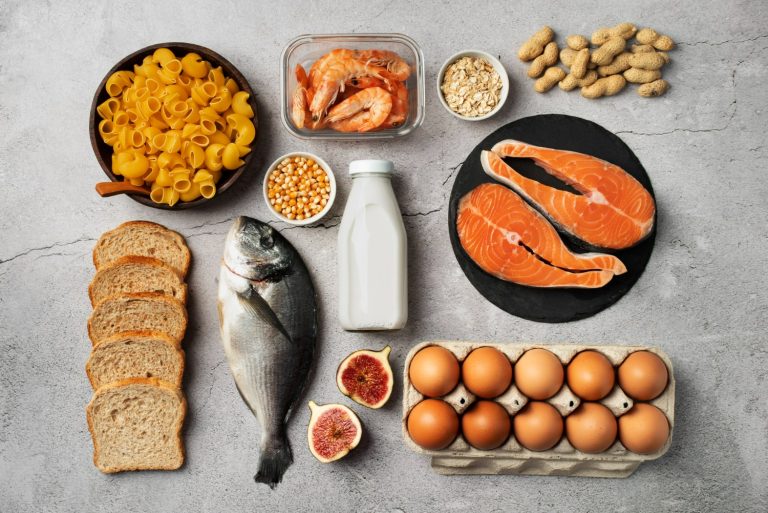
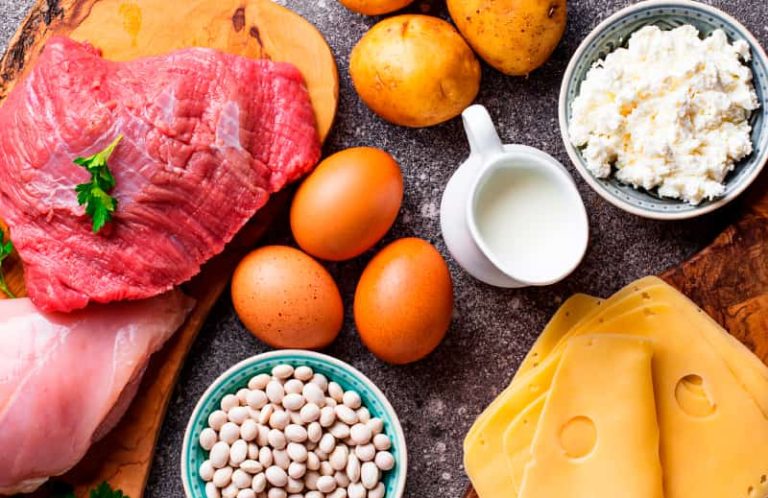
The body can create cysteine from the amino acid methionine, so there is unlikely to be a deficiency in this amino acid. It is also found in high protein foods such as:

Daily intake

Cysteine recommended daily intake (RDI)

RDANo information available
TOLERABLE UPPER LIMIT200-500mg
Must be taken with Vitamin C & Vitamin B6
TOXIC LEVELSNo information available


Toxicity

Overdosage, toxicity and cautions for cysteine

None known, but damage to nerve cells in rats has been reported in very high dosage, and research data is still not available.

Precautions

Precautions

  • People with diabetes should be careful when taking cysteine supplements, as it could inactivate insulin
  • Cystinuria patients should not take it.

Interactions

Interactions


References

References

  • Osiecki H, Meeke F, Smith J, The Encyclopaedia of Clinical Nutrition – Volume 1: The Nervous System, BioConceps Publishing QLD 2004

Last reviewed and updated: 8 May 2024
Serine

0

Facts

Why serine is good for you

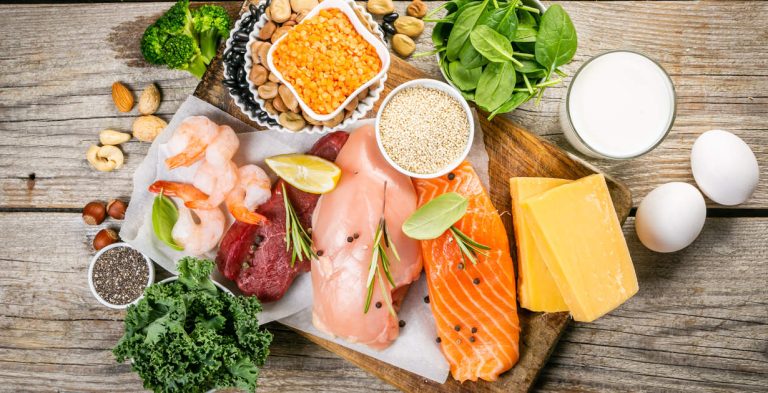
Serine is a non-essential amino acid which is required for the metabolism of fat and tissue growth.

It is also required for the immune system where it assists in the production of antibodies and immunoglobulins (these are the substances that help our body fight disease and toxins).

Important serine facts

Serine works best with

Health

Serine and health

None known.

Deficiency

Groups at risk of serine deficiency

None known.

Symptoms of serine deficiency

None known.

Food sources

Serine in food

FOODAMOUNT
Serine
(mg)
Soybeans, dry roasted
100g
2294
Tuna, canned in oil
1 can (171g)
2033
Romano cheese
100g
1840
Snapper, cooked
1 fillet (170g)
1824
Halibut, cooked
1/2 fillet (159g)
1731
Gruyere cheese
100g
1719
Swiss cheese
100g
1640
King mackerel, cooked
1/2 fillet (154g)
1634
Egg, white, dried
28g
1566
Edam cheese
100g
1547
Chicken breast meat only, roasted
1 cup (140g)
1494
Round beef, 0% fat, cooked
100g
1423
Mozzarella cheese, part skim
100g
1415
Lean veal leg, cooked
100g
1367
Turkey light meat only, roasted
100g
1343
Turkey breast meat only, roasted
100g
1337
Turkey leg meat only, roasted
100g
1298
Pink salmon, cooked
100g
1293


Daily intake

Serine recommended daily intake (RDI)

RDANo information available
TOLERABLE UPPER LIMITNo information available
TOXIC LEVELSNo information available


Toxicity

Overdosage, toxicity and cautions for serine

Although toxicity has not been established it has been found that very elevated serine levels may cause immune suppression and psychological symptoms such as cerebral allergies.

Precautions

Precautions


Interactions

Interactions


References

References

  • Osiecki H, Meeke F, Smith J, The Encyclopaedia of Clinical Nutrition – Volume 1: The Nervous System, BioConceps Publishing QLD 2004

Last reviewed and updated: 8 May 2024
Lysine

0

Facts

Why lysine is good for you

Lysine is an essential amino acid and is required for growth and bone development in children, assists in calcium absorption and assists in maintaining the correct nitrogen balance in the body, as well as maintaining lean body mass.

Lysine is also needed to produce antibodies, hormones, enzymes, collagen formation as well as repair of tissue.

Important lysine facts

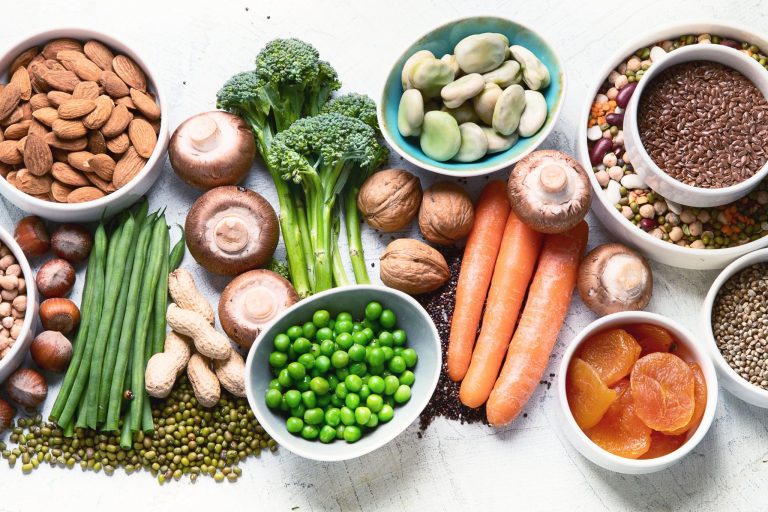
  • Since lysine assists with building muscle protein, it is useful for patients recovering from injuries and recovery after operations
  • Foods with a higher lysine to arginine ratio is required for preventing cold sores – animal proteins have a 3/4:1 ratio, while plant proteins have a 1:1 ratio
  • Of all the amino acids, lysine is the most sensitive to the effects of food processing, such as dry heat. The amount of protein available in legumes and other sources of lysine can be significantly reduced if they have been toasted or roasted

Lysine works best with

Health

Lysine and health

  • Cold sores and herpes – most studies show that lysine is useful in preventing or treating cold sore (herpes simplex 1) once they have erupted. Lysine has not been proven to treat genital herpes as successfully.
  • Anti-viral properties – lysine may help to boost the immune system and its anti-viral properties may help to treat conditions such as chronic fatigue syndrome, hepatitis, and HIV – more concrete evidence is required to prove this

Talk to a medical professional about lysine supplements before taking them

Deficiency

Groups at risk of lysine deficiency

  • People on low protein diets – people who are not eating enough protein foods may not get enough lysine in their diet
  • Vegans / vegetarian – people who are on a strict vegetarian diet may suffer from a lysine deficiency if their diet is deficient in protein
  • Cold sore sufferers – it is recommend to take lysine during an outbreak of cold sores to speed healing

People in these groups at risk of lysine deficiency should talk to a medical professional about lysine supplements before taking them.

Symptoms of lysine deficiency

Deficiency of lysine is rare, as it is found in so many protein foods. Symptoms of deficiency may include:

  • anaemia
  • enzyme disorders
  • lack of energy
  • poor appetite
  • irritability
  • poor concentration
  • hair loss
  • bloodshot eyes
  • weight loss
  • reproductive disorders

Food sources

Lysine in food

FOODAMOUNT
Lysine
(mg)
Tuna, canned in oil
1 can (171g)
4575
Snapper, cooked
1 fillet (170g)
4105
Halibut, cooked
1/2 fillet (159g)
3896
Chicken breast, meat only, cooked
1 cup (140g)
3689
King mackerel
1/2 fillet (154g)
3677
Round beef, 0% fat, cooked
100g
3053
Lean veal leg, cooked
100g
3025
Lean shoulder lamb, cooked
100g
3018
Romano cheese
100g
2941
Pink salmon, cooked
1/2 fillet (124g)
2912
Turkey, light meat only, roasted
100g
2845
Turkey breast only, roasted
100g
2833
Lean pork loin chops, cooked
100g
2800
Yellow fin tuna, cooked
100g
2753
Turkey leg (meat only), roasted
100g
2751
Blue fin tuna
100g
2747
Alaska king crab, cooked
1 leg (172g)
2738
Turkey, dark meat only, roasted
100g
2718


Daily intake

Lysine recommended daily intake (RDI)

RDA99mg/kg body weight (infants)
44mg/kg body weight (children)
32mg/kg body weight (adults)
TOLERABLE UPPER LIMIT300-3000mg
TOXIC LEVELS>10g per day


Toxicity

Overdosage, toxicity and cautions for lysine

Side effects with lysine are usually rare, although diarrhoea and stomach cramps have been reported in very high dosage, but these have not been shown to be consistent.

Precautions

Precautions

Pregnant or breast feeding mothers, as well as patients with liver or kidney problems, must first consult a health professional before taking lysine supplements

Interactions

Interactions


References

References

  • Osiecki H, Meeke F, Smith J, The Encyclopaedia of Clinical Nutrition – Volume 1: The Nervous System, BioConceps Publishing QLD 2004

Last reviewed and updated: 8 May 2024
Histidine

0

Facts

Why histidine is good for you

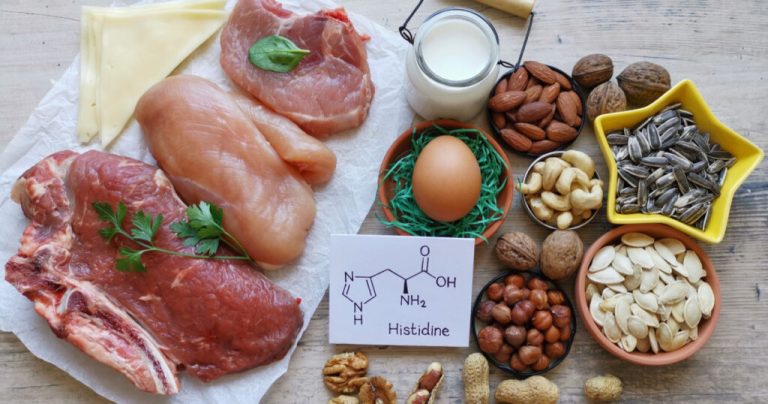
Histidine is an essential amino acid, which is produced in adequate amounts by adults, but children may have a shortage. Histidine is required for the proper growth and repair of tissues. It is important for the maintenance of the myelin sheaths that protect nerve cells, and is needed for the production of both red blood cells and white blood cells.

Histidine protects the body from radiation damage and assists in removing heavy metals from the body.

Important histidine facts

Histidine works best with

Health

Histidine and health

  • Stomach health – in the stomach, histidine is also helpful in producing gastric juices, and people with a shortage of gastric juices or suffering from indigestion, may also benefit from this nutrient

Talk to a medical professional about histidine supplements before taking them

Deficiency

Groups at risk of histidine deficiency

None known.

Symptoms of histidine deficiency

None known.

Food sources

Histidine in food

FOODAMOUNT
Histidine
(mg)
Lean round beef
450g
4607
Lean leg of veal
450g
4585
1/2 turkey breast – no skin
306g
2870
Tuna, canned in oil
1 can (171g)
1467
Chicken breast, meat only
100g
1348
Snapper, cooked
1 fillet (170g)
1316
Halibut, cooked
1/2 fillet (159g)
1250
Pork loin chops
100g
1244
Canned tuna – in water
1 can (171g)
1239
Lean veal sirloin, cooked
100g
1233
Romano cheese
100g
1231
King mackerel, cooked
1/2 fillet (154g)
1178
:Lean veal shank, cooked
100g
1170
Lean beef, top round, cooked
100g
1153
Gruyere cheese
100g
1117
Ling, cooked
1 fillet (159g)
1110
Lean shoulder lamb, cooked
100g
1082
Swiss cheese
100g
1065


Daily intake

Histidine recommended daily intake (RDI)

RDA33mg/kg weight (infants)
8-10mg/kg weight (adults)
 
TOLERABLE UPPER LIMITNo information available
 
TOXIC LEVELSNo information available


Toxicity

Overdosage, toxicity and cautions for histidine

There are no reported side effects with histidine, but histidine levels that are too high may lead to stress – people with schizophrenia have been found to have high levels of histidine in their bodies.

Precautions

Precautions

Persons with manic (bipolar) depression should take take supplemental histidine unless a deficiency has been identified

Interactions

Interactions


References

References

  • Osiecki H, Meeke F, Smith J, The Encyclopaedia of Clinical Nutrition – Volume 1: The Nervous System, BioConceps Publishing QLD 2004

Last reviewed and updated: 8 May 2024