Vitamin D

0

Facts

Why vitamin D is good for you

Vitamin D’s most important role is to regulate how much calcium is absorbed from the food that is eaten and to ensure that levels of calcium are regulated properly in the body.

The immune system also needs vitamin D to function effectively.

To get enough vitamin D, a general rule of thumb is: in winter, get about 20-30 minutes a day of sunlight directly on the face and in summer, 10-20 minutes (but not in the hottest part of the day).

The ultraviolet light in sunshine makes a type of cholesterol that is found just under the skin, into cholecalciferol (or vitamin D3). The vitamin D3 gets carried to the kidneys, where it becomes even more active. Some of the vitamin D stays in the liver and kidneys, where it helps to reabsorb calcium from the blood. Some goes to the bones to help them hold onto their calcium. The rest goes to the intestines to help absorb calcium from food.

Vitamin D is found naturally in some foods, in a slightly different form, called ergocalciferol or vitamin D2. The body can use this form of vitamin D just as well as the other type from sunshine.

Important vitamin D facts

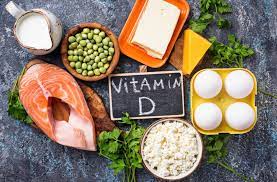
  • Cod liver oil was the main source of vitamin D for a long time.
  • Fish oil contains a lot of Vitamin D, which is in fish liver, mackerel, herring, sardines, salmon, tuna and other oily fish
  • Today, vitamin D is added to milk as well as to breakfast cereals
  • Vitamin D is fat soluble, so when a lot is made, by spending a day at the beach, some of it gets stored in the fatty tissues and in the liver
  • Vitamin D is also classified as a hormone
  • There is a receptor for vitamin D on every cell in the body, which means that it is important for metabolic processes on a cellular level
  • People who have adequate to high levels of vitamin D in the body outlive people with low to deficient levels

Vitamin D works best with

Health

Vitamin D and health

  • Cancer – it is has been known for a long time that colon cancer and breast cancer are more common among people in northern climates – places where that are very cold and do not get much sun for part of the year. There appears to be a connection between risk for colon cancer and low sunshine exposure. According to recent studies, people who get a lot of vitamin D from their food and supplements are much less likely to get colon cancer. To get vitamin D protection, only 200IU is required daily – the amount in two cups of milk. Is the same protection given by sunshine? Yes. But the vitamin D from sunshine is difficult to quantify. Vitamin D not only helps prevent cancer, it can also help treat it. The powerful anti-cancer drug tamoxifen, which is widely used to treat cancer of the ovaries, uterus and breast (in women) seems to work even better when it is combined with small doses of vitamin D
  • General health – studies show that there is a receptor for vitamin D on every cell in the body and that people who have enough vitamin D die less frequently from any cause compared to people who are low to deficient in this very important vitamin
  • Immune system – vitamin D can help strengthen the immune system in general
  • Psoriasis – psoriasis is a chronic skin disease that makes the skin get itchy, red, flaky patches. Sunshine seems to clear up the patches for some people. Likewise, a prescription cream that has vitamin D in it seems to help too. Just taking a lot of vitamin D in supplements does not help psoriasis – and it could be dangerous
  • Better hearing – in some cases of hearing loss, a shortage of Vitamin D may have damaged the delicate ear bones – and it is possible that taking Vitamin D supplements can help restore some hearing

Talk to a medical professional about vitamin D supplements before taking them.

Deficiency

Groups at risk of vitamin D deficiency

Deficiency can occur in individuals that do not get enough sunlight.

People that may be deficient in vitamin D include:

  • People who don’t get much sunlight – people who are house-bound or are in nursing homes are especially at risk of vitamin D deficiency
  • Older adults – older people need more vitamin D in general, because they are making about half as much vitamin D as younger adults do
  • People with kidney or liver disease – cannot convert vitamin D3 into its more active form
  • People taking certain drugs – people taking corticosteroids (deplete vitamin D), cholesterol-lowering (block vitamin D) or anticonvulsant drugs (interfere with vitamin D usage) should talk to a medical professional about supplements
  • Alcoholics – alcohol blocks the ability to absorb and store vitamin D so people who drink a lot of alcohol may be deficient

Talk to a medical professional about vitamin D supplements before taking them.

Symptoms of vitamin D deficiency

Children who do not get enough vitamin D develop rickets – their bones do not grow and do not harden properly. Luckily, most children do get enough vitamin D in their diet and rickets is very rare today in the West, but it does still occur in developing countries.

Vitamin D deficiency in older adults shows up as a condition called osteomalacia – soft, weak and painful bones.

Food sources

Vitamin D in food

FOODAMOUNT
Vitamin D (mcg)
Cod liver oil
1 Tbsp
34.00
Sardines, canned
85g
1.95
Mackerel, fresh
85g
0.82
Salmon, fresh
85g
0.52
Herring, fresh
85g
0.36
Prawns (shrimp)
85g
0.27
Milk
1 cup
0.26
Beef liver
85g
0.23
Eggs
1 large
0.22
Margarine
1 Tbsp
0.21
Cheddar cheese
28g
0.21
Butter
1 pat
0.21

Daily intake

Vitamin D recommended daily intake (RDI)

RDAlifestageageamount
INFANTS0-12mths200IU (5mcg)
CHILDREN1-8yrs200IU (5mcg)
CHILDREN9-18yrs200IU (5mcg)
ADULTS19-50yrs200IU (5mcg)
SENIORS51-70yrs
71+yrs
400IU (10mcg)
600IU (15mcg)
PREGNANT200IU (5mcg)
LACTATING200IU (5mcg)
TOLERABLE UPPER LIMITlifestageageamount
INFANTS0-12mths1000IU (25mcg)
CHILDREN1-8yrs1000IU (25mcg)
CHILDREN9-18yrs2000IU (50mcg)
ADULTS19-50yrs2000IU (50mcg)
SENIORS51+yrs2000IU (50mcg)
PREGNANT2000IU (50mcg)
LACTATING2000IU (50mcg)
TOXIC LEVELS>10,000IU per day

The tolerable upper limits should only be taken for short periods and only under medical supervision.

Toxicity

Overdosage, toxicity and cautions for vitamin D

Too much Vitamin D from supplements is dangerous! Do not exceed 2,000IU (50mcg) daily – for adults and 1,000IU (25mcg) – for infants and children!

Symptoms of having too much vitamin D are:

  • raised calcium levels
  • lowered appetite
  • increased thirst
  • nausea
  • vomiting
  • drowsiness
  • abdominal pain

A long-term effect of too much vitamin D is the deposit of calcium in soft tissues of the body including the blood vessel walls and kidneys where it can cause serious damage.

Precautions

Interactions

References

References

  • Cooper GS, Umbach DM. Are vitamin D receptor polymorphisms associated with bone mineral density? A meta-analysis. J Bone Mineral Research, 1996. 11(12):1841-9
  • Dawson-Hughes B, Haris SS, Krall EA, Dallal GE. Effect of Calcium and Vitamin D Supplementation on Bone Density in Men and Women 65 Years of Age or Older. New England Journal Of Medicine, 1997. Volume 337 (10): 670-676
  • Gloth FM, Gundberg CM, Hollis BW, Haddad JG, Tobin JD. Vitamin D deficiency in homebound elderly persons. JAMA 1995. Vol 274(21)
  • Pfeifer M, et al. Effects of a Short-Term Vitamin D and Calcium Supplementation on Body Sway and Secondary Hyperparathyroidism in Elderly Women. Journal of Bone and Mineral Research, 2000. Vol15 (6)
  • Office of Dietary Supplements USA – has the official USA RDI for all vitamins (these are also adopted by Australia), accessed 9 August 2005
  • Osiecki, Henry, The Nutrient Bible 2002, BioConcepts Publishing
  • Yoshizawa C, et al. Mice lacking the vitamin D receptor exhibit impaired bone formation, uterine hypoplasia and growth retardation after weaning. Nature Genetics 1997. Vol 16, 391-396

Last reviewed and updated: 9 May 2024
Valine

0

Facts

Why valine is good for you

Valine is an essential amino acid and is required for muscle metabolism, repair and growth of tissue and maintaining the nitrogen balance in the body. Valine also assists to regulate blood sugar and energy levels.

Important valine facts

  • Valine is part of the three branched chain amino acids (BCAA) – the other two are leucine and isoleucine

Valine works best with

Health

Valine and health

  • Drug addiction – valine is good for correcting the type of severe amino acid deficiencies that can be caused by drug addiction.

Talk to a medical professional about valine supplements before taking them

Deficiency

Groups at risk of valine deficiency

Deficiency is rare, but can occur in the following individuals:

  • People on low protein diets – people who are not eating enough protein foods may not get enough valine in their diet
  • Vegans and vegetarians – people who are on a strict vegetarian diet may suffer from a valine deficiency if their diet is deficient in protein
  • Drug addicts – may be deficient in all nutrients

People in these groups at risk of valine deficiency should talk to a medical professional about valine supplementation before taking it.

Symptoms of valine deficiency

A deficiency of valine may affect the myelin covering of the nerves.

Another effect of valine deficiency is Maple Syrup Urine Disease (MSUD). MSUD is caused by the inability to metabolise leucine, isoleucine, and valine. The disease is named because people with this disease have urine that smells like maple syrup.

Food sources

Valine in food

FOODAMOUNT
Valine
(mg)
Tuna, canned in oil
1 can (171g)
2567
Snapper, cooked
1 fillet (170g)
2303
Gruyere cheese
100g
2243
Halibut, cooked
1/2 fillet (159g)
2186
Romano cheese
100g
2183
Chicken breast meat, roasted
1 cup (140g)
2155
Swiss cheese
100g
2139
Goat cheese, hard
100g
2100
King mackerel, cooked
1/2 fillet (154g)
2064
Lean veal leg
100g
2029
Soybeans, dry roasted
100g
1976
Lean veal sirloin, cooked
100g
1877
Lean shoulder lamb, cooked
100g
1842
Edam cheese
100g
1810
Lean round beef, cooked
100g
1792
Lean veal shank, cooked
100g
1778
Lean pork loin chops, cooked
100g
1689
Turkey leg meat, roasted
1 cup
1550


Daily intake

Valine recommended daily intake (RDI)

RDA92mg/kg body weight (infants)
25mg/kg body weight (children)
14mg/kg body weight (adults)
TOLERABLE UPPER LIMIT500-1000mg
TOXIC LEVELSNo information available


Toxicity

Overdosage, toxicity and cautions for valine

Very high levels of valine can cause symptoms such as:

  • a crawling sensation on the skin
  • hallucinations.

Precautions

Precautions

People with kidney or liver disease should be careful in consuming high intakes of amino acids without consulting their doctor.

Interactions

Interactions


References

References

  • Osiecki H, Meeke F, Smith J, The Encyclopaedia of Clinical Nutrition – Volume 1: The Nervous System, BioConceps Publishing QLD 2004

Last reviewed and updated: 8 May 2024

Tryptophan

0

Facts

Why tryptophan is good for you

Tryptophan is an essential amino acid that cannot be synthesised in the body.

Tryptophan is required to produce vitamin B3 (niacin). Tryptophan is also necessary for the production of serotonin, which is an important neurotransmitter that transfers nerve impulses from one cell to another and is responsible for normal sleep and normal mood.

Tryptophan alleviates stress, is good for the heart, controls hyperactivity in children and enhances the release of human growth hormone.

Important tryptophan facts

  • A sufficient amount of vitamin B6 (pyridoxine) is necessary for the formation of tryptophan
  • Tryptophan helps to combat depression and insomnia by stabilising emotional moods and relaxing the mind, as well as controlling pain and inflammation
  • Supplemental 5-HTP is derived from the seeds of the Griffonia simplicifolia, a West African medicinal plant

Tryptophan works best with

Health

Tryptophan and health

  • Migraines – it has been found that people suffering from migraines have abnormal (low) levels of tryptophan.

Talk to a medical professional about tryptophan supplements before taking it

Deficiency

Groups at risk of tryptophan deficiency

Deficiency is rare, but can occur in the following individuals:

  • People on low protein diets – people who are not eating enough protein foods may not get enough tryptophan in their diet
  • Vegans and vegetarians – people who are on a strict vegetarian diet may suffer from a tryptophan deficiency if their diet is deficient in protein

People in these groups at risk of tryptophan deficiency should talk to a medical professional about tryptophan supplementation before taking it.

Symptoms of tryptophan deficiency

A lack of tryptophan (and magnesium) may contribute to coronary artery spasm. General symptoms of tryptophan deficiency as basically similar to serotonin deficiency and include:

  • anxiety and panic
  • mood disorders
  • irritability
  • insomnia
  • aggressiveness

Food sources

Tryptophan in food

FOODAMOUNT
Tryptophan
(mg)
Soybeans, dry roasted
100g
575
Tuna, canned in oil
1 can (171g)
557
Mozzarella, whole milk
100g
515
Chicken breast meat only, roasted
1 cup (140g)
507
Snapper, cooked
1 fillet (170g)
500
Halibut, cooked
1/2 fillet (159g)
475
Mackerel, cooked
1/2 fillet (154g)
448
Alaskan king crab
1 leg (172g)
439
Romano cheese
100g
429
Gruyere cheese
100g
421
Goose meat only
100g
403
Swiss cheese
100g
401
Lean lamb shoulder
100g
399
Pork loin chops, cooked
100g
396
Lean veal leg, cooked
100g
372
Spiny lobster, cooked
100g
368
Pink salmon, cooked
1/2 fillet (124g)
355
Quail breast meat, cooked
100g
354


Daily intake

Tryptophan recommended daily intake (RDI)

RDA3mg/kg body weight (children)
12.5mg/kg body weight (adults)
TOLERABLE UPPER LIMIT300-600mg
TOXIC LEVELSNo information available


Toxicity

Overdosage, toxicity and cautions for tryptophan

Supplementation with high dosage of tryptophan could lead to:

  • gastrointestinal upsets
  • headaches
  • sleepiness
  • anxiety

Precautions

Precautions

People taking anti-depressants or serotonin modifying medication should be careful in taking tryptophan supplementation.

Interactions

Interactions


References

References

  • Osiecki H, Meeke F, Smith J, The Encyclopaedia of Clinical Nutrition – Volume 1: The Nervous System, BioConceps Publishing QLD 2004

Last reviewed and updated: 8 May 2024

Carnosine

Facts

Why carnosine is good for you

Carnosine is a non-essential amino acid and is a combination of two other amino acids – alanine and histidine.

It is found naturally in tissues like the muscles and brain, but its concentration in the body lowers with advancing age.

Important carnosine facts

Carnosine works best with

Health

Carnosine and health

  • Extending cell health life – carnosine may reduce the destruction of valuable proteins and DNA by sugar molecules (called glycosylation). Abnormal combinations of sugar and proteins have only recently been discovered to be very toxic, contributing to several age-related diseases such as diabetes, heart disease, stroke, Alzheimer’s disease and skin ageing. Carnosine may help prevent damage from glycosylation, allowing the body to to function more optimally – by supporting healthy aging and cellular rejuvenation
  • Toxic metal binder – carnosine chelates metals in the body. It reacts with toxic by-products of metabolism and eliminates them from the body. It stabilises the cells, making them more resistant to injury, and boosts the immune system
  • Cataracts – studies have shown carnosine drops have been 100% effective in cases of primary senile cataract and 80% effective in cases of mature senile cataracts

Talk to a medical professional about carnosine supplements before taking them

Deficiency

Groups at risk of carnosine deficiency

None reported.

Symptoms of carnosine deficiency

None reported.

Food sources

Carnosine in food

Carnosine is abundant in all protein foods, but best food sources are:

  • Beef
  • Chicken
  • Pork

Daily intake

Carnosine recommended daily intake (RDI)

RDANo information available
TOLERABLE UPPER LIMIT300-600mg
TOXIC LEVELSEssentially non-toxic


Toxicity

Overdosage, toxicity and cautions for carnosine

Carnosine is essentially non-toxic.

There are no known major side effects or incompatibility with other drugs.

There have been some reports of muscle twitching with doses over 1g.

Precautions

Precautions


Interactions

Interactions


References

References

  • Osiecki H, Meeke F, Smith J, The Encyclopaedia of Clinical Nutrition – Volume 1: The Nervous System, BioConceps Publishing QLD 2004

Last reviewed and updated: 8 May 2024

Ornithine

0

Facts

Why ornithine is good for you

Ornithine is a non-essential amino acid and is produced in the body. Ornithine is important as it stimulates the human growth hormone to be released in the body, which in turn helps with fat metabolism.

Ornithine is also required for a healthy immune system and assists in ammonia detoxification and liver rejuvenation and health.

Important ornithine facts

  • Ornithine is metabolised during urea production and is required by the body as it acts as a precursor of citrulline, proline and glutamic acid
  • High concentrations of ornithine are found in the skin and connective tissue, making it useful for promoting healing and repairing damaged tissues

Ornithine works best with

Health

Ornithine and health

  • Recovery after surgery – ornithine has been found in some studies to assist in the recovery process after surgery.
  • Athletic endurance – ornithine has be shown in studies to improve endurance in strenuous athletic activity.

Talk to a medical professional about ornithine supplements before taking them

Deficiency

Groups at risk of ornithine deficiency

Since the body can produce ornithine, deficiency is rare.

Symptoms of ornithine deficiency

Since the body can produce ornithine, deficiency is rare.

Food sources

Ornithine in food

Ornithine is abundant in all protein foods, but best food sources are: meat, fish, dairy and eggs.

Daily intake

Ornithine recommended daily intake (RDI)

RDANo information available
TOLERABLE UPPER LIMITNo information available
TOXIC LEVELSNo information available


Toxicity

Overdosage, toxicity and cautions for ornithine

There are no reported side effects from the use of ornithine, but the following groups should NOT take L-ornithine supplements:

  • Children
  • Pregnant or lactating women
  • Schizophrenia patients

Precautions

Precautions


Interactions

Interactions


References

References

  • Osiecki H, Meeke F, Smith J, The Encyclopaedia of Clinical Nutrition – Volume 1: The Nervous System, BioConceps Publishing QLD 2004

Last reviewed and updated: 8 May 2024

Threonine

0

Facts

Why threonine is good for you

Threonine is an essential amino acid that helps to maintain the proper balance of protein in the body.

It is important for the formation of collagen and elastin in the skin, and aids to fight fatty liver, when combined with aspartic acid and methionine.

Important threonine facts

  • Threonine is present in high concentrations in the heart, the central nervous system, and skeletal muscle
  • It enhances the immune system by aiding in the production of antibodies and promotes thymus growth and activity – newborns have high amounts of threonine which decreases with age
  • Threonine requirements increase if high levels of stress or trauma are experienced
  • Other nutrients are better absorbed when threonine is also present

Threonine works best with

Health

Threonine and health

  • Depression – threonine has been used to successfully treat mild depression in some studies.

Talk to a medical professional about threonine supplements before taking them

Deficiency

Groups at risk of threonine deficiency

Deficiency is rare, but can occur in the following individuals:

  • People on low protein diets – people who are not eating enough protein foods may not get enough threonine in their diet
  • Vegans and vegetarians – people who are on a strict vegetarian diet may suffer from a threonine deficiency if their diet is deficient in protein

People in these groups at risk of threonine deficiency should talk to a medical professional about threonine supplementation before taking it.

Symptoms of threonine deficiency

Deficiency may result in irritability and a generally difficult personality, including severe and sudden mood changes.

As threonine is a precursor of isoleucine, imbalance may result if the synthesis rate from aspartate is incorrect.

Food sources

Threonine in food

FOODAMOUNT
Threonine
(mg)
Bacon, pan-fried
28g
4200
Tuna, canned in oil
1 can (171g)
2184
Snapper, cooked
1 fillet (170g)
1960
Halibut, cooked
1/2 fillet (159g)
1860
Chicken breast meat only, roasted
1 cup (140g)
1834
King mackerel, cooked
1/2 fillet (154g)
1756
Soybeans, dry roasted
100g
1719
Lean veal leg, cooked
100g
1604
Lean veal sirloin, cooked
100g
1483
Lean shoulder lamb, cooked
100g
1460
Lean round beef, cooked
100g
1443
Lean pork loin chops, cooked
100g
1422
Lean veal shank, cooked
100g
1407
Pink salmon, cooked
1/2 fillet (124g)
1390
Turkey breast meat only, roasted
100g
1337
Yellow fin tuna, cooked
100g
1314
Blue fin tuna, cooked
100g
1311
Alaskan king crab, cooked
1 leg (172g)
1275


Daily intake

Threonine recommended daily intake (RDI)

RDA68mg/kg body weight (infants)
28mg/kg body weight (children)
8-10mg/kg body weight (adults)
TOLERABLE UPPER LIMIT150-500mg
TOXIC LEVELSNo information available


Toxicity

Overdosage, toxicity and cautions for threonine

No information available.

Precautions

Precautions


Interactions

Interactions


References

References

  • Osiecki H, Meeke F, Smith J, The Encyclopaedia of Clinical Nutrition – Volume 1: The Nervous System, BioConceps Publishing QLD 2004

Last reviewed and updated: 8 May 2024

Phenylalanine

0

Facts

Why phenylalanine is good for you

Phenylalanine is an essential amino acid and is used to elevate the mood, as it is so closely involved with the nervous system. Phenylalanine also helps with memory and learning.

Important phenylalanine facts

  • Phenylalanine can be converted in the body to tyrosine, which in turn is used to synthesise two important neurotransmitters that promote alertness – dopamine and norepinephrine
  • Phenylalanine is available in three different forms – L-, D- and DL-.
    • The L- form is the most common and the type in which it is incorporated into the body’s proteins.
    • The D- form acts as a painkiller
    • The DL- is a combination of the two

Phenylalanine works best with

Health

Phenylalanine and health

  • Neurotransmitter health – phenylalanine increases blood levels of norepinephrine, epinephrine and dopamine – all three are important neurotransmitters required for proper brain signals for various functions

Talk to a medical professional about phenylalanine supplements before taking them

Deficiency

Groups at risk of phenylalanine deficiency

  • People on low protein diets – people who are not eating enough protein foods may not get enough phenylalanine in their diet (although in general, deficiency is rare)

People in these groups at risk of ornithine deficiency should talk to a medical professional about ornithine supplementation before taking them.

Symptoms of phenylalanine deficiency

General deficiency symptoms may include:

  • lethargy
  • oedema (fluid retention)
  • weakness
  • skin lesions
  • liver damage
  • slow growth

Food sources

Phenylalanine in food

FOODAMOUNT
Phenylalanine
(mg)
Roasted pumpkin seeds
1 cup
3727
Soybeans, dry roasted
100g
2066
Tuna, canned in oil
1 can (171g)
1944
Gruyere cheese
100g
1743
Chicken breast meat, roasted
1 cup (140g)
1743
Romano cheese
100g
1710
Swiss cheese
100g
1662
Halibut, cooked
1/2 fillet (159g)
1657
King mackerel, cooked
1/2 fillet (154g)
1563
Lean veal leg, cooked
100g
1481
Edam cheese
100g
1434
Lean round beef, cooked
100g
1427
Lean shoulder lamb, cooked
100g
1389
Lean veal sirloin, cooked
100g
1371
Alaskan king crab
1 leg (172g)
1329
Egg, white, dried
28g
1326
Lean veal shank, cooked
100g
1299
Soy protein isolate
28g
1286

Daily intake

Phenylalanine recommended daily intake (RDI)

RDA41mg/kg body weight (infants)
22mg/kg body weight (children)
16mg/kg body weight (adult)
TOLERABLE UPPER LIMIT150-600mg
TOXIC LEVELSNo information available

Toxicity

Overdosage, toxicity and cautions for phenylalanine

Toxicity is rare in dietary intake but large amounts in supplement form may play havoc with blood pressure and cause headaches, nausea and heartburn. Large amounts may cause nerve damage.

Since phenylalanine has such major mood-altering effects, supplementation should only be taken under medical supervision.

Precautions

Precautions

The following groups of people should not take phenylalanine supplements:

Phenylalanine supplements may interact with certain antidepressants or stimulants – talk a medical professional before taking this supplement.

Interactions

Interactions

References

References

  • Osiecki H, Meeke F, Smith J, The Encyclopaedia of Clinical Nutrition – Volume 1: The Nervous System, BioConceps Publishing QLD 2004

Last reviewed and updated: 8 May 2024

Tyrosine

0

Facts

Why tyrosine is good for you

Tyrosine is a non-essential amino acid which is helpful in the proper functioning of the thyroid, pituitary and adrenal glands. It also assists in reducing body fat and suppressing the appetite and ensuring healthy production of skin and hair pigment.

Tyrosine is also used for stress reduction and may be beneficial in narcolepsy, fatigue, anxiety, depression, allergies, headaches as well as drug withdrawal.

Important tyrosine facts

  • Tyrosine is abundant in insulin as well as the enzyme papain
  • Tyrosine is the precursor amino acid for the thyroid gland hormone thyroxin
  • Tyrosine is a precursor of the neurotransmitters epinephrine, norepinephrine and dopamine – all extremely important in the brain, as they transmit normal nerve impulses and prevent depression
  • Tyrosine is involved in the metabolism of the amino acid phenylalanine

Tyrosine works best with

Health

Tyrosine and health

  • Stress relief – in a study using soldiers, tyrosine proved effective in alleviating stress and keeping the soldiers more alert

Talk to a medical professional about tyrosine supplements before taking them

Deficiency

Groups at risk of tyrosine deficiency

Deficiency is rare, but can occur in the following individuals:

  • People on low protein diets – people who are not eating enough protein foods may not get enough tyrosine in their diet
  • Vegans and vegetarians – people who are on a strict vegetarian diet may suffer from a tyrosine deficiency if their diet is deficient in protein

People in these groups at risk of tyrosine deficiency should talk to a medical professional about tyrosine supplementation.

Symptoms of tyrosine deficiency

General deficiency symptoms are:

A major deficiency in tyrosine may may result in hypothyroidism – an enlargement of the thyroid gland (goiter), severe growth failure, and retardation of central nervous system development.

Food sources

Tyrosine in food

FOODAMOUNT
Tyrosine
(mg)
Gruyere cheese
100g
1776
Romano cheese
100g
1776
Swiss cheese
100g
1693
Tuna, canned in oil
1 can (171g)
1681
Snapper, cooked
1 fillet (170g)
1510
Soybeans, dry roasted
100g
1497
Chicken breast meat, roasted
1 cup (140g)
1466
Edam cheese
100g
1457
Halibut, cooked
1/2 fillet (159g)
1433
Mozzarella, part skim
100g
1403
Mackerel, cooked
1/2 fillet (154g)
1352
Goats cheese, hard
100g
1191
Turkey breast meat, roasted
100g
1188
Lean veal leg, cooked
100g
1170
Lean round beef, cooked
100g
1151
Lean shoulder lamb, cooked
100g
1148
Goose meat, cooked
100g
1103
Lean pork loin chops, cooked
100g
1085

Daily intake

Tyrosine recommended daily intake (RDI)

RDANo information available
TOLERABLE UPPER LIMIT400-6000mg
TOXIC LEVELSNo information available

Toxicity

Overdosage, toxicity and cautions for tyrosine

There have been no confirmed toxic levels, but the following cautions should be noted.

Precautions

Precautions

The following groups of people should not take tyrosine supplementation and should aim to limit their intake of food sources high in tyrosine:

  • people taking MAO inhibitors,
  • people who have high blood pressure
  • people who have skin cancer (melanoma)
  • people who have glioblastoma

Interactions

Interactions

References

References

  • Banderet LE, Lieberman HR. Treatment with tyrosine, a neurotransmitter precursor, reduces environmental stress in humans. Brain Res Bull. 1989 Apr;22(4):759-62
  • Osiecki H, Meeke F, Smith J, The Encyclopaedia of Clinical Nutrition – Volume 1: The Nervous System, BioConceps Publishing QLD 2004
  • Owasoyo JO, Neri DF, Lamberth JG. Tyrosine and its potential use as a countermeasure to performance decrement in military sustained operations. Aviat Space Environ Med. 1992 May;63(5):364-9
  • Salter CA. Dietary tyrosine as an aid to stress resistance among troops. Mil Med. 1989 Mar;154(3):144-6

Last reviewed and updated: 8 May 2024

Glutamine

0

Facts

Why glutamine is good for you

Glutamine is a non-essential amino acid and is found in large amounts in the muscles of the body. Since Glutamine passes easily through the blood-brain barrier, it is also known as an excellent brain fuel.

Glutamine is converted to glutamic acid in the brain, which is essential for proper brain function, and increases the amount of GABA (gamma-amino butyric acid), which is required for brain functioning and mental activity. Glutamine is a source of fuel for cells lining the intestines and it is also used by white blood cells, so is important for immune function.

Important glutamine facts

  • Glutamine is the most abundant free amino acid found in the bloodstream and the muscles of the body
  • Glutamine is used in the muscles for the synthesis of muscle proteins, and is of used to treat muscle wasting that occurs after illness or post-operative care
  • Glutamine is also used in the body to balance the acid/alkaline level
  • Glutamine is part of the building blocks of RNA and DNA
  • Glutamine decreases the craving for sweets and sugar, which is beneficial to people wishing to lose weight
  • L-glutamine supplements more closely resemble the glutamine in the body than D-glutamine supplements

Glutamine works best with

Health

Glutamine and health

  • Alcoholics – glutamine supplements have been recommended for preventing debilitating effects of alcohol on the brain and to reducing alcohol cravings – a finding supported in clinical trials
  • Crohn’s disease – people with stomach problems associated with Crohn’s disease and ulcerative colitis may theoretically benefit from glutamine – more clinical studies are required to prove this
  • Ulcers – preliminary studies have shown that supplements of glutamine may protect against aspirin-induced gastric lesions and enhance healing of painful peptic ulcers

Talk to a medical professional about glutamine supplements before taking them

Deficiency

Groups at risk of glutamine deficiency

Deficiency is rare, but can occur in the following individuals:

  • People on low protein diets – people who are not eating enough protein foods may not get enough glutamine in their diet
  • Vegans and vegetarian – people who are on a strict vegetarian diet may suffer from a glutamine deficiency if their diet is deficient in protein
  • Weight loss associated with terminal illness – can reduce the levels of glutamine in the body

People in these groups at risk of glutamine deficiency should talk to a medical professional about glutamine supplementation before trying it.

Symptoms of glutamine deficiency

Symptoms of glutamine deficiency include:

  • Diarrhea
  • Ulceration of the mucous membranes (especially gastrointestinal)

People with any of these symptoms should seek advice from their medical practitioner to determine if glutamine supplementation is required.

Food sources

Glutamine in food

Many plant and animal substances contain glutamine, but it is easily destroyed by cooking. If eaten raw, spinach and parsley are good sources. Other glutamine-rich sources are:

Daily intake

Glutamine recommended daily intake (RDI)

RDANo information available
TOLERABLE UPPER LIMIT500-3000mg
TOXIC LEVELSNo information available


Toxicity

Toxicity


Precautions

Precautions

Glutamine should not be taken by the following groups:

  • people with cirrhosis of the liver
  • people with kidney problems
  • patients with Reye’s syndrome, or any type of disorder that can result in an accumulation of ammonia in the blood.

For the above groups, taking supplemental glutamine may only cause further damage to the body.

Interactions

Interactions


References

References

  • Osiecki H, Meeke F, Smith J, The Encyclopaedia of Clinical Nutrition – Volume 1: The Nervous System, BioConceps Publishing QLD 2004

Last reviewed and updated: 8 May 2024

Glutamic acid (glutamate)

0

Facts

Why glutamic acid is good for you

Glutamic acid (glutamate) is a non-essential amino acid and is synthesised from a number of amino acids including ornithine and arginine. Glutamic acid is important in the metabolism of sugars and fats. It also helps with the transportation of potassium across the blood-brain barrier, although glutamic acid itself does not pass this barrier that easily.

Glutamic acid is actually part of the folate (folic acid) molecule, so that is why it is deemed a non-essential amino acid, as the body can usually get enough of it through adequate folate in the diet.

Important glutamic acid facts

  • Glutamic acid can attach itself to nitrogen atoms in the process of forming glutamine, and this action also detoxifies the body of ammonia. This action is the only way in which the brain can be detoxified from ammonia
  • The brain can use glutamic acid as fuel
  • There are high concentrations of glutamic acid (glutamate) in various parts of the brain
  • Glutamic acid (or glutamate) is an excitory amino acid neurotransmitter and actually stimulates over 70% of the synapes in the brain
  • Glutamic acid (or glutamate) is converted into GABA if all of its co-factor nutrients are available

Glutamic acid works best with

Health

Glutamic acid and health

  • Brain and mental health – glutamic acid helps to correct personality disorders and is useful in treating childhood behavioral disorders. It is used in the treatment of neurological conditions, epilepsy, mental retardation, muscular dystrophy, Parkinson’s disease
  • Hypoglycaemic coma – glutamic acid is considered a remedy for hypoglycaemic coma (a complication of insulin treatment for diabetes)
  • Heart disorders – glutamic acid may have protective effects on the heart muscle in people with heart disease. Intravenous injections of glutamic acid (as monosodium glutamate) have been shown to increase exercise tolerance and heart function in people with stable angina pectoris
  • Benign prostate hyperplasia – the fluid produced by the prostate gland contains significant amounts of glutamic acid, and this amino acid may play a role in normal function of the prostate. Studies have shown a reduction in symptoms with supplementation of glutamic acid (together with alanine and glycine)

Talk to a medical professional about glutamic acid supplements before taking them

Deficiency

Groups at risk of glutamic acid deficiency

None known.

Symptoms of glutamic acid deficiency

None known.

Food sources

Glutamic acid in food

FOODAMOUNT
Glutamic Acid (mg)
Light tuna, canned in oil
1 can (171g)
7302
Snapper, cooked
1 fillet (170g)
6672
Clams mixed species
20 small (190g)
6600
Chicken breast, no skin, cooked
1 cup (140g)
6504
Halibut, cooked
1/2 fillet (159g)
6335
Canned tuna – in water
1 can (165g
6283
Edam cheese
100g
6149
Atlantic cod
1 fillet (180g)
6135
King mackerel, raw
1/2 fillet (198g)
5996
Cheese, gruyere
100g
5982
King mackerel, cooked
1/2 fillet (154g)
5976
Lean veal leg, cooked
100g
5806
Northern pike, cooked
100g
5712
Swiss cheese
100g
5704
Goat cheese
100g
5608
Mozzarella, park skim
100g
5677
Lean round beef (0% fat)
100g
5422
Lean veal sirloin, cooked
100g
5372


Daily intake

Glutamic acid recommended daily intake (RDI)

RDA0.8g/kg body weight
TOLERABLE UPPER LIMIT500mg-3000mg
TOXIC LEVELSNo information available


Toxicity

Overdosage, toxicity and cautions for glutamic acid

No major side effects or toxicity have been reported in generally healthy adults, but high doses have presented symptoms such as:

  • headaches
  • neurological problems

Precautions

Precautions

Anyone suffering from kidney or liver disease should not take this supplement without first discussing it with their medical health practitioner.

Interactions

Interactions


References

References

  • Osiecki H, Meeke F, Smith J, The Encyclopaedia of Clinical Nutrition – Volume 1: The Nervous System, BioConceps Publishing QLD 2004

Last reviewed and updated: 8 May 2024