Vitamin B6 (pyridoxine)

0

Facts

Why vitamin B6 (pyridoxine) is good for you

Vitamin B6 (pyridoxine) is required to convert carbohydrates from the form they are stored, into the form that can be used for energy. Vitamin B6 (pyridoxine) is also needed to turn the proteins that are eaten (ie amino acids) into the proteins the body can use.

Types of proteins the body needs are things like haemoglobin (this is what carries oxygen in the red blood cells), hormonesneurotransmittersprostaglandins (hormone-type substances) and enzymes.

Important vitamin B6 (pyridoxine) facts

  • Vitamin B6 (pyridoxine) is lost through the milling of grains to make them white. To compensate, vitamin B6 (pyridoxine) and other B vitamins are added back to flour, cornmeal and other grain products
  • Wholewheat grains still contain all the vitamin B6 (pyridoxine) intact
  • Up to 70% of vitamin B6 (pyridoxine) is lost through freezing
  • Vitamin B6 (pyridoxine) dissolves in water, so cook foods in as little water as possible, and try to use the liquid – don’t throw it away
  • Good levels of magnesium are required (at least the RDI) to enable vitamin B6 (pyridoxine) to work effectively in the body. Vitamin B6 (pyridoxine) is also helped by vitamin B2 (riboflavin)Vitamin C and selenium
  • Vitamin B2 (riboflavin) is required to activate Vitamin B6, so if supplements are taken the quantity of Vitamin B2 (riboflavin) should be nearly exactly the same as the amount of Vitamin B6 (pyridoxine).

Vitamin B6 (pyridoxine) works best with

Health

Vitamin B6 (pyridoxine) and health

  • Immune booster – while all the B vitamins are needed to ensure the immune system works properly, vitamin B6 (pyridoxine) is the key. Without it, the body cannot make the special infection-fighting antibodies that fight illness. People with low immunity – alcoholics, the elderly, people with various illness usually have low vitamin B6 (pyridoxine) levels
  • Asthma – some people with asthma benefit from taking vitamin B6 (pyridoxine) supplements, possible because their bodies don’t use it properly to start with. Extra vitamin B6 (pyridoxine) may take their levels closer to normal, which cuts back on wheezing and reduces the number of asthmatic attacks
  • Preventing diabetic complications – people with diabetes sometimes get diabetic neuropathy – a painful nerve condition. The symptoms are very similar to vitamin B6 (pyridoxine) deficiency – and many diabetics are low on vitamin B6 (pyridoxine). A connection? Some researchers believe so
  • PMS relief – some studies show that vitamin B6 (pyridoxine) helps with PMS symptoms, yet other studies show that it does nothing. Some studies have shown that women have found relief from taking 50mg of vitamin B6 (pyridoxine) in the days before a period
  • Cancer drug toxicity – the nasty side effects of some cancer drugs are often reduced by vitamin B6 (pyridoxine) supplementation
  • Kidney stones – people with the calcium oxalate type of kidney stones may find that kidney stones recurrence is prevented by vitamin B6 (pyridoxine) and magnesium supplements
  • Depression – people with depression may have low levels of vitamin B6 (pyridoxine) and supplementation may help. Depressed people with normal vitamin B6 (pyridoxine) levels are not helped by vitamin B6 (pyridoxine) supplementation
  • Morning sickness – a small daily dose of vitamin B6 (pyridoxine) seems to work for some women to give them relief from the symptoms of morning sickness Studies show that many women report that their symptoms of morning sickness is relieved through vitamin B6 (pyridoxine) supplementation.

Current research

  • Melanoma – vitamin B6 (pyridoxine)may help stop the growth of melanoma – a very dangerous type of skin cancer. This is an exciting new development, because melanoma is hard to treat. This treatment is still in the experimental stage
  • Infertility and cancer – current research is working out if vitamin B6 (pyridoxine) can help some forms of infertility and cancer

Talk to a medical professional about vitamin B6 (pyridoxine) supplements before taking them.

Deficiency

Groups at risk of vitamin B6 (pyridoxine) deficiency

  • Pregnant and breastfeeding mothers – much of the nutrients eaten are passed onto the child and extra may be needed each day to top up supplies of vitamin B6 (pyridoxine)
  • Strict vegetarians or vegans – milk and dairy products contain very little vitamin B6 (pyridoxine); most fruit and vegetables have little or no vitamin B6 (pyridoxine); the only non-meat sources of vitamin B6 (pyridoxine) are nuts and whole grains. People who eat a vegetarian diet and do not include any (or much) meat and meat products, may be at risk of deficiency
  • Women taking contraceptive pills – these drugs can interfere with vitamin B6 (pyridoxine) absorption, so supplementation may be required
  • Alcoholics – absorb less of some of the B vitamins and may not eat properly
  • Smokers – tobacco blocks the body’s usage of vitamin B6 (pyridoxine)
  • People taking certain prescription drugs – some drugs make vitamin B6 (pyridoxine) get excreted very quickly out of the body through the urine especially

Talk to a medical professional about vitamin B6 (pyridoxine) supplements before taking them.

Symptoms of vitamin B6 (pyridoxine) deficiency

  • Getting ill more often – the immune system is compromised somewhat by deficiency in vitamin B6 (pyridoxine)
  • Anaemia – the cells are not carrying enough oxygen in people with anaemia and therefore are not working properly

Talk to a medical professional about vitamin B6 (pyridoxine) supplements before taking them.

Food sources

Vitamin B6 (pyridoxine)in food

FOODAMOUNT
Vitamin B6 (mg)
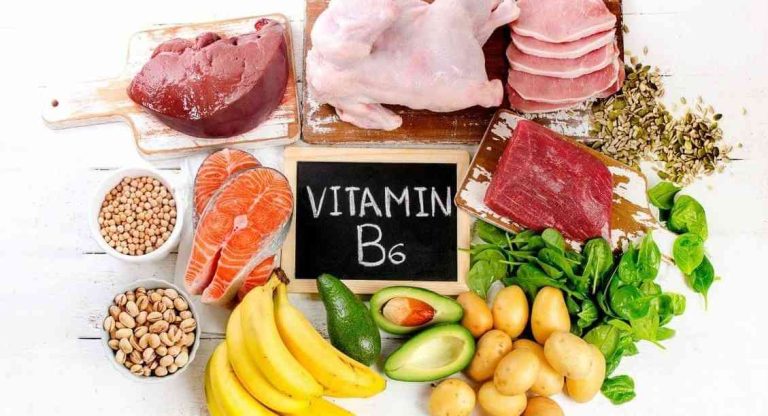
Beef liver
85g
0.78
Potato, baked with ski
1 medium
0.70
Banana
1 medium
0.66
Avocado
½ medium
0.40
Pork, roasted
85g
0.39
Wheatgerm
¼ cup
0.38
Lentils
1 cup
0.35
Chicken breast
85g
0.34
Raisins, golden
2/3 cup
0.32
Navy beans
1 cup
0.30
Tuna, canned in water
85g
0.28
Mango
1 medium
0.28
Rice, brown
1 cup
0.28
Sweet potato, baked with skin
1 medium
0.28
Turkey breast, with skin
85g
0.28
Corn, kernels
½ cup
0.26
Chickpeas
1 cup
0.23
Prunes, dried
10 medium
0.22
Kidney beans
1 cup
0.21
Flounder
85g
0.20
Rice, white
1 cup
0.19
Beef, mince
85g
0.17
Cottage cheese, low fat
1 cup
0.15
Black beans
1 cup
0.12
Yoghurt, low fat
85g
0.11
Milk, low fat
1 cup
0.10
Apricots, dried
10 halves
0.06
Cheese, cheddar
28g
0.02


Daily intake

Vitamin B6 (pyridoxine) recommended daily intake (RDI)

RDAlifestageageamount
INFANTS0-6mths
7-12mths
0.1mg
0.3mg
CHILDREN1-3yrs
4-8yrs
0.5mg
0.6mg
CHILDREN9-13yrs
male: 14-18yrs
female: 14-18yrs
1.0mg
1.3mg
1.2mg
ADULTS9-50yrs1.3
SENIORSmale: 51+yrs
female: 51+yrs
1.7mg
1.5mg
PREGNANT1.9mg
LACTATING2.0mg
TOLERABLE UPPER LIMITlifestageageamounT
INFANTS0-12mthsn/a*
CHILDREN1-3yrs
4-8yrs
30mg
40mg
CHILDREN9-13yrs
14-18yrs
60mg
80mg
ADULTS19-50yrs100mg
SENIORS51+yrs100mg
PREGNANT<18yrs
19-50yrs
80mg
100mg
LACTATING<18yrs
19-50yrs
80mg
100mg
TOXIC LEVELS>100mg

The tolerable upper limits should only be taken for short periods and only under medical supervision.

* The tolerable upper limit for vitamin B6 (pyridoxine) for infants aged 0-12 months has not yet been determined due to a lack of data about the adverse effects in this age group. The only source of vitamin B6 (pyridoxine) intake should be from food (breast milk and/or baby formula).

Toxicity

Overdosage, toxicity and cautions for vitamin B6 (pyridoxine)

Be very careful when taking vitamin B6 (pyridoxine) supplements – this is one of the few water-soluble vitamins that you can actually overdose on!

Too much vitamin B6 (pyridoxine) can cause the following neurological problems:

  • numbness or tingling in the hands and feet
  • trouble walking

The symptoms usually go away once supplementation with vitamin B6 (pyridoxine) is reduced or even ceased, but sometimes, they can be permanent!

Precuations

Precautions

  • Large doses of vitamin B6 (pyridoxine) can make the drug Phentoin (Dilantin – which helps control epilepsy), break down too quickly in the body

Interactions

Interactions


References

References

  • Bendich A. The potential for dietary supplements to reduce premenstrual syndrome (PMS) symptoms. J Am Coll Nutr. 2000;19(1):3-12
  • Bernstein AL. Vitamin B6 in clinical neurology. Annals of the New York Academy of Sciences 1990, Vol 585, Issue 1 250-260
  • Doll H, Brown S, Thruston A, Vessey M. Pyridoxine (vitamin B6) and the premenstrual syndrome: a randomized crossover trial. J R College General Practice, 1989 Sep;39(326):364-8
  • Food and Nutrition Board, Institute of Medicine. Pantothenic acid. Dietary Reference Intakes: Thiamin, Riboflavin, Niacin, Vitamin B-6, Vitamin B-12, Pantothenic Acid, Biotin, and Choline. Washington, D.C.: National Academy Press; 1998:357-373
  • Lumeng L, Li T-K. Vitamin B6 Metabolism in Chronic Alcohol Abuse. J Clin Invest. 1974 March; 53(3): 693–704
  • Naurath HJ, et al. Effects of vitamin B12, folate, and vitamin B6 supplements in elderly people with normal serum vitamin concentrations. Lancet, 1995 Jul 8;346(8967):85-9
  • Office of Dietary Supplements USA – has the official USA RDI for all vitamins (these are also adopted by Australia), accessed 9 August 2005
  • Osiecki, Henry, The Nutrient Bible 2002, BioConcepts Publishing
  • Robinson K, et al. Low Circulating Folate and Vitamin B6 Concentrations: Risk Factors for Stroke, Peripheral Vascular Disease, and Coronary Artery Disease. Circulation. 1998;97:437-443
  • Wyatt KM, Dimmock PW, Jones PW, et al. Efficacy of vitamin B-6 in the treatment of premenstrual syndrome: systematic review. BMJ 5-22-1999;318(7195):1375-1381

Last reviewed and updated: 9 May 2024
Vitamin B5 (pantothenic acid)

0

Facts

Why vitamin B5 (pantothenic acid) is good for you

Vitamin B5 (pantothenic Acid) is required to make two important coenzymes which help the body use fats and carbohydrates to make energy. This function enables the body to make some important hormones, to make healthy red blood cells and to make vitamin D.

A form of vitamin B5 (pantothenic acid) called pantethine is available in supplements. Pantethine is available to do useful things, like help lower high cholesterol.

Important vitamin B5 (pantothenic acid) facts

  • About half the vitamin B5 (pantothenic acid) in meat is lost when frozen meat is thawed and cooked – it is preferable to use fresh meat whenever possible
  • Pantothenic acid works best with vitamin B1 (thiamine)vitamin B2 (riboflavin)vitamin B3 (niacin)vitamin B6 (pyridoxine) and vitamin H (biotin) .
  • Pantothenic acid is sometimes called the “anti-stress” vitamin. Some nutritionists suggest taking extra vitamin B5 (vitamin B5 (pantothenic acid))to help deal with stress
  • Another form of vitamin B5 (pantothenic acid), called panthoderm is available in skin creams and lotions and is useful for soothing cuts, scrapes and mild burns

Vitamin B5 (pantothenic acid) works best with

Health

Vitamin B5 (pantothenic acid) and health

  • Lowering cholesterol – the latest research suggests that a form of vitamin B5 (pantothenic acid), pantethine helps to lower overall cholesterol and triglycerides – if these levels are high to begin with.
  • Pentathletes – vitamin B5 (pantothenic acid) may help elite athletes, such as olympians, improve their performance just a little

Deficiency

Groups at risk of vitamin B5 (pantothenic acid) deficiency

Because vitamin B5 (pantothenic acid) is available in every single food, there have never been any reports of human deficiency.

The only people who are at any risk of deficiency are long-term alcoholics. Anyone else who is a little low on vitamin B5 (pantothenic acid) is almost certainly low on the other B vitamins too.

Symptoms of vitamin B5 (pantothenic acid) deficiency

There are no known symptoms of vitamin B5 (pantothenic acid) deficiency.

Food sources

Vitamin B5 (pantothenic acid) in food

FOODAMOUNT
Vitamin B5 (mg)
Chicken, liver
85g
4.63
Beef, liver
85g
3.90
Mushrooms, cooked
½ cup
1.69
Yoghurt, low fat
1 cup
0.34
Lentils
1 cup
1.26
Potato, baked with skin
1 medium
1.12
Lima beans
1 cup
0.79
Milk
1 cup
0.77
Sweet potatoes
1 medium
0.74
Chickpeas
1 cup
0.72
Corn
½ cup
0.72
Egg
1 large
0.70
Wheatgerm
¼ cup
0.66
Oatmeal
1 cup
0.47
Black beans
1 cup
0.42
Broccoli, cooked
½ cup
0.40
Tomato
1 medium
0.30
Beef, mince
85g
0.23
Tuna, canned in water
85g
0.18


Daily intake

Vitamin B5 (pantothenic acid) recommended daily intake (RDI)

RDAlifestageageamount
INFANTS0-6mths
7-12mths
1.7mg
1.8mg
CHILDREN1-3yrs
4-8yrs
2.0mg
3.0mg
CHILDREN9-13yrs
14-18yrs
4.0mg
5.0mg
ADULTS19-50yrs5.0mg
SENIORS51+yrs5.0mg
PREGNANT6.0mg
LACTATING7.0mg
TOLERABLE UPPER LIMITnone established
TOXIC LEVELS>10g, essentially non-toxic

The tolerable upper limits should only be taken for short periods and only under medical supervision.

Cautions

Overdosage, toxicity and cautions for vitamin B5 (pantothenic acid)

Vitamin B5 (pantothenic acid) has limited toxicity in normal, otherwise healthy adults. Vitamin B5 (pantothenic acid) supplements are very safe, with no known side effects or overdose level – any excess is usually excreted in the urine.

Even very large doses of vitamin B5 (pantothenic acid) – up to 20g, the only side-effect experienced is diarrhoea, which stops once the high dose supplement is ceased. There are no other known side effects.

Precautions

Precautions

The following cautions should be carefully noted:

  • People taking the drug Levodopa for Parkinson’s disease, should NOT take vitamin B5 (pantothenic acid) supplements. The vitamin B5 (pantothenic acid) supplements will inactivate the drug.

Interactions

Interactions


References

References

  • Bertolini S, Donati C, Elicio N, et al. Lipoprotein changes induced by pantethine in hyperlipoproteinemic patients: adults and children. Int J Clin Pharmacol Ther Toxicol. 1986;24:630–637
  • Grenier JF, Aprahamian M, Genot C, Detinger A. Pantothenic acid (vitamin B5) efficiency on wound healing. Acta Vitaminol Enzymol, 1982;4(1-2):81-5
  • Food and Nutrition Board, Institute of Medicine. Pantothenic acid. Dietary Reference Intakes: Thiamin, Riboflavin, Niacin, Vitamin B-6, Vitamin B-12, Pantothenic Acid, Biotin, and Choline. Washington, D.C.: National Academy Press; 1998:357-373
  • Kirschmann GJ, Kirschmann JD. Nutrition Almanac. 4th ed. New York: McGraw-Hill;1996:115-118
  • Miller DR, Specker BL, Ho ML, Norman EJ. Vitamin B-12 status in a macrobiotic community. American Journal of Clinical Nutrition 1991, Vol 53, 524-529
  • Office of Dietary Supplements USA – has the official USA RDI for all vitamins (these are also adopted by Australia), accessed 9 August 2005
  • Osiecki, Henry, The Nutrient Bible 2002, BioConcepts Publishing
  • Walsh JH, Wyse BW, Hansen RG. Pantothenic acid content of 75 processed and cooked foods. J Am Diet Assoc 1981;78(2):140-144
  • Yates AA, Schlicker SA, Suitor CW. Dietary reference intakes: The new basis for recommendations for calcium and related nutrients, B vitamins, and choline. J Am Diet Assoc 1998;98:699-706

Last reviewed and updated: 9 May 2024
Vitamin B3 (niacin)

0

Facts

Why vitamin B3 (niacin) is good for you

Vitamin B3 (niacin) is required for more than 50 different processes in the body. Essentially, vitamin B3 (niacin) helps the body produce energy from the foods eaten. Vitamin B3 (niacin) makes enzymes that help the cells turn carbohydrates into energy. Vitamin B3 (niacin) helps control the level of blood glucose.

Vitamin B3 (niacin) also acts as an “on-the-spot” antioxidant within the cells, mopping up free radicals when it is being used to release the energy within the cells.

Vitamin B3 (niacin) works closely with vitamin B2 (riboflavin) and vitamin B6 (pyridoxine) to ensure good health by keeping the skin, nervous system and digestion working properly.

Important vitamin B3 (niacin) facts

  • Most vitamin B3 (niacin) comes straight from the food we eat, but some is also made in the body from the amino acids (in the protein foods eaten). One of these amino acids is tryptophan – it is one of the nine essential amino acids the body needs. About half of the tryptophan in the food we eat is used to make some of the 500,000 proteins the body needs and the other half is used to make vitamin B3 (niacin)
  • Vitamin B3 (niacin) helps the body use fats and sugars for energy
  • Vitamin B3 (niacin) may help to lower LDL (badcholesterol and triglycerides, raising HDL (good) cholesterol and decreases risk of heart attack. Do NOT use vitamin B3 (niacin) for lowering cholesterol without consulting a medical professional
  • Inositol hexa-Niacinate (IHN) is a form of nicotinic acid that also includes inositol (one of the B Vitamin co-factors). It works just as well as nicotinic acid and doesn’t cause flushing or other side effects
  • Vitamin B3 (niacin) is heat-resistant – cooking foods will not destroy the niacin content. Vitamin B3 (niacin) does dissolve in water, so cook foods in as little water as possible, and try to use the liquid – don’t throw it away

Vitamin B3 (niacin) works best with

Health

Vitamin B3 (niacin) and health

  • Intermittent claudation – intermittent claudation is a circulatory problem, which makes the legs ache and calf muscles cramp up upon walking. The reason is that the leg muscles are not getting enough oxygen because of poor blood circulation. Vitamin B3 (niacin) makes the blood vessels widen, which brings more blood to the legs and helps with normalising blood circulation
  • Dizziness (vertigo) and ringing in the ears (tinnitus) – niacin sometimes helps relieve tinnitus and vertigo, although doctors are not quite sure why
  • PMS headaches – B vitamins in general help some women who have PMS. Vitamin B3 (niacin) seems to help PMS headaches

Talk to a medical professional about vitamin B3 (niacin) supplements before taking them.

Deficiency

Groups at risk of vitamin B3 (niacin) deficiency

  • Alcoholics – absorb less of some of the B vitamins and may not eat properly
  • Strict vegetarians or vegans – if good quality protein from animal sources, such as milkeggsfish and meat are not eaten niacin levels may be low, which is why people who are on vegetarian diet may become deficient

Talk to a medical professional about vitamin B3 (niacin) supplements before taking them.

Symptoms of vitamin B3 (niacin) deficiency

Because not much niacin is required and because it can be made from the tryptophan in protein, real niacin deficiency is rare in western and developed countries.

Early deficiency symptoms are:

  • sores and cracks on the lips, especially around the corners
  • Scaly skin
  • red eyes
  • anaemia

The disease pellagra is caused by a deficiency of niacin and it has three main symptoms:

  • dermatitis – dry, cracked, scaling skin aggravated by sunlight;
  • dementia – lack of niacin affects the brain causing confusion and memory loss;
  • diarrhoea – this occurs when the intestines are affected

Food sources

Vitamin B3 (niacin) in food

FOODAMOUNT
Vitamin B3 (mg)
Tuna, canned in water
85g
11.3
Beef, liver
85g
10.0
Chicken breast
85g
8.5
Turkey breast
85g
8.5
Pork roasted
85g
5.5
Salmon, canned
85g
5.0
Beef, mince
85g
4.0
Peanut butter
2 tbsp
3.8
Peanuts, dry roasted
28g
3.8
Mushrooms, cooked
½ cup
3.5
Potato, baked
1 medium
3.3
Rice, brown
1 cup
3.0
Rice, white
1 cup
3.0
Flounder
85g
2.5
Rice, wild
1 cup
2.1
Wheatgerm
¼ cup
2.0
Bagel
1 medium
1.9
Peas
½ cup
1.6
Avocado
½ medium
1.5
Nectarine
1 medium
1.3
Corn, kernels
½ cup
1.2
Sunflower seeds
28g
1.1
Asparagus
½ cup
1.0
Bread, wholewheat
1 slice
1.0
Kidney beans
1 cup
1.0
Navy beans
1 cup
1.0
Chickpeas
1 cup
0.9
Almonds, roasted
28g
0.8
Tomato
1 medium
0.8
Sweet potato
1 medium
0.7
Spinach, cooked
½ cup
0.4
Cottage cheese, low fat
1 cup
0.3
Milk, low fat
1 cup
0.2


Daily intake

Vitamin B3 (niacin) recommended daily intake (RDI)

RDAlifestageageamount
INFANTS0-6mths
7-12mths
2mg
4mg
CHILDREN1-3yrs
4-8yrs
6mg
8mg
CHILDREN9-13yrs
male: 14-18yrs
female: 14-18yrs
12mg
16mg
14mg
ADULTSmale: 19-50yrs
female: 19-50yrs
16mg
14mg
SENIORSmale: 51+yrs
female: 51+yrs
16mg
14mg
PREGNANT18mg
LACTATING17mg
TOLERABLE UPPER LIMITlifestageageamounT
INFANTS0-2mthsn/a
CHILDREN1-3yrs
4-8yrs
10mg
15mg
CHILDREN9-13yrs
14-18yrs
20mg
30mg
ADULTS19-50yrs35mg
SENIORS51+yrs35mg
PREGNANT<18yrs
19-50yrs
30mg
35mg
LACTATING<18yrs
19-50yrs
30mg
35mg
TOXIC LEVELS>1-4g/kg body weight

The tolerable upper limits should only be taken for short periods and only under medical supervision.

Toxicity

Overdosage, toxicity and cautions for vitamin B3 (niacin)

Vitamin B3 (niacin) has limited toxicity in normal, otherwise healthy adults. Really large doses of vitamin B3 (niacin) can cause flushing, burning sensation, diarrhoea, increased heart and breathing rates, itching skin, high blood pressure and liver abnormalities, which are all reversible when intake is stopped.

Precautions

Precautions

  • Vitamin B3 (niacin) supplements should NOT be taken by people on medication for high blood pressure, without discussing it with a medical professional, as niacin could make blood pressure drop really low.
  • Vitamin B3 (niacin) supplements could make blood glucose levels rise too high in diabetics
  • Vitamin B3 (niacin) supplements could raise uric acid levels and cause an attack of gout
  • Vitamin B3 (niacin) supplements could make ulcers, high blood pressure or liver problems worse

Discuss vitamin B3 (niacin) supplementation with a medical professional

Interactions


References

References

  • Brown BG, Zhao XQ, Chalt A, et al. Simvastatin and niacin, antioxidant vitamins, or the combination for the prevention of coronary disease. N Engl J Med. 2001;345(22):1583-1592
  • Food and Nutrition Board, Institute of Medicine. Pantothenic acid. Dietary Reference Intakes: Thiamin, Riboflavin, Niacin, Vitamin B-6, Vitamin B-12, Pantothenic Acid, Biotin, and Choline. Washington, D.C.: National Academy Press; 1998:357-373
  • Jonas WB, Rapoza CP, Blair WF. The effect of niacinamide on osteoarthritis: A pilot study. Inflammation Research 1996; Vol 5(7); 330-334
  • Mills E, et al. The safety of over-the-counter niacin. A randomized placebo-controlled trial. BMC Clinical Pharmacology 2003, 3:4
  • Office of Dietary Supplements USA – has the official USA RDI for all vitamins (these are also adopted by Australia), accessed 9 August 2005
  • Osiecki, Henry, The Nutrient Bible 2002, BioConcepts Publishing

Last reviewed and updated: 9 May 2024
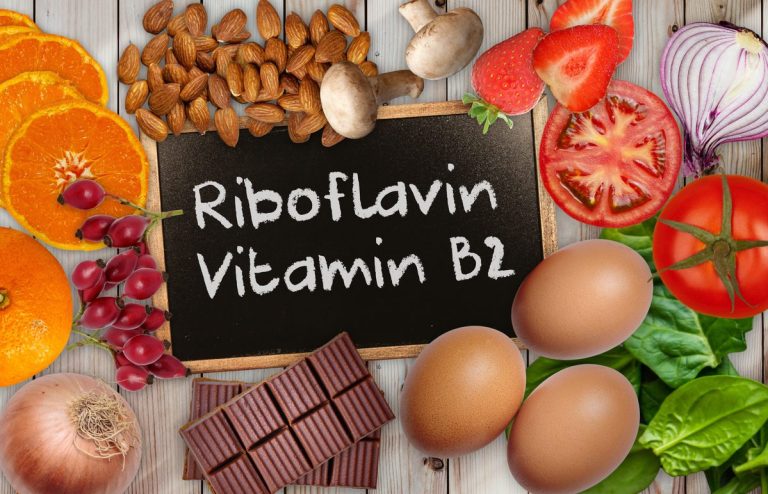
Vitamin B2 (riboflavin)

0

Facts

Why vitamin B2 (riboflavin) is good for you

Vitamin B2 (riboflavin) is necessary to produce energy inside the cells. Vitamin B2 (riboflavin) is also vital to make two of the enzymes that are necessary for releasing energy from the fatsproteins and carbohydrates in food ingested. Basically, vitamin B2 (riboflavin) is required to keep the body alive!

Vitamin B2 (riboflavin) regulates cell growth and reproduction as well as helping to make healthy red blood cells. Vitamin B2 (riboflavin) helps the immune system stay healthy and vitamin B2 (riboflavin) may even help memory.

The most important role that Vitamin B2 (riboflavin) has, is in cell respiration – to ensure each and every cell inhales oxygen and exhales carbon dioxide in order for the cell to stay alive and healthy. Vitamin B2 (riboflavin) also helps cells use energy better

Important vitamin B2 (riboflavin) facts

  • Sunlight destroys vitamin B2 (riboflavin), so store foods such as milk, pasta, grains and vegetables in opaque containers or in a dark place
  • Sun-dried fruits and vegetables do not contain much vitamin B2 (riboflavin)
  • The faster vitamin B2 (riboflavin) is used, the more of it is needed. People who exercise, even moderately, need a little more
  • Woman seem to need more vitamin B2 (riboflavin) than men

Vitamin B2 (riboflavin) works best with

Health

Vitamin B2 (riboflavin) and health

  • Preventing headaches – recent studies have shown that high daily doses of vitamin B2 (riboflavin) sharply reduced the number and severity of migraines for over 50% of the participants in the study
  • Cataracts – there is debate as to whether vitamin B2 (riboflavin) supplements prevent cataracts from happening in the first place or whether vitamin B2 (riboflavin) causes or makes cataracts worse – do not use vitamin B2 (riboflavin) for this

Talk to a medical professional about vitamin B2 (riboflavin) supplements before taking them

Deficiency

Groups at risk of vitamin B2 (riboflavin) deficiency

  • Athletes – need extra vitamin B2 (riboflavin) since they exercise a lot
  • Diabetics – may be excreting a lot of vitamin B2 (riboflavin) in the urine
  • Pregnant and breastfeeding mothers – much of the nutrients eaten are passed onto the child and extra may be needed each day to top up supplies of vitamin B2 (riboflavin)
  • The elderly – may need more vitamin B2 (riboflavin) due to malabsorption and/or poor diet
  • Lactose intolerance – if dairy products cannot be eaten due to a lactose intolerance, intake of vitamin B2 (riboflavin) may be low because milk and other dairy products have high levels of vitamin B2 (riboflavin)
  • People taking tricyclic antidepressants – these type of anti-depressant medications can interfere with absorption of vitamin B2 (riboflavin), so extra vitamin B2 (riboflavin) may be required
  • Women on birth control pills – women who regularly use the contraceptive pill may need to take supplementation of vitamin B2 (riboflavin), together with other B vitamins

Talk to a medical professional about vitamin B2 (riboflavin) supplements before taking them.

Symptoms of vitamin B2 (riboflavin) deficiency

Since small amounts of vitamin B2 (riboflavin) are stored in the kidneys and liver, it may take 3-4 months for a deficiency to show up.

Deficiency of vitamin B2 (riboflavin) is especially marked in people who are stressed, as the body uses up the reserves more quickly and deficiency can occur as a result.

Early deficiency symptoms are:

  • sores and cracks on the lips, especially around the corners
  • scaly skin
  • red eyes
  • anaemia

Food sources

Vitamin B2 (riboflavin) in food

FOODAMOUNT
Vitamin B2 (mg)
Beef liver
85g
3.60
Milk, low fat
1 cup
0.52
Yoghurt, low fat
1 cup
0.49
Cottage cheese, low fat
1 cup
0.42
Pork, roasted
85g
0.30
Egg
1 large
0.26
Mushrooms, cooked
½ cup
0.23
Wheatgerm
¼ cup
0.23
Almonds, dry roasted
28g
0.22
Avocado
1 medium
0.22
Spinach, cooked
½ cup
0.21
Beef, mince
85g
0.20
Chicken breast
85g
0.16
Ice cream, vanilla
½ cup
0.16
Salmon, canned
85g
0.16
Cheese, Brie
28g
0.15
Sweet potato, baked with skin
1 medium
0.15
Asparagus, cooked
½ cup
0.13
Broccoli, cooked
½ cup
0.12
Peas
½ cup
0.12
Cheese, cheddar
28g
0.11
Chickpeas
1 cup
0.10
Kidney beans
1 cup
0.10
Cheese, Swiss
85g
0.10
Turkey Breast
85g
0.10
Bread, wholewheat
1 slice
0.05


Daily intake

Vitamin B2 (riboflavin) recommended daily intake (RDI)

RDAlifestageageamount
INFANTS0-6mths
7-12mths
0.3mg
0.4mg
CHILDREN1-3yrs
4-8yrs
0.5mg
0.6mg
CHILDREN9-13yrs
male: 14-18yrs
female: 14-18yrs
0.9mg
1.3mg
1.0mg
ADULTSmale: 19-50yrs
female: 19-50yrs
1.3mg
1.1mg
SENIORSmale: 51+yrs
female: 51+yrs
1.3mg
1.1mg
PREGNANT1.4mg
LACTATING1.6mg
TOLERABLE UPPER LIMIT
no information available
TOXIC LEVELSEssentially non-toxic to humans

The tolerable upper limits should only be taken for short periods and only under medical supervision.

NOTE – if a Vitamin B2 supplement is being taken, ensure that the amount of Vitamin B6 supplement is nearly the same

Toxicity

Overdosage, toxicity and cautions for vitamin B2 (riboflavin)

Vitamin B2 (riboflavin) is non-toxic. There have been no known cases of vitamin B2 (riboflavin) toxicity recorded.

Precautions

Precautions


Interactions

Interactions


References

References

  • Bell, IR, Edman JS, Morrow FD, et al. Brief communication. Vitamin B1, B2, and B6 augmentation of tricyclic antidepressant treatment in geriatric depression with cognitive dysfunction. J Am Coll Nutr. 1992;11(2):159-163
  • Breen C, Crowe A, Roelfsema HJ, et al. High-dose riboflavin for prophylaxis of migraine. Can Fam Physician 2003;49:1291-1293
  • Food and Nutrition Board, Institute of Medicine. Pantothenic acid. Dietary Reference Intakes: Thiamin, Riboflavin, Niacin, Vitamin B-6, Vitamin B-12, Pantothenic Acid, Biotin, and Choline. Washington, D.C.: National Academy Press; 1998:357-373
  • Office of Dietary Supplements USA – has the official USA RDI for all vitamins (these are also adopted by Australia), accessed 9 August 2005
  • Osiecki, Henry, The Nutrient Bible 2002, BioConcepts Publishing
  • Schoenen J, Jacquy J, Lenaerts M. Effectiveness of high-dose riboflavin in migraneprophilaxis. A randomized controlled trial. Neurology. 1998;50:466–470
  • Yurdakok M, Erdem G, Tekinalp G. Riboflavin in the treatment of neonatal hyperbilirubinemia. Turk J Pediatr 1988;30(3):159-161

Last reviewed and updated: 9 May 2024
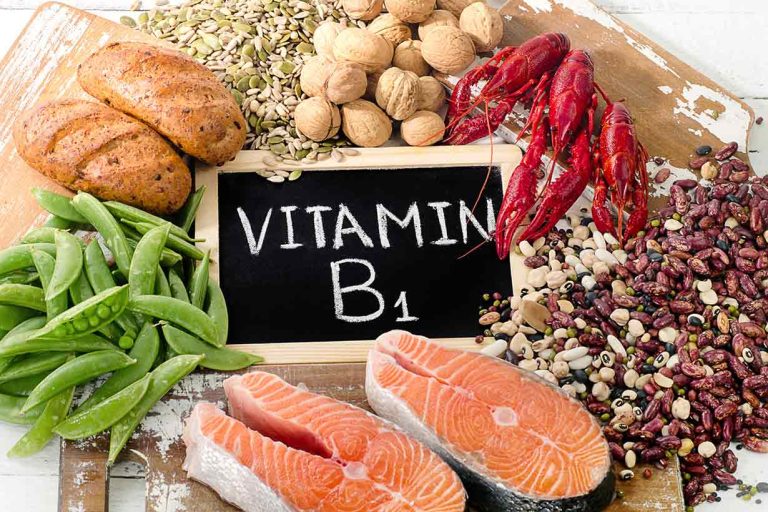
Vitamin B1 (thiamin)

0

Facts

Why vitamin B1 (thiamin) is good for you

Vitamin B1 (thiamine) is involved in the production of glucose (or energy) for the brain and nervous system, to ensure they are working effectively. Without enough energy to the brain and nervous system, a person can become forgetful, depressed, tired and apathetic.

Vitamin B1 (thiamine) also helps to keep the heart beating strongly and healthily, because it keeps the heart muscle elastic.

Important vitamin B1 (thiamin) facts

  • Alcohol and the tannins found in teas destroy vitamin B1 (thiamin), so drink these after finishing a meal.
  • Vitamin B1 (thiamin) absorption is helped by the other B Vitamins and magnesium.
  • Since vitamin B1 (thiamin) is involved in the production of glucose, one symptom of vitamin B1 (thiamin) deficiency is inability to use glucose normally – important for diabetes and hypoglycaemia.
  • Being low on vitamin B1 (thiamin) gives a predisposition to getting canker sores, painful, crater-like sores in the mouth

Vitamin B1 (thiamin) works best with

Health

Vitamin B1 (thiamin) and health

  • Protecting the heart – vitamin B1 (thiamin) helps the heart beat strongly and regularly and ensures the heart muscle is elastic and works well. A person low on vitamin B1 (thiamin), may have heart muscle that may not be elastic enough and could lead to abnormal heartbeat
  • Diabetes – even though vitamin B1 (thiamin) is involved in glucose (or energy) production, it has not been proved to help those with diabetes
  • Canker Sores – people low on vitamin B1 (thiamin) are more likely to get frequent canker sores in their mouth

Talk to a medical professional about vitamin B1 (thiamin) supplements before taking them.

Deficiency

Groups at risk of vitamin B1(thiamin) deficiency

  • The elderly – may need more vitamin B1 (thiamin) due to malabsorption and/or poor diet
  • Pregnant or breastfeeding mothers – much of the nutrients eaten are passed onto the child and extra may be needed each day to top up supplies of vitamin B1 (thiamin).
  • People who diet frequently – less than 1,500 calories a day may not include enough vitamin B1 (thiamin) in the foods eaten
  • People who fast – may not be getting enough vitamin B1 (thiamin)
  • Diabetics – too much vitamin B1 (thiamin) has been shown to be excreted in the urine of diabetic patients by recent research
  • Chronic or acute infections/illnesses – any illness that causes fever makes the body work faster, therefore uses up more of its nutrients
  • Alcoholics – tend to eat poorly, so vitamin intake is low. In addition, alcohol blocks absorption of many nutrients, as well as excreting much that is absorbed

Talk to a medical professional about vitamin B1 (thiamin) supplements before taking them.

Symptoms of vitamin B1 (thiamin) deficiency

Vitamin B1 (thiamin) deficiency is very rare as it is so easily found in the typical diet of most people, that very few people are seriously deficient, but deficiency still occurs in the less developed countries.

Severe vitamin B1 (thiamin) deficiency after only ten days without adequate intake through the diet (or supplements) causes the disease Beri Beri.

Beri beri is identified with the following deficiency symptoms:

  • muscles weakness
  • loss of appetite
  • poor coordination
  • severe pain in the calves
  • tingling in the nerves

Sometimes Beriberi causes the heart to enlarge, which is very serious and can be life-threatening.

Vitamin B1 (thiamin) deficiency, caused by alcoholism, eventually causes a type of nerve damage called Wernicke-Korsakoff syndrome.

Food sources

Vitamin B1 (thiamin) in food

FOODAMOUNT
Vitamin B1 (mg)
Sunflower seeds
85g
1.95
Ham
85g
0.82
Wheatgerm
¼ cup
0.55
Pork, roasted
85g
0.52
Peanuts
85g
0.36
Pecans
85g
0.27
Oatmeal
1 cup
0.26
Beef, liver
85g
0.23
Potato
1 medium
0.22
Bagel
1 medium
0.21
Beans, black
½ cup
0.21
Peas, green
½ cup
0.21
Raisins
½ cup
0.21
Rice, brown
1 cup
0.20
Cashews
85g
0.18
Corn
½ cup
0.18
Beans, kidney
½ cup
0.14
Orange
1 medium
0.13
Asparagus, steamed
1 cup
0.12
Bread, whole wheat
1 slice
0.09
Milk, non-fat
1 cup
0.09
Chicken, roasted
85g
0.06
Beef, lean
85g
0.05

Daily intake

Vitamin B1 (thiamin) recommended daily intake (RDI)

RDAlifestageageAmount
INFANTS0-6mths
7-12mths
0.2mg
0.3mg
CHILDREN1-3yrs
4-8yrs
0.5mg
0.6mg
CHILDREN9-13yrs
male: 14-18yrs
female: 14-18yrs
0.9mg
1.2mg
1.0mg
ADULTSmale: 19-50yrs
female: 19-50yrs
1.2mg
1.1mg
SENIORSmale: 51+yrs
female: 51+yrs
1.2mg
1.1mg
PREGNANT1.4mg
LACTATING1.4mg
TOLERABLE UPPER LIMIT
none established
TOXIC LEVELS>125mg/kg body weight

The tolerable upper limits should only be taken for short periods and only under medical supervision.

Toxicity

Overdosage, toxicity and cautions for vitamin B1 (thiamin)

Vitamin B1 (thiamin) is a relative non-toxic vitamin, except at exceedingly high doses.

Side effects at the high doses (listed above) are:

Precautions

Precautions

Side effects of toxicity have also been noted at levels at 100 times higher than the recommended dietary allowances (ie at only 100mg doses) in some people.

Interactions

References

References

  • Abbas ZG, Swai AB. Evaluation of the efficacy of thiamine and pyridoxine in the treatment of symptomatic diabetic peripheral neuropathy. East Afr Med J 1997;74(12):803-808
  • Ambrose, ML, Bowden SC, Whelan G. Thiamin treatment and working memory function of alcohol-dependent people: preliminary findings. Alcohol Clin Exp Res. 2001;25(1):112-116
  • Duran M, Wadman SK. Thiamine-responsive inborn errors of metabolism. J Inherit Metab Dis 1985;8 Suppl 1:70-75
  • Food and Nutrition Board, Institute of Medicine. Pantothenic acid. Dietary Reference Intakes: Thiamin, Riboflavin, Niacin, Vitamin B-6, Vitamin B-12, Pantothenic Acid, Biotin, and Choline. Washington, D.C.: National Academy Press; 1998:357-373
  • Office of Dietary Supplements USA – has the official USA RDI for all vitamins (these are also adopted by Australia), accessed 9 August 2005
  • Osiecki, Henry, The Nutrient Bible 2002, BioConcepts Publishing
  • Ranganathan LN, Ramaratnam S. Vitamins for epilepsy. Cochrane Database Syst Rev 2005;(2):CD004304
  • Rodriquez-Martin JL, Qizilbash N, Lopez-Arrieta JM. Thiamine for Alzheimer’s disease (Cochrane Review). Cochrane Database Syst Rev. 2001;2:CD001498

Last reviewed and updated: 9 May 2024
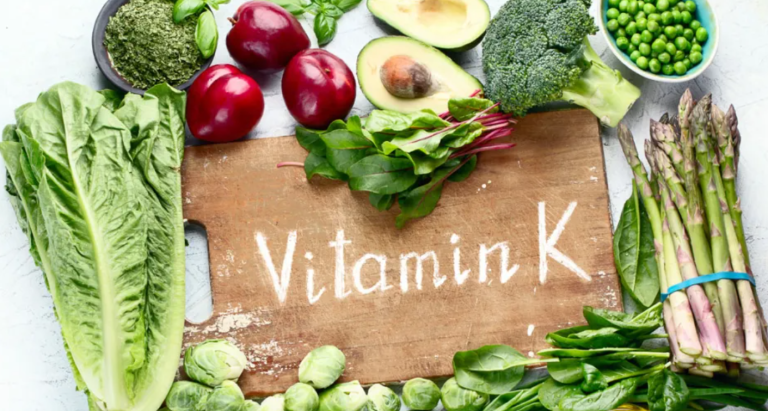
Vitamin K

0

Facts

Why vitamin K is good for you

Vitamin K is needed to make the blood clots that quickly stop the bleeding whenever injury occurs. This fat-soluble vitamin comes in three forms:

  • Vitamin K1 or phylloquinone – this form is found in plant foods
  • Vitamin K2 or menaquinone – this is the form that friendly bacteria make in the intestines
  • Vitamin K3 or menadione – this is the artificial form, which is not so easily absorbed and should not be taken in high doses

Important vitamin K facts

  • Prothrombin is a vitamin K-dependent protein directly involved with blood clotting
  • All Vitamin K ends up in the liver, where it is used to make some of the substances that make the blood clot
  • Vitamin K also has an important role in building bones – it is needed to keep the calcium in the bones and make sure it is getting to the right place

Vitamin K works best with

Health

Vitamin K and health

  • Blood Clotting – blood has a number of different clotting factors, which are substances that help it form clots to stop bleeding from cuts, bruises and other injuries. Vitamin K is needed to help the liver make prothrombin (factor II), the most important of the clotting factors. Some of the other factors, including factors VII, IX and X, are also made in the liver and also depend on vitamin K. Without clotting factors, blood clots very slowly or not at all, so even a small cut can bleed for a long time and even a minor injury can cause a big bruise
  • Osteoporosis – vitamin K is needed to help the bones absorb calcium from food and allocate it to the right places in the bones. If there is not enough vitamin K, bone cannot be very well formed and in the long run, a shortage of vitamin K can lead to osteoporosis – bones that are brittle and break easily. Researchers believe that once osteoporosis starts, vitamin K may help to slow down the process. This is still being researched
  • Vitamin K kills cancer cells – so far, only in test tubes in the laboratory, Vitamin K seems to slow down or kill tumour cells just as well as powerful anti-cancer drugs. Research is continuing in this important area

Deficiency

Groups at risk of vitamin K deficiency

As a rule, vitamin K deficiency is rare – almost everyone gets enough from their own bacteria or their food. When adults get Vitamin K deficiency, it is generally because they eat very few green vegetables or because they have been taking oral antibiotics for a long time. Sometimes vitamin K deficiency is caused by liver disease or a problem digesting fat.

Deficiency of vitamin K occurs in

  • People who have serious liver disease – these people cannot digest, absorb or utilise Vitamin K properly due to the malfunction of the liver and will most likely be recommended to have vitamin K shots to overcome the possible deficiency
  • People intestinal disorders – people with gastrointestinal disorders such as Crohn’s diseaseulcerative colitis do not digest fats well, so may not absorb enough vitamin K from the food in their diet
  • Long term users of antibiotics – antibiotics kill all bacteria (good and bad) so they kill the bacteria in the intestine that help make Vitamin K. Eating more foods rich in vitamin K should help re-populate the intestinal flora
  • People who take cholesterol-lowering drugs – while these drugs help to lower the amount of LDL (“bad”) cholesterol in the blood, these drugs also may block absorption of vitamin K and the other fat-soluble vitamins

Talk to a medical professional about Vitamin K supplements before taking them.

Symptoms of vitamin K deficiency

The main signs of vitamin K deficiency are

  • Blood clots very slowly, bleeding occurs for a long time from small injuries
  • Blood in the urine
  • Intestinal bleeding
  • Nose-bleeds
  • Small bruises cause big black-blue marks that heal very slowly

Food sources

Vitamin K in food

FOODAMOUNT
Vitamin K (mcg)
Turnip greens, raw
½ cup
182
Cauliflower, raw
½ cup
96
Beef, liver
85g
89
Soybean oil
1 tsp
76
Spinach, raw
½ cup
74
Broccoli, raw
½ cup
58
Cabbage, raw
½ cup
52
Tomato, raw
1 medium
28
Egg
1 large
25
Strawberries
1 cup
21
Milk, skim
1 cup
10
Wheatgerm
28g
10


Daily intake

Vitamin K recommended daily intake (RDI)

RDAlifestageageAmount
INFANTS0-6mths
7-12mths
2.0mcg
2.5mcg
CHILDREN1-3yrs
4-8yrs
8mcg
12mcg
CHILDREN9-13yrs
14-18yrs
20mcg
25mcg
ADULTS19-50yrs30mcg
SENIORS51+yrs30mcg
PREGNANT30mcg
LACTATING35mcg
TOLERABLE UPPER LIMIT
none established
TOXIC LEVELSessentially non-toxic

The tolerable upper limits should only be taken for short periods and only under medical supervision.

Toxicity

Overdosage, toxicity and cautions for vitamin K

Toxicity does not easily occur with normal dietary intake of this vitamin, but can happen if the synthetic compound vitamin K3 is taken. High to toxic uptake in the synthetic form can cause flushing and sweating, but jaundice and anaemia may also develop.

Any more than 100mcg in the synthetic form of vitamin K could be toxic and damage the liver. Talk to a medical professional about supplements made with phytonadione, a water-soluble version of Vitamin K1, the supplement least likely to cause toxicity.

Precautions

Precautions

  • People on blood-thinning drugs such as Coumarin (Coumadin) or Warfarin should NOT take Vitamin K supplements – it will prevent the drug from doing its job!
  • People on anti-coagulant drugs should NOT take Vitamin K supplements

People taking any type of medication should talk to a medical professional about Vitamin K supplements before taking them.

Interactions


References

References

  • Bell RG, Sadowski JA, Matschiner JT. Mechanism of action of warfarin. Warfarin and metabolism of vitamin K1. Biochem. 1972;11:1959-1961
  • Cashman KD. Vitamin K status may be an important determinant of childhood bone health. Nutr Rev. 2005 Aug;63(8):284-9. Review
  • Knapen MH, Schurgers LJ, Vermeer C. Vitamin K(2) supplementation improves hip bone geometry and bone strength indices in postmenopausal women. Osteoporos Int. 2007 Feb 8
  • Mager DR, McGee PL, Furuya KN, Roberts EA. Prevalence of vitamin K deficiency in children with mild to moderate chronic liver disease. J Pediatr Gastroenterol Nutr. 2006 Jan;42(1):71-6
  • Office of Dietary Supplements USA – has the official USA RDI for all vitamins (these are also adopted by Australia), accessed 9 August 2005
  • Osiecki, Henry, The Nutrient Bible 2002, BioConcepts Publishing
  • Sato y, Honda Y, Hayasida N, Iwamoto J, Kanoko T, Satoh K. Vitamin K deficiency and osteopenia in elderly women with Alzheimer’s disease. Arch Phys Med Rehabil. 2005 Mar;86(3):576-81

Last reviewed and updated: 9 May 2024
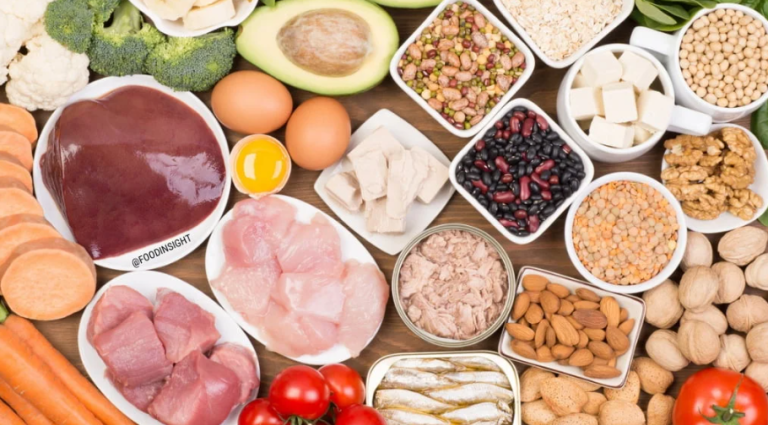
Vitamin H (biotin)

0

Why vitamin H (biotin) is good for you

Biotin is referred to as Vitamin H and is part of the Vitamin B complex group. It is a co-factor vitamin which works synergistically with the rest of the B vitamins.

Vitamin H (biotin) is used to assist cell growth, in the production of essential fatty acids, as well as in the metabolism of fats and proteins. It plays a role in the Kreb cycle, which is the process in which energy is released from food. Vitamin H (biotin) not only assists in various metabolic chemical conversions, but also helps with the transfer of carbon dioxide. Vitamin H (biotin) is also helpful in maintaining a steady blood glucose level.

Vitamin H (Biotin) is associated with healthy hair, skin, sweat glands, nerve tissue and bone marrow and assisting in muscle pain.

Important vitamin H (biotin) facts

  • Vitamin H (biotin) is not easily destroyed
  • It seems that vitamin H (biotin) may affect hair color, together with PABAvitamin B5 (pantothenic acid) and folic acid. Some research have had varying results using vitamin H (biotin) supplements in returning hair to its original color. This has proved only successful to a limited degree and only when natural vitamins were used, as the synthetic vitamins did not influence the results very much
  • Vitamin H (biotin) is present in many foods (cheese, beef liver, cauliflower, eggs, mushrooms, chicken breast, salmon, spinach, brewer’s yeast, nuts) and can also be manufactured in the body should a small shortfall occur

Groups at risk of vitamin H (biotin) deficiency

  • Bodybuilders and athletes – consuming raw eggs may cause a vitamin H (biotin) shortage, since raw eggs contain avidin, which binds with the vitamin H (biotin), making it impossible for it to be absorbed by the body
  • Long term users of antibiotics – may also have to look at their vitamin H (biotin) levels, as they may be depleted through the long term use of antibiotics

Talk to a medical professional about vitamin H (biotin) supplements before taking them

Symptoms of vitamin H (biotin) deficiency

Deficiency of vitamin H (biotin) is very rare, but can happen and symptoms are:

  • depression
  • dry, scaly skin
  • elevation of cholesterol levels
  • fatigue
  • loss of appetite
  • nausea
  • tongue inflammation
  • vomiting

Vitamin H (biotin) and health

  • Hair health – vitamin H (biotin) might be interesting to some people since one of the most visible symptoms of shortage of this vitamin is thinning of hair which can lead to total hair loss. This does not mean that baldness is a sign of vitamin H (biotin) in short supply – severe hair loss might just be indicative of vitamin H (biotin) being deficient

Talk to a medical professional about vitamin H (biotin) supplements before taking them

Vitamin H (biotin) in food

FOODAMOUNT
Vitamin H (mcg)
Brewer’s yeast – dried
1 packet
200
Chicken liver, fried
75g
85
Kidney, fried
100g
42
Egg, raw
1 medium
25
Skim milk – dried
12g
16
Cod roe
100g
15
Wheatbran bread
1 slice
14
Oysters, raw
12
10
Rye crispbread
1 biscuit
7
Wholemeal bread
1 slice
6
Camembert cheese
25g
6


Vitamin H (biotin) recommended daily intake (RDI)

RDAlifestageageAmount
INFANTS0-6mths
7-12mths
5mcg
6mcg
CHILDREN1-3yrs
4-8yrs
8mcg
12mcg
CHILDREN9-13yrs
14-18yrs
20mcg
25mcg
ADULTS19-50yrs30mcg
SENIORS51+yrs30mcg
PREGNANT30mg
LACTATING35mg
TOLERABLE UPPER LIMIT
none established
TOXIC LEVELSnone established – vitamin H (biotin) is a water soluble vitamin and therefore excess amounts are usually excreted in the urine

The tolerable upper limits should only be taken for short periods and only under medical supervision.

Vitamin H (biotin) works best with

Overdosage, toxicity and cautions for vitamin H (biotin)

No known toxic levels for vitamin H (biotin) are known, as any excessive intake is easily lost in the urine and faeces.

No known side effects from high doses of vitamin H (biotin) supplements are known.

References

  • Houchman LG, et al. Brittle nails: response to biotin supplementation. Cutis. 1993;51:303–307
  • Maebashi Y et al. Therapeutic evaluation of the effect of biotin on hyperglycemia in patients with non-insulin dependent diabetes mellitus. J Clin Biochem Nutr. 1993 May; 14(3):211-218
  • Office of Dietary Supplements USA – has the official USA RDI for all vitamins (these are also adopted by Australia), accessed 9 August 2005
  • Osiecki, Henry, The Nutrient Bible 2002, BioConcepts Publishing
  • Said HM. Cellular Uptake of Biotin: Mechanisms and Regulation. Journal of Nutrition. 1999;129:490-493
  • Said HM, et al. Biotin uptake by human colonic epithelial NCM460 cells: a carrier-mediated process shared with pantothenic acid. Am J Physiol Cell Physiol 275: C1365-C1371, 1998
  • Wolf B, Grier RE, Secor McVoy JR, Heard GS. Biotinidase deficiency: A novel vitamin recycling defect. Journal of Inherited Metabolic Disease, 1985. 8 (1); 53-58
  • Zempleni J. Biotin biochemistry and human requirements. The Journal of Nutritional Biochemistry 1999, Volume 10, Issue 3, Pages 128-138

Vitamin E

0

Why vitamin E (tocopherol) is good for you

Vitamin E is required for one really important reason – to act as an antioxidant and get rid of free radicals in the body. Vitamin E is special because it is especially good at protecting cell membranes against free radical damage, and because damage to the cell membranes is often the first step that can lead to cancer, heart disease and other health problems, anything that helps reduce free radical damage is beneficial.

Since Vitamin E is a fat-soluble vitamin, it works well as an antioxidant. Cell membranes are made up of mostly fat (phospholipids), so vitamin E is able to get into the cell membrane and stop any free radicals that get through.

Vitamin E, vitamin Abetacarotene and vitamin C – are the main antioxidant vitamins, that give protection against illness and disease.

Important vitamin E (tocopherol) facts

  • Vitamin E is from a family of different compounds, all working together to protect against free radicals. The family is divided into two branches: the tocopherols (the main one) and the tocotrienols
  • The main vitamin E family (tocopherol) has four members – alpha, beta, gamma and delta. Alpha is the most common and active form, but the others are also very effective at free radical protection
  • The other Vitamin E family (tocotrienol) has four members – named alpha, beta, gamma and delta. The tocotrienols are not as active as the tocopherols, but they do have antioxidant powers on their own. Tocotrienols may also help in cancer prevention and keeping bad (LDL) cholesterol low
  • Studies show that vitamin E helps prevent heart disease, and if heart disease is already present, vitamin E can help prevent it from getting worse. Studies also show that vitamin E can help prevent cancer, boost immunity and help chronic illness such as diabetes. Best of all, vitamin E supplements, even in large (but not excessive) doses, are relatively safe
  • Another way that vitamin E helps to prevent heart disease is that if the arteries are narrow and clogged with plaque, tiny blood cells called platelets are likely to get stuck in the plaque. Red blood cells then get stuck in the platelets and form a blood clot. If the clot gets big enough, it blocks the artery and causes a heart attack. Vitamin E helps keep the platelets from sticking, so clots don’t form as easily
  • Natural vitamin E is called d-alpha-tocopherol, while the synthetic version is called dl-alpha-tocopherol. The natural vitamin E is much more preferable and superior to the synthetic one on every level and should be selected in preference to the synthetic one

Vitamin E (tocopherol) works best with

Health

Vitamin E (Tocopherol) and health

  • Heart disease prevention – in the past few years, studies have shown that people who take vitamin E supplements have less heart disease. One study looked at 40,000 men who already had heart disease and found that vitamin E kept their heart disease from getting worse. The men who took vitamin E supplements cut their chances of having a non-fatal heart attack by 77%! Another study looked at over 87,000 female nurses and found that those who took vitamin E cut their overall risk of heart disease by about 66%. Finally, a long-term study of over 34,000 post-menopausal women showed that those who ate the most foods high in vitamin E, but did not take any Vitamin E supplements, had 60% less heart disease
  • General heart health – two recent studies show that Vitamin E helps advanced heart disease. The studies looked at patients who needed heart surgery for blocked arteries. When these people took daily vitamin E supplements after their surgery, their arteries were a lot less likely to clog up again
  • Atherosclerosis – vitamin E helps prevent atherosclerosis (hardening of the arteries) caused by atheromas or plaque on the walls of the arteries that lead to the heart. Vitamin E does this through its antioxidant action to keep cholesterol in the blood from oxidising into those artery clogging deposits in the first place – and helps keep the deposits already present from getting worse
  • Cholesterol lowering effects – vitamin E keeps LDL (bad) cholesterol from being oxidised. Less oxidised cholesterol means less plaque, which means less heart disease
  • Cancer prevention – the evidence that vitamin E helps prevent cancer isn’t as dramatic as for heart disease, but it is still pretty strong. Researchers have known for many years that people with cancer have low vitamin E levels. It is now known that people with low vitamin E levels are more likely to get cancer – in other words, low vitamin E could be a cause not an effect. There are several studies, which show that taking vitamin E supplements cuts risk of certain cancers
  • Immune system assistance – the immune system naturally slows down as people age. There’s recently been some excellent news from a study which showed that taking vitamin E can give the immune system a real boost. Healthy volunteers, all over 65 years old, took vitamin E supplements for 33 weeks. Tests at the end showed their immune systems were much more active
  • Alzheimer’s disease – studies show that vitamin E in large doses (2,000IU) seems to slow down but not stop or prevent Alzheimer’s disease. In fact, the vitamin E supplements work just as well as the more expensive prescription drugs. This is a promising area of research.
  • Male infertility – some men seem to be infertile because of free radical damage. Cell membranes of sperm are very fatty, so they’re especially vulnerable to attack by free radicals. Taking vitamin E supplements can help mop up enough free radicals to prevent damage. In one study, five out of 15 infertile men became fathers after just one month of Vitamin E supplementation
  • Benign breast disease – this disease simply makes breasts “lumpy”. The breasts may also swell and become tender prior to menstruation. Although annoying and uncomfortable, benign breast disease is usually not dangerous or a sign of cancer. Taking vitamin E each day seems to relieve the symptoms for a lot of women

Talk to a medical professional about vitamin E supplements before taking them.

Future directions

  • Diabetes – vitamin E supplements are being researched to determine if they can help diabetics better control their blood sugar
  • Eye health – the delicate eye vessels in the eyes are easily damaged by free radicals. Vitamin E helps prevent damage by mopping up the free radicals before they do any harm. Likewise, vitamin E helps protect the lens of the eye from free radical damage. People with low levels of vitamin E are more likely to develop cataracts (clouding of the lens) as they get older. Studies show that people who take vitamin E each day could cut their risk of cataracts in half
  • Intermittent claudation and leg cramps – this is an annoying circulation problem caused by hardening of the arteries in the legs. It makes calf muscles ache and cramp up when you walk even a short distance. Vitamin E seems to help some people. Vitamin E also helps night-time leg cramps. Supplementation should be taken with the evening meal
  • Parkinson’s disease – a long term study is looking at whether vitamin E, along with the drug Selegiline (Deprenyl), slows down the progression of this devastating brain disease. The evidence is not in yet, so people who have Parkinson’s disease should talk to a medical professional about their options for supplementation

Talk to a medical professional about vitamin E supplements before taking them.

Deficiency

Groups at risk of vitamin E (tocopherol) deficiency

There are a few conditions (medical and other) that can create a deficiency in vitamin E:

  • People with cystic fibrosis – cannot digest fats well, so not enough vitamin E is absorbed
  • People with gastrointestinal disorders – people who have digestive disorders such as Crohn’s disease and ulcerative colitis cannot absorb vitamin E very well through their intestines
  • People with liver disease – these people cannot use vitamin E properly because their liver is not functioning properly
  • People on a very low fat, low calorie diet – may not be getting enough vitamin E from the food eaten because some fat in the diet is required to absorb Vitamin E
  • People on cholesterol-lowering drugs – while these drugs help to lower blood levels of cholesterol, they also block absorption of vitamin E and the other fat-soluble vitamins

Talk to a medical professional about Vitamin E supplements before taking them.

Symptoms of vitamin E (tocopherol) deficiency

The damage is from vitamin E deficiency is rare, hard to spot and takes a long time to show up. Vitamin E deficiency doesn’t have any dramatic effects, although if the recommended daily intake is not ingested for a long time (ie for several months or even years), eventually nerve damage will occur, especially to the nerves in the spinal cord and to the retina of the eye.

General vitamin E deficiencies at minor levels

  • Burning in the mouth and throat
  • Cramps
  • Diarrhoea
  • Insomnia
  • Nervousness

Severe deficiency of vitamin E

  • Skeletal abnormalities
  • Softening of the bones and teeth

Food sources

Vitamin E (tocopherol) in food

FOODAMOUNT
Vitamin E (mg)
Wheat germ oil
1 Tbsp
20.30
Sunflower seeds
¼ cup
14.18
Almonds, dry roasted
28g
6.72
Hazelnuts
28g
6.70
Sunflower oil
1 Tbsp
6.30
Sweet potato
1 medium
5.93
Almond oil
1 Tbsp
5.30
Safflower oil
1 Tbsp
4.60
Wheatgerm
¼ cup
4.08
Peanut butter
2 Tbsp
3.00
Peanuts
28g
2.56
Avocado
½ medium
2.32
Mango
1 medium
2.32
Corn oil
1 Tbsp
1.90
Olive oil
1 Tbsp
1.67
Peanut oil
1 Tbsp
1.60
Apple
1 medium
0.81
Asparagus, cooked
4 spears
0.81


Daily intake

Vitamin E (Tocopherol) recommended daily intake (RDI)

RDAlifestageageamount
INFANTS0-6mths
7-12mths
4mg
5mg
CHILDREN1-3yrs
4-8yrs
6mg
7mg
CHILDREN9-13yrs
14-18yrs
11mg
15mg
ADULTS19-50yrs15mg
SENIORS51+yrs15mg
PREGNANT15mg
LACTATING19mg
RDAlifestageageamount
INFANTS0-12mthsn/a*
CHILDREN1-3yrs
4-8yrs
200mg
300mg
CHILDREN9-13yrs
14-18yrs
600mg
800mg
ADULTS19-50yrs1000mg
SENIORS51+yrs1000mg
PREGNANT<18yrs
19-50yrs
800mg
1000mg
LACTATING<18yrs
19-50yrs
800mg
1000mg
TOXIC LEVELS>2,000mg/day (but no known toxicity to Vitamin E has yet occurred)

The tolerable upper limits should only be taken for short periods and only under medical supervision.

* The tolerable upper limit for vitamin E for infants aged 0-12 months has not yet been determined due to a lack of data about the adverse effects in this age group. The only source of vitamin E intake should be from food (breast milk and/or baby formula).

Toxicity

Overdosage, toxicity and cautions for vitamin E (tocopherol)

Toxicity of Vitamin E is not easily reached. Very large doses of vitamin E (thousands of IU) can block usage of vitamin A. High intakes may induce diarrhea, nausea or abdominal wind.

Precautions

Precautions

  • People on blood-thinning drugs (anti-coagulants) or daily aspirin should consult their doctor before using Vitamin E
  • Due to the risk of abnormal bleeding, Vitamin E should not be taken at least one week before and after surgery

Interactions


References

References

  • Diaz MN, Frei B, Vita JA, Keaney JF. Antioxidants and atherosclerotic heart disease. N Engl J Med. 1997;337(16):408-416
  • Esterbauer H, Dieber-Rotheneder M, Striegl G, Waeg G. Role of vitamin E in preventing the oxidation of low-density lipoprotein. American Journal of Clinical Nutrition 1991, Vol 53, 314S-321S
  • Meagher EA, et al. Effects of Vitamin E on Lipid Peroxidation in Healthy Persons.
  • Rimm EB, etl. Vitamin E Consumption and the Risk of Coronary Heart Disease in Men. NEJM, 1993. Volume 328 (20):1450-1456
  • Office of Dietary Supplements USA – has the official USA RDI for all vitamins (these are also adopted by Australia), accessed 9 August 2005
  • Osiecki, Henry, The Nutrient Bible 2002, BioConcepts Publishing
  • Brigelius-Flohé R, Kelly FJ, Salonen JT, Neuzil J, Zingg J-M, Azzi A. The European perspective on vitamin E: current knowledge and future research. American Journal of Clinical Nutrition, Vol. 76, No. 4, 703-716, October 2002
  • Yusuf S, Dagenais G, Pogue J, Sleight P. Vitamin E supplementation and cardiovascular events in high-risk patients. The Heart Outcomes Prevention Evaluation Study Investigators. N Engl J Med. 2000 Jan 20;342(3):154-60
  • Zhang D, et al. Vitamin E Inhibits Apoptosis, DNA Modification, and Cancer Incidence Induced by Iron-mediated Peroxidation in Wistar Rat Kidney. Cancer Research 57, 2410-2414, June 15, 1997

Last reviewed and updated: 9 May 2024

Vitamin C

0

Facts

Why vitamin C is good for you

Vitamin C is required to make collagen – the strong connective tissue that holds the skeleton together, attaches muscles to bones, builds strong blood vessels and keeps organs and skin in place. Collagen is the glue that holds the body together and it cannot be made it unless there is enough Vitamin C.

Since collagen is needed to fix damage to the body, it is evident that Vitamin C helps heal wounds of all sorts. Broken bones, sprained joints, cuts, and other injuries heal a lot faster if the body gets plenty of Vitamin C. Vitamin C is also required to manufacture many of the body’s hormones.

Vitamin C is one of the body’s top antioxidants. It not only helps to get rid of the free radicals, it also helps the other antioxidants do their work better. Without enough Vitamin C, some other vitamins (ie folic acid) and minerals (ie iron) are not absorbed as well and cannot be used properly.

The immune system requires a lot of Vitamin C to run at peak levels. A person that does not have enough Vitamin C is likely to get sick more often and to stay sick longer.

People with high levels of Vitamin C have lower blood pressure, which makes them less likely to have a stroke or heart attack.

Another name for Vitamin C is ascorbic acid, which literally means “acid that prevents scurvy”.

Important vitamin C facts

  • Antacids, alcohol, antidepressants, birth control pills and steroids all deplete vitamin C
  • A healthy person’s body contains about 5,000mg of Vitamin C. Excess vitamin C supplements will be excreted only after the saturation point of 5,00mg is reached. During illness or stress, the body draws down on its reserves of Vitamin C and needs them to be very quickly replenished
  • Many of vitamin C’s beneficial effects occur only at levels above 200mg a day
  • There is vitamin C in just about every fruit and green vegetable. One food very high in vitamin C is acerola, a large red berry native to the West Indies – one cup of acerola berries has 1,600mg of vitamin C, as opposed to about 80mg for a medium-sized orange
  • Vitamin C is water-soluble, so it is everywhere in the body – inside all cells and in the spaces between all cells
  • To help preserve the vitamin C in foods, buy the freshest fruits and vegetables, store them in a cool, dark place and use them as soon as possible. A lot of vitamin C is lost when foods are cooked
  • Large doses of vitamin C can interfere with medical tests for sugar (glucose) and calcium oxalate in the urine, for blood in the stool and or haemoglobin levels in the blood. Cut back on Vitamin C supplements for a few days before any medical tests
  • Vitamin C is needed to make other enzymes that gather and remove toxins (ie lead and pollutants) out the body
  • Vitamin C is one of the most important antioxidant in the body. Other powerful antioxidants such as vitamin E and glutathione need Vitamin C to work properly

Vitamin C works best with

Health

Vitamin C and health

  • Preventing cardiovascular disease – according to one American study, if every adult in the Australia took an extra 500mg of Vitamin C every day, about 20,000 people would not die of heart disease every year. Not only would all those people still be alive, they wouldn’t be costing billions of dollars in health care costs every year
  • Lowering cholesterol levels – studies show that people with high levels of Vitamin C have lower total blood cholesterol levels
  • Lowering blood pressure – numerous studies show that people with high levels of Vitamin C have blood pressure readings that are slightly lower than people with low levels of Vitamin C
  • Enhancing the Immune System – the immune system helps fight infection and vitamin C enhances the immune system – it helps it fight infection more effectively
  • Healing wounds and recovering from surgery – vitamin C levels may be low right after surgery. To help speed up healing and fight off infections, vitamin C level need to be high. Current research shows that taking vitamin C before the operation and after it will make healing faster and strengthen collagen levels
  • Allergies and asthma – vitamin C is a natural antihistamine. Vitamin C prevents the immune system from making high levels of histamines and also helps the body remove the histamine out of bloodstream faster, reducing the allergic reaction. Vitamin C is even more effective for asthma if some magnesium is also supplemented at the same time
  • Diabetes – diabetics often have low levels of Vitamin C. Insulin, which carries glucose into the cells, to be used for energy, also carries vitamin C into the cells. In diabetics, not enough insulin enters the cells and neither does enough vitamin C.
  • Preventing cancer – study after study proves that Vitamin C can help protect against cancer. People with high levels of vitamin C and other antioxidants are markedly less likely to get cancer of the lung, cervix, colon, pancreas, oesophagus, mouth and stomach. Research shows that the antioxidants remove all the free radicals and damaging toxins before they can damage cells/DNA and trigger cancer
  • Men’s sperm production – there is some evidence to suggest that taking vitamin C can improve the quality and quantity of men’s sperm so that they can impregnate their partners. This is positive news for “infertile” couples. Studies show that supplementation with Vitamin C markedly raised sperm count
  • Cataracts – vitamin C can help prevent cataracts in older adults. A recent study found that taking vitamin C supplements over a long period – over 10 years – lowered the risk of cataracts by over 77%

Talk to a medical professional about vitamin C supplements before taking them.

Deficiency

Groups at risk of vitamin C deficiency

  • Smokers – cigarette smoke breaks down vitamin C very quickly and extra is needed to combat the damage smoking does to cells (studies show that people exposed to passive smoking also need extra vitamin C)
  • The elderly – older people need more vitamin C in general, especially if they take drugs that interfere with vitamin C absorption
  • Pregnant or breastfeeding women – much of the nutrients eaten are passed onto the child and extra may be needed each day to top up supplies of vitamin C
  • Allergies and asthma – fighting allergic reactions and asthma attacks use up a lot of the vitamin C reserves, so extra may be required
  • Just after surgery – vitamin C helps heal wounds faster and fights infections
  • Diabetes – vitamin C doesn’t get into the cells of diabetics very well, so extra may be required.
  • Chronic or acute infections/illnesses – the immune system needs plenty of vitamin C when it is in high gear fighting off illness or disease
  • Under major stress – when under stress, the body’s systems go into overdrive and use up vitamin C extra fast
  • Aspirin, birth control pills, antibiotics and other prescription drugs – these drugs either block vitamin C from being absorbed in the body or break it down too quickly
  • Alcoholics – absorb less of some of the vitamin C and may not eat properly

Talk to a medical professional about vitamin C supplements BEFORE taking them.

Symptoms of vitamin C deficiency

Mild vitamin C deficiency will show up with the following symptoms:

  • fatigue and tiring easily
  • appetite loss
  • muscle weakness
  • bruising easily
  • frequent infections

A shortage of vitamin C weakens the walls of blood vessels – they break easily, causing bruising and even nosebleeds.

After several weeks with no vitamin C in the diet, scurvy will develop.

Food sources

Vitamin C in food

FOODAMOUNT
Vitamin C (mg)
Rose hip100g
1500-2500
Acerola1 cup
1644
Pepper, yellow bell1 medium
341
Papaya1 medium
188
Guava1 medium
165
Orange juice1 cup
97
Strawberries1 cup
85
Orange, navel1 medium
80
Kiwi fruit1 medium
75
Rockmelon (cantaloupe)1 cup
68
Cranberry juice3/4 cup
67
Broccoli, cooked1 cup
58
Mango1 medium
57
Brussels sprouts½ cup
48
Grapefruit, pink½ medium
47
Pepper, green bell85g
45
Honeydew melon½ cup
42
Grapefruit, white½ medium
39
Cauliflower, cooked½ cup
36
Lemon1 medium
31
Kale, cooked½ cup
27
Potato, baked1 medium
26
Tangerine1 medium
26
Pineapple1 cup
24
Tomato1 medium
24
Lime1 medium
20
Blueberries, fresh1 cup
19
Cabbage, raw½ cup
17
Collard greens, cooked1 cup
15
Banana1 medium
10
Spinach, cooked½ cup
9
Turnips, cooked½ cup
9
Apple1 medium
8
Carrot1 medium
7
Peach1 medium
6

Daily intake

Vitamin C recommended daily intake (RDI)

RDAlifestageageamount
INFANTS0-6mths
7-12mths
40mg
50mg
CHILDREN1-3yrs
4-8yrs
15mg
25mg
CHILDREN9-13yrs
male: 14-18yrs
female: 14-18yrs
45mg
75mg
65mg
ADULTSmale: 19-50yrs
female: 19-50yrs
90mg
75mg
SENIORSmale: 51+yrs
female: 51+yrs
90mg
75mg
PREGNANT<18yrs
19-50yrs
80mg
85mg
LACTATING<18yrs
19-50yrs
115mg
120mg
TOLERABLE UPPER LIMITlifestageageamount
INFANTS0-12mthsn/a*
CHILDREN1-3yrs
4-8yrs
400mg
650mg
CHILDREN9-13yrs
14-18yrs
1200mg
1800mg
ADULTS19-50yrs2000mg
SENIORS51+yrs2000mg
PREGNANT<18yrs
19-50yrs
1800mg
2000g
LACTATING<18yrs
19-50yrs
1800mg
2000g
TOXIC LEVELSDepends on individual’s tolerance – can be >600mg, for some and >25,000mg for others

The tolerable upper limits should only be taken for short periods and only under medical supervision.

* The tolerable upper limit for vitamin C for infants aged 0-12 months has not yet been determined due to a lack of data about the adverse effects in this age group. The only source of vitamin C intake should be from food (breast milk and/or baby formula).

Toxicity

Overdosage, toxicity and cautions for vitamin C

Vitamin C is a relative non-toxic vitamin, except at exceedingly high doses.

Side effects at the high doses (listed above) are:

  • gastrointestinal problems – diarrhoea, nausea and abdominal cramps.

These side effects normally stop as soon as the high dosage is reduced or stopped.

Precautions

CAUTION: People with current (or previously diagnosed) kidney stones or kidney disease should NOT take large doses of Vitamin C.

Interactions

References

References

  • Carr AC, Frei B. Toward a new recommended dietary allowance for vitamin C based on antioxidant and health effects in humans. American Journal of Clinical Nutrition 1999, Vol. 69, No. 6, 1086-1107
  • Enstrom JE, Kanim LE, Klein MA. Vitamin C intake and mortality among a sample of the United States population. Epidemiology 1992, 3(3):194-202
  • Hornig B, Arakawa N, Kohler C, Drexler H. Vitamin C Improves Endothelial Function of Conduit Arteries in Patients With Chronic Heart Failure. Circulation Journal. 1998;97:363-368
  • Morris MC, et al. Vitamin E and vitamin C supplement use and risk of incident Alzheimer disease. Alzheimer Dis Assoc Disco, 1998. Vol 12(3): 121-6
  • Office of Dietary Supplements USA – has the official USA RDI for all vitamins (these are also adopted by Australia), accessed 20 August 2023
  • Osiecki, Henry, The Nutrient Bible 2002, BioConcepts Publishing
  • Packer JE, Slater TF, Wilson RL. Direct observation of a free radical interaction between vitamin E and vitamin C. Nature Journal 1979. Vol 278, 737-738
  • Padayatty SJ, Riordan HD, Hewitt SM, Katz A, Hoffer LJ, Levine M. Intravenously administered vitamin C as cancer therapy: three cases. CMAJ March 28, 2006; 174 (7)
  • Ting HH, et al. Vitamin C Improves Endothilium-dependant Vasodilation in Patients with Non-Insulin Dependent Diabetes Mellitus. J. Clin. Invest 1996. Vol 97 (1); 22-28

Last reviewed and updated: 9 May 2024