Stay young with anti-ageing strategies

There are several strategies that can be used to ensure your skin stays young and supple and prevent wrinkles.

Having the right parents

There is not much you can do about your genetic heritage, but if you know what you are genetically predisposed to, you can use these strategies to manage them and even keep them at bay for as long as possible. Some ways to do this are described in the other strategies below.

Eating the right foods

Certain foods are renowned to have anti-ageing properties:

Antioxidants
Vegetables and fruit contain the highest levels of all of the antioxidants. The main antioxidants that is useful to build collagen for skin elasticity (which is require to prevent deep wrinkles) is vitamin C.

Beneath the top layer of the skin is a network of elastin and collagen fibres which provides the basis of the skin and helps keep the skin together. As we age, skin loses elasticity because the underlying collagen becomes saggy and allows wrinkles to be formed.

To prevent this from happening too quickly or at a rapid rate, the collagen under the skin needs to be maintained in a healthy way. The best foods to eat are ones rich in antioxidants and especially in vitamin C.

Vitamin C is an antioxidants that works specifically on repairing and building collagen, thus preventing wrinkles.

Antioxidants, in general, remove free radicals from the body. Among other things, free radicals make the body age, cause wrinkles to form.

The other important antioxidants beneficial for supple skin and reducing wrinkles, are vitamin A (or betacrotene) and vitamin E. Vitamin A (or betacarotene) is necessary for healthy, supple skin (from the inside out) and vitamin E which also helps to ensure skin is soft and supple.

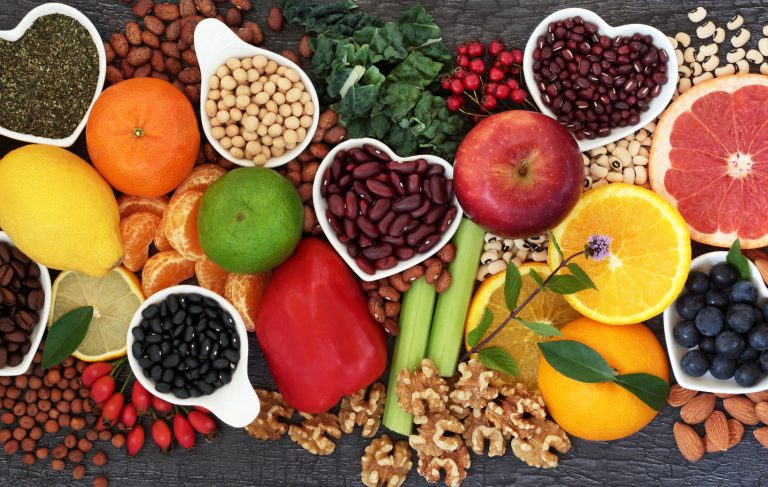
The foods that contain the highest levels of antioxidants are the fruit and vegetables which are the most brightly coloured, such as blueberries, red grapes, strawberries, mango, kiwi fruit, carrots, tomatoes.

Essential fatty acids

Essential fatty acids help to plump up the cells in the skin, making the skin appear softer and less dry. Essential fatty acids, nourish the skin and make it appear more youthful and radiant and reduce inflammation in all of the body.

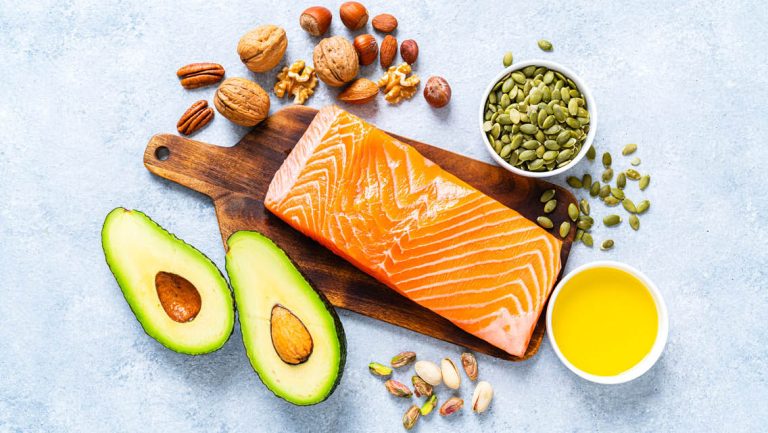
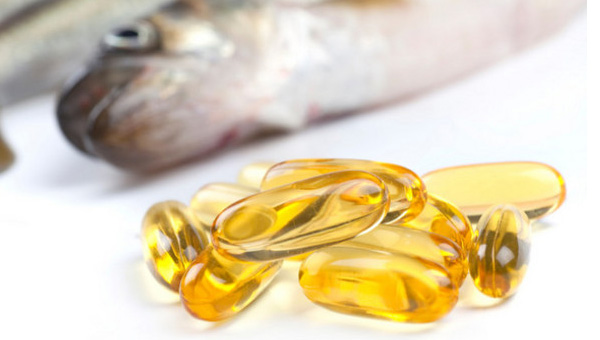
Best sources of essential fatty acids are – good quality olive oilcold pressed vegetable oilsavocados, nuts, seeds and oily fish, such as salmon and mackerel. Evening primrose oil and fish oils are also good sources of of essential fatty acids and are usually taken in capsule form.

Essential fatty acids not only help to prevent and slow down wrinkles, they also help to clear up problem, acne-prone skin because they remove inflammation.

The essential fatty acids that are the most beneficial for the skin, are: omega-3 fatty acids and gama-linoleic acid (GLA) which is found in evening primrose oil and borage oil. These are best taken internally, but can also be found in certain lotions for the skin.

Avoiding too much sun

The suns rays contain UVA and UVB light – UVA causes wrinkles and is also thought to cause the most malignant form of skin cancer, UVB light causes sunburn and the non-malignant forms of skin cancer.

Getting sunburnt too many times at a young age is thought to cause malignant skin cancer at a later age, in those people susceptible to it.

Some strategies to avoid sun damage:

  • If your heritage is light skinned with/without freckles, this means that you need to mainly avoid the harsh rays of the sun especially at the time of day when it is the strongest (between 11am-3pm) and use use sun-screen regularly, especially if you are outside a lot, or at the beach, to prevent damage to your skin, especially on your face, neck and hands. This rule applies to everyone but is especially relevant to those with lighter skin and who are more prone to skin damage
  • Cover up any exposed parts of the body to avoid sun damage
  • Always wear a wide-brimmed hat to cover your face if you are out in the sun for extended periods of time, especially in the middle of the day and during the hot summer months
  • Always wear sunglasses when outside

Using sunscreen

Sunscreen is a good option on the skin of the face and neck, as these areas are delicate and are most prone to damage and wrinkles from the sun.

Sunscreen should be reapplied every two hours when you are in the sun and every time you come out of the water, if you are swimming and have spent a long time in the water, as the water can remove the sunscreen that has been applied.

SPF is the Sun Protection Factor that a sunscreen provides – it gives an indication of how long a sunscreen will protect the skin from burning than if the skin did not have any sunscreen. An SPF of 30 will protect the skin for 30 times longer than if no sunscreen was applied.

SPF factor only applies to the protection from UVB rays, but doesn’t necessarily give the same protection against UVA rays.

The Environmental Working Group (EWG) has recently pointed out that there are many chemicals in most sunscreens that are not good for humans as they are associated with a number of adverse health effects.

To find out if your sunscreen is safe, check Skin Deep, the EWG’s Cosmetic Safety Database.

Avoid pollution

Pollution from car fumes and other environmental toxins has a detrimental effect on the whole body, but especially on the skin, as it can cause pre-mature ageing.

Polluted air contains lead, mercury and a whole host of other heavy metals, which are toxic.

Strategies to avoid pollution:

  • Stay away from really busy roads
  • If your house / apartment faces a busy road, try not to open the windows / doors at the busy times when there are a lot of cars
  • Always wash your face when you come home from a trip into the city
  • Eat lots of fruit and vegetables, especially leafy green vegetables

Don’t smoke

Smoking causes so many and varied harmful effects on every organ in the whole body, not just the lungs, which are the most affected.

Smoking causes pre-mature ageing, which means it causes lots of wrinkles on young skin, especially in the skin around the mouth and the eyes.

The best strategy to avoid the damage of smoking is to stop it.
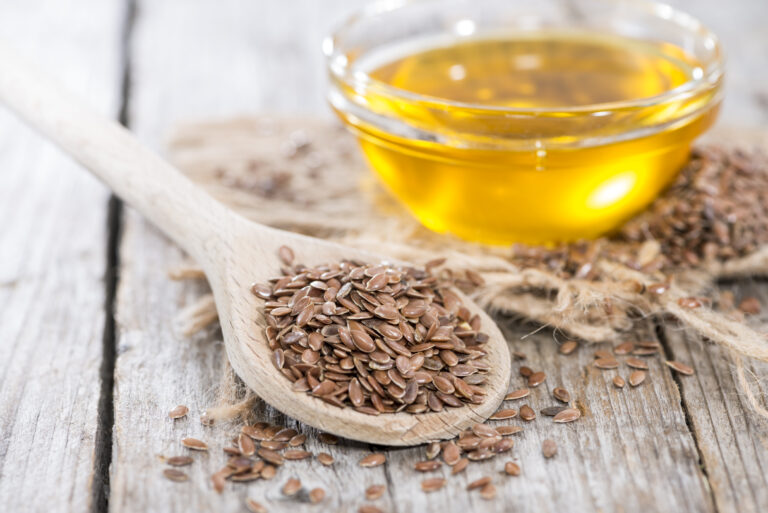
Flaxseed oil

Facts

Important flaxseed oil facts

Flaxseed oil is extracted from the seeds of the flax plant and is another oil that is high in omega-3 fatty acids, especially EPA (eicosapentaenoic acid).

Flaxseed oil is high in alpha-linolenic acid (ALA), which is an essential fatty acids that assists with inflammatory diseases as well as heart health and other conditions.

Flaxseed is also high in lignans, which are plant-based eostrogens (or phytoestrogens). Lignans mimic the female sex hormone eostrogen, so may have a beneficial effect on the menstrual cycle by balancing the level of eostrogen to progesterone .Recent research shows they may be beneficial in prevent cancer. Flaxseed oil does not contain lignans.

  • Flaxseed is also called linseed
  • Flaxseeds contain lignans but flaxseed oil does not

Flaxseed oil works best with

Health

Flaxseed oil and health

  • High blood pressure – several studies have own that omega-3 fatty acids (including ALA’s) lower blood pressure significantly in people with high blood pressure
  • Heart health – people that have a diet high in omega-3 fatty acids (such as ALA’s) have a reduced incidence of heart disease. The Mediterranean Diet is one such diet that is high in omega-3 fatty acids and there is a lower incidence of heart disease in people that follow this diet
  • Bowel disease – similarly to fish oil, flaxseed oil is beneficial in reducing symptoms of ulcerative colitis and Crohn’s disease
  • Rheumatoid arthritis – several studies have shown that some patients found relief from taking omega-3 essential fatty acids to relieve pain and inflammation in this condition
  • Depression – people with a deficiency of omega-3 fatty acids or who have an imbalance of omega-3 to omega-6 fatty acids have been shown to be at a higher risk for depression. Studies have shown omega-3 fatty acid supplementation helps to improve brain activity and reduce symptoms of depression
  • Female problems – the anti-inflammatory effect of flaxseed oil helps to improve uterine function, reduce menstrual cramps and PMS and lessen the pain of fibrocystic (lumpy) breasts

People who wish to take a flaxseed oil supplement should talk to a medical professional before taking it.

Deficiency

Deficiency


Food sources

Food sources


Supplements

Types of flaxseed oil supplements

Flaxseed oil is only available from one food – flaxseed! Flaxseed oil supplementation is available in the following ways:

  • Soft gel capsules – soft gelatin capsules are filled with flaxseed oil
  • Liquid – original flaxseed oil liquid
  • Fibre – flaxseed is ground to a fine or coarse powder.

Flaxseed oil supplementation checklist

  • Store flaxseed (oil and fibre) in the refrigerator to ensure freshness
  • Always take supplement with food to increase absorption
  • Flaxseed may decrease the absorption of other medication, so take it at least 2 hours before or after medicine dosage
  • Mix ground flaxseed with plenty of water – 1 glass of water for each tablespoon of flaxseed – to prevent it from swelling up or blocking the digestive tract or throat
  • Buy flaxseed oil that is packaged in an amber glass or opaque plastic bottle that will prevent the flaxseed oil from spoiling
  • Always check expiration date on the label

Dosage

Flaxseed oil recommended dosage

Dosage of flaxseed oil depends on the condition that is being treated. A medical doctor and/or alternative health care provider can advise on individual cases – this information is provided as a guide only:

LifestageAgeAmount (per day)
INFANTS0-12mthsNot recommended
CHILDREN1-8yrsSeek medical advice before taking it
CHILDREN9-18yrsSeek medical advice before taking it
ADULTS19-50yrs1 Tsp – 1 Tbsp oil or fibre once a day or
3000mg capsule twice a day
SENIORS51+yrs1 Tsp – 1 Tbsp oil or fibre once a day or
3000mg capsule twice a day
PREGNANTNot recommended
LACTATINGNot recommended


Toxicity

Overdosage, toxicity and cautions for flaxseed oil

Flaxseed oil can cause some mild flatulence when it is first taken.

Precautions

  • Men with prostate problems – a recent study has shown that alpha-linolenic acid may be associated with an increased risk of prostate cancer. Men with prostate cancer or with a family history of prostate cancer should not take any type flaxseed or flaxseed oil supplement until this information can be confirmed with evidence from other studies
  • People with bowel obstructions – should never take flaxseed oil or ground flaxseeds as the flaxseed oil may make it worse
  • Pregnant and breastfeeding women – should not take flaxseeds or flaxseed oil supplements due to the phytoestrogenic effect it has

Precautions

Precautions


Interactions

Interactions


References

References

  • Herbert PN, Miller M, Lear SA, Ornish D. Effect of Lifestyle Changes on Coronary Heart Disease. JAMA, Jul 1999; 282: 130 – 132
  • Hillyer LM, Sandiford AM, Gray CE, Woodward B.. Cold-pressed flaxseed oil reverses age-associated depression in a primary cell-mediated adaptive immune response in the mouse. Br J Nutr. 2006 Feb;95(2):230-3.
  • Nestel PJ, Pomeroy SE, Sasahara T, et al. Arterial compliance in obese subjects is improved with dietary plant n-3 fatty acid from flaxseed oil despite increased LDL oxidizability. Arterioscler Thromb Vasc Biol. July 1997;17(6):1163-1170
  • Psota TL, Gebauer SK, Kris-Etherton P.. Dietary omega-3 fatty acid intake and cardiovascular risk. Am J Cardiol. 2006 Aug 21;98(4A):3i-18i. Epub 2006 May 30. Review
  • Schwab US, Callaway J, Erkkila AT, Gynther J, Uusitupa MI, Jarvinen T. Effects of hempseed and flaxseed oils on the profile of serum lipids, serum total and lipoprotein lipid concentrations and haemostatic factors. Eur J Nutr. 2006 Dec;45(8):470-7. Epub 2006 Nov 10

Last reviewed and updated: 6 May 2024

Essential fatty acids

Facts

Important essential fatty acids facts

The human body needs essential fatty acids for normal growth, maintenance of cell membranes, to ensure the immune system is working well and to balance the body’s hormone levels to a normal level.

Essential fatty acids (EFA’s) are vital for the synthesis of fat stores in the body, they play an important role in the regulation of cholesterol levels, and are precursors of prostaglandins, which are hormone-like substances that produce various metabolic effects in the body, such as inflammation, pain and swelling as well as controlling blood pressure, heart, kidneys and digestive system. Prostaglandins are important for allergic reactions, blood clothing and making other hormones.

Essential fatty acids help the skin to stay youthful and supple and are also required to utilise the energy contained in the fat stores in the body.

EFA’s also seem important in the manufacture of sex and adrenal hormones. Fatty acids also stimulate the growth of the beneficial intestinal bacteria.

Essential Fatty Acids are divided into 4 types:

Why Omega 6 fatty acids are needed

The main functions of omega 6 fatty acids are as an anti-inflammatory and to reduce insulin resistance.

Why Omega 3 fatty acids are needed

The main functions of omega 3 fatty acids are to decrease LDL cholesterol levels, regulating inflammatory prostaglandin formation, decrease fibrinogen and thrombin levels and reduce platelet aggregation and blood viscosity.

The ratio of omega-6 to omega-3 fatty acids should be between:

  • 1:1 – 4:1

Due to the modern diet, the ratio can be up as high as 30:1 which is really unhealthy.

  • The body is not capable of manufacturing the essential fatty acids
  • The (non-essential) fatty acid arachidonic acid can be synthesized in the body from the essential fatty acid, linoleic acid
  • Light, air, excessive storage times and processing destroy essential fatty acids

Essential fatty acids works best with

Health

Essential fatty acids and health

  • Omega-3 helps the heart – several studies show that men who eat fish several times a week have less heart disease than men who don’t eat fish regularly. Other studies show that fish oil supplements can help prevent sudden death from heart rhythm problems. Fish oil supplements may also prevent blood clots from blocking the arteries leading to the heart
  • Fish oils and fat levels – taking fish oil supplements can lower triglycerides level if they are too high, but conversely it may increase LDL (bad) cholesterol levels
  • Calming Crohn’s disease – several studies have shown that fish oil supplements can be very helpful for keeping Crohn’s disease under control
  • Helping rheumatoid arthritis – in some studies, it has been shown that some patients find relief from taking Omega-3 oils for this painful condition.
  • Helping women with PMS – GLA in evening primrose oil may be helpful in relieving PMS symptoms, especially breast tenderness and swelling. GLA seems to work best if taken every day of the month together with Vitamin B6 (pyridoxine)
  • Helping people with depression – people with a deficiency of omega-3 fatty acids or who have an imbalance of omega-3 fatty acids to omega-6 fatty acids have been shown to be at a higher risk for depression. Studies have shown omega-3 fatty acid supplementation helps to improve brain activity and reduce symptoms of depression

People who wish to take an acidophilus supplement should talk to a medical professional before taking it.

Deficiency

Groups at risk of essential fatty acid deficiency

  • People over 65 years – absorb less of some of the EFA as you age, and many older people may not eat properly
  • Women with PMS – research shows that EFA helps to lower prostaglandins (the hormones that seem to be higher in women that suffer PMS)
  • People with dry, chapped skin and eyes, cold hands and feet and bruise easily – EFA are useful for the skin, help to moisturise the body inside and out, as well as to help the extremities reach normal levels of temperature
  • People with brittle nails and dry hair – research has shown that EFA can help alleviate these symptoms

Symptoms of essential fatty acid deficiency

A major deficiency of essential fatty acids may cause damage to the heart, the kidneys and the liver. Behaviour disturbances may also result from a deficiency in the diet.

  • Some symptoms of essential fatty acids deficiency include hair loss and skin eczema, as well as excessive sweating.
  • Blood pressure may be elevated and the formation of blood clots may be an increased risk. Deficiency may have an influence on infertility in men and miscarriages in women.
  • An immune system that is not functioning as well as it should may result from a shortage of the essential fatty acids, which in turn may result in slow healing wounds, and susceptibility to infections. Stiffness in joints may happen, and an under secretion of tear and saliva may be indicative of too little essential fatty acids in the diet.

Food sources

Essential fatty acids in foods

Omega 3 in fish

FOODAMOUNTOmega-3 (mg)
Salmon, canned Chinook1 Can3000
Sardines1 Can2900
Mackerel1 Fillet2200-2600
Tuna, canned1 Can1500-1700
Salmon, sockeye1 Fillet1300
Bluefish1 Fillet1200
Trout1 Fillet1100-2000
Herring1 Fillet1100-1700
Mullet1 Fillet1100
Salmon, pink1 Fillet1000-1900
Bass1 Fillet600
Catfish1 Fillet600
Crab, Alaska King1 Fillet600
Shrimp1 Fillet300-400
Flounder1 Fillet300
Swordfish1 Fillet200


Omega 3 in vegetable oils

FOODAMOUNTOmega-3 (mg)
Flaxseed Oil1 Tbsp533
Canola Oil1 Tbsp111
Walnut Oil1 Tbsp104
Wheatgerm Oil1 Tbsp69
Soybean Oil1 Tbsp68


Supplements

Types of essential fatty acids supplements

Essential fatty acids supplementation is available in the following ways:

  • Liquid – essential fatty acids are available in the pure oil form, but is usually flavoured as it is not very pleasant tasting
  • Soft gel capsules – liquid essential fatty acids are added to the capsules

Essential fatty acids supplementation checklist

  • Check expiration date
  • Look for a supplement that has both EPA and DHA in it
  • Light, air, excessive storage times and processing destroy essential fatty acids – store in the refrigerator

Dosage

Essential fatty acids recommended dosage

Dosage of essential fatty acids depends on the condition that is being treated. A medical doctor and/or alternative health care provider can advise on individual cases – this information is provided as a guide only:

RDA2-8% of total calorie intake
TOLERABLE UPPER LIMITNo information available
CHILDREN>20% of total calorie intake


Toxicity

Overdosage, toxicity and cautions for essential fatty acids

No toxicity has been reported in healthy individuals but people with health problems should be careful with taking any supplements.

If EFA’s are consumed in high dosage, ie they consist of more than 20% of calorie intake, there is an increased demand for Vitamin E and other antioxidant nutrients.

Precautions

Precautions

People with any of the medical conditions listed below should discuss supplementation with a medical professional before taking essential fatty acids, as they could interact adversely with their medication:

  • People with schizophrenia – should avoid taking any supplements with GLA as it could worsen their condition
  • People taking blood thinning medications – such as Coumadin or Warfarin should seek medical advice before taking a chondroitin supplement, as there may be bleeding complications – talk to a medical professional
  • People on anti-convulsant medication for epilepsy– are not recommended to take essential fatty acid supplements as EFA can induce seizures- talk to a medical professional
  • People with diabetes – should be cautious using fish oil supplements as they can raise blood glucose levels and lower insulin production – talk to a medical professional

Large amounts of fish oil supplements (over 5gm/day) can cause blood= to become =dangerously thin= and make bleeding happen more often.

Interactions

Interactions


References

References

  • Angerer P, von Schacky C. n-3 polyunsaturated fatty acids and the cardiovascular system. Curr Opin Lipidol. 2000;11(1):57-63
  • Bjerve KS, Brubakk AM, Fougner KJ, Johnsen H, Midthjell K, Vik T. Omega-3 fatty acids: essential fatty acids with important biological effects, and serum phospholipid fatty acids as markers of dietary omega-3 fatty acid intake. Am J Clin Nutr. 1993;57(5 suppl):801S-806S
  • Harper CR, Jacobson TA. The fats of life: the role of omega-3 fatty acids in the prevention of coronary heart disease. Arch Intern Med. 2001;161(18):2185-2192
  • Simopoulos AP. Omega-3 fatty acids in health and disease and in growth and development. Am J Clin Nutr. 1991;54(3):438-463
  • Tsujikawa T, Satoh J, Uda K, Ihara T, Okamoto T, Araki Y, et al. Clinical importance of n-3 fatty acid-rich diet and nutritional education for the maintenance of remission in Crohn’s disease. J Gastroenterol. 2000;35(2):99-104

Last reviewed and updated: 6 May 2024

How to maintain a chemical-free home

0

There are a number of alternative methods and strategies that can be used to reduce the amount of chemicals used in your home, reduces your costs, helps to reduce the chemical load on your body, allowing you to become healthier and reduces the amount of damage to the environment from manufacturing these chemicals.

The following are the best ways to clean your home without the use of any chemicals and not only will your home be clean, it will smell fresh and you will know you are not polluting the environment, you are not making yourself sick and you are saving money in the process. So go ahead and use these methods today to help you on your chemical-free path for your home.

This is a basic list of ingredients you will need in order to stop using those (often) dangerous chemicals found in most cleaning products. These ingredients are basically non-toxic and some of them are even used in food we eat:

  • Bicarbonate of soda – this is found in the cooking section of your local supermarket. Buy lots, as it is used a great deal in natural cleaning
  • Lemons – the whole lemon and their juice are used for their excellent acidic nature, use only organic lemons
  • Linseed oil – the oil of flax (linseed) has excellent polishing properties for wooden furniture and hardwood flooring
  • Olive oil – the oil of olives interestingly has some excellent polishing properties for wooden furniture
  • Organic all purpose spray – this should be “100% certified organic” ortherwise it will contain artificial additives and toxic chemicals. This can be used instead of conventional cleaning sprays on any harder to clean surfaces (or for the sake of providing time-poor people with extra convenience, but using a wholesome, natural product)
  • Organic dishwashing liquid – this should be “100% certified organic” ortherwise it will contain artificial additives
  • Organic laundry liquid – this should be “100% certified organic” ortherwise it will contain artificial additives
  • Salt – either rock salt or fine grain rock salt, just make sure it does not have any anti-caking agent
  • Soda water – this is excellent to use to remove wine stains
  • Vinegar (white) – use only white vinegar as any other type may cause discolouration

Other items (non-edible) to use:

  • Eucalyptus oil – this pure essential oil is produced from the eucalyptus tress, which is native to Australia and has many uses
  • Fly swat – this is the best way to avoid using chemical fly and other insect deterrants
  • Lavender oil – this pure essential oil is the oil of lavender flowers and has a great number of uses
  • Pure soap (unscented) – use only unscented soap with no artificial ingredients (preferably organic)
  • Tea tree oil – this pure essential oil is produced by the tea tree which is native to Australia and has many uses

All the essential oils above should not, under any circumstances be ingested orally, as they can cause poisoning. Sometimes you can get the essential oils in a mixture of oil or water, which is much milder. Always follow the instructions on the labels.

Kitchen

  • Aluminium saucepans – you just need to use some bicarbonate of soda mixed with a little bit of water and scrub with sponge; then add some white vinegar – when you do this, the mixture of the base and acid will start to bubble a bit, so scrub a little more (but with gloves one to save your hands from the abrasion)
  • Boiled milk spill – sprinkle the area on the stove with salt (preferably the finer grains, not large rock salt) and leave it for a few minutes, then wipe it off with a damp sponge (or cloth)
  • Brass, bronze, copper, pewter – make a paste by mixing 1 tablespoon each of plain white floursalt and vinegar. Use a damp cloth to rub this paste onto the item and rub it gently; leave the paste on for around an hour and then rinse it off with warm water, ensure to rub it a little, to get every bit off; after rinsing, buff the item dry with a damp cloth
  • Brass, bronze, copper, pewter – another method is to put some bicarbonate of soda on a damp cloth (or sponge) and rub it on the item, then let it completely dry and polish with a soft cloth
  • Brass, bronze, copper, pewter – another method is to moisten a cloth with vinegar and rub this over the item and then polish with a dry cloth
  • Chopping boards – always clean your chopping board each time you use it. Wooden chopping boards need to be cleaned with cold water and rubbed with salt; when it is dry, rub it with olive oil to keep the wood supple and fresh; use a separate wooden chopping board for raw meat and another one for vegetables / fruit and any non meat produce
  • Copper pans – cut a lemon in half and dip it in fine salt and rub the surface of the pan with it; rinse with hot water and polish dry with a soft dry cloth
  • Copper pans – an alternative is to apply a paste of saltwhite vinegar and white flour (1 tablespoon of each) and rub all over the pan; rinse with hot water and polish dry with a soft dry cloth
  • Copper pans – an alternative is to add a little vinegar to some salt (1 tablespoon of each) and rub all over the pan; rinse with hot water and polish dry with a soft dry cloth
  • Drains – for blockages in the drain, pour down a handful or two of bicarbonate of soda followed by about 1/2 cup of white vinegar and let it sit for about half an hour; after this, add a handful of salt together with some boiling water and this should clear the drain well
  • Enamel saucepans – use some bicarbonate of soda and scrub with a soft sponge; for tougher stains, add some bicarbonate of soda and some water and bring it to the boil in the pan; leave to soad overnight and then scrub it the next morning with some more bicarbonate of soda
  • Enamel surfaces – such as on refridgerators should be rubbed with a soft wet cloth that has been dipped into some bicarbonate of soda and then followed by a clean damp cloth to wipe off all the bicarbonate of soda and then a dry soft cloth to dry the enamel surface
  • Glass – you can rub dirty spots with a bit of salt on a damp cloth; when you rinse, add some white vinegar or lemon juice to the rinsing water and air dry the glass (without wiping)
  • Hard flooring – in a bucket, mix 1-2 cap-fulls of laundry liquid with warm water and add a few drop of lavender oil and a few drops of eucalyptus oil (it should not be too soapy); then, with a mop (or scrubbing brush), use this to clean the hard flooring. For quicker drying, use a dry mop on the area after it has been cleaned
  • Kettle – lime deposits can be easily removed by boiling some water in the kettle which has had 1-2 teaspoons each of white vinegar and bicarbonate of soda; leave to sit for about an hour and then rinse out, rubbing any stubborn stains with a damp cloth which has had some bicarbonate of soda added to it, then this can be rinsed
  • Microwave oven – for stubborn stains, put a glass bowl and fill it 3/4 full of water and add two tablespoons bicarbonate of soda and set the oven to simmer for a few minutes (until the interior gets steamy); leave it for a few more minutes and then remove the bowl and wipe away the stains with a warm and damp cloth
  • Oven (normal stains) – when the oven is still warm (but not really hot), add some bicarbonate of soda to a damp cloth and wipe the inside of the oven with it
  • Oven (stubborn stains) – when the oven is still warm (but not really hot), add a paste of bicarbonate of soda and water to all surfaces of the interior of the oven and leave for about 30-60 minutes, after which you should wipe away all the bicarbonate of soda with a hot, damp cloth. For really stubborn stains, add some white vinegar or lemon juice to the bicarbonate of soda paste
  • Oven door (glass) – add some bicarbonate of soda to a warm, damp cloth and wipe over; wipe off the bicarbonate of soda with a clean, damp cloth, followed by a dry cloth
  • Refridgerator (insdes) – moisten a cloth with some white vinegar and add some bicarbonate of soda and use this to wipe over the insides of the refrigerator. Finish with a wiping over with a clean moist cloth and then a dry cloth
  • Stainless steel saucepans – use bicarbonate of soda mixed with a little water and scrub with a sponge; add some white vinegar (when you do this, it starts to bubble a bit) and scrub some more, but make sure you use gloves
  • Stainless steel sink – moisten a dry cloth with some white vinegar and add some bicarbonate of soda and use this to wipe the sink; rinse with some warm water to remove all the bicarbonate of soda and vinegar and finish with a wiping over with a clean moist cloth and then a dry cloth

Bathroom

  • Air freshener – mix 5-6 drops of lavender oil with 1 litre of water in a clean spray bottle; shake to mix the oil and water; spray a few times around the room to have a fragrant lavender aroma
  • Bathtub – sprinkle some bicarbonate of soda all over the bathtub and with a moistened cloth, scrub with the cloth over every part of the bathtub to clean it (including the taps and the soap holder); when this is completed, spray some white vinegar over the whole bathtub and gently scrub all over; finally rinse off the whole bathtub area with some warm water (use a wet cloth for any areas that are close to the edge)
  • Ceramic bowl – wet a cloth and moisten with some bicarbonate of soda; use this to rub around the surface of the vanity bowl to clean it; spray with some white vinegar all over and rub with the cloth to further clean it; finally rinse off with some warm water
  • Cupboard doors – use a cloth moistened with warm water to rub over the doors to clean them; any dirty areas should be cleaned with the warm cloth dipped in some bicarbonate of soda and then wipe clean with a wet cloth; finish it with a wipe from a dry cloth
  • Glass – a natural glass cleaner is to mix one tablespoon of white vinegar in 1 litre of water and moisten a cloth with this weak vinegar mixture an wipe over the glass to clean it – finish with a wipe with a dry cloth to dry the glass; alternatively, spray with the all purpose spray and wipe over with a dry cloth until clean
  • Shower tiles – sprinkle some bicarbonate of soda all over the shower tiles and with a moistened brush, scrub with it over every part of the tiles to clean them (including the taps and the soap holder); when this is completed, spray some white vinegar over all the tiles, especially any that have grime between in or around the grout (between the tiles) and scrub all over; finally rinse off the tiles with some warm water from the shower (you can use a bucket of water instead)
  • Tiled floor – in a bucket, mix 1-2 cap-fulls of laundry liquid with warm water and add a few drop of lavender oil and a few drops of eucalyptus oil (it should not be too soapy); then, with a mop (or scrubbing brush), use this to clean the tiled floor. For quicker drying, use a dry mop on the area after it has been cleaned
  • Toilet bowl (outer) – in a clean spray bottle, mix about 1-2 cap-fulls of laundry liquid, add a few drop of lavender oil and a few drops of eucalyptus oil (it should not be too soapy) and add some water and shake to mix. Spray this mixture over the lower surface of the outer toilet bowl and wipe with a cloth to clean. Always use gloves to clean the toilet
  • Toilet bowl (inner) – using the same spray as above (for outer toilet bowl), spray the toilet bowl all around the sides; using the toilet brush, clean the toilet bowl and flush after completion. Clean the toilet brush thoroughly in the laundry (or bathroom sink) and after cleaning the sink, spray it with the same spray to disinfect it. Always use gloves to clean the toilet
  • Toilet seat – using the same spray as above (for outer toilet bowl), spray the toilet seat, both upper and lower parts and clean off with a cloth; wipe off with a dry cloth if necessary. Always use gloves to clean the toilet

Laundry

  • Blood stains (on clothes) – for any blood stains on clothes, soak the clothes in some water and add a handful of rock salt; the salt will naturally remove the blood stains from the clothes; leave the clothes in the salty water overnight and wash normally the next day
  • Cupboard doors – use a cloth moistened with warm water to rub over the doors to clean them; any dirty areas should be cleaned with the warm cloth dipped in some bicarbonate of soda and then wipe clean with a wet cloth; finish it with a wipe from a dry cloth
  • Grease stains (on clothes) – rub the stain with some slightly moistened bicarbonate of soda and leave it dry; remove any excess by brushing it off and wash the clothes in warm soapy soapy water (or use natural laundry liquid) with a squeeze of lemon juice added to the water
  • Laundry sink – moisten a dry cloth with some white vinegar and add some bicarbonate of soda and use this to scrub the sink; rinse with some warm water to remove all the bicarbonate of soda and vinegar and finish with a wiping over with a clean moist cloth and then a dry cloth
  • Natural bleach – add one cup of lemon juice (use the juice of a lemon, strained) in half a bucket of water; clothes can be added to this to help bleach them naturally; for an even brighter bleach, take the bucket outside in full sunshine as the sun’s rays will help to make the bleaching process work better
  • Perspiration stains (on clothes) – soak the stained area in white vinegar (strained lemon juice can be used instead) for a few hours and then wash as normal; if this does not remove the perspiration stain, try the process again, but soak it for a longer period
  • Tiled floor – in a bucket, mix 1-2 cap-fulls of laundry liquid with warm water and add a few drop of lavender oil and a few drops of eucalyptus oil (it should not be too soapy); then, with a or mop (or scrubbing brush), use this to clean the tiled floor. For quicker drying, use a dry mop on the area after it has been cleaned
  • Washing machine – to clean the washing machine, so it performs better, run an empty load after every 10 or so washing loads; use either pure soap which has been dissolved in water or natural (organic) laundry liquid
  • Wine stains (on clothes) – cover the stained area with soda water and let it soak until the wine stain comes out; alternatively, cover the wine stain with fine grain rock salt and pour over it with very hot water and rinse off; wash as normal with pure soap or natural laundry liquid

Bedroom / living areas

  • Air freshener – mix 5-6 drops of lavender oil with 1 Litre of water in a clean spray bottle; shake to mix the oil and water; spray around the room to have a fragrant lavender aroma that will make any room smell lovely
  • Cupboard doors – use a cloth moistened with warm water to rub over the doors to clean them; any dirty areas should be cleaned with the warm cloth dipped in some bicarbonate of soda and then wipe clean with a wet cloth; finish it with a wipe from a dry cloth
  • Furniture polish – add some olive oil to a small bowl and dip a clean, dry cloth into the olive oil to be slightly moistened with the oilive oil; start polishing your wooden furniture until it gleems
  • Glass – spray with the all purpose cleaning spray and wipe over with a dry cloth until clean
  • Hard flooring – in a bucket, mix 1-2 cap-fulls of laundry liquid with warm water and add a few drop of lavender oil and a few drops of eucalyptus oil (it should not be too soapy); then, with a mop (or scrubbing brush), use this to clean the hard flooring. For quicker drying, use a dry mop on the area after it has been cleaned
  • Metal surfaces (aluminium) – add either laundry lquid or dishwashing liquid to a bucket of warm water and moisten a cloth to wash the surface; finish with a wipe from a dry cloth to dry the surface
  • Metal surfaces (copper & brass) – use a paste of bicarbonate of soda (or fine rock salt) and white vinegar (or lemon juice) rubbed onto the surface with a dry cloth; leave the paste to dry and then simply polish off with the dry cloth, wiping off any excess
  • Metal surfaces (pewter) – use some fine steel wool moistened with olive oil and gently rub the pewter surface in one direction; finish by polishing all over the surface with a soft cloth
  • Metal surfaces (silver) – make a polish mixture from 1 tablespoon of bicarbonate of soda plus one 1 tablespoon of fine rock salt together with 1 litre of water. Add this mixture to a large, old pot (use it only for this purpose) on the stovetop; add a 20cm piece of aluminium foil into the mixture and boil; once the mixture is boiling, use tongs to place silver items in the boiling mixture for about 2 minutes; after that, remove each item, cool and rinse them; finish by polishing with a soft, dry cloth to get the silver really gleaming and shiny
  • Metal surfaces (stainless steel) – moisten a dry cloth with some white vinegar and add some bicarbonate of soda and use this to wipe the sink; rinse with some warm water to remove all the bicarbonate of soda and vinegar and finish with a wiping over with a clean moist cloth and then a dry cloth
  • Plastic surfaces – use a cloth moistened with warm water to rub over the doors to clean them; any dirty areas should be cleaned with the warm cloth dipped in some bicarbonate of soda and then wipe clean with a wet cloth; finish it with a wipe from a dry cloth
  • Special furniture polish – for wooden furniture that shows some tarnish and wear, mix together equal parts of white vinegar and olive oil (linseed oil is preferable in this case); dip a clean, dry cloth into the vinegar-oil mixture to be slightly moistened and start polishing your furniture until it gleems and looks better

Flooring

  • All hard flooring – in a bucket, mix 1-2 cap-fulls of laundry liquid with warm water and add a few drop of lavender oil and a few drops of eucalyptus oil (it should not be too soapy); then, with a mop (or scrubbing brush), use this to clean the hard flooring. For quicker drying, use a dry mop on the area after it has been cleaned
  • Carpet shampoo – to make your own, use a handful of pure soap and add it to a bucket of warm water; then add 2 Litres of boiling water mixed with 2 tablespoons of bicarbonate of soda as well as 5-6 drops of lavender oil; use this to remove small stains from carpet but only use a small amount of water, as it is difficult to dry on carpet and can cause it to become stained
  • Carpet steam cleaning – use only the steam (do not use the chemical cleaners that are added), to effectively remove any pet dander/hair, cigarette smoke, dust mites ad any other substances in the carpet; carpet cleaning companies are able to just use steam to steam clean your carpets if you request this; if you are doing it yourself and renting a steam cleaning unit, wash out the container with hot water and bicarbonate of soda several times, to remove any artificial cleaning chemicals that have been previously used
  • Deodorising carpet – sprinkle some bicarbonate of soda all over the carpet and leave for at least 6 hours (overnight is preferable); later, vaccum it all up – the odour of the carpet will be gone. This method is especially useful when moving into a new place or for people who have pets inside the house
  • Grease stains – sprinkle the grease stained area with some bicarbonate of soda and leave it there for about an hour; after this, brush the bicarbonate of soda off the grease stain and vacuum any bits
  • Hardwood floor polish – mix together 1 litre linseed oil with 1 litre white vinegar in an airtight bottle and shake vigorously to mix thoroughly; use either a mop or soft cloth to polish the hardwood floors with this mixture – the mop is the quicker way and should be used on larger florr surfaces, but some people like to use a cloth and clean smaller surfaces (as well as harder to clean areas) with a soft cloth; leave the floors to dry before walking on them
  • Ink stains – wash the ink stain straight away by adding some skim milk to the stain and rubbing it thoroughly; rinse off with some water and dry the area with a cloth. Some ink stains may need to be rubbed with a cut lemon and some fine rock salt; once this has been completed, rinse with a little water and dry the area with a cloth
  • Red wine stains – if red wine is spilt on carpet, quickly pour some soda water over the stain (fine rock salt can also be used); after about 2-3 minutes, pour hot water on the stain and use a clean dry cloth to remove the red wine and water mixture (which should now easily come and should not stain the carpet); if the stain is stubborn, try this process again until the stain goes away
  • Tiled floor – in a bucket, mix 1-2 cap-fulls of laundry liquid with warm water and add a few drop of lavender oil and a few drops of eucalyptus oil (it should not be too soapy); then, with a or mop (or scrubbing brush), use this to clean the tiled floor; the scrubbing brush should only be used for floors that have a lot of grime and dirt. For quicker drying, use a dry mop on the area after it has been cleaned

Cod liver oil

Important cod liver oil facts

Cod liver oil is a powerhouse supplement that has been used for hundreds of years for colds and flu, joint and muscle health and many other conditions.

Cod liver oil contains high levels of omega-3 fatty acids (EPA and DHA) , vitamin A and vitamin D and vitamin K. EPA (eicosapentaenoic acid) is the precursor to prostaglandins which act to dispel inflammation and DHA (docosahexaenoic acid) assists in normal brain and central nervous system functioning.

  • Cod liver oil contains more vitamin A and vitamin D per unit weight, than any other food
  • Cod liver oil has high levels of long chain essential fatty acids, which are highly beneficial for heart and circulatory health
  • Cod liver oil is fat soluble

Cod liver oil and health

  • Osteoarthritis – recent research by Cardiff University showed that cod liver oil slowed the destruction of joint cartilage in people with osteoarthritis, as well as reducing pain and inflammation. The study found that 86% of patients reported either significant reduction or total absence the enzyme that causes destruction of cartilage, after taking the cod liver oil supplements, in addition, there was also a great reduction in the enzyme that caused joint pain and inflammation in those patients
  • Blood circulation – the omega-3 fatty acids EPA and DHA discourage blood platelets from sticking together thereby promoting better blood flow, especially in the extremities (legs and arms)
  • Blood pressure – studies have shown that cod liver oil reduces blood pressure by promoting the proper absorption of calcium and magnesium
  • Heart health – studies have shown that cod liver oil reduces the likelihood of blood clotting, makes the heart less prone to arrhythmia’s (irregular heart beats), alters the balance of blood fats in a favourable way and reduces the viscosity of blood, thereby facilitating blood flow
  • Healthy skin – the large amount of vitamin A present in cod liver oil is beneficial for skin and mucous membranes
  • Eye health – vitamin A is essential for the the eye to function properly, avoid macular degeneration, cataracts and to promote night vision
  • Babies – when nursing mothers take cold liver oil supplements, breast milk is enhanced two-fold, brain development of the baby is increased and vitamin A levels are increased which stop the baby from getting infections
  • Children’s diabetes – a recent study in Norway found that supplementing either the pregnant mother’s diet or in the baby’s diet in the first year led to a decreased risk for Type 1 diabetes in the child – this is most likely through the anti-inflammatory effects of the long chain omega-3 fatty acids of cod liver oil

People who wish to take an cod liver oil supplement should talk to a medical professional before taking it.

Cod liver oil recommended intake

Dosage of cod liver oil depends on the condition that is being treated. A medical doctor and/or alternative health care provider can advise on individual cases – this information is provided as a guide only.

Check for a supplement that provides sufficient levels of vitamin A and vitamin D – the pages on these vitamins show the recommended daily allowances for each age group and lifestage.

LifestageAgeAmount (per day)
INFANTS0-12mthsNot recommended
CHILDREN1-8yrsNot recommended
CHILDREN9-18yrsGeneral health
1 Tsp for every 23kg (50 pounds)
ADULTS19-50yrsGeneral health
1 Tsp for every 23kg (50 pounds)
SENIORS51+yrsGeneral health
1 Tsp for every 23kg (50 pounds)
PREGNANTSeek advice before taking it
LACTATINGSeek advice before taking it


Types of cod liver oil supplements

Cod liver oil is only found in one food – oil from the liver of cod! Cod liver oil supplementation is available in the following ways:

  • Soft gel capsules – soft gelatin capsules are filled with liquid cod liver oil
  • Liquid – cod liver oil liquid that is usually flavoured as regular cod liver oil is not very pleasant tasting

Cod liver oil supplementation checklist

  • Capsules are a non-fuss easy supplement solution
  • Liquid cod liver oil is better for people who want to take a lower dose or who wish to control their level of dosage
  • Store in a cool, dry place away from light – preferably stored in the refrigerator
  • For better flavour of liquid, find a supplement with a fruity or minty flavour as pure cod liver oil is not very tasty
  • Norwegian cod liver oil is a high quality supplement
  • Should be taken with meals for best absorption

Cod liver oil works best with

Overdosage, toxicity and cautions for cod liver oil

No toxicity has been reported in healthy individuals but people with certain health problems should be careful with taking any supplements.

Cautions

People with any of the medical conditions listed below should discuss supplementation with a medical profession before taking cod liver oil:

  • People taking blood thinning medications – such as Coumadin or Warfarin should seek medical advice before taking a cod liver supplement, as there may be bleeding complications – talk to a medical professional
  • People on anti-convulsant medication for epilepsy – are NOT recommended to take essential fatty acid supplements – talk to a medical professional
  • People with diabetes – should be cautious using fish oil supplements as they can raise blood glucose levels and lower insulin production – talk to a medical professional

Large amounts of fish oil supplements (over 5gm/day) can cause blood to become dangerously thin and make bleeding happen more often.

References

  • Brox JH, Killie JE, Osterud B, Holme S, Nordoy A. Effects of cod liver oil on platelets and coagulation in familial hypercholesterolemia (type IIa). Acta Med.Scand. 1983;213:137-44
  • Moritz V, Singer P, Forster D, Berger I, Massow S. Changes of blood pressure in spontaneously hypertensive rats dependent on the quantity and quality of fat intake. Biomed.Biochim.Acta 1985;44:1491-505
  • Stene LC, Joner G. Norwegian Childhood Diabetes Study Group. Use of cod liver oil during the first year of life is associated with lower risk of childhood-onset type 1 diabetes. Am J Clin Nutr, 2003;78:1128-1134.

Last reviewed 21 December 2023

Folic acid

0

Facts

Why folic acid is good for you

Folic acid is one of the B vitamin co-factors. It helps the B vitamins to function more effectively.

Folic acid is required for DNA synthesis and cell growth and is important for red blood cell formation (it helps to make new red blood cells work efficiently and properly), energy production as well as to help form amino acids. It is important for healthy cell division and replication, since it is involved as a coenzyme for DNA synthesis – it is especially useful for cells that wear out and divide rapidly, such as red blood cells, skin cells and the cells that line the small intestine.

Folic acid also helps with proper digestion, a healthy nervous system and improves mental as well as emotional health. Folic acid is needed to build muscles and to keep the body strong and in good condition. It is also required for protein metabolism and in treating folic acid anaemia.

Folic acid is also very important in the development of the nervous system of a developing foetus.

Basically folic acid is needed for the normal growth and maintenance of every cell in the body.

Important folic acid facts

  • In the past few years research has identified that folic acid prevents birth defects. The research findings are so compelling, that extra folic acid has now been added to a variety of foods, such as bread, breakfast cereal, past and rice and women of child-bearing age, who are considering getting pregnant, are recommended to take a daily folic acid supplement to assist in preventing these birth defects
  • Only about 50% of the folic acid from food is absorbed
  • Much of the folic acid in beans and vegetables is lost in cooking and processing. Cook fresh vegetables in as little water as possible, to preserve the folic acid
  • Beans are an excellent natural source of folic acid. To reduce the gas production, soak dried beans in nine cups of water for each cup of beans. Drain the beans and change the water at least twice during the 24-hour soaking period. Then drain and rinse well before using. If canned beans are being used, drain and rinse well at least once using them
  • Folic acid may be effective in treating depression and anxiety

Folic acid works best with

Health

Folic acid and health

  • Healthy babies – recent studies have conclusively shown that taking 400mg of folic acid each day before getting pregnant can prevent 50%-75% of all neural tube defects. Neural tube defects (NTD) occur when the growing brain, spinal cord and vertebrae (bones of the spine) of an unborn baby do not develop properly during the first month of pregnancy. All women between the ages of 15 and 47 are encouraged to take folic supplements (unless there is a medical reason not to, advised by a medical professional)
  • Healthy hearts – not enough folic acid causes homocysteine levels to build up to dangerous levels. About 100-200mg of extra folic acid is all it takes to keep the homocysteine levels lowered. A blood test can check homocysteine levels, after which folic acid supplementation should be discussed if the homocysteine levels are high (>14micromoles/L for men and > 8.5micromoles/L)

Talk to a medical professional about folic acid supplements before taking them.

Future directions

  • Preventing cancer – recently folic acid is getting a lot of attention for its role in preventing cancer of the colon and cervix and maybe for preventing other cancers as well. Research is being conducted in this area
  • Preventing colon cancer – recent studies show that people with low folic acid levels are more likely to get colon cancer. Women who get a lot of folic acid in their diet reduce their risk of colon cancer by 60%! This is not true for men. People with ulcerative colitis (UC), a serious, chronic disease of the large intestine, have an increased risk of colon cancer, and they often have low folic acid levels. For many patients, this is because the drug they take to help with UC, blocks absorption of folic acid. Recent studies showed that UC patients who took extra folic acid supplementation reduced their chances of colon cancer by nearly half! People with ulcerative colitis, should discuss folic acid supplementation with their doctor
  • Preventing cervical cancer – recent studies have shown that women with HPV (human papillomavirus) and low folic acid levels were five times more likely to have abnormal cervix cells (cervical dysplasia). Other studies suggest that minor cervical dysplasia can be effectively treated with large doses of folic acid. This is not something to try except under medical supervision. Women with cervical dysplasia, should discuss treatment options with a medical professional
  • Depression – a recent study of depressed patients in a US hospital showed that low folic acid levels were linked to depression. The most depressed patients had the lowest levels of folic acid and they were the least likely to benefit from antidepressant drugs

Talk to a medical professional about folic acid supplements before taking them.

Deficiency

Groups at risk of folic acid deficiency

  • Pregnant women – doctors will usually prescribe a folic acid supplement. Even women who are not currently pregnant, but are of childbearing age, need extra folic acid.
  • Breastfeeding women – a lot of nutrients ingested are being passed onto the baby, some more folic acid may be required – doctors will normally prescribe folic acid if it is required
  • Alcoholics – absorb less of some of the B vitamins and may not eat properly, plus alcohol seems to block absorption of folic acid
  • Smokers – are usually low on all of the B vitamins and B Vitamin co-factors, including folic acid
  • Women taking oral contraceptives – these drugs can interfere with Folic acid absorption, so supplementation may be required
  • People taking certain drugs – some drugs actually block absorption of folic acid. These include – anti-convulsant medications, Chloramphenicol, Cortisone, Methotrexate, Pyrimethamine, Quinine, Sulfasalazine, Sulfa drugs, and Trimethoprim. People on these drugs should talk to a medical professional about the interaction of the drugs they are taking and folic acid supplementation
  • People over 65 years – older people absorb less of some of the B vitamins, and many older people may not be eating properly

Talk to a medical professional about folic acid supplements before taking them.

Symptoms of folic acid deficiency

Folic acid deficiency affects the growth and repair of the body’s tissues. The tissues that have the fastest rate of cell replacement are the first ones to be affected, so the blood and digestive tract are where the signs of deficiency will most likely appear.

A deficiency of folic acid on an unborn baby may increase the risk of the baby being born with spina bifida and other serious defects of the nervous system.

Deficiency in folic acid presents with the following symptoms:

  • anaemia
  • nausea and loss of appetite
  • diarrhoea
  • malnutrition from poor nutrient absorption (anorexia)
  • weight loss
  • weakness
  • sore tongue
  • headaches
  • irritability
  • mood swings
  • heart palpitations

Food sources

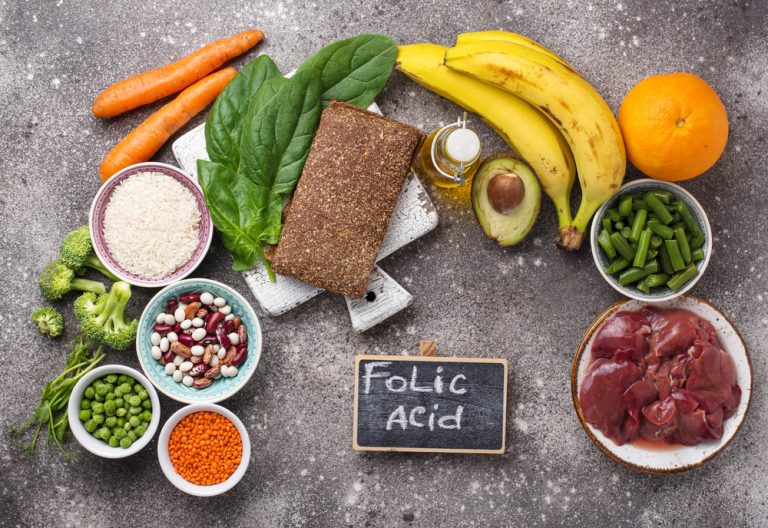
Folic acid in food

FOODAMOUNT
Folic Acid (mcg)
Chicken, liver
85g
660
Lentils
1 cup
358
Chickpeas
1 cup
282
Lima beans, baby
1 cup
273
Black beans
1 cup
256
Navy beans
1 cup
255
Kidney beans
1 cup
229
Beef, liver
85g
200
Asparagus, cooked
½ cup
132
Black-eyed peas
½ cup
123
Wheatgerm
¼ cup
82
Collard greens, cooked
½ cup
65
Avocado
½ medium
56
Spinach, raw
½ cup
54
Brussels sprouts, cooked
½ cup
47
Orange
1 medium
47
Beets, cooked
½ cup
45
Peanuts, dry roasted
28g
41
Broccoli, cooked
½ cup
39
Corn kernels
1 cup
38
Romaine lettuce
½ cup
38
Endive, raw
½ cup
36
Rockmelon (cantaloupe)
1 cup
27
Banana
1 medium
22
Bread, wholewheat
1 slice
14


Daily intake

Folic Acid recommended daily intake (RDI)

RDAlifestageageamount
INFANTS0-6mths
7-12mths
65mcg
80mcg
CHILDREN1-3yrs
4-8yrs
150mcg
200mcg
CHILDREN9-13yrs
14-18yrs
300mcg
400mcg
ADULTS19-50yrs400mcg
SENIORS51+yrs400mcg
PREGNANT600mcg
LACTATING500mcg
TOLERABLE UPPER LIMITlifestageageamount
INFANTS0-12mthsn/a*
CHILDREN1-3yrs
4-8yrs
300mcg
400mcg
CHILDREN9-13yrs
14-18yrs
600mcg
800mcg
ADULTS19-50yrs1000mcg
SENIORS51+yrs1000mcg
PREGNANT<18yrs
19-50yrs
800mcg
1000mcg
LACTATING<18yrs
19-50yrs
800mcg
1000mcg
TOXIC LEVELSEssentially non-toxic

The tolerable upper limits should only be taken for short periods and only under medical supervision.

* The tolerable upper limit for folic acid (folate) for infants aged 0-12 months has not yet been determined due to a lack of data about the adverse effects in this age group. The only source of folic acid (folate) intake should be from food (breast milk and/or baby formula).

Toxicity

Overdosage, toxicity and cautions for folic acid

Doses above 7150mcg/day can cause the following side-effects:

  • abdominal bloating
  • flatulence
  • hyperactivity
  • irritability
  • nausea
  • sleep disturbances
  • vivid dreams
  • weakness

Precautions

Precaution

Folic acid keeps the drug Phenytoin (Dilantin) and most other anti-convulsant medications (used for epilepsy) from working properly. People who take this drug should NOT take folic acid supplements.

Talk to a medical professional about folic acid supplements before taking them.

Interactions


References

References

  • Bazzano LA, He J, Ogden LG, et al. Dietary intake of folate and risk of stroke in US men and women: NHANES I Epidemiologic Follow-up Study. National Health and Nutrition Examination Survey. Stroke 2002;33(5):1183-1188
  • Butterworth CE Jr, Hatch KD, Macaluso M, et al. Folate deficiency and cervical dysplasia. JAMA. 1992;267(4):528-533
  • Cravo ML, Albuquerque CM, Salazar de Sousa L, et al. Microsatellite instability in non-neoplastic mucosa of patients with ulcerative colitis: effects of folate supplementation. Am J Gastroenterol. 1998;93:2060-2064
  • Honein MA, Paulozzi LJ, Mathews TJ, Erickson JD, Wong LYC. Impact of folic acid fortification of the US food supply on the occurrence of neural tube defects. JAMA. 2001;285(23):2981-2236
  • Lee BJ, et al. Folic acid and vitamin B12 are more effective than vitamin B6 in lowering fasting plasma homocysteine concentration in patients with coronary artery disease. EJCN 2004, Vol58 (3); 481-487
  • McMahon JA, Green TJ, Skeaff CM, et al. A controlled trial of homocysteine lowering and cognitive performance. N Engl J Med. 2006 Jun 29;354(26):2764-72
  • Office of Dietary Supplements USA – has the official USA RDI for all vitamins (these are also adopted by Australia), accessed 9 August 2005
  • Osiecki, Henry, The Nutrient Bible 2002, BioConcepts Publishing
  • Rohan TE, Jain MG, Howe GR, Miller AB. Dietary folate consumption and breast cancer risk [communication]. J Natl Cancer Inst. 2000;92(3):266-269
  • Sellers TA, Kushi LH, Cerhan JR, et al. Dietary folate intake, alcohol, and risk of breast cancer in a prospective study of postmenopausal women. Epidemiology. 2001;12(4):420-428
  • Taylor MJ, Carney SM, Goodwin GM, et al. Folate for depressive disorders: systematic review and meta-analysis of randomized controlled trials. J Psychopharmacol 2004;18(2):251-256

Last reviewed and updated: 9 May 2024

Evening primrose oil

Important evening primrose oil facts

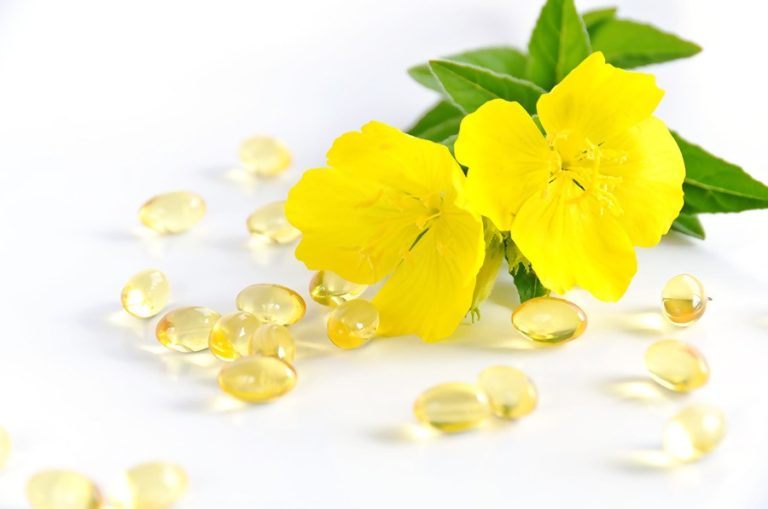
Evening primrose is a flowering plant that grows in the wild in Europe and North America, whose yellow flowers only open up at sunset.

The whole plant (including the flowers) as well as the root have been used for centuries for medicinal purposes.

The most potent part of the plant is the oil in the seeds of the flowers, which contains gamma-linolenic acid (GLA). GLA is an essential fatty acid that the body converts into prostaglandins, which are hormone-like substances that have many metabolic functions in the body. The GLA in evening primrose oil, when converted into prostaglandins acts as an anti-inflammatory.

GLA is also found in mother’s milk, some types of fish and spirulina. It is also found in borage seed oil and black currant seed oil, which actually have higher levels of GLA than evening primrose oil.

  • GLA is an omega-6 fatty acid
  • GLA is an important part of cell membranes
  • A deficiency of GLA can be a contributing factor of eczema
  • People on low-fat diets may be missing out on GLA and may be deficient in this very important nutrient
  • Although the body can manufacture its own GLA from fats/oil consumed, it is generally not enough and supplementation may be required for some people

Evening primrose oil and health

  • PMS – GLA in evening primrose oil may be helpful in relieving PMS symptoms, especially breast tenderness and swelling. GLA seems to work best if taken every day of the month together with Vitamin B6 (pyridoxine)
  • Diabetic neuropathy – one study showed significant reduction in pain, prevention of nerve damage, resulting in numbness and tingling and better blood flow in the extremities
  • Eczema – eczema usually occurs when the body cannot convert GLA from fat in the diet. Several studies have shown that people who took evening primrose oil for 3-4 months had alleviation of symptoms and took less drugs for their condition
  • Rheumatoid arthritis – in some studies, it has been shown that symptoms of joint pain and swelling improved in patients with this condition. GLA has an anti-inflammatory effect which is the reason most likely symptoms improved

People who wish to take an acidophilus supplement should talk to a medical professional BEFORE taking it.

Evening primrose oil recommended intake

Dosage of evening primrose oil depends on the condition that is being treated. A medical doctor and/or alternative health care provider can advise on individual cases – this information is provided as a guide only:

LifestageAgeAmount (per day)
INFANTS0-12mthsNot recommended
CHILDREN1-8yrsNot recommended
CHILDREN9-18yrsSeek medical advice before taking it
ADULTS19-50yrs1000mg 3 times a day
(equiv 240mg GLA)
SENIORS51+yrs1000mg 3 times a day
(equiv 240mg GLA)
PREGNANTSeek medical advice before taking it
LACTATINGSeek medical advice before taking it


Types of evening primrose oil supplements

Evening primrose oil is only found in one plant – evening primrose! Evening primrose oil supplementation is available in the following ways:

  • Soft gel capsules – liquid evening primrose oil is added to the capsules
  • Topical cream/gel – liquid evening primrose oil added to a cream or gel formula

Evening primrose oil supplementation checklist

  • Store in a cool, dry place away from light – preferably stored in the refrigerator
  • Look for a supplement with 10% total GLA
  • Take with meals to enhance absorption
  • Look for a supplement with added vitamin E – to ensure that the fatty acids in evening primrose oil are broken down and absorbed slowly

Evening primrose oil works best with

Overdosage, toxicity and cautions for evening primrose oil

No toxicity has been reported in healthy individuals but people with health problems should be careful with taking any supplements.

Pregnant women should not take borage oil supplements as there is a risk as they may induce early labour.

Cautions

People with any of the medical conditions listed below should discuss supplementation with a medical professional BEFORE taking evening primrose oil:

  • People with schizophrenia – should avoid taking any supplements with GLA as it could worsen their condition
  • People taking blood thinning medications – such as Coumadin or Warfarin should seek medical advice before taking a chondroitin supplement, as there may be bleeding complications – talk to a medical professional
  • People on anti-convulsant medication for epilepsy– are not recommended to take essential fatty acid supplements as GLA can induce seizures- talk to a medical professional
  • People with diabetes – should be cautious using fish oil supplements as they can raise blood glucose levels and lower insulin production – talk to a medical professional

Large amounts of evening primrose oil supplements (over 5gm/day) can cause blood to become dangerously thin and make bleeding happen more often.

References

  • Groff J L, Gropper SS, Hunt SM, Advanced Nutrition and Human Metabolism. West Publishing, USA, 1995
  • Horrobin DF. The role of essential fatty acids and prostaglandins in the premenstrual syndrome. J Reprod Med. 1983;28(7):465-468
  • Keen H, Payan J, AllawiJ, et al. Treatment of diabetic neuropathy with gamma-linolenic acid. The Gamma-Linolenic Acid Multicenter Trial Group. Diabetes Care. 1993;16(1):8-15
  • Shils ME, Olson JA, Shike M, Ross AC. Modern Nutrition in Health and Disease. 9th ed. Baltimore, Md: Williams & Wilkins; 1999:88-90, 1347-1348
  • Simopoulos AP. Essential fatty acids in health and chronic disease. Am J Clin Nutr. 1999;70(3 suppl):560S-569S

Last reviewed 21 December 2023

Choline

0

Facts

Why choline is good for you

Choline is one of the B vitamin co-factors. It helps the B vitamins function more effectively.

Choline is called the “brain food”. It is necessary to make neurotransmitters which are crucial for healthy brain function (acetylcholine). It helps to make the fatty membranes of the brain cells (phospholipid). Choline works closely with vitamin H (biotin) and inositol as well as all the B vitamins to turn foods eaten into energy for the body.

Choline moves fats from the liver by metabolising them. Choline keeps fats from building up in the liver, thus preventing a “fatty liver”.

Important choline facts

  • Choline isn’t a B vitamin, but it is a vital nutrient and B vitamin co-factor
  • Choline must be obtained in the diet as the body cannot create enough of its own as it is needed for good health
  • Choline works in complicated ways with folic acid and cyanocobalamin (vitamin B12) to make them work more effectively
  • Some choline is found in all animal and plant foods, but the best sources are from foods that contain lecithin
  • Choline is involved in a broad range of critical bodily functions across all stages in all age groups
  • Adequate choline intake, to at least the recommended daily intake is required for a healthy liver function

Choline works best with

Health

Choline and health

  • Help for Alzheimer’s disease – people with Alzheimer’s Disease usually have low levels of acetylcholine, so there has been a great deal of research about choline and phosphatidylcholine, to determine how useful choline may be in in curing or preventing Alzheimer’s Disease
  • Cardiovascular disease – research indicates that even moderately elevated levels of homocysteine in the blood increases the risk of heart disease. Choline assists in the conversion of homocysteine to methionine, a harmless (actually a very beneficial) amino acid, that is not a threat to heart health
  • Cancer – in a study of rats, choline deficiency appeared to be associated with a higher degree of spontaneous liver cancer and increased sensitivity to carcinogenic chemicals. This could be most likely due to choline deficiency causing liver damage and increasing the likelihood of DNA damage through high homocysteine levels
  • Cognitive functioning – studies show that eating foods rich in choline very early in life, diminished the severity of memory problems in aged rats
  • Fatty liver disease – some studies show that there is a deficiency of choline in people with non-alcoholic fatty liver disease

Talk to a medical professional about choline supplements before taking them.

Deficiency

Groups at risk of choline deficiency

There are none reported.

Symptoms of choline deficiency

Deficiency of choline creates a condition called “fatty liver”, where fat stores on the liver are increased and the liver does not work efficiently as it gets damaged from the fat stores.

Deficiency of choline, while it can occur, is very rare, as most people get enough choline in their diet.

Food sources

Choline in food

FOODAMOUNT
Choline (mg)
Egg yolk, raw
1 cup
682.4
Beef liver, pan fried
100g
418.3
Veal liver, pan fried
100g
411.0
Beef liver, raw
100g
333.2
Veal liver, raw
100g
309.9
Chicken liver, pan fried
100g
308.5
Whole egg, raw
100g
251.0
Chicken liver, raw
100g
194.5
Bacon, pan fried
100g
130.8
Bacon, baked
100g
119.3
Beef patty (95% lean), cooked
100g
85.4
Atlantic cod, cooked
100g
83.7
Pork loin chops, raw
100g
80.1
Chicken, meat only, roasted
100g
78.7
Pistachio nuts, dry roasted, salted
100g
71.5
Chicken, meat and skin, roasted
100g
65.9
Chicken, meat only, raw
100g
65.6
Cashews, dry roasted, salted
100g
61.0
Chicken, meat and skin, raw
100g
59.7
Pork sausage, raw
100g
53.0
Almonds
100g
52.0
Kellogg’s All Bran cereal
100g
49.4
Navy beans, cooked without salt
100g
44.8
Brussels sprouts, cooked without salt
100g
40.7
Cauliflower, cooked without salt
100g
39.1
Wheatbran, crude
50g
37.8
Artichokes, cooked without salt
100g
34.4
Milk, whole (3.5% fat)
1 cup
28.4

Daily intake

Choline recommended daily intake (RDI)

RDAlifestageageamount
INFANTS0-6mths
7-12mths
125mg
150mg
CHILDREN1-3yrs
4-8yrs
200mg
250mg
CHILDREN9-13yrs
male: 14-18yrs
female: 14-18yrs
375mg
550mg
400mg
ADULTSmale: 19-50yrs
female: 19-50yrs
550mg
425mg
SENIORSmale: 51+yrs
female: 51+yrs
550mg
425mg
PREGNANT450mg
LACTATING550mg
TOLERABLE UPPER LIMITlifestageageamounT
INFANTS0-12mthsn/a*
CHILDREN1-8yrs1000mg
CHILDREN9-13yrs
14-18yrs
2000mg
3000mg
ADULTS19-50yrs3500mg
SENIORS51+yrs3500mg
PREGNANT<18yrs
19-50yrs
3000mg
3500mg
LACTATING<18yrs
19-50yrs
3000mg
3500mg
TOXIC LEVELSRelatively non-toxic, but some toxicity symptoms can occur at supplement levels greater than 5-10g (5000-1000mg)

The tolerable upper limits should only be taken for short periods and only under medical supervision.

* The tolerable upper limit for choline for infants aged 0-12 months has not yet been determined due to a lack of data about the adverse effects in this age group. The only source of choline intake should be from food (breast milk and/or baby formula).

Toxicity

Overdosage, toxicity and cautions for choline

Choline is a relative non-toxic vitamin, except at exceedingly high doses.

Side effects at very high doses (above 10g) are:

  • depression
  • diarrhoea
  • dizziness
  • nausea
  • salivation and
  • a fishy smell

Precautions

Precautions

  • People with bipolar disorder and depression – should not use lecithin as it may worse then depressive stage of the illnesses
  • People with any psychiatric condition – should get medical advice before taking lecithin

Interactions

References

References

  • Davies RA, et al. Hepatic oval cell response to the choline-deficient, methionine supplemented model of murine liver injury is attenuated by the administration of a cyclo-oxygenase 2 inhibitor. Carcinogenesis 2006,
  • Food and Nutrition Board, Institute of Medicine. Pantothenic acid. Dietary Reference Intakes: Thiamin, Riboflavin, Niacin, Vitamin B-6, Vitamin B-12, Pantothenic Acid, Biotin, and Choline. Washington, D.C.: National Academy Press; 1998:357-373
  • Mellot TJ, et al. Prenatal choline availability modulates hippocampal and cerebral cortical gene expression. FASEB J. 2007 Jan 30;
  • Office of Dietary Supplements USA – has the official USA RDI for all vitamins (these are also adopted by Australia), accessed 9 August 2005
  • Osiecki, Henry, The Nutrient Bible 2002, BioConcepts Publishing
  • Tedeschi D, et al. Increased choline signal coinciding with malignant degeneration of cerebral gliomas: a serial proton magnetic resonance spectroscopy imaging study. Neurosurg Focsus 3 (5):Article 1, 1997
  • Zeisel S – University of North Carolina. UNC research team identifies gene variant indicating women who need more choline in diet. News Release 499, October 2005. Accessed 9 October 2005

Last reviewed and updated: 9 May 2024

Bioflavonoids

0

Facts

Why bioflavonoids are good for you

Bioflavonoids (also called flavonoids), and are the substances that give fruits and vegetables their bright beautiful orange-yellow colours.

Bioflavonoids are powerful antioxidants.

Bioflavonoids not only help to get rid of the free radicals, they also increase the action of other antioxidant nutrients.

The immune system requires a lot of bioflavonoids to help run it at peak levels.

Bioflavonoids act together with vitamin C to help maintain the thin walls of the capillaries, therefore preventing excessive bleeding or bruising. Bioflavonoids have been linked to having an antibacterial effect, stimulating bile production, promoting circulation and even assisting with fighting allergiesallergic rhinitis (hay fever) and asthma. Bioflavonoids also help with lowering blood cholesterol levels and in the prevention and treatment of cataracts.

The main bioflavonoids are: Citrin, Hesperidin, Rutin and Quercetin.

Important bioflavonoids facts

  • Bioflavonoids enhance the action of vitamin C and should be taken together
  • Bioflavonoids in fruits and vegetables are not destroyed by cooking
  • Lightly cooking vegetables (and fruits) actually helps to make the bioflavonoids in them easier to absorb
  • As many of the bioflavonoids are in the skin of fruit and vegetables, they should not be peeled
  • Absorption of the bioflavonoids can be a bit slow, but small amounts can be stored in the body
  • People suffering from cold sores, should consider taking an initial supplement of 1,000-mg of both Vitamin C and bioflavonoids as well as lysine (the amino acid which reduces the virus that causes cold sores), and then 500 mg of each, three times a day. A daily intake of Vitamin C and bioflavonoids may susceptibility to cold sores lessen
  • Bioflavonoids are found in the white material just beneath citrus peel, as well as in peppers, grapes, pine bark, onions, garlic, blue and red berries, green tea as well as buckwheat

Bioflavonoids work best with

Health

Bioflavonoids and health

  • Enhancing the immune system – the immune system helps fight infection. Bioflavonoids enhances the immune system – it helps it fight infection more effectively
  • Healing wounds and recovering from surgery – to help initiate faster healing and fight off infections, bioflavonoids level need to be high
  • Allergies and asthma – bioflavonoids are a natural
    anti-histamine. Bioflavonoids prevent the immune system from making high levels of histamines and also helps the body remove the histamine out of bloodstream faster. Bioflavonoids are even more effective for asthma if some magnesium is also supplemented at the same time
  • Lowering cholesterol levels – studies show that people with high levels of bioflavonoids and Vitamin C have lower total cholesterol levels.
  • Lowering blood pressure – numerous studies show that people with high levels of Vitamin C and bioflavonoids have blood pressure readings that are slightly lower than people with low levels of Vitamin C and bioflavonoids.

Talk to a medical professional about bioflavonoid supplements before taking them.

Deficiency

Groups at risk of bioflavonoids deficiency

  • Smokers – cigarette smoke breaks down bioflavonoids and Vitamin C quickly and extra is required to combat the damage smoking does to cells (studies show people exposed to passive smoking also need extra bioflavonoids and Vitamin C)
  • The elderly – older people may need more bioflavonoids and Vitamin C in general, especially if they take drugs that interfere with bioflavonoid and Vitamin C absorption
  • Pregnant or breastfeeding women – much of the nutrients eaten are passed onto the child and extra may be needed each day to top up supplies of bioflavonoids and Vitamin C.
  • Allergies and asthma – fighting allergic reactions and asthma attacks use up a lot of the bioflavonoid and Vitamin C reserves, so extra may be required
  • Just after surgery – bioflavonoids and Vitamin C helps heal wounds and fights infections
  • Diabetes – bioflavonoids and Vitamin C don’t get into the cells of diabetics very well, so extra may be required
  • Chronic or acute infections/illnesses – the immune system needs plenty of bioflavonoids and Vitamin C when it is in high gear fighting off illness
  • Under major stress – when under stress, the body’s systems go into overdrive and use up bioflavonoids and Vitamin C extra fast so need to be replenished quickly
  • Aspirin, birth control pills, antibiotics and other prescription drugs – these drugs either block bioflavonoids from being absorbed in the body or break it down too quickly
  • Alcoholics – absorb less of some of the bioflavonoids and Vitamin C and may also not eat properly too

Talk to a medical professional about bioflavonoid supplements before taking them.

Symptoms of bioflavonoids deficiency

If the diet contains enough fruit and vegetables, then there should be no deficiency in the bioflavonoids.

The symptoms of any type of bioflavonoid deficiency would be:

  • Bruising easily
  • Not healing quickly from injuries and wounds

Food sources

Bioflavonoids in food

FOODAMOUNT
Bioflavonoids
(mcg)
Cranberries
1 cup
13.0
Cranberry juice
1 cup
13.0
Tea (not herbal)
1 cup
7.2
Tomato juice
1 cup
7.2
Apples
1 medium
4.2
Applesauce
1 cup
4.2
Strawberries
1 cup
4.2
Broccoli
1 cup
4.2
Onions
1 cup
3.0
Red wine
1 glass
3.0


Bioflavonoids recommended daily intake (RDI)

RDA30mg
TOLERABLE UPPER LIMIT600-3000mg
TOXIC LEVELSessentially non-toxic to humans

The tolerable upper limits should only be taken for short periods and only under medical supervision.

Toxicity

Overdosage, toxicity and cautions for bioflavonoids

Very high dosages of bioflavonoids may cause diarrhoea.

Bioflavonoids are essentially non-toxic.

Precautions


Interactions


References

References

  • Ahlenstiel T, et al. Bioflavonoids attenuate renal proximal tubular cell injury during cold preservation in Euro-Collins and University of Wisconsin solutions. Kidney International 63, 554 – 563 (31 Jan 2003)
  • Caltagirone S, Rossi C, Poggi A, et al. Flavonoids apigenin and quercetin inhibit melanoma growth and metastatic potential. Int J Cancer, 2000 (Aug) 15;87(4):595-600
  • Iwashita K, Kobori M, Yamaki K, Tsushida. Flavonoids Inhibit Cell Growth and Induce Apoptosis in B16 Melanoma 4A5 Cells. Biosci Biotechnical Biochem, 2000 (Sep), 64(9): 1813-1820
  • Miller AL. Antioxidant Flavonoids: Structure, Function and Clinical Usage. Alternative Medicine Review 1996 (Jul), 1(2): 103-111
  • Office of Dietary Supplements USA – has the official USA RDI for all vitamins (these are also adopted by Australia), accessed 9 August 2005
  • Osiecki, Henry, The Nutrient Bible 2002, BioConcepts Publishing
  • Preuss HG, Chromium, Zinc and Grape Seed Extract (Flavonoids) Can Overcome Age-Related Increases in SBP of Normotensive Rats, 38th Annual Meeting of the American College of Nutrition, New York City, NY, September 26-28, 1997
  • Wenisch C, Biffignandi PM. Effect of Bioflavonoids (Trihydroxyethylrutin and Disodium Flavodate) in vitro on Neutrophil Reactive Oxygen Production and Phagocytic Ability Assessed by Flow Cytometry. Current Medical Research and Opinion 2001 (Aug) 17(2): 123-127

Last reviewed and updated: 9 May 2024

Vitamin B12 (cyanocobalamin)

0

Facts

Why vitamin B12 (cyanocobalamin) is good for you

Vitamin B12 (cyanocobalamin) helps to make healthy red blood cells. If not enough cyanocobalamin foods are consumed, not enough red blood cells can be made and the ones that are created are too large and fragile to function properly. When there are not enough healthy red blood cells to carry oxygen and nutrients around the body, anaemia develops.

All the cells in the body need cyanocobalamin to grow and divide properly. Vitamin B12 (cyanocobalamin) is required to make all the different cells in the immune system, including white blood cells.

Vitamin B12 (cyanocobalamin) is the only B vitamin the body actually stores, mostly in the liver. The body absorbs vitamin B12 (cyanocobalamin) through digestive enzymes in the stomach, then binding with a substance called intrinsic factor after which it goes to the small intestine to be absorbed.

Vitamin B12 (cyanocobalamin) has another important role – to make the protective fatty layer, or sheath, that lines nerve cells – like insulation on electric wires, called the myelin sheath. If the nerve sheath is damaged and there is a lack of vitamin B12 (cyanocobalamin), mental function can be adversely affected.

Important vitamin B12 (cyanocobalamin) facts

  • Folic acid needs vitamin B12 (cyanocobalamin) to work properly, so it is important to be sure to get all the B Vitamins from food
  • Vitamin B12 (cyanocobalamin) is helped by all the other B vitamins and by calcium
  • Vitamin B12 (cyanocobalamin) is hindered by folic acidiron and Vitamin E deficiency and from large doses of Vitamin C

Vitamin B12 (cyanocobalamin) works best with

Health

Vitamin B12 (cyanocobalamin) and health

  • Lowering cholesterol – the latest research suggests that vitamin B12 (cyanocobalamin) may help to lower overall cholesterol and triglycerides – if they are high to begin with
  • Pentathletes – vitamin B12 (cyanocobalamin) may help elite athletes, such as Olympians improve their performance just a little

Talk to a medical professional about vitamin B12 (cyanocobalamin) supplements before taking them.

Deficiency

Groups at risk of vitamin B12 (cyanocobalamin) deficiency

Generally, most people under 50 get enough vitamin B12 (cyanocobalamin) from their diet, but older adults and some other groups are at risk for deficiency:

  • Strict vegetarians or vegans – since vitamin B12 (cyanocobalamin) is found naturally only in animal foods a deficiency may occur in vegetarians and vegans without supplementation
  • People over 50 years – ageing causing less intrinsic factor to be naturally made (some people stop making it altogether) and less vitamin B12 (cyanocobalamin) may be absorbed
  • Pregnant and breastfeeding women – much of the nutrients in the foods eaten are passed onto the baby, so more vitamin b12 (cyanocobalamin) may be required
  • Smokers – smokers are usually low on all the B vitamins, including vitamin B12 (cyanocobalamin)
  • People taking Omeprazole (Prilosec, Losec) – this drug interferes with vitamin B12 (cyanocobalamin) absorption
  • People taking potassium supplements – these supplements can interfere with absorption of vitamin B12 (cyanocobalamin)
  • People who have had a partial stomach removal – may not be making enough intrinsic factor in what is left of the stomach.

Talk to a medical professional about vitamin B12 (cyanocobalamin) supplements before taking them.

Symptoms of vitamin B12 (cyanocobalamin) deficiency

The most obvious symptom of vitamin B12 (cyanocobalamin) deficiency is anaemia – from a lack of healthy red blood cells. Anaemia caused by a shortage of vitamin B12 (cyanocobalamin) in the diet is called megaloblastic anaemia; when it comes from a lack of intrinsic factor (a special substance in the stomach to help absorb vitamin B12), it is called pernicious anaemia. The causes are different, but the result are the same – there are not enough red blood cells and the ones that are there, are too big and fragile to survive long.

Early symptoms of Vitamin B12 deficiency

  • tingling or “pins and needles” sensation in the hands and feet
  • numbness in the hands and feet
  • moodiness
  • depression
  • trouble sleeping
  • memory loss
  • dizziness and loss of balance
  • dementia

These symptoms can develop slowly and even when blood tests show that vitamin B12 (cyanocobalamin) levels are “normal”. In the elderly, the above symptoms can be mistaken for senility.

The damage from vitamin B12 (cyanocobalamin) deficiency could be permanent if it is not fixed quickly.

Food sources

Vitamin B12 (cyanocobalamin) in food

FOODAMOUNT
Vitamin B12 (mcg)
Clams, steamed
85g
84.06
Beef, liver
85g
68.00
Chicken, liver
85g
16.6
Pate de foie gras
85g
2.66
Tuna, canned, light, in water
230g
2.66
Liverwurst
1 slice
2.42
Flounder
85g
2.13
Beef, mince
85g
2.10
Cottage cheese, low fat
1 cup
1.43
Yoghurt, low fat
1 cup
1.28
Milk, low fat
1 cup
0.90
Egg
1 large
0.56
Cheese, Swiss
28g
0.48
Chicken, drumstick
1 medium
0.35
Cheese, Cheddar
28g
0.23


Daily intake

Vitamin B12 (cyanocobalamin) recommended daily intake (RDI)

RDAlifestageageamount
INFANTS0-6mths
7-12mths
0.4mcg
0.5mcg
CHILDREN1-3yrs
4-8yrs
0.9mcg
1.2mcg
CHILDREN9-13yrs
14-18yrs
1.8mcg
2.4mcg
ADULTS19-50yrs2.4mcg
SENIORS51+yrs2.4mcg
PREGNANT2.6mcg
LACTATING2.8mcg
TOLERABLE UPPER LIMIT
None established
TOXIC LEVELSEssentially non-toxic

The tolerable upper limits should only be taken for short periods and only under medical supervision.

Toxicity

Overdosage, toxicity and cautions for vitamin B12 (cyanocobalamin)

Vitamin B12 (cyanocobalamin) has very low toxicity in normal, otherwise healthy adults. It is virtually impossible to overdose on vitamin B12 (cyanocobalamin) as any excess is normally excreted in the urine.

Precautions

Precautions

Large doses of vitamin C can destroy vitamin B12 (cyanocobalamin) – take these supplements at least an hour apart, not at the same time.

Interactions

Interactions


References

References

  • Bottiglieri T. Folate, vitamin B12, and neuropsychiatric disorders. Nutrition Rev. 1996;54(12):382-390
  • Carmel R. Cobalamin, the stomach and aging. Am J Clin Nutr. 1997;66(4):750-759
  • Food and Nutrition Board, Institute of Medicine. Pantothenic acid. Dietary Reference Intakes: Thiamin, Riboflavin, Niacin, Vitamin B-6, Vitamin B-12, Pantothenic Acid, Biotin, and Choline. Washington, D.C.: National Academy Press; 1998:357-373
  • Kirke PN, et al. Maternal plasma folate and vitamin B12 are independent risk factors for neural tube defects. Q J Med 1993; 86: 703-708
  • Lee BJ, et al. Folic acid and vitamin B12 are more effective than vitamin B6 in lowering fasting plasma homocysteine concentration in patients with coronary artery disease. EJCN 2004, Vol58 (3); 481-487
  • Office of Dietary Supplements USA – has the official USA RDI for all vitamins (these are also adopted by Australia), accessed 9 August 2005
  • Osiecki, Henry, The Nutrient Bible 2002, BioConcepts Publishing
  • Wang HX. Vitamin B12 and folate in relation to the development of Alzheimer’s disease. Neurology. 2001;56:1188-1194

Last reviewed and updated: 9 May 2024