Garlic

Facts

Important garlic facts

Garlic is a plant food that has been valued for its therapeutic effects for thousands of years. It has been used for its antibacterial and wound healing properties.

A fresh garlic clove (that has not been crushed or cut) contains an odourless sulphur compound called. When garlic is cut or crushed, another sulphur compound, allicin is released. Allicin is then broken down very quickly into other sulphur compounds that are responsible for all the health benefits of garlic.

Garlic is part of the Allium family and is closely related to the onion, chives, shallots and the leek.

  • The active component in garlic is called allicin which is activated when garlic is crushed
  • While the whole plant is beneficial, the bulb contains the most flavour and healing effects
  • Cooking garlic can break down and destroy some of the allicin therefore reducing some of garlic’s therapeutic effects
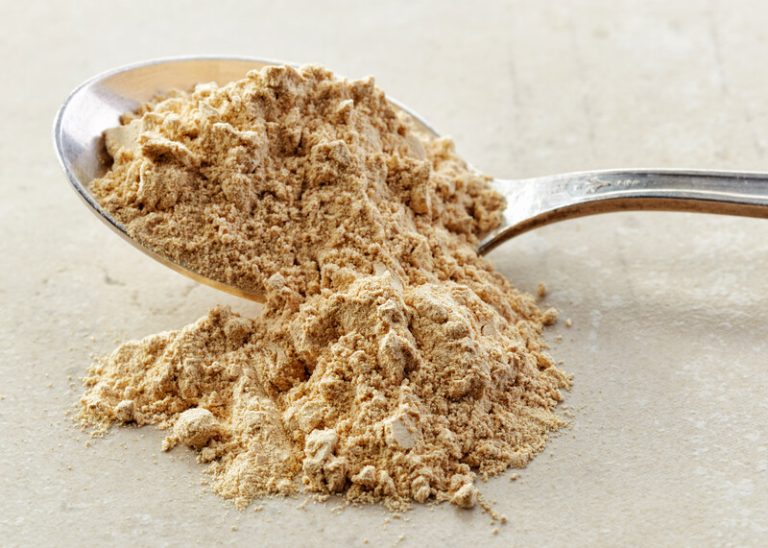
  • Garlic powder may be the most effective form of supplementation due to the way it has been processed – leaving much more of the allicin available when ingested
  • Garlic has excellent (and proven) anti-bacterial, anti-viral and anti-fungal properties
  • In ancient times, people who ate garlic seemed to have more resistance to disease
  • The botanical name of garlic is allium sativum

Garlic works best with

References

Garlic and health

  • Heart disease – garlic prevents the blood cells required to clot blood (platelets) from sticking to each other and from sticking to artery walls, thus preventing artery blockages. Another effect of clotting prevention is protection against strokes and coronary thrombosis (blood clots within coronary artery)
  • Cholesterol – there is evidence, in numerous studies, that garlic lowers blood levels of harmful fats – triglycerides and “bad” (LDL) cholesterol, as well as raising the levels of “good” (HDL) cholesterol. Other studies have shown that garlic prevents LDL cholesterol from being oxidised, thereby preventing LDL from sticking to artery walls and causing heart problems
  • High blood pressure – garlic acts as a vasodilator, by widening the blood vessels and lowering blood pressure
  • Cancer – a study by the National Cancer Institute has shown that people that have a diet high in garlic, onions and other plants from the allium family have lower rates of stomach cancer than those that do not consume as much of these foods. Other studies have shown garlic is effective on other types of cancers
  • The immune system – garlic contains sulphur compounds which act against bacteria and prevent infection by enhancing the actions of the immune system. In various studies, garlic has been shown to be effective against the following microbes: Candida albicans, Cryptococca meningitis, Streptococcus and Staphyloccocus. The allicin in garlic blocks the enzymes that allow organisms to invade and damage body tissues

People who wish to take an garlic supplement should talk to a medical professional before taking it.

Deficiency

Deficiency


Food sources

Garlic food sources


Supplements

Types of garlic supplements

Garlic is only available in the one food – garlic! Garlic supplementation is available in the following ways:

  • Tablet – freeze-dried garlic powder is compressed and formed into a tablet
  • Capsule – are filled with garlic oil liquid extracts
  • Soft gel – soft gelatin capsules are filled with liquid garlic oil
  • Dried – fresh garlic is freeze-dried
  • Powder – freeze-dried garlic is crushed and made into a powder
  • Fresh bulbs – the whole bulb can be eaten raw for best effect or cooked with food

All forms of garlic supplements have an odourless variety, as garlic has a pungent aroma that remains long after it has been eaten or ingested as a supplement, especially the oil.

Some garlic supplements contain parsley oil, renowned to mask the odour of garlic.

Garlic supplementation checklist

  • For a no-odour garlic supplement, choose the odourless variety
  • Check the dosage of allicin: there should be at least 4000mcg (4g) of allicin in the supplement, which is about the same as the amount of allicin found in one clove of garlic
  • For better masking of the pungent odour of garlic, choose an odourless supplement and/or one which contains parsley oil

Dosage

Garlic recommended dosage

Dosage of garlic depends on the condition that is being treated. A medical doctor and/or alternative health care provider can advise on individual cases – this information is provided as a guide only:

LifestageAgeAmount (per day)
INFANTS0-12mthsNot recommended
CHILDREN1-8yrsNot recommended
CHILDREN9-18yrsSeek medical advice before taking it
ADULTS19-50yrs1-3 tablets, 3 times a day or
fresh cloves
SENIORS51+yrs1-3 tablets, 3 times a day or
fresh cloves
PREGNANTNot recommended
LACTATINGSeek medical advice before taking it


Toxicity

Overdosage, toxicity and cautions for garlic

The following gastrointestinal problems can occur for some people taking high doses of garlic supplements or even eating large amounts of fresh garlic:

  • heartburn
  • intestinal gas
  • nausea
  • diarrhoea
  • skin rashes (rare)

Enteric coated tablets may reduce the above side effects in some people.

People experiencing any types of side effects or problems with garlic supplements or even with fresh garlic are advised to reduce the dose or stop supplementation.

Precautions

Precautions

  • People having surgery – garlic supplements should be avoided two weeks prior to and one week after any surgery due to possible complications with bleeding. The anti-clotting properties of garlic can prolong bleeding
  • People taking warfarin – garlic may increase the risk of bleeding in people taking Warfarin
  • People taking saquinavir – garlic supplements have been shown to impede HIV/AIDS medication. Studies have shown the garlic supplements can reduce the blood levels of the medication Saquinavir, thus making the medication ineffective
  • People on certain medications – garlic may inhibit or nullify some medications, seek medical advice prior to taking garlic supplements
  • People with medical conditions – garlic’s anti-clotting properties may be a problem for some people, seek medical advice prior to taking garlic supplements
  • People with stomach conditions – people with ulcers or other stomach conditions such as gastritis, should be cautious when taking garlic supplements as the garlic could cause further irritation

Interactions

Interactions


References

References

  • Groff J L, Gropper SS, Hunt SM, Advanced Nutrition and Human Metabolism. West Publishing, USA, 1995
  • Piscitelli S C, Burstein A H, Welden N, Gallicano K D, Falloon J. The Effect of Garlic Supplements on the Pharmacokinetics of Saquinavir, University of Chicago Press Journal of Clinical Infectious Diseases, Dec 2001
  • Bianchini F and Vainio H. Allium Vegetables and Organosulfur Compounds: Do They Help Prevent Cancer? Environmental Health Perspectives Volume 109, Number 9, September 2001
  • Garlic: Effects on Cardiovascular Risks and Disease, Protective Effects Against Cancer, and Clinical Adverse Effects. Summary, Evidence Report/Technology Assessment: Number 20. Agency for Healthcare Research and Quality (AHRQ) Publication No. 01-E022, October 2000

Last reviewed and updated: 6 May 2024

Vitamin D improves lung function

Higher concentrations of Vitamin D in the body appears to improve lung function.

A study in the December issue of CHEST, the peer-reviewed journal of the American College of Chest Physicians (ACCP), showed that patients with higher levels of vitamin D had significantly better lung function, compared with patients with lower concentrations of vitamin D.

The research was done through the Department of Medicine, University of Auckland and led by Peter Black.

Peter Black said, “Low levels of vitamin D have been associated with osteoporosis, hypertension, diabetes, and cancer. Our research shows that vitamin D may also have a strong influence on lung health, with greater levels of vitamin D associated with greater and more positive effects on lung function.”

The researchers looked at the relationship between lung function and levels of vitamin D of a group patients aged over 20 years.

“The difference in lung function between the highest and lowest quintiles of vitamin D is substantial and greater than the difference between former and nonsmokers,” said Dr. Black. “Although there is a definite relationship between lung function and vitamin D, it is unclear if increases in vitamin D through supplements or dietary intake will actually improve lung function in patients with chronic respiratory diseases.”

Vitamin D would be a relatively simple, low-cost intervention that would likely have high compliance to prevent or slow loss of lung function in susceptible subgroups. However, further studies examining the relationship between vitamin D and lung function are warranted to identify who may benefit from such an intervention,” said author of the study’s corresponding editorial Rosalind Wright, MD, MPH, Channing Laboratory, Department of Medicine, Brigham and Women’s Hospital, Harvard Medical School, Boston, MA.

“Chronic lung conditions compromise quality of life for millions of people in the United States and around the world,” said W. Michael Alberts, MD, FCCP, President of the American College of Chest Physicians. “By understanding the effect that vitamins have on lung function, we may be able to identify new and more effective treatments for these debilitating diseases.”

Fish oil

Facts

Important fish oil facts

Fish oil is full the important omega-3 essential fatty acids EPA (eicosapentaenoic acid) and DHA (docosahexaenoic acid).

The human body needs essential fatty acids for normal growth, maintenance of cell membranes, to ensure the immune system is working well and to balance the body’s hormone levels to a normal level.

The main functions of omega 3 fatty acids are to decrease LDL cholesterol levels, regulating inflammatory prostaglandin formation, decrease fibrinogen and thrombin levels and reduce platelet aggregation and blood viscosity.

  • Long terms use of fish oil can deplete vitamin E stores and cause a deficiency of vitamin E, so these two supplements should be taken together
  • The body is not capable of producing omega-3 fatty acids so they must be taken in the diet
  • Oily fish such as salmon and mackerel are great sources of omega 3 fatty acids

Fish oil works best with

Health

Fish oil and health

  • Heart health – several studies show that men who eat fish several times a week have less heart disease than men who don’t eat fish regularly. Other studies show that fish oil supplements can help prevent sudden death from heart rhythm problems. Fish oil supplements may also prevent blood clots from blocking the arteries leading to the heart
  • Fat levels – taking fish oil supplements can lower triglycerides level if they are too high, but conversely it may increase LDL (bad) cholesterol levels
  • Crohn’s disease – several studies have shown that fish oil supplements can be very helpful for keeping Crohn’s disease under control
  • Rheumatoid arthritis – several studies have shown that some patients found relief from taking omega-3 fatty acids to relieve pain and inflammation in this condition
  • Depression – people with a deficiency of omega-3 fatty acids or who have an imbalance of omega-3 fatty acids to omega-6 fatty acids have been shown to be at a higher risk for depression. Studies have shown omega-3 fatty acid supplementation helps to improve brain activity and reduce symptoms of depression

People who wish to take an fish oil supplement should talk to a medical professional before taking it.

Deficiency

Deficiency


Food sources

Fish oil (omega-3) in foods

FOODAMOUNTOmega-3 (mg)
Salmon, canned Chinook1 Can3000
Sardines1 Can2900
Mackerel1 Fillet2200-2600
Tuna, canned1 Can1500-1700
Salmon, sockeye1 Fillet1300
Bluefish1 Fillet1200
Trout1 Fillet1100-2000
Herring1 Fillet1100-1700
Mullet1 Fillet1100
Salmon, pink1 Fillet1000-1900
Bass1 Fillet600
Catfish1 Fillet600
Crab, Alaska King1 Fillet600
Shrimp1 Fillet300-400
Flounder1 Fillet300
Swordfish1 Fillet200


Supplements

Types of fish oil supplements

Fish oil supplementation is available in the following ways:

  • Liquid – sometimes fish oil is available in the pure oil form, but is usually flavoured as it is not very pleasant tasting
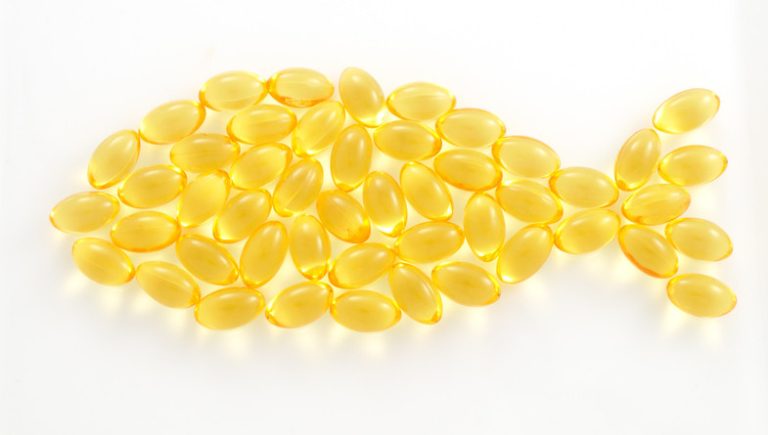
  • Soft gel capsules – liquid fish oil is added to the capsules

Fish oil supplementation checklist

  • Check expiration date
  • Look for a supplement that has both EPA and DHA in it
  • Light, air, excessive storage times and processing destroy essential fatty acids – store in the refrigerator

Dosage

Fish oil recommended dosage

Dosage of fish oil depends on the condition that is being treated. A medical doctor and/or alternative health care provider can advise on individual cases – this information is provided as a guide only:

LifestageAgeAmount (per day)
INFANTS0-12mthsSeek medical advice before taking it
CHILDREN1-8yrsSeek medical advice before taking it
CHILDREN9-18yrsSeek medical advice before taking it
ADULTS19-50yrs1g fish oil 3 times a day
(equiv to 0.3-0.5g of EPA & DHA)
SENIORS51+yrs1g fish oil 3 times a day
(equiv to 0.3-0.5g of EPA & DHA)
PREGNANTSeek medical advice before taking it
LACTATINGNSeek medical advice before taking it


Toxicity

Overdosage, toxicity and cautions for fish oil

No toxicity has been reported in healthy individuals but people with health problems should be careful with taking any supplements.

Precautions

Precautions

People with any of the medical conditions listed below should discuss supplementation with a medical profession BEFORE taking fish oil:

  • People taking blood thinning medications – such as Coumadin or Warfarin should seek medical advice before taking a fish oil supplement, as there may be bleeding complications – talk to a medical professional
  • People on anti-convulsant medication for epilepsy – are NOT recommended to take essential fatty acid supplements – talk to a medical professional
  • People with Diabetes – should be cautious using fish oil supplements as they can raise blood sugar levels and lower insulin production – talk to a medical professional

Large amounts of fish oil supplements (over 5gm/day) can cause blood to become dangerously thin and make bleeding happen more often and more profusely when it does occur.

Interactions

Interactions


References

References

  • Ingeborg A B, et al. Effect of Fish Oil on Ventricular Tachyarrhythmia and Death in Patients With Implantable Cardioverter Defibrillators: The Study on Omega-3 Fatty Acids and Ventricular Arrhythmia (SOFA) Randomized Trial. JAMA, June 14, 2006; 295: 2613 – 2619
  • Mozaffarian D, Rimm EB. Fish Intake, Contaminants, and Human Health: Evaluating the Risks and the Benefits. JAMA, October 18, 2006; 296: 1885-1899
  • Sanders TA, Hinds A. The influence of a fish oil high in docosahexaenoic acid on plasma lipoprotein and vitamin E concentrations and haemostatic function in healthy male volunteers. Br J Nutr. 1992;68(1):163-173
  • Yosefy C, Viskoper JR, Laszt A, Priluk R, Guita E, Varon D, et al. The effect of fish oil on hypertension, plasma lipids and hemostasis in hypertensive, obese, dyslipidemic patients with and without diabetes mellitus. Prostaglandins Leukot Essential Fatty Acids. 1999;61(2):83-87

Last reviewed and updated: 6 May 2024
Reduce stress and live longer

Reducing well known health risk factors like stress, could add years to life expectancy

There are several ways that the effects of stress can be reduced, whether it be the the effects of stress from work, life, partners or illness.

Some forms of stress is good for us – if we feel a little worried about our next project, that may spur us on to make it a brilliant one. This type of worry is not the nail-biting, freaking out about it every minute of the day. It is basically about thinking how best to handle something so that it reflects in the best way possible for us. Thinking about it, deciding how it will be done, and once it has been completed, letting it go. Not worrying about it any more.

When a person is in a constant state of worry and fear about anything and everything, there is no positivity for them to anchor to, and they feel overwhelmed and stressed. Too much stress can lead to health problem being aggravated or leading to health problems starting in the first place (studies are now starting to prove this – stress can make us ill!).

Stress can only affect us adversely if we do not have strategies on how to deal with it effectively.

Affirmations

Some positive affirmation to think about:

  • If the worst happens, I’ll deal with it
  • I can deal with anything
  • Everything will work out ok in the end

There are many books on self-help available, which you can read. Good ones are by Louise L Hay and Shakti Gawain.

Stress relief strategies

  • Meditation – this works by calming the body and mind and releasing negative emotion, which tenses the body and mind. Meditation is a way of learning how to sit still and relax
  • Visualisation – this is a strategy in which there is some meditation involved, but it is more than just meditation. Visualisation is about imagining the source of the stress melting away and replacing it with calm and positivity
  • Warm bath with mineral salts – this is a very effect strategy to de-stress after a long day and can help those that cannot get to sleep at night. All that is needed is a hot bath, some mineral salts (eg Radox or even just plain sea salt / rock salt) and a few drops of a relaxing essential oil such as lavender oil
  • Exercise – exercise is a really useful de-stressing strategy. When we exercise, the “happy” hormones (endorphins) are released, but not only that, exercise allows the excess nervous energy to be released in a healthy, productive way
  • Yoga – this is a form of eastern meditation and exercise. It is another way to calm the body and mind and again can release endorphins if it is a vigorous type of yoga. Even the more slower forms distract the mind enough to take the concentration off the stress
  • Social Activities – spending time with other people helps to ease the effects of stress, as it provides joy and merriment within a social environment

Ten most avoidable health mistakes

These are the ten most common and avoidable health mistakes that people make to adversely impact their health.

People sometimes sabotage their health with some common mistakes they make. Staying up too late, using tanning salons, smoking and not eating breakfast are a few of the most common health mistakes people make – but there a whole lot more!

Your well-being needs to be a top priority – making these simple health mistakes means that you can suffer needlessly. If you are guilty of any of these health mistakes, act now to save your health.

The list below shows the ten most common health mistakes people regularly make – don’t ignore them.

Smoking

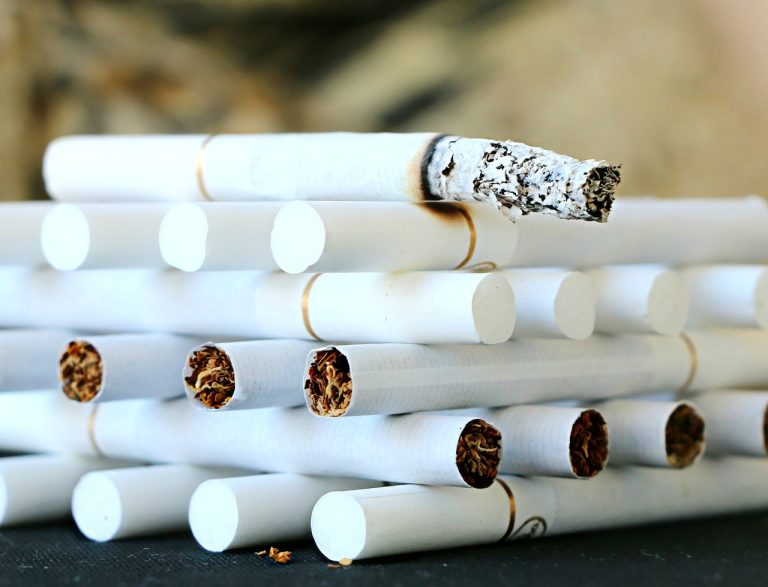
Smoking is very well known to be a complete health hazard, not just for the smoker, but for everyone around them too, as they inhale the smoke, through passive smoking.

Smoking has been implicated in lung, mouth and throat cancer, pregnancy complications, premature wrinkles and likelihood of impotence for men.

Luckily, more and more countries are passing anti-smoking laws for public places – so now it is possible to go out and not be subjected to other people’s dangerous cigarette smoke (no more passive smoking).

While quitting is very difficult for smokers due to the highly addictive nature of cigarette smoke, it is vital to quit, in order to gain better lung health primarily. If you insist on smoking, remember that you need extra vitamin C, as smoking depletes this from the body. This is also valid for passive smokers too.

Not getting enough sleep

Most people need around 6-8 hours of sleep a night, to be able to function effectively. Depriving yourself of sleep is a sure way to feel sluggish and be less mentally alert the next day. Not having enough sleep has also been linked to obesity, heart disease, anxiety and depression.

In order to sleep better, a regular sleeping pattern should be followed – going to sleep and waking up at the same time each day. The bedroom should only be used for sleep (or that other fun activity between two adults), with no distractions such as laptop computers or televisions. The bedroom should be a place for regular and satisfying sleep.

Using tanning salons

It is very well known that too much sun damages the skin and latest evidence has shown that tanning salons also damage the skin. An all-year-round tan is not worth the possible health risks – such as skin cancer and premature wrinkling. A much better option is to use a self-tanners and to just keep out of the sun between the hours of 11am and 2pm, when the sun is at it’s strongest and can potentially cause the most damage. Sunscreen is also recommended at all times when you are exposed to the sun’s days, but some sunshine is necessary for obtaining Vitamin D, so some time spent in the sun is required.

Recent legislation in Australia in a number of states has banned minors (children under 18) from using tanning salons

Legislation in the USA does not allow minors (children under 18) to use tanning salons unless they have permission from their parents, with some states either banning minors from using tanning salons or they are in the process of creating legislation to enable this ban.

Skipping breakfast

Breakfast is the most important meal of the day, because it starts your metabolism up again, after it has slowed down while you are sleeping. Skipping breakfast means your blood sugar and energy levels start to drop and result in reduced mental ability. Eating nothing at breakfast can result in eating more during the rest of the day, to compensate for not having breakfast and feeling hungry.

If you have not eaten breakfast for a long time, a good way to start, is to have small portions of easily digestible foods to get you used to having some food at this time.

Some good examples for those who need to start with a small breakfast are:

  • peanut (or any other nut) butter on toast, with a glass of juice and/or milk
  • smoothie (some fruit and milk with yoghurt – can be dairy or rice/soy/nut milk)
  • muesli or wholegrain cereal with milk (can be dairy or rice/soy/nut milk)

The above breakfast ideas are quick and easy to prepare and easy to digest and will serve the important purpose of ensuring you kick-start your metabolism after sleeping and give you the energy to start the day.

Avoiding regular medical checks

There are many regular medical checks that need to be undertaken by men and women either yearly or less regularly, to ensure you have a clean bill of health and any disease can be caught in the initial stages, when it is far easier to treat it, than if it is already progressed and is in an advanced stage. These visits can potentially save your life.

Women should visit their gynaecologist for a pap smear every 1-2 years, when they will also have a breast examination. A yearly mammogram is recommended for women over 40.

Men should have their genitals (including prostate) checked for irregularities every year.

A six-monthly visit to the dentist is recommended, as is a yearly check-up with your family doctor (unless there are health problems which need immediate resolution, which require a visit).

There are many other medical tests that need to be done, but only for those people who are at high risk of developing these diseases. Your family doctor, who has your family history, will know what to tests to order for you, to keep you healthy.

Not exercising enough or at all

Exercise is vital to ensure all parts of your body are continually being conditioned and used efficiently. Exercise helps your heart function properly, ensures your lungs are working effectively, tones your body, builds muscle tone and helps you lose fat. Most women do not need to build up much muscle tone to gain the benefits of exercise – a faster metabolism which burns fat, even when the body is still.

Exercising also has many other health benefits – one study revealed that people who exercised regularly had 25% less colds than those people who did not exercise.

Exercise releases endorphins – which are “feel-good” hormones. This means that it is a very useful technique to release any stress very easily and effectively.

Not reducing your stress

More and more studies are showing stress causes or exacerbates many health conditions. Stressful situations result in the “flight or fight” syndrome effect in the body. As most stressful situations today do not allow the proper release of stress hormones (namely cortisol), it means these hormone increase and affect the whole body in a negative way.

In one study where university students stress levels were measured, especially at exam time, showed that those students who had higher stress levels had decreased immune function.

Some ways to release stress are to have a regular relaxing massage, curb the negative self-talk (if it is a problem), have time management strategies in place to manage exams or work projects and do some form of physical activity. Exercise is an effective way to release stress. The B Vitamins support the nervous system and are a useful supplement in times of stress. Foods that contain higher levels of the B vitamins are wholegrain and dairy products, vegemite and yeast.

Not controlling your temper

Anger management is vital to good health. Frequent angry outbursts show a distinct inability to handle negative emotions, holding them inside until they have reached boiling point, where an emotional explosion naturally occurs. Holding negative emotions inside, rather then expressing them as they happen is really harmful to health, as it means these emotions often become bigger than they were initially, any further negative emotion is heaped on top and then it all becomes overwhelming and comes out in a temper tantrum, which is not just harmful for the person experiencing it, but also for the recipient and can cause alienation in relationships.

Strategies are required to release negative emotions in a safe way and to cope with the angry outbursts if they do occur:

  • expressing emotions should be learnt, in small steps and in ways that do not have negative impacts, as this could be counter-productive
  • support from friends and loved ones should be the sought
  • learn to listen to other people, to be able to see what they want
  • learn to forgive those that have created the angry reaction
  • relaxation techniques should be learnt

Avoiding fruits and vegetables

Fruit and vegetables contain the highest levels of almost all antioxidants, which are vital for scavenging and removing inactivating free radicals in the body, as well as boosting the immune system.

Some free radicals are naturally produced in the body as by-products of specific, natural processes, but the body is normally able to handle and remove these harmlessly. It is more often the free radicals from pollution, chemicals in the office and home, cigarette smoke, that can cause a build-up of free radicals in the body.

Damage from free radicals has been implicated in heart disease and various cancers, because of the potential damage to the DNA (the basis of all cells), which leaves an opening for serious disease. Antioxidants mop up the free radicals in the body and remove them harmlessly, thus ensuring there is no DNA damage.

Vegetables and fruits, especially brightly coloured ones, contain the highest levels of antioxidants and should be eaten at every meal to get the healthy immune-boosting and free radical removal benefits.

Going on fad diets

here are a lot of crazy diets in the market, which do nothing for ensuring that weight loss is permanent and health is maintained.

Some diets restrict the kilojoule intake to a level that is too low for normal and healthy human function

Some diets restrict eliminate or severely restrict complete food groups which will only ensure that your health is compromised through the lack of many vitamins and minerals

Some diets advocate eating no fats or oils, which will only ensure that the essential fatty acids are lacking and will cause health problems if followed for a long period

The only way to ensure weight loss is to follow a sensible, healthy eating plan with enough proteinfat and carbohydrates in each meal. This means low fat, but not no fat, carbohydrate and protein is eaten with every meal, as the human body needs the essential fatty acids in fats and oils, carbohydrates for energy and protein to build cells and muscles.

Detoxifying your home

0

Get rid of all those toxic items in your home to make it more environmentally friendly and healthy for you.

Do you suffer from allergies and non-specific ailments that cant be identified by your doctor? You could be suffering from allergies that are caused or exacerbated by the chemicals in your home and/or office.

So many people these days suffer from mystery allergies and ailments, which cannot be reasonably identified. Sometimes these mystery allergies and ailments are caused by the toxins and pollutants found in their homes (or offices). There are some things we can all do to ensure our homes (and offices) are free from pollutants and to help ease the allergic reactions present.

Detoxification strategies for your home

  • Add pot plants
    Pot plants are natural air filters that improve the air quality in the rooms they are placed in. Research has shown that plants absorb toxins and poisonous vapours and release life-giving, good quality oxygen back into the air. The best types of plants that help to humidify and freshen up stuffy environments are: Mexican cacti, spider plants, ivy, rubber plants and gerbera daisies.
  • Manage your furry pets
    Cats and dogs can trigger allergies in susceptible people and can make asthma and hay fever sufferers have worse symptoms. The best way to reduce allergies from pets is not to have them, but if you are a pet lover and suffer from allergies (like myself), the best strategies are to keep certain rooms pet free (ie your bedroom) and to regularly wash and groom your pets.
  • Reduce your exposure to pollutants
    If you live on a busy road, ensure your bedroom is at the back of the house (or apartment) and keep windows closed as much as possible. Alternatively, you could invest in an air purifier to help remove carbon monoxide and other pollution.
  • Vacuuming and dusting
    Choose a vacuum cleaner with a bagless filter, as these produce less dust than the ones with bags (especially when cleaning the bags). Dusting with a damp cloth will reduce airborne dust particles and use natural wax instead of aerosol sprays when polishing wood furniture. Use a mask when vacuuming, if necessary, or convince your partner (or flatmate’s) to do the vacuuming, while you do another chore.
  • Drink purified water
    Purified water is a better option as it will remove all potential toxins and heavy metals that may (or may not) be in the water.
  • Use natural cleaning products
    Use natural cleaning products whenever possible, as these have less potential to cause allergic reactions in any susceptible person. Use eco-friendly laundry powder and biodegradable dishwashing liquid. Use essential oils to freshen your air. Use bicarbonate of soda and vinegar as your cleaning products (they are great for cleaning stainless steel pots and pans and just as great for cleaning the grime in bathrooms). To make your environment really natural and pure, invest in an air ioniser, which replaces positive ions with negative ones, that freshen up the atmosphere.
  • Reduce other chemicals
    Reduce the chemical load your body needs to deal with by investing in natural fibres for your home – paint with eco-friendly paints, choose solid wood furniture and natural fibres for your floor coverings. To reduce the chemical load even more, choose natural fibres for your clothes – linen, wool, silk and cotton.

Cranberry

Facts

Important cranberry facts

Cranberry is a berry that is native to the Northern American continent and is closely related to the blueberry botanically.

Cranberry has been used for centuries for healing, specifically to treat wounds and tumours, as a remedy for scurvy and for gum health.

When cranberry is consumed, it purifies and acidifies the urine and produces a powerful natural substance called hippuric acid in the urine. Hippuric acid has a strong antibiotic effect on the urinary tract and it discourages (sometimes it even eliminates) harmful, infection-causing bacteria in the urinary tract.

Cranberry also stops harmful microorganisms from sticking to the lining of the urinary tract, thus making it inhospitable for harmful bacteria such as E. coli to invade and prevents urinary tract infection.

  • Cranberry is related to the blueberry
  • Cranberry may prevent recurrences of urinary tract infections
  • Cranberry deodorises the urine
  • Women benefit from this important plant, as urinary tract infections occur 10 times more in women than men! It is estimated that 25-35% of women between 20-40 have had at least one urinary tract infection (UTI)
  • Pure cranberry juice is a safe adjunct to antibiotic therapy for urinary tract infections

Cranberry works best with

Health

Cranberry and health

  • Urinary tract infections – numerous studies have proved that cranberry is effective in preventing and treating urinary tract infections (UTI) by providing an inhospitable urinary tract environment so that bacteria cannot stick to the lining of the urinary tract and cannot cause infection. Several studies have shown that daily consumption of cranberry, either in fresh berry, juice or supplement form, dramatically reduced recurrence of UTI’s. Cranberry also shortens the duration of UTI’s and helps to alleviate pain, burning, itching and other symptoms of UTI
  • Dental plaque – there is some promising research that shows cranberry stops bacteria from forming plaque on teeth and so reduced tooth caries (decay)
  • Incontinence – due to cranberry’s deodorising effect on urine, it will remove any odours from the urine of people with incontinence

People who wish to take an acidophilus supplement should talk to a medical professional before taking it.

Deficiency

Deficiency


Food sources

Food sources


Supplements

Types of cranberry supplements

Cranberry is only available in the one food – the cranberry! Cranberry supplementation is available in the following ways:

  • Capsule – dried cranberry added to capsules
  • Tablet – dried cranberry is formed into a tablet
  • Soft gel – soft gelatin capsules are filled with liquid cranberry
  • Liquid/Juice – cranberries are crushed to make a liquid juice
  • Fresh/Dried Fruit – cranberry fresh or dried

Cranberry supplementation checklist

  • Be sure to buy juice that is unsweetened
  • Cranberry cocktail juice only has about one-third cranberry juice, so it not a suitable juice for supplementation
  • Cranberry juice or fresh cranberries can be taken at any time (with or without other food)
  • Cranberry supplements can be taken with or without food
  • Drink plenty of water to help speed recovery from the UTI
  • Always follow instructions from supplement for dosage levels

Dosage

Cranberry recommended dosage

Dosage of cranberry depends on the condition that is being treated. A medical doctor and/or alternative health care provider can advise on individual cases. This information is provided only as a general guide. For individual information, consult your doctor to diagnose and treat your condition.

LifestageAgeAmount (per day)
INFANTS0-12mthsFresh fruit and juice are fine
CHILDREN1-38yrsFresh fruit and juice are fine
CHILDREN9-18yrsFresh fruit and juice are fine
ADULTS19-50yrsTreating an existing UTI
400mg tablet 2 times a day or
2 cups fresh (unsweetened) juice
Preventing UTI recurrences
400mg tablet once a day or
1 cup fresh (unsweetened) juice
SENIORS51+yrsTreating an existing UTI
400mg tablet 2 times a day or
2 cups fresh (unsweetened) juice
Preventing UTI recurrences
400mg tablet once a day or
1 cup fresh (unsweetened) juice
PREGNANTFresh fruit and juice are fine
LACTATINGFresh fruit and juice are fine


Toxicity

Overdosage, toxicity and cautions for cranberry

Cranberry is a food, so safe to take. Cranberry juice and supplements also appear safe in the dosages recommended.

Cranberry juice, if taken in excessive amounts, may cause some gastrointestinal upset (nausea, stomach cramps) and diarrhoea.

Precautions

Precautions

  • People taking the herb uva ursi (bearberry) – should not take cranberry at the same time for treating a UTI, as cranberry may lessen its effect. Take one herb or the other, not both at the same time

Interactions

Interactions


References

References

  • Crews WD Jr, Harrison DW, Griffin ML, et al. A double-blinded, placebo-controlled, randomized trial of the neuropsychologic efficacy of cranberry juice in a sample of cognitively intact older adults: pilot study findings.J Altern Complement Med. 2005 Apr;11(2):305-9
  • Groff J L, Gropper SS, Hunt SM, Advanced Nutrition and Human Metabolism. West Publishing, USA, 1995
  • Hopkins WJ, Heisey DM, Jonler M, et al. Reduction of bacteriuria and pyuria using cranberry juice. JAMA 1994;272(8):588-589
  • Howell AB, Foxman B. Cranberry juice and adhesion of antibiotic-resistant uropathogens. JAMA 2002;287(23):3082-3083
  • Reid G, Hsiehl J, Potter P, Mighton J, Lam D, Warren D & Stephenson J. Cranberry juice consumption may reduce biofilms on uroepithelial cells: pilot study in spinal cord injured patients. Spinal Cord Journal Jan 2001; 39 (1): 26-30
  • Steinberg D, Feldman M, Ofek I, Weiss E. Effect of a high-molecular-weight component of cranberry on constituents of dental biofilm. Journal of Antimicrobial Chemotherapy 2004. 54(1):86-89

Last reviewed and updated: 6 May 2024

Why you should buy organic food

Organic foods have been grown without the use of pesticides, artificial fertilisers, hormones or antibiotics. Organic farmers promote farming methods that care for the environment, are sustainable and have animal welfare as a high priority.

Nutritional benefits of organics

It has been shown in studies that organic foods have higher levels of vitamins and minerals, including those cancer-fighting compounds – antioxidants which scavenge for free radicals to limit or prevent them from damaging the DNA.

Flavonoids (which are potent antioxidants) are produced by the plant to protect it from damage by their natural predators – insects. When pesticides and herbicides are used on plants, these naturally-occuring flavonoids are decreased. When plants are artificially protected from insects (through the use of pesticides and herbicides), they do not produce as much antioxidants because there is not as much need to do so. By using these chemicals to protect plants from disease and pests, a two-fold negative effect is produced:

  1. plants produce less antioxidants, so that when we eat them, they do not provide the high levels of antioxidant protection as organic foods grown naturally would,
  2. the environment is poisoned by these pesticides and herbicides.

Organic foods contain higher levels of the cancer-protecting antioxidants and are preferable to conventional foods. Check to see if the food is certified by the proper certifying authority.

Costs of organics

Organic foods are somewhat more expensive than conventional foods, mainly because there are more costs associated with producing organic products and also because it is still a smaller industry than conventional farm. Organic farming is still in it’s infancy, although it is the only way that farming was done in the past, before chemicals were introduced.

Organic farming take-up is growing steadily, as more farmers are realising the benefits to them and their families. The more farmers that use these natural farming methods, the more the costs of the foods will be lowered.

Going organic

To start eating organics, the best way to do this, if cost is an issue, is to be a selective organic food shopper. To do this:

  • Try to buy organics of the foods that have the most chemicals applied – such as: strawberrieslettucetomatoespears and apples
  • Other fruits and vegetables that have a skin that is peeled can be bought from the conventional range
  • Try to buy organics of the foods that are eaten most and conventional of the foods that are eaten least
  • Check to make sure the food is certified by the relevant certifying authority

Organics in Australia

The following are references for organics in Australia:

Lecithin

Facts

Important lecithin facts

Lecithin is a fatty substance which is found in high concentrations in the cell membrane (phospholipid). Every living cell of the body requires lecithin because of its requirement in creating cell membranes. Lecithin is both water and oil soluble and regulates the movement of fats and nutrients entering and leaving the cell.

Lecithin is required for a whole range of body functions, including infant and foetal development and as an aid in reproduction, is essential in keeping the liver and gall bladder healthy and for heart health.

The body uses lecithin both for the proper formation of bile (the body’s main emulsifying compound), and as an emulsifying agent itself. Lecithin helps the body use and absorb fat-soluble nutrients, such as vitamin Avitamin Dvitamin E and vitamin K.

Lecithin is an important precursor to the main neurotransmitteracetylcholine, which plays an important role in memory and muscles control. Myelin sheaths that protect the brain, spine and thousands of nerves in the body are almost two-thirds lecithin.

Soy lecithin, a constituent included in most processed and packaged foods is included as a natural emulsifier or stabiliser, is extracted during the processing of soybean oil. It promotes solidity in margarine and gives a consistent texture to salad dressing and other creamy products.

  • The body produces its own lecithin in the liver.
  • The brain consists of 30% lecithin
  • Lecithin is an excellent source of the vitamin B cofactor, choline (choline is part of the lecithin molecule)
  • Around 20% of the lecithin found in plants and natural foods consists of phosphatidylcholine
  • Choline is so vital in infant development that all baby formula must contain this nutrient
  • Lecithin is a phospholipid, which is part of cell membranes
  • Lecithin granules contain higher concentrations of phosphatidylcholine
  • Lecithin is a good source of linolenic acid

Lecithin works best with

Health

Lecithin and health

  • Candidiasis (thrush) – several studies have shown that acidophilus supplements taken either orally or instead as a suppository into the vagina may prevent or control vaginal yeast infections (candidiasis) caused by Candida albicans
  • People taking antibiotics – while beneficial for combating infections, antibiotics actually disturb the balance of bacteria in the gastrointestinal tract and vagina. To restore the balance of “good” bacteria, acidophilus supplements are usually recommended either during or after the course of antibiotics
  • People with inflammatory bowel disease – this disorder causes a chronic inflammation of the bowels. Acidophilus may assist in overall bowel health
  • People with irritable bowel syndrome (IBS) – acidophilus may help to relieve diarrhoea associated with IBS, as well as replenishing the good bacteria that diarrhoea removes

People who wish to take a lecithin supplement should talk to a medical professional before taking it.

Deficiency

Deficiency


Food sources

Lecithin in foods

FOODAMOUNTLecithin (mg)
Maize100g953
Liver100g850
Soya beans100g740
Trout100g580
Wheat20g564
Peanuts50g557
Meat100g450-750
Eggs1 medium350
Oats50g325
Rice100g290
Butter20g30


Supplements

Types of lecithin supplements

Lecithin supplementation is available in the following ways:

  • Capsules – lecithin powder is added to capsules
  • Tablet – lecithin is compressed and formed into tablets
  • Powder – extracted from soybeans and crushed into a powder
  • Granules – soybeans that have been granularised
  • Soft gel capsules – filled with soybean lecithin liquid
  • Liquid – soy lecithin is extracted into a liquid oil

Lecithin supplementation checklist

  • Lecithin should be taken with meals to increase absorption
  • Granular lecithin has a nutty/grainy flavour and can be added to cereals, juice or smoothies
  • Choose non-genetically modified lecithin supplements (the long term effects of genetic modification are not yet known and erring on the side of caution is advisable)
  • Store in a cool, dry place, away from sunlight – storage in the refrigerator is preferred

Dosage

Lecithin recommended dosage

Dosage of lecithin depends on the condition that is being treated. A medical doctor and/or alternative health care provider can advise on individual cases – this information is provided as a guide only:

LifestageAgeAmount (per day)
INFANTS0-12mthsNot recommended
CHILDREN1-8yrsNot recommended
CHILDREN9-18yrsSeek medical advice before taking it
ADULTS19-50yrs1 Tbsp granules or 1 capsule per day
SENIORS51+yrs1 Tbsp granules or 1 capsule per day
PREGNANTNot recommended
LACTATINGNot recommended


Toxicity

Overdosage, toxicity and cautions for lecithin

In generally healthy adults, there are no health concerns or contraindications at normal dosage.

In high doses lecithin may cause the following side-effects:

  • nausea
  • sweating
  • diarrhoea
  • vomiting
  • bloating

Precautions

Precautions

  • People with bipolar disorder and depression – should not use lecithin as it can worse the depressive stage of the illness
  • People with any psychiatric condition – should get medical advice before taking lecithin

Interactions

Interactions


References

References

  • Barbeau, Andre M.D., John H. Growdon, M.D., Richard J. Wurtman, Nutrition and the Brain: Choline and Lecithin in Brain Disorders, (1979) Vol. 5, Raven Press, NY, 73, 76, 83, 113, 444
  • Hirano K, Kachi S, Ushida C, Naito M. Corneal and macular manifestations in a case of deficient lecithin: cholesterol acyltransferase. Jpn J Ophthalmol. Jan-Feb 2004;48(1):82-4
  • Kuivenhoven JA, Pritchard H, Hill J, et al. The molecular pathology of lecithin:cholesterol acyltransferase (LCAT) deficiency syndromes. J Lipid Res. Feb 1997;38(2):191-205
  • Lamireau T, Bouchard G, Yousef IM, Clouzeau-Girard H, Rosenbaum J, Desmouliere A, Tuchweber B. Dietary Lecithin Protects Against Cholestatic Liver Disease in Cholic Acid-Fed Abcb4- Deficient Mice.Pediatr Res. 2007 Feb;61(2):185-190
  • Santamarina-Fojo S, Hoef J, Assmann G. Lecithin:cholesterol acyltransferase deficiency and fish-eye disease. In: Wonsiewicz M, Noujaim S, Boyle P, eds. The Metabolic and Molecular Bases of Inherited Disease. 2817-33
  • Zeisel, SH. Choline: needed for normal development of memory. J Am Coll Nutr. 2000; 19: 528S-531S.

Last reviewed and updated: 6 May 2024
Bisphenol A and phthalates

What is bisphenol A (BPA) and how does it impact human health?

Bisphenol A is a chemical which has been developed and added to plastics for the past 60 years.

The chemicals that are used to make plastics are – Bisphenol A (BPA) and phthalates as well as a number of other chemicals.  The BPA continuously leeches out of the plastic, at the same rate, over the lifetime of the plastic (whatever it is).  This is a given.

Previously, the health agencies advised that BPA did not impact on human health because people were exposed at such low levels and this did not have an adverse effect on health as the body was able to excrete it without any harmful effects.  This has since been shown to be not true where BPA is concerned.  Even a small, minute exposure, if it is continuous and occurs over a long time is associated with adverse health effects. Continuous and higher exposure over a long period has even worse health outcomes.

Bisphenol A is known as an endocrine (hormone) system disruptor. This means that is associated with blocking the proper function of the hormones in the body, but particularly the sex hormones (eostrogen, testosterone). If the hormones are not functioning as they should be, this can cause a whole rage of health conditions.

BPA acts as a xenoestrogen, which means it behaves as if it has eostrogenic properties, all over the body. The BPA attaches to the eostrogen receptors in the body and it can turn on, turn off or change the signal that the receptor sends out to the body. The BPA can completely alter normal hormone levels by blocking them or causing them to be activated in excessively high or low levels.  All of the bodily functions which are controlled by those hormones get affected by the abnormal hormone levels (too much, too little or none at al) and this is how endocrine disruptors can affect health.

Altering the normal effect of the hormones in the body may cause a number of health conditions, especially reproductive disorders and even neurological damage to the developing brain (of the foetus or child).  Since the endocrine system controls basically every aspect of the body, from metabolism, to fertility, to development of sex organs, any changes to the hormone levels can have an adverse impact.

Interestingly, BPA was studied in the 1940’s as a possible replacement for eostrogen in women who were going through menopause, but was not used in favour of other synthetic eostrogens.

The issue is not exposure from one source, the issue is cumulative exposure from multiple sources, which means the body cannot excrete the Bisphenol A at all because people are simply bombarded with this chemical in just about everything they touch, use and eat.

What are phthalates and how do they impact human health?

Phthalates are a class of chemicals which are used as plasticisers, to soften plastics and make them more pliable. They are often used with PVC (a known carcinogen) to soften it and they are also found in cosmetics and personal care products, including lotions, creams, sun care, hair care and other types of personal care and personal hygiene products.

Phthalates are extremely common in our environment because they are used in so many products people use.  There are numerous phthalates that have been developed for use in plastics.

Phthalates are also known as endocrine disruptors as they disrupt the fine balance of hormones in the body (which are normally released in very small amounts by the endocrine organs and tissues) and this can also impair reproduction and development of the foetus and are implicated in a number of health conditions.

As with Bisphenol A, phthalates were thought to be harmlessly excreted out of the human body quite quickly without any adverse effects, but this again, is thought to be not the case.  Scientists now think that even a small amount of phthalates on a continuous basis over a long period is the issue to health.  Studies so far have shown that blood levels of phthalates in people (especially children) are a lot higher than have been previously reported or expected, often greatly exceeding the upper daily limit that has been specified for humans and this is a huge concern.  Research has shown that women between the ages of 20-40 have over 45 times more phthalates in their body than is either tolerable for good health or was previous hypothesised.

The issue is not exposure from one source, the issue is cumulative exposure from multiple sources, which means the body cannot excrete the phthalates at all because people are simply bombarded with this chemical in just about everything they touch, use and eat.

According to the US National Library of Medicine web site Bisphenols & phthalates , di(2-ethylhexyl) phthalate is listed as a substance “reasonably anticipated to be a human carcinogen” in the Eleventh Report on Carcinogens, published by the National Toxicology Program.

The National Institute of Environmental Health Sciences are currently studying several other phthalates and have stated that seven of these pose “minimal” concern for causing reproductive problems, but that one of those phthalates, di-n-butyl phthalate, may adversely affect human reproduction or development.

The National Institute of Environmental Health Sciences have also stated that high levels of exposure to di(2-ethylhexyl) phthalate in people who have medical tubing or other plastic devices inserted, especially for feeding, breathing or medication in newborn infants may have an adverse effect on the male newborn babies’ health. It seems likely that the same adverse effect occurs in adults who are exposed to the medical tubing inserted for feeding, breathing or medication.

In 2003, the European Union created a directive to ban all phthalates in cosmetics that are sold in Europe due to the overwhelming evidence about adverse health effects.  There is no such ban in Australia, USA or UK.

The Environmental Working Group (EWG) has produced two web sites to help people understand exactly what they are putting on their body:

  • Campaign for Safe Cosmetics: Not Too Pretty – National Library of Medicine web site has a great deal of valuable and useful information about the chemicals in your cosmetics and personal care products
  • Skin Deep – The Skin Deep web site is a database of numerous cosmetics and other personal care products with ingredients listed and safety information about those chemicals

Bisphenol A (BPA) and phthalates may increase risk for certain health conditions

Countless studies show that Bisphenol A (BPA) and phthalates have a detrimental effect on human health and in particular, both have been shown to impact it in the following ways by increasing risk of the following conditions (listed alphabetically):

  • Allergic rhinitis (hay fever)
  • Allergies
  • Asthma
  • Birth defects in the unborn child
  • Cancers of the breast, ovaries and prostate – these cancers can occur many years later after the child has been exposed either in-utero or post-birth, in the formative years
  • Earlier puberty in girls – this is now being attributed to possible BPA and phthalate exposure
  • Feminisation of boys, by reduction of the space between the genitals and anus (a characteristic of girls)
  • Fertility problems for both men and women
  • Heart disease
  • Higher blood cholesterol levels
  • Insulin resistance and obesity
  • Kidney damage
  • Liver damage
  • Lowered acetylcholine levels (a neurotransmitter required for proper communication between the nerves and muscles for normal function)
  • Lung damage
  • Miscarriage
  • Problems with learning, memory and mental development in children
  • Prostate gland enlargement
  • Reduced effectiveness of chemotherapy medications (this has recently been suggested as an issue that could be due to BPA)
  • Reduced sperm count in adult men
  • Testicular cancer

Where can you find bisphenol A (BPA) and phthalates

Both BPA and phthalates are everywhere and impact people in so many ways because of the exposure from multiple sources:

  • Adhesive material used in dentistry (for filling, crowns, bridges etc)
  • Automobile parts
  • Baby care products
  • Baby dummies
  • Baby products
  • Body care products
  • Books, especially the front and back covers
  • Breast pumps
  • Carpet
  • Carpet cleaners (especially if perfumed)
  • CD & DVD covers and the actual discs
  • Cleaning products
  • Coffee and tea pots (that have plastic inside)
  • Computers
  • Cosmetics
  • Face care products
  • Glues
  • Hair care products
  • Home furnishings, especially the plastic lining on the back of some curtains
  • Insecticides
  • Laundry products
  • Lining of food cans/tins
  • Lining of the underside of lids of bottles
  • Magazines, especially the front and back covers
  • Medical devices
  • Milk containers (many have been covered with some plastic internally)
  • Nail polish and nail polish remover
  • Perfumes
  • Plastic bottles
  • Plastic food containers
  • Plastic storage containers
  • Paint
  • Room atomisers/sprays
  • Televisions
  • Toys
  • Varnish (for wooden floors)

How to reduce your exposure to bisphenol A (BPA) and phthalates

Both BPA and phthalates are everywhere and impact people in so many ways due to exposure from multiple sources and because of this it is difficult to reduce exposure from all sources, but it is possible to reduce the main sources:

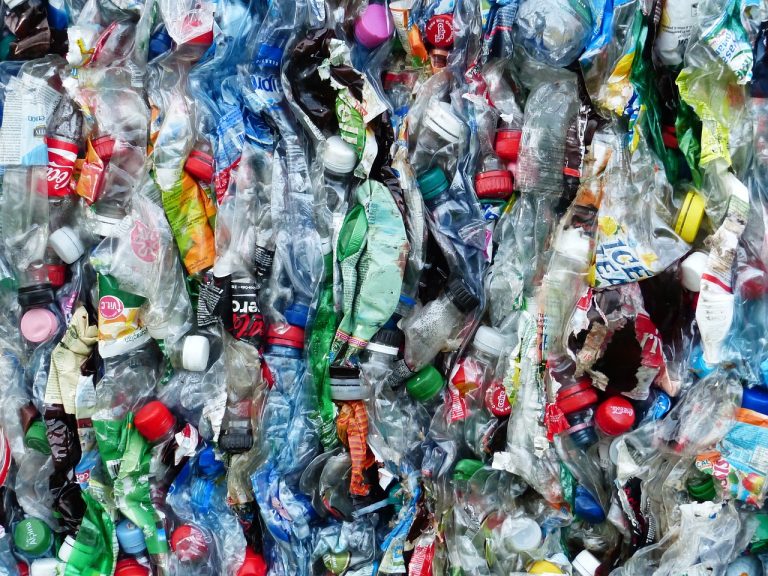
  • Avoid certain plastics – Avoid plastics with the numbers #3 and #7 – these almost definitely contain Bisphenol A, phthalates or PVC (a known carcinogen). Also avoid #6 and #8 as they most likely contain these chemicals too
  • Avoid heating plastics – Do not heat any plastics in the microwave – use only ovenproof glass or ceramic. It should state it on the underside of the dish whether it is ovenproof or microwave proof today. If you are not sure, just use a different bowl
  • Avoid putting liquids in plastic – Do not use plastics for drinking water / juice or any liquid hot or cold – use glass, ceramic or stainless steel
  • Buy less plastic containers – Try to buy fewer foods in plastic containers for food storage. Try to buy only glass/ceramic/stainless steel containers to store your food
  • Certain plastics may be okay – If you need to use any plastics, look for number #1, #2, #4 and #5. Out of all these, #5 is the best to use as no adverse effects have been determined for this type of plastic, but with the other numbers, there may or may not be possible adverse effects
  • Don’t buy take-away foods in plastic containers – eat it at the restaurant, or if you want to take home the left-overs, wait until the food is completely cold and then ask your server to pack it. As soon as you get home, transfer the food into a glass or ceramic bowl and cover with glass or ceramic (not plastic)
  • Don’t use glad wrap (saran wrap) on left-over foods –  Place any left-overs in a glass or ceramic bowl and use either the lid that comes with it, or if it does not, use a plain ceramic plate to cover it and store in the fridge
  • Don’t use PVC gloves – these gloves contain PVC (a known carcinogen) and probably phthalates too. Use gloves that state they are made from “natural rubber or latex” without powder (as long as you are not allergic to latex/rubber)
  • Don’t use scratched or broken plastic containers – if you have any type of container, dish, storage containers, baby bottles, baby cups, teets or other plastics that are scratches, chipped or broken, you must throw them away, because these opening in the plastic make it easier for the BPA/phthalates to leech out
  • Painting a baby’s room – if you are pregnant and you or your partner want to paint the baby’s room, make sure you do so a few months before the baby is due and only use non-toxic, natural paint. Find one which is the most closest to natural and that is water-based and even organic if you can. Do not do the painting yourself, get a professional (or someone else) to do the painting and air out the room for a few weeks to make sure there are no chemicals left in the room
  • Plastic dummy/cups for babies – Do not give your baby a plastic dummy, cups or toys which could contain BPA or phthalates. Find toys,  baby dummy and cups which are guaranteed to be BPA/phthalate free
  • Use non-toxic, natural glue – there are a number of non-toxic, natural, water-based glues that are available, have no noxious smell and will not contain the chemicals BPA/phthalates (or very little)
  • Use non-toxic paint, floor varnish – there are a number of non-toxic paints and floor varnishes that are natural and do not contain these chemicals (some contain no BPA/PVC, some contain no BPA/phthalates/PVC, while others may contain just a little)
  • Use certified organics – cosmetics, face care, body care, hair care, baby care  and personal hygiene products made with certified organic ingredients and foods do not BPA, phthalates or PVC and are also better for your health

Latest updates

In May 2008, the FDA (Food and Drug Administration) in the USA declared that Bisphenol A (BPA) was not a risk to human health and exposure from plastics in food containers and other plastics are “below those that may cause health effects,” according to FDA testimony before a Senate committee.

In January 2010, the FDA (Food and Drug Administration) in the USA revised its earlier statement about Bisphenol A (BPA) above and is now cautioning parents to keep plastics away from their babies, infants and children based on the results of recent studies which had used more “novel” approaches to detect the more subtle, but adverse effects of BPA on human health.

In October 2008, the Canadian Government declared Bisphenol A a ‘dangerous substance’ and started to work on legislation that will prohibit the importation, sale and advertising of polycarbonate baby bottles that contain bisphenol A (BPA). In addition to this, the Canadian government intend to take steps which limit the amount of bisphenol A that is released into their environment.

In 2006, the Danish Environment Protection Agency provided new guidelines for pregnant and lactating mother to help them reduce their exposure of Bisphenol A and phthalates, based on the results of many experiments showing how detrimental these chemicals are on the health of the unborn foetus and growing child, especially because the effect is from cumulative and continuous exposure.

While this is a positive approach it is simply the start, because it is not only BPA that can cause these effects, it is also a class of chemicals called phthalates, which are also known endocrine disruptors and which also have known detrimental effects on human health.