What is the glycemic index of almonds

Question

Thanks for your excellent food content tables.

I have a question: Why do you list the glycemic index (GI) of almonds as 10, whereas other web sites list it as zero? How are people calculating these GI’s (and thereby getting such different values?).

Answer

There is some confusion about glycemic index of foods.

Glycemic index (GI) is a measure of the rate of glucose break-down and absorption from foods eaten. GI can only be measured in foods that have any amount of carbohydrates in the foods – the higher the GI, the quicker the carbohydrates are broken down into glucose and the more quickly this is absorbed into the bloodstream.

Almonds, like all nuts, contain some carbohydrates, protein and fat, so therefore their glycemic index cannot be zero.

The official glycemic index web site lists the glycemic index of mixed nuts (roasted and salted) as 24. This is the authority on glycemic index around the world. They have information about glycemic index on a number of different foods and they are the source of the information on glycemic index values on this web site.

When you find glycemic index values for foods on other web sites, you need to be sure that they are legitimate and have referenced their sources for the values they have used. I am not sure how other web sites find their information – it is up to you, as a user, to determine if the information you are viewing is legitimate or not.

Please note that the information provided is for educational purposes only and is not meant to diagnose or treat medical conditions. Consult with your medical physician regarding appropriateness of using supplements in your healing process.
How many pumpkin seeds should I eat

Question

I am almost 150kg. I am trying to lose weight and reduce my cigarette habit at the same time. I eat around 200 grams of roasted pumpkin seeds every day. What do you think about pumpkin seeds. Can they help me in this quantity? Should I continue eating them, reduce or stop? I have diverticulitis disease which was discovered when I had a colonoscopy last month.

Answer

Congratulations on your decision to try to lose weight and kick your cigarette habit. It may be difficult to try to do both at the same time, so you may need some support to help you achieve your goals in both areas. Feel comfortable in seeking assistance if you need it.

There no evidence to suggest that eating pumpkin seeds in high quantity can assist in weight loss. In fact, all seeds are high in fat (albeit the “good fats”, the polyunsaturated omega-3 fatty acids), which means if you eat them in such high amounts, they can contribute to weight gain.

The calorie content of pumpkin seeds are: 25g = 155 calories and 200g = 1240 calories

For an average male, the daily recommended calories is between around 2000 – 2500 calories, so you can see if you look at the calorie content of 200g of pumpkin seeds, you are eating half your daily calories just in a snack.

Pumpkin seeds are a really great source of zinc, magnesium, betacarotene, iron and phosphorus and they are also an excellent source of the amino acids alanine, glycine and glutamic acid. Pumpkin seeds also provide fibre into the diet.

Pumpkin seeds are especially beneficial for men (due to their zinc content), they can assist with helping to provide some protection against the development of prostate cancer and any issues with prostate health. Just ensure you eat the pumpkin seeds unsalted and plain (not roasted), to provide you with the most benefits.

You should eat 1-2 tablespoons of pumpkin seeds a day at most, to get the most nutritional benefits without the excessive calorie load.

Please note that the information provided is for educational purposes only and is not meant to diagnose or treat medical conditions. Consult with your medical physician regarding appropriateness of using supplements in your healing process.
Food supplement for toddlers

Question

I have bought Mivitotal, a food supplement which contains vitamins and minerals in specific levels, for my infant children who are 3 and 5 years old.

The ingredients per 10ml serving are:

Betacarotene (Pro-vitamin A) – 1mg

Vitamin B1 (Thiamine HCl) – 1mg

Vitamin B2 (Riboflavin) – 1mg

Vitamin B3 (Niacin) – 1mg

Vitamin B5 (Pantothenic Acid) – 2.3mg

Vitamin B6 (Pyridoxine) – 1.0mg

Vitamin B12 (Cyanocobalamin) – 0.6mg

Vitamin C (Ascorbic Acid) – 33mg

Vitamin D2 (Ergocalciferol) – 0.8mg

Vitamin E (d-alfa-Tocopherol Acetate) – 5mg

Biotin – 25mcg

Boron (Citrate) – 166mcg

Folate – 0.6mcg

Inositol – 8.3mg

Choline (Bitartrate) – 8.3mg

PABA (Para-Amino-Benzoic Acid) – 3.3mg

Iodine – 25mcg

Calcium – 83mg

Potassium – 33mg

Chromium – 33mg

Magnesium (Oxide) – 66.6mg

Manganese – 0.5mg

Selenium – 16.6mcg

Zinc – 2mg

Please let me know if you think there is too much or too little of anything in this? Would you recommend me to give it to my children or is there any better option?

Answer

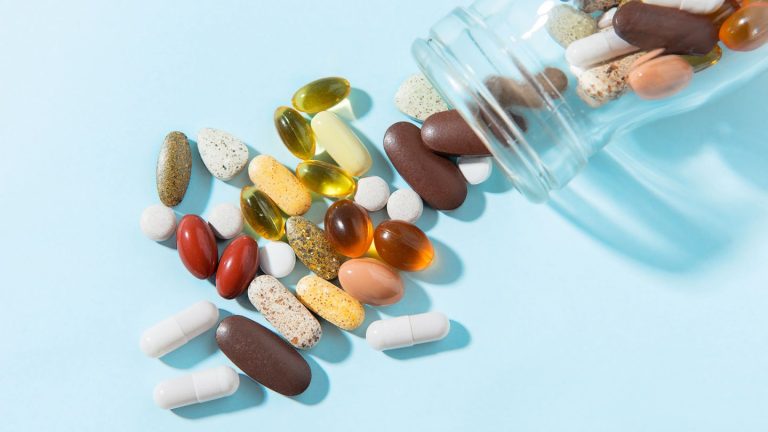
My first question to you would be: Why do you think your children need a multivitamin-mineral supplement in the first place? Are your children fussy eaters who do not eat all foods? Do you think their diet is deficient in organic, whole foods (vegetables, fruit, wholegrains, legumes, protein, polyunsaturated fatty acids)? If this is the case, or if you feel that your children are not getting a variety of different whole foods every day, then you may be well be concerned about whether or not they are getting their nutritional intake of all the vitamins, minerals and amino acids.

Studies have shown that organic foods provide more of the nutrients than those foods not grown organically, so it may be more beneficial to provide organic foods as much as possible (that budget and time) allows.

You can discuss your concerns about your children’s diet with your doctor (or paediatrician) who can provide a recommendation on whether there may be dietary deficiencies based on a thorough consultation. A doctor can also request a blood test to measure levels of certain vitamins/minerals, if deficiency is a concern.

In regards to mineral supplements, you need to ensure that they contain no heavy minerals (the oxide form) as those are not as easily absorbed (not bioavailable) as other forms of of mineral supplements.

Unfortunately, it is not possible to give you a recommendation on whether your children require a supplement with the information you have provided. You need to see your family doctor who can recommend a nutritionist to advise you on whether supplementation is necessary.

Please note that the information provided is for educational purposes only and is not meant to diagnose or treat medical conditions. Consult with your medical physician regarding appropriateness of using supplements in your healing process.
Nutrients in spirulina

Question

I am trying to find definitive answer to what spirulina actually contains. I am finding conflicting information about whether or not spirulina contains vitamin C or even whether it contains vitamin B12. I would like to know about this, as I am a vegetarian and would like to understand what the nutrients are in the food I am consuming.

Answer

Good question.

There is a lot of conflicting information about the nutrient content of spirulina and this may be partly attributed to the form of spirulina used in experiments (some sources are more “pure” and have more nutrients than others).

If you do plan to use spirulina as a dietary food supplement, you must buy a brand which can guarantee the nutrients it contains, so that you can be assured it has adequate levels for your dietary needs (as a vegetarian).

100g of spirulina contains the following nutrients:

(source: Nutrition Data – dried spirulina)

The source of this data gives an average of all data for spirulina (from information sourced from the US Department of Agriculture) and shows it contains no vitamin B12, whereas many other sources (some reliable, some not so reliable) shows that it does contain vitamin B12. You will need to confirm with the manufacturer of the spirulina you want to purchase how much vitamin B12 is contained in the spirulina you want to purchase.

The amount of the nutrients in spirulina depends on the quality of the spirulina, how it has been grown and if there is any certification (or guarantee) on the quality and contents of the spirulina. It requires some research to find a brand of spirulina that meets these criteria which can provide you with high enough levels of nutrients for your requirements.

Please note that the information provided is for educational purposes only and is not meant to diagnose or treat medical conditions. Consult with your medical physician regarding appropriateness of using supplements in your healing process.

Is silica toxic in large amounts

Question

I would like to know whether silica is toxic in large doses and how high can a silica supplement be safely taken and for how long?

Answer

A recommended daily intake of silica (silicon) has only been established for adults aged 19-50 years with a range of 9-14mg per day. A tolerable upper limit (the maximum that can be safely taken for short periods) has also been established in a range of 20-30mg per day for adults.

You should only take silica supplements if you are deficient in this mineral and supplementation is the only option as recommended by your doctor.

If you take a look at the ingredients list on the horsetail supplements provided by various companies for hair/skin/nails, you will see that the elemental silica found in the horsetail is only one part of the horsetail herb and is not in the same level as would be found in a silica supplement. Silica makes up around 7% of the horsetail herb, so the level of silica found in horsetail supplements is generally within the upper limit.

One recent study has suggested that neither silica deficiency nor silica deficiency symptoms have been identified in humans, so check with your doctor first before supplementing with silica.

Silica supplements can product toxicity in people at doses over 100mg per day, but horsetail supplements (which are a natural source of silica) have less toxicity at higher doses than silica, but long-term use or very high doses of horsetail supplements have caused irreversible kidney damage (from excessive silica intake). Women who are pregnant or breastfeeding should not take excessive amounts of silica and neither should people with kidney or heart disease, due to the issues with kidney function. Safety of silica in doses over 50mg has not been established, so it is not advisable to take it higher than this level.

Always check with your doctor before taking any supplements, especially if you have any health conditions or are taking medications and if you want to take the supplements long term.

Please note that the information provided is for educational purposes only and is not meant to diagnose or treat medical conditions. Consult with your medical physician regarding appropriateness of using supplements in your healing process.
Which foods have high silica

Question

How much silica is in the common food sources with the highest amounts of silica?

Answer

There are a number of foods which are an excellent source of silica (silicon) and they are:

  • Banana (yellow, peeled), 250g – 13.60mg
  • Beer, 1L – 19.2mg
  • High bran cereal, 100g – 10.17mg
  • Bread (wholegrain), 200g – 8.94mg
  • Raisin (California seedless), 100g – 8.25mg
  • Mineral water (high silica), 500mL – 7.23mg
  • Green beans (cooked), 250g – 6.10mg
  • Carrot (raw, peeled), 200g – 4.58mg
  • Bread (wholemeal), 200g – 4.50mg
  • Brown rice, 200g – 4.14mg
  • Mineral water (regular), 500mL – 3.44mg
  • Bread (white), 200g – 3.38mg
  • Wheat biscuits, 100g – 2.78mg
  • White rice, 200g – 2.48mg
  • Cornflakes, 100g – 2.42mg

Some studies have shown that men have higher concentrations of silica in their urine and blood due to their higher consumption of beer (compared to women).

Please note that the information provided is for educational purposes only and is not meant to diagnose or treat medical conditions. Consult with your medical physician regarding appropriateness of using supplements in your healing process.
Easing reflux naturally

Question

What sort of diet or natural methods (herbs, vitamins, minerals or other alternative remedies) would you recommend for reflux?

Answer

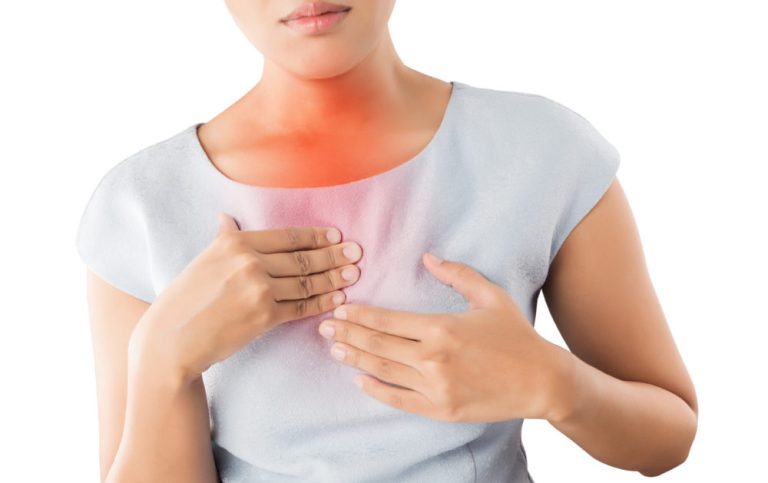
Reflux is the commonly used term to describe the condition known as gastrointestinal reflux disease (GERD for short).

GERD (or reflux) is a very common disorder, where the contents of the stomach (partially digested food and stomach acids) come up, out of the stomach into the eosophagus and cause inflammation, ulceration and discomfort or pain. GERD often causes heartburn and indigestion.

The alternative or complementary method of treating GERD is through a combination of herbs, some of which have mucilaginous properties (slippery elm and marshmallow) and those which add fibre and help the digestive system function more properly (psyllium), together with specific vitamins that can actually heal the oesophagus from the damage caused by the GERD (vitamin A, vitamin C and vitamin E), as well as zinc, a mineral known to help with healing, plus some other nutrients which help the digestive system function properly (probiotics and digestive enzymes) and the omega-3 fatty acids, to help reduce inflammation.

In addition to this, it is recommended to modify your diet (don’t eat large meals, don’t eat late at night just before bed, don’t lie down straight after eating, reduce alcohol, caffeine and fatty food intake) and lifestyle modifications (don’t wear tight fitting clothes around the stomach area, elevate pillows, stop smoking), to help reduce symptoms.

People taking any medications for GERD should consult their doctor prior to taking any supplements as there could be an interaction.

Please note that the information provided is for educational purposes only and is not meant to diagnose or treat medical conditions. Consult with your medical physician regarding appropriateness of using supplements in your healing process.
Caffeine for tension headaches

Question

I get frequent tension headaches and taking caffeine daily helps me reduce/avoid them. Right now I consume about 200mg of caffeine daily (1 big cup of coffee).

I want to reduce how much coffee I drink but I don’t want to completely cut it out because caffeine helps reduce my headaches. How much caffeine would you recommend I take each day to help with my headaches? I’m interested in studies, if you know of any, that show the correlation between different doses of caffeine and headache frequency.

Answer

A lot of people who get migraines report that strong coffee does help reduce their symptoms. This could be because caffeine initially constricts blood vessels. But this also means that over time and with excessive caffeine intake, this could also cause rebound headaches.

I cant say I know of any studies that correlate caffeine intake with reduced headache frequency, rather there are many studies that show caffeine causes headaches (especially through caffeine withdrawal). Just as caffeine may be used to help reduce headache intensity and pain, it can also cause headaches through caffeine withdrawal.

It is interesting to note that most headache remedies contain some caffeine and this is because it helps the active constituent of the medication to be absorbed better by the body.

There are a number of natural ways to reduce severity of headaches and prevent their onset in the first place, but treatment depends on the cause of the migraine headache:

  • Acupuncture – some studies show this may help reduce severity and frequency of headache
  • Essential fatty acids – especially omega-3 and GLA, which help to ensure proper blood flow to the whole body, decreasing likelihood of constricted blood vessels
  • Peppermint oil – some studies show that diluted peppermint oil (in carrier oil), applied to the temples may reduce severity of headache (there are a number of products which are specifically made with peppermint for the purpose of reducing headache severity)
  • Reduce intake of amines – certain foods contain amines, substances which are known to constrict blood vessels and trigger headaches. The most common foods are: alcohol, cheese, chocolate, citrus fruits

Please note that the information provided is for educational purposes only and is not meant to diagnose or treat medical conditions. Consult with your medical physician regarding appropriateness of using supplements in your healing process.
Elderly diet and nutrition

Question

My mother-in-law is 89 years old has Parkinson’s disease and osteoporosis and lived in extreme poverty during the depression. She now lives alone and the main (only) factor she employs when deciding what groceries to buy is price. She eats little meat, some yoghurt, cereal for breakfast and little vegetables other than lettuce and has take-out food from McDonalds or Subway once a week. I thought I might start preparing meals for her that she could heat up each day. She also turns the temperature up on her two-year-old refrigerator every night because she thinks that because the coils in the back are hot, her mobile home will catch fire and burn down.

We are thinking we will need to have her move in with us because of the mounting problems she cannot deal with on her own. We hope to keep her in her own home for another year, if possible, because our oldest daughter will leave for college then and grandma can have her room. Any advice will be appreciated.

Answer

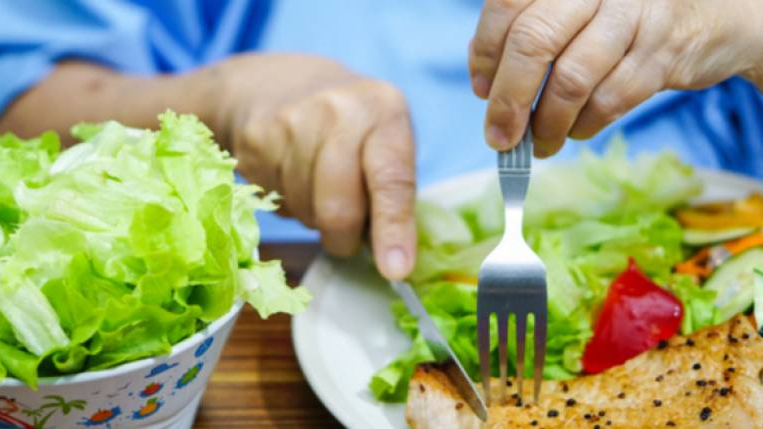
From the information you have given, it certainly sounds like your mother-in-law is most likely not getting enough nutrients each day, but the only person who can really ascertain this is a registered dietitian. A registered dietitian can talk to you and your husband about the necessary nutritional needs of your mother-in-law and try to work out if she is meeting these requirements.

We all need adequate levels of all the vitamins, minerals, amino acids and other nutrients each day. In addition to this, we all need to have specific amounts of each food group each day. Take a look at the portions recommended for someone who is over 70 to determine if your mother-in-law is getting enough of each food group:

Making food that your mother-in-law can just heat up is an excellent way to help provide better nutritional intake, but it may be that she needs more assistance than this.

You may try providing the food for your mother-in-law for a certain amount of agreed time (say 1-3 months) to determine if this has a positive effect on your mother-in-law’s life. If it does not, then you will need to re-assess the situation.

It would be useful if you could discuss your mother-in-law’s living arrangements, dietary requirements and other needs with her doctor (you and your husband in attendance with her) so that you can work out an optimal solution that works best for all of you.

Please note that the information provided is for educational purposes only and is not meant to diagnose or treat medical conditions. Consult with your medical physician regarding appropriateness of using supplements in your healing process.

Is it healthy to have a smoothie for breakfast every day

Question

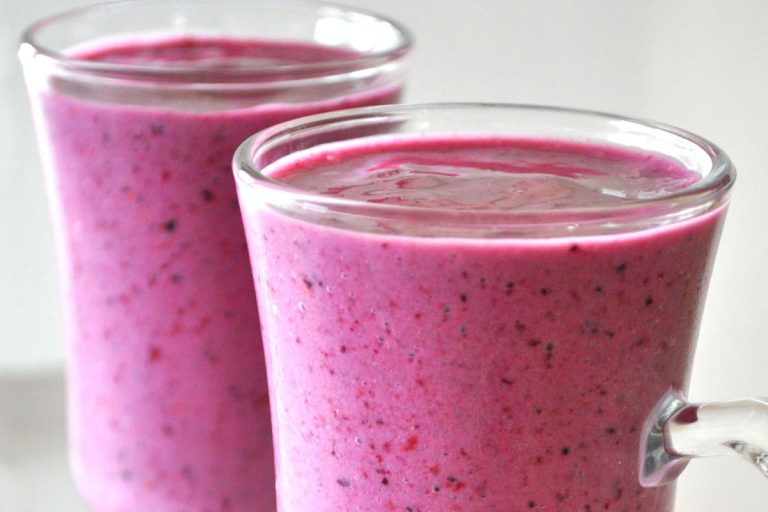
I make a smoothie out of skim milk, V-8 Fusion juice (blueberry/pomegranate), frozen wild blueberries, almonds, walnuts, probiotic fat free yogurt, honey – all in appropriate portions, every single morning for breakfast. Is this healthy?

Answer

It really depends on the rest of your diet. As a general rule, it may not be the best health choice to only eat the same food every day for breakfast, even if it is a healthy food choice. The body needs a variety of nutrients from the food eaten each day (vitamins, minerals, amino acids and other nutrients) and eating the same foods each day may not provide this adequately.

If you really like smoothies for breakfast, try to use other ingredients sometimes (different fruit, a banana, different types of juice, different ground nuts, maybe some ground psyllium or flax).

If you have time, try other breakfast ideas to ensure that you have enough portions of all the food groups each day.

Please note that the information provided is for educational purposes only and is not meant to diagnose or treat medical conditions. Consult with your medical physician regarding appropriateness of using supplements in your healing process.