Antidepressants

What are anti-depressant medications?

Anti-depressants (or antidepressants) are medication which are prescribed to people who have the following mental health conditions:

Anti-depressants are prescribed as a way of reducing the symptoms of the depression and anxiety disorders. Sometimes they are used alone, but often they are used with some sort of counselling or cognitive therapy, to help the individual deal with the disorder more effectively.

Different types of antidepressant medications

Anti-psychotics

These medications are used to treat schizophrenia and schizophrenia-related disorders and the associated depression.

Anti-psychotics reduce hallucinations and unreality symptoms.

Anti-psychotic medications initially developed in the 1950’s are called “typical anti-psychotics” and those new drugs developed in the 1990’s are called “atypical anti-psychotics”. Typical anti-psychotics strongly block dopamine. Atypical anti-psychotics strongly block serotonin.

There are a number of serious side effects associated with these medications.

  • lowered white blood cells, which can put the person at a greater risk of infection and illness
  • greater risk for developing diabetes
  • weight gain
  • sleepiness
  • dry mouth
  • uncontrolled body movements

People on these medications must have regular blood tests to measure levels of white blood cells and blood glucose and insulin levels.

Examples of Typical anti-psychotics:

  • Chlorpromazine (Thorazine)
  • Fluphenazine, Haloperidol (Haldol)
  • Perphenazine

Examples of Atypical anti-psychotics:

  • Aripiprazole (Abilify)
  • Lurasidone (Latuda)
  • Quetiapine (Seroquel

Benzodiazepines

These medications are sedatives which also provide a muscle relaxant effect and are commonly prescribed in people with depression that also have insomnia for short term use.

High dosage, combined with long term use can result in an addiction. Even short term use in some people can result in rebound wakefulness (more insomnia than you started with) which can exacerbate depression.

Discuss any side effects with your doctor and do not suddenly stop taking any medication you have been taking for some time.

Examples of benzodiazepines:

  • Alprazolam (Xanax®)
  • Chlordiazepoxide (Librium®)
  • Diazepam (Valium®)
  • Estazolam (Prosom®)
  • Lorazepam (Ativan®)
  • Nitrazepam (Mogadon®)
  • Oxazepam (Serax®)

Monoamine oxidase inhibitors (MAOI)

These medications are the oldest class of medications used for depression and they should not be taken in combination with any type of SSRI drugs or St John’s Wort as the combination can produce serious (and fatal) side effects.

MAOIs can produce serious side effects and their use must be strictly monitored to prevent this from occurring. MAOI are the least often prescribed anti-depressants as they have such a large range of side effects and a restrictive diet needs to be followed when taking them.

People are often prescribed MAOIs when other types of anti-depressants have not worked to reduce symptoms.

Examples of MAOIs:

  • Phenelzine (Nardil®)
  • Tranylcypromine (Parnate®)
  • Isocarboxazid (Marplan®)

Selective serotonin re-uptake inhibitors (SSRIs)

These drugs are a newer class of anti-depressant medications which alter the levels of serotonin in the brain. They increase the levels of serotonin to control mood and to reduce low mood symptoms associated with depression.

SSRIs were a recent development and have only been available from around 40 years ago.

These drugs can also produce side effects similar to the reason why you’re taking them:

These side effects are usually milder in comparison to older types of antidepressants (MAOI). The side effects normally decrease after some time, for most people but not in everyone.

Examples of SSRIs:

  • Citalopram (Cipramil®)
  • Fluvoxamine (Faverin®)
  • Paroxetine (Seroxat®)
  • Fluoxetine (Prozac®)
  • Sertraline (Lustral®)

Tricyclics

These drugs are an older type of anti-depressant medication which work as well as SSRIs for reducing symptoms of depression. Tricyclics help to increase levels of serotonin and norepinephrine which help to stabilise the mood. These drugs have some side effects which can usually be reduced by lowering the dose or by changing to another type of tricyclic medication, but even despite this, a great number of people abandon this medication due to the side effects that they produce.

Examples of tricyclics:

  • Amitriptyline (Triptafen®)
  • Clomipramine (Anafranil®)
  • Dosulepin/Dothiepin (Prothiaden®)
  • Doxepin (Sinequan®)
  • Imipramine (Tofranil®)
  • Nortriptyline (Motival®)

Important anti-depressant medications facts

  • Anti-depressants can be a successful therapy for many people with mental health disorders
  • Anti-depressants work on balancing the chemicals in the brain (neurotransmitters) to reduce symptoms
  • Anti-depressants can take up to four weeks to start working
  • Quite a lot of people have side effects to the anti-depressant medications and may need adjustment of the dosage, switching to another type of brand or maybe trying a different therapy approach – only a medical professional can help make this decision for you with your acceptanace
  • Recent research suggests that anti-depressants are ineffective in the treatment of most cases of mild to moderate and even severe depression and that they should only be prescribed in really severe cases
  • Recent research suggests that some teenagers and older adults can be at risk of suicide from using anti-depressants and caution is adviesd in prescribing anti-depressants in these people (in fact, now anti-depressants, by law must have a label to denote this risk)
  • One recent study (2010) showed that two commonly prescribed anti-depressants, paroxetine (an SSRI) and imipramine (a tricyclic), were only slightly more beneficial than placebos in treating patients with mild and moderate depression
  • In February 2004, an FDA official testified before the FDA’s Psychopharmacological Advisory Committee on the Office of Drug Safety Data Resources for the Study of Suicidal Events, to warn that children being prescribed the newer antidepressants were at a higher risk of suicide

Anti-depressant medications reduce the symptoms of the mental health disorders (depression, anxiety disorder, obsessive compulsive disorder and post-traumatic stress disorder), such as:

  • Feeling excessively guilty
  • Loss of concentration and thinking
  • Loss of interest in life
  • Sadness (for no apparent reason)
  • Sleeping too much or too little
  • Worrying too much

Anti-depressants are also used for treating PMDD – a very severe form of PMS which affects a small percentage of women.

Recent research about anti-depressants is refuting the claim that they are needed for treating most types of depression. The research suggests that they are almost useless for treating most types of mild to moderate depression and there are a number of other ways to treat depression which does not involve the use of anti-depressants, which have more positive outcomes.

Last reviewed and updated: 8 July 2024

Emergency numbers in Australia

Police Fire Ambulance

Police / Fire / Ambulance (Australia wide)

  • Phone Number: 000 (or try 112 if on a mobile)
  • Hours: 24 hours a day, 7 days a week

000 should only be called in an emergency.

This is a number to call if your child is seriously injured and needs immediate medical attention (especially if you need an ambulance to take them to hospital).

  • Advise the operator which service you require (police, fire or ambulance)
  • Explain the situation and speak clearly
  • State your address clearly if you need an ambulance

Poisons Information Hotline

Poisons Information Hotline (Australia-wide)

The Poisons Information Hotline should be called in the following situations:

  • you or your child have ingested anything potentially poisonous to them
    • prescription medication
    • over-the-counter (OTC) medication
    • cosmetics and perfume
    • petrol and kerosene
    • car products
    • insecticides, herbicides, rat and snail bait
    • paints
    • plants
    • mushrooms
    • anything that could be dangerous to a child
  • you or your child have been bitten or stung by a animal, reptile, spider, insect or marine creature

if you have any questions or concerns about storing chemicals, prescription tablets or poisonous substances or even how to put strategies in place to prevent poisoning of your child in the first place

If your child or an adult has collapsed, stopped breathing, is fitting or is suffering an anaphylactic reaction, ring 000 for an ambulance. Do not ring the Poisons Information Centre.

HealthDirect

HealthDirect (Australia wide)

  • Phone Number: 1800 022 222
  • Hearing impaired (TTY access): 1800 022 226
  • Web: www.healthdirect.org.au
  • Hours: 24 hours a day, 7 days a week

HealthDirect is a free 24 hour, seven day a week health advice line which is a joint initiative of the Australian Government and the governments of the ACT, NSW, NT, Tasmania, SA and WA.

HealthDirect will be made progressively available to residents of New South Wales and Tasmania. HealthDirect is scheduled to be a fully national service in Australia by 2011.

The specially trained nurses at HealthDirect are not there to replace your doctor or the 000 emergency number, nor do they provide a diagnosis. HealthDirect provides a back-up and an additional source of health advice that is available to anyone via the telephone.

The specially trained nurses at HealthDirect follow a set of procedures to assess your health problem to provide the following services:

  • Assessing your health needs to determine if your situation is urgent and serious
  • Providing health information and advice, including a recommendation on what to do next (go to a hospital, see your doctor in the next 24 or 48 hours)
  • Providing information on the location and availability of health services in your area (including after hours clinics)
  • Providing first aid advice to you (if necessary) until emergency help arrives
  • Connecting you to the appropriate emergency service if your health issue is serious and urgent

* HealthDirect is a free service from all landlines, but may incur a higher cost from mobile phones

Nurse on call

NURSE-ON-CALL (VIC only)

NURSE-ON-CALL is a telephone health line, providing Victorians with immediate expert health information and advice 24 hours a day, 7 days a week.

The registered nurse will take down your details and ask you a series of questions about your child’s symptoms and other issues relating to your child’s health. The nurse will then advise:

  • ways you can take care of your child
  • to go see your medical doctor as soon as you can
  • if the condition is very serious, will transfer the call to 000

Note: nurses do not provide a full diagnosis of your symptoms

NURSE-ON-CALL uses the most up-to-date health information available, in order to give you and your family the highest quality advice.

* local call from anywhere in Victoria (calls from mobile phones may be charged at a higher rate)

Lifeline

Lifeline (Australia wide)

Lifeline is a number to call when you need some free and confidential telephone counselling.

  • Lifeline is staffed by trained counselling volunteers
  • Lifeline helps people who may be thinking about suicide or other emotional problems
  • Lifeline provides relationship and personal wellbeing advice
  • Lifeline may be able to point you in the right direction about help for post-partum depression

* Calls from mobile phones may be charged at a higher rate than local calls

Parentline

Parentline (QLD & NT only)

Parentline is a confidential telephone counselling service which you can call to obtain professional counselling and support, to discuss any parenting issues about your child. It is completely anonymous.

It has been created to provide free counselling & support services to parents in QLD and NT.

* Calls from mobile phones may be charged at a higher rate than local call

Kids Helpline

Kids Helpline (Australia wide)

Kids Helpline is an anonymous, confidential and especially for kids telephone counselling service.

Children and adolescents can email the site or ring to discuss issues such as:

  • Child abuse, neglect and domestic violence
  • Bullying
  • Eating disorders
  • Suicide prevention

* Kids Helpline is a free service from all landlines, but may incur a higher cost from mobile phones

Maternal Child Health Line

Maternal and Child Health Line (VIC only)

The Maternal and Child Health Line is a telephone service available to families with children birth to school age, which is staffed by maternal and child health nurses who provide callers with information, support and advice about:

  • Child health and nutrition
  • Breastfeeding issues
  • Maternal health
  • Parenting issues

The Maternal and Child Health Line can provide female interpreters from the Translating Interpreter Service for families that are Culturally and Linguistically Diverse.

The service can also provide service to hearing or speech impaired callers, with access to the National Relay Service (NRS).

* Calls from mobile phones may be charged at a higher rate than local call

Last reviewed and updated: 8 July 2024
Common rashes in babies and children

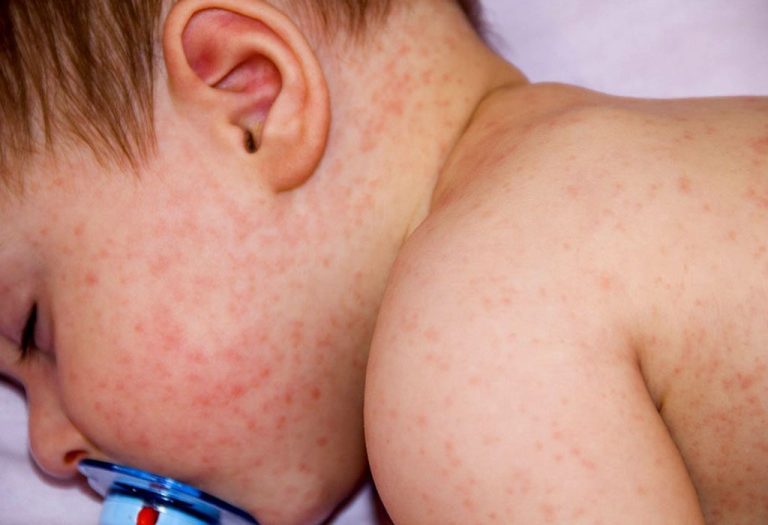
There are a number of different types of rashes that can affect both babies and toddlers.

Some of these rashes, lumps, redness are quite normal in babies especially and are not a sign of infection or ill health, while other rashes could signify an allergy, a contagious disease or some type of health condition.

The most common rashes for babies and toddlers are listed below.

Common and harmless rashes in babies and children

These rashes are very common in most babies and usually go away on their own without any treatment.

Contagious rashes

These rashes are highly contagious. Many have vaccines to prevent them but not all. But all will require medical treatment.

Other rashes

These rashes can be serious or mild but generally aren’t contagious. Some can be very serious while others are mild.

Last reviewed and updated: 7 July 2024

Cradle cap

Cradle cap causes a build-up of white or brownish-yellow flakes on the baby’s scalp (and sometimes their forehead).

Cradle cap can start soon after a baby is born up to about 12-18 months.

What causes cradle cap?

We don’t know why some babies are affected by cradle cap.

One theory suggests that babies have high levels of their mother’s hormones circulating their bodies for several weeks or months after birth. These hormones enlarge the glands in the skin, making more sebum, which oils the skin.

Symptoms of cradle cap

  • Red skin on the head
  • Greasiness of the scalp
  • Flakes on the scalp
  • Yellow crusts on the head

Cradle cap does not cause bleeding, irritation or fever.

If the scalp becomes red or inflamed or occurs beyond just the scalp, it is known as seborrhoeic dermatitis and requires a different treatment.

Treatment of cradle cap

Cradle cap is harmless, it just looks unsightly!

To loosen the flakes from the baby’s scalp, massage a little warmed olive oil into the baby’s scalp and leave it on there for about an hour. Either comb out the flakes with a comb or brush them out with a soft brush and follow by shampooing the baby’s hair. Try the olive oil on a frequent basis and wash the baby’s scalp and hair about 3-4 times a week and try to ensure all hair care products used are organic.

If this method does not resolve the cradle cap, then see a doctor for further advice

References

  • Cradle cap. National Institutes of Health USA. Accessed 7 July 2024
  • Cradle cap (infantile seborrheic dermatitis). DermNet, USA. Accessed 7 July 2024
  • Kid’s health information – cradle cap. The Royal Children’s Hospital, Australia. Accessed 7 July 2024

Last reviewed and updated: 7 July 2024

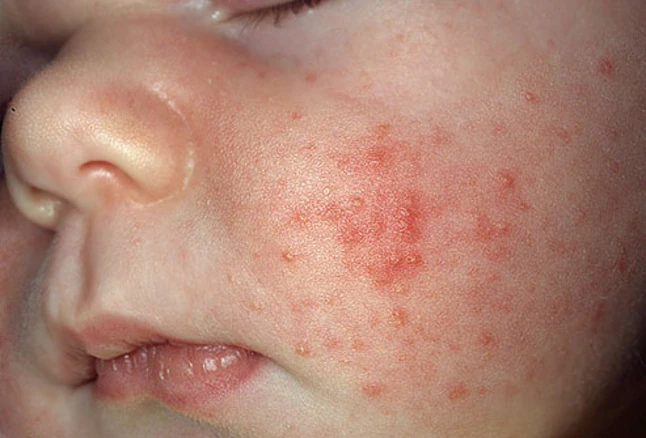
Infantile acne

It is very common in some babies to develop acne-type lesions on the face. It may occur in children from 2 months old and may last until they’re 2 years old. It’s more common in boys.

It is also known as neonatal acne or neonatal cephalic pustulosis.

Infantile acne is a harmless condition.

Symptoms of infantile acne

  • acne on the face
  • acne on the skin

Scarring is possible with infantile acne which increases with the severity of the acne and more likely in babies with darker skin.

Severe infantile acne is associated with an increased likelihood of severe acne in adolescence.

Causes of infantile acne

The infantile acne is believed to occur due to the testosterone hormones in the baby’s body from the mother, which are still circulating in the baby.

These hormones may cause an overproduction of the sebum in the skin and this causes the acne-type symptoms on the baby’s face.

Treatment of infantile acne

Infantile acne will normally clear up on its own within a few weeks, when the mother’s hormones stop circulating in the baby.

If the acne becomes severe (very red inflamed cysts and nodules), then a doctor will need to provide appropriate treatment.

Mild infantile acne is treated with:

  • benzoyl peroxide
  • retinoids
  • azelaic acid
  • antibiotics

Severe infantile acne with deep nodes is treated with:

  • erythromycin or trimethoprim – oral antibiotics
  • isotretinoin – this medicine affects the sebaceous glands. It’s used when antibiotics don’t work to reduce severe infantile acne symptoms

References

  • ACD A-Z of skin – infantile acne. The Australian College of Dermatologists. Accessed 6 July 2024
  • Infantile acne. DermNet USA. Accessed 5 July 2024
  • Infantile acne. National Institutes of Health USA. Accessed 6 July 2024
  • Is that acne on my baby’s face? American Academy of Dermatology. Accessed 6 July 2024

Last reviewed and updated: 6 July 2024

Erythema toxicum

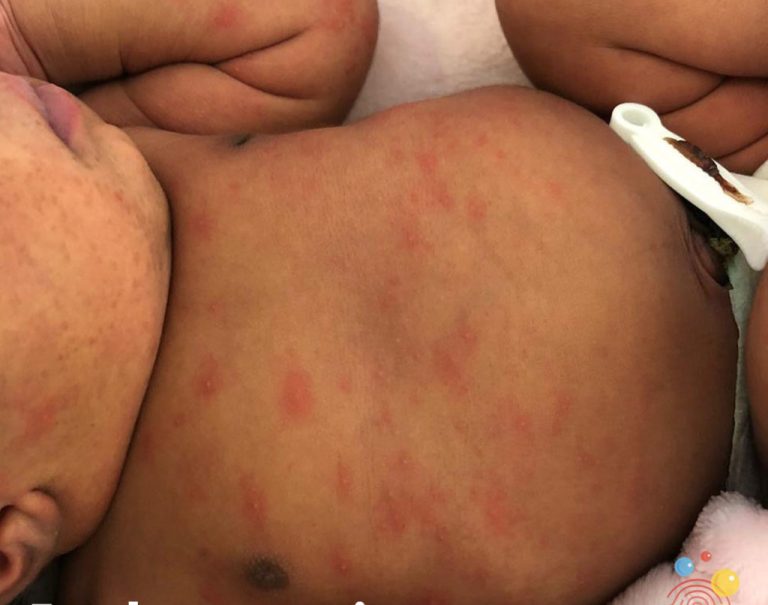
This is a harmless rash which often affects babies from the second day of their life and is more common in full term babies.

It affects around 50% of newborn babies in the first week of their life. It may start a little later in premature babies.

This rash causes tiny yellow or white lumps to form that have a ring of red around them. Sometimes the lumps contain fluid, which is not pus, it is simply red blood cells and is not infected.

The rash often occurs on the babies’ face or body and may come and go and has a variable appearance.

It generally goes away within 1-2 weeks after it starts.

A medical professional will be able to diagnose this very common and harmless condition.

What causes erythema toxicum?

We don’t know why it occurs.

One theory suggests that it occurs because newborns hair follicles and oil glands aren’t fully formed. The inflammation and bacteria around the hair follicles may be the reason for the rash. As the hair follicles start to form and work properly, the rash disappears.

Symptoms of erythema toxicum

  • Small, fluid-filled bumps – they may disappear and form in new areas and get paler when slight pressure is applied to them
  • Skin rash – around the bumps, which looks like red patches

While the bumps may look like they have pus, they are not infectious.

They generally occur on parts of the body that has hair follicles:

  • arms
  • legs
  • chest
  • face

The bumps don’t appear on the soles of the feet or palms of the hands.

Treatment of erythema toxicum

There is no treatment for erythema toxicum. The bumps and rash go away within 5-14 days after they start. They may come back in a few weeks but they go away. Sometimes they come back a few more times but typically, they will resolve within 6 weeks.

Avoid touching or picking the bumps as this can lead to a skin infection.

References

  • Erythema toxicum of the newborn. DermNet. Accessed 5 July 2024
  • Erythema toxicum neonatum. American Osteopathic College of Dermatology. Accessed 5 July 2024
  • Erythema toxicum neonatum. Medscape eMedicine. Accessed 5 July 2024

Last reviewed and updated: 5 July 2024

Miliaria

Miliaria is commonly known as “sweat rash” or “prickly heat”.

It can occur if the external environment is hot and sticky and this causes the baby to sweat a lot.

Miliaria are tiny spots and blisters which occur in the area of the most sweating and are very common in babies and toddlers.

The small blisters develop on areas that are the most prone to sweating:

  • forehead
  • armpits
  • back of knees

What causes miliaria

Miliaria is caused when the baby’s sweat glands become blocked and inflamed due to excessive sweating.

This causes small blisters to form under the baby’s skin.

Symptoms of miliaria

Miliaria can develop into a few different forms, depending on how close to the surface the blockage of the sweat glands has occurred.

Symptoms can range from:

  • slight inflammation – miliaria crystallina
  • highly inflamed skin – miliaria rubra

Treatment of miliaria

Treatment relies entirely on managing symptoms:

  • keep the baby cool (but not cold) enough when the weather is very hot and humid
  • bathe the baby in some cool water on a frequent basis or use a wet cloth
  • use a calamine lotion on the miliaria, if it is severe
  • eczema or dermatitis cream can help to reduce itchy and inflammation

References

  • ACD A-Z of skin – miliaria. The Australian College of Dermatologists. Accessed 6 July 2024
  • Heat rash (miliaria): Images, causes and treatment. DermNet, USA. Accessed 6 July 2024
  • Miliaria. National Institutes of Health USA. Accessed 6 July 2024

Last reviewed and updated: 6 July 2024

Milia

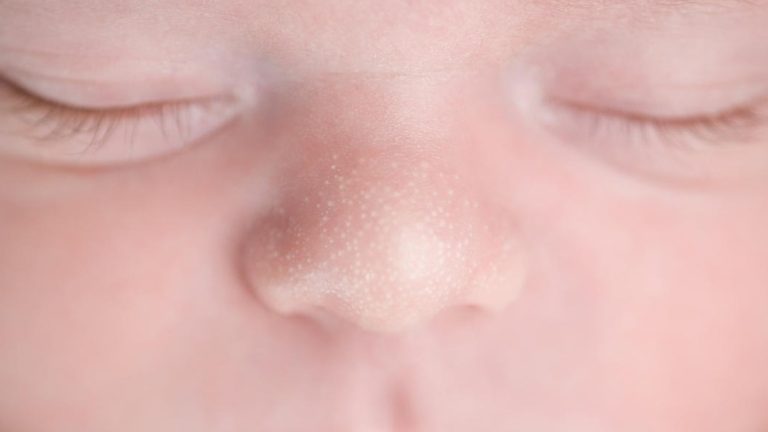
Milia are commonly known as “milk spots” and are very small white or yellow solid lumps.

They usually occur on the cheeks, nose or eyelids. They can also appear on other parts of the body.

They usually occur in newborns.

They’re very common, affecting 40% to 50% of newborn babies.

Adults can also get milia.

What causes milia

Milia forms when the baby’s sebaceous glands become blocked, either by old skin cells or the oil in the glands.

Symptoms of milia

  • very small white or yellow solid lumps
  • rash and inflammation if they become infected (usually not)

Treatment of milia

Milia are harmless and will usually resolve on their own without the need for treatment. In some instances, the milia may not resolve so quickly.

Sometimes the harmless rash can become infected or really inflamed and red. If this occurs, the baby needs to be taken to a doctor for appropriate treatment.

Do not try to remove the milia yourself. Consult a doctor if you are concerned.

A dermatologist can remove the milia if required. They cut a tiny opening in the top of the cyst. They then use a tool called a comedone extractor to push out the keratin plug of the cyst. A dermatologist can also use a laser to remove the milia. Again, this is usually only done for adults whose milia has not gone away.

References

  • Milia. National Institutes of Health, USA. Accessed 6 August 2024
  • Milium, milia. DermNet, USA. Accessed 6 August 2024

Last reviewed and updated: 6 July 2024

Roseola Infantum

Facts

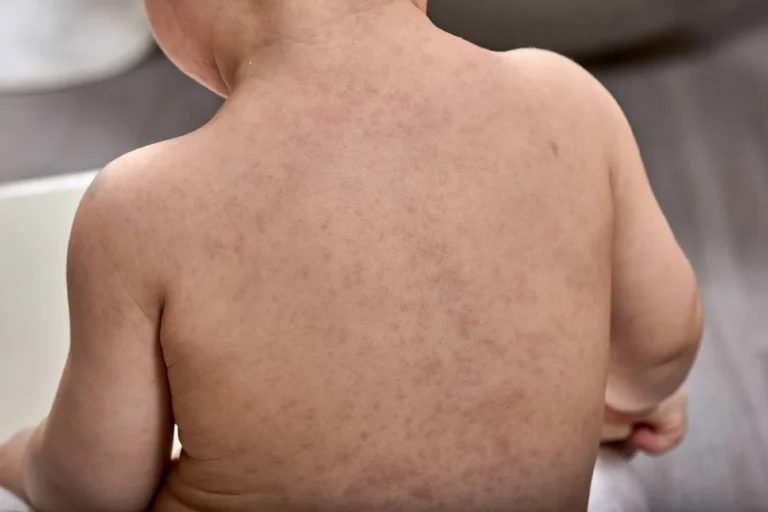
Roseola infantum is a viral infection caused by the human herpes virus 6 (HHV-6), which is characterised by a sudden high fever and rash.

A small portion of children with roseola infantum may experience convulsions due to the high fever (febrile convulsion).

The roseola infantum infections normally affects babies and toddlers between 6 months to three years old.

Roseola infantum is known as exanthem subitum or sixth disease.

Most babies develop antibodies to roseola by the time they’re toddlers, so they generally don’t get infected again.

Some adults may catch it, if they were never infected as a child, so they have no antibodies. Adults with very compromised immune systems may also catch it, even if they have antibodies. This is because their immune system can’t handle it.

The roseola infantum rash can sometimes be confused with measles or rubella.

Incubation period

Incubation period

The incubation period is the length of time it takes from being infected by someone else with roseola infantum, to showing symptoms. It will take 5-15 days before you show any symptoms.

Ringworm has an incubation period of: 5-15 days

Catching roseola infantum

How do you get roseola infantum

You can catch roseola infantum by:

  • inhaling the fluids that are coughed or sneezed into the air

Children with roseola can only spread the infection before the fever and/or rash occur. Once the child has symptoms, they are no longer contagious.

Symptoms

Symptoms of roseola infantum

  • Fever – raised body temperature (fever) of 39.5°C-40.5°C (103°F-105°F) that lasts about four days
  • Rash – a pink-red flat rash that develops all over he body when the fever ends. The rash turns white when pressed. The rash lasts about 1-2 days
  • Swollen glands – the lymph glands may be swollen

Treatment

Treatment of roseola infantum

  • See a doctor – any child with suspected roseola infantum needs to see a doctor who can perform an examination to diagnose this condition
  • Reduce the fever – use a cool compress, cool sponging, cool bath and cool drinks to reduce the fever
  • Fluids – plenty of fluids (water, natural juice)
  • Medication – the doctor may advise giving the baby paracetamol or ibuprofen to reduce the fever

Complications

Complications of roseola infantum

Roseola infantum can sometimes lead to complications:

  • ear infections
  • possibility of fits triggered by a high fever (febrile convulsions), as the child’s temperature may rise very quickly. This requires immediate medical intervention. Always call the ambulance if your child has a high temperature and is fitting

Vaccination

Vaccination

There’s currently no vaccine for roseola infantum.

If your child has roseola infantum, keep them away from childcare, kindergarten or school. Do not allow them to share any personal items with anyone else.

Risk

Reducing risk of infection

Strategies to reduce infection:

  • if your child gets roseola infantum, keep them away from school and other children
  • discuss the roseola infantum infection with your doctor
  • ensure you and your child/children wash hands with a sanitising hand soap
  • wash toys and clothes in detergent that has a sanitising effect
  • wipe down surfaces with a 70% alcohol solution

References

References

  • Infectious etiologies. CDC USA. Accessed 5 July 2024
  • Roseola infantum. National Institutes of Health USA. Accessed 5 July 2024

Last reviewed and updated: 5 July 2024

Molluscum contagiosum

Facts

Molluscum contagiosum is an infection caused by a virus from the poxvirus family.

It causes small raised sores on the body. There can be one or more, up to 20 in a single area.

They can be present anywhere on the body, including:

  • face
  • abdomen
  • torso
  • arms and legs of children
  • inner thigh, genitals and abdomen of adults

They generally won’t appear on the palms of your hands or the soles of your feet.

Children that have eczema or dermatitis may be more susceptible to getting molluscum contagiosum.

It mostly occurs in babies and children aged 12 months to 10 years. People who live in a tropical climate are more likely to be at highest risk but it can occur anywhere. Anyone who takes part in contact sports (wrestling, football) are more likely to get infected.

Incubation period

Incubation period

The incubation period is the length of time it takes from being infected by someone else with molluscum contagiosum, to showing symptoms. It will take several weeks to months before you show any symptoms.

Molluscum contagiosum has an incubation period of: 2-7 weeks

Catching molluscum contagiosum

How do you get molluscum contagiosum?

You can catch molluscum contagiosum by:

  • through direct skin contact by touching someone who has this condition
  • sharing towels, clothing and other personal items
  • touching surfaces or objects that have been touched by someone with this condition

Symptoms

Symptoms of molluscum contagiosum

  • Donut shaped white bumps – they are about 2-5mm diameter, pearly white, donut shaped, may be indented in centre, which is filled with white waxy substance
  • Itchy – the white bumps may be itchy, but not painful

Treatment

Treatment of molluscum contagiosum

  • See a doctor – any child with suspected molluscum contagiosum needs to see a doctor who can perform an examination to diagnose this condition
  • No treatment – the bumps normally disappear on their own in time (usually a few months)
  • Removal of soft centre – a doctor can remove the soft centre substance (different methods can be used), which will cause the harder outer part to go away too

Complications

Complications

There are a number of complications possible with molluscum contagiosum:
  • impetigo – a skin infection that develops after scratching the lesions
  • conjunctivitis – an eye infection that may develop if lesions occur on the eyelid
  • disseminated secondary eczema – this might occur as a result of overreaction to the virus by your immune system
  • widespread molluscum contagiosum – these are larger than usual, often on the face
  • sudden scarring with a pitted appearance – this can occur either spontaneously or due to lesion removal surgery

Molluscum contagiosum doesn’t normally cause any complications.

These complications generally occur only in children (and adults) who may have a very impaired immune system.

Vaccination

Vaccination

There’s currently no vaccine for molluscum contagiosum.

If your child has molluscum contagiosum, keep them away from childcare, kindergarten or school. Do not allow them to share any personal items with anyone else.

Risk

Reducing risk of infection

Strategies to reduce infection:

  • if your child gets molluscum contagiosum, keep them away from school and other children
  • discuss the molluscum contagiosum infection with your doctor
  • ensure you and your child/children wash hands with a sanitising hand soap
  • wash toys and clothes in detergent that has a sanitising effect
  • wipe down surfaces with a 70% alcohol solution
  • don’t share eating utensils, linens, towels or other personal items with anyone else

References

References

  • About molluscum contagiosum. CDC USA. Accessed 5 July 2024
  • Molluscum contagiosum. National Institutes of Health USA. Accessed 5 July 2024

Last reviewed and updated: 5 July 2024