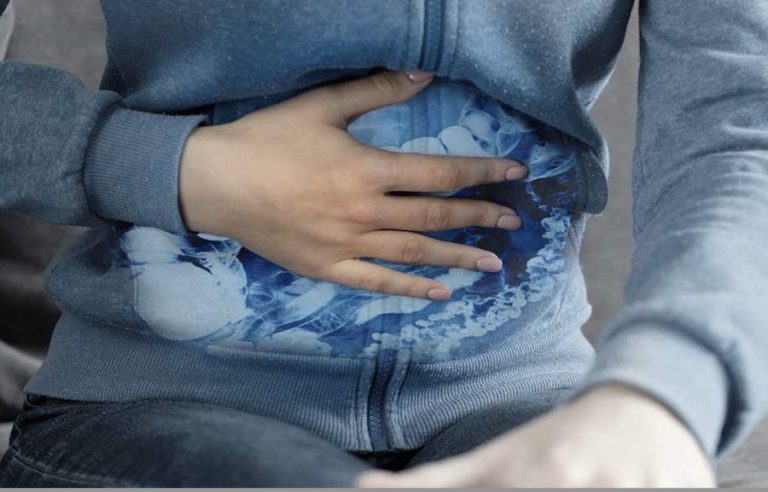
Crohn’s disease

Facts

What is Crohn’s disease

Crohn’s disease is one type of inflammatory bowel disease (IBD), the other is ulcerative colitis. Crohn’s disease was named after Dr Burrill Crohn, who together with Dr Leon Ginzburg and Dr Gordon Oppenheimer, first identified the disease in 1932.

Crohn’s disease can affect any part of the gastrointestinal tract – from the mouth to the anus – but mostly commonly affects the ileum (which is the third part of the small intestine that joins the large intestine (colon or bowel). The colon may also be affected, which can make it difficult to distinguish Crohn’s disease from ulcerative colitis.

Crohn’s disease can affect not just the lining of the bowel, but all the layers of the bowel (from the layers of mucosa to the smooth muscles).

Crohn’s disease is further divided into different sub-conditions depending on which part of the bowel (intestine) is affected:

  • Crohn’s colitis – only the large intestine (or colon) is affected
  • Ileo colitis – both the small and large intestines (bowel) are affected
  • Ileitis – only the small intestine (bowel) is affected

Facts about Crohn’s disease

  • People who smoke or more likely to be diagnosed with Crohn’s disease than non-smokers and in fact, giving up smoking can decrease symptoms significantly in some people
  • Women who take the contraceptive pill may also have more severe and lengthier episodes of Crohn’s disease than women who do not take the contraceptive pill
  • Crohn’s disease is known as an inflammatory bowel disease (IBD)
  • Crohn’s disease may cause an malabsorption of vital nutrients and cause weight loss
  • Up to 70% of people who have Crohn’s disease need surgery at some point in the course of their disease
  • More people have Crohn’s disease than ulcerative colitis (a ratio of 3:2)
  • Somewhat more women have Crohn’s disease than ulcerative colitis
  • Crohn’s disease causes impaired fat absorption, which means the fat-soluble vitamins (vitamin A, vitamin D, vitamin E and vitamin K) may not be able to be absorbed properly as they need to be absorbed with some fat in order to be able to be digested properly, so this could cause a deficiency in any or all of them

Symptoms

Symptoms of Crohn’s disease

The symptoms of Crohn’s disease depend on how inflamed the gastrointestinal tract is at any given moment.

Crohn’s disease main symptoms

  • Abdominal pain – which can be present more often than not, mostly cramping pain (but pain can come and go)
  • Anaemia – from malabsorption of iron and/or passing blood in the stools
  • Diarrhoea – sometimes with blood and/or mucous
  • Fever
  • Incontinence – inability to control the flow
  • Lethargy and fatigue
  • Loss of appetite
  • Nausea
  • Passing blood in the stools (usually not much and often only detected in a stool test)
  • Shooting pain up the backside (tenesmus)
  • Vomiting
  • Weight loss

Other symptoms

Other symptoms associated with Crohn’s disease are:

  • Blurred vision
  • Eye problems – inflammation and sensitivity to light
  • Headache
  • Joint pain
  • Mouth ulcers
  • Swelling or stiffness of the wrists, elbows, knees, ankles

Crohn’s disease can also make a person more likely to develop gall stones, kidney stones, other kidney and circulatory problems.

Two rare, but serious developments of Crohn’s disease are:

  • Liver disease and jaundice (where the skin and other body tissues turn yellow)
  • Inability of the blood to clot properly

Causes

Causes of Crohn’s disease

The exact cause of Crohn’s disease is not known. Scientists are yet to find the cause.

Science has put forward a few theories (which are still unproven) about why Crohn’s disease occurs:

  • Auto immune disease – Crohn’s disease could be due to the way the immune system responds to certain triggers
  • Bacterial or viral infection – some scientists believe that a bacterial or viral infection that occurs in the intestines could trigger Crohn’s disease in some people
  • Environment – current research shows Crohn’s disease is not common in people who work outdoors, were breastfed as babies and are from middle-lower socio-economic backgrounds
  • Ethnicity – research in the USA shows that people who are Jewish are 2-4 times more likely to get Crohn’s disease than people who are not of Jewish ethnicity
  • Food sensitivities – some scientists suggest that Crohn’s disease could be partly due to or triggered by certain food sensitivities which cause a problem in the functioning of the intestines
  • Genetics – research shows that about 20% of all people who have Crohn’s disease also have a relative with the condition

Prevention

Prevention of Crohn’s disease

Non-preventable risk factors

Crohn’s disease may be unpreventable in certain circumstances:

  • Bacterial or viral gut infection – some medical experts believe that a trigger for Crohn’s disease is a bacterial or viral infection that somehow causes the immune system to function inappropriately. It is believed that this malfunction of the immune system could be one of the reasons why Crohn’s disease is triggered in some people
  • Food sensitivity – people with any type of food sensitivity may experience a triggering of worse symptoms, due to the intestines not being able to properly digest and absorb the food, which aggravates inflammation and bloating symptoms
  • Genetics – people from certain ethnic backgrounds seem to be more likely to develop Crohn’s disease. There are many reasons hypothesised about this and one of them is the lack of omega-3 fatty acids in their diet and the ratio of omega-3:omega-6 fatty acids being too high in omega-6. This has not been proven, but is one reason that has interesting possibilities because it means that more cases of Crohn’s disease could be preventable based on dietary recommendations
  • Lactose intolerance – people who have lactose intolerance can cause Crohn’s disease symptoms to be triggered in the bowel when the lactose is not able to be digested and this causes gas, inflammation and bloating. In addition to this, when symptoms of Crohn’s disease are at their worst, it can cause a temporary (few weeks) lactose intolerance to occur

Preventable risk factors

There may ways to prevent Crohn’s disease symptoms from occurring or reduce worsening of symptoms:

  • Antibiotics – some studies show that use of antibiotics (especially long-term) can trigger and make worse the symptoms of Crohn’s disease
  • Contraceptive pill – studies show that women who have Crohn’s disease and who also take the contraceptive pill often suffer from more flare-ups of symptoms, than women who do not take the contraceptive pill
  • Diet – while diet is not a currently known cause of Crohn’s disease, it is known that following a diet that includes mostly fresh, unprocessed and low fat foods, with plenty of soluble fibre (that has been gradually added to the diet) seems to help symptoms
  • Environment – many studies show that Crohn’s disease is not common in people who work outdoors (as they tend to get enough sunlight, exercise and socialising), were breastfed as babies (getting the extra immunity from the mother) and are from middle-lower socio-economic backgrounds (maybe because they tend to eat less meat and more legumes)
  • Stress – while not directly causing Crohn’s disease in the first place, stress can aggravate it and make the symptoms worse, so reducing stress is encouraged through some type of relaxation therapy (meditation, tai chi, yoga are all good examples)

Complications

Complications of Crohn’s disease

Crohn’s disease can become complicated and cause a number of further symptoms, some of which can be serious and life threatening:

  • Abscess – if any part of the bowel becomes infected and inflamed, it can fill up with pus and cause an abscess to develop, which are treated by antibiotics; sometimes the abscess needs to be drained if the antibiotics do not heal the infection
  • Anaemia – many people with Crohn’s disease have deficiency of intrinsic factor, associated with a lack of vitamin B12 (cyanocobalamin) due to malabsorption and this can result in anaemia
  • Arthritis – people with any type of inflammatory bowel disease are also at very high risk of also developing arthritis, because this condition is also due to inflammation in the body, so this is yet another complication
  • Colon cancer – people with long term, chronic and severe ulcerative colitis may have a higher risk of developing colon cancer, especially because this condition can cause polyp development in the colon, which can become malignant over time
  • Dehydration – the person with ulcerative colitis may becomes dehydrated due to the malabsorption problems
  • Fistula – this is a small tunnel that links one organ to another which has been formed when an abscess erodes into a neighbouring organ. Fistulas most often occur between the bowel and vagina or the bladder and skin. Surgery is required to remove the fistula and antibiotics are also used to prevent further infection
  • Inability of the blood to clot properly – the red blood cells may not be able to clot properly, which means wounds or injuries do not heal properly and this is a high risk factor for internal bleeding. This complication may be due to deficiency of intrinsic factor, associated with a lack of vitamin B12 (cyanocobalamin) due to malabsorption
  • Intestinal obstruction – sometimes abscesses can cause scar tissue to be formed when it is healed, which is less flexible than normal tissue in the bowel and may cause a full or partial obstruction of the bowel which means food cannot pass through properly. A full obstruction of the bowel needs urgent surgery to open it up and prevent fatal consequences
  • Jaundice – in the condition jaundice, the skin and whites of the eyes turns yellow due to overproduction of the bilirubin, either due to malfunction of the liver or inability of the bile to recycle the bilirubin. The bilirubin is what colours the red blood cells, red
  • Liver disease – the liver may stop functioning normally due mainly to other complications of ulcerative colitis, especially malnutrition because of the inability to absorb nutrients from food. Liver disease that can occur as a complication of ulcerative colitis is: cirrhosis, fatty liver, hepatitis
  • Malnutrition – people with ulcerative colitis may have malnutrition and deficiency in a number of nutrients, despite eating a healthy diet and this is because of the colon’s malfunction and inability to absorb any nutrients properly or at all. Especially at risk of deficiency are the fat-soluble vitamins and this is because of the colon’s inability to deal properly with fat absorption and these vitamins need some dietary fat in order to be absorbed properly: vitamin A, vitamin D, vitamin E, vitamin K
  • Perforation – if the infected abscess bursts, it can cause a rupturing of the colon and pus can leak out
  • Peritonitis – if the infected abscess that burst leaks pus into the peritoneum, causing wider-scale infection in the abdominal area. Peritonitis, if not dealt with very quickly can be fatal (surgery is required to get rid of the pus in the peritoneum and remove the part of the colon that is infected)
  • Weight loss – people with Crohn’s disease can experience weight loss, due to malabsorption of nutrients from food eaten, due to the colon’s malfunction and inability to absorb nutrients properly or at all

Diagnosis

When to see a doctor about Crohn’s disease

People who have any of the symptoms associated with Crohn’s disease should see a doctor for proper diagnosis to confirm this condition (or to rule it out and confirm another diagnosis).

It is important to see a doctor and not self-medicate, because Crohn’s disease can cause major damage to the intestines and can cause complications if left untreated for a prolonged period.

People with existing Crohn’s disease need to see their doctor (and registered dietician) on a regular basis, to monitor their condition, to ensure they are not suffering from complications and to help with dietary management.

People with existing digestive disorders such as leaky gut syndrome or IBS may also need to see their doctor to rule out Crohn’s disease.

Diagnosis of Crohn’s disease

Initial diagnosis of Crohn’s disease

  • Medical history – the doctor will ask a series of questions about your symptoms (especially the duration and severity), your diet, your family medical history (if anyone else has similar symptoms or other gastrointestinal disorders)
  • Physical examination – the doctor (or gastroenterologist) will examine your abdominal area for pain or discomfort, as well as examining other parts of your body if needed (your hands, eyes and mouth)

Once the doctor (or gastroenterologist) has reviewed the medical history and determines that further investigation is warranted, the following tests can be ordered:

  • Blood test – this is ordered to test iron, haemoglobin, vitamin B12 and other items. A blood test can determine if you are malnourished or have coeliac disease
  • Stool sample – this is ordered to determine if there is any blood in the stools or if there is a bacterial infection in the bowel present

Further diagnostic tests

These tests can be ordered if symptoms continue despite treatment:

  • Barium meal – is often performed to rule out any other disorders of the bowel, such as ulcers and IBS, as it can show ulcerations of the bowel and stomach, narrowing of the bowel and fistulas in the bowel (little pockets in the bowel). This test is not performed much in Australia any more as a CAT scan can show the same information without having to enduring the ingestion of the barium (less invasive)
  • Gynaecological exam – many women with abdominal pain may need to undergo a gynaecological exam to rule out any gynaecological problems, if their symptoms warrant
  • CAT scan – a computerised x-ray of the abdominal area which can show if there are any abscesses in any part of the bowel
  • MRI – magnetic resonance imaging, can show clear pictures of the body tissues and organs, so it can show abscesses and other abnormalities in the bowel
  • Colonoscopy – a gastroenterologist performs this test and it involves having a colonoscope (small, flexible tube with a camera and light at the end) being inserted into the colon (from the anus) to get a better view of the colon (or bowel) and determine level of inflammation and disease progression, and to take a sample of the colon (a biopsy). The colonoscopy is usually performed under light sedation and takes only about 10-15 minutes to be completed
  • Video capsule endoscopy – this is a newer test, only recently available, which is used to diagnose Crohn’s disease. A tiny video inside a capsule is swallowed, which gives clear images of the whole gastrointestinal tract as it travels through it. This test is not recommended if there are any suspected bowel obstruction as it can cause a worsening of the obstruction

Treatment

Conventional treatment of coeliac disease

Conventional treatment is based on removing all gluten from the diet and using alternative means of cereals. This usually involves consultation with a dietician who can help to formulate a healthy eating plan without any gluten (no wheat, oats or rye).

The gluten-free diet needs to be followed for life. A registered dietician is the best source for helping to develop a gluten-free diet and assist with implementation.

Gluten-free living requires strict adherence to the special diet and can be difficult at first as it requires a lot of planning, research and guidance.

Some people may have recurrent outbreaks of symptoms and this is usually treated by:

  • Corticosteroids – medications such as Prednisone are used to reduce the inflammation in the small intestine if a gluten-free diet is not working well

If coeliac disease is still causing problems (even when following a gluten-free diet and taking the corticosteroids), it could be due to lymphoma (tumour of the white blood cells in the small intestine) and this needs to be treated appropriated (chemotherapy and/or radiotherapy).

Proper diagnosis is required by a medical doctor who can order appropriate tests to determine severity of symptoms and progression of this disease.

Alternative

Alternative / complementary treatment of coeliac disease

Alternative treatment is the same as initial conventional treatment of coeliac disease – following a gluten-free diet for life. It is best to see a qualified naturopath who has studied and specialises in nutrition, or a registered dietician who can develop a treatment plan just for you.

Herbs

There are a few gentle herbs which can be helpful in reducing symptoms associated with this condition:

  • Chamomile – an excellent carminative, which helps the digestive system by relieving flatulence, plus it has calming and soothing properties. Chamomile tea is gentle and easy on the digestive system
  • Peppermint oil – many studies show that peppermint oil is very effective at reducing spasm in the intestines and so are often prescribed by gastroenterologists for people who have crampy type gastrointestinal pains. Peppermint tea is also useful, but not as effective as the concentrated oil. Some people though, are not able to tolerate the peppermint oil and experience side effect symptoms from trying it – your doctor will advise you if this is suitable for you
  • Slippery elm powder – this mucilaginous herb can help to relieve symptoms as it coats the intestinal walls and prevents further damage, pain, symptoms and soothes the intestinal mucosa

Vitamins

Several vitamins are useful in reducing the severity and recurrence of symptoms:

  • B vitamins – all of the B vitamins may be especially malabsorbed and this could cause a deficiency which can lead to further adverse health effects
  • Folic acid – the B vitamin folic acid may be especially malabsorbed and could contribute to the development of anaemia if a deficiency is serious enough
  • Vitamin A – it is very common for people with coeliac disease to be unable to properly absorb fats and therefore fat soluble vitamins such as vitamin A. In addition to this, vitamin A is required to help maintain healthy mucous membranes in the small intestines (but all through the digestive tract) and it also helps the immune system function more effectively
  • Vitamin B12 – one of the B vitamins, vitamin B12 may be especially malabsorbed and could contribute to the development of anaemia if a deficiency is serious enough
  • Vitamin C – the antioxidant vitamin C is required by the intestines to reduce the damage from this condition and to help the immune system function more effectively in general
  • Vitamin D – it is very common for people with coeliac disease to be unable to properly absorb fats and therefore may be deficient in fat soluble vitamins such as vitamin D which require fat for their absorption
  • Vitamin E – it is very common for people with coeliac disease to be unable to properly absorb fats and therefore may be deficient in fat soluble vitamins such as vitamin E which require fat for their absorption. In addition to this, vitamin E is a potent antioxidant and deficiency of this vitamin may decrease immune system function
  • Vitamin K – it is very common for people with coeliac disease to be unable to properly absorb fats and therefore may be deficient in fat soluble vitamins such as vitamin K which require fat for their absorption

Minerals

Several minerals are useful in reducing the severity and recurrence of symptoms:

  • Calcium – the mineral calcium is really necessary to ensure that bone health is maintained properly. People with coeliac disease often have malabsorption of many minerals and it is vital that adequate levels of calcium are absorbed properly to prevent bone loss and ultimately osteoporosis
  • Magnesium – the mineral magnesium is necessary to relax the smooth muscles that surround the small and large intestines and enable them to function properly when moving food through. Magnesium is also excellent for enabling the digestive tissue to be less inflamed
  • Zinc – the mineral zinc is vital for helping any damaged tissue heal properly and quickly, plus it is vital for the immune system to function effectively and may help to effectively reduce severity and duration of symptoms

Other nutrients

There are several nutrients that are beneficial in reducing severity and recurrence of symptoms:

  • Carnitine – in the form acetyl-l-carnitine, helps to heal the stomach and intestines very effectively and quickly (and this effect is enhanced so that it works even better when used in combination with zinc)
  • Digestive enzymes – bromelain and other digestive enzymes are excellent at helping the stomach and intestines digest and absorb the nutrients in food properly
  • Essential fatty acids – help to reduce inflammation in the body and which can reduce severity and duration of symptoms. The most effective essential fatty acids (EFA) are the omega 3 fatty acids, DHA and EPA and also the omega 6 fatty acid, gamma-linolenic acid (GLA) , which have been shown in many studies to reduce inflammation, especially when taken together in a ratio of 1:1 or 2:1 (ratio of the omega 3:omega 6 fatty acids)
  • Glutamine – the conditionally-essential amino acid glutamine is an excellent nutrient for the stomach and small intestine as it helps the intestines function more effectively. In addition, glutamine also helps the white blood cells of the immune system function more effectively too. Glutamine is also needed to make the non-essential amino acid and neurotransmitter GABA, required for mood regulation and relaxation, so this is another way GABA can help to reduce symptoms
  • Glutathione – the non-essential amino acid glutathione is an excellent antioxidant for the gastrointestinal tract and especially helps the immune system function more effectively, which helps reduce symptoms
  • Probiotics – the live cultures in probiotics help to populate the gastrointestinal tract with “friendly” bacteria that will help with digestion and absorption and reduce some of the symptoms associated with this condition by reducing “bad” bacteria and ensuring proper digestion and absorption of nutrients occurs more effectively

Dietary modifications

There are a number of dietary modifications which should be adhered to help prevent recurrence of symptoms and reduce severity of symptoms:

  • Avoid beer and other ales – as they contain gluten or wheat components, which need to be avoided in people following a gluten-free diet
  • Drink organic cabbage juice – the juice of cabbage contains “substance U” which has proven ulcer healing properties and it can provide relief for symptoms by healing the mucosa of the intestinal wall, which means it can help reduce (and even prevent) symptoms
  • Eat more garlic and onion – these are helpful for improving the function of the immune system in general
  • Eat more oily fish – these fish have a higher omega 3 content which provide high dietary levels of the the essential fatty acids which are required to help reduce inflammation in the small intestine. The best fish to eat are: salmon, sardines, trout, mackerel and tuna and the fresher and wilder, the better
  • Increase fibre – eat more fresh/raw fruit and vegetables and other non-gluten fibres every day to help the gastrointestinal tract function more effectively by strengthening its functionality. Increase intake of fibre gradually to avoid worsening of symptoms
  • Read all food labels – it is vital to read all food nutrition labels to see if there is any gluten in the produce; usually most products will state if it is gluten-free, but if they do not, take care not to use any products with thickeners as they will be gluten based
  • Remove all gluten from the diet – all grains (other than millet, corn, chickpeas and brown rice) must be removed from the diet to prevent and reduce symptoms

Lifestyle modifications

There are many changes which can be made to help relieve symptoms of coeliac disease:

  • Relaxation – it is really important to help the immune system (and in fact, the whole digestive system too) calm down by engaging in some form of relaxation, such as meditation, tai chi, yoga

Alternative treatments

There are no other alternative treatments recommended for treating coeliac disease.

Always ensure that you notify your medical practitioner of any supplements that you want to take – it may interfere with other medication or conditions you have. Confirm with your doctor it is safe to take before you try it.

Self care

Living with coeliac disease

Coeliac disease requires some diligence in maintaining a specific gluten-free diet, together with some supplementation to help heal the digestive system and reduce severity and duration of symptoms. The following are the strategies most recommended to achieve this:

  • Antioxidants – there are a number of antioxidant supplements that are especially recommended for helping reduce symptoms and increase healing capacity (carnitine, glutamine and lipoic acid)
  • Avoid cigarette smoke – people who smoke have to give up. This is just another reason to help with the decision to stop smoking. Cigarette smoke causes a number of problems with digestion and should be avoided. People who do not smoke should avoid exposure to second hand smoke from people who smoke around them
  • Avoid foods containing gluten – this is probably the most important strategy for avoiding flare-up and worsening of symptoms. If foods are prepared fresh, from scratch, then it is unlikely to find any gluten. When processed foods are purchased, it is very important to read labels as they will have information about the gluten (or not) content in the food. The foods most likely to contain gluten are: wheat, rye, oats, barley, beer, biscuits, crackers, baked goods, some packaged herbs/spices, packaged meals, ice cream, salad dressing, deli meats, chips, packaged soups and sauces
  • Dietician – current medical advice recommends that a person who has been diagnosed with coeliac disease should be monitored by a registered dietician who can advise on best foods to eat to prevent worsening of symptoms and help improve quality of life
  • Digestive and pancreatic enzymes – the digestive and pancreatic enzymes are released by the digestive to help digest foods that are eaten so that their nutrients can be absorbed through the bloodstream. Digestions starts mainly in the stomach and ends in the small intestine. The digestive and pancreatic enzymes help to increase the amount of food digested by reducing the load on the digestive system and this reduces the amount of undigested foods that may escape into the bloodstream and cause the immune system to respond with an allergic reaction
  • Essential fatty acids – the essential fatty acids, especially the omega 3 (DHA/EPA) and omega 6 (GLA) are vital for a properly functioning gastrointestinal system as they reduce inflammation that may be associated with this digestive disorder and this reduces severity and duration of symptoms. The best way to get adequate levels of the essential fatty acids is to eat 3-4 servings of oily fish each week and ensure it is deep ocean, wild fish (not farmed). The fish with the highest levels of omega-3 fatty acids are: mackerel, salmon, sardines, trout, tuna. People who cannot eat fish should try a supplement with balanced levels of each of the essential fatty acids and ensure it has been tested for mercury
  • Exercise regularly – physical activity is a must for anyone with a digestive disorder as it helps to increase blood and lymphatic circulation. This helps to eliminate any toxins or unwanted substances more quickly out of the body. Exercise also increases the endorphins released and reduces stress
  • Fibre – increasing the amount of fibre in the diet is vital for ensuring healthy digestion. The best types of soluble fibres is psyllium, which helps the intestinal flora digest food properly. The best ways to add psyllium or slippery elm to the diet are in: smoothies, milkshakes, sauces, yoghurt, breakfast cereal, muesli, dips. Suggested dosage is up to 2-3 teaspoons per day, but add it gradually if fibre hasn’t been an integral part of the diet previously, start with 1/2 teaspoon for a few days and add another 1/2 teaspoon every 4 days until at the 2-3 teaspoons a day level
  • Gluten free diet – a strict gluten free diet needs to be followed for life (probably) to reduce the allergic reaction to the gluten protein when it is ingested. Many processed foods contain gluten, so nutrition labels need to be read very carefully to ensure that there is no hidden gluten in the food bought. Recent research suggests oats should also be avoided on a gluten-free diet as it causes inflammation to the intestines, which may further exacerbate symptoms. Alternatives to gluten are: rice, corn, millet, quinoa, buckwheat, chickpeas, legumes
  • Limit alcohol – it may be necessary to reduce drinking any alcohol while the intestines and the rest of the digestive system are in the process of healing and this is because alcohol is known to irritate the intestines
  • Organic – another strategy to reduce the stress on the gastrointestinal system is to avoid foods which are not grown organically (without the use of pesticides and other chemicals and antibiotics). This helps the digestive system because it does not have to also try to detoxify the chemicals in the food in addition to trying to digest foods normally (which is not occurring in this condition). Not only this, but studies show that organic food has higher levels of all their nutrients than food not grown organically
  • Probiotics – the “good” bacteria may be in short supply in the digestive system which could be contributing to the symptoms. Acidophilus and other probiotic bacteria are required to help re-populate the intestines with “good” bacteria, which help to properly digest foods and reduce the amount of undigested food that escapes the gut. People who are not lactose intolerant should also include yoghurt that has live cultures
  • Reduce stress and relax – prolonged and unrelenting stress is not good for healthy digestion. While stress is not known to cause leaky gut syndrome, it certainly can make symptoms worse because it causes the parasympathetic nervous system to remain in stress mode, which means digestion and absorption is not effective as the nerve that controls it prevents it from happening properly
  • Slippery elm – the herb slippery elm is necessary for intestinal health as it is required to heal the intestinal mucosa by providing a mucilaginous layer over the intestinal wall, which reduces the stress on the intestines and helps to heal the intestines more quickly
  • Smaller meals – eat smaller meals to help reduce the load on the digestive system, which is not working properly and cannot handle larger meals, which can cause worsening of symptoms when the stomach and intestines struggles to handle the large amount of food eaten. Aim to have around 6 smaller meals each day
  • Supplements – certain supplements may be required to help in the healing process by reducing the load on the intestines and reduce symptoms. The fat-soluble vitamins may especially be required because this digestive disorder causes a problem with fat digestion, magnesium to help relax the strong muscles that surround the intestines and also the B vitamins which are needed for healthy nervous tissue and nerve impulses
  • Support group – it is advisable to join a support group for people who have coeliac disease, which can provide diet tips, lifestyle tips, information about supplements and a lot of useful information to help improve quality of life

Caring for someone with coeliac disease

Partner

The best way to help a partner with coeliac disease is to be supportive and sympathetic, but also the following can be helpful too:

  • Avoiding smoking inside – people with coeliac disease need to be away from any cigarette smoke, as it can exacerbate their symptoms
  • Eating smaller meals – help your partner to eat smaller meals by joining them in eating smaller meals, as this helps support your partner a great deal. Cooking and eating smaller meals is one way to help reduce the load on the digestive system by reducing the amount of food that needs to be digested and absorbed
  • Encourage a healthy diet – a healthy diet is one which has adequate amounts of fresh fruit and vegetables, wholegrains, legumes, protein and healthy fats and has little or no processed foods
  • Encourage exercise – going for walks (or joining a gym together) with your partner is a great way to bond. Exercise helps to improve circulation, reduces stress and encourages better health overall
  • Gluten free diet – to help your partner feel less isolated in their often restrictive diet, it may be useful to ensure that all meals prepared in the home are gluten free. This serves two purposes – it gives your partner your support and it also saves time in cooking two different types of meal by just cooking the one

Friends

People who have a friend who has coeliac disease can support their friend by the following:

  • Dinner parties – if you invite your friend to a dinner party, try to ensure there is gluten-free food that they can eat. The best way to do this is to ask what foods are off limits for them and ensure to let them know beforehand which foods they should avoid. Gluten is added to many processed foods so always ask
  • Discourage alcohol – if your friend has coeliac disease, they should be limiting alcohol intake as it can cause a worsening of symptoms, so try to make your social meetings ones that are alcohol free

Parents

Parents of a child who has coeliac disease can support their child by:

  • Avoid smoking inside – people with coeliac disease need to be away from any cigarette smoke, as it can exacerbate their symptoms
  • Cooking smaller meals – this is one way to help reduce the load on the child’s digestive system by reducing the amount of food that needs to be digested and absorbed
  • Gluten free – ensure all meals cooked for the whole family are gluten free, as this can help your child feel less isolated in their restrictive diet. Always read nutrition labels on foods purchased as there can be gluten hidden in many processed foods
  • Probiotics – introduce some probiotics to the child’s diet, preferably in powder form as it can be more easily assimilated into other foods, but the tablets can also be taken if this is not successful
  • Psyllium – this soluble fibre is excellent for the whole digestive system as it helps to ensure the correct motion in the intestines, it helps to create proper stools in the colon and it also prevents constipation. Add a little psyllium to smoothies, breakfast cereal, muesli, but ensure it is eaten quickly as it can become gel-like and thick very quickly. Always ensure your child drinks enough water when adding psyllium fibre to their diet
  • Slippery elm – find creative ways to add slippery elm to foods (smoothies, breakfast cereal, muesli) in the child’s diet. Slippery elm is one of the herbs most beneficial for any type of digestive disorder, but especially one in which there is irritation and damage to the intestinal wall and the intestinal mucosa

References

References

  • Akobeng AK, Richmond K, Miller V, Thomas AG. Effect of exclusive enteral nutritional treatment on plasma antioxidant concentrations in childhood Crohn’s disease. Clin Nutr. 2007 Feb;26(1):51-6
  • Belluzzi A, Brignola C, Campieri M, Pera A, Boschi S, Miglioli M. Effect of an enteric-coated fish-oil preparation on relapses in Crohn’s disease. N Engl J Med. 1996 Jun 13;334(24):1557-60
  • Brett A, Carson A. Gut Instincts: A Practical Guide to a Healthy Digestive System. 2007, Allen and Unwin, Australia
  • Geerling BJ, Badart-Smook A, Stockbrügger RW, Brummer RJ. Comprehensive nutritional status in patients with long-standing Crohn disease currently in remission. Am J Clin Nutr. 1998 May;67(5):919-26
  • Kong SC, Hurlstone DP, Pocock CY, Walkington LA, Farquharson NR, Bramble MG, McAlindon ME, Sanders DS. The Incidence of self-prescribed oral complementary and alternative medicine use by patients with gastrointestinal diseases. Clin Gastroenterol. 2005 Feb;39(2):138-41
  • Lamb EJ, Wong T, Smith DJ, Simpson DE, Coakley AJ, Moniz C, Muller AF. Metabolic bone disease is present at diagnosis in patients with inflammatory bowel disease. Aliment Pharmacol Ther. 2002 Nov;16(11):1895-902
  • Lecleire S, Hassan A, Marion-Letellier R, et al. Combined glutamine and arginine decrease proinflammatory cytokine production by biopsies from Crohn’s patients in association with changes in nuclear factor-kappaB and p38 mitogen-activated protein kinase pathways. J Nutr. 2008 Dec;138(12):2481-6
  • Osiecki H. The Physicans Handbook of Clininical Nutrition, 6th Edition. Bioconcepts Publishing QLD, 2001
  • Singh B. Psyllium as therapeutic and drug delivery agent. Int J Pharm. 2007 Apr 4;334(1-2):1-14
  • Srinivas SR, Prasad PD, Umapathy NS, Ganapathy V, Shekhawat PS. Transport of butyryl-L-carnitine, a potential prodrug, via the carnitine transporter OCTN2 and the amino acid transporter ATB(0,+). Am J Physiol Gastrointest Liver Physiol. 2007 Nov;293(5):G1046-53
  • Steinhart AH, Ewe K, Griffiths AM, Modigliani R, Thomsen OO. Corticosteroids for maintenance of remission in Crohn’s disease. Cochrane Database Syst Rev. 2003;(4):CD000301
  • Trattler R, Jones A. Better Health Through Natural Healing – How to Get Well Without Drugs or Surgery. 2nd Edition 2001, Hinkler Books, Australia
  • Turner D, Zlotkin SH, Shah PS, Griffiths AM. Omega 3 fatty acids (fish oil) for maintenance of remission in Crohn’s disease. Cochrane Database Syst Rev. 2009 Jan 21;(1):CD006320
  • Vagianos K, Bector S, McConnell J, Bernstein CN. Nutrition assessment of patients with inflammatory bowel disease. JPEN J Parenter Enteral Nutr. 2007 Jul-Aug;31(4):311-9
  • Vicario M, Amat C, Rivero M, Moretó M, Pelegrí C. Dietary glutamine affects mucosal functions in rats with mild DSS-induced colitis. J Nutr. 2007 Aug;137(8):1931-7
  • Vilela EG, Torres HO, Ferrari ML, Lima AS, Cunha AS. Gut permeability to lactulose and mannitol differs in treated Crohn’s disease and celiac disease patients and healthy subjects. Braz J Med Biol Res. 2008 Dec;41(12):1105-9

Last reviewed and updated: 14 May 2024

Coeliac disease

Facts

What is coeliac disease

Coeliac disease is digestive disorder where the immune system responds abnormally to gluten intake in the diet and this causes malabsorption of not only the gluten but other nutrients too.

The inability to digest gluten (wheat protein) causes inflammation and damage to the walls of the small intestine and in particular to the villi (the little finger-like tissues that help the food to be absorbed), which become eroded and then flattened, causing the inability to absorb any nutrients in untreated coeliac disease.

Foods that contain gluten:

  • Barley
  • Oats
  • Rye
  • Triticale (combination of wheat and tye)
  • Wheat (has the highest amount of gluten) – includes durum, faro, kamut, semolina, spelt

All types of wheat have the highest amounts of gluten and because of this, can do the most damage to the villi and thus the small intestine, so should be avoided in people with coeliac disease. The other grains (barley, oats, rye) may cause less damage to the small intestine than wheat, but research shows that they still do damage and should also be avoided by the person with gluten intolerance to avoid symptoms associated with coeliac disease.

Facts about coeliac disease

  • Celiac disease causes an immune response in the intestines to the gluten proteins present in wheat that are eaten
  • Coeliac disease affects the absorption of many nutrients, but if it affects the absorption of calcium and other vitamins and minerals associated with bone health, it can lead to osteoporosis if the condition is left untreated (or poorly treated)
  • People that get coeliac disease generally have this condition for life, but it can be successfully managed in order to have a good quality of life
  • The medical name for coeliac disease is coeliac sprue
  • Coeliac disease was first observed in the first century AD, but was officially confirmed as a dietary related condition around the 1940’s
  • Statistics indicate that approximately 1-2 people in every 1000 in Australia have coeliac disease, but the numbers of people with this condition could be as high as 1-2 in every 100 people in Australia
  • Coeliac disease is more common in Western Europe and in Celtic populations, but is also very common in Sweden, Italy, Australia, America and Austria too
  • Incidence of coeliac disease around the world is estimated at around 1% of world population
  • Coeliac disease is a permanent abnormality of the gastrointestinal system
  • Coeliac disease is rare in Japanese or Chinese people
  • People with coeliac disease have a higher risk for developing lymphoma (a cancer of the lymph tissues)
  • Coeliac disease is also written celiac disease (American spelling)
  • Many people with irritable bowel syndrome (IBS) find that following a low or no gluten diet helps reduce their symptoms, quite significantly in some cases

Symptoms

Symptoms of coeliac disease

General symptoms of coeliac disease

  • Abdominal pain/cramps
  • Diarrhoea
  • Food intolerance
  • Lethargy and weakness
  • Loose stools
  • Mood swings
  • Nausea
  • Other gastrointestinal problems
  • Poor weight gain (especially in children)
  • Reflux
  • Vomiting

Other symptoms

Other symptoms (and health conditions) associated with coeliac disease, especially when it is continuing and possibly poorly treated are:

  • Damage to the nervous system
  • Damage to the bones and skeletal system resulting in bone pain
  • Decreased fertility in both men and women (or even total infertility)
  • Deficiencies in certain nutrients – calcium, folic acid, iron, vitamin B12, vitamin D
  • Depression
  • Dermatitis herpetiformis – which is an autoimmune disorder that causes a rash all over the body
  • Insulin-dependent diabetes mellitus (IDDM)
  • Iron deficiency anaemia or vitamin B12 deficiency anaemia
  • Lymphocytic colitis – an inflammation of the bowel that is the cause of watery diarrhoea
  • Menstrual abnormalities in women
  • Muscle weakness and unsteadiness
  • Osteoporosis – entirely due to the malabsorption of calcium and in part, vitamin D too

Deficiency symptoms

Deficiency symptoms in children can start as soon as they are weaned from breast (or formula) milk to solids containing any type of cereals (wheat, rye etc).

Deficiency symptoms in children may include the following:

  • Abdominal pain or cramps
  • Anaemia (usually in older children)
  • Constipation
  • Deficiency in various essential nutrients, especially of calcium, folic acid, iron, vitamin B12, vitamin D
  • Diarrhoea
  • Distended abdomen (bloated stomach)
  • Lethargic and lacking in energy
  • Failure to grow as expected
  • Moody and irritable
  • Muscle wasting
  • Pale, smelly stools
  • Rickets – due to vitamin D deficiency (while this is rare in Australia, it does still occur infrequently)
  • Vomiting

Causes

Causes of coeliac disease

Basically a genetic intolerance to gluten is the cause of coeliac disease.

Specifically it is the proteins in gluten (gliandin and glutenin) that causes the abnormal immune response in some people, where their immune cells attack the gluten protein as a foreign substance. This intolerance to gluten causes the immune system to view the gluten protein as a toxic substance and the reaction of the immune system (to get rid of the gluten that is ingested) is to damage the lining and villi of the small intestines, which causes malabsorption of nutrients.

Some people are born with the gluten intolerance and it manifests as coeliac disease and its associated symptoms at young age.

On the other hand, some people have a latent form of coeliac disease which does not manifest early in life. It only starts when it’s triggered by an infection of the gastrointestinal system. This then turns the latent gluten sensitivity to coeliac disease.

People with latent coeliac disease are healthy until the trigger for this condition occurs.

Prevention

Prevention of coeliac disease

Non-preventable risk factors

Coeliac disease may not be unpreventable in certain circumstances:

  • Genetics – many people that have coeliac disease are genetically predisposed to it, so if any immediate family members have this condition, there is a higher risk for any siblings to develop it. Research suggests that there is a certain gene which is known to be associated with development of coeliac disease – HLA (human leukocyte antibody) locus DQ2
  • Gut infection – a bacterial or viral infection of the intestines is a known risk factor to trigger coeliac disease in people who have a latent form of this condition. This means they have the faulty intestinal genes but are healthy and have no sign of this disorder until the gut infection triggers something in these genes and this causes coeliac disease to manifest
  • Gluten intolerance – people who have an overt intolerance to the gluten proteins (mainly gliandin but also glutenin) have a much higher rate of developing coeliac disease, which is very difficult to prevent

Preventable risk factors

While coeliac disease cannot generally be prevented, there may be ways to reduce worsening of symptoms or to potentially try to prevent latent coeliac disease from happening:

  • Limit gluten in the diet – it is quite imperative to reduce gluten intake to reduce symptoms of coeliac disease. While this will not cure the condition, it is the only way to manage symptoms. This is especially the case for people who have any type of other digestive disorder (especially irritable bowel syndrome or leaky gut syndrome) who often do much better on a gluten-free diet, by experiencing less symptoms

Other conditions associate with coeliac disease

People with the following health conditions are more at risk of developing coeliac disease, are associated with coeliac disease, or have less symptoms when following a gluten-free diet:

  • Dermatitis herpetiformis – this is a rare skin disorder which manifests as blistering, itchy skin patches that are gluten-sensitive and will only get better with medication and a gluten-free diet. this condition is also called Duhring’s disease
  • Insulin-dependent diabetes mellitus (IDDM) – coeliac disease is diagnoses in about 5% of people with IDDM
  • Irritable bowel syndrome – people with irritable bowel disorder (IBS) generally feel much better and have less incidence of symptoms when they follow a gluten-free diet
  • Leaky gut syndrome – people with leaky gut syndrome generally feel much better and have less incidence of symptoms when they follow a gluten-free diet
  • Lymphocitic colitis – this disorder causes inflammation of the bowel and can be related to coeliac disease because a gluten-free diet can reduce symptoms of this condition

Complications

Complications of coeliac disease

There are a number of complications associated with coeliac disease, ranging from serious to potentially life threatening:

  • Anaemia – very severe cases of coeliac disease, especially in those people whose condition has been left untreated for a long time can cause iron-deficiency anaemia due to the malabsorption of iron from food in the diet. This is due to the inability of the intestines, which are very damaged and inflamed (especially the villi, which may be completely flattened and unable to absorb the iron) and this causes problems in the intestine’s ability to absorb the iron. Another cause of anaemia is due to vitamin B12 deficiency
  • Fertility problems – women who have untreated coeliac disease have a much higher risk for fertility problems or miscarriage. Once a gluten-free diet is used to manage symptoms, this greatly increases fertility and reduces incidence of miscarriage in women with coeliac disease. Men who have untreated coeliac disease have a much higher risk for fertility problems with a reduction in sperm count or viable sperm. Once they start a gluten-free diet, this can be reversed
  • Lymphoma – a very serious complication of coeliac disease is the higher risk of developing B-and T-cell lymphoma anywhere in the body and this could be due to the malfunctioning of the immune system, which is being triggered to respond to gluten as if it is a toxic substance, so it may start to be unable to recognise real threats (such as changes to DNA which causes cancer)
  • Neuropathy – some people with coeliac disease can experience neurological symptoms in the peripheral limbs (arms, legs) which can cause them to lose their balance and even have pins and needles symptoms. most people’s symptoms can be improved with vitamin B12, as well as a general multivitamin, but in some cases, this neuropathy can be due to gluten ataxia which is serious problem with the brain and spinal cord that is thought to be caused by damage from the gluten protein and no dietary supplementation is known to help
  • Nutrient deficiencies – iron is not the only nutrient which may be in short supply due to the intestine’s inability to absorb it, there are a number of other nutrients which are not being properly absorbed and this could cause a number of nutritional deficiencies and health conditions associated with them. The fat soluble vitamins (vitamin A, vitamin D, vitamin E, vitamin K) may not be getting absorbed properly due to the inability of the intestines to absorb fats properly, which are necessary for the absorption of these vitamins. In addition to this, a number of other vitamins and minerals may not be well absorbed either. The malabsorption of these vitamins and minerals can cause a range of adverse health effects
  • Osteopaenic bone disease – in very severe cases of coeliac disease or in severe undiagnosed forms of this condition, calcium may not be getting absorbed properly and this could increase risk for bones becoming weaker, which ultimately can cause osteoporosis if the deficiency in calcium continues long term

Diagnosis

When to see a doctor about coeliac disease

People who have any of the symptoms associated with coeliac disease should see a doctor for proper diagnosis to confirm this condition (or to rule it out and confirm another diagnosis).

It is important to see a doctor and not self-medicate, because coeliac disease can cause major damage to the intestines and can cause complications if left untreated for a prolonged period.

People with existing coeliac disease need to see their doctor (and registered dietician) on a regular basis, to monitor their condition, to ensure they are not suffering from complications and to help with dietary management.

People with existing digestive disorders such as leaky gut syndrome or IBS need to see their doctor as they may have less symptoms and feel better on a gluten-free diet.

Diagnosis of coeliac disease

It is important to have coeliac disease correctly diagnosed, to prevent further damage to the small intestines and also to prevent nutritional deficiencies and the conditions associated with these deficiencies.

Initial diagnosis of coeliac disease

  • Medical history – the doctor will ask a series of questions about your symptoms (especially the duration and severity), your diet, your family medical history (if anyone else has similar symptoms or other gastrointestinal disorders)
  • Physical examination – the doctor (or gastroenterologist) will examine your abdominal area for pain or discomfort, as well as examining other parts of your body if needed (your hands, eyes and mouth)

Further tests

Once the doctor (or gastroenterologist) has reviewed the medical history and determines that further investigation is warranted, the following tests can be ordered depending on the symptoms:

  • Blood test – there are specific tests that can be ordered
    • EMA – this tests the blood to determine if there are any endomysial autoantibodies (these are antibodies the immune system produces against gluten), this is the very latest in testing for coeliac disease
    • FBC – full blood count (including iron stores, vitamin B12 and haemoglobin levels) to determine if anaemia is present
    • Calcium – to determine if calcium levels are low and need further testing for bone density
    • Vitamin D – to determine if vitamin D levels are low and need supplementation
    • Other nutrients – some other nutrients may be tested, but are usually not, only in special circumstances extra tests are needed
  • Stool test – this test can be done if required (when there are a lot of abnormal stools) and consists of taking samples of the stools for three days in separate containers, which will be tested for fat malabsorption or other abnormalities

Other tests

Depending on symptoms, the following diagnostic tests may also be ordered, to either rule out any other underlying conditions or to test for degeneration of bones due to malabsorption problems:

  • Endoscopy – a gastroenterologist performs this test and it involves having a telescopic tube (small and flexible with a camera and light at the end) being inserted into the mouth, down the eosophagus, into the stomach and then through the first part of the small intestine to get a better view of it and determine level of coeliac disease, and to take a sample of the small intestine (a biopsy). The gastroscopy is usually performed under light sedation and takes only about 10-15 minutes to be completed
  • Bone density test – this may be ordered if the blood tests (or observational symptoms) show that there is a deficiency of calcium. This test determines the levels of calcium in the bones and is much like having an x-ray (taking about 5-10 minutes to complete)

The Bone Density Test is covered by Medicare (in Australia) for the following groups of people:

  • Aged over 70 years (male and female)
  • Being diagnosed with osteoporosis (any age)
  • Having at least one fracture due to osteoporosis (any age)
  • People taking corticosteroids long-term (any age)
  • Women under 45 who have not had any periods for at least 6 months

Treatment

Conventional treatment of coeliac disease

Conventional treatment is based on removing all gluten from the diet and using alternative means of cereals. This usually involves consultation with a dietician who can help to formulate a healthy eating plan without any gluten (no wheat, oats or rye).

The gluten-free diet needs to be followed for life. A registered dietician is the best source for helping to develop a gluten-free diet and assist with implementation.

Gluten-free living requires strict adherence to the special diet and can be difficult at first as it requires a lot of planning, research and guidance.

Some people may have recurrent outbreaks of symptoms and this is usually treated by:

  • Corticosteroids – medications such as Prednisone are used to reduce the inflammation in the small intestine if a gluten-free diet is not working well

If coeliac disease is still causing problems (even when following a gluten-free diet and taking the corticosteroids), it could be due to lymphoma (tumour of the white blood cells in the small intestine) and this needs to be treated appropriated (chemotherapy and/or radiotherapy).

Proper diagnosis is required by a medical doctor who can order appropriate tests to determine severity of symptoms and progression of this disease.

Alternative

Alternative / complementary treatment of coeliac disease

Alternative treatment is the same as initial conventional treatment of coeliac disease – following a gluten-free diet for life. It is best to see a qualified naturopath who has studied and specialises in nutrition, or a registered dietician who can develop a treatment plan just for you.

Herbs

There are a few gentle herbs which can be helpful in reducing symptoms associated with this condition:

  • Chamomile – an excellent carminative, which helps the digestive system by relieving flatulence, plus it has calming and soothing properties. Chamomile tea is gentle and easy on the digestive system
  • Peppermint oil – many studies show that peppermint oil is very effective at reducing spasm in the intestines and so are often prescribed by gastroenterologists for people who have crampy type gastrointestinal pains. Peppermint tea is also useful, but not as effective as the concentrated oil. Some people though, are not able to tolerate the peppermint oil and experience side effect symptoms from trying it – your doctor will advise you if this is suitable for you
  • Slippery elm powder – this mucilaginous herb can help to relieve symptoms as it coats the intestinal walls and prevents further damage, pain, symptoms and soothes the intestinal mucosa

Vitamins

Several vitamins are useful in reducing the severity and recurrence of symptoms:

  • B vitamins – all of the B vitamins may be especially malabsorbed and this could cause a deficiency which can lead to further adverse health effects
  • Folic acid – the B vitamin folic acid may be especially malabsorbed and could contribute to the development of anaemia if a deficiency is serious enough
  • Vitamin A – it is very common for people with coeliac disease to be unable to properly absorb fats and therefore fat soluble vitamins such as vitamin A. In addition to this, vitamin A is required to help maintain healthy mucous membranes in the small intestines (but all through the digestive tract) and it also helps the immune system function more effectively
  • Vitamin B12 – one of the B vitamins, vitamin B12 may be especially malabsorbed and could contribute to the development of anaemia if a deficiency is serious enough
  • Vitamin C – the antioxidant vitamin C is required by the intestines to reduce the damage from this condition and to help the immune system function more effectively in general
  • Vitamin D – it is very common for people with coeliac disease to be unable to properly absorb fats and therefore may be deficient in fat soluble vitamins such as vitamin D which require fat for their absorption
  • Vitamin E – it is very common for people with coeliac disease to be unable to properly absorb fats and therefore may be deficient in fat soluble vitamins such as vitamin E which require fat for their absorption. In addition to this, vitamin E is a potent antioxidant and deficiency of this vitamin may decrease immune system function
  • Vitamin K – it is very common for people with coeliac disease to be unable to properly absorb fats and therefore may be deficient in fat soluble vitamins such as vitamin K which require fat for their absorption

Minerals

Several minerals are useful in reducing the severity and recurrence of symptoms:

  • Calcium – the mineral calcium is really necessary to ensure that bone health is maintained properly. People with coeliac disease often have malabsorption of many minerals and it is vital that adequate levels of calcium are absorbed properly to prevent bone loss and ultimately osteoporosis
  • Magnesium – the mineral magnesium is necessary to relax the smooth muscles that surround the small and large intestines and enable them to function properly when moving food through. Magnesium is also excellent for enabling the digestive tissue to be less inflamed
  • Zinc – the mineral zinc is vital for helping any damaged tissue heal properly and quickly, plus it is vital for the immune system to function effectively and may help to effectively reduce severity and duration of symptoms

Other nutrients

There are several nutrients that are beneficial in reducing severity and recurrence of symptoms:

  • Carnitine – in the form acetyl-l-carnitine, helps to heal the stomach and intestines very effectively and quickly (and this effect is enhanced so that it works even better when used in combination with zinc)
  • Digestive enzymes – bromelain and other digestive enzymes are excellent at helping the stomach and intestines digest and absorb the nutrients in food properly
  • Essential fatty acids – help to reduce inflammation in the body and which can reduce severity and duration of symptoms. The most effective essential fatty acids (EFA) are the omega 3 fatty acids, DHA and EPA and also the omega 6 fatty acid, gamma-linolenic acid (GLA) , which have been shown in many studies to reduce inflammation, especially when taken together in a ratio of 1:1 or 2:1 (ratio of the omega 3:omega 6 fatty acids)
  • Glutamine – the conditionally-essential amino acid glutamine is an excellent nutrient for the stomach and small intestine as it helps the intestines function more effectively. In addition, glutamine also helps the white blood cells of the immune system function more effectively too. Glutamine is also needed to make the non-essential amino acid and neurotransmitter GABA, required for mood regulation and relaxation, so this is another way GABA can help to reduce symptoms
  • Glutathione – the non-essential amino acid glutathione is an excellent antioxidant for the gastrointestinal tract and especially helps the immune system function more effectively, which helps reduce symptoms
  • Probiotics – the live cultures in probiotics help to populate the gastrointestinal tract with “friendly” bacteria that will help with digestion and absorption and reduce some of the symptoms associated with this condition by reducing “bad” bacteria and ensuring proper digestion and absorption of nutrients occurs more effectively

Dietary modifications

There are a number of dietary modifications which should be adhered to help prevent recurrence of symptoms and reduce severity of symptoms:

  • Avoid beer and other ales – as they contain gluten or wheat components, which need to be avoided in people following a gluten-free diet
  • Drink organic cabbage juice – the juice of cabbage contains “substance U” which has proven ulcer healing properties and it can provide relief for symptoms by healing the mucosa of the intestinal wall, which means it can help reduce (and even prevent) symptoms
  • Eat more garlic and onion – these are helpful for improving the function of the immune system in general
  • Eat more oily fish – these fish have a higher omega 3 content which provide high dietary levels of the the essential fatty acids which are required to help reduce inflammation in the small intestine. The best fish to eat are: salmon, sardines, trout, mackerel and tuna and the fresher and wilder, the better
  • Increase fibre – eat more fresh/raw fruit and vegetables and other non-gluten fibres every day to help the gastrointestinal tract function more effectively by strengthening its functionality. Increase intake of fibre gradually to avoid worsening of symptoms
  • Read all food labels – it is vital to read all food nutrition labels to see if there is any gluten in the produce; usually most products will state if it is gluten-free, but if they do not, take care not to use any products with thickeners as they will be gluten based
  • Remove all gluten from the diet – all grains (other than millet, corn, chickpeas and brown rice) must be removed from the diet to prevent and reduce symptoms

Lifestyle modifications

There are many changes which can be made to help relieve symptoms of coeliac disease:

  • Relaxation – it is really important to help the immune system (and in fact, the whole digestive system too) calm down by engaging in some form of relaxation, such as meditation, tai chi, yoga

Alternative treatments

There are no other alternative treatments recommended for treating coeliac disease.

Always ensure that you notify your medical practitioner of any supplements that you want to take – it may interfere with other medication or conditions you have. Confirm with your doctor it is safe to take before you try it.

Self care

Living with coeliac disease

Coeliac disease requires some diligence in maintaining a specific gluten-free diet, together with some supplementation to help heal the digestive system and reduce severity and duration of symptoms. The following are the strategies most recommended to achieve this:

  • Antioxidants – there are a number of antioxidant supplements that are especially recommended for helping reduce symptoms and increase healing capacity (carnitine, glutamine and lipoic acid)
  • Avoid cigarette smoke – people who smoke have to give up. This is just another reason to help with the decision to stop smoking. Cigarette smoke causes a number of problems with digestion and should be avoided. People who do not smoke should avoid exposure to second hand smoke from people who smoke around them
  • Avoid foods containing gluten – this is probably the most important strategy for avoiding flare-up and worsening of symptoms. If foods are prepared fresh, from scratch, then it is unlikely to find any gluten. When processed foods are purchased, it is very important to read labels as they will have information about the gluten (or not) content in the food. The foods most likely to contain gluten are: wheat, rye, oats, barley, beer, biscuits, crackers, baked goods, some packaged herbs/spices, packaged meals, ice cream, salad dressing, deli meats, chips, packaged soups and sauces
  • Dietician – current medical advice recommends that a person who has been diagnosed with coeliac disease should be monitored by a registered dietician who can advise on best foods to eat to prevent worsening of symptoms and help improve quality of life
  • Digestive and pancreatic enzymes – the digestive and pancreatic enzymes are released by the digestive to help digest foods that are eaten so that their nutrients can be absorbed through the bloodstream. Digestions starts mainly in the stomach and ends in the small intestine. The digestive and pancreatic enzymes help to increase the amount of food digested by reducing the load on the digestive system and this reduces the amount of undigested foods that may escape into the bloodstream and cause the immune system to respond with an allergic reaction
  • Essential fatty acids – the essential fatty acids, especially the omega 3 (DHA/EPA) and omega 6 (GLA) are vital for a properly functioning gastrointestinal system as they reduce inflammation that may be associated with this digestive disorder and this reduces severity and duration of symptoms. The best way to get adequate levels of the essential fatty acids is to eat 3-4 servings of oily fish each week and ensure it is deep ocean, wild fish (not farmed). The fish with the highest levels of omega-3 fatty acids are: mackerel, salmon, sardines, trout, tuna. People who cannot eat fish should try a supplement with balanced levels of each of the essential fatty acids and ensure it has been tested for mercury
  • Exercise regularly – physical activity is a must for anyone with a digestive disorder as it helps to increase blood and lymphatic circulation. This helps to eliminate any toxins or unwanted substances more quickly out of the body. Exercise also increases the endorphins released and reduces stress
  • Fibre – increasing the amount of fibre in the diet is vital for ensuring healthy digestion. The best types of soluble fibres is psyllium, which helps the intestinal flora digest food properly. The best ways to add psyllium or slippery elm to the diet are in: smoothies, milkshakes, sauces, yoghurt, breakfast cereal, muesli, dips. Suggested dosage is up to 2-3 teaspoons per day, but add it gradually if fibre hasn’t been an integral part of the diet previously, start with 1/2 teaspoon for a few days and add another 1/2 teaspoon every 4 days until at the 2-3 teaspoons a day level
  • Gluten free diet – a strict gluten free diet needs to be followed for life (probably) to reduce the allergic reaction to the gluten protein when it is ingested. Many processed foods contain gluten, so nutrition labels need to be read very carefully to ensure that there is no hidden gluten in the food bought. Recent research suggests oats should also be avoided on a gluten-free diet as it causes inflammation to the intestines, which may further exacerbate symptoms. Alternatives to gluten are: rice, corn, millet, quinoa, buckwheat, chickpeas, legumes
  • Limit alcohol – it may be necessary to reduce drinking any alcohol while the intestines and the rest of the digestive system are in the process of healing and this is because alcohol is known to irritate the intestines
  • Organic – another strategy to reduce the stress on the gastrointestinal system is to avoid foods which are not grown organically (without the use of pesticides and other chemicals and antibiotics). This helps the digestive system because it does not have to also try to detoxify the chemicals in the food in addition to trying to digest foods normally (which is not occurring in this condition). Not only this, but studies show that organic food has higher levels of all their nutrients than food not grown organically
  • Probiotics – the “good” bacteria may be in short supply in the digestive system which could be contributing to the symptoms. Acidophilus and other probiotic bacteria are required to help re-populate the intestines with “good” bacteria, which help to properly digest foods and reduce the amount of undigested food that escapes the gut. People who are not lactose intolerant should also include yoghurt that has live cultures
  • Reduce stress and relax – prolonged and unrelenting stress is not good for healthy digestion. While stress is not known to cause leaky gut syndrome, it certainly can make symptoms worse because it causes the parasympathetic nervous system to remain in stress mode, which means digestion and absorption is not effective as the nerve that controls it prevents it from happening properly
  • Slippery elm – the herb slippery elm is necessary for intestinal health as it is required to heal the intestinal mucosa by providing a mucilaginous layer over the intestinal wall, which reduces the stress on the intestines and helps to heal the intestines more quickly
  • Smaller meals – eat smaller meals to help reduce the load on the digestive system, which is not working properly and cannot handle larger meals, which can cause worsening of symptoms when the stomach and intestines struggles to handle the large amount of food eaten. Aim to have around 6 smaller meals each day
  • Supplements – certain supplements may be required to help in the healing process by reducing the load on the intestines and reduce symptoms. The fat-soluble vitamins may especially be required because this digestive disorder causes a problem with fat digestion, magnesium to help relax the strong muscles that surround the intestines and also the B vitamins which are needed for healthy nervous tissue and nerve impulses
  • Support group – it is advisable to join a support group for people who have coeliac disease, which can provide diet tips, lifestyle tips, information about supplements and a lot of useful information to help improve quality of life

Caring for someone with coeliac disease

The best way to help a partner with coeliac disease is to be supportive and sympathetic, but also the following can be helpful too:

  • Avoiding smoking inside – people with coeliac disease need to be away from any cigarette smoke, as it can exacerbate their symptoms
  • Eating smaller meals – help your partner to eat smaller meals by joining them in eating smaller meals, as this helps support your partner a great deal. Cooking and eating smaller meals is one way to help reduce the load on the digestive system by reducing the amount of food that needs to be digested and absorbed
  • Encourage a healthy diet – a healthy diet is one which has adequate amounts of fresh fruit and vegetables, wholegrains, legumes, protein and healthy fats and has little or no processed foods
  • Encourage exercise – going for walks (or joining a gym together) with your partner is a great way to bond. Exercise helps to improve circulation, reduces stress and encourages better health overall
  • Gluten free diet – to help your partner feel less isolated in their often restrictive diet, it may be useful to ensure that all meals prepared in the home are gluten free. This serves two purposes – it gives your partner your support and it also saves time in cooking two different types of meal by just cooking the one

Friends

People who have a friend who has coeliac disease can support their friend by the following:

  • Gluten free dinner parties – if you invite your friend to a dinner party, try to ensure there is gluten-free food that they can eat. The best way to do this is to ask what foods are off limits for them and ensure to let them know beforehand which foods they should avoid. Gluten is added to many processed foods so always ask
  • Discourage alcohol – if your friend has coeliac disease, they should be limiting alcohol intake as it can cause a worsening of symptoms, so try to make your social meetings ones that are alcohol free

Parents

Parents of a child who has coeliac disease can support their child by:

  • Avoid smoking inside – people with coeliac disease need to be away from any cigarette smoke, as it can exacerbate their symptoms
  • Cooking smaller meals – this is one way to help reduce the load on the child’s digestive system by reducing the amount of food that needs to be digested and absorbed
  • Gluten free – ensure all meals cooked for the whole family are gluten free, as this can help your child feel less isolated in their restrictive diet. Always read nutrition labels on foods purchased as there can be gluten hidden in many processed foods
  • Probiotics – introduce some probiotics to the child’s diet, preferably in powder form as it can be more easily assimilated into other foods, but the tablets can also be taken if this is not successful
  • Psyllium – this soluble fibre is excellent for the whole digestive system as it helps to ensure the correct motion in the intestines, it helps to create proper stools in the colon and it also prevents constipation. Add a little psyllium to smoothies, breakfast cereal, muesli, but ensure it is eaten quickly as it can become gel-like and thick very quickly. Always ensure your child drinks enough water when adding psyllium fibre to their diet
  • Slippery elm – find creative ways to add slippery elm to foods (smoothies, breakfast cereal, muesli) in the child’s diet. Slippery elm is one of the herbs most beneficial for any type of digestive disorder, but especially one in which there is irritation and damage to the intestinal wall and the intestinal mucosa

References

References

  • Barker JM, Liu E. Celiac disease: pathophysiology, clinical manifestations, and associated autoimmune conditions. Adv Pediatr. 2008;55:349-65
  • Freeman HJ. Adult celiac disease in the elderly. World J Gastroenterol. 2008 Dec 7;14(45):6911-4
  • Hadjivassiliou M, Grünewald RA, Kandler RH, et al. Neuropathy associated with gluten sensitivity. J Neurol Neurosurg Psychiatry. 2006 Nov;77(11):1262-6
  • Hallert C, Svensson M, Tholstrup J, Hultberg B. Clinical trial: B Vitamins improve health in coeliac patients living on a gluten-free diet. Aliment Pharmacol Ther. 2009 Jan 20
  • Heyman R, Guggenbuhl P, Corbel A, et al. Effect of a gluten-free diet on bone mineral density in children with celiac disease. Gastroenterol Clin Biol. 2009 Feb 5
  • Hopman EG, Koopman HM, Wit JM, Mearin ML. Dietary compliance and health-related quality of life in patients with coeliac disease. Eur J Gastroenterol Hepatol. 2009 Feb 7
  • Kinsey L, Burden ST, Bannerman E. A dietary survey to determine if patients with coeliac disease are meeting current healthy eating guidelines and how their diet compares to that of the British general population. Eur J Clin Nutr. 2008 Nov;62(11):1333-42
  • Krauss N, Schuppan D. Monitoring nonresponsive patients who have celiac disease. Gastrointest Endosc Clin N Am. 2006 Apr;16(2):317-27
  • Kupper C. Dietary guidelines and implementation for celiac disease. Gastroenterology. 2005 Apr;128(4 Suppl 1):S121-7
  • Leeds JS, Hopper AD, Sanders DS. Coeliac disease. Br Med Bull. 2008;88(1):157-70
  • Osiecki H. The Physicans Handbook of Clininical Nutrition, 6th Edition. Bioconcepts Publishing QLD, 2001
  • Peräaho M, Kaukinen K, Mustalahti K, Vuolteenaho N, Mäki M, Laippala P, Collin P. Effect of an oats-containing gluten-free diet on symptoms and quality of life in coeliac disease. A randomized study. Scand J Gastroenterol. 2004 Jan;39(1):27-31
  • Pietzak MM. Follow-up of patients with celiac disease: achieving compliance with treatment. Gastroenterology. 2005 Apr;128(4 Suppl 1):S135-41
  • Rashid M, Butzner JD, Warren R, Molloy M, Case S, Zarkadas M, Burrows V, Switzer C. Home blood testing for celiac disease: recommendations for management. Can Fam Physician. 2009 Feb;55(2):151-3
  • Setty M, Hormaza L, Guandalini S. Celiac disease: risk assessment, diagnosis, and monitoring. Mol Diagn Ther. 2008;12(5):289-98
  • Thompson T, Dennis M, Higgins LA, Lee AR, Sharrett MK. Gluten-free diet survey: are Americans with coeliac disease consuming recommended amounts of fibre, iron, calcium and grain foods? J Hum Nutr Diet. 2005 Jun;18(3):163-9
  • Tratter R, Jones A. Better Health Through Natural Healing: How to Get Well Without Drugs or Surgery, 2nd Edition. McGraw Hill, 2001
  • Troncone R, Auricchio R, Granata V. Issues related to gluten-free diet in coeliac disease. Curr Opin Clin Nutr Metab Care. 2008 May;11(3):329-33
  • Verbeke S, Gotteland M, Fernández M, Bremer J, Ríos G, Brunser O. Basement membrane and connective tissue proteins in intestinal mucosa of patients with coeliac disease. J Clin Pathol. 2002 Jun;55(6):440-5
  • Vilela EG, Torres HO, Ferrari ML, Lima AS, Cunha AS. Gut permeability to lactulose and mannitol differs in treated Crohn’s disease and celiac disease patients and healthy subjects. Braz J Med Biol Res. 2008 Dec;41(12):1105-9

Last reviewed and updated: 14 May 2024
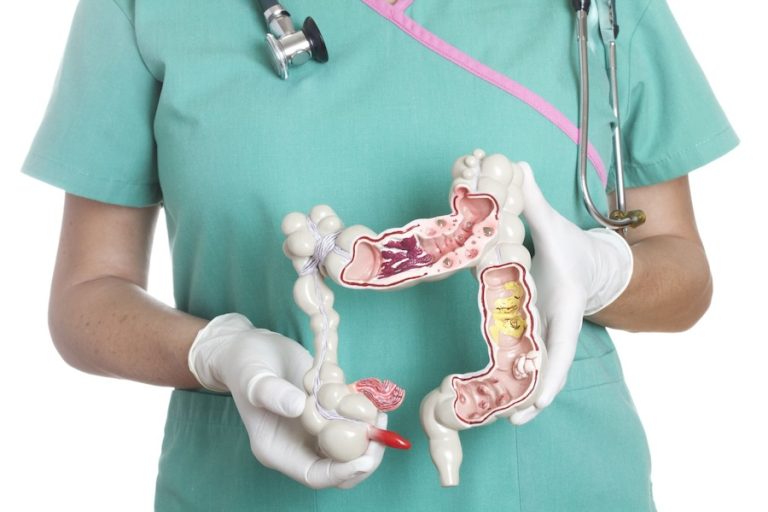
Ulcerative colitis

Facts

What is ulcerative colitis?

Ulcerative colitis is a type of inflammatory bowel disease (IBD), the other which is Crohn’s disease.

Ulcerative colitis generally only affects the lining of the colon (large intestines) and rectum/anus, which then can become very inflamed. Ulcerative colitis does not normally affect any other part of the gastrointestinal tract (small intestines, stomach, oesophagus, mouth) other than the large intestines and anus.

If the anus (rectum) is the only part that becomes inflamed the condition is then known as ulcerative proctitis.

Ulcerative colitis does not require surgery in most cases – only about 1% of people with this condition require their bowel removed. This type of surgery is only recommended for people with very severe forms of ulcerative colitis that does not respond to conventional treatment, seriously impacts quality of life or where there are pre-cancerous or cancerous cells.

Facts about ulcerative colitis

  • Ulcerative colitis mainly affects the mucosa lining of the large intestine and/or rectum
  • Bowel cancer incidence is higher in people that have ulcerative colitis for at least ten years, so regular colonoscopy is recommended
  • More people have Crohn’s disease than ulcerative colitis (in a ratio of 3:2)
  • More men than women seem to be diagnosed with ulcerative colitis than with Crohn’s disease
  • Smoking does not seem to affect incidence of ulcerative colitis

Symptoms

Symptoms of ulcerative colitis

The symptoms of ulcerative colitis depend on how inflamed the bowel (or rectum) is at any given moment.

Ulcerative colitis main symptoms

  • Abdominal pain – vague discomfort to cramps
  • Anaemia – from malabsorption of iron and/or passing blood in the stools
  • Diarrhoea – sometimes with blood and/or mucous (diarrhoea may not occur for everyone with ulcerative colitis)
  • Constipation – especially if the ulcers/lesions are closest to the rectum and not many in the large colon
  • Fever – when the disease is active
  • Incontinence – inability to control the flow
  • Lethargy and fatigue
  • Loss of appetite
  • Nausea
  • Passing fresh, bright red coloured blood in the stools or it can be passed separately from the stools
  • Shooting pain up the backside (tenesmus)
  • Vomiting
  • Weight loss

Other symptoms associated with ulcerative colitis

  • Blurred vision
  • Eye problems – inflammation and sensitivity to light
  • Headache
  • Joint pain
  • Mouth ulcers
  • Swelling or stiffness of the wrists, elbows, knees, ankles

Ulcerative colitis can also make a person more likely to develop gall stones, kidney stones, other kidney and circulatory problems.

Causes

Causes of ulcerative colitis

The exact cause of ulcerative colitis is not known. Scientists are yet to find the cause.

Science has put forward a few theories (which are still unproven) about why ulcerative colitis occurs:

  • Auto immune disease – ulcerative colitis could be due to the way the immune system responds to certain triggers in the intestines
  • Bacterial or viral infection – some scientists believe that a bacterial or viral infection that occurs in the intestines could trigger ulcerative colitis in some people
  • Environment – current research shows ulcerative colitis is not common in people who work outdoors, were breastfed as babies and are from middle-lower socio-economic backgrounds
  • Ethnicity – research shows that people who are Jewish are 2-4 times more likely to get ulcerative colitis than people who are not of Jewish ethnicity
  • Food sensitivities – some scientists suggest that ulcerative colitis could be partly due or triggered by certain food sensitivities which cause a problem in the functioning of the intestines
  • Genetics – research shows that about 20% of all people who have ulcerative colitis also have a relative with the condition

Prevention

Prevention of ulcerative colitis

Non-preventable risk factors

Ulcerative colitis may be unpreventable in certain circumstances:

  • Bacterial or viral gut infection – some medical experts believe that a trigger for ulcerative colitis is a bacterial or viral infection that somehow causes the immune system to function inappropriately. It is believed that this malfunction of the immune system could be one of the reasons why ulcerative colitis is triggered in some people
  • Contraceptive pill – studies show that women who have ulcerative colitis and who also take the contraceptive pill often suffer from more flare-ups of symptoms, than women who do not take the contraceptive pill
  • Food sensitivity – people with any type of food sensitivity may experience a triggering of worse symptoms, due to the intestines not being able to properly digest and absorb the food, which aggravates inflammation and bloating symptoms
  • Genetics – people from certain ethnic backgrounds seem to be more likely to develop ulcerative colitis. There are many reasons hypothesised about this and one of them is the lack of omega-3 fatty acids in their diet and the ratio of omega-3:omega-6 fatty acids being too high in omega-6. This has not been proven, but is one reason that has interesting possibilities because it means that more cases of ulcerative colitis could be preventable based on dietary recommendations
  • Lactose intolerance – people who have lactose intolerance can cause ulcerative colitis symptoms to be triggered in the bowel when the lactose is not able to be digested and this causes gas, inflammation and bloating. In addition to this, when symptoms of Crohn’s disease are at their worst, it can cause a temporary (few weeks) lactose intolerance to occur

Preventable risk factors

There are ways to prevent ulcerative colitis symptoms from getting worse and even from occurring:

  • Antibiotics – some studies show that use of antibiotics (especially long-term) can trigger worsening of ulcerative colitis symptoms
  • Diet – while diet is not a currently known cause of ulcerative colitis, it is known that following a diet that includes mostly fresh, unprocessed and low fat foods, with plenty of soluble fibre (that has been gradually added to the diet) seems to help symptoms
  • Environment – many studies show that ulcerative colitis is not common in people who work outdoors (as they tend to get enough sunlight, exercise and socialising), were breastfed as babies (get the extra immunity from the mother) and are from middle-lower socio-economic backgrounds (maybe because they tend to eat less meat and more legumes)
  • Stress – while not directly causing ulcerative colitis in the first place, stress can aggravate it and make the symptoms worse, so reducing stress is encouraged through some type of relaxation therapy (meditation, tai chi, yoga are all good examples)

Complications

Complications of ulcerative colitis

There are a great number of complications of ulcerative colitis:

  • Abscesses – if any part of the bowel becomes infected and inflamed, it can fill up with pus and cause an abscess to develop, which are treated by antibiotics; sometimes the abscess needs to be drained if the antibiotics do not heal the infection
  • Anaemia – many people with ulcerative colitis have deficiency of intrinsic factor, associated with a lack of vitamin B12 (cyanocobalamin) due to malabsorption and this can result in anaemia
  • Arthritis – people with inflammatory bowel disease are also at very high risk of also developing arthritis, because this condition is also due to inflammation in the body, so this is yet another complication
  • Dehydration – the person with ulcerative colitis may becomes dehydrated due to the malabsorption problems
  • Malnutrition – people with ulcerative colitis may have malnutrition and deficiency in a number of nutrients, despite eating a healthy diet and this is because of the colon’s malfunction and inability to absorb any nutrients properly or at all. Especially at risk of deficiency are the fat-soluble vitamins and this is because of the colon’s inability to deal properly with fat absorption and these vitamins need some dietary fat in order to be absorbed properly: vitamin A, vitamin D, vitamin E, vitamin K
  • Weight loss – people with ulcerative colitis can experience weight loss, due to malabsorption of nutrients from food eaten, due to the colon’s malfunction and inability to absorb nutrients properly or at all

Rare and serious complications

There are also a number of rarer, but very serious complications of ulcerative colitis:

  • Bowel obstruction – if any part of the bowel becomes blocked, either by an abscess, a fistula, stricture or immovable waste, this is a very serious problem. A blocked bowel needs immediately surgery to remove the blockage, otherwise it can be fatal
  • Bowel perforation and peritonitis – if there are cysts in the colon and if there is enough pressure on these cysts, it can cause them to burst. If the force of the burst cysts is great enough, it can cause the bowel (colon) to perforate (burst) too. The infected substance within the cysts can leak into the peritoneum (bowel cavity) and can spread to other abdominal organs. This is very severe and can be fatal if untreated with immediate surgery to remove the infected substance out of the abdominal cavity, removed damaged tissue and provide high dose antibiotics to stop the infection
  • Colon cancer – people with long term, chronic and severe ulcerative colitis may have a higher risk of developing colon cancer, especially because this condition can cause polyp development in the colon, which can become malignant over time
  • Inability of the blood to clot properly – the red blood cells may not be able to clot properly, which means wounds or injuries do not heal properly and this is a high risk factor for internal bleeding. This complication may be due to deficiency of intrinsic factor, associated with a lack of vitamin B12 (cyanocobalamin) due to malabsorption
  • Severe internal bleeding – this can occur during a very severe episode of ulcerative colitis and cause heavy bleeding through the rectum. This condition is life threatening as the patient will need a blood transfusion and possibly surgery to remove the bowel if it does not stop bleeding
  • Toxic megacolon – also known as acute dilation. This occurs during a severe episode of ulcerative colitis, which causes the transverse colon to get much bigger than normal and this is life threatening and needs to be treated in hospital with potassium and intravenous fluids or surgery to remove the bowel if it does not improve with treatment

Diagnosis

When to see a doctor about ulcerative colitis

People who have any of the symptoms associated with ulcerative colitis should see a doctor for proper diagnosis to confirm this condition (or to rule it out and confirm another diagnosis).

It is important to see a doctor and not self-medicate, because ulcerative colitis can cause major damage to the intestines and can cause complications if left untreated for a prolonged period.

People with existing ulcerative colitis need to see their doctor (and registered dietician) on a regular basis, to monitor their condition, to ensure they are not suffering from complications and to help with dietary management.

People with existing digestive disorders such as leaky gut syndrome or IBS may also need to see their doctor to rule out ulcerative colitis.

Diagnosis of ulcerative colitis

Initial diagnosis of ulcerative colitis includes:

  • Medical history of symptoms – the doctor will ask a series of questions about your symptoms (especially the duration and severity), your diet, your family medical history (if anyone else has similar symptoms or other gastrointestinal disorders)
  • Physical examination – the doctor (or gastroenterologist) will examine your abdominal area for pain or discomfort, as well as examining other parts of your body if needed (your hands, eyes and mouth)

Further tests

Once the doctor (or gastroenterologist) has reviewed the medical history and determines that further investigation is warranted, the following tests can be ordered:

  • Blood test – this is ordered to test iron, haemoglobin, vitamin B12 and other items. A blood test can determine if you are malnourished or have Crohn’s disease
  • Stool sample – this is ordered to determine if there is any blood in the stools or if there is a bacterial infection in the bowel present

Diagnostic tests

Further diagnostic tests can be ordered if symptoms continue despite treatment:

  • Barium meal – is often performed to rule out any other disorders of the bowel, such as ulcers and IBS, as it can show ulcerations of the bowel and stomach, narrowing of the bowel and fistulas in the bowel (little pockets in the bowel). This test is not performed much in Australia any more as a CAT scan can show the same information without having to enduring the ingestion of the barium (less invasive)
  • Gynaecological exam – many women with abdominal pain may need to undergo a gynaecological exam to rule out any gynaecological problems, if their symptoms warrant
  • CAT scan – a computerised x-ray of the abdominal area which can show if there are any abscesses, ulcerations or any other abnormality in any part of the bowel
  • MRI – magnetic resonance imaging can show clear pictures of the body tissues and organs, so it can show abscesses, ulcerations and any other abnormalities in the bowel
  • Colonoscopy – a gastroenterologist performs this test and it involves having a colonoscope (small, flexible tube with a camera and light at the end) being inserted into the colon (from the anus) to get a better view of the colon (or bowel) and determine level of inflammation and disease progression. The gastroenterologist will take a sample of the colon (a biopsy), especially of any parts that are inflamed, ulcerated or in any way abnormal. The colonoscopy is usually performed under light sedation and takes only about 10-15 minutes to be completed. Having ulcerative colitis means there is a higher risk for developing colon cancer, so regular colonoscopy is recommended to prevent this

Treatment

Conventional treatment of ulcerative colitis

Mild to moderate ulcerative colitis

Treatment of mild ulcerative colitis (less than four stools per day with no other major gastrointestinal symptoms):

  • Topical treatment – a variety of topical treatments can be used to treat symptoms, especially of they occur in the lower end of the colon:
    • Enema – a corticosteroid enema is placed in the rectum as a retention enema to help reduce symptoms
    • Suppository or foam – a corticosteroid suppository is placed in the rectum as a retention suppository to help reduce symptoms
  • Medication – a number of different medications are prescribed depending on symptoms:
    • Aminosalicylates – such as sulfasalazine, mesalazine, olsalazine are used to treat all forms ulcerative colitis
    • Antibiotics – are used to treat ulcerative colitis if there is an infection or abscess of some sort in the bowel
    • Glucocorticoids – such as prednisolone, hydrocortisone, budesonide are used to treat ulcerative colitis (and Crohn’s disease) and because their anti-inflammatory properties act very quickly to reduce symptoms. Long-term, these types of drugs can cause a variety of side effects and should never be stopped abruptly as this can cause disruption to hormone levels and cause serious ill health (the dose needs to be tapered gradually to avoid this)
    • Vitamin B12 and iron shots – these are given through shots or via a drip as the intestines may not absorb them properly and can cause anaemia through the lack of iron and/or vitamin B12 (a deficiency of either can cause anaemia

Moderate to severe ulcerative colitis

Treatment of moderate to severe ulcerative colitis (more than four stools per day with other major gastrointestinal symptoms):

  • Immunosuppressants – such as cyclosporine, methotrexate and thiopurine agents are used to treat active ulcerative colitis (and Crohn’s disease) and to maintain remission in people that have not responded to other drug therapy (glucocorticoids and antibiotics). Thiopurine agents are excellent at helping to heal fistulas. The only downside to these medications is that they can often take months to reach their full effects. The other disadvantage is that using these drugs long term may suppress the immune system too much and raise risk of infection, plus there is also a small risk of lymphoma (cancer of the lymph glands) when using these drugs long term
  • Intravenous iron and vitamin B12 – these nutrient are given through a drip (or shots administered by the doctor) as the intestines may not be able to absorb them properly and this can cause anaemia through the lack of iron and/or vitamin B12 (a deficiency of either can cause anaemia)
  • Electrolyte and fluid replacement – when ulcerative colitis is really severe, replacement fluids including the electrolyte minerals (chloride, sodium, potassium) are given via a drip (usually in hospital) to replace the fluids and electrolytes lost through diarrhoea (and vomiting)
  • Total parenteral nutrition – if the ulcerative colitis is really severe and absorption of food is greatly impaired because of bowel obstruction, or due to inability to absorb nutrients at all because of the severity of the disease, then total parenteral nutrition must be given via drip in hospital, which allows the gastrointestinal tract to rest and heal. This provides all the nutritional requirements through the blood so that nothing goes through the bowel and this enables the inflammation and other symptoms of the bowel to be healed

Surgery

Surgery is recommended as a treatment for serious complications of this condition, such as:

  • Abscesses and ulcerations of the colon
  • Blockages (partial or full) of any part of the bowel
  • Cancer of any part of the colon
  • Fistulas
  • Internal bleeding
  • Perforation of the colon or peritoneum
  • Strictures in any part of the bowel

Alternative

Alternative / complementary treatment of ulcerative colitis

There are a number of alternative therapies that can be used to treat ulcerative colitis, which can help to reduce the severity and length of symptoms. It is best to see a qualified naturopath who can develop a treatment plan just for you.

Never try to self-treat ulcerative colitis, as complications do arise and these need to be treated by a doctor.

Herbs

There are a number of excellent herbs which may help to provide relief for symptoms:

  • Ginger – the renowned anti-nausea properties of ginger can help reduce symptoms
  • Marshmallow – this herb has mucilaginous properties, which means it helps to sooth the mucous membranes and enable quicker healing of the ulcer, reducing symptoms in the process. People with hypoglycaemia or diabetes need to be careful taking this herb as it can reduce blood glucose levels too much when it is taken regularly
  • Slippery elm powder – this mucilaginous herb can help to relieve symptoms as it coats the intestinal walls and prevents further damage, pain, symptoms and ulceration

Vitamins

There are a number of vitamins which may help to provide relief for symptoms:

  • Vitamin A – the important antioxidant, vitamin A is vitally necessary for healthy mucous membranes in every part of the body and it can also help to speed up healing time. In addition to this, vitamin A is an important antioxidant which helps to reduce the damage to the intestines that inflammation causes and may possibly help reduce the risk of complications by preventing some of the scar tissue from forming. In addition to this, the bowel may not be absorbing the fat-soluble vitamins properly such as vitamin A, due to an inability to absorb fat properly and may be come deficient
  • Vitamin B12 – people with ulcerative colitis may easily become deficient in vitamin B12 and may require supplementation, as they are not producing enough intrinsic factor to help them absorb it and anaemia could be the result
  • Vitamin C – is a potent antioxidant vitamin C, helps to reduce the damage that inflammation causes, plus it helps in the maintenance of healthy collagen
  • Vitamin D – people with ulcerative colitis may become deficient in the fat-soluble vitamin D because they may not be able to absorb fat properly, which is necessary for the absorption of vitamin D
  • Vitamin E – the potent antioxidant vitamin E helps to reduce the damage that inflammation causes, plus it helps to reduce inflammation. In addition to this, the bowel may not be absorbing the fat-soluble vitamins properly such as vitamin E, due to an inability to absorb fat properly and may be come deficient
  • Vitamin K – people with ulcerative colitis may become deficient in the fat-soluble vitamin K because they may not be able to absorb fat properly, which is necessary for the absorption of vitamin K
  • Multivitamin – a general multivitamin containing all the vitamins is necessary to correct any possible nutrient deficiency, but the most important vitamins are listed above

Minerals

There are a number of minerals which may help to provide relief for symptoms:

  • Selenium – the important antioxidant mineral selenium, helps to reduce the oxidative damage that inflammation causes in the body, which helps with the healing process
  • Zinc – the other important antioxidant mineral zinc is vital to help the tissues heal more quickly and effectively from any type of damage
  • Multivitamin – a general multivitamin containing all of the minerals is necessary to correct any possible nutrient deficiencies, but the most important minerals needed to help with this condition are listed above

Other nutrients

There are a number of other nutrients which may help to provide relief for symptoms:

  • Amino acids – all of the 9 essential amino acids should be taken in supplement form to help prevent protein malabsorption. Amino acids are a vital nutrient that the body needs to have from the diet every day
  • Essential fatty acids – especially omega 3 and linoleic acid, which both help to reduce all types of inflammation in the body. The best form to take these is in fish oil, linseed oil, cod liver oil or tuna oil
  • Glycine – the semi-essential amino acid glycine is beneficial in helping reduce the inflammation and thereby also reducing the recovery time from a flare-up of the condition
  • Prebiotics – these are the precursors of probiotics, which help to promote the growth of “good” bacteria in the bowel so that they can function properly and keep the bowel healthy. Prebiotics are a type of dietary fibre which cannot be digested by the bowel, so they provide food for the intestinal flora. Examples are: asparagus, garlic, milk, onions, yoghurt
  • Probiotics – are living micro-organisms, which are known as “good” bacteria which help the gastrointestinal tract (GIT) fight off any “bad” bacteria, viruses and fungi. Probiotics normally exist in the GIT but can become depleted in people with bowel disease. Probiotics help to maintain a healthier GIT flora and may help reduce symptoms. Try lactobacillus acidophilus
  • Taurine – the semi-essential amino acid taurine is beneficial in helping reduce the inflammation, which means that it is also useful in reducing the recovery time from a flare-up of the disease

Dietary modifications

There are a number of dietary modification strategies which may help to provide relief for symptoms:

  • Avoid refined sugar – any type of products made from a lot of refined sugar shoud be avoided as they can cause further intestinal irritation because excessive sugar intake increases production of prostaglandins which have pro-inflammatory properties
  • Drink organic cabbage juice – the juice of cabbage contains “substance U” which has proven ulcer healing properties and it can help to reduce the ulceration of the bowel (or rectum) mucosa and provide relief for symptoms
  • Drink more water – fluids lost need to be replaced and so water is essential to help the bowel function properly, but try to use filtered water as most cities have fluorinated water supplies and the fluoride can irritate the bowel
  • Eat foods high in mucopolysaccharides – foods such as tripe, oats, onions, aloe vera, slippery elm help to heal the mucosa (mucous lining) of the intestinal walls and may help to reduce symptoms
  • Eat more protein – eat foods high in low fat protein, such as organic chicken and a little low fat red meat, but especially and mainly oily fish (salmon, mackerel, tuna, trout, sardines) which are high in omega 3 fatty acids (which help to reduce inflammation)
  • Eat smaller meals – have about 5-6 smaller meals each day to put less stress on the digestive system, which is not functioning as well as it should be. By eating smaller meals, it helps the digestive system because it only has to digest and absorb only a little bit of food at a time
  • Limit dairy – some dairy foods (cheese, butter, cream, sour cream, ice cream) can contain carageenan, which is a food additive added as a stabiliser and it may cause intestinal irritation in some people. Always use organic and always check food labels

Lifestyle modifications

There are a number of lifestyle modifications which may help to provide relief for symptoms:

  • General relaxation – learn some relaxation therapy such as meditation, tai chi, or yoga to help calm the mind and help calm digestion too. Studies show that stress can have an adverse effect on symptoms, by making them worse
  • Rest – people with this condition need to rest properly anyway, but especially during a flare-up as this is when the body needs all its resources to counter the inflammation and heal
  • Slow down – take life at a slower pace and relax. Always rushing around can have an adverse impact on digestion in general, but especially so in people with a digestive disorder, as studies show that stress can definitely aggravate symptoms

Alternative treatments

  • Food sensitivities – get checked for food sensitivities and/or use an elimination diet to find any food intolerance or food allergies (especially for lactose intolerance or gluten intolerance)

Always ensure that you notify your medical practitioner of any supplements that you want to take – it may interfere with other medication or conditions you have. Confirm with your doctor it is safe to take before you try it.

Self care

Living with ulcerative colitis

Self care strategies

Ulcerative colitis requires some diligence in maintaining a healthy diet and some supplementation may be required to help heal the digestive system and reduce severity and duration of symptoms. The following are the strategies most recommended to achieve this:

  • Avoid alcohol – it may be necessary to stop drinking any alcohol while the intestines and the rest of the digestive system are in the process of healing and this is because alcohol is known to irritate the intestines
  • Avoid cigarette smoke – people who smoke have to give up. This is just another reason to help with the decision to stop smoking. Cigarette smoke causes a number of problems with digestion and should be avoided. People who do not smoke should avoid exposure to second hand smoke from people who smoke around them
  • Digestive and pancreatic enzymes – the digestive and pancreatic enzymes are released by the digestive to help digest foods that are eaten so that their nutrients can be absorbed through the bloodstream. Digestions starts mainly in the stomach and ends in the small intestine. The digestive and pancreatic enzymes help to increase the amount of food digested by reducing the load on the digestive system and this reduces the amount of undigested foods that may escape into the bloodstream and cause the immune system to respond with an allergic reaction
  • Essential fatty acids – the essential fatty acids, especially the omega 3 (DHA/EPA) and omega 6 (GLA) are vital for a properly functioning gastrointestinal system as they reduce inflammation that may be associated with this digestive disorder and this reduces severity and duration of symptoms. The best way to get adequate levels of the essential fatty acids is to eat 3-4 servings of oily fish each week and ensure it is deep ocean, wild fish (not farmed). The fish with the highest levels of omega-3 fatty acids are: mackerel, salmon, sardines, trout, tuna. People who cannot eat fish should try a supplement with balanced levels of each of the essential fatty acids and ensure it has been tested for mercury
  • Exercise regularly – physical activity is a must for anyone with a digestive disorder as it helps to increase blood and lymphatic circulation. This helps to eliminate any toxins or unwanted substances more quickly out of the body. Exercise also increases the endorphins released and reduces stress
  • Fibre – increasing the amount of fibre in the diet is vital for ensuring healthy digestion. The best types of soluble fibres is psyllium, which helps the intestinal flora digest food properly. The best ways to add psyllium or slippery elm to the diet are in: smoothies, milkshakes, sauces, yoghurt, breakfast cereal, muesli, dips. Suggested dosage is up to 2-3 teaspoons per day, but add it gradually if fibre hasn’t been an integral part of the diet previously, start with 1/2 teaspoon for a few days and add another 1/2 teaspoon every 4 days until at the 2-3 teaspoons a day level
  • Food intolerance or sensitivity – these can be confirmed (if not known) through either an elimination diet or a blood test. An elimination diet involves removal of all the suspected allergens (such as dairy, gluten) as well as all processed foods and associated food additives and then re-introducing these foods, one at a time to determine if they have an adverse effect on digestion, or any other part of the body
  • Organic – another strategy to reduce the stress on the gastrointestinal system is to avoid foods which are not grown organically (without the use of pesticides and other chemicals and antibiotics). This helps the digestive system because it does not have to also try to detoxify the chemicals in the food in addition to trying to digest foods normally (which is not occurring in this condition). Not only this, but studies show that organic food has higher levels of all their nutrients than food not grown organically
  • Probiotics – the “good” bacteria may be in short supply in the digestive system which could be contributing to the symptoms. Acidophilus and other probiotic bacteria are required to help re-populate the intestines with “good” bacteria, which help to properly digest foods and reduce the amount of undigested food that escapes the gut. People who are not lactose intolerant should also include yoghurt that has live cultures
  • Reduce stress and relax – prolonged and unrelenting stress is not good for healthy digestion. While stress is not known to cause leaky gut syndrome, it certainly can make symptoms worse because it causes the parasympathetic nervous system to remain in stress mode, which means digestion and absorption is not effective as the nerve that controls it prevents it from happening properly
  • Slippery elm – the herb slippery elm is necessary for intestinal health as it is required to heal the intestinal mucosa by providing a mucilaginous layer over the intestinal wall, which reduces the stress on the intestines and helps to heal the intestines more quickly
  • Smaller meals – eat smaller meals to help reduce the load on the digestive system, which is not working properly and cannot handle larger meals, which can cause worsening of symptoms when the stomach and intestines struggles to handle the large amount of food eaten. Aim to have around 6 smaller meals each day
  • Supplements – certain supplements may be required to help in the healing process by reducing the load on the intestines and reduce symptoms. The fat-soluble vitamins may especially be required because this digestive disorder causes a problem with fat digestion, as well as a general multivitamin which contains all the vitamins and minerals to prevent malnutrition due to malabsorption and the amino acids (especially taurine and glycine) which help to reduce the inflammation associated with this disorder

Caring for someone with ulcerative colitis

Partner

The best way to help a partner with ulcerative colitis is to be supportive and sympathetic, but also the following can be helpful too:

  • Avoiding smoking inside – people with ulcerative colitis need to be away from any cigarette smoke, as it can exacerbate their symptoms
  • Eating smaller meals – help your partner to eat smaller meals by joining them in eating smaller meals, as this helps support your partner a great deal. Cooking and eating smaller meals is one way to help reduce the load on the digestive system by reducing the amount of food that needs to be digested and absorbed
  • Encourage a healthy diet – a healthy diet is one which has adequate amounts of fresh fruit and vegetables, wholegrains, legumes, protein and healthy fats and has little or no processed foods
  • Encourage exercise – going for walks (or joining a gym together) with your partner is a great way to bond. Exercise helps to improve circulation, reduces stress and encourages better health overall

Friends

People who have a friend who has ulcerative colitis can support their friend by the following:

  • Dinner parties – if you invite your friend to a dinner party, try to ensure there is food that they can eat. The best way to do this is to ask what foods are off limits for them and ensure to let them know beforehand which foods they should avoid
  • Discourage alcohol – if your friend has ulcerative colitis, they should be limiting alcohol intake as it can cause a worsening of symptoms, so try to make your social meetings ones that are alcohol free

Parents

Parents of a child who has ulcerative colitis can support their child by:

  • Avoid smoking inside – people with ulcerative colitis need to be away from any cigarette smoke, as it can exacerbate their symptoms
  • Cooking smaller meals – this is one way to help reduce the load on the child’s digestive system by reducing the amount of food that needs to be digested and absorbed
  • Probiotics – introduce some probiotics to the child’s diet, preferably in powder form as it can be more easily assimilated into other foods, but the tablets can also be taken if this is not successful
  • Slippery elm – find creative ways to add slippery elm to foods (smoothies, breakfast cereal, muesli) in the child’s diet. Slippery elm is one of the herbs most beneficial for any type of digestive disorder, but especially one in which there is irritation and damage to the intestinal wall and the intestinal mucosa

References

References

  • Altshuler LH, Maher JH. Acupuncture: a physician’s primer, Part I. J Okla State Med Assoc. 2002 Aug;95(8):527-33
  • Altshuler LH, Maher JH. Acupuncture: a physician’s primer, Part II. J Okla State Med Assoc. 2003 Jan;96(1):13-9
  • Bellé M, Sartori Sdo A, Rossi AG. Alcoholism: effects on the cochleo-vestibular apparatus. Braz J Otorhinolaryngol. 2007 Jan-Feb;73(1):110-6
  • Canis M, Olzowy B, Welz C, Suckfüll M, Stelter K. Simvastatin and Ginkgo biloba in the treatment of subacute tinnitus: a retrospective study of 94 patients. Am J Otolaryngol. 2009 Oct 30
  • Chung JH, Des Roches CM, Meunier J, Eavey RD. Evaluation of noise-induced hearing loss in young people using a web-based survey technique. Pediatrics. 2005 Apr;115(4):861-7
  • de Azevedo RF, Chiari BM, Okada DM, Onishi ET. Impact of acupuncture on otoacoustic emissions in patients with tinnitus. Braz J Otorhinolaryngol. 2007 Sep-Oct;73(5):599-607
  • Drew S, Davies E. Effectiveness of Ginkgo biloba in treating tinnitus: double blind, placebo controlled trial. BMJ. 2001 Jan 13;322(7278):73
  • Enrico P, Sirca D, Mereu M. Antioxidants, minerals, vitamins, and herbal remedies in tinnitus therapy. Prog Brain Res. 2007;166:323-30
  • Ernst E. The risk-benefit profile of commonly used herbal therapies: Ginkgo, St. John’s Wort, Ginseng, Echinacea, Saw Palmetto, and Kava. Ann Intern Med. 2002 Jan 1;136(1):42-53
  • Gordin A, Goldenberg D, Golz A, Netzer A, Joachims HZ. Magnesium: a new therapy for idiopathic sudden sensorineural hearing loss. Otol Neurotol. 2002 Jul;23(4):447-51
  • Gudex C, Skellgaard PH, West T, Sørensen J. Effectiveness of a tinnitus management programme: a 2-year follow-up study. BMC Ear Nose Throat Disord. 2009 Jun 26;9:6
  • Han BI, Lee HW, Kim TY, Lim JS, Shin KS. Tinnitus: characteristics, causes, mechanisms, and treatments. J Clin Neurol. 2009 Mar;5(1):11-9. Epub 2009 Mar 31
  • Henry JA, Schechter MA, Loovis CL, Zaugg TL, Kaelin C, Montero M. Clinical management of tinnitus using a “progressive intervention” approach. J Rehabil Res Dev. 2005 Jul-Aug;42(4 Suppl 2):95-116
  • Jalali MM, Kousha A, Naghavi SE, Soleimani R, Banan R. The effects of alprazolam on tinnitus: a cross-over randomized clinical trial. Med Sci Monit. 2009 Nov;15(11):PI55-60
  • Joachims HZ, Segal J, Golz A, Netzer A, Goldenberg D. Antioxidants in treatment of idiopathic sudden hearing loss. Otol Neurotol. 2003 Jul;24(4):572-5
  • Karkos PD, Leong SC, Arya AK, Papouliakos SM, Apostolidou MT, Issing WJ. ‘Complementary ENT’: a systematic review of commonly used supplements. J Laryngol Otol. 2007 Aug;121(8):779-82. Epub 2006 Nov 24
  • Khan M, Gross J, Haupt H, Jainz A, Niklowitz P, Scherer H, Schmidt FP, Klapp BF, Reisshauer A, Mazurek B. A pilot clinical trial of the effects of coenzyme Q10 on chronic tinnitus aurium. Otolaryngol Head Neck Surg. 2007 Jan;136(1):72-7
  • Linde K, Vickers A, Hondras M, ter Riet G, Thormählen J, Berman B, Melchart D. Systematic reviews of complementary therapies – an annotated bibliography. Part 1: acupuncture. BMC Complement Altern Med. 2001;1:3. Epub 2001 Jul 16
  • Linde K, ter Riet G, Hondras M, Vickers A, Saller R, Melchart D. Systematic reviews of complementary therapies – an annotated bibliography. Part 2: herbal medicine. BMC Complement Altern Med. 2001;1:5. Epub 2001 Jul 20
  • Lindgren T, Wieslander G, Dammström BG, Norbäck D. Tinnitus among airline pilots: prevalence and effects of age, flight experience, and other noise. Aviat Space Environ Med. 2009 Feb;80(2):112-6
  • Mahadevan S, Park Y. Multifaceted therapeutic benefits of Ginkgo biloba L.: chemistry, efficacy, safety, and uses. J Food Sci. 2008 Jan;73(1):R14-9
  • Okada DM, Onishi ET, Chami FI, Borin A, Cassola N, Guerreiro VM. Acupuncture for tinnitus immediate relief. Braz J Otorhinolaryngol. 2006 Mar-Apr;72(2):182-6
  • Osiecki H. The Physicans Handbook of Clininical Nutrition, 6th Edition. Bioconcepts Publishing QLD, 2001
  • Park J, White AR, Ernst E. Efficacy of acupuncture as a treatment for tinnitus: a systematic review. Arch Otolaryngol Head Neck Surg. 2000 Apr;126(4):489-92
  • Savage J, Cook S, Wadell A. Tinnitus. Clin Evid (Online). 2007 Aug 1;2007. pii: 0506
  • Savastano M, Brescia G, Marioni G. Antioxidant therapy in idiopathic tinnitus: preliminary outcomes. Arch Med Res. 2007 May;38(4):456-9. Epub 2007 Mar 12
  • Sendowski I. Magnesium therapy in acoustic trauma. Magnes Res. 2006 Dec;19(4):244-54
  • Tratter R, Jones A. Better Health Through Natural Healing: How to Get Well Without Drugs or Surgery, 2nd Edition. McGraw Hill, 2001
  • Van de Heyning P, Meeus O, Blaivie C, Vermeire K, Boudewyns A, De Ridder D. Tinnitus: a multidisciplinary clinical approach. B-ENT. 2007;3 Suppl 7:3-10
  • Vickers A, Wilson P, Kleijnen J. Acupuncture. Qual Saf Health Care. 2002 Mar;11(1):92-7

Last reviewed and updated: 14 May 2024

Sinusitis

Facts

What is sinusitis

Sinusitis is an infection and inflammation of the sinus passages, which can become swollen and blocked, making it difficult to breath through the nose. Sinusitis causes pain and other symptoms from the inflammation.

There are four main sinus cavities in the skull which contain air, mucous and tiny little hairs, called cilia. The sinuses exist in pairs with one side on the left and one of the right. The mucous in the sinus cavities, together with the cilia is used as a protective measure, to trap and sweep out bacteria that may try to come in and infect the body.

The four main sinus cavities that exist in the head and which can become infected are:

  • Frontal sinuses – exist in the area behind the forehead
  • Maxillary sinuses – exist in the area behind the cheeks
  • Sphenoid sinuses – exist deep in skull behind the eyes
  • Ethmoid sinuses – exist deep in the skull behind the maxillary sinuses

Sinusitis occurs when the lining of the sinuses becomes inflamed, irritated and swollen and it prevents the cilia from working properly.

Allergies ares closely associated with the development of sinusitis, due to the inflammation of nasal mucous that allergy causes, which if not resolved can lead to sinusitis.

Sinusitis can be either:

  • Acute – usually caused by a bacterial infection of the sinus passages, but can also be caused by an allergy or irritation to a substance
  • Chronic – when sinus infections occur regularly, last longer than an acute infection and cause longer-term symptoms

Facts about sinusitis

  • Sinusitis is a very common upper respiratory condition
  • Chronic sinusitis is very closely associated with the development of nasal polyps (overgrowth of inflamed tissue in the sinus passages)
  • Sinusitis is also associated with allergic rhinitis, as one can predispose the other to develop
  • Untreated and serious sinusitis can develop into more serious infections of the head and brain
  • Always seek medical attention for babies and young children with any type of fever associated with sinusitis
  • Sinusitis is also known as rhino-sinusitis (rhino means “nose”)
  • The sinuses need to be able to drain mucous properly to be effective and sinusitis prevents this from happening correctly
  • The sinuses are air-filled cavities inside the skull, which scientists believe evolved to make the skull lighter

Symptoms

Symptoms of sinusitis

Acute sinusitis and chronic sinusitis both have many common symptoms:

  • Bad breath – the build-up of infected or inflamed mucous can cause a build-up of bacteria in the area to make bread smell bad (especially happens in the morning, after sleeping at night when the head has been lying down for hours)
  • Coloured discharge from the nose – yellow, greenish or brown coloured discharge from the nose, which is usually an indication that there is a bacterial infection of the sinuses
  • Cough – the sinus inflammation can produce a dry cough
  • Fatigue – the sinusitis can cause the body to feel weakened and lethargic
  • Fever – usually low grade fever, but can be high if infection is really acute
  • Nasal congestion – blocked nose and difficulty breathing through the nose
  • Nausea – this usually happens from swallowing the inflamed (or infected) mucous
  • Pain in the face – pain in the forehead, head, nose and cheeks to the side of the nose and tenderness when they are pressed
  • Redness and swelling – especially around the nose, cheeks, eyes due to the internal inflammation of the sinuses
  • Reduced senses of smell and taste – these senses can be dulled
  • Runny nose – clear fluid that seems to drip out of the nose
  • Teeth pain – most people feel pain in their teeth, especially upper teeth

Chronic sinusitis also has the following additional symptoms

  • Increased pain – the pain in the head, upper teeth and bones may become quite excruciating and pain relief (in the form of analgesic medications) may be required to reduce the severity of the pain
  • Post nasal drip – discharge from the back of the throat which occurs especially when the head is laying down, most often at night, during sleep. This is a reason why people with sinusitis wake up with full nasal passages and inability to breath properly at night

In very rare cases, the sinus infection can spread to other parts of the head and even the brain, which can be serious if not treated promptly.

Children with swelling of the cheeks or eyelids should be immediately taken to a doctor for treatment, as they have smaller sinus passages and an infection could have more serious consequences.

Causes

Causes of sinusitis

Sinusitis is can be caused by any of the following:

Allergy

One of the most common causes of sinusitis is allergy. When an allergen (dust) enters the sinus passages, usually through inhalation this can cause an inflammation of the nasal mucous membranes which line the nasal passages. These inflamed nasal mucosa block proper drainage of the sinuses and this blockage encourages (usually) bacterial infection, resulting in sinusitis.

Chemical irritation

Any type of chemical can potentially irritate the nasal passages and cause an inflammation of the sinuses, to lead to sinusitis. The most commonly inhaled chemical irritants that can cause sinusitis are: cleaning products, perfumes, pest control chemicals

Dental infection

Any type of infection of any part of the teeth can be an underlying factor which can cause the symptoms of sinusitis. It is important to appropriately treat this cause of sinusitis as a dental infection can cause many complications.

Infection by virus or bacteria

The most common cause of sinusitis is due to a viral infection, usually during a cold or flu infection. The virus can infect and inflame the sinus passages and cause sinusitis symptoms. A less common cause of infection is a bacterial infection of the sinuses, which is due mainly because of the blockage of mucous that provides a perfect environment for infection.

Prevention

Prevention of sinusitis

Non-preventable risk factors

Sinusitis may be unpreventable in certain circumstances:

  • Dental infection – A dental infection in the upper teeth, usually an abscess, can also cause inflammation of the maxillary sinuses, which results in sinusitis
  • Gastro-oesophageal reflux disease (GERD) – an uncommon, but known risk factor for for sinusitis, is gastro-eosophageal reflux disease (GERD). People who have GERD experience regurgitation of their food as it refluxes from the stomach and up the eosophagus. The acidic fumes from this refluxed foods can travel into the sinuses (and lungs) and greatly inflame the sinuses passages, causing sinusitis. This risk factor is often missed in many people because they do not realise it can cause sinusitis
  • Hay fever (allergic rhinitis) – people who have allergic rhinitis (hay fever) are also much more predisposed to developing sinusitis too. This is most likely due to the allergic rhinitis (hay fever) causing inflammation of the nasal mucous membranes and this can cause a build-up of mucous and any allergens, which blocks the sinus passages. This blockages makes it much more likely for the sinuses to become infection and for sinusitis to occur
  • Trauma to the sinuses – any type of injury or trauma to the sinuses has the potential to cause inflammation of the mucous membrane lining the sinuses and result in sinusitis. Injury to the sinuses is rare, but it does occur when the trauma is severe enough to impact the sinuses
  • Viral or bacterial infection – any type of upper respiratory infection or dental infection of the teeth can predispose a person to developing sinusitis too. An upper respiratory infection inflames the nasal passages, making it more likely the mucous membranes are also inflamed and sinusitis to ensue, even if it is just for the duration of the infection (acute sinusitis)

Preventable risk factors

There are ways to prevent sinusitis from occurring or at least symptoms from worsening:

  • Avoid allergens – if you know you have an allergy to a particular substance, then you need to ensure you avoid it as much as possible, to prevent sinusitis from occurring
  • Avoid irritants – if you know your sinuses become irritated by a particular substance, then you need to ensure you avoid it as much as possible, to prevent sinusitis from occurring
  • Neti pot – a neti pot is a very useful way to help drain the sinuses and reduce incidence of sinusitis
  • Strengthen the immune system – the immune system needs to be strengthened so that it can more effectively fight off any type of infection (viral or bacterial) and prevent sinusitis from occurring in the first place, or at least reduce the severity of the symptoms

Complications

Complications of sinusitis

There are a number of complications that can occur due to both acute and chronic sinusitis:

  • Abscesses – a common complication of sinusitis is the development of an abscess, due to the bacterial infection spreading. An abscess is a fluid filled sac that contain pus, infected material and if it bursts, it can infect the whole area in its surrounding and this can be potentially fatal
  • Cellulitis – the eye is most commonly affected with cellulitis, an acute infection of the eye socket area that causes inflammation and requires emergency treatment (usually antibiotics intravenously) as it can worsen very quickly. The infection spreads to the eye from the nasopharynx or from the frontal, maxillary or ethmoidal sinuses
  • Empyema (epidural and subdural) – empyema occurs when there is pus in the lining between the brain the skull bone and occurs as a result of intracranial complications of the frontal osteomyelitis
  • Frontal bone osteomyelitis – this condition is also known as Potty’s puffy tumor and is a very rare complication of frontal sinusitis. It is characterised by abscesses and osteomyelitis of the frontal bone. The frontal sinuses appear very swollen. Frontal bone osteomyelitis needs to be treated with draining of the abscess(es) and a course of antibiotics for several weeks to prevent even further complications. Brain abscess is the common complication of skull osteomyelitis
  • Meningitis – the meninges, which is the tissue surrounding the brain between the brain and the skull can become infected and inflamed which is know as meningitis. This very serious bacterial infection can occur when there is a very serious sinusitis infection that has resulted in abscesses forming and/or frontal bone osteomyelitis
  • Nasal polyps – a very common complication of chronic sinusitis are nasal polyps, which are usually benign growths within the sinus passages and which can block the sinus cavities and obstruct breathing, especially at night and result in obstructive sleep apnoea, which is a condition where breathing stops and starts
  • Paranasal mucocele – this rare complication is a chronic, cystic lesions in the paranasal sinuses which cause swelling and inflammation of the bone within the sinus cavities

Diagnosis

When to see a doctor about sinusitis

People who have any of the symptoms of sinusitis need to make an appointment to see their doctor who can diagnose this condition (or rule it out) and prescribe appropriate treatment to relieve symptoms.

People who have been diagnosed with sinusitis need to see their doctor if:

  • Their symptoms suddenly get worse and none of the medications or other strategies to alleviate symptoms are effective
  • They experience different symptoms to the ones they normally experience

Diagnosis of sinusitis

Initial diagnosis of sinusitis is made through the following tests:

  • Medical history of symptoms – the doctor will ask a series of questions about your symptoms (especially the duration and severity) and onset of symptoms
  • Physical examination – to detect the severity of the condition and symptoms. The doctor will usually press on the areas of the face where the sinuses are located, which, if cause pain, are generally a good indication of sinusitis

Further diagnosis of sinusitis

  • CAT scan – the CAT scan test can provide a good view of the sinuses and nasal passages so that any other conditions or underlying problems can be ruled out (such as nasal polyps, which are very common in people with sinusitis)

Treatment

Conventional treatment of sinusitis

Conventional treatment of sinusitis consists of a combination of strategies:

Dietary modifications

Certain strategies can help help prevent sinusitis in the first place, or improve symptoms in an existing condition:

  • Drink plenty of fluids – water and juice can help to rehydrate the body and replace all the fluids being lost with the runny nose and dripping mucous
  • Keep immune system strong – eat plenty of fruits and vegetables which provide good levels of nutrients that may prevent sinusitis from developing in the first place

Immunotherapy

This involves gradually increasing doses of the substance (or allergen) to which the person is allergic over time, this has the effect of making the immune system less sensitive to that allergen and reducing symptoms

Lifestyle modifications

Certain strategies can help help prevent sinusitis in the first place, or improve symptoms in an existing condition:

  • Avoid allergens – known allergens that cause chronic sinusitis should be avoided as much as possible
  • Avoid irritants – known irritants that cause chronic sinusitis should be avoided as much as possible
  • Humidifier – these moisten the air and help loosen and remove mucous from the infected sinus passages, reducing symptoms
  • Rinse sinuses with saline – either purchase a saline solution (to be used in the nasal and sinus passage) or make up one (mix lukewarm water with some salt to taste like tear drops, slightly salty) which should be used to rinse out the nasal passages – this helps reduce symptoms

Medications

These can be prescribed by a doctor or purchased over-the-counter from a pharmacy:

  • Antibiotics – these are usually prescribed when a bacterial infection is suspected, to help clear up the infection or when bacterial infection could occur
  • Antihistamines – these are prescribed to reduce the allergic reaction which caused the inflammation of the sinus passages (for those whose sinusitis was caused by an allergy)
  • Corticosteroid nasal sprays – these medicated nasal sprays help to reduce inflamed sinus passages and are very useful for people with chronic sinusitis whose sinus passages may be very inflamed and irritated
  • Corticosteroid nasal tablets – these are taken orally and also help to reduce the inflammation of the sinus passages. These medications are especially used in people with chronic sinusitis
  • Decongestant nasal sprays – these medicated nasal sprays help to shrink the mucous inflammation in the sinuses, which encourage sinus drainage and reduction in symptoms. These types of nasal sprays should only be used short-term (around 1 week at the most)
  • Decongestant tablets – these tablets are taken orally and have the same effect as the sprays but can usually be taken for a longer period than the sprays as they have less (but not none) rebound effects
  • Pain killers – a number of over-the-counter pain killers can be taken to help to relieve pain, headache and fever that is associated with sinusitis. The most common pain killers used are: Paracetamol or ibuprofen

Surgery

Surgery is usually a strategy of last resort and is recommended only for patients whose sinusitis is really chronic and does not respond to the treatment options normally recommended (medication, lifestyle and dietary modification and immunotherapy).

Surgery removes the inflamed tissue inside the sinus passages, some nasal bone and any nasal polyps that are present to try to resolve the problem.

Alternative

Alternative / complementary treatment of sinusitis

Alternative / complementary treatment of sinusitis involves a combination of a number of strategies.

Herbs

Certain herbs may assist with reducing incidence of symptoms:

  • Echinacea – studies show the potent herb echinacea has excellent anti-viral and anti-bacterial properties which has a positive effect on stimulating the immune system to work properly. Echinacea should only be taken for two weeks at a time, then you need to avoid it for at least two weeks before starting it again
  • Fenugreek – the spice fenugreek has been traditionally used in Indian Ayurvedic medicine to clear nasal congestion and prevent infection. Studies show fenugreek does have some anti-inflammatory properties, which may help to reduce sinusitis symptoms
  • Garlic – studies show the potent herb / food garlic helps to clear nasal congestion and prevents infection, as it has potent anti-bacterial and anti-viral properties. Garlic also helps to stimulate the immune system to function more effectively in fighting off infection
  • Horseradish – the spice horseradish has been traditionally used to clear nasal congestion and prevent infection. Studies show horseradish has anti-inflammatory properties
  • Olive leaf – studies show the herb olive leaf helps to reduce inflammation in the sinus passages and this helps to clear up congestion and blockages, which reduces symptoms of sinusitis

Vitamins

Many studies show certain vitamins have a beneficial effect on reducing length and severity of symptoms:

  • Betacarotene – the antioxidant betacarotene is the precursor to vitamin A, so has the same beneficial properties on the mucous membranes, to help reduce inflammation and increase healing capacity
  • Bioflavonoids – together with vitamin C, the bioflavonoids help to support the immune system to function at a much more optimal level
  • Vitamin A – the antioxidant vitamin A is required to keep the mucous membranes soft, moist and healthy to prevent allergens from entering the body and causing an infection in the first place
  • Vitamin B complex – the B vitamins support the immune system to function correctly and may help to reduce severity and length of symptoms
  • Vitamin C – together with bioflavonoids, the antioxidant vitamin C helps to support the immune system to function at a much more optimal level. Vitamin C is also an effective and natural anti-histamine, so it is useful for people who have an underlying allergy that causes the sinusitis
  • Vitamin E – studies show the antioxidant vitamin E helps to reduce symptoms of nasal congestion by helping the support the function of the immune system to fight the underlying viral or bacterial infection

Minerals

Some minerals may assist with reducing symptoms:

  • Magnesium – the mineral magnesium has properties which induce relaxation in tissues and this may help to reduce inflammation in the sinus passages
  • Selenium – the antioxidant mineral selenium helps support the immune system to fight infection and helps to heal the body more quickly from any type of illness or infection from viruses or bacteria
  • Zinc – studies show that zinc helps with all upper respiratory conditions, stimulating the immune system to heal more quickly

Other nutrients

Studies show certain nutrients have a beneficial effect on reducing length and severity of symptoms:

  • Alpha-lipoic acid – the antioxidant alpha lipoic acid helps to boost the immune system, helps to boost the infection fighting properties of other antioxidant nutrients and this may help to reduce symptoms in both acute and chronic sinusitis
  • Essential fatty acids – studies show that the essential fatty acids are beneficial in reducing inflammation in all parts of the body (including the sinus passages) and this helps to reduce severity of symptoms
  • Omega 3 fatty acids – the omega 3 fatty acids help reduce symptoms of inflammation in the nasal passages and help with breathing better
  • Quercetin – studies show that the potent bioflavonoid antioxidant quercetin has a beneficial effect on reducing severity of symptoms
  • Grapefruit seed extract – studies show that the antioxidant effects of grapefruit seed extract may help reduce the inflammation in the nasal passage and reduce symptoms of sinusitis (acute or chronic) without the rebound effects often experienced with conventional medicine

Dietary modifications

Foods that trigger allergies should be avoided to reduce symptoms:

  • Avoid foods causing mucous – certain foods such as dairy, processed foods (high sugar and high fat foods) tend to cause more mucous to form which can make symptoms worse
  • Drink more fluids – water helps to rehydrate the body and moisten the mucous membranes to keep the allergens out and prevent them from causing symptoms
  • Eat more garlic and onions – as much as can be tolerated either fresh, cooked or as garlic supplements; both have anti-inflammatory properties which help reduce symptoms
  • Eat more oily fish – these fish (mackerel, salmon, sardines, trout, tuna) contains omega 3 fatty acids which may reduce inflammation inside the sinus passages and also help to reduce the severity and duration of symptoms
  • Eat more fruits and vegetables – these natural foods have a high content of vitamins, minerals and other nutrients such as antioxidants which may reduce severity and length of symptoms
  • Eat more nuts – especially walnuts and pecans, as they contains the essential fatty acids which may reduce the inflammation inside the sinus passages and also help to reduce the severity and duration of symptoms
  • Eliminate food allergens – there are a number of common food allergens that could be causing the sinusitis symptoms and they should be removed from the diet to try to work out if they are causing this condition. The most common food allergens are: cow’s milk products, food additives, colours and preservatives

Lifestyle modifications

Certain lifestyle factors can help to clear up symptoms more quickly:

  • Avoid alcohol – studies show that excessive intake of alcohol can cause the sinus lining to swell more, making symptoms worse
  • Avoid allergens – if certain allergens are known to cause chronic sinusitis, care should be taken to avoid contact with them to prevent exacerbation of symptoms
  • Neti pot – the neti pot has been traditionally used in Indian culture to help clear out the sinuses and prevent sinusitis symptoms. The neti pot should be filled with lukewarm water that has had fine sea salt added and mixed thoroughly through. Tilt your head to one side and insert the nozzle of the neti pot into the nostril that is on the top side and let the water flow through to the other side. Ensure you are standing over a basin so that the water that flows through can flow into the basin and not the floor
  • Relax – it is advisable to engage in relaxation techniques that lower stress to help to reduce symptoms of sinusitis as stress only exacerbates symptoms
  • Rest – lying down, sleeping and taking it easy (not over-exerting the body) gives the body the best chance to heal more quickly
  • Steam inhalation – the steam breaks up the mucous in the nasal passages, lessens nasal congestion assists with better sleep by enabling the sinuses to be less inflamed and clearer
  • Stop smoking – studies show that cigarette smoking puts a strain on the body and exacerbates symptoms, which means that second-hand smoke should also be avoided, so stay away from it too

Alternative treatments

  • Acupuncture – there are several studies which suggest that the symptoms of sinusitis may be reduced in both severity and duration through a course of acupuncture by a registered practitioner

Always ensure that you notify your medical practitioner of any supplements that you want to take – it may interfere with other medication or conditions you have. Confirm with your doctor it is safe to take before you try it.

Self care

Living with sinusitis

Self care strategies

There are a number of strategies which are recommended to help deal with sinusitis:

  • Avoid alcohol – studies show that excessive intake of alcohol can cause the sinus lining to swell more, making symptoms worse so avoid alcohol especially during an acute sinusitis infection and limit it if you have chronic sinusitis, as it can only make your symptoms worse
  • Avoid mucous causing foods – certain foods such as dairy, processed foods (high sugar and high fat foods) tend to cause more mucous to form which can make symptoms worse as the body has to try to get rid of the excessive mucous and fight off the sinusitis infection
  • Avoid the allergens – any type of allergies to foods, plants, pets and any other allergens can trigger symptoms and should be avoided to prevent sinusitis symptoms
  • Avoid chemical irritants – pollution, cigarette smoke and other environmental chemicals, can all trigger symptoms of sinusitis and should be avoided
  • Drink fluids – you must maintain your fluid levels with plenty of water (around 8 glasses a day) or freshly squeezed juices, which can help provide the fluids to rehydrate the nasal mucous tissue
  • Eat more garlic, ginger and onions – these foods have potent anti-inflammatory effects, which can help reduce the inflammation in the mucous membranes in the sinus passages. Garlic especially, also has anti-viral and anti-bacterial properties, so it helps boost the immune system to fight off any type of infection quickly
  • Eat fresh vegetables and fruit – especially the dark green and dark purple vegetables and brightly coloured fruits, as they have more antioxidants, which can help boost the immune system to reduce the severity and duration of symptoms. Try to ensure the vegetables and fruit are organic (or pesticide-free) as studies show these have more of the nutrients than those conventionally produced
  • Moist air – the congestion in your sinus passages may be broken up a little more quickly with moist air. Either use a humidifier (or vaporiser), have a warm shower (and leave the fan off), or a sink filled with warm water and a towel around your head to breath in to warm steam (steam inhalation)
  • Reduce fever and pain – you may be able to reduce any fever or aches and pains with panadol, Acetimophen, ibuprofen or aspirin. People with any type of gastric (stomach) or intestinal disorder (including GERD) or anyone younger than 18 years should not take aspirin
  • Rest – you need to rest if you have an acute sinusitis infection, to give your body enough energy to more effectively deal with the infection. Your doctor will let you know how long you need to rest, to give your body a better chance to fight off the infection much sooner
  • Stop smoking – if you smoke, you need to at least reduce your intake for the duration of the acute sinusitis, as the cigarettes will just worsen your symptoms and may make breathing much more difficult. Do not be exposed to other people’s second hand smoke either, as it has the same detrimental effect on sinusitis as smoking yourself
  • Use a neti pot to prevent sinusitis – the neti pot has been traditionally used in Indian culture to help clear out the sinuses and prevent sinusitis symptoms. The neti pot should be filled with lukewarm water that has had fine sea salt added and mixed thoroughly through. Tilt your head to one side and insert the nozzle of the neti pot into the nostril that is on the top side and let the water flow through to the other side. Ensure you are standing over a basin so that the water that flows through can flow into the basin and not the floor

Caring for someone with sinusitis

Partner

If your partner has acute or chronic sinusitis, there are some strategies you can use to help them recover more quickly:

  • Allow your partner to rest – your partner’s condition (either acute or chronic sinusitis) will get better much more quickly if they can rest properly, so it may be up to you to take care of the household duties such as cooking, while your partner recovers
  • Don’t smoke – your partner will be adversely affected by your cigarette smoke, so make sure you do not smoke anywhere near them as it may cause their symptoms to get worse, make their breathing difficult and possible cause them some distress
  • Medication – you should try to make sure your partner is taking their medication as prescribed, especially if they have a fever or are feeling too sick to manage it themselves
  • Moist air – encourage your partner to moisten the airways in their sinuses by having a humidifier in the home, or get them to have a shower (with the fan off to generate more steam) or even fill a sink with hot water and get your partner to stand over it with a towel over their head and breathe in the steam. All of these strategies will help break up the some of the congestion in their sinuses, which will help them breathe more easily
  • Provide fluids to your partner – your partner needs lots of fluids, so you could get them a glass of water or juice every few hours, to make sure they are drinking enough fluids to rehydrate the mucous membranes in their sinuses. This is especially important if your partner is laying down resting – it is much easier if you can provide their fluids to them so they can rest more

Friends

If your friend has acute or chronic sinusitis, there are some strategies you can use to help them:

  • Don’t smoke – your friend will be adversely affected by your cigarette smoke, so if you are going to see them, make sure you do not smoke anywhere near them as it may cause their symptoms to get worse, make their breathing difficult and possible cause them some distress

Parents

If your child has acute or chronic sinusitis, there are some strategies you can use to help them recover more quickly:

  • Allow your child to rest – your child’s condition (either acute or chronic sinusitis) will get better much more quickly if they can rest properly, so you should ensure they stay in bed and rest so they can recover
  • Don’t smoke – you must not smoke anywhere near your child, so that they can inhale your smoke, whether your child has acute or chronic sinusitis. Your cigarette smoke will make it more difficult for your child to breath, cause their symptoms to get worse and this may cause your child to be distressed
  • Inform the school – you need to inform your child’s school of their absence as recommended by your doctor and speak to their teachers about any school work they may be missing
  • Medication – you should try to make sure your child is taking their medication as prescribed, especially if they have a fever, are too young, or feeling too sick to manage it themselves. You should speak to your doctor about using alternative/complementary treatments for sinusitis before trying them
  • Moist air – encourage your child to moisten the airways in their sinuses by having a humidifier in the home, or get them to have a shower (with the fan off to generate more steam) or even fill a sink with hot water and get your partner to stand over it with a towel over their head and breathe in the steam – ensure the water is not too hot and watch over your child to make sure they do not get too close to the hot water and burn themselves. All of these strategies will help break up the some of the congestion in their sinuses, which will help them breathe more easily and reduce the pain
  • Provide fluids to your child – your child needs lots of fluids, so you could get them a glass of water or juice every 1-2 hours, to make sure they are drinking enough fluids to rehydrate the mucous membranes of their sinuses. This is especially important if your child is laying down resting – it is much easier if you can provide their fluids to them so they can rest more

References

References

  • Akhaddar A, Elmostarchid B, Boulahroud O, Elouennass M, Boucetta M. Actinomycotic brain abscess with osteomyelitis arising from frontal sinusitis. Intern Med. 2009;48(8):619-20. Epub 2009 Apr 15
  • Ali A, Kurien M, Mathews SS, Mathew J. Complications of acute infective rhinosinusitis: experience from a developing country. Singapore Med J. 2005 Oct;46(10):540-4
  • American Academy of Pediatrics. Subcommittee on Management of Sinusitis and Committee on Quality Improvement. Clinical practice guideline: management of sinusitis. Pediatrics. 2001 Sep;108(3):798-808. Accessed 9 January 2009
  • Arias-Irimia O, Barona-Dorado C, Santos-Marino JA, Martínez-Rodriguez N, Martínez-González JM. Meta-analysis of the etiology of odontogenic maxillary sinusitis. Med Oral Patol Oral Cir Bucal. 2009 Jan 1;15(1):e70-3
  • Blanc PD, Trupin L, Earnest G, Katz PP, Yelin EH, Eisner MD. Alternative therapies among adults with a reported diagnosis of asthma or rhinosinusitis : data from a population-based survey. Chest. 2001 Nov;120(5):1461-7
  • Buehring I, Friedrich B, Schaaf J, Schmidt H, Ahrens P, Zielen S. Chronic sinusitis refractory to standard management in patients with humoral immunodeficiencies. Clin Exp Immunol. 1997 Sep;109(3):468-72
  • Carter BL, Bankoff MS, Fisk JD. Computed tomographic detection of sinusitis responsible for intracranial and extracranial infections. Radiology. 1983 Jun;147(3):739-42
  • Chun JK, Lee TJ, Song JW, Linton JA, Kim DS. Analysis of clinical presentations of Bruton disease: a review of 20 years of accumulated data from pediatric patients at Severance Hospital. Yonsei Med J. 2008 Feb 29;49(1):28-36
  • Degano B, Génestal M, Serrano E, Rami J, Arnal JF. Effect of treatment on maxillary sinus and nasal nitric oxide concentrations in patients with nosocomial maxillary sinusitis. Chest. 2005 Sep;128(3):1699-705
  • Ebbert JO, Croghan IT, Schroeder DR, Murawski J, Hurt RD. Association between respiratory tract diseases and secondhand smoke exposure among never smoking flight attendants: a cross-sectional survey. Environ Health. 2007 Sep 26;6:28
  • Gidoli SH. Zinc Ionization in the Treatment of Nasal Sinusitis. Cal West Med. 1934 Mar;40(3):187-8
  • Guven M, Aladag I, Eyibilen A, Filiz NO, Ozyurt H, Yelken K. Experimentally induced acute sinusitis and efficacy of vitamin A. Acta Otolaryngol. 2007 Aug;127(8):855-60
  • Hahn S, Palmer JN, Purkey MT, Kennedy DW, Chiu AG. Indications for external frontal sinus procedures for inflammatory sinus disease. Am J Rhinol Allergy. 2009 May-Jun;23(3):342-7
  • Hansen JG. The effect of acute rhinosinusitis on pulmonary function in adults. Prim Care Respir J. 2009 Sep;18(3):224-6
  • Harvey RJ, Debnath N, Srubiski A, Bleier B, Schlosser RJ. Fluid residuals and drug exposure in nasal irrigation. Otolaryngol Head Neck Surg. 2009 Dec;141(6):757-61
  • Helms S, Miller A. Natural treatment of chronic rhinosinusitis. Altern Med Rev. 2006 Sep;11(3):196-207
  • Jaber R. Respiratory and allergic diseases: from upper respiratory tract infections to asthma. Prim Care. 2002 Jun;29(2):231-61
  • Linday LA, Dolitsky JN, Shindledecker RD. Nutritional supplements as adjunctive therapy for children with chronic/recurrent sinusitis: pilot research. Int J Pediatr Otorhinolaryngol. 2004 Jun;68(6):785-93
  • Lundberg JO. Nitric oxide and the paranasal sinuses. Anat Rec (Hoboken). 2008 Nov;291(11):1479-84
  • Masterson L, Leong P. Pott’s puffy tumour: a forgotten complication of frontal sinus disease. Oral Maxillofac Surg. 2009 Jun;13(2):115-7
  • Mion Ode G, Campos RA, Antila M, Rapoport PB, Rosario N, de Mello Junior JF, et al. Futura study: evaluation of efficacy and safety of rupatadine fumarate in the treatment of persistent allergic rhinitis. Braz J Otorhinolaryngol. 2009 Sep-Oct;75(5):673-9
  • Osei-Yeboah C, Neequaye J, Bulley H, Darkwa A. Osteomyelitis of the frontal bone. Ghana Med J. 2007 Jun;41(2):88-9
  • Osiecki H. The Physicans Handbook of Clininical Nutrition, 6th Edition. Bioconcepts Publishing QLD, 2001
  • Ragab S, Scadding GK, Lund VJ, Saleh H. Treatment of chronic rhinosinusitis and its effects on asthma. Eur Respir J. 2006 Jul;28(1):68-74. Epub 2006 Mar 1
  • Rabago D, Zgierska A. Saline nasal irrigation for upper respiratory conditions. Am Fam Physician. 2009 Nov 15;80(10):1117-9
  • Rostkowska-Nadolska B, Fraczek M, Gawron W, Latocha M. Influence of vitamin D(3) analogues in combination with budesonid R on proliferation of nasal polyp fibroblasts. Acta Biochim Pol. 2009;56(2):235-42. Epub 2009 Jun 6
  • Samet JM. Adverse effects of smoke exposure on the upper airway. Tob Control. 2004 Mar;13 Suppl 1:i57-60
  • Schleimer RP, Kato A, Peters A, Conley D, Kim J, Liu MC, et al. Epithelium, inflammation, and immunity in the upper airways of humans: studies in chronic rhinosinusitis. Proc Am Thorac Soc. 2009 May 1;6(3):288-94
  • Soon VT. Pediatric subperiosteal orbital abscess secondary to acute sinusitis: a 5-year review. Am J Otolaryngol. 2009 Dec 21. [Epub ahead of print]
  • Sultész M, Csákányi Z, Majoros T, Farkas Z, Katona G. Acute bacterial rhinosinusitis and its complications in our pediatric otolaryngological department between 1997 and 2006. Int J Pediatr Otorhinolaryngol. 2009 Nov;73(11):1507-12. Epub 2009 Jun 4
  • Trattler R, Jones A. Better Health Through Natural Healing: How to Get Well Without Drugs or Surgery. Second Edition, Hinkler Books, 2001
  • Tuon FF, Russo R, Nicodemo AC. Brain abscess secondary to frontal osteomyelitis. Rev Inst Med Trop Sao Paulo. 2006 Jul-Aug;48(4):233-5
  • Walls RS, Heddle RJ, Tang MLK, Basger BJ, Solley GO, Yeo GT. Optimising the Mmanagement of Allergic Rhinitis: an Australian Perspective. MJA 2005; 182 (1): 28-33. Accessed 9 January 2009
  • Weitzberg E, Lundberg JO. Humming greatly increases nasal nitric oxide. Am J Respir Crit Care Med. 2002 Jul 15;166(2):144-5

Last reviewed and updated: 14 May 2024

Scurvy

Facts

What is scurvy

Scurvy is a condition which develops when there is not enough intake of vitamin C (or ascorbic acid) in the diet for a long time, from severe vitamin C deficiency.

Vitamin C is necessary to maintain proper skin, bone and teeth tissue through the production of collagen the connective tissue that keeps all the tissues in place. It helps the body absorb iron better (especially non-haeme iron) and to help wounds heal properly.

Sea sailors who voyaged for months on the open seas were prone to developing scurvy, but at the time, they didn’t know what caused the debilitating symptoms and finally the death that occurred.

Dr James Lind was the naval physician who first discovered and proved that eating citrus fruits cured scurvy in the late 1700’s (the concept of vitamins was not yet known at that time, so it was not realised that it was the vitamin C in the citrus fruits that prevented scurvy).

Facts about scurvy

  • Scurvy is one of the oldest known vitamin deficiency disorders
  • Untreated and severe scurvy can ultimately cause death
  • Getting enough fruits and vegetables in the diet every day is enough to prevent scurvy
  • Scurvy is due to a deficiency of vitamin C, an important antioxidant vitamins
  • Over 200 years ago, sailors going on long journeys would often develop scurvy as they had no access to any fruit on these sea voyages
  • Older people, especially those in nursing homes or who do not eat properly, are often prone to developing scurvy in Western countries today
  • Scurvy may be more prevalent in Western countries than previously thought, especially in people of lower socioeconomic backgrounds and the homeless
  • The body cannot make its own vitamin C so dietary intake is needed every day
  • Many animals can make their own vitamin C in their body and do not need to get in their diet in the same levels as humans

Symptoms

Symptoms of scurvy

Initial and general symptoms of scurvy

  • Bruising easily
  • Dry skin and hair
  • Gingivitis (gum disease)
  • Lethargy
  • Slow healing wounds

Later and more serious symptoms of scurvy

  • Anaemia
  • Bleeding into muscles and joints, causing pain
  • Muscle and joint pain
  • Weakness

Causes

Causes of scurvy

Scurvy is caused by a lack of adequate vitamin C in the diet, which causes a deficiency. This can especially occur if the lack of intake of vitamin C is over many weeks or months.

Humans cannot metabolise (make their own) vitamin C in the body from other nutrients, so must get it from the diet in the form of fruits and vegetables (which have the highest levels).

Prevention

Prevention of scurvy

Non-preventable risk factors

Scurvy may be unpreventable in certain circumstances:

  • Inability to absorb vitamin C from food – there are very rare instances where people may have an inability to properly digest and absorb the vitamin C in foods eaten. This would only occur in people who are very old and have some sort of serious degenerative illness

Preventable risk factors

There are ways to prevent scurvy from occurring:

  • Adequate of foods high in vitamin C – the only way to prevent scurvy from occurring is to get an adequate intake of foods high in vitamin C every day. The foods highest in vitamin C are: rosehip, acerola, red peppers, native Australian fruits and citrus fruits. Today, very few people in Australia (and other developed countries) are at risk for developing scurvy. The only people who are at risk are:
    • Older people who may not be eating properly and not getting enough vitamin C in their diet
    • People who are malnutritioned are not enough enough to get any of the nutrients in their diet

Complications

Complications of scurvy

There are a number of complications of scurvy some of which are very serious:

  • Anaemia – when there is a lack of vitamin C in the diet, it makes it very difficult for the body to properly absorb the iron in food, especially the non-meat forms of iron and this can lead to anaemia. If the lack of vitamin C is severe enough, the anaemia can be severe enough to cause serious ill health and even death
  • Gingivitis – a less serious, but annoying complication of scurvy are bleeding gums, which is due to gingivitis. In addition to this, gingivitis is implicated in heart disease, which is very serious

Diagnosis

When to see a doctor about scurvy

People who have any of the symptoms of scurvy need to make an appointment to see their doctor who can diagnose this condition (or rule it out) and prescribe appropriate treatment to relieve symptoms.

People who have been diagnosed with rosacea need to see their doctor if:

  • Their symptoms suddenly get worse and none of the medications or other strategies to alleviate symptoms are effective
  • They experience different symptoms to the ones they normally experience

Diagnosis of scurvy

Diagnosis of scurvy is initially made through the following tests:

  • Medical history of symptoms – the doctor will ask a series of questions about your symptoms (especially the duration and severity), your diet (to determine if you eat enough food high in vitamin C) and onset of symptoms
  • Physical examination – the doctor will ask questions about your symptoms and examine your body for any obvious signs of scurvy (bleeding gums, poor wound healing and bruises)

Other tests

If initial diagnosis warrants it, then definite confirmation of scurvy can be made through the following test:

  • Blood test – a blood test will be ordered to check levels of red and white blood cells, but more importantly, levels of vitamin C will be checked and this can give a definite confirmation on whether scurvy can be diagnosed

Treatment

Conventional treatment of scurvy

Conventional treatment of scurvy involves a combination of strategies, including:

Dietary modifications

Incorporating more fresh fruits and vegetables (especially citrus) in the diet to help increase intake of vitamin C.

Supplements

Vitamin C supplements will be recommended to be taken for a number of weeks (to months), depending on severity of the condition and symptoms.

These strategies will clear up the main symptoms of scurvy quite quickly (such as pain) and other symptoms such as bruising will usually resolve within a few weeks.

If the deficiency of vitamin C that causes scurvy is left untreated it can eventually cause death.

Alternative

Alternative / complementary treatment of scurvy

The alternative/complementary approach to treating scurvy is exactly the same as the conventional treatment approach.

People who suspect they have scurvy must see their doctor to have the appropriate diagnosis made so that appropriate treatment can be recommended.

Herbs

There are no herbs which are recommended for treating scurvy.

Vitamins

There are some vitamins which are recommended for helping treat scurvy:

  • Bioflavonoids – supplements with vitamin C normally have the bioflavonoids included. The bioflavonoids also have antioxidant properties and they help vitamin C perform it’s actions more effectively
  • Vitamin C – since scurvy is a nutritional deficiency disorder caused by a deficiency of vitamin C, then supplementation with vitamin C is required to reduce symptoms and heal the condition

Minerals

There are no minerals which are recommended for treating scurvy.

Other nutrients

There are no other nutrients which are recommended for treating scurvy.

Dietary modifications

There are some dietary modifications which are recommended for reducing severity and duration of symptoms:

  • Eat more citrus fruits – the citrus fruits (oranges, mandarins, grapefruits, lemons, limes) are very high in vitamin C and should be included in the diet together with the vitamin C supplements
  • Eat more fruit and vegetables – many fruits and vegetables have a high vitamin C content and should also be included in the diet. The fresher the fruit and vegetables, the better

Lifestyle modifications

There are no lifestyle modifications which are recommended for treating scurvy.

Alternative treatments

There are no other alternative treatments which are recommended for treating scurvy.

Always ensure that you notify your medical practitioner of any supplements that you want to take – it may interfere with other medication or conditions you have. Confirm with your doctor it is safe to take before you try it.

Self care

Living with scurvy

Self care strategies

There are a number of strategies which are recommended to help deal with scurvy:

  • Eat foods rich in vitamin C – you must start to eat more foods high in vitamin C to help boost your vitamin C levels and stop the deficiency of this important vitamin. Foods that are very high in vitamin C are: rose hip (usually made into a tea), acerola, red peppers, native Australian fruits and citrus fruits
  • Eat foods rich in iron – if you are low in vitamin C, you may also have low iron levels or even anaemia. Your doctor will do a blood test and let you know what supplements you need to take. If you are low in iron you may need to take an iron supplement, but you need to also eat foods rich in iron. Foods that are very high in iron are: beef liver, beef, eggs, spinach. In order to get the most iron absorbed from the foods, eat them with a food rich in vitamin C
  • Use supplements as recommended – your doctor will recommend a specific dose of vitamin C, depending on the severity of your symptoms and after checking the results of your blood test. You may also be recommended to take iron supplements too, because if you are not taking in enough vitamin C, then you could also be deficient in iron, which could mean you have anaemia, or are on the verge of getting anaemia if your iron stores are low. This will also be identified in a blood test. Take your supplements as recommended at the time of day and dosage levels
  • Visit the doctor to check vitamin C and iron levels – you will be asked to visit the doctor again, usually in a week’s time, to check on your blood levels of iron and vitamin C after supplementation has been recommended, to determine if treatment is successful

Caring for someone with scurvy

Partner

There are a number of useful strategies that you can use to help a partner with scurvy:

  • Ensure adequate intake of vitamin C – ensure your partner is eating enough foods high in vitamin C, to boost their intake and prevent worsening of symptoms

Friends

There are a number of useful strategies that you can use to help a friend with scurvy:

  • Support – it would be useful for your friend if you can be supportive of them as this condition can be potentially very serious

Parents

There are a number of useful strategies that you can use to help a child with scurvy:

  • Ensure adequate intake of vitamin C – ensure your child is eating enough foods high in vitamin C, to boost their intake and prevent worsening of symptoms
  • Supplementation – ensure your child is taking the vitamin C (and other) supplements as recommended by their doctor, to boost their vitamin C intake and prevent worsening of symptoms

References

References

  • Bartholomew M. James Lind’s Treatise of the Scurvy (1753). Postgrad Med J. 2002 Nov;78(925):695-6
  • Lazareth I, Hubert S, Michon-Pasturel U, Priollet P. Vitamin C deficiency and leg ulcers. A case control study. J Mal Vasc. 2007 Apr;32(2):96-9
  • Léger D. Scurvy: reemergence of nutritional deficiencies. Can Fam Physician. 2008 Oct;54(10):1403-6
  • Libby P, Aikawa M. Vitamin C, collagen, and cracks in the plaque. Circulation. 2002 Mar 26;105(12):1396-8
  • Malmauret L, Leblanc J, Cuvelier I, Verger P. Dietary intakes and vitamin status of a sample of homeless people in Paris. Eur J Clin Nutr. 2002 Apr;56(4):313-20
  • Mapp SJ, Coughlin PB. Scurvy in an otherwise well young man. Med J Aust. 2006 Sep 18;185(6):331-2
  • Milne I, Chalmers I. Documenting the evidence: the case of scurvy. Bull World Health Organ. 2004 Oct;82(10):791-6
  • Mosdøl A, Erens B, Brunner EJ. Estimated prevalence and predictors of vitamin C deficiency within UK’s low-income population. J Public Health (Oxf). 2008 Dec;30(4):456-60. Epub 2008 Sep 23
  • Noble JM, Mandel A, Patterson MC. Scurvy and rickets masked by chronic neurologic illness: revisiting “psychologic malnutrition”. Pediatrics. 2007 Mar;119(3):e783-90
  • Rajakumar K. Infantile scurvy: a historical perspective. Pediatrics. 2001 Oct;108(4):E76
  • Richardson TI, Ball L, Rosenfeld T. Will an orange a day keep the doctor away? Postgrad Med J. 2002 May;78(919):292-4
  • Velandia B, Centor RM, McConnell V, Shah M. Scurvy is still present in developed countries. J Gen Intern Med. 2008 Aug;23(8):1281-4. Epub 2008 May 6

Last reviewed and updated: 14 May 2024
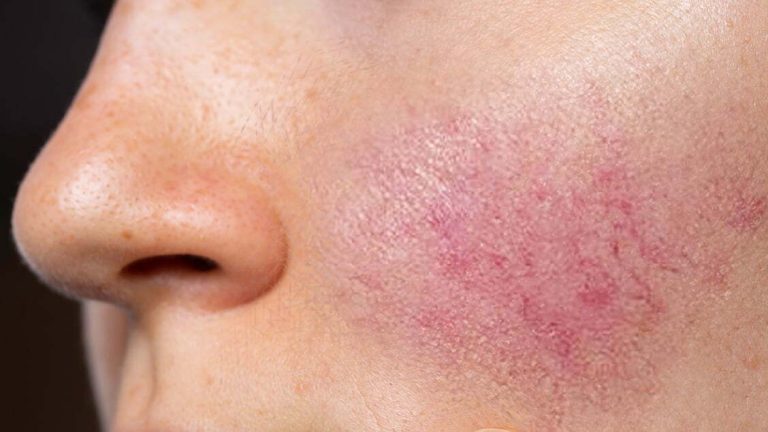
Rosacea

Facts

What is rosacea

Rosacea is a chronic, inflammatory skin condition that causes redness over the areas of the face, chin and nose.

Rosacea causes the small blood vessels in the affected areas of the face (and sometimes the eyes) to become larger and show up through the skin, appearing as tiny little red lines all over the face which can become quite prominent over time.

In addition to the blood vessel visibility, small pimples can also occur in the affected area of the face (and eyes). While rosacea can cause pimples, it is not an acne condition because it does not cause any blackheads or whiteheads to form and the pimples are of a different type to those in acne.

Facts about rosacea

  • Rosacea affects women more than men
  • Rosacea is a common, yet chronic skin disorder
  • People with rosacea can look as though they are constantly blushing
  • Rosacea is also known as acne rosacea, which can be misleading, as rosacea is not a type of acne
  • Up to 50% of people who have rosacea of the face also have rosacea of the eyes
  • Identifying individual triggers of rosacea can help with avoiding them and so avoiding flare-ups of symptoms
  • Triggers that flare up symptoms of rosacea may be different in each person
  • Always try to use sunscreen whenever outside
  • Always use skin care products for sensitive skin, that do not contain any harsh ingredients, in order not to irritate the skin and make symptoms worse
  • Minimise stress and stressful triggers to avoid aggravating symptoms
  • Always use a good moisturiser in winter
  • Protect your facial skin from the cold and wind in winter when outside
  • Never rub, pull or drag the skin on the face, always be gentle especially when washing it or applying skin care products
  • Try to limit stress as much as possible, as that is a certain trigger for rosacea for many people

Symptoms

Symptoms of rosacea

The symptoms of rosacea normally start off quite mild and if not treated, can produce quite pronounced symptoms on the face:

  • Burning, itching or stinging sensation of the affected areas
  • Redness and appearance of “blushing” or “flushing” of the skin – these area are warmer than other parts of the face
  • Skin becomes thicker
  • Small, red, lumpy pimples, which can become large nodules if left untreated
  • Tiny red veins on the face, chin and nose

Further symptoms

If the rosacea does not settle down and get better, then it can cause further symptoms such as:

  • Conjunctivitis of the eyes
  • Dry, red and irritated eyes (rosacea can cause serious eye problems if not treated
  • Nose that becomes enlarged, red/purple and bumpy (especially in men)
  • Swelling of the face, especially the affected areas

Causes

Causes of rosacea

The exact cause of rosacea is not known, but scientists believe it could be due to a combination of genetic and environmental factors. The following are the possible causes of rosacea.

Alcoholism

People who drink a lot of alcohol will experience a reddening of the face (flushing) and an enlargement of the blood vessels in their face from this. If the blood vessels continue to enlarge often enough the effect of the reddened face and flushing symptoms can be permanent and result in rosacea.

Gastrointestinal disorders

A factor that may cause rosacea in some people is low gastric acid output (common to many gastrointestinal disorders), which can prevent appropriate digestion and this can cause rosacea symptoms.

Genetics

Some experts believe that rosacea may have a genetic component, so people who have parents and other close relatives with rosacea, they are more likely to develop this condition as well.

Local infection

An uncommon cause of rosacea is a local infection on the face which may cause an enlargement of the blood vessels and may initiate rosacea symptoms beyond the infection.

Menopausal flushing

Women who are menopausal have a much higher incidence of rosacea due to the hormonal changes which occur at this time especially due to the hot flushes that many women experience during this time.

Severe seborrhoea

Experts believe that most people with severe rosacea have moderate to severe seborrhoea, where there is an excessive flow of sebum in the face, which causes the symptoms associated with rosacea.

Vitamin B deficiency

A severe lack of the B vitamins is associated with abnormal sebum production (it becomes excessive and causes seborrhoea) which can cause rosacea symptoms.

Prevention

Prevention of rosacea

Non-preventable risk factors

Rosacea may be unpreventable in certain circumstances:

  • Age – an unpreventable factor of developing rosacea is age. People who are between 30-50 are the ones who mostly develop rosacea
  • Being fair skinned – people who are fair skinned are also much more likely to develop rosacea than people with darker skin
  • Blushing – some people’s faces just blush a lot more, which means their blood vessels are constantly expanding and for this reason, they become more likely to develop rosacea and it is not easily preventable
  • Female – there are about three females to every one male that are diagnosed with rosacea, so this risk factor is not one which is preventable
  • Genetics – if other immediate family members (parents, grandparents or siblings) have rosacea then the likelihood of getting it are increased as this shows a genetic predisposition to this condition which is not preventable in this instance

Preventable risk factors

There are ways to prevent rosacea from occurring:

  • Alcohol – people who drink a lot of alcohol will have reddening or flushing of the face as the alcohol moves through the bloodstream and warms up the body and enlarges the blood vessels. To prevent rosacea from this cause, drink less alcohol
  • Cold, blustering winds – always cover your face when you are outside in cold, blustering windy days, as the cold winds will cause flushing and reddening of the face (by enlarging the blood vessels) and the best way to prevent this is to keep the face well covered or stay inside in this type of weather
  • Exposure to strong sunlight – people who have a higher likelihood to developing rosacea should stay inside (or keep their face protected with a wide-brimmed hat) when it is really hot outside, as the strong sunlight will cause further reddening of the skin and worsening of symptoms
  • Spicy foods – extremely hot, spicy foods can cause extremely flushing of the face (and enlarging the blood vessels), especially if you are not used to eating these types of foods. The heat in the spicy foods warms up the body too quickly and causes flushing and reddening in the face. To avoid this effect, do not eat highly spiced, hot foods
  • Stress and strong emotions – stress and strong emotions can cause reddening and flushing of the face through the enlargement of the blood vessels, so in order to prevent this cause of rosacea, try to calm down by taking a deep breath and another, until the stress and negative emotions have subsided

Complications

Complications of rosacea

Complications of rosacea are not common, but do occur, especially if it is untreated and severe:

  • Conjunctivitis – if the rosacea reaches the eye, it can become red and inflamed and cause conjunctivitis, a condition where the membrane of the surface covering the eyeball can become inflamed too, from the irritation of rosacea. A severe form of conjunctivitis caused by rosacea is known as rosacea keratitis, which may cause enough inflammation in the eye to impair vision
  • Psychological damage – the reddened skin and other physical symptoms of rosacea can be difficult to disguise and people with this condition can develop psychological damage due to the perception of their facial disfigurement from the rosacea. This can especially occur in people who have severe symptoms or for people whose symptoms occur over a long period
  • Rhinophyma – this condition occurs when the rosacea remains untreated and is characterised by enlarged, red and bulbous nose and the cheeks may become puffy. Rhinophyma can also cause thick bumps to appear on the lower portion of the nose (the end of the nose) and the cheeks may be similarly affected with bumps and lumps. The symptoms of this complication of rosacea is often permanent in people and is not easily treated other than with surgery

Diagnosis

When to see a doctor about rosacea

People who have any of the symptoms of rosacea need to make an appointment to see their doctor who can diagnose this condition (or rule it out) and prescribe appropriate treatment to relieve symptoms.

People who have been diagnosed with rosacea need to see their doctor if:

  • Their symptoms suddenly get worse and none of the medications or other strategies to alleviate symptoms are effective
  • They experience different symptoms to the ones they normally experience

Diagnosis of rosacea

Initial diagnosis of rosacea is done through the following tests:

  • Medical history of symptoms – the doctor will ask a series of questions about your symptoms (especially the duration and severity), your family medical history (if anyone else has similar symptoms), onset of symptoms and location of symptoms
  • Physical examination – the doctor will examine various the parts of the face that are affected by the rosacea to determine if the condition is caused by rosacea

Ruling out other conditions

The doctor will also need to rule out other conditions that mimic the symptoms of rosacea (acne, side effects to medications, lupus, skin inflammation from other conditions). This is especially necessary if the symptoms of rosacea presented are ambiguous and difficult to diagnose quickly.

Treatment

Conventional treatment of rosacea

The conventional treatment for rosacea depends on the part of the face (or eye) affected and how severely they are affected.

Skin symptoms

Various treatment methods are advised depending on the symptom type and severity:

  • Antibiotics – these help reduce the skin bumps and pimples, but they do not seem to have any effect on the redness or flushing
  • Laser surgery – this surgery can greatly improve the skin be reducing the little red lines on the face and is usually recommended for more serious rosacea symptoms
  • Retinoid face creams – these contain a type of vitamin A derivative which help the symptoms of rosacea when other treatments have failed and must be prescribed and monitored by a doctor as they can cause severe side effects
  • Skin creams – specially medicated skin creams are prescribed by a doctor to reduce bumps, redness and other symptoms
  • Surgery – if the bumpiness on the nose becomes too unsightly, surgery can be performed to remove some of the bumps to make it look more like it was before rosacea. This is a last resort and only recommended for very severe types of rosacea

Eye symptoms

Various treatment methods are advised depending on the symptom type and severity:

  • Antibiotics – these medication normally clear up eye symptoms very quickly
  • Cleaning the eyes – doctors recommend cleaning the eyes often with a saline (tepid water with fine rock salt) to help reduce symptoms
  • Eye drops – medicated eye drops are normally prescribed by the doctor to help clear up the eye symptoms. The eye drops contain steroid drugs which are the active ingredient that help reduce symptoms

Alternative

Alternative / complementary treatment of rosacea

There are a number of alternative / complementary treatment strategies which can be used for mild to moderate rosacea and as a first step for treatment before trying medication.

People taking any type of medication for rosacea (or any other health condition) need to check with their doctor that these alternative / complementary treatment strategies are safe to try.

Herbs

There are no herbs recommended to treat the symptoms of rosacea.

Vitamins

Certain vitamins may assist with reducing symptoms of rosacea:

  • Betacarotene – the precursor to vitamin A, the antioxidant vitamin betacarotene also has the same properties to ensure skin is healthy
  • Bioflavonoids – the bioflavonoids work together with vitamin C to ensure blood vessels are healthy and strong and may reduce symptoms associated with rosacea
  • Vitamin A – various studies show that the potent antioxidant vitamin A works to keep the skin and dermal layers healthy and may stop rosacea symptoms from getting worse or actually even prevent aggravation of symptoms in the first place
  • Vitamin B3 – studies show vitamin B3 (niacin), together with zinc may play an important role in helping to reduce symptoms as much as just using antibiotics alone
  • Vitamin C – studies show that the potent antioxidant vitamin C keeps all the blood vessels smooth and elastic and ensuring they work properly, which may reduce symptoms associated with rosacea
  • Vitamin E – the antioxidant vitamin E helps prevent free radical damage and promote healthy skin, with many studies showing that it reduces skin inflammation and this may help to reduce rosacea symptoms

Minerals

Certain minerals help to reduce duration and severity of symptoms:

  • Zinc – many studies show that the antioxidant mineral zinc, either alone or together with vitamin B3 (niacin), may play an important role in helping to reduce symptoms of rosacea as much as just using antibiotics alone

Other nutrients

Certain other nutrients may help with reducing severity and duration of symptoms:

  • Digestive enzymes – the digestive enzymes pancreatin and lipase may be useful in helping an improperly functioning digestive system to work better. Studies have shown that people supplemented with these digestive enzymes have a decrease in symptoms
  • Hydrochloric acid – if low stomach acid is an underlying problem, it may be beneficial to use hydrochloric acid to increase stomach acidity and help digest foods properly
  • Omega 3 fatty acids – the omega-3 fatty acids help stop inflammation in any part of the body and could be useful for helping reduce the inflammation associated with rosacea symptoms

Dietary modifications

These include avoiding all the foods that trigger the rosacea:

  • Avoid alcohol – while it may not directly be responsible for causing the rosacea, drinking lots of alcohol certainly makes symptoms much worse
  • Drink enough water – it is important to drink an adequate supply of water, as it is vital to hydrate the skin and allow skin to be healthy
  • Limit caffeine – while it may not cause rosacea, high caffeine intake makes symptoms much worse
  • Limit hot, spicy foods – these foods tend to make symptoms worse, especially flushing of the face and should be strictly limited, especially when symptoms are flaring up

Lifestyle modifications

These can help reduce severity and duration of symptoms:

  • Protect the skin in the sun – always use sun protection when going outside; makes sure to wear a hat, sunglasses and use natural, preferably organic sunscreen as it is less likely to irritate the facial skin more
  • Relaxation strategies – learn to really relax to help reduce exacerbation of symptoms. Some good relaxation strategies include: meditation, tai chi, yoga
  • Stop smoking – people who smoke need to stop, not only is it harmful to the lungs, but it also harms the skin and makes rosacea symptoms worse. It is also important not to be exposed to other people’s second hand smoke

Alternative treatments

There are no other alternative treatment recommended for rosacea.

Always ensure that you notify your medical practitioner of any supplements that you want to take – it may interfere with other medication or conditions you have. Confirm with your doctor it is safe to take before you try it.

Self care

Living with rosacea

There are a number of strategies which are recommended to help deal with rosacea:

  • Avoid alcohol – any type of alcohol intake will cause the face to flush and become red, which means it will only exacerbate symptoms. This means you need to avoid drinking any alcohol when you have rosacea, especially when symptoms are at their worst
  • Don’t smoke or be exposed to smoke – cigarette smoke can exacerbate symptoms of rosacea in some people, so make sure you limit your smoking habit, or better still, give it up, when rosacea symptoms are at their worst. Also, do not be exposed to other people’s second hand smoke as it will have the same debilitating effect
  • Drink enough water – an adequate intake of water is necessary to keep the face and body well hydrated and prevent dehydration which can cause an increase in sebum and worsening of symptoms
  • Limit caffeine – it may also be necessary to limit caffeine intake, because caffeine has a diuretic effect on the body and can exacerbate symptoms in some people. This means coffee, tea, chocolate and energy drinks needs to be strictly limited to avoid worsening of symptoms
  • Limit intake of hot, spicy foods – any type of hot (heat or spice) and spicy foods can make the skin flush and become red, enlarging the blood vessels and cause a worsening of symptoms, so avoid them as much as possible. Eat your food when it is slightly cooled and order the very mild curries, but try to limit your intake
  • Relaxation strategies – it is useful to try to find some sort of strategies to help you relax and reduce stress and tension in your life, because stress can aggravate symptoms of rosacea. Some useful relaxation strategies include: meditation, tai chi and yoga
  • Supplements – if the rosacea is mild and you are not taking any other medications, ask your doctor about using supplements to help your skin heal. The best ones to use for rosacea are: vitamin A, vitamin C and vitamin E (for the skin in general), all the B vitamins, especially vitamin B3 (niacin) (for the immune system), zinc (for healing the skin) as well as the omega-3 fatty acids
  • Use sun protection – whenever you go outside, always wear a wide brimmed hat, use sunglasses that wrap around your face and wear a natural sunscreen on the face. The best sunscreens to use are those which are organic and have no chemicals that may irritate the skin further

Caring for someone with rosacea

Partner

There are a number of useful strategies that you can use to help a partner with rosacea:

  • Avoid alcohol – it’s beneficial for your partner not to drink any alcohol as it will aggravate their symptoms, so try to limit your alcohol intake with your partner
  • Don’t smoke around your partner – it is really important for your partner’s well being if they are not exposed to your second-hand cigarette smoke, either at home or in the car because it can exacerbate their symptoms

Family

There are a number of useful strategies that you can use to help a family member with rosacea:

  • Avoid alcohol – it’s beneficial for your family member not to drink any alcohol as it will aggravate their symptoms, so try to limit your alcohol intake with your partner
  • Don’t smoke around your family member – it is really important for your family member’s well being if they are not exposed to your second-hand cigarette smoke because it can exacerbate their symptoms

Friends

There are a number of useful strategies that you can use to help a friend with rosacea:

  • Avoid alcohol – it’s beneficial for your friend not to drink any alcohol as it will aggravate their symptoms, so try to organise meetings with your friend that do not involve alcohol
  • Don’t smoke around your friend – it is really important for your friend’s well being if they are not exposed to your second-hand cigarette smoke because it can exacerbate their symptoms

References

References

  • Ajith C, Dogra S, Radotra BD, Handa S. Granulomatous rosacea mimicking eyelid dermatitis. Indian J Dermatol Venereol Leprol. 2005 Sep-Oct;71(5):366-5
  • Baldwin HE. Systemic therapy for rosacea. Skin Therapy Lett. 2007 Mar;12(2):1-5, 9
  • Cohen AF, Tiemstra JD. Diagnosis and treatment of rosacea. J Am Board Fam Pract. 2002 May-Jun;15(3):214-7
  • Culp B, Scheinfeld N. Rosacea: A Review. P T. 2009 Jan;34(1):38-45
  • Fish WM. Acne Rosacea Keratitis and Riboflavine (Vitamin B2). Br J Ophthalmol. 1943 Mar;27(3):107-9
  • Murray M, Pizzorno J. Encyclopedia of Natural Medicine, 2nd Edition. Prima Publishing USA, 2000
  • Niren NM. Pharmacologic doses of nicotinamide in the treatment of inflammatory skin conditions: a review. Cutis. 2006 Jan;77(1 Suppl):11-6
  • Niren NM, Torok HM. The Nicomide Improvement in Clinical Outcomes Study (NICOS): results of an 8-week trial. Cutis. 2006 Jan;77(1 Suppl):17-28
  • Osieki H. The Physicians Handbook of Clinical Nutrition. BioConcepts Publishing, 6th Edition, 2001
  • Schauber J, Gallo RL. Antimicrobial peptides and the skin immune defense system. J Allergy Clin Immunol. 2008 Aug;122(2):261-6. Epub 2008 Apr 25
  • Schauber J, Gallo RL. The vitamin D pathway: a new target for control of the skin’s immune response? Exp Dermatol. 2008 Aug;17(8):633-9. Epub 2008 Jun 28
  • Sharquie KE, Najim RA, Al-Salman HN. Oral zinc sulfate in the treatment of rosacea: a double-blind, placebo-controlled study. Int J Dermatol. 2006 Jul;45(7):857-61
  • Yu RJ, Van Scott EJ. Alpha-hydroxyacids and carboxylic acids. J Cosmet Dermatol. 2004 Apr;3(2):76-87
  • Zip C. An update on the role of topical metronidazole in rosacea. Skin Therapy Lett. 2006 Mar;11(2):1-4

Last reviewed and updated: 14 May 2024
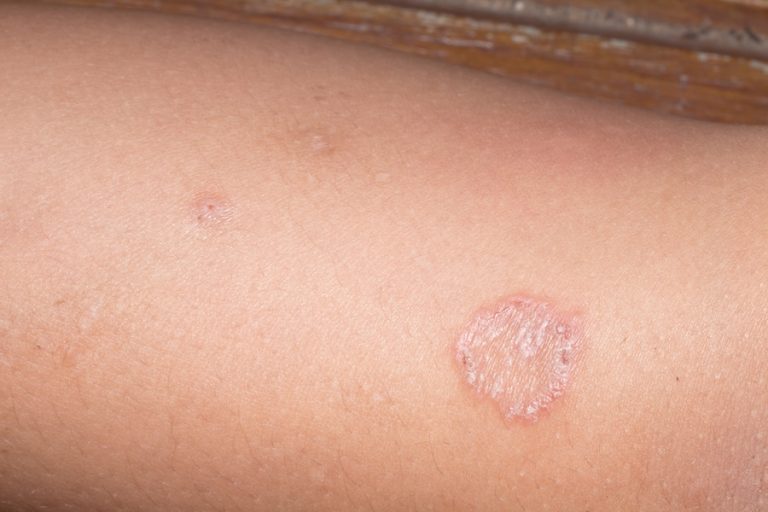
Ringworm

Facts

What is ringworm (tinea)

Ringworm (tinea) is a common infection of the skin and scalp, which is caused by a fungal infection. The fungus that causes tinea lives and grows on the skin.

The term “ringworm” comes from the shape of the infection on the skin, which usually has the shape of a circle or ring.

Ringworm (tinea) infection can be transmitted from person to person, through the following ways:

  • Having direct contact with the infected person’s rash
  • Sharing clothes with an infected person
  • Sharing sports equipment with an infected person
  • Sharing towels with an infected person
  • Touching anything an infected person has touched

Ringworm (Tinea) can also be transmitted from animal to humans, through direct contact with the open lesion on the animal. Both domestic animals and livestock can be infected with ringworm.

The different types of ringworm (or tinea) are:

  • Tinea barbae – the beard in men is infected
  • Tinea capitis – the scalp is infected (occurs regularly in children)
  • Tinea corporis – various areas on the are infected
  • Tinea cruris – “jock itch” where the groin is infected
  • Tinea faciei – the face is infected (but not the beard)
  • Tinea manus – the hands, especially the palms and spaces between the fingers are infected
  • Tinea pedis – or “athlete’s foot” where the area between the toes and /or the heels, are infected
  • Tinea unguium – the fingernails and toenails are infected

Facts about ringworm

  • Ringworm (tinea) is highly contagious, especially if contact is made with an open sore of an infected person
  • People with lowered immunity are more susceptible to disease such as ringworm

Symptoms

Symptoms of ringworm (tinea)

General symptoms of ringworm (tinea)

  • Itchy rash in various places on the body
  • Jock itch, that affects the folds of the groin area (but may spread to the thighs and buttocks)
  • Red and scaly rash
  • Rash may be a few mm to a few cm in width
  • Rash that may blister and ooze pus
  • Round or circular shaped rash patches with red raised edges with a clear centre

Other symptoms of ringworm (tinea)

  • Whitening and thickening of the nail, with some crumbly white material under the nails

Ringworm of the scalp (tinea capitis) symptoms

  • Round, scaly patches on the scalp where there is some hair loss
  • Scaling like dandruff on the scalp

Causes

Causes of ringworm (tinea)

There are a number of causes of ringworm:

  • Fungal spores – certain fungal spores that exist in the air and soil can enter the body through broken skin – that is either cut or scratched. Fungal spores also live on the dead layers of skin of people (as well as animals) that can easily enter the body through broken skin (cut or scratch)
  • Fungus from animals – there is a fungus that can be transferred from cats or dogs which produces a more rare, but serious ringworm (tinea) infection
  • Referred infection – sometimes fungal spores from one area in the body can spread to other areas. If a person has an athlete’s foot infection, they can inadvertently spread it to their groin area (jock itch) if they touch the infected area of the feet with their hand and then infect their groin area if they touch it with their hand (that has the fungus spores). In addition to this, touching someone else with an active ringworm infection can cause the same referred infection to another part of their body

Prevention

Prevention of ringworm (tinea)

Non-preventable risk factors

Ringworm (tinea) may be unpreventable in certain circumstances:

  • People with lowered immunity – certain people have a much higher predisposition to catching ringworm (tinea) because they have much lowered immunity and their body is not able to fight off the fungal infection as readily as people with stronger immune system. The people that have more likelihood of a ringworm (tinea) infection are people with with diabetes mellitus and HIV/ AIDS

Preventable risk factors

There are ways to prevent ringworm from occurring:

  • Don’t share towels or other personal items – ringworm (tinea) is highly infectious and it is especially common in children, so it is really advisable to teach children not to share any towels or personal items as a precautionary measure, to prevent infection
  • Don’t walk barefoot in communal areas – the ringworm (tinea) infection athlete’s foot is extremely easy to catch in warm, moist communal areas (such as swimming pools, showers, changing rooms), so always wear your shoes when walking around in any type of communal areas to prevent infection
  • Keep children away from infected people – ringworm (tinea) is a highly infectious condition and occurs very commonly in children, as they tend to play in very close proximity to one another, making infection of other children very likely if there is just one child with ringworm (tinea). Children most commonly get scalp ringworm (tinea capitis), but they are at more risk to all forms of ringworm (tinea) too
  • Stay away from infected people – if a person has a known ringworm infection, it is advisable to avoid any physical contact with them, to avoid getting infected with the fungal infection
  • Strengthen the immune system – a healthy and strong immune system is necessary to help fight off the fungal infection that causes ringworm (tinea) more quickly and effectively or prevents it from occurring in the first place

Complications

Complications of ringworm (tinea)

Complications of ringworm (tinea) can occur rarely in some situations, especially when the infection is severe or has been left untreated for too long.

The most common complications of ringworm (tinea) are:

  • Bacterial skin infection – if the rash is very itchy and severe and is scratched too often, this can open the skin up and make it more easy for a bacterial infection to occur. A bacterial infection will make the skin more red, inflamed and there could be pus, discharge and fever. A bacterial infection is a complication that requires further treatment to prevent it from worsening (usually antibiotics to kill off the bacteria)
  • Contact dermatitis – ringworm (tinea) can cause severe inflammation of the skin which can result in contact dermatitis symptoms to occur from the constant scratching and itchiness
  • Infection spreading to other areas – one of the most common complications of ringworm (tinea) is the infection spreading to other parts of the body if the infected area is touched and the hands are not washed to prevent the new infection

Diagnosis

When to see a doctor about ringworm (tinea)

People who have any of the symptoms of a ringworm (tinea) infection need to make an appointment to see their doctor who can diagnose this condition (or rule it out) and prescribe appropriate treatment to relieve symptoms.

People who have been diagnosed with ringworm (tinea) need to see their doctor if:

  • Their symptoms suddenly get worse and none of the medications or other strategies to alleviate symptoms are effective
  • They experience different symptoms to the ones they normally experience

Diagnosis of ringworm (tinea)

Initial diagnosis of ringworm (tinea) is done through the following tests:

  • Medical history of symptoms – the doctor will ask a series of questions about your symptoms (especially the duration and severity), your family medical history (if anyone else has similar symptoms), onset of symptoms and location of symptoms
  • Physical examination – the doctor will examine various parts of the body (including the legs, feet and hand)s for signs of the infection and also perform a general checkup of lungs and heart (blood pressure), if needed

Further tests

If further testing is required to confirm diagnosis, the following tests can be requested:

  • Skin exam – sometimes a little bit of the infected skin is scraped off by the doctor, in order to be examined under a microscope by a lab technician for a definite diagnosis

Treatment

Conventional treatment of ringworm (tinea)

Conventional treatment of ringworm (tinea) includes a combination of a number of strategies:

Medication

  • Anti-fungal creams or ointments – these medicated creams and ointments will usually clear up a ringworm infection very quickly
  • Anti-fungal tablets – this medication is used mainly to treat ringworm infections of the scalp. The main drug used is Griseofulvin, which is normally prescribed for about ten weeks to clear up the infection
  • Corticosteroid cream – this medication is usually prescribed for use on infections that are very inflamed and irritated
  • Nail paint – this type of medication treats ringworm infections of the nails

Lifestyle recommendations

The following will also be recommended to prevent ongoing symptoms and prevent infection of other people:

  • Change underwear and socks every day
  • Don’t scratch or touch the affected areas
  • Don’t share towels, clothes or other person items with other people, including family and friends
  • Keep the affected areas clean and dry
  • Washing bedding and pyjamas frequently (every day if possible)

Alternative

Alternative / complementary treatment of ringworm (tinea)

There are a number of alternative/complementary strategies which may help reduce incidence and severity of symptoms of ringworm (tinea).

Herbs

There are several herbs which have the ability to kill fungal infections:

  • Echinacea – the herb echinacea boosts the immune system to help to get rid of the fungal infection more quickly, reduce symptoms and prevent recurrence
  • Garlic – the herb / food garlic has potent anti-fungal properties, which may be useful to fight the infection and resolve symptoms
  • Tea tree oil – this is is one of the most best and powerful fungicides available from plant sources and many studies show that tea tree oil can help to resolve symptoms and infection very quickly. There are various creams, powders and shampoos available with medicated tea tree formulas for the different types of ringworm infections

Vitamins

A good antioxidant formula will help boost the immune system so that it can work to resolve the infection itself. The antioxidant vitamins are: vitamin A, vitamin C and vitamin E – all these vitamins have potent antioxidant properties that help the immune system fight off the fungal infection.

Minerals

A good antioxidant formula will help boost the immune system so that it can work to resolve the infection itself. The antioxidant minerals are: selenium and zinc – all these minerals have potent antioxidant properties that help the immune system fight off the fungal infection.

Other nutrients

A good antioxidant formula will help boost the immune system so that it can work to resolve the infection itself. The antioxidant other nutrients are: alpha-lipoic acid and glutathione – all these nutrients have potent antioxidant properties that help the immune system fight off the fungal infection.

Dietary modifications

There are no specific dietary modifications for treating ringworm (tinea).

Lifestyle modifications

The following will also be recommended to prevent ongoing symptoms and prevent infection of other people:

  • Change underwear and socks every day
  • Don’t scratch or touch the affected areas
  • Don’t share towels, clothes or other person items with other people, including family and friends
  • Keep the affected areas clean and dry
  • Washing bedding and pyjamas frequently (every day if possible)

Alternative treatments

There are no specific alternative treatment for treating ringworm (tinea).

Always ensure that you notify your medical practitioner of any supplements that you want to take – it may interfere with other medication or conditions you have. Confirm with your doctor it is safe to take before you try it.

Self care

Living with ringworm (tinea)

Self care strategies

There are a number of strategies which are recommended to help deal with ringworm (tinea):

  • Apply a topical cream on the rash – apply a medicated cream (or powder) on the ringworm (tinea) rash every day to help clear up the infection. There are a number of conventional creams that can be used as well as alternative ones, usually made with tea tree oil, which has proven effective anti-fungal properties
  • Change bed linen every day – while it is cumbersome to do, it is necessary to change the bed linen every day with clean ones. This will ensure that the fungus has no chance to grow further. Always wash the bed linen in hot water to kill off the fungus and dry in direct sunshine
  • Change socks and underwear daily – people with athlete’s foot and jock itch especially need to ensure they change their socks and underwear daily, to stop the fungus from growing further
  • Keep skin dry – always dry off your skin if it becomes wet and after a shower or swimming, especially the areas which tend to stay more moist (under the armpits, the genitals, buttocks, inner thighs, between the toes) to provide the least hospitable environment for the fungus
  • Use your own towel and personal items – don’t share any of your personal items (brush, clothes and towels) with anyone else, as you could easily spread the infection to other people
  • Wear clean night clothes each nigh – it is also necessary to wear cleanly washed night clothes every day in order to prevent the fungus from growing further. Always wash the night clothes in hot water to kill off the fungus and dry in direct sunshine
  • Wear natural fibres – ensure that your socks, pantyhose and under garments are made from natural fibres (cotton, linen, flax, hemp, wool), which allow the skin to breathe. Natural fibres allow air to circulate around and do not provide a moist, warm environment for the fungus to grow

Caring for someone with ringworm (tinea)

Partner

There are a number of strategies that can be used if you have a partner with ringworm (tinea):

  • Don’t share towels or other personal items – don’t share any of your personal items (brush, clothes and towels) with your partner, as they could easily spread the infection to you
  • Don’t touch their rash – if your partner has an active ringworm (tinea) rash, it means they are highly contagious and if you touch it, you could become infected yourself, so keep your distance from their rash
  • Use separate showers or wear thongs – if your partner has ringworm (tinea), especially if they have athlete’s foot, use a separate shower to avoid infection. If you do not have two showers available, use thongs (or flip-flops) on your feet to avoid infection

Friends

There are a number of strategies that can be used if you have a friend with ringworm (tinea):

  • Don’t share towels or other personal items – don’t share any of your personal items (brush, clothes and towels) with your friend, as they could easily spread the infection to you
  • Don’t touch their rash – if your friend has an active ringworm (tinea) rash, it means they are highly contagious and if you touch it, you could become infected yourself, so keep your distance from their rash

Parents

There are a number of strategies that can be used if you have a child with ringworm (tinea):

  • Don’t share towels or other personal items – don’t share any of your personal items (brush, clothes and towels) with your child, as they could easily spread the infection to you. Teach your child to ensure they do not share their personal items with anyone else at school too
  • Don’t touch their rash – if your child has an active ringworm (tinea) rash, it means they are highly contagious and if you touch it, you could become infected yourself, so keep your distance from their rash
  • Use separate showers or wear thongs – if your child has ringworm (tinea), especially if they have athlete’s foot, use a separate shower to avoid infection. If you do not have two showers available, use thongs (or flip-flops) on your feet to avoid infection

References

References

  • Ajose FO. Some Nigerian plants of dermatologic importance. Int J Dermatol. 2007 Oct;46 Suppl 1:48-55
  • Ali S, Graham TA, Forgie SE. The assessment and management of tinea capitis in children. Pediatr Emerg Care. 2007 Sep;23(9):662-5; quiz 666-8
  • Arroll B, Oakley A. Preventing long term relapsing tinea unguium with topical anti-fungal cream: a case report. Cases J. 2009 Jan 21;2(1):70
  • Bassiri-Jahromi S, Khaksar AA. Outbreak of tinea gladiatorum in wrestlers in tehran (iran). Indian J Dermatol. 2008;53(3):132-6
  • Chang CH, Young-Xu Y, Kurth T, Orav JE, Chan AK. The safety of oral antifungal treatments for superficial dermatophytosis and onychomycosis: a meta-analysis. Am J Med. 2007 Sep;120(9):791-8
  • Inouye S, Uchida K, Nishiyama Y, Hasumi Y, Yamaguchi H, Abe S. Combined effect of heat, essential oils and salt on fungicidal activity against Trichophyton mentagrophytes in a foot bath. Nippon Ishinkin Gakkai Zasshi. 2007;48(1):27-36
  • Larangeira de Almeida H Jr, Dallazem RN, Dossantos LS, Hallal SA. Bilateral tinea nigra in a temperate climate. Dermatol Online J. 2007 Jul 13;13(3):25
  • Mittal A, Khar AK, Jain S, Sharma A. Weekly fluconazole in the treatment of tinea capitis. Indian J Dermatol Venereol Leprol 2002;68:247
  • Murray M, Pizzorno J. Encyclopedia of Natural Medicine, 2nd Edition. Prima Publishing USA, 2000
  • Osieki H. The Physicians Handbook of Clinical Nutrition. BioConcepts Publishing, 6th Edition, 2001
  • Xavier MH, Ribeiro LH, Duarte H, Saraça G, Souza AC. Dermatoscopy in the diagnosis of tinea nigra. Dermatol Online J. 2008 Aug 15;14(8):15

Last reviewed and updated: 14 May 2024
Laryngitis

Facts

What is laryngitis

Laryngitis is an inflammation of the larynx (or voice box) and usually produces an inability to talk, with a hoarseness in the voice.

The larynx is the entry to the trachea (windpipe) which joins the back of the throat (pharynx) to the trachea.

The larynx is made up of muscle and cartilage tissue and it also has 2-3 membranes across it – the vocal chords – which are responsible for your voice. Any and all of these membranes can become inflamed during a bout of laryngitis.

Most cases of laryngitis are not serious and will resolve quickly, although some cases are serious and require medical attention.

Laryngitis is either:

  • Acute – usually due to a upper respiratory viral infection and is short term
  • Chronic – usually due to other recurrent factors (smoking, GERD, allergic rhinitis, asthma, allergy, sinusitis) and is long term

Facts about laryngitis

  • Most cases of acute laryngitis resolve within a short time, as they are due to a viral infection
  • Most cases of acute laryngitis are due to a viral infection
  • Laryngitis is usually caused by a virus which means antibiotics have no effect in treating it
  • Smoking can cause chronic laryngitis
  • Straining the voice too much when singing can cause irritation to the larynx and result in laryngitis
  • Chronic laryngitis affects up to 20% of Western populations
  • The larynx is required for swallowing, breathing, coughing and creating sounds to make the voice
  • The larynx may have a special immunological role as it sits right between the upper respiratory system and the lower gastrointestinal respiratory systems

Symptoms

Symptoms of laryngitis

General symptoms of acute laryngitis (caused by a virus) are:

  • Congestion
  • Dry cough (does not produce any mucous)
  • Fatigue
  • Fever
  • Hoarseness
  • Inability to talk
  • Lethargy
  • Sore throat

Viral laryngitis symptoms are normally at their worst for about 2-3 days after infection and then symptoms gradually improve over the following week.

General symptoms of chronic laryngitis (caused by a factors such as smoking, GERD, allergic rhinitis, asthma, allergy, sinusitis, thyroid illness) are:

  • Dry cough (does not produce any mucous)
  • Hoarseness
  • Inability to talk
  • Sore throat

Simply over-using the voice (singing, shouting) can cause laryngitis.

Causes

Causes of laryngitis

The main cause of laryngitis is:

  • Viral respiratory infection

Laryngitis can also be caused by the following conditions:

Other causes

Some other reasons for laryngitis that need further investigation (or even immediate medical attention) are:

  • Chemical irritants
  • Croup – in children, requires medical attention
  • Epiglottitis – in children, requires medical attention
  • Irritants
  • Smoking (including second hand smoke from others)
  • Syphilis
  • Thyroid disorders
  • Tuberculosis

Prevention

Prevention of laryngitis

Non-preventable risk factors

Laryngitis may be unpreventable in certain circumstances:

  • Allergies – people with allergies can often experience a sore throat due to their condition and this can easily develop into laryngitis which is not easily preventable due to the allergic condition
  • Epiglotitis – if the epiglottis, which is located at the back of the throat becomes infected (epiglottitis), it can also cause infection of the larynx resulting in laryngitis. People with epiglottitis must seek medical treatment to prevent complications
  • GERD – people with gastro-eosophageal reflux disease (GERD) have some of the acidic content of the stomach rise up the eosophagus which can sometimes go as far as the throat and into the lungs. This can cause coughing and asthma-like symptoms, which can irritate not just the eosophagus but the whole upper respiratory area, including the larynx, which can become very inflamed and result in laryngitis
  • Pneumonia – the condition pneumonia causes inflammation and infection of one or both of the lungs by an invading pathogen (viral, bacterial or fungal) and laryngitis can develop through the act of coughing constantly due to the pneumonia. People with suspected pneumonia must seek medical treatment to prevent complications
  • Polyps on the vocal chords – nodular growths on the vocal chords are a common risk factor for the development of laryngitis, as the vocal chords sit on top of the larynx and if the vocal chords are inflamed due to the polyps, the larynx can also become inflamed and hoarse resulting in laryngitis
  • Tuberculosis – the lung condition tuberculosis, is rare in developed countries today, but it does still occur in random outbreaks. The tuberculosis infection can also cause the larynx and throat to be irritated, inflamed and infected causing laryngitis. People with tuberculosis must seek medical attention as it is a highly contagious bacterial condition
  • Vocal chord polyps – nodular growths on the vocal chords are a common reason for the development of laryngitis as the vocal chords sit on top of the larynx and if the vocal chords are inflamed due to the polyps, the larynx can also become inflamed and hoarse, which are typical symptoms of laryngitis

Preventable risk factors

There are ways to prevent laryngitis from occurring:

  • Don’t drink alcohol excessively – excessive alcohol intake can not only cause GERD (gastro-eosophageal reflux disease) which can result in laryngitis, but the excessive alcohol intake itself can irritate the larynx even if GERD does not occur. Maintain a moderate alcohol intake to prevent laryngitis from this cause
  • Lower respiratory infection – people with any type of lower respiratory infection such as bronchitis, croup, pleurisy, pneumonia and tuberculosis have an increased risk of developing laryngitis due to the infection of the lungs and increased coughing possibly also causing infection and irritation to the larynx too
  • Manage health conditions – people with any type of upper or lower respiratory health conditions (allergies, bronchitis, pneumonia, croup, cold, flu, pleurisy, tuberculosis) need to ensure they are following their doctor’s treatment plan, to reduce risk of any other associated infections such as laryngitis, which is a secondary infection and may lengthen time of recovery
  • Stop smoking – smoking is a very well-known cause of irritant laryngitis and it can be prevented simply by not smoking at all
  • (Upper respiratory) viral infection – any type of upper respiratory infection due to a virus (cold, flu, bronchitis, pleurisy and croup in babies) can also irritate, inflame and infect the larynx (voice box) and cause laryngitis. This form of laryngitis is acute and temporary but highly unpreventable if it occurs

Complications

Complications of laryngitis

There are several complications of untreated and long-term laryngitis:

Chronic cough

One of the main complications of chronic laryngitis is a relentlessly chronic cough which does not produce any mucous (dry cough). While it is not serious in itself, it is irritating to the throat tissue to be constantly coughing.

Extended time of loss of voice

Another of the main complications of chronic laryngitis is loss of voice for an extended period beyond a few days. If the larynx becomes really inflamed from the underlying factor which caused the laryngitis, then this can be exacerbated and continue to occur.

Diagnosis

When to see a doctor about laryngitis

People who have any of the symptoms associated with laryngitis should make an appointment to see their doctor who can diagnose the condition and make recommendations based on the cause of the laryngitis.

People who smoke should not discount their hoarse voice as simply laryngitis, but should get it investigated, to ensure it is not due to another condition. People who have a viral respiratory infection and start to lose their voice should visit their doctor to confirm the symptoms are due to laryngitis and not another condition.

Diagnosis of laryngitis

Laryngitis is initially diagnosed by a doctor through the following methods:

  • Medical history – the doctor will ask a series of questions about your symptoms (especially the duration and severity), your family medical history (if anyone else has similar symptoms) and some questions about whether you smoke or have any other risk factors associated with this condition
  • Physical examination – the doctor will examine the throat by viewing the inside to see if there is inflammation in the back of the throat and by feeling the outside of the throat for inflammation of the glands. The doctor will also listen to the lungs with a stethoscope, to determine if there is a lower respiratory infection

Further tests

If symptoms persist, a referral to an ear, nose and throat (ENT) specialist who may do further examinations and tests:

  • Laryngoscopy – the laryngoscopy test is performed by the ENT specialist (or even regular doctor) to get a better of the view the larynx with a tube that has a special mirror and light and which that is put into the back of the throat
  • Biopsy – if the laryngitis does not improve and symptoms get worse, some cells can be taken of the larynx to be examined under a microscope for malignancy (or other problems)

Treatment

Conventional treatment of laryngitis

Treatment depends on the type of laryngitis – whether it is acute or chronic:

Acute laryngitis

Acute laryngitis is normally caused by a virus, so this means that antibiotics cannot help as they do nothing to viruses. Treatment is based on alleviating symptoms:

  • Avoid clearing the throat – this practice does harm to the throat and is especially irritating when there is a laryngitis infection so if the throat is irritated, have some fluid and this will help
  • Drink plenty of fluids – ensure the throat is hydrated with diluted juice, herbal tea (such as diluted chamomile, peppermint or rose hip teas) and water will help to hydrate the larynx and help it heal more quickly
  • Humidifier (or vaporiser) – a humidifier (or vaporiser) either with just plain hot water, that produces steam or with a few drops of eucalyptus oil may help to clear up symptoms by providing more moisture and reducing the irritation to the larynx
  • Painkillers – the doctor will recommend you take painkillers as required for any pain in the throat area (such as paracetemol, ibuprofen)
  • Rest your voice – not talking helps the larynx heal itself and this is the best strategy which is most beneficial in ensuring quicker healing and a return of the voice
  • Steam inhalation – a few drops of eucalyptus oil or Vicks may help to clear up symptoms by providing more moisture and reducing the irritation to the larynx
  • Stop smoking – smoking causes more strain on the voice and larynx and is especially not recommended in the case of laryngitis

Chronic laryngitis

There are a number of reasons which cause chronic laryngitis and treatment depends on the cause:

  • Allergies – antihistamine medication will be recommended for the allergies and when the allergies are healed, the laryngitis should also be relieved too
  • Chronic bronchitis – the treatment for chronic bronchitis as the cause for laryngitis is the same as the treatment for acute laryngitis above
  • GERD – people who have gastro-eosophageal reflux disease (GERD) will be advised to take medication to reduce the acid reflux and this will help heal the laryngitis symptoms too
  • Irritants – it will be recommended to avoid any chemical irritants that have caused the laryngitis to help heal the larynx
  • Polyps – people who have vocal chord polyps will be recommended the following treatment options to help heal the laryngitis:
    • Painkillers – these are recommend as required for any pain in the throat area (such as paracetemol, ibuprofen)
    • Rest – the only way to get the body to start to heal itself from the polyps and the laryngitis is through resting the voice, no talking at all
    • Surgery – this will only be recommended as a last resort if other options have not worked, to remove the polyps if necessary
  • Smoking – people who smoke will be advised to stop smoking in order for the larynx to heal. Smoking irritates the whole throat tissues and people who continue to smoke will damage their larynx and run the risk of serious complications

Alternative

Alternative / complementary treatment of laryngitis

There are a number of alternative/complementary treatments which are recommended for the treatment of acute laryngitis especially, but also for chronic laryngitis. Always seek the advice of your medical doctor before trying any of the alternative/complementary treatments advised:

Herbs

There are a number of excellent herbs which may help to provide relief for symptoms:

  • Echinacea – studies show that the anti-viral properties of the echinacea herb help to clear up respiratory infections more quickly and reduce severity of symptoms
  • Elderflower – studies show that the anti-viral properties of elderflower can help reduce severity and length of symptoms by boosting the immune system to fight the viral infection causing the laryngitis

Vitamins

There are a number of vitamins which may help to provide relief for symptoms:

  • Bioflavonoids – studies show the antioxidant properties the bioflavonoids, together with vitamin C, help the body heal more quickly as they provide a boost to the immune system
  • Vitamin A – studies show the potent antioxidant properties of vitamin A help the body heal more quickly by boosting the immune system. Vitamin A also helps to ensure the mucous membranes are more soft, pliable and healthy, which is vital for healing the larynx
  • Vitamin B complex – the B vitamins are required to stimulate the immune system to function more effectively and studies show that this can assist with shortening the length and severity of laryngitis
  • Vitamin C – studies show that the antioxidant properties of vitamin C, together with the bioflavonoids, help the body heal more quickly as they provide a boost to the immune system
  • Vitamin E – studies show the potent antioxidant properties of vitamin E help the body heal more quickly by providing a huge boost to the immune system to help it deal with and heal the laryngitis more quickly

Minerals

There are a number of minerals which may help to provide relief for symptoms:

  • Selenium – the antioxidant mineral selenium is recommended to boost the immune system and help to reduce severity and duration of symptoms, enabling the body to heal more quickly from laryngitis
  • Zinc – studies show that zinc assists with reducing the length and severity of symptoms in all upper respiratory disorders, including laryngitis

Other nutrients

There are a number of other nutrients which may help to provide relief for symptoms:

  • Coenzyme Q10 – the nutrient co-enzyme Q10 helps to increase immune system function and exchange of energy at the cellular level
  • Garlic – many studies show that the anti-viral properties of garlic may help to reduce severity and duration of symptoms
  • Raw, unheated, unprocessed honey – honey is very soothing on the throat and can temporarily reduce sore throat symptoms

Dietary modifications

There are a number of dietary modification strategies which may help to provide relief for symptoms:

  • Eat more vegetables – the nutrients in the vegetables are beneficial in supporting the body to heal more quickly. It is recommended to eat the vegetables either raw or lightly steamed to get the most benefits

Lifestyle modifications

There are a number of lifestyle modifications which may help to provide relief for symptoms:

  • Avoid clearing the throat – this practice does harm to the throat and is especially irritating when there is a laryngitis infection so if the throat is irritated, have some fluid and this will help
  • Drink plenty of fluids – ensure the throat is well hydrated with diluted juice, herbal tea (such as diluted chamomile, peppermint or rose hip teas) or water, to help hydrate the larynx and ensure it heals more quickly
  • Humidifier (or vaporiser) – a humidifier (or vaporiser) either with just plain hot water, that produces steam or with a few drops of eucalyptus oil may help to clear up symptoms by providing more moisture and reducing the irritation to the larynx
  • Painkillers – the doctor will recommend you take painkillers as required for any pain in the throat area (such as paracetemol, ibuprofen)
  • Rest your voice – not talking helps the larynx heal itself and this is the best strategy which is most beneficial in ensuring quicker healing and a return of the voice
  • Steam inhalation – a few drops of eucalyptus oil or Vicks may help to clear up symptoms by providing more moisture and reducing the irritation to the larynx
  • Stop smoking – smoking causes more strain on the voice and larynx and is especially not recommended in the case of laryngitis

Alternative treatments

  • Naturopath – people with laryngitis should visit a naturopath who can devise an alternative/complementary health care plan (which should be done in conjunction with your doctor’s knowledge) to help reduce symptoms, improve the immune system and prevent recurrence

Always ensure that you notify your medical practitioner of any supplements that you want to take – it may interfere with other medication or conditions you have. Confirm with your doctor it is safe to take before you try it.

Self care

Living with laryngitis

Self care strategies

There are a number of strategies which are recommended to help deal with laryngitis:

  • Don’t smoke – smoking causes more strain on the voice, vocal chords and larynx and is especially not recommended in the case of laryngitis. The same applies for second-hand smoke – stay away from it
  • Gargle with salt – this is a very simple, but very effective remedy for reducing inflammation and pain in the throat, which has been used for centuries. Simply add some sea salt to warm water, melt the salt and add some cold water until the water is lukewarm. Drink some water and gargle for a few seconds and then spit out the water. Repeat several times with the water. Repeat this a few times a day for quick relief of throat pain associated with laryngitis
  • Garlic and honey – a great remedy to make at home is to grate or crush several cloves of garlic and add them to a small cup. Then add some raw honey and mix through. Take a teaspoon of this garlic and honey mixture every hour or whenever symptoms are severe – it can just be swallowed quickly as it may not be the tastiest mixture. This mixture can be slightly heated to make it more runny
  • Herbal tea – there are several herbal teas which may help to reduce severity and duration of symptoms, so are recommended for any type of respiratory condition. The best herbal teas to use are: chamomile, elderberry flower, peppermint, rosehip (or a combination of all of the teas). The warmth of the hot tea will help to soothe the irritation in the throat and the healing properties of the herbs will provide a boost to help the body heal the larynx
  • Honey – raw honey is very soothing on the throat and helps reduce the irritation and hoarseness symptoms associated with laryngitis. A teaspoon of honey every few hours can help to reduce symptoms
  • Humidifier (or vaporiser) – a humidifier (or vaporiser) either with just plain hot water, that produces steam or with a few drops of eucalyptus oil may help to clear up symptoms by providing more moisture and reducing the irritation to the larynx
  • Plenty of fluids – ensure the throat is well hydrated with diluted juice, herbal tea (such as diluted chamomile, peppermint or rose hip teas) or water, to help hydrate the larynx and ensure it heals more quickly
  • Rest the voice – one of the best ways to help the larynx heal itself is to completely rest the voice and not talk at all. Talking will irritate the larynx even more and will prolong the time it takes to heal from the laryngitis
  • Painkillers – your doctor will recommend the best painkiller for you if the symptoms get worse and cause pain in the throat from the laryngitis. The most common painkillers recommended are: Ibuprofen and Paracetemol

Caring for someone with laryngitis

Partner

There are a number of simple strategies which can be useful if you have a partner with laryngitis:

  • Allow your partner to rest their voice – the best treatment for laryngitis is to rest the voice and allow the body to heal itself, so allow your partner to rest their voice by providing them any communication they require while they are healing
  • Don’t smoke – second-hand smoke is an irritant which can worsen symptoms in a person who has laryngitis, so it would be beneficial if you do not smoke near your non-smoking partner if they have laryngitis
  • Don’t provide alcohol – excessive alcohol consumption may trigger symptoms in people with laryngitis, so it may be more beneficial to avoid providing it to your partner and limit your alcohol intake to be supportive when their symptoms are at their worst (especially if the laryngitis is due to an infection)

Friends

There are a number of simple strategies which can be useful if you have a friend with laryngitis:

  • Don’t smoke – second-hand smoke is an irritant which can worsen symptoms in a person who has laryngitis, so it would be beneficial if you do not smoke near your non-smoking friend if they have laryngitis
  • Don’t provide alcohol – excessive alcohol consumption may trigger symptoms in people with laryngitis, so it may be more beneficial to avoid providing it to your friend

Parents

There are a number of simple strategies which can be useful if you have a child with laryngitis:

  • Don’t smoke – second-hand smoke is an irritant which can worsen symptoms in a person who has laryngitis, so it would be beneficial if you do not smoke near your child if they have laryngitis
  • Humidifier (or vaporiser) – a humidifier (or vaporiser) either with just plain hot water, that produces steam or with a few drops of eucalyptus oil may help to clear up symptoms by providing more moisture and reducing the irritation to the larynx
  • Medical attention – if your child’s laryngitis does not get better, or if symptoms change, they will need to see a doctor (again) as their condition may have worsened and they may have acquired a secondary or tertiary infection of the respiratory system and may need appropriate treatment (possibly a change of or extra medication)
  • Notify the school – if you need to keep your child home or a few days, you need to notify their school so that they can provide any homework as necessary. If the child is going to be at school, notify the school that they may need to rest their voice so may not participate in class as normal
  • Provide adequate fluids – ensure your child is properly hydrated with enough water, diluted juice or herbal tea (such as diluted chamomile, peppermint or rose hip teas) to help keep the larynx hydrated and avoid further irritation

References

References

  • Barker E, Haverson K, Stokes CR, Birchall M, Bailey M. The larynx as an immunological organ: immunological architecture in the pig as a large animal model. Clin Exp Immunol. 2006 Jan;143(1):6-14
  • Çetinkaya F, Turgut S. The relation between recurrent acute subglottic laryngitis and asthma in children. Int J Pediatr Otorhinolaryngol. 2001 Jan;57(1):41-3
  • Eckley CA, Rios Lda S, Rizzo LV. Salivary egf concentration in adults with reflux chronic laryngitis before and after treatment: preliminary results. Braz J Otorhinolaryngol. 2007 Mar-Apr;73(2):156-60
  • Gurski RR, da Rosa AR, do Valle E, de Borba MA, Valiati AA. Extraesophageal manifestations of gastroesophageal reflux disease. J Bras Pneumol. 2006 Mar-Apr;32(2):150-60
  • Osiecki H. The Physicans Handbook of Clininical Nutrition, 6th Edition. Bioconcepts Publishing QLD, 2001
  • Qua CS, Wong CH, Gopala K, Goh KL. Gastro-oesophageal reflux disease in chronic laryngitis: prevalence and response to acid-suppressive therapy. Aliment Pharmacol Ther. 2007 Feb 1;25(3):287-95
  • Reveiz L, Cardona AF, Ospina EG. Antibiotics for acute laryngitis in adults. Cochrane Database Syst Rev. 2007 Apr 18;(2):CD004783
  • Thibeault SL, Rees L, Pazmany L, Birchall MA. At the crossroads: mucosal immunology of the larynx. Mucosal Immunol. 2009 Mar;2(2):122-8. Epub 2009 Jan 7
  • Tratter R, Jones A. Better Health Through Natural Healing: How to Get Well Without Drugs or Surgery, 2nd Edition. McGraw Hill, 2001

Last reviewed and updated: 14 May 2024

Labyrinthitis

Facts

What is labyrinthitis

Labyrinthitis is a disorder which affects the inner ear that causes swelling, inflammation and irritation.

The middle ear is also known as the labyrinth, so inflammation of the labyrinth is called labyrinthitis (the “itis” means inflammation).

Labyrinthitis seems to occur after a viral infection of the ear or an upper respiratory infection (usually caused by a virus), which can also affect the delicate middle ear.

The middle ear contains the hearing and balance organs, such as the cochlea, which contains the hearing organ that converts sounds that the brain interprets through nervous impulses.

Since the middle ear contains the hearing and balance organs, this is the reason why temporary loss of balance and loss of hearing are generally the main symptoms of labyrinthitis.

Facts about labyrinthitis

  • Labyrinthitis is normally caused by a viral infection
  • Labyrinthitis causes vertigo (or dizziness) symptoms quite commonly
  • The immune system is usually effective at healing the labyrinthitis within a few weeks after it starts
  • Some people experience many episodes of labyrinthitis throughout their life
  • Antibiotics are useless as a form of treatment for labyrinthitis, because the inflammation is generally caused by a virus and antibiotics do nothing to viruses
  • Labyrinthitis is part of a larger group of disorders known as vertiginous syndrome, which also includes the following: benign positional vertigo, Meniere disease and vestibular disorders
  • Labyrinthitis can cause permanent hearing damage (hearing loss) or even permanent loss of balance if it is not treated promptly

Symptoms

Symptoms of labyrinthitis

General symptoms of labyrinthitis are:

  • Dizziness
  • Earache (especially in children and sensitive adults)
  • Hearing loss (usually temporary, but can be permanent)
  • Irritability (especially in children)
  • Feeling unbalanced (loss of balance, which is temporary but can become permanent)
  • Fever
  • Lethargy
  • Nausea
  • Ringing or other noises in the ear (tinnitus)
  • Vertigo
  • Vomiting

There are a number of other conditions which can mimic labyrinthitis and have the same or very similar symptoms, so the only way to confirm this condition is to make an appointment to see a doctor for diagnosis and appropriate treatment. This is particularly important for children with symptoms of labyrinthitis, who may have this condition or a range of any other ear infections.

Severe, undiagnosed and untreated labyrinthitis can cause permanent hearing loss or permanent dizziness, so it is important that people who have these symptoms to see a doctor for diagnosis and appropriate treatment to avoid this complication.

Causes

Causes of labyrinthitis

The cause of labyrinthitis is not known.

There are though, some known triggers which can make it more easy for labyrinthitis to develop:

Allergy

Any type of allergy, hay fever (allergic rhinitis) that causes inflammation and irritation of the upper respiratory tract has the potential to also cause swelling and inflammation of the middle ear too (if the inflammation gets severe enough).

Immune system dysfunction (autoimmune labyrinthitis)

If there is a viral infection in the middle ear, in some people this can trigger their immune system to start an unusual or dysfunctional response to the virus and to their own body, particularly the middle ear (where the virus is located), which can result in autoimmune labyrinthitis, a very uncommon type of labyrinthitis.

Injury

Any type of injury to the ear or especially any part of the middle ear can result in labyrinthitis.

Middle ear infection (otitis media)

Any type of middle ear infection (usually caused by a virus) can trigger labyrinthitis. This is because a middle ear infection causes swelling and irritation to the labyrinth and this can get worse resulting in labyrinthitis.

Upper respiratory tract infection

Any kind of viral infection of the upper respiratory tract, including colds and flu’s, can descend into the middle ear (labyrinth) and cause a great deal of inflammation and irritation and result in labyrinthitis. Children often complain of earaches and ear infections because they are so easily prone to getting ear infections. While a viral infection of the upper respiratory tract is the normal trigger for labyrinthitis, it can also be caused, less commonly but more seriously, by a bacterial infection of the upper respiratory tract.

Prevention

Prevention of labyrinthitis

Non-preventable risk factors

Labyrinthitis may be unpreventable in certain circumstances:

  • Allergic rhinitis (or allergies) – people who are prone to getting allergies and experience recurrent allergic rhinitis (hay fever) tend to be more likely to develop other infections as well as labyrinthitis inflammation of the middle ear due to the close proximity of the other tissues which are affected by the allergies and which then can affect the ear as well and labyrinthitis is not easily preventable due to this cause
  • Benign positional vertigo – this condition is characterised by dizziness and loss of balance and is often mistaken for labyrinthitis as these conditions tend to occur together. Vertigo is due to an imbalanced vestibular system in the middle ear (labyrinth) and can often precede labyrinthitis
  • Certain medications – a number of medications are known to cause inflammation and irrational to the middle ear and long term or excessive usage can result in labyrinthitis (or even people who are just sensitive can experience it too). Medications such as: Aspirin, Lasix (a loop diuretic), Phenytoin (an anti-epileptic) as well as some ACE-inhibitors and beta blockers (used for managing heart disease)
  • Infection of the middle ear – any infection of the of the middle ear has a very high chance of also causing labyrinthitis too and labyrinthitis is not easily preventable due to this cause
  • Infection of the upper respiratory system – any infection of the upper respiratory system will cause swelling, irritation and inflammation of the upper respiratory tissues as they fight the infection and this may also cause labyrinthitis too, which is not easily preventable
  • Meniere’s disease – this condition is a disorder of the middle ear and causes dizziness and loss of balance. This condition is a risk factor for labyrinthitis and is often mistaken for (or confused with) labyrinthitis
  • Middle ear infection (otitis media) – any type of existing middle ear infection (especially common in children) is a very high risk factor for the development of labyrinthitis too, as the labyrinth is already irritated and inflamed from the existing infection

Preventable risk factors

There are ways to prevent labyrinthitis from occurring, or at least reduce severity of symptoms:

  • Avoid allergens – people who have recurrent allergic reactions to specific allergens need to take care to avoid these allergens, to reduce exposure and reduce likelihood of allergic rhinitis and prevent labyrinthitis from also occurring
  • Avoid cigarette exposure – any exposure to cigarette smoke (including second hand smoke from other people’s cigarettes) can aggravate and irritate the delicate tissue inside the middle ear, cause inflammation and result in labyrinthitis. Do not smoke and do not be exposed to other people’s cigarette smoke
  • Avoid excessive alcohol intake – excessive alcohol intake is a known risk factor for developing labyrinthitis, so limiting alcohol intake is advisable to help prevent labyrinthitis
  • Avoid injuring the ear – any injury to the ear can potentially cause labyrinthitis, so always protect the head and ears when engaging in any risky, adventure sports activities to prevent risk of labyrinthitis
  • Eat fresh, unprocessed foods – a healthy diet, full of fresh unprocessed foods (vegetables, fruits, nuts, seeds, legumes, some fish and other proteins, unsaturated oils) is vital to providing the body with adequate nutrients to boost the function of the immune system, so that it can be well equipped to deal with any viruses or bacteria and reduce risk of any types of upper respiratory infections that can increase likelihood of developing labyrinthitis
  • Take care if you have a colds, sinusitis or flu – try to rest as recommended by your doctor if you have a cold, sinusitis or flu infection, as rest is the only way the body can gather all its resources to fight the infection and heal more quickly and prevent worsening of the infection or complications such as labyrinthitis
  • Upper respiratory infection (bacterial) – any type of bacterial infection of the upper respiratory tract can be very severe life threatening and is also a risk factor for very serious labyrinthitis, especially if there is any fluid build-up inside the ear
  • Upper respiratory infection (viral) – any type of existing upper respiratory infection, including cold, flu, sinusitis, is a very high risk factor for causing labyrinthitis too, because the virus that is causing the infection can also move to the ear, infect the labyrinth and produce swelling and inflammation, resulting in labyrinthitis

Complications

Complications of labyrinthitis

There are a number of possible complications of labyrinthitis:

  • Hearing loss – untreated labyrinthitis that is severe and prolonged, can possibly result in permanent hearing loss. The labyrinth may be permanently damaged (swelling, inflammation, scarring) due to the labyrinthitis, which may impede the middle ear’s ability to hear properly and that is why permanent hearing loss can result
  • Loss of balance – prolonged and untreated labyrinthitis can possibly result in permanent loss of balance. The labyrinth and cochlear may be permanently damaged (swelling, inflammation, scarring) due to the labyrinthitis, which may impede the cochlear’s ability to process balance properly and that is why permanent loss of balance can result

Diagnosis

When to see a doctor about labyrinthitis

People have have any of the symptoms of labyrinthitis should make an appointment to visit their doctor and have their symptoms evaluated to determine the cause and either confirm it is labyrinthitis or have further tests if it is ruled out.

People who have been diagnosed with labyrinthitis need to let their doctor know if:

  • The symptoms suddenly get worse, if there is an issue with hearing or balance, more than usual, or
  • New symptoms appear that were not present previously

Diagnosis of labyrinthitis

Labyrinthitis is initially diagnosed through the following tests:

  • Medical history – the doctor will ask a series of questions about your symptoms (especially the duration and severity), your family medical history (if anyone else has similar symptoms) and some questions about whether you smoke or have any other risk factors associated with this condition
  • Physical examination – the ear will be examined by the doctor to determine if there is any obvious swelling or other symptoms of inection. Your doctor may also try to reproduce symptoms (dizziness, nausea) by moving your head from side to side really quickly (but safely)

Further tests

If the initial tests are not conclusive, or if symptoms are quite severe, then further tests will be requested:

  • Hearing test – a hearing test may be performed to determine if there is any hearing loss and whether it is temporary or permanent
  • Other diagnostic imaging tests – other imaging tests such as MRI and CAT scans can be performed to get an image of the middle ear. These tests provide a more detailed view of the inner ear and will show if there is any damage or inflammation to the middle ear
  • Referral to specialists – if symptoms do not resolve, a referral is given to an ear, nose and throat (ENT) specialist who can perform further testing

Treatment

Conventional treatment of labyrinthitis

Labyrinthitis normally resolves by itself within a few weeks, but sometimes it doesn’t and that is when medication is prescribed.

Medication

There are several medications which are normally prescribed for labyrinthitis (sometimes more than one medication may be prescribed):

  • Antibiotics – if a bacterial infection is suspected, then antibiotics will be prescribed to stop the infection and reduce symptoms
  • Anticholinergics – these medications are prescribed to block the nerve impulses that cause spasms in the smooth muscles (such as the stomach, which in turn prevent the stomach nausea or vomiting
  • Anti-nausea – these medications are prescribed to reduce the symptoms of nausea and/or vomiting associated with labyrinthitis
  • Corticosteroids – these medications are prescribed to reduce inflammation in the middle ear, especially when it is severe or long-term
  • Sedatives – these medications are prescribed to reduce anxiety (if it is present) which may occur in some people with longer term labyrinthitis, as well as to reduce any vomiting and nausea
  • Vestibular suppressants – these medications are prescribed specifically to reduce the dizziness and feeling unbalanced symptoms associated with the middle ear not functioning properly

Lifestyle and dietary modifications

Other treatments are recommended in conjunction with medication (or alone for less serious cases) to help reduce symptoms, including certain positional therapy:

  • Avoid bright lights – it may be beneficial to avoid bright lights, especially as they may exacerbate symptoms during a flare-up of the condition
  • Balance exercises – there are a number of special exercises which can help the middle ear get better, by improving the balance function of the middle ear
  • More fluids – drink more water, juice and herbal teas to help hydrate the middle ear and help it heal more quickly
  • Rest – enabling the body to rest, by lying down and doing very little, will give the body the best chance to heal itself from the labyrinthitis
  • Sit still – moving the head, especially if it is too quickly, can cause an exacerbation of symptoms

Alternative

Alternative / complementary treatment of labyrinthitis

There are a number of alternative/complementary treatments for labyrinthitis, which may help to reduce severity of symptoms and prevent recurrence.

Always discuss these alternative/complementary treatments with your doctor prior to trying them, as they could conflict with current medication or conditions.

Herbs

There are a number of excellent herbs which may help to provide relief for symptoms:

  • Echinacea – the herb echinacea has potent anti-viral properties which may assist with healing a labyrinthitis infection of a viral origin
  • Ginger – studies show the herb ginger may assist with reducing the severity of symptoms of nausea
  • Ginkgo biloba – studies show the herb ginkgo biloba may assist with reducing dizziness and feelings unbalanced
  • Olive leaf – studies show that the herb olive leaf has potent anti-viral properties which may assist with healing a labyrinthitis infection of viral origin
  • Slippery elm – studies show the herb slippery elm may assist with stomach queasiness and nausea symptoms

Vitamins

There are a number of vitamins which may help to provide relief for symptoms:

  • Bioflavonoids – studies show that the bioflavonoids, together with vitamin C, have potent antioxidant properties that help with healing
  • Vitamin A – studies show that the antioxidant vitamin A provides a boost to the immune system to fight off a viral or bacterial infection and it also may help to reduce inflammation in the middle ear, by ensuring all mucous membranes are healthy
  • Vitamin B6 – studies show vitamin B6 helps to reduce symptoms of dizziness and nausea
  • Vitamin C – studies show that vitamin C, together with bioflavonoids have potent antioxidant properties that help with healing
  • Vitamin E – studies show the antioxidant vitamin E helps to enable healing to happen more quickly which helps to reduce symptoms overall

Minerals

There are a number of minerals which may help to provide relief for symptoms:

  • Magnesium – the mineral magnesium relaxes all of the tissues in the body, especially the smooth tissues, so may help with feelings of stress and anxiety associated with long-term symptoms
  • Selenium – studies show the antioxidant mineral selenium helps to boost the immune system during an infection and this may reduce the severity and duration of symptoms
  • Zinc – studies show the antioxidant mineral zinc, may help the body heal more quickly from any type of viral infection, which will help to reduce the severity and duration of symptoms

Other nutrients

There are a number of other nutrients which may help to provide relief for symptoms:

  • Alpha lipoic acid – studies show that alpha-lipoic acid has potent antioxidant properties that boost the function of the immune system. Alpha-lipoic acid can help to reduce the severity of symptoms, especially when the labyrinthitis is caused by any type of infection
  • Garlic – studies show that the herb garlic has potent anti-viral, anti-bacterial properties and may assist with healing more quickly and reducing the symptoms of labyrinthitis, especially when it is caused (or initiated) by a viral or bacterial infection
  • Omega 3 fatty acids – studies show that omega-3 essential fatty acids can assist people who have lots of ear wax in their ears, that could be causing the labyrinthitis symptoms. In addition to this, omega-3 fatty acids can help to reduce any inflammation in the middle ear that is associated with the labyrinthitis

Dietary modifications

There are a number of dietary modification strategies which may help to provide relief for symptoms:

  • Avoid alcohol – heavy drinking is a risk factor for developing labyrinthitis, so limiting alcohol intake is advisable
  • Eat more vegetables – eating adequate amounts of vegetables every day will provide the nutrients necessary to help the body to heal. Especially beneficial are the dark green leafy vegetables, which are dense in nutrients
  • Limit processed foods – it is really important to reduce intake of processed foods, as they can cause a burden on the body to try to digest them and get rid of the toxins they produce. Besides this, processed foods have little nutritional value, so do not provide any functional benefits
  • Regulate sugar intake – studies show that excessive intake of sugar can cause feelings of dizziness, as can low sugar levels, so it is advised to eat a balanced diet

Lifestyle modifications

There are a number of lifestyle modifications which may help to provide relief for symptoms:

  • Avoid bright lights – it may be beneficial to avoid bright lights, especially as they may exacerbate symptoms during a flare-up of the condition
  • Balance exercises – there are a number of special exercises which can help the middle ear get better, by improving the balance function of the middle ear
  • Don’t smoke – cigarette smoking will only exacerbate symptoms, so dont smoke and avoid other people’s second hand smoke
  • More fluids – drink more water, juice and herbal teas to help hydrate the middle ear and help it heal more quickly
  • Rest – enabling the body to rest, by lying down and doing very little, will give the body the best chance to heal itself from the labyrinthitis
  • Sit still – moving the head, especially if it is too quickly, can cause an exacerbation of symptoms

Alternative treatments

  • Naturopath – there are a number of treatments that can be recommended by a naturopath for labyrinthitis. Consult with a naturopath to get a tailored plan for your specific symptoms with labyrinthitis once it has been diagnosed by your medical doctor

Always ensure that you notify your medical practitioner of any supplements that you want to take – it may interfere with other medication or conditions you have. Confirm with your doctor it is safe to take before you try it.

Self care

Living with labyrinthitis

Self care strategies

There are a number of strategies which are recommended to help deal with labyrinthitis:

  • Avoid alcohol – drinking excessive amounts of alcohol is associated with triggering and even causing symptoms of labyrinthitis, so limit intake of alcohol especially when the symptoms are most severe. People with any type of alcohol addiction should seek advice to help reduce their alcohol intake
  • Drink fluids – it may be beneficial to drink more water, juice and herbal teas, as these will help to hydrate the middle ear and help it heal more quickly from the labyrinthitis
  • Healthy diet – it is really important to have a healthy diet during a flare-up of labyrinthitis symptoms, as natural, unprocessed foods give the body and immune system the best chance of fighting off any infection or other cause of the labyrinthitis and heal. Especially beneficial are the dark green leafy vegetables, darker purple vegetables, fruit, nuts, seeds and legumes
  • Relaxation – it is really important to engage in some sort of relaxation strategy to help with long term or recurrent labyrinthitis symptoms, as they can cause anxiety and depression in some people
  • Rest – adequate rest is really vital to help the body heal from labyrinthitis, especially if it is caused or triggered by a viral or bacterial infection. Rest allows the body and immune system to function more effectively without the burden of having to deal with other bodily processes at the same time as dealing with the labyrinthitis
  • Sit still – holding the head still and in one position, can help to reduce the dizziness and unsteadiness associated with labyrinthitis. There are also some balance exercises which can be performed on a daily basis to further help with the symptoms
  • Stop smoking – people who smoke need to give it up or at least try to smoke less during a labyrinthitis episode, as it will only make symptoms worse

Caring for someone with labyrinthitis

Partner

There are a number of useful strategies to help a partner with labyrinthitis:

  • Allow your partner to rest – it is necessary for your partner to have adequate rest in order for their body to heal from the labyrinthitis. Allow your partner to rest in a darkened room, without any bright lights, as they can make the symptoms worse
  • Don’t smoke – cigarette smoke, even it is is from a second-hand source is very detrimental for people who have labyrinthitis, so if you smoke cigarettes, then do not do so around your partner
  • Healthy diet – it is really important to have a healthy diet during a flare-up of labyrinthitis symptoms, as natural, unprocessed foods give the body and immune system the best chance of fighting off any infection or other cause of the labyrinthitis and heal. Especially beneficial are the dark green leafy vegetables, darker purple vegetables, fruit, nuts, seeds and legumes
  • Provide adequate fluids – it will be beneficial for your partner, especially if the symptoms are at their worst, if you provide your partner with adequate fluids (such as water, diluted fruit juices and herbal tea) to ensure they stay hydrated and assist with healing the middle ear

Friends

There are a number of useful strategies to help a friend with labyrinthitis:

  • Don’t smoke – cigarette smoke, even it is is from a second-hand source is very detrimental for people who have labyrinthitis, so if you smoke cigarettes, then do not do so around your friend
  • No alcohol – it is not advised for people who have labyrinthitis to drink any alcohol, so when making time with a friend, do not include alcohol as that will only make their symptoms worse

Parents

There are a number of useful strategies to help a child with labyrinthitis:

  • Allow your partner to rest – it is necessary for your child to have adequate rest in order for their body to heal from the labyrinthitis. Allow your child to rest in a darkened room, without any bright lights, as they can make the symptoms worse
  • Don’t smoke – cigarette smoke, even it is is from a second-hand source is very detrimental for people who have labyrinthitis, so if you smoke cigarettes, then do not do so around your child
  • Healthy diet – it is really important to have a healthy diet during a flare-up of labyrinthitis symptoms, as natural, unprocessed foods give the body and immune system the best chance of fighting off any infection or other cause of the labyrinthitis and heal. Especially beneficial are the dark green leafy vegetables, darker purple vegetables, fruit, nuts, seeds and legumes
  • Provide adequate fluids – it will be beneficial for your child, especially if the symptoms are at their worst, if you provide your partner with adequate fluids (such as water, diluted fruit juices and herbal tea) to ensure they stay hydrated and assist with healing the middle ear

References

References

  • Barkdull GC, Hondarrague Y, Meyer T, Harris JP, Keithley EM. AM-111 reduces hearing loss in a guinea pig model of acute labyrinthitis. Laryngoscope. 2007 Dec;117(12):2174-82
  • Charles J, Fahridin S, Britt H. Vertiginous syndrome. Aust Fam Physician. 2008 May;37(5):299. Accessed 3 January 2009
  • Du Y, Wu X, Li L. Mechanisms of bacterial meningitis-related deafness. Drug Discovery Today: Disease Mechanisms, 2006; 3(1): Pages 115-118
  • Hartnick CJ, Kim HH, Chute PM, Parisier SC. Preventing labyrinthitis ossificans: the role of steroids. Arch Otolaryngol Head Neck Surg. 2001 Feb;127(2):180-3
  • Li L, Kosugi I, Han GP, Kawasaki H, Arai Y, Takeshita T, Tsutsui Y. Induction of cytomegalovirus-infected labyrinthitis in newborn mice by lipopolysaccharide: a model for hearing loss in congenital CMV infection. Lab Invest. 2008 Jul;88(7):722-30. Epub 2008 May 12
  • Osiecki H. The Physicans Handbook of Clininical Nutrition, 6th Edition. Bioconcepts Publishing QLD, 2001
  • Swartz R, Longwell P. Treatment of vertigo. Am Fam Physician. 2005 Mar 15;71(6):1115-22
  • Takumida M, Anniko M. Radical scavengers: A remedy for presbyacusis. A pilot study. Acta Oto-Laryngologica, 2005; 125(12):1290-1295
  • Tratter R, Jones A. Better Health Through Natural Healing: How to Get Well Without Drugs or Surgery, 2nd Edition. McGraw Hill, 2001

Last reviewed and updated: 14 May 2024
Keshan’s disease

Facts

What is Keshan’s disease

Keshan’s disease is a condition which occurs when there is a deficiency of selenium intake. It is named for the region in China where it was first discovered in the children and young women of the area, where the soil is deficient in selenium (normal soil contains adequate amounts of selenium so normally prevents this condition from occurring).

Keshan’s disease causes an abnormality of the heart muscles that causes it to function abnormally. Many children and young women in China (not just in the Keshan region) died because of the lack of selenium causing this condition.

Normally selenium intake protects against developing Keshan’s disease, but it cannot reverse damage to the heart muscle once it occurs., although some studies do show that once selenium supplementation occurs, the damage can be reversed in some people, depending on how far the condition has progressed and how damaged the heart muscle has become.

Facts about Keshan’s disease

  • Ensure to get enough selenium in your diet to prevent deficiency
  • A regular blood test can determine if deficiency of any nutrient, especially if there are any symptoms associated with deficiency
  • Children and young adults should especially get adequate intake of selenium in the diet
  • Brazil nuts are high in selenium that is easily absorbed by the body
  • Hazelnuts are high in selenium that is easily absorbed by the body
  • Selenomethionine is more bioavailable (easily absorbed) by the body than selenium selenite, so it is the preferable supplement type
  • Some experts believe that a virus is at least partly responsible for the cause of Keshan’s disease
  • Some studies show that selenium supplementation can reverse damage to the heart muscle in some people with Keshan’s disease

Symptoms

Symptoms of Keshan’s disease

General symptoms of Keshan’s disease

  • Arrhythmia
  • Cardiac insufficiency
  • Heart enlargement – this can lead to heart failure
  • Loss of heart tissue

If Keshan’s disease is not diagnosed and treated, then it can result in heart failure due to the selenium deficiency.

Viral cause of Keshan’s disease symptoms

It has also been suggested that Keshan’s disease may be, at least partly due to infection by a virus (coxsackievirus B3 – CVB3/0), which would initially present with the typical viral infection symptoms such as:

  • Diarrhoea
  • Fever
  • Lethargy
  • Malaise
  • Vomiting

Causes

Causes of Keshan’s disease

Keshan’ disease is thought to be caused by the following:

Selenium deficiency

Keshan’s disease is believed to be mainly caused by a deficiency of the mineral selenium.

Keshan’s disease occurs in areas where there is a lack of selenium in the soil. Plant foods absorb the selenium from the soil and if there is a deficiency, then the plant food will also not have adequate levels.

Enterovirus infection

While selenium deficiency plays a large role in development of Keshan’s disease, it is also thought that due to the seasonal and annual variation in its occurrence, this could mean that bacterial or viral infection may also be involved and studies on the Keshan area have determined that an enterovirus may be responsible, such as coxsackievirus.

Studies show that enteroviruses are mainly responsible for viral myocarditis and possibly also cardiomyopathy, two very serious complications of Keshan’s disease, which can both result in heart failure if not promptly treated.

Prevention

Prevention of Keshan’s disease

Non-preventable risk factors

Keshan’s disease may be unpreventable in certain circumstances:

  • Living in an area with little selenium in the soil – it is impossible, without testing the soil, to determine if there is enough selenium in it
  • Viral or bacterial infection – while selenium deficiency plays a large role in development of Keshan’s disease, it is also thought that due to the seasonal and annual variation in its occurrence, this could mean that bacterial or viral infection may also be involved. Studies on the Keshan area have determined that an enterovirus may be responsible, such as coxsackievirus

Preventable risk factors

There are ways to prevent Keshan’s disease from occurring:

  • Eat foods rich in selenium – people who ensure they have a diet that includes foods rich in selenium have protection against developing Keshan’s disease and have very little risk for this condition. Foods rich in selenium are: Brazil nuts, eggs, onions, garlic
  • Supplements – people who live in an area with known selenium-deficient soil should be taking selenium supplements to prevent deficiency and prevent Keshan’s disease from occurring. A blood test can determine if there is a selenium deficiency in the body

Complications

Complications of Keshan’s disease

There are a number of major complications that can arise from untreated and undiagnosed Keshan’s disease:

  • Cardiomyopathy – the most common complication of Keshan’s disease is cardiomyopathy, where the heart muscle starts to get larger, thicker or more stiff over time and this interferes with the heart’s ability to pump blood around the body
  • Myocarditis – another complications of Keshan’s disease is the heart condition myocarditis, which is characterised by inflammation of the heart muscle and this is caused mainly by a viral infection (and the enterovirus coxsackievirus is thought to be responsible), but it can also be caused by an underlying health condition, certain medications or parasitic infestation
  • Heart failure – the single most severe and life-threatening complication of Keshan’s disease is heart failure, where the heart is no longer able to pump blood around the body and it dies

It is really important for anyone who may not be getting an adequate intake of selenium in their diet and who has any of the symptoms of Keshan’s disease to visit their doctor and have a blood test to determine if their selenium blood levels are normal. If they are too low, or in the lower end of the normal scale, selenium supplements will be recommended together with another blood test to monitor the treatment.

The earlier any deficiency of selenium is treated, the quicker any adverse effects can be reversed.

Diagnosis

When to see a doctor about Keshan’s disease

People who have any of the symptoms of Keshan’s disease need to see their doctor to have a blood test to rule out this condition or to confirm it and have appropriate treatment to reverse symptoms and improve health. Keshan’s disease is relatively rare outside the Keshan region in China, but moderate selenium deficiency is not rare outside this region.

People with an existing condition (already diagnosed with Keshan’s disease due to deficiency of selenium in the diet) need to visit their doctor on a regular basis to monitor their condition to determine if there is improvement and to also ensure that symptoms do not worsen. If symptoms worsen, seek immediate medical attention.

Diagnosis of Keshan’s disease

Keshan’s disease is initially diagnosed through the following methods:

  • Medical history – the doctor will ask a series of questions about the severity and duration of symptoms, your diet, when they started and how often they occur
  • Physical examination – a doctor will examine the person with suspected Keshan’s disease to see if an obvious cause can be determined through the physical examination, especially of the heart
  • Blood test – a blood test will be requested to measure levels of selenium and other functions

Further diagnostic tests

If the initial diagnosis is not conclusive, or if the symptoms are affecting the heart, the following further tests will be requested:

  • Echocardiogram – a special ultrasound machine called an echocardiogram is used in a similar way as a regular ultrasound machine. A special rod (covered in some gel to help it roll over the chest area) is used to get a picture of the heart – the atria, ventricles and other parts – to determine if there are any structural problems of the heart, including blockages, that may be causing the arrhythmia
  • Resting ECG – this ECG test is usually performed when a person is resting and lasts only a few minutes. A number of attachments from an ECG machine are put on various parts of the body to do a quick, preliminary test of the electrical activity of the heart
  • Holter ECG monitor – a special ECG monitor which has electrical leads that are attached (glued) to various parts of the body is worn under clothing for 24 hours to record heart rhythm while a person just goes about their normal daily acclivities. The person also needs to record their activities of the day. This is one of the best ways to determine the cause of arrhythmia as it gives a very good indication on any triggers of the arrhythmia
  • Stress ECG – an ECG machine is used to determine the heart’s activity during exercise (usually while a person is on a tread mill or exercise bike). A set of leads are attached to certain part of the body and the person is required to run on a treadmill (or ride an exercise bike) for a specified amount of time to increase heart rate by putting pressure on it through exercise, to determine if there are any problems with the heart and if these problems can be viewed on the electrical activity of the heart on the ECG

Treatment

Conventional treatment of Keshan’s disease

Conventional treatment of Keshan’s disease includes the following treatment strategies:

  • Medication – a number of medications are used to help treat the symptoms of Keshan’s disease, namely the heart muscle problems that arise from this condition:
    • ACE inhibitors – angiotensin converting enzyme (ACE) inhibitors are used in the case where the heart is enlarged (dilated cardiomyopathy) or if there is heart failure
    • Beta blockers – these drugs block specific nerve signals to the heart to reduce heart rate and force, which means the heart does not have to exert as much force to pump out blood and this reduces pressure on a heart that is not functioning properly. These medications are used in the case where the heart is enlarged (dilated cardiomyopathy) or if there is heart failure
    • Corticosteroids – these medications may be used to reduce inflammation in the heart muscle and reduce symptoms of myocarditis, cardiomyopathy or heart failure. These medications are immune suppressants so they may cause a number of side effects that need to be treated too. Examples of corticosteroids used: Prednisilone, Prednisone
    • Diuretics – these drugs flush out and remove sodium and water from the body, which reduces the amount of fluid in the body, reduces pressure on blood vessels and helps to dilate blood vessels back to a normal size and allow blood to flow more freely and reduce pressure on the heart
  • Fluids – if the damage to the heart muscle is not very severe and symptoms of Keshan’s disease (especially myocarditis) are mild, without any major cardiomyopathy or heart failure, the doctor will recommend drinking adequate fluids such as water, diluted natural fruit juice and herbal tea (such as peppermint, chamomile or rosehip)
  • Rest – if the damage to the heart muscle is not very severe and symptoms of Keshan’s disease (especially myocarditis) are mild, without any major cardiomyopathy or heart failure, the doctor will recommend complete rest, to give the body the best chance to remove the virus through the function of the immune system
  • Supplements – selenium, in the bioavailable form selenomethionine will be given, either intravenously or in a high dose supplement (up to the tolerable upper limit) until symptoms of Keshan’s disease are reversed. This is the main form of treatment for this condition
  • Surgery (heart transplant) – in very serious cases, where there is heart failure from myocarditis or cardiomyopathy (serious complications of severe Keshan’s disease) and the patient is a candidate, a heart transplant can be performed to replace the diseased heart with a new, donor heart and restore health

Alternative

Alternative / complementary treatment of Keshan’s disease

Never try to self-treat or self-diagnose Keshan’s disease or selenium deficiency, as it could be potentially fatal, especially in infants or people with any other health conditions

Always seek medical attention if you think you have any of the symptoms of Keshan’s disease or if you think you are deficient in selenium. If you have Keshan’s disease, do not try any alternative treatments unless they have been approved by your doctor (and selenium supplementation will be advised but at a very specific level and it needs to be monitored).

Herbs

There are no herbs which are recommended to help treat Keshan’s disease.

Vitamins

There are no vitamins which are recommended to help treat Keshan’s disease.

Minerals

There are only one mineral which is recommended to help treat Keshan’s disease

  • Selenium – if you have been diagnosed with Keshan’s disease your doctor will recommend you take a selenium supplement, either intravenously or in a supplement (usually selenomethionine as that is better tolerated and better absorbed by the body) at a very specific dosage and your health will be closely monitored. If you have lowered selenium blood levels, but do not have Keshan’s disease, your doctor will recommend a a selenium supplement (usually selenomethionine as that is better tolerated and absorbed by the body) at a very specific dosage and your blood levels of selenium will be again monitored after a week of treatment

Other nutrients

There are no other nutrients which are recommended to help treat Keshan’s disease.

Dietary modifications

There are a number of dietary modification strategies which are recommended to help treat Keshan’s disease:

  • Eat foods rich in selenium – in addition to the selenium supplements (intravenously or in tablet form), your doctor will also recommend you eat more foods rich in selenium to help increase levels of selenium in your body. Foods rich in selenium are: Brazil nuts, hazelnuts, eggs, onion, garlic
  • Reduce fat intake – if your heart is not functioning properly, then excessive fat intake will only increase the burden on it, so reduce intake of foods high in fat, such as: full fat dairy, high fat red meats, junk foods, processed (packaged) foods

Lifestyle modifications

There are no lifestyle modifications which are recommended to help treat Keshan’s disease.

Alternative treatments

There are no other alternative treatments which are recommended to help treat Keshan’s disease.

Always ensure that you notify your medical practitioner of any supplements that you want to take – it may interfere with other medication or conditions you have. Confirm with your doctor it is safe to take before you try it.

Self care

Living with Keshan’s disease

Self care strategies

There are a number of strategies which are recommended to help you better deal with Keshan’s disease:

  • Advise your doctor if symptoms get worse – it is of utmost importance to visit your doctor for further evaluation if your symptoms get worse, to prevent any major complications of this condition
  • Avoid alcohol – it is really important that you avoid all alcohol during the duration of of your illness, as alcohol just puts more pressure on an already malfunctioning heart (and body) and can make your symptoms worse
  • Foods rich in selenium – ensure that your diet consists of adequate foods rich in selenium to help your heart heal more quickly (in addition to any supplements you may also be taking). Foods rich in selenium include: Brazil nuts, eggs, onions, garlic
  • Healthier diet – ensure the diet you consume consists of healthy fresh, unprocessed foods, with lots of vegetables, fruits, legumes, nuts, seeds and some fish and lean meat to provide more vitamins, minerals, amino acids and antioxidants which can all help your heart. A diet lower in saturated fats and processed (junk) foods is advisable
  • Monitor your side effects to medications – if you are prescribed any type of medication(s), it may be helpful if you can monitor any side effects you have (if they are present) and see your doctor if the side effects are more than just the mildly common ones
  • Rest – it is really important that you rest as much as possible, because your heart is not functioning as well as normal and your body needs all its energy to get healthy. In the case of mild Keshan’s disease caused by a viral agent, your doctor will advise you to have complete rest (and adequate fluids) for a specific period to help your body’s immune system fight the viral infection and heal
  • Supplements – you will most likely be prescribed selenium supplements (in the form of selenomethionine) or have injections of this mineral, so it would be helpful if you can take your supplements at the same time each day, to prevent forgetting a dose
  • Surgery – if surgery has been advised (implants, stents or full heart transplant) your cardiac specialist will advise you about the pre- and post-operative care that you will need to undergo and how to best take care of yourself during this time, to avoid complications or worsening of any symptoms or health

Caring for someone with Keshan’s disease

Partner

There are a number of strategies to help a partner deal with Keshan’s disease:

  • Allow your partner to rest – it is really important that your partner is allowed to rest as much as possible, because their heart is not functioning as well as normal and their body needs all its energy to get healthy. In the case of mild Keshan’s disease caused by a viral agent, your partner’s doctor will advise complete rest (and adequate fluids) for a specific period to help their body fight the viral infection and heal. It is also important to allow your partner to rest if they have had any type of surgery, as their body needs this time to heal properly from the invasive surgical procedure that need to be performed
  • Avoid alcohol – it is really important that your partner avoids all alcohol during the duration of their illness, as alcohol just puts more pressure on an already malfunctioning heart (and body) and can only make your partner’s symptoms worse
  • Foods rich in selenium – ensure that your partner is eating adequate foods rich in selenium to help their heart heal more quickly (in addition to any supplements they may also be taking). Foods rich in selenium include: Brazil nuts, eggs, onions, garlic
  • Healthy food – ensure the diet you and your partner consume consists of healthy fresh, unprocessed foods, with lots of vegetables, fruits, legumes, nuts, seeds and some fish and lean meat to provide more vitamins, minerals, amino acids and antioxidants which can all help your partner’s heart (and yours). A diet lower in saturated fats and processed (junk) foods is advisable
  • Monitor medications – if your partner is prescribed any type of medication(s), it may be helpful if you can monitor any side effects they have (if they are present) and encourage your partner to see their doctor if the side effects are more than just the mildly common ones
  • Supplements – your partner will most likely be prescribed selenium supplements (in the form of selenomethionine) or have injections of this mineral, so it would be helpful if you can remind or encourage your partner to take their supplements at the same time each day, to prevent them forgetting a dose

Friends

There are a number of strategies to help a friend deal with Keshan’s disease:

  • Avoid alcohol – ensure that your social interactions with your friend do not involve alcohol, as it could (a) adversely interact with their medications and (b) their heart cannot tolerate any alcohol if they are so sick
  • Healthy food – ensure any food you provide (if you provide any) to your friend is healthy, low fat and unprocessed, to help their heart (and yours)

Parents

There are a number of strategies to help a child deal with Keshan’s disease:

  • Allow your child to rest – it is really important your child is allowed to rest as much as possible, because their heart is not functioning as well as normal and their body needs all its energy to get healthy. In the case of mild Keshan’s disease caused by a viral agent, your child’s doctor will advise complete rest (and adequate fluids) for a specific period to help their body fight the viral infection and heal
  • Foods rich in selenium – ensure that your child is eating foods rich in selenium to help their heart heal more quickly (in addition to supplements they may be taking). Foods rich in selenium include: Brazil nuts, eggs, onions, garlic
  • Healthy food – ensure the diet you and your family consume consists of healthy fresh, unprocessed foods, with lots of vegetables, fruits, legumes, nuts, seeds and some fish and lean meat to provide more vitamins, minerals, amino acids and antioxidants which can all help your child’s heart (and yours). A diet lower in saturated fats and processed (junk) foods is advisable
  • Monitor medications – if your child is prescribed any type of medication(s), it may be helpful if you can monitor any side effects they have (if they are present) and take your child to see their doctor if the side effects are more than just the mildly common ones
  • Supplements – your child will most likely be prescribed selenium supplements (in the form of selenomethionine) or have injections of this mineral, so it would be helpful if you can remind or encourage your child to take their supplements at the same time each day, to prevent them forgetting a dose

References

References

  • Beck MA, Esworthy RS, Ho YS, Chu FF. Glutathione peroxidase protects mice from viral-induced myocarditis. Faseb J. 1998;12(12):1143-1149
  • Beck MA, Levander OA, Handy J. Selenium deficiency and viral infection. J Nutr. 2003 May;133(5 Suppl 1):1463S-7S
  • Bedwal RS, Nair N, Sharma MP, Mathur RS. Selenium–its biological perspectives. Med Hypotheses. 1993 Aug;41(2):150-9
  • Burk RF, Levander OA. Selenium. In: Shils M, Olson JA, Shike M, Ross AC, eds. Modern Nutrition in Health and Disease. 9th ed. Baltimore: Williams & Wilkins; 1999:265-276
  • Daniels LA, Gibson RA, Simmer KN. Indicators of selenium status in Australian infants. Journ Paedriatrics and Child Health. 2000 Aug;36(4):370-374
  • Foster LH, Sumar S. Selenium in health and disease: a review. Crit Rev Food Sci Nutr. 1997;37(3):211-228
  • Hurst JW, Fuster V. Hurst’s the Heart. McGraw-Hill Professional; 11 edition, 2004
  • Koller LD, Exon JH. The two faces of selenium-deficiency and toxicity–are similar in animals and man. Can J Vet Res. 1986 Jul;50(3):297-306
  • Lee BJ, Park SI, Park JM, Chittum HS, Hatfield DJ. Molecular Biology of Selenium and Its Role in Human Health. Mol. Cells, 1996; 6(5):509-520
  • Levander OA. Coxsackievirus as a model of viral evolution driven by dietary oxidative stress. Nutr Rev. 2000;58(2 Pt 2):S17-24
  • Osiecki H. The Physicans Handbook of Clininical Nutrition, 6th Edition. Bioconcepts Publishing QLD, 2001
  • Peng T, Li Y, Yang Y, Niu C, Morgan-Capner P, Archard LC, Zhang H. Characterization of enterovirus isolates from patients with heart muscle disease in a selenium-deficient area of China. J Clin Microbiol. 2000 Oct;38(10):3538-43
  • Tratter R, Jones A. Better Health Through Natural Healing: How to Get Well Without Drugs or Surgery, 2nd Edition. McGraw Hill, 2001
  • Voshchenko AV, Ivanov VN, Bondarev GI, Samoilenko IV, Chugaev VN. Selenium content in food products, rations and blood serum in humans in an area endemic with respect to Keshan’s disease. Vopr Pitan. 1989 Jan-Feb;(1):65-6

Last reviewed and updated: 14 May 2024