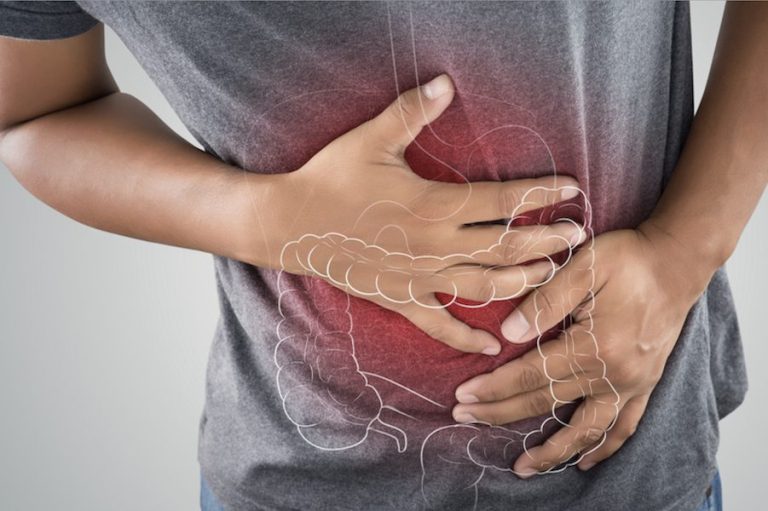
Inflammatory Bowel Disease (IBD)

Facts

What is inflammatory bowel disease (IBD)

Inflammatory bowel disease (IBD) is a disorder of either the small or large intestines (bowel) and is divided into one of two conditions:

The term inflammatory bowel disease is used to cover both the conditions as they have very similar symptoms.

IBD can be serious as it affects not just the bowels, but also other organs and tissues in the body.

IBD is a painful and chronic condition that can severely interfere with digestion and absorption of food, which means that there could be an associated malabsorption of important nutrients (vitamins, minerals, amino acids, fats, carbohydrates, protein) and subsequent malnutrition and unintended weight loss.

For every two cases of ulcerative colitis diagnosed, there are three cases of Crohn’s disease diagnosed.

Since IBD is a chronic health condition, it requires a lot of support to help people deal with the symptoms of this condition.

Facts about IBD

  • Inflammatory bowel disease (IBD) is a chronic health condition that usually (but not always) stays with a person for life
  • Inflammatory bowel disease (IBD) can cause severe complications if it is not investigated and treated promptly
  • There are two types of inflammatory bowel disease (IBD): Crohn’s disease and ulcerative colitis
  • There are approximately 45,000 Australians with IBD (around 1 in every 50,000 people), with a similar rate of incidence in New Zealand
  • About 120,000 people are diagnosed with IBD in the USA
  • Inflammatory bowel disease (IBD) is more prevalent in Western countries and in countries with cooler climates
  • Inflammatory bowel disease (IBD) affects men and women at about roughly the same rate of incidence
  • Inflammatory bowel disease (IBD) is usually diagnosed in people between the ages of 15-30, but can develop at any age, even in children
  • Around 20% of adults with IBD had symptoms from before they were 15 years old
  • Inflammatory bowel disease (IBD) is not a contagious disease (even if it was initially triggered by a bacterial or viral infection)
  • Inflammatory bowel disease (IBD) is a chronic disorder of the bowel which causes inflammation and pain
  • Inflammatory bowel disease (IBD) was first diagnosed in 1934 by Dr Burril Crohn, who described the symptoms as an “inflamed bowel”

Symptoms

Symptoms of inflammatory bowel disease (IBD)

The symptoms of inflammatory bowel disease (IBD) occur mostly in relation to how much and where the bowel is inflamed.

Main symptoms

  • Abdominal pain
  • Diarrhoea – sometimes with blood and/or mucous, but may not always occur for everyone with IBD
  • Fever
  • Lethargy and fatigue
  • Nausea
  • Passing fresh blood in the stools
  • Shooting pain up the backside (tenesmus)
  • Vomiting
  • Weight loss

Other symptoms

Other symptoms associated with inflammatory bowel disease (IBD) are:

  • Blurred vision
  • Eye problems – inflammation and sensitivity to light
  • Headache
  • Joint pain
  • Mouth ulcers (or canker sores)
  • Swelling or stiffness of the wrists, elbows, knees, ankles
  • Ulcer-like sores on the skin of the abdomen and legs

Inflammatory bowel disease (IBD) can also make a person more likely to develop gall stones, kidney stones, other kidney and other circulatory problems.

Inflammatory bowel disease (IBD) can also cause serious complications.

Causes

Causes of inflammatory bowel disease (IBD)

The cause of inflammatory bowel disease (IBD) is not known.

Science has put forward a few theories (which are still unproven) about why inflammatory bowel disease (IBD) occurs:

Food sensitivity or allergy

One theory is that inflammatory bowel disease (IBD) could be partly caused by food sensitivity, intolerance or allergy. If there is an existing food sensitivity, but the food continues to be eaten, the bowel is not able to tolerate that food and this causes a whole range of adverse problems in the bowel that prevents proper digestion and absorption of the food through the inability of the “good” bacteria to properly ferment the food and help it to be absorbed, which may cause a proliferation of the “bad” bacteria and worsening of symptoms, inflammation of the bowel and this can then lead to the development of inflammatory bowel disease.

Genetics

Studies show some people of certain ethnicity are more prone to developing inflammatory bowel disease, plus if a family member has it, then it is more likely that it will develop in other family members too.

Immune system problems

Some medical experts believe that inflammatory bowel disease could be due to the way that the immune system responds to certain triggers in the digestive system, in an inappropriate way, that leads to inflammation and the other symptoms associated with inflammatory bowel disease.

Infection

Some medical experts believe that inflammatory bowel disease is initially caused by a bacterial or viral infection in the intestines that continues to inflame the digestive system and ultimately causes symptoms associated with inflammatory bowel disease.

Prevention

Prevention of inflammatory bowel disease (IBD)

Non-preventable risk factors

Inflammatory bowel disease (IBD) may be unpreventable in certain circumstances:

  • Bacterial or viral infection – some medical experts believe that a trigger for inflammatory bowel disease is a bacterial or viral infection that somehow causes the immune system to function inappropriately. It is believed that this malfunction of the immune system could be one of the reasons why inflammatory bowel disease is triggered in some people
  • Food sensitivity – one theory proposes that inflammatory bowel disorder may be triggered by a food sensitivity that has become worse. The most common types of food sensitivity (or intolerance) are to dairy and gluten
  • Jewish ethnicity – studies show that people of Jewish ethnicity have a much higher risk (2-4 times) for developing inflammatory bowel disease than non-Jewish people living in the same geographical area. In addition to this, Jewish people were much more likely to have a relative with this condition (than non-Jewish people)
  • Genetics – people from certain ethnic backgrounds seem to be more likely to develop inflammatory bowel disease. There are many reasons hypothesised about this and one of them is the lack of omega-3 fatty acids in their diet and the ratio of omega-3:omega-6 fatty acids being too high in omega-6. This has not been proven, but is one reason that has interesting possibilities because it means that more cases of inflammatory bowel disease could be preventable based on dietary recommendations
  • Living in a Western country – there is much less incidence of inflammatory bowel disorder in poorer countries whose diet consists of more legumes, grains and vegetables than in the West, where the diet has more saturated fat (from high meat intake), less fibre and less vegetables

Preventable risk factors

There are ways to prevent IBD from occurring:

  • Diet – while diet is not a currently known cause of inflammatory bowel disease, it is known that following a diet that includes mostly fresh, unprocessed and low fat foods, with plenty of soluble fibre (that has been gradually added to the diet) seems to help symptoms
  • Environment – many studies show that inflammatory bowel disease is not common in people who work outdoors (as they tend to get enough sunlight, exercise and socialising), were breastfed as babies (get the extra immunity from the mother) and are from middle-lower socio-economic backgrounds (maybe because they tend to eat less meat and more legumes)
  • Stress – while not directly causing inflammatory bowel disease in the first place, stress can aggravate it and make the symptoms worse. Reducing stress is encouraged through some type of relaxation therapy. Meditation, tai chi, yoga are all good examples of ways to help destress and relax

Complications

Complications of inflammatory bowel disease (IBD)

There are a number of complications of inflammatory bowel disease (IBD):

  • Anaemia – many people with inflammatory bowel disease have deficiency of intrinsic factor, associated with a lack of vitamin B12 (cyanocobalamin) due to malabsorption and this can result in anaemia
  • Dehydration – the person with inflammatory bowel disease may become dehydrated due to the malabsorption problems
  • Malnutrition – people with inflammatory bowel disease may have malnutrition and deficiency in a number of nutrients, despite eating a healthy diet and this is because of the colon’s malfunction and inability to absorb any nutrients properly or at all. Especially at risk of deficiency are the fat-soluble vitamins and this is because of the colon’s inability to deal properly with fat absorption and these vitamins need some dietary fat in order to be absorbed properly: vitamin A, vitamin D, vitamin E, vitamin K
  • Weight loss – people with inflammatory bowel disease can experience weight loss, due to malabsorption of nutrients from food eaten, due to the colon’s malfunction and inability to absorb nutrients properly or at all

Very rare complications

In addition to this, two rare, but serious developments of inflammatory bowel disease (IBD) are:

  • Inability of the blood to clot properly – this is a potentially very serious problem which can cause bleeding to occur internally and it is life threatening and an emergency
  • Liver disease and jaundice – this is when there is serious disease of the liver, the skin and other body tissues can turn yellow (which can often be the first symptom of a serious liver disease) due to the jaundice. This yellow colouring is due to the colour of red blood cells in the bile

Further serious complications

Inflammatory bowel disease (IBD) can become complicated and cause a number of further symptoms, some of which can be serious and life threatening:

  • Abscess – if any part of the bowel becomes infected and inflamed, it can fill up with pus and cause an abscess to develop, which are treated by antibiotics. Sometimes the abscess needs to be drained if the antibiotics do not heal the infection properly
  • Perforation – if the infected abscess bursts, it can cause a rupturing of the colon and pus can leak out
  • Peritonitis – if the infected abscess that burst leaks pus into the peritoneum, causing wider-scale infection in the abdominal area. Peritonitis, if not dealt with very quickly can be fatal (surgery is required to get rid of the pus in the peritoneum and remove the part of the colon that is infected)
  • Fistula – this is a small tunnel that links one organ to another which has been formed when an abscess erodes into a neighbouring organ. Fistulas most often occur between the bowel and vagina or the bladder and skin. Surgery is required to remove the fistula and antibiotics are also used to prevent further infection and reduce symptoms
  • Intestinal obstruction – sometimes abscesses can cause scar tissue to be formed when it is healed, which is less flexible than normal tissue in the bowel and may cause a full or partial obstruction of the bowel which means food cannot pass through properly. A full obstruction of the bowel needs urgent surgery to open it up and prevent fatal consequences
  • Severe internal bleeding – this can occur during a very severe episode of ulcerative colitis and cause heavy bleeding through the rectum. This condition is life threatening as the patient will need a blood transfusion and possibly surgery to remove the bowel if it does not stop bleeding
  • Toxic megacolon – also known as acute dilation. This occurs during a severe episode of ulcerative colitis, which causes the transverse colon to get much bigger than normal and this is life threatening and needs to be treated in hospital with potassium and intravenous fluids or surgery to remove the bowel if it does not improve with treatment

Diagnosis

When to see a doctor about inflammatory bowel disease (IBD)

People who have any of the gastrointestinal symptoms associated with inflammatory bowel disease (IBD) should see their doctor to have a proper diagnosis to confirm whether or not they have this condition. IBD can have serious complications and a medical doctor needs to be consulted.

A doctor is the best person to diagnose this disorder and to rule out any other digestive disorder, which may present with very similar symptoms to inflammatory bowel disease (IBD).

People with existing inflammatory bowel disease (IBD) need to see their doctor if their symptoms change – if the severity of symptoms becomes worse or they experience a different set of symptoms than experienced before.

IBD can have serious complications and a medical doctor needs to be consulted if symptoms get worse.

Diagnosis of inflammatory bowel disease (IBD)

Initial diagnosis of inflammatory bowel disease (IBD) includes:

  • Medical history – the doctor will ask a series of questions about your symptoms (especially the duration and severity), your diet, your family medical history (if anyone else has similar symptoms or other gastrointestinal disorders)
  • Physical examination – the doctor (or gastroenterologist) will examine your abdominal area for pain or discomfort, as well as examining other parts of your body if needed (your hands, eyes and mouth)

Other tests

If the initial diagnosis warrant it, the following tests can be done to further evaluate the symptoms:

  • Blood test – this is ordered to test iron, haemoglobin, vitamin B12 and other nutrients. A blood test can also determine malnourishment or coeliac disease
  • Stool sample – this is ordered to determine if there is any blood in the stools or if there is a bacterial infection in the bowel present

Diagnostic tests

Once the doctor (or gastroenterologist) has reviewed the medical history and determines that further investigation is warranted, the following tests can be ordered:

  • Barium meal – is often performed to rule out any other disorders of the bowel, such as ulcers and irritable bowel syndrome (IBS), as it can show ulcerations of the bowel and stomach, narrowing of the bowel and fistulas in the bowel (little pockets in the bowel). This test is not performed much in Australia any more as a CAT scan can show the same information without having to enduring the ingestion of the barium (less invasive)
  • CAT scan – a computerised x-ray of the abdominal area which can show if there are any abscesses in any part of the bowel
  • MRI – magnetic resonance imaging, can show clear pictures of the body tissues and organs, so it can show abscesses and other abnormalities in the bowel
  • Colonoscopy – a gastroenterologist performs this test and it involves having a colonoscope (small, flexible tube with a camera and light at the end) being inserted into the colon (from the anus) to get a better view of the colon (or bowel) and determine level of inflammation and disease progression, and to take a sample of the colon (a biopsy). The colonoscopy is usually performed under light sedation and takes only about 10-15 minutes to be completed
  • Video capsule endoscopy – this is a newer test, only recently available, which is used to diagnose Crohn’s disease. A tiny video inside a capsule is swallowed, which gives clear images of the whole gastrointestinal tract as it travels through it. This test is not recommended if there are any suspected bowel obstruction as it can cause a worsening of the obstruction
  • Gynaecological exam – many women with abdominal pain may need to undergo a gynaecological exam to rule out any gynaecological problems, if their symptoms warrant

Treatment

Conventional treatment of inflammatory bowel disease (IBD)

Mild inflammatory bowel disease

Treatment of mild inflammatory bowel disease (less than four stools per day with no other major gastrointestinal symptoms):

  • Topical treatment – a variety of topical treatments can be used to treat symptoms, especially of they occur in the lower end of the colon:
    • Enema – a corticosteroid enema is placed in the rectum as a retention enema to help reduce symptoms
    • Suppository or foam – a corticosteroid suppository is placed in the rectum as a retention suppository to help reduce symptoms
  • Medication – a number of different medications are prescribed depending on symptoms:
    • Aminosalicylates – such as sulfasalazine, mesalazine, olsalazine are used for mild to moderate Crohn’s disease and all forms ulcerative colitis
    • Antibiotics – are used to treat Crohn’s disease and the complications of Crohn’s disease (fistulas and abscesses), but are generally not used in ulcerative colitis (unless there is an infection or abscess of some sort)
    • Glucocorticoids – such as prednisolone, hydrocortisone, budesonide are used to treat Crohn’s disease and ulcerative colitis because their anti-inflammatory properties act very quickly to reduce symptoms. Long-term, these types of drugs can cause a variety of side effects and should never be stopped abruptly as this can cause disruption to hormone levels and cause serious ill health (the dose needs to be tapered gradually to avoid this)
    • Vitamin B12 and iron shots – these are given through shots or via a drip as the intestines may not absorb them properly and can cause anaemia through the lack of iron and/or vitamin B12 (a deficiency of either can cause anaemia)

Moderate to severe inflammatory bowel disease

Treatment of moderate to severe inflammatory bowel disease (more than four stools per day with other major gastrointestinal symptoms):

  • Immunosuppressants – such as cyclosporine, methotrexate and thiopurine agents are used to treat active Crohn’s disease or ulcerative colitis and to maintain remission in people that have not responded to other drug therapy (glucocorticoids and antibiotics). Thiopurine agents are excellent at helping to heal fistulas. The only downside to these medications is that they can often take months to reach their full effects. The other disadvantage is that using these drugs long term may suppress the immune system too much and raise risk of infection, plus there is also a small risk of lymphoma (cancer of the lymph glands) when using these drugs long term
  • Intravenous iron and vitamin B12 – these nutrient are given through shots or a drip as the intestines may not be able to absorb them properly and this can cause anaemia through the lack of iron and/or vitamin B12 (a deficiency of either can cause anaemia)
  • Electrolyte and fluid replacement – when inflammatory bowel disease is really severe, replacement fluids including the electrolyte minerals (chloride, sodium, potassium) are given via a drip (usually in hospital) to replace the fluids and electrolytes lost through diarrhoea (and vomiting)
  • Total parenteral nutrition – if the inflammatory bowel disease is really severe and absorption of food is greatly impaired because of bowel obstruction, or due to inability to absorb nutrients at all because of the severity of the disease, then total parenteral nutrition must be given via drip in hospital, which allows the gastrointestinal tract to rest and heal. This provides all the nutritional requirements through the blood so that nothing goes through the bowel and this enables the inflammation and other symptoms of the bowel to be healed

Surgery

Surgery is not often recommended as a treatment for Crohn’s disease, because once it is performed, the need for recurrent surgery increases.

The most likely reasons for surgery are for serious complications of this condition such as:

  • fistulas
  • abscesses
  • internal bleeding
  • bowel perforation
  • cancer
  • strictures
  • bowel blockages

Alternative

Alternative / complementary treatment of inflammatory bowel disease (IBD)

There are a number of alternative therapies that can be used to treat inflammatory bowel disease, which can help to reduce the severity and length of symptoms. It is best to see a qualified naturopath who can develop a treatment plan just for you.

Never try to self-treat inflammatory bowel disease (IBD), as complications do and can arise.

Herbs

There are a number of excellent herbs which may help to provide relief for symptoms:

  • Ginger – the renowned anti-nausea properties of ginger can help reduce symptoms
  • Marshmallow – this herb has mucilaginous properties, which means it helps to sooth the mucous membranes and enable quicker healing of the ulcer, reducing symptoms in the process. People with hypoglycaemia or diabetes need to be careful taking this herb as it can reduce blood glucose levels too much when it is taken regularly
  • Slippery elm powder – this mucilaginous herb can help to relieve symptoms as it coats the intestinal walls and prevents further damage, pain, symptoms and ulceration

Vitamins

There are a number of vitamins which may help to provide relief for symptoms:

  • Vitamin A – the important antioxidant, vitamin A is vitally necessary for healthy mucous membranes in every part of the body and it can also help to speed up healing time. In addition to this, vitamin A is an important antioxidant which helps to reduce the damage to the intestines that inflammation causes and may possibly help reduce the risk of complications by preventing some of the scar tissue from forming. In addition to this, the bowel may not be absorbing the fat-soluble vitamins properly such as vitamin A, due to an inability to absorb fat properly and may be come deficient
  • Vitamin B12 – people with inflammatory bowel disease may easily become deficient in vitamin B12 and may require supplementation, as they are not producing enough intrinsic factor to help them absorb it and anaemia could be the result
  • Vitamin C – is a potent antioxidant vitamin C, helps to reduce the damage that inflammation causes, plus it helps in the maintenance of healthy collagen
  • Vitamin D – people with inflammatory bowel disease may become deficient in the fat-soluble vitamin D because they may not be able to absorb fat properly, which is necessary for the absorption of vitamin D
  • Vitamin E – the potent antioxidant vitamin E helps to reduce the damage that inflammation causes, plus it helps to reduce inflammation
  • Vitamin K – people with inflammatory bowel disease may become deficient in the fat-soluble vitamin K because they may not be able to absorb fat properly, which is necessary for the absorption of vitamin K
  • Multivitamin – a general multivitamin containing all the vitamins is necessary to correct any possible nutrient deficiency, but the most important vitamins are listed above

Minerals

There are a number of minerals which may help to provide relief for symptoms:

  • Selenium – the important antioxidant mineral selenium, helps to reduce the oxidative damage that inflammation causes in the body, which helps with the healing process
  • Zinc – the other important antioxidant mineral zinc is vital to help the tissues heal more quickly and effectively from any type of damage
  • Multivitamin – a general multivitamin containing all of the minerals is necessary to correct any possible nutrient deficiencies, but the most important minerals needed to help with this condition are listed above

Other nutrients

There are a number of other nutrients which may help to provide relief for symptoms:

  • Amino acids – all of the 9 essential amino acids should be taken in supplement form to help prevent protein malabsorption. Amino acids are a vital nutrient that the body needs to have from the diet every day
  • Antioxidants – are required to reduce the oxidative damage to the digestive tissues that the inflammation this condition causes. Antioxidants also help to ensure the immune system is functioning effectively
  • Bromelain – an enzyme (from pineapple) which is especially helpful for proper digestion
  • Digestive enzymes – help to maintain proper intestinal digestion and absorption
  • Essential fatty acids – especially omega 3 and linoleic acid, which both help to reduce all types of inflammation in the body. The best form to take these is in fish oil, linseed oil, cod liver oil or tuna oil
  • Glucosamine – the nutrient glucosamine helps to reduce inflammation in the body in general and also reduces severity of symptoms
  • Glycine – the semi-essential amino acid glycine is beneficial in helping reduce the inflammation and thereby also reducing the recovery time from a flare-up of the condition
  • Prebiotics – these are the precursors of probiotics, which help to promote the growth of “good” bacteria in the bowel so that they can function properly and keep the bowel healthy. Prebiotics are a type of dietary fibre which cannot be digested by the bowel, so they provide food for the intestinal flora. Examples are: asparagus, garlic, milk, onions, yoghurt
  • Probiotics – are living micro-organisms, which are known as “good” bacteria which help the gastrointestinal tract (GIT) fight off any “bad” bacteria, viruses and fungi. Probiotics normally exist in the GIT but can become depleted in people with bowel disease. Probiotics help to maintain a healthier GIT flora and may help reduce symptoms. Try lactobacillus acidophilus
  • Quercetin – the super bioflavonoid quercetin helps to reduce inflammation and clotting, which is useful in helping reduce severity and duration of symptoms
  • Taurine – the semi-essential amino acid taurine is beneficial in helping reduce the inflammation, which means that it is also useful in reducing the recovery time from a flare-up of the disease

Dietary modifications

There are a number of dietary modification strategies which may help to provide relief for symptoms:

  • Avoid refined sugar – as they can cause further intestinal irritation
  • Drink organic cabbage juice – the juice of cabbage contains “substance U” which has proven ulcer healing properties and it can help to reduce the ulceration of the bowel (or rectum) mucosa and provide relief for symptoms
  • Drink more water – fluids lost need to be replaced and so water is essential to help the bowel function properly, but try to use filtered water as most cities have fluorinated water supplies and the fluoride can irritate the bowel
  • Eat foods high in mucopolysaccharides – foods such as tripe, oats, onions, aloe vera, slippery elm help to heal the mucosa (mucous lining) of the intestinal walls and may help to reduce symptoms
  • Eat more protein – eat foods high in low fat protein, such as organic chicken and a little low fat red meat, but especially and mainly oily fish (salmon, mackerel, tuna, trout, sardines) which are high in omega 3 fatty acids (which help to reduce inflammation)
  • Eat smaller meals – have about 5-6 smaller meals each day to put less stress on the digestive system, which is not functioning as well as it should be. By eating smaller meals, it helps the digestive system because it only has to digest and absorb only a little bit of food at a time
  • Limit dairy – some dairy foods (cheese, butter, cream, sour cream, ice cream) can contain carageenan, which is a food additive added as a stabiliser and it may cause intestinal irritation in some people. Always use organic and always check food labels

Lifestyle modifications

There are a number of lifestyle modifications which may help to provide relief for symptoms:

  • General relaxation – learn some relaxation therapy such as meditation, tai chi, or yoga to help calm the mind and help calm digestion too. Studies show that stress can have an adverse effect on symptoms, by making them worse
  • Rest – people with this condition need to rest properly anyway, but especially during a flare-up as this is when the body needs all its resources to counter the inflammation and heal
  • Slow down – take life at a slower pace and relax. Always rushing around can have an adverse impact on digestion in general, but especially so in people with a digestive disorder, as studies show that stress can definitely aggravate symptoms

Alternative treatments

  • Food sensitivities – get checked for food sensitivities and/or use an elimination diet to find any food intolerance or food allergies (especially for lactose intolerance or gluten intolerance)

Always ensure that you notify your medical practitioner of any supplements that you want to take – it may interfere with other medication or conditions you have. Confirm with your doctor it is safe to take before you try it.

Self care

Living with inflammatory bowel disease (IBD)

Inflammatory bowel disease (IBD) requires some diligence in maintaining a healthy diet and some supplementation may be required to help heal the digestive system and reduce severity and duration of symptoms.

Self care strategies

The following are the strategies most recommended to achieve this:

  • Avoid alcohol – it may be necessary to stop drinking any alcohol while the intestines and the rest of the digestive system are in the process of healing and this is because alcohol is known to irritate the intestines
  • Avoid cigarette smoke – people who smoke have to give up. This is just another reason to help with the decision to stop smoking. Cigarette smoke causes a number of problems with digestion and should be avoided. People who do not smoke should avoid exposure to second hand smoke from people who smoke around them
  • Digestive and pancreatic enzymes – the digestive and pancreatic enzymes are released by the digestive to help digest foods that are eaten so that their nutrients can be absorbed through the bloodstream. Digestions starts mainly in the stomach and ends in the small intestine. The digestive and pancreatic enzymes help to increase the amount of food digested by reducing the load on the digestive system and this reduces the amount of undigested foods that may escape into the bloodstream and cause the immune system to respond with an allergic reaction
  • Essential fatty acids – the essential fatty acids, especially the omega 3 (DHA/EPA) and omega 6 (GLA) are vital for a properly functioning gastrointestinal system as they reduce inflammation that may be associated with this digestive disorder and this reduces severity and duration of symptoms. The best way to get adequate levels of the essential fatty acids is to eat 3-4 servings of oily fish each week and ensure it is deep ocean, wild fish (not farmed). The fish with the highest levels of omega-3 fatty acids are: mackerel, salmon, sardines, trout, tuna. People who cannot eat fish should try a supplement with balanced levels of each of the essential fatty acids and ensure it has been tested for mercury
  • Exercise regularly – physical activity is a must for anyone with a digestive disorder as it helps to increase blood and lymphatic circulation. This helps to eliminate any toxins or unwanted substances more quickly out of the body. Exercise also increases the endorphins released and reduces stress
  • Fibre – increasing the amount of fibre in the diet is vital for ensuring healthy digestion. The best types of soluble fibres is psyllium, which helps the intestinal flora digest food properly. The best ways to add psyllium or slippery elm to the diet are in: smoothies, milkshakes, sauces, yoghurt, breakfast cereal, muesli, dips. Suggested dosage is up to 2-3 teaspoons per day, but add it gradually if fibre hasn’t been an integral part of the diet previously, start with 1/2 teaspoon for a few days and add another 1/2 teaspoon every 4 days until at the 2-3 teaspoons a day level
  • Manage food intolerance or sensitivity – these can be confirmed (if not known) through either an elimination diet or a blood test. An elimination diet involves removal of all the suspected allergens (such as dairy, gluten) as well as all processed foods and associated food additives and then re-introducing these foods, one at a time to determine if they have an adverse effect on digestion, or any other part of the body
  • Organic – another strategy to reduce the stress on the gastrointestinal system is to avoid foods which are not grown organically (without the use of pesticides and other chemicals and antibiotics). This helps the digestive system because it does not have to also try to detoxify the chemicals in the food in addition to trying to digest foods normally (which is not occurring in this condition). Not only this, but studies show that organic food has higher levels of all their nutrients than food not grown organically
  • Probiotics – the “good” bacteria may be in short supply in the digestive system which could be contributing to the symptoms. Acidophilus and other probiotic bacteria are required to help re-populate the intestines with “good” bacteria, which help to properly digest foods and reduce the amount of undigested food that escapes the gut. People who are not lactose intolerant should also include yoghurt that has live cultures
  • Reduce stress and relax – prolonged and unrelenting stress is not good for healthy digestion. While stress is not known to cause leaky gut syndrome, it certainly can make symptoms worse because it causes the parasympathetic nervous system to remain in stress mode, which means digestion and absorption is not effective as the nerve that controls it prevents it from happening properly. Learn some relaxation techniques to help release stress and improve symptoms
  • Slippery elm – the herb slippery elm is necessary for intestinal health as it is required to heal the intestinal mucosa by providing a mucilaginous layer over the intestinal wall, which reduces the stress on the intestines and helps to heal the intestines more quickly
  • Smaller meals – eat smaller meals to help reduce the load on the digestive system, which is not working properly and cannot handle larger meals, which can cause worsening of symptoms when the stomach and intestines struggles to handle the large amount of food eaten. Aim to have around 6 smaller meals each day
  • Supplements – certain supplements may be required to help in the healing process by reducing the load on the intestines and reduce symptoms. The fat-soluble vitamins may especially be required because this digestive disorder causes a problem with fat digestion, as well as a general multivitamin which contains all the vitamins and minerals to prevent malnutrition due to malabsorption and the amino acids (especially taurine and glycine) which help to reduce the inflammation associated with this disorder

Caring for someone with inflammatory bowel disease (IBD)

Partner

The best way to help a partner with inflammatory bowel disorder (IBD) is to be supportive and sympathetic, but also the following can be helpful too:

  • Avoiding smoking inside – people with inflammatory bowel disease (IBD) need to be away from any cigarette smoke, as it can exacerbate their symptoms
  • Eating smaller meals – help your partner to eat smaller meals by joining them in eating smaller meals, as this helps support your partner a great deal. Cooking and eating smaller meals is one way to help reduce the load on the digestive system by reducing the amount of food that needs to be digested and absorbed
  • Encourage a healthy diet – a healthy diet is one which has adequate amounts of fresh fruit and vegetables, whole grains, legumes, protein and healthy fats and has little or no processed foods
  • Encourage exercise – going for walks (or joining a gym together) with your partner is a great way to bond. Exercise helps to improve circulation, reduces stress and encourages better health overall

Friends

People who have a friend who has inflammatory bowel disease (IBD) can support their friend by the following:

  • Dinner parties – if you invite your friend to a dinner party, try to ensure there is food that they can eat. The best way to do this is to ask what foods are off limits for them and ensure to let them know beforehand which foods they should avoid
  • Discourage alcohol – if your friend has IBD, they should be limiting alcohol intake as it can cause a worsening of symptoms, so try to make your social meetings ones that are alcohol free

Parents

Parents of a child who has inflammatory bowel disease (IBD) can support their child by:

  • Avoid smoking inside – people with inflammatory bowel disease (IBD) need to be away from any cigarette smoke, as it can exacerbate their symptoms
  • Cooking smaller meals – this is one way to help reduce the load on the child’s digestive system by reducing the amount of food that needs to be digested and absorbed
  • Fibre – it is important to include some soluble fibre in the child’s diet, slowly and a little at a time (to prevent worsening of symptoms) to help with symptoms. Studies show that a diet high in plant fibre is associated with lower incidence of IBD. Some good sources of fibre are: psyllium (this can be added to cereals and smoothies, but ensure to have adequate amounts of water to enable it to flow through the digestive system properly), vegetables, legumes and cereals
  • Probiotics – introduce some probiotics to the child’s diet, preferably in powder form as it can be more easily assimilated into other foods, but the tablets can also be taken if this is not successful
  • Slippery elm – find creative ways to add slippery elm to foods (smoothies, breakfast cereal, muesli) in the child’s diet. Slippery elm is one of the herbs most beneficial for any type of digestive disorder, but especially one in which there is irritation and damage to the intestinal wall and the intestinal mucosa

References

References

  • Akobeng AK, Richmond K, Miller V, Thomas AG. Effect of exclusive enteral nutritional treatment on plasma antioxidant concentrations in childhood Crohn’s disease. Clin Nutr. 2007 Feb;26(1):51-6
  • Arrieta MC, Madsen K, Doyle J, Meddings J. Reducing small intestinal permeability attenuates colitis in the IL10 gene-deficient mouse. Gut. 2009 Jan;58(1):41-8
  • Brett A, Carson A. Gut Instincts: A Practical Guide to a Healthy Digestive System. 2007, Allen and Unwin, Australia
  • Dubinsky MC, Wang D, Picornell Y, et al. IL-23 receptor (IL-23R) gene protects against pediatric Crohn’s disease. Inflamm Bowel Dis. 2007 May;13(5):511-5
  • Geerling BJ, Badart-Smook A, Stockbrügger RW, Brummer RJ. Comprehensive nutritional status in patients with long-standing Crohn disease currently in remission. Am J Clin Nutr. 1998 May;67(5):919-26
  • Kong SC, Hurlstone DP, Pocock CY, Walkington LA, Farquharson NR, Bramble MG, McAlindon ME, Sanders DS. The Incidence of self-prescribed oral complementary and alternative medicine use by patients with gastrointestinal diseases. Clin Gastroenterol. 2005 Feb;39(2):138-41
  • Lamb EJ, Wong T, Smith DJ, Simpson DE, Coakley AJ, Moniz C, Muller AF. Metabolic bone disease is present at diagnosis in patients with inflammatory bowel disease. Aliment Pharmacol Ther. 2002 Nov;16(11):1895-902
  • Lecleire S, Hassan A, Marion-Letellier R, et al. Combined glutamine and arginine decrease proinflammatory cytokine production by biopsies from Crohn’s patients in association with changes in nuclear factor-kappaB and p38 mitogen-activated protein kinase pathways. J Nutr. 2008 Dec;138(12):2481-6
  • Lee KM. Nutrition in inflammatory bowel disease. Korean J Gastroenterol. 2008 Jul;52(1):1-8
  • Osiecki H. The Physicans Handbook of Clininical Nutrition, 6th Edition. Bioconcepts Publishing QLD, 2001
  • Reifen R, Nur T, Ghebermeskel K, Zaiger G, Urizky R, Pines M. Vitamin A deficiency exacerbates inflammation in a rat model of colitis through activation of nuclear factor-kappaB and collagen formation. J Nutr. 2002 Sep;132(9):2743-7
  • Singh B. Psyllium as therapeutic and drug delivery agent. Int J Pharm. 2007 Apr 4;334(1-2):1-14
  • Tratter R, Jones A. Better Health Through Natural Healing: How to Get Well Without Drugs or Surgery, 2nd Edition. McGraw Hill, 2001
  • Vagianos K, Bector S, McConnell J, Bernstein CN. Nutrition assessment of patients with inflammatory bowel disease. JPEN J Parenter Enteral Nutr. 2007 Jul-Aug;31(4):311-9
  • Vicario M, Amat C, Rivero M, Moretó M, Pelegrí C. Dietary glutamine affects mucosal functions in rats with mild DSS-induced colitis. J Nutr. 2007 Aug;137(8):1931-7

Last reviewed and updated: 14 May 2024
Pre-menstrual syndrome (PMS)

Facts

What is pre-menstrual syndrome (PMS)

Pre-menstrual syndrome or PMS is a physical and psychological disorder that causes a number of symptoms (both physical and psychological) that affect the physical and emotional well-being of women for a period of up to two weeks prior to menstruation.

While PMS can occur for up to two weeks prior to menstruation (usually just after ovulation), the worst symptoms seem to occur in the the week and days just before menstruation. PMS normally disappears (or is reduced significantly) once menstruation starts.

PMS was first classed as a medical disorder in 1953 by Dr Raymond Greene and Dr Katharina Dalton in a paper published in the British Medical Journal the same year.

Research shows that up to 90% of all women experience some level of PMS during their menstruating years and that around 40% of these women have PMS symptoms that disrupt their life in some major way.

Some women even report that any underlying medical disorders (allergies, asthma, irritable bowel syndrome) seem to get worse, or just much harder to manage during PMS.

Pre-menstrual dysphoric disorder (PMDD) has recently been identified as a type of PMS, but with much worse symptoms.

Facts about PMS

  • PMS is very common in women and occurs in almost all women (about 90%)
  • PMS can occur at any time, but is most common in women in their late 20’s to early 30’s and beyond
  • PMS normally ends once menopause starts
  • Some women find that having a baby makes PMS worse
  • Some women find that having a baby relieves their PMS greatly
  • PMS seems to get worse as women get older
  • PMS is a very misdiagnosed and misunderstood medical disorder

Symptoms

Symptoms of pre-menstrual syndrome (PMS)

There are over 150 different symptoms that have been identified as being associated with PMS.

The symptoms of PMS can be divided into five sub-groups (and while most women generally have symptoms of 1-2 groups, some women experience all the symptoms from all groups):

PMS-A

This group of symptoms is characterised by anxiety (which may be due to a higher than normal ratio of oestrogen to progesterone)

  • Nervous tension – anxiety, crying, irritability, mood swings, nervous tension

PMS-C

This group of symptoms is characterised by cravings (which could be due to an exaggerated response of insulin to carbohydrates and a probable magnesium deficiency too)

  • Cravings – cravings for sweets, dizziness, fainting, fatigue, headache, increased appetite, palpitations, pounding heart

PMS-D

This group of symptoms is characterised by depression (which may be due to a lower than normal ratio of oestrogen to progesterone)

  • Depression – “brain fog”, confusion, crying, depression, excessive sleep, forgetfulness, insomnia, lowered libido

PMS-H

This group of symptoms is characterised by hyper-hydration, an excess of fluid in various parts of the body (and this is due to an increased retention of sodium in the body)

  • Fluid retention – abdominal bloating, swelling of legs, arms, fluid retention, breast swelling and tenderness, weight gain (more than 1.4kg)

PMS-P

This group of symptoms is characterised by pain in certain parts of the body

  • cramps – pain or cramping in the lower back, lower abdominal, leg and any other body part
  • reduced pain threshold – this is very noticeable during PMS

Interestingly, PMS symptoms are very similar to the symptoms of hypothyroidism.

In addition to this, studies have also shown that PMS symptoms also correlate to the effects of prolactin when it is injected into a healthy woman who does not experience PMS. This suggests that some women may be highly sensitive to their own prolactin levels or have higher than normal levels of prolactin in their blood.

Causes

Causes of pre-menstrual syndrome (PMS)

Medical experts generally think that it may be a woman’s response to her hormones (whether they are balanced or not), diet (there may be nutritional deficiencies), stress or lifestyle factors (there may be prolonged stress) that could be the underlying cause of PMS and as every woman is different, the level of PMS each woman experiences is also different.

While we do have some answers about pre-menstrual syndrome and know more about PMS than when it was first diagnosed over 50 years ago, the exact cause of PMS is sill not known.

While PMS is a recognised medical disorder, the underlying cause has not been really identified, but a variety of explanations have been given as to the reasons why PMS may occur.

Prevention

Prevention of pre-menstrual syndrome (PMS)

Non-preventable risk factors

Pre-menstrual syndrome (PMS) may be unpreventable in certain circumstances:

  • Abnormal hormones – studies show that when the ratio of eostrogen to progesterone is unbalanced, this can trigger symptoms of PMS, irrespective of whether the ratio is too low or too high. The correct levels of oestrogen (which increases energy) and progesterone (which acts as a depressant) are needed to maintain a proper balance and create harmony. Other studies have shown that PMS may be triggered by imbalances in other hormones – serotonin, adrenaline and androgen. In addition to this, an under active thyroid can also exacerbate symptoms of PMS
  • Abnormal central nervous system function – some women have a central nervous system that simply does not function in a normal manner to the normal fluctuations of hormones during the monthly menstrual cycle and instead the central nervous system (CNS) instead behaves abnormally and causes the PMS symptoms. Current science does not know why some women’s CNS behaves abnormally and so do not know how to prevent PMS from this factor
  • Blood glucose imbalances – an exaggerated insulin response to carbohydrates (glucose) is tied with associated symptoms of low blood glucose, cravings and increased appetite during PMS. Some experts think that this abnormal insulin response to glucose may be tied with higher than normal eostrogen levels, because this triggers more insulin insulin to be released into the blood, dropping glucose levels more than necessary and causing symptoms such as dizziness, increased appetite, headache and food cravings (especially for sweet foods, that have a high glycemic index (GI) and which can bring glucose levels back to normal very quickly). This may be the reason why some women experience intense cravings for sweet foods during PMS
  • Genetics – studies show that women whose direct female relatives (mothers and grandmothers) had PMS will most likely experience it too and probably very similar symptoms too

Preventable risk factors

There may be ways to prevent PMS from occurring or at least preventing symptoms from becoming very severe:

  • Exercise – a lot of research suggests that regular exercise can reduce the symptoms of PMS, by increasing levels of endorphins, the “feel good” hormones as well as increasing levels of serotonin, one of the hormones thought to be responsible for the mood problems during PMS. Exercise should be engaged on a regular basis, every day to be effective
  • Reduce salt – excessive salt intake can lead to fluid retention symptoms such as breast tenderness and general fluid retention. The substance in salt that is responsible for the fluid retention is sodium. Sodium occurs naturally in all foods, but it is in a specific ration with potassium (a natural anti-diuretic) to prevent fluid retention problems. There is a lot of hidden sodium in processed or packaged foods, so avoiding these at least in the two weeks prior to menstruation may help to avoid the worst of the fluid retention symptoms during PMS
  • Relaxation strategies – any type of relaxation strategy may help to reduce the emotional symptoms of PMS by increasing levels of serotonin. Some good relaxation therapies are: meditation, tai chi, yoga
  • Stress and emotional problems – it is well known that stress can make any health condition feel (or be) worse, so it is no surprise that it can also makes PMS symptoms worse. While stress does not cause PMS, it can trigger symptoms. Stress affects the adrenal glands to produce the hormones noradrenaline, aldosterone, adrenaline and cortisol, which affect and regulate fluid balance in the body, mood, appetite and response to stress. Studies show that stress caused by emotional trauma, especially those that are ongoing, can disrupt balance of hormones in the body and trigger PMS. Many studies have shown that reducing stress through techniques such as yoga or meditation can significantly reduce symptoms of PMS
  • Treat underlying nutritional deficiencies – imany experts believe that nutritional deficiencies could be the main reason that PMS occurs. It is thought that a diet high in processed foods, refined sugar, excess salt and lacking in fresh fruits, vegetables, legumes and foods high in omega 3 essential fatty acids (such as oily fish). Numerous studies have shown that calcium levels are greatly reduced in a high percentage of women with PMS, which means the body may not be using calcium properly during PMS and this could be causing a deficiency in this essential mineral, which could be further exacerbating symptoms. Studies also show a deficiency of vitamin B6 (pyridoxine) could be a contributing factor to the bloating symptoms. Other studies show that many women could be deficient in magnesium, a mineral that helps the muscles relax, which could be why many women binge on chocolate during PMS, as chocolate is high in magnesium. Yet other studies show the whole range of B vitamins may be deficit in women with PMS, as well as the essential fatty acids and especially gamma-linoleic acid (GLA) (which is the reason why naturopaths prescribe evening primrose oil for PMS as it is very high in GLA)

Complications

Complications of pre-menstrual syndrome (PMS)

The complications of PMS can occur if this disorder is unrecognised and untreated, which can cause an exacerbation of the symptoms and make life very difficult.

The two most severe complications that can occur in relation to untreated PMS symptoms are:

Anxiety

One of the most debilitating symptoms of PMS is anxiety, which can manifest as feelings of tension, agitation and general anxiety. Women with PMS tend to experience anxiety at a high level in the whole two weeks prior to menstruation, but even more so in the days just before the start of menstruation. If the PMS remains unrecognised and untreated, the anxiety symptoms can make the woman feel as though there is something very wrong with her mind because she is feeling so anxious and “on edge” without any apparent reason. If this goes on for some time, it can be severely debilitating and really disrupt a woman’s enjoyment of life. This is the reason why this disorder must be appropriately diagnosed and treated.

Depression

Women with PMS can experience very severe depression symptoms in the whole of the two weeks prior to menstruation and specifically even more so in the days running up to the start of menstruation. If the PMS remains unrecognised and untreated, then the depressive symptoms can make the woman feel as though there is something very wrong with her mind because she is feeling all those depressed, low mood feelings without any apparent reason. If this goes on for some time, it can be severely debilitating and disrupt a woman’s enjoyment of life. This is the reason why this disorder must be appropriately diagnosed and treated.

Diagnosis

When to see a doctor about pre-menstrual syndrome (PMS)

If you experience any of the symptoms of PMS, especially if they only occur in the two weeks prior to menstruation you should visit your doctor to discuss your concerns. Your doctor will diagnose your symptoms or send you to a gynaecologist for further review.

If you already suspect you have PMS and have been tracking your symptoms with a PMS tracker for several months, you should present your symptoms to your doctor for diagnosis and appropriate treatment options – both conventional treatment (medication and/or hormones) or alternative/complementary treatment.

Diagnosis of pre-menstrual syndrome (PMS)

There are no tests to definitively diagnose PMS.

The only way that PMS can be determined is through observation. A woman who feels that she has symptoms of PMS (or even PMDD) through observation of the time and length of symptoms and whether or not there is a pattern to it that is related to the two weeks prior to menstruation (the luteal phase of menstruation).

It is advisable to create a menstruation diary and take note of all symptoms, severity and duration to determine exactly if the symptoms are due to PMS.

Use the PMS Tracker to accomplish this. Print it out and use it as your menstruation diary and take it to your doctor for discussion.

To determine if you have PMS, answer the questions below :

  • In the two weeks prior to menstruation, do you feel anxious, moody, irritable and snap at people?
  • In the two weeks prior to menstruation, do you feel depressed, confused, forgetful, cry a lot and withdraw from people?
  • In the two weeks prior to menstruation, do you experience bloating (especially in your abdomen and breasts) and sore or tender breasts?
  • In the two weeks prior to menstruation, do you get intense food cravings and have an increased appetite?
  • In the two weeks prior to menstruation, do you find it difficult to sleep properly or experience headaches/migraines?

If you can answer yes to any of the above questions then it is most likely you have PMS, especially if the symptoms occur quite regularly (for most menstrual cycles).

Treatment

Conventional treatment of pre-menstrual syndrome (PMS)

The conventional (western) medical approach to treating PMS is through the following.

Hormone therapy

These are used to regulate hormones by preventing ovulation and prevent or ease PMS symptoms:

  • Contraceptive pill – this contains both oestrogen and progesterone in specific amounts. There are many variations of the Pill, with different amounts of each of the hormones oestrogen and progesterone. Today, most doctors prescribe a particular contraceptive pill called Yasmin with a special combination of hormones (drosperinone/ethinyl estradiol), as research has shown it can greatly assist in reducing the symptoms of PMS by suppressing ovulation, reducing fluid retention and countering the effects of testosterone. The other commonly prescribed contraceptive pill is YAZ, which is very low in oestrogen (lower than Yasmin)
  • Danazol – this medication reduces the output of both follicle-stimulating hormone (FSH) and luteinising hormone (LH) and eostrogen, so it stops the menstrual cycle, which may help with some women’s PMS symptoms. If the menstrual cycle is ceased, then PMDD symptoms are also not going to occur. While Danazol is effective at reducing symptoms of PMS, it is only prescribed as a medication of extreme last resort, when other options are not viable, as it has really severe side effects (acne, cramps, depression, flushing, increased HDL (“bad”) cholesterol levels, increased male characteristics, reduced breast size, weight gain) and also cannot be prescribed for longer than six months
  • GnRH agonists – Gonadotropin releasing hormone agonists (GnRH) are a type of medication that suppresses ovulation by stopping the production of oestrogen and progesterone. The GnRH agonists are effective at reducing symptoms of PMS, but they are only prescribed as a medication of last resort, when other options are not viable, as they have severe menopause-like side effects (in particular, hot flushes and night sweating) and they also cannot be prescribed for longer than six months
  • Bromocriptine – this drug selectively targets one of the abnormal hormones (prolactin), but is not used very much these days as its side effects can cause a worsening and further imbalance of the hormones

These drugs all have side effects and they just treat the symptoms and not the actual cause of the PMS, so they do not really provide a major benefit for PMS long-term. This is the reason why many doctors these days are more inclined to suggest an alternative / complementary approach to treating PMS and only suggest medication as a last resort.

The contraceptive pill for example, should not be taken by women who smoke, who have had any type of blood clots or who have had any type of oestrogen-dominant female cancers. The other medications also have their own set of side effects and the risks should be discussed with your doctor.

Medications

The following medications are prescribed, either on their own or in a combination advised by your doctor, depending on symptoms:

  • Fluid retention relief – to relieve symptoms associated with bloating in the breasts, abdomen and the whole body
    • Diuretics – both over-the-counter and prescription are used to relieve the fluid retention and breast tenderness symptoms associated with PMS by blocking the function of the hormone aldosterone. Examples are: Aldactone(not to be taken at night as they can cause disrupted sleep when they wake you with the need to urinate often)
  • Prostaglandin inhibitors – to relieve inflammation
    • COX-2 Inhibitors – these medications are used to relieve menstrual cramping and premenstrual symptoms. Examples are: Celebrex (other Cox-2 inhibitors have been taken off the market due to significant side effects, including heart attack, stroke and possible death)
  • Analgesics – to relieve pain and/or inflammation
    • Naproxen, ibuprofen, or mefenamic acid – these are non-steroidal anti-inflammatory medications which relieve premenstrual pain and reduce menstrual pain and bleeding. They work to reduce inflammation by reducing prostaglandin production. Examples are: Advil, Naprogesic, Nurofen, Ponstan
  • Anti-depressants – these are recommended to be used just in the two weeks prior to menstruation, during PMS (or sometimes all month for some women) to reduce symptoms associated with depression. Today, there are a number of anti-depressant medications which are specifically tailored to be used for PMS
    • Benzodiazepines – are only recommended to be used for a few days prior to menstruation for anxiety symptoms, when other treatments have been ineffective. These medications depress the central nervous system, but they lose their effectiveness over time and can be very addictive. Examples are: Xanax
    • SSRIs – these medications work by helping the brain retain more serotonin, the neurotransmitter responsible for regulating mood and which may be low in women with PMS. These medications help to relieve depression, anxiety, irritability, aggression, and many physical symptoms of PMS. Examples are: Prozac, Sarafem, Paxil, Zoloft, Luvox, Celex

Alternative

Alternative / complementary treatment of pre-menstrual syndrome (PMS)

For most women, a combination of the alternative treatments below will work to alleviate PMS symptoms, but in order for them to work, they must be used regularly and on an ongoing basis (especially the dietary changes) with commitment. To get a better understanding of what can help your PMS, see a qualified naturopath.

Herbs

There are a number of herbs which are routinely recommended for assisting with not only reducing symptoms but also to help balance hormones:

  • Chamomile (matricaria chamomila) – an excellent herb for relaxing the whole body and is particularly useful for women whose PMS causes sensitivity, irritability, crying, timidity and feelings of inadequacy
  • Chaste berry (agnus castus) – this is the berries of the chaste tree, indigenous to Southern Europe, the Mediterranean and Asia. The berries contain compounds which act on the pituitary gland, specifically on the production of luteinising hormone to influence progesterone levels during the second half of the menstrual cycle, which is when PMS occurs. Chaste berry is highly effective in treating menstrual irregularities, breast pain and premenstrual complaints
  • Dandelion (taraxacum officinale) – is an excellent natural anti-diuretic which is well tolerated by most women, which makes it an excellent tonic for women that have PMS-H (fluid retention) symptoms. Dandelion also works on the liver to detoxify it from all toxins in general and excessive amounts of eostrogen in particular
  • Dong quai (angelica polymorpha) – is a herb widely used for treating PMS as it has analgesic and sedative properties, which is good for treating PMS-A (anxiety) and PMS-P (pain). Note: excessive doses can cause uterine contractions and should be avoided in women who are trying to get pregnant
  • Lavender (lavandula vera) – as an essential oil is beneficial for reducing nervous tension and to treat insomnia as it is a relaxant. Lavender can be applied in a number of ways – a few drops to the pillow, some drops to an oil burner, as a room spray or even a few drops on the skin (as long as it is the diluted form). Note: some people may be allergic to the oil if applied topically, so use with caution in this manner
  • Lemon balm (melissa officinalis) – is a very soothing herb, which has mild muscle relaxant properties, so is beneficial for PMS-A (anxiety) symptoms, especially for insomnia as it helps to reduce the time to get to sleep and assists with a better quality of sleep. Lemon balm is very effective if stress has adversely affected the stomach and digestive system too
  • St John’s wort (hypericum perforatum) – is a well known and much used herb to treat mild to moderate depression from any cause. It is widely used in many countries by doctors) as an alternative treatment to anti-depressant medications. St John’s wort helps to support the nervous system as a whole, which means it is helpful for all PMS symptoms, but it also has a sedative effect which means it is good for women with PMS-A (anxiety and insomnia) symptoms. Note: St John’s wort should never be used together with anti-depressant medications as this combination can produce serious health effects
  • Valerian (valeriana officinalis) – is a herb that is widely used for its calming effects on the mind. It is especially useful for stress-related anxiety, tension and insomnia and for depression caused by stress or nervous tension. Studies show that valerian is an excellent non-addictive sleep aid, as it helps people fall asleep quite quickly and improves the quality of sleep. Valerian is useful for anxiety and stress, but lower doses needed to be used during the day for this purpose. Note: about 2%-5% of people experience the opposite effects when taking valerian – they become more alert, more awake, more wired up and do not calm down and relax if they take valerian, so try it at a smaller dose to be sure or try other herbs such as chamomile or lemon balm which are gentle and soothing

Vitamins

There are a number of vitamins especially beneficial for reducing PMS symptoms:

  • Vitamin B1 – is very useful in supporting the nervous system, which may not be functioning as effectively as normal and may not be able to handle stress as well as it should
  • Vitamin B2 – is very useful in supporting the nervous system, which may not be functioning as effectively as normal and may not be able to handle stress as well as it should
  • Vitamin B3 – is very useful in supporting the nervous system, which may not be functioning as effectively as normal and may not be able to handle stress as well as it should
  • Vitamin B5 – is very useful in supporting the nervous system, which may not be functioning as effectively as normal and may not be able to handle stress as well as it should
  • Vitamin B6 – is involved in the synthesis of specific neurotransmitters that regulate mood and which may be at abnormal levels during PMS. Vitamin B6 helps to balance the amount of certain neurotransmitters, thereby reducing mood swings and depression and regulating mood during PMS
  • Vitamin B12 – is very useful in supporting the nervous system, which may not be functioning as effectively as normal and may not be able to handle stress as well as it should
  • Vitamin D – assists in the absorption of calcium and thereby gives relief to some of the symptoms associated with PMS which are related to a deficiency of calcium (excess of oestrogen)
  • Vitamin E – the powerful antioxidant and free radical scavenger vitamin E, which helps to alleviate breast tenderness and pain symptoms associated with PMS

Minerals

There are a number of minerals especially beneficial for reducing PMS symptoms:

  • Calcium – plays quite a big role in hormone regulation. It has been shown in various studies that the level of calcium drops in the two weeks preceding menstruation. Those studies showed that if calcium levels were increased at this time, many of the symptoms of PMS were reduced. Calcium supplements should be taken with Vitamin D and magnesium to ensure there are correct ratios of all three nutrients
  • Chromium – is especially beneficial for regulating insulin levels in women with an exaggerated insulin response and reducing the cravings associated with PMS
  • Magnesium – is important for hormone production and metabolism, as well as for the proper use of calcium and vitamin D. Magnesium deficiency during PMS is associated with decreased levels of dopamine (which is a neurotransmitter that helps to calm the brain) and an inability to synthesise linoleic acid properly. Studies show that magnesium deficiency is common in women with PMS. Chocolate, which contains magnesium, is a food often craved by women experiencing PMS, due to the body’s need for magnesium
  • Zinc – acts as a hormone regulator due to its function with various enzyme processes in the body, so it is very useful for controlling PMS symptoms by balancing the hormones circulating in the body. In addition to this, zinc helps to metabolise linoleic acid properly (which is needed to produce the anti-inflammatory PGE1 prostaglandins that help reduce pain and fluid retention)

Other nutrients

There are a number of important nutrients which can be beneficial in helping reduce symptoms:

  • DHA/EPA – these two omega-3 essential fatty acids are found mainly in fish oil and have excellent anti-inflammatory properties due to the excellent omega-3 fatty acids they contain. Fish oil which contains high levels of DHA/EPA are often prescribed for women with PMS to help with pain, depression and fluid retention especially
  • Evening primrose oil – this supplement is especially beneficial for the PMS-P (pain) group, but it is also great for all women experiencing all types of PMS as it helps to reduce inflammation. Evening primrose oil is also great for women experiencing breast pain and tenderness, depression, irritability and fluid retention. The GLA (gamma-linolenic acid) in EPO (evening primrose oil) helps to regulates the hormone prolactin, which may be too high in some women, causing the symptoms of PMS
  • Linoleic acid – is required to ensure proper synthesis and metabolism of PGE1, which is a specific anti-inflammatory prostaglandin that has been shown to assist women who have either PMS-H (fluid retention) or PMS-P (pain) type symptoms. One of the richest sources of gamma-linoleic acid (GLA) is evening primrose oil, which is why it is most often prescribed for women with PMS
  • Tryptophan – is an essential amino acid which is the precursor of serotonin, a neurotransmitter in the brain that helps to normalise mood (it relaxes and calms the brain). Some scientists think that an imbalance in serotonin could be an underlying factor in women who experience the PMS-D (depression) and PMS-A (anxiety) symptoms, so supplementation of tryptophan may help to ease these type of symptoms
  • Tyrosine – is a non-essential amino acid which is involved in the proper function of the thyroid, as well as adrenal and pituitary glands. Some scientists think that an imbalance in any of these glands, but especially the adrenal glands (which control how well we handle stress) could be one of the underlying factors of PMS and especially the PMS-A (anxiety) symptoms and tyrosine may be the key to this. In addition, an imbalance of the thyroid hormones can cause symptoms very similar to PMS and in fact, most women with severe PMS (or PMDD) seem to have some type of thyroid disorder – these two conditions seem to go hand-in-hand (although science is yet to prove why and solve the riddle of these disorders)

Dietary modifications

There are a number of dietary modifications that can be implemented to help reduce symptoms of PMS:

  • Increase fibre intake – fibre binds with excess oestrogen in the blood to help get rid of it and help normalise levels of eostrogen, which reduces the symptoms associated with PMS-A (anxiety). Fibre also helps digestion, by ensuring there is no build-up of toxins or waste by removing them and reducing bloating
  • Increase foods high in vitamin B6 – this mineral is really important in PMS as it is a precursor to serotonin, a neurotransmitter that is responsible for maintaining mood on an level (and happier) basis. Eating foods rich in vitamin B6 (and taking a supplement if necessary) can help to regulate serotonin levels, improve mood and may reduce anxiety and depression symptoms associated with PMS
  • Increase intake of fish – oily fish contains the beneficial omega 3 essential fatty acids DHA/EPA, which have a proven anti-inflammatory effect on the body and are very useful in preventing pain, fluid retention and inflammation symptoms of PMS
  • Increase intake of phytonutrients – (or phytochemicals) are responsible for flavor, color, and disease-resistance in plants (fruits, vegetables, whole grains and legumes). Most are antioxidants that benefit humans by enhancing immunity, strengthening heart and blood vessels and preventing tumors. They are also found in smaller amounts in nuts and seeds. Certain phytonutrients (namely phytoestrogens) can help to balance abnormal hormone levels that occur during PMS – and they are found mainly in: soya, flax seeds, wheat, rice, oats, barley, carrots, potatoes, apples, cherries, plums and parsley. Vegetable oils such as safflower, wheatgerm, corn, olive, linseed (flaxseed), peanut, soya and coconut oils also have some level of phytoestrogens
  • Increase intake of sunflower seeds – which are rich in the essential fatty acid linoleic acid which helps to reduce symptoms of PMS by increasing the amount of the anti-inflammatory prostaglandin PGE1 and reduce pain and inflammation as well as fluid retention
  • Increase intake of vegetables – vegetables contain so many vitamins and minerals which may be in deficit during PMS and so exacerbate PMS symptoms. Fruit and vegetables are also rich in potassium, which helps to regulate sodium levels in the body and prevent symptoms of fluid retention
  • Limit caffeine – coffee, tea (except for most herbal teas), chocolate and some energy drinks all have caffeine, which can all over stimulate the brain and aggravate feelings of depression, irritability and anxiety as well as worsening breast tenderness and bloating, which are not beneficial during PMS, when calm and relaxation are required
  • Limit processed foods – most processed foods are very high in saturated fat, sugar, salt, calories and have little nutritional benefit at any time, but have even less relevancy at PMS when foods high in nutrients are needed to help support the body and reduce symptoms
  • Limit refined sugar intake – sugar is basically empty calories and for women who have unbalanced glucose levels and an exaggerated insulin level to carbohydrates will continue to have symptoms associated with this during PMS. High sugar intake also increases prostaglandin levels, which make pain and other symptoms worse and in addition to this, excessive sugar intake makes the body excrete too much magnesium, which is needed to calm down the muscles and help them relax and less magnesium means more PMS symptoms
  • Limit saturated fats – saturated fats, especially from non-organic meat may contain various hormones and other chemicals which can further cause imbalance to hormones (especially by increasing oestrogen to excessive levels) and should be avoided
  • Reduce dairy intake – intake of high fat dairy foods is associated with a higher than normal oestrogen to progesterone ratio and the anxiety-type symptoms during PMS, so either eating only law fat dairy foods (milk and yoghurt) and restricting other forms of dairy may be beneficial in reducing symptoms
  • Reduce salt intake – women who have an increased sodium retention during PMS need to limit the amount of salt in foods they eat, especially limiting processed foods, which contain high levels of sodium
  • Strictly limit alcohol – this is because alcohol is a natural depressant, so it really does not help PMS symptoms and should be avoided as much as possible

Lifestyle modifications

There are a number of lifestyle modifications which are recommended for helping women with PMS reduce symptoms:

  • Exercise – studies show that regular exercise in combination with a healthy diet can help reduce all PMS symptoms to a degree. The reason exercise helps alleviate PMS is because during physical activity, all the cells receive more oxygen and are able to eliminate more waste (including excess fluid, excess oestrogen and toxins), plus exercise releases endorphins, which create a sense of positivity and happiness, which can reduce symptoms such as depression, irritability and mood swings. Exercise is a great outlet for pent-up frustrations and anxiety, plus it helps to keep hormones in balance
  • Sleep – getting enough sleep is important because is helps the body repair and recover from the day’s activities. Without adequate sleep, PMS symptoms can be aggravated as lack of sleep causes anxiety, mood swings and tension
  • Socialise – feeling socially isolated can lead to feelings of depression and anxiety, which only further exacerbate PMS symptoms. It is important to keep in touch with friends and socialise to feel connected to other people, plus it’s always good to talk to other women about PMS as they may be able to sympathise
  • Meditate – studies show that any type of meditation which helps to calm the mind is beneficial for significantly reducing symptoms of PMS, especially the anxiety and depression symptoms
  • Tai chi – numerous studies have shown that tai chi has a calming effect on the mind, in a similar way to meditation and can help to reduce symptoms of PMS, especially the anxiety and depression symptoms
  • Yoga – numerous studies show that yoga (either the meditation or the higher energy forms) are very beneficial for helping reduce PMS symptoms. Yoga has several stances and breathing techniques specifically aimed at relaxing the mind, relieving anxiety and depression and helping the female sex organs (including ovaries and uterus) in general

Alternative treatments

  • Acupuncture – a number of studies show that women who regularly received acupuncture for a specific duration had relief of symptoms

Always ensure that you notify your medical practitioner of any supplements that you want to take – it may interfere with other medication or conditions you have. Confirm with your doctor it is safe to take BEFORE you try it.

Self care

Living with pre-menstrual syndrome (PMS)

There are a number of strategies which are recommended to help you better deal with pre-menstrual syndrome (PMS):

  • Avoid alcohol – if you suffer from the breast tenderness and fluid retention symptoms, then any level of alcohol will be highly dehydrating and you need to avoid it, especially during PMS as it will only make your symptoms worse
  • Drink enough water – ensure you are properly hydrated by drinking at least eight glasses of water every day. This is important because your body may not be handling fluid properly and you need more fluid to help flush out excessive fluid in the body
  • Eat more vegetables and fruit – your body requires more nutrients during PMS to more effectively deal with this condition and this can be effectively managed through a higher intake of vegetables and fruits. You should be eating 5-7 portions of vegetables and 3-5 portions of fruit each day and the darker green or purple or brightly coloured the better
  • Exercise regularly – it is really important that you incorporate regular exercise into your daily routine of at least 30-40 minutes, some which should be cardio and some of which should be resistance training (to keep the heart and bones strong). Exercise is a great way to help alleviate PMS symptoms because during physical activity, all the cells receive more oxygen and are able to eliminate more waste (including excess fluid, excess oestrogen) and exercise released endorphins, the “feel good” chemicals which increase happiness and reduce feelings of anxiety and depression
  • Increase foods high in vitamin B6 (pyridoxine) – if you suffer from fluid retention and breast tenderness symptoms during PMS you may benefit from the natural diuretic effects of vitamin B6 (pyridoxine). Eating more foods rich in vitamin B6 (pyridoxine) may help to reduce these symptoms
  • Increase intake of essential fatty acids – the omega-3 essential fatty acids and GLA (and omega-6 fatty acid) both help to reduce inflammation and reduce levels of prostaglandins in the body, which are elevated during PMS. It would be helpful in reducing symptoms of PMS (especially the cramping, mood and fluid retention symptoms) if you increase intake of: fish, especially salmon, tuna, mackerel as well as nuts and seeds
  • Increase intake of calcium-rich foods – your levels of calcium may be decreased during PMS and some experts believe this could be part of the cause of PMS symptoms, and so would be beneficial if you increase your intake of foods rich in calcium. Dairy foods are not the only foods rich in calcium
  • Increase intake of magnesium-rich foods – your levels of magnesium may be lowered during PMS and as magnesium is necessary for relaxing the body, this could be a factor in the mood problems. You can try to increase your intake of foods rich in magnesium to help reduce symptoms of PMS. A handful of raw, unsalted almonds is one of the highest natural sources of magnesium
  • Keep blood sugar levels balanced – symptoms of irritability, mood swings, anxiety, confusion and difficulty concentrating are not only symptoms of PMS, but also symptoms of low blood sugar levels. To avoid this, eat five to six small meals every 3-4 hours and ensure to include some good quality protein with every meal and snack to prevent fluctuations of the blood sugar levels and help reduce many of the the emotional symptoms of PMS
  • Limit caffeine intake – any type of caffeine dehydrates the body, which is unhelpful during PMS, as this can worsen fluid retention and breast tenderness symptoms. In addition to this, caffeine can over-stimulate the brain and worsen anxiety, agitation and feelings of depression, so it is best to avoid caffeine intake during PMS. Foods high in caffeine include: coffee, black tea, green tea, chocolate, energy drinks, some fizzy soft drinks
  • Limit intake of processed foods – most processed (or packaged) foods contain a lot of sodium (salt) which will only make fluid retention and breast tenderness symptoms worse and besides, these foods have little nutritional value, are usually very high in saturated fat, high in calories and should be strictly limited in the diet
  • Low glycemic foods – if you experience the symptoms of low blood sugar levels (irritability, depression, agitation, nervousness, inability to concentrate) you should try to eat a diet that includes more low glycemic index (GI) foods, to help stabilise blood glucose levels and reduce these symptoms during PMS. Foods that have a low to medium GI include: vegetables, fruits, legumes, nuts, seeds, fish, poultry, lean red meat, low fat dairy and should be the mainstay of the diet
  • More fibre in the diet – an adequate intake of fibre is necessary in the diet to help slow down the release of glucose into the blood, which means blood glucose levels are more stable. Fibre also helps to improve digestion and keeps it healthy, allowing wastes to pass out of the body ensuring toxins do not build up. Fibre also binds with excessive oestrogen and helps the body get rid of it – this helps to normalise levels of eostrogen and reduce symptoms of anxiety, depression, agitation, nervousness and depression
  • More phytonutrients – all plant foods have some phytonutrients, which are important for health. Some contain substances that help to keep eostrogen levels normalised (phytoestrogens), by blocking the receptors on cells when there is too much oestrogen in the blood. The fibre in these foods then helps the body get rid of the excessive oestrogen. The foods highest in phytoestrogens are: apples, barley, carrots, cherries, flax, plums, potatoes, rice, soy, wheat and certain herbs
  • Reduce salt intake – if you experience a lot of fluid retention, then it would be beneficial if you reduce your salt (or sodium) intake in your diet. Sodium is found not just in table and cooking salt, but in processed foods, so look at the ingredients lists and if you find sodium high in the ingredients list, avoid that food
  • Stress reduction techniques – it could be beneficial in reducing symptoms of depression, anxiety and tension if you engage in stress reduction techniques such as meditation, tai chi or visualisation. These techniques help to induce a feeling a calmness and relaxed state of mind
  • Supplements – talk to your doctor or qualified naturopath about using specific supplements to help you combat symptoms of PMS. The supplements most often prescribed for women with PMS are: calcium, evening primrose oil, GLA, magnesium, vitamin B6 (pyridoxine). In addition to these, there are a number of herbs which have properties to help reduce a number of PMS symptoms: chaste berry, dong quai, st john’s wort, valerian. It is important not to self-prescribe these supplements as they could adversely interact with other medications or conditions you may have, always consult with a professional
  • Yoga – an excellent way to reduce symptoms of PMS is through the practice of yoga, many forms of which use meditation as part of the yoga practice. In addition to the meditation, yoga can also be very robust and active, which can provide an excellent exercise to practice every day

Caring for someone with pre-menstrual syndrome (PMS)

Partner

If you have a partner with PMS, there are a number of strategies you can use to help them deal with it:

  • Allow your partner time to relax – it is really important that your partner engages in some form of relaxation to help reduce emotional symptoms and induce a state of calmness and relaxation to help reduce her PMS symptoms. Allow your partner the space to engage in this at home without disturbance
  • Cook more fish – ensure your partner (and whole family) eats oily fish three times a week, as this will provide omega-3 essential fatty acids, which may help reduce her symptoms of inflammation, pain and fluid retention
  • Don’t smoke – if you smoke cigarettes, make sure you do so outside and not near your partner as the fumes from cigarette smoke may make their symptoms worse. If your partner smokes, encourage her to stop
  • Encourage exercise – your partner’s mood and symptoms of PMS will generally decrease if they are regularly engaging in some form of exercise, so it would also benefit you to encourage them to do so. You can always join in or encourage your partner to exercise with a friend or join a gym
  • Healthier diet – ensure that you and your partner are cooking healthy meals made from fresh ingredients and not from packages, as they contain little nutritional value and besides which, contain too much salt, calories and fat, which can only make your partner’s symptoms worse
  • Limit alcohol in the house – alcohol intake is very detrimental to your partner’s PMS symptoms, so it would be beneficial for your partner if you could also limit your alcohol intake at home with your partner, as it will help them to perceive your support and solidarity
  • Support – it is important for your partner to know that she has your full support and understanding, as this will help her better deal with her symptoms. Try not to tell her it’s just “all in your head” as that is unsupportive and will only aggravate her symptoms of irritation even more. Just try to be sensitive

Friends

If you have a friend with PMS, there are a number of strategies you can use to help them deal with it:

  • Don’t smoke – if you smoke cigarettes, make sure you do so not near your friend as the fumes from cigarette smoke may make their symptoms worse
  • Limit alcohol – try to ensure your social interactions with your friend do not involve alcohol, as it can make your friend’s symptoms much worse
  • Support – your friend will greatly benefit if they have your understanding and support, especially when they are suffering the worst of their PMS symptoms. Just try to be sensitive

Parents

If you have a daughter with PMS, there are a number of strategies you can use to help them deal with it:

  • Cook more fish – ensure your daughter (and whole family) eats oily fish three times a week, as this will provide omega-3 essential fatty acids, which may help reduce her symptoms of inflammation, pain and fluid retention
  • Don’t smoke – if you smoke cigarettes, make sure you do so outside and not near your daughter as the fumes from cigarette smoke may make their symptoms worse, or at least irritate them. If your daughter smokes, encourage her to stop
  • Encourage exercise – your daughter’s mood and symptoms of PMS will generally decrease if she is regularly engaging in some form of exercise, so it would also benefit you to encourage them to do so. You can always join in or encourage your daughter to exercise with a friend or join a gym
  • Healthier diet – ensure that you and your family are cooking healthy meals made from fresh ingredients and not from packages, as they contain little nutritional value and besides which, contain too much salt, calories and fat, which can only make your daughter’s symptoms worse
  • Support – it is important for your daughter to know that she has your full support and understanding, as this will help her better deal with her symptoms. Try not to tell her it’s just “all in your head” as that is unsupportive and will only aggravate her symptoms of irritation even more. Just try to be sensitive

References

References

  • American College of Obstetrics and Gynecology Opinion, “Pre-menstrual syndrome”. International Journal of Gynecology and Obstetrics, volume 50, pp 80-84, 1995
  • Bendich A. The potential for dietary supplements to reduce premenstrual syndrome (PMS) symptoms. J Am Coll Nutr. 2000 Feb;19(1):3-12
  • Bertone-Johnson ER, Hankinson SE, Bendich A, Johnson SR, Willett WC, Manson JE. Calcium and vitamin D intake and risk of incident premenstrual syndrome. Arch Intern Med. 2005 Jun 13;165(11):1246-52
  • Cooke Kaz, Trickey R. Problem Periods – Natural and Medical Solutions. Allen and Unwin Australia, 2002
  • Dell DL, Svec C. The PMDD Phenomenon: Breakthrough Treatments for Premenstrual Dysphoric Disorder (PMDD) and Extreme Premenstrual Syndrome (PMS). Contemporary Books, USA 2003
  • Douglas S. Premenstrual syndrome. Evidence-based treatment in family practice. Can Fam Physician. 2002 Nov;48:1789-97
  • Griffith HW. Minerals, Supplements and Vitamins: The Essential Guide. Fisher Books, USA, 2000
  • Harris C, Cheung T. You can beat PMS! Feel fantastic all month long with this 12-week nutrition and lifestyle plan. Thorsons London, 2004
  • Jarvis CI, Lynch AM, Morin AK. Management strategies for premenstrual syndrome/premenstrual dysphoric disorder. Ann Pharmacother. 2008 Jul;42(7):967-78. Epub 2008 Jun 17
  • Murray M, Pizzorno J. Encyclopedia of Natural Medicine, 2nd Edition. Prima Publishing USA, 2000
  • NIH News Release: Hormones Trigger PMS Symptoms–But Susceptibility Still a Mystery. January 1998. Accessed: 18 Feb 2009
  • Osieki H. The Physician’s Handbook of Clinical Nutrition. 6th edition, Bioconcepts Publishing, Australia, 2001
  • Rapkin A. A review of treatment of premenstrual syndrome and premenstrual dysphoric disorder. Psychoneuroendocrinology. 2003 Aug;28 Suppl 3:39-53
  • Singleton G. Premenstrual disorders in adolescent females– integrative management. Aust Fam Physician. 2007 Aug;36(8):629-30
  • Talalaj S, Czechowicz AS. Herbal Remedies: Harmful and Beneficial Effects. Hill of Content Publishing, Australia, 1989
  • Theiss B & P. The Family Herbal. Healing Arts Press, Vermont, 1989
  • Thys-Jacobs S. Micronutrients and the premenstrual syndrome: the case for calcium. J Am Coll Nutr. 2000 Apr;19(2):220-7
  • Tratter R, Jones A. Better Health Through Natural Healing: How to Get Well Without Drugs or Surgery, 2nd Edition. McGraw Hill, 2001
  • Weisz G, Knaapen L. Diagnosing and treating premenstrual syndrome in five western nations. Soc Sci Med. 2009 Apr;68(8):1498-505. Epub 2009 Feb 21
  • Whelan AM, Jurgens TM, Naylor H. Herbs, vitamins and minerals in the treatment of premenstrual syndrome: a systematic review. Can J Clin Pharmacol. 2009 Fall;16(3):e407-29. Epub 2009 Oct 29
  • Wyatt KM, Dimmock PW, Frischer M, Jones PW, O’Brien SP. Prescribing patterns in premenstrual syndrome. BMC Womens Health. 2002 Jun 19;2(1):4

Last reviewed and updated: 14 May 2024
Low blood pressure (hypotension)

Facts

What is low blood pressure (hypotension)

Blood pressure is the force that is exerted against the walls of the arteries by the blood when is pumped though by the heart. Blood pressure is at its highest when the heart pumps the blood and is at its lowest when the heart rests between beats.

Low blood pressure is defined as the heart pumping out blood to the arteries in a weaker manner than normal. This means that the vital organs (such as the brain) may receive less of the nutrients they require because less blood is being pumped out than normal. If blood pressure is really low, it can cause health problems.

Some people have lower than normal blood pressure with no adverse effects (more women than men seem to be affected).

Low blood pressure is defined when blood pressure is lower than the following:

  • Systolic – heart beat pressure
    • Normal is between 90-120mmHg
  • Diastolic – resting rate between heart beats
    • Normal is between 60-80mmHg

Facts about hypotension

  • Some people have low blood pressure without having any adverse effects
  • Some medications can lower blood pressure
  • People with hypertension (high blood pressure) can have low blood pressure if they are prescribed high doses of medication and do not have any follow-up to adjust medication to blood pressure status
  • Any type of lowered blood pressure should be checked to ensure it does not have any underlying (serious) causes

Symptoms

Symptoms of low blood pressure (hypotension)

General symptoms of low blood pressure (hypotension) are:

  • Cold skin
  • Dizziness
  • Fainting
  • Fatigue
  • Feeling cold
  • Feeling light-headed
  • Feeling low or downhearted
  • Inability to concentrate

Severe symptoms

More severe symptoms of low blood pressure (hypotension) that indicate a need for immediate emergency treatment, include:

  • Cold clammy skin
  • Coma
  • Loss of consciousness
  • Major injury to the body, due to an accident
  • Severe blood loss that is not able to be stopped
  • Shock

Causes

Causes of low blood pressure (hypotension)

Low blood pressure can be due to many factors (although in some people no underlying cause can be found):

  • Acute and severe infection – fluid loss from fever and the actual infection can cause blood pressure to become lower than normal
  • Adrenal gland dysfunction – the adrenal glands regulate sodium levels in the body, which if too low can cause cause blood pressure to lower
  • Age – ageing causes blood pressure (and heart rate) to be lower due to stiffening of the arteries and less blood going through properly the blood vessels
  • Alcohol – can sometimes cause lowering of blood pressure due to the dehydration it causes
  • Anaemia – low levels of the red blood cells or haemoglobin in people who have anaemia, can cause blood pressure to lower
  • Blood pressure lowering medications – these medications may lower blood pressure too effectively in some people who may not go for regular check-ups to ensure correct dosage is taken and blood pressure is not lowered too much
  • Dehydration – this condition cause lowered levels of the electrolytes due to fever, vomiting or diarrhoea and this can cause low blood pressure
  • Diabetes – causes low blood pressure in advanced diabetes in some people
  • Disease of the nervous system – rare diseases of the nerves which control the reflexes in the arms and legs can also cause blood pressure to lower
  • Heart attack – as a heart attack is usually caused by a lack of blood flow due to artery restriction, it lowers blood pressure to dangerous (and sometimes fatal) levels
  • Heart disease – certain types of heart disease can cause the blood pressure to lower
  • Hypoglycaemia – low blood glucose levels can cause lowered blood pressure
  • Medications – many types of medications can lower blood pressure; diuretics lower electrolytes, beta blockers, narcotics
  • Menstruation – some women who bleed heavily during menstruation (especially the first 3 days) feel light-headed and dizzy due to their menstrual blood loss that can cause lowered blood pressure
  • Pregnancy – (slightly) lowered blood pressure in women who are pregnant is quite normal for some women in the first half of pregnancy term
  • Severe blood loss – either from an accident or injury prevents enough blood to be pumped to the organs and tissues due to a decreasing amount of blood in the body; this can lead to shock and death if blood loss is life-threatening and not quickly replaced
  • Shock – this medical condition happens when there is too little blood in the body to enable correct blood pressure and this can cause damage to the organs
  • Standing up suddenly – if someone stands up suddenly after lying down it can cause a temporary lowering in blood pressure as the body takes time to adjust to the new position (which happened to quickly)

Prevention

Prevention of hypotension (low blood pressure)

Non-preventable risk factors

Hypotension (low blood pressure) may be unpreventable in certain circumstances:

  • Adrenal glands problems – malfunctioning of the adrenal glands can cause blood pressure to lower. This is because the adrenal glands control many hormones which regulate the levels of sodium in the body and as sodium is linked to blood pressure levels, when it is too low, it can cause blood pressure to lower too much
  • Age – just being older predisposes people to developing lowered blood pressure, especially if their arteries and blood vessels are not as elastic and healthy as they should be
  • Certain illnesses – certain illnesses will predispose people to having lowered blood pressure. The most common conditions to cause lowered blood pressure are: anaemia, diabetes, serious bacterial or viral infection that causes fever, diarrhoea and/or vomiting and heart disease
  • Certain medications – people taking certain medications, especially high blood pressure lowering medications (diuretics, beta blockers and others) can be at a higher risk for experiencing low blood pressure, especially if their dosage is too high
  • Dehydration – in more serious cases of dehydration, the levels of the electrolytes can become seriously depleted and this increases the risk of experiencing lowered blood pressure
  • Heart attack – in the event of a heart attack, the blood flow to the heart is seriously hampered and this will lower blood pressure to dangerous levels and requires immediate and urgent medical assistance
  • Infection – sometimes a bacterial or viral infection may lower blood pressure, especially when high fever and even diarrhoea and vomiting has been present for a number of days and there has been a subsequent loss of electrolytes (which includes sodium)
  • Pregnancy – some women who are pregnant are at a higher risk for experiencing slightly lowered blood pressure in the first half of their pregnancy. This is not usually very serious
  • Serious accident or injury – people who are involved in a serious accident or injury that also experience heavy blood loss are at a much higher risk for experiencing very low blood pressure due to the blood loss
  • Severe blood loss – if there is an accidental injury to the body which causes a great deal of blood loss, low blood pressure is the result as the amount of blood in the body is not at adequate level. This will usually cause shock too and is a medical emergency
  • Shock – this occurs when there is a serious and sudden drop of blood flow in the body and results in seriously low blood pressure. Shock can occur after a serious injury to the body and is a medical emergency

Preventable risk factors

There are ways to prevent hypotension (low blood pressure) from occurring:

  • Anaemia – some types of anaemia are due to a deficiency of certain nutrients (iron, folic acid) and these types are normally preventable by ensuring the diet is rich in foods high in these nutrients
  • Excessive alcohol intake – drinking excessively can cause dehydration (especially the next day) which can lower blood pressure, as well as cause a number of other adverse health effects
  • Heavy menstruation – some women have very heavy bleeding each month, especially in the first 1-3 days of their menstrual cycle. The heavier than normal blood loss can cause blood pressure to lower more than normal and they may experience symptoms. While it may be difficult to prevent the heavy blood loss (especially if it is part of their normal menstrual cycle), foods high in iron and folic acid should be part of the diet prior to and during the first few days of the menstrual cycle to counter the heavy blood loss and prevent lowered blood pressure. Alternatively, supplements may be used, but only after they have received professional advice that it is safe to do so (as they may not be deficient)
  • Hypoglycaemia – when food intake is not regular and not adequate, it can cause temporary lowered blood sugar levels (hypoglycaemia) and this is easily preventable by eating at least three meals a day with some healthy snacks in between
  • Standing up too quickly – sometimes when people stand up very quickly after sitting or especially lying down, they can experience the symptoms of low blood pressure

Complications

Complications of low blood pressure (hypotension)

The main complications of low blood pressure (hypotension) occur due mainly (but not always) from shock caused by severe injury or illness and include:

Loss of consciousness

In the case of anaemia, it can cause temporary loss of consciousness. If the condition is severe and there is a great deficiency of iron (or haemoglobin) in the blood. In the case of injury or accident, the shock of this major trauma can cause the body to shut down and lose consciousness, either from the pain of the injury or due to the shock that ensues after the injury (or severe blood loss). If the blood loss is not remedied (transfusion) or if the injuries are not treated immediately with emergency treatment, it can result in coma or death.

Coma

In the case of very severe injury that results in shock, where there has been severe blood loss can result in coma, due to the major blood loss or damage to the organs, in particular to the brain.

Death

In the case of very severe injury that results in shock, where there has been severe blood loss. This can result in death, from the loss of blood and subsequent irreversible damage to the organs. If there is multiple organ failure, due to a major injury or illness and subsequent shock, this will cause death.

Diagnosis

When to see a doctor about low blood pressure (hypotension)

Anyone who has symptoms of low blood pressure (hypotension), which is not associated with any serious accident or injury (as they will have emergency medical treatment should it occur) should make an appointment to see their doctor to diagnose their condition and advise treatment options.

People with existing low blood pressure (hypotension) need to ensure they are following their doctor’s recommendations on treatment.

People with existing low blood pressure (hypotension) need to ensure they consult with their doctor if their symptoms become worse or if they start to experience a different set of symptoms.

Diagnosis of low blood pressure (hypotension)

Initially, when diagnosing low blood pressure, the following tests are done:

  • Medical history – the doctor will take a full medical history about the duration and severity of symptoms and also when they started. The doctor will ask many questions about any related symptoms too
  • Blood pressure measurement – this is a routine test that either involves a manual or electronic measurement of the blood pressure. If it is low, then further tests may be done if it is warranted
  • Blood test – a blood test can determine if conditions such as anaemia or hypoglycaemia are present, both of which can lower blood pressure more than normal through either low iron (or haemoglobin) levels or due to low blood glucose levels. This is one of the most common tests that are performed in order to diagnose (or rule out) low blood pressure (hypotension)

Further tests

Further tests can be done to diagnose the reason for the low blood pressure to determine if there are any other underlying (serious) reasons for the lowered blood pressure:

  • Heart tests – various tests can be used to test the functioning of the heart to determine if that is the reason underlying the low blood pressure – some common heart test include echocardiogram, stress test
    • Electrocardiogram – this is a a machine which, when hooked up with electronic cords and wires to specific parts of the body tests the electrical activity of the heart. This test is ordered if an underlying heart problem is suspected
    • Stress test – this test involves being hooked up with electronic wires while on a treadmill. The test involves walking on the treadmill at a flat level and then it is inclined and the pace is increased. This test is used to determine if any exercise puts stress on the heart, is an underlying heart problem is suspected
  • Tilt test – this involves being strapped to a table and being titled to determine if the low blood pressure is due to quickly standing up after lying or sitting down

Treatment

Conventional treatment of low blood pressure (hypotension)

Emergency treatment

  • If a person faints from low blood pressure, seek immediate medical attention (call an ambulance on 000, if they do not respond or awaken)
  • If a person is seriously injured and bleeding, call an ambulance on 000
  • If a person passes out and stops breathing, immediately start CPR (cardiopulmonary resuscitation) and call an ambulance on 000

Treatment of serious causes of low blood pressure:

Severe blood loss

Severe blood loss, which normally happens after a serious accident or injury is a serious condition and needs immediate and urgent medical intervention to prevent death.

Treatment involves the following:

  • Intravenous fluids – to rehydrate the body fluids back to normal levels and usually includes all the electrolytes and glucose
  • Blood transfusion – to replace the blood that has been lost through the trauma

Shock

Shock is a serious condition which can be life threatening. Shock usually happens when the body has undergone a serious trauma through accident or injury and needs immediate and urgent medical intervention to prevent death.

Treatment involves the following:

  • Intravenous fluids – to rehydrate the body fluids back to normal levels and usually includes all the electrolytes (chloride, potassium, sodium) in certain levels together with glucose to help rehydrate the body
  • Medication – intravenous vasopressors will be given to increase blood pressure by increasing the diameter of the blood vessels to allow more blood to flow through and reduce the effects of the shock from injury
  • Treatment of injury – the injury will be treated either with surgery, medications or a combination of both, depending on the nature of the injury

Other than an emergency situation, the treatment of low blood pressure depends on the underlying reason for the condition. Some causes of low blood pressure do not require any treatment, while others need medication and other treatments.

Main treatment for low blood pressure

The main types of treatment for low blood pressure are:

  • Blood pressure medication – people who have hypertension (high blood pressure) and experience symptoms of low blood pressure need to have the dosage of their blood pressure medication adjusted by their doctor to get blood pressure back to normal
  • Compression stockings – these can assist with better blood flow in the lower extremities and help with low blood pressure for people with general low blood pressure symptoms, especially older people or those with any underlying heart problems
  • Diuretics – these medications, if prescribed by a doctor for a number of different medical conditions, can lower blood pressure through the dilution of sodium levels in the body. The usage of diuretics needs to be closely monitored by a doctor and should not be self-prescribed for any reason
  • Electrolytes – this non-prescription powder contains the electrolyte minerals (chloride, sodium and potassium) and is purchased over the counter in pharmacies and redresses the issue of low blood pressure due to dehydration, usually caused by infection or fever
  • Hormones – replacement of the hormones that have caused the low blood pressure may help reduce symptoms. The thyroid and adrenal gland hormones are the ones that are usually required
  • Medication – other types of medication may be required for treating the underlying problem
  • More salt intake – salt (sodium) increases blood pressure and may be recommended by a doctor for people with low blood pressure

Alternative

Alternative / complementary treatment of low blood pressure (hypotension)

Emergency treatment

  • If a person faints from low blood pressure, seek immediate medical attention (call an ambulance on 000, if they do not respond or awaken)
  • If a person is seriously injured and bleeding, call an ambulance on 000
  • If a person passes out and stops breathing, immediately start CPR (cardiopulmonary resuscitation) and call an ambulance on 000

Do not use alternative / complementary treatment for any serious injuries or illness, which require emergency treatment. Always discuss any alternative / complementary treatment for low blood pressure with your doctor before trying any of it.

These are some of the main strategies for dealing with low blood pressure, depending on the cause.

Herbs

There are a no herbs which are recommended to help to provide relief for symptoms.

Vitamins

There are a number of vitamins which may help to provide relief for symptoms:

  • Folic acid – if there is a folic acid deficiency which is causing anaemia this vitamin will be required to be supplemented and/or foods rich in folic acid included in the diet to top up levels
  • Vitamin B12 (cyanocobalamin) – if there is a vitamin B12 (cyanocobalamin) deficiency which is causing anaemia this vitamin will be required to be supplemented and/or foods rich in vitamin B12 (cyanocobalamin) included in the diet to top up levels

Minerals

There are a number of minerals which may help to provide relief for symptoms:

  • Chloride – people who have been sweating too much (either through a hot environment, from exercising a lot or from an infection) need to have their electrolytes balanced by replacement with an electrolyte formula that includes chloride (as well as sodium and potassium)
  • Iron – women who are pregnant need extra iron to nourish their growing baby and women who have heavy menstrual blood loss need extra iron to replace the iron lost each month and to prevent anaemia
  • Potassium – people who have been sweating too much (either through a hot environment, from exercising a lot or from an infection) need to have their electrolytes balanced by replacement with an electrolyte formula that includes potassium (as well as sodium and chloride)
  • Sodium – people who have been sweating too much (either through a hot environment, from exercising a lot or from an infection) need to have their electrolytes balanced by replacement with an electrolyte formula that includes sodium (as well as chloride and potassium). People with a condition that causes a sodium deficiency will require sodium supplements to help improve symptoms

Other nutrients

There are a no other nutrients recommended to provide relief of symptoms.

Dietary modifications

There are a number of dietary modification strategies which may help to provide relief for symptoms:

  • Eat foods rich in folic acid – if a folic acid deficiency has been identified and which is causing anaemia, it may be advisable to eat foods rich in this nutrient to help the body absorb more into the blood. Supplements may also be recommended to increase folic acid levels and reduce the low blood pressure symptoms from the anaemia
  • Eat foods rich in iron – if an iron deficiency has been identified and which is causing anaemia, it may be advisable to eat foods rich in this nutrient to help the body absorb more into the blood. Supplements may also be recommended to increase iron levels and reduce the low blood pressure symptoms from the anaemia
  • Eat foods rich in vitamin B12 (cyanocobalamin) – if a vitamin B12 (cyanocobalamin) deficiency has been identified and which is causing anaemia, it may be advisable to eat foods rich in this nutrient to help the body absorb more into the blood. Intravenous injections or supplements may also be recommended to increase vitamin B12 (cyanocobalamin) levels and reduce the low blood pressure symptoms from the anaemia

Lifestyle modifications

There are a number of lifestyle modifications which may help to provide relief for symptoms:

  • Manage anaemia effectively – people with anaemia must eat more foods rich in iron and/or take iron supplements, based on the doctor’s recommendation, if their anaemia is caused by an iron deficiency. If the anaemia is caused by other deficiency (folic acid, vitamin B12), take supplements as recommended and/or eat foods rich in these nutrients. If the anaemia is due to another cause, follow the doctor’s instructions for treatment
  • Manage diabetes effectively – people with diabetes need to ensure they are following their doctor’s instructions to manage their condition properly, so that symptoms do not worsen and the condition does not progress to a more advanced stage. Use the medication prescribed, engage in exercise that is recommended, follow dietary recommendations and visit the doctor regularly to monitor the condition
  • Manage heart disease effectively – people with heart disease (atherosclerosis, angina, high blood pressure, high blood triglycerides levels, high cholesterol) need to ensure they are following their doctor’s instructions to manage their condition properly, so that symptoms do not worsen and the condition does not progress to a more advanced stage. Use the medication prescribed, engage in exercise that is recommended, follow dietary recommendations and visit the doctor regularly to monitor the condition
  • Pregnancy care – women who are pregnant must take care to ensure their diet is rich in all the nutrients at the higher level recommended for the healthy growth of their baby. Adequate iron intake is recommended and your doctor will recommend if supplements are necessary

Alternative treatments

There are a no other alternative treatments recommended to provide relief of symptoms.

Always ensure that you notify your medical practitioner of any supplements that you want to take – it may interfere with other medication or conditions you have. Confirm with your doctor it is safe to take before you try it.

Self care

Living with low blood pressure (hypotension)

There are a number of strategies which are recommended to help deal with low blood pressure (hypotension), depending on the cause:

  • Adequate fluid intake – irrespective of the cause of the low blood pressure (hypotension), you must ensure you are drinking enough water each day, to keep your body well hydrated. Approximately eight glasses is the recommended amount, but increase this if you are exercising a lot or sweating a lot to replace the water you are losing
  • Get up slowly – if you start to feel dizzy if you get up quickly, you need to make sure you get up slowly, a little at a time and lean on something solid to help you on your way up. This cause of low blood pressure (hypotension) tends to affect older people and those with an infection
  • Increase iron intake – if you are pregnant or have heavy menstrual blood loss, you must increase your intake of foods rich in iron, to top up your iron levels. Pregnant women need more iron due to their developing baby and women with heavy periods lose more blood than normal and need to top up iron levels
  • Monitor side effects from medications – if you are taking any blood pressure lowering medications and you start to experience symptoms of low blood pressure (hypotension), you need to consult with your doctor, as you may need to have your medication adjusted. If you are taking any other medication and start to experience symptoms of low blood pressure (hypotension), ensure to tell your doctor as this could be a side effect from your medication and your doctor may switch to a different type
  • Monitor your diabetes – if you start to experience the symptoms of low blood pressure (hypotension) and you also have diabetes, you must inform your doctor, as this could mean your condition is worsening, or your medications are not working effectively to manage your condition
  • Rest – no matter what the cause of the low blood pressure (hypotension), it is important to rest, to give your body more energy to more effectively deal with the underlying cause

Caring for someone with low blood pressure (hypotension)

Partner

There are a number of strategies you can use to help a partner with low blood pressure (hypotension):

  • Emergency treatment – if your partner has gone into shock, due to injury or illness, make sure they are lying down comfortably, on their side in the recovery position and call an ambulance on 000. If you need to perform CPR, make sure you do while they are lying flat on the ground
  • Encourage your partner to rest – as most causes of low blood pressure are due to infection or some other condition which requires rest to recover, encourage your partner to rest to enable quicker recovery
  • Liquids – ensure your partner is drinking adequate liquids, in the form of water mostly, but also herbal tea and juices (use natural ones)
  • Pregnancy – if your partner is pregnant and is feeling dizzy or has other symptoms of low blood pressure, ensure they rest and if it continues more than what is considered normal, make sure to take your partner to their doctor for investigation (it could be as simple as low iron levels – anaemia, which is common in pregnancy as the requirement for iron is higher during this period)
  • Salt – if your partner has low blood pressure due to sodium loss, ensure they have an adequate intake of sea salt (as per their doctor’s instructions)

Friends

There are a number of strategies you can use to help a friend with low blood pressure (hypotension):

  • Emergency treatment – if your friend has gone into shock, due to injury or illness, make sure they are lying down comfortably, on their side in the recovery position and call an ambulance on 000. If you need to perform CPR, make sure you do while they are lying flat on the ground
  • Pregnancy – if your friend is pregnant and feeling dizzy, or has other symptoms of low blood pressure, ensure they rest, but if it continues and is bothersome, encourage your pregnant friend to visit the doctor for investigation. It could be as simple as low iron levels – anaemia, which is common in pregnancy as the requirement for iron is higher during this period
  • Rest – as most causes of low blood pressure are due to infection or some other condition which requires rest to recover, encourage your friend to rest to enable quicker recovery

Parents

There are a number of strategies you can use to help a child with low blood pressure (hypotension):

  • Emergency treatment – if your child has gone into shock, due to injury or illness, make sure they are lying down comfortably, on their side in the recovery position and call an ambulance on 000. If you need to perform CPR, make sure you do while they are lying flat on the ground
  • Liquids – ensure your child is drinking adequate liquids, in the form of water mostly, but also herbal tea and diluted juices (use natural ones)
  • Rest – as most causes of low blood pressure are due to infection or some other condition which requires rest to recover, encourage your child to rest to enable quicker recovery
  • Salt – if your child has low blood pressure due to sodium loss, ensure they have an adequate intake of sea salt (as per their doctor’s instructions)

References

References

  • Fisher C, PainterG. Materia Medica Of Western Herbs For The Southern Hemisphere
  • Osiecki H. The Physicans Handbook of Clininical Nutrition, 6th Edition. Bioconcepts Publishing QLD, 2001
  • Tratter R, Jones A. Better Health Through Natural Healing: How to Get Well Without Drugs or Surgery, 2nd Edition. McGraw Hill, 2001

Last reviewed and updated: 14 May 2024
High blood pressure (hypertension)

Facts

What is high blood pressure

Blood pressure is the force that is exerted against the walls of the arteries by the blood when is pumped though by the heart. Blood pressure is at its highest when the heart pumps the blood and is at its lowest when the heart rests between beats.

High blood pressure is defined as the heart pumping blood with extra force/pressure on each beat and even when the heart rests, the pressure is still too high. High blood pressure puts a lot of strain on the heart as is pumps blood too hard through the arteries. It can lead to a variety of heart disease, stroke and kidney disease.

High blood pressure is defined as being higher than the highest figures below (for each of systolic and diastolic pressures):

  • Systolic – heart beat pressure
    • Normal is 90-120mmHg
  • Diastolic – resting rate between heart beats
    • Normal is 60-80mmHg

Facts about high blood pressure

  • High blood pressure is know as the “silent killer” as it often presents with no symptoms prior to a person having a heart attack or stroke
  • High blood pressure leads to a higher risk for developing heart disease, stroke and kidney disease
  • Women taking the contraceptive pill can develop high blood pressure, which is reversible when the use of the birth control pills are discontinued
  • Women who are pregnant can experience high blood pressure associated with a condition called pre-eclampsia, which is rare, but serious and only occurs towards the end of pregnancy. Pre-eclampsia can endanger the life of not just the unborn baby but the mother too
  • High blood pressure can result from having a brain tumour as it can cause increased blood pressure in the brain
  • Higher than normal blood pressure can occur directly after surgery, which can be relieved through medication
  • Illegal street drugs, such as methamphetamine, speed and cocaine can cause a temporary rise in blood pressure and continued use of these illegal drugs may lead to kidney and other organ damage, as well as more severe hypertension
  • A recent study showed that there is link between high blood pressure and distinct memory problems

Symptoms

Symptoms of high blood pressure

High blood pressure often does not present with any symptoms, which is why the effects of this condition (heart disease, heart failure, stroke, kidney disease) often come as an unexpected and unwanted surprise. This is the reason why high blood pressure is known as the “silent killer” – it does not often present with any symptoms until there are very serious complications.

Many people who have high blood pressure do not even know that they have this condition until they have a blood pressure check at the doctor’s office (or hospital or other medical facility).

Symptoms

If there are any symptoms of high blood pressure, they will be:

  • Blurred vision
  • Dizziness
  • Feeling faint
  • Headaches
  • Nausea
  • Nosebleeds is an early symptom of high blood pressure
  • Ringing in the ears
  • Urinating at night

Causes

Causes of high blood pressure

Scientists still do not know exactly what causes high blood pressure in the majority of cases (over 80%), although there are many known risk factors that can elevate blood pressure above normal levels.

There are 3 main types of high blood pressure (or hypertension) that are defined:

Primary (essential) high blood pressure

For the majority of people with high blood pressure, the cause is not known, but there are a number of risk factors that are associated with the development of high blood pressure. This type of high blood pressure cannot be cured, but is usually well controlled with medication and diet, as well as lifestyle modifications

Secondary hypertension

Some people’s high blood pressure can be attributed to known causes, such as:

  • Adrenal gland problems – the adrenal glands increase blood pressure when we are faced with a stressful situation. If the adrenal glands are not functioning properly, they can cause a problem by elevating blood pressure too high
  • Hormone problems – certain hormones produced by the body function by elevating blood pressure. If these hormones are not functioning normally, they could continue to elevate blood pressure too high
  • Kidney disease – people with kidney disease can have high blood pressure. If the kidneys are not functioning properly, this can cause the re-absorption of sodium and higher blood pressure to develop

Malignant hypertension

This type of high blood pressure is very insidious as it usually presents with no symptoms even though blood pressure is really high (around 200/130Hg). This type of hypertension can sometimes be detected by a visual examination of the eye, which can display the haemorrhage and swelling of the optic nerve. Until anti-hypertensive medications were developed, people who were diagnosed with malignant hypertension would often die within 12 months of diagnosis. Malignant hypertension can ultimately case brain swelling, kidney damage and loss of vision.

Prevention

Prevention of high blood pressure

Non-preventable risk factors

There is little that can be done to prevent any of the risk factors that are known to be unpreventable. These unpreventable risk factors are associated with the following:

  • Age – higher blood pressure is associated with age, the older you are, the more at risk you are for developing high blood pressure, as the heart may not work as efficiently as the arteries may be more clogged up with plaque and cholesterol. People over 65 have more incidence of high blood pressure and this is difficult to prevent. The only way to reduce risk of complications is to take modify the diet and lifestyle and potentially take medication to reduce blood pressure
  • Certain medications – some prescription drugs (and also non-prescription ones) such as antihistamines, cold and flu drugs, decongestants (especially if they contain pseudoephedrine) can raise blood pressure temporarily. If these medications are taken long-term, they can increase blood pressure long term too
  • Family history – people with a mother or father with high blood pressure have a higher risk of developing it than people whose parents do not have hypertension. People with two parents that have high blood pressure have a much higher risk of developing it too. While it is known that people can inherit the disposition to develop high blood pressure from one or both of their parents, this does not necessarily mean that high blood pressure will develop in every case, as it seems that other factors also need to be present to trigger it
  • Gender – men generally have a higher risk of developing high blood pressure (although women are quickly catching up with this risk)
  • Genetics – some people are just genetically predisposed to developing high blood pressure irrespective of any other risk factors and there is very little that can be done to prevent it from occurring
  • Sodium sensitivity – many people with high blood pressure (just under 50%) are sensitive to the effects that salt (sodium chloride) has on their blood pressure. These people’s blood pressure increases dramatically (to higher than normal levels) when they consume foods high in sodium (salt) and these are normally processed foods, take-away foods and fast foods. For some people, excessive amounts of salt in their diet is a risk factor that leads to the development of hypertension
  • Type 1 diabetes – people who have type 1 diabetes, the form of diabetes where the body stops producing insulin for reasons yet unknown by science are more susceptible to developing high blood pressure, a highly unpreventable condition associated with all forms of diabetes. Type 1 diabetes is not caused by improper diet or lifestyle factors, it just occurs without any known reason, seemingly at random

Preventable risk factors

There are though, a number of risk factors which can prevented in order to possibly reduce the risk of high blood pressure (hypertension) developing in the first place:

  • Body fat – when body fat is centered around the middle of the body, the stomach area, often called an “apple” body shape, is a much higher risk for developing high blood pressure
  • Contraceptive pill – some women develop high blood pressure when they take the contraceptive birth control pill. This only happens to some women
  • Do not smoke – studies show that people who smoke cigarettes have a higher risk of developing high blood pressure (hypertension); people who smoke and who have high blood pressure need to find a strategy which helps them give it up
  • Do not drink excessively – studies show that drinking excessive amounts of alcohol is associated with high blood pressure (hypertension). All forms of excessive drinking, especially if it continues long term, is associated with the risk of developing high blood pressure; it is not recommended to drink more than 1-2 standard drinks for women and 2-3 standard drinks for men each day, 4-5 times per week and have 2-3 non-alcohol days per week
  • Exercise regularly – studies show that people who exercise regularly are at a lower risk for all types of degenerative health conditions (of which high blood pressure is one). People should aim to exercise for at least 30 minutes a day to help keep their heart and blood pressure healthy
  • Follow a healthy diet – a healthy diet is the best defence against most types of degenerative health problems (such as high blood pressure), because good nutrition is the basis of good health. A healthy diet, which is lower in saturated fat, lower in salt and higher in vegetables, fruit and wholegrains, with a small amount of animal-based protein mostly prevents the development of a number of degenerative health problems, including high blood pressure
  • Obesity – people who are obese are at a much higher risk of developing high blood pressure because of the pressure that their extra weight causes on the blood vessels in their body and on the heart. The heart has to beat extra hard to push the blood through the blood vessels that are being constricted by the extra fat that surrounds them
  • Reduce intake of processed foods – almost all processed foods are high in sodium (as well as being high in saturated fat and calories and low in nutrients). People with high blood pressure need to have less salt and not more, so reducing intake of processed foods also reduces intake of sodium (salt), saturate fat and calories
  • Reduce salt intake – many people with high blood pressure have a sensitivity to salt (sodium), where their blood pressure rises in direct relation to eating foods high in salt. There are few natural, unprocessed foods that are high in salt
  • Reduce saturated fat intake – studies show that a high intake of saturated fat is associated with plaque build up in the main arteries of the heart and high blood pressure. Saturated fat is found in: all animal meats, seafood, poultry, animal products such as eggs and full fat dairy (lower fat dairy still has some saturated fat, but not as much as full fat) and coconut
  • Reduce stress – when people experience stress, it can cause a slight and temporary increase in blood pressure, which can be permanent if the stress is also permanent. The best ways to deal with stress are through meditation, yoga, tai chi and any other form of relaxation
  • Type 2 diabetes – people with diabetes have a much higher risk of developing high blood pressure. Studies show that about 70% of all people with diabetes have high blood pressure and many of these people do not even that they have high blood pressure

Complications

Complications of high blood pressure

There are many very serious complications of undiagnosed and untreated high blood pressure, including the very serious risk of dying at an early age. Most of the complications of untreated high blood pressure are life threatening:

  • Acute myocardial infarction – this is the official term for a heart attack. If there is inadequate blood supply (including oxygen) to the heart, due to inefficient function of the heart from high blood pressure, this can result in heart attack and significant parts of the heart can be destroyed, often resulting in death of the person experiencing the heart attack
  • Angina – chest pain, which is referred to as angina (or angina pectoris) is a serious heart condition in which the heart may not be working as effectively as it should as it is not receiving adequate oxygen. High blood pressure can be directly involved in causing the type of pain that angina causes, since not enough oxygen is being delivered to the heart
  • Aneurysm of the aorta – an aneurysm is an abnormal widening of a blood cells and if it occurs in the aorta (the larger artery in the body) and it ruptures, this could cause a catastrophic result due to the high level of blood flowing through at high volume through the aorta
  • Atherosclerosis – this condition causes hardening of the inner walls of the arteries through the deposit of cholesterol, which happens gradually over time. Atherosclerosis is a serious heart disorder which is linked to high blood pressure and in fact some researchers believe that people with high blood pressure can be at a higher risk of development of atherosclerosis
  • Heart failure – high blood pressure can cause heart failure because it prevents the heart from pumping the blood (and oxygen) properly around the body. This can then lead to a build-up of fluid in the lungs, legs and abdomen that develops over a number of years
  • Kidney failure – high blood pressure makes the heart work unnecessarily harder than normal to push the blood out to the body and this can ultimately damage all the blood vessels throughout the body. If the blood vessels in the kidneys are damaged (due to high blood pressure), they wont be able to function properly – remove waste and extra fluid from the body – and this can cause the fluid levels in the body to be raised even more. This can lead to further high blood pressure as the heart pushes even harder get the blood to all the damaged blood vessels. Ultimately, this can cause kidney failure when the kidneys are unable to get rid of toxins and extra fluid in the body
  • Stroke – also known as cerebrovascular accident, stroke is mainly caused by high blood pressure. If the brain cells do not have enough blood (and oxygen) they become damaged or die and can result in permanent disability (if not death). There are three main types of stroke:
    • Thrombotic stroke – is the most common type and occurs when fat (plaque) builds up in the blood vessels that supply the brain with oxygen and nutrients. This fatty blockage reduces the blood flow into the brain and ultimately a clot (or clump) forms in one of the blood vessels to the brain, which blocks the blood (and oxygen) supply and stroke ensues
    • Embolic stroke – this type of stroke happens when a smaller clot (or clump), called an embolus, forms in one of the arteries in the head or neck and then the clot travels to the brain’s smaller blood vessels and where it blocks the blood (and oxygen) supply and stroke ensues
    • Haemorrhagic stroke – the least common, but the most severe type of stroke. In this type of stroke, a blood vessel in the brain bursts open and allows the blood to rush out of the blood vessel and into the brain, outside normal channels. This type of stroke causes internal bleeding
  • Vision problems – high blood pressure can lead to a thickening of the tiny capillaries in the eyes and this causes a restriction of the blood flow into the eyes. This can lead to vision problems such as blindness or tunnel vision

If high blood pressure is not diagnosed and treated quickly, it can lead to very serious health problems and ultimately death.

Diagnosis

When to see a doctor about high blood pressure

While high blood pressure generally produced no (or little) symptoms, a family doctor should be consulted if a person experiences any of the symptoms of high blood pressure.

Anyone who is in one the groups at risk of developing high blood pressure should visit their doctor to check their blood pressure on a regular basis.

People who have diagnosed high blood pressure should visit their doctor regularly to monitor their blood pressure and the effect of the medication on their blood pressure.

Diagnosis of high blood pressure

High blood pressure is diagnosed mainly through one test:

  • Blood pressure test – this is the only test which gives an accurate reading of blood pressure. This test should be used on a regular basis to provide readings of blood pressure. There are blood pressure monitors which can be purchased at pharmacies and which give an accurate digital reading of blood pressure that people can use at home between visits to the doctor to monitor their own blood pressure

The doctor will also ask a series of questions about symptoms (if there are any) and will recommend a series of blood tests to determine if there is an underlying heart condition or other condition.

Other tests

Other tests that can be used to diagnose high blood pressure:

  • Blood tests – to determine levels of various hormones, electrolytes (including sodium), cholesterol, triglycerides, urea, creatine to determine if there is an underlying heart condition or another condition which is causing the high blood pressure
  • Electrocardiogram (ECG) – this is a test to measure the electrical activity of the heart by wires which are attached to specific points on the body and then the heart’s electrical activity is measured to determine if it is functioning correctly, or if there is an underlying heart condition which is causing the high blood pressure
  • Ultrasound – if necessary this test can identify problems with the kidneys and adrenal glands, both of which can cause higher blood pressure readings, if they are not functioning correctly and absorbing too much sodium (and not releasing it through the kidneys and urine)

Treatment

Conventional treatment of high blood pressure

Conventional treatment for high blood pressure that is recommended today uses a combination of a number of different types of therapies. The combination of therapies used will depend on each case of high blood pressure:

Monitor blood pressure regularly

Blood pressure monitors can be purchased at pharmacies to enable close monitoring of blood pressure in between visits to the doctor

Lifestyle and dietary modifications

Doctors will usually recommend the following lifestyle modifications to assist with lowering blood pressure:

  • Exercise – studies show regular exercise is as beneficial as anti-hypertensive medications, which may need to be reduced if they are taken
  • Lose weight – people who are overweight or obese put a lot of stress on their heart and losing weight can lower risk for serious complications of high blood pressure
  • Reduce alcohol intake – current medical guidelines recommend 1 alcoholic drink for women and 2 for men each day – drink in moderation
  • Reduce salt – research shows that limiting sodium intake to 1.5g per day is effective in lowering blood pressure
  • Stop smoking – while smoking may not directly cause high blood pressure, it does damage the walls of blood vessels and hardens arteries, it is recommended to quit

Medications

Various medications are prescribed for treating high blood pressure, sometimes more than one medication is prescribed to be taken together:

  • ACE inhibitors – angiotensin converting enzyme (ACE) inhibitors block an enzyme that initiates production of aldosterone (a hormone released by the adrenal glands that increases blood pressure). This has the effect of dilating blood vessels and lowering blood pressure. ACE inhibitors are prescribed as a first medication of choice for people with diabetes and kidney damage and for some survivors of heart attack. ACE inhibitors can improve a patient’s survival of a heart attack
  • Alpha blockers – these drugs block signals from the nervous system to the blood vessels and allow blood flow to be normalised and blood pressure reduced. Alpha blocker also reduce the effects of certain hormones that elevate blood pressure and narrow blood vessels (norepinephrine and epinephrine). Alpha blockers also lower blood cholesterol and triglyceride levels
  • Alpha beta blockers – these drugs have a similar effect to alpha blockers, but have an added effect in that they slow the heart beat too (in a similar way to beta blockers), so less blood is pumped through the blood vessels, thereby lowering blood pressure
  • Angiotensin antagonists – these drugs prevent angiotensin from working properly, widen blood vessels and reduce blood pressure
  • Beta blockers – these drugs block specific nerve signals to the heart to reduce heart rate and force, which means the heart does not have to exert as much force to pump out blood and this reduces pressure. People taking beta blockers have a lowered risk for having a second heart attack or from dying from a first heart attack
  • Calcium channel blockers (CCBs) – these drugs prevent calcium from entering the heart and the blood vessels, so they help to relax the smooth muscles surrounding the blood vessels, allowing better blood flow, dilation (widening of the blood vessels) and a reduction in blood pressure. There are two types of CCBs – short acting (for acute cases) and long acting, which work more gradually over a longer period. People taking calcium channel blockers should avoid drinking grapefruit juice, as it can boost the effect of the drugs and cause adverse effects
  • Diuretics – these drugs flush out and remove sodium and water from the body, which reduces the amount of fluid in the body, reduces pressure on blood vessels and helps to dilate blood vessels back to a normal size and allow blood to flow more freely. Diuretics can be purchased without a prescription
  • Nervous system inhibitors – these drugs block signals to the nerves and allow the blood vessels to to widened and allow normal blood flow, thus reducing blood pressure. These drugs are also called central adrenergic inhibitors and are not used as much these days because of the number of side effects they cause
  • Vasodilators – these drugs open up arteries by relaxing the smooth muscle around the walls, allowing the blood vessels to be widened to a more normal size so blood can blood more freely through them, thus reducing high blood pressure. Vasodilators are usually prescribed with other drugs (especially beta blockers and diuretics)

All medications have some associated side effects. People who take any sort of medication for high blood pressure and experience any side effects should let their doctor know so that they can modify the dosage or type of medications.

Alternative

Alternative / complementary treatment of high blood pressure

Anyone who suspects they may have high blood pressure, should never try to self-medicate

Any type of medical condition needs to be diagnosed by a medical professional as the same symptoms could be confused with many other heart disorders.

Always talk to your doctor about any supplements you want to take before trying them as they could interfere with the actions of any prescription medications.

Herbs

There are a number of excellent herbs which may help to reduce incidence of higher blood pressure:

  • Garlic (Allium sativum) – several studies have suggested that fresh garlic or garlic supplements may lower blood pressure, by helping to reduce cholesterol levels, prevent blood clots by ensuring the blood is less “sticky” and thinned as well as dissolving plaque build-up. People taking any type of medications must not take garlic supplements without consulting their doctor first
  • Olive leaf (Olea europaea) – some studies have shown that olive leaf extract may have potent antioxidant as well as anti-inflammatory effects on the arteries, which may reduce incidence of plaque build-up, lower cholesterol levels and helps to normalise blood pressure levels to normal
  • Psyllium (Plantago psyllium) – studies show that psyllium, a “weed”, which is an excellent source of natural fibre, helps to reduce cholesterol levels (which are associated with increased levels of blood pressure) and also helps to normalise blood glucose levels, which means it may reduce risk of hypertension in people with diabetes. People who have diabetes and take insulin should discuss taking psyllium with their doctor before trying it

Vitamins

There are a number of vitamins which may help reduce symptoms and risk of complications of high blood pressure (but do not take these in supplement form unless you have approval from your medical specialist to do so):

  • Folic acid – various studies show that folic acid lowers high blood pressure and reduces stiffness of the arteries. These studies showed that folic acid helps to keep the arteries more flexible and pliant, which prevents the increase in blood pressure. It is advised to incorporate foods rich in folic acid in the diet, foods such as leafy green vegetables (spinach, lettuce, kale), beans and other dark green vegetables, as well as nuts and seeds
  • Vitamin B3 – studies show that vitamin B3 (niacin) is a vasodilator, which means that it opens up blood vessels so that blood can flow easily through them. Vitamin B3 helps to promote normalised blood pressure
  • Vitamin B6 – studies show that vitamin B6 can help to reduce clotting, which is associated with heart disease. Other and may also lower blood pressure
  • Vitamin B12 – studies show that vitamin B12 can help to reduce clotting, which is associated with heart disease. Other and may also lower blood pressure. The studies have suggested that vitamin B12 works even more effectively at reducing blood pressure when in conjunction with folic acid
  • Vitamin C – studies show that vitamin C plays a role promoting a healthy heart and normal blood pressure levels. Aim to increase foods high in vitamin C (citrus fruits, stone fruits, leafy green vegetables)
  • Vitamin D – studies show that vitamin D plays a role in regulation of blood pressure and they have suggested that lowered vitamin D intake is associated with risk for high blood pressure levels
  • Vitamin E – studies show that the antioxidant vitamin E thins the blood, prevents blood clots and also lowers blood pressure. Aim to eat more foods rich in this vitamin, such as nuts, seeds, olive and sunflower oils

Minerals

There are a number of minerals which may help reduce symptoms and risk of complications of high blood pressure (but do not take these in supplement form unless you have approval from your medical specialist to do so):

  • Calcium – studies show that calcium may be not be absorbed properly and so may cause a deficiency in people with hypertension. In addition to this, other studies have associated lowered calcium intake with higher blood pressure levels
  • Magnesium – many studies show that the mineral magnesium relaxes smooth muscle tissue (which are basically the muscles that surround the arteries) and this allows blood to flow properly without restriction. Magnesium also works on the heart to normalise heart rhythm and heart beat
  • Potassium – if sodium levels are elevated, blood pressure can increase, whereas potassium has the opposite effect by lowering and normalising blood pressure levels. Increased intake of foods high in potassium such as fruits (especially bananas) and all vegetables, but especially leafy green vegetables may help to reduce blood pressure

Other nutrients

There are a number of other nutrients which may help reduce symptoms and risk of complications of high blood pressure (but do not take these in supplement form unless you have approval from your medical specialist to do so):

  • Carnitine – this amino-acid like substance has beneficial effects on the heart and some studies show that carnitine can lower blood pressure
  • Fish oil – current research shows that the omega 3 fatty acids DHA and EPA in fish oil not only lower blood triglycerides but also decreases risk factors which increase blood pressure. The omega-3 fatty acids in fish oil are recommended by various authorities to keep the heart healthy
  • Lecithin – studies show that lecithin could be deficient or not well absorbed and metabolised properly in people with high blood pressure. This means that intake of foods rich in lecithin should be increased in the diet: soy, eggs, beans and liver and even lecithin granules, but check to make sure that the lecithin or soy are GM free
  • Lipoic acid – studies show lipoic acid, a potent antioxidant nutrient may prevent high blood pressure in some individuals, while other studies show that lipoic acid decreases high blood pressure in people who have salt sensitivity hypertension
  • Methionine – studies show that methionine, an antioxidant amino acid lowers blood pressure and may prevent it from rising too high in the first place. Foods rich in methionine are – meats, beans, soy and soy products, vegetables, fruits, nuts
  • Taurine – studies show that taurine may lower existing high blood pressure and may even prevent blood pressure from rising too high in the first place

Dietary modifications

  • Avoid excessive salt intake – salt can elevate blood pressure in many people and should be limited by not adding any to food and not eating processed foods; instead of salt, use herbs, spices, lemon juice, balsamic vinegar
  • Avoid processed foods – this means avoiding all soft drinks, all canned and processed meats from the deli, processed cheeses, instant soup, ice cream, toppings, puddings, cakes, pizza, take-away food
  • Eat a large salad every day – studies show that people who eat a salad with leafy green vegetables every day, have lower incidence of high blood pressure. This could be due to the blood pressure lowering mineral potassium that is rich in just about all vegetables, as well as the mineral magnesium, which relaxes smooth muscle tissue (and that is what the artery and other blood vessel walls are made from)
  • Eat less saturated fat – as saturated fat can block the arteries, causing high blood pressure and then this can lead to heart disease to develop; eat saturated fat in moderation
  • Eat more beetroot – studies have shown that drinking 1-2 glasses of beetroot juice every day lower the blood pressure of people with existing high blood pressure
  • Eat more fruit – fruit are essential in a healthy diet and will help to lower blood pressure due to the high potassium and low sodium levels that they contain
  • Eat more garlic – studies show that garlic is excellent at reducing high blood pressure in people with existing hypertension, due to the active enzyme alinase which converts allin to allicin. The studies show that allicin is effective in relaxing the smooth muscles that surround the artery walls and widening the the arteries to let more blood flow freely, without the pressure that high blood pressure causes
  • Eat more vegetables – vegetables are essential in a healthy diet and will help to lower blood pressure, as they contain the right ratio of potassium to sodium and will help to lower blood pressure. It is recommended to eat at least 5-7 portions of vegetables every day
  • Increase water intake – water allows the body to be properly hydrated and dilutes the effects of high sodium, drink about 8-10 glasses of water each day
  • Limit sugar intake – sugar may contribute to raising blood pressure; foods high in sugar should be limited, especially processed foods

Lifestyle modifications

  • Avoid smoking – cigarette smoking damages the walls of blood vessels and hardens arteries, which can increase risk of blood pressure becoming high
  • Drink less alcohol – too much alcohol can increase blood pressure due to the detrimental effect on the whole body, so limit alcohol to 1-2 glasses of red wine (made with no preservatives) 3-4 times per week
  • Get adequate exercise – several studies show that regular, low intensity exercise is just as effective as medication to lower blood pressure which is too high, even in elderly people (suitable exercise – swimming, walking, aerobics, cycling)
  • Lose weight – excess weight, especially around the middle (abdominal) area is a high risk factor for developing high blood pressure (as well as heart disease in general), so exercise is recommended for at least 30 minutes, every day. Exercise that increases the heart rate to about 75% of the maximum heart rate is recommended as this will help condition the heart and keep it healthy
  • Reduce stress – strong emotions, anger and stress all can contribute to elevating blood pressure on a temporary basis, but if the stress is ongoing, this is a very high risk factor for high blood pressure. Stress reduction techniques that can be used to relax, include: meditation, yoga, visualisation, tai chi, socialising

Alternative treatments

  • Naturopath – people with high blood pressure may benefit from a visit to a naturopath who can provide nutritional supplements and monitor progress. People who visit a naturopath must advise their doctor to ensure it does not conflict with any medications they are taking

Always ensure that you notify your medical practitioner of any supplements that you want to take – it may interfere with other medication or conditions you have. Confirm with your doctor it is safe to take before you try it.

Self care

Living with high blood pressure

Management of high blood pressure should be more focused on knowing what the risks of elevating blood pressure are, how much of an effect they have and ensuring they are avoided.

In general, the minimum strategies that should be achieved in order to live with high blood pressure to ensure blood pressure is maintained at a healthier level are:

  • Medication – if medication is prescribed, it must be taken as prescribed and as often as prescribed. If you are travelling anywhere, always take enough medication with you to cover you while you are away
  • Side effects to medications – if you experience any side effects to any medication you are taking (whether new or existing), you need to let your doctor know so that they can adjust the type and dosage of medication you are taking. Never just stop taking your usual dosage of medications, as it can cause serious and adverse health problems, such as an extreme rise in blood pressure in a very short term. Only your doctor can adjust your medication, never try it yourself
  • Discuss any vitamins with doctor – people that want to try vitamins, minerals and/or other supplements to help reduce their high blood pressure need to discuss these with their doctor to ensure that these supplements do not interfere with any medications that are currently being taken
  • Exercise more – ensure to engage in physical activity for at least 30 minutes, every day to help condition the heart and prevent the blood pressure from rising up
  • Surgery – if you are going to have any surgery, you need to inform your specialist which medications you take so that they can adjust your anaesthetic and take proper care of you while you are unconscious
  • Dental work – if you are going to have any dental work which require anaesthetic, you need to inform your dentist (or other oral specialist) who will need to ensure they provide appropriate care for you
  • Diet – eat in moderation and enjoy a healthy diet that is full of vegetables, fruits, wholegrains, nuts, seeds and a small amount of low fat dairy and a little bit of red meat and some oily fish. Avoid processed foods as they provide little nutritious value and besides are too high in calories, saturated fat and salt, which is a definite no-no for people with high blood pressure
  • Drink less alcohol – try to drink less alcohol each day and have at least 2-3 days that are alcohol-free each week
  • Reduce stress – relax your mind and body, to help reduce any potential elevation in blood pressure. Constant stress is unnecessary for a healthy heart

Caring for someone with high blood pressure

Family, friends, parents or children

People who are caregiving for someone with high blood pressure can follow specific strategies to help them cope better with their condition:

  • Eat in more – cooking your own food allows you to ensure that there is less salt, less saturated fat and less calories in the food
  • Provide more fresh fruit and vegetables – fruit and vegetables are high in potassium and low in sodium, so they make excellent food snacks for people with high blood pressure – they will not elevate blood pressure and can only reduce it somewhat
  • Encourage more exercise – sometimes its easier to exercise with a friend or partner and if you can be supportive by asking your partner/friend to join you when you partake in physical activity, this may encourage them to continue with the exercise
  • Provide alternatives to alcohol – one really suitable alternative is red grape juice, which has the same benefits of red wine, without any of the alcohol, so it has no detrimental affects – just choose a juice with low sugar content and natural ingredients to ensure the most benefits
  • Join in relaxation – there are a number of relaxation techniques that can be used to bring down blood pressure that has been temporary elevated. These activities are even more enjoyable with a partner or friend – yoga, mediation, tai chi, visualisation
  • Support – the best thing that a partner or friend can do for someone with high blood pressure is just to provide support and be concerned

References

References

  • Ades PA, Gunther PG, Meacham CP, Handy MA, LeWinter MM. Hypertension, exercise, and beta-adrenergic blockade. Ann Intern Med. 1988 Oct 15;109(8):629-34
  • Bagdade JD, Buchanan WF, Pollare T, Lithell H. Abnormal lipoprotein phospholipid composition in patients with essential hypertension. Atherosclerosis. 1995 Oct;117(2):209-15
  • Barger-Lux MJ, Heaney RP. The role of calcium intake in preventing bone fragility, hypertension, and certain cancers. J Nutr. 1994 Aug;124(8 Suppl):1406S-1411S
  • Fiatarone MA, et al. Exercise Training and Nutritional Supplementation for Physical Frailty in Very Elderly People. NEJM, Volume 330(25):1769-1775, 1994
  • Flora SJ. Role of free radicals and antioxidants in health and disease. Cell Mol Biol (Noisy-le-grand). 2007 Apr 15;53(1):1-2
  • Gadegbeku CA, Dhandayuthapani A, Shrayyef MZ, Egan BM. Hemodynamic effects of nicotinic acid infusion in normotensive and hypertensive subjects. Am J Hypertens. 2003 Jan;16(1):67-71
  • Hagberg JM, Montain SJ, Martin WH 3rd, Ehsani AA. Effect of exercise training in 60- to 69-year-old persons with essential hypertension. Am J Cardiol. 1989 Aug 1;64(5):348-53
  • Hill AM, Buckley JD, Murphy KJ, Howe PR. Combining fish-oil supplements with regular aerobic exercise improves body composition and cardiovascular disease risk factors. Am J Clin Nutr. 2007 May;85(5):1267-74
  • Kowalski RE. Take the Pressure off Your Heart: 8 Weeksto Lower Blood Pressure Without Prescription Drugs. New Holland Publishers, 2006
  • Li YC. Vitamin D regulation of the renin-angiotensin system. J Cell Biochem. 2003 Feb 1;88(2):327-31
  • Louhelainen M, Merasto S, Finckenberg P, Lapatto R, Cheng ZJ, Mervaala EM. Lipoic acid supplementation prevents cyclosporine-induced hypertension and nephrotoxicity in spontaneously hypertensive rats. J Hypertens. 2006 May;24(5):947-56
  • Nesbitt SD. Perspectives on prehypertension. J Cardiometab Syndr. 2006 Fall;1(5):364-5
  • Osiecki H. The Physicans Handbook of Clininical Nutrition, 6th Edition. Bioconcepts Publishing QLD, 2001
  • Rowan R, Schrader C. Control High Blood Pressure Without Drugs. Simon and Schuster, 2001
  • Sarwar Gilani G, Nimal Ratnayake WM, Peace RW, Mueller R. Effects of supplemental cystine or methionine on growth and lifespan of stroke-prone spontaneously hypertensive rats. Br J Nutr. 2006 Mar;95(3):443-7
  • Singal PK, Panagia V, Pierce GN. The Cellular Basis of Cardiovascular Function in Health and Disease, 1st Edition 1997. Springer, Canada
  • Terzoli L, Mircoli L, Raco R, Ferrari AU. Lowering of elevated ambulatory blood pressure by HMG-CoA reductase inhibitors. J Cardiovasc Pharmacol. 2005 Sep;46(3):310-5
  • Torrance B, McGuire KA, Lewanczuk R, McGavock J. Overweight, physical activity and high blood pressure in children: a review of the literature. Vasc Health Risk Manag. 2007;3(1):139-49
  • Tratter R, Jones A. Better Health Through Natural Healing: How to Get Well Without Drugs or Surgery, 2nd Edition. McGraw Hill, 2001
  • Tsuda K, Nishio I, Masuyama Y. Bone mineral density in women with essential hypertension. Am J Hypertens. 2001 Jul;14(7 Pt 1):704-7
  • Vanuzzo D, et al. Both vitamin B6 and total homocysteine plasma levels predict long-term atherothrombotic events in healthy subjects. Eur Heart J. 2007 Feb;28(4):484-91. Epub 2007 Jan 31
  • Vasdev S, Gill V, Parai S, Gadag V. Dietary lipoic acid supplementation attenuates hypertension in Dahl salt sensitive rats. Mol Cell Biochem. 2005 Jul;275(1-2):135-41
  • Williams C, Kingwell BA, Burke K, McPherson J, Dart AM. Folic acid supplementation for 3 wk reduces pulse pressure and large artery stiffness independent of MTHFR genotype. Am J Clin Nutr. 2005 Jul;82(1):26-31

Last reviewed and updated: 14 May 2024
Pre-menstrual dysphoric disorder (PMDD)

Facts

What is pre-menstrual dysphoric disorder (PMDD)

A small percentage of women (between 2%-9% of the women that experience PMS) have symptoms so severe they can be destructive to their relationships and their life.

When symptoms of PMS (pre-menstrual syndrome) are very extreme and severe, they are referred to as PMDD, pre-menstrual dysphoric disorder, a condition which has only been recently identified.

Some PMDD symptoms are similar to major depression, which is why some medical specialists believe that PMDD is a psychological disorder, which is exacerbated during the two weeks prior to menstruation. There is some disagreement in the medical community about the classification of PMDD as a psychological disorder and therefore there is no definite concurrence about treatment of this condition in medical experts.

PMDD symptoms normally disappear (or are reduced significantly) once menstruation starts.

Facts about pre-menstrual dysphoric disorder (PMDD)

  • PMDD is a really extreme and very severe form of PMS (pre-menstrual syndrome)
  • PMDD only affects a very small percentage of women who suffer PMS (maybe about 3-5%)
  • An extremely small percentage of women who suffer from PMDD may have an underlying mental health disorder such as depression or anxiety
  • PMDD is different from PMS where there is no minimum set of symptoms that need to appear to be diagnosed with this disorder
  • PMDD may or may not be a psychological disorder – the medical experts are not all in agreement about this
  • It may be advisable to make dietary modifications and lifestyle changes to help reduce symptoms, even if conventional medicines are being prescribed to treat PMDD
  • Some experts do not think PMDD is an actual disorder, rather that a small percentage of women experience more severe PMS than others
  • PMDD is a very misdiagnosed and misunderstood medical disorder

Symptoms

Symptoms of pre-menstrual dysphoric disorder (PMDD)

There are a number of symptoms associated with pre-menstrual dysphoric disorder (PMDD), mainly emotional or mental, but also with a number of physical symptoms too.

Women with PMDD will usually experience many of these physical and psychological symptoms in the two weeks prior to their menstrual cycle and the symptoms normally dissipate once menstruation (and bleeding) starts:

Psychological symptoms

  • Agitation and irritability
  • Angry, hostile and feelings of rage
  • Anxiety and nervousness
  • Confusion and forgetfulness
  • Crying very easily and over seemingly trivial matters
  • Depression and feeling sad
  • Easily overwhelmed and feeling out of control
  • Emotionally hypersensitive
  • Excessive sleepiness
  • Inability to concentrate properly
  • Inability to make decisions properly or at all
  • Insomnia
  • Lethargy and severe fatigue
  • Lowered self-image
  • Mood swings
  • Strong desire to be left alone

Physical symptoms

  • Abdominal cramps and pelvic heaviness
  • Aggravation of cold sores or other health conditions
  • Allergies
  • Breast tenderness, pain and fullness
  • Constipation or diarrhoea
  • Dizziness or fainting
  • Flare-up of acne
  • Fluid retention
  • Headache
  • Infections
  • Fluid retention in the ankles, feet and hands
  • Heart palpitations (irregular heartbeat)
  • Nausea and vomiting
  • Numbness or tingling in either the arms or legs (or both)

Other symptoms

  • Clumsiness
  • Decreased or increased libido and sexual desire
  • Food cravings
  • Hot flashes
  • Menstrual cramps

To be diagnosed with PMDD a woman must experience 5 or more of the following symptoms on a regular basis (each month) and in a severe way:

  • Anxiety and tension
  • Bloating
  • Breast tenderness
  • Changes in appetite
  • Depression
  • Fatigue
  • Feeling overwhelmed and out of control
  • Irritability
  • Mood swings
  • Sleep difficulties (insomnia or sleepiness)

Causes

Causes of pre-menstrual dysphoric disorder (PMDD)

The cause of PMDD, like PMS is not really known. Many medical experts believe that PMDD is a psychological disorder which has an underlying mental disorder. This theory is widely contested by other medical experts and an agreement on the cause of PMDD is not yet fully understood or agreed today.

The theories that have been proposed on the possible underlying causes of PMDD are:

Abnormal function of the ovaries

Researchers believe that due to the fact that PMDD only occurs in relation to the menstrual cycle, then there could be an underlying problems with the function of the ovaries, which are not releasing the hormones in the correct ratios and this may give rise to the cyclic PMDD symptoms.

The ovarian hormones that are released and which fluctuate during the luteal phase are: oestrogen and progesterone. These two hormones are responsible for enabling the egg to be released from the ovary and enabling fertilisation to occur.

Abnormal function of the central nervous system

Another theory that has been proposed that some women may have an underlying abnormal response to the normal fluctuations of the female hormones that circulate the blood in the two weeks prior to menstruation. It is thought that women that have PMDD have a central nervous system responds very abnormally to the fluctuating hormone levels during the luteal phase (the two weeks prior to menstruation) and this is what causes the PMDD symptoms.

The hormones that fluctuate during the luteal phase

  • Adrenal hormones – the only adrenal hormone that is affected is cortisol
  • Endorphins – these hormones are produced in the hypothalamus and cause the “feel good” feelings, which may be lowered
  • Neurotransmitters – a number of neurotransmitters are also affected: serotonin, GABA, dopamine, norepinephrine. The serotonin levels are particularly low in women with PMDD, especially in late luteal phase, close to menstruation
  • Ovarian hormones – the main ovarian hormones affected are: eostrogen and progesterone
  • Pituitary hormones – the hormones which are affected are: follicle stimulating hormone (FSH), luteinising hormone (LH) and prolactin, all of which are triggered to fluctuate during the luteal phase

Prevention

Prevention of pre-menstrual dysphoric disorder (PMDD)

Non-preventable risk factors

Pre-menstrual dysphoric disorder (PMDD) may be unpreventable in certain circumstances:

  • Abnormal hormones – some women have abnormal blood levels of certain hormones (eostrogen, progesterone, prolactin, FSH, LH, serotonin) during the monthly menstrual cycle and this may result in PMDD symptoms. Current science does not know why some women have abnormally high or low levels of certain hormones. Studies show that when the ratio of oestrogen to progesterone is unbalanced, this can trigger symptoms of PMDD, irrespective of whether the ratio is too low or too high. The correct levels of oestrogen (which increases energy) and progesterone (which acts as a depressant) are needed to maintain a proper balance and create harmony. Other studies have shown that PMDD may be triggered by imbalances in other hormones – serotonin, adrenaline and androgen. In addition to this, an under active thyroid function can also exacerbate symptoms of PMDD
  • Abnormal central nervous system function – some women have a central nervous system that simply does not function in a normal manner to the normal fluctuations of hormones during the monthly menstrual cycle and instead the central nervous system (CNS) instead behaves abnormally and causes the PMDD symptoms. Current science does not know why some women’s CNS behaves abnormally and so do not know how to prevent PMDD from this factor
  • Genetics – studies show that women whose direct female relatives (mothers and grandmothers) had PMDD will most likely experience it too and probably very similar symptoms too

Preventable risk factors

There may be ways to prevent PMDD from occurring or at least preventing symptoms from becoming very severe:

  • Exercise – a lot of research suggests that regular exercise can reduce the symptoms of PMDD, by increasing levels of endorphins, the “feel good” hormones as well as increasing levels of serotonin, one of the hormones thought to be responsible for the mood problems during PMDD. Exercise should be engaged on a regular basis, every day to be effective
  • Reduce salt – excessive salt intake can lead to fluid retention symptoms such as breast tenderness and general fluid retention. The substance in salt that is responsible for the fluid retention is sodium. Sodium occurs naturally in all foods, but it is in a specific ration with potassium (a natural anti-diuretic) to prevent fluid retention problems. There is a lot of hidden sodium in processed or packaged foods, so avoiding these at least in the two weeks prior to menstruation may help to avoid the worst of the fluid retention symptoms during PMDD
  • Relaxation strategies – any type of relaxation strategy may help to reduce the emotional symptoms of PMDD by increasing levels of serotonin. Some good relaxation therapies are: meditation, tai chi, yoga
  • Treat underlying nutritional deficiencies – in some cases there may be an underlying nutritional deficiency which is causing the PMDD. If the diet does not contain all the nine essential amino acids, the vitamin, minerals and antioxidants, then there could be a deficiency and this needs further investigation by a registered dietician. Most commonly the following supplements are prescribed for women with PMDD: calcium, omega-3 essential fatty acid (in the form of fish oil), evening primrose oil (which has a high content of GLA) and magensium. Many experts believe that nutritional deficiencies could be the main reason that PMDD occurs. It is thought that a diet high in processed foods, refined sugar, excess salt and lacking in fresh fruits, vegetables, legumes and foods high in omega 3 essential fatty acids (such as oily fish). Numerous studies have shown that calcium levels are greatly reduced in a high percentage of women with PMDD, which means the body may not be using calcium properly during PMDD and this could be causing a deficiency in this essential mineral, which could be further exacerbating symptoms. Studies also show a deficiency of vitamin B6 (pyridoxine) could be a contributing factor to the bloating symptoms. Other studies show that many women could be deficient in magnesium, a mineral that helps the muscles relax, which could be why many women binge on chocolate during PMDD, as chocolate is high in magnesium. Yet other studies show the whole range of B vitamins may be deficit in women with PMDD, as well as the essential fatty acids and especially gamma-linoleic acid (GLA) (which is the reson why naturopaths prescribe evening primrose oil for PMDD as it is very high in GLA)

Complications

Complications of pre-menstrual dysphoric disorder (PMDD)

The complications of PMDD can occur if this disorder is unrecognised and untreated, which can cause an exacerbation of the symptoms and make life very difficult.

The two most severe complications that can occur in relation to untreated PMDD symptoms are:

Anxiety

One of the most debilitating symptoms of PMDD is anxiety, which can manifest as feelings of tension, agitation and general anxiety. Women with PMDD tend to experience anxiety at a high level in the whole two weeks prior to menstruation, but even more so in the days just before the start of menstruation. If the PMDD remains unrecognised and untreated, the anxiety symptoms can make the woman feel as though there is something very wrong with her mind because she is feeling so anxious and “on edge” without any apparent reason. If this goes on for some time, it can be severely debilitating and really disrupt a woman’s enjoyment of life. This is the reason why this disorder must be appropriately diagnosed and treated.

Depression

Women with PMDD can experience very severe depression symptoms in the whole of the two weeks prior to menstruation and specifically even more so in the days running up to the start of menstruation. If the PMDD remains unrecognised and untreated, then the depressive symptoms can make the woman feel as though there is something very wrong with her mind because she is feeling all those depressed, low mood feelings without any apparent reason. If this goes on for some time, it can be severely debilitating and disrupt a woman’s enjoyment of life. This is the reason why this disorder must be appropriately diagnosed and treated.

Diagnosis

When to see a doctor about pre-menstrual dysphoric disorder (PMDD)

If you experience any of the symptoms of PMDD, especially if they only occur in the two weeks prior to menstruation you should visit your doctor to discuss your concerns. Your doctor will diagnose your symptoms or send you to a gynaecologist for further review.

If you already suspect you have PMDD and have been tracking your symptoms with a PMDD tracker for several months, you should present your symptoms to your doctor for diagnosis and appropriate treatment options – both conventional treatment (medication and/or hormones) or alternative/complementary treatment.

Diagnosis of pre-menstrual dysphoric disorder (PMDD)

The only way to diagnose PMDD is through monitoring the severity, duration and onset of symptoms and report this to your doctor.

The Diagnostic and Statistical Manual of Mental Disorders (DSM-IV) has very definitive guidelines for diagnosing PMDD, as follows:

A. In at least five of the menstrual cycles for the year, the following symptoms were present (they were only present in the two weeks preceding menstruation and were gone within a few days of bleeding):

  • Very depressed, feeling hopeless, or self-deprecating
  • Extreme anxiety, feeling “on edge” much of the time
  • Sudden feelings of high emotion, sensitivity to rejection
  • Very angry or irritable, lots of conflicts in relationships
  • Uninterested in regular activities
  • Difficulty in concentrating properly
  • Lethargy
  • Overeating and food cravings
  • Sleepiness or insomnia
  • Feeling overwhelmed or “out of control”
  • Physical symptoms – breast tenderness, fluid retention, headache, muscle and joint pains

B. The pre-menstrual symptoms interfere enough with regular life (work, school, social activities, relationships) that they cause conflict or disturbances in any or all of these areas.

C. The pre-menstrual symptoms are not simply a result of some type of underlying mental disorder, such as any depressive disorder, anxiety disorder or a personality disorder.

D. The criteria A, B and C must be confirmed by careful monitoring of symptoms over two consecutive menstrual cycles and presenting this to a medical doctor for definite diagnosis.

In addition to this, the following should also be taken into consideration to help diagnose PMDD:

  • If symptoms are not considerably reduced by the end of menstruation, then it may not be PMDD that is responsible for the symptoms
  • Symptoms need to be a lot worse (over 30-50%) worse during the two-weeks prior to menstruation to be considered PMDD

Use the PMDD Tracker to accomplish this. Print it out and use it as your menstruation diary and take it to your doctor for discussion.

Treatment

Conventional treatment of pre-menstrual dysphoric disorder (PMDD)

The conventional (western) medical approach to treating PMDD is through a combination of the following treatments:

Hormone therapy

These are used to regulate hormones by preventing ovulation and prevent or ease PMDD symptoms:

  • Contraceptive pill – usually contains both eostrogen and progesterone in specific ratios, but there are also contraceptive pills that contain only one or the other hormone only. There are many variations of the Pill, with different amounts of each of the hormones oestrogen and progesterone. Today, most doctors prescribe a particular contraceptive pill called Yasmin® with a special combination of hormones (drosperinone/ethinyl estradiol), as research has shown it can greatly assist in reducing the symptoms of PMDD by suppressing ovulation, reducing fluid retention and countering the effects of testosterone
  • Danazol – this medication reduces the output of both follicle-stimulating hormone (FSH) and luteinising hormone (LH) and oestrogen, so it stops the menstrual cycle, which may help with some women’s PMDD symptoms. If the menstrual cycle stops, then PMDD symptoms are generally not going to occur. While Danazol is effective at reducing symptoms of PMDD, it is only prescribed as a medication of extreme last resort, when other options are not viable, as it has really severe side effects (acne, cramps, depression, flushing, increased HDL (“bad”) cholesterol levels, increased male characteristics, reduced breast size, weight gain) and also cannot be prescribed for longer than six months
  • GnRH agonists – Gonadotropin releasing hormone agonists (GnRH) are a type of medication that suppresses ovulation by stopping the production of oestrogen and progesterone. The GnRH agonists are effective at reducing symptoms of PMDD, but they are only prescribed as a medication of last resort, when other options are not viable, as they have severe menopause-like side effects (in particular, hot flushes and night sweating) and they also cannot be prescribed for longer than six months
  • Bromocriptine – this drug selectively targets one of the abnormal hormones, but is not used very much these days as it can cause a worse imbalance of the hormones

These drugs all have side effects, some of which are quite severe and cause many women to stop taking them. These medications just treat the symptoms and not the actual cause of the PMDD, so they do not really provide a major benefit for PMDD long-term. This is the reason why many doctors these days are more inclined to suggest an alternative / complementary approach to treating PMDD and only suggest medication as a last resort.

The contraceptive pill for example, should not be taken by women who smoke, who have had any type of blood clots or who have had any type of oestrogen female cancers. The other medications also have their own set of side effects and the risks should be discussed with your doctor.

Medications

The following medications are prescribed, either on their own or in a combination advised by your doctor, depending on symptoms:

  • Fluid retention relief – to relieve symptoms associated with bloating in the breasts, abdomen and the whole body
    • Diuretics – both over-the-counter and prescription are used to relieve the fluid retention and breast tenderness symptoms associated with PMDD by blocking the function of the hormone aldosterone. Examples are: Aldactone (not to be taken at night as they can cause disrupted sleep when they wake you with the need to urinate often)
  • Prostaglandin inhibitors – to relieve inflammation
    • COX-2 Inhibitors – these medications are used to relieve menstrual cramping and premenstrual symptoms. Examples are: Celebrex (other Cox-2 inhibitors have been taken off the market due to significant side effects, including heart attack, stroke and possible death)
  • Analgesics – to relieve pain and/or inflammation
    • Naproxen, ibuprofen, or mefenamic acid – these are non-steroidal anti-inflammatory medications which relieve premenstrual pain and reduce menstrual pain and bleeding. They work to reduce inflammation by reducing prostaglandin production. Examples are: Advil, Naprogesic, Nurofen, Ponstan
  • Anti-depressants – these are recommended to be used just in the two weeks prior to menstruation, during PMDD (or sometimes all month for some women) to reduce symptoms associated with depression. Today, there are a number of anti-depressant medications which are specifically tailored to be used for PMDD
    • Benzodiazepines – are only recommended to be used for a few days prior to menstruation for anxiety symptoms, when other treatments have been ineffective. These medications depress the central nervous system, but they lose their effectiveness over time and can be very addictive. Examples are: Xanax
    • SSRIs – these medications work by helping the brain retain more serotonin, the neurotransmitter responsible for regulating mood and which may be low in women with PMDD. These medications help to relieve depression, anxiety, irritability, aggression, and many physical symptoms of PMDD. Examples are: Prozac, Sarafem, Paxil, Zoloft, Luvox, Celex

Alternative

Alternative / complementary treatment of pre-menstrual dysphoric disorder (PMDD)

Alternative medical practitioners such as naturopaths do not really think that PMDD is a psychological condition, but that it is just an amplification of PMS, which means that PMDD basically has nutritional deficiencies which can be treated with alternative/complementary therapy.

To get a better understanding of your PMDD (or PMS), see a qualified naturopath who can tailor a program of nutrition, supplements, lifestyle changes and herbs just for you.

Herbs

There are a number of herbs which are routinely recommended for assisting with not only reducing symptoms but also to help balance hormones:

  • Chamomile (matricaria chamomila) – an excellent herb for relaxing the whole body and is particularly useful for women whose PMDD causes sensitivity, irritability, crying, timidity and feelings of inadequacy
  • Chaste berry (agnus castus) – this is the berries of the chaste tree, indigenous to Southern Europe, the Mediterranean and Asia. The berries contain compounds which act on the pituitary gland, specifically on the production of luteinising hormone to influence progesterone levels during the second half of the menstrual cycle, which is when PMDD occurs. Chaste berry is highly effective in treating menstrual irregularities, breast pain and premenstrual complaints
  • Dandelion (taraxacum officinale) – is an excellent natural anti-diuretic which is well tolerated by most women, which makes it an excellent tonic for women that have symptoms of fluid retention symptoms. Dandelion also works on the liver to detoxify it from all toxins in general and excessive amounts of eostrogen in particular
  • Dong quai (angelica polymorpha) – is a herb widely used for treating PMDD as it has analgesic and sedative properties, which is good for treating anxiety and pain symptoms. Note: excessive doses can cause uterine contractions and should be avoided in women who are trying to get pregnant
  • Lavender (lavandula vera) – as an essential oil is beneficial for reducing nervous tension and to treat insomnia as it is a relaxant. Lavender can be applied in a number of ways – a few drops to the pillow, some drops to an oil burner, as a room spray or even a few drops on the skin (as long as it is the diluted form). Note: some people may be allergic to the oil if applied topically, so use with caution in this manner
  • Lemon balm (melissa officinalis) – is a very soothing herb, which has mild muscle relaxant properties, so is beneficial for anxiety symptoms, especially for insomnia as it helps to reduce the time to get to sleep and assists with a better quality of sleep. Lemon balm is very effective if stress has adversely affected the stomach and digestive system too
  • St John’s wort (hypericum perforatum) – is a well known and much used herb to treat mild to moderate depression from any cause. It is widely used in many countries by doctors) as an alternative treatment to anti-depressant medications. St John’s wort helps to support the nervous system as a whole, which means it is helpful for all PMDD symptoms, but it also has a sedative effect which means it is good for women with anxiety and insomnia symptoms. Note: St John’s wort should never be used together with anti-depressant medications as this combination can produce serious health effects
  • Valerian (valeriana officinalis) – is a herb that is widely used for its calming effects on the mind. It is especially useful for stress-related anxiety, tension and insomnia and for depression caused by stress or nervous tension. Studies show that valerian is an excellent non-addictive sleep aid, as it helps people fall asleep quite quickly and improves the quality of sleep. Valerian is useful for anxiety and stress, but lower doses needed to be used during the day for this purpose. Note: about 2%-5% of people experience the opposite effects when taking valerian – they become more alert, more awake, more wired up and do not calm down and relax if they take valerian, so try it at a smaller dose to be sure or try other herbs such as chamomile or lemon balm which are gentle and soothing

Vitamins

There are a number of vitamins especially beneficial for reducing PMDD symptoms:

  • Vitamin B1 – thiamin is very useful in supporting the nervous system, which may not be functioning as effectively as normal and may not be able to handle stress as well as it should
  • Vitamin B2 – riboflavin is very useful in supporting the nervous system, which may not be functioning as effectively as normal and may not be able to handle stress as well as it should
  • Vitamin B3 – niacin is very useful in supporting the nervous system, which may not be functioning as effectively as normal and may not be able to handle stress as well as it should
  • Vitamin B5 – pantothenic acid is very useful in supporting the nervous system, which may not be functioning as effectively as normal and may not be able to handle stress as well as it should
  • Vitamin B6 – pyridoxine is involved in the synthesis of specific neurotransmitters that regulate mood and which may be at abnormally low levels during PMDD. Vitamin B6 helps to balance the amount of certain neurotransmitters, thereby reducing mood swings and depression, anxiety and regulating mood during PMDD
  • Vitamin B12 – cyanocobalamin is very useful in supporting the nervous system, which may not be functioning as effectively as normal and may not be able to handle stress as well as it should
  • Vitamin D – the hormone vitamin D assists in the absorption of calcium and thereby gives relief to some of the symptoms associated with PMDD which are related to a deficiency of calcium (excess of oestrogen)
  • Vitamin E – the powerful antioxidant and free radical scavenger vitamin E helps to alleviate breast tenderness, fluid retention and pain symptoms associated with PMDD

Minerals

There are a number of minerals especially beneficial for reducing PMDD symptoms:

  • Calcium – plays quite a big role in hormone regulation. It has been shown in various studies that the level of calcium drops in the two weeks preceding menstruation. Those studies showed that if calcium levels were increased at this time, many of the symptoms of PMDD were reduced. Calcium supplements should be taken with Vitamin D and magnesium to ensure there are correct ratios of all three nutrients
  • Chromium – is especially beneficial for regulating insulin levels in women with an exaggerated insulin response and reducing the cravings associated with PMDD
  • Magnesium – is important for hormone production and metabolism, as well as for the proper use of calcium and vitamin D. Magnesium deficiency during PMDD is associated with decreased levels of dopamine (which is a neurotransmitter that helps to calm the brain) and an inability to synthesise linoleic acid properly. Studies show that magnesium deficiency is common in women with PMDD. Chocolate, which contains magnesium, is a food often craved by women experiencing PMS, due to the body’s need for magnesium
  • Zinc – acts as a hormone regulator due to its function with various enzyme processes in the body, so it is very useful for controlling PMDD symptoms by balancing the hormones circulating in the body. In addition to this, zinc helps to metabolise linoleic acid properly (which is needed to produce the anti-inflammatory PGE1 prostaglandins that help reduce pain and fluid retention)

Other nutrients

There are a number of important nutrients which can be beneficial in helping reduce symptoms:

  • DHA/EPA – these two omega-3 essential fatty acids are found mainly in fish oil and have excellent anti-inflammatory properties due to the excellent omega-3 fatty acids they contain. Fish oil which contains high levels of DHA/EPA are often prescribed for women with PMDD to help with pain, depression and fluid retention especially
  • Evening primrose oil – this supplement is especially beneficial for the pain group, but it is also great for all women experiencing all types of PMDD as it helps to reduce inflammation. Evening primrose oil is also great for women experiencing breast pain and tenderness, depression, irritability and fluid retention. The GLA (gamma-linolenic acid) in EPO (evening primrose oil) helps to regulates the hormone prolactin, which may be too high in some women, causing the symptoms of PMDD
  • Linoleic acid – is required to ensure proper synthesis and metabolism of PGE1, which is a specific anti-inflammatory prostaglandin that has been shown to assist women who have either fluid retention or pain symptoms. One of the richest sources of gamma-linoleic acid (GLA) is evening primrose oil, which is why it is most often prescribed for women with PMDD
  • Tryptophan – is an essential amino acid which is the precursor of serotonin, a neurotransmitter in the brain that helps to normalise mood (it relaxes and calms the brain). Some scientists think that an imbalance in serotonin could be an underlying factor in women who experience the depression and anxiety symptoms, so supplementation of tryptophan may help to ease these type of symptoms
  • Tyrosine – is a non-essential amino acid which is involved in the proper function of the thyroid, as well as adrenal and pituitary glands. Some scientists think that an imbalance in any of these glands, but especially the adrenal glands (which control how well we handle stress) could be one of the underlying factors of PMDD and especially the anxiety symptoms and tyrosine may be the key to this. In addition, an imbalance of the thyroid hormones can cause symptoms very similar to PMDD and in fact, most women with PMDD (or severe PMS) seem to have some type of thyroid disorder – these two conditions seem to go hand-in-hand (although science is yet to prove why and solve the riddle of these disorders)

Dietary modifications

There are a number of dietary modifications that can be implemented to help reduce symptoms of PMDD:

  • Increase fibre intake – fibre binds with excess oestrogen in the blood to help get rid of it and help normalise levels of eostrogen, which reduces the symptoms associated with anxiety. Fibre also helps digestion, by ensuring there is no build-up of toxins or waste by removing them and reducing bloating
  • Increase foods high in vitamin B6 – this mineral is really important in PMDD as it is a precursor to serotonin, a neurotransmitter that is responsible for maintaining mood on an level (and happier) basis. Eating foods rich in vitamin B6 (and taking a supplement if necessary) can help to regulate serotonin levels, improve mood and may reduce anxiety and depression symptoms associated with PMDD
  • Increase intake of fish – oily fish contains the beneficial omega 3 essential fatty acids DHA/EPA, which have a proven anti-inflammatory effect on the body and are very useful in preventing pain, fluid retention and inflammation symptoms of PMDD
  • Increase intake of phytonutrients – (or phytochemicals) are responsible for flavor, color, and disease-resistance in plants (fruits, vegetables, whole grains and legumes). Most are antioxidants that benefit humans by enhancing immunity, strengthening heart and blood vessels and preventing tumors. They are also found in smaller amounts in nuts and seeds. Certain phytonutrients (namely phytoeostrogens) can help to balance abnormal hormone levels that occur during PMDD – and they are found mainly in: soya, flax seeds, wheat, rice, oats, barley, carrots, potatoes, apples, cherries, plums and parsley. Vegetable oils such as safflower, wheatgerm, corn, olive, linseed (flaxseed), peanut, soya and coconut oils also have some level of phytoestrogens
  • Increase intake of sunflower seeds – which are rich in the essential fatty acid linoleic acid which helps to reduce symptoms of PMDD by increasing the amount of the anti-inflammatory prostaglandin PGE1 and reduce pain and inflammation as well as fluid retention
  • Increase intake of vegetables – vegetables contain so many vitamins and minerals which may be in deficit during PMDD and so exacerbate PMDD symptoms. Fruit and vegetables are also rich in potassium, which helps to regulate sodium levels in the body and prevent symptoms of fluid retention
  • Limit caffeine – coffee, tea (except for most herbal teas), chocolate and some energy drinks all have caffeine, which can all over stimulate the brain and aggravate feelings of depression, irritability and anxiety as well as worsening breast tenderness and bloating, which are not beneficial during PMDD, when calm and relaxation are required
  • Limit processed foods – most processed foods are very high in saturated fat, sugar, salt, calories and have little nutritional benefit at any time, but have even less relevancy at PMDD when foods high in nutrients are needed to help support the body and reduce symptoms
  • Limit refined sugar intake – sugar is basically empty calories and for women who have unbalanced glucose levels and an exaggerated insulin level to carbohydrates will continue to have symptoms associated with this during PMDD. High sugar intake also increases prostaglandin levels, which make pain and other symptoms worse and in addition to this, excessive sugar intake makes the body excrete too much magnesium, which is needed to calm down the muscles and help them relax and less magnesium means more PMDD symptoms
  • Limit saturated fats – saturated fats, especially from non-organic meat may contain various hormones and other chemicals which can further cause imbalance to hormones (especially by increasing eostrogen to excessive levels) and should be avoided
  • Reduce dairy intake – intake of high fat dairy foods is associated with a higher than normal eostrogen to progesterone ratio and the anxiety-type symptoms during PMDD, so either eating only law fat dairy foods (milk and yoghurt) and restricting other forms of dairy may be beneficial in reducing symptoms
  • Reduce salt intake – women who have an increased sodium retention during PMDD need to limit the amount of salt in foods they eat, especially limiting processed foods, which contain high levels of sodium
  • Strictly limit alcohol – this is because alcohol is a natural depressant, so it really does not help PMDD symptoms and should be avoided as much as possible

Lifestyle modifications

There are a number of lifestyle modifications which are recommended for helping women with PMDD reduce symptoms:

  • Exercise – studies show that regular exercise in combination with a healthy diet can help reduce all PMDD symptoms to a degree. The reason exercise helps alleviate PMDD is because during physical activity, all the cells receive more oxygen and are able to eliminate more waste (including excess fluid, excess eostrogen and toxins), plus exercise releases endorphins, which create a sense of positivity and happiness, which can reduce symptoms such as depression, irritability and mood swings. Exercise is a great outlet for pent-up frustrations and anxiety, plus it helps to keep hormones in balance
  • Sleep – getting enough sleep is important because is helps the body repair and recover from the day’s activities. Without adequate sleep, PMDD symptoms can be aggravated as lack of sleep causes anxiety, mood swings and tension
  • Socialise – feeling socially isolated can lead to feelings of depression and anxiety, which only further exacerbate PMDD symptoms. It is important to keep in touch with friends and socialise to feel connected to other people, plus it’s always good to talk to other women about PMDD as they may be able to sympathise
  • Meditate – studies show that any type of meditation which helps to calm the mind is beneficial for significantly reducing symptoms of PMDD, especially the anxiety and depression symptoms
  • Tai chi – numerous studies have shown that tai chi has a calming effect on the mind, in a similar way to meditation and can help to reduce symptoms of PMDD, especially the anxiety and depression symptoms
  • Yoga – numerous studies show that yoga (either the meditation or the higher energy forms) are very beneficial for helping reduce PMDD symptoms. Yoga has several stances and breathing techniques specifically aimed at relaxing the mind, relieving anxiety and depression and helping the female sex organs (including ovaries and uterus) in general

Alternative treatments

  • Acupuncture – a number of studies show that women who regularly received acupuncture for a specific duration had relief of symptoms

Always ensure that you notify your medical practitioner of any supplements that you want to take – it may interfere with other medication or conditions you have. Confirm with your doctor it is safe to take before you try it.

Self care

Living with pre-menstrual dysphoric disorder (PMDD)

There are a number of strategies which are recommended to help you better deal with pre-menstrual dysphoric disorder (PMDD):

  • Avoid alcohol – if you suffer from the breast tenderness and fluid retention symptoms, then any level of alcohol will be highly dehydrating and you need to avoid it, especially during PMDD as it will only make your symptoms worse
  • Drink enough water – ensure you are properly hydrated by drinking at least eight glasses of water every day. This is important because your body may not be handling fluid properly and you need more fluid to help flush out excessive fluid in the body
  • Eat more vegetables and fruit – your body requires more nutrients during PMDD to more effectively deal with this condition and this can be effectively managed through a higher intake of vegetables and fruits. You should be eating 5-7 portions of vegetables and 3-5 portions of fruit each day and the darker green or purple or brightly coloured the better
  • Exercise regularly – it is really important that you incorporate regular exercise into your daily routine of at least 30-40 minutes, some which should be cardio and some of which should be resistance training (to keep the heart and bones strong). Exercise is a great way to help alleviate PMDD symptoms because during physical activity, all the cells receive more oxygen and are able to eliminate more waste (including excess fluid, excess eostrogen) and exercise released endorphins, the “feel good” chemicals which increase happiness and reduce feelings of anxiety and depression
  • Increase foods high in vitamin B6 (pyridoxine) – if you suffer from fluid retention and breast tenderness symptoms during PMDD you may benefit from the natural diuretic effects of vitamin B6 (pyridoxine). Eating more foods rich in vitamin B6 (pyridoxine) may help to reduce these symptoms
  • Increase intake of essential fatty acids – the omega-3 essential fatty acids and GLA (and omega-6 fatty acid) both help to reduce inflammation and reduce levels of prostaglandins in the body, which are elevated during PMDD. It would be helpful in reducing symptoms of PMDD (especially the cramping, mood and fluid retention symptoms) if you increase intake of: fish, especially salmon, tuna, mackerel as well as nuts and seeds
  • Increase intake of calcium-rich foods – your levels of calcium may be decreased during PMDD and some experts believe this could be part of the cause of PMDD symptoms, and so would be beneficial if you increase your intake of foods rich in calcium. Dairy foods are not the only foods rich in calcium
  • Increase intake of magnesium-rich foods – your levels of magnesium may be lowered during PMDD and as magnesium is necessary for relaxing the body, this could be a factor in the mood problems. You can try to increase your intake of foods rich in magnesium to help reduce symptoms of PMDD. A handful of raw, unsalted almonds is one of the highest natural sources of magnesium
  • Keep blood sugar levels balanced – symptoms of irritability, mood swings, anxiety, confusion and difficulty concentrating are not only symptoms of PMDD, but also symptoms of low blood sugar levels. To avoid this, eat five to six small meals every 3-4 hours and ensure to include some good quality protein with every meal and snack to prevent fluctuations of the blood sugar levels and help reduce many of the the emotional symptoms of PMDD
  • Limit caffeine intake – any type of caffeine dehydrates the body, which is unhelpful during PMDD, as this can worsen fluid retention and breast tenderness symptoms. In addition to this, caffeine can over-stimulate the brain and worsen anxiety, agitation and feelings of depression, so it is best to avoid caffeine intake during PMDD. Foods high in caffeine include: coffee, black tea, green tea, chocolate, energy drinks, some fizzy soft drinks
  • Limit intake of processed foods – most processed (or packaged) foods contain a lot of sodium (salt) which will only make fluid retention and breast tenderness symptoms worse and besides, these foods have little nutritional value, are usually very high in saturated fat, high in calories and should be strictly limited in the diet
  • Low glycemic foods – if you experience the symptoms of low blood sugar levels (irritability, depression, agitation, nervousness, inability to concentrate) you should try to eat a diet that includes more low glycemic index (GI) foods, to help stabilise blood glucose levels and reduce these symptoms during PMDD. Foods that have a low to medium GI include: vegetables, fruits, legumes, nuts, seeds, fish, poultry, lean red meat, low fat dairy and should be the mainstay of the diet
  • More fibre in the diet – an adequate intake of fibre is necessary in the diet to help slow down the release of glucose into the blood, which means blood glucose levels are more stable. Fibre also helps to improve digestion and keeps it healthy, allowing wastes to pass out of the body ensuring toxins do not build up. Fibre also binds with excessive oestrogen and helps the body get rid of it – this helps to normalise levels of oestrogen and reduce symptoms of anxiety, depression, agitation, nervousness and depression
  • More phytonutrients – all plant foods have some phytonutrients, which are important for health. Some contain substances that help to keep eostrogen levels normalised (phytoestrogens), by blocking the receptors on cells when there is too much oestrogen in the blood. The fibre in these foods then helps the body get rid of the excessive oestrogen. The foods highest in phytoestrogens are: apples, barley, carrots, cherries, flax, plums, potatoes, rice, soy, wheat and certain herbs
  • Reduce salt intake – if you experience a lot of fluid retention, then it would be beneficial if you reduce your salt (or sodium) intake in your diet. Sodium is found not just in table and cooking salt, but in processed foods, so look at the ingredients lists and if you find sodium high in the ingredients list, avoid that food
  • Stress reduction techniques – it could be beneficial in reducing symptoms of depression, anxiety and tension if you engage in stress reduction techniques such as meditation, tai chi or visualisation. These techniques help to induce a feeling a calmness and relaxed state of mind
  • Supplements – talk to your doctor or qualified naturopath about using specific supplements to help you combat symptoms of PMDD. The supplements most often prescribed for women with PMDD are: calcium, evening primrose oil, GLA, magnesium, vitamin B6 (pyridoxine). In addition to these, there are a number of herbs which have properties to help reduce a number of PMDD symptoms: chaste berry, dong quai, st john’s wort, valerian. It is important not to self-prescribe these supplements as they could adversely interact with other medications or conditions you may have, always consult with a professional
  • Yoga – an excellent way to reduce symptoms of PMDD is through the practice of yoga, many forms of which use meditation as part of the yoga practice. In addition to the meditation, yoga can also be very robust and active, which can provide an excellent exercise to practice every day

Caring for someone with pre-menstrual dysphoric disorder (PMDD)

Partner

If you have a partner with PMDD, there are a number of strategies you can use to help them deal with it:

  • Allow your partner time to relax – it is really important that your partner engages in some form of relaxation to help reduce emotional symptoms and induce a state of calmness and relaxation to help reduce her PMDD symptoms. Allow your partner the space to engage in this at home without disturbance
  • Cook more fish – ensure your partner (and whole family) eats oily fish three times a week, as this will provide omega-3 essential fatty acids, which may help reduce her symptoms of inflammation, pain and fluid retention
  • Don’t smoke – if you smoke cigarettes, make sure you do so outside and not near your partner as the fumes from cigarette smoke may make their symptoms worse. If your partner smokes, encourage her to stop
  • Encourage exercise – your partner’s mood and symptoms of PMDD will generally decrease if they are regularly engaging in some form of exercise, so it would also benefit you to encourage them to do so. You can always join in or encourage your partner to exercise with a friend or join a gym
  • Healthier diet – ensure that you and your partner are cooking healthy meals made from fresh ingredients and not from packages, as they contain little nutritional value and besides which, contain too much salt, calories and fat, which can only make your partner’s symptoms worse
  • Limit alcohol in the house – alcohol intake is very detrimental to your partner’s PMDD symptoms, so it would be beneficial for your partner if you could also limit your alcohol intake at home with your partner, as it will help them to perceive your support and solidarity
  • Support – it is important for your partner to know that she has your full support and understanding, as this will help her better deal with her symptoms. Try not to tell her it’s just “all in your head” as that is unsupportive and will only aggravate her symptoms of irritation even more. Just try to be sensitive

Friends

If you have a friend with PMDD, there are a number of strategies you can use to help them deal with it:

  • Don’t smoke – if you smoke cigarettes, make sure you do so not near your friend as the fumes from cigarette smoke may make their symptoms worse
  • Limit alcohol – try to ensure your social interactions with your friend do not involve alcohol, as it can make your friend’s symptoms much worse
  • Support – your friend will greatly benefit if they have your understanding and support, especially when they are suffering the worst of their PMDD symptoms. Just try to be sensitive

Parents

If you have a daughter with PMDD, there are a number of strategies you can use to help them deal with it:

  • Cook more fish – ensure your daughter (and whole family) eats oily fish three times a week, as this will provide omega-3 essential fatty acids, which may help reduce her symptoms of inflammation, pain and fluid retention
  • Don’t smoke – if you smoke cigarettes, make sure you do so outside and not near your daughter as the fumes from cigarette smoke may make their symptoms worse, or at least irritate them. If your daughter smokes, encourage her to stop
  • Encourage exercise – your daughter’s mood and symptoms of PMDD will generally decrease if she is regularly engaging in some form of exercise, so it would also benefit you to encourage them to do so. You can always join in or encourage your daughter to exercise with a friend or join a gym
  • Healthier diet – ensure that you and your family are cooking healthy meals made from fresh ingredients and not from packages, as they contain little nutritional value and besides which, contain too much salt, calories and fat, which can only make your daughter’s symptoms worse
  • Support – it is important for your daughter to know that she has your full support and understanding, as this will help her better deal with her symptoms. Try not to tell her it’s just “all in your head” as that is unsupportive and will only aggravate her symptoms of irritation even more. Just try to be sensitive

References

References

  • Ackermann RT, Williams JW Jr. Rational treatment choices for non-major depressions in primary care: an evidence-based review. J Gen Intern Med. 2002 Apr;17(4):293-301
  • American College of Obstetrics and Gynecology Opinion, “Pre-menstrual syndrome”. International Journal of Gynecology and Obstetrics, volume 50, pp 80-84, 1995
  • American Psychiatric Association. Diagnostic and Statistical Manual of Mental Disorders, 4th Edition, Text Revision. USA 2000
  • Cooke Kaz, Trickey R. Problem Periods – Natural and Medical Solutions. Allen and Unwin Australia, 2002
  • De Berardis D, Serroni N, Salerno RM, Ferro FM. Treatment of premenstrual dysphoric disorder (PMDD) with a novel formulation of drospirenone and ethinyl estradiol. Ther Clin Risk Manag. 2007 Aug;3(4):585-90
  • Dell DL, Svec C. The PMDD Phenomenon: Breakthrough Treatments for Premenstrual Dysphoric Disorder (PMDD) and Extreme Premenstrual Syndrome (PMS). Contemporary Books, USA 2003
  • Freeman EW, Sondheimer SJ. Premenstrual Dysphoric Disorder: Recognition and Treatment. Prim Care Companion J Clin Psychiatry. 2003 Feb;5(1):30-39
  • Griffith HW. Minerals, Supplements and Vitamins: The Essential Guide. Fisher Books, USA, 2000
  • Halbreich U. Selective serotonin reuptake inhibitors and initial oral contraceptives for the treatment of PMDD: effective but not enough. CNS Spectr. 2008 Jul;13(7):566-72
  • Harris C, Cheung T. You can beat PMS! Feel fantastic all month long with this 12-week nutrition and lifestyle plan. Thorsons London, 2004
  • Huston JE, Fujitsubo LC. PMDD: A Guide to Coping with Pre-Menstrual Dysphoric Disorder. New Harbinger Publications, Canada 2002
  • Jarvis CI, Lynch AM, Morin AK. Management strategies for premenstrual syndrome/premenstrual dysphoric disorder. Ann Pharmacother. 2008 Jul;42(7):967-78. Epub 2008 Jun 17
  • Landén M, Nissbrandt H, Allgulander C, Sörvik K, Ysander C, Eriksson E. Placebo-controlled trial comparing intermittent and continuous paroxetine in premenstrual dysphoric disorder. Neuropsychopharmacology. 2007 Jan;32(1):153-61. Epub 2006 Oct 11
  • Murray M, Pizzorno J. Encyclopedia of Natural Medicine, 2nd Edition. Prima Publishing USA, 2000
  • NIH News Release: Hormones Trigger PMS Symptoms–But Susceptibility Still a Mystery. January 1998. Accessed: 18 Feb 2009
  • Osieki H. The Physician’s Handbook of Clinical Nutrition. 6th edition, Bioconcepts Publishing, Australia, 2001
  • Pearlstein T, Steiner M. Premenstrual dysphoric disorder: burden of illness and treatment update. J Psychiatry Neurosci. 2008 Jul;33(4):291-301
  • Rapkin A. A review of treatment of premenstrual syndrome and premenstrual dysphoric disorder. Psychoneuroendocrinology. 2003 Aug;28 Suppl 3:39-53
  • Reed SC, Levin FR, Evans SM. Changes in mood, cognitive performance and appetite in the late luteal and follicular phases of the menstrual cycle in women with and without PMDD (premenstrual dysphoric disorder). Horm Behav. 2008 Jun;54(1):185-93. Epub 2008 Mar 7
  • Talalaj S, Czechowicz AS. Herbal Remedies: Harmful and Beneficial Effects. Hill of Content Publishing, Australia, 1989
  • Theiss B & P. The Family Herbal. Healing Arts Press, Vermont, 1989
  • Thys-Jacobs S, McMahon D, Bilezikian JP. Cyclical changes in calcium metabolism across the menstrual cycle in women with premenstrual dysphoric disorder. J Clin Endocrinol Metab. 2007 Aug;92(8):2952-9. Epub 2007 May 8
  • Tratter R, Jones A. Better Health Through Natural Healing: How to Get Well Without Drugs or Surgery, 2nd Edition. McGraw Hill, 2001
  • Weisz G, Knaapen L. Diagnosing and treating premenstrual syndrome in five western nations. Soc Sci Med. 2009 Apr;68(8):1498-505. Epub 2009 Feb 21
  • Whelan AM, Jurgens TM, Naylor H. Herbs, vitamins and minerals in the treatment of premenstrual syndrome: a systematic review. Can J Clin Pharmacol. 2009 Fall;16(3):e407-29. Epub 2009 Oct 29
  • Wyatt KM, Dimmock PW, Frischer M, Jones PW, O’Brien SP. Prescribing patterns in premenstrual syndrome. BMC Womens Health. 2002 Jun 19;2(1):4

Last reviewed and updated: 14 May 2024
Gastritis

Facts

What is gastritis

Gastritis is an inflammation of the lining of the stomach, which can cause a great deal of irritation and discomfort.

Gastritis can be acute (sudden onset) or chronic (occurs gradually over time), but the effects are basically the same – an irritated stomach lining that causes pain, sometimes quite severe. Severe pain normally indicates that there is quite a lot of damage of the stomach lining and this needs to be treated quickly to prevent further damage and complications.

If gastritis becomes too severe or does not heal properly, it can cause ulceration of the stomach lining, which eventually can erode the lining and cause a peptic (or gastric) ulcer, which is a more serious condition.

Facts about gastritis

  • Recurrent, long-term gastritis can develop into stomach cancer in some people
  • Gastritis can lead to severe ulceration and erosion of the stomach lining from the stomach acid if it is not treated
  • Sometimes gastritis can lead to the development of a peptic ulcer (an ulcer in the stomach)
  • It is estimated that around 50% of the world’s population could be infected with higher than normal levels of the helicobacter pylori bacterium
  • Slippery elm powder, an excellent herb for gastritis, can interfere with the absorption of some medications so ensure the herb and medication are taken at least 2 hours apart
  • Many vitamins and minerals may not absorbed properly in people with gastritis so supplementation may be required
  • Mild gastritis may not even produce any symptoms, but it still needs to be treated

Symptoms

Symptoms of gastritis

General symptoms of gastritis are:

  • Bloating
  • Burping
  • Feeling of fullness (even when not a lot of food has been eaten)
  • Gas
  • Heartburn
  • Indigestion
  • Loss of appetite
  • Nausea
  • Stomach pain
  • Upper abdominal pain

More serious symptoms of gastritis

The symptoms which need to be investigated are:

  • Inability to sleep or lie down due to the stomach (gastric) pain
  • Severe stomach pain
  • Vomiting (of blood) may occur if there is ulceration
  • Weight loss (not eating due to the pain)

Causes

Causes of gastritis

Gastritis can be caused by a number of factors:

  • Alcohol (in excessive amounts) – heavy drinking causes a great deal of damage to the body and in particular damages the lining of the stomach
  • Backflow of bile – if there is a back-flow of bile from the small intestine into the stomach, this can irritate the stomach lining, especially if this occurs often
  • Bacteria overgrowth – certain bacteria can overgrow in the stomach (and other parts of the gastrointestinal system) which can damage the delicate pH balance of the stomach and allow them to proliferate even more. The bacterial overgrowth can be caused by a number of reasons, but ultimately the results is the same, an irritated stomach lining and gastritis symptoms. The bacteria most often responsible are: Helicobacter pylori and e.coli bacterium
  • Constipation – excessive constipation can put an immense pressure on the whole gastrointestinal system, from the constant straining and dryness of the colon, which can weaken the function of the gastrointestinal system and enable infection and inflammation to occur
  • Medications – certain medications can irritate the stomach lining, causing symptoms of gastritis. The medications that most commonly cause problems are: aspirin, non-steroid anti-inflammatory drugs (NSAIDs), naprogesic, but there are many others that can cause gastritis (including antibiotics)
  • Stress – some people who are stressed, especially if the stress is excessive or prolonged, can have an overproduction of acid in the stomach, which can really irritate the lining, when there is no food in there to digest and no protection for the stomach lining from the stomach acids
  • Vomiting – people who vomit excessively can cause a great deal of damage not just to the stomach, but also to the esophagus, when the stomachs acids are continuously being sent up from the stomach up the esophagus and through the mouth and expelled out. People who are the most likely to vomit excessively, are bulimics, but it can occur in people who have a severe gastrointestinal infection (bacterial gastroenteritis)

Prevention

Prevention of gastritis

Non-preventable risk factors

Gastritis may be unpreventable in certain circumstances:

  • Backflow of bile – a back-flow of bile from the small intestine back into the stomach can irritate the stomach lining and cause gastritis
  • Bacterial overgrowth – if the helicobacter pylori bacteria overgrows in the stomach, it can cause severe irritation to the lining of the stomach, erosion in the lining of the stomach (gastritis) and even gastric ulcer. Overgrowth of the helicobacter pylori bacteria in the stomach is the most common risk factor for developing gastritis. Certain ethnic groups tend to have more incidence of helicobacter pylori overgrowth and subsequently gastritis
  • Food poisoning – bacterial gastroenteritis, which is also known as food poisoning, can cause vomiting, irritation to the stomach lining and a number of of other symptoms associated with gastritis
  • Gastric infection – people who get a really severe bacterial gastroenteritis (food poisoning) infection may vomit repeatedly. If the vomiting continues unabated, it can cause gastritis symptoms, which may be difficult to prevent
  • Medications – there are a number of medications which cause an over-production of stomach acids and irritate the stomach lining. This effect is often temporary, but it can continue unabated in some people and continue to produce gastritis symptoms over the long term. The medications that most commonly cause problems are: aspirin, non-steroid anti-inflammatory drugs (NSAIDs), naprogesic, but there are many others that can cause gastritis (including antibiotics)

Preventable risk factors

There are ways to prevent gastritis from occurring:

  • Adequate fibre in the diet – a low fibre diet is associated with poor digestive health as it helps the digestive system to function properly. Fibre, from plant sources, is essential for a healthy digestive system
  • Healthy digestion – a healthy digestive system is less likely to be at risk for developing any gastrointestinal disorder, including gastritis. Ensure you eat adequate amounts of natural, unprocessed foods and have proper fibre intake.
  • Limit alcohol intake – excessive alcohol intake is a known factor which causes gastritis, so limit alcohol intake to 1-2 drinks per day, with at least 2 days alcohol free each week. People with an addiction to alcohol should seek treatment to limit alcohol intake and to prevent gastritis (as well as a number of other health conditions asssociated with excessive alcohol intake)
  • Reduce processed foods – a diet high in processed foods, with very little natural foods can cause an excess of stomach acid production, which can irritate the stomach lining, especially when it occurs over the long term and this can result in gastritis
  • Reduce stress – excessive or prolonged stress can cause an overproduction of acid in the stomach, which can irritate the stomach lining and produce gastritis symptoms. People who feel stressed need to engage in stress reduction strategies to control their emotions and feel calmer

Complications

Complications of gastritis

There are several complications of undiagnosed, uncontrolled or long term, recurrent gastritis:

Gastric (or peptic) ulcer

If the gastritis becomes really severe or does not heal properly, even when medication or alternative/complementary treatments are recommended and applied, it can cause major ulceration of the stomach lining, which can eventually erode the stomach lining and cause a gastric (or peptic) ulcer.

People who have any of the symptoms of gastritis need to seek their doctor’s advice about their treatment options, in order to reduce symptoms and prevent serious complications such as a gastric (or peptic) ulcer.

Stomach cancer

In some cases of people who have recurrent and long-term gastritis, the damage to the stomach lining can initiate cancer of the stomach, which is a more serious condition.

People who have gastritis need to get it treated, either with conventional treatment or alternative/complementary treatment in order to reduce the symptoms and reduce risk of serious complications such as stomach cancer.

Diagnosis

When to see a doctor about gastritis

People who have any of the symptoms of gastritis, should seek the advice of their medical practitioner, to determine if their symptoms indicate they have gastritis through a thorough diagnosis and for their doctor to recommend treatment options.

People with existing gastritis need to see their medical practitioner if:

  • their symptoms get worse
  • they start to get new symptoms not experienced previously
  • medication (or alternative therapy) does not help reduce symptoms in the same way as previously

Diagnosis of gastritis

Initially, a doctor will perform the following tests to diagnose gastritis:

  • Medical history – the doctor will ask a series of questions about the nature, duration and intensity of the symptoms and also when the symptoms started. The doctor will also ask if any activities make the symptoms specifically worse or better
  • Physical examination – the doctor will examine the stomach area for pain or discomfort, by pressing down (gently to firmly) on various parts of the upper and lower abdomen while the patient is lying down
  • Breath test – if overgrowth of the helicobacter pylori bacteria is suspected, then a breath test will be requested. In this test, the technician provides you with a special liquid to drink, which has a substance that is broken down in the stomach if the helicobacter pylori bacteria is present. This is tested by breathing into a breath analyser to detect if there is an infection of the helicobacter pylori bacteria and how much of the bacteria is present

Diagnostic tests

If conservative treatment does not resolve symptoms, then a special test will need to be performed by a specialist (gastroenterologist) to have a thorough look at the stomach, take a biopsy and to determine if there is another underlying condition:

  • Endoscopy (or gastroscopy) – this is a diagnostic test which is performed under light sedation to definitely diagnose the cause of the stomach pain and the procedure is as follows:
    • Light intravenous sedation is given to the patient
    • Gastroenterologist inserts a sterile, flexible tube with a camera at one end inside the mouth and through the eosophagus into the stomach
    • Images are taken of the stomach lining
    • A small amount of the stomach lining is taken to perform test to determine cause of gastritis and to ensure it is not due to a malignancy
    • The procedure is usually performed on a day patient basis with patients spending only a few hours in the surgery
    • Follow-up includes a breath test to determine if treatment has killed off all the helicobacter pylori bacterium

Treatment

Conventional treatment of gastritis

Initially, conservative treatment will be recommended for gastritis:

Dietary advice

  • Avoid alcohol – drinking of any alcohol needs to be eased, or at least greatly limited to give the stomach lining a chance to heal properly
  • Avoid the food triggers – spicy food, citrus fruit, acidic foods, chocolate, coffee, fatty foods, can all cause gastritis symptoms to get worse, so it will be recommended to limit intake of these foods (and any others that are known to the patient to trigger symptoms)
  • Dietary modification – it is normally recommended, when there is a severe gastritis flare-up to eat very bland foods which are easily digested and do not cause much acid to be produced in their digestion. Foods such as cracker, rice, toast, ripe bananas, clear soup, baked or boiled potatoes, plain pasta are recommended until symptoms have cleared. It is advisable to avoid meat and other high protein foods during a severe flare-up as these foods can cause a great deal of acid to be produced to break down their proteins in order to be digested and absorbed by the body

Lifestyle advice

  • Reduce stress – stress can cause excessive acid production which greatly irritates the stomach lining because if it is happening too much, the mucous lining gets eroded by the acid which gets to the lining to cause erosion and pain ensues
  • Stop smoking – smoking causes problems with the stomach lining by irritating the mucous lining of the stomach, making symptoms worse and preventing complete healing

Medication

Different types and combinations of medications are prescribed depending on severity and duration of symptoms, which is part of conservative, first line conventional treatment for gastritis (usually with the dietary and lifestyle advice):

  • Antacids – these are the first line of defence for mild to moderate gastritis, most contain calcium to provide protection for the stomach lining and help with healing. There is some controversy with their use, especially as most contain aluminium, which has been implicated in Alzheimer’s disease
  • Histamine-2 receptor antagonist – these drugs work to inhibit acid production in the stomach, inhibiting histamine from switching on acid production. These drugs help to heal the irritation and damage to the stomach lining
  • Proton pump inhibitors (PPI) – these drugs work to inhibit acid production in the stomach, to help enable healing of the irritation of the lining more quickly
  • Other drugs – there are a number of other drugs that work to reduce stomach acid production and promote healing. Some of these medications that are used are: Sucralfate and Misoprostol

Diagnostic tests

If conservative treatment does not work, then a gastroscopy will be performed and further treatment of gastritis will depend on the findings of the endoscopy:

  • If no bacterial infection is found, then usually no treatment advice is given other than the same dietary advise and to learn to relax (as stress causes more acid production in the stomach, which can damage the lining)
  • If bacterial infection is found, especially if it is of the Helicobacter pylori bacterium, a combination of antibiotics and other stomach medications is recommended to eradicate the bacteria. After the medication protocol is completed, a follow-up course of treatment may be required if the first treatment did not work (or didn’t work adequately enough to reduce bacterium levels, which will be determined with a breath test)

Medication for helicobater pylori infection

Medication for gastritis caused by Helicobacter pylori bacterium infection is through a combination of antibiotics (to heal the bacterial infection) and proton pump inhibitors (PPIs), to reduce the acidity in the stomach so that the bacteria can be more effectively reduced and the stomach lining healed.

  • Antibiotics – these are prescribed in combination with the PPI or H2 blocker drugs to get rid of the helicobacter pylori bacterium
  • Proton pump inhibitors (PPI) – these drugs (H2 blockers) work to inhibit acid production in the stomach, to help heal the irritation of the lining more quickly

Alternative

Alternative / complementary treatment of gastritis

Anyone who suspects they may have gastritis, should never try to self-medicate

Any type of medical condition needs to be diagnosed by a medical professional as the same symptoms could be confused with many other gastric disorders.

Always talk to your doctor about any supplements you want to take before trying them as they could interfere with the actions of any prescription medications.

Herbs

There are a number of excellent herbs which may help to provide relief for symptoms:

  • Chamomile – the herb chamomile has calming and also has anti-inflammatory properties which can be used in cases of mild to moderate gastritis to relieve symptoms and relax the digestive system so that it can heal more quickly. In addition to this, chamomile tea is used to help the body relax, which can help reduce the symptoms associated with stress
  • Marshmallow – a mucilaginous herb which provides protection of the stomach lining in the same way as slippery elm does; one caution is that it can lower blood sugar levels and cause “avitaminosis” (prevent proper absorption of vitamins and minerals) if used for prolonged periods
  • Peppermint – as a tea, peppermint can help to calm the stomach and helps with proper digestion, especially if taken after a meal
  • Slippery elm – this is an excellent herb which provides a protective mucilaginous (mucous-like, moist and sticky) layer around the stomach lining, protecting it from the acid in the gastric juices and greatly relieving symptoms and allows the stomach lining to heal and can assist with all types of gastritis, from mild to severe. Slippery elm is available in tablet or powder form – the powder needs to be mixed with water (or a little juice) and quickly drank to get the most benefits. This is a very safe herb that is not known to produce any adverse side effects when it is used correctly

Vitamins

There are a number of vitamins which may help to provide relief for symptoms:

  • Folic acid – studies show that folic acid, the B-vitamin cofactor may be especially not properly absorbed in people with gastritis, so supplementation may be advised
  • Vitamin A – the antioxidant vitamin A is essential in keeping the mucous membranes of the stomach lining healthy, which are damaged by the gastric acids and supplementation may be necessary
  • Vitamin B12 – this B vitamin is required as it particularly stimulates the immune system to work properly and repair damage caused by helicobacter pylori. In addition to this, vitamin B12 may be not be able to be absorbed properly as the intrinsic factor may not be produced adequately
  • Vitamin C – the antioxidant vitamin C is lowered when conventional medication is used to treat gastritis that is caused by helicobacter pylori. In addition to this, supplementation is advised as this vital nutrient may help to heal the tissues of the stomach lining more effectively and more quickly. Studies have shown that vitamin C (together with the bioflavonoids) can heal gastritis caused by helicobacter pylori in some people who may not be absorbing enough of this vitamin in the first place
  • Vitamin E – studies have shown that vitamin E may be beneficial in preventing malignancies of the gastrointestinal tract, especially in those people with chronic gastritis

Minerals

There are a number of minerals which may help to provide relief for symptoms:

  • Magnesium – this is an excellent mineral to calm muscles and other body tissue, which are inflamed and may be tense due to gastritis. Magnesium is required not just by the stomach, but every smooth muscle in the body, in order to function properly
  • Zinc – the antioxidant mineral zinc has been shown in studies to help promote quicker healing of gastritis (and also ulcers) and provides a quicker reduction in symptoms, especially if it is combined with carnosine

Other nutrients

There are a number of other nutrients which may help to provide relief for symptoms:

  • Bromelain – this is an enzyme which is found naturally in pineapples and can help with proper digestion. Bromelain is found to reduce stomach pain and other gastritis symptoms, especially if it is used with other digestive enzymes
  • Digestive enzymes – these enzymes may be beneficial to assist with digestion in the stomach and intestine
  • Essential fatty acids – the essential fatty acids omega 3 and GLA especially, provide anti-inflammatory properties to reduce severity of symptoms and promote healing
  • Probiotics – the ratio of “good” and “bad” bacteria may be disturbed by gastritis and supplementation is required to rebalance the intestinal flora with the probiotic acidophilus

Dietary modifications

There are a number of dietary modification strategies which may help to provide relief for symptoms:

  • Avoid alcohol – alcohol is a known irritant to the stomach lining and should be completely avoided until symptom are resolved; heavy drinking can cause gastritis
  • Avoid certain foods – some foods can make symptoms worse in some people – coffee, tomato and tomato products, chocolate, citrus foods and juices and in some really sensitive people the herbs peppermint and spearmint can also aggravate symptoms
  • Cabbage juice – the juice of cabbage contains “substance U” which has proven ulcer healing properties and it can help to reduce the ulceration of the stomach (or even eosophagus) mucosa and provide relief for symptoms, reducing their severity and duration
  • Chew food properly – chewing allows the food to be broken up into smaller portions which do not require as much gastric juices to be produced in the stomach to break them down further for absorption
  • Eat easily digested foods – to prevent high acid production in the stomach, it is advised to eat foods which are easily digested – bananas, rice, thin porridge, toast, crackers – while symptoms are at their worst
  • Eat small meals – while the stomach lining is inflamed it is recommended to eat small meals to prevent the high and prolonged acid production required to break down a large meal
  • Increase fibre intake – fibre can help with symptoms of chronic gastritis especially the soluble and mucilaginous fibres which protect the stomach lining from further damage (such as those in oats and psyllium). Try adding a small amount of fibre each day, to build up tolerance and help relieve symptoms slowly
  • Limit liquids with meals – do not drink lots of water with a meal, drink it about 15 minutes before or 30 minutes after the end of a meal; the excessive water may dilute gastric juices which can cause insufficient digestion and abortion which can cause chronic gastritis and other digestive disorders

Lifestyle modifications

There are a number of lifestyle modifications which may help to provide relief for symptoms:

  • Avoid reclining after meals – it is important to sit up straight after meals to allow proper digestion to take place; lying down can interfere with this process in a gastrointestinal system that is compromised and cause acid to come into the oesophagus which can burn
  • Relax – stress is a trigger that can cause over- production of the acidic gastric juices, which make gastritis symptoms worse. Learn to relax by utilising any type of relaxation strategy – deep breathing, qi gong, meditation, tai chi, visualisation, yoga
  • Stop smoking – smoking irritates the mucous lining of the stomach, making symptoms worse and preventing complete healing

Alternative treatments

  • Naturopath – a naturopath can provide a regimen of dietary and lifestyle changes, as well as a herbal tincture (or tablets) to help heal symptoms. Each person’s symptoms are different, so you will need to consult a naturopath in person, to get a proper diagnosis and be provided treatment options

Always ensure that you notify your medical practitioner of any supplements that you want to take – it may interfere with other medication or conditions you have. Confirm with your doctor it is safe to take before you try it.

Self care

Living with gastritis

Self care strategies

Gastritis requires some diligence in maintaining a healthy diet and some supplementation may be required to help heal the digestive system and reduce severity and duration of symptoms. The following are the strategies most recommended to achieve this:

  • Avoid artificial additives – any type of artificial colour, flavour or preservative is potentially a trigger to worsen gastritis symptoms. Read food nutrition labels and avoid foods which have any numbers in the ingredient list, as these will invariably be some type of artificial additive
  • Avoid artificial sweeteners – these can trigger severe diarrhoea symptoms so should be avoided. Always read food labels and avoid foods that are labelled “diet” or “no sugar”, as this invariably means they contain some type of artificial sweetener, such as: sorbitol, aspartame, saccharin (but there are others)
  • Avoid cigarette smoke – people who smoke have to give up. This is just another reason to help with the decision to stop smoking. Cigarette smoke causes a number of problems with digestion and should be avoided. People who do not smoke should avoid exposure to second hand smoke from people who smoke around them
  • Avoid coffee – it is advisable to avoid coffee as it can cause abdominal cramping and diarrhoea in many people with gastritis. There are a number of alternatives to coffee which are actually good for the digestive system (such as roasted dandelion root). There are a number of alternatives to coffee which are actually good for the digestive system (such as roasted dandelion root)
  • Digestive and pancreatic enzymes – the digestive and pancreatic enzymes are released by the digestive to help digest foods that are eaten so that their nutrients can be absorbed through the bloodstream. Digestions starts mainly in the stomach and ends in the small intestine. The digestive and pancreatic enzymes help to increase the amount of food digested by reducing the load on the digestive system
  • Essential fatty acids – the essential fatty acids, especially the omega 3 (DHA/EPA) and omega 6 (GLA) are vital for a properly functioning gastrointestinal system as they reduce inflammation that may be associated with this digestive disorder and this reduces severity and duration of symptoms. The best way to get adequate levels of the essential fatty acids is to eat 3-4 servings of oily fish each week and ensure it is deep ocean, wild fish (not farmed). The fish with the highest levels of omega-3 fatty acids are: mackerel, salmon, sardines, trout, tuna. People who cannot eat fish should try a supplement with balanced levels of each of the essential fatty acids and ensure it has been tested for mercury
  • Exercise regularly – physical activity is a must for anyone with a digestive disorder as it helps to increase blood and lymphatic circulation. This helps to eliminate any toxins or unwanted substances more quickly out of the body. Exercise also increases the endorphins released and reduces stress
  • Fibre – increasing the amount of fibre in the diet is vital for ensuring healthy digestion. The best types of soluble fibres is psyllium, which helps the intestinal flora digest food properly. The best ways to add psyllium or slippery elm to the diet are in: smoothies, milkshakes, sauces, yoghurt, breakfast cereal, muesli, dips. Suggested dosage is up to 2-3 teaspoons per day, but add it gradually if fibre hasn’t been an integral part of the diet previously, start with 1/2 teaspoon for a few days and add another 1/2 teaspoon every 4 days until at the 2-3 teaspoons a day level
  • Food intolerances or sensitivities – these can be confirmed (if not known) through either an elimination diet or a blood test. An elimination diet involves removal of all the suspected allergens (such as dairy, gluten) as well as all processed foods and associated food additives and then re-introducing these foods, one at a time to determine if they have an adverse effect on digestion, or any other part of the body
  • Limit alcohol – it may be necessary to stop drinking any alcohol while the intestines and the rest of the digestive system are in the process of healing and this is because alcohol is known to irritate the intestines
  • Organic – another strategy to reduce the stress on the gastrointestinal system is to avoid foods which are not grown organically (without the use of pesticides and other chemicals and antibiotics). This helps the digestive system because it does not have to also try to detoxify the chemicals in the food in addition to trying to digest foods normally (which is not occurring in this condition). Not only this, but studies show that organic food has higher levels of all their nutrients than food not grown organically
  • Probiotics – the “good” bacteria may be in short supply in the digestive system which could be contributing to the symptoms. Acidophilus and other probiotic bacteria are required to help re-populate the intestines with “good” bacteria, which help to properly digest foods and reduce the amount of undigested food that escapes the gut. People who are not lactose intolerant should also include yoghurt that has live cultures
  • Reduce stress and relax – prolonged and unrelenting stress is not good for healthy digestion. While stress is not known to cause leaky gut syndrome, it certainly can make symptoms worse because it causes the parasympathetic nervous system to remain in stress mode, which means digestion and absorption is not effective as the nerve that controls it prevents it from happening properly
  • Slippery elm – the herb slippery elm is necessary for intestinal health as it is required to heal the intestinal mucosa by providing a mucilaginous layer over the intestinal wall, which reduces the stress on the intestines and helps to heal the intestines more quickly
  • Smaller meals – eat smaller meals to help reduce the load on the digestive system, which is not working properly and cannot handle larger meals, which can cause worsening of symptoms when the stomach and intestines struggles to handle the large amount of food eaten. Aim to have around 6 smaller meals each day
  • Supplements – certain supplements may be required to help in the healing process by reducing the load on the intestines and reduce symptoms

Caring for someone with gastritis

Partner

The best way to help a partner with gastritis is to be supportive and sympathetic, but the following can be beneficial as well:

  • Avoiding smoking inside – people with gastritis need to be away from any cigarette smoke, as it can exacerbate their symptoms
  • Eating smaller meals – help your partner to eat smaller meals by joining them in eating smaller meals, as this helps support your partner a great deal. Cooking and eating smaller meals is one way to help reduce the load on the digestive system by reducing the amount of food that needs to be digested and absorbed
  • Encourage a healthy diet – a healthy diet is one which has adequate amounts of fresh fruit and vegetables, wholegrains, legumes, protein and healthy fats and has little or no processed foods
  • Encourage exercise – going for walks (or joining a gym together) with your partner is a great way to bond. Exercise helps to improve circulation, reduces stress and encourages better health overall

Friends

People who have a friend who has gastritis can support their friend by the following:

  • Dinner parties – if you invite your friend to a dinner party, try to ensure there is food that they can eat. The best way to do this is to ask what foods are off limits for them and ensure to let them know beforehand which foods they should avoid
  • Discourage alcohol – if your friend has gastritis, they should be limiting alcohol intake as it can cause a worsening of symptoms, so try to make your social meetings ones that are alcohol free

Parents

Parents of a child who has gastritis can support their child by:

  • Avoid smoking inside – people with gastritis need to be away from any cigarette smoke, as it can exacerbate their symptoms
  • Cooking smaller meals – this is one way to help reduce the load on the child’s digestive system by reducing the amount of food that needs to be digested and absorbed
  • Probiotics – introduce some probiotics to the child’s diet, preferably in powder form as it can be more easily assimilated into other foods, but the tablets can also be taken if this is not successful
  • Psyllium – find creative ways to add psyllium to foods (smoothies, breakfast cereal, muesli, sauces, shakes) in the child’s diet. Psyllium is a soluble fibre which has a gel-like consistency in the digestive tract and helps to promote the health of the whole gastrointestinal system
  • Slippery elm – find creative ways to add slippery elm to foods (smoothies, breakfast cereal, muesli) in the child’s diet. Slippery elm is one of the herbs most beneficial for any type of digestive disorder, but especially one in which there is irritation and damage to the intestinal wall and the intestinal mucosa

References

References

  • Fahey JW, Haristoy X, Dolan PM, Kensler TW, Scholtus I, Stephenson KK, Talalay P, Lozniewski A. Sulforaphane inhibits extracellular, intracellular, and antibiotic-resistant strains of Helicobacter pylori and prevents benzo[a]pyrene-induced stomach tumors. Proc Natl Acad Sci U S A. 2002 May 28;99(11):7610-5
  • Grieve M. Slippery Elm. Accessed 14 August 2007 at: http://www.botanical.com/botanical/mgmh/e/elmsli09.html
  • Harju E. Dietary and supplementary intake of nutrients by patients with gastrointestinal diseases. J Clin Gastroenterol. 1986 Dec;8(6):661-3
  • Hoffman D. Marshmallow. Accessed 14 August 2007 at: http://www.healthy.net/scr/mmedica.asp?MTId=1&Id=245
  • Lipsy RJ, Fennerty B, Fagan TC. Clinical review of histamine2 receptor antagonists. Archives of Internal Med (1990) 150:4
  • Matzke G. Doses of histamine-2-receptor antagonists should be reduced in patients with low glomerular filtration rate. Nature Clinical Practice Nephrology (2006) 2, 298-299
  • Metagenics, OneMedicine. Slippery Elm. Accessed 14 August 2007
  • Osiecki H. The Physicans Handbook of Clininical Nutrition, 6th Edition. Bioconcepts Publishing QLD, 2001
  • Ruiz B, Rood JC, Fontham ET, Malcom GT, Hunter FM, Sobhan M, Johnson WD, Correa P. Vitamin C concentration in gastric juice before and after anti-Helicobacter pylori treatment. Am J Gastroenterol. 1994 Apr;89(4):533-9
  • Russell RM, Krasinski SD, Samloff IM, Jacob RA, Hartz SC, Brovender SR. Folic acid malabsorption in atrophic gastritis. Possible compensation by bacterial folate synthesis. Gastroenterology. 1986 Dec;91(6):1476-82
  • Talalaj S, Czechowicz AS. Herbal Remedies: Harmful and Beneficial Effects. Melbourne; Hill of Content Publishing; 1989:213-214
  • Tratter R, Jones A. Better Health Through Natural Healing: How to Get Well Without Drugs or Surgery, 2nd Edition. McGraw Hill, 2001
  • Vonkeman HE, et al. Proton-pump inhibitors are associated with a reduced risk for bleeding and perforated gastroduodenal ulcers attributable to non-steroidal anti-inflammatory drugs: a nested case-control study. Arthritis Research & Therapy 2007, 9:R52
  • Yang Y-X, et al. Long-term Proton Pump Inhibitor Therapy and Risk of Hip Fracture. Journal of Medical Association (2006) 296:24

Last reviewed and updated: 14 May 2024
Dandruff

Facts

What is dandruff?

Dandruff is a condition which affects the scalp (of the head), which produces white flakes that are shed and fall from the scalp.

Dandruff causes the normal scalp cell renewal rate to be hastened, so more scalp cells are renewed than are produced, so more dead scalp cells are shed and fall from the scalp.

Dandruff not only causes scaling inflammation from the skin of the scalp on the head, but can also cause this on the eyebrows too.

Facts about dandruff

  • Dandruff is the most common scalp condition in adults
  • The medicated shampoo (either the conventional or alternative ones) usually clear up the dandruff after a few weeks of treatment
  • Brushing the hair thoroughly every day prevents dandruff by allowing normal dead skin cells to be shed
  • Wash hair a few times a week to prevent build-up of dead skin cells
  • The use of medicated shampoo on a regular basis is recommended to prevent recurrence
  • Treat nutritional deficiencies with more intake in the diet or through supplementation (this should be done in conjunction with a naturopath and your doctor)

Symptoms

Symptoms of dandruff

The main symptoms of dandruff are:

  • Lots of small, white (or greyish) flakes on the shoulders, hair and back of tops/jackets/shirts
  • Lots of flakes coming from the head when it is scratched
  • Scalp itching or soreness

While dandruff is not a serious condition, people with any of these symptoms should consult with their doctor to treat this condition.

Causes

Causes of dandruff

The case of dandruff is not know, but medicine has a few theories on why some people develop dandruff:

Increased oil production and skin secretions

One theory proposed is that increased oil production on the scalp especially can trigger shedding of dead skin cells, which produces the white flakes known as dandruff. Oily skin which is a result of an overactive sebaceous gland may be another factor.

Increased numbers of normal skin yeasts

Some people have a genetic disposition to have increased levels of the pityrosporum ovale yeast on their scalp, which can cause dandruff symptoms.

Hormonal changes

Studies show that some women who are menopausal may have dandruff due to the changes in their hormones, that normally protect the scalp from this condition.

Lack of sunlight

Dandruff may get worse in winter than in summer because the ultraviolet light kills the pityrosporum ovale yeast that can cause dandruff.

Prevention

Prevention of dandruff

Non-preventable risk factors

Dandruff may be unpreventable in certain circumstances:

  • Hormonal changes – some women who are menopausal may have dandruff due to the changes in their hormones which normally protect the scalp from this condition
  • Increased sebaceous gland production – when the sebaceous gland is overactive, it can cause dandruff and it may be difficult to control
  • Increased skin yeasts – some people have a genetic predisposition to have increased levels of the pityrosporum ovale yeast on their scalp, which can cause dandruff symptoms

Preventable risk factors

There are ways to prevent dandruff from occurring:

  • Adequate sunlight – dandruff may get worse in winter than in summer because the ultraviolet light kills the pityrosporum ovale, so try to get adequate sunlight to prevent worsening of symptoms
  • Brush the hair regularly – not brushing the hair can cause a build-up of dead skin cells on the scalp which need to be shed, so brush the hair every day at least once a day
  • Hair treatments – certain hair treatments that use strong chemicals (for example, relaxing, or straightening the hair) can irritate the scalp and cause dandruff symptoms
  • Low GI diet – people who have a diet that consists of food which is low to medium GI (mostly natural and unprocessed foods) tend to have less incidence of dandruff, as excessive sugar intake is associated with dandruff
  • Proper nutrition – there is some evidence to suggest that nutritional deficiency may be a factor which causes the sebaceous glands to be overactive on the scalp. The most important nutrients seem to be the anti-inflammatory essential fatty acids (omega-3 especially, but also certain omega-6, such as GLA and flaxseeds), vitamin B6 and vitamin B12
  • Reduce stress – excessive stress levels can adversely affect dandruff and make the condition worse
  • Use gentle shampoos and conditioners – it is known that certain shampoos and conditioners, that are strongly acidic or alkaline (created with strong chemicals) can damage the scalp and cause dandruff symptoms

Complications

Complications of dandruff

In general, it is very unusual for dandruff to cause any complications at all. If there are any complications, the only possibilities are:

  • Infection – it can be possible, albeit very rare, for an infection to occur if there is any broken skin on the scalp. If the skin on the scalp becomes excessively itchy, the constant scratching can break open the skin a little, which is how the bacteria can enter and cause an infection. While this is exceedingly rare, it can occur, so visit your doctor to prescribe appropriate treatment
  • Reaction to medicated shampoo – the only other complication of dandruff, is not a result of the condition but due to an adverse reaction to the medicated shampoos or other medications that your doctor has prescribed for you. If you have sensitive skin and your scalp/face become irritate or inflamed by the medicated shampoo, you need to stop using it and consult your doctor to find a more appropriate treatment option

Diagnosis

When to see a doctor about dandruff

Anyone who notices they have the symptoms of dandruff and it becomes bothersome should seek the advice of a health care provider to treat the symptoms and seek a positive outcome.

People with existing dandruff should seek the advice of their medical practitioner if the treatment they are using does not work, or is not having a reasonably positive effect. Your doctor may need to change treatment to get the results expected.

Diagnosis of dandruff

Diagnosis of dandruff is completed through the following tests:

  • Medical history – the doctor will ask a series of questions about the onset, the duration and severity of symptoms
  • Physical examination – the doctor will examine the scalp to determine if there are any flakes

If the scalp flaking is not due to dandruff, the doctor may request other tests and also refer you to a dermatologist for further testing.

Treatment

Conventional treatment of dandruff

Conventional treatment of dandruff consists of the following:

Lotions

Sometimes lotions are prescribed in addition to any medications or medicated shampoos:

  • Anti-fungal creams – are used in the case of the yeast causing the dandruff, especially if the infection is widespread and severe
  • Cortisone lotion – are used in conjunction with the medicated shampoo to really get rid of the dandruff

Medicated Shampoos

Special, medicated shampoos are usually the first (and sometimes only) treatment recommended, especially if the symptoms are mild:

  • Medicated shampoo – can usually be purchased without the need for a prescription and are normally recommended by the doctor

Medications

The medications prescribed depend on the the level of infection and severity of symptoms:

  • Antibiotics – are used to treat the yeast infection of the scalp, especially if the condition is widespread
  • Anti-fungal tablets – are used in the case of the yeast causing the dandruff, especially if the infection is widespread

If any of the treatments above causes an allergic reaction or worsening of symptoms, its use must be ceased and medical care sought. Your doctor will try a different treatment approach.

Alternative

Alternative / complementary treatment of dandruff

There are a number of alternative/complementary strategies that can be used to help reduce severity and duration of symptoms:

Herbs

There are no herbs recommended in the treatment of dandruff.

Vitamins

There are a number of vitamins which may be especially beneficial in helping reducing severity and duration of symptoms and even prevent recurrence:

  • Betacarotene – the antioxidant betacarotene is very helpful as it is essential for proper hair and scalp growth and maintenance. Betacarotene is required to help speed up healing and return the scalp to normal function. Betacarotene is the precursor to vitamin A
  • Biotin – the vitamin biotin is needed for healthy skin and hair and may help to reduce severity of symptoms
  • B Vitamins – supplementation with all the B vitamins may be required to help clear up symptoms and prevent recurrence, especially vitamin B6 and vitamin B12
  • Vitamin A – the antioxidant vitamin A is essential for any condition of the skin, as it helps to speed up healing by ensuring the scalp becomes healthier and functions properly
  • Vitamin B6 – this vitamin is required for maintaining health skin and hair. Vitamin B6 also works on ensuring the nervous system functions properly and effectively
  • Vitamin B12 – this vitamin is required for maintaining health skin and hair. Vitamin B12 also works on ensuring the nervous system functions properly and effectively

Minerals

There are a number of minerals which may be especially beneficial in helping reducing severity and duration of symptoms and even prevent recurrence:

  • Selenium – supplementation with the mineral selenium is recommended as it helps the body combat the symptoms of dandruff and prevents it from developing in the first place (it is also an ingredient in conventional medicated anti-dandruff shampoos because it is so useful)
  • Zinc – supplementation with the mineral zinc may help a lowered immune system to work better and reduce scalp sensitivity and flakiness

Other nutrients

There are a number of other nutrients which may be especially beneficial in helping reducing severity and duration of symptoms and even prevent recurrence:

  • Cod liver oil – cod liver oil contains naturally high levels of vitamin A, which is essential for ensuring the hair and scalp are healthy and shiny. Cod liver oil also ensures the sebaceous glands are not overactive and function normally
  • Essential fatty acids – the essential fatty acids (especially the omega 3 fatty acids) reduce inflammation and keep the scalp healthy
  • Evening Primrose oil – the anti-inflammatory properties of evening primrose oil and specifically the GLA, which is an omega-6 essential fatty acid help to protect the hair and scalp from dandruff by reducing inflammation
  • Flaxseed oil – the anti-inflammatory properties of flaxseed oil are due to the omega-6 essential fatty acids, which help to protect the hair and scalp from dandruff by reducing inflammation
  • Lecithin – the B-vitamin cofactor choline is an excellent source of lecithin, which is needed for healthy hair and scalp

Dietary modifications

There are a number of dietary modification strategies that may help to reduce symptoms:

  • Avoid excessive sugar intake – high intake of sugar is thought to contribute to the development dandruff so these must be eliminated from the diet (or at least greatly reduced)
  • Avoid processed foods – high intake of processed foods are thought to contribute to the development dandruff so these must be eliminated from the diet (or at least greatly reduced)
  • Green tea – a recent study has shown that green tea may be a useful remedy for dandruff

Lifestyle modifications

There are some lifestyle modifications that may help reduce severity of symptoms”

  • Adequate sleep – it is important to get enough sleep every day to help the body have enough time to be in deep sleep, where it engages in the healing process
  • Gentle shampoo and conditions – try to use a gentle, organic, non-perfumed, no preservative, chemical free shampoo and conditioner

Alternative treatments

  • Apple cider vinegar – using apple cider vinegar as a final rinse after shampooing the hair works very well for reducing dandruff symptoms, especially when it is used after using a tea tree oil shampoo. Apple cider vinegar reduces flakiness and scalp sensitivity and itchiness. Dilute the apple cider vinegar with an equal amount of water and use this to rinse the hair
  • Scalp massage – using 60ml olive oil mixed with the juice of half a lemon, rub this in the scalp and massage a little to ensure it has been rubbed through the whole scalp. Leave it for about 10-20 minutes and then shampoo the hair with the tea tree oil shampoo. This should be used at least once a week, but can be used twice a week of more severe symptoms. It is very important to wash the hands properly after massaging the scalp in this manner
  • Tea tree oil shampoos – medicated shampoos and soaps with tea tree oil are a recommended alternative treatment for dandruff (instead of the conventional treatments) as the tea tree oil has anti-fungal, anti-bacterial and anti-viral properties and usually helps to clear up dandruff very quickly and effectively

Always ensure that you notify your medical practitioner of any supplements that you want to take – it may interfere with other medication or conditions you have. Confirm with your doctor it is safe to take before you try it.

Self care

Living with dandruff

There are a number of useful strategies that can be used to reduce dandruff symptoms:

  • Apple cider vinegar rinse – studies show that apple cider vinegar is beneficial in reducing symptoms of dandruff, especially when used as a final rinse after washing the hair with a tea tree oil shampoo. Dilute the vinegar with water (50%). Ensure the apple cider vinegar has been massaged slightly through the scalp and leave it for about 20-30 minutes before rinsing it out of the hair
  • Healthy diet – since a diet deficient in the omega-3 and omega-6 essential fatty acids is implicated in dandruff, it is important to ensure your diet has adequate intake of foods which are high in these nutrients. Foods rich in omega-3: oily fish such as mackerel, salmon, sardines and trout. Foods rich in omega-6: walnuts, pecans, flaxseeds, sesame seeds, macadamias
  • Medicated shampoo – irrespective of whether you choose a prescription or over-the-counter shampoo, it is necessary to use some type of shampoo specifically made for reducing dandruff symptoms. Medicated shampoo can be one which is prescribed by the doctor, or it can be a natural one, made with tea tree oil – both will have similar results
  • Olive oil massage – add some slightly warmed olive oil to a bowl and use this oil to massage your scalp. Use enough oil to get it through the whole scalp. Once massaged through, shampoo the hair with regular shampoo. This should be done twice a week

Caring for someone with dandruff

Partner

There are no special recommendations for a partner of someone with dandruff.

Friends

There are no special recommendations for a partner of someone with dandruff.

Parents

Parents with children can help their child with a number of strategies:

  • Encourage use of proper shampoos – your child will benefit if the proper (medicated or gentle, no-chemical) shampoo and conditioner used, to reduce incidence of dandruff

References

References

  • Balch PA. Prescription for Nutritional Healing. Fourth Edition, Penguin Australia, 2006
  • Osieki H. The Physicians Handbook of Clinical Nutrition. Sixth Edition, BioConcepts Publishing, 2001
  • Piérard-Franchimont C, Goffin V, Decroix J, Piérard GE . A multicenter randomized trial of ketoconazole 2% and zinc pyrithione 1% shampoos in severe dandruff and seborrheic dermatitis. Skin Pharmacol. Appl. Skin Physiol. 2002; 15 (6): 434-41
  • Rapaport M. “A randomized, controlled clinical trial of four anti-dandruff shampoos”. J. Int. Med. Res. 9 (2): 152-6, 1981
  • Satchell AC, Saurajen A, Bell C, Barnetson RS. Treatment of dandruff with 5% tea tree oil shampoo. J Am Acad Dermatol. 2002 Dec;47(6):852-5
  • Sawleshwarkar SN, Salgaonkar V, Oberai C. Multicenter, open-label, non-comparative study of a combination of polytar and zinc pyrithione shampoo in the management of dandruff. Indian J Dermatol Venereol Leprol. 2004 Jan-Feb;70(1):25-8
  • Trattler R, Jones A. Better Health Through Natural Healing: How to Get Will Without Drugs or Surgery. Second Edition, Hinkler Books 2001
  • Trueb RM. Shampoos: ingredients, efficacy and adverse effects. J Dtsch Dermatol Ges. 2007 May;5(5):356-65
  • Waldroup W, Scheinfeld N. Medicated shampoos for the treatment of seborrheic dermatitis. J Drugs Dermatol. 2008 Jul;7(7):699-703

Last reviewed and updated: 14 May 2024
Eczema

Facts

What is eczema

Eczema is an itchy, chronic inflammation of the skin that causes it to become red, scaly and dry. The dry skin is then very vulnerable to infection from viruses and bacteria, which increases when the skin is scratched.

Eczema often occurs in infants and children and it can resolve on its own, but not in every case. Eczema can also occur for the first time in adults too. Science really is not sure what causes eczema and while there is no cure for eczema, treatment can reduce symptoms significantly in some people and help prevent further outbreaks.

There are a few different types of eczema

  • Atopic eczema – the most common type of eczema, especially in children which displays all the symptoms of eczema and can appear anywhere on the body
  • Dyshidriotic eczema – affects the palms of the hands and soles of the feet which usually produces blisters that contain fluid and are surrounded by a red rash; this condition starts before the age of 40
  • Nummular (descoid) eczema – red, itchy and inflamed round-shaped lesions form on the arms and legs; most common in older people or those adults with very dry skin
  • Seborrhoeic eczema – this is an eczema of the scalp which can affect both babies and adults
    • Adult seborrhoeic eczema – this affects adults and starts with the scalp being affected and then starts to affect the face
    • Infant seborrhoeic eczema – this is also known as cradle cap and is a very common condition affecting babies in their first year of life

Facts about eczema

  • Eczema is an inflammation of the skin which causes the skin to get itchy and dry
  • The skin has a “red” inflamed appearance where the eczema occurs
  • Eczema is derived from the Greek word that means ‘to boil over’
  • Eczema is also known as atopic dermatitis
  • Eczema affects men and women equally
  • It is not just children who develop eczema, adults can develop it too
  • It is important to treat eczema when it first occurs, especially if symptoms are mild, to prevent it from getting any worse
  • Eczema is not contagious, no matter how severe it is
  • Skin that is affected with eczema may be more susceptible to other types of infections
  • People with eczema usually have family members who have a history of eczema, or other allergic conditions such as asthma, allergic rhinitis (hay fever) or allergies
  • Eczema can affect just a small part of the body and cause relatively mild symptoms (mild eczema) or it can be more widespread, causing more severe and debilitating symptoms
  • Use natural, mild (or hypoallergenic) soaps with as little chemicals as possible to avoid drying out and irritating the skin
  • Avoid the allergen triggers that may cause eczema – these may be different for each person, but usually harsh chemicals are a problem for eczema sufferers
  • Avoid highly perfumed soaps, lotions and skin products as these may irritate the skin and exacerbate eczema symptoms
  • Wear clothes made of natural fibres
  • Wear gloves when washing dishes, clothes or cleaning
  • Use non-perfumed and natural clothes detergents and fabric softeners, as the chemicals in conventional clothes detergents may irritate the skin and cause an exacerbation of symptoms
  • Go swimming in the ocean, as seawater, having a high composition of salt is known to alleviate eczema symptoms
  • Eczema may not be cured (in most people), but the symptoms can be greatly reduces if a variety of treatment approaches are used concurrently

Symptoms

Symptoms of eczema

General symptoms of eczema

  • Blisters – small blisters can form, which ooze a liquid, if the skin is inflamed enough and especially if it has been scratched repeatedly
  • Crusty skin – once the blisters form, a crust then forms over them to help them heal
  • Itchy skin – this is the main symptoms of eczema, which generally identifies a rash as eczema. The need to scratch the affected areas is very strong
  • Lighter or darker skin tone – the eczema affected areas may become lighter or darker than the surrounding skin due to the eczema, as these areas have less pigment (known as lichenification)
  • Redness of the skin – the skin with the eczema is more red and inflamed due mainly to the scratching of the affected areas
  • Thickening of the skin – this occurs on the skin which has been inflamed for a while, usually due to the repeated scratching of the affected areas

Most common areas of the skin to be affected by eczema

  • Ankles
  • Behind the knees
  • Face
  • Feet
  • Hands
  • Neck
  • The inner part of the elbow
  • Upper chest
  • Wrist

Uncommonly, eczema can also affect the skin around the eyes, including the eyelids. If this area is scratched, it can cause redness and swelling around the eyes and can also sometimes cause patchy loss of eyebrows and lashes.

Causes

Causes of eczema

Science has not yet discovered the cause of eczema, but at this stage, it is believed that a malfunctioning immune system may play a big role in initiating eczema symptoms.

There are a number of triggers for precipitating eczema in those who are susceptible to this condition:

Genetics

Research shows that children with a family history of either eczema (or asthma or allergic rhinitis) are also more likely to develop eczema either in childhood or as adults. In addition to this, if there are family members with any of these conditions, it is another factor in likelihood of developing eczema too.

In addition to genetics, it seems that eczema is precipitated by two specific factors:

Allergens

Research suggests that many cases of eczema are caused, at least in part, to an allergic reaction to a substance, which is known as an allergen. Underlying this allergic reaction is a faulty immune system, which does not recognise the allergen as harmless and over-reacts with eczema symptoms. The most common allergens include: food, medication, dust, pets, plants, rubber, nickel.

Irritants

Research suggests that many cases of eczema can also be caused, at least in part, to an irritant that touches the skin. This causes the immune system to over-react and produce eczema symptoms. The most common irritants to the skin that can produce eczema on the skin include: environmental chemicals, laundry powders (or liquids), skin care lotions (or creams), dish washing liquids, laundry softeners, cleaning products.

Prevention

Prevention of eczema

Non-preventable risk factors

Eczema may be unpreventable in certain circumstances:

  • Age – a high proportion of eczema cases seen by doctors are in infants and young children; approximately 65% of all eczema cases occur in infants under the age of one and about 90% of all eczema cases occur in children under the age of five
  • Family history – people with other family members who have eczema or other allergic conditions such as asthma or allergic rhinitis are more likely to develop eczema than people with no family history of these conditions. Genetics seems to play a big role in the development of eczema

Preventable risk factors

There may be ways to prevent eczema from occurring or at least reduce occurrence and severity of symptoms:

  • Avoid the allergens – people who have eczema due to an allergic reaction to a specific allergen need to identify the allergen and avoid it as much as possible, to prevent recurrence of symptoms
  • Avoid the irritants – people who have eczema due to a reaction to a specific irritant need to identify the irritant and avoid it as much as possible, to prevent recurrence of symptoms
  • Breastfeed babies – some recent studies suggest that babies which are breast-fed for at least six months after birth are less likely to have babies and children that develop eczema or any type of allergic condition
  • Good nutrition – recent research suggests that certain deficiencies in certain nutrients may be a risk factor for the development of eczema. Specifically, the research suggests that deficiency in the omega-3 essential fatty acids can cause eczema to occur and this deficiency starts with the pregnant and lactating mother, who if she is deficient in these nutrients, can risk her child developing eczema as a result
  • Inadequate humidity – people living in an environment with a low humidity climate are more likely to be at risk for developing eczema, as the dryness in the air can dry out the skin, leaving it open to developing eczema
  • Reduce stress – studies show that stress can aggravate eczema or initiate it in infants, children and adults

Complications

Complications of eczema

In general and in most cases, eczema does not pose many complications other than annoying symptoms, but in some cases complications can arise, especially if the eczema is severe, or undiagnosed and untreated for a long time:

  • Depression – some people with severe eczema (or scars due to eczema) may not feel comfortable showing their eczema-affected skin in public, especially if it affects their face and other prominent body parts. If the feelings of isolation continue, this can then develop into a low mood and feelings of depression, which need further medical attention. People with severe eczema need to get appropriate treatment in order to reduce their symptoms so that flare-ups of the condition are reduced
  • Scar formation – if the eczema rash is scratched too often, this can cause the skin to develop further even inflammation and redness, making the symptoms worse. Subsequent blisters, lumps and nodules that form may develop into scars and these may be permanent
  • Skin infection – the eczema affected skin is more susceptible to any type of bacterial infection because in many cases, the skin has cracks, blisters and other openings which the bacteria can enter. Severely affected skin with eczema needs appropriate treatment to prevent this complication

Diagnosis

When to see a doctor about eczema

Many cases of eczema start in babies and infants (approximately 65% of all cases), so if your baby has a rash and eczema is suspected, then a doctor should be consulted for a diagnosis and appropriate treatment plan. Children are also quite susceptible to eczema, so any new rash in a child without fever or other visible symptoms should be taken to a doctor for diagnosis.

Adults with any of the symptoms of eczema should visit a doctor in order to diagnose this condition and get advice on an appropriate treatment plan. There are a number of options for treatment, both conventional and alternative and your doctor will advise which options are available and safe for your situation.

Diagnosis of eczema

Initial diagnosis of eczema is through the following tests:

  • Medical history of symptoms – the doctor will take notes on the duration and severity of symptoms. The doctor will also ask a series of questions about your personal history and your family history of conditions such as allergic rhinitis, asthma and eczema. The doctor may also ask questions about your exposure to environmental chemicals, cleaning and laundry products and other factors, to determine if this rash is due to an irritant or an allergen, as this is important in a determining treatment plan
  • Physical examination – the doctor will review all the areas of the rash on the skin to determine if it is eczema or if the symptoms present another condition

Diagnostic tests

If the doctor suspects that an allergen may be the cause of the eczema, the following test may also be requested:

  • Allergy (‘skin prick’) test – this involves pricking the forearm with a very small needle and allowing some of the allergen into the skin. This is done many times with various allergens that the allergy specialist uses (including dust and pet hair brought from home) to determine if an allergy exists to a particular substance. Usually, if an allergy to the substance occurs, it will cause the skin pricked to form a welt, rash or lump. The allergy specialist (or immunologist) will have taken note of each substance used to enable determination of the substances that cause the allergic response

Treatment

Conventional treatment of eczema

Conventional treatment of eczema involves a combination of avoiding the allergen (or irritant) to prevent flare-ups from occurring in the first place, other lifestyle modifications, together with medication for treating any flare-ups of symptoms. There are also some newer forms of therapy to treat eczema, which are also described.

Prevention – reduce exposure to allergens

  • Allergy testing – if it has been determined that the eczema is caused by an allergic reaction to specific allergens.
  • Avoid the allergen(s) – it is advisable to avoid any known allergens which can trigger eczema symptoms. Commonly known allergens which should be avoided are: pollen, dust mites and animal dander

Prevention – reduce exposure to irritants

  • Avoid the irritant – it is advisable to avoid any of the known irritants which can trigger the eczema symptoms. Commonly known irritants which should be avoided are: certain fabrics (especially wool), perfumes, cosmetics, cleaning products, soap, shampoo, environmental chemicals, cigarette smoke
  • Identify the irritant – it is advisable to take note of any worsening of symptoms after application of lotions and creams, or exposure to any environmental chemicals, certain fabrics as well as any other known irritants. This will help to identify the irritants and will enable avoidance of the irritant

Lifestyle modifications

  • Avoid having hot baths or showers – very hot water can aggravate the eczema symptoms by creating further inflammation and should be avoided. When eczema symptoms are visible on the skin, have a lukewarm bath or shower and bathe as quickly as possible, as the warm water will dry the skin out further and this can make the symptoms of eczema worse
  • Don’t scratch the eczema – avoid scratching or rubbing the eczema lesions/lumps/blisters as this will only make the itchiness worse, will inflame the skin further and will make symptoms worse and possibly spread the eczema over a larger area of the skin
  • Moisturise the skin – it is really important to reduce the dryness of the skin, especially after having a bath or shower. Moisturise the skin every day with a gentle, mild moisturiser that is as natural as possible (most organic skin care products contain less chemicals and are less likely to irritate the skin, but try to use one without too many perfumes as that can irritate the skin)
  • Protect the skin – in order not to irritate the eczema affected skin, it is advisable to wear light, natural fibres (not wool, unless it is lined) as this can protect the skin from rough material fibres from irritating the skin
  • Reduce stress – research suggests that stress can aggravate eczema flare-ups, so it may be beneficial to engage in stress management techniques

Helpful hints for parents of children with eczema

Babies, infants and young children tend to present with most cases of eczema and the following is useful some advice for parents:

  • Cut fingernails – always keep the child’s fingernails very short to prevent the child from being able to scratch the eczema lesions too much and make symptoms worse
  • Keep the child cool – hot weather, hot baths, hot showers and hot climates will aggravate eczema symptoms, so always bathe the child in lukewarm water (using mild, natural soap, but as little as possible) and cool the child in hot temperatures with a wet facecloth, dabbed gently on the child’s pulse points
  • Use natural moisturisers/oils – try to use only natural skin care products on the child, which have less irritant chemicals that may be better tolerated by the child’s skin and not cause further aggravation of symptoms. Consult your doctor on finding the best type of moisturisers and oils for your child

Medication

There are a number of different types of medications used to remedy the different types of symptoms associated with eczema:

  • Antibiotics – your doctor may prescribe antibiotics if aggravation of the eczema by scratching has caused a bacterial skin infection or an open sore. Your doctor may prescribe the antibiotics either for a short duration to treat a current infection or for a longer to treat a long-standing infection and to prevent recurrence of infection
  • Antihistamines – if the itching symptoms are really severe and unbearable, your doctor may prescribe oral antihistamines tablets to prevent the urge to scratch the skin and worsen the eczema symptoms. Antihistamines can cause drowsiness, so should not be used if you are driving or operating machinery, but can be useful if taken before you go to sleep as they will make you sleepier
  • Corticosteroid creams or ointments – your doctor may prescribe corticosteroid cream or ointment, which help to relieve itching and other associated symptoms, such as scaling and thickening of the skin. Some corticosteroid creams are available over-the-counter. Your doctor will advise you which type of creams are the best for your symptoms and will explain all the possible side effects from long-term use of these creams or ointments (which include skin irritation and discolouration, thinning of the skin and possible skin infection)
  • Corticosteroid tablets – if the eczema is very severe, your doctor may prescribe corticosteroid tablets to be taken over a short-term. This medication reduces the inflammation in the skin, itchiness and helps to control symptoms to a more manageable level. While corticosteroids are an effective treatment option for very severe eczema, they are not viable over the longer term as they have serious side effects, including loss of calcium from the bones (osteoporosis), more infections, thinning of the skin, cataracts and high blood pressure
  • Immunomodulators – these are a newer class of medication which affect the immune system to stop it from causing the inflammatory symptoms, to help maintain normal skin and reduce flare-up of eczema symptoms. These medications can only prescribed by a doctor and are recommended to be only used where other treatments have failed or cannot be tolerated, as there is some concern about potential adverse effects on the immune system if used over a long term. This medication can only be used in children over the age of 12 and in adults
  • Medicated wet dressing – if the skin where the eczema lesions occur cracks open, your doctor may prescribe mildly astringent medicated wet dressing, which needs to be changed on a regular basis, to prevent infection

Phytotherapy (light therapy)

Phytotherapy is a newer type of therapy for eczema which involves treatment with ultraviolet light for mild to moderate eczema in children over the age of 12 and in adults. In phytotherapy, the eczema affected skin is exposed to controlled amounts of ultraviolet light for set periods, to reduce symptoms.

Phytochemotherapy (light therapy + chemotherapy)

In some people, phytotherapy alone is ineffective, so it can be combined with Psoralen, which is a type of chemotherapy medication to more effectively treat the eczema. In phytochemotherapy, the treatment is the same as in phytotherapy, except that in this type of therapy, the medication is taken in conjunction with the light therapy, to enable it to work better.

Alternative

Alternative/complementary treatment of eczema

Most of the lifestyle recommendations which are available in the conventional treatments for eczema are also recommended by alternative/complementary practitioners. In addition to those, there are also some other treatments recommended.

People with eczema who are taking any type of medication need to consult with their doctor before trying any of the treatment options recommended here, as there could be potential for adverse side effects especially in combination with medications.

Herbs

There are a number of excellent herbs which may help to provide relief for symptoms:

  • Aloe vera cream – the gel inside the leaves of the aloe vera plant is soothing and cooling, providing instant reduction in inflammation and relief from symptoms, providing potent anti-inflammatory and cooling effects
  • Calendula cream – the herb calendula, when made up into a cream is soothing and provides a great reduction in inflammation symptoms over the longer term and in addition to this, it moisturises the skin, reduces dryness and reduces severity of symptoms
  • Evening primrose oil – a cream that is made with evening primrose oil as the active ingredient is very effective at reducing the inflammation of eczema and reducing symptoms of itchiness, although it works even better when taken internally
  • Tea tree oil cream – this oil of this native Australian tree has potent anti-fungal, anti-bacterial and anti-viral properties, which means it will prevent infection and it also can reduce inflammation as it has cooling properties (especially if in a cream), providing relief of symptoms

Vitamins

There are a number of vitamins which may help to provide relief for symptoms:

  • Bioflavonoids – the antioxidant bioflavonoids should be used in conjunction with vitamin C to help reduce symptoms of inflammation associated with eczema, as well as to boost the function of the immune system to prevent future flare-ups
  • Vitamin A – numerous studies show that the antioxidant vitamin A is essential for ensuring the skin is healthy and elastic and the mucous membranes are not dried out, which helps to prevent flare-ups of symptoms
  • Vitamin B complex – studies show that the B vitamins are necessary for healthy skin and proper circulation in the body. The B vitamins also assists with the proper reproduction of the cells in the body (which is needed in renewing the cells in healing) and assists with providing proper nutrition for the nerves to reduce stress
  • Vitamin C – the potent antioxidant vitamin C works to relieve the symptoms of most types of eczema, but especially for dyshidriotic eczema, which responds very well to vitamin C supplementation. Vitamin C provides support for the immune system
  • Vitamin D – studies show that vitamin D is beneficial in treating the symptoms of eczema as it helps the skin to heal more quickly from any flare-ups. It can also be useful to use a cream with vitamin D on the skin affected with the eczema
  • Vitamin E – the potent antioxidant vitamin E is very beneficial for the skin as it helps to relieve the itching symptoms and helps to moisturise the skin, preventing it form drying out. In addition to this, vitamin E also provides potent support for the immune system. A cream with vitamin E is also beneficial for any type of skin condition, as it helps to reduce dryness, which is a major factor in eczema

Minerals

There are a number of minerals which may help to provide relief for symptoms:

  • Magnesium – the mineral magnesium helps to relax the body tissues, which means it may be helpful in reducing the stress and anxiety associated with inflammation and pain of eczema
  • Selenium – the potent antioxidant mineral selenium improves elasticity of all layers of the skin and may also assist with healing the skin more quickly from eczema flare-ups
  • Zinc – the antioxidant mineral zinc helps the tissues to heal more quickly and it also helps to reduce recurrence of symptoms. In addition to this, studies show that people who have eczema may have a deficiency of zinc, which could be a part of the reason for the recurrence of all the flare-ups

Other nutrients

There are a number of other nutrients which may help to provide relief for symptoms:

  • Alpha lipoic acid – the nutrient alpha-lipoic acid is a potent antioxidant, which provides major support for the immune system to help it function better. Studies show that an improperly functioning immune system may be the major reason behind the development of eczema, so supporting the immune system’s function may reduce incidence of flare-ups
  • Coenzyme Q10 – studies show that coenzyme Q10 helps to remove toxins from the body and provides support to the immune system to function more effectively
  • Evening primrose oil – many studies show that the gamma-linolenic acid (GLA) in evening primrose oil has potent anti-inflammatory properties and seems to assist with alleviating symptoms such as itchiness and redness as well as reducing severity and duration of flare-ups
  • Fish oil – the omega-3 essential fatty acids in fish oil have well documented anti-inflammatory properties and studies show that they may be useful for reducing itchiness, redness and inflammation associated with eczema flare-ups
  • Glutathione – the amino acid glutathione is potent antioxidant, which provides a big boost to support the immune system to help it function more effectively by normalising it and helping it to react more normally
  • Probiotics – it may be beneficial to take probiotics (such as acidophilus) as they help to populate the gastrointestinal system with friendly “good” bacteria and this prevents overgrowth of yeasts and “bad” bacteria in the body, reducing risk of infection in the eczema lesions

Dietary modifications

There are a number of dietary modification strategies which may help to provide relief for symptoms:

  • Eat more fibre – the diet should include plenty of wholegrains and other plant foods to help the colon eliminate toxins more quickly out of the body. Psyllium fibre (in the form of a powder added to foods) is often useful for this function as it is well tolerated by most people. Just make sure to add it a little at first, to get used to eating more fibre
  • Eat more oily fish – the diet should include 3 portions of oily fish (salmon, mackerel, sardines or trout) each week. These types of fish contain the highest levels of omega-3 fatty acids, which reduce inflammation and this may assist in reducing eczema symptoms
  • Eat more vegetables and fruit – as long as they do not aggravate symptoms, the diet should include 5-7 portions of vegetables and 2-3 servings of fruit each day. Vegetables and fruit are full of antioxidants, vitamins and minerals, plus because they are high in water, they help to keep the body hydrated and this may help to reduce dryness of the skin

Lifestyle modifications

There are a number of lifestyle modifications which may help to provide relief for symptoms:

  • Apply a cold compress – use plain cotton fabric which has been moistened with cold water to the area on the skin which is inflamed with the eczema. This simple remedy can provide immediate (albeit temporary) relief, but enough to reduce the worst of inflammation and itchiness
  • Avoid getting over-heated – high temperatures and sweating can cause an aggravation of symptoms in some people, so try to stay cool, use a cool compress to cool down the body and only touch the affected areas gently, to avoid aggravating the eczema symptoms
  • Avoid scented soaps & detergents – perfumed soaps, shampoos, detergents, laundry liquids, softeners, cosmetics and skin care are known to aggravate existing eczema. Always use non-scented, organic soaps, skin care, cosmetics, dishwashing and laundry detergents, as well as cleaning products which are milder on the easily inflamed skin and are less likely to cause a reaction (experimentation will be necessary to find the right soap and detergent). Always read the label and avoid products that have synthetic ingredients, especially perfume and other additives that can cause irritation
  • Avoid scratching the itch – by scratching the itchy patch(es) of eczema, it only makes it worse and increases the likelihood of developing worse symptoms and spreading the eczema over more area of the skin. Use one of the methods advised to reduce the symptoms to help avoid scratching the itchiness
  • Avoid the allergen(s) – it is advisable to avoid any known allergens which can trigger eczema symptoms. Commonly known allergens which should be avoided are: pollen, dust mites and animal dander
  • Avoid the irritant(s) – it is advisable to avoid any of the known irritants which can trigger the eczema symptoms. Commonly known irritants which should be avoided are: certain fabrics (especially wool), perfumes, cosmetics, cleaning products, soap, shampoo, environmental chemicals, cigarette smoke
  • Drink more water – drink around 8-10 glasses of water each day as this will help to hydrate the body and tissue and prevent skin from drying out
  • Limit exposure to sunshine – limit exposure to strong sunlight, as it can aggravate symptoms. Avoiding sunshine is an excellent way to help reduce inflammation and other symptoms associated with eczema
  • Reduce exposure to stress – any type of meditation or calming therapy that will help to reduce stress and anxiety will help to reduce symptoms as stress is known to aggravate symptoms
  • Stop smoking – studies show that nicotine can aggravate or even initiate some types of eczema (especially if there is an allergy to cigarettes). Do not smoke and do not be exposed to second-hand smoke from other people

Alternative treatments

  • Naturopath – a naturopath can help to identify the source of the allergens or irritants. In addition to this, a naturopath can provide a tailor-made treatment plan with herbs, vitamins and other nutrients to help reduce symptoms

Always ensure that you notify your medical practitioner of any supplements that you want to take – it may interfere with other medication or conditions you have. Confirm with your doctor it is safe to take before you try it.

Self care

Living with eczema

Management of eczema is achieved best by avoiding the allergens/irritants, reducing incidence of flare-ups, reducing symptoms and supporting the immune system to prevent recurrence:

Reduce severity of existing symptoms

  • Apply a cool compress – use plain cotton fabric which has been moistened with cold water to the area on the skin which is inflamed with the eczema. This simple remedy can provide a great deal of immediate (albeit temporary) relief, but enough to reduce the worst of inflammation and itchiness
  • Avoid having hot baths or showers – very hot water can aggravate the eczema symptoms by creating further inflammation and should be avoided. When eczema symptoms are visible on the skin, have a lukewarm bath or shower and bathe as quickly as possible, as the warm water will dry the skin out further and this can make the symptoms of eczema worse
  • Avoid scratching the eczema – by scratching the itchy patch(es) of eczema, it only makes it worse and increases the likelihood of developing worse symptoms and spreading the eczema over more area of the skin. Use one of the methods advised to reduce the symptoms to help avoid scratching the itchiness
  • Eat more fish – the diet should include 3 portions of oily fish (salmon, mackerel, sardines or trout) each week. These types of fish contain the highest levels of omega-3 fatty acids, which reduce inflammation and this may assist in reducing eczema symptoms
  • Moisturise the skin – it is very important to reduce the dryness of the skin, especially after having a bath or shower. Moisturise the skin every day with a gentle, mild moisturiser that is as natural as possible (most organic skin care products contain less chemicals and are less likely to irritate the skin, but try to use one without too many perfumes as they can irritate the skin)
  • Omega-3 fatty acids – many studies show that the omega-3 essential fatty acids DHA and EPA (in fish oil) and the omega-6 essential fatty acid GLA (in evening primrose oil) are very beneficial in helping to reduce the severity and incidence of symptoms in people with eczema. Always discuss supplementation with your doctor before trying it

Support the immune system to reduce flare-ups

  • Antioxidant minerals – there are several minerals which have a potent antioxidant and immune boosting function and they also boost the healing process to occur more quickly. The best minerals for this are: selenium and zinc. These minerals enable the immune system to function more effectively and this may prevent and reduce flare-ups and reoccurrence of symptoms. Seek advice from your doctor before trying them
  • Antioxidant vitamins – there are several minerals which have a potent potent antioxidant and immune boosting function, plus they may help to prevent the skin from drying out. The vitamins most beneficial are: bioflavonoids, vitamin A, vitamin C, vitamin D, vitamin E. A multivitamin is the best way to provide adequate intake of these vitamins. Seek advice from your doctor before trying them
  • Avoid the allergens – it is advisable to avoid the known allergens which can trigger eczema symptoms and cause flare-ups. Avoiding known allergens reduces incidence of flare-ups. Commonly known allergens to be avoided are: pollen, dust mites and animal dander
  • Avoid the irritants – avoid the known irritants which can trigger the eczema symptoms and cause flare-ups. Avoiding known irritants reduces incidence of flare-ups. Commonly known irritants to be avoided are: certain fabrics (especially wool), perfumes, cosmetics, cleaning products, soap, shampoo, environmental chemicals, cigarette smoke
  • Identify the allergens – it would be most beneficial for the immune system to identify the allergens which cause the eczema in order to avoid them so that the immune system has a break from constantly working to remove them from the body
  • Identify the irritants – it would be most beneficial for the immune system to identify the irritants which cause the eczema in order to avoid them so that the immune system has a break from constantly working to remove them from the body
  • Other supplements – there are a number of other supplements which have antioxidant properties that boost the function of the immune system or which have other functions to remove toxins from the body that help the function of the immune system. The nutrients most beneficial are: alpha-lipoic acid, co-enzyme Q10, glutamine, probiotics. Seek advice from your doctor before trying them
  • Reduce exposure to stress – research suggests that stress can aggravate eczema flare-ups, so it may be beneficial to engage in stress management techniques. This is beneficial in a number of ways, as stress reduction helps to boost the function of the immune system

Caring for someone with eczema

Partner

If you have a partner with eczema, there are a number of useful strategies you can use to help them:

  • Avoid using perfumed products – most type of skin care, cosmetics, laundry and cleaning products contain some types of perfumes and other abrasive chemicals, which can irritate sensitive skin prone to eczema. Find non-perfumed, natural alternatives
  • Don’t smoke – cigarette smoke is a known irritant to the skin and this could be one of the triggers for causing the eczema. Don’t smoke around your partner as their exposure to your second-hand smoke can be a trigger for their eczema
  • Help your partner moisturise – especially if the eczema is on the back or on areas of the skin that are harder to reach, it may be helpful if you can help them with moisturising these areas
  • Remove the allergens from the home – once the allergens that trigger the eczema have been identified, ensure they are not in the home to avoid exacerbating your partner’s eczema
  • Remove the irritants from the home – once the irritants that trigger the eczema have been identified, ensure they are not in the home to avoid exacerbating your partner’s eczema

Friends and family members

If you have a friend or family member with eczema, there are a number of useful strategies you can use to help them:

  • Avoid using perfumed products – most type of skin care, cosmetics, laundry and cleaning products contain some types of perfumes and other abrasive chemicals, which can irritate sensitive skin prone to eczema. Try to ensure you have not just cleaned your home just before your friend or family member is about to arrive and don’t use air fresheners either
  • Don’t smoke – cigarette smoke is a known irritant to the skin and this could be one of the triggers for causing the eczema. Don’t smoke around your friend or family member as their exposure to your second-hand smoke can be a trigger for their eczema

Parents

If you have a child with eczema, there are a number of useful strategies you can use to help them:

  • Apply a cool compress – use plain cotton fabric which has been moistened with cold water to the area on the skin of your child which is inflamed with the eczema, but do not rub or press hard as this will cause pain. This simple remedy can provide a great deal of immediate (albeit temporary) relief, which is enough to reduce the worst of inflammation and itchiness on your child’s skin. If the child is old enough, you can teach them how to do this too (instead of scratching their skin)
  • Avoid using perfumed products – most type of skin care, cosmetics, laundry and cleaning products contain some types of perfumes and other abrasive chemicals, which can irritate sensitive skin prone to eczema. Find non-perfumed, natural alternatives
  • Bath and shower in tepid water – ensure you bathe (or shower) your child in tepid water since hot water will dry out the skin and can be painful on active eczema. If your child is old enough, teach them how to use cooler water they take their shower
  • Distract the child from scratching – you will need to use a number of strategies to prevent the child from scratching the eczema as that can spread it further
  • Don’t smoke – cigarette smoke is a known irritant to the skin and this could be one of the triggers for causing the eczema. Don’t smoke around your child as their exposure to your second-hand smoke can be a trigger for their eczema
  • Identify the allergens – there are a number of allergens that can possibly cause the eczema to occur, so work with your child to try to identify these triggers to avoid them. If an allergen is suspected of causing the eczema, discuss your options with your doctor, especially an allergy (skin prick) test, which can confirm allergens
  • Identify the irritants – there are a number of irritants that can cause eczema to occur, so try to identify so work with your child to try to identify these triggers to avoid them. Common irritants are soaps, shampoo, detergents, laundry powders/liquids, skin care, cleaning products and perfumes. Try to find more natural, less abrasive and non perfumed alternatives to determine if this makes any difference to your child’s eczema
  • Moisturise after bathing – always moisturise your child after a bath (or shower), all over, to help reduce the dryness in the skin and reduce the likelihood of aggravating the eczema. Find a very mild, unperfumed and natural moisturiser that provides adequate emollient moisture for the skin. Older children can be taught to moisturise their own skin in areas that they can reach
  • Provide fish in the diet – oily fish (mackerel, salmon, sardines, trout) contain the anti-inflammatory omega-3 essential fatty acids which studies show can be beneficial for reducing symptoms of eczema. Discuss fish oil supplementation with with your doctor
  • Use natural, soft fibres – when your child has an active eczema flare-up, ensure they dress with clothes that are natural and are made of soft fibres, such as cotton. Try to avoid any wool or wool mixes as these can irritate the skin, despite being a natural fibre

References

References

  • Alm B, Aberg N, Erdes L, Möllborg P, Pettersson R, Norvenius SG, Goksör E, Wennergren G. Early introduction of fish decreases the risk of eczema in infants. Arch Dis Child. 2009 Jan;94(1):11-5. E
  • Anandan C, Nurmatov U, Sheikh A. Omega 3 and 6 oils for primary prevention of allergic disease: systematic review and meta-analysis. Allergy. 2009 Jun;64(6):840-8. Epub 2009 Apr 7
  • Andreassi M, Forleo P, Di Lorio A, Masci S, Abate G, Amerio P. Efficacy of gamma-linolenic acid in the treatment of patients with atopic dermatitis. J Int Med Res . 1997;25(5):266-274
  • Arck P, Paus R. From the brain-skin connection: the neuroendocrine-immune misalliance of stress and itch. Neuroimmunomodulation. 2006;13(5-6):347-56. Epub 2007 Aug 6
  • Bjarnason I, Goolamali SK, Levi AJ, Peters TJ. Intestinal permeability in patients with atopic eczema. Br J Dermatol. 1985 Mar;112(3):291-7
  • Carr AC, Frei B. Toward a new recommended dietary allowance for vitamin C based on antioxidant and health effects in humans. Am J Clin Nutr . 1999;69(6):1086-1107
  • Fujita WH, McCormick CL, Parneix-Spake A. An exploratory study to evaluate the efficacy of pimecrolimus cream 1% for the treatment of pityriasis alba. Int J Dermatol. 2007 Jul;46(7):700-5
  • Furuhjelm C, Warstedt K, Larsson J, Fredriksson M, Böttcher MF, Fälth-Magnusson K, Duchén K. Fish oil supplementation in pregnancy and lactation may decrease the risk of infant allergy. Acta Paediatr. 2009 Sep;98(9):1461-7. Epub 2009 Jun 1
  • Gale CR, Robinson SM, Harvey NC, Javaid MK, Jiang B, Martyn CN, Godfrey KM, Cooper C; Princess Anne Hospital Study Group. Maternal vitamin D status during pregnancy and child outcomes. Eur J Clin Nutr. 2008 Jan;62(1):68-77. Epub 2007 Feb 21
  • Januchowski R. Evaluation of topical vitamin B(12) for the treatment of childhood eczema. J Altern Complement Med. 2009 Apr;15(4):387-9
  • Kremmyda LS, Vlachava M, Noakes PS, Diaper ND, Miles EA, Calder PC. Atopy Risk in Infants and Children in Relation to Early Exposure to Fish, Oily Fish, or Long-Chain Omega-3 Fatty Acids: A Systematic Review. Clin Rev Allergy Immunol. 2009 Dec 9. [Epub ahead of print]
  • Morse NL, Clough PM. A meta-analysis of randomized, placebo-controlled clinical trials of Efamol evening primrose oil in atopic eczema. Where do we go from here in light of more recent discoveries? Curr Pharm Biotechnol. 2006 Dec;7(6):503-24
  • Osiecki H. The Physicans Handbook of Clininical Nutrition, 6th Edition. Bioconcepts Publishing QLD, 2001
  • Roelofzen JH, Aben KK, Van der Valk PG, Van Houtum JL, Van de Kerkhof PC, Kiemeney LA. Coal tar in dermatology. J Dermatolog Treat. 2007 Sep 12;1-6
  • Sausenthaler S, Koletzko S, Schaaf B, Lehmann I, Borte M, Herbarth O, von Berg A, Wichmann HE, Heinrich J; LISA Study Group. Maternal diet during pregnancy in relation to eczema and allergic sensitization in the offspring at 2 y of age. Am J Clin Nutr. 2007 Feb;85(2):530-7
  • Stücker M, Pieck C, Stoerb C, Niedner R, Hartung J, Altmeyer P. Topical vitamin B12–a new therapeutic approach in atopic dermatitis-evaluation of efficacy and tolerability in a randomized placebo-controlled multicentre clinical trial. Br J Dermatol. 2004 May;150(5):977-83
  • Trak-Fellermeier MA, Brasche S, Winkler G, Koletzko B, Heinrich J. Food and fatty acid intake and atopic disease in adults. Eur Respir J. 2004 Apr;23(4):575-82
  • Tratter R, Jones A. Better Health Through Natural Healing: How to Get Well Without Drugs or Surgery, 2nd Edition. McGraw Hill, 2001
  • Willers SM, Devereux G, Craig LC, McNeill G, Wijga AH, Abou El-Magd W, Turner SW, Helms PJ, Seaton A. Maternal food consumption during pregnancy and asthma, respiratory and atopic symptoms in 5-year-old children. Thorax. 2007 Sep;62(9):772-8. Epub 2007 Mar 27
  • Williams HC. Evening primrose oil for atopic dermatitis. BMJ. 2003;327(7428):1358-9
  • Yu RJ, Van Scott EJ. Alpha-hydroxyacids and carboxylic acids. J Cosmet Dermatol. 2004 Apr;3(2):76-87

Last reviewed and updated: 14 May 2024
Osteoporosis

Facts

What is osteoporosis

Osteoporosis occurs when the bones lose more of their minerals (such as calcium) and other substances that exist in the bone more quickly than they are replaced, so the bones lose some of their mass, become thinner, brittle and weak which can then break (fracture) or crack more easily.

Osteoporosis makes the bones weak, brittle and more likely to break.

Bone is living tissue. Bone is a connective tissue which has a matrix of substances in the interconnective layers which contains calcium salts. The body is constantly breaking down bone tissue and re-building it as necessary.

When there is not enough bone tissue being re-built than that which is being broken down, then the bone becomes less dense, has less bone mass, is more brittle and more prone to breaking. This is how osteoporosis develops.

The most common bones that are affected by osteoporosis are:

  • Hip
  • Pelvis
  • Ribs
  • Spine
  • Upper arm
  • Wrist

Scientists believe that women are more susceptible to developing osteoporosis because they have lowered levels of eostrogen after menopause. Eostrogen (in a complicated process with other hormones and substances in the body) helps the bones keep more of their calcium and stay strong and healthy.

Facts about osteoporosis

  • Osteoporosis is more common in women, affecting as many as 25-33% of all women over 50 years
  • Approximately 1 in every 40 men will develop osteoporosis
  • Osteoporosis is the most common cause of bone fractures in women over 50 years
  • Osteoporosis, a debilitating condition, which is generally mostly preventable through better dietary and lifestyle choices
  • Osteoporosis, once it is diagnosed, is difficult to reverse but its progression can be slowed down with the appropriate treatment (conventional or alternative or a combination of both )
  • Magnesium regulates bone metabolism and so is important in the treatment of osteoporosis
  • Menopausal women are at a higher risk of developing osteoporosis due to their diminished eostrogen levels
  • By the time osteoporosis has been diagnosed, the disease has already progressed to about 30% bones loss
  • Women who are very thin have more risk of developing osteoporosis than other women
  • Bone is living tissue that is continuously being broken down and rebuilt, by the body
  • After the age of 25, there is a general loss of bone tissue as bone breaks down more quickly that it is rebuilt
  • Various hormones play a role in the breakdown and rebuilding of bone tissue in both women and men

Symptoms

Symptoms of osteoporosis

Osteoporosis is known as a “silent” disease as it happens silent in the body (often even for decades) without any real symptoms until a bone cracks or breaks after it has been bumped, or a fall is sustained (in the case of a hip fracture).

There are some other symptoms which may appear to signify that there is bone loss associated with osteoporosis:

  • Gradual loss of height
  • Rounding of the back

Both of these symptoms are due to vertebral fractures in the spine.

Causes

Causes of osteoporosis

There is no single cause which underlies the development of osteoporosis, but there are a number of factors which can predispose a person (especially a woman) to developing osteoporosis.

The following are thought to be part of the general reasons that osteoporosis occurs:

Genetics and family history

Recent studies suggest that women who close family relatives with osteoporosis (mother, grandmother, aunt) have a much higher incidence of developing osteoporosis than women who do not have this family history with this condition. A few other studies have suggested that some women with osteoporosis may have a defective gene which disrupts their body’s use of vitamin D, which may cause an inability to absorb calcium and precipitate osteoporosis.

Menopause and lack of oestrogen

The menopause is one of the major factors in the development of osteoporosis in women. Prior to menopause, while a woman is still menstruating, the circulating eostrogen provides a protective effect on women’s bones by ensuring that the vitamin D from foods is activated to help absorb calcium from foods and ensuring less bone is broken down than is built-up. When women enter menopause, the bone-protective effects of eostrogen disappear as the levels of eostrogen drop dramatically and this is part of the reason so many older women have osteoporosis.

Prevention

Prevention of osteoporosis

Non-preventable risk factors

Osteoporosis may be unpreventable in certain circumstances:

  • Age – all people over 65 are generally a little more likely to develop osteoporosis due to a number of factors, namely the lack of ability of the body to absorb calcium, increased breakdown of bone tissue and general wear and tear on the body
  • Broken bones – people who have broken bones, especially as an adult, have a higher risk of developing osteoporosis than people who have never previously broken any bones in their body
  • Being female – women are more predisposed to osteoporosis than men, especially menopausal women who have less of the protective eostrogen levels which help to ensure the body uses vitamin D to absorb calcium
  • Being immobile – people that are unable to move around cannot exercise their body properly and cannot provide the resistance (weight bearing) exercises their bones need for good health
  • Certain health conditions – people that have certain health conditions have a higher risk of developing osteoporosis. These conditions are ones which deplete the body of calcium (and maybe the other nutrients vital for bone health). The health conditions that may cause the most risk are: coeliac disease, hyperparathyroidism, hyperthyroidism, inflammatory bowel disease, liver conditions, kidney failure, rheumatoid arthritis
  • Certain medications – certain medications deplete the amount of calcium in the body and this can further deteriorate the bones and cause bone loss. The medications causing the most risk are: Heparin (eg Warfarin), Phenytoin (eg Dilantin) and long term use of corticosteroids (eg Prednisone) which are used for inflammatory conditions such as asthma, eczema and rheumatoid arthritis
  • Family history – people who have an close family member with osteoporosis (especially mother, grandmother and aunt) are much more predisposed to developing it osteoporosis
  • Genetics – people of certain ethnic backgrounds seem to be more prone to developing osteoporosis as well as do people with a gene through to make the body unable to use vitamin D properly so that calcium is poorly absorbed
  • Menopause – once women reach menopause, they have a much higher risk of developing osteoporosis, as they no longer have high levels of the bone-protecting effects of the hormone oestrogen in their body
  • Thin or small boned – women especially (but also men) who are very thin (either naturally or though excessive dieting) and those who are naturally smaller-boned have a higher risk of developing osteoporosis than larger women and men

Preventable risk factors

There are ways to prevent osteoporosis from occurring:

  • Adequate exercise – physical activity needs to be part of everyone’s life and it is highly recommended as a factor in preventing osteoporosis. The best exercises are weight bearing (or resistance) to help prevent osteoporosis or at least slow down the progression of this condition
  • Good nutrition – a healthy diet should provide all the nutrients necessary to help prevent against osteoporosis developing. Adequate intake of calcium-rich foods, magnesium-rich foods and vitamin D-rich foods, as well as the other nutrients recommended for healthy bones. A healthy diet, full of natural, unprocessed foods, with little junk will provide much prevention against development of osteoporosis and can help reduce symptoms in those people with this condition by reducing progression and deterioration
  • Limit alcohol intake – excessive amounts of alcohol can do damage to the bones, worsen symptoms in people with existing osteoporosis and cause osteoporosis to develop in some people. Always drink in moderation. Drinking alcohol is not recommended beyond 1-2 drinks per day on 3-5 days per week and always have one or two alcohol-free day each week
  • Limit caffeine intake – people who have excessive amounts of caffeine are also at risk of developing osteoporosis because the caffeine blocks the body’s ability to absorb calcium and this could result in bone loss and ultimately osteoporosis
  • Limit cola intake – recent studies show that women and young girls especially who drink too much cola or other soft drinks (around one can every day) could be doing damage to their bones and this could ultimately cause osteoporosis due to the high phosphate levels, which block calcium absorption from foods eaten. Women and young girls are advised to drink water instead of cola or other soft drinks, as they not only damages bones, but also damage teeth from all the sugar they contain
  • Limit intake of acid-forming foods – foods such as meat, refined sugar and processed foods all cause the stomach to produce a great deal of digestive juices which are acidic, in order to break them down and digest and absorb them. This high acidic diet makes the body acidic and ultimately can cause a loss of calcium in the bones, which can then develop into osteoporosis
  • Stop smoking – cigarette smoking is known to have adverse effects on the bones (as well as many other vital organs in the body), so stopping is the only way to reduce the risk and prevent the development of osteoporosis or worsening of symptoms in people with the condition already

Complications

Complications of osteoporosis

There are some major and very serious complications of osteoporosis:

  • Broken (or fractured) bones – this is the most fundamental complication of osteoporosis. A simple fall can cause a severe breakage of bone tissue, which may not be able to be repaired properly due to the brittleness, softness and weakness of the bones. Almost all falls in older people which result in bone breakage is due to osteoporosis. As many as ten to twenty percent of all cases of hip fractures results in death of the patient
  • Immobility – a fall that causes a serious fracture to the hip or pelvis can result in long term stays in hospital or at home with care and an inability to move. Many people with hip fractures cannot have hip replacement surgery, either due to the low bone mass and weakness of the bones, making it impossible to correct the bone breakage through surgical intervention or from other factors relating to the older age of the patient precluding them from surgery

Diagnosis

When to see a doctor about osteoporosis

Anyone who is concerned about their bones and falls into any one of the groups most at risk of osteoporosis, should visit their doctor to discuss their concerns and to get advice about their options in order to try to prevent osteoporosis, or at least reduce the progression of the condition (if they have it).

In Australia, certain people are eligible to have a Bone Density Test that is covered by Medicare, if they meet certain criteria (older age is one of the factors, but there are a number of other risk factors that are included).

People with existing osteoporosis should visit their doctor if any of the following occur:

  • Experiencing a fall, no matter how minor it seems to be, as any fall can potentially cause bone breakage
  • Experiencing any new symptoms not previously experienced
  • Experiencing worsening of current symptoms

People with existing osteoporosis will need to have regular consultations with their doctor to monitor their condition.

Diagnosis of osteoporosis

Initial diagnosis of osteoporosis involves the following:

  • Medical history of symptoms – the doctor will ask a series of questions about any family history of osteoporosis and also about the severity and duration of symptoms, including the onset, to determine if there is a risk factor of osteoporosis

Further diagnostic tests

If this warrants further investigation to confirm diagnosis, then the following tests will be requested:

  • CT scan – a computerised tomography scan is a test which is usually requested for assessing bone loss in the lower spine area as it can measure mineral content of the trabecular bone. This is useful as the trabecular bone is most commonly affected in women during menopause
  • DEXA – the dual energy x-ray absorptiometry test is a safe and accurate way to measure the total bone content in the hips, spine, forearm and even the whole body. This test is similar to an x-ray and lasts only a few minutes
  • X-rays – an x-ray can detect the disease in affected bones, as then tend to appear smaller and thinner than healthy bones. An x-ray is most useful in cases where there are definite signs of osteoporosis development

Other tests

The other tests that will be performed to aid diagnosis are:

  • Bone density test – this is a scan in which a small amount of radiation measures bone mineral density. The results of this test can be:
    • Normal – there are no visible signs of bone mineral loss, nor of osteoporosis
    • Asteopenic (low) – there are some signs of bone mineral loss, some softness and brittleness of the bones and some bone loss, which suggests that if it continues that osteoporosis will develop
    • Osteoporotic (osteoporosis) – there are definite signs of bone mineral loss, the bones appear very brittle, soft, porous and weak which suggests that osteoporosis exists

The Bone Density Test is covered by Medicare (in Australia) for the following groups of people:

  • Aged over 70 years (male and female)
  • Being diagnosed with osteoporosis (any age)
  • Having at least one fracture due to osteoporosis (any age)
  • People taking corticosteroids long-term (any age)
  • Women under 45 who have not had any periods for at least 6 months

In the USA, the Osteomark-NTX is the bone densitometry test which is used to determine bone density and diagnose osteoporosis.

Treatment

Conventional treatment of osteoporosis

Conventional treatment aims to treat current bone loss and prevent further damage to the bones to limit progression of the condition. In milder cases, lifestyle and dietary changes, as well as supplements are recommended, whereas in more serious cases of bones loss, a combination of medication, lifestyle changes and supplements are advised.

Lifestyle and dietary changes

These are recommended to reduce further bone loss:

  • Eat foods high in calcium – the foods rich in calcium will help the bones retain more of their calcium and this in turn will help to strengthen the bones and prevent further bone mineral loss. Even people with lactose intolerance can get adequate calcium from food that is not dairy
  • Eat foods high in vitamin D – the foods rich in vitamin D are essential to help the body absorb more of the calcium and this will help to strengthens the bones and prevent further bone mineral loss
  • Exercise more – regular exercise, especially weight bearing exercise such as resistance exercises (light weights), should be undertaken to help strengthen the bones. Aim to have at least three to four days of this type of exercise each week, even just 20 minutes and incorporate some walking each day and this all will greatly reduce risk of developing osteoporosis and progression of the condition in people who are already diagnosed
  • Limit alcohol intake – excessive alcohol intake is a definite risk factor for osteoporosis and alcohol intake should be very limited to 1-2 standard drinks 3-4 nights a week only at the very most
  • Stop smoking – this is a definite risk factor for osteoporosis and people who smoke are recommended that they should stop, especially if there has already been some bones loss

Medications

Medications may be recommended to stop bone loss, to strengthen bones or to increase bone formation:

  • Biphosphonates – the Biphosphonates are the most popular medication for preventing (or slowing) down bone tissue break-down and reducing the risk of osteoporosis. Even though this medication has some serious side effects, the benefits generally outweigh the risks in people who already have severe osteoporosis
  • Calcitonin – the hormone calcitonin is secreted by the parathyroid glands that stimulates increased bone tissue formation and is used to stimulate the formation of bone tissue, so that there is less bone loss. Scientists have produced a synthetic version of calcitonin as a medication for osteoporosis
  • Oestrogen-like drugs – these types of medications mimic the effects of oestrogen in the body, so may be useful in post-menopausal or menopausal women to help reduce bone loss through the bone-protective effects of the oestrogen. These drugs are less commonly used in Australia today due to the side effects they can cause far outweighing the benefits
  • Foreto – this is the synthetic version of the natural hormone calcitonin that is produced by the parathyroid glands and which stimulates more bone tissue to be formed (and this reduces the amount of bone loss). This synthetic version of calcitonin produces the same beneficial effect on the bones

Supplements

Doctors may recommend a supplement that contains the following nutrients for people who have only just started to experience some bone loss instead of the medications, as that may be all that is required (together with the lifestyle and dietary modifications):

Other supplements and nutrients may also be recommended by your doctor.

Alternative

Alternative / complementary treatment of osteoporosis

There are a number of alternative / complementary treatment options which are recommended for mild to moderate osteoporosis. Always consult with your doctor before trying any of the treatments suggested, to prevent any complications with medications or other conditions.

Herbs

There are a no herbs which are suggested to be of use for people with osteoporosis.

Vitamins

There are a number of vitamins, which are also needed for increasing bone tissue, preventing bone tissue break-down and preventing bone loss:

  • Folic acid – studies show that folic acid helps with bone tissue re-formation
  • Vitamin B1 – the immune system enhancing vitamin B1 (thiamin) is required for women who take HRT, in order to reduce the side effects from the medication
  • Vitamin B2 – the immune system enhancing vitamin B2 (riboflavin) is required for women who take HRT, in order to reduce the side effects from the medication
  • Vitamin B6 – the immune system enhancing vitamin B6 (pyridoxine) is required for women who take HRT, in order to reduce the side effects from the medication
  • Vitamin B12 – the important immune system enhancing vitamin B12 assists with increasing bone mineral density
  • Vitamin C – the antioxidant vitamin C also assists with better calcium absorption, but not too much, as excessive levels of vitamin C may actually increase bone loss
  • Vitamin D – the important vitamin D helps the body absorb more of the calcium from food and this helps to strengthen bones and prevent bone tissue loss. Vitamin D is one of the most important vitamins for bone health
  • Vitamin K – vitamin K is required to enable calcium to function correctly in the bones so that it is retained in the bones which helps with reducing bone loss and this helps to decrease bone fractures. Vitamin K also helps with the formation of collagen, which is part of the matrix of healthy bone tissue

Minerals

There are a number of minerals which may help to reduce risk of osteoporosis or limit progression of the condition in people who have been diagnosed with osteoporosis:

  • Boron – studies show that the mineral boron is necessary to ensure calcium and the other minerals work correctly together to prevent further bone tissue loss
  • Calcium – one of the most important mineral in preventing further bone loss and to strengthen bone tissue is calcium. Bone tissue is mostly made up of calcium, which is why this mineral is so important to bone health. Dairy foods are not the only foods which contain calcium, there are plenty of foods that are non-dairy which are rich in calcium too
  • Copper – the mineral copper, creates healthy bone tissues and prevents osteoporosis, but as only very little of it is needed, it may be better to get adequate intake from the diet
  • Magnesium – some researchers believe that osteoporosis may actually be a condition caused by deficiency in magnesium. Calcium needs adequate intake of magnesium so that it can be better absorbed by the bones
  • Manganese – the mineral manganese, helps the body absorb more of the calcium from foods eaten, but as only very little of it is needed, it may be better to get adequate intake from the diet
  • Phosphorus – the mineral phosphorus is needed to keep the calcium in the bones and it is one of the most abundant minerals in the body, especially in the bones
  • Silica – the mineral silica helps with osteoporosis and especially in healing after any fractures, but as only very little of it is needed, it may be better to get adequate intake from the diet
  • Zinc – the mineral zinc helps the body absorb more of the calcium from foods eaten in the diet. In addition to this, zinc is required for women who take HRT, in order to reduce the side effects from the medication

Other nutrients

There are a number of other nutrients which may help to provide relief for symptoms:

  • Chondroitin – the nutrient chondroitin exists naturally in the body and may also help the bones keep more of their mineral matrix intact and so prevent bone loss
  • Coenzyme Q10 – the nutrient coenzyme Q10 is a natural substance which is produced by the body and due to its antioxidant effects may reduce bone loss due to the effect of free radicals
  • Fish oil – some studies have suggested that a diet rich in omega-3 fatty acids or from fish oil supplements may provide a protective effect on the bones and reduce risk of osteoporosis. The studies suggested that people who took a fish oil supplement for 16 weeks had high levels of calcium, osteocalcin and collage as well as reduced levels of alkaline phosphotase, all of which indicated improved bone health. Studies show that even a diet high in foods rich in omega-3 fatty acids (such as mackerel, salmon, sardines, trout) can help to inhibit the production of eicosanoids, hormone-like substances which cause inflammation in the body and are associated with bone loss and this can reduce risk of osteoporosis
  • Glucosamine – the nutrient glucosamine exists naturally in the body and may also help the bones keep more of their mineral matrix intact and so prevent bone loss

Dietary modifications

Certain dietary changes are advised in order to reduce bone loss and increase calcium re-absorption to strengthen bone tissue:

  • Avoid cola and other soft drinks – studies show that women and young girls who drink one cola soft drink a day over a long period are increasing their risk of osteoporosis. This is due to the high phosphate content in the cola which reduces the levels of calcium in the body and this makes the bones weak and soft, causes loss of bone minerals and deteriorates bone health over time
  • Eat foods high in calcium – the foods rich in calcium will help the bones retain more of their calcium and this in turn will help to strengthen the bones and prevent further bone mineral loss. Even people with lactose intolerance can get adequate calcium from food that is not dairy
  • Eat foods high in vitamin D – the foods rich in vitamin D are essential to help the body absorb more of the calcium and this will help to strengthens the bones and prevent further bone mineral loss
  • Eat more fruits and vegetables – these foods are high in nutrients which are necessary for good bone health. Studies show a vegetarian diet is associated with a lowered risk for osteoporosis and this is most likely related to the acid-forming effects of meat which can increase bone mineral loss through loss of calcium
  • Moderate protein intake – studies show that high intakes of animal protein can stimulate increased excretion of calcium and may even promote break-down of bone tissue which can lead to osteoporosis. In addition to this, a high meat protein diet needs a high level of stomach acid to break down and digest the meat and excessive acid levels in the body can also lead to reduced calcium levels and ultimately bone loss

Lifestyle modifications

There are a number of lifestyle modifications which may help to provide relief for symptoms:

  • Avoid aluminium – the mineral aluminium has an antagonistic effect on calcium; this means it lowers calcium levels in the body which is associated with osteoporosis. In order to avoid this effect, avoid all aluminium cookware and deodorants with aluminium, use stainless steel or cast iron cookware and use natural deodorants that do not contain aluminium
  • Exercise more – regular exercise, especially weight bearing exercise such as resistance exercises (light weights), should be undertaken to help strengthen the bones. Aim to have at least three to four days of this type of exercise each week, even just 20 minutes and incorporate some walking each day and this all will greatly reduce risk of developing osteoporosis and progression of the condition in people who are already diagnosed
  • Limit alcohol intake – excessive alcohol intake is detrimental for people with osteoporosis, as it reduces the liver’s ability to detoxify excess cortisol, a hormone which reduces bone density if it is in high levels in the body. In addition to this, alcohol is highly acidic and can decrease pH levels in the body which is not beneficial for bone health. Aim to have one to two glasses of alcohol only on three to five days a week at the very most
  • Stop smoking – this is a definite risk factor for osteoporosis and people who smoke are recommended that they should stop, especially if there has already been some bones loss as the smoking will only cause further bone mineral loss

Alternative treatments

  • Acupuncture – some alternative health practitioners recommend acupuncture as a suitable treatment for people who have pain associated with stress fractures they have sustained in the spine or other parts of the skeleton

Always ensure that you notify your medical practitioner of any supplements that you want to take – it may interfere with other medication or conditions you have. Confirm with your doctor it is safe to take before you try it.

Self care

Living with osteoporosis

Self care strategies

There are a number of strategies which are recommended to help people deal with osteoporosis existing osteoporosis to prevent it from worsening:

  • Avoid cola and other fizzy soft drinks – studies show that women and young girls who drink one cola soft drink a day over a long period are increasing their risk of osteoporosis. This is due to the high phosphate content in the cola which reduces the levels of calcium in the body and this makes the bones weak and soft and deteriorates bone health over time
  • Avoid aluminium – the mineral aluminium has an antagonistic effect on calcium in the body. High blood levels of aluminium lowers calcium levels and this can contribute to loss of bone mineral and this is associated with osteoporosis. In order to avoid this effect, avoid all aluminium cookware and deodorants with aluminium
  • Don’t smoke – people who smoke are recommended that they should stop, especially if there has already been some bones loss as the smoking will only cause further bone mineral loss and deterioration of the bones. People who do not smoke should not be around second-hand smoke from other people either
  • Eat calcium-rich foods – the foods rich in calcium will help the bones retain more of their calcium and this in turn will help to strengthen the bones and prevent further bone mineral loss. Even people with lactose intolerance can get adequate calcium from food that is not dairy
  • Eat vitamin D-rich foods – the foods rich in vitamin D are essential to help the body absorb more of the calcium and this will help to strengthens the bones and prevent further bone mineral loss
  • Exercise every day – regular exercise, especially weight bearing (resistance) exercise, should be undertaken to help strengthen the bones. Aim to have at least three to four days of this type of exercise each week, even just for 20 minutes and incorporate some walking each day as well. This combination will greatly reduce the risk of developing osteoporosis and progression of the condition in people who are already diagnosed
  • Less meat intake – studies show that high intakes of animal protein can stimulate increased excretion of calcium and may even promote break-down of bone tissue which can lead to osteoporosis. In addition to this, a high meat protein diet needs a high level of stomach acid to break down and digest the meat and excessive acid levels in the body can also lead to reduced calcium levels and ultimately bone loss
  • Limit all alcohol intake – excessive alcohol intake can cause a progression of symptoms in people with osteoporosis and cause further bone weakening and bone mineral loss. Alcohol intake should be very limited in people with existing osteoporosis. Aim to have one to two glasses of alcohol only on three to five days a week at the very most
  • Limit intake of processed foods – studies show that a diet high in processed foods, simple sugars can create a body that has a very acidic pH. This can cause lowered levels of calcium and deterioration of bone minerals which can progress to osteoporosis. Try to limit your intake of processed foods and make the mainstay of your diet plentiful in natural foods
  • More fruits and vegetables – the fruits and vegetables are high in nutrients which are necessary for good bone health, especially the dark green leafy vegetables which have very beneficial effects on bone health. Studies show a vegetarian diet is associated with a lowered risk for osteoporosis and this is most likely related to the acid-forming effects of meat which can increase bone mineral loss through loss of calcium
  • Use recommended supplements – your doctor will advise you about the type and amount of vitamins, minerals and other nutrients that you need to help prevent further bone loss and weakening and the osteoporosis from worsening

Caring for someone with osteoporosis

Partner

There are a number of useful strategies that someone who has a partner with osteoporosis can use to assist them:

  • Don’t smoke – it would be very beneficial for your partner’s condition if you do not smoke anywhere near them, so that they are not exposed to second-hand smoke. Cigarette smoke causes worsening of bone health
  • Cooking and other household duties – if your partner is completely immobile (after hip replacement surgery) or their symptoms are very severe, they will not be able to perform any household duties, so it may be only up to you to cook and clean the household and provide your partner with their food. You may need to ask other family members or friends (if they are available to help you), otherwise you will need paid household help
  • Mobility assistance – if your partner has had surgery or is has some mobility issues to due their osteoporosis, they may not be able to move around as much, so it would be beneficial if you could provide mobility assistance by assisting them with walking
  • Support and encouragement – it would be useful for your partner to have your support and encouragement to help them deal with this condition

Friend

There are a number of useful strategies that someone who has a fiend with osteoporosis can use to assist them:

  • Don’t smoke – it would be very beneficial for your friend’s condition if you do not smoke anywhere near them, so that they are not exposed to second-hand smoke. Cigarette smoke causes worsening of bone health
  • Encourage exercising together – exercise is always more productive when people are exercising together, so try to make time to go for a regular walk with your friend, it will not only boost your health but provide a stronger bond between you both
  • Support and encouragement – it would be useful for your friend with osteoporosis to have your support and encouragement to help them deal with this condition

Family Member

There are a number of useful strategies that someone who has a family member with osteoporosis can use to assist them:

  • Don’t smoke – it would be very beneficial for your family member’s condition if you do not smoke anywhere near them, so that they are not exposed to second-hand smoke. Cigarette smoke causes worsening of bone health
  • Support and encouragement – it would be useful for your family member with osteoporosis to have your support and encouragement to help them deal with this condition

References

References

  • Cranenburg EC, Schurgers LJ, Vermeer C. Vitamin K: the coagulation vitamin that became omnipotent. Thromb Haemost. 2007 Jul;98(1):120-5
  • Curtis JR, Saag KG. Prevention and treatment of glucocorticoid-induced osteoporosis. Curr Osteoporos Rep. 2007 Mar;5(1):14-21
  • Davis JC, Guy P, Ashe MC, Liu-Ambrose T, Khan K. HipWatch: osteoporosis investigation and treatment after a hip fracture: a 6-month randomized controlled trial. J Gerontol A Biol Sci Med Sci. 2007 Aug;62(8):888-91
  • Kitchin B, Morgan SL. Not just calcium and vitamin D: other nutritional considerations in osteoporosis. Curr Rheumatol Rep. 2007 Apr;9(1):85-92
  • Osiecki H. The Physicans Handbook of Clininical Nutrition, 6th Edition. Bioconcepts Publishing QLD, 2001
  • Sugiura M, Nakamura M, Ogawa K, Ikoma Y, Ando F, Yano M. Bone mineral density in post-menopausal female subjects is associated with serum antioxidant carotenoids. Osteoporos Int. 2007 Sep 11
  • Schmiege SJ, Aiken LS, Sander JL, Gerend MA. Osteoporosis prevention among young women: Psychosocial models of calcium consumption and weight-bearing exercise. Health Psychol. 2007 Sep;26(5):577-87
  • Tang BM, Eslick GD, Nowson C, Smith C, Bensoussan A. Use of calcium or calcium in combination with vitamin D supplementation to prevent fractures and bone loss in people aged 50 years and older: a meta-analysis. Lancet. 2007 Aug 25;370(9588):657-66
  • Tratter R, Jones A. Better Health Through Natural Healing: How to Get Well Without Drugs or Surgery, 2nd Edition. McGraw Hill, 2001
  • Varenna M, Binelli L, Casari S, Zucchi F, Sinigaglia L. Effects of dietary calcium intake on body weight and prevalence of osteoporosis in early postmenopausal women. Am J Clin Nutr. 2007 Sep;86(3):639-44

Last reviewed and updated: 14 May 2024
Dermatitis

Facts

What is dermatitis

Dermatitis is the name for a number of skin conditions that causes inflammation, irritation, reddening, scaling and thickening of the skin.

The main types of dermatitis are:

  • Atopic dermatitis (or eczema) – eczema is a common skin disorder which causes the skin to become red, inflamed and itchy anywhere on the body. There are a number of different types of eczema that can occur
  • Contact dermatitis – this type of dermatitis can be due to a reaction on the skin to either an allergen or an irritant substance which can affect the skin anywhere on the body
  • Photodermatitis – this type of dermatitis is when the skin has an abnormal reaction to ultraviolent (UV) sunlight with a rash, blisters, or scaly patches on the skin that has been exposed to the UV light
  • Seborrheoic dermatitis – this type of dermatitis affects the scalp, cheeks and body folds with small red lumps that are scaly in appearance. This type of dermatitis is sometimes confused with dandruff, but is not the same condition. In babies and children, if this type of dermatitis occurs on the scalp, it is called cradle cap and if it occurs in the genital/anal area, it is known as nappy rash

Facts about dermatitis

  • Eczema is a very common skin disorder that is prevalent in Australia and other western countries
  • Statistics show that western countries (especially USA, Australia and UK) are experiencing a very significant rise in allergic conditions, such as atopic dermatitis and contact dermatitis due to either an allergen or irritant
  • About 50% of people with eczema develop symptoms within the first twelve months of life
  • Another 20% of people with eczema develop symptoms by age five
  • People who develop dermatitis (atopic or contact) usually also have asthma, allergic rhinitis (hay fever) or their direct family members have these conditions
  • About 40%-60% of people with atopic dermatitis (eczema) also have some type of respiratory allergic condition
  • Seborrheoic dermatitis is sometimes confused with dandruff, but they are not the same condition
  • Irritant contact dermatitis (when a substance touches the skin and causes irritation) is the more common type of contact dermatitis, accounting for up to 60%-80% of all cases of contact dermatitis
  • A great number of babies and toddlers develop some form of nappy rash and cradle cap

Symptoms

Symptoms of dermatitis

Symptoms of dermatitis mainly depend on the type of dermatitis:

Atopic dermatitis (or eczema)

  • Blisters or pustules
  • Inflammation of the skin
  • Itchy skin
  • Rash, which can cover small parts of the body, to the whole body
  • Reddened skin
  • Scaly patches of skin
  • Weeping of the skin

Contact dermatitis

  • Allergic reaction
  • Blisters
  • Bumps and lumps
  • Cracked skin
  • Dry skin
  • Reddened skin
  • Stinging (or burning) sensation

Photodermatitis

  • Blisters
  • Bumps or raised areas on the skin
  • Darker patches of skin
  • Eczema-like skin appearance
  • Fever and chills
  • Headache
  • Inflammation
  • Itchy skin
  • Nausea
  • Reddened skin
  • Thickened and scarred skin

Seborrhoeic dermatitis

  • Brownish yellow to red lesions on the scalp, cheeks and folds of the body
  • Scaly bumps
  • Scaly patches

Causes

Causes of dermatitis

The cause of dermatitis is not known, but some theories have been proposed to the reason why it occurs:

Allergens

Research suggests that a large number of cases of dermatitis are caused, at least in part, to an allergic reaction to a substance, which is known as an allergen. Underlying this allergic reaction is a faulty immune system, which does not recognise the allergen as harmless and over-reacts with symptoms of dermatitis. The most common allergens that can produce dermatitis on the skin include: foods, medication, dust, pets, plants, rubber, latex, nickel.

Genetics

Research shows that children with a family history of either asthma or allergic rhinitis (hay fever) are also more likely to develop dermatitis either in childhood or as adults. In addition to this, if there are family members with any of these conditions, it is another factor in likelihood of developing some form of dermatitis too.

Immune system

Another theory proposed about the cause of dermatitis is a faulty immune system that reacts abnormally, causes an inflammatory reaction (production of too many prostaglandins) to destroy the allergen or irritant and this produces symptoms of dermatitis.

Seborrhoeic dermatitis, while it is thought to be due to an overgrowth of a fungus, it is the immune system that is not functioning properly which enables the fungus to grow out of control and produce the symptoms of seborrhoeic dermatitis.

Irritants

Research suggests that many cases of dermatitis can also be caused, at least in part, to some type of irritant substance that touches the skin. This causes the immune system to over-react and produce symptoms of dermatitis. The most common irritants that can produce dermatitis on the skin include: environmental chemicals, laundry powders (or liquids), skin care lotions (or creams), dish dish washing liquids, laundry softeners, cleaning products, soap, shampoo, conditioner, perfume, cosmetics.

Prevention

Prevention of dermatitis

Non-preventable risk factors

Dermatitis may be unpreventable in certain circumstances:

  • Age – a high proportion of dermatitis cases seen by doctors occur in infants and young children. Approximately 50% of all dermatitis cases occur in infants under the age of one and about 70% of all dermatitis cases occur in children under the age of five
  • Exposure to allergens – certain allergens can cause dermatitis to occur, either for the first time, or to aggravate it in people with an existing allergic reaction to certain allergens
  • Exposure to irritants – certain irritants can cause dermatitis to occur, either for the first time, or to aggravate it in people with an existing reaction to certain irritants
  • Family history – people with other family members who have eczema or other allergic conditions such as asthma or allergic rhinitis are more likely to develop dermatitis than people with no family history of these conditions. People who have asthma or allergic rhinitis (hay fever) themselves also have a higher probability of developing dermatitis too and as this has a genetic basis, it is difficult to prevent

Preventable risk factors

There may be ways to prevent dermatitis from occurring or reducing severity of symptoms:

  • Avoid allergens – people who have dermatitis due to an allergic reaction to a specific allergen need to identify the allergen and avoid it as much as possible, to prevent recurrence of symptoms
  • Avoid the irritants – people who develop dermatitis due to a reaction to a specific irritant need to identify the irritant and avoid it as much as possible, to prevent recurrence of symptoms
  • Better nutrition – recent research suggests that certain deficiencies in certain nutrients may be a risk factor for the development of dermatitis. Specifically, research suggests that deficiency in the omega-3 essential fatty acids can cause dermatitis to occur and this deficiency starts with the pregnant and lactating mother, who if she is deficient in these nutrients, can risk her child developing dermatitis (or other allergic disorders such as hay fever) as a result
  • Breastfeed babies – some recent studies suggest that babies which are breast-fed for at least six months after birth are less likely to have babies and children that develop eczema, dermatitis, allergic rhinitis (hay fever) or any type of allergic condition
  • Inadequate air humidity – people living in an environment with a low humidity climate are more likely to be at risk for developing dermatitis, as the dryness in the air can dry out the top layers of the skin, leaving it open to developing dermatitis
  • Reducing stress – studies show that stress can aggravate dermatitis or initiate it in infants, children and adults

Complications

Complications of dermatitis

In general and in most cases, dermatitis does not pose many complications other than the annoying symptoms, but in some cases complications can arise, especially if the dermatitis is severe, or undiagnosed and untreated for a long time:

  • Depression – some people with severe dermatitis (or scars due to dermatitis) may not feel comfortable showing their dermatitis-affected skin in public, especially if it affects their face and other prominent body parts. If the feelings of isolation continue, this can then develop into a low mood and feelings of depression, which needs further medical attention. People with severe eczema need to get appropriate treatment in order to reduce their symptoms so that flare-ups of the condition are reduced
  • Scar formation – if the dermatitis rash is scratched too often, this can cause the skin to develop further even inflammation and redness, making the symptoms worse. Subsequent blisters, lumps and nodules that form may develop into scars and these may be permanent
  • Skin infection – the dermatitis affected skin is more susceptible to any type of bacterial infection because in many cases, the skin has cracks, blisters and other openings which the bacteria can enter. Severely affected skin with dermatitis needs appropriate treatment to prevent this complication

Diagnosis

When to see a doctor about dermatitis

Many cases of dermatitis start in babies and infants (approximately 70% of all cases), so if your baby has a rash and eczema is suspected, then a doctor should be consulted for a diagnosis and appropriate treatment plan. Children are also quite susceptible to dermatitis, so any new rash in a child without fever or other visible symptoms should be taken to a doctor for diagnosis.

Adults with any of the symptoms of dermatitis should visit a doctor in order to diagnose this condition and get advice on an appropriate treatment plan. There are a number of options for treatment, both conventional and alternative and your doctor will advise which options are available and safe for your situation.

Diagnosis of dermatitis

Initial diagnosis of dermatitis is through the following tests:

  • Medical history of symptoms – the doctor will take notes about the duration and severity of symptoms. The doctor will also ask a series of questions about your personal history and your family history of conditions such as allergic rhinitis, asthma and eczema. The doctor may also ask questions about your exposure to environmental chemicals, cleaning and laundry products and other factors, to determine if this rash is due to an irritant or an allergen, as this is important in a determining an appropriate treatment plan
  • Physical examination – the doctor will review all the areas of the rash on the skin to determine if it is dermatitis or if the symptoms present another condition

If the doctor suspects that an allergen may be the cause of the dermatitis, the following test may also be requested:

  • Allergy (‘skin prick’) test – this involves pricking the forearm with a very small needle and allowing some of the allergen into the skin. This is done many times with various allergens that the allergy specialist uses (including dust and pet hair brought from home) to determine if an allergy exists to a particular substance. Usually, if an allergy to the substance occurs, it will cause the skin pricked to form a welt, rash or lump. The allergy specialist (or immunologist) will have taken note of each substance used to enable determination of the substances that cause the allergic response

Treatment

Conventional treatment of dermatitis

Conventional treatment of dermatitis involves a combination of avoiding the allergen (or irritant) to prevent flare-ups from occurring in the first place, other lifestyle modifications, together with medication for treating any flare-ups of symptoms.

Prevention – reduce exposure to allergen

  • Allergy testing – it is really advisable for people with dermatitis caused by an allergic reaction to an allergen to have allergen testing (skin prick test). This will help to identify which allergen(s) are causing the dermatitis symptoms
  • Avoid the allergen(s) – it is recommended to avoid any known allergens which can trigger dermatitis symptoms. Commonly known allergens which should be avoided are: pollen, plants, dust mites, pet fur and animal dander

Prevention – reduce exposure to irritant

  • Avoid the irritant – it is advisable to avoid any of the known irritants which can trigger the dermatitis symptoms. Commonly known irritants which should be avoided are: certain fabrics (especially wool), perfumes, cosmetics, cleaning products, soaps, shampoo, environmental chemicals, cigarette smoke, cosmetics
  • Identify the irritant – it is advisable to take note of any worsening of symptoms after application of lotions and creams, or exposure to any environmental chemicals, certain fabrics as well as any other known irritants. This will help to identify the irritants and will enable avoidance of the irritant

Lifestyle modifications

  • Avoid having hot baths or showers – very hot water can aggravate the dermatitis symptoms by creating further inflammation and should be avoided. When there are visible dermatitis symptoms on the skin, have a lukewarm or cooler (in summer) bath or shower and bathe as quickly as possible, as the warm water will dry the skin out quite quickly and this can make the symptoms of dermatitis worse (moisturise the skin straight after a bath or shower to prevent this)
  • Don’t scratch the skin – avoid scratching or rubbing the dermatitis lesions/lumps/blisters as this will only make the itchiness worse, will inflame the skin further and will make symptoms worse and possibly spread the dermatitis over a larger area of the skin
  • Moisturise the skin – it is really important to reduce the dryness of the skin, especially after having a bath or shower. Moisturise the skin every day with a gentle, mild moisturiser that is as natural as possible (most organic skin care products contain less chemicals and are less likely to irritate the skin, but try to use one without too many perfumes as that can also irritate the skin)
  • Protect the skin – in order not to irritate the dermatitis affected skin, it is advisable to wear light, natural fibres (not wool, unless it is lined) as this can prevent irritation of the skin from rough material fibres
  • Reduce stress – research suggests that stress can aggravate dermatitis flare-ups, so it may be beneficial to engage in stress management techniques

Helpful hints for parents of children with eczema

Babies, infants and young children tend to present with most cases of dermatitis and the following is useful some advice for parents:

  • Cut fingernails – always keep the child’s fingernails very short to prevent the child from being able to scratch the dermatitis lesions too much and make symptoms worse
  • Keep the child cool – hot weather, hot baths, hot showers and hot climates will aggravate dermatitis symptoms, so always bathe the child in lukewarm water (using mild, natural soap, but as little as possible) and cool the child in hot temperatures with a wet facecloth, dabbed gently on the child’s pulse points
  • Use natural, organic moisturisers/oils – try to use only natural skin care products on the child, which have less irritant chemicals that may be better tolerated by the child’s skin and not cause further aggravation of symptoms. Consult your doctor on finding the best type of moisturisers and oils for your child

Medication

There are a number of different types of medications used to remedy the different types of symptoms associated with eczema:

  • Antibiotics – your doctor may prescribe antibiotics if the dermatitis has been severely aggravated by a lot of scratching and this has caused a bacterial skin infection or an open sore. Your doctor may prescribe the antibiotics either for a short duration to treat a current infection or for a longer to treat a long-standing infection and to prevent recurrence of infection
  • Antihistamines – if the itching symptoms are really severe and unbearable, your doctor may prescribe oral antihistamines tablets to prevent the urge to scratch the skin and worsen the eczema symptoms. Some antihistamines can cause drowsiness, so should not be used if you are driving or operating machinery, but can be useful if taken before you go to sleep as they will make you sleepier. Not all antihistamines cause drowsiness. Some are available without prescription at the chemist
  • Corticosteroid creams or ointments – your doctor may prescribe a corticosteroid cream or ointment, which can help to relieve itching and other associated symptoms, such as scaling and thickening of the skin. Some corticosteroid creams are available over-the-counter and others need a prescription. Your doctor will advise you which type of creams are the best for your symptoms and will explain all the possible side effects from long-term use of these creams or ointments (which include skin irritation and discolouration, thinning of the skin and possible skin infection)
  • Corticosteroid tablets – if the dermatitis is very severe, your doctor may prescribe corticosteroid tablets to be taken over a short-term. This medication reduces the inflammation in the skin, the itchiness and helps to control symptoms to a more manageable level. While corticosteroids are an effective treatment option for very severe dermatitis, they are not viable over the longer term as they have serious side effects, including loss of calcium from the bones (osteoporosis), more infections, thinning of the skin, cataracts and high blood pressure
  • Immunomodulators – these are a newer class of medication which affect the immune system to stop it from causing the inflammatory symptoms, to help maintain normal skin and reduce flare-up of dermatitis symptoms. These medications can only prescribed by a doctor and are recommended to be only used where other treatments have failed or cannot be tolerated, as there is some concern about potential adverse effects on the immune system if this medication are used over a long term. This medication can only be used in children over the age of 12 and in adults
  • Medicated wet dressing – if the skin where the dermatitis lesions occur cracks open, your doctor may prescribe a mildly astringent medicated wet dressing, which needs to be changed on a regular basis, to prevent infection

Phytotherapy (light therapy)

Phytotherapy is a newer type of therapy for eczema which involves treatment with ultraviolet light for mild to moderate atopic dermatitis in children over the age of 12 and in adults. In phytotherapy, the affected skin is exposed to controlled amounts of ultraviolet light for set periods, to reduce symptoms.

Phytochemotherapy (light therapy + chemotherapy)

In some people with atopic dermatitis, phytotherapy alone is ineffective, so it can be combined with Psoralen, which is a type of chemotherapy medication to more effectively treat the eczema. In phytochemotherapy, the treatment is the same as in phytotherapy, except that in this type of therapy, the medication is taken in conjunction with the light therapy, to enable it to work better.

Alternative

Alternative / complementary treatment of dermatitis

Most of the lifestyle recommendations which are available in the conventional treatments for dermatitis are also recommended by alternative/complementary practitioners. In addition to those, there are also some other treatments recommended.

People with dermatitis who are taking any type of medication need to consult with their doctor before trying any of the treatment options recommended here, as there could be potential for adverse side effects especially in combination with medications.

Herbs

There are a number of excellent herbs which may help to provide relief for symptoms:

  • Aloe vera cream – the gel inside the leaves of the aloe vera plant is soothing and cooling, providing instant reduction in inflammation and relief from symptoms, providing potent anti-inflammatory and cooling effects
  • Calendula cream – the herb calendula, when made up into a cream is soothing and provides a great reduction in inflammation symptoms over the longer term and in addition to this, it moisturises the skin, reduces dryness and reduces severity of symptoms
  • Evening primrose oil – a cream that is made with evening primrose oil as the active ingredient is very effective at reducing the inflammation of dermatitis and reducing symptoms of itchiness, although it works even better when taken internally
  • Tea tree oil cream – this oil of this native Australian tree has potent anti-fungal, anti-bacterial and anti-viral properties, which means it will prevent infection and it also can reduce inflammation as it has cooling properties (especially if in a cream), providing relief of symptoms

Vitamins

There are a number of vitamins which may help to provide relief for symptoms:

  • Bioflavonoids – the antioxidant bioflavonoids should be used in conjunction with vitamin C to help reduce symptoms of inflammation associated with dermatitis (especially atopic dermatitis or eczema), as well as to boost the function of the immune system to prevent future flare-ups
  • Vitamin A – numerous studies show that the antioxidant vitamin A is essential for ensuring the skin is healthy and elastic and the mucous membranes are not dried out, which can help to prevent flare-ups of symptoms
  • Vitamin B complex – studies show that the B vitamins are necessary for healthy skin and proper circulation in the body. The B vitamins also assists with the proper reproduction of the cells in the body (which is needed in renewing the cells in healing) and assists with providing proper nutrition for the nerves to reduce stress
  • Vitamin C – the potent antioxidant vitamin C works to relieve the symptoms of most types of dermatitis, but especially for dyshidriotic eczema (atopic dermatitis), which responds very well to vitamin C supplementation. Vitamin C provides support for the immune system
  • Vitamin D – studies show that vitamin D is beneficial in treating the symptoms of dermatitis as it helps the skin to heal more quickly from any flare-ups. It can also be useful to use a cream with vitamin D on the skin affected with the dermatitis
  • Vitamin E – the potent antioxidant vitamin E is very beneficial for the skin as it helps to relieve the itching symptoms and helps to moisturise the skin internally, preventing it form drying out. In addition to this, vitamin E also provides potent support for the immune system. A cream with vitamin E is also beneficial for any type of skin condition, as it helps to reduce dryness, which is a major factor in dermatitis

Minerals

There are a number of minerals which may help to provide relief for symptoms:

  • Magnesium – the mineral magnesium helps to relax the smooth muscles and body tissues in general, which means it may be helpful in reducing the stress and anxiety associated with inflammation and pain of dermatitis
  • Selenium – the potent antioxidant mineral selenium improves elasticity of all layers of the skin and may also assist to help the skin heal more quickly from dermatitis flare-ups
  • Zinc – the antioxidant mineral zinc helps the tissues to heal more quickly and it also helps to reduce recurrence of symptoms. In addition to this, studies show that people who have dermatitis may have a deficiency of zinc, which could be a part of the reason for the recurrence of all the flare-ups

Other nutrients

There are a number of other nutrients which may help to provide relief for symptoms:

  • Alpha lipoic acid – the nutrient alpha-lipoic acid is a potent antioxidant, which provides major support for the immune system to help it function better. Studies show that an improperly functioning immune system may be the major reason behind the development of dermatitis, so supporting the immune system’s function may reduce incidence of flare-ups
  • Coenzyme Q10 – studies show that coenzyme Q10 helps to remove toxins from the body and provides support to the immune system to function more effectively
  • Evening primrose oil – many studies show that the gamma-linolenic acid (GLA) in evening primrose oil has potent anti-inflammatory properties and seems to assist with alleviating symptoms such as itchiness and redness as well as reducing severity and duration of flare-ups
  • Fish oil – the omega-3 essential fatty acids in fish oil have well documented anti-inflammatory properties and studies show that they may be useful for reducing itchiness, redness and inflammation associated with flare-ups of dermatitis symptoms
  • Glutathione – the amino acid glutathione is potent antioxidant, which provides a big boost to support the immune system to help it function more effectively by normalising it and helping it to react more normally
  • Probiotics – it may be beneficial to take probiotics (such as acidophilus) as they help to populate the gastrointestinal system with friendly “good” bacteria and this prevents overgrowth of yeasts and “bad” bacteria in the body, reducing risk of infection in the dermatitis lesions

Dietary modifications

There are a number of dietary modification strategies which may help to provide relief for symptoms:

  • Eat more fibre – the diet should include plenty of wholegrains and other plant foods to help the colon eliminate toxins more quickly out of the body. Psyllium fibre (in the form of a powder added to foods) is often useful for this function as it is well tolerated by most people. Just make sure to add it a little at first, to get used to eating more fibre
  • Eat more oily fish – the diet should include 3 portions of oily fish (salmon, mackerel, sardines or trout) each week. These types of fish contain the highest levels of omega-3 fatty acids, which reduce inflammation and this may assist in reducing dermatitis symptoms
  • Eat more vegetables and fruit – as long as they do not aggravate symptoms, the diet should include 5-7 portions of vegetables and 2-3 servings of fruit each day. Vegetables and fruit are full of antioxidants, vitamins and minerals, plus because they are high in water, they help to keep the body hydrated and this may help to reduce dryness of the skin

Lifestyle modifications

There are a number of lifestyle modifications which may help to provide relief for symptoms:

  • Apply a cold compress – use plain cotton fabric which has been moistened with cold water to the area on the skin which is inflamed with the dermatitis. This simple remedy can provide immediate (albeit temporary) relief, but enough to reduce the worst of inflammation and itchiness
  • Avoid getting over-heated – high temperatures and sweating can cause an aggravation of symptoms in some people, so try to stay cool, use a cool compress to cool down the body and only touch the affected areas gently, to avoid aggravating the dermatitis symptoms
  • Avoid scented soaps & detergents – perfumed soaps, shampoos, detergents, laundry liquids, softeners, cosmetics and skin care are known to aggravate existing dermatitis symptoms. Always use non-scented, organic soaps, skin care, cosmetics, dishwashing and laundry detergents, as well as cleaning products which are milder on the easily inflamed skin and are less likely to cause a reaction (experimentation will be necessary to find the right soap and detergent). Always read the label and avoid products that have synthetic ingredients, especially perfume and other additives that can cause irritation
  • Avoid scratching the itch – by scratching the itchy patch(es) of dermatitis on the skin, it only makes it worse and increases the likelihood of developing worse symptoms and spreading the dermatitis over a bigger area of the skin. Use any one of the methods advised here to reduce the symptoms to help avoid scratching the itchy skin
  • Avoid the allergen(s) – it is advisable to avoid any known allergens which can trigger dermatitis symptoms. Commonly known allergens which should be avoided are: pollen, dust mites and animal dander
  • Avoid the irritant(s) – it is advisable to avoid any of the known irritants which can trigger the dermatitis symptoms. Commonly known irritants which should be avoided are: certain fabrics (especially wool), perfumes, cosmetics, cleaning products, soap, shampoo, environmental chemicals, cigarette smoke
  • Drink more water – drink around 8-10 glasses of water each day as this will help to hydrate the body and tissue and prevent skin from drying out
  • Limit exposure to sunshine – limit exposure to strong sunlight, as it can aggravate symptoms in forms of dermatitis, but especially in people with photodermatitis, who have an abnormal reaction to UV light
  • Reduce exposure to stress – any type of meditation or calming therapy that will help to reduce stress and anxiety will help to reduce symptoms as stress is known to aggravate symptoms
  • Stop smoking – studies show that nicotine can aggravate or even initiate some types of dermatitis (especially if there is an allergy to cigarettes). Do not smoke and do not be exposed to second-hand smoke from other people

Alternative treatments

  • Naturopath – a naturopath can help to identify the source of the allergens or irritants. In addition to this, a naturopath can provide a tailor-made treatment plan with herbs, vitamins and other nutrients to help reduce symptoms of dermatitis

Always ensure that you notify your medical practitioner of any supplements that you want to take – it may interfere with other medication or conditions you have. Confirm with your doctor it is safe to take before you try it.

Self care

Living with dermatitis

Management of dermatitis is achieved best by avoiding the allergens/irritants, reducing incidence of flare-ups, reducing symptoms and supporting the immune system to prevent recurrence:

Reduce severity of existing symptoms

  • Apply a cool compress – use plain cotton fabric which has been moistened with cold water to the area on the skin which is inflamed with the dermatitis. This simple remedy can provide a great deal of immediate (albeit temporary) relief, but enough to reduce the worst of inflammation and itchiness
  • Avoid having hot baths or showers – very hot water can aggravate the dermatitis symptoms by creating further inflammation and should be avoided. When dermatitis symptoms are visible on the skin, have a lukewarm bath or shower and bathe as quickly as possible, as the warm water will dry the skin out further and this can make the symptoms of dermatitis worse
  • Avoid scratching the skin – scratching the itchy patch(es) of dermatitis only makes it worse and increases the likelihood of developing worse symptoms and spreading the dermatitis lesions over more area of the skin. Use one of the methods advised to reduce the symptoms to help avoid scratching the itchiness
  • Eat more fish – the diet should include 3 portions of oily fish (salmon, mackerel, sardines or trout) each week. These types of fish contain the highest levels of omega-3 fatty acids, which reduce inflammation and this may assist in reducing dermatitis symptoms
  • Moisturise the skin – it is very important to reduce the dryness of the skin, especially after having a bath or shower. Moisturise the skin every day with a gentle, mild moisturiser that is as natural as possible (most organic skin care products contain less chemicals and are less likely to irritate the skin, but try to use one without too many perfumes as they can irritate the skin)
  • Omega-3 fatty acids – many studies show that the omega-3 essential fatty acids DHA and EPA (in fish oil) and the omega-6 essential fatty acid GLA (in evening primrose oil) are very beneficial in helping to reduce the severity and incidence of symptoms in people with dermatitis. Always discuss any supplementation with your doctor before trying it

Support the immune system to reduce flare-ups

  • Antioxidant minerals – there are several minerals which have a potent antioxidant and immune boosting function and they also boost the healing process to occur more quickly. The best minerals for this are: selenium and zinc. These minerals enable the immune system to function more effectively and this may prevent and reduce reoccurrence of symptoms and further flare-ups. Seek advice from your doctor before trying them
  • Antioxidant vitamins – there are several minerals which have a potent potent antioxidant and immune boosting function, plus they may help to prevent the skin from drying out. The vitamins most beneficial are: bioflavonoids, vitamin A, vitamin C, vitamin D, vitamin E. A multivitamin is the best way to provide adequate intake of these vitamins. Seek advice from your doctor before trying them
  • Avoid the allergens – it is advisable to avoid the known allergens which can trigger dermatitis symptoms and cause flare-ups. Avoiding known allergens reduces incidence of flare-ups. Commonly known allergens to be avoided are: pollen, dust mites and animal dander
  • Avoid the irritants – avoid the known irritants which can trigger the dermatitis symptoms and cause flare-ups. Avoiding known irritants reduces incidence of flare-ups. Commonly known irritants to be avoided are: certain fabrics (especially wool), perfumes, cosmetics, cleaning products, soap, shampoo, environmental chemicals, cigarette smoke. People with photodermatitis should avoid exposure to UV light on bare skin to avoid symptoms
  • Identify the allergens – it would be most beneficial for the immune system to identify the allergens which cause the dermatitis in order to avoid them so that the immune system has a break from constantly working to remove them from the body
  • Identify the irritants – it would be most beneficial for the immune system to identify the irritants which cause the dermatitis in order to avoid them so that the immune system has a break from constantly working to remove them from the body
  • Other supplements – there are a number of other supplements which have antioxidant properties that boost the function of the immune system or which have other functions to remove toxins from the body that help the function of the immune system. The nutrients most beneficial are: alpha-lipoic acid, co-enzyme Q10, glutathione, probiotics. Seek advice from your doctor before trying them
  • Reduce exposure to stress – research suggests that stress can aggravate dermatitis flare-ups, so it may be beneficial to engage in stress management techniques. This is beneficial in a number of ways, as stress reduction helps to boost the function of the immune system

Caring for someone with dermatitis

Partner

If you have a partner with dermatitis, there are a number of useful strategies you can use to help them:

  • Avoid using perfumed products – most type of skin care, cosmetics, laundry and cleaning products contain some types of perfumes and other abrasive chemicals, which can irritate sensitive skin prone to dermatitis. To to find and use non-perfumed, mild, natural (certified organic) alternatives
  • Don’t smoke – cigarette smoke is a known irritant to the skin and this could be one of the triggers for causing the dermatitis symptoms. Don’t smoke around your partner as their exposure to your second-hand smoke can be a trigger for their dermatitis symptoms
  • Help your partner moisturise – especially if the dermatitis is on the back or on areas of the skin that are harder to reach, it may be helpful if you can help your partner to moisturise these areas
  • Remove the allergens from the home – once the allergens that trigger the dermatitis have been identified, ensure they are not in the home to avoid exacerbating your partner’s dermatitis symptoms
  • Remove the irritants from the home – once the irritants that trigger the dermatitis have been identified, ensure they are not in the home to avoid exacerbating your partner’s dermatitis symptoms

Friends

If you have a friend or family member with dermatitis, there are a number of useful strategies you can use to help them:

  • Avoid using perfumed products – most type of skin care, cosmetics, laundry and cleaning products contain some types of perfumes and other abrasive chemicals, which can irritate sensitive skin prone to eczema. Try to ensure you have not just cleaned your home just before your friend or family member is about to arrive and don’t use air fresheners before your friend is due to come to your place
  • Don’t smoke – cigarette smoke is a known irritant to the skin and this could be one of the triggers for causing the dermatitis symptoms. Don’t smoke around your friend or family member as their exposure to your second-hand smoke can be a trigger for their dermatitis symptoms

Parents

If you have a child with dermatitis, there are a number of useful strategies you can use to help them:

  • Apply a cool compress – use plain cotton fabric which has been moistened with cold water to the area on the skin of your child which is inflamed with the dermatitis lesions, but do not rub or press hard as this will cause pain. This simple remedy can provide a great deal of immediate (albeit temporary) relief, which is enough to reduce the worst of inflammation and itchiness on your child’s skin. If the child is old enough, you can teach them how to do this too (instead of scratching their skin) to provide some relief
  • Avoid using perfumed products – most type of skin care, cosmetics, laundry and cleaning products contain some types of perfumes and other abrasive chemicals, which can irritate sensitive skin prone to dermatitis. To to find and use non-perfumed, mild, natural (certified organic) alternatives
  • Bath and shower in tepid water – ensure you bathe (or shower) your child in tepid water since hot water will dry out the skin and can be painful on active dermatitis. If your child is old enough, teach them how to use cooler water they take their shower and to bathe quickly
  • Distract the child from scratching – you will need to use a number of strategies to prevent the child from scratching their itchy skin as that can spread it further
  • Don’t smoke – cigarette smoke is a known irritant to the skin and this could be one of the triggers for causing the dermatitis symptoms . Don’t smoke around your child as their exposure to your second-hand smoke can be a trigger for their dermatitis symptoms
  • Identify the allergens – there are a number of allergens that can possibly cause the dermatitis to occur, so work with your child to try to identify these triggers to avoid them. If an allergen is suspected of causing the dermatitis, discuss your testing options with your doctor, especially an allergy (skin prick) test, which can confirm which allergens may be causing the dermatitis
  • Identify the irritants – there are a number of irritants that can cause dermatitis to occur, so try to identify so work with your child to try to identify these triggers to avoid them. Common irritants are soaps, shampoo, detergents, laundry powders/liquids, skin care, cleaning products and perfumes. Try to find more natural, less abrasive and non perfumed alternatives to determine if this makes any difference to your child’s dermatitis symptoms
  • Moisturise after bathing – always moisturise your child after a bath (or shower), all over, to help reduce the dryness in the skin and reduce the likelihood of aggravating the eczema. Find a very mild, unperfumed and natural (certified organic) moisturiser that provides adequate emollient moisture for the skin. Older children can be taught to moisturise their own skin in areas that they can reach
  • Provide fish in the diet – oily fish (mackerel, salmon, sardines, trout) contain the beneficial anti-inflammatory omega-3 essential fatty acids which studies show can be greatly reduce symptoms of eczema. Discuss the appropriateness of fish oil supplementation with with your doctor
  • Use natural, soft fibres – when your child has an active dermatitis flare-up, ensure they dress with clothes that are natural and are made of soft fibres, such as cotton. Try to avoid any wool or wool mixes as these can irritate the skin, despite being a natural fibre

References

References

  • Alm B, Aberg N, Erdes L, Möllborg P, Pettersson R, Norvenius SG, Goksör E, Wennergren G. Early introduction of fish decreases the risk of eczema in infants. Arch Dis Child. 2009 Jan;94(1):11-5. E
  • Anandan C, Nurmatov U, Sheikh A. Omega 3 and 6 oils for primary prevention of allergic disease: systematic review and meta-analysis. Allergy. 2009 Jun;64(6):840-8. Epub 2009 Apr 7
  • Andreassi M, Forleo P, Di Lorio A, Masci S, Abate G, Amerio P. Efficacy of gamma-linolenic acid in the treatment of patients with atopic dermatitis. J Int Med Res . 1997;25(5):266-274
  • Arck P, Paus R. From the brain-skin connection: the neuroendocrine-immune misalliance of stress and itch. Neuroimmunomodulation. 2006;13(5-6):347-56. Epub 2007 Aug 6
  • Brera S, Nicolini A. Respiratory manifestations due to nickel. Acta Otorhinolaryngol Ital. 2005 Apr;25(2):113-5
  • Carr AC, Frei B. Toward a new recommended dietary allowance for vitamin C based on antioxidant and health effects in humans. Am J Clin Nutr . 1999;69(6):1086-1107
  • Dastychová E, Necas M, Vasku V. Contact hypersensitivity to selected excipients of dermatological topical preparations and cosmetics in patients with chronic eczema. Acta Dermatovenerol Alp Panonica Adriat. 2008 Jun;17(2):61-8
  • Dogra A, Minocha YC, Kaur S. Adverse reactions to cosmetics. Indian J Dermatol Venereol Leprol. 2003 Mar-Apr;69(2):165-7
  • Fujita WH, McCormick CL, Parneix-Spake A. An exploratory study to evaluate the efficacy of pimecrolimus cream 1% for the treatment of pityriasis alba. Int J Dermatol. 2007 Jul;46(7):700-5
  • Furuhjelm C, Warstedt K, Larsson J, Fredriksson M, Böttcher MF, Fälth-Magnusson K, Duchén K. Fish oil supplementation in pregnancy and lactation may decrease the risk of infant allergy. Acta Paediatr. 2009 Sep;98(9):1461-7. Epub 2009 Jun 1
  • Gale CR, Robinson SM, Harvey NC, Javaid MK, Jiang B, Martyn CN, Godfrey KM, Cooper C; Princess Anne Hospital Study Group. Maternal vitamin D status during pregnancy and child outcomes. Eur J Clin Nutr. 2008 Jan;62(1):68-77. Epub 2007 Feb 21
  • Hong SP, Kim MJ, Jung MY, Jeon H, Goo J, Ahn SK, Lee SH, Elias PM, Choi EH. Biopositive effects of low-dose UVB on epidermis: coordinate upregulation of antimicrobial peptides and permeability barrier reinforcement. J Invest Dermatol. 2008 Dec;128(12):2880-7. Epub 2008 Jun 26
  • Incorvaia C, Frati F, Verna N, D’Alò S, Motolese A, Pucci S. Allergy and the skin. Clin Exp Immunol. 2008 Sep;153 Suppl 1:27-9
  • Januchowski R. Evaluation of topical vitamin B(12) for the treatment of childhood eczema. J Altern Complement Med. 2009 Apr;15(4):387-9
  • Kar HK, Langar S, Arora TC, Sharma P, Raina A, Bhardwaj M. Occurrence of plant sensitivity among patients of photodermatoses: a control-matched study of 156 cases from New Delhi. Indian J Dermatol Venereol Leprol. 2009 Sep-Oct;75(5):483-7
  • Kim BS, Kim SH, Kim MB, Oh CK, Jang HS, Kwon KS. Treatment of facial seborrheic dermatitis with pimecrolimus cream 1%: an open-label clinical study in Korean patients. J Korean Med Sci. 2007 Oct;22(5):868-72
  • Kremmyda LS, Vlachava M, Noakes PS, Diaper ND, Miles EA, Calder PC. Atopy Risk in Infants and Children in Relation to Early Exposure to Fish, Oily Fish, or Long-Chain Omega-3 Fatty Acids: A Systematic Review. Clin Rev Allergy Immunol. 2009 Dec 9. [Epub ahead of print]
  • Lim RH, Arredouani MS, Fedulov A, Kobzik L, Hubeau C. Maternal allergic contact dermatitis causes increased asthma risk in offspring. Respir Res. 2007 Jul 27;8:56
  • Morse NL, Clough PM. A meta-analysis of randomized, placebo-controlled clinical trials of Efamol evening primrose oil in atopic eczema. Where do we go from here in light of more recent discoveries? Curr Pharm Biotechnol. 2006 Dec;7(6):503-24
  • Nigam PK. Adverse reactions to cosmetics and methods of testing. Indian J Dermatol Venereol Leprol. 2009 Jan-Feb;75(1):10-8; quiz 19
  • Osiecki H. The Physicans Handbook of Clininical Nutrition, 6th Edition. Bioconcepts Publishing QLD, 2001
  • Roelofzen JH, Aben KK, Van der Valk PG, Van Houtum JL, Van de Kerkhof PC, Kiemeney LA. Coal tar in dermatology. J Dermatolog Treat. 2007 Sep 12;1-6
  • Sausenthaler S, Koletzko S, Schaaf B, Lehmann I, Borte M, Herbarth O, von Berg A, Wichmann HE, Heinrich J; LISA Study Group. Maternal diet during pregnancy in relation to eczema and allergic sensitization in the offspring at 2 y of age. Am J Clin Nutr. 2007 Feb;85(2):530-7
  • Schauber J, Gallo RL. Antimicrobial peptides and the skin immune defense system. J Allergy Clin Immunol. 2008 Aug;122(2):261-6. Epub 2008 Apr 25
  • Schauber J, Gallo RL. The vitamin D pathway: a new target for control of the skin’s immune response? Exp Dermatol. 2008 Aug;17(8):633-9. Epub 2008 Jun 28
  • Shemer A, Kaplan B, Nathansohn N, Grunwald MH, Amichai B, Trau H. Treatment of moderate to severe facial seborrheic dermatitis with itraconazole: an open non-comparative study. Isr Med Assoc J. 2008 Jun;10(6):417-8
  • Stücker M, Pieck C, Stoerb C, Niedner R, Hartung J, Altmeyer P. Topical vitamin B12–a new therapeutic approach in atopic dermatitis-evaluation of efficacy and tolerability in a randomized placebo-controlled multicentre clinical trial. Br J Dermatol. 2004 May;150(5):977-83
  • Trak-Fellermeier MA, Brasche S, Winkler G, Koletzko B, Heinrich J. Food and fatty acid intake and atopic disease in adults. Eur Respir J. 2004 Apr;23(4):575-82
  • Tratter R, Jones A. Better Health Through Natural Healing: How to Get Well Without Drugs or Surgery, 2nd Edition. McGraw Hill, 2001
  • Willers SM, Devereux G, Craig LC, McNeill G, Wijga AH, Abou El-Magd W, Turner SW, Helms PJ, Seaton A. Maternal food consumption during pregnancy and asthma, respiratory and atopic symptoms in 5-year-old children. Thorax. 2007 Sep;62(9):772-8. Epub 2007 Mar 27
  • Williams HC. Evening primrose oil for atopic dermatitis. BMJ. 2003;327(7428):1358-9
  • Yu RJ, Van Scott EJ. Alpha-hydroxyacids and carboxylic acids. J Cosmet Dermatol. 2004 Apr;3(2):76-87

Last reviewed and updated: 14 May 2024