
Depression

Facts

What is depression?

Depression is a mental health disorder which affects the brain and causes dysfunction with mood, thoughts and feelings. Depression can seriously impact a person’s ability to have a good quality of life, as it causes a number of symptoms which cause the person to isolate themselves from the world around them.

Depression is not a passing low mood, nor is it a sign of weakness, or an inability to cope. People who are depressed cannot just “snap out of it”, as it isn’t a normal low mood (which everyone experiences from time to time), it can be a serious disorder which is characterised by a number of symptoms, many of which are serious and can be life threatening (suicide) if not diagnosed and treated early.

Depression is one of the most common disorders that brings people to see a doctor. Depression can be triggered by a stressful event or it can be due to some type of imbalance in the brain’s chemistry.

There are a few different forms of depression:

  • Bipolar affective disorder – this type of depression is characterised by alternating depressive and euphoric episodes, which can change without any warning. Bipolar disorder causes severe mood swings. Bipolar disorder was previously known as manic depressive disorder
  • Dysthmia – this type of depression has symptoms which lie somewhere between reactive depression and major depressive disorder. It has less symptoms with less duration than major depressive disorder, but it is not as mild as reactive depression. Dysthmia is generally not biological in origin (unlike major depressive disorder)
  • Major depressive disorder – this type of depression is characterised by major depressive episodes, which occur more frequently and more severely than just feeling depressed due to a reaction to a stressful event in life. This type of depression is commonly genetic in origin and causes depression symptoms even without any stressful life events
  • Post-partum depression – this type of depression affects women directly after giving birth and is characterised by an inability to bond with the baby, as well as other debilitating symptoms. Post-partum depression can be severe and requires medical intervention to prevent serious complications for both mother and baby
  • Reactive depression – this type of depression is characterised by having a strong reaction to a stressful event(s) in life (such as losing a job or ending a long term relationship). While this type of depression has few or mild symptoms, it can become quite intense, so it should treated appropriately to prevent complications (such as suicide). This depression is also known as adjustment disorder with depressed mood and is the most common type of depression

Facts about depression

  • Many people (5-10% of the population) experience major depression at any given point in time
  • Around 15-20% of all people will develop some form of depression in their life. This is approximately 1 in 5 people who will feel depressed at some point in their life
  • Depression may occur due to a reaction to an intensely stressful situation(s) in life, which is the most common form of depression
  • The tendency to develop major depression is an inherited disorder, which means that there may be a genetic component to it
  • People who are depressed tend not to seek treatment
  • Sixty percent of cases of clinical depression are considered to be treatment-resistant depression
  • There are several different types of depression, which are characterised by the different symptoms that are present with each condition
  • Depression is a real illness which can impact a number of areas in a person’s life
  • Men tend not to see their doctor (compared to women) about feelings of depression, as they seem to see it as a sign of weakness and an inability to cope with their life
  • Feeling low, blue or sad after a particularly stressful event is normal, it is only when that low mood continues and is accompanied by other symptoms when depression can be diagnosed
  • Some forms of depression are due to dysfunction in the chemicals (neurotransmitters and other substances) in the brain and this form of depression is hard to predict
  • Depression can co-exist with a number of other disorders, which may precede the depression, trigger it, or be a consequence of it
  • Alcohol and substance abuse often co-exist with depression
  • Depressive illness is a disorder of the brain
  • Studies of people with depression show their brains look different than people without depression
  • People with depression have unbalanced levels of a number of important neurotransmitters, which regulate mood, thinking, sleep, appetite and behavior

Symptoms

Symptoms of depression

The symptoms of depression are varied and many and are classed as physical, emotional and mental symptoms, as the body, thoughts and feelings are affected:

Emotional symptoms

  • Crying and feeling sad for no reason
  • Feeling angrier than normal
  • Feeling down, sad or depressed
  • Feeling generally guilty (not related to anything specific)
  • Feeling less hopeful than usual
  • Feeling less loving to your family and friends
  • Feeling more anxious than usual
  • Feeling very helpless and not in control
  • Feeling suicidal
  • Losing the will to live
  • Unable to feel much pleasure in anything
  • Worrying more than normal

Mental (thought) symptoms

  • Avoiding other people, isolating yourself
  • Concentration levels decline
  • Difficulty making any decisions
  • Less optimistic than usual (more pessimistic)
  • Lowered self-esteem
  • Not as interested in your normal activities
  • Thinking about death a lot

Physical symptoms

  • Appetite changes – either eating more or less than normal
  • Less interest in normal activities
  • Lowered energy levels
  • Lowered libido, less interested in sex
  • Sleeping less or more than what was normal previously
  • Symptoms are worse at certain parts of the day

Causes

Causes of depression

The cause of depression is not known. It is thought to be due to a combination of a number of different factors.

Biochemical

The neurotransmitters in the brain control mood, thinking, sleep, appetite and behaviour and if these neurotransmitters become unbalanced, depression can be the result. The main neurotransmitters affected are: serotonin, dopamine, GABA, but there are many others which play a part in the brain’s function.

Environmental

The most common reason for depression is experiencing a stressful life event, such as the loss of a loved one, divorce, break-up, losing a job, trauma. Even positive events can cause depression, if they are significant enough – getting married, buying a home for the first time, having a baby, promotion or getting a huge pay rise.

Genetic

Researchers have determined that some types of depression tends to run in families, which suggests that in these people, there is a genetic link which has been a factor in causing the depression, but this genetic link is not the sole factor.

Research into the genetic cause of depression suggests that people who have certain genes that are a risk factor for depression will develop it, if there are environmental or other factors which trigger the genes to cause depression to start.

Psychological

Some people seem to have a more negative or pessimistic view on life, so when stressful events occur, this may trigger depression, from a mild case, to a more severe one.

Prevention

Prevention of depression

Non-preventable risk factors

Depression may be unpreventable in certain circumstances:

  • Genetics – some forms of depression seem to have a genetic link (due to a number of linked genes), which means certain family members will be affected by depression. Even though there is a genetic link, researchers think that the faulty genes need to be triggered by either an external event (environmental factor) or another factor to cause the depression to start. Just having the faulty genes does not seem to be enough in most cases to cause the depression
  • Illness – certain illnesses, especially if they are serious and life threatening, are associated with a risk of triggering depression in some people. The illnesses most associated with depression are: AIDS/HIV, cancers, Alzheimer’s disease, heart disease and all forms of degenerative conditions (fibromyalgia, etc). Serious illness is a potential major stressful situation, which is a trigger for depression in some people
  • Neurotransmitter problems – if the neurotransmitters in the brain are not in proper balance, this means the brain chemistry is not healthy and normal, which could lead to depression. The main neurotransmitter which is affected is serotonin, which is normally too low in people with depression. Serotonin is responsible for regulating mood, as well as appetite and sleep. It is not known at present what causes the serotonin levels to drop in people with depression
  • Low levels of serotonin – people who have depression tend to have much lower levels of the neurotransmitter serotonin, which is important as it regulates mood, appetite and sleep. In fact, many anti-depressant medications work on keeping serotonin at a certain level, to reduce depression symptoms
  • Long term use of certain medications – people who use certain medications over a long term, may be more likely to develop depression as the medications may cause depression as a side effect, or trigger it, due to biochemical changes in the brain. The medications most likely to trigger depression are: sedatives (sleeping pills), blood pressure medications and sometimes even the contraceptive pill (although this is quite uncommon)
  • Low self-esteem – people who have low self esteem may be a higher risk for depression because their self-talk tends to be more negative, self-critical and pessimistic, which only serves to make them feel even more unhappy about themselves, so they may be prone to become more depressed or have depressive episodes than people who feel okay about themselves. Researchers are not sure what the reason behind this is, but they think it could be that the constant negative thinking causes imbalances in the brain chemistry or other problems in the neurons or pathways in the brain which make it more likely that depression develops
  • Low socioeconomic background – research suggests that people from a low socioeconomic background are more likely to develop depression. This may most likely be due to the conditions of their existence (poor quality of life)
  • Stressful events – stressful events, especially if they are major can precipitate depression, irrespective of whether the event is a positive one (marriage, new baby, new house, promotion at work) or a negative one (death of a loved one, marriage break up, separation, illness). Stressful events do not affect everyone in the same way, because everyone’s brain chemistry, outlook on life and past history are different

Preventable risk factors

There may be ways to prevent depression from occurring or reduce severity and duration of symptoms:

  • Early recognition of symptoms – depression is a really treatable condition especially when symptoms have just started and are quite mild and not too severe. It is advisable to understand the symptoms of depression so that if you feel that you may be experiencing them you see your doctor to be properly diagnosed and to be given advice on the best treatment options, which may allay worsening of symptoms (which can be quite debilitating) and any possible complications. You can even discuss alternative options to medication with your doctor at this stage, as early symptoms of depression tend to respond quite well to alternative/complementary treatment options
  • Healthy diet – if a person eats foods that are in the recommended diet guidelines, this may help prevent depression in some cases by providing the nutrients which are required to synthesise the important neurotransmitters (serotonin, dopamine, GABA) which are responsible for regulating mood, appetite, sleep and other functions. If these neurotransmitters are unbalanced, or too low, depression can be the result. While in some people this may be genetic, for the majority, it is not, so a healthy diet may prevent imbalances in the neurotransmitters and ultimately may prevent depression (or at least may prevent it from being severe)
  • Negative or pessimistic outlook – research shows that people who have a negative or pessimistic outlook on life, tend to be more depressed, or more prone to episodes of depression. Researchers are not sure what the reason behind this is, but they think it could be that the constant negative thinking causes imbalances in the brain chemistry or other problems in the neurons or pathways in the brain which make it more likely that depression develops
  • Social interactions – social isolation, loneliness and being away from other people is one factor which may lead to depression in some people. Try to ensure that you have regular contact with your friends and participate in activities that are fun and enjoyable, to help prevent one factor that may lead to depression
  • Regular exercise – regular exercise help to reduce the stress hormones (adrenaline, noradrenaline), increases the levels of the “happy hormones”, endorphins, which increase pain threshold and create a better mood. Regular exercise may help to prevent depression, or worsening of symptoms in some people

Complications

Complications of depression

There are some significant complications of depression, especially if it has not been diagnosed, or it continues unabated and untreated:

  • Alcohol (or other substance) abuse – people who abuse alcohol (or other substances) tend to be depressed. The depression can cause some people to turn to alcohol (or other substances) to try to numb their pain and other symptoms. Unfortunately, abusing alcohol (or other substances) will only lead to a number of other health problems, which only become more adverse with the longer the excessive drinking continues
  • Anxiety – depression and anxiety go hand-in-hand usually, with one precipitating the other. People with depression, who do not also have some type of anxiety disorder, tend to develop it during the course of their depressive episodes, especially if the depression continues over a long term without proper treatment
  • Heart disease – some recent research showing a link between depression and heart disease development. The research suggests that depression that is untreated, continues for a long time or does not respond well to treatment, is linked to heart disease developing, especially life threatening arrhythmia. Other research shows that people who have depression and heart disease, have a poorer prognosis of both their conditions and respond much less positively to their medication
  • Relationship problems – people who are depressed may have major relationship problems with their family, their partner, children or friends, due to their symptoms. Depression causes people to isolate themselves from others, so loved one may not understand why they are being cut off from the depressed person’s life, additional, depression makes it hard for the depressed person to relate in a healthy way with other people and this can potentially cause a great deal of conflict in the person’s relationships. Conversely, relationship problems can cause depression in some people, so the continuation of the relationship problems in someone who is depressed may further exacerbate their symptoms, creating a vicious cycle that continues seemingly unabated
  • Social isolation – people who are depressed tend to feel alone, they tend to isolate themselves from their family, friends and loved ones, which only makes them more socially isolated and much less likely to reach out to make connections with people. The social isolation only further serves to exacerbate the symptoms of depression (feeling more lonely) and can increase the severity of symptoms
  • Suicide – the ultimate adverse complication of depression is suicide, taking one’s life because the pain inside is too hard to bear. Anyone who attempts suicide is crying out for some help, because they may be overwhelmed with all the symptoms of depression, which can be quite awful and adversely impacts so much on life, reducing quality of life, when it is severe

People who feel so down that they are having thoughts of taking their life should call Lifeline on – 131114.

Diagnosis

When to see a doctor about depression

People who are experiencing any of the symptoms of depression, especially if they continue for a number of weeks, months or years, need to see their doctor to be diagnosed and to be advised of treatment options.

You need to understand that you are not weak or less of a person because you are seeking treatment for depression. You are actually being strong and smart and taking care of your health.

While it is normal to feel sad and upset at the stressful or negative events in life, it is not normal for these feelings to continue or to have these feelings impair you in any way or cause you to start to behave differently, in a way that reduces your quality of life.

Depression, even the most severe cases, is a highly treatable disorder. As with many illnesses, the earlier that treatment can begin, the more effective it is and the greater the likelihood that recurrence can be prevented.

Suicidal thoughts are normal in people with depression, just as long as you do not do anything about it.

People who feel so down that they are having thoughts of taking their life should call Lifeline on – 131114

People with existing depression need to see their doctor on a regular basis, to monitor their treatment, to discuss any side effects to medication, to adjust their medication and to discuss any other alternative/complementary treatment options (instead of medications). People who are taking any type of medication should not try alternative/complementary treatments without discussing them with their doctor, as the combination may have a very serious outcome, that could even be dangerous.

Suicidal thoughts are normal in people with depression, just as long as you do not do anything about it.

Diagnosis of depression

Initial diagnosis of depression is conducted through the following tests:

  • Medical history – you doctor will ask a series of questions about the history of the symptoms, including the severity, duration of symptoms, as well as the exact date they started and if anything unusual or stressful occurred prior to the onset of the symptoms
  • Physical examination – your doctor will perform a physical examination of your eyes, ears, lungs and heart, to check your overall health

Since depression could be due to a number of other illness (or can be exacerbated by any number of other illnesses), your doctor may do the following tests to rule them out:

  • Blood test – a blood test is usually requested to rule out the following conditions:
    • Low blood sugar levels – the condition hypoglycaemia can cause depression-like symptoms, due to the lowered blood glucose levels
    • Low iron levels – if there are lowered blood levels of iron or haemoglobin, this can also present with depression-like symptoms
    • Thyroid disorder – in particular, hypothyroidism, which may cause depression as one of the symptoms
  • CT scan – a CT scan can be requested if your doctor suspects an underlying problem with the brain, in particular to rule out brain tumour as the cause of the depression symptoms, especially if other symptoms point to this condition

If the initial diagnosis and blood test rule out any other disorders, then the following further tests may also be requested, to properly diagnose and confirm depression:

  • Psychological evaluation – your doctor may request you undergo psychological evaluation of your symptoms to determine (a) the type of depressive illness you are experiencing, (b) the treatment options recommended and (c) the possible duration of symptoms

The doctor, psychologist or psychiatrist will use certain diagnostic criteria to diagnose depression in the psychological evaluation.

These criteria include the following symptoms:

  • Agitation or restlessness
  • Difficulty concentrating, making decisions or thinking properly
  • Fatigue or lacking in energy
  • Feeling worthless or guilty, for no apparent reason
  • Loss of interest or pleasure in most activities
  • Symptoms that cause distress or impair ability to function in daily life
  • Symptoms that have been present for most days in a period of 2-3 weeks
  • Thoughts of death or suicide
  • Weight gain or weight loss that was unintentional

Treatment

Conventional treatment of depression

Treatment may include a combination of medication, individual therapy and community support. Some medical experts believe that electroconvulsive therapy (ECT) can be helpful for depression that has been unresponsive to any type of medication therapy.

The conventional treatment of depression depends on the severity of the symptoms.

Treatment for mild depression

Mild depression is often only treated with the following therapies (medication is not normally given for people with mild depression that has not occurred previously):

  • Counselling – your doctor may recommend you engage in some counselling with a qualified psychologist or psychiatrist and depending on your income level, Medicare (in Australia) covers a proportion of the costs of counselling for a specific number of counselling sessions
  • Online Cognitive Behavioural Therapy (CBT) course – CBT helps you lean to think differently, in a less negative way about yourself and your life. CBT teaches that negative thinking can be a “bad habit” that needs to be untaught. The Australian National University provides an excellent and free CBT course for people who suffer from mild to moderate depression
  • More exercise – your doctor may recommend you engage in more exercise each day (depending on your fitness level and health) as exercise can help reduce feelings of depression more quickly than other therapies and is especially beneficial for people with mild depression
  • Self Help Books – your doctor may recommend a self help book on depression to provide more in-depth strategies for reducing symptoms

Treatment for moderate depression

Moderate depression is often treated with the following therapies, either independently or in combination, based depending on diagnosis of symptoms:

  • Medication – your doctor may try to prescribe some form of anti-depressant medication for your symptoms depending on the severity and duration. The most commonly prescribed anti-depressant medications are:
    • Benzodiazepines – these drugs have a mild tranquillising effect, which is why they are often prescribed for people with depression and who have severe insomnia associated with their condition. Benzodiazepines also help to reduce anxiety associated with depression. Benzodiazepines are prescribed at a low and regular dose, but only for a short period. This class of drugs have relatively few side effects (compared with some other types of medications) other than rebound wakefulness in some people, but if taken long term, they can become highly addictive. People who become addicted to benzodiazepines become dependent on them just to feel normal and without taking this drug, they often feel worse than they did prior to when they starting to take it. Examples of benzodiazepines: Lorazepan (Ativan®), Chlordiazepoxide (Librium®), Oxazepam (Oxazepam®), Diazepam (Valium®), Alprazolam (Xanax®)
    • Monoamine Oxidase Inhibitors (MAOI) – these medications are the oldest class of anti-depressant medications and they should not be taken in combination with any type of SSRI drugs or St John’s Wort as the combination can produce serious (and fatal) side effects. MAOIs can produce serious side effects and their use must be strictly monitored to prevent this from occurring. People are often prescribed MAOIs when other types of anti-depressants have not worked to reduce symptoms. MAOI are the least often prescribed anti-depressants as they have such a large range of side effects and a restrictive diet needs to be followed when taking them. Examples of MAOIs are: Phenelzine (Nardil®), Tranylcypromine (Parnate®), Isocarboxazid (Marplan®),
      People taking MAOIs should avoid the following food (to reduce possible adverse effects):

      • Alcohol
      • Avocados
      • Broad beans
      • Cheese (any type)
      • Fermented soy extract
      • Salami
      • Meat or yeast extract
      • Pickled herring
      • Food that is stale or going off, especially meat, fish, offal, poultry or game
    • Mood stabilisers – these medications are normally prescribed for people with depression in bipolar disorder to help reduce symptoms. Examples of mood stabilisers are: Valproate (Epilim®), Valproate Semisodium (Depakote®), Carbamazepine (Tegretrol®)
    • Selective Serotonin Reuptake Inhibitors (SSRIs) – these drugs are a newer class of anti-depressant medications which alter the levels of serotonin in the brain (they increase the levels of serotonin to control mood) and to reduce low mood symptoms. SSRIs were a recent anti-depressant medication development, only available from around 30 years ago. These drugs can also produce side effects but these are usually milder in comparison to older antidepressants (MAOI) and side effects normally decrease after some time, for most people. Examples of SSRIs are: Citalopram (Cipramil®), Fluvoxamine (Faverin®), Paroxetine (Seroxat®), Fluoxetine (Prozac®), Sertraline (Lustral®).
      SSRI should not be taken in combination with St John’s Wort, or any other type of anti-depressants, or MAOI as they can cause a fatal reaction
    • Tranquilisers – these drugs are another classes of tranquilisers that can be prescribed (which are different to benzodiazepines) that can reduce anxiety symptoms associated with depression very quickly. Some of these different types of tranquilisers may also have fever side effects than benzodiazepines. These tranquilisers are best when used over a short-term, should not be used with MAOIs and should not be used with alcohol. Examples of other tranquilisers are: Buspirone (Buspar®), Hydroxyzine
    • Tricyclics – these drugs are an older type of anti-depressant medication which work as well as SSRIs for reducing symptoms of depression. Tricyclics help to increase levels of serotonin and norepinephrine which help to stabilise the mood. These drugs have some side effects which can usually be reduced by lowering the dose or changing to another type of tricyclic medication, but even despite this, a great number of people abandon this medication due to the side effects that they produce. Examples of tricyclics: Amitriptyline (Triptafen®), Clomipramine (Anafranil®), Dosulepin/Dothiepin (Prothiaden®), Doxepin (Sinequan®), Imipramine (Tofranil®), Nortriptyline (Motival®)
  • Psychotherapy – this involves any or all of the following treatment options which can be provided by a psychologist, psychiatrist, or qualified counsellor, or through self-help means:
    • Cognitive Behavioural Therapy (CBT) – CBT helps you lean to think differently, in a less negative way about yourself and your life. CBT teaches that negative thinking and even depression can be a “bad habit” that need to be untaught
    • Mindfulness and acceptance – mindfulness acceptance therapy is about being present in the moment and relishing it for what it is without stressing about the past or the future. Mindfulness is about allowing yourself to experience a situation and to observe how it makes you feel without judgement, without worry and without negative thinking. It is one way to help accept yourself and be less negative
    • Online CBT Therapy – the Australian National University provides an excellent and free CBT course for people who suffer from mild to moderate depression
    • Self help books – another useful strategy for people with mild to moderate depression is to use self-help books by qualified authors who can provide detailed advice on how to conquer the symptoms of depression step-by-step, usually through some form of CBT or mindfulness therapy

Treatment for severe (major) depression

People with severe (or major) depression will be offered the same medications as people with moderate depression (above), but at higher doses.

People with really severe depression that has not responded to any form of medication or other therapy can also be offered electroconvulsive therapy (ECT).

Electroconvulsive therapy (ECT)

Electroconvulsive therapy (ECT) is a procedure where the person’s brain is hooked up to electric wiring and a level of electric currents is passed through the wires to the brain. This form of “electric shock” therapy will cause a brief seizure, which also causes some changes in the brain chemistry. The person will be anaesthetised first, to prevent any pain from this procedure before the electric current is allowed to pass through the brain. ECT normally occurs over two to three treatments (sometimes more for really severe cases).

Proponents of ECT suggest that it helps to alleviate symptoms of certain mental illness in people, as it uses precisely calculated electrical currents that are administered carefully by specialists and aims to provide benefits with little risk.

Despite this, ECT remains a very very controversial therapy, even since it was introduced over 70 years ago as there are a number of possible side effects and risks following the procedure, including:

  • Cognitive impairment – straight after an ECT treatment people experience confusion in the though processes, they wont know where they are, or why they are there. This cognitive impairment last seconds to minutes after the ECT procedure but usually goes away after ECT treatment has been totally completed
  • Medical complications – in any procedure where anaesthesia is used, there is a small risk of death and prior to the ECT there are a number of tests that are performed to determine eligibility for this procedure
  • Memory loss – ECT can cause memory loss, ranging from inability to remember events (from weeks to months) leading up to the procedure, to inability to recall events after the procedure and for a very rare few, these memory loses are permanent
  • Physical pain – many people experience a range of physical problems after the procedure, including nausea, vomiting, headache, muscle ache or jaw pain

The depressed people who are in any of the following groups only are offered electroconvulsive therapy (ECT):

  • People who are severely depressed and have major psychosis
  • People who are severely depressed and are suicidal or refuse to eat at all
  • People who are severely depressed, have bipolar disorder and whose mania hasn’t improved with any type of medication or other treatment

Alternative

Alternative / complementary treatment of depression

Alternative / complementary medicine treats not just the symptoms of depression, but the underlying cause.

People who are taking any type of medications for their depression should not try any of these herbal treatments especially, but also not any of the other supplements without first consulting their doctor, as the results of the combination could be life threatening.

Herbs

There are a number of herbs which can help to reduce symptoms:

  • Ginkgo (ginkgo biloba) – the herb ginkgo biloba helps to stimulate circulation to be normal and it protects the nerves against damage, plus it also has anti-depressant activity, so it may be a useful adjunct in alternative/complementary therapy for depression
  • Schisandra (schisandra chinensis) – the herb schisandra has been used in Chinese medicine as a nerve tonic to help improve memory and mental performance and Chinese medicine practitioners use it together with other herbs and supplements to help relieve symptoms of depression
  • St John’s Wort (hypericum perforatum) – a number of studies have shown that hypericum perforatum was safe and more effective than a placebo in the treatment of mild to moderate major depression. Other studies have shown that hypericum perforatum was just as effective, but better tolerated than a particular anti-depressant (paroxetine) in the treatment of moderate to severe major depression. A recent scientific review of anti-depressants has suggested that anti-depressants are not effective in any type of depression other than severe major depression. Note: never take St John’s Wort if you are also taking any type of anti-depressant medications
  • Vervain (verbena officinalis) – the herb vervain has been traditionally used to treat depression, by reducing the mood problems associated with depression. One animal study showed that vervain had some sedative effects, but more studies are needed to confirm this one study. Consult with your doctor if you want to try vervain, never self-prescribe any herb, particularly if you are already taking anti-depressants or any other medications

Vitamins

There are a number of vitamins which are especially useful to help reduce symptoms associated with depression:

  • Folic acid – in numerous studies of people who were depressed, around 35% had a folic acid deficiency and in depressed older people this deficiency is even higher (up to 96%). Depression is the most common symptoms of a folic acid deficiency and supplementation normally improves symptoms dramatically. Only a blood test can determine if there is a folic acid deficiency
  • Vitamin B1 (thiamin) – vitamin B1 (thiamin) is one of the vitamins that is important for a healthy functioning nervous system. Any mild deficiency in this vitamin may exacerbate depression symptoms
  • Vitamin B2 (riboflavin) – vitamin B2 (riboflavin) is one of the vitamins that is important for a healthy functioning nervous system. Any mild deficiency in this vitamin may exacerbate depression symptoms
  • Vitamin B3 (niacin) – vitamin B3 (niacin) is one of the vitamins that is important for a healthy functioning nervous system. Any mild deficiency in this vitamin may exacerbate depression symptoms
  • Vitamin B5 (pantothenic acid) – vitamin B5 (pantothenic acid) is one of the vitamins that is important for a healthy functioning nervous system. Any mild deficiency in this vitamin may exacerbate depression symptoms
  • Vitamin B6 (pyridoxine) – studies show that many people with depression have lowered levels of this B vitamin, especially women who are also taking the contraceptive pill. Vitamin B6 (pyridoxine) is involved in the synthesis of serotonin, the neurotransmitter responsible for regulating mood, so supplementation may be required if there is a deficiency. Only a blood test can determine if there is a vitamin B6 (pyridoxine) deficiency
  • Vitamin B12 (cyanocobalamin) – many studies show that while it may be less common, a deficiency in vitamin B12 (cyanocobalamin) can cause symptoms of depression and that symptoms improve dramatically with supplementation. Only a blood test can determine if there is a vitamin B12 (cyanocobalamin) deficiency
  • Vitamin C – some of the symptoms of vitamin C deficiency are depression and lethargy and while most people will get enough vitamin C in their diet, some people may have a mild deficiency (especially older people, people who do not eat enough food or people with certain health conditions). Only a blood test can confirm if there is a vitamin C deficiency, even a mild/borderline one
  • Vitamin E – the antioxidant vitamin E is necessary for good circulation and proper functioning of the immune system and all the cells. Vitamin E is also required to improve the level of oestrogen in

Minerals

There are a number of minerals which are especially useful to help reduce symptoms associated with depression:

  • Calcium – several studies show that people with depression have lowered calcium levels and that supplementation helps to improve symptoms. Women seem to be more affected by the low calcium levels, especially women of child-bearing years who may also have severe PMS (or PMDD) symptoms due to the calcium deficiency. A blood test can confirm a calcium deficiency
  • Magnesium – the mineral magnesium is important for people with depression as it helps to relax smooth muscle tissue in the body and induces a sense of calmness and relaxation. There may be a deficiency of magnesium in some people with depression and in fact several studies have shown that people who have depression tend to have lowered levels of magnesium when they are going through a depressive episode. A blood test can confirm a magnesium deficiency
  • Selenium – a deficiency in the antioxidant mineral selenium is though to be linked to depression and other low mood states. Studies show that people who have a mild selenium deficiency that is the cause of their depression symptoms receive the most benefit from supplementation. Only a blood test can determine if there is a selenium deficiency
  • Zinc – a deficiency in the antioxidant mineral zinc can present with lethargy, depression and anxiety symptoms, as well as impaired immune system function (frequent infections), which means zinc is very important to good mental function and mood. Studies have shown that people with depression tend to have low levels of zinc and supplementation tends to improve symptoms without any of the side effects associated with anti-depressant medications. It is important to determine if zinc deficiency is the cause of depression and low mood symptoms

Other nutrients

There are a number of other nutrients which are especially useful to help reduce symptoms associated with depression:

  • GABA – the amino acid GABA is used by the body to produce a neurotransmitter that relaxes and calms the mind and balances the mood
  • Omega-3 fatty acids – there is some evidence that the omega 3 fatty acids may help with people who have depression, as they are necessary to ensure the membranes on the nerve cells are healthy and function properly. Since depression may be due to imbalanced brain chemistry, it could be useful to ensure omega-3 fatty acids are topped up either in supplements, or by eating more oily fish (mackerel, salmon, sardines, trout, tuna) about 2-3 times a week
  • Phenylalanine – the essential amino acid phenylalanine is important as it is a precursor to enable the synthesis of noradrenaline and adrenaline, the two neurohormones which are required to allow the body to better deal with stress and tension, which may be deficient in people with depression
  • SAMe – the substance S-adenosylmethionine is a naturally occurring molecule in the body which has been successfully used to help reduce low mood and anxiety symptoms that people with depression normally experience. SAMe is a precursor of the very important neurotransmitter serotonin, which is implicated in many mood disorders when it is at levels that are too low
  • Tryptophan – the amino acid tryptophan is a precursor to the important neurotransmitter serotonin, which regulates mood and helps ensure feelings are more balanced and calm, so it is used to help reduce anxiety and depression symptoms. Foods rich in tryptophan, include bananas, warm milk and turkey. To help with sleep, try some warm milk with honey about 30-60 minutes before bed

Dietary modifications

There are a number of dietary modifications which are especially useful to help reduce symptoms associated with depression:

  • Add linseed oil or cod liver oil to the diet – both linseed oil and cod liver oil contain vital essential fatty acids (omega-3), which are beneficial for normal brain health. People taking any type of medication for their depressive disorder should consult their doctor before trying either of these natural oils, to avoid possible adverse effects
  • Avoid alcohol and drugs – while it may feel that alcohol and some types of drugs help to relax you and make the symptoms go away for a little while, they are just numbing the depression and make the problems worse in the long run
  • Avoid sugar and all refined foods – this is because high intakes of sugar and highly processed (take-away, junk) foods may cause a rapid rise in blood glucose levels and then another rapid fall (just soon after), which may interrupt the body so much that it can cause anxiety and depression if the blood sugar levels are not quickly increased again. This not only affects low mood, but can cause weight gain, which may further increase depression
  • Certain foods induce calm – studies show that certain foods can create a more calmer mind and body, due to the nutrients they contain. The foods most recommended for a calmer and less anxious state are: asparagus, avocado, beetroot, carrots, eggs, oily fish, onions, paw paw, spinach, stone fruit
  • Certain foods increase serotonin – food that are high in the amino acid tryptophan help to increase the levels of serotonin in the brain, which is one of the neurotransmitters associated with risk for depression. Foods rich in tryptophan are: turkey, chicken, soy beans, tuna, mozzarella cheese, milk
  • Eat more egg yolks – organic egg yolks (about one per day) is highly recommended to increase intake of lecithin (phosphatidyl choline). Many studies show that lecithin helps the brain neurons and in particular, the dopamine neurotransmitters, function more effectively, which may help reduce symptoms in people with depression

Lifestyle modifications

There are a number of lifestyle modifications which are especially useful to help reduce symptoms associated with depression:

  • Cognitive behavioural therapy (CBT) – this therapy is used by many clinical psychologists, psychiatrists and counsellors to help people with depression understand, manage and change their thoughts and behaviours. Many studies show that CBT is just as effective as using only anti-depressant medications. CBT works by helping to identify and change negative thinking associated with depressed feelings, focusing on positive things and managing problems in life
  • Exercise – studies have shown that regular exercise is often as effective as medication (anti-depressants such as selective serotonin re-uptake inhibitors SSRIs) and people engage in physical activity report less symptoms of depression than the control group (who did not engage in any exercise or take any medication). Aim to engage in about 30-45 minutes of exercise most days, some of which should be cardiovascular and some resistance training
  • Mindfulness therapy – a newer form of psychotherapy is mindfulness, which aims to prevent relapse and assist with regulating mood by aiming to create more focus and self-awareness. Mindfulness is about becoming aware in the present moment without any judgement on whether it is “good” or “bad”, instead just to “be” in the moment and observe it and then let it go. Mindfulness is adapted from specific Buddhist meditation
  • Relaxation techniques – it is really important to engage in some type of relaxation techniques, in order to help calm the mind, reduce negative thinking and release some of the negative emotions that are caught up in the mind. Relaxation techniques can help instill a sense of calm and feeling of contentedness Some good relaxation strategies are: mediation, tai chi and visualisation
  • Regulate activities – it is important for people with depression to have regular activities planned for each day, especially if they are not working, as the lack of direction and lack of life goals could reduce motivation and cause a relapse
  • Sleep – make sure you have enough sleep each night and try to go to sleep and wake up around the same time each day to get a regular sleeping pattern going, which helps set the body clock (and assists with regulating many processes in the body)
  • Yoga – this is a great way to control breathing, the negative emotions and to also help control the body, which can provide more confidence and a reduction in symptoms. There are many forms of yoga, from the very vigorous to the more relaxing, meditation types

Alternative treatments

  • Acupuncture – studies have shown that acupuncture may be beneficial for people with depression to help reduce symptoms and is even more significantly beneficial when it is combined with some form of psychotherapy (cognitive behavioural therapy) to reduce symptoms and help with a better quality of life
  • Massage – the benefits of a relaxing massage are significant for people with depression. A therapeutic massage can relax tension in the muscles and reduce a great deal of the low mood symptoms in people with depression (but this is only temporary, a massage cannot cure the condition, but it can provide temporary relief of symptoms)
  • Meditation – this is way of calming the mind and relaxing the body by using various breathing and visualisation techniques. Meditation has shown to be very beneficial in many people to combat the low mood symptoms of depression and be inducing a state of calmness and contentedness without any medication

Always ensure that you notify your medical practitioner of any supplements that you want to take – it may interfere with other medication or conditions you have. Confirm with your doctor it is safe to take BEFORE you try it.

Self care

Living with depression

There are a number of strategies which are recommended to help you better deal with depression:

  • Avoid alcohol and drugs – while it may feel like alcohol or drugs take you away from your depression, they are actually a temporary crutch which hide your problems for a short while, only to come back in full force when you are dealing not only with a hang-over but your reality too. To often substance abuse and depression go hand-in-hand, so talk to someone about your reliance on alcohol or drugs, so they can help you
  • Exercise – while it may be difficult to drag yourself outside (or even to get up and put in an exercise CD into the CD player), it is so beneficial for your mental health to try. So many studies show that regular exercise is often just as effective as medication for relieving depression symptoms. It would benefit you to try a little exercise each day (or at least as much as you can handle) and build up to be exercising for between 30-45 minutes each day, including some cardio and resistance training. Exercise releases endorphins, the substances which make you “feel good” and can greatly improve symptoms of depression because you feel as though you are achieving something worthwhile and not only that, exercise gives you an opportunity to stop focusing on your negative feelings
  • Increase intake of nuts and seeds – especially try to eat more almonds and sunflower seeds, as they contain high levels, respectively of, magnesium/calcium and zinc, which may be lower in people with depression. All nuts and seeds are good, as they all contain some level of magnesium, calcium and zinc, plus they have excellent levels of the omega-3 fatty acids (especially walnuts and pecans), so include a large handful of raw, organic nuts and seeds into your diet every day
  • Increase intake of vegetables and fruits – especially the dark green leafy vegetables (lots of folic acid and magnesium) and all the bright or dark coloured fruits (lots of antioxidants). As a lack of folic acid and magnesium are thought to cause depression symptoms, it may be really beneficial to increase intake of vegetables and fruit in the diet. Try to aim for 5-7 portions of vegetables and about 3-5 portions of fruit each day
  • Limit intake of processed foods – any type of junk or processed foods will have very little nutritional value, be too high in fat, calories, sugar, salt and may make your symptoms worse. Try to limit your intake of these types of food as you will not receive much in the form of nutrients and as people who are depressed may have deficiencies in certain nutrients, you are not helping your condition to eat foods which will only exacerbate your symptoms, rather than making you feel better
  • Monitor your medication side effects – if you have any side effects to the anti-depressant or other medications you are prescribed, make sure you monitor these and advise your doctor, so that he/she can either adjust your dose or prescribe a different type of medication
  • Regular activities – it is important to make sure you have some order and structure in your life, without which, your depression can regress and get worse. With some regular activities planned for each day, it can help you get structure and meaning in your life, so plan what time you get up, what you will do during the day and what time you will go to bed. Write yourself a list of activities each day to aim for and don’t be too hard on yourself if you don’t achieve everything on your list; just be kind on yourself for trying
  • Relaxation strategies – your doctor will have recommended this as useful for a more calmer and relaxed state of mind and to release the negative emotions, or at least to stop focusing on them and focus on something else instead, which can really give you great relief. Some good strategies for relaxation including: meditation, tai chi, visualisation and yoga
  • Socialise – while it is exceeding difficult to socialise when you are depressed, you need to do the very thing that is hard for you, in order not to feel so isolated, as that can make depression symptoms worse. Even if it’s only for a short while and not on a regular basis, it is something you should try to engage in. Being around other people will give you a little more perspective and a way to distract yourself from your depression. Try it. At least once
  • Talk to your doctor about nutrient deficiencies – there is a lot of evidence that depressive illness may be at least partly due to nutritional deficiencies, as low levels in a number of vitamins/minerals and other nutrients can cause depression-like symptoms associated with low mood and emotional problems. Do not try to self-prescribe as it can cause severely adverse symptoms to mix certain supplements and prescription medications

People who feel so down that they are having thoughts of taking their life should call Lifeline on – 131114

Caring for someone with depression

Partner

If you have a partner who has been diagnosed with depression, there are a number of strategies you can use to help them:

  • Avoid alcohol – try not to have too much alcohol in the house, as alcohol can be detrimental to your partner’s symptoms, which may become much worse during the hangover the next day. Besides this, alcohol is only a salve that your partner uses to try to cover his/her problems and this is only going to prolong the depression
  • Encourage your partner to eat healthily – a number of nutrient deficiencies have been identified that can cause depression and low mood symptoms, so try to encourage your partner to eat a healthy diet with lots of fresh produce, nuts, seeds, legumes and olive oil and ensure they have enough fish each week (about 3 times a week and only the deep sea, ocean oily fish such as salmon, sardine, trout). Make sure you help your partner cook (or cook for them) to encourage the healthier diet. Use processed foods as little as possible and you should see an improvement in their symptoms (plus a more healthy family)
  • Encourage your partner to socialise – if you have a partner who is depressed, they may feel very isolated, even if they are living with you and the rest of the family, so you need to gently, but insistently encourage them to socialise with other people; with you, the family and their friends. This will help your partner because they know that they have your support and it will help them feel less isolated and alone, which in turn can help to reduce their symptoms of depression
  • Inform yourself about depression – try to get as much information about depression from your partner’s doctor (go with your partner to some of their appointments), from your partner and from qualified resources (both books and online) to help you understand what your partner is going through, so you can be as sensitive to them as much as you possibly can be
  • Support – it is really important that your partner has your complete support and understanding. Depression is a very debilitating illness, irrespective of whether it is caused by nutritional deficiency or due to abnormal brain chemistry and your understanding is needed so that you do not make them feel worse for suffering from depression
  • Talk to your partner – ask your partner if they would like to talk over any issues with you and try not to judge, as that will only make your partner less inclined to talk to you and feel more isolated from you. Just listen and let your partner talk out their issues. If you feel overwhelmed by this strategy, you can always encourage your partner (in a gentle and non-confronting way) to talk to a professional, which is now partly covered by Medicare, who may be in a better position to help your partner deal with their issues and depression

Friends

If you have a friend who has been diagnosed with depression, there are a number of strategies you can use to help them:

  • Encourage your friend to socialise – it would be really beneficial for your friend if you gently, but insistently encourage them to socialise with you and their other friends. This helps your friend in two ways: (1) they know that you care and (2) they feel less isolated. Encouraging your friend to socialise with you may help them on their road to recovery
  • Inform yourself about depression – especially if you are not familiar with depression yourself, it would be useful if you can inform yourself about depression from books and reputable online resources, so that you can try to understand at least a little of what your friend is going through with this illness
  • Support – it is important that your friend has your support, that you are there if they need you and that you wont judge them harshly or tell them to “get over it”, because that is unhelpful. Just be there for your friend, to help them on their road to recovery from this illness

Parents

If you have a child who has been diagnosed with depression, there are a number of strategies you can use to help them:

  • Encourage healthy eating – as there are a number of nutritional deficiencies associated with depression, it would be very beneficial for your child if you encourage healthier eating by preparing more fresh food and using fresh produce daily. Try to encourage your child to eat a healthy diet with lots of fresh produce, nuts, seeds, legumes and olive oil and ensure they have enough fish each week (about 3 times a week and only the deep sea, ocean oily fish such as salmon, sardine, trout)
  • Inform yourself about depression – especially if you are not familiar with depression yourself, it would be useful if you can inform yourself about depression from books and reputable online resources, so that you can try to understand at least a little of what your child is going through with this illness
  • Side effects to medication – if your child has to take any medication, make sure you reinforce the need for reporting any side effects they may experience, irrespective of how insignificant they may be
  • Support – it is important that your child has your support, that you are there if they need you and that you wont judge them harshly or tell them to “get over it”, because that is unhelpful. Just be there for your child, to help them on their road to recovery from this illness
  • Talk to your child – make time to talk to your child, but don’t try to force them to make conversation with you if they are not ready to do so, just let them know that you are available to talk in a non-judgmental, non-confrontational manner, so that it encourages your child to open up to you. Talking to your child will help improve your relationship and create a really nice bond between you

References

References

  • American Psychiatric Association. Diagnostic and Statistical Manual of Mental Disorders, 4th Edition, Text Revision. USA 2000
  • Blumenthal JA, Babyak MA, Doraiswamy M, Watkins L, Hoffman BM, et al. Exercise and Pharmacotherapy in the Treatment of Major Depressive Disorder. Psychosom Med. 2007 ; 69(7): 587–596. doi:10.1097/PSY.0b013e318148c19a
  • Bylund DB, Reed AL. Childhood and Adolescent Depression: Why do Children and Adults Respond Differently to Antidepressant Drugs? Neurochem Int. 2007 October; 51(5): 246–253
  • Christensen H, Leach LS, Barney L, Mackinnon AJ, Griffiths KM. The effect of web based depression interventions on self reported help seeking: randomised controlled trial. BMC Psychiatry. 2006; 6 : 13. Published online 2006 April 5. doi: 10.1186/1471-244X-6-13
  • Chung DJ, Kim HY, Park KH, Jeong KA, Lee SK, et al. Black Cohosh and St. John’s Wort (GYNO-Plus®) for Climacteric Symptoms. Yonsei Med J. 2007 April 30; 48(2): 289–294. Published online 2007 April 30. doi: 10.3349/ymj.2007.48.2.289
  • Eby GA 3rd, Eby KL. Magnesium for treatment-resistant depression: A review and hypothesis. Med Hypotheses. 2009 Nov 26. [Epub ahead of print]
  • Griffith HW. Minerals, Supplements and Vitamins: The Essential Guide. Fisher Books, USA, 2000
  • Kasper S, Anghelescu IG, Szegedi A, Dienel A, Keiser M. Superior efficacy of St John’s wort extract WS® 5570 compared to placebo in patients with major depression: a randomized, double-blind, placebo-controlled, multi-center trial. BMC Med. 2006; 4: 14. Published online 2006 June 23. doi: 10.1186/1741-7015-4-14
  • Kemper KJ, Shannon S. CAM Therapies to Promote Healthy Moods. Pediatr Clin North Am, 2007 December; 54(6): 901
  • Logan AC. Omega-3 fatty acids and major depression: A primer for the mental health professional. Lipids Health Dis. 2004; 3 : 25
  • McQuaid, J, Carmona, P (2004). Peaceful Mind: Using Mindfulness and Cognitive Behavioural Psychology to vercome Depression, New Harbinger
  • Morgan AJ, Jorm AF. Self-help interventions for depressive disorders and depressive symptoms: a systematic review. Ann Gen Psychiatry. 2008; 7: 13
  • Murray M, Pizzorno J. Encyclopedia of Natural Medicine, 2nd Edition. Prima Publishing USA, 2000
  • Nowak G, Szewczyk B, Pilc A. Zinc and depression. An update. Pharmacol Rep. 2005 Nov-Dec;57(6):713-8
  • Osieki H. The Physician’s Handbook of Clinical Nutrition. 6th edition, Bioconcepts Publishing, Australia, 2001
  • Ross BM, Seguin J, Sieswerda LE. Omega-3 fatty acids as treatments for mental illness: which disorder and which fatty acid? Lipids Health Dis. 2007; 6: 21
  • Shippy RA, Mendez D, Jones K, Cergnul I, Karpiak SE. S-adenosylmethionine (SAM-e) for the treatment of depression in people living with HIV/AIDS. BMC Psychiatry. 2004; 4: 38
  • Stromberg R, Wernering E, Aberg-Wistedt A, Furhoff A-K, Johansson S-E, Backlund LG. Screening and diagnosing depression in women visiting GPs’ drop in clinic in Primary Health Care. BMC Fam Pract. 2008; 9: 34. Published online 2008 June 13
  • Szegedi A, Kohnen R, Dienel A, Kieser M. Acute treatment of moderate to severe depression with hypericum extract WS 5570 (St John’s wort): randomised controlled double blind non-inferiority trial versus paroxetine. BMJ, doi:10.1136/bmj.38356.655266.82 (published 11 February 2005)
  • Szewczyk B, Poleszak E, Sowa-Kućma M, Siwek M, Dudek D, et al. Antidepressant activity of zinc and magnesium in view of the current hypotheses of antidepressant action. Pharmacol Rep. 2008 Sep-Oct;60(5):588-9
  • Talalaj S, Czechowicz AS. Herbal Remedies: Harmful and Beneficial Effects. Hill of Content Publishing, Australia, 1989
  • Theiss B & P. The Family Herbal. Healing Arts Press, Vermont, 1989

Last reviewed and updated: 14 May 2024

Candidiasis

Facts

What is candidiasis

Candidiasis is caused by an overgrowth of a common yeast – candida albicans, the most prolific of the candida yeast genus. Iit is also caused by other varieties of candida, but they are rare.

Candid normally exists in the gastrointestinal tract, mouth and vagina (in women) without any adverse effects. It is only when this yeast becomes too prolific and there is an overgrowth of it, that it can cause a condition named candidiasis. Which is basically an overgrowth of the candida yeast.

Facts about candidiasis

  • Some women who think they have thrush may have another vaginal disorder and should see their doctor for a definite diagnosis (never self-medicate)
  • Candidiasis is a common condition in many people
  • Most cases (around 90%) of candidiasis are caused by the candida albicans yeas, but not all
  • People with depressed immunity tend to be more susceptible to getting candidiasis
  • More than 50% of all women will develop vaginal candidiasis at least once in their life and mainly without any real identifying cause

Symptoms

Symptoms of candidiasis

Symptoms of candidiasis depend on point of infection

The most common symptoms of candidiasis depend on where in the body the infection is occurring:

  • Intestine
  • Mouth
  • Penis
  • Skin
  • Vagina

If there is a more prolific infection, then it can affect the whole body and cause more generalised symptoms:

General candidiasis symptoms

  • Cottage-cheese like patches inside the mouth (if the mouth has been infected with candida overgrowth)
  • Diarrhea, constipation, bloating, gas or burping
  • Fatigue
  • Genital itching and burning
  • Headache
  • Itchy rash on penis (men)
  • Mood swings
  • Poor concentration
  • Poor memory
  • Skin rashes, patches, and blisters – in the groin, between fingers and toes and under the breasts (folds of the skin)
  • Sugar craving
  • Vaginal discharge like “cottage cheese”

Causes

Causes of candidiasis

Candidiasis can develop due to a number of reasons:

Antibiotics

One of the main reasons that causes candidiasis to develop in people (and especially in the vagina of women) is the overuse of antibiotics, especially prolonged use of antibiotics.

Antibiotics are used to prevent a bacterial infection from getting worse, but are also prescribed to people with a viral infection (flu), to prevent a more serious bacterial infection (pneumonia). The antibiotics kill off all the bacteria in the body – both the “bad” bacteria that are likely to cause infection and the “good” bacteria that are needed by the body for various process, especially in digestion and elimination. When too many of the “good” bacteria are killed, this could allow a proliferation of the candida albicans yeast to grow and cause symptoms associated with candidiasis.

Lowered immunity

People with lowered immunity are much more susceptible to developing candidiasis (or any other opportunistic condition) because their body is not able to fight the proliferation of the candida albicans yeast.

Lowered immunity means the the body’s defence systems (and “good” bacteria) are in low supply, so when the candida albicans yeast starts to overgrow, the immune system (and “good” bacteria) are not able to reduce their proliferation and as a subsequence, candidiasis and all the symptoms associated with this condition occur.

Prevention

Prevention of candidiasis

Non-preventable risk factors

Candidiasis may be unpreventable in certain circumstances:

  • Antibiotics – people sometimes need to take antibiotics, especially if they have a bacterial infection that could possibly become life threatening. The only known way to resolve a bacterial infection is to prescribe antibiotics and one of the known side effects of antibiotics is an overgrowth of the candida albicans yeast, especially in the vagina (for women) and penis (for men) and less commonly in the mouth. Candidiasis is a known side effect of antibiotic treatment, more so for people who are on long-term antibiotic therapy
  • Bacterial infections – people with an existing bacterial infection may also have some lowered immunity due to the infection. The lowered immunity may result in a decrease in the “good” bacteria in the body, with a proliferation of the “bad” bacteria. This can allow the candida albicans yeast to overgrow without abate. In addition, people with a bacterial infection may also be taking antibiotics, which can further reduce the numbers of “good” bacteria and provide a perfect environment for the candid albicans yeast to overgrow and develop into candidiasis.
  • Diabetics – people who have diabetes are more prone to developing candidiasis (and other opportunistic infections) because of their lowered immunity and inability of their pancreas (and the rest of their digestive system) to function normally. If there are insufficient “good” bacteria in the gastrointestinal system and there is a proliferation of the “bad” bacteria, this allows opportunistic yeasts such as candida albicans to overgrow, because the body’s immune system cannot control it
  • Lower immunity – people who have lowered immunity, either from general immune system problems or through artificial lowering of immunity through the use of certain medications that suppress the immune system (AIDS/HIV medications, corticosteroids, chemotherapy) are more likely to developing candidiasis, as well as any other opportunistic infections, due to the suppression of their immune system’s function. If the immune system is impaired, it cannot stop (or even slow don) the overgrowth of any “bad” bacteria, viruses or yeasts and this allows the candida albicans yeast an opportunity to overgrow, proliferate and cause candidiasis
  • People taking certain medications – people who are taking medications that suppress immunity (AIDS/HIV medications, corticosteroids, chemotherapy) are more open to developing candidiasis, as well as any other opportunistic conditions because these medications suppress and lower the functioning of the immune system, so that it cannot cope with the overgrowth of the candida albicans yeast. This is just an unfortunate side effect of the medications they are taking and is not easily prevented, although steps can be taken to reduce the risk

Preventable risk factors

There are ways to prevent candidiasis from occurring:

  • Maintain a healthy weight – people who are very overweight are much more susceptible to an overgrowth of the candida albicans yeast (and any other opportunistic infections) because their gastrointestinal system is over-burdened due to their excessive weight. The best way to prevent candidiasis is to ensure weight is within a healthy range
  • Probiotics – the only way to prevent candidiasis from occurring while taking antibiotics is to ensure that they are only prescribed for a bacterial infection (and not for a viral infection) and to eat plain yoghurt with live acidophilus cultures and possibly also take a probiotic supplement while on the antibiotics (but at different times)
  • Healthy diet – people that have a very poor diet, that does not include enough of all the vitamins, minerals and other nutrients required for good health, are more prone to an overgrowth of the candida albicans yeast, because their digestive system is not functioning properly. Poor dietary choices overburden the gastrointestinal system and allow “bad” bacteria and yeasts to proliferate and cause a number of adverse symptoms. It is essential to follow a healthy diet that includes lots of fibre, plenty of fresh fruit and vegetables, wholegrains, some dairy, some oily fish and some meat and poultry and other proteins

Complications

Complications of candidiasis

There complications for untreated candidiasis are secondary opportunistic infections:

  • Fungal infections – untreated candidiasis may enable other fungal infections to proliferation. The most common fungal infection that can occur is tinea (ringworm)
  • Vaginitis – if vaginal candidiasis is left untreated, it can cause vaginitis, which is an inflammation of the vagina

Diagnosis

When to see a doctor about candidiasis

If you have any of the symptoms of candidiasis, you will need to visit a doctor to confirm diagnosis of this infection.

If you have a partner, they will need to be tested and treated for this condition.

While candidiasis is not a very serious illness, it is important to consult your doctor for a definitive diagnosis, as it is not beneficial to self-diagnose and self-treat as many other infections can have similar symptoms and only a swab can confirm this condition and rule out others.

Diagnosis of candidiasis

Candidiasis is usually diagnosed by the following way:

  • Medical history – the doctor will ask a series of questions about the onset, duration and severity of symptoms
  • Physical examination – the doctor may also perform a visual physical examination of the affected area to determine if it a candidiasis infection is clearly obvious

If candidiasis is suspected after the doctor takes the medical history of symptoms or even if during the physical examination, the following test may also be done to confirm it:

  • Medical swab – the doctor (or nurse) will take a swab from the affected area which will be tested to determine if the infection is from the candida albicans yeast

Treatment

Conventional treatment of candidiasis

Conventional treatment of candidiasis involves a combination of a few strategies – lifestyle modifications together with medication:

Lifestyle modifications

There are a number of lifestyle modifications that are recommended to help reduce the risk of further symptoms:

  • Probiotics – the friendly bacteria in probiotics makes the intestinal tract more acidic, inhibiting the growth of candida albicans, as well as producing hydrogen peroxide, which also kills the candida albicans and prevents overgrowth and reduces symptoms by promoting proper intestinal flora
  • Tea tree oil – most conventional doctors recommend a vaginal douche with diluted tea tree oil can be used on the infected areas (only the vagina, penis and skin but definitely not the stomach or mouth) to quickly relieve symptoms, as it is a potent anti-fungal

Medications

There are a few different medications which can be prescribed, depending on the severity of symptoms and proliferation of the candida albicans yeast in the body:

  • Anti-fungal medications – there are a variety of tablets sold in pharmacies which can be purchased without a prescription in Australia. There may be some side effects in some people, depending on the dose
  • Creams with low-strength corticosteroids – topical vaginal creams can be used with corticosteroid tablets, which should only be taken over a short-term
  • Topical vaginal creams and suppositories – these are also sold in pharmacies which have anti-fungal medication in this format; there may be some side effects in some people, depending on the dose

Most conventional treatments last from a few days to a number of weeks, depending on how resistant to treatment the candidiasis infection is. Be sure to take all medications exactly as prescribed as re-infection can occur with an even more resistant strain or another type of strain of the candida albicans yeast.

Alternative

Alternative/complementary treatment of candidiasis

There are a number of alternative and complementary treatments which are useful in treating candidiasis and reducing symptoms.

Herbs

Certain herbs have been shown in studies to help alleviate the symptoms

  • Echinacea – the herb echinacea has proven anti-fungal (as well as anti-bacterial and anti-viral) properties. Studies show that intake of echinacea can help improve the condition by reducing symptoms
  • Garlic – the herb garlic is best if eaten fresh, cooked with food or taken as a supplement. Garlic has potent anti-fungal properties and can help to reduce some symptoms
  • Pau d’arco – the herb Pau d’arco is a potent anti-fungal which can be used on the infected areas (only the vagina, penis and skin but definitely not the stomach or mouth) to quickly relieve symptoms
  • Tea tree oil – diluted tea tree oil can be used on the infected areas (only the vagina, penis and skin but definitely not the stomach or mouth) to quickly relieve symptoms, as it is a potent anti-fungal

Vitamins

There are a number of vitamins which are useful in treating candidiasis and reducing symptoms:

  • Biotin – the B cofactor vitamin, biotin (vitamin H) is effective in stimulating the immune system to return the flora balance that has been overgrown with the candida albicans yeast, back to healthy levels
  • Vitamin A – the antioxidant vitamin A stimulates and supports the immune system to function more effectively and this helps to reduce the levels of the candida albicans yeast, which helps to reduce symptoms and returns the flora back to healthy levels
  • B vitamins – the B vitamins (vitamin B1, vitamin B2, vitamin B3, vitamin B5, vitamin B6, vitamin B12, folic acid) all help to stimulate the immune system to function better and this helps to reduce overgrowth of the candida albicans yeast and returns the flora balance back to healthy levels
  • Vitamin C – the antioxidant vitamin C stimulates and supports the immune system to function more effectively and this helps to reduce the levels of the candida albicans yeast, which helps to reduce symptoms and returns the flora back to healthy levels
  • Vitamin E – the antioxidant vitamin E stimulates and supports the immune system to function more effectively and this helps to reduce the levels of the candida albicans yeast, which helps to reduce symptoms and returns the flora back to healthy levels

Minerals

There are a number of minerals which are useful in treating candidiasis and reducing symptoms:

  • Selenium – studies show selenium increases resistance to candidiasis by boosting the function of the immune system to get rid of the bacteria more effectively and prevents proliferation
  • Zinc – studies show zinc increases resistance to candidiasis by boosting the function of the immune system to get rid of the bacteria more effectively and prevents proliferation

Other nutrients

There are a number of other nutrients which are useful in treating candidiasis and reducing symptoms:

  • Acidophilus – the friendly bacteria acidophilus, a helpful probiotic, makes the intestinal tract more acidic, inhibiting the growth of candida albicans, as well as producing hydrogen peroxide, which also kills the candida albicans yeast, prevents overgrowth and reduces symptoms by promoting proper intestinal flora
  • Omega 3 fatty acids – the omega 3 essential fatty acids (DHA/EPA) help to reduce inflammation which is present in the area which has been infected with candidiasis through the overgrowth of the candida albicans yeast

Dietary modifications

Certain foods should be restricted (or even eliminated), while others need to be increased. The Candida diet may need to be adhered to for a minimum of 4 weeks, but could be recommended longer depending on how long symptoms have been experienced and how bad they are, after which the foods will be slowly introduced back into the diet (as long as they do not cause adverse effects):

  • Confectionary – any type of “sweet stuff” including chocolate, ice cream and lollies should be avoided when treating candidiasis to get the best result, as candida growth is promoted by excessive sugar intake
  • Fibre – foods high in soluble fibre should eaten each day to help improve and balance bowel flora. Suitable soluble fibres are: flaxseeds, oats and psyllium. The intake of these soluble fibres should be done gradually in people who are not used to eating so much fibre in their diet, in order to prevent adverse symptoms such as gas, bloating and constipation and ensure to drink a lot of water
  • Fruit – most fruits are eliminated or greatly reduced on an anti-candid diet, as candida growth is promoted by excessive sugar (or glucose) intake
  • Nuts – certain nuts, such as walnuts, contain beneficial omega 3 fatty acids, which assist with relieving inflammation associated with symptoms
  • Oily fish – these fish (mackerel, salmon, sardine, trout, tuna) contain beneficial omega 3 fatty acids, which assist with relieving inflammation
  • Processed foods – any types of processed foods will put extra stress on the body as they contain too much sugar and fat will assist the candidiasis to worsen
  • Wholegrains – these foods contain fibre (to help bowel flora become balanced and healthier) and B vitamins which may be depleted in people with candidiasis
  • Yeast containing foods – any fermented foods, such as cheese, tomato paste, vinegar should be avoided as the yeast inside them may stimulate further growth of the candida albicans yeast and worsen symptoms
  • Yoghurt – plain yoghurt, especially if it has been fortified with acidophilus, will help to lower levels of candida albicans yeast and help to reduce symptoms

Lifestyle modifications

There are a number of lifestyle modification strategies that can be used to help reduce symptoms and prevent recurrence of candidiasis in the future:

  • Avoid antibiotics – it is important to avoid taking antibiotics unnecessarily, as they can kill off both the “good” and “bad” bacteria (flora) and cause candidiasis in some susceptible people whose immune system (and digestive system) may not be functioning as optimally as possible
  • Bottle feeding babies – mothers (and fathers) need to ensure that all parts of the feeding bottles are sterilised properly to prevent possible candida albicans overgrowth in the unsterilised bottles. Alternatively, breastfeed the baby as much as possible to prevent any issues with sterilisation of the baby bottles
  • Cotton, linen or silk underwear – these natural materials allow the vaginal area to “breathe” and give less opportunity for the candida albicans yeast to overgrow and candidiasis to begin
  • Good hygiene – women should always wipe from the vagina to the anus when going to the toilet, never the other way, as that can spread infection
  • Vaginal douches – women should avoid using any type of vaginal douches or deodorants, as these can cause a disturbance of the acidity and flora balance in the vagina and can lead to candidiasis

Alternative treatments

There are no other alternative treatments recommended for candidiasis.

Always ensure that you notify your medical practitioner of any supplements that you want to take – it may interfere with other medication or conditions you have. Confirm with your doctor it is safe to take before you try it.

Self care

Living with candidiasis

Self care strategies

There are a number of strategies you can use to help with reducing severity and incidence of symptoms:

  • Good hygiene – women should always wipe from the vagina to the anus when going to the toilet, never the other way, as that can spread infection
  • Natural underwear – if the candidiasis infection is a vaginal one, then natural underwear should be used to allow the vaginal area to “breathe” and give less opportunity for the candida albicans to overgrow. The best materials are: 100% cotton, 100% linen or 100% silk
  • Probiotics – it is recommended to eat plain yoghurt that is fortified with probiotics to help re-populate the gastrointestinal system with “good” bacteria that can help with removing the candida albicans bacteria and reduce symptoms of candidiasis
  • Reduce intake of processed foods – processed foods are usually high in sugar, which needs to be reduced as sugar helps to feed the candida albicans bacteria and helps to proliferate its growth to higher levels and makes symptoms worse
  • Reduce sugar/confectionary intake – sugar (or confectionary) intake needs to be reduced as sugar helps to feed the candida albicans bacteria and helps to proliferate and overgrow to higher levels and this makes symptoms much worse

Caring for someone with candidiasis

Partner

If your partner has candidiasis, you can support them through the following strategies:

  • Get tested – if your partner has candidiasis, especially if it is vaginal or penile, then you will need to also get tested to determine if you have the condition as well
  • Probiotics – both you and your partner need to eat more foods rich in probiotics or even try a supplement, as that will help to repopulate your body with friendly flora, which can help with reducing symptoms more quickly

Friends

There are no specific strategies friends can use to help with support.’

Parents

If your child has candidiasis, you can help support your child with the following strategies:

  • Fewer sweets and processed foods – your child will benefit from eating less sweets and processed foods, because these types of foods break down into glucose very quickly and help feed candida albicans so that it can grow and proliferate even more
  • More natural foods – ensure your child eats more natural foods that have not been processed
  • Probiotics – it is very beneficial for your child to eat more foods rich in probiotics or even try a supplement (but ask your doctor first), as that will help to repopulate their body with friendly flora, which can help with reducing symptoms more quickly

References

References

  • Connolly P . The Candida Albicans Yeast-Free Cookbook. McGraw-Hill; 2nd edition, 2000
  • Crook, WG. The Yeast Connection: A Medical Breakthrough. Jackson, Tenn., Professional Books, 1983, 1984, 1986
  • Enfert C; Hube B (editors) (2007). Candida: Comparative and Functional Genomics. Caister Academic Press. ISBN 9781904455134
  • Jones T, Federspiel N, Chibana H, Dungan J, Kalman S, Magee B, Newport G, Thorstenson Y, Agabian N, Magee P, Davis R, Scherer S (2004). “The diploid genome sequence of Candida albicans”. Proc Natl Acad Sci U S A 101 (19): 7329-34
  • Martin JM, Rona ZP. Complete Candida Yeast Guidebook. Three Rivers Press; 2nd Rev edition, 2000
  • Murray MT. Chronic Candidiasis: Your Natural Guide to Healing with Diet, Vitamins, Minerals, Herbs, Exercise, and Other Natural Methods. Three Rivers Press, 1997
  • Osieki H. The Physicians Handbook of Clinical Nutrition. Sixth Edition, BioConcepts Publishing, 2001
  • Santelmann H, Laerum E, Roennevig J, et al. Effectiveness of nystatin in polysymptomatic patients. A randomized, double-blind trial with nystatin versus placebo in general practice. Fam Pract. (2001) 18:258–265
  • Trattler R, Jones A. Better Health Through Natural Healing: How to Get Well Without Drugs or Surgery. Second Edition, Hinkle Books, 2001

Last reviewed and updated: 14 May 2024
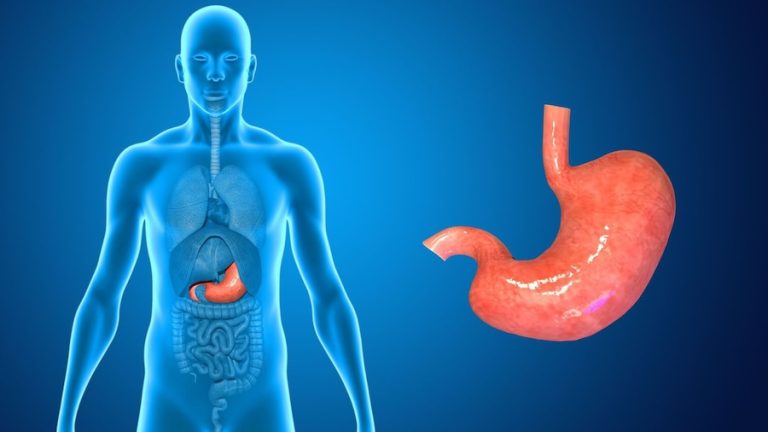
Bronchitis

Facts

What is bronchitis

Bronchitis is a condition which is characterised by inflammation and swelling of the trachea and the large and smaller bronchial tubes that are in the lungs. The inflamed bronchi produce a lot of thick mucous, which makes the airways more narrow and make it hard to breath properly and also causes the coughing.

Bronchitis usually does not cause serious or long-term damage in most people, but it can cause complications in the elderly, young children, people who smoke, or those who have serious illnesses.

Two types of bronchitis

  • Acute bronchitis – is normally caused by a bacterial or a virus infection of the bronchi and may last a few weeks, after which it generally clears up in most people
  • Chronic bronchitis – is generally considered to be one of a chronic pulmonary disorders, as it is not normally caused by a virus or bacteria but is a chronic disorder of the lungs, where there is thickening and inflammation of the lungs with a mucous build-up, which narrows the airways and obstructs proper air flow

Facts about bronchitis

  • Bronchitis can develop into pneumonia, a potentially serious complication, so some medical treatment is required when bronchitis is first diagnosed to prevent it from developing further in many people
  • Emphysema is a complication of severe chronic bronchitis
  • Chronic bronchitis is one type of chronic obstructive pulmonary disease (COPD)
  • People with serious lung or heart problems should seek medical attention if they think they have any symptoms of bronchitis as it can become a serious problem, possibly life threatening
  • Chronic bronchitis causes the bronchi to become thick and inelastic, causing breathing difficulty
  • Chronic and severe bronchitis can be very hard to differentiate with emphysema
  • Chronic bronchitis is very common in people who have smoked a long time

Symptoms

Symptoms of bronchitis

Acute bronchitis

This type of bronchitis is an upper respiratory infection and causes the following symptoms:

  • Cough (dry at first, but then often produces green/yellow phlegm, which is usually an indication of an infection)
  • Difficulty breathing in deeply (can’t seem to take a deep breath in properly without some pain)
  • Fever (mild to moderate)
  • Lethargy and tiredness
  • Sinus congestion
  • Sore throat
  • Tightness in the chest

Chronic bronchitis

This type of bronchitis is not caused by an infection and causes the following symptoms:

  • Asthma-like symptoms
  • Cough (usually dry and unproductive)
  • Difficulty breathing
  • Lethargy and tiredness
  • Mucous from the lungs (sputum)
  • Tightness in the chest
  • Wheezing

Causes

Causes of bronchitis

Causes of acute bronchitis

Acute bronchitis is usually a short-term, severe infection of the upper respiratory tract (mainly the bronchi) and the main causes are:

  • Bacteria and viruses that cause the common cold can also cause acute bronchitis (infectious bronchitis)
  • Most commonly occurs in winter when there are more viruses in circulation
  • Can sometimes be caused by inhalation of irritant chemicals, such as cleaning products, paints, solvents and other chemicals

Causes of chronic bronchitis

Chronic bronchitis is usually caused by non-infectious irritants to the lungs, which have been inhaled. Smoking is the main cause of this condition, but there are other irritants which can cause it. Any of the irritants below can cause bronchitis which normally occurs with longer term exposure, but some people with more sensitive lungs and bronchi may experience the condition after only a shorter term:

  • Air pollution
  • Asthma – untreated (or not properly treated) can develop into bronchitis
  • Environmental chemicals
  • Household cleaners
  • Dust
  • Smoking – the most common cause of chronic bronchitis
  • Toxic gases

Prevention

Prevention of bronchitis

Acute bronchitis

The main way to prevent an acute bronchitis infection from developing is to avoid the bacteria or viruses that can cause the upper respiratory infection that progresses to an acute bronchitis infection.

Sometimes acute bronchitis can be caused by inhalation of irritant chemicals. The only way to prevent bronchitis causes by this, is to always wear protective breathing devices when handling toxic, irritant chemicals if you need to be around them, to avoid exposure to your lungs and prevent this type of acute bronchitis.

There are a number of risk factors for the development of acute bronchitis:

  • Common cold (or flu) infection
  • Excessive antibiotic usage
  • Excessive fatigue (not enough rest and relaxation)
  • Inhalation of chemical irritant
  • Lowered immunity
  • Vitamin A deficiency

Chronic bronchitis

The most common reason that causes chronic bronchitis is smoking. In order to prevent chronic bronchitis due to smoking, it is advisable to stop smoking.

Chronic bronchitis can also be caused by prolonged inhalation of irritant chemicals – the only way to prevent bronchitis causes by this, is to always wear protective breathing devices when handling toxic, irritant chemicals if you need to be around them, to avoid exposure to your lungs and prevent this type of chronic bronchitis.

Sometimes chronic bronchitis can occur when there has either been improper treatment (or none at all) for asthma. While asthma is not preventable, proper management of asthma is required to ensure it does not get worse.

There are a number of risk factors for the development of chronic bronchitis:

  • Excessive antibiotic usage
  • Exposure to pollution every day
  • Improperly treated asthma
  • Paint fumes – extended exposure
  • Prolonged inhalation of chemical irritants
  • Prolonged malnutrition
  • Smoking cigarettes
  • Using toxic household or industrial cleaners

Complications

Complications of bronchitis

Acute bronchitis

There are a number of possible serious complications that can occur as a result of an acute bronchial infection and although these serious complications can be rare, they do occur:

  • Chronic bronchitis – repeated occurrences of acute bronchitis can results in chronic bronchitis, which is considered a chronic obstructive pulmonary disease (COPD), that can cause chronic obstruction of the airways in the lungs, which is generally considered to be permanent and worsens over time
  • Pneumonia – if the acute bronchitis infection worsens, it can develop into the more serious infection condition pneumonia, which can occur due to the airway obstruction and the inability to cough out infected secretions of mucus. Pneumonia can be serious and life threatening, especially in babies, young children, older adults and anyone with any other condition

Chronic bronchitis

There are a number of possible serious complications that can occur as a result of severely chronic bronchitis:

  • COPD – chronic obstructive pulmonary disease (COPD) can be caused when there is damage to the air passageways in the lungs due to chronic and severe bronchitis. COPD prevents normal breathing and is a leading cause of death due to respiratory failure, if the damage to the lungs is severe and widespread
  • Emphysema – chronic bronchitis can develop into the serious lung condition emphysema, which can cause damage to the small air sacs (alveoli) in the lungs, prevent normal breathing and is a leading cause of death due to respiratory failure, if the damage to the lungs is severe and widespread
  • Pneumonia – if the chronic bronchitis infection worsens, it can develop into the more serious infectious condition pneumonia, which can occur due to the airway obstruction and the inability to cough out infected secretions of mucus. Pneumonia can be serious and life threatening, especially in babies, young children, older adults and anyone with any other condition

Diagnosis

When to see a doctor about bronchitis

Acute bronchitis

People who have any of the symptoms associated with acute bronchitis (such as difficulty breathing and fever) should make an appointment to visit their doctor as soon as possible.

Anyone with a current acute bronchitis infection should see their doctor if their symptoms get worse or they develop new symptoms that were not present on initial diagnosis.

The following are signs that acute bronchitis may be getting worse:

  • Fever that gets much worse
  • Increased amount of mucous being coughed up that is dark yellow or green in colour and thicker than normal
  • Pain in the chest when breathing in or out
  • Shortness of breath

Chronic bronchitis

People who have been diagnosed with chronic bronchitis will need to see their doctor if they have any new symptoms, if their symptoms change in severity or if they have any side effects from their medication.

Chronic bronchitis needs to be managed properly to avoid any serious complications which may occur.

The following are signs that chronic bronchitis may be getting worse:

  • Increased amount of mucous being coughed up that is dark yellow or green in colour and thicker than normal
  • Pain in the chest when breathing in or out
  • Severe difficulty in breathing at all

Diagnosis of bronchitis

Acute bronchitis

Acute bronchitis is diagnosed by the following:

  • Medical history – your doctor will take notes on the duration and severity of symptoms and will order other tests as necessary
  • Chest x-ray – to rule out pneumonia, which is a serious complication of acute bronchitis, if the infection has been particularly severe and the medical history of symptoms warrants it
  • Phlegm sample – this test is sometimes (but not often) performed, to test the bacteria or virus in the sputum

Chronic bronchitis

Chronic bronchitis is diagnosed by the following:

  • Medical history – your doctor will take notes on the duration and severity of symptoms and will order other tests as necessary
  • Chest x-ray – to rule out pneumonia, which is a serious complication of chronic bronchitis, if the medical history of symptoms warrants it
  • Oxygen saturation levels – this is a test to measure the amount of oxygen in the lungs to determine how much oxygen is getting to the blood cells in order to understand how inflamed and swollen the airways in the lungs, to ascertain the damage to the bronchi (and bronchiole)
  • Phlegm sample – this test is sometimes (but not often) performed, to test the bacteria or virus in the sputum
  • Spirometry test – this is a test to measure the volume of the lungs which is used in people who may have chronic bronchitis, to rule out or confirm asthma or even emphysema as an underlying factor causing the chronic bronchitis

Treatment

Conventional treatment of bronchitis

Acute bronchitis

The conventional treatment of acute bronchitis depends on the symptoms and especially on the severity of symptoms:

  • Antibiotics – to clear up the existing bacterial infection which may have caused the bronchitis in the first place and to prevent further (bacterial) infection
  • Cough suppressant – these medications help to reduce coughing and so reduce the irritation and inflammation of the lungs. Cough suppressants are usually recommended by most doctors for acute bronchitis and can be purchased without a prescription over the counter at pharmacies
  • Fluids – ensuring the body is well hydrated helps the lungs clear more quickly and helps to reduce any fever present. Doctors usually recommend drinking more water and/or fruit juice to help hydrate the body better and especially to help the lungs improve through better hydration
  • Humidifier – this is recommended to help moisten the dry and inflamed air passages and decrease lung irritation, which helps to assist breathing. A humidifier can contain either plain steam or with eucalyptus or tea tree oil
  • Painkillers – drugs such as Paracetamol or other analgesics are recommended to relieve any fever and muscle aches and pains that may be present
  • Rest – adequate rest allows the body to heal itself properly, so take it easy
  • Smokers – are advised to stop smoking while an acute bronchitis infection is present (and to quit permanently)
  • Steam inhalation – this works along the same principles as a humidifier, but care needs to be taken not to get burnt by the hot steam. Steam inhalation involves adding hot water into a bowl and breathing in the steam. Stay at least 30cm away from the level of the bowl and if it feels too hot, move away. Steam inhalation should not be done on young children and older children should be supervised by an adult

Chronic bronchitis

The conventional treatment of chronic bronchitis is to manage the symptoms present with this chronic disorder:

  • Bronchodilators – this is a medication in a spray or pump form and it helps to open up the airways (bronchi) and reduce inflammation. Bronchodilators are usually only obtained by prescription from the doctor (although there are some which can be purchased over the counter at pharmacies). The best person who can advise on which bronchodilator is right for you, is your doctor
  • Corticosteroids – these steroid medications may be prescribed for chronic bronchitis to help clear the lungs by reducing the inflammation, which makes breathing much easier
  • Cough suppressant – these medications help to reduce coughing and so reduce the irritation and inflammation of the lungs. Cough suppressants are usually recommended by most doctors for acute bronchitis and can be purchased without a prescription over the counter at pharmacies
  • Fluids – ensuring the body is well hydrated helps the lungs clear more quickly. Doctors usually recommend drinking more water and/or fruit juice to help hydrate the body better and especially to help the lungs improve through better hydration
  • Humidifier – this is recommended to help moisten the dry and inflamed air passages and decrease lung irritation, which helps to assist breathing. A humidifier can contain either plain steam or with eucalyptus or tea tree oil
  • Painkillers – drugs such as Paracetamol or other analgesics are recommended to relieve any fever and muscle aches and pains that may be present
  • Rest – adequate rest allows the body to heal itself properly, so take it easy
  • Stop smoking – are advised to stop smoking as it is the number one reason why people get chronic bronchitis. You should speak to your doctor about some strategies to help you quit smoking
  • Steam inhalation – this works along the same principles as a humidifier, but care needs to be taken not to get burnt by the hot steam. Steam inhalation involves adding hot water into a bowl and breathing in the steam. Stay at least 30cm away from the level of the bowl and if it feels too hot, move away

Alternative

Alternative/complementary treatment of bronchitis

Acute bronchitis

Alternative / complementary treatment of acute bronchitis centres on reducing severity and duration of symptoms, enhancing immune system function and preventing further bronchial infection

Herbs

There are various herbs which help to clear up the lungs and reduce the symptoms of bronchitis more quickly. It is advisable to talk to a qualified herbalist who can create a liquid formula especially for you (it does not necessarily have to contain all of the herbs below, as everyone’s symptoms are different):

  • Astragalus – the herb astragalus has anti-bacterial and anti-viral properties and stimulates the immune system into action to reduce severity and length of symptoms associated with acute bronchitis
  • Echinacea – the herb echinacea has both anti-viral and anti-bacterial properties and studies show it prevents the onset of bronchitis in the first place, but also reduces symptoms in people with existing bronchitis as it assists the immune system the clear out the inflammation and other symptoms associated with bronchitis
  • Elderflower – studies show that the herb elderflower has anti-bacterial and anti-viral properties, lowers fever, breaks up mucous and allows it to be expelled, plus it is useful in alleviating the other symptoms of bronchitis and reduces length of illness
  • Ginger – either fresh or as a supplement, ginger acts to loosen and break up thick mucous, assisting with breathing
  • Goldenseal – the herb goldenseal clears up congestion and alleviates inflammation. Goldenseal also decreases over-production of mucous and helps breathing
  • Mullein – the herb mullein acts to break up mucous and soothes the lining of the bronchi, so helps with alleviation of inflammation
  • Olive leaf – studies show olive leaf is a potent antioxidant herb which helps to reduce inflammation and severity of symptoms
  • Thyme – the herb thyme has beneficial effects on the respiratory tract, loosening thick mucous to allow it to be expelled, decreasing congestion and enabling breathing to be normal

Minerals

Studies have shown that certain minerals may help reduce symptoms once bronchitis starts, prevent it from worsening or prevent this condition altogether

  • Zinc – many studies show that the mineral zinc is a potent antioxidant which helps to relieve many of the symptoms associated with bronchitis and it also help to heal the lung tissue more quickly

Nutrients

Certain nutrients have a positive effect on bronchitis and can reduce symptoms

  • Cod liver oil – this potent oil contains high levels of both vitamin A and vitamin D, which help to restore mucous membranes to normal healthy levels, assist with immunity and reduce any inflammation in the lungs
  • Garlic – either as a supplement or fresh in cooking, garlic is great for reducing severity and duration of symptoms. Garlic has anti-bacterial and anti-viral properties, so is very beneficial for acute bronchitis
  • N-acetyl-cysteine (NAC) – studies show that NAC loosens mucous, opens up the airways and makes breathing much easier, as well as alleviating other symptoms
  • Omega 3 fatty acids – studies show that omega 3 fatty acids are useful in reducing the inflammation associated with any type of bronchitis. Studies also show that newborns who get adequate amounts of the essential omega 3 essential fatty acids EPA and DHA have a much lowered risk of developing bronchitis in their first twelve months of life
  • Quercetin – studies show that people who eat foods high in quercetin develop less upper respiratory infections such as bronchitis

Nutrition

Certain foods should be limited (or eliminated) for the duration of the illness, while others should be increased:

  • Artificial colours, flavours, preservatives – should be eliminated as they put more stress in the body and provide no real nutrition, when the body requires as much support from the diet as possible to help reduce symptoms
  • Dairy foods – might produce more mucous and exacerbate some symptoms in some people. Higher fat dairy usually has more of an adverse effect and should be limited
  • Fruit – eat good quality, preferably organic fruit (3-5 servings a day), as they have a lot of essential vitamins, minerals and are packed full of potent antioxidants which all help the body heal much more quickly from an acute bronchial infection
  • Nuts – any type of nuts may be hard to eat (and also swallow) with a sore throat
  • Soup – organic vegetable or organic chicken soup with plenty of vegetables is a great way to support the body to help it heal
  • Vegetables – eat plenty of raw or steamed vegetables, which have a lot of essential vitamins, minerals and are packed full of potent antioxidants which all help the body heal much more quickly from an acute bronchial infection
  • Water – keeping the body well hydrated is essential to help heal the inflamed bronchi and break up and expel thick mucous, plus keeping the mucous membranes well hydrated ensures they are healthy and are able to expel bacteria and viruses before they can cause infection. Aim to drink at least 8 glasses of water each day

Vitamins

Studies have shown that certain vitamins may help reduce symptoms once bronchitis starts, prevent it from worsening or prevent this condition altogether:

  • Vitamin A – the antioxidant vitamin A is important to ensure the mucous membranes lining the bronchi are healthy and strong. Studies show that vitamin A is important in reducing symptoms of acute bronchitis by reducing inflammation of the bronchi
  • Betacarotene – the vitamin betacarotene is the precursor to vitamin A, so it has the same properties. There is some controversy to using betacarotene if you drink or smoke or did in the past. To stay on the safe side, use vitamin A instead
  • Vitamin C – studies show that vitamin C help to reduce the incidence of respiratory infections like bronchitis and it also assist with healing the mucous lining of the bronchi, thereby reducing inflammation and irritation
  • Vitamin E – the antioxidant vitamin E has an important role in maintaining the immune system and helps to improve symptoms of existing bronchitis and protect against getting bronchitis in the first place

Chronic bronchitis

Alternative / complementary treatment of chronic bronchitis centres on improving lung function, reducing further damage to the lungs and reducing severity and duration of symptoms

Herbs

There are various herbs which help to clear up the lungs and reduce the symptoms of bronchitis more quickly. It is advisable to talk to a qualified herbalist who can create a liquid formula especially for you:

  • Ginger – either fresh or as a supplement, ginger acts to loosen and break up thick mucous, assisting with breathing
  • Goldenseal – the herb goldenseal clears up congestion and alleviates inflammation. Goldenseal also decreases over-production of mucous and helps breathing
  • Mullein – the herb mullein acts to break up mucous and soothes the lining of the bronchi, so helps with alleviation of inflammation
  • Olive leaf – studies show olive leaf is a potent antioxidant herb which helps to reduce inflammation and severity of symptoms
  • Thyme – the herb thyme has beneficial effects on the respiratory tract, loosening thick mucous to allow it to be expelled, decreasing congestion and enabling breathing to be normal

Minerals

Studies have shown that certain minerals may help reduce symptoms once bronchitis starts, prevent it from worsening or prevent this condition altogether

  • Zinc – many studies show that the mineral zinc is a potent antioxidant which helps to relieve many of the symptoms associated with bronchitis and it also help to heal the lung tissue more quickly

Nutrients

Certain nutrients have a positive effect on bronchitis and can reduce symptoms

  • Cod liver oil – this potent oil contains high levels of both vitamin A and vitamin D, which help to restore mucous membranes to normal healthy levels, assist with immunity and reduce any inflammation in the lungs, so it is very beneficial for people with chronic bronchitis
  • Coenzyme Q10 – studies have shown that levels of coenzyme Q10 seems to be quite low in people with chronic bronchitis and supplementation helps to improve oxygenation in the blood
  • N-acetyl-cysteine (NAC) – studies show that NAC loosens mucous, opens up the airways and makes breathing much easier, as well as alleviating other symptoms
  • Omega 3 fatty acids – studies show that omega 3 fatty acids are very useful in reducing the inflammation that is associated with chronic bronchitis and can help to improve lung function and reduce symptoms overall

Nutrition

People with chronic bronchitis have very special requirements to help support them through the duration of the illness, when symptoms are at their worst:

  • Artificial colours, flavours, preservatives – should be eliminated as they put more stress in the body and provide no real nutrition, when the body requires as much support from the diet as possible to help reduce symptoms
  • Dairy foods – might produce more mucous and exacerbate symptoms in some people. Higher fat dairy usually has more of an adverse effect and should be limited while symptoms are at their worst
  • Fruit – eat good quality, preferably organic fruit (3-5 servings a day), as they have a lot of essential vitamins, minerals and are packed full of potent antioxidants which all help the body heal much more quickly from an acute bronchial infection
  • Nuts – any type of nuts may be hard to eat (and also swallow) with a sore throat
  • Soup – organic vegetable or organic chicken soup with plenty of vegetables is a great way to support the body to help it heal
  • Vegetables – eat plenty of raw or steamed vegetables, which have a lot of essential vitamins, minerals and are packed full of potent antioxidants which all help the body heal much more quickly from an acute bronchial infection
  • Water – keeping the body well hydrated is essential to help heal the inflamed bronchi and break up and expel thick mucous, plus keeping the mucous membranes well hydrated; aim to drink at least 8 glasses of water each day

Vitamins

Studies have shown that certain vitamins may help reduce symptoms once bronchitis starts, prevent it from worsening or prevent this condition altogether:

  • Vitamin A – the antioxidant vitamin A is important to ensure the mucous membranes lining the bronchi are healthy and strong. Studies show that vitamin A is important in reducing symptoms of chronic bronchitis by reducing inflammation of the bronchi
  • Betacarotene – the vitamin betacarotene is the precursor to vitamin A, so it has the same properties. There is some controversy to using betacarotene if you drink or smoke or did in the past. To stay on the safe side, use vitamin A instead
  • Vitamin C – studies show that vitamin C help to reduce the incidence of respiratory infections like bronchitis and it also assist with healing the mucous lining of the bronchi, thereby reducing inflammation and irritation
  • Vitamin E – the antioxidant vitamin E has an important role in maintaining the immune system and helps to improve symptoms of existing bronchitis in people with chronic bronchitis and protect against getting it in the first place

Always ensure that you notify your medical practitioner of any supplements that you want to take – it may interfere with other medication or conditions you have. Confirm with your doctor it is safe to take before you try it.

Self care

Living with bronchitis

Anyone who is living with either acute or chronic bronchitis, can manage their condition with the following strategies.

Acute bronchitis – self care strategies

  • Avoid alcohol – this is because alcohol is a diuretic which can can cause extra fluid loss and dehydration and this is problematic in acute bronchitis, as the lungs need to be rehydrated with more fluids
  • Avoid caffeine – this is because caffeine is a diuretic which can can cause extra fluid loss and dehydration and this is problematic in acute bronchitis, as the lungs need to be rehydrated with more fluids
  • Drink fluids – you must maintain your fluid levels with plenty of water (around 8 glasses a day) or freshly squeezed juices, which can help provide the fluids to rehydrate the lung tissue
  • Moist air – the congestion in your lungs may be broken up a little more quickly, so that you can cough it out and moisten the airways in your lungs, so that your breathing can be a little easier if you use a humidifier, have a warm shower (and leave the fan off), or a sink filled with warm water and a towel around your head
  • Reduce fever and pain – you may be able to reduce any fever or body aches and pains with panadol, Acetimophen, ibuprofen or aspirin. People with any type of gastric (stomach) or intestinal disorder or anyone younger than 18 years should not take aspirin
  • Rest – you need to rest if you have an acute bronchitis infection, to give your body enough energy to more effectively deal with the infection. Your doctor will let you know how long you need to rest, to give your body a better chance to fight off the infection much sooner
  • Supplements – there are a number of useful supplements that may help to reduce severity and durating of respiratory infections such as bronchitis: zinc (this helps the body heal more quickly and effectively), vitamin A, vitamin C and vitamin E (these have very potent anxiodant properties which boost the immune system to help the body heal more quickly)
  • Stop smoking – if you smoke, you need to at least reduce your intake for the duration of the acute bronchitis, as the cigarettes will just worsen your symptoms and may make breathing much more difficult

Chronic bronchitis – self care strategies

  • Avoid alcohol – this is because alcohol is a diuretic which can can cause extra fluid loss and dehydration and this is problematic in chronic bronchitis, as the lungs need to be rehydrated with more fluids
  • Avoid caffeine – this is because caffeine is a diuretic which can can cause extra fluid loss and dehydration and this is problematic in chronic bronchitis, as the lungs need to be rehydrated with more fluids
  • Bronchodilators – you need to make sure that you are using your bronchodilator properly, whether it is a prescription or over-the-counter bronchodilator
  • Drink fluids – you must maintain your fluid levels with plenty of water (around 8 glasses a day) or freshly squeezed juices, which can help provide the fluids to rehydrate the lung tissue
  • Medication – your doctor may prescribe some medication (corticosteroids for the inflammation and painkiller for the pain), which you should taken as directed. If you experience any side effects from the medication, you must let your doctor know and you cant just suddenly stop taking the corticosteroid medication on your own, as it may cause a major worsening of symptoms. Your doctor needs to provide you with a tapering off strategy for reducing your intake of your medication until you are not taking any more (if that is your choice)
  • Humidifier – you can try to break up the congestion in your lungs if you use some form of humidifier. A humidifier helps to moisten the airways in your lungs so that you can breath a little better. Even having a warm shower (but leave the fan off to create more steam) or filling a sink with hot water and having a towel over your head and inhaling the warm steam can also help to break up the congestion
  • Stop smoking – if you smoke, you need to at least reduce your intake for the duration of the chronic bronchitis flare-up, as the cigarettes will just worsen your symptoms and may make breathing much more difficult
  • Supplements – if you want to take some supplements, you need to confirm with your doctor that they will not cause an adverse reaction with any other medications (or health conditions) you have. The supplements most commonly advised for treating bronchitis are: zinc (this helps the body heal more quickly and effectively), vitamin A, vitamin C and vitamin E (these have very potent anxiodant properties which boost the immune system to help the body heal more quickly) and vitamin D (this is important for the health of the lungs). Exercise caution if you want to try betacarotene instead of vitamin A, as some studies show it can help cancer grow in people who used to or currently smoke/drink alcohol

Caring for someone with bronchitis

Partner

If your partner has acute or chronic bronchitis, there are some strategies you can use to help them recover more quickly:

  • Allow your partner to rest – your partner’s condition (either acute or chronic bronchitis) will get better much more quickly if they can rest properly, so it may be up to you to take care of the household duties such as cooking, while your partner recovers
  • Don’t smoke – your partner will be adversely affected by your cigarette smoke, so make sure you do not smoke anywhere near them as it may cause them to cough more, make their breathing difficult and possible cause them some distress
  • Medication – you should try to make sure your partner is taking their medication as prescribed, especially if they have a fever or are feeling too sick to manage it themselves
  • Moist air – encourage your partner to moisten the airways in their lungs by having a humidifier in the home, or get them to have a shower (with the fan off to generate more steam) or even fill a sink with hot water and get your partner to stand over it with a towel over their head and breathe in the steam. All of these strategies will help break up the some of the congestion in their lungs, which will help them breathe more easily
  • Provide fluids to your partner – your partner needs lots of fluids, so you could get them a glass of water or juice every few hours, to make sure they are drinking enough fluids to rehydrate their lungs and mucous membranes. This is especially important if your partner is laying down resting – it is much easier if you can provide their fluids to them so they can rest more

Friends

If your friend has acute or chronic bronchitis, there are some strategies you can use to help them:

  • Don’t smoke – your friend will be adversely affected by your cigarette smoke, so if you are going to see them, make sure you do not smoke anywhere near them as it may cause them to cough more, make their breathing difficult and possible cause them some distress

Parents

If your child has acute or chronic bronchitis, there are some strategies you can use to help them recover more quickly:

  • Allow your child to rest – your child’s condition (either acute or chronic bronchitis) will get better much more quickly if they can rest properly, so you should ensure they stay in bed and rest so they can recover
  • Don’t smoke – you must not smoke anywhere near your child, so that they can inhale your smoke, whether your child has acute or chronic bronchitis, as your cigarette smoke will make it more difficult for your child to breath, cause them to cough and wheeze and this may cause your child to be distressed
  • Inform the school – you need to inform your child’s school of their absence as recommended by your doctor and speak to their teachers about any school work they may be missing
  • Medication – you should try to make sure your child is taking their medication as prescribed, especially if they have a fever, are too young, or feeling too sick to manage it themselves. You should avoid giving over-the-counter cough suppressants to children as studies show they do not provide any relief from cough symptoms
  • Moist air – encourage your child to moisten the airways in their lungs by having a humidifier in the home, or get them to have a shower (with the fan off to generate more steam) or even fill a sink with hot water and get your partner to stand over it with a towel over their head and breathe in the steam – ensure the water is not too hot and watch over your child to make sure they do not get too close to the hot water and burn themselves. All of these strategies will help break up the some of the congestion in their lungs, which will help them breathe more easily
  • Provide fluids to your child – your child needs lots of fluids, so you could get them a glass of water or juice every 1-2 hours, to make sure they are drinking enough fluids to rehydrate their lungs and mucous membranes. This is especially important if your child is laying down resting – it is much easier if you can provide their fluids to them so they can rest more

References

References


Last reviewed and updated: 14 May 2024
Bacterial gastroenteritis

Facts

What is bacterial gastroenteritis

Bacterial gastroenteritis is basically an acute bacterial inflammation of the stomach and/or intestines, either by the bacteria itself or through the toxins the bacteria produces. It is also known as “food poisoning” due to the bacteria in the food.

The bacteria that are mostly responsible for bacterial gastroenteritis are:

  • Campylobacter jejuni
  • Clostridium
  • E. coli
  • Salmonella
  • Shigella
  • Staphylococcus
  • Yersinia

There can sometimes be outbreaks of various bacterial gastroenteritis infections among many people at a specific gathering, restaurant or party, who have eaten the same food and will all experience the same food poisoning symptoms.

If the food poisoning is due to a restaurant meal and has affected many people, the health authorities will usually investigate this quite thoroughly for the food preparation standards.

Bacterial gastroenteritis can also occur in areas with poor sanitation, in water that is infected with bacteria and this is often the case in developing countries.

Facts about bacterial gastroenteritis

  • Bacterial gastroenteritis, is also know as “gastro” or a “stomach bug”
  • Bacterial gastroenteritis is a common ailment in both adults and children
  • About 10-20% of all gastroenteritis cases are due to a bacterial infection (the majority are due to a viral infection)
  • Botulism is a very severe type of bacterial gastroenteritis (food poisoning) which can be fatal and is usually caused by using improper bottling or canning methods
  • Treating drinking water by using certain (anti-bacterial) chemicals or boiling it kills most of the harmful bacteria that may be in contaminated water
  • Good hygiene and sanitation can prevent most cases of bacterial gastroenteritis
  • Reheating food too many times can cause bacterial gastroenteritis
  • When in doubt about whether a food is safe to eat or not, throw it out
  • It is not advisable to eat food prepared in areas of poor sanitation
  • Statistics show that about 1 in 1000 people develop bacteria gastroenteritis every year

Symptoms

Symptoms of bacterial gastroenteritis

Symptoms can be mild to severe, depending on the severity of the bacterial gastroenteritis.

General symptoms of bacterial gastroenteritis are:

  • Diarrhoea (this is the most common symptom to all the bacteria)
  • Loss of appetite
  • Nausea
  • Stomach cramps
  • Vomiting

If the person experiences severe diarrhoea and if it is also associated with vomiting, this can lead to severe dehydration, which requires immediate medical attention.

Young children and babies can experience dehydration from severe diarrhoea / vomiting much more quickly than adults so they need immediate medical attention to prevent complications.

Anyone experiencing diarrhoea for an extended period of time due to bacterial gastroenteritis should consult their doctor to get a suitable replacement for the electrolytes (salts and minerals) and fluids they have lost due to the diarrhoea and/or vomiting.

Causes

Causes of bacterial gastroenteritis

Bacterial gastroenteritis is caused by bacteria. Each type of bacteria causes slightly different symptoms, but all will invariably cause at the least, diarrhoea (mild to severe).

There are many types of bacteria that can produce symptoms associated with this condition, some of the most common bacteria are listed below:

  • Campylobacter jejuni
  • Clostridium
  • E. Coli
  • Salmonella
  • Shigella
  • Staphylococcus
  • Yersinia

Main ways of infection

The main ways that a person can be infected by the bacteria is through the following:

  • Food that has not been cooked, stored, handled or prepared properly
  • Reheating meat dishes several times
  • Unpasteurised dairy products (although this does not mean all unpasteurised dairy products will cause this condition, but some may)
  • Drinking contaminated water
  • Infection from a person with the bacterial infection

Some sources of the infection are improperly prepared food, reheated meat dishes, seafood, dairy, and bakery products. Each organism causes slightly different symptoms but all result in a bacterial gastroenteritis infection

Prevention

Prevention of bacterial gastroenteritis

Non-preventable risk factors

There are some ways that bacterial gastroenteritis may be difficult to prevent from occurring:

  • Incorrect bottling/canning – people who make jams or other bottled food products need to use correct and hygienic bottling/canning methods, otherwise the food can become infected with bacteria and cause bacterial gastroenteritis and even botulism in very severe cases
  • Infected person – it is very easy to be infected by a person with existing bacterial gastroenteritis if you are in close proximity to them (family member, work colleague, close friends). It is advisable that people with bacterial gastroenteritis stay away from work / school until the infectious timeframe has passed

Preventable risk factors

Bacterial gastroenteritis can be prevented through the following :

  • Boiling contaminated water – drinking contaminated water (with bacteria) will cause bacterial gastroenteritis. Treating drinking water by using chemicals or boiling it kills most of the harmful bacteria that may be in contaminated water
  • Poor food hygiene – preparing food in an unhygienic manner can lead to bacterial contamination and bacterial gastroenteritis, especially if raw food is being handle (such as chicken or pork) and hands/equipment are not washed in between handling different types of food
  • Proper food handling – storing, preparing and handling food needs to be done in a hygienic way to avoid bacterial infection. People who are handling food must wash their hands thoroughly with soap and warm water for about 10 to 20 seconds to reduce the risk of catching and spreading harmful bacteria
  • Reheating meat too many times – meat should only be re-heated once (maybe twice if it has been stored in the refrigerator properly the first use) and not more than this, because it provides opportunity for bacteria to proliferate and cause bacterial gastroenteritis when it is consumed
  • Using unpasteurised dairy products – there is some controversy about whether or not unpasteurised dairy products can cause bacterial gastroenteritis. Cold pressed unpasteurised milk removes bacteria and keeps the goodness intact

Complications

Complications of bacterial gastroenteritis

There are some complications of bacterial gastroenteritis for both adults and children:

  • Dehydration – this can quickly become very serious in babies and children due to the loss of electrolytes through excessive vomiting and diarrhoea. Any baby or child who is vomiting or has severe diarrhoea needs medical attention to rehydrate their body with electrolytes and fluids to prevent any complications from dehydration

Other, very serious complications of bacterial gastroenteritis are:

  • Botulism – this is a very serious complication which is due to incorrect bottling/canning of foods, such as jams, preserves and bottled foods. It can occur due to incorrect methods either at home or from foods purchased from the shops

Diagnosis

When to see a doctor about bacterial gastroenteritis

People who have any of the symptoms associated with bacterial gastroenteritis need to see their doctor to have it diagnosed and treated, especially babies and young children who can be at greater risk of dehydration and associated complications.

If several people contract bacterial gastroenteritis and food preparation has been suspected the relevant authorities will need to be informed, to test the food preparation practices of the place where the food was purchased.

Diagnosis of bacterial gastroenteritis

Initial diagnosis of bacterial gastroenteritis includes the following tests:

  • Medical history – the doctor will ask a series of question about the onset (start) of symptoms, how severe the symptoms are and the duration of symptoms
  • Physical examination – the doctor will perform a general physical examination to determine if there are any obvious symptoms of bacterial gastroenteritis, such as pain in the abdomen

Diagnostic tests

If bacterial gastroenteritis is suspected, then the following diagnostic tests may also be requested to confirm (or rule out) diagnosis:

  • Blood test – a blood test may be requested to determine if it shows an elevation of the white blood cells (which indicates infection)
  • Urine test – a urine test can be requested to rule out any other gastrointestinal infection (bladder infection, urinary tract infection) which may present with similar symptoms
  • Stool culture – a sample of the faeces can be taken to examine it for the type of bacteria present and which has caused the bacterial gastroenteritis
  • Examination of the suspected food – if it is viable to do so, the food causing the symptoms may be taken away to be tested for the specific bacteria (especially if it has affected many people)

Treatment

Conventional treatment of bacterial gastroenteritis

Conventional treatment of bacterial gastroenteritis consists of the following.

Medication

This is the main way to reverse any potential adverse health symptoms of bacterial gastroenteritis:

  • Antibiotics – the doctor will prescribe antibiotics to reduce the bacterial population in the gastrointestinal system, reduce symptoms and reduce disease length. Antibiotics will only work on a bacterial infection (not viral), so if viral gastroenteritis is suspected, they will not likely be prescribed
  • Anti-diarrhoea medication – depending on the severity of the diarrhoea symptoms, the doctor provide this medication intravenously or a prescription for tablets
  • Anti-nausea medication – depending on the severity of any nausea symptoms, the doctor may provide this medication intravenously or a prescription for tablets
  • Electrolyte rebalancing powder – this powder is purchased over-the-counter at the pharmacy and is mixed with water. It contains the right balance of salts, sugars and minerals to help the body recover the electrolytes lost after vomiting and/or diarrhoea

Dietary and lifestyle modifications

In addition to the medications (mainly the electrolytes, but also the other medications if symptoms are bad enough), the doctor will also recommend the following:

  • Fluids – plenty of water should be given, in small amounts and at regular intervals and juice which has been diluted with water: the ratio should be 1/2 juice and 1/2 water
  • Rest – plenty of bed rest will be recommended to help the body heal itself from the bacterial infection
  • Soft foods – it will be recommended to eat foods that are soft and easily digested to reduce pressure on the digestive system (which needs to digest and absorb foods) in order to enable the digestive system time to recover from the bacterial gastroenteritis. The doctor will recommend soft foods, such as ripe bananas, rice and bread for a few days

Alternative

Alternative / complementary treatment of bacterial gastroenteritis

The alternative / complementary treatment for bacterial gastroenteritis is basically the same as for conventional (without the medications), together with some other additions.

Herbs

There are no herbs which are useful for treating bacterial gastroenteritis.

Vitamins

There is a few vitamins which are recommended to support the immune system while the body is recovering from bacterial gastroenteritis:

  • Vitamin A – the antioxidant vitamin A is an excellent booster for the immune system, to help it fight off bacterial infection
  • Vitamin C – the antioxidant vitamin C, together with the bioflavonoids, provide an excellent boost for the immune system, to help it fight off bacterial infection
  • Vitamin E – the antioxidant vitamin A is an excellent booster for the immune system, to help it fight off bacterial infection

Minerals

There are no minerals which are recommended for treating bacterial gastroenteritis. While the electrolytes (chloride, potassium and sodium) and glucose are needed to help with loss of fluids, they need to be in specific amounts and it is not possible or feasible to make your own in the correct dosage, so it is advisable to buy an electrolyte formula from a chemist to replenish and replace electrolytes and glucose.

Other nutrients

There is one main vitamin which is useful for treating bacterial gastroenteritis:

  • Probiotics – the “good” bacteria in probiotics will help to re-populate the gastrointestinal system to reduce the proliferation of the “bad” bacteria causing the bacterial gastroenteritis. In addition to this, the live cultures in the probiotics are very beneficial in gastrointestinal health overall

Dietary modifications

There are some useful dietary modifications to help avoid bacterial gastroenteritis or reduce worsening of symptoms:

  • Drink more fluids – plenty of water should be given, in small amounts and at regular intervals and juice which has been diluted with water: the ratio should be 1/2 juice and 1/2 water
  • Eat easy to digest foods – for about 3-5 days after a bacterial gastroenteritis infection, it is recommended to eat soft foods, which are easier to digest and allow the gastrointestinal system an opportunity to recover from the bacterial infection without having to work hard to digest and absorb foods like meat. The best foods to eat are well cooked rice, toast and vegetable soup
  • Eat vegetables and fruit – both vegetables and fruit provide a high level of nutrients, such as vitamins, minerals and antioxidants and are very easy for the body to digest. Just ensure you eat softer and less acidic fruits (such as bananas) as they put less pressure on the digestive system

Lifestyle modifications

There are one lifestyle modifications which are useful for helping with healing from bacterial gastroenteritis:

  • Rest – plenty of bed rest will be recommended to help the body heal itself from the bacterial infection. Try to stay in bed or at least avoid doing anything strenuous for a few days, to give the body a chance to heal itself. Children should be kept at home from school for the duration that the doctor recommends, to help them heal from the infection and to prevent infecting other children

Alternative treatments

There are no other alternative treatments which are useful for treating bacterial gastroenteritis.

Always ensure that you notify your medical practitioner of any supplements that you want to take – it may interfere with other medication or conditions you have. Confirm with your doctor it is safe to take before you try it.

Self care

Living with bacterial gastroenteritis

People who are living with bacterial gastroenteritis, can help improve their condition with the following strategies:

  • Avoid alcohol – the gastrointestinal system is not functioning well and alcohol will only make symptoms worse, so avoid it
  • Drink more fluids – plenty of water should be given, in small amounts and at regular intervals and juice which has been diluted with water: the ratio should be 1/2 juice and 1/2 water
  • Eat easy to digest foods – for about 3-5 days after a bacterial gastroenteritis infection, it is recommended to eat soft foods, which are easier to digest and allow the gastrointestinal system an opportunity to recover from the bacterial infection without having to work hard to digest and absorb foods like meat. The best foods to eat are well cooked rice, toast and vegetable soup
  • Eat vegetables and fruit – both vegetables and fruit provide a high level of nutrients, such as vitamins, minerals and antioxidants and are very easy for the body to digest. Just ensure you eat softer and less acidic fruits (such as bananas) as they put less pressure on the digestive system
  • Rest – plenty of bed rest will be recommended to help the body heal itself from the bacterial infection. Try to stay in bed or at least avoid doing anything strenuous for a few days, to give the body a chance to heal itself. Children should be kept at home from school for the duration that the doctor recommends, to help them heal from the infection and to prevent infecting other children

Caring for someone with bacterial gastroenteritis

Partner

If your partner has bacterial gastroenteritis, you may be able to help them through the following strategies:

  • Allow your partner to rest – your partner needs bed rest to help their body recover and heal from the bacterial gastroenteritis, so allow them to sleep and rest until they feel better
  • Provide fluids and food – your partner needs to ensure they have adequate fluids and soft foods to eat, but they may be too sick to prepare the foods for themself, so it would be beneficial if you could prepare some soup, toast, cook some rice (and maybe add some honey) and give them fluids at regular intervals

Friends

If your friend has bacterial gastroenteritis, you may be able to help them through the following strategies:

  • Allow your friend to rest – your friend needs bed rest to help their body recover and heal from the bacterial gastroenteritis, so allow them to sleep and rest until they feel better

Parents

If your child has bacterial gastroenteritis, you may be able to help them through the following strategies:

  • Allow your child to rest – your child needs bed rest to help their body recover and heal from the bacterial gastroenteritis, so allow them to sleep and rest until they feel better
  • Inform the school – if your child has bacterial gastroenteritis, you will need to inform the school in case the food they have eaten was also eaten by other children in case they become sick too
  • Keep your child home – a child that is sick with bacterial gastroenteritis needs to be kept away from school to avoid infecting other children with the bacteria
  • Medication – if the doctor has provided medication (for nausea or diarrhea) for your child, ensure they take it as directed
  • Provide fluids and food – your child needs to ensure they have adequate fluids and soft foods to eat, so it would be beneficial if you could prepare some soup, toast, cook some rice (and maybe add some honey) and give them fluids at regular intervals to prevent dehydration

References

References

Last reviewed and updated: 14 May 2024

Nasal polyps

Facts

What are nasal polyps

Nasal polyps are small, soft growths in the spaces (or lining) of the sinus cavities in the head / face. Nasal polyps consist of inflamed mucous or other tissue that grows in the sinus passages of the head and they can impede airflow and cause infection.

People who get nasal polyps usually develop many small ones together, which can block the nasal passages and prevent proper airflow. Nasal polyps can cause sinus infection (sinusitis) if they block the sinus passages by growing to a large enough size.

Mostly nasal polyps do not do much damage, but if they get large enough they can impede proper air flow into the nose and also breathing.

Sometimes nasal polyps can get so large they alter the shape of the face (especially around the nasal area where the sinuses are), but this is not very common and only happens rarely.

Facts about nasal polyps

  • Nasal polyps are very common and occur in about 1 person out of every 200 people
  • Nasal polyps are generally benign – they are very rarely cancerous
  • Nasal polyps are very common in people with who suffer from chronic sinusitis or allergic rhinitis (hay fever)
  • Surgery is recommended to remove the nasal polyps (especially if they impede airflow and cause recurrent infections) but they can grow back and invariably do in about 50% of all cases
  • People with chronic upper respiratory conditions such as sinusitis or allergic rhinitis often develop more than one nasal polyp at a time
  • People with chronic sinusitis or allergic rhinitis are recommended to use nasal decongestants every day, continuously
  • People with chronic nasal polyps can sometimes have sleep apnoea, because of the polyps interfering with the ability to breath properly when lying down (if the nasal passages are blocked and the mouth is also closed, this can cause the person to stop breathing)

Symptoms

Symptoms of nasal polyps

The main symptom of nasal polyps is:

  • Blocked nose – this causes a diminished ability to breath through the nose properly

Other symptoms of nasal polyps are:

  • Changes to the face and nose – from very large polyps
  • Headaches – from sinusitis
  • Post nasal drip
  • Runny nose
  • Senses of smell and taste may be dull or diminished
  • Sinusitis – from blockage of sinus passages, which enables more frequent infections to occur

Less common symptoms of nasal polyps are:

  • Changes to the face and nose – from very large polyps, which cause severe swelling to the sides of the nose where they are growing
  • Sleep apnoea – the nasal polyps cause blockages severe enough that they interfere with breathing at night when lying down
  • Snoring – from larger polyps interfering with ability to breath properly when lying down

Causes

Causes of nasal polyps

Nasal polyps are caused by the long-term inflammation of the lining of the sinus passages (or even the nose).

This inflammation can then cause a build-up of inflammatory tissue in the sinus passages (or even the nose), which can be composed of not just mucous, but also dust, bacteria and other substances that were inhaled and not removed from the sinus passages, which can then form a nasal polyp and this can cause blockage of the sinus passages. People with chronic upper respiratory conditions such as sinusitis or allergic rhinitis often develop more than one nasal polyp at a time.

Some of the causes underlying the development of nasal polyps :

  • Allergic rhinitis – this chronic upper respiratory system condition, also known as hay fever can cause chronic inflammation of the sinus passages, especially because people who suffer from allergic rhinitis do so over a long term, chronically
  • Asthma – people with asthma tend to also suffer from allergies, which can give rise to inflammation of not just the lungs but also the nasal passages and long term, chronic inflammation of the nasal passages can cause a buildup of mucous and this enables the growth of the nasal polyps
  • Chronic sinusitis – people who suffer from chronic sinus infections (sinusitis) can develop long term inflammation of the sinus passages, due to the continuous infections and build-up of mucous tissues and this is thought to create the nasal polyps
  • Infection of the upper respiratory system – bacterial or viral infection may cause inflammatory build up in the sinus passages, but this is a lesser cause and will only occur in people who suffer from chronic infections of the upper respiratory system

Prevention

Prevention of nasal polyps

Non-preventable risk factors

Nasal polyps may be unpreventable in certain circumstances:

  • Allergic rhinitis – people who suffer from allergic rhinitis (hay fever) are particularly susceptible to developing nasal polyps, especially because this condition is chronic, occurs over the long term, creates inflammation in the nasal passage. Allergic rhinitis (or hay fever) often causes inflammation of the nasal passages, especially if the hay fever is unrelenting and difficult to manage and this is because allergic rhinitis causes severe irritation to the nasal passage, as well as runny or blocked nose symptoms from the build-up of mucous in the nasal passage. This inflammation in the nasal passages due to the allergic rhinitis (hay fever) can then precipitate the formation of nasal polyps
  • Aspirin and NSAID sensitivity – people with a sensitivity (or intolerance) to the medication aspirin or other non-steroidal anti-inflammatory medications (NSAIDs) are also more likely to develop nasal polyps. Many people who have asthma also have an aspirin sensitivity too and are recommended not to use it as it can inflame symptoms and cause an asthma attack
  • Asthma – People with asthma are also more likely to develop nasal polyps, especially if their asthma has an allergic component. Since recent studies have shown that a high percentage (over 50%) of all people with asthma are allergic to some substance, it means that many people with asthma will also develop inflammation in their sinus passages, which can increase their risk of developing nasal polyps
  • Cystic fibrosis – children with cystic fibrosis are known to have a high risk factor for also developing nasal polyps. This is most likely due to the inability of the child with cystic fibrosis to eliminate the excessive mucous buildup in their body, which can manifest also in the sinus passages as nasal polyps
  • Sinusitis – people who suffer from chronic sinusitis are particularly susceptible to developing nasal polyps. Chronic sinusitis causes inflammation in the nasal passage that continues to occur without much respite. The constant inflammation in the sinuses can then precipitate the formation of nasal polyps
  • Upper respiratory infections – whenever there is a recurrent infection of the upper respiratory system, especially if symptoms including a runny or blocked nose, there is a risk for the development of nasal polyps. The reason for this, is because the constant viral infection does not allow the nasal passage to heal from the inflammation and nasal polyps can ensue

Preventable risk factors

There are ways to prevent nasal polyps from occurring:

  • Avoid allergens – people who suffer from allergic rhinitis (hay fever) should try to avoid the allergens which cause the allergy symptoms as this will prevent inflammation of the nasal passages and may help to also prevent likelihood of nasal polyps growth too
  • Avoid irritants – people who suffer from allergic rhinitis (hay fever) should try to avoid the irritants which cause the allergy symptoms as this will prevent inflammation of the nasal passages and this may help to also prevent likelihood of nasal polyps growth too
  • Stay inside on windy days – people who suffer from allergic rhinitis (hay fever) or chronic sinusitis should avoid going outside on windy day as this can greatly exacerbate symptoms and create more inflammation in the nasal passages. If it is not possible to stay home, then have a shower immediately after coming home to remove all allergens, dust and other irritants and to help hydrate the nasal passages (from the steam of the shower), which can all help to prevent inflammation of the nasal passages and this may help to also prevent likelihood of nasal polyps growth too
  • Use some type of nasal clearing – there are a number of conventional nasal sprays, alternative nasal sprays as well as other nasal clearing strategies (neti pot) to help clear out the nasal passages and reduce inflammation and help prevent at least worsening of symptoms, reduce inflammation in the sinus passages and also reduce nasal polyp growth

Complications

Complications of nasal polyps

There are a number of possible complications of nasal polyps:

Constant and chronic sinus infection

The most common complications of nasal polyps is sinus infection (sinusitis) which will be recurrent, difficult to manage and treat, due to the constant inflammation of the nasal passages.

While most sinusitis infection will not generally be very severe in most people, it can develop into a more serious bacterial infection if not treated promptly. This is the main reason why antibiotics are used for sinusitis infections – the prevention of a much more serious bacterial infection.

Malignancy

In a very small number of cases the nasal polyps are actually malignant and need appropriate care to remove them. Since both benign and malignant nasal polyps can occur together, the benign polyps may obscure the malignant ones and this can delay diagnosis until the disease is progressed to an advanced stage.

Sleep apnoea

Another very common complication of nasal polyps is sleep apnoea, which is a very serious sleep disorder that causes breathing to stop several times during sleep. People with very severe nasal polyps who have obstructed breathing in their sinus passages and who cannot breath through their nose at all (or very little), may stop breathing several times during the night while they are sleeping. This is because the nasals passages are blocked, the mouth is also closed or obstructed due to the nasal passages, sinusitis infection, allergy or combination of all and then breathing wont happen.

Regrowth

The most common complication of nasal polyps after surgery is their regrowth, sometimes years later. This requires further surgery, which has further possible complications and risks.

Diagnosis

When to see a doctor about nasal polyps

Anyone who has any of the symptoms associated with nasal polyps should make an appointment to visit their doctor. A doctor can diagnose the symptoms to determine whether nasal polyps exist in the nasal passage and recommend appropriate treatment.

People with existing nasal polyps and who experience worsening of symptoms should visit their doctor to be re-evaluated.

People with any of the risk factors for nasal polyps (allergic rhinitis or sinusitis especially) and who notice their nasal symptoms are getting worse (really severely blocked nose) should visit their doctor to diagnose their symptoms and provide appropriate treatment.

People who experience a lot of snoring or sleep apnoea symptoms and who also suffer from recurrent sinusitis infection or have chronic allergic rhinitis or asthma, should visit their doctor for further diagnosis.

Diagnosis of nasal polyps

Nasal polyps are initially diagnosed by a doctor through the following methods:

  • Medical history of symptoms – the doctor will ask a series of questions about the severity and duration of symptoms, when they started and how often they occur
  • Physical examination – to check for any symptoms of the condition (and severity). This includes listening to the lungs with a stethoscope, examining the throat, ears and looking inside the nose for any obvious signs of the polyps

Diagnostic tests

A doctor or ENT (ear, nose and throat) specialist will arrange for the following test if the symptoms continue or are serious enough to warrant it:

  • CAT scan – this scan gives an excellent view of the tissues, bone of the sinuses and the head, as well as any polyps in the are. The CAT scan will show where the polyps are located and how large they are, which is useful if surgery to remove them is required

Treatment

Conventional treatment of nasal polyps

Conventional treatment of nasal polyps is based on the severity of symptoms, the underlying cause and whether or not they are obstructing breathing and therefore must be removed.

Allergy desensitisation

This is the first line of treatment that is recommend for people with allergic rhinitis (hay fever). Allergy desensitisation therapy may help some people to reduce their allergic response to their triggers, reduce inflammation and this will help to reduce severity of symptoms. This means, allergy desensitisation may then help to decrease the size of the nasal polyps that exist and prevent further ones from growing if the inflammation in the nose is greatly reduced.

Corticosteroid nasal spray

The steroids in these medications reduce inflammation, slow the growth of the polyps and reduce their size to enable better airflow (and breathing) through the nasal passage and are often recommended to be taken long term to prevent the sinus infection and recurrence of nasal polyp growths. These medications have some side effects, but are not as severe as the corticosteroid tablets as they are not absorbed into the body in the same way as the corticosteroid tablets are, so are better tolerated by most people. Examples are: Aldecin, Rhinocort, Nasonex

Corticosteroid medication

Cortisone medications are used to reduce the inflammation in the nasal passages which helps to shrink the nasal polyps, but they cannot be taken long-term as they cause many side-effects. Examples are: Prednisolone, Prednisone.

Nasal decongestants

These type of medications are recommended instead of the corticosteroid nasal sprays in people with mild symptoms or those people who cannot tolerate the corticosteroid medication in those nasal sprays. These nasal sprays inhibit the release of histamine so to prevent an allergic reaction which ultimately reduces inflammation and this can inhibit growth of nasal polyps. The only side effect this type of nasal spray has, is slight irritation to the nasal passages after it has been sprayed. Examples are: Nasalcrom, Opticrom, Tilade

Surgery

Surgery is recommended only as a last resort and only if the nasal polyps are greatly restricting breathing.

The nasal polyps can be removed by surgery, but they tend to grow back in about 50% of patients, so surgery is used as a very last resort, because the its success rate is not great. Surgery does not have a high success rate because the condition that caused the nasal polyps to grow in the first place is chronic in those people and the symptoms will continue to occur, so the polyps will unfortunately grow again.

Alternative

Alternative / complementary treatment of nasal polyps

There are a number of alternative / complementary treatment options for reducing nasal polyps and prevent them from recurring, as well as treating the underlying condition which caused the polyps to develop and strengthen the immune system.

Herbs

There are a number of excellent herbs which may help to provide relief for symptoms:

  • Echinacea – studies show the potent herb echinacea has excellent anti-viral properties which stimulate the immune system to function more effectively and help to reduce severity and duration of viral respiratory infections, including sinusitis
  • Fenugreek – the seeds of the fenugreek spice are traditionally used to clear nasal congestion (especially from allergic rhinitis or sinusitis) and this helps to prevent infection and inflammation, which may reduce likelihood of nasal polyps developing in the nasal passages
  • Garlic – many studies show that the potent herb garlic has anti-viral, anti-bacterial and anti-fungal properties and it helps to clear up nasal congestion and inflammation, so it may prevent sinus infection. Garlic is also recommended for people with allergic rhinitis, as it helps to reduce inflammation in the nasal passages
  • Horseradish – the herb horseradish has been traditionally used to clear nasal congestion and prevent infection. Horseradish has similar properties to garlic, where it increase circulation in the nasal area, reduces inflammation and helps to clear up nasal congestion, which may help to reduce likelihood of nasal polyps
  • Olive leaf – studies show the potent anti-viral herb olive leaf reduces inflammation and clears up congestion in the upper respiratory system, which may greatly reduce likelihood of nasal polyps

Vitamins

There are a number of vitamins which may help to provide relief for symptoms:

  • Betacarotene – this is the precursor to vitamin A, so has the same properties
  • Bioflavonoids – the antioxidant bioflavonoids, together with vitamin C, support and boost the function of the immune system. In addition to this, the bioflavonoids have excellent anti-histamine properties, which are beneficial in people with allergic rhinitis, to reduce symptoms and prevent nasal polyps from developing in the first place
  • Vitamin A – the antioxidant vitamin A is required to keep the mucous membranes soft, moist and healthy, provide a boost to the immune system and help reduce severity of any infections. Nasal polyps may be prevented from developing in the first place as long as there is adequate Vitamin A in the diet (or with supplementation)
  • Vitamin B complex – the B vitamins support the immune system to function properly and this means they may assist with prevention of nasal polyps
  • Vitamin C – the antioxidant vitamin C, together with the bioflavonoids, support and boost the function of the immune system. In addition to this, the vitamin C has excellent anti-histamine properties, which are beneficial in people with allergic rhinitis, to reduce symptoms and prevent nasal polyps from developing in the first place
  • Vitamin D – the important vitamin D may be an effective nutrient to help reduce the growth of nasal polyps, by reducing the inflammation in the nasal passages, as suggested by a recent study
  • Vitamin E – studies show the antioxidant vitamin E helps to reduce symptom of nasal congestion and inflammation by boosting the function of the immune system. Vitamin E is also recommended in people with any type of upper respiratory infection

Minerals

There are a number of minerals which may help to provide relief for symptoms:

  • Magnesium – the mineral magnesium relaxes body tissues (especially smooth muscle in the body) and may help to reduce inflammation, as well as any anxiety associated with the underlying chronic conditions (sinusitis, allergic rhinitis)
  • Selenium – many studies show the powerful antioxidant mineral selenium may reduce the length and severity of symptoms, as it helps to boost the immune system to fight off infection (in sinusitis and other upper respiratory infection) as well as reducing the allergic response to allergen (in allergic rhinitis)
  • Zinc – many studies show the antioxidant mineral zinc may reduce the length and severity of symptoms, as it helps to boost the immune system to fight off infection (in sinusitis and other upper respiratory infection) as well as reducing the allergic response to allergen (in allergic rhinitis)

Other nutrients

There are a number of other nutrients which may help to provide relief for symptoms:

  • Alpha-lipoic acid – the antioxidant alpha-lipoic acid provides a huge boost to the immune system to help reduce symptoms from the nasal inflammation
  • Omega 3 essential fatty acids – many studies show that omega-3 fatty acids reduce inflammation in the body, increase circulation and so may reduce the severity and duration of symptoms, especially in chronic allergic rhinitis (hay fever) and sinusitis, which may prevent the nasal polyps from developing in the first place

Dietary modifications

There are a number of dietary modification strategies which may help to provide relief for symptoms:

  • Avoid mucous-causing foods – certain foods such as dairy, processed foods (high sugar and high fat foods) tend to cause more mucous to form which can make symptoms worse in people who have an upper respiratory infection
  • Avoid salicylates – some studies show that nasal polyps could be due to a sensitivity to salicylates, which are both naturally occurring in some foods (tomatoes, eggplant) and are added as an artificial additive to processed junk foods (chips, crackers, biscuits). Try to avoid these foods for a few weeks, then re-introduce them back into the diet, one food at a time, to determine if there is a problem (or sensitivity) with the food
  • Drink more fluids – adequate water, diluted fruit juice or herbal tea (such as chamomile, elderberry, peppermint or rose hip) intake helps to hydrate the body and moisten the mucous membranes to keep the allergens out and prevent them from causing symptoms
  • Eat more garlic and onions – intake of garlic and onions should be added to the diet, as much as can be tolerated either fresh, cooked or as garlic supplements. Garlic and onions both have anti-inflammatory properties which can help reduce nasal symptoms
  • Eat more oily fish – oily fish such as mackerel, salmon, sardines, trout and tuna, as they all contain high levels of the anti-inflammatory omega 3 fatty acids which may help to reduce inflammation inside the nasal passage and reduce severity and duration of symptoms, so that nasal polyps do not form in the first place
  • Eat more fruit and vegetables – adequate intake of fruit and vegetables, especially dark green leafy vegetables and brightly coloured fruit are natural foods that have a high content of vitamins, minerals and antioxidants which may reduce severity and length of symptoms. Fruit and vegetables are also high in water, which is beneficial for hydrating the nasal passages and also helping to reduce symptoms
  • Eat more nuts – adequate intake of nuts, especially walnuts or pecan nuts, contains omega 3 fatty acids which may help to reduce inflammation inside the nasal passage and reduce severity and duration of symptoms, so that nasal polyps do not form in the first place
  • Eliminate food allergens – people with allergies and sinusitis may be more likely to have some type of food allergy that causes the chronic symptoms. The most common food allergens are: as cow’s milk products, gluten, artificial additives and preservatives

Lifestyle modifications

There are a number of lifestyle modifications which may help to provide relief for symptoms:

  • Avoid allergens – people with allergic rhinitis need to avoid the particular allergen(s) that cause their symptoms. If allergic to dust mites, use a vacuum cleaner with an air filter, if allergic to certain foods, avoid them, if allergic to other substances, avoid them as much as possible
  • Remove carpeting – people who have chronic sinusitis or allergic rhinitis may benefit greatly by having hardwood (or tiled floors) instead of carpet. The hard flooring prevents a build-up of dust mites, dirt and other substances, which may reduce symptoms and prevent build-up of inflammation in the sinuses
  • Rest – it is highly recommended to have an adequate amount of sleep and rest, to give the body the best chance of a quicker recovery from an infection
  • Shower after being outside – people with chronic sinusitis or allergic rhinitis need to have a warm shower after coming home, especially if it has been a windy day. The warm water from the shower will remove any dust, pollens and other substances from the skin, the steam will help to open up the nasal passages and clear them, preventing severe symptoms
  • Steam inhalation – the simplest remedy to help open up the sinus passage, break up the mucous and get rid of nasal polyps is regular steam inhalation. The steam breaks up the mucous in the nasal passages and lungs, lessens nasal congestion and wheezing and also assists with better sleep. Steam inhalation can be done with just plain water, or by adding a few drops of peppermint or eucalyptus oil to the water

Alternative treatments

  • Immunotherapy – this treatment gradually provides increasing doses of the allergen(s) to which the person is allergic to over a period of time. Immunotherapy starts with a very minute dose of the allergen and as long as there is not severe reaction, the dosage of the allergen is increased over a period of time to help the immune system stop reacting aversely to the substance. Immunotherapy has the effect of making the immune system less sensitive to the allergen(s) and reduces nasal inflammation symptoms so that the nasal polyps do not develop in the first place or help to reduce them if they already exist simply by clearing up the nasal passages
  • Natural nasal spray – there are a number of natural nasal sprays available, either with just saline (salt and water) or with other nutrients such as zinc and eucalyptus. Natural nasal sprays provide relief of symptoms of inflammation and may even help to reduce the size of the polyps and prevent further ones from developing

Always ensure that you notify your medical practitioner of any supplements that you want to take – it may interfere with other medication or conditions you have. Confirm with your doctor it is safe to take before you try it.

Self care

Living with nasal polyps

Self care strategies

There are a number of strategies which are recommended to help deal with nasal polyps:

  • Avoid any allergens – removing exposure to allergens will reduce allergic rhinitis symptoms, which can reduce the amount of inflammation in the nasal passages and reduce likelihood of nasal polyps developing in the first place
  • Don’t smoke – cigarette smoke irritates the sinus passages, which may cause further inflammation. You also needs to reduce your exposure to your second-hand cigarette smoke too
  • Drink more fluids – adequate water, diluted fruit juice or herbal tea (such as chamomile, elderberry, peppermint or rose hip) intake helps to hydrate the body and moisten the mucous membranes to keep the allergens out and prevent them from causing symptoms
  • Eat more garlic – intake of garlic and onions should be added to the diet, as much as can be tolerated either fresh, cooked or as garlic supplements. Garlic and onions both have anti-inflammatory properties which can help reduce nasal symptoms
  • Humidifier (or vaporiser) – a humidifier (or vaporiser) helps to provide more moisture in the air, which may help to reduce symptoms of inflammation in the nasal passages. The humidifier can be used with just plain water or with a few drops of eucalyptus oil to help further reduce symptoms
  • Increase intake of fish, nuts and seeds – oily fish (such as salmon) as well as nuts and seeds have high levels of omega-3 fatty acids, which have excellent anti-inflammatory properties. The omege-3 fatty acids in the fish may help to reduce nasal symptoms which can reduce incidence of nasal polyps developing in the first place
  • Natural nasal sprays – there are a number of natural nasal sprays available, either with just saline (salt and water) or with other nutrients such as zinc and eucalyptus. Natural nasal sprays provide relief of symptoms of inflammation by moistening the nasal passages and may even help to reduce the size of the polyps and prevent further ones from developing
  • Rest – it is highly recommended to have an adequate amount of sleep and rest, to give the body the best chance of a quicker recovery from an infection. Even people with allergic rhinitis need to ensure they are resting properly as the constant allergic reaction is hard on the body and creates a lot of lethargy and tiredness (because of the body having to deal with the immune system constantly over-reacting)
  • Shower after being outside on windy days – people with chronic sinusitis or allergic rhinitis need to have a warm shower after coming home, especially if it has been a windy day. The warm water from the shower will remove any dust, pollens and other substances from the skin, the steam will help to open up the nasal passages and clear them, preventing severe symptoms
  • Steam inhalation – the simplest remedy to help open up the sinus passage, break up the mucous and get rid of nasal polyps is regular steam inhalation. The steam breaks up the mucous in the nasal passages and lungs, lessens nasal congestion and wheezing and also assists with better sleep. Steam inhalation can be done with just plain water, or by adding a few drops of peppermint or eucalyptus oil to the water

Caring for someone with nasal polyps

Partner

There are a number of strategies that are useful to help a partner with nasal polyps:

  • Check on your partner’s breathing – while in bed, if you are awake and your partner is sleeping, try to check on their breathing to confirm whether or not they are breathing properly. If your partner is snoring a lot or has sleep apnoea (stops and starts breathing) while they are sleeping, they should visit a doctor to have further evaluation of their symptoms
  • Don’t smoke – cigarette smoke irritates the sinus passages, which may cause further inflammation. If you need to smoke, do so away from your partner so that they are not exposed to your second-hand smoke
  • Remove exposure to allergens– if your partner is allergic to specific substances, ensure you do not bring them into their environment, as that can make their symptoms worse

Friends

There are a number of strategies that are useful to help a friend with nasal polyps:

  • Don’t smoke – cigarette smoke irritates the sinus passages, which may cause further inflammation. If you need to smoke, do so away from your friend so that they are not exposed to your second-hand smoke

Parents

There are a number of strategies that are useful to help a child with nasal polyps:

  • Check on your child’s breathing – when your child is sleeping, try to check on their breathing to confirm whether or not they are breathing properly. If your child is snoring a lot or has sleep apnoea (stops and starts breathing) while they are sleeping, they should visit a doctor to have further evaluation of their symptoms
  • Don’t smoke – cigarette smoke irritates the sinus passages, which may cause further inflammation. If you need to smoke, do so away from your child so that they are not exposed to your second-hand smoke
  • Increase intake of fish, nuts and seeds – oily fish (such as salmon) as well as nuts and seeds have high levels of omega-3 fatty acids, which have excellent anti-inflammatory properties. The omege-3 fatty acids in the fish may help to reduce nasal symptoms which can reduce incidence of nasal polyps developing in the first place
  • Recommend more vegetables – dark green leafy vegetables are a rich source of nutrients, are high in antioxidants and are rich in water, so they provide a great deal of nutrition for the body and help it
  • Remove carpeting – if your child has been tested to have an allergy to dust and dust mites and they have chronic sinusitis or allergic rhinitis, it would be much more beneficial for their respiratory health to live in an environment which does not have any carpeting on the floors as that will exacerbate symptoms
  • Remove exposure to allergens – if your child is allergic to specific substances, ensure you do not bring them into their environment, as that can make their symptoms worse

References

References

  • Arnal JF, Flores P, Rami J, Murris-Espin M, Bremont F, Pasto I Aguilla M, Serrano E, Didier A. Nasal nitric oxide concentration in paranasal sinus inflammatory diseases. Eur Respir J. 1999 Feb;13(2):307-12
  • Cekin E, Ipcioglu OM, Erkul BE, Kapucu B, Ozcan O, Cincik H, Gungor A. The association of oxidative stress and nasal polyposis. J Int Med Res. 2009 Mar-Apr;37(2):325-30
  • Cheng YK, Hwang GY, Lin CD, Tsai MH, Tsai SW, Chang WC. Altered expression profile of superoxide dismutase isoforms in nasal polyps from nonallergic patients. Laryngoscope. 2006 Mar;116(3):417-22
  • Dagli M, Eryilmaz A, Besler T, Akmansu H, Acar A, Korkmaz H. Role of free radicals and antioxidants in nasal polyps. Laryngoscope. 2004 Jul;114(7):1200-3
  • DoÄŸru H, DelibaÅŸ N, Döner F, Tüz M, Uygur K. Free radical damage in nasal polyp tissue. Otolaryngol Head Neck Surg. 2001 May;124(5):570-2
  • Hiraki N, Suzuki H, Udaka T, Shiomori T. Snoring, daytime sleepiness, and nasal obstruction with or without allergic rhinitis. Arch Otolaryngol Head Neck Surg. 2008 Dec;134(12):1254-7
  • KalpaklioÄŸlu AF, Kavut AB, Ekici M. Allergic and nonallergic rhinitis: the threat for obstructive sleep apnea. Ann Allergy Asthma Immunol. 2009 Jul;103(1):20-5
  • KarlidaÄŸ T, Ilhan N, Kaygusuz I, Keles E, Yalçin S, Yildiz M. Roles of free radicals, nitric oxide, and scavenging enzymes in nasal polyp development. Ann Otol Rhinol Laryngol. 2005 Feb;114(2):122-6
  • Kimura T, Majima Y, Guo Y, Yoshida T. The effect of growth factors on the proliferation and differentiation of human nasal gland cells. Arch Otolaryngol Head Neck Surg. 2002 May;128(5):578-82
  • Meltzer EO, Blaiss MS, Derebery MJ, Mahr TA, Gordon BR, Sheth KK, Simmons AL, Wingertzahn MA, Boyle JM. Burden of allergic rhinitis: results from the Pediatric Allergies in America survey. J Allergy Clin Immunol. 2009 Sep;124(3 Suppl):S43-70. Epub 2009 Jul 9
  • Mion Ode G, Campos RA, Antila M, Rapoport PB, Rosario N, de Mello Junior JF, et al. Futura study: evaluation of efficacy and safety of rupatadine fumarate in the treatment of persistent allergic rhinitis. Braz J Otorhinolaryngol. 2009 Sep-Oct;75(5):673-9
  • Osiecki H. The Physicans Handbook of Clininical Nutrition, 6th Edition. Bioconcepts Publishing QLD, 2001
  • Ragab S, Scadding GK, Lund VJ, Saleh H. Treatment of chronic rhinosinusitis and its effects on asthma. Eur Respir J. 2006 Jul;28(1):68-74. Epub 2006 Mar 1
  • Rostkowska-Nadolska B, Fraczek M, Gawron W, Latocha M. Influence of vitamin D(3) analogues in combination with budesonid R on proliferation of nasal polyp fibroblasts. Acta Biochim Pol. 2009;56(2):235-42. Epub 2009 Jun 6
  • Slavin RG. Nasal polyps and sinusitis. JAMA 1997; 278: 1849-54
  • Taysi S, Uslu C, Yilmaz A, Aktan B, Altas E. Lipid peroxidation and some antioxidant enzymes in nasal polyp tissue. Cell Biochem Funct. 2006 Sep-Oct;24(5):461-5
  • Thomas M, Yawn BP, Price D, Lund V, Mullol J, Fokkens W; European Position Paper on Rhinosinusitis and Nasal Polyps Group. EPOS Primary Care Guidelines: European Position Paper on the Primary Care Diagnosis and Management of Rhinosinusitis and Nasal Polyps 2007 – a summary. Prim Care Respir J. 2008 Jun;17(2):79-89
  • Tratter R, Jones A. Better Health Through Natural Healing: How to Get Well Without Drugs or Surgery, 2nd Edition. McGraw Hill, 2001
  • Walls RS, Heddle RJ, Tang MLK, Basger BJ, Solley GO, Yeo GT. Optimising the Mmanagement of Allergic Rhinitis: an Australian Perspective. MJA 2005; 182 (1): 28-33
  • Yamamoto H, Okamoto Y, Horiguchi S, Kunii N, Yonekura S, Nakayama T. Detection of natural killer T cells in the sinus mucosa from asthmatics with chronic sinusitis. Allergy. 2007 Aug 17

Last reviewed and updated: 14 May 2024
Beri beri

Facts

What is beri beri

Beri beri is a condition of the nervous system caused by a lack of vitamin B1 (thiamin) in the diet.

Beri beri (also written beriberi) is a nutritional deficiency disease that only occurs when the diet is severely deficient in vitamin B1 (thiamin) over a long time.

In addition to being a nutritional deficiency disease, beri beri can be due to a genetic disorder which causes the body the not be able to absorb vitamin B1 from food, which is inherited from the parents.

Two types of beri beri

  • Dry beri beri (endemic neuritis) – this type can affect the nervous tissue in the peripheral nervous system (it is also known as Wernicke-Korsakoff syndrome)
  • Wet beri beri – this type affects the heart and cardiovascular system and can sometimes be fatal

Facts about Beri Beri

  • Beri beri is basically non-existent in many parts of the world, because many foods that are processed are also normally enriched with vitamin B1 (thiamin)
  • Beri beri is a nutrition deficiency disease which is caused by a lack of vitamin B1 (thiamin) in the diet
  • People who drink excessively can be at risk of beri beri because they may not eat enough food
  • Wet beri beri is very serious and can be fatal if it goes on undiagnosed for a long time
  • Dry beri beri is not as serious, but it can still cause a number of symptoms
  • Beri beri occurs more frequently in East Asian countries because they eat a lot of milled (white) rice, which has had most of the vitamin B1 (thiamin) removed, as it is in the outer coating of the rice
  • Babies whose mothers have any type of vitamin B1 (thiamin) deficiency can develop and infantile form of beri beri
  • Vitamin B1 (thiamin) was isolated in 1934
  • Beri beri is also written as beriberi

Symptoms

Symptoms of beri beri

General symptoms of dry beri beri, which are normally easily reversible with vitamin B1 (thiamin) supplementation are:

  • Abdominal pain or nausea
  • Difficulty walking
  • Irritability
  • Lethargy
  • Loss of appetite
  • Loss of feeling (sensation) in hands and feet
  • Mental confusion/speech difficulties
  • Muscle damage with loss of muscle function of the lower legs
  • Oedema (fluid retention)
  • Poor concentration
  • Severe muscle aches and pains
  • Strange eye movements (nystagmus)
  • Tingling in the limbs
  • Vomiting

Later symptoms of dry beri beri, which may not be reversible are:

  • Foot and hand paralysis
  • Peripheral neuritis
  • Coma

Ultimately, it can cause death.

Causes

Causes of beri beri

The main reason that beri beri occurs is through a long term deficiency of vitamin B1 (thiamin) in the diet.

Beri beri is a nutritional deficiency disease where there is a lack of vitamin B1 (thiamin) in the diet.

In rare cases, an inherited form of beri beri can occur, which is a genetic disorder that causes an inability to absorb vitamin B1 (thiamin) from the food that is eaten. This type of beri beri is extremely rare.

Prevention

Prevention of beri beri

Non-preventable risk factors

Beri beri may be unpreventable in certain circumstances:

  • Dialysis – this procedure can often cause a deficiency in all nutrients but especially of the water soluble ones like vitamin B1 (thiamin)
  • Diuretics – long term use of diuretic drugs can cause a deficiency in all nutrients but especially of the water soluble ones like vitamin B1 (thiamin)
  • Genetic disorder – in very rare cases, beri beri is caused by an inherited genetic disorder, which causes an inability to absorb vitamin B1 (thiamin) from the food eaten in the diet. People with this type of beri beri will require monitoring and intravenous supplementation to prevent deficiency symptoms
  • Malnutrition – people who are not eating enough food will not be getting enough of all the nutrients required by the body (including vitamin B1) which means beri beri may develop
  • Mother to child – if a pregnant woman has a severe enough deficiency of vitamin B1 (thiamin), it can possibly cause an infantile form beri beri in the baby. Pregnant women must ensure they have adequate intake of all the vitamins, minerals, amino acids and other nutrients, to ensure these nutrients are passed to their baby, to prevent risk of any type of nutritional deficiency, including infantile beri beri

Preventable risk factors

There are ways to prevent beri beri from occurring:

  • Adequate nutrition – the way to prevent beri beri is to ensure there is adequate intake of foods rich in vitamin B1 (thiamin) in the diet. Beri beri does not often occur because most people will get enough vitamin B1 (thiamin) in their diet from the food they eat. For the small group of people at risk of developing beri beri, regular blood tests to check vitamin B1 (thiamin) levels are the only way to prevent this nutritional deficiency from developing into beri beri in most cases
  • Alcohol abuse – people who drink heavily may not be getting enough vitamin B1 (thiamin) in their diet and are the main group of people who are at most risk for developing beri beri. People who drink excessively need to have blood tests to monitor their level of the nutrients and may require supplementation (administered intravenously by their doctor or nurse) to prevent nutritional deficiency conditions such as beri beri
  • Baby formula – babies who are only fed baby formula can get beri beri if it does not contain adequate levels of vitamin B1 (thiamin) and while this is not a regular occurrence, it can happen
  • Extreme dieting – people who go on extreme diets that restricts their food intake and especially if they restrict the amounts of foods from the different food groups, can become deficient in vitamin B1 (thiamin) and if the extreme diet continues long term, beri beri can develop

Complications

Complications of beri beri

There are a number of very serious complications of both wet and dry beri beri, especially if the deficiency of vitamin B1 (thiamin) has been undiagnosed for a long duration without adequate treatment.

Complications of dry beri beri

  • Memory loss – if the beri beri is not caught early enough and vitamin B1 (thiamin) administered intravenously, the memory loss symptoms can become permanent, even with treatment, as the damage to the central nervous system tissue may be irreversible. If the dry beri beri is treated early, memory loss can be prevented
  • Paralysis – if the beri beri is not caught early enough and vitamin B1 (thiamin) administered intravenously, paralysis of the legs (or arms) can become permanent, even with treatment, as the damage to the peripheral nervous system tissue may be irreversible. If the dry beri beri is treated early, paralysis can be prevented
  • Psychosis – if the beri beri is not treated quickly with intravenous vitamin B1 (thiamin) the psychosis symptoms can becomes permanent, even with treatment at a later stage. If the dry beri beri is treated early, psychosis can be prevented

Complications of wet beri beri

  • Heart failure – the most serious complication of wet beri beri is cardiomyopathy, which includes heart enlargement and finally heart failure. If heart failure has already occurred due to untreated wet beri beri, the prognosis is very poor, with coma and death being the final prognosis of this nutritional deficiency. If wet beri beri is diagnosed and treated early enough, the heart problems can be reversed, so treatment is imperative to prevent serious complications

Diagnosis

When to see a doctor about beri beri

People who have any of the symptoms associated with beri beri need to see their doctor to have a blood test in order to confirm (or rule out) beri beri.

People with an existing vitamin B1 (thiamine) deficiency, need to see their doctor on a regular basis in order to have regular blood tests to monitor their vitamin B1 (thiamine) levels to determine the response to treatment for beri beri – whether or not it has been successful in improving vitamin B1 (thiamin) levels.

Diagnosis of beri beri

Initial diagnosis of beri beri includes the following tests:

  • Medical history – the doctor will ask a series of question about the onset (start) of symptoms, how severe the symptoms are and the duration of symptoms. The doctor will also ask some questions about alcohol intake, dietary intake and if the woman is breastfeeding, questions about breastfeeding and bottle feeding
  • Physical examination – the doctor will perform a general physical examination to determine if there are any obvious symptoms of beri beri, such as swelling in the legs, fast heartbeat (arrhythmia) and veins that stick out quite obviously on the neck, which are all signs of congestive heart failure. In addition to this, the doctor may test the reflexes, request you to walk or perform some other coordination tasks, to test your coordination, which if they are not functioning properly could be a sign of dry beri beri

Diagnostic tests

If beri beri is suspected, then the following diagnostic tests may also be requested to confirm (or rule out) diagnosis:

  • Blood test – a blood test will be requested to determine the blood levels of vitamin B1 (thiamin) and most likely the to look at the health and the numbers of both of the red blood cells and the white blood cells too
  • Urine test – a urine test will be requested to determine if vitamin B1 (thiamin) is passing through urine in excessive amounts, to test if you are excreting too much of it and not absorbing enough in the intestines. This test can help the doctor find out if you have a problem with digesting and absorbing vitamin B1 (thiamin)

Treatment

Conventional treatment of beri beri

Conventional treatment of beri beri consists of the following.

Medication

This is the main way to reverse any potential adverse health symptoms of beri beri:

  • Heart medication – if the beri beri diagnosed is wet beri beri and the condition has been undiagnosed for a long time, the heart function may be compromised, which may require not just vitamin B1 (thiamin), but heart medications such as digoxin,
  • Pain relief – depending on the severity of any neurological symptoms, pain relief medications may be given to relieve pain in the extremities, due to peripheral neuropathy
  • Vitamin B1 (thiamin) – depending on the severity of the beri beri, vitamin B1 (thiamin) will be given either intravenously (injected into a vein) or provided in tablets to take orally or a combination of both. If the deficiency is mild (or borderline), then the doctor will recommend vitamin B1 (thiamin) supplements to be taken for a specific period at a specific dosage. If the deficiency is rather severe, vitamin B1 (thiamin) will be provided intravenously at a specific dosage for a specified amount of time
  • B vitamins – depending on the results of the blood tests, the other B vitamins may also be recommended to be taken in supplement (tablet) form as well
  • Other vitamins – depending on the results of the blood tests, other vitamins may also be recommended to be taken in supplement (tablet) form as well. This is most often the treatment for people whose diet is very deficient in many of the nutrients and who may need supplementation

Dietary modifications

In addition to the vitamin B1 (thiamin) supplementation either intravenously or in tablet form, the doctor may also recommend the diet to be supplemented with increased intake of foods rich in vitamin B1 (thiamin) to help with absorption, further decrease the deficiency in this nutrient and reverse the symptoms.

Alternative

Alternative / complementary treatment of beri beri

The alternative/complementary treatment of beri beri is the same as the conventional treatment.

People who have a serious deficiency in vitamin B1 (thiamin) must see their doctor to have vitamin B1 (thiamin) injected intravenously (as this is the best way to provide higher doses of this vitamin, quickly and effectively, bypassing the stomach and intestines) to prevent any worsening of symptoms and possible complications.

Herbs

There are no herbs which are useful for treating beri beri.

Vitamins

There is one main vitamin which is useful for treating beri beri:

  • Vitamin B1 (thiamin) – a deficiency of vitamin B1 (thiamin) is the sole cause of beri beri and people who are at risk of having a deficiency in this vitamin should be taking supplements (as recommended by their doctor) or to have vitamin B1 (thiamin) injected intravenously. People at risk of deficiency must have a blood test and not self prescribe this vitamin
  • B vitamins – the other B vitamins may be recommended as they help each other function better. A doctor will recommend the best treatment option, which may include either a supplement (or an intravenous injection) with the other B vitamins too

Minerals

There are no minerals which are useful for treating beri beri.

Other nutrients

There are no other nutrients which are useful for treating beri beri.

Dietary modifications

There are some useful dietary modifications to help avoid beri beri or reduce worsening of symptoms:

  • Eat foods high vitamin B1 (thiamin) – the diet should be modified to include foods rich in vitamin B1 (thiamin), as an adjunct to any medication (supplements and/or intravenous injection) so that symptoms may be reduced and complications can be prevented. Foods that are rich in vitamin B1 are: Legumes (chickpeas, beans, soya), liver, nuts (almonds, brazil nuts, hazelnuts, peanuts, pecan nuts, walnuts), seeds (pumpkin, sesame, sunflower), pork, wheatgerm, wholegrains
  • Healthy diet – since beri beri is predominantly a nutritional disorder, which occurs when there is a deficiency of vitamin B1 (thiamin) it is highly recommended to eat a variety of foods, which are rich in vitamins, minerals and the amino acids, to help reduce the risk of any other nutritional deficiencies

Lifestyle modifications

There are no lifestyle modifications which are useful for treating beri beri.

Alternative treatments

There are no other alternative treatments which are useful for treating beri beri.

Always ensure that you notify your medical practitioner of any supplements that you want to take – it may interfere with other medication or conditions you have. Confirm with your doctor it is safe to take before you try it.

Self care

Living with beri beri

Self care

People who are living with beri beri, can help improve their condition with the following strategies.

  • Baby formula – mothers who are feeding their baby with baby formula need to ensure that it contains adequate levels of not just vitamin B1 (thiamin), but also all the other vitamins, minerals and amino acids to ensure their baby is not going to be at risk of infantile beri beri or any other nutritional deficiency
  • Breastfeeding – mothers who are breastfeeding their baby need to make sure they are getting adequate levels of vitamin B1 (thiamin) in their diet to ensure their baby does not develop infantile beri beri (or any other nutritional deficiency)
  • Healthy diet – while you can get supplements with all the appropriate vitamins, minerals and amino acids, it does not replace a healthy diet. You must make sure that you have a healthy diet, which includes lots of fresh fruit and vegetables each day, legumes (chickpeas, beans, soya), wholegrains, nuts and seeds, some low fat dairy, fish 2-3 times a week and some red meat 2-3 times a week, to help prevent any other nutritional deficiencies
  • Heart medication and/or surgery – people who have very severe beri beri that has been undiagnosed for a long time, may develop heart failure which requires heart surgery and/or heart medications to prevent death. Your doctor will advise you on the type of medication you need to take and if surgery is an option for you. You will also need to see your doctor regularly to have tests and monitor your condition
  • Limit alcohol – excessive alcohol intake is associated with increased risk of beri beri as most of the vitamins and minerals in the food you eat (if you do eat properly) will usually be excreted through the urine and this means you are not absorbing enough for good health and beri beri will not be the only nutritional deficiency you will develop. If you drink a lot of alcohol, you must decrease your intake to avoid complications of beri beri, including paralysis, coma and death
  • Pain medication – some people may have permanent peripheral nerve problems in their extremities (hands and/or feet), which will require pain medication to help manage the pain that is associated with these types of continuing symptoms. Pain medications will normally be prescribed at low dosage and can include: non-steroidal anti-inflammatory drugs (NSAIDs), anti-depressants, anti-convulsants
  • Regularly consult a doctor – you will need to visit your doctor on a regular basis, especially if you are receiving intravenous injections of vitamin B1 (thiamin), which your doctor (or nurse) will administer on a regular basis. Your doctor may allow you or your partner/family member to administer those injections instead. If your condition is not so serious, you may be recommended to take vitamin B1 (thiamin) supplements with or without the other B vitamins and this depends on the results of the initial blood test. In addition to this, you will need to have follow-up blood test(s) to determine if your treatment has been successful and further follow-up, as required
  • Vitamin B1 supplements – your doctor will recommend you have either intravenous injections, oral supplements (tablets) or a combination of both to treat your condition. You must continue with treatment to prevent worsening of symptoms or any further complications of your condition

Caring for someone with beri beri

Partner

If your partner has beri beri, you may be able to help them through the following strategies:

  • Avoid alcohol – if your partner drinks at levels that are higher than the recommended levels, you could try to let them know how the excessive alcohol consumption has led to development of beri beri, which can be serious and life threatening if not treated promptly. If this does not work well, your partner’s doctor should discuss the seriousness of their condition
  • Healthy diet – your partner needs to ensure they eat a healthy diet which includes plenty of fresh fruit and vegetables, legumes (chickpeas, beans, soya), nuts, seeds, wholegrains, some fish, poultry and red meat each week, to help reduce the risk of worsening of symptoms and to reduce possible complications
  • Intravenous injections – your partner’s doctor may request you help administer the vitamin B1 (thiamin) intravenous injections to reduce the visits to the doctor, if it can be performed at home. You will be given some instructions by the doctor when and how the injections should be administered

Friends

If your friend has beri beri, you may be able to help them through the following strategies:

  • Avoid alcohol – try to help your friend avoid alcohol by choosing social outings that do not include any type of alcohol (anything outdoors or sporty should be fine)

Parents

If your child has beri beri, you may be able to help them through the following strategies:

  • Adequate intake of foods rich in vitamin B1 – you will need to ensure that your child has adequate intake of foods rich in vitamin B1 (thiamin) to prevent worsening of symptoms or risk of possible complications. The foods that are rich in vitamin B1 (thiamin) are: legumes (chickpeas, beans, soya), liver, nuts (almonds, brazil nuts, hazelnuts, peanuts, pecan nuts, walnuts), seeds (pumpkin, sesame, sunflower), pork, wheatgerm, wholegrains
  • Baby formula – if your baby has infantile beri beri and you are not breastfeeding, your doctor may recommend you use a different type of baby formula or may also recommend vitamin B1 (thiamin) supplements to reverse the condition and prevent complications
  • Breastfeeding – you may be required to either receive some vitamin B1 (thiamin) intravenously or to take some in supplement (tablet) form, depending on the degree of deficiency and your own symptoms. This is the best way to prevent your baby from getting further deficient and developing worsening infantile beri beri
  • Healthy diet – you need to ensure your child eats a healthy diet which includes plenty of fresh fruit and vegetables, legumes (chickpeas, beans, soya), nuts, seeds, wholegrains, some fish, poultry and red meat each week, to help reduce the risk of worsening of symptoms and to reduce possible complications
  • Pain medication – if your child has had beri beri for a long time, which has been undiagnosed, this could lead to potential serious complications such as peripheral neuropathy (pain in the extremities), which may require pain relief medication to reduce these symptoms. You need to make sure you are aware of the dosages and timings of medication so that your child does not take too much of this type of medicine, as it can be dangerous. You also need to monitor your child’s side effects from these medications and inform your child’s doctor if they become too unwell

References

References

Last reviewed and updated: 14 May 2024
Atherosclerosis

Facts

What is atherosclerosis

Atherosclerosis comes from the Greek words athero (meaning paste or gruel) and sclerosis (hardness). Atherosclerosis is a condition which causes narrowing and hardening of the arteries when they become blocked with plaque, due to cholesterol mainly, but also other substances.

Arteries are the blood vessels which carry oxygen-rich blood from the lungs to all the cells of the body and if they become blocked in any way, this prevents the oxygen getting to the cells and this can cause a number of serious effects in the body, primarily in the heart, which can suffer from oxygen starvation and a heart attack can ensue.

The plaque that builds up in the walls of the arteries (over a period of time) is made up of the following:

  • cholesterol
  • fatty substances
  • calcium
  • other substances

The plaque build-up inside the artery wall makes it difficult for blood to flow properly through the arteries.

There are two types of plaque associated with atherosclerosis, with one even worse than the other:

  • Hard and stable – causes the artery walls to thicken and harden, generally stays in the same place in the arteries
  • Soft and unstable – this type will often break off from the artery wall and enter the bloodstream where it can cause even more health problems by causing a clot that partially or totally blocks the blood flow. The organ that is served the blood from the blocked artery may become severely damaged or die as a result (heart attack and stroke)

Even if a clot doesn’t form, there could be excessive bleeding into the plaque which can also have serious repercussions.

Facts about atherosclerosis

  • Atherosclerosis can actually being in childhood!
  • Scientists do not yet known exactly what causes atherosclerosis in some people and not others, but one theory proposed is that atherosclerosis starts because the inner most layer of the artery (the endothelium) becomes damaged.
  • Atherosclerosis can develop into heart attack and stroke, leading to death from either of these conditions
  • While atherosclerosis is a slow clogging of the arteries, that normally affects older people, some people may develop heart attack and stroke even in their 30’s due to this condition from an unhealthy diet and lack of exercise
  • Research shows that people who are 40 and generally healthy, have about a 50% chance of developing serious atherosclerosis in their lifetime
  • Most adults older than 60 have some form of atherosclerosis in their arteries, but generally do not have any noticeable symptoms
  • Atherosclerosis is the leading cause of illness and death in all Western countries
  • Atherosclerosis can lead to serious diseases and complications that may be life threatening, such as heart attack and stroke

Symptoms

Symptoms of atherosclerosis

Sometimes atherosclerosis does not cause any symptoms at all until the condition has progressed to an advanced (and dangerous) stage, when the artery is blocked to about 40%.

In some cases, the only symptoms are heart attack and stroke, when the blockage completely obstructs blood flow, or when some of the blood clot breaks up and travels to the heart or brain.

In general, symptoms of atherosclerosis depend on which of the arteries are affected by the blockage.

blockage in the aorta (the heart’s main artery) symptoms

  • Abdominal, neck, back, jaw, or shoulder, arm pain
  • Chest pain (angina)
  • Shortness of breath
  • Sweating
  • Weakness or lethargy

Blockage in the arteries leading to the brain symptoms

  • Difficulty speaking
  • Dizziness
  • Droopy muscles on side of the face
  • Loss of balance or coordination
  • Slurred speech
  • Sudden numbness or weakness in the arms or legs
  • Sudden severe headache
  • Sudden trouble walking

Blockage in the main arteries of the legs or arms symptoms

  • Hair loss
  • Gangrene (an extreme and severe symptom)
  • Pain, aching, numbness or fatigued feeling in the leg affected (intermittent claudation)
  • Skin that is cold to the touch
  • Thicker nails

Causes

Causes of atherosclerosis

The cause of atherosclerosis is not known, but scientists believe it can start in childhood to young adulthood, where the walls of the arteries become damaged.

When the artery wall is damaged, the body sends platelets, which are red blood cells that clump together at any injury point in the body to repair the damage. Inflammation is part of the healing process with the platelets. If the damage to the artery wall continues, it may then form scar tissue and over time, cholesterol and other fatty waste substances can accumulate at the scar tissue and harden, which may narrow the artery and cause it to have improper blood flow.

If any part of the fatty deposits in the artery break off or rupture, they can enter the blood stream and cause a blood clot which can damage the heart (heart attack) or the brain (stroke). A blood clot may not be so severe, but it can still partially or totally block blood flow to other organs and cause adverse health effects.

Potential causes of atherosclerosis

Some of the theories proposed about what can cause the damage to the artery walls which can then lead to atherosclerosis are:

  • Diabetes – the health risks of diabetes are many, including the possible damage to the artery walls, which can lead to atherosclerosis
  • Genetics – research suggests that some people may just be born with slightly defective arteries, which may be more prone to being damaged in some way without having any other risk factors present
  • High homocysteine levels – recent research suggests that having high levels of the amino acid by-produce homocysteine, may increase the risk for developing all forms of heart disease, including atherosclerosis
  • Inflammation – some recent research suggests that chronic inflammation in the arteries, may cause damage to the arteries.
  • Nutritional deficiencies – some research suggests that nutritional deficiencies of the antioxidant nutrients may play a part in causing some of the damage to the artery walls. This is because the antioxidants may prevent some of the oxidative damage to the artery walls and if they are in deficit, the damage may occur more severely
  • Poor lifestyle and diet choices – a diet that consists mainly of processed foods, that are high in saturated fats, sugar and calories not only cause weight gain, but it also causes high levels of cholesterol and triglycerides in the blood, which may be part of the reason that the artery walls get damaged and get clogged. The poor diet choices, in combination with an inactive lifestyle greatly increase the health risks associated with high blood levels of cholesterol and triglycerides, which may cause the damage to the artery walls
  • Smoking – cigarettes, another poor lifestyle choice can significantly increase risk damage to the artery walls, especially in combination with poor dietary choices and an inactive lifestyle.

Prevention

Prevention of atherosclerosis

Non-preventable risk factors

Atherosclerosis may be unpreventable in certain circumstances:

  • Diabetes – some forms of diabetes may be unpreventable (diabetes type 1 and possibly some cases of gestational diabetes). Diabetes, even type 1, can still cause a number of adverse effects on the arteries and on heart health and may be implicated in the development of atherosclerosis, especially if it is not managed well (with medication and lifestyle changes)
  • Genetics – some people are just born with artery walls that either can become easily damaged or are defective in some way and so this can create an unavoidable risk in the development of atherosclerosis

Preventable risk factors

There may be a number of ways to prevent atherosclerosis from occurring:

  • Don’t drink alcohol excessively – excessive intake of alcohol can cause damage to the artery walls and increase risk of developing atherosclerosis
  • Increase physical activity – adequate physical activity is required every day (at least 30 minutes) to help condition the heart, ensure proper circulation and blood flow and significantly reduce the risk of heart disease such as atherosclerosis
  • Lower blood cholesterol – blood levels of LDL (“bad”) cholesterol should be kept lower than 100 mg/dL to prevent high cholesterol levels, which are implicated in causing atherosclerosis. High LDL cholesterol may clog up the arteries and cause a blockage
  • Lower homocysteine levels – the condition called hyperhomocysteinemia occurs when there are high levels of the amino acid by-product homocysteine in the blood. Research suggests that having high blood levels of homocysteine may be a factor that increases likelihood of developing atherosclerosis, so reducing homocysteine levels would help to prevent atherosclerosis from developing
  • Lower saturated fat diet – a diet high in saturated fat (high fat dairy, red meat, processed and junk foods) is a known risk factor for the development of atherosclerosis. Reducing the amount of saturated fat in the diet, by choosing lower fat dairy, limit red meat in the diet and strictly limit processed and junk foods may help to prevent risk of atherosclerosis
  • Manage blood pressure – high blood pressure (hypertension) is another known risk factor for damaging the artery walls and increasing risk for heart disease such as atherosclerosis. People with high blood pressure need to reduce their blood pressure to prevent the risk of developing atherosclerosis
  • Manage weight – a healthy weight range needs to be maintained to help avoid a number of adverse health issues, such as atherosclerosis. Men need to ensure their waist measurement is less than 94cm and women less than 80cm
  • Reduce the risk of type 2 diabetes – people who have type 2 diabetes are at greater risk of developing atherosclerosis due to the adverse effects of the condition on the arteries and the heart
  • Stop smoking – people who smoke are at high risk of developing adverse health effects, including heart disease such as atherosclerosis. People who smoke must give it up to reduce risk of heart disease

Complications

Complications of atherosclerosis

There are a number of serious complications that can occur as a result of atherosclerosis:

  • Aneurysms – atherosclerosis can increase risk for an aneurysm occurring. An aneurysm causes a bulging out and widening of an artery or vein which may burst suddenly if the pressure on the aneurysm is too great and this can be serious and life threatening. In some cases, the aneurysm may slowly leak rather than bursting suddenly. An aneurysm can occur anywhere in the body, including the heart
  • Cerebrovascular disease – if artery affected is near the brain and the plaque blockage ruptures or breaks off and it travels to the brain, it can cause a stroke to occur. Stroke can cause temporary to permanent brain damage and even death if the damage to the brain is severe enough. In addition to this, a temporary blockages in an artery in or near the brain can cause transient ischaemia attacks (TIAs), which are basically mini strokes, that cause no immediate brain injury. While TIAs are not serious, they can indicate that there is damage to some of those arteries that lead up to the brain and that a stroke could occur due to this artery damage
  • Coronary artery disease – if the artery affected is near the heart and the plaque blockage is stable, it can cause angina (or chest pain) on any type of exertion. If any of the plaque break off or rupture, this can cause a heart attack if the clot travels to the heart. In a heart attack, some or all of the heart muscle may die which is can be very serious and life threatening
  • Peripheral artery disease – if the arteries affected are in the legs especially or arms, the plaque blockages can cause poor circulation which may contribute to poor wound healing or cause pain when walking. Severe peripheral artery disease may lead to gangrene which may lead to an amputation

Diagnosis

When to see a doctor about atherosclerosis

Anyone who has any of the symptoms of atherosclerosis needs to see a doctor to have a consultation in order to diagnose this condition or rule it out. Early intervention is preferable, to enable proper treatment and reduce risks of complications.

People who have existing atherosclerosis need to consult their doctor on a regular basis, to review their conditions, to monitor their medications (adjusting it if necessary) and to monitor their symptoms.

Diagnosis of atherosclerosis

Initial diagnosis of atherosclerosis involves the following tests:

  • Medical history – the doctor will ask a series of questions about symptoms, such as the onset, duration and severity and if a certain part of the body is more affected than other parts. The doctor will also ask if you you smoke, have a sedentary lifestyle or have any of the other risk factors for atherosclerosis
  • Physical examination – the doctor will do a simple physical examination, including listening to your heart with a stethoscope, measuring your blood pressure and measuring your pulse to determine if it is weak at all and to view any possible signs of the condition on your body

After initial consultation, the following test is normally requested, to check if there is any underlying heart disease:

  • Blood test – this is the most common test that is requested after initial consultation, to determine blood levels of cholesterol, triglycerides, homocysteine, glucose and possibly C-reactive protein

Diagnostic tests

If the initial diagnosis warrants it, the doctor may also request a number of other tests to confirm (or rule out) atherosclerosis:

  • Angiogram – an angiogram involves the injection of a special dye which is then viewed under a special x-ray (while you are lying down). The x-ray machine shows images of the dye as it circulates through your blood, which can effectively show any narrowing of arteries or blockages in any arteries
  • CT scan – a computerised tomography (CT) scan involves lying down on a table that goes into a large circular opening that takes cross-sectional images of the arteries that may be affected. The CT scan can provide images of hardening and narrowing of large arteries, as well as aneurysms and calcium deposits in the artery walls
  • Electrocardiogram (ECG) – an electrocardiogram is a test which records electrical activity of the heart and involves being hooked up with electrical wires to a special machine that records the electrical activity of the heart. An ECG can reveal if the heart rhythm is normal, if there has been a previous heart attack, as well as an impending heart attack
  • Other imaging tests – there are a few other diagnostic imagining tests that can be used to diagnose atherosclerosis, such as doppler ultrasound, which is a special type of ultrasound that is used to measure blood pressure at specific points as this can provide information about the artery blockage and the ankle brachial index, which is used for diagnosing blockages or narrowing in the arteries in the legs or arms and involves measuring the blood pressure at the ankle with the blood pressure in the arm and if this difference is abnormal, it can indicate atherosclerosis
  • Ultrasound – an ultrasound is a diagnostic scan which uses radio waves to provide images of the soft tissues of the body. An ultrasounds involves lying down and having a radiology technical use a special probe on the body, which is hooked up to a special machine that provides images of the parts of the body under the skin it is rolling over. An ultrasound can provide images of hardening and narrowing of large arteries, as well as aneurysms and calcium deposits in the artery walls

Treatment

Conventional treatment of atherosclerosis

Treatment of atherosclerosis usually consists of a combination of dietary and lifestyle modifications and medication. If the condition is severe, surgery may also be recommended as a last resort treatment (but it may be necessary for prolonging life):

Dietary modifications

There are a number of dietary modifications which will be recommended to help reduce symptoms and risk of complications:

  • Eat enough legumes and wholegrains – the diet needs to include adequate amounts of legumes (chickpeas, peas, beans and soya beans) as well as wholegrains to ensure that the diet has adequate fibre, as well as the various nutrients that the legumes and wholegrains provide. Adequate fibre intake can help to reduce the amount of LDL (“bad”) cholesterol in the blood
  • Eat enough “good” fats – you need to ensure the diet includes adequate amounts of the “good” fats which are the polyunsaturated fats, from foods such as olive oil, safflower oil, sunflower oil, olives (but take care that they are not too salty), avocado, as well as all types of nuts and seeds
  • Eat more fruit – you need to eat 2-3 portions of fruit every day to provide all the vitamins, minerals and antioxidants necessary for good health
  • Eat more fish – you need to have 2-3 portions of oily fish intake in the diet each week as they contain the beneficial anti-inflammatory omega-3 fatty acids. The fish which are most recommended are: mackerel, salmon, sardines, trout, tuna. It is better to eat fresh fish that is wild, as it has more omega-3 content, but canned fish can also be eaten too on occasion
  • Eat more vegetables – you need to eat 5-7 portions of vegetables every day to provide all the vitamins, minerals and antioxidants necessary for good health
  • Limit intake of saturated fat – foods that are high in saturated fat (full cream milk, cheese, butter, sour cream, as well as red meat, any fried foods, any processed foods, any take-away or junk foods) need to be limited in the diet, to help reduce levels of cholesterol and triglycerides as well as reduce risk of possible blockage build-up in the arteries

Lifestyle modifications

There are a number of lifestyle modifications which will be recommended to help reduce symptoms and risk of complications:

  • Exercise regularly – you need to exercise for at least 30 minutes every day to help condition the heart and increase proper blood circulation, which may help to prevent worsening of symptoms and risk of complications. If you have a severe form of atherosclerosis, consult your doctor about the best exercise program which you should engage in, because you may need to do a more gentler form of exercise to reduce possible complications (due to your condition)
  • Limit alcohol intake – women should only have one drink and men only 1-2 drinks per day at the most, with at least 2-3 days being alcohol free
  • Reduce stress – some form of relaxation therapy is needed to help reduce any stress in your life and reduce this risk factor for atherosclerosis. Examples of relaxation therapy are: dancing, having a bath, meditation, tai chi, visualisation, yoga
  • Stop smoking – it is vital for heart health to stop smoking and to stop being around people who smoke and breathing their unfiltered smoke, as it has exactly the same adverse effects on the arteries as if you smoked yourself

Medication

There are a number of medication options available for treating the atherosclerosis, which depend on the reason for the condition developing and may help to slow (or even reverse) the effects of atherosclerosis. A doctor will prescribe the appropriate medication (or combination of medications) from the following:

  • Anti-coagulant medications – these medications are prescribed when a blood clot has been diagnosed (or suspected) in order to thin the blood and dissolve the blood clot. Examples of anti-coagulant medications are: heparin and warfarin (Coumadin®)
  • Anti-platelet medications – these medications reduce the amount of platelets in the blood, which are the blood cells that cause the inflammation to initiate healing. The anti-platelet medications thin the blood, which reduces risk of blood clots forming. This medication is often prescribed at a low dose to be taken every day. The most common form of anti-platelet medication prescribed is: aspirin
  • Blood pressure lowering medications – these medications are prescribed to lower high blood pressure, which is a known risk factor for damaging artery walls and causing atherosclerosis. Examples of these medications are: angiotensin-converting enzyme (ACE) inhibitors, beta blockers, calcium channel blockers, diuretics
  • Cholesterol lowering medications – these medications help to lower LDL (“bad”) cholesterol in the blood and are prescribed for people whose blood tests show a higher than normal level of LDL (“bad”) cholesterol. The cholesterol lowering medications may help to reduce (or even reverse) the amount of fatty plaque build-up in the affected arteries, as well as ensuring other arteries are not clogged up too. Examples of cholesterol lowering medications are: bile acid sequestrants, cholesterol absorption inhibitors, fabric acid derivatives, niacin and statins. Statins are the most commonly prescribed medication for lowering LDL (“bad”) cholesterol, as they have fewer side effects than the other types of medications and have few adverse interactions with other types of medications

Surgery

There are a number of surgical options, from the least invasive, to more invasive surgery that can be performed, usually as a last resort when medication and dietary and lifestyle modifications have not been successful and there is significant loss of quality of life, or if the condition is life threatening:

  • Angioplasty – this procedure is used to help widen arteries that have narrowed. This involves insertion of a catheter with a deflated balloon into the narrowed part of the artery. Once inside the artery, at the point of narrowing, the balloon is inflated which widens the artery and helps enable better blood flow. Once the artery has been widened enough, the balloon is deflated and the catheter removed. Some people may require a permanent way to widen the artery. This involves placing a wire mesh (stent) during the balloon procedure which helps to hold the artery open wider so that blood flow is improved
  • Atherectomy – this procedure involves the removal of the plaque blockage from the affected artery (or arteries) with the use of a laser catheter or rotating shaver. The catheter is inserted into the artery that is narrowed with the plaque build-up to remove it. After an atherectomy, an angioplasty is often performed, using just the balloon to widen the artery or using a stent for a more permanent widening
  • Bypass surgery – this is serious open heart surgery that involves opening up the chest to perform the surgery. This surgery involves redirecting or bypassing the clogged up coronary artery with another healthy artery. The healthy artery can be on which is around the same area, or it could be a vein that is cut from the leg that is used (in more serious cases, where there are no healthy arteries around the heart). This surgical procedure helps to improve blood flow and oxygen to the heart. If more than one artery is clogged up, this surgery may need to be performed a number of times, until there is proper blood flow and oxygen flow around the heart
  • Endarterectomy – this procedure involves removing plaque build-up in the carotid (neck) or peripheral arteries. This procedure significantly helps to reduce risk of stroke and is most beneficial in people with blockage of up to 60% in the carotid barberries
  • Minimally invasive bypass surgery – this is a less invasive heart surgery which is performed when there are only one or two affected arteries with plaque build-up. This procedure uses a number of small incisions in the chest to enable the surgeon to re-route or bypass the clogged up arteries with healthier ones. This surgery is still in evaluation mode, so it is not yet the mainstream surgery recommended for bypass surgery

Alternative

Alternative / complementary treatment of atherosclerosis

The lifestyle and dietary recommendations are the same as those which are recommended by conventional medicine.

The other alternative/complementary recommendations should be discussed with your doctor to ensure they are safe for you and are not going to produce adverse health effects in combination with any medications you may be taking.

Herbs

There are some herbs which may help reduce symptoms and risk of complications (but do not take these in supplement form unless you have approval from your medical specialist to do so):

  • Garlic (Allium sativum) – several studies have suggested that fresh garlic or garlic supplements may lower cholesterol levels, prevent blood clots by ensuring the blood is less “sticky” and thinned as well as dissolving plaque build-up. People taking any type of blood thinning medications must not take garlic supplements, as this combination could increase the risk of internal bleeding
  • Olive leaf (Olea europaea) – some studies have shown that olive leaf extract may have potent antioxidant as well as anti-inflammatory effects on the arteries, which may reduce incidence of plaque build-up, lower cholesterol levels and helps to normalise blood pressure levels to normal
  • Psyllium (Plantago psyllium) – studies show that psyllium, a “weed”, which is an excellent source of natural fibre, helps to reduce cholesterol levels and also helps to normalise blood glucose levels. People who have diabetes and take insulin should discuss taking psyllium with their doctor before trying it

Vitamins

There are a number of vitamins which may help reduce symptoms and risk of complications (but do not take these in supplement form unless you have approval from your medical specialist to do so):

  • Betacarotene – the antioxidant betacarotene is required for the health of the arteries, as it helps to reduce oxidative damage that free radicals or any inflammation may cause. Since betacarotene is less toxic and is the precursor to vitamin A, it has been most often recommended instead of vitamin A in supplements. Recent studies suggest that betacarotene supplements must not be used by people who are current or former smokers or who currently drink excessive amounts of alcohol, as it may increase their risk of a number of cancers. It is recommended to get your betacarotene from the food in your diet (orange and dark green coloured fruits and vegetables have the highest amounts of betacarotene)
  • Bioflavonoids – the bioflavonoids, together with vitamin C help to ensure the walls of arteries and other blood vessels are strong and healthy
  • Folic acid – studies show that folic acid may be useful in reducing blood levels of homocysteine, which is one of the risk factors for atherosclerosis, heart disease and stroke
  • Vitamin A – the antioxidant vitamin A is vital for the health of the arteries, as it helps to reduce oxidative damage that free radicals and inflammation may cause to the arteries. Vitamin A recommended intakes must not be exceeded in supplements, as they can produce toxic side effects
  • Vitamin B6 – all of the B vitamins are essential for heart health, but especially vitamin B6, which helps to lower blood levels of homocysteine, which is one of the risk factors for atherosclerosis, heart disease and stroke
  • Vitamin B12 – all of the B vitamins are essential for heart health, but especially vitamin B12, which helps to lower blood levels of homocysteine, which is one of the risk factors for atherosclerosis, heart disease and stroke
  • Vitamin C – the antioxidant vitamin C, together with the bioflavonoids, help to ensure the walls of arteries and other blood vessels are strong and healthy
  • Vitamin E – the antioxidant vitamin E is vital for the health of the arteries, as it helps to reduce oxidative damage that free radicals and inflammation may cause to the arteries. In addition to this, vitamin E helps to thin the blood, which may significantly decrease the risk of blood clots forming. People taking any type of blood thinning medications must talk to their doctor about using any vitamin E supplements in combination with their medications, as it may not be advised to do so

Minerals

There are a number of minerals which may help reduce symptoms and risk of complications (but do not take these in supplement form unless you have approval from your medical specialist to do so):

  • Magnesium – the mineral magnesium helps to reduce spasms in the arteries as it helps to relax the arteries and also helps to improve cellular metabolism. Magnesium also helps to maintain normal heart rhythm and reduces risk of calcium depositing in the plaque in artery walls
  • Potassium – the mineral potassium is needed to ensure electrolytes are balanced (and there is not too much sodium in the blood, which increases blood pressure). Potassium is also required to ensure that the nerve function is healthy and normal. If you have been prescribed a diuretic, your doctor may also prescribe a potassium supplement too, as the diuretics may excrete too much potassium from the body
  • Selenium – some studies show that the antioxidant mineral selenium may help to protect the heart against oxidative damage and heart disease. A severe lack of selenium in the diet may cause a type of heart disease called Keshan’s disease

Other nutrients

There are a number of other nutrients which may help reduce symptoms and risk of complications (but do not take these in supplement form unless you have approval from your medical specialist to do so):

  • Carnitine – the amino acid carnitine is very beneficial for improving the function of the heart. Research shows that carnitine is a key regulator of fatty acid metabolism, which helps to ensure that cholesterol levels are normal (by eliminating excess levels of cholesterol so that they do not circulate in the blood and risk plaque build-up in the arteries) which may help to reduce risk of atherosclerosis. One study showed that combining carnitine with Simvastatin (a cholesterol-lowering drug) in people with diabetes helped to reduce their cholesterol levels better than just with Simvastatin alone. Studies also show that carnitine helps to reduce inflammation which is associated with atherosclerosis
  • Carnosine – studies show that the amino acid-like substance, carnosine can reduce the oxidation of LDL (“bad”) cholesterol, which may form plaque build-up in the artery walls and this is due to carnosine’s potent antioxidant function. Studies show that carnosine may have very a important function in reducing the risk of atherosclerosis, but more research is needed to confirm initial findings
  • Co-enzyme Q10 – studies show that coenzyme Q10 may prevent blood clots from forming and may boost the function of the other antioxidant nutrients in the body, as well as boosting the mitochondria of the heart, enabling it to function better. Other studies suggest that there is evidence to support the therapeutic value of CoQ10 as an adjunct to standard medical therapy in congestive heart failure. Several other studies show that people who take statins (a medication for lowering LDL (“bad”) cholesterol levels) have lowered levels of coenzyme Q10. People taking statins need to seek their doctor’s advice about trying some coenzyme Q10 supplements
  • Lipoic acid – several studies show that alpha-lipoic acid has anti-inflammatory, antioxidant properties, which help to reduce fatty plaque build-up in the artery walls, associated with atherosclerosis. The studies also showed that alpha-lipoic acid helps to reduce triglycerides (fat) levels in the blood
  • Omega-3 fatty acids – many studies have shown that omega-3 fatty acids (DHA and EPA found in fish oil can help prevent atherosclerosis from worsening or even prevent it from developing, by stopping the development of plaque and blood clots in the arteries. Many studies have also shown that omega-3 fatty acids may help to prevent heart disease, lower blood pressure and reduce the level of triglycerides (fats) in the blood. The Australian Heart Foundation recommends people eat at least two servings of oily fish (mackerel, salmon, sardines, trout, tuna) per week to reduce the risk of heart disease. People with existing atherosclerosis and who want to reduce their blood pressure or triglycerides levels can try an omega-3 fatty acid supplement, but need to talk to their doctor before doing so, because many medications may not work well in combination with omega-3 supplements and increase the risk of internal bleeding (especially blood thinning medications)
  • Quercetin – the flavonoid quercetin is a part of the bioflavonoids, so it has the same protective effects on the artery walls, strengthening the walls and reducing the risk of atherosclerosis from developing and since quercetin has antioxidant properties it reduces oxidative damage to the arteries and may prevent oxidation of cholesterol which reduces the risk of plaque build-up in the artery walls
  • Taurine – several studies suggest that taurine may be beneficial in reducing levels of LDL (“bad”) cholesterol and may also prevent oxidation of the LDL cholesterol, so that plaque build-up in the artery walls is also prevented

Dietary modifications

There are a number of dietary modifications which may help reduce symptoms and risk of complications:

  • Eat enough legumes and wholegrains – the diet needs to include adequate amounts of legumes (chickpeas, peas, beans and soya beans) as well as wholegrains to ensure that the diet has adequate fibre, as well as the various nutrients that the legumes and wholegrains provide. Adequate fibre intake can help to reduce the amount of LDL (“bad”) cholesterol in the blood
  • Eat enough “good” fats – you need to ensure the diet includes adequate amounts of the “good” fats which are the polyunsaturated fats, from foods such as olive oil, safflower oil, sunflower oil, olives (but take care that they are not too salty), avocado, as well as all types of nuts and seeds
  • Eat more fruit – you need to eat 2-3 portions of fruit every day to provide all the vitamins, minerals and antioxidants necessary for good health. Many fruits are rich in folic acid, which can reduce levels of homocysteine in the blood
  • Eat more fish – you need to have 2-3 portions of oily fish intake in the diet each week as they contain the beneficial anti-inflammatory omega-3 fatty acids. The fish which are most recommended are: mackerel, salmon, sardines, trout, tuna. It is better to eat fresh fish that is wild, as it has more omega-3 content, but canned fish can also be eaten too on occasion
  • Eat more vegetables – you need to eat 5-7 portions of vegetables every day to provide all the vitamins, minerals and antioxidants necessary for good health. You especially need to eat enough leafy green vegetables, to ensure you get enough folic acid, which is one of the vitamins that can help reduce the levels of homocysteine in the blood
  • Limit intake of saturated fat – foods that are high in saturated fat (full cream milk, cheese, butter, sour cream, as well as red meat, any fried foods, any processed foods, any take-away or junk foods) need to be limited in the diet, to help reduce levels of cholesterol and triglycerides as well as reduce risk of possible blockage build-up in the arteries

Lifestyle modifications

There are a number of lifestyle modifications which may help reduce symptoms and risk of complications:

  • Exercise regularly – you need to exercise for at least 30 minutes every day to help condition the heart and increase proper blood circulation, which may help to prevent worsening of symptoms and risk of complications. If you have a severe form of atherosclerosis, consult your doctor about the best exercise program which you should engage in, because you may need to do a more gentler form of exercise to reduce possible complications (due to your condition)
  • Limit alcohol intake – women should only have one drink and men only 1-2 drinks per day at the most, with at least 2-3 days being alcohol free
  • Reduce stress – some form of relaxation therapy is needed to help reduce any stress in your life and reduce this risk factor for atherosclerosis. Examples of relaxation therapy are: dancing, having a bath, meditation, tai chi, visualisation, yoga
  • Stop smoking – it is vital for heart health to stop smoking and to stop being around people who smoke and breathing their unfiltered smoke, as it has exactly the same adverse effects on the arteries as if you smoked yourself

Alternative treatments

  • Acupuncture – studies show that acupuncture may be useful to reduce some of the risk factors associated with atherosclerosis, as well as assisting with stopping smoking. Acupuncture may be a useful adjunct to any other treatments prescribed

Always ensure that you notify your medical practitioner of any supplements that you want to take – it may interfere with other medication or conditions you have. Confirm with your doctor it is safe to take before you try it.

Self care

Living with atherosclerosis

Research shows that more people may have atherosclerosis and that it may actually start in childhood, so managing and preventing worsening of symptoms and serious complications is vital to be able to have a good quality of life.

Self care strategies

There are a number of strategies that may be useful for people who have been diagnosed with atherosclerosis:

  • Add more fibre to the diet – adequate amounts of fibre (about 30 grams per day) are required in the diet to help ensure that the digestive system is healthy and to help reduce levels of LDL (“bad”) cholesterol in the blood, which may help reduce the amount of plaque build-up in the arteries
  • Don’t smoke or be around smokers – smoking cigarettes can damage the artery walls and lead to atherosclerosis. In addition to this, smoking depletes the body of the antioxidants, especially vitamin C, which is required to ensure the artery walls are strong and healthy. Not only should you not smoke, but you should also not be around other people who smoke, as their smoke has exactly the same effect on your arteries
  • Eat more fruit – you need to make sure you eat at least 2-3 portions of fruit every day, ensuring that you have at least a few servings of cherries and berries each week. Fruit contains a number of vitamins and minerals and the cherries and berries contain the potent antioxidants anthocyanadins, which may be useful in preventing oxidative damage to the artery walls, plus the fruit helps to reduce cholesterol, blood pressure and triglycerides levels
  • Eat more vegetables – you need to ensue that you have at least 5-7 portions of vegetables every day, with at least 1-2 of those portions being leafy green vegetables, which are packed full of folic acid, fibre, vitamins and minerals. The folic acid may help to reduce homocysteine levels which is implicated in atherosclerosis, plus the vegetables help to reduce cholesterol, blood pressure and triglycerides levels
  • Exercise regularly – in order to help condition the heart and improve circulation, a regular exercise program is required. Your doctor will advise you on the type of exercises you may be able to engage in, depending on your condition and the severity of your symptoms. If you can exercise, you should try to do so for at least 30-45 minutes every day (but only with your doctor’s approval) because some arrhythmia may be brought about by exercise
  • Limit alcohol – alcohol puts a lot of stress on the arteries and the heart and is implicated in the worsening of atherosclerosis. Women should have no more than one drink and men should have no more than two drinks per day, with at least two days of the week being alcohol free
  • More oily fish in the diet – you need to make sure you eat at least two portions of oily fish each week, to increase your intake of the omega-3 fatty acids, which reduce inflammation and are vital for heart health. The best types of oily fish are: mackerel, salmon, sardines, trout, tuna and should be wild and fresh (canned fish should be eaten less regularly)
  • Reduce stress – prolonged amounts of stress can increase the amount of the stress hormone cortisol, which creates a great deal of inflammation everywhere in the body and it can also damage the artery walls and the heart. Reducing stress is vital to ensuring better heart, artery and cardiovascular health. There are a number of excellent stress-reduction strategies: dancing, having a bath, meditation, tai chi, visualisation, yoga
  • Regular doctor visits – you need to see your doctor on a regular basis, in order to monitor your symptoms, the progression of your condition and to adjust medications (if you are getting any side effects). You can also ask your doctor’s advice about any supplements you want to take in addition to your medications (if you are taking any) to make sure that it is safe to do so. Your doctor may request regular blood tests to monitor your cholesterol, triglycerides and blood pressure levels as part of the monitoring of your condition

Caring for someone with atherosclerosis

Partner

People who have a partner with atherosclerosis, can help them with a number of strategies:

  • Don’t smoke – if you smoke, only do so outside the house (and car) and never smoking near your partner as the second hand some for your cigarettes can damage their artery walls and exacerbate their symptoms
  • Exercise program – encourage your partner to engage in some type of exercise program which has been recommended by your doctor, who will advise the best types of exercise for your partner. Walking will most likely be advised, so go for regular walks with your partner, when your schedule permits
  • Healthy diet – you need to ensure to cook healthy and fresh foods with your partner and remove (or limit) processed foods, junk foods and saturated fats from your diet to help reduce their temptation to eat these types of foods. Always have lots of fresh fruit and vegetables, as well as nuts and seeds for healthy snacks
  • Limit alcohol – your partner should not be indulging in large amounts of alcohol as it can worsen their condition, so try to make sure that there is less alcohol in your evening meals at home and when you go out socially

Friends

People who have a friend with atherosclerosis, can help them with a number of strategies:

  • Don’t smoke – if you smoke, only do so outside the house (and car) and never smoking near your partner as the second hand some for your cigarettes can damage their artery walls and exacerbate their symptoms

Parents

Parents who have a child with atherosclerosis (and this is occurring with more frequency today), can help them with a number of strategies:

  • Add some garlic and ginger to the diet – both garlic and ginger have anti-inflammatory and blood thinning properties, which helps to reduce risks of blood clots and worsening of symptoms. Ensure you talk to your doctor before adding large amounts of garlic and ginger to your child’s diet, as it may not be advisable with certain types of medications
  • Antibiotics before and after dental work – either ensure you give your child the antibiotics or remind them to take them before (1 hour) and after (6 hours) any dental work, to prevent any possible infection in the tooth from affecting the heart
  • Exercise program – encourage your child to engage in some type of exercise program which has been recommended by your doctor, who will advise the best types of exercise for your child
  • Healthy diet – ensure to cook healthy and fresh food, provide healthy lunches and snacks for your child, remove (or limit) processed foods and junk foods and saturated fats from the diet
  • Oily fish every week – oily fish such as mackerel, salmon, sardines, trout or tuna should be part of your child’s diet at least two times a week. The fish can be steamed, grilled, baked or even fried, but only with good quality cold pressed, extra virgin olive oil. The fish provides omega-3 fatty acids, which are essential for good heart health
  • Stop smoking near your child – if you smoke, only do so outside the house (and car) and never smoking near your child as the second hand some for your cigarettes can damage their artery walls and exacerbate their symptoms

References

References

Last reviewed and updated: 14 May 2024

Asthma

Facts

What is asthma

Asthma is a chronic (and sometimes acute) condition that affects the air passages in the lungs. Asthma is a very common condition of the lungs that affects many people all around the world, in both adults and children.

According to the latest thinking, asthma can be divided into two main categories:

  • Bronchial smooth muscle irritability – this category encompasses asthma that is triggered by virus or bacterial infection, environmental toxins (chemicals), food allergies and other types of allergens. This is the most common type of asthma in young children. The cause of the trigger of asthma must be determined so that it can be avoided and the asthma better managed to reduce symptoms
  • Chronic eosophilic bronchitis – this category encompasses asthma that is associated with excessive mucous production in the bronchi, together with inflammation and scarring of the lung tissue. This is the most severe form of asthma. The eosinophils are the white blood cells which are released to limit allergic reaction through inflammation and this can cause the release of certain substances (platelet activating factor, PAF) that initiate symptoms associated with asthma (excessive mucous production, bronchial spasm, inability to breath). It is important to limit the release of the PAF so that symptoms are less severe and can be better managed

Classification of asthma – general types of asthma

  • Allergic (extrinsic) asthma – affects people when they come into contact with an allergen when it is inhaled, absorbed or eaten. The allergens responsible for triggering this type of asthma are: foods, pollen, mould, animal dander, pollution, perfumes, smoke. About 90% of people with asthma have this type of asthma
  • Exercise-induced asthma – affects people when they are exercising; at least 11% of asthmatics have this type of asthma
  • Intrinsic asthma – a type of asthma that is not triggered by allergens, but rather by a variety of other factors; onset of this type of asthma starts in adults over 40 years; this type of asthma may not respond so well to treatment as allergic asthma does
  • Nocturnal asthma – affects people when they are sleeping, usually between 12am and 4am; around 75% of asthmatics have this form (usually in combination with other types of asthma, but some people just have this type)
  • Occupational asthma – affects people if they breath in chemicals and environmental toxins, as well as smoke and wood dust; about 15% of asthmatics have this type of asthma
  • Steroid resistant asthma – over-use of asthma steroid medications can lead to a resistance in the effectiveness of the medication over time

Facts about asthma

  • In the early 1900’s, Sir William Osler (a prominent physician at the time, also known as the father of modern medicine) claimed that asthma was not a life threatening disease. Unfortunately, this is not the case in modern times, as asthma causes many deaths each year, around the world
  • Asthma is not yet a curable disease, but it can be (mostly) effectively managed so that asthma attacks become less frequent and less severe. Some children seem to grow out of the asthma they experience at a young age, while many others do not
  • During a serious asthma attack, it is fine to keep taking some puffs of the rescue (blue) inhaler every few minutes to get some relief before the ambulance arrives – this is an emergency situation
  • If you are taking any type of other medicines, herbs, vitamins, you must inform your doctor before taking them, as they could have some adverse reactions with your asthma medicines – always be safe and sure
  • Ensure you understand how to use your inhaler medications properly to get the best use of them to help with your symptoms
  • Use a peak flow monitor to determine lung volume capacity, to determine if it is deteriorating or stable
  • Monitor any side-effects you may experience with any of the medications you take and let your doctor know
  • Asthma is a very common condition in both adults and children all around the world
  • Have an asthma action plan so you know what to do if you have a really severe asthma attack
  • Reduce exposure to second-hand tobacco smoke and do not smoke cigarettes yourself as this will exacerbate symptoms
  • Flooring is best if it is carpet free for those people who have dust or dust mite allergies
  • Pregnant women need to monitor their asthma carefully to ensure they are getting enough oxygen throughout their body, to ensure their baby is also getting enough oxygen
  • With proper treatment and better use of medication (and other techniques if possible), asthma should be able to be controlled with decreased symptoms and less dependence on emergency medication – talk to your doctor about creating a treatment plan for just for you
  • Over 2 million Australians have asthma, which is approximately 10% of the population and this is quite a lot higher than other developed nations
  • Young adults between the ages of 15 and 24 have the highest incidence of asthma
  • Up to 25% of people ho have asthma are smokers
  • Up to 40% of children who have asthma live with people who smoke and are most likely to be exposed to second hand smoke, which can make their symptoms worse

Symptoms

Symptoms of asthma

Symptoms of asthma can range from the very mild, to the severe and anything in between. Symptoms can vary greatly between individuals and asthma types.

During an asthma attack, the airways of an asthmatic narrow because the muscles around the air passages become tight, not allowing much air to go through which in turn makes the air passages inflamed and swollen. The more inflamed and swollen the air passages become, the more tight they become until breathing becomes very hard without wheezing. It then becomes very difficult for the person with asthma to breath properly without some assistance in the form of medication.

Common asthma symptoms

  • Coughing – usually worse first thing in the morning or late in the evening
  • Noisy breathing – occurs for some people with asthma
  • Shortness of breath – inability to breath deeply and properly (inhalation or exhalation) due to pain
  • Tightness of the chest – which feels like a pressure or squeezing on the chest area
  • Wheezing – noisy, whistling type sound on inhalation

Symptoms of an acute, severe asthma attack

An acute asthma attack can be fatal and needs urgent emergency treatment at a hospital. The symptoms of an acute, severe asthma attack continue even after appropriate medication has been taken.

The symptoms of an acute asthma attack

  • Agitation
  • Blue lips
  • Confusion
  • Inability to breath properly
  • Inability to concentrate or think properly
  • Persistent coughing that does not abate
  • Unable to speak a whole sentence without coughing or getting short of breath
  • Unable to walk far without getting short of breath or coughing
  • Wheezing

Causes

Causes of asthma

Despite over 100 years of research into asthma the actual root cause of this condition has still not been found, which means that a cure is still not available.

The following are the potential causes of asthma.

  • Genetics – research shows that many people with asthma have other family members who also have asthma – it seems to run in some families. Conversely, having parents with asthma, does not automatically mean their children will definitely develop asthma
  • Recurrent viral (or bacterial) infections in the bronchi – there is some evidence to suggest that some people who develop asthma do so after they have been exposed to a number of viral or bacterial infections of the mucous lining of the bronchi or bronchiole
  • Not being breastfed – women who do not breastfeed their children have a higher chance of their children developing asthma (and / or allergies) at some stage in their development as their child does not receive the passive immunity from their mother which is essential in the first six months of life
  • Overuse of antibiotics – there is some body of thought that the overusage of antibiotics in young children contributes to the rise in asthma cases, since antibiotics are being used for viral infections (which they are useless to combat against as they only work on bacteria), but instead they cause an imbalance of the gut and bronchial flora which can be much more susceptible to infection. This in turn usually means more antibiotics, more good gut and bronchial flora destroyed and immunity lowered. This can then ultimately give rise to asthma in those individuals whose immune systems are the most compromised.
  • Omega-3 deficiencies – recent research suggests that a mother’s diet while pregnant has a major impact on whether or not her child will develop asthma. THe research suggests that pregnant women who do not eat a diet rich in omega-3 may have a higher chance of having a child that develops asthma (or allergies). The research suggested that a Mediterranean diet (lots of fresh fruit and vegetables, nut, seeds, fish, some low fat dairy and little meat and no processed foods) is the best one to prevent the development of asthma (or allergies) in their unborn child.

There are also many known triggers for asthma, which can precipitate irritation and then inflammation in the lungs and cause symptoms associated with asthma.

Prevention

Prevention of asthma

Non-preventable risks

Asthma may be unpreventable in certain circumstances:

  • Allergic rhinitis – people who have allergic rhinitis (or hay fever) have a much higher risk of developing asthma; children of parents who have allergic rhinitis are also at risk of developing asthma
  • Allergies – parents who have any type of allergies themselves have a much higher risk of having a child who develops asthma
  • Genetics – families who have children that have asthma have a higher risk of those children producing their own children who also have asthma
  • Inadequate omega-3 for babies and children – several studies show that when young babies and children get adequate amounts of the omega-3 fatty acids in their diet (from breast milk from the mother, bottle feed or in foods in their diet), they have a much lower risk for developing asthma than children that do not get enough omega-3 fatty acids in their diet
  • Inadequate omega-3 in pregnancy – several studies have shown that pregnant women who get adequate intake of the omega-3 fatty acids (either dietary in the form of fish or through supplementation) have a much lowered risk of their child developing asthma or allergies
  • Inadequate vitamin D in pregnancy – several recent studies have suggested that there is a link between adequate vitamin D intake in pregnancy and subsequent development of asthma in the child at a young age
  • Sickle cell anaemia – several studies have suggested that people who have sickle cell also generally have a higher incidence (30-70%) of also having asthma too. It is thought that sick cell anaemia has some factors which are similar to asthma, but more research is being done as these factors are not yet known

Scientists do not know why some triggers can cause asthma in some people and not in others

Preventable risk factors

There are ways to prevent asthma from occurring or at least prevent symptoms from worsening:

  • Adequate intake of fish – recent studies have suggested that people who never ate fish in childhood were at an increased risk for asthma and this is directly due to the anti-inflammatory, lung protective effects of the omega-3 fatty acids in the fish. The research suggested that fish intake less than weekly in adults was associated with more asthma symptoms
  • Avoid acid-suppressing medications in pregnancy – recent epidemiological evidence suggests that there is a significant link between pregnant women who use medication to suppress acid production in the stomach, such as proton pump inhibitors (for gastric conditions such as ulcers) and the development of asthma in their child. Pregnant women who have any type of gastric condition need to consider alternative treatment for their condition to avoid risking their child’s health
  • Bad diet – many studies suggest that a diet rich in fruit, vegetables, fish, nuts and seeds (and lower in dairy and red meat) may prevent symptoms associated with asthma (and other lung conditions). This is because the diet is rich in antioxidants, vitamins, minerals as well as the protective and anti-inflammatory omega-3 fatty acids, but also this diet provides the correct ratio of the omega-3:omega-6 fatty acids. Recent research suggests that when teenagers and young adults have a poor diet, with little nutritional value (too little fresh fruits and vegetables, too little foods high in omega-3 fatty acids, such as fish and too little foods rich in antioxidants), this can result in asthma symptoms which are even worse in those people who also smoked
  • Bottle feeding – if a baby has been predominantly bottle fed for the first 4-6 months of life, then they may have a higher risk of developing asthma because there may not be enough of the nutrients present in their diet
  • Exposure to allergens – research shows that babies and young children who are exposed to allergens (such as tobacco smoke, dust, pollen, cat fur) early in life have a higher risk of developing asthma; parents who have allergies, hay fever or asthma themselves, should limit their child’s exposure to any type of possible allergen to reduce their child’s risk of developing asthma
  • Bad diet while pregnant – women should follow a mostly Mediterranean diet while they are pregnant to ensure they reduce the risk that their unborn child will have asthma (or allergies)
  • Overuse of antibiotics – research shows that if antibiotics are given to babies in the first year of their life, this can cause a 4-fold risk in the babies developing asthma, when compared to babies who never received antibiotics in their first year of life
  • Vitamin D deficiency in pregnancy – recent research suggests that a deficiency of the fat-soluble vitamin D in pregnancy may significantly reduce the incidence of asthma in the unborn child (which may develop asthma in childhood) by as much as 40%

Complications

Complications of asthma

There are a number of complications of asthma, some of which can be quite serious:

  • Collapsed lung – the lungs (either one or both) can either partially or totally collapse and make breathing very difficult. This is a life threatening condition that needs urgent medical attention
  • Infection of the lungs – an infection of the lungs, such as pneumonia, can be have very serious consequences in people with asthma. The lungs of an asthmatic person are damaged and not functioning properly, so they can be more prone to developing a serious infection (like pneumonia) which can be life threatening and requires urgent medical attention
  • Respiratory failure – if the levels of oxygen in the blood become dangerously low, or the levels of carbon dioxide become dangerous high (due to inability to breath properly), this can lead to respiratory failure. This is a life threatening condition that needs urgent medical attention
  • Severe asthma not responding to treatment – in a small number of people, the asthma may becomes so bad and the lungs become so damaged that it does not respond to appropriate treatment. This is potentially an urgent, life-threatening condition which has built up over time and which needs urgent medical attention

Complications in children

Badly controlled asthma in children can lead to the following complications:

  • Absences from school – many children with more severe forms of asthma tend to have more sick days away from school due to the severity of their condition, mainly due to the number of severe asthma attacks they have which require hospitalisation
  • Psychological problems – children with asthma may feel a bit isolated from other children their age, because they may not be able to do/eat everything their friends are doing/eating such as sports, but especially they may also feel left out because they are “different” to other, more healthier children and if the isolation is prolonged, they may develop psychological problems such as stress, anxiety and depression
  • Underperformance at school – if a child who has asthma needs to be away from school on a great number of days due to hospitalisation or just because they are sick quite often due to the asthma, this can cause them to fall behind in their school work, which can lead to under performance and the child may not get the opportunity to be the best they can be, due to the complications of this chronic disorder

Diagnosis

When to see a doctor about asthma

A family doctor should be consulted if a child starts to display any of the symptoms associated with asthma.

If a child already has asthma, then a treatment plan needs to be worked out with your doctor or paediatrician, to avoid triggering asthma symptoms trough the removal of as many risk factors.

Prevention is much better than trying to cure this condition, so women who are pregnant need to ensure their diet is healthy and they are getting adequate levels of omega-3 fatty acids, vitamin D, as well as the other vitamins, minerals and other nutrients, to try to prevent asthma in their unborn child.

Adults who start to get any lung symptoms associated with asthma should consult their doctor to get a proper diagnosis which can confirm or rule out asthma.

Adults with existing asthma should ensure they have a written treatment plan which has been provided by their doctor or specialist. Avoiding the allergens or other triggers for asthma can greatly reduce risk of symptoms too.

Diagnosis of asthma

Asthma is diagnosed through a series of tests (which basically help to give a good picture of lung health and eliminate other possible causes for the symptoms):

History of symptoms

Your doctor will ask a series of questions about your symptoms, such as:

  • When did the symptoms start
  • When are the symptoms worse
  • How often do the symptoms present
  • Rating the severity of the symptoms

Physical examination

Your doctor will use his/her stethoscope to listen to your lungs as you breath in and out deeply. This will be done from the front of your body and from your back too.

If during the physical examination your doctor detects any sounds in your lungs (which are not normal), then further, more comprehensive tests can be undertaken.

Lung function test

Your doctor can refer you to have a lung function test to determine the volume of air in the lungs and severity of symptoms and damage to the lungs from asthma. The main types of lung function tests are:

  • Spirometry – this test involves taking deep breaths and exhaling strongly into a special measuring tool which measures the volume of the lungs. This test is done again using a spray of a bronchodilator into the lungs to compare the results and determine if the lung capacity (volume) is the same or better when a bronchodilator is use. This test can give a good indication whether lung volume is impaired (and below average and abnormal), which means that it is caused by asthma
  • Challenge test – this test involves replicating airway obstruction and asthma symptoms (usually using a histamine substance, cold air or exercise) and then performing the spirometry test (as described above) with impaired breathing. The test is done again after using a bronchodilator, which eases the constriction in the lungs, to compare the results and determine if breathing ability without the use of a bronchodilator is impaired (and below average or abnormal), indicating that asthma may be present

Other tests

Your doctor may order other tests if the spirometry or challenge tests prove inconclusive or if other symptoms are present, in order to rule out other conditions. Some of the other tests that can be ordered are:

  • Allergy testing – this is done by an allergy specialist who will do a patch test on the skin, using a number of known allergens (you may be asked to bring some of your dust, pet hair and other identified allergens you are exposed to). The patch test will identify quite quickly if an allergy to a certain substance is present, which could mean that it is the cause (or causes) that trigger asthma symptoms
  • Blood tests – today some allergy testing can also be done through blood tests (this is usually much less painful than patch testing but is not as reliable). The most common types of allergens that can be tested are for gluten (wheat), cow’s milk, peanuts and other foods. In addition to this, blood tests can be used to if there are any nutritional deficiencies (such as omega-3, magnesium or zinc ) which could be exacerbating symptoms and to also test blood sugar levels for hypoglycaemia
  • X-ray – an x-ray can show whether there is a lot of scarring in the lung tissue (and can rule out other lung conditions)
  • Food sensitivity – children with asthma often have food allergies or sensitivities and much of their subsequent behaviour may be due to this sensitivity; an elimination diet needs to be followed to work out if this food is causing any of the behavioural problems. The most common food sensitivity that can cause behavioural problems are: cow’s milk, wheat (or gluten), oranges (and other citrus fruit), chocolate, peanuts, soy, eggs, corn, oats, apples, tomatoes. In order to test a food sensitivity, that food (and foods containing it) must be totally eliminated from the diet for two weeks (as must all foods with any artificial additives) and after that, the food can be re-introduced back into the diet to see if there are any reactions to it. This requires a lot of vigilance and strict monitoring and could be better accomplished with the help of a registered dietician or naturopath
  • Heavy metal testing – hair analysis or blood tests should be done to determine if there has been chronic exposure to any heavy metals, such as lead, cadmium or mercury (chelation therapy is usually used to get rid of any heavy metal toxicity in the body, but it needs to be done by a qualified professional) and not all doctors will request this test, although it can be done with some naturopaths

Treatment

Conventional treatment of asthma

Treatment of an asthma attack (especially an emergency)

  • Stop all activity – remain calm and try not to move around too much
  • Take your medicine – use your blue (or rescue) inhaler inhaler , this is the medication to use in an emergency from a severe asthma attack and wait 5-10 minutes to allow the medication to work on opening up your airways and relieving symptoms
  • Sit up – this helps the air passages with better air flow
  • Medicine not working – if the blue reliever (or rescue) medication does not work (and does not settle down the symptoms) you need to call the emergency number 000 (or 911 in the USA, 999 in UK) for an ambulance and keep taking the blue inhaler medicine until the ambulance arrives
    (derived from recommendations from the Lung Association Canada)

Lifestyle management

Conventional medicine also provides the following asthma management tips to help reduce incidence and severity of symptoms:

  • Avoid the allergen(s) – keep your home free from the allergic triggers (allergens such as dust, animal fur, pollen, flowers, plants, etc). This helps to reduce risk of triggering asthma symptoms
  • Avoid the asthma triggers – this strategy will help to reduce the likelihood of an asthma attack from occurring. The most common triggers for an asthma attack are cigarette smoke, chemicals, perfume and other environmental substances
  • Have an allergy free home – try to live in as dust and allergen-free environment as possible to help reduce the triggers of an asthma attack. Flooring should be hard (wood or tile), furnishing should be natural, cleaning product should be non-allergenic and as natural as possible (organic and free from artificial perfume), cosmetics and face care products should be non-allergenic and as natural as possible (organic and free from artificial perfume)
  • Stay home on windy days – try to stay home on days which are especially windy as this may exacerbate symptoms to a high level, but if this cannot be avoided, make sure your medication is handy

Medication

The medications prescribed for asthma consist of asthma prevention and asthma rescue medications.

Asthma Prevention Medications

Asthma prevention medications should be taken every day, even if there are no symptoms, to ensure lung airways are clear and free from inflammation and mucous. These medications are:

  • Inhaled corticosteroids – most common and most effective asthma medication to reduce inflammation in the lung airways and is inhaled. Examples are – Budesonide, Fluticasone
  • Corticosteroid tablets – prescribed to reduce really severe airway inflammation, are a much stronger medication than the inhaled corticosteroids and consist of tablets. Examples are – Prednisone, Prednisolone, Dexamethasone
  • Long-acting bronchodilators – inhaled medication, which is normally prescribed together with the inhaled corticosteroids for people whose symptoms are not resolved just with the inhaled corticosteroids. Long-acting bronchodilators medication should not be taken alone, as they do not work properly if taken alone. This medication works over a long time-frame (around 12 hours) to open up the airways and reduce inflammation and the risk of an asthma attack. Pregnant women should be careful when taking this type of medication as recent studies suggest there may be a link between using bronchodilators and congenital heart defects in the unborn foetus
  • Leukotriene receptor antagonists – a tablet form of medication taken in the evening and which eases the tightening of the muscles around the airways (bronchoconstriction). This medication is usually prescribed for people with mild asthma as their sole medication, but it can also be prescribed for people taking inhaled corticosteroids too to be taken together. Examples are – Zafirlukast, Montelukast
  • Theophylline – not a commonly prescribed medication, but will be prescribed if asthma is severe and affects breathing at night. A doctor will need to monitor you when you are taking this medication if others (including over-the-counter medications) are being taken at the same time as they are possibilities of adverse interactions. Examples are – TheoDur®

Asthma Rescue Medications

Asthma rescue medications should be kept on hand and taken only when necessary – during a severe asthma attack (especially if it is an emergency), at times of breathing difficulties, before exercising. Asthma rescue medication will normally help bring breathing back to normal in most cases. These medications are:

  • Short-acting bronchodilators – provide relief during an asthma attack and relieve asthma symptoms (chest tightness, coughing, wheezing, difficulty breathing), as necessary prior to exercise. Examples are – Ventolin (salbutamol), Bricanyl inhaler (terbutaline sulfate)

Recent research shows that using there is a lot of controversy surrounding the regular use of short- acting beta-agonists (bronchodilators) for the treatment of asthma. Anyone who has asthma should consult their doctor for an appropriate treatment plan to avoid any adverse effects from medication.

Alternative

Alternative / complementary treatment of asthma

While all the alternative treatments may be very useful for preventing asthma attacks or reducing asthma symptoms they should NOT be used in a severe asthma attack, which is when the rescue medication should be used only, in addition to calling an ambulance for assistance.

Treatment of an acute, severe asthma attack (especially an emergency)

  • Stop all activity – remain calm and try to relax
  • Take your medicine – use your blue reliever (or rescue) inhaler , this is the medication to use in an emergency from a severe asthma attack and wait 5-10 minutes to allow the medication to work on opening up your airways and relieving symptoms
  • Sit up – this helps the air passages with better air flow
  • Medicine not working – if the blue reliever (or rescue) medication does not work (and does not settle down the symptoms) you need to call the emergency number 000 (or 911 in the USA, 999 in UK) for an ambulance and keep taking the blue inhaler medicine until the ambulance arrives
    (derived from recommendations from the Lung Association Canada)

The following are the treatments advocated by alternative health therapists for managing asthma to ultimately reduce severity and frequency of symptoms and ensure a better quality of life, where possible.

Herbs

There are a few herbs with known anti-inflammatory properties, which may help reduce severity and duration of asthma symptoms:

  • Garlic – the herb garlic is best if eaten fresh, cooked with food or taken as a supplement. Garlic has potent anti-viral and anti-bacterial properties and can help to reduce some symptoms
  • Ginger – the herb ginger has anti-inflammatory effects on the lungs and may prevent worsening of symptoms due to any types of allergens

Vitamins

There are a number of vitamins which may be useful in helping reducing severity of symptoms or even preventing them:

  • Bioflavonoids – the bioflavonoids are used together with vitamin C as they have both a potent antioxidant and anti-histamine effect and may help with asthma that is triggered by environmental allergens
  • Vitamin A – the mucous membranes need adequate levels of vitamin A to be healthy and function properly and since asthma often presents with an excess of mucous, this vitamin is absolutely essential for managing asthma. Vitamin A is also an excellent antioxidant, which can help reduce infection if it is present
  • Vitamin B3 – research shows vitamin B3 has important anti-histamine properties, so it may be useful for people whose asthma is triggered by any type of allergen
  • Vitamin B6 – research shows vitamin B6 has important anti-histamine properties, so it may be useful for people whose asthma is triggered by any type of allergen to help reduce severity and duration of symptoms. In addition to this, many people with asthma generally have lower than normal levels of vitamin B6
  • Vitamin B12 – research shows vitamin B12 reduces the spasms in the lungs and other allergic reactions which are due to sensitivity to sulphites (a preservative used in dried fruit to ensure it has a longer shelf life)
  • Vitamin C – the antioxidant vitamin C may be especially required in children who have had chronic heavy metal (especially lead) exposure as this can lead to an over stimulation of histamine in the brain. Vitamin C acts as a natural anti-histamine and can reduce symptoms especially in children who have asthma that is triggered by environmental allergens
  • Vitamin D3 – this is the active form of vitamin D, which is obtained from sunshine and is vital to the lung health. Studies have shown that pregnant women who did not get adequate levels of vitamin D increased the risk of their child developing asthma
  • Vitamin E – studies show the antioxidant vitamin E may be beneficial for reducing inflammation in the lungs and so reduce the severity and duration of symptoms in people with any type of asthma

Minerals

There are a number of minerals which are very important in the health of the lungs and may improve symptoms:

  • Calcium – studies show that the mineral calcium, together with vitamin B3 helps to reduce the allergic reaction in the lungs of people who have asthma that is triggered by an allergen, as they open up the airways and allow breathing to be much easier
  • Magnesium – studies show that magnesium is an excellent bronchial muscle relaxant and reduces bronchial muscle spasms, which are associated with the more severe form of asthma. Inadequate levels of magnesium are associated with symptoms of impaired lung function, bronchial spasms and wheezing. In fact, magnesium is so important in the management of asthma, that it is used in emergency rooms to reduce the symptoms of severe asthma attacks (when other medication has not helped)
  • Selenium – studies show that many people with asthma have lower than normal levels of the antioxidant mineral selenium, which is known for its beneficial immune system modulating effect. Other studies show that people with asthma may have low levels of selenium
  • Zinc – studies show that people with asthma benefit from the mineral zinc as it supports the immune system to function more effectively and also heals any type of damage to the body tissues much more quickly, so may help to reduce scar damage in the lungs

Other nutrients

There are a number of other nutrients which can help to reduce symptoms of asthma:

  • Co-enzyme Q10 – this nutrient has anti-inflammatory properties which prevent major histamine release in the body (reducing severity of symptoms). Coenzyme Q10 also helps enable better respiration of the cells in the lungs, which can improve breathing capacity
  • Glycine – the amino acid glycine helps the body cope better with salicylates, without producing a severe allergic asthmatic reaction. Salicylates occur naturally in tomatoes and other nightshade vegetables, but are also produced synthetically
  • Lipoic acid – the antioxidant lipoic acid helps to detoxify the body from the damaging effects of nitric oxide, which is a by-product of a number of metabolic processes and which is in too high levels in people with asthma, as it can constrict the airways and increase inflammation. Since lipoic acid reduce nitric oxide levels in the body, it can help to open up the airways, reduce inflammation and enable better breathing capacity
  • Omega 3 fatty acids – the omega 3 fatty acids are vital to help reduce inflammation in every part of the body, including the lungs (and bronchi), which may help to reduce scarring and damage to the lungs and help with better breathing, in the person with asthma
  • Quercetin – the bioflavonoid quercetin has very potent anti-inflammatory and anti-histamine properties which means it can help to reduce an allergic reaction which triggers asthma symptoms
  • Taurine – the amino acid taurine is useful in reducing the allergic reaction of the lungs (and particularly the bronchi) to any allergic response by the white blood cells in the person with asthma. Taurine is also beneficial in detoxifying the body from toxic substances (which allergens are to the sensitive person)

Dietary modifications

There are a number of dietary modifications that can be used to help reduce asthma symptoms:

  • Cod liver oil – if it can be tolerated by the child (or adult), then cod liver oil is the best way to obtain a natural form of vitamin A, vitamin D and omega-3 fatty acids (and some contain vitamin E too) in the diet without taking a number of supplements. Cod liver oil will help maintain healthy mucous membranes (which line the nose, throat and lungs), will help reduce sensitivity to allergens and improve immune system function overall, which may significantly improve symptoms in some people with asthma
  • Elimination diet – if food allergies are suspected, then a food elimination diet needs to be done to determine how much of an impact those foods are making on triggering asthma symptoms. An elimination diet involves removing all foods from the diet that could be possible allergens (including wheat and dairy) as well as all processed foods which contain any types of artificial additives for about one month. After this point, each food should be added back to the diet, one at a time (say milk) for a week to determine if there are any reactions to it. The following week a different food should be added to the diet to see if it causes any adverse (or allergic) reactions. The reactions should be recorded and taken to a naturopath, dietician or doctor to help with diet management s
  • Eat more oily fish – the diet should include oily fish about 3-4 times a week to help boost the intake of omega-3 fatty acids and reduce inflammation in the body in general. Best forms of oily fish are: salmon, trout, tuna, blue mackerel, sardines, mullet, golden perch, red fish, sea mullet, yellow fin brim, yellowtail kingfish, tailor, trevally silver, orange roughy, herring, cod. The fish should be cooked fresh as canned fish generally have less omega-3 fatty acids. If fish cannot be eaten, then a fish oil supplement should be taken on a regular basis
  • Garlic and onions – both garlic and onions (but especially garlic) should be eaten every day, or as much as can be tolerated to help the open up the airways, reduce inflammation and prevent scarring
  • Ginger – fresh ginger should be used as much as can be tolerated in cooking to help the open up the airways, reduce inflammation and prevent scarring
  • Limit intake of processed foods – this includes all soft drinks, all canned and processed meats (from the deli), processed cheeses, instant soup, ice cream, toppings, puddings, cakes, pizza, take-away food, which can trigger symptoms in some people with asthma, mainly due to the additives, high fat content and high sugar content
  • Remove all foods with artificial additives – studies now show that many artificial additives (colours, flavours and preservatives) could be responsible for many of the asthma symptoms of and so should be either strictly monitors (limit) or totally banned from their diet. This includes all lollies (sweets), cakes, toppings, some cereals, snack bars. Always check labels of food

Lifestyle modifications

  • Buyteko breathing technique – clinical trials have shown that the Buyteko method is useful to reduce symptoms of asthma, provide less reliance on reliever medication and prevention medication by over 90%. This special breathing technique teaches asthmatics to breathe properly, not to over-breathe and to learn to relax and not panic which may help with reducing symptoms (especially more severe symptoms)
  • Meditation and relaxation – many studies have shown that any form of meditation is a useful technique to help reduce symptoms of asthma and this is because meditation helps to control the mind, which ultimately helps to control and manage breathing
  • Reduce stress – this one may be a little difficult to achieve, especially if stress is unavoidable, but parents of young children should try to reduce their stress as breathing incorrectly can make symptoms worse. The same applies for adults with asthma
  • Stop smoking – people who have been diagnosed with asthma and who also smoke are advised to give up smoking, as it will continue to make symptoms worse
  • Yoga – many people who practice yoga regularly report that they have reduced symptoms and better lung functioning (less pain and inflammation), especially if it is a yoga which uses breathing and relaxation techniques during the classes

Alternative treatments

  • Acupuncture – some studies have shown that acupuncture greatly reduces symptoms associated with asthma and prevents attacks from becoming severe in some people. Always see a qualified acupuncturist who has experience dealing with people that have asthma
  • Naturopath – children with asthma may benefit from a visit to a naturopath who can recommend an elimination diet (if food allergies are suspected), provide nutritional supplements and help to monitor progress. Parents who take their child to a naturopath must advise their doctor to ensure any naturopathic treatment plan does not conflict with any medications the child is taking. Adults with asthma need to also advise their doctor if they intend to visit a naturopath and want to try alternative treatment for their asthma, in conjunction with their medication, to avoid any complications

Always ensure that you notify your medical practitioner of any supplements that you want to take – it may interfere with other medication or conditions you have. Confirm with your doctor it is safe to take before you try it.

Self care

Living with asthma

Management of children (and adults) with asthma means the removal (or at least strictly limiting) triggers that cause their asthma symptoms. Management of asthma means looking for triggers and avoiding them as much as possible.

Common triggers that cause allergic (extrinsic) asthma

  • Allergens – to pollen, mould, animal fur and dander, dust mites, dust, pollution, bush fire smoke
  • Chemical toxins – any types of chemicals in the environment that produce strong fumes which can irritate the lungs, such as pollution, car fumes, paint, floor vanish, cleaning products
  • Cigarette smoke – use of tobacco should be avoided by people with asthma as it is a major trigger for asthma symptoms, as cigarettes really irritate the lungs and besides cause worsening of lung scarring and smoking can result in cancer; even people who do not smoke can have their asthma symptoms triggered by second-hand smoke from smokers around them
  • Cosmetics – some cosmetics are perfumed with artificial perfumes which can trigger asthma symptoms in some individuals
  • Food – certain foods can trigger asthma symptoms; the most common are peanuts, eggs, cow’s milk, nuts in general, soy, wheat, chocolate, shellfish
  • Food additives – especially artificial colours, flavours and preservatives (such as sulphites, MSG, benzoate, yellow dye # 102) should be avoided as they can trigger symptoms of asthma. Other additives to be avoided are:
  • Medications – some medications can trigger asthma; the ones to avoid are NSAIDs (non-steroidal anti-inflammatory drugs) such as aspirin and Nurofen
  • Perfumes – these can trigger asthma symptoms in most asthmatics with allergic asthma, as the strong, artificial odour from perfumes can irritate the already sensitive lungs of people with asthma

Common triggers that cause non-allergic (intrinsic) asthma

  • Colds and flu – when the lungs are infected with a cold or flu (influenza), this can make the lungs more susceptible to the symptoms of asthma, as the airways are inflamed and can cause tightening in the chest, difficulty breathing properly and wheezing
  • Exercise – any type of physical activity can cause symptoms of asthma either during or more commonly after the exercise
  • Laughing – sometimes laughing too hard can cause asthma symptoms
  • Strong emotions – such as excitement, stress and sorrow can all cause symptoms of asthma to appear in some individuals
  • Temperature changes – changes in temperature and weather, especially exposure to very cold air can trigger asthma in some people

General management tips for asthma

  • Avoid the allergen(s) – keep your home free from the allergic triggers (allergens such as dust, animal fur, pollen, flowers, plants, etc)
  • Avoid the asthma triggers – this will help to reduce the likelihood of an asthma attack from occurring (common triggers are cigarette smoke, chemicals, perfume etc)
  • Have an allergy free home – try to live in as dust and allergen-free environment as possible (have wood or tile floors, use natural furnishings and non-allergenic cleaning products, use organic non-perfumed cosmetics and face care products)
  • Stay home on windy days – try to stay home on days which are especially windy as this may exacerbate symptoms to a high level, but if this cannot be avoided, make sure your medication is handy

Any nutritional supplements that are being used should be discussed with the family doctor (or paediatrician) to ensure they does not conflict with medications.

Caring for someone with asthma

Partner

People who have a partner with asthma can support their partner in practical ways:

  • Allergy-free home – the home environment needs to have potential allergens removed to reduce likelihood of triggering symptoms:
    • Bed sheets/blankets/pillows – should be washed weekly and left to dry in the sun to kill any dust mites that may be present and reduce this risk of triggering an asthma attack in some people
    • Cleaning products – the best cleaning products to use should be hypo-allergenic, natural and preferably organic, without any harsh perfumes, as these can trigger asthma symptoms
    • Hard flooring – carpet harbours many potential triggers for causing an asthma attack, not just dust, so it should be removed and hard flooring should be used instead (wood or tiled flooring is the best)
    • Pets – some people with asthma may be allergic to the fur or dander from pets, so depending on the level of allergy, a pet may not be recommended in the home. There are though, some breeds of animals which are known to cause little allergic reaction and this may be an avenue for those families that want to have a pet
  • Stop smoking – it is highly recommended to stop smoking around a partner with asthma as it can trigger symptoms. If you cannot give up smoking, you should at the least not smoke in the home (or car) or any other confined spaces near your partner because second hand cigarette smoke is as detrimental to them as if they smoked

Friends

People who have a friend with asthma can support their friend in practical ways:

  • No smoking – cigarette smoke is a known trigger for asthma symptoms, so be courteous and do not smoke when your friend is close to you

Parents

Parents who have a child with asthma can support their child with a number of strategies:

  • Appropriate treatment plan – parents of a child with asthma should understand their child’s treatment plan so that they can encourage their child to take the correct medication when required
  • Allergy-free home – the home environment needs to have potential allergens removed to reduce likelihood of triggering symptoms:
    • Bed sheets/blankets/pillows – should be washed weekly and left to dry in the sun to kill any dust mites that may be present and reduce this risk of triggering an asthma attack in some children
    • Cleaning products – the best cleaning products to use should be hypo-allergenic, natural and preferably organic, without any harsh perfumes, as these can trigger asthma symptoms
    • Hard flooring – carpet harbours many potential triggers for causing an asthma attack, not just dust, so it should be removed and hard flooring should be used instead (wood or tiled flooring is the best)
    • Pets – some children with asthma may be allergic to the fur or dander from pets, so depending on the level of allergy, a pet may not be recommended in the home. There are though, some breeds of animals which are known to cause little allergic reaction and this may be an avenue for those families that want to have a pet
  • Fish intake – it is highly recommended to have oily fish at least twice a week, as these types of fish have higher levels of omega-3 fatty acids, which have important and potent anti-inflammatory properties and which can help to reduce incidence and severity of symptoms. It may be advisable to also use omega-3 fatty acid supplements in some children, but only do this with the approval of your doctor
  • Stop smoking – it is highly recommended to stop smoking around a child with asthma as it can trigger symptoms. Much evidence shows that many children with asthma live in conditions where the adults in their home smoke and this is know to aggravate symptoms. Parents who cannot give up smoking should not smoke in the home (or car) or any other confined spaces near your children

References

References

Last reviewed and updated: 14 May 2024

Asbestosis

Facts

What is asbestosis?

Asbestosis is a chronic, inflammatory medical condition affecting the lungs. It occurs after a person has been exposed to asbestosis fibres over a long period and has inhaled the fibres into their lungs, where they cause health problems.

Asbestosis a mineral, was commonly used in insulation in buildings (due to its excellent heat insulation properties) and even in firefighter’s uniforms (due to its fire-retardant properties) in the past. Over time, it was noticed that the people working the factories who produced the materials with asbestos developed diseases of the lungs and a high percentage of workers (around 20-30%) died. Today, it is not often used in building materials or in many other areas.

Building (homes, industrial and commercial) built before 1977 usually contain some form of asbestosis, in the building and hot water insulation, for soundproofing walls, as decorative material sprayed on walls and ceilings, in older stove tops, in ironing board pads, some types of textured paints, some roofing and siding material and in vinyl floor tiles.

In general, even if asbestos was used in the home (or a building), as long as they are in good condition and they are not crumbling, or in some other way flaking off. It is only when asbestos is damaged that the fibres can be released into the air and inhaled.

Asbestosis causes a type of pulmonary fibrosis as it makes the lung tissue hardened and be unable to inspire and expire properly.

Facts about asbestosis

  • Asbestosis is a progressive and irreversible lung condition that leads to subsequent respiratory disability
  • Symptoms of asbestosis do not normally develop in individual for at least 5 years after exposure to asbestosis
  • Reducing your exposure to asbestos is the best prevention strategy for avoiding this illness
  • Asbestosis can develop into mesothelioma, which is generally a very rare form of lung cancer, but is increasing in frequency as people exposed to asbestos get older and develop it in more numbers
  • Many homes (apartments and houses) built prior to 1970 contain asbestos in the insulation of the build, hot water and steam pipes, stove tops and vinyl floor tiles as well as a whole host of other parts of the building – these are deemed to be fine as long as they are not disturbed and the fibres remain unreleased and do not pose a health risk
  • Repairs to any type of asbestos products need to be done by a professional, who know how to minimise risk of releasing the asbestos fibres into the air
  • Having asbestosis gives a person a very high risk for developing many types of lung cancer (including mesothelioma, a very rare type of cancer that starts with tumours in the lungs)

Symptoms

Symptoms of asbestosis

Symptoms of asbestosis may take anywhere from 20-40 years after exposure to the asbestos to occur. If the asbestos exposure has been at really high concentrations (which is usually only in people who have worked with the asbestos directly), the symptoms of asbestosis may occur as quickly as 10 years after exposure.

General symptoms

  • Lung (or chest) pain
  • Shortness of breath (dyspnea), especially on exertion but also at any time (especially as the disease progresses)
  • Unable to exercise for long due to shortness of breath

Other symptoms

  • Abnormal sounds in the lungs when they are examined by a doctor with a stethoscope
  • Blue tinge to the fingers or lips
  • Clubbing in the ends of the fingers especially, but also the toes, where the underside of the fingertip has a almost bulbous, “clubbed” appearance
  • Coughing up mucous (only in people with very high exposure to asbestos)
  • Right side of the heart fail to function properly
  • Wheezing (only in people with very high exposure to asbestos)

Causes

Causes of asbestosis

The only cause of asbestosis is – breathing in asbestosis fibres.

The immune system cannot break down the inhaled asbestos fibre to a harmless particle and remove from the body, which means the alveoli in the lungs become scarred and inflamed from the failed process. This called fibrosis.

The problem with the alveoli (the smallest branches in the lungs) becoming scarred and inflamed is that they are responsible for the carbon dioxide / oxygen exchange in the lungs and if this process stops working properly, then the lungs cannot oxygenate blood that is full of carbon dioxide and do not work effectively.

If many asbestosis fibres are inhaled over a period of time, this will scar and inflame many of the alveoli so that it makes it difficult for the lungs to work properly and eventually leads to severe fibrosis and even many types of cancer.

Prevention

Prevention of asbestosis

Asbestosis may be unpreventable in certain circumstances:

  • Inhaling asbestos fibres – a person who has been exposed to asbestos fibres may be at very high risk to developing asbestosis, if those fibres are inhaled into the lungs or ingested accidentally

There is no known way of preventing asbestosis from occurring except to stay away from asbestos in order not to inhale any of the asbestos fibres. Once the asbestos fibre has been inhaled into the lungs (or ingested into the stomach), it will generally cause asbestosis, although it wont happen for many years after the exposure.

Preventable risk factors

There are some well-known risk factors associated with the development of asbestosis:

  • Asbestos in the home – many buildings, prior to 1977, were insulated with asbestos and if the asbestos fibres were disturbed in some way (renovation work, part of the structure accidentally coming apart), then there would be a risk of inhaling the asbestos fibres and developing asbestos at some point in the future
  • Asbestos workers – people who work with asbestos (and it is still in some use today), have a risk of developing asbestosis, but with tighter regulations about protective clothing when handling this material, this risk should be quite minimal
  • Chrysotile workers – there is a new material which has been manufactured, which is a supposed to be a more tightly bound material and less likely to degenerate, but it is still made of asbestos, so the risk of exposure still exists and care should be taken when handling this material
  • Smoking cigarettes – research shows that smoking cigarettes increases the risk of developing asbestosis, due to the damage to the lungs that smoking causes, which makes them more likely to succumb to damage from the asbestos fibres

Complications

Complications of asbestosis

Asbestosis can cause a number of very serious and life threatening complications:

  • Lung cancer – exposure to asbestos and having asbestosis increases the risk of lung cancer, but for people who smoke as well, the risk is significantly increased
  • Malignant mesothelioma – this is a cancer of the lining of the lung (pleura) or the lining of the abdomen (peritoneum). Mesothelioma is linked directly to asbestos exposure, although there are thought to be some people who develop this disease and who may not have had asbestosis. Mesothelioma can usually develop around 30 years after asbestos exposure
  • Pleural disease – the lining of the lungs may be affected, in a non-malignant way in people who have had asbestos exposure. While this condition is not life threatening, it is serious, as it can cause fluid build-up around the lungs, which may be the first sign of an asbestos-related injury to the lungs. Pleural disease can cause shortness of breath, scar tissue around the lungs, plural calcification which may look like a tumour and some bleeding around the lungs

Other cancers linked to asbestosis

  • Cancer of the larynx (voice box)
  • Cancer of the esophagus
  • Cancer of the gallbladder
  • Cancer of the kidneys
  • Cancer of the upper throat (oropharynx)

Diagnosis

When to see a doctor about asbestosis

A family doctor should be consulted if you notice any of the symptoms relating to asbestosis, especially if you think you have been exposed to any asbestos in the past (either at work, at home, or elsewhere).

People who have existing asbestosis need to maintain regular visits with their doctor and lung specialist, to monitor the health of their lungs, to monitor any medication and to determine if there is any worsening of symptoms.

Diagnosis of asbestosis

Asbestosis is initially diagnosed through the following tests:

  • Medical history – the doctor will ask a series of questions about the symptoms; when did they start, how severe and how long the duration. Your doctor will also ask if you smoke and if you have had any known exposure to asbestos in the past
  • Physical examination – the doctor will usually perform a simple examination of the lungs, to determine if there are any abnormal “noises” when you breath, if there is any wheezing , if lung capacity is markedly reduce in any way or if there are any other lung problems

Diagnostic tests

Other tests that can be used to diagnose asbestosis are:

  • CT scan – a CT (computerised tomography) scan is used when an x-ray is normal, but symptoms point to asbestosis. The CT scan can help to better rule out other disorders and help to diagnose asbestosis, but the CT scan may still show normal lung function even when asbestosis is suspected
  • Lung function test – a lung function test is used to test the capacity of the lungs, to determine if there has been any reduction in capacity of the lungs. The lung function tests are normally used to diagnose asthma as well as chronic obstructive pulmonary disease (emphysema and chronic bronchitis)
  • Sputum test – in this test, the sputum (fluid or flegm) from the lungs is analysed to try to detect if there are any asbestos fibres in that fluid
  • X-ray – an x-ray is a good initial test to determine if there are any abnormalities in the lining of the lungs, including thickening of the lining of the lungs or any other abnormalities in the lower parts of the lungs. Unfortunately, x-rays can be normal even in a person with asbestosis, so a CT scan may be required

Treatment

Conventional treatment of asbestosis

There is currently no treatment to reverse the effects of asbestosis on the lungs (and alveoli in particular). There are though some medical strategies that are used to prevent further damage to the lungs:

Medications

There are no medications that are used to treat asbestosis, but people who have pulmonary hypertension are treated with the following medications:

  • Anti-hypertensive medications – to reduce the high blood pressure in the lungs from the condition
  • Blood thinning medications – to prevent blood clots from forming in the lungs which may obstruct the blood vessels in the lungs

Oxygen

Oxygen supplementation (through an oxygen mask or by a plastic piece that fits into the nostrils) is normally given to patients with breathing difficulties or if they are in the advanced stages of the disease.

Lung transplant surgery

This is often a last resort treatment, as it is so radical and this surgery will only occur if there is an available set of lungs to use in the lung transplant surgery.

There are other strategies which are recommended to reduce further deterioration and progression of symptoms:

Flu vaccine

People with asbestosis are at increased risk for any type of lung condition, so it is recommended that people with asbestosis have a flu vaccine to prevent further stress on the lungs that a flu infection would cause, which may exacerbate breathing difficulties.

Stop smoking

People with asbestosis should stop smoking, as cigarette smoking puts extra stress on the lungs which may exacerbate breathing difficulties and smoking greatly increases the risk for lung cancer especially in people with asbestosis.

Alternative

Alternative / complementary treatment of asbestosis

Asbestosis has no cure, so alternative/complementary strategies can only treat the symptoms and help to strengthen the immune system to prevent worsening of symptoms.

Herbs

There are a few herbs which have immune system stimulating effects and others which help reduce lung inflammation symptoms:

  • Garlic – the herb garlic is best if eaten fresh, cooked with food or taken as a supplement. Garlic has potent anti-viral and anti-bacterial properties, which may reduce risk of infection in the lungs and because it has blood thinning properties, it may reduce the risk of blood clots due to high blood pressure in the lungs. People taking any type of blood thinning medicine need to consult their doctor about taking garlic, as too much garlic in combination with blood thinning medications may thin the blood too much and create a risk of internal bleeding
  • Ginger – the herb ginger has potent anti-inflammatory effects on the whole body, including the lungs and may prevent worsening of symptoms by reducing inflammation in the lungs from the asbestosis

Vitamins

There are a few vitamins which may help the immune system function better:

  • Bioflavonoids – the bioflavonoids are used together with vitamin C as they are a potent antioxidant which helps to support the immune system function more effectively
  • Vitamin A – the mucous membranes in and around the lungs need adequate levels of vitamin A to be healthy and function properly. Vitamin A is also an excellent antioxidant which can help reduce risk of infection in the lungs. Since vitamin A can be toxic in large amounts, always consult your natural health care professional to ensure you are not exceeding recommended amounts
  • Vitamin C – the antioxidant vitamin C may be especially required to help support the immune system from oxidative damage and inflammation. Vitamin C is more effective if it is also combined with the bioflavonoids, both of which occur naturally together in certain fruits and vegetables
  • Vitamin D3 – this is the active form of vitamin D, which is obtained from sunshine and is vital to the lung health. Studies have shown that a lack of vitamin D may contribute to lung cancer
  • Vitamin E – studies show the antioxidant vitamin E may be beneficial for reducing inflammation in the lungs and so reduce this may reduce the severity and duration of symptoms in people with asbestosis, in which the lining of the lungs becomes inflamed and scarred. People taking any type of blood thinning medications must be careful if they want to take vitamin E, as this vitamin may thin the blood too much and the combination may cause internal bleeding if levels of the blood thinning medications and vitamin E are high

Minerals

There are a few antioxidant vitamins which help the immune system function better:

  • Selenium – the mineral selenium is an antioxidant which helps support the immune system to function more effectively, by reducing oxidative damage to the cells
  • Zinc – the mineral zinc supports the immune system to function more effectively and also heals any type of damage to the body tissues much more quickly, so may help to reduce scar damage in the lungs

Other nutrients

There are a number of other nutrients which may help to reduce symptoms:

  • Co-enzyme Q10 – the nutrient co-enzyme Q10 has anti-inflammatory properties which may help to reduce symptoms in the lungs
  • Omega 3 fatty acids – the omega 3 fatty acids are vital to help reduce inflammation in every part of the body, including the lungs (and bronchi), which may help to reduce scarring and damage to the lungs and help with better breathing, in the person with asbestosis

Dietary modifications

There are a number of dietary modifications that can be used to help reduce asbestosis symptoms:

  • Eat more oily fish – the diet should include oily fish about 3-4 times a week to help boost the intake of omega-3 fatty acids and reduce inflammation in the body in general. Best forms of oily fish are: salmon, trout, tuna, blue mackerel, sardines, mullet, golden perch, red fish, sea mullet, yellow fin brim, yellowtail kingfish, tailor, trevally silver, orange roughy, herring, cod. The fish should be cooked fresh as canned fish generally have less omega-3 fatty acids. If fish cannot be eaten, then a fish oil supplement should be taken on a regular basis. People taking any type of blood thinning medications should consult their doctor about taking omega-3 fatty acids supplements, because taking both together can increase the risk of internal bleeding
  • Garlic and onions – both garlic and onions (but especially garlic) should be eaten every day, or as much as can be tolerated to help the open up the airways, reduce inflammation and prevent scarring
  • Ginger – fresh ginger should be used as much as can be tolerated in cooking to help the open up the airways, reduce inflammation and prevent scarring
  • Limit intake of processed foods – this includes all soft drinks, all canned and processed meats (from the deli), processed cheeses, instant soup, ice cream, toppings, puddings, cakes, pizza, take-away food, which can trigger symptoms in some people with asbestosis, mainly due to the additives, high fat content and high sugar content which increase inflammatory symptoms

Lifestyle modifications

There are some lifestyle modifications that can be implemented to reduce symptoms:

  • Meditation and relaxation – many studies have shown that any form of meditation is a useful technique to help reduce symptoms of asbestosis and this is because meditation helps to control the mind, which ultimately helps to control and manage breathing
  • Reduce stress – this one may be a little difficult to achieve, especially if stress is unavoidable, but stress really needs to be better managed to reduce further inflammation symptoms
  • Stop smoking – people who have been diagnosed with asbestosis and who also smoke are advised to give up smoking, as it will continue to make symptoms worse. Smoking also greatly increases the risk of lung cancer if asbestosis has also been diagnosed
  • Yoga – many people who practice yoga regularly report that they have reduced symptoms and better lung functioning (less pain and inflammation), especially if it is a yoga which uses breathing and relaxation techniques during the classes

Alternative treatments

  • Acupuncture – some studies have shown that acupuncture greatly reduces symptoms associated with lung inflammation and disorders. Always see a qualified acupuncturist who has experience dealing with people that have any type of serious lung problems

Always ensure that you notify your medical practitioner of any supplements that you want to take – it may interfere with other medication or conditions you have. Confirm with your doctor it is safe to take before you try it.

Self care

Living with asbestosis

Management of asbestosis should be focused on trying to reduce severity of symptoms and providing a better quality of life.

Strategies to manage symptoms

  • Add garlic to the diet – fresh garlic should be eaten every day, or as much as can be tolerated to help the open up the airways, reduce inflammation and prevent scarring, which is very beneficial in lungs which are inflamed and prone to scarring as is the case in asbestosis
  • Add ginger to the diet – fresh ginger should be used as much as can be tolerated in cooking to help the open up the airways, reduce inflammation and prevent scarring, which is very beneficial in lungs which are inflamed and prone to scarring as is the case in asbestosis
  • Eat more oily fish – the diet should include oily fish about 2-4 times a week to help boost the intake of omega-3 fatty acids and reduce inflammation in the lungs. Best forms of oily fish are: salmon, trout, tuna, blue mackerel, sardines, mullet, golden perch, red fish, sea mullet, yellow fin brim, yellowtail kingfish, tailor, trevally silver, orange roughy, herring, cod. The fish should be cooked fresh as canned fish generally have less omega-3 fatty acids. If fish cannot be eaten, then a fish oil supplement should be taken on a regular basis. People taking any type of blood thinning medications should consult their doctor about taking omega-3 fatty acids supplements, because taking both together can increase the risk of internal bleeding
  • Flu vaccine – if your lungs are particularly sensitive and you catch infections easily, you may consider getting a yearly flu vaccine, which helps to reduce the severity and duration of any influenza infection and reduces the risk of any infection of the lungs from developing into a more severe infection (such as pneumonia and pleurisy)
  • Reduce intake of processed foods – this includes all soft drinks, all canned and processed meats (from the deli), processed cheeses, instant soup, ice cream, toppings, puddings, cakes, pizza, take-away food, which can trigger symptoms in some people with asbestosis, mainly due to the additives, high fat content and high sugar content which increase inflammation and this can make symptoms much worse
  • Regular visits to the doctor – you need to ensure you visit your doctor on a regular basis, so that your doctor can check your symptoms and disease progression. If your symptoms have worsened and breathing becomes difficult, your doctor can give advise about treatment options
  • Stop smoking – if you have asbestosis, you must give up smoking, as cigarette smoking puts extra stress on the lungs (which are already not functioning at a healthy level), exacerbates breathing difficulties and significantly increases the risk of developing lung cancer

Caring for someone with asbestosis

Partner

People who have a partner with asbestosis can help their partner with the following strategies:

  • Doctor consultation – it would be beneficial for your partner if you go with them to their doctor’s appointments, as some of the information may be useful for you to know, how to take care of them, for example, how to help them with their oxygen mask, if required. You need to encourage your partner to see their doctor if they have worsening of symptoms
  • Healthy diet – try to have a healthy diet, with lots of fresh vegetables and fruit, nuts and seeds, legumes, wholegrains and some fish to help increase intake of vital nutrients and antioxidants which may help your partner’s overall health and reduce severity of symptoms. Try to limit intake of processed foods and saturated fat (from high fat dairy and red meat) as they can increase inflammation and make your partner have worsening of symptoms
  • Stop smoking – you must not smoke cigarettes around your partner, because the unfiltered smoke from your cigarettes can further damage their lungs and increase their risk of developing lung cancer. If you must smoke, do so outside or elsewhere than the house
  • Support – your partner needs to know that you are there for them , to listen to their concerns and help support them

Friends

People who have a friend with asbestosis can help their friend with the following strategies:

  • Stop smoking – you must not smoke cigarettes around your friend, because the unfiltered smoke from your cigarettes can further damage their lungs and increase their risk of developing lung cancer
  • Support – your friend needs to know that you are there for them, to listen to their concerns and help support them

Family member

People who have a family member with asbestosis can help their family member with the following strategies:

  • Stop smoking – you must not smoke cigarettes around your family member, because the unfiltered smoke from your cigarettes can further damage their lungs and increase their risk of developing lung cancer. If you must smoke, do so outside or elsewhere
  • Support – your family member needs to know that you are there for them, to listen to their concerns and help support them

References

References

Last reviewed and updated: 14 May 2024

Restless legs syndrome

Facts

What is restless legs syndrome

Restless legs syndrome is a neurological disorder of the legs mainly, but can also affect the arms. It causes discomfort in the legs (or arms) and an urge to move (get up and walk) to relieve the discomfort. Moving around (walking, exercising) seems to only relieve symptoms temporarily in most people.

Since restless legs syndrome affects the legs (and arms) on resting, sleep may be difficult, so people with this disorder often do not get enough sleep and feel sleepy during day, making it difficult to concentrate on work, school or other activities.

Some scientists think that restless legs syndrome may be present in as many as 25% of people with sleep disorders.

There are two types of restless legs syndrome (RLS):

  • Primary RLS – this is the most common type of RLS and once it begins, it is present for life with symptoms usually getting worse over time for most people unless the RLS is a more milder form, which does not usually get worse and may have periods of no symptoms
  • Secondary RLS – this is when RLS is caused as a symptom of another disorder, or as a side effect of taking certain medications; once the condition is resolved or the medication stopped, the RLS seems to improve as well

Facts about restless legs syndrome

  • Onset of symptoms are reported mainly in children and young adults aged between 10 and 20 years
  • Studies show this condition is more common than either epilepsy or diabetes in children and young adults between the ages of 10-20 years
  • People who have a more severe form of the condition are usually middle-aged or older
  • People who have RLS are often sleep-deprived from the symptoms keeping them awake at night
  • Other conditions can mimic restless legs syndrome, so a medical diagnosis is required to diagnose the condition
  • Restless legs syndrome become worse when sitting or lying down

Symptoms

Symptoms of restless legs syndrome

Symptoms of restless legs syndrome can range from mild to severe:

  • Discomfort in the legs (or arms) caused by itching, tingling or “crawling” sensations
  • Strong urge to move the legs (or arms) to get some relief from the discomforting sensations
  • Restlessness, pacing around, tossing and turning in bed and rubbing the legs
  • Inability to sleep from the discomfort in the legs (or arms)
  • Symptoms normally just occur on sitting or lying down and usually improve with physical activity, unless very severe where nothing seems to help

People with restless legs syndrome usually report symptoms getting worse later in the day to later at night and especially when they are trying to go to sleep.

Many people with restless legs syndrome also have another condition, called periodic limb movement disorder (PLMD), which is a disorder that causes the legs to twitch or jerk uncontrollably about every 10 to 60 seconds, normally during sleep. These movements of the legs (and sometimes the arms) cause repeated awakenings that disturb or reduce sleep.

Causes

Causes of restless legs syndrome

The underlying cause of primary restless legs syndrome is not known, although there is ongoing research to determine the risk factors predisposing a person to this condition.

Some of the current research areas are:

  • Neurotransmitter abnormalities – current research is looking into whether abnormalities in the regulation of certain neurotransmitters, such as dopamine cause restless legs syndrome symptoms
  • Central nervous system abnormalities – current research also centres on determining if abnormalities in the central nervous system that controls muscles causes restless legs syndrome symptoms to develop

Secondary restless leg syndrome

Secondary restless legs syndrome is thought to be caused (or worsened) by the following:

  • Certain medical conditions – studies show that there is a correlation between a number of conditions and development of restless legs syndrome. The conditions most linked with restless legs syndrome are: kidney disease (especially if dialysis is required), diabetes, fibromyalgia, myelitis, nerve disease, rheumatoid arthritis, varicose veins
  • Mineral deficiencies – studies show that deficiencies in either iron or magnesium can cause secondary restless legs syndrome to develop
  • Peripheral neuropathy – damage to the nerves of the legs and arms is thought to be to one of the main causes of secondary restless legs syndrome
  • Vitamin deficiencies – studies show that a deficiency in vitamin B12 can cause secondary restless legs syndrome to develop

Prevention

Prevention of restless legs syndrome

Non-preventable risk factors

Restless legs syndrome may be unpreventable in certain circumstances:

  • Abnormal CNS function – some research suggests that a central nervous system which does not function properly and is not abe to control the muscle effectively, can be one of the risk factors associated with the development of restless legs syndrome
  • Abnormal neurotransmitter function – some research suggests that if the neurotransmitter dopamine does not function properly, this can cause restless legs syndrome
  • Certain health conditions – people with certain conditions may be predisposed to developing secondary restless legs syndrome and there may be very little that can be done to prevent this. Secondary restless legs syndrome is most commonly associated with: kidney disease (especially if dialysis is required), diabetes, fibromyalgia, myelitis, nerve disease, rheumatoid arthritis, varicose veins
  • Certain medications – people who are taking the medications that are known to be a risk factor for causing secondary restless legs syndrome may not be able to prevent their symptoms very effectively while taking the medications. The medications most likely to cause this condition are: anti-convulsants, anti-depressants, beta-blockers, H2 blockers, lithium and neuroleptics
  • Peripheral neuropathy – damage to the nerves of the legs and arms is a major risk factor for this condition, as it is thought be to one of the main causes of secondary restless legs syndrome
  • Pregnancy – up to 40% of all women who are in their second trimester of pregnancy experience symptoms of restless legs syndrome, which means pregnancy is a risk factor for this condition. Fortunately, the symptoms usually resolve within a few weeks of delivery. Studies show this is possibly due to the greater amount of blood volume and blood flow during pregnancy

Preventable risk factors

There are ways to prevent worsening of symptoms or even prevent restless legs syndrome from occurring:

  • Certain substances – a number of substances increase the risk of developing temporary secondary restless legs syndrome. The most common substances responsible for this are: alcohol, smoking cigarettes and caffeine. Avoiding or strictly limiting these substances usually resolves symptoms
  • Fatigue – extreme fatigue is a risk factor for exacerbating restless legs syndrome symptoms due to the body not being able to rest properly during sleep
  • Nutrient deficiencies – certain deficiencies (iron, magnesium and vitamin B12) are known to to be a risk factor for causing secondary restless legs syndrome. These deficiencies are generally preventable (unless caused by a metabolic inability to absorb these nutrients which needs to be checked out properly by a medical doctor) by following a good diet that includes lots of fresh fruits and vegetables, legumes, nuts and seeds, protein and grains to prevent these deficiencies
  • Prevention of type 2 diabetes – one of the associated conditions with restless legs syndrome is peripheral neuropathy, a disorder common in people with diabetes. Type 2 diabetes is mostly preventable by engaging in an adequate exercise plan and eating mostly healthy, unprocessed food
  • Stress – any excessive stress is detrimental to any disorder as it aggravates symptoms ad prevents healing from occurring very quickly. In addition to this, being stressed uses up the body’s stores of magnesium very quickly and a magnesium deficiency is associated with incidence of restless legs syndrome
  • Unhealthy lifestyle choices – drinking too much alcohol, smoking cigarettes or having excessive amounts of caffeine are all linked to causing secondary restless legs syndrome. Choosing healthier lifestyle choices can all help to prevent symptoms from getting worse, or even prevent the development of this condition in the first place

Complications

Complications of restless legs syndrome

There are no seriously major complications of restless legs syndrome, but severe symptoms can be very disruptive to a person’s life and cause the following:

  • Mood problems – consistent and prolonged sleep deprivation is a factor that can cause detrimental mood problems due to the tiredness and inability to rest properly from sleep deprivation. The longer and more severe the sleep deprivation, the more severe the mood problems, including anxiety symptoms and depression. Theses mood problems may need further treatment with medications, most commonly with anti-depressants, but alternative therapies can also be used
  • Deep sleep deprivation – severe and continued restless legs syndrome symptoms can result in a severe lack of sleep which is especially worrisome if there is a deprivation of deep sleep, a time for the immune system to heal the body and rest adequately for proper functioning the next day. This has the effect of not only creating extreme tiredness, but also, even more importantly, reducing the function of the immune system, which cannot do its work properly during deep sleep. In addition to this, deep sleep deprivation can can affect concentration and memory and can affect one’s ability to perform daily tasks properly, so it has a very wide ranging and almost debilitating effect

Diagnosis

When to see a doctor about restless legs syndrome

People who have any of the symptoms of restless legs syndrome should visit their doctor for a check-up in order for the doctor to either confirm this condition or rule it out. The doctor will perform a series of tests in order to diagnose (or rule out) restless legs syndrome.

People who have been diagnosed with restless legs syndrome need to see their doctor if:

  • Their symptoms suddenly get worse and none of the medications or other strategies to alleviate symptoms are no longer effective
  • They experience different symptoms to the ones they normally experience

Diagnosis of restless legs syndrome

Initial diagnosis of restless legs syndrome is done through the following tests:

  • Medical history of symptoms – the doctor will ask a series of questions about your symptoms (especially the duration and severity), your family medical history (if anyone else has similar symptoms), onset of symptoms and to determine whether you are in one of the groups at risk of restless legs syndrome
  • Physical examination – the doctor will examine the legs, feet and hands for signs of the disorder and also perform a general checkup of lungs and heart (blood pressure), if needed

Further tests

If secondary restless legs syndrome is suspected due to nutrient deficiencies, based on initial examination, then the following tests will be requested:

  • Blood tests – a blood test can be performed to detect if there any deficiencies of certain nutrients (iron, magnesium and vitamin B12), if the doctor suspects that these deficiencies may be the underlying cause of secondary RLS

Treatment

Conventional treatment of restless legs syndrome

Conventional treatment of restless legs syndrome involves a combination of strategies, including:

Diet modifications

Some dietary modifications may be helpful in reducing symptoms:

  • Limit alcohol – people who drink a lot of alcohol often notice that symptoms get much worse when their intake of alcohol is high. Conventional advice is to limit alcohol intake to reduce severity and duration of symptoms
  • Limit caffeine – people who drink a lot of coffee or energy drinks, which are high in caffeine, often notice that symptoms get much worse when their intake of caffeine is high. Conventional advice is to limit caffeine intake to reduce severity and duration of symptoms

Lifestyle modifications

Some lifestyle modifications may be helpful in reducing symptoms:

  • Avoid smoking – people who smoke cigarettes often notice that symptoms get worse when they smoke, so giving up is highly recommended
  • Exercise regularly – physical activity is vitally important to help the muscles, nerves and tissues function properly. Regular exercise helps improve circulation and may also help to improve symptoms
  • Massage – especially of the legs and feet, helps to improve circulation, warms the leg muscles to help to them to function properly and may improve symptoms
  • Reduce stress – one the biggest triggers for worsening of symptoms is chronic stress. The way to reduce stress is through some type of relaxation therapy – some good ones are meditation, tai chi and yoga
  • Sleep – adequate sleep and proper rest is very necessary for any type of health condition, but especially for chronic conditions which especially require the body to get enough sleep to help it heal more effectively
  • Spa or bath – many people often report symptoms get better when they have a bath, spa, or other warm water treatment

Medications

In addition to the above lifestyle and dietary strategies, medications can also be used for relief of symptoms, which can be used alone or in various combinations, prescribed by a doctor or specialist:

  • Alpha2 agonists – these medications stimulate the part of the brain that activate neurons to slow down muscles movements and sensations in order to help reduce symptoms
  • Anti-convulsants – these medications are used for strong muscles spasms, pain and peripheral neuropathy that do not respond to the dopamine agonists
  • Dopamine agonists – these medications increase the levels of dopamine in the brain, but cause fewer side effects than Levodopa. They are long-acting and treat moderate to severe cases of restless legs syndrome as well as mild cases that do not respond to Levodopa
  • Levodopa – this medication helps with milder forms of restless legs syndrome, is short-acting and is also used to treat Parkinson’s disease. It works to increase levels of the neurotransmitter dopamine in the brain and enable symptoms to be alleviated
  • Sedatives – benzodiazepine medications assist with sleeping for people who cannot sleep properly due to the severity of symptoms
  • Strong pain-relievers – these are used to treat the pain and discomfort some people experience. These medications are used when pain is really severe and if dopamine agonists also do not work to relieve symptoms

Supplements

If the secondary restless legs syndrome is determine to be from a nutritional deficiency, then supplementation will be recommended, depending on the nutrient (below) in short supply. The type of supplementation (oral, intravenous) will also be advised by the treating doctor or specialist:

Alternative

Alternative/complementary treatment of restless legs syndrome

There are a number of alternative/complementary strategies which can be undertaken, especially in mild to moderated cases of restless legs syndrome before taking medication.

People who have more severe symptoms need to get approval from their doctor to try any of these strategies, because they may conflict adversely with any medications being taken.

Herbs

These herbs may reduce symptoms, improve ability to get to sleep and improve quality life:

  • Chamomile (matricaria chamomilla) – studies show the herb chamomile has mild calmative effects (it has a calming effect on the whole body), so it may be useful to have a cup of chamomile tea before retiring to bed
  • Ginkgo biloba – studies show that the herb ginkgo biloba, which has been used in Chinese medicine for centuries, has beneficial effects on peripheral circulation and may help to improve symptoms
  • Hops (humulus lupulus) – studies show the herb hops is useful in insomnia as it has mild calmative and sedative effects. Herbal formulas for insomnia generally include hops as one of the ingredients
  • Passionflower (passiflora incarnata) – studies show that this herb is effective in inducing sleep without any of the side effects that occur with conventional sleeping medications because it has sedative and analgesic properties
  • Skullcap (scutellaria lateriflora) – studies show the herb skullcap has mild calmative and sedative effects which means it is generally used in herbal formulas for insomnia as one of the ingredients
  • Valerian (valeriana officinalis) – studies show that the herb valerian is effective in inducing sleep as it has sedative effects that help to improve the quality of sleep. Valerian is often used in herbal preparations for insomnia. Note: some people may experience the opposite effect of sedation (wide-awake alertness) when taking valerian, so try it at the lowest dose possible to determine if this is the case

Vitamins

Certain vitamins can be beneficial in reducing symptoms in people with restless legs syndrome:

  • Folic acid – studies show that supplementation with folic acid alleviates symptoms and especially more so when symptoms are caused by a deficiency in this vitamin or in vitamin B12. In addition to this, people with a family history of restless legs syndrome seem to have a higher incidence of folic acid deficiency, so it is important to have a blood test to determine if this is the case
  • Vitamin B1 (thiamin) – this vitamin assists the nervous tissue to perform correctly and reduces incidence of symptoms. Vitamin B1 (thiamin) may be more useful for reducing symptoms in combination with the rest of the B vitamins
  • Vitamin B5 (pantothenic acid) – this vitamin helps the nervous system tissues perform properly and reduces incidence of symptoms. Vitamin B5 (pantothenic acid) may be more useful for reducing symptoms in combination with the rest of the B vitamins
  • Vitamin B12 (cyanocobalamin) – a deficiency of vitamin B12 (cyanocobalamin) is known to cause secondary restless legs syndrome, so this vitamin is very important to help reduce symptoms. In addition to this, vitamin B12 helps the nervous system function more effectively
  • Vitamin C – the antioxidant vitamin C helps to strengthen the capillary and other blood vessel walls, so it may help with those people that have peripheral neuropathy symptoms as the underlying reason for the restless legs syndrome
  • Vitamin E – studies show that the antioxidant vitamin E may help to reduce symptoms in people with peripheral neuropathy, as it helps to ensure there is proper circulation in the peripherals (legs/arms) and the blood in the veins and arteries is circulating properly

Minerals

Studies show that a deficiency of certain minerals could be the underlying reason for this conditions and supplementation may either resolve the condition or greatly reduce symptoms:

  • Calcium – the mineral calcium is necessary to enable proper muscles contraction and to ensure the muscles work effectively, so it may assist with reduction of symptoms (in conjunction with other nutrients)
  • Iron – studies have shown that an iron deficiency can be a cause of secondary restless legs syndrome so supplementation may be warranted if a blood test confirms that there is an iron deficiency
  • Magnesium – the mineral magnesium is essential to enable the muscles to relax and calm down and studies show it may assist in reducing symptoms associated with this condition, especially as a deficiency in magnesium can cause secondary RLS
  • Potassium – the mineral potassium is also necessary for proper muscles contraction and ensuring the muscles work properly, so may assist with reduction of symptoms (especially in conjunction with the other nutrients)

Other nutrients

Certain other nutrients may assist with reducing symptoms:

  • Essential fatty acids – the omega 3 essential fatty acids are needed by the body to help reduce inflammation, especially in the muscles, tendons and nerves. The essential fatty acids may be especially useful in reducing severity of symptoms
  • GABA – the amino acid GABA is also one of the neurotransmitters which helps the body to relax. GABA is also required to help make the important other neurotransmitter dopamine, which may not be functioning properly in people with restless legs syndrome
  • Tryptophan – studies show there is a link between low levels of the amino acid tryptophan and increased incidence of restless legs syndrome and this is most likely because tryptophan and vitamin B3 (niacin) are closely related and vitamin B3 (niacin) may be especially required to relieve restless legs syndrome symptoms

Dietary modifications

These may help to reduce symptoms, improve ability to get to sleep and improve quality life:

  • Eat folate-rich foods – studies show that a deficiency of folic acid may be implicated in the development of restless legs syndrome. Ensure folate levels are adequate by eating lots of leafy green vegetables
  • Eat magnesium rich foods – studies show that magnesium deficiency may play a role in development of restless legs syndrome, so eating foods rich in this mineral may prevent the condition from occurring
  • Eat vitamin B12 rich foods – studies show that a deficiency of vitamin B12 may be implicated in the development of restless legs syndrome. Ensure vitamin B12 levels are adequate by eating lots of food rich in this vitamin
  • Ensure iron levels are adequate – iron deficiency is a known cause of secondary restless legs syndrome, so ensuring iron levels are adequate by eating iron-rich foods is vital
  • Limit alcohol – people who drink a lot of alcohol often notice that symptoms get much worse when their intake of alcohol is high. Conventional advice is to limit alcohol intake to reduce severity and duration of symptoms
  • Limit caffeine – people who drink a lot of coffee or energy drinks, which are high in caffeine, often notice that symptoms get much worse when their intake of caffeine is high. Conventional advice is to limit caffeine intake to reduce severity and duration of symptoms

Lifestyle modifications

There are a number of lifestyle modifications which can be undertaken to help reduce symptoms and improve quality of life:

  • Avoid smoking – people who smoke cigarettes often notice that symptoms get worse when they smoke, so giving up is highly recommended
  • Exercise regularly – physical activity is vitally important to help the muscles, nerves and tissues function properly. Regular exercise helps improve circulation and may also help to improve symptoms
  • Hot and cold packs – using alternating hot and cold packs seem to work on reducing symptoms in many people as this strategy helps to reduce the inflammation and pain in the legs (or arms)
  • Massage – having a regular massage, especially of the legs and feet, helps to improve circulation, warms the leg muscles to help to them to function properly and may improve symptoms greatly
  • Reduce stress – one the biggest triggers for worsening of symptoms is chronic stress. The way to reduce stress is through some type of relaxation therapy – some good ones are meditation, tai chi and yoga
  • Sleep – adequate sleep and proper rest is very necessary for any type of health condition, but especially for chronic conditions which especially require the body to get enough sleep to help it heal more effectively
  • Spa or bath – many people often report symptoms get better when they have a bath, spa, or other warm water treatment
  • Stretch – exercises which stretch the legs (and arms) may help to reduce symptoms in many people because these types of exercises help to increase circulation and reduce tension in the muscles

Alternative treatments

  • Acupuncture – there are some studies which show that acupuncture may assist with a reduction in symptoms by enabling the blood to flow more effectively in the veins and arteries in the legs, increasing circulation to normal levels and reducing pain

Always ensure that you notify your medical practitioner of any supplements that you want to take – it may interfere with other medication or conditions you have. Confirm with your doctor it is safe to take before you try it.

Self care

Living with restless legs syndrome

Self care strategies

There are a number of strategies which are recommended to help deal with restless legs syndrome:

  • Adequate nutrients – a blood test will determine if you have a deficiency in iron, magnesium or vitamin B12 (cyanocobalamin), all of which are implicated as risk factors for the development of restless legs syndrome. In addition to this, blood levels of folic acid should also be tested as it is another risk factor for this condition. If you are deficient in certain important nutrients, your doctor will advise you take supplements and eat foods high in these nutrients too, to reduce your deficiency and help your body more effectively deal with the condition
  • Avoid smoking and exposure to smoke – if you smoke, you need to try to give it up, as smoking cigarettes is not only detrimental to the body, but cigarettes also make symptoms of restless legs syndrome much worse. Take care to avoid exposure to any second-hand cigarette smoke as the effects can be just as detrimental on symptoms
  • Exercise regularly – even if it just walking, regular exercise helps to improve circulation in the peripheral extremities, boosts energy levels and makes you feel good. Try to aim for at least a half-hour walk every day and keep to this schedule. Not only will the regular exercise help to reduce symptoms, but it will also help you to manage your weight
  • Hot and cold packs (alternate) – a very effective remedy for any type of nerve/muscle pain in the body is to put on a hot pack for about 10-15 minutes, followed by a cold pack for the same time. This should help to alleviate the worst of the pain, but if it continues, apply the packs again alternating between the hot and cold with some time in between without the packs and continue until the pain subsides
  • Limit alcohol intake – try to limit your alcohol intake because a high alcohol intake is associated with increased and more severe symptoms, probably due to the diuretic effect that alcohol has on the body, which reduce the diameter of the blood vessels and this can reduce circulation, which can make symptoms much worse. It is recommended to drink as little alcohol while symptoms are at their worst, to prevent them worsening
  • Limit caffeine intake – try to limit your caffeine intake as high caffeine intake is associated with increased and more severe symptoms, probably due to the diuretic effect that caffeine has on the body, which reduce the diameter of the blood vessels and this can reduce circulation, which can make symptoms much worse. It is recommended to have as little caffeine while symptoms are at their worst, to prevent them worsening. Caffeine is mostly found in: coffee, tea, chocolate and some energy drinks
  • Reduce stress – it is imperative to reduce stress as it can exacerbate an mood problems that are caused from the sleep depravation or insomnia. Effective ways of reducing stress are: meditation, tai chi, yoga and any other type of relaxation strategy. Not only will reduced stress levels help you cope with the symptoms of the condition but it can also assist with reducing symptoms as well
  • Regular massage – a regular massage is highly recommended as an effective way to help improve circulation in the legs (and arms), reduce inflammation and ultimately reduce symptoms. Find a certified massage specialist to provide regular massages
  • Side effects from medications – ensure you tell your doctor if you experience any type of side effects from any medications you have been prescribed. Your doctor may need to lower the dosage or swap the current medication with another one
  • Sleep – one of the most common symptoms of restless legs syndrome is sleep depravation or insomnia and this only leads to other symptoms (such as mood problems and daytime sleepiness and inability to concentrate properly). There are a number of herbs (passiflora, hops, skullcap and chamomile) which are effective at inducing sedation without the side effects of conventional sleeping medications

Caring for someone with restless legs syndrome

Partner

If you have a partner with restless legs syndrome, there may be some strategies you can use to assist them:

  • Avoid caffeine – encourage your partner not to drink any liquids which have a high caffeine content, such as coffee and tea (this includes green tea) and energy drinks and foods high in caffeine, such as chocolate as the caffeine will only exacerbate your partner’s symptoms
  • Avoid smoking – don’t smoke inside the house or car, as the exposure to second-hand smoke can aggravate your partner’s symptoms. If you need to smoke, do so outside, away from your partner to reduce their exposure
  • Hot and cold packs – use alternating hot and cold packs on your partner’s limbs when the pain is at its worst. Keep each pack on for about 10 minutes (use a towel on your child’s skin so you do not burn or freeze it) and then alternate with the other pack. Keep the skin free for about 10 minutes after one rotation and then start again. It is more beneficial (and less stressful for your partner), if you take responsibility for the application of the hot and cold packs, because if they are just lying down they can relax more easily, than if they have to monitor the time that the hot and cold packs need to be removed and having to get up to do this reduces their relaxation, even if the pain starts to subside
  • Massage – if you are good with your hands, you could try to very gently massage your partner’s legs with as little pressure as possible, to avoid hurting them or any other complications. The warmth of your hands may help to heat their legs and this may assist with increasing circulation and so reducing symptoms

Friends

If you have a friend with restless legs syndrome, there may be some strategies you can use to assist them:

  • Avoid alcohol – one of the risk factors that can greatly increase symptoms is alcohol, so make your time together alcohol-free to help your friend prevent worsening of their symptoms
  • Avoid smoking – if you are with your friend, avoid smoking near them as exposure to second-hand smoke can aggravate their symptoms
  • Support – it is really important to be supportive of your friend, as they may be going through a difficult time when their symptoms are at their worst due to the insomnia, pain and inability to concentrate properly

Parents

If you have a child with restless legs syndrome, there may be some strategies you can use to assist them:

  • Avoid caffeine – ensure your child is not drinking any of the energy drinks, many of which are packed with more caffeine than a very strong cup of coffee, as these can greatly increase symptoms
  • Avoid smoking – don’t smoke inside the house or car, as the exposure to second-hand smoke can aggravate your child’s symptoms. If you need to smoke, do so outside, away from your child to reduce their exposure
  • Adequate nutrients – ensure your child is eating foods high in iron, magnesium, folic acid and vitamin B12 (cyanocobalamin) to avoid a deficiency in these nutrients. Ensure your child has had a blood test to confirm if their levels of these nutrients are not too low, but if they are, your doctor will advise they take supplements, so you will need to ensure they take these on time and the correct dosage
  • Herbs for insomnia – there are many herbs which are recommended to help induce sleep and reduce the effects of insomnia, but talk to your doctor first before trying any, as they may conflict with your child’s current medications or condition
  • Hot and cold packs – use alternating hot and cold packs on your child’s limbs when the pain is at its worst. Keep each pack on for about 10 minutes (use a towel on your child’s skin so you do not burn or freeze it) and then alternate with the other pack. Keep the skin free for about 10 minutes after one rotation and then start again

References

References

  • Agarwal R. Nonhematological Benefits of Iron. Am J Nephrol. 2007 Sep 5;27(6):565-571
  • Baker WL, White CM, Coleman CI. Effect of nonergot dopamine agonists on symptoms of restless legs syndrome. Ann Fam Med. 2008 May-Jun;6(3):253-62
  • Bloom HG, Ahmed I, Alessi CA, Ancoli-Israel S, Buysse DJ, Kryger MH, Phillips BA, Thorpy MJ, Vitiello MV, Zee PC. Evidence-based recommendations for the assessment and management of sleep disorders in older persons. J Am Geriatr Soc. 2009 May;57(5):761-89
  • Brindani F, Vitetta F, Gemignani F. Restless legs syndrome: differential diagnosis and management with pramipexole. Clin Interv Aging. 2009;4:305-13. Epub 2009 Jun 29
  • Cotter PE, O’Keeffe ST. Restless leg syndrome: is it a real problem? Ther Clin Risk Manag. 2006 Dec;2(4):465-75
  • Earley CJ, Ponnuru P, Wang X, Patton SM, Conner JR, Beard JL, Taub DD, Allen RP. Altered iron metabolism in lymphocytes from subjects with restless legs syndrome. Sleep. 2008 Jun 1;31(6):847-52
  • Karatas M. Restless legs syndrome and periodic limb movements during sleep: diagnosis and treatment. Neurologist. 2007 Sep;13(5):294-301
  • Kelly GS. Folates: supplemental forms and therapeutic applications. Altern Med Rev. 1998 Jun;3(3):208-2
  • Lee KA, Zaffke ME, Baratte-Beebe K. Restless legs syndrome and sleep disturbance during pregnancy: the role of folate and iron. J Womens Health Gend Based Med. 2001 May;10(4):335-41
  • Manconi M, Govoni V, De Vito A, Economou NT, Cesnik E, Mollica G, Granieri E. Pregnancy as a risk factor for restless legs syndrome. Sleep Med. 2004 May;5(3):305-8
  • Mold JW, Vesely SK, Keyl BA, Schenk JB, Roberts M. The prevalence, predictors, and consequences of peripheral sensory neuropathy in older patients. J Am Board Fam Pract. 2004 Sep-Oct;17(5):309-18
  • Murray M, Pizzorno J. Encyclopedia of Natural Medicine, 2nd Edition. Prima Publishing USA, 2000
  • Oner P, Dirik EB, Taner Y, Caykoylu A, Anlar O. Association between low serum ferritin and restless legs syndrome in patients with attention deficit hyperactivity disorder. Tohoku J Exp Med. 2007 Nov;213(3):269-76
  • Osiecki H. The Physicans Handbook of Clininical Nutrition, 6th Edition. Bioconcepts Publishing QLD, 2001
  • Patrick LR. Restless legs syndrome: pathophysiology and the role of iron and folate. Altern Med Rev. 2007 Jun;12(2):101-12
  • Picchietti D, Allen RP, Walters AS, Davidson JE, Myers A, Ferini-Strambi L. Restless legs syndrome: prevalence and impact in children and adolescents–the Peds REST study. Pediatrics. 2007 Aug;120(2):253-66
  • Rodrigues RN, Rodrigues AA, Faber J, Corso JT, Peixoto TF. Evolution of non-treated restless legs syndrome. Arq Neuropsiquiatr. 2009 Mar;67(1):16-20
  • Trenkwalder C, Hening WA, Montagna P, Oertel WH, Allen RP, Walters AS, Costa J, Stiasny-Kolster K, Sampaio C. Treatment of restless legs syndrome: an evidence-based review and implications for clinical practice. Mov Disord. 2008 Dec 15;23(16):2267-302
  • Williams DC. Periodic limb movements of sleep and the restless legs syndrome. Va Med Q. 1996 Fall;123(4):260-5
  • Yee B, Killick R, Wong K. Restless legs syndrome. Aust Fam Physician. 2009 May;38(5):296-300

Last reviewed and updated: 14 May 2024