Soccer player needs energy

Question

I am a soccer player but sometimes during practice I feel weak or exhausted. What do you think I should be eating to have a better performance during my practice and official games?

I’m not asking for a specific diet, just some tips on improving my energy levels to perform better.

Answer

It would be worth your time to consult with a sports nutritionist if possible because on this platform we can only provide general advice to aid anyone not specific advice.

Some ideal foods you can eat to enhance fast release of carbohydrates to support energy production and performance are jelly babies, peanut butter and those electrolyte sports drinks. Fatigue can be the first sign of dehydration. During intense activity such as in soccer one needs to replace lost electrolytes and water, let alone fuel.

Fuel your performance by eating high calorie snacks before running on the field. Wholegrain oat cookies/biscuits, a wholegrain sandwich with peanut butter or tahini (crushed sesame seeds) mixed with jam. Bananas are superb as a fresh fruit to provide B vitamins and fuel. We need those B vitamins to aid digestive processes and convert our foods into cellular energy!

A supply of jelly babies provides excellent fast calorie intakes. You can eat them while travelling or in a rush as they only need to be taken direct from the packet into your mouth.

As a diet is not relevant as per your request the following foods may be of interest before activity; a bowl of oats with a handful of raisins (with milk), energy snack bars, a protein shake of whey protein with mango juice. Obviously individuality in tastes will determine what suits you.

Thank you for sending your question and all the best with your soccer.

Please note that the information provided is for educational purposes only and is not meant to diagnose or treat medical conditions. Consult with your medical physician regarding appropriateness of using supplements in your healing process.
Melatonin

What is melatonin?

Melatonin is a hormone that is produced by pinealocytes in the pineal gland, which the hypothalamus ultimately controls.

Melatonin is produced by synthesis of the essential amino acid tryptophan (through the production of the neurotransmitter serotonin).

Melatonin is partly responsible for the the circadian rhythm of the body (the central nervous system is mostly responsible for this process).

Important melatonin facts

  • Tryptophan is a precursor to melatonin
  • Melatonin supplements are available – which many people take for combating jet lag
  • Melatonin is a powerful antioxidant that can cross the brain-blood barrier
  • Melatonin plays some type of role on the immune system
  • Psychoactive drugs, such as cocaine and LSD, increase melatonin synthesis

Why melatonin is important

A recent study at Harvard Medical School looked at healthy people that were taking no medications or drugs found no differences in melatonin levels between the young and older adults, so it appears this hormone does not decrease with age.

Melatonin, as a supplement has so far shown no short-term side effects or adverse reactions. Research still needs to be done on long term effects of taking this supplement.

Nutrients in raw vs cooked potatoes

Question

I cook potatoes in the microwave to a point where they are as hard as a rock but still good to eat.

My question is: the potato is 100 grams when it is raw but only 18 grams when it is finished cooking. Does the cooked potato still contain the same amount of calories and nutrients as it did when it was raw a few minutes ago?

Answer

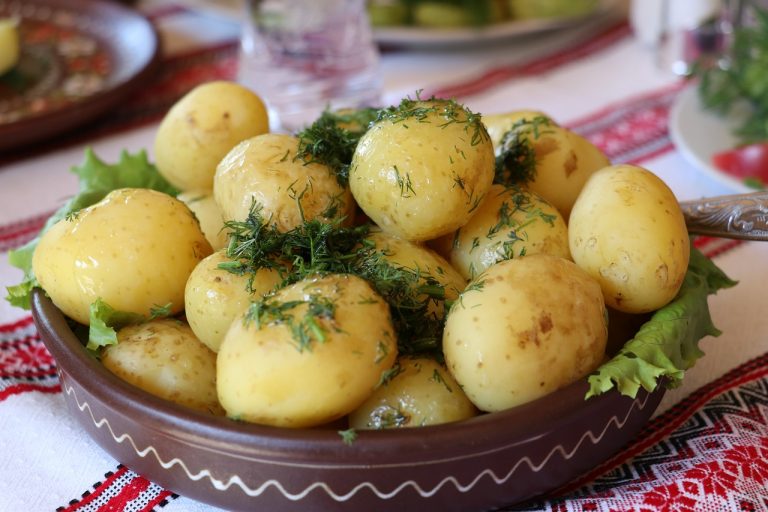
Potatoes weigh less from microwave cooking mainly due to water loss. You may notice steam afterwards, that is liquid evaporation. The calories and nutrients are probably the same afterwards. However with cooking there is always some alteration to bioavailability. A raw potato has less easily digested carbohydrates and will not have a high glycaemic index whereas a baked potato will and this causes the blood sugar to rise quickly. We need to heat some foods in order to soften the fibrous cellular structures to permit release of nutrients.

Generally over cooking vegetables is not beneficial and destroys much of its freshness. Severe health fanatics may even recommend not using a microwave due to the microwave rays. As we have less time to prepare foods though, the microwave does have a role of sorts and you need not worry about loss of nutrients too much. Indeed a cooked potato may contribute more easily digested carbohydrates and in this way perhaps serve us more for energy contributions as opposed to the raw potato. Also there is great loss of water-soluble vitamins and minerals in boiling foods but microwaves, steaming and baking are far more effective in conserving retention of nutrients within the food. Generally know you mainly have a lower weighing potato after microwaving but no significant calorie or nutrient loss that has been measured.

Please note that the information provided is for educational purposes only and is not meant to diagnose or treat medical conditions. Consult with your medical physician regarding appropriateness of using supplements in your healing process.
Struggling to eat enough food

Question

I am struggling to eat all of the recommended serves of various foods each day. As far as I understand it, each day I am supposed to eat at least five serves of vegetables, two serves of fruit, four serves of grains, three serves of dairy, one serve of protein and about eight glasses of water. I simply can’t eat that much in one day! Any tips?

Answer

How we manage to eat all our required foods is important.

Remember that if one is inactive with an office job (or any job with mostly sitting or standing) there is not much spent on energy expenditure. The result is a decline in appetite. To rev up an appetite many people find it helpful to have a brisk walk or do some chores before eating main meals.

It is also common that people that eat a vegan diet may need to eat greater bulk than primarily meat eaters.

You can be rest assured that your environment will also affect your water intake. The 8 glasses of water a day is not a rule of thumb. On hot days we need more water but on cold days less water to match what we lost and need!

The portions you quote are guidelines and you are welcome to manage them to suit your needs and ability. Instead of having those portions at 3 sittings a day, break up your eating into smaller portions throughout the day. Nibble when you can so that you can receive your nutrients. Perhaps you may consider a high quality nutritional supplement to boost your nutrient intakes.

Note a lack of vitamin B may also be linked to a diminished appetite, namely vitamin B1. Nutrients assist in burning energy and in digestion! We need nutrients to digest foods. Perhaps you may try have a least 3 vegetable servings and 1 fruit daily with 2 grains, 1 protein and 1 dairy serve. Then gradually build up, but to a level that you feel satisfied with. Remember we are all individuals and most information for health and nutrition is generalised. Do not worry that you can not get in what you quoted but rather find foods that you enjoy by experimenting with mixing and matching! Food is delightful and we can decrease bulk by cooking vegetables. Try not drink water around eating times and this will also save space in your stomach and not dilute digestive juices needlessly.

If you should require further information do email any time.

Please note that the information provided is for educational purposes only and is not meant to diagnose or treat medical conditions. Consult with your medical physician regarding appropriateness of using supplements in your healing process.
Mammogram

What is a mammogram?

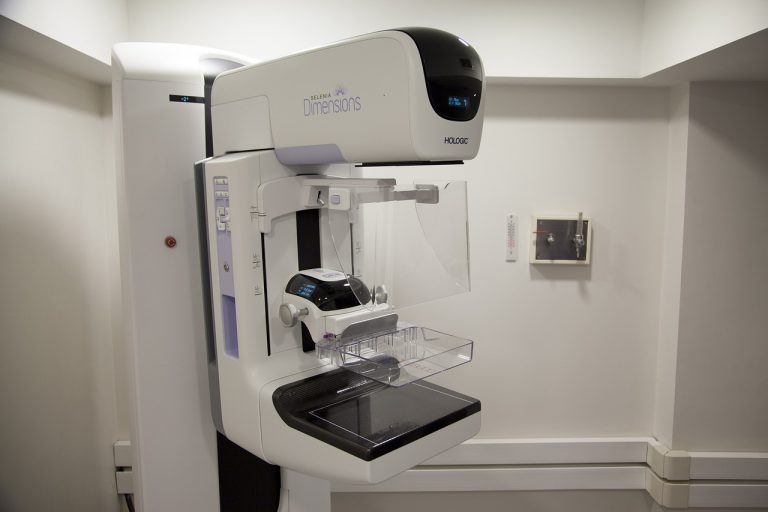
A mammogram is a medical test that uses low-dose x-rays to examine breasts for any abnormalities.

A mammogram is the only way to detect of breast cancers before the patient or doctor can feel them (it can show changes in the breast up to two years before the cancer has even started to grow).

Mammograms are performed for two reasons:

  • Regular screening – this is a recommended test for all women over a certain age
  • Diagnostic test – a mammogram is recommended in any woman of any age that finds a lump in her breast

Important mammogram facts

  • A mammogram x-ray is short for a mammography
  • Mammograms can be uncomfortable for women with sensitive breasts, as the test involves compressing the breast tissue to examine it properly

Why a mammogram is important

Mammograms are routinely performed for women over 50, who are recommended to have a mammogram every year until age 69, when risk of breast cancer reduces.

Research has shown that annual mammograms lead to early detection of breast cancers, when they are most curable and breast-conservation therapies are available.

USA guidelines recommend yearly screening mammograms for all women over 40 years of age.

Women who have a family history of breast cancer should be screened even more regularly, starting at an earlier age.

Lactose

What is lactose?

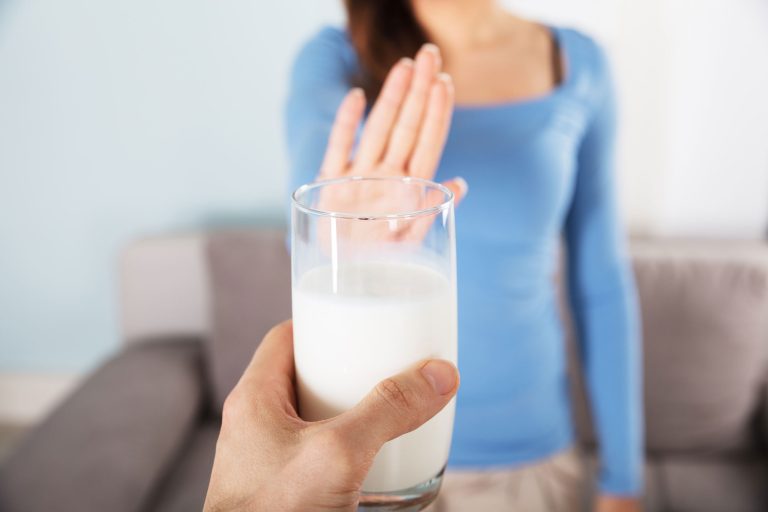
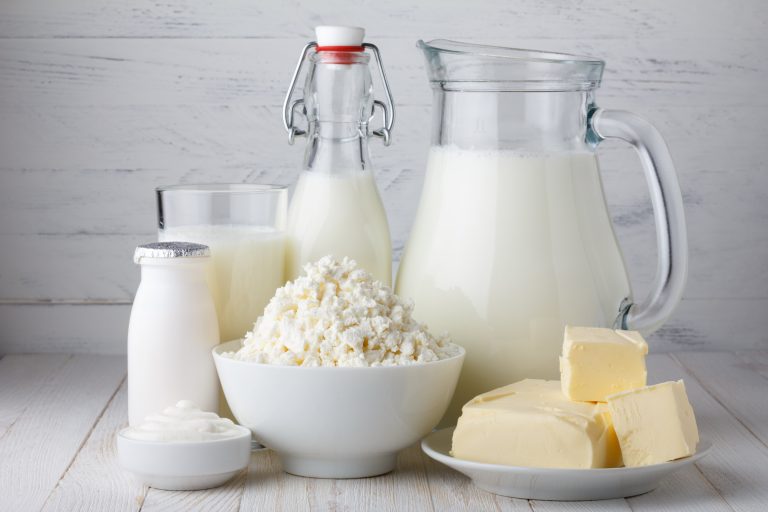
Lactose is a type of naturally occuring sugar found in milk and milk products. Lactose is the main carbohydrate in dairy products.

Lactose is a disaccharide, which means it is made up of two monosaccharides molecules – glucose and galactose.

Important lactose facts

  • Lactose makes up about 30-50% of milk’s energy value
  • Lactose is present in all dairy products
  • Yoghurt and some cheeses have less lactose, making them easier to digest for those with lactose intolerance
  • The lactose in sheep’s cheese and goat’s cheese are more tolerated by those with lactose intolerance as they contain very little lactose

Why lactose is important

If lactose remains undigested when foods rich in this sugar are eaten (milk and dairy products), then it is deemed that there is a lactose intolerance. Lactase is the enzyme that breaks down lactose into the monosaccharides (the simple sugars) of galactose and glucose so that lactose can be digested properly.

Catering for peanut allergy

Question

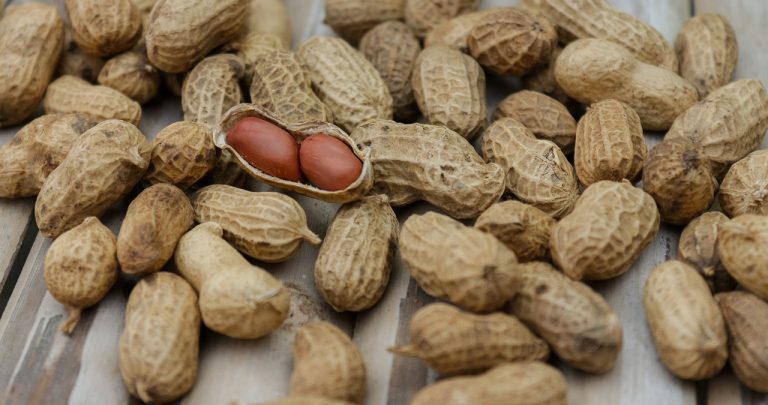
We will be hosting a diner for our daughter’s crew team (50 woman), the night before competition. I would like some advice about what we need to do to cater to a peanut allergy. One woman in the crew is allergic to peanuts and we want to avoid anything that can create an issue for her health. The dinner will consist of: Buffet-style dinner, dessert and drinks (non-alcoholic).

Can you provide some guidance about what we need to look out for in the menu?

Answer

Thank you for your email.

You could serve maize pasta with parmassaine cheese (made from chestnuts). This delivers light carbohydrates from the maize and the nuts will deliver more calories.

The key is to serve some useful protein as well so any dessert could be made with soya products. Substitute dairy with soya and you are sure to serve a healthy dessert that is filling and nutritious. The density of soya foods can be heavy but as it will be used in a dessert dish hopefully the portion will be minor. Let’s say you want to serve soya based yoghurt for dessert and with a chocolate flavour (use carob). Carob is a low GI food (key for sustained slow release energy) and about 8% protein. It is also is lower in fat than chocolate.

As for non alcoholic drinks, well have any health based fruit juices without added sugar or distilled water. The great thing about drinks is that we can always be innovative and prepare a home blend with fruits to serve something unique.

Please note that the information provided is for educational purposes only and is not meant to diagnose or treat medical conditions. Consult with your medical physician regarding appropriateness of using supplements in your healing process.

Melanin

What is melanin?

Melanin is the pigment that gives skin its colour. People with dark skin have more melanin than people with light skin.

Melanin is produced by cells called melanocytes in the epidermis (layers of the skin).

Melanin is found in the hair, skin, eyes. Melanin determines skin colour in humans.

Important melanin facts

  • The amino acid tyrosine is a precursor of melanin
  • Freckles are literally little spots (or concentrations) of melanin

Why melanin is important

Melanin may give some protection against ultraviolet light damage, which is why lighter-skinned people get burnt after minimal exposure to the sun, while darker-skinned people do not suffer sunburn after short sun exposure.

What is in a balanced diet

Question

I’m a 22-year-old college graduate who has seen the light. I don’t drink or smoke anymore, I eat only In-n-Out when I crave fast food, and I’m actually eating unprocessed foods for once.

Here’s a list of my daily diet regimen that I usually eat for my breakfast-brunch:

Banana

Raw California orange

Raw half a quart Whole chocolate milk

Single serving of almonds (28 nuts)

Single serving of carrots

My question is this: what would I have to eat – which foods, which vitamins, etc – to properly complement my diet in the spirit of the Food Pyramid set by the UDSA? Obviously I’m lacking some breads on the above list, in addition to any meat. What breads should I target, which meats, and what else do I need? More varieties of vegetables?

Answer

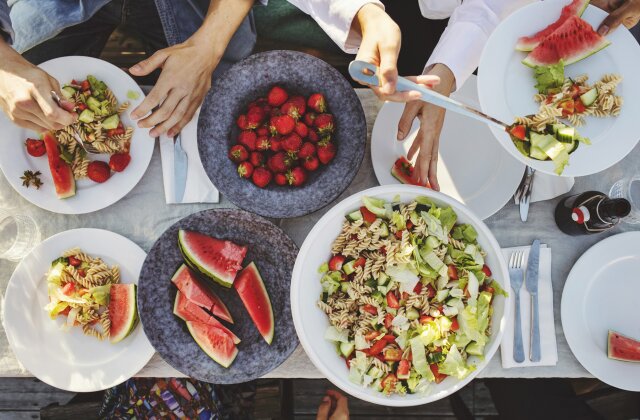
Well done on striving for a healthier dietary intake! To begin, try not restrict your daily food intakes to limited selections within the whole food range!

Do try alternative nuts, such as pine nuts – they can be costly though in some countries. Generally all nuts are high in fats but chestnuts are lower than the rest (about 50%).

Your cereal intake does not mean that carbohydrates means bread. Bread is not essential but usually our mean source of cereal grains. Any wholewheat or heavy seed loaf will do fine. Also know that if you are not a bread person then there is brown rice, wild rice, rye grains, oats, maize/corn, barley and many other foods such as sweet potato, millet and potatoes (our common staple vegetable).

Preparation of foods is key, try not fry potatoes but rather bake. Incorporate any sweet vegetables such as sweet potato or gem squash into your daily diet. Fruits, seeds and lean meats are all lovely. The vital part is to have a variety. Fish, lean lamb, organic chicken or free range and soya foods. Watch out though as some soya foods (processed) may be high in other things such as salt (sodium).

You have begun well in your healthy way, just shop at a local whole food store and try different foods. You may be surprised, with herbs and spices your taste buds can learn to love vegetables!

Please note that the information provided is for educational purposes only and is not meant to diagnose or treat medical conditions. Consult with your medical physician regarding appropriateness of using supplements in your healing process.
Lactation

What is lactation?

Lactation is the process in which milk is secreted from the mammary glands in order to provide milk to a baby. It also describes the length of time that a mother continues to feed her baby this way.

Lactation occurs in almost all mothers who are pregnant and is controlled by the hormone oxytocin, which is released by the posterior pituitary gland (ultimately controlled by the hypothalamus).

Important lactation facts

  • Lactation is controlled and regulated by the hormone oxytocin
  • Oxytocin stimulates the nipple of the breast to produce milk from the mammary glands

Why lactation is important

Lactation is important as it has several important benefits:

  • Allows the mother and child to bond
  • Increases the nurturing instinct in the mother
  • Enables the mother to provide passive immunity to the baby through the breast milk
  • Breast milk is the best, natural source of food for a baby
  • While the mother is lactating, there is a decreased chance she will get pregnant at this time (but there still is a possibility)