9 core pilates exercises

Facts

Pilates focuses on strengthening the core, improving flexibility and enhancing overall body awareness.

Incorporating core Pilates exercises into your fitness routine provides substantial benefits for overall strength, flexibility and stability. These exercises focus on engaging and strengthening the deep abdominal muscles, which are essential for maintaining proper posture, supporting the spine and enhancing overall movement efficiency.

Exercises like The Hundred and The Roll-Up target the core muscles directly, improving endurance and control. This leads to better performance in daily activities and other forms of exercise, as a strong core helps stabilise the body and prevent injury. The emphasis on controlled breathing and precise movements also enhances mind-body connection, which is crucial for optimising physical performance and achieving fitness goals.

Core Pilates exercises contribute significantly to overall body balance and flexibility. Movements such as The Teaser and The Criss-Cross not only strengthen the abdominal muscles but also improve flexibility and coordination. This makes them beneficial for functional movement and athletic performance.

By integrating these core Pilates exercises, you can:

  • enhance your range of motion
  • reduce muscle imbalances
  • promote better alignment and posture

This holistic approach ensures that the benefits of Pilates extend beyond just core strength, contributing to improved physical health and enhanced quality of life.

Here are nine core Pilates exercises that are fundamental for building a strong, stable core. These exercises form a well-rounded core Pilates routine, addressing different aspects of core strength, flexibility and stability. Incorporating them into your practice can enhance overall fitness and body awareness.

Hundred

The hundred

This exercise is designed to warm up the body and increase endurance in the core.

  1. Lie on your back with your legs lifted to a tabletop position and your arms extended by your sides
  2. Lift your head and shoulders off the mat and pump your arms up and down while breathing in for five counts and out for five counts
  3. Complete 100 pumps

Benefits

  • Enhances core strength, endurance and circulation
  • Helps engage the lower abs and improves overall stability
Source: Wikipedia, pilates hundreds

Roll-up

The roll-up

  1. Lie on your back with your arms extended overhead and legs straight
  2. Slowly roll up one vertebra at a time to reach a sitting position
  3. Articulate your spine back down to the mat slowly, one vertebrae at a time

This exercise can be modified by bending your knees if needed.

Benefits

  • Improves flexibility in the spine, strengthens the abdominal muscles
  • Enhances control and coordination
Source: Complete Pilates UK

Single leg circle

The single-leg circle

  1. Lie on your back with one leg extended toward the ceiling and the other leg flat on the mat
  2. Draw circles with the lifted leg, keeping your hips stable and your core engaged
  3. Perform circles in both directions, then switch legs

Benefits

  • Strengthens the hip flexors and core muscles
  • Improves hip joint mobility and stability
Source: Very Well Fit

Criss-cross

The criss-cross

  1. Lie on your back with your hands behind your head
  2. Lift your legs to a tabletop position
  3. Lift your head, shoulders and upper back off the mat as you twist your torso to bring your right elbow towards your left knee
  4. Switch sides in a controlled, alternating manner

Benefits

  • Targets the oblique muscles, improves rotational strength
  • Enhances overall core stability
Source: Seattle Athletic Club

Teaser

The teaser

  1. Start by lying on your back with your arms extended overhead and legs straight
  2. Lift your legs to a 45-degree angle as you simultaneously lift your upper body to form a “V” shape
  3. Hold the position briefly, then lower back down with control

Benefits

  • Challenges the entire core
  • Improves balance
  • Strengthens the hip flexors and lower abs
Source: Studio Pilates

Saw

The saw

  1. Sit with your legs extended wide and feet flexed
  2. Extend your arms to the sides and twist your torso to reach your right hand toward your left foot while keeping your legs straight
  3. Return to the starting position and switch sides

Benefits

  • Stretches the hamstrings and lower back
  • Strengthens the obliques
  • Enhances spinal flexibility
Source: Pilates Club Germany

Swimming

The swimming

  1. Lie on your stomach with your arms extended forward and legs straight
  2. Lift your arms, chest and legs off the mat
  3. Alternate lifting opposite arm and leg, simulating a swimming motion

Benefits

  • Strengthens the entire back, glutes and core
  • improves coordination and overall stability
Source: Pilates Anytime with Niedra Gabriel

Side leg lift

The side leg lift

  1. Lie on your side with your legs straight and stacked on top of each other
  2. Lift your top leg to hip height, keeping it straight, then lower it back down with control
  3. Perform the exercise on both sides

A more advanced version is the kneeling side leg lift. This advanced pilates movement should not be attempted by anyone with knee or mobility issues.

Benefits

  • Targets the outer thighs and hips
  • Enhances core stability
  • Improves leg strength and alignment
Source: Mobile Physiotherapy Clinic
Source: Pilates Club Germany, kneeling side leg lift (advanced pilates)

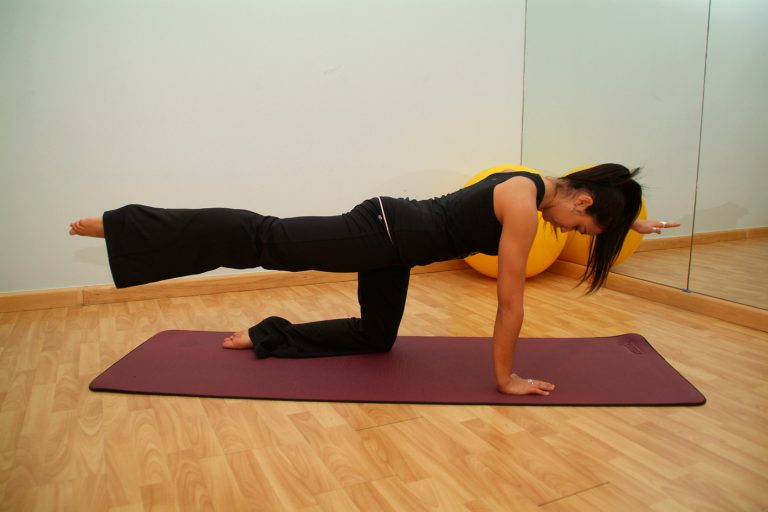
Plank

The plank

  1. Start in a forearm plank position with your body in a straight line from head to heels
  2. Engage your core, squeeze your glutes and hold the position for a set amount of time
  3. Keep your hips level and your back flat

Benefits

  • Builds core strength and endurance
  • Improves overall stability
  • Supports proper posture

References

References

  • Discover over 110 Pilates exercises for at home. Pilates Club Germany. Accessed 29 July 2024
  • How to do a Pilates Roll Up for beginners + Benefits and Progression. Complete Pilates UK. Accessed 29 July 2024
  • Pilates exercise kneeling side lift explained | Learn pilates online. Pilates Club Germany. Accessed 29 July 2024
  • Side leg raises exercise: health benefits, variation, how to do. Mobile Physiotherapy Clinic. Accessed 29 July 2024
  • Swimming with Niedra Gabriel – Exercise 1681. Pilates Anytime. Accessed 29 July 2024

Last reviewed and updated: 29 July 2024

 

What is REM sleep

REM sleep or Rapid Eye Movement sleep, is one of the five stages of sleep characterised by rapid eye movements, vivid dreaming, and heightened brain activity.

It typically occurs about 90 minutes after falling asleep and recurs multiple times throughout the night, with each period of REM sleep getting longer as the night progresses.

Overall, REM sleep is essential for cognitive function, emotional well-being, and overall health. It plays a critical role in learning, memory, and emotional processing, making it a vital component of a healthy sleep cycle.

Characteristics of REM sleep

Rapid eye movements – during REM sleep, the eyes move rapidly under the eyelids, which is where the stage gets its name. This eye movement is associated with dreaming and increased brain activity

Brain activity – the brain is highly active during REM sleep, with activity levels similar to when you’re awake. This stage is crucial for cognitive functions such as learning, memory consolidation, and emotional regulation

Muscle atonia – the body experiences temporary muscle paralysis (atonía) during REM sleep, which prevents the acting out of dreams. This protective mechanism ensures that dreams do not lead to physical movements that could potentially harm the sleeper

Dreaming – most vivid and complex dreams occur during REM sleep. This stage is thought to play a role in processing emotions, integrating memories, and problem-solving

Why REM sleep occurs

Memory consolidation – REM sleep is crucial for processing and consolidating memories. It helps transfer information from short-term to long-term memory and integrates new experiences with existing knowledge

Emotional regulation – it’s important for emotional health. It allows the brain to process emotions and experiences, which can help reduce stress and improve mood

Cognitive function – REM sleep supports cognitive functions such as learning, problem-solving, and creativity. The brain’s heightened activity during this stage contributes to improved problem-solving abilities and creative thinking

Brain restoration – REM sleep contributes to the overall restoration of the brain. It helps maintain neural connections and supports the health of the central nervous system

Creativity and problem-solving – the dreaming that occurs during REM sleep can lead to insights and creative solutions. The brain’s free-flowing nature during this stage allows for novel connections and ideas to form

Last reviewed and updated: 29 July 2024
Foods most beneficial for menopause

Soy

Tofu and soy foods

Women who have menopause can greatly benefit from eating soy beans, soy products like tofu as they contain isoflavones, a phytoestrogen (plant form of oestrogen) which may help to regulate and balance oestrogen levels in the body and reduce symptoms associated with menopause.

Eating just 100g of tofu and 2 tablespoons of freshly ground flaxseed every day can reduce hot flushes and vaginal dryness. The tofu can be used in a stiry fry (instead of meat) – just add it with the vegetables and use herbs for flavour. The ground flaxseeds can be added to beakfast cereals, to smoothies, to stir fries and even to cakes (along with the other dry ingredients), but it is better when it is not cooked.

Studies show that there is a direct link between eating foods with high levels of phytoestrogens (plant-based weak oestrogens) and lower rates of oestrogen-dependent cancers, such as cancers of the breast, ovary and uterus.

Women who want to try soy, should ensure they buy non-GM soy foods – these are soy foods which are not genetically modified in any way. GM soy may not have the same benefits for menopause as non-GM soy.

Soy are a low fat source of protein.

Fruits & vegetables

Fruits and vegetables

Fruit and vegetables are natural sources of fibre, vitamins, minerals, antioxidants, phytochemicals and phytoestrogens. In addition to this, they are generally low in fat, sugar and salt, which make them perfect for menopausal women.

Menopausal woman should aim to get at least 3 servings of fruit each day (up to about 5) and at least 5 servings of vegetable each day (up to 7).

This is to ensure that there is adequate intake of all the essential vitamins, minerals and other nutrients. Women that have menopause have specific nutrient requirements (or even deficiencies) that make it vitally necessary that they eat adequate supplies from natural food sources.

Boron

Boron-rich foods

Boron is a trace mineral which the body only needs in very small amounts for health. Studies show that boron helps the body retain more of it’s natural levels of oestrogen to double the amount than in those women not getting enough of this vital mineral. Boron also helps to keep the bones strong by enabling the body to hold onto more of it’s calcium and so prevents bone loss by up to 40%.

Fruits rich in boron and rich in phytoestrogens (isoflavones or lignans):

  • Apples (isoflavones)
  • Grapefruit (isoflavones)
  • Grapes (isoflavones)
  • Oranges (isoflavones)
  • Pears (lignans)
  • Plums (lignans)
  • Prunes (lignans)
  • Raspberries (lignans)
  • Strawberries (isoflavones)
  • Tomatoes (isoflavones)

Vegetables rich in boron and rich in phytoestrogens (isoflavones or lignans):

  • Asparagus (lignans)
  • Bell peppers (isoflavones and lignans)
  • Beetroot (lignans)
  • Broccoli stems (isoflavones and lignans)
  • Cabbage (isoflavones)
  • Carrots (isoflavones and lignans)
  • Cauliflower (lignans)
  • Cucumbers (isoflavones)
  • Iceberg lettuce (lignans)
  • Lettuce (isoflavones)
  • Onions (lignans)
  • Soy beans (isoflavones and lignans)
  • Sweet potatoes (lignans)
  • Turnips (lignans)
  • Wheat (lignans)

There are also a number of fruits and vegetables that contain boron, but not phytoestrogens and they are:

Apricots, avocadoes, Bananas, black currants, blueberries, figs, goosberries, mandarin, mangoes, oranges, papaya, peaches, persimmon, quinces, rockmelon (cantaloupe), red currants, sour cherries.

Alfalfa, black beans, Brussels sprouts, butter beans, celery root, chicory root, Chinese cabbage, cowpeas, cauliflower, dandelion leaf, radish, endive, spinach

Phytoestrogens

Phytoestrogen-rich foods

There are a number of foods which are rich in phytoestrogens (flavones, lignans, isoflavones) and can help with menopausal symptoms. Phytoestrogens are structurally similar and function similarly to the natural hormones in the body, as they encourage or limit the production of the natural hormones (especially oestrogen) in the body to ensure they are at balanced levels. Phytoestrogens from plant sources in foods, are much weaker than synthetic hormones, so they take longer to work, but this also means they do not have any of the side effects associated with synthetic hormones (especially in HRT).

Plant oestrogen (phytoestrogens) can help to increase the amount of weak oestrogen circulating in the body, which makes the body think that the level of oestrogen is similar to pre-menopause, which may decrease the risks associated with menopause (heart disease, osteoporosis). Phytoestrogen also do not have the many risks associated with taking synthetic oestrogen (from HRT). Plant bases oestrogen are associated with lower rates of oestrogen-dependent cancers, such as cancers of the breast, ovary and uterus (many studies have suggested).

One word of caution about phytoestrogens – women who already have an oestrogen-dependent cancer (or who have a high family risk of developing it) should consult their doctor about eating more foods high in phytoestrogens before they do so, as the plant oestrogen may accelerate the cancer. Not enough is known about the link between phytoestrogens and existing cancer and it may be better to err on the side of caution.

Some foods, herbs and spices that are naturally rich sources of phytoestrogens are:

  • Alfalfa
  • Apples
  • Anise
  • Barley
  • Bean sprouts
  • Carrots
  • Cherries
  • Coffee
  • Date palm
  • Fennel
  • Flaxseed
  • French beans
  • Garlic
  • Green beans
  • Hops
  • Liquorice
  • Oats
  • Parsley
  • Peas
  • Potatoes
  • Rapeseed
  • Red beans
  • Rice
  • Rye
  • Sage
  • Sesame
  • Snow peas
  • Soya beans
  • Wheat
  • Yam

Calcium

Calcium-rich foods

The diet of a menopausal women especially needs to be high in calcium-rich foods to reduce risk of bone loss and osteoporosis.

Calcium is available in both dairy and non-dairy, plant foods, but if this is difficult, supplements can be used for women who are especially at risk of osteoporosis.

Foods rich in magnesiumboronvitamin D and phosphorus also need to be eaten to ensure the body is able to retain the calcium much better to further prevent bone loss and risk of osteoporosis.

Sources of calcium-rich foods include

FOOD SOURCEServing sizecalcium (mg)
Yoghurt, plain low-fat1 cup415
Ricotta cheese, part skim½ cup337
Milk1 cup300
Swiss cheese, processed28g272
Cheddar cheese28g204
Salmon (with bones)85g203
Colby cheese28g194
Pudding, instant chocolate½ cup149
Mozzarella cheese28g147
Tofu, uncooked½ cup130
Navy beans1 cup128
Spinach, cooked28g122
Turnip greens, cooked½ cup99
Sardines (with bones)85g92
English muffin1 regular90
Ice-cream, vanilla½ cup85
Almonds, dry roasted28g80
Chickpeas1 cup78
Brie cheese28g52
Swiss chard, cooked½ cup51
Kidney beans1 cup50
Okra½ cup50
Black beans1 cup47
Kale, cooked½ cup47
Broccoli, cooked½ cup36
Sunflower seeds28g34
Sweet potato, baked1 medium32
Cabbage, cooked1 large25
Egg½ cup25
Potato, baked1 medium20
Collard greens, cooked½ cup15
Peanuts28g15


Women who are lactose intolerant may benefit from trying out the following strategies to help increase intake of calcium:

  • Eat aged cheeses – such as parmesan and cheddar as they usually contain less lactose than other cheese due to the way they are produced and because of the ageing process
  • Eat dairy foods within a meal – this helps the body react less to the lactose in the dairy, but try to avoid large portions as this can aggravate symptoms
  • Eat fermented products – yoghurt, buttermilk and other fermented milk products contain “beneficial” bacteria which help the body better break down lactose and may cause less of a reaction than non-fermented products
  • Eat sheep/goat cheeses – both goat and sheep’s milk tend to have much lower levels of lactose and are actually more similar in structure to breast milk so the body has more tolerance and there is less likelihood that a reaction will occur
  • Eat smaller servings of dairy foods – having smaller portions of dairy several times a day instead of one large serving (this helps the body of a person with lactose intolerance better adjust to the incoming lactose from dairy foods)
  • Try non-dairy forms of calcium – there are many other foods that contain calcium, such as soy, tofu, spinach, almonds, canned salmon (with bones), leafy green vegetables, sesame seeds, chickpeas, broccoli and beans

Magnesium

Magnesium-rich foods

Foods rich in magnesium are especially necessary for women who are menopausal for two very distinct reasons:

  • Relaxing the muscles – one of magnesium’s main properties is to enable the skeletal muscles (the muscles we control and use to move the body) to relax properly after they contract. This means that magnesium allows the body to relax properly. Magnesium is also associated with enabling smooth muscles, which we are unable to control to relax too (these are the muscles which surround the organs and help control how they operate). One of the most important smooth muscles is the heart. Magnesium enables the heart to function properly and retain it’s elasticity and health. Since heart disease is a risk factor associated with menopause, it is essential that women have enough magnesium in their diet
  • Helping the body better absorb calcium – magnesium is one of the important minerals that helps the bones retain their calcium and so helps to prevent bone loss, associated with osteoporosis. A diet rich in magnesium is highly recommended for menopausal women

Fibre

Fibre-rich foods

Fibre is essential in a healthy diet as it has numerous benefits for menopausal women:

  • Lowers cholesterol levels – studies show that a diet high in fibre lowers blood cholesterol levels and this is because the fibre attaches to the excess cholesterol in the blood and both are excreted harmless, which prevents an excess of cholesterol in the blood. Since women who are menopausal have a higher risk of heart disease of any cause, this is a good reason to increase fibre intake in the diet, but ensure it is done gradually. The recommended level of fibre in the diet is 30g per day
  • Lowers risk of cancer – studies show that a diet high in fibre is associated with a lower risk of breast and colon cancer. It is thought that the excess oestrogens attach to the insoluble fibre and are then excreted harmlessly before they can cause breast cancer, which is an oestrogen dependent cancer. Fibre also reduces risk of colon cancer by stimulating the colon to function properly in the excretion of food through it’s wave-like motions. Since menopausal women are at higher risk of cancers (and especially breast cancer), this is an excellent reason to increase fibre intake, but make sure to do it gradually
  • Lowers risk of heart disease – fibre binds with bile and helps to remove fats from the body which means that there is less fats circulating in the blood, which lowers risk for adverse affects associated with this. Studies also show that a fibre-rich diet is associated with a lowered risk for high blood pressure. Out of the two types of fibre (soluble and insoluble), it appears that the soluble fibre is mostly associated with lowering the risk of heart disease by lowering cholesterol and high blood pressure. The best sources of fibre are: oats, fruit and beans. Good fibre supplements should include psyllium and oatbran

Lignans

Flaxseeds and other sources of lignans

Flaxseeds (or linseeds) are an excellent source of lignans, a type of phytoestrogens. In fact they often contain around 75-700 times more lignans than any other plant sources.

Flaxseeds are an excellent source of the essential fatty acids, especially omega-3 fatty acids and alpha-linolenic acid (which is an omega-6 fatty acid), both of which are necessary for a number of functions in the body.

Studies show that lignans may lower cancer risk by blocking the effects that excessive oestrogen in the body can cause. Liganans have a similar chemical structure to natural oestrogen and are thought to attach to eostrogen receptor cells on the breast tissue, preventing the oestrogen produced by the body from attaching to them and reducing the likelihood of stimulating breast tissue from becoming cancerous.

In addition to this, lignans produce a substance that attaches itself to any excess oestrogen produced in the body and removes it harmlessly out of the body.

Lignans also have excellent antioxidant properties, so they protect the cells in the body from free radical damage and thus from damage to the DNA, which ultimately can cause cancer.

Flaxseed contains soluble fibre, which many studies show may lower LDL (“bad”) cholesterol levels and other studies show that a diet with regular intake of flaxseeds can help to make the arteries more flexible and healthy, reducing the risk of heart attack and stroke.

The oil in flaxseed may help the body better absorb calciummagnesium and vitamin D from foods and this is very helpful for menopausal women because all of these are needed to ensure the bones are healthy and strong and prevent bone loss associated with osteoporosis.

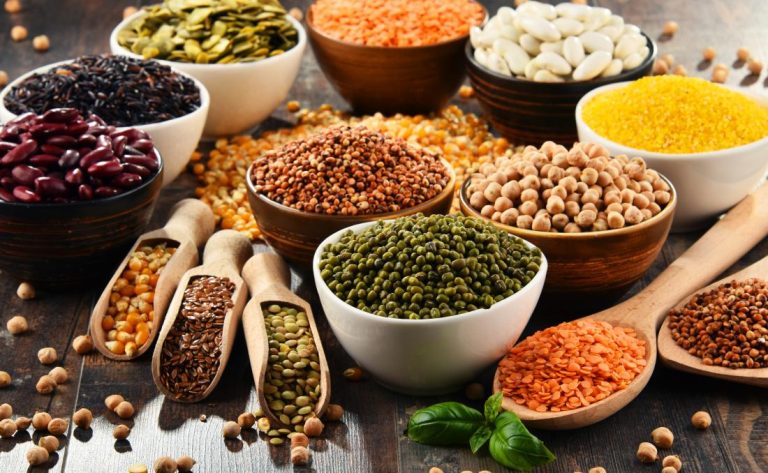
Other plant sources of lignans are:

  • Fava beans
  • Kidney beans
  • Lentils
  • Navy beans
  • Pinto beans
  • Soy beans (they also contain isoflavones)
  • White beans

Lignan-rich foods are a low fat source of protein.

Fats

Good fats

It is important to have a diet lower in saturated fat, but there still needs to be an adequate amount of good fats in the diet.

A diet high in fat (but especially saturated fat) is associated with heart disease and many cancers (especially breast cancer) and as the risk for all of these is higher in menopausal women, it would be beneficial to eat less saturated fat.

Good fats (polyunsaturated fats from omega-3 essential fatty acids especially, but also omega-6 essential fatty acids) on the other hand, are associated with lowering cholesterol and triglycerides in the blood and ensuring good health.

The best ways to ensure that the diet contains enough of the good fats are:

  • Avoid hydrogenated fats – any processed foods that contain partially hydrogenated fats or hydrogenated fats are associated with a higher risk for heart disease and should be avoided
  • Eat less animal fats – these contain saturated fats which are associated with heart disease and higher risk for breast cancer
  • Eat more oily fish – fish such as salmon, sardines, trout, tuna, mackerel are high in natural omega-3 essential fatty acids
  • Eat more fresh produce – a diet high in vegetables, grains, seeds, nuts is associated with a lower incidence of heart disease and cancer and as menopausal women have a higher risk for developing heart disease and cancer, the diet should contain more fresh, natural produce
  • Switch to olive oil – use extra virgin, cold pressed olive oil for salads and cooking. This type of olive oil has had less processing and no chemicals added and has more naturally occurring vitamin E (an antioxidant), as well as omega-3 essential fatty acids

References

References

  • Ojeda L. Menopause Without Medicine: The Latest Research on Plant Oestrogens, Herns and Other Natural Remedies. HarperCollins Publishers, 1998
  • Osieki H. The Physician’s Handbook of Clinical Nutrition. Sixth Edition, BioConcepts Publishing, 2001
  • Phillips E and the Editors of Prevention. Everything You Need to Know About Menopause: A Comprehensive Guide to Surviving – and Thriving! – During This Turbulent Life Stage. Rodale, 2003
  • Smith M, Michalka P. Is it Me or My Horomes: Understanding Midlife Change. Second Edition. Finch Publishing, 2006
  • Stanway P. Natural Guide to Women’s Health – Natural and Medical Solutions for Gynaecological Ailments. Kyle Cathie Publishing, 2003
  • Stewart M. Beat Menopause Naturally. Commotion Publishing, 2004
  • Trattler R, Jones A. Better Health Through Natural Healing: How to Get Well Without Drugs or Surgery. Hinkler Books, 2001
  • Foods for menopause. Jean Hailes, Australia. Accessed 28 July 2024
  • Healthy eating during menopause. The Menopause Charity, UK. Accessed 28 July 2024
  • Managing menopause symptoms with nutrition and diet. British Nutrition Foundation. Accessed 28 July 2024
  • Menopause and diet. British Dietetic Association, UK. Accessed 28 July 2024
  • Menopause and nutrition. Heart Research Australia. Accessed 28 July 2024
  • Top nutrition tips for menopause. CSIRO, Australia. Accessed 28 July 2024

Last reviewed and updated: 28 July 2024


Phytoestrogens, a natural HRT alternative

Facts

Phytoestrogens explained

Certain plant foods contain plant oestrogen which is called phytoestrogen. It literally means plant oestrogen.

The phytoestrogens in plants is chemically similar in structure and action to the oestrogen produced in the body, but the plant oestrogen acts much more weakly than oestrogen produced in the body.

There are three types of phytoestrogens:

  • Flavones
  • Isoflavones
  • Lignans

Phytoestrogens have a beneficial effect on the body as they can attach to the eostrogen receptors in the body and prevent the much more stronger eostrogens produced in the body (or from synthetic eostrogen hormones, such as HRT and the contraceptive Pill) from attaching to those receptors and exacerbating any eostrogen dependent conditions from occurring (such as cancers of the breast, ovaries and uterus).

Phytoestrogens also help to normal eostrogen levels in women who have too little eostrogen (from menopause or any other eostrogen deficiency). The phytoestrogens from plant sources provide a weak source of eostrogen which helps to enable the body to balance out the levels of eostrogen (and help to normalise other hormones dependent on balanced eostrogen levels) and thus alleviate many of the symptoms associated with menopause, when eostrogen levels naturally drop too low.

Some foods, herbs and spices that are naturally rich sources of phytoestrogens are:

Vegetables

  • Cabbage
  • Carrots
  • Celery
  • Eggplant
  • Peas
  • Potatoes
  • Red beans
  • Rhubarb
  • Sweet potato
  • Taro
  • Turnip

Grains

  • Barley
  • Rice
  • Rye
  • Wheat
  • Whole grains

Legumes

  • Beans
  • Chickpeas
  • French beans
  • Green beans
  • Lentils
  • Soya beans
  • Snow peas

Fruit

  • Apples
  • Cherries
  • Dates
  • Olives
  • Plums

Nuts

  • Almonds
  • Pistachios
  • Walnuts

Seeds

  • Chia seeds
  • Flax seed
  • Hemp seeds
  • Poppy seeds
  • Rapeseed
  • Pumpkin seeds
  • Sesame seeds
  • Sunflower seeds

Herbs

  • Liquorice
  • Parsley
  • Sage

Spices

  • Anise
  • Fennel
  • Garlic
  • Turmeric
  • Yam

Other foods

  • Alfalfa
  • Bean sprouts
  • Coffee
  • Psyllium

Flavones

Flavones

Flavones are one of the three types of phytoestrogens that occur in plants.

The highest sources of flavones are in parsley and celery. Millet and grains have weak flavones content, but the skin of citrus fruits has higher levels of flavones.

Flavones have the weakest oestrogen effect out of all the phytoestrogens.

The richest source of flavones are celery and parsley as well as:

  • Grapefruit skin
  • Mandarin skin
  • Orange skin

Flavones are also found in the following plant foods (but in very smalls amounts):

  • Millet
  • Mint
  • Tomatoes
  • Wheat

How flavones benefit menopausal women

Isoflavones benefit menopausal women because they contain a weak form of oestrogen, which is very similar to the oestrogen produced by the body and so is bio-compatible. This means the body accepts the oestrogen in phytoestrogens, which attaches to the oestrogen receptors, increasing oestrogen levels and activity in the body.

When a menopausal woman has high levels of oestrogen (from isoflavones or other phytoestrogens), the symptoms of menopause are much reduced, bringing a better quality of life. It is a great benefit for menopausal woman to get adequate phytoestrogens in their diet.

Some menopausal women have really bad menopausal symptoms and they may require something more than food. Such as a food supplement or biocompatible cream.

Studies on flavones also suggest that dietary intake of flavones reduce risk of postmenopausal breast cancer. This is the best reason to include them in your diet.

Lignans

Lignans

Lignans are one of the three types of phytoestrogens that occur in plants. One of the richest sources of lignans is flaxseeds (or linseeds).

Lignans are also found in the following plant foods:

  • Asparagus
  • Beetroot
  • Bell peppers (also contains isoflavones)
  • Broccoli stems (also contains isoflavones)
  • Carrots (also contains isoflavones)
  • Cauliflower (also contains isoflavones)
  • Cucumbers
  • Iceberg lettuce
  • Onions
  • Pears
  • Prunes (when dried)
  • Soy beans (also contains isoflavones)
  • Sweet potatoes
  • Turnips
  • Wheat

How lignans benefit menopausal women

Studies show that lignans may lower cancer risk by blocking the effects that excessive oestrogen in the body can cause. Lignans have a similar chemical structure to natural oestrogen and are thought to attach to oestrogen receptor cells on the breast tissue, preventing the oestrogen produced by the body from attaching to them and reducing the likelihood of stimulating breast tissue from becoming cancerous.

In addition to this, lignans produce a substance that attaches itself to any excess oestrogen produced in the body and removes it harmlessly out of the body.

Lignans also have excellent antioxidant properties, so they protect the cells in the body from free radical damage and thus from damage to the DNA, which ultimately can cause cancer.

Isoflavones

Isoflavones

Isoflavones are one of the three types of phytoestrogens that occur in plants.

Isoflavones have the strongest oestrogenic effect out of all the phytoestrogens.

Isoflavones are found abundantly in soy and soy products (such as tofu). Just ensure the soy is non-GM, as the benefits of genetically modified (GM) soy is not known, so should be avoided.

Isoflavones are also found in the following plant foods:

  • Apples
  • Beans
  • Bell peppers (also contains lignans)
  • Broccoli stems (also contains lignans)
  • Cabbage
  • Carrots (also contains lignans)
  • Chickpeas
  • Cucumbers
  • Grapefruit
  • Grapes
  • Lentils
  • Lettuce
  • Oranges
  • Raspberries
  • Soya beans (pictured above)
  • Soy products (also contains lignans)
  • Strawberries
  • Tofu
  • Tomatoes

Soy, tofu and other soy products are the richest sources of isoflavones.

Use only non-GMO soy. It should state it on the packet if it is non-GMO. If it doesn’t state it’s non-GMO, then it wont be.

How isoflavones benefit menopausal women

Soy, tofu and other soy products are especially rich in the phytoestrogen isoflavones, which could be the main reason why women in China, Japan and other Asian countries whose diet is high in soy and soy products generally have fewer symptoms (up to 80% less incidence of menopausal symptoms) and lower rates of breast cancer.

Research also shows that isoflavones are also responsible for helping to build bone tissues and ultimately prevent osteoporosis. This is vital for menopausal women whose natural oestrogen levels are very low and this makes them at much higher risk of bone loss.

The recommendation for isoflavones is 30-50mg per day, preferably from the food you eat.

Use only non-GMO soy – it should state it on the packet. If it doesn’t then it wont be.

Diet

How to include more phytoestrogens in the diet

Menopausal women can try to include more phytoestrogens in the diet by following the strategies outlined below. Use only non-GMO soy – it should state it on the packet, if it doesn’t then it wont be:

  • Incorporate more soy in the diet – the best way to add more soy in the diet is to incorporate soy beans and soya bean products (such as tofu) every day
  • Special soy products to buy – certain soy products do contain adequate levels of isoflavones and in general, they are: isolated soy protein, soya protein isolate, textured soy protein
  • Read labels – certain soy products contain little or no isoflavones (or lignans) and are not going to provide any benefit. The products that generally have very little to no isoflavones are: soya protein concentrate, soy sauce, soy bean oil
  • Incorporate more flaxseeds in the diet – flaxseeds are the richest source of lignans, one of the phytoestrogens that are important for reducing symptoms in menopausal women. The easiest way to incorporate flaxseeds in the diet is by eating ground flaxseeds, which can be spread on breakfast cereal, on yoghurt, in shakes, but they can be used in whatever way suits you
  • Eat more legumes – the phytoestrogen content in legumes is quite high and can assist with reduction of symptoms. The best sources are: soya beans, chickpeas, lentils and all types of beans. Legumes are a rich source of fibremagnesiumcalcium and a number of vitamins and minerals, are low GI and low fat too
  • Eat more fruits and vegetables – many fruits and vegetables contain lignans and isoflavones. Nutritionists recommend eating 5-7 servings of vegetables and 3-4 servings of fruit each day. The weak oestrogenic effect of the phytoestrogens in fruit and vegetables should be part of the diet recommended for menopausal women

Foods

Isoflavones content of foods

There are a number of ways to get soy and soy products in the diet, in order to get a good range of phytoestrogens, but especially the isoflavones, which seem to be the stronger of the three plant oestrogens. Use only non-GMO soy – it should state it on the packet. If it doesn’t then it wont be.

The recommended amount of isoflavones is approximately 30-50mg per day for menopausal women.

The following are some strategies for improving intake of soy and soy products, with the range of isoflavones per serving:

  • Textured vegetable protein – use as a meat substitute in chillies, spaghetti bolognese and any dish where minced meat is usually used. This provides 62mg isoflavones per 15g (1/2 oz) of dry granules
  • Soya shake – made with soya milk, soya (or milk) yoghurt and some fruit. This provides 50-57mg isoflavones per 250ml
  • Tempeh – this is sold in thick slabs (approximately 250g) and can be marinated, sliced and stir fried with vegetables. This provides 36mg isoflavones per 90g (3oz)
  • Soya milk – this is usually calcium fortified and can be used in shakes, pudding, over cereal and in hot chocolate, but also comes in different flavours (vanilla, chocolate). This provides 30mg isoflavones per 250ml (8fl oz)
  • Roasted soya nuts – these are soya beans which have been dry roasted in the oven and can then be eaten as a snack. This provides 30mg isoflavones per 3 tablespoons
  • Soya desserts – shop purchased soya desserts, which are eaten as a snack, between meals or at the end of a meal. This provides 30mg isoflavones per 90g (3oz)
  • Miso – this is a soya based fermented flavouring which is used in soup and stews and it tastes much like teriyaki. This provides 29mg isoflavones per 75g (2.5oz)
  • Soya cheese – this is used in cooking in stead of cottage (or other) cheeses as a non-dairy version. There are a number of different types of flavours of soya cheese. This provides 9mg isoflavones per 30g (1oz)
  • Soya burgers – a non meat substitute made with soya beans instead of minced meat, together with other vegetables. Soya burgers are an easily digestible burger with none of the saturated fat and calories as a beef burger. This provides 8mg isoflavones per burger
  • Soya flour – this is the flour made from soya beans. It’s recommended to replace about 1/4 to 1/3 of the flour in any cake or other baked item recipe with soya flour instead. This provides 8mg isoflavones per 1 tablespoon
  • Soya ice cream – this is ice cream made with soya beans instead of cream and other milk products. This provides 5mg isoflavones per 75g (2.5oz)

References

References

  • BN Fink, SE Steck, ME Wolff, JA Britton, GC Kabat, et al. Dietary Flavonoid Intake and Breast Cancer Risk among Women on Long Island. Am J Epidemiol. 2007 Mar 1;165(5):514-23. Epub 2006 Dec 11. Accessed 6 January 2010
  • Higdon J. Soy Isoflavones. Linus Pauling Institute, Jan 06. Accessed 6 January 2010
  • Manach C, Scalbert A, Morand C, Rémésy , Jiménez L. Polyphenols: food sources and bioavailability. American Journal of Clinical Nutrition, Vol. 79, No. 5, 727-747, May 2004. Accessed 6 January 2010
  • Ojeda L. Menopause Without Medicine: The Latest Research on Plant Eostrogens, Herns and Other Natural Remedies. HarperCollins Publishers, 1998
  • Osieki H. The Physician’s Handbook of Clinical Nutrition. Sixth Edition, BioConcepts Publishing, 2001
  • Otaki N, Kimira M, Katsumata S, Uehara M, Watanabe S, Suzuki K. Distribution and major sources of flavonoid intakes in the middle-aged Japanese women. J Clin Biochem Nutr. 2009 May;44(3):231-8. Epub 2009 Apr 25. Accessed 6 January 2010
  • Phillips E and the Editors of Prevention. Everything You Need to Know About Menopause: A Comprehensive Guide to Surviving – and Thriving! – During This Turbulent Life Stage. Rodale, 2003
  • Smith M, Michalka P. Is it Me or My Horomes: Understanding Midlife Change. Second Edition. Finch Publishing, 2006
  • Stanway P. Natural Guide to Women’s Health – Natural and Medical Solutions for Gynaecological Ailments. Kyle Cathie Publishing, 2003
  • Stewart M. Beat Menopause Naturally. Commotion Publishing, 2004
  • Trattler R, Jones A. Better Health Through Natural Healing: How to Get Well Without Drugs or Surgery. Hinkler Books, 2001
  • Efficacy for phytoestrogens for menopausal symptoms. National Institutes of Health, USA. Accessed 28 July 2024
  • Foods for menopause. Jean Hailes, Australia. Accessed 28 July 2024
  • Phytoestrogens. Australian Menopausal Centre. Accessed 28 July 2024
  • Phytoestrogens and menopause. MGH Center for Women’s Mental Health, USA. Accessed 28 July 2024
  • Phytoestrogens for vasomotor menopausal symptoms. Cochrane, UK. Accessed 28 July 2024
  • Phytoestrogens: the food of the menopause? Journal of Obstetrics and Gynaecology, Canada. Accessed 28 July 2024
  • The effects of phytoestrogens on postmenopausal women. National Institutes of Health, USA. Accessed 28 July 2024

Last reviewed and updated: 28 July 2024

Ovulation

Ovulation is a key part of the menstrual cycle in which a mature egg is released from the ovary, making it available for fertilisation by sperm.

Ovulation is a critical component of the reproductive cycle and is essential for natural conception. Understanding this process can help in planning or preventing pregnancy and in recognising potential reproductive health issues.

It typically occurs midway through the menstrual cycle and is essential for reproduction.

The ovulation process

Follicular phase

  • Initiation – the menstrual cycle begins with the follicular phase, which starts on the first day of menstruation and lasts until ovulation. During this phase, the pituitary gland releases follicle-stimulating hormone (FSH)
  • Follicle development – FSH stimulates the growth of several ovarian follicles (fluid-filled sacs in the ovaries that contain eggs). Each follicle produces estrogen, which helps prepare the uterine lining for a potential pregnancy

Hormonal changes

  • Rising estrogen levels – as the follicles mature, they secrete increasing amounts of estrogen. This rising estrogen level signals the pituitary gland to release luteinising hormone (LH)
  • LH surge – the surge in LH, known as the LH surge, triggers the final maturation of the dominant follicle and initiates ovulation

Ovulation

  • Egg release – around 12 to 16 days before the start of the next menstrual period (in a typical 28-day cycle), the LH surge causes the mature follicle to rupture, releasing the egg into the Fallopian tube. This process is ovulation
  • Egg journey – the released egg is then picked up by the fimbriae (finger-like projections) of the Fallopian tube and begins its journey toward the uterus. The egg is viable for fertilisation for about 12-24 hours after ovulation

Luteal phase

  • Corpus luteum formation – after releasing the egg, the ruptured follicle transforms into the corpus luteum, which produces progesterone and some estrogen
  • Uterine lining – progesterone helps to maintain the thickened uterine lining (endometrium) to support a potential implantation of a fertilised egg

If fertilisation occurs

  • Implantation – if sperm fertilises the egg, the resulting embryo travels to the uterus and implants in the uterine lining. The corpus luteum continues to produce hormones to support early pregnancy.

If fertilisation does not occur

  • Corpus luteum breakdown – if the egg is not fertilised, the corpus luteum degenerates, leading to a decrease in hormone levels
  • Menstruation – the drop in progesterone triggers the shedding of the uterine lining, resulting in menstruation. The menstrual cycle then begins anew

Signs of ovulation

  • Change in cervical mucus – the mucus becomes clearer, stretchier, and more slippery, resembling egg whites
  • Basal body temperature – a slight increase in basal body temperature is observed after ovulation
  • Ovulation pain – some women experience mild abdominal pain or discomfort known as Mittelschmerz during ovulation
  • LH surge test – over-the-counter ovulation predictor kits detect the LH surge, indicating that ovulation is imminent

References

  • Ovulation and conception. The Royal Women’s Hospital, Australia. Accessed 27 July 2024
  • Ovulation and Fertility. Pregnancy, Birth and Baby, Australia. Accessed 27 July 2024
  • Ovulation calculator. Office of Women’s Health, USA. Accessed 27 July 2024
  • Right time for sex – when do you ovulate. Your Fertility, Australia. Accessed 27 July 2024
  • The normal menstrual cycle and the control of ovulation. National Institutes of Health, USA. Accessed 27 July 2024

Last reviewed and updated: 27 July 2024

Massage types explained

Massage therapy encompasses various techniques, each designed to address different needs and conditions.

Each type of massage has its unique techniques and benefits. The choice of which to use often depends on individual needs and preferences.

If you’re considering massage therapy, it might be helpful to discuss your specific concerns with a qualified therapist to determine the most appropriate approach.

Swedish massage

  • Techniques – uses long, flowing strokes, kneading, and circular movements. Techniques include gliding (effleurage), kneading (petrissage), friction, tapping (tapotement) and vibration
  • Benefits – promotes relaxation, improves circulation, and alleviates muscle tension. It’s often considered a gentle massage, suitable for reducing stress and improving overall well-being

Deep tissue massage

  • Techniques – focuses on deeper layers of muscle and connective tissue. Uses slow, deep strokes and more intense pressure to target specific areas of tension
  • Benefits – effective for relieving chronic muscle pain, breaking up muscle knots, and improving range of motion. Often used for conditions like chronic back pain and muscle injuries

Sports massage

  • Techniques – combines various techniques such as Swedish, deep tissue, and stretching. Tailored to the needs of athletes
  • Benefits – enhances athletic performance, prevents injuries, and helps with recovery. Can be used before an event to prepare muscles or post-event to reduce soreness

Trigger point therapy

  • Techniques – focuses on specific areas known as trigger points—tight, tender spots in the muscle. Uses direct pressure and release techniques
  • Benefits – helps relieve localised pain and discomfort by addressing trigger points that refer pain to other areas

Shiatsu

  • Techniques – a Japanese form of massage that uses finger pressure on specific points along the body’s energy pathways (meridians). Incorporates stretching and joint rotations
  • Benefits – aims to balance energy, improve circulation, and promote overall health. Can also help with stress reduction and improve flexibility

Acupressure

  • Techniques – similar to acupuncture but without needles. Uses finger pressure on specific points along energy pathways (meridians)
  • Benefits – aims to relieve pain, reduce stress, and enhance overall wellness by balancing the body’s energy flow

Reflexology

  • Techniques – focuses on applying pressure to specific points on the feet, hands, or ears that correspond to different organs and systems in the body
  • Benefits – promotes relaxation and can help improve overall health by stimulating the body’s natural healing processes

Hot stone massage

  • Techniques – uses smooth, heated stones placed on specific points on the body or used as tools to massage the muscles
  • Benefits Relieves muscle tension, promotes relaxation, and improves circulation. The heat from the stones helps to relax tight muscles

Prenatal massage

  • Techniques – tailored specifically for pregnant women, focusing on relieving discomfort related to pregnancy, such as back pain and swelling
  • Benefits – reduces stress, relieves muscle tension, and improves circulation. It’s important to be done by a therapist trained in prenatal techniques

Thai massage

  • Techniques – involves stretching, yoga-like movements, and gentle rocking. The client remains clothed, and the therapist uses their hands, feet, elbows, and knees
  • Benefits – enhances flexibility, reduces muscle tension, and promotes relaxation and energy flow

Cupping therapy

  • Techniques – uses cups placed on the skin to create suction. This can be done using heat (fire cupping) or a mechanical pump
  • Benefits – aims to improve blood flow, reduce muscle tension, and promote healing

References

  • Benefits of massage therapy. Mayo Clinic Health System, USA. Accessed 27 July 2024
  • Massage. Physiopedia, USA. Accessed 27 July 2024
  • Massage therapy. Mayo Clinic, USA. Accessed 27 July 2024
  • What is massage and myotherapy? Massage and Myotherapy Australia. Accessed 27 July 2024

Last reviewed and updated: 27 July 2024

Osteopathy

Osteopathy is a branch of medicine that focuses on the diagnosis, treatment, and prevention of health issues through a holistic approach.

Osteopathic medicine emphasises the interrelationship between the body’s systems and its overall well-being. Osteopathy is about a holistic and integrated approach can complement conventional medical treatments and provide a comprehensive strategy for managing health and wellness.

If you’re considering osteopathic treatment, it’s a good idea to consult with a qualified osteopathic physician to determine if it aligns with your health needs.

Key principles of osteopathy

  1. Holistic approach -osteopathy views the body as an integrated whole rather than just a collection of separate systems. It emphasises the importance of the body’s structure and function in maintaining health.
  2. Self-healing – osteopathic medicine believes in the body’s inherent ability to heal itself. Treatments are designed to support and enhance this natural healing process
  3. Interrelationship of body systems – osteopaths recognise the body’s systems (musculoskeletal, nervous, circulatory) are interconnected. Dysfunction in one area can affect overall health

Techniques and treatments

  • Osteopathic manipulative treatment (OMT) – a set of hands-on techniques are used to diagnose, treat and prevent conditions. OMT may include stretching, gentle pressure, and resisted movements to improve function and relieve pain
  • Manual therapy – this involves using the hands to manipulate, mobilise and massage muscles and joints to enhance mobility and relieve discomfort
  • Exercise and rehabilitation – osteopathic treatment often includes recommendations for specific exercises to improve strength, flexibility and overall function
  • Lifestyle and nutritional advice – osteopaths may offer guidance on lifestyle changes and nutrition to support overall health and well-being

Conditions treated

Osteopathic medicine can address a wide range of conditions, including:

  • Musculoskeletal issues –  back pain, neck pain and joint problems
  • Chronic pain – management of various types of chronic pain
  • Sports injuries – rehabilitation and treatment of injuries related to sports
  • Headaches – tension headaches and migraines
  • General health – support for overall health and wellness including preventive care

Training and qualifications

Osteopaths require the following training in Australia to be qualified:

  • Complete a Bachelor degree majoring in Applied Science or Health Science
  • Complete a master’s level qualification in Osteopathy in an accredited program
  • Hold a current First Aid certificate
  • Achieve AHPRA (Australian Health Practitioners Registration Agency) registration via the application process

Collaboration

Osteopaths often work in collaboration with other healthcare professionals, including medical doctors and specialists, to provide integrated care for patients. This collaboration can be especially important when surgical intervention or other specialised treatments are required.

Osteopaths can play a valuable role in managing musculoskeletal issues and supporting overall health, but their practice does not encompass surgical interventions.

If you need surgical procedures, you would need to consult an orthopaedic surgeon. This is an orthopaedic medical specialist who performs surgery on the musculoskeletal system.

References

  • Becoming an orthopaedic surgeon – AOA. Australian Orthopaedic Association. Accessed 17 July 2024
  • Osteopathy Australia. Osteopathy Australia. Accessed 17 July 2024
  • Osteopathy Australia. Allied Health Professionals Australia. Accessed 17 July 2024
  • What is osteopathy. Osteopathy Australia. Accessed 17 July 2024

Last reviewed and updated: 26 July 2024

6 ways to say no & mean it

Saying “no” can be challenging, but there are effective strategies to do so firmly and respectfully.

By using these strategies, you can say no effectively while preserving your integrity and relationships. Each approach helps you manage requests and expectations while respecting your own limits and priorities.

Here are six detailed strategies:

1. Be clear and direct

When saying no, clarity is paramount. Begin by stating your refusal outright without ambiguity. Phrases like “I cannot commit to this” or “I’m not able to help” leave little room for misunderstanding. Avoiding hedging phrases like “I’m not sure” or “Maybe” can help prevent any confusion about your decision.

Be concise and straightforward in your explanation. Providing a brief reason for your refusal can help others understand your position, but avoid over-explaining. A simple statement like “I have prior commitments” or “I need to focus on my current responsibilities” can suffice. This clarity reduces the chance of further negotiation or attempts to persuade you otherwise.

Lastly, maintain a firm tone to reinforce your decision. Your body language, such as steady eye contact and a calm demeanour, should align with your verbal message. Being assertive, rather than aggressive, ensures that your no is respected while preserving positive relationships.

2. Offer alternatives

When you’re unable to fulfil a request, offering alternatives can be a constructive way to handle the situation. Start by acknowledging the request and then suggest other possible solutions or people who might be able to help. For example, “I can’t take on this project, but perhaps [Colleague’s Name] could assist you.”

Provide alternative resources or suggestions that align with the requester’s needs. This approach shows that you are still supportive and willing to contribute in a different way. It also helps shift the focus from your refusal to a practical solution, which can ease any potential disappointment.

Ensure that the alternatives you offer are realistic and feasible. By providing helpful suggestions, you demonstrate a problem-solving mindset, making your refusal feel less like a dead end and more like a constructive redirection.

3. Set boundaries

Setting boundaries is crucial for maintaining a healthy balance between your personal and professional life. Begin by identifying your limits and communicating them clearly. For instance, “I have a policy of not taking work calls after 6 PM, so I’m unable to discuss this matter tonight.”

Explain why setting these boundaries is important for your well-being or productivity. This helps others understand that your refusal is based on a structured approach rather than a personal disinclination. For example, “I need to maintain a work-life balance to stay productive and healthy.”

Reiterate your boundaries consistently to reinforce their importance. When people see that you uphold your boundaries firmly, they are more likely to respect them in the future. Consistency in enforcing these limits can prevent repeated requests that may overstep your established boundaries.

4. Use the “broken record” technique

The “Broken Record” technique involves repeating your refusal calmly and consistently. Start by stating your no clearly, and if pressed further, repeat your decision without altering your response. For example, “I’m not available for this task,” and if challenged, simply repeat, “I’m not available.”

Maintain a calm demeanour even if the other party tries to persuade you. Repetition reinforces your stance and minimises the likelihood of being persuaded or guilt-tripped. It’s important to stay consistent with your message to avoid mixed signals.

Practice the technique in less challenging situations if necessary. By doing so, you build confidence in asserting your refusal, making it easier to apply the strategy in more difficult scenarios.

5. Be honest but tactful

Honesty is crucial when saying no, but it should be delivered with tact. Start by expressing your honest feelings or reasons for your refusal. For instance, “I genuinely appreciate the offer, but I’m currently overwhelmed with other responsibilities.”

Be mindful of how your refusal might impact the other person and frame your response in a considerate manner. For example, “I’m sorry I can’t take this on right now; I don’t want to compromise the quality of work.” This approach shows empathy while remaining honest.

Balancing honesty with tact helps in maintaining relationships even when you must decline. It’s important to communicate your no in a way that respects both your boundaries and the other person’s needs, fostering understanding and goodwill.

6. Practice assertiveness training

Assertiveness training can improve your ability to say no effectively. Begin by learning and practising assertiveness techniques, such as using “I” statements. For example, “I feel that I am unable to take on additional tasks at this moment” helps communicate your needs clearly without sounding confrontational.

Role-playing scenarios can be a helpful way to build confidence in asserting yourself. Practice saying no in various contexts with a friend or coach to refine your approach and receive constructive feedback. This practice can help you respond assertively and manage uncomfortable situations better.

Implementing assertiveness techniques in everyday interactions can gradually improve your ability to say no firmly and respectfully. The more you practice, the more natural it will become to assert your boundaries while maintaining positive relationships.

Last reviewed and updated: 21 July 2024

What women want in a relationship

Understanding what women want in a relationship can be complex, as preferences vary widely among individuals. However, there are some common desires that many women may have.

Emotional connection

Women often seek a deep emotional connection in a relationship. This connection involves more than just physical attraction; it requires genuine understanding, empathy, and mutual support. Women generally value being able to share their thoughts and feelings openly with their partners. A strong emotional bond allows them to feel secure and valued in the relationship, creating a foundation for intimacy and trust.

Building this connection involves active listening and validation of feelings. Women appreciate partners who show empathy and are emotionally available, responding to their needs and concerns. When a partner is attentive and responsive, it fosters a sense of closeness and strengthens the emotional tie between them.

Moreover, an emotional connection helps in navigating challenges together. Women often look for partners who can handle conflicts constructively and offer support during difficult times. This sense of emotional security not only enhances the quality of the relationship but also contributes to overall relationship satisfaction and longevity.

Mutual respect

Respect is fundamental in any healthy relationship, and women highly value it. This involves acknowledging each other’s individuality, opinions, and boundaries. Women want to feel that their thoughts and feelings are respected and that they are seen as equals in the relationship. Mutual respect ensures that both partners feel valued and appreciated for who they are.

Respect also means supporting each other’s personal growth and ambitions. Women often seek relationships where their goals and aspirations are encouraged and supported. This mutual respect fosters a positive environment where both partners can thrive individually and as a couple.

In addition, respect involves honouring each other’s boundaries and making decisions collaboratively. Women appreciate partners who communicate openly and make joint decisions, rather than imposing their own will. This balanced approach to respect helps build a strong, equitable partnership.

Trust and honesty

Trust and honesty are critical components of a successful relationship. Women generally desire a partner who is reliable and truthful. Trust is built over time through consistent actions and honest communication. When trust is present, it creates a safe environment where both partners can be themselves without fear of judgement or betrayal.

Honesty involves more than just telling the truth; it also means being transparent and open about feelings and intentions. Women appreciate partners who are straightforward and who communicate openly about their needs and expectations. This honesty fosters a deeper level of understanding and helps prevent misunderstandings.

Trust and honesty are also essential in managing conflicts and addressing issues. Women often seek partners who can engage in constructive conversations and who are willing to work through problems together. Building and maintaining trust requires ongoing effort and commitment from both partners, contributing to a stronger and more resilient relationship.

Shared values and goals

Women often look for a partner who shares similar values and life goals. This alignment helps in creating a sense of unity and purpose in the relationship. Shared values, such as beliefs about family, career, and lifestyle, provide a common ground that can guide decision-making and future planning.

Having aligned goals is equally important. Women generally want to be with someone who envisions a future together and is committed to working towards it. This includes discussing and agreeing on major life decisions, such as marriage, children, and career paths, to ensure that both partners are on the same page.

Shared values and goals also contribute to long-term relationship satisfaction. When both partners have a clear understanding of each other’s priorities and aspirations, it helps in building a harmonious and fulfilling partnership. This alignment supports both personal and shared growth, enhancing the overall quality of the relationship.

Affection and physical intimacy

Affection and physical intimacy are important aspects of many relationships. Women often seek a partner who is affectionate and demonstrates love through physical touch and closeness. This includes gestures like holding hands, hugging, and kissing, which can help maintain a strong emotional bond.

Physical intimacy also plays a role in expressing love and connection. Women may desire a partner who is attentive to their needs and who engages in a fulfilling and mutually satisfying intimate relationship. This aspect of the relationship contributes to overall emotional and physical well-being.

Affection and intimacy help reinforce the emotional connection between partners. Regular expressions of love and affection can strengthen the relationship and make both partners feel more valued and cherished. It’s important for both partners to communicate their needs and preferences regarding physical intimacy to ensure a satisfying and supportive relationship.

Support and encouragement

Support and encouragement are crucial in a relationship. Women often seek a partner who is supportive of their personal and professional goals. This means offering encouragement during challenging times, celebrating achievements, and being a reliable source of motivation and reassurance.

Being supportive involves active participation in each other’s lives. Women appreciate partners who show interest in their passions and who are willing to support them through various endeavours. This support helps in building confidence and fosters a sense of partnership and teamwork.

Encouragement and support also play a role in managing life’s ups and downs. Women often look for partners who can provide emotional support during difficult times and who share in their joys and successes. This mutual support strengthens the relationship and enhances overall satisfaction and happiness.

These six aspects highlight the diverse needs and desires that women may have in relationships, contributing to a more comprehensive understanding of what many women seek in a committed partnership.

Last reviewed and updated: 21 July 2024

Energise and heal yourself

Introduction

Introduction

Have you ever walked into a room and felt the energy in it?

Sensed and felt the silence and somberness of a library, the buzz and effervescence of a concert, or the love and joy at a wedding ceremony? In the 60’s and 70’s they called it the ‘vibe’ and now it’s referred to as energy, but it’s all the same thing; waves of energy particles that vibrate at certain frequencies. And it’s not just in the locations we enter; it’s within us as well.

We are each filled with energy which is affected by the foods we eat, thoughts we think and emotions we feel. The higher our bodies vibrate, the healthier we are. Therefore having uplifting thoughts and emotions supports our overall mood and health.

Reconnecting

Reconnecting to our spiritual self

Notice how you feel when you focus on problems in your life or judgments of other people or situations. Now reflect on all the things you are grateful for in your life. Think of as many things as you can and notice how you feel. Those thoughts have their own vibrations which affect your body’s emotions which contribute to your overall flow of energy. When your energy is flowing with ease and lightness everything within you matches that. Imagine how healthy you would be living your life from this place. And because like attracts like, imagine how many wonderful things you would attract into your life from this energized state. At our true essence as spiritual beings we are naturally in a state of ease, lightness and amusement. This gets clouded over by our analytical minds and emotional bodies. When we forget who we really are we let our analyzers run the show and allow our bodies to over react. This can lead to complicated thoughts, judgments, and heavy emotions. Yet when we reconnect to our true self and operate from this higher place of wisdom and neutrality, we can easily redirect our thoughts, clear our emotions and shift our energy. It’s amazing how quickly and easily we can do this when we are centered in our spiritual selves.

Experience this now by playing with the following spiritual energy tools:

  • Centreing
  • Grounding
  • Aura

Centreing

Spiritual energy tools – centreing

Bring all of your awareness into the center of your head, back a couple of inches behind your forehead. Notice the still peaceful quality there. Now move all of your awareness into the front of your forehead. This is often where we are concentrated when thinking and planning. Losing ourselves in this space can feel busy and complicated. Move back to the center of your head and find yourself there.

By being in the center of our heads we are more aware of ourselves as spirit and can access our neutrality and truth. From this place we can choose to use our analyzers rather than letting them run us. We can also communicate with our bodies and be aware of our emotions rather than becoming them. Notice how you view yourself, others and life from this centered space.

Grounding

Spiritual energy tools – grounding

Become aware of an energy connection between your body and the center of the planet. Feel this connection flow from the base of your spine all the way down to the center of planet and allow it to be as wide as your hips.

Being grounded supports you in being more present in your body, having an appropriate level of energy, and allows you to release any problems or foreign energy down your grounding.

Aura

Spiritual energy tools – aura

Your energy space doesn’t just end at your skin. Surrounding your body is an electromagnetic field of energy which is what you see through and are seen through. By owning this space and being aware of the edges of your aura you develop clearer boundaries. This supports you in having more of your energy in your space instead of spreading it out, depleting it. It also prevents others from moving their energy and emotions into your space.

Play with expanding and contracting the size of your aura as a way to get a feel for it.

Generally, having your aura about an arms length away from your body, in front, behind, beside, above and below will support you in owning this space for yourself.

Have your energy

Aura – have your energy

Your energy often gets left with the people, projects and situations you have been focusing on throughout the day.

To bring it back into your space you can create an image of a gold sun five or six feet above your head and imagine it’s like a magnet calling all of your energy into it. Then bring it down through the top of your aura and into your body releasing all of your energy back into your own space.

You will feel more refreshed and replenished having your energy with you.

Shift your energy

Aura – shift your energy

Become aware of yourself as a spirit in the center of your head and play with shifting your energy from this place.

Tune into your state of ease and lightness as a spiritual being, then say hello to your body and notice how it feels. If your body is feeling heavier than this, set your intention to have your body match your lighter state.

Here are a few exercises to support you in doing this.

  • Imagine having an amusement dial which you can turn on and turn up the volume. Allow this vibration of amusement to fill all the cells in your body.
  • Create a dot of clear gold in the center of your head and let it fill your whole head and then your whole body. Become aware of the vibration of pure love and let this energy flow throughout your whole body.

Benefits

Spiritual awareness benefits

The more we operate through our spiritual awareness the more easily we can shift our energy and create a healthy life.

As the saying goes, we are not human beings having a spiritual experience; we are spiritual beings having a human experience.

It’s up to us to decide who’s in charge; our spiritual self or our analyzers and bodies. From there we create our own reality day by day, moment to moment.

Author

Author bio

Gini Grey is a Transformational Coach and teacher, utilizing a powerful blend of coaching, counseling and spiritual energy tools.

Gini Grey is an expert on the Vital Health Zone web site, so you can ask Gini a question about your own spiritual awareness or personal transformation for free.

Gini Grey’s writings include the book: “From Chaos to Calm” and the CD: “Create What You want In Your life”.

Last reviewed and updated: 20 July 2024