Facts
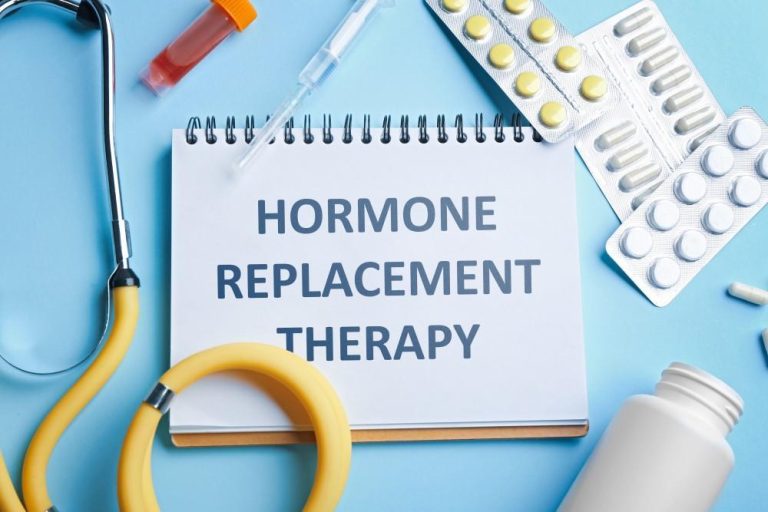
Hormone replacement therapy (HRT) is a synthetic hormone treatment to reduce symptoms in women who have menopause.
HRT is used to help increase the amount of oestrogen especially, but also progesterone in the menopausal woman’s body to decrease the symptom associated with menopause.
The hormones used in HRT are basically the same as the ones used in the contraceptive pill, but the only differences are with HRT, the oestrogen is either synthetic or comes from an animal source – from pigs’ ovaries or from the urine of pregnant mares and the dosage of oestrogen is lower in HRT (while progesterone is the same) and the schedule of dosage is different.
HRT types
Types of HRT
There are a number of different types of HRT therapy that are available for women:
- Oestrogen only
- Progesterone only
- Oestrogen and progesterone combined
The hormone replacement therapy medication can be taken a number of different way, with varying results.
Hormones in the form of tablets
Most HRT is through the prescription of tablets and there are over 50 different combinations of oestrogen and progesterone available in tablet form.
Sometimes both oestrogen and progesterone are combined in one tablet and sometimes they are taken separately in one of the following ways:
- Cyclical therapy – this is where oestrogen is taken for the first 21 days of the cycle and progesterone taken only from day 9 to 21. The next seven days are tablet free and then the cycle starts again. On around day 23, the lining of the uterus is shed and light bleeding (without pain) occurs for a few days
- Continuous therapy – this is where oestrogen is taken every day and progesterone is taken from day 14 to 25. After day 25 the lining of the uterus begins to be shed and light bleeding (without pain) occurs for a few days. Cyclical therapy is usually only prescribed for women over 55 who have stopped menstruating for one year
There are a number of advantages and disadvantages to the tablet form of HRT:
- Advantages – they are convenient (small and easy to carry); easy to take – daily dosage is written on the blister pack; easy to alter the dosage level
- Disadvantages – continuation of menstruation (albeit artificial) can be bothersome for some women; cost is quite high, especially when the oestrogen and progesterone need to be taken (and purchased) separately; spotting and bleeding for some women
Tibolone (Livial)
This is another form of HRT which consists of oestrogen, progesterone and androgen in one tablet, which is taken once a day. It is recommended for women whose menstrual cycle has stopped for one year, as it can cause some vaginal bleeding.
There are a number of advantages and disadvantages to taking Tibolone HRT:
- Advantages – a continuous therapy (so you dont have to think about which day to start and top taking tablets); helpful for women who get bad side effects to the artificially produced progesterones (progestogens); the androgen helps to lift libido an energy
- Disadvantages – women who have had an hysterectomy (either with or without ovary removal) have no reason to take these tablets
Transdermal patches
Transdermal patches are small patches that stick onto the skin and which supply a regular, but small dose of oestrogen through the skin and into the blood stream. The patches are applied below the waist and need to be replaced every 3-4 days, on different parts of the lower body. In addition to this, progesterone still needs to be taken in tablet form from days 14-25. A combined oestrogen-progesterone patch is available which can be used by women who still have a uterus and needs to be replaced every 3-4 days, on different parts of the lower body.
Transdermal patches seem to be more effective at reducing severity and frequency of menopause symptoms such as: hot flushes, sweating and headaches.
There are a number of advantages and disadvantages to taking transdermal patches for HRT:
- Advantages – provides a gradual, steady stream of hormones. The hormones in the patches are released directly into the blood and bypass the liver, so women who have a history of liver disease are candidates to take this type of HRT. There is no requirement to take a tablet every day
- Disadvantages – some women get an allergic reaction to the adhesive on the patch, causing an itchy rash and they need to abandon HRT through this form. The initial side effects may cause some women to become hyperactive and fidgety; the patches do no adhere if having a bath (but shower is usually fine; sweating can cause the patch to become loosened; is not very aesthetically pleasing; progesterone tablets still need to be taken on a number of days (unless the combination patch is used); patches are usually more expensive than tablets and there is also the cost of the progesterone tablets (if being taken separately)
Hormone implants
Hormone implants are small pellets (around the size of a pip of an apple) that are inserted under the skin (in the layer of fat under the skin) through a medical procedure that is usually done by a gynaecologist in the surgery or in hospital under local anaesthetic. The skin needs to be cut a little to allow the implant to be inserted into the skin and afterwards, it is closed with a stitch or some plaster.
The oestrogen hormone inside the implant is released gradually and can last up to nine months. Women who still have a uterus are prescribed progesterone tablets in addition to the implant.
There are a number of advantages and disadvantages to taking hormone implant HRT:
- Advantages – the oestrogen in the implant goes straight into the bloodstream and bypasses the liver so it is a useful HRT for women with a history of liver disease; convenient – inserted once and can be forgotten for months
- Disadvantages – once implant is inserted, it cannot be removed very easily (if side effects occur or if dosage is too high or too low); only women who have had a hysterectomy do not need to also take progesterone tablets too; the effectiveness of transdermal implants seem to be reduced over time, with replacement required at shorter intervals over time
Nasal sprays
Nasal spray as a form of HRT is quite new and involves spraying the oestrogen from a metred-dosage pump. The oestrogen is then absorbed through the lining of the nose and travels into the bloodstream and mimics naturally produced oestrogen by the body more closely than any of the other forms of HRT. Women who have had a hysterectomy still need to take progesterone tablets for at least 12 days of the cycle.
While women who have nasal problems may not be able to take this form of HRT, women who just have a cold should still be able to use this form (they just need to blow their nose prior to spraying into the nose and avoid blowing their nose for at least 15 minutes after taking a dose).
There are a number of advantages and disadvantages to taking nasal spray HRT:
- Advantages – the oestrogen in the nasal spray goes straight into the bloodstream and bypasses the liver and intestines, so it is a useful HRT for women with a history of liver disease; relieves moderate to severe symptoms in menopausal women; dosage changes (higher or lower) are easy to achieve; cost is comparable to patches or gel
- Disadvantages – long term effects have not yet been proven (as it is still quite a new form of HRT); effect on bone mineral density is not yet known
Vaginal creams
Oestrogen in cream form can be inserted into the vagina from an applicator that already has the dosage. This is the way that HRT is used to treat the menopause symptom of vaginal dryness. Vaginal cream if often recommended for women who still experience a dry vagina even when they take the oral or patch forms of HRT.
There are a number of advantages and disadvantages to taking vaginal cream HRT:
- Advantages – rapid treatment and relief of vaginal dryness; reversible if no longer required
- Disadvantages – can be messy and hard to apply; dosage may be difficult to control and excess of oestrogen may increase risk for cancer of the uterus; does not help to reduce hot flushes (as dosage of oestrogen is usually too low); vaginal cream should not be used prior to sexual intercourse with a man that is not wearing a condom, as he could absorb enough of the oestrogen in the cream to cause him side effects, such as breast enlargement
Vaginal rings (estring)
A vaginal ring is a silicon device which contains a small amount of oestrogen that is slowly released. The vaginal ring is inserted high in the vagina (as close to the cervix as possible) where it stays for three months and can be used up to two years.
Since the vaginal ring only provides oestrogen locally, to the vaginal area (to treat vaginal dryness or atrophy), many doctors believe that it is safe to use on women who have had breast cancer. The ring can be removed before sexual intercourse and replace against afterwards if it causes any discomfort if it is while in place.
There are a number of advantages and disadvantages to taking vaginal ring (estring) HRT:
- Advantages – can be removed very easily if required; oestrogen levels are constant while the vaginal ring is in place; very flexible and easy to handle
- Disadvantages – some women dislike having a vaginal ring inserted in their vagina and feel uncomfortable with it being placed inside; women who have had a hysterectomy may have some difficulty keeping the vaginal ring in place
Advantages
Advantages of HRT
There are a number of advantages of hormone replacement therapy (HRT) for some women. The disadvantages of using HRT may be greater than the advantages for many women.
- Great reduction in hot flushes
- Reduction in night sweats
- Reduction in insomnia
- Reduction in vaginal dryness
- Increase of libido
While hormone replacement therapy is one way to alleviate symptoms of menopause, HRT is not suitable for all women in any case.
Disadvantages
Disadvantages of HRT
While there are a number of advantages for women using HRT, there are also a great number of disadvantages.
A number of major studies looking at the effects of hormone replacement therapy (HRT) on menopausal women have been discontinued because there was an increased amount of women that developed the following conditions: coronary heart disease, stroke, thrombosis (DVT), breast cancer, ovarian cancer. The amount of women that developed these conditions was quite a lot higher than the control group of women that were not taking HRT.
The results of this study (which was aborted before completion) has been a concern to many women who were (or are considering) taking HRT for their menopause symptoms.
There are a number of scientifically proven alternative treatments for menopause which can be used to help treat symptoms very effectively (and without many side effects at all).
Suitability
Is HRT suitable for all menopausal women?
Hormone replacement therapy (HRT) is definitely not suitable for all menopausal women.
Women with following conditions will be advised against trying HRT to relieve menopausal symptoms. These women should seek medical advice about alternatives to HRT:
- Endometriosis
- Existing and active liver disease
- Existing and active thrombophlebitis (inflammation of a vein together with clot formation) or thromboembolism (where a blood clot blocks a blood vessel a distance from where it was first formed)
- Existing or recent oestrogen-sensitive breast cancer or tumour
- Existing or recent uterine cancer
- Existing or recent vaginal bleeding or unknown causes
- Gallbladder disease
- High blood pressure exacerbated by oestrogen
- History of breast cancer
- History of liver disease
- History of stroke
- History of temporary ischemic attach (temporary mini strokes, that interfere with the blood supply to the brain)
- History of uterine cancer
- Large uterine fibroids
- Migraine headaches exacerbated by oestrogen
- Pancreatic disorders
- Recent heart attack
Women with at least one (or more) of the following conditions should discuss HRT in depth with their doctor to determine if they really are a suitable candidate for using HRT (and most will not be):
- Alcoholism
- Diabetes
- Dublin-Johnson syndrom (unexplainable jaundice)
- Epilepsy
- Family history of oestrogen-dependent cancers of the breast, ovaries or uterus
- High blood cholesterol or triglyceride levels
- High blood pressure
- Kidney disease
- Immune system disorders
- Multiple sclerosis
- Smokers
- Varicose veins
Side effects
Side effects of HRT
Some women experience no side effects when taking HRT, while a great number of others do experience numerable side effects from those which are very mild and are generally not too bothersome, to side effects which can be literally dangerous to their health.
Initial side effects
These can be experienced initially while on HRT, but they usually go away after a short while:
- Breast tenderness or pain
- Headaches
- Increase in appetite
- Muscle cramps, especially in the calves
- Sensitivity in the nipples
More serious side effects
These are usually more infrequently experienced, but if they occur, need to be reported to your doctor:
- Acne
- Breathing problems (lower respiratory problems)
- Depression
- Diarrhoea
- Gastrointestinal problems (nausea, vomiting)
- Hair loss from scalp
- Heart palpitations
- Higher blood pressure
- Increase in size of pre-existing uterine fibroids
- Increased body or facial hair
- Migraines
- Muscle or joint pains
- Pain or swelling in the upper leg / thighs
- Sensitivity to light
- Skin rashes
- Swollen ankles
- Vaginal bleeding (in the middle of the cycle, day 14)
Strategies help you alleviate side effects of HRT
The best way to alleviate side effects when taking hormone replacement therapy (HRT) is to treat the symptoms that occur individually.
Some of the main symptoms and the way to alleviate them:
- Breast (and nipple) tenderness / pain – this requires more water intake to help reduce the pain and swelling in the breasts and nipples, often associated with taking more oestrogen. Some doctors advise taking painkillers. An alternative to medication is evening primrose oil – it is very effective in reducing breast / nipple tenderness and pain associated with hormone imbalances
- Gastrointestinal problems – the herb slippery elm, especially in powder form, is an excellent alternative remedy for any type of gastrointestinal ailments (it helps to restore the mucous membranes and allow normal function); peppermint is another herb which is recommended for reducing spasms associated with problems in the gastrointestinal system; chamomile tea is beneficial for calming down the gastrointestinal tract
- Headaches – these benefit from taking the mineral magnesium, which helps to reduce muscle spasms and so relaxes the muscles that may be tensed up that could be contributing to the headaches
- Muscle cramps – the mineral magnesium is a muscle relaxant and can greatly reduce any cramps or pains in the muscles
- Weight gain – keep a diary on the food you eat, when and where you eat it, whether you ate alone or with others and how you felt when you ate; this will help you become more aware of how much food you really eat and the stimulii associated with your eating habits to determine if the HRT is causing your weight gain, or if it is something else. If weight gain continues, it may be necessary to cease HRT and seek alternative solutions for your menopause symptoms
Stop HRT
How to stop taking HRT
Women who want to stop taking their current hormone replacement therpay (HRT) medication need to consult their doctor on the best way to gradually cease these medications.
HRT should not be stopped suddenly, as symptoms may suddenly get much worse, but rather treatment doses should be taperd over a period of about 1 month for each year on HRT.
Once off HRT there are three possible scenarios that can occur:
- No noticeable difference
- Marked feeling of well being
- Mild to severe withdrawal symptoms – these can last from a few days to much longer than a few weeks and this is because the body is now being forced to manage its own hormones naturally (without synthetic assistance) and it may take a little while for the body to adjust to this new environment. A common withdrawal symptom is flushing of the face
Alternatives
Alternatives to HRT
There are a number of scientifically proven alternatives to hormone replacement therapy (HRT) that will be of benefit to most women with menopausal symptoms:
Soya foods
Soya beans are an excellent complete protein food which has been used as part of everyday cooking in many Asian countries, such as Japan and China for centuries.
Very few women from Japan or China have severe menopause symptoms (unlike their Western sisters in countries such as Australia, USA, Canada and UK) and researchers believe this is directly related to the amount of soy foods they consume on a regular basis all their life. The higher soy intake in their diet is attributed to the relatively easier passage into menopause (up to 80% less symptoms) than Western women.
Researchers believe the reason for the relatively low incidence of menopause symptoms in Japanese and Chinese women is because of the phytoestrogens in soya, which are chemically similar to the natural oestrogen that is produced in the body (and especially to estradiol, which is the most active form of oestrogen produced during menopause). The bacteria in the stomach / intestines act on the phytoestrogens to enable them to bind to oestrogen receptors in the body and help to “trick” the body into thinking there is adequate oestrogen in the body for normal function.
The main phytoestrogens are:
- lignans
- flavones
- isoflavone (the strongest acting)
They exist in a number of plant-based foods, such as legumes (peas, beans, chickpeas, lentils) and flaxseeds. There are a number of foods high in phytoestrogens which should be incorporated into the diet.
The estrogenic effect of soy (and other legumes) is much weaker than the oestrogen produced within the body and very much weaker than synthetic oestrogen hormone. The issue with the oestrogens produced by the modern diet is that they are too strong (and allow too much of oestrogen to be circulating through the body as there is no fibre or other beneficial substances to help remove the excess oestrogen) and have the potential to increase the risk of conditions such as oestrogen-dependent cancers.
In addition to this, there are the xenoestrogens which are found in many environmental chemicals, cosmetics, plastics, household cleaners, paints, floor varnish, pesticides, as well as hair, body and face care products. These xenoestrogens have a similar molecular structure to natural oestrogen, so they can trigger oestrogen-like activity in the body, or they can disrupt the natural oestrogen activity in the body, with adverse results – they can trigger oestrogen-dependent cancers of the breast, ovaries or uterus.
Soy isoflavones compete with the estrogens produced naturally in the body as well as with xenoestrogens and the isoflavones attach themselves to the oestrogen receptors on the cells of the body and prevent the excess oestrogen-like activity that could otherwise occur.
Diet
In order to provide the most nutritional value to help a woman have relief from symptoms (or prevent them altogether), the following are some recommendations on diet:
- Eat more foods rich in B vitamins – these foods are needed to balance and nurture the nervous system and reduce mood changes, irritability and depression symptoms associated with menopause. Best foods are those high in: vitamin B1 (thiamine), vitamin B2 (riboflavin), vitamin B3 (niacin), vitamin B5 (pantothenic acid), vitamin B6 (pyridoxine), vitamin B12 (cobalamin)
- Eat more foods rich in calcium – this is because calcium is especially needed to help prevent bone loss which is a high risk in menopausal women. Best foods high in calcium are: milk, yoghurt, cheese, salmon (with bones), leafy green vegetables, chickpeas, sesame seeds
- Eat more foods rich in iodine – the mineral iodine helps the thyroid balance metabolism and manages weight, which may be beneficial for menopausal women
- Eat more fruits – fruits contain vitamins, minerals, phytonutrients and phytoestrogens, which can all help the body deal more effectively with menopause
- Eat more nuts and seeds – these foods have a slightly estrogenic effect through the phytoestrogens they contain and so can help to reduce symptoms by regulating hormone levels, plus they provide calcium, magnesium, B vitamins and whole range of other vitamins and minerals
- Eat more vegetables – vegetables contain vitamins, minerals, phytonutrients and phytoestrogens, which can all help the body deal more effectively with menopause
- Decrease intake of refined and processed foods – these foods just put more stress on the body, provide little nutritional value, yet are high in fat, sodium and calories and may so exacerbate menopause symptoms
- Limit intake of alcohol – menopausal women should severely restrict intake of alcohol as it just makes hot flushes and night sweats worse because alcohol elevates body temperature
- Limit intake of saturated fat – studies show that high saturated fat intake, is associated with an increase in the risk of heart disease. Women who are menopausal are at increased risk of heart disease as it is, so a high fat diet can increase that risk even further
- Limit intake of spicy foods – the spices can make hot flushes and night sweats worse, as spices can elevate body temperature
Physical therapy
Physical activity is important for relief of menopause symptoms and the following are recommended on a daily basis:
- Cardio workout – physical exercise that elevates heart rate up to 75% of maximum rate helps to condition the heart to function better. Menopausal women are at greater risk of heart problems and any type of physical activity is beneficial but especially cardio
- Meditation – while not literally a physical activity, meditation is vital to help the body and mind relax to provide a better basis for dealing with symptoms
- Weight bearing exercise – studies show that women over 40 especially should all be doing weight bearing (or resistance) exercise, to help reduce any potential bone los and this can reduce risk of osteoporosis
- Yoga – this is a great way to exercise; it provides resistance training and is a great way to meditate and relax. There are a number of different yoga techniques that can be practiced
Vitamins and minerals
There are a number of vitamins and minerals that are especially needed during menopause:
Other nutrients
There are a number of other nutrients that are useful for dealing with menopause symptoms and they are as follows:
- Lecithin – this is a by produce of soy. Lecithin contains essential fatty acids which are excellent for menopausal women. Use only certified organic, non-GM lecithin
- Omega-3 essential fatty acids – the omega-3 EFAs can help the brain function better (helping with congnition, memory and mood). Inthis way omega-3 may help to reduce risk of mood problems and depression
- Omega-6 essential fatty acids – the omega-6 EFAs are also required in balance with omega-3 EFAs to help the body combat any inflammation and assist hormones to function more normally
- Taurine – the conditionally essential amino acid taurine is beneficial for reducing incidence and severity of hot flushes and night sweats
- Tryptophan – the essential amino acid tryptophan can be useful to help with mood changes, irritability and depression, as well as helping to improve sleep
Herbs
Many herbs have been successfully used for centuries to help women overcome severe symptoms associated with menopause symptoms and some of these are:
- Agnus vitex castus – is useful for modulating and regulating the hormones of menopausal women who’ve have had their ovaries removed (or destroyed through radiation therapy or chemotherapy). It can also help to reduce some of symptoms associated with mood swings and anxiety
- Ashwagandha – also known as Withania somnifera. This herb has been used in India for centuries. It is an adaptogen, so it helps the body better handle stress, reduces anxiety, reduces insomnia so it promotes sleep. It also helps to increase energy, focus and concentration
- Black cohosh – has a mild estrogenic effect. It has a stabilising effect on the hormones and can reduce some of symptoms associated with mood swings and anxiety. It helps to normalise all the female hormones and relieve symptoms of menopause. It reduces hot flushes and night sweats
- Dong quai – also known as Angelica sinesis. It has been used in Chinese medicine for hundreds of years for all female-related ailments. Angelica sinesis helps to balance the hormones and relieves hot flushes
- Panax ginseng – used for centuries in Chinese medicine as an adaptogen. It helps the body adapt to handle any stress. It is beneficial in helping to keep the vagina moist and which reduces vaginal dryness
- Sage – is very effective at reducing menopausal symptoms such as hot flushes and night sweats
- St John’s wort – has been shown in many studies to have reduced depression and anxiety in many women
- Wild yam – the wild yam found in many regions contains a substances called diosgenin, which is a natural form of progesterone. It can help to reduce all symptoms associated with menopause. Be careful with it as it can cause allergies in some sensitive women
Only a qualified herbalist can prescribe a herbal remedy for a woman’s individual menopausal symptoms. All individual factors need to be taken into consideration when herbs are prescribed. What is suitable for one woman may not be suitable for another. Never self-prescribe herbs. Always seek the advice of a naturopath, in conjunction with your doctor.
References
References
- Ojeda L. Menopause Without Medicine: The Latest Research on Plant Oestrogens, Herns and Other Natural Remedies. HarperCollins Publishers, 1998
- Osieki H. The Physician’s Handbook of Clinical Nutrition. Sixth Edition, BioConcepts Publishing, 2001
- Phillips E and the Editors of Prevention. Everything You Need to Know About Menopause: A Comprehensive Guide to Surviving – and Thriving! – During This Turbulent Life Stage. Rodale, 2003
- Smith M, Michalka P. Is it Me or My Horomes: Understanding Midlife Change. Second Edition. Finch Publishing, 2006
- Stanway P. Natural Guide to Women’s Health – Natural and Medical Solutions for Gynaecological Ailments. Kyle Cathie Publishing, 2003
- Stewart M. Beat Menopause Naturally. Commotion Publishing, 2004
- Trattler R, Jones A. Better Health Through Natural Healing: How to Get Well Without Drugs or Surgery. Hinkler Books, 2001
- Hormone replacement therapy. National Institutes of Health, USA. Accessed 2 August 2024
- Hormone replacement therapy: is it right for you? Cedars-Sinai, USA. Accessed 2 August 2024
- Hormone therapy: benefits & risks. North American Menopause Society. Accessed 2 August 2024
- Menopausal hormone therapy and cancer. National Cancer Institute, USA. Accessed 2 August 2024
- Menopause management options. Jean Hailes, Australia. Accessed 2 August 2024
- Menopause treatment options. Australasian Menopause Society. Accessed 2 August 2024
- What is menopausal hormone therapy (MHT) and is it safe? Australasian Menopause Society. Accessed 2 August 2024
Last reviewed and updated: 2 August 2024