Astragalus

Facts

Important astragalus facts

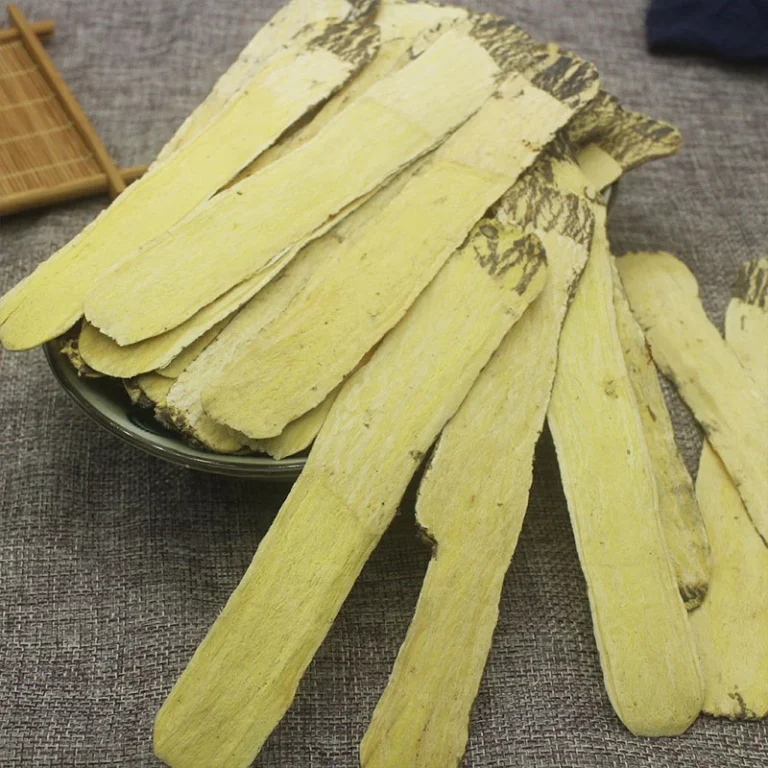
Astragalus (Astragalus membranaceus) is a traditional Chinese herb that’s been used for centuries in herbal medicine. It’s known as Huang Qi in Traditional Chinese Medicine (TCM). The root of the plant is the part most often used, typically dried and made into teas, extracts, powders, or capsules.

Astragalus is considered an adaptogen – meaning it helps the body adapt to stress and restore balance. In TCM, it’s prized for supporting vitality, resilience and immunity. Modern herbalists and naturopaths often recommend it for people who need to strengthen their immune system, improve recovery or boost energy levels.

Astragalus works best with

Astragalus is often most effective when combined with other supplements. Here’s a breakdown of what astragalus works well with and why:

Herbs

  • Echinacea – works really well with astragalus for immune support (especially short-term use during colds)
  • Reishi mushroom (Ganoderma lucidum) – enhances astragalus’ immune-modulating and adaptogenic effects
  • Siberian ginseng (Eleutherococcus senticosus) – greatly improves stamina and energy when combined with astragalus
  • Schisandra berry – another adaptogen, supports stress resilience and liver health when combined with astragalus
  • Ginger & licorice root – these are often combined in traditional Chinese formulas for digestion, immunity and vitality. People with any type of heart conditions should avoid licorice

Vitamins

  • Vitamin C – astragalus enhances vitamin C’s immune-boosting and antioxidant effects
  • Vitamin D – this vitamin is vital for immune regulation and it works well with astragalus to maintain immune health
  • B-complex vitamins – together, they support energy metabolism and recovery from fatigue

Minerals

  • Magnesium – supports stress resilience, sleep, and energy production
  • Zinc – essential for immune cell activity, works well with astragalus for fighting infections
  • Selenium – works with astragalus’ antioxidant properties to reduce oxidative stress

Amino acids

  • N-acetylcysteine (NAC) – boosts glutathione levels and antioxidant defences
  • Glutamine – supports gut lining and immune health, pairs well with astragalus for overall immunity
  • Arginine – promotes circulation and immune response and it complements astragalus’ cardiovascular support

Other supplements

  • Probiotics – work with astragalus to strengthen gut-immune connection
  • Omega-3 fatty acids (fish oil or algae oil) – reduce inflammation and support immune regulation
  • Coenzyme Q10 (CoQ10) – supports energy and cardiovascular health, especially in older adults but make sure you buy the ubiquinol version of CoQ10 as that is the active form and will be absorbed more readily and have more potent and be most helpful

Best complimentary supplements with astragalus

  • Astragalus + Vitamin C + zinc → general immune support
  • Astragalus + Reishi + B vitamins → energy and resilience
  • Astragalus + Omega-3 + selenium → antioxidant and anti-inflammatory support

Important supplement info

  • Short term immunity – combining astragalus with immune-stimulating herbs like echinacea is best during cold and flu season
  • Long-term vitality – astragalus is usually paired with adaptogens like reishi or ginseng

Always check any supplements with a qualified practitioner if you’re on medications or have a medical condition

Health

Astragalus and health

Evidence (from both traditional use and modern studies) suggests Astragalus may:

  • Kidney and liver support – sometimes used in chronic conditions under professional guidance.
  • Support immune function – helps defend against colds and infections.
  • Increase energy and stamina – especially useful for fatigue.
  • Support cardiovascular health – may help circulation and blood vessel function.
  • Aid recovery – supports healing and resilience after illness.
  • Anti-ageing properties – antioxidants may protect cells from damage.

Deficiency

Groups at risk of astragalus deficiency

Astragalus is not considered important or necessary for human survival, so no deficiency exists. But some people may benefit from astragalus supplementation:

  • People with low immunity who catch colds easily
  • Those experiencing chronic fatigue or low energy
  • Individuals recovering from illness or stress
  • Older adults looking for immune and vitality support
  • People under ongoing physical or mental stress

Always talk to your doctor before you try astragalus, especially if you are already taking medication or have have a medical condition.

Food sources

Astragalus food sources

Astragalus only comes from one source – astragalus plant and in particular, the root.

Supplements

Astragalus supplement types

There are many ways you can take astragalus and these include:

  • Dried herb as a tea – sliced dried root simmered in water, sometimes added to soups
  • Capsules or tablets – provided as standardised extracts
  • Powder – this can be mixed into smoothies or drinks
  • Tincture or liquid extract – usually taken in drops with water

Astragalus is usually found in health food shops or pharmacies and online.

Dosage

Astragalus recommended dosage

Dosage varies as it depends on how you’re taking it. It’s best to follow practitioner advice or the instructions on the product. Here are some general guidelines:

  • Dried root tea: 9–30 g daily (traditionally used in TCM)
  • Capsules/Tablets (extract): usually 500 mg – 2,000 mg a day (but check label instructions and start with the lowest dose)
  • Tincture: Approx 2–4 mL, 2–3 times a day

Toxicity

Overdosage, toxicity and cautions for astragalus

Astragalus is generally considered safe, but possible side effects include:

  • May interact with certain medicines (see below).
  • Mild digestive upset (diarrhoea, bloating).
  • Allergic reactions (rare, more likely in people allergic to legumes).

Precautions

Precautions

Astragalus is generally recommended only for long-term immune support, not during acute feverish illnesses. Some people should avoid it:

  • Pregnant or breastfeeding women – the safety of astragalus is not well studied and these women should avoid any supplementation
  • People with autoimmune conditions – astragalus may cause immune system over-stimulation and symptom relapse in people with conditions such as lupus, rheumatoid arthritis, multiple sclerosis
  • Transplant patients – astragalus can interfere with immunosuppressant medications
  • People taking certain medications – people on medications such as blood thinners, blood pressure medicines, diuretics, or immunosuppressants

Interactions

Interactions with astragalus

Medication interactions

Astragalus may have adverse interactions with the following medications:

Medication / categoryPotential interactionNotes
Immunosuppressants (eg cyclosporine, tacrolimus, corticosteroids)May reduce the effectiveness of these medicationsAvoid in transplant patients & autoimmune conditions
Anticoagulants / Antiplatelets (eg warfarin, aspirin, clopidogrel)May increase the risk of bleedingMonitor clotting/bleeding signs
Antihypertensives (eg ACE inhibitors, ARBs, beta-blockers, diuretics)May enhance blood pressure–lowering effectRisk of dizziness or hypotension (very low blood pressure)
Diuretics (loop, thiazide, potassium-sparing)Additive diuretic effectCan increase fluid/electrolyte loss
Antivirals (eg HIV medications)May alter the immune responseUse with caution; evidence limited
Autoimmune disease medications (eg biologics for RA, MS, lupus)May overstimulate the immune systemCould worsen disease activity and cause a relapse in symptoms

Health conditions

People with the following health conditions should avoid taking astragalus:

  • Autoimmune diseases (lupus, rheumatoid arthritis, multiple sclerosis) – astragalus may overstimulate the immune system and cause relapse in symptoms
  • Transplant recipients– astragalus can interfere with necessary immunosuppression medications and cause the body to reject the transplanted organ
  • Pregnancy/breastfeeding – the safety of astragalus in these women and their fetus or baby is not established

Astragalus is usually safe for healthy adults. It should be avoided by people taking immunosuppressants, anticoagulants and certain cardiovascular medications unless approved by a doctor.

References

References

Chen X, Wang Y, Zhao J, et al. The effect of Astragalus on humoral and cellular immunity: a systematic review and meta-analysis of randomized controlled trials. Complement Med Res 2023;30(6):535–48.

Zhang Y, Liu J, Wang X, et al. Immunomodulatory activities of Astragalus polysaccharides: a review of recent developments and perspectives. Arch Pharm Res 2022;45:879–96.

Qin T, Wu Y, Chen Y, et al. Astragalus membranaceus: a review of traditional uses, phytochemistry and pharmacology. Front Nat Prod 2022;1:971679.

Auyeung KK, Han QB, Ko JK. Astragali Radix (Huangqi): a promising Chinese herb for the treatment of chronic fatigue syndrome and other fatigue-related disorders. J Ethnopharmacol 2019;231:637–44.

Zhang S, Xu X, Liu Y, et al. Effects of Astragalus polysaccharides supplementation on immune function in cancer patients: a systematic review and meta-analysis. Naunyn Schmiedebergs Arch Pharmacol 2025;398:137–51.

Liu QY, Yao YM, Zhang SW, et al. Effects of Astragalus extract on macrophage migration and immune mediator secretion. Molecules 2004;9(6):725–30.

Memorial Sloan Kettering Cancer Center. Astragalus. The ASCO Post 2020;11(18):78–9.

Merck Manual Professional Edition. Astragalus. Kenilworth, NJ: Merck & Co., Inc.; 2021. Available from: https://www.merckmanuals.com/professional/special-subjects/dietary-supplements/astragalus

ScienceDirect Topics. Astragalus. Elsevier; 2022. Available from: https://www.sciencedirect.com/topics/pharmacology-toxicology-and-pharmaceutical-science/astragalus

CancerChoices. Astragalus: Safety. CancerChoices.org; 2023. Available from: https://cancerchoices.org/therapy/astragalus/safety

Last reviewed and updated: 15 August 2025

Ashwagandha

Facts

important Ashwagandha facts

Ashwagandha is small evergreen shrub in the Solanaceae (nightshade) family. It is known as an adaptogen, which means it helps the body adapt to physical, emotional, and environmental stress. It helps to promote balance in the body without stimulating or sedating. It works to support multiple body systems at once in ways that the body need.

  • It grows mainly in India, the Middle East, and parts of Africa
  • Known as Indian ginseng (though unrelated to Panax ginseng) and winter cherry
  • In Sanskrit, Ashwagandha means smell of horse (ashwa = horse, gandha = smell), referring to the root’s odour and its traditional association with strength and vitality
  • Used for over 3,000 years in Ayurveda as a rasayana (rejuvenating tonic)
  • Believed to promote strength, stamina, longevity, and resilience to stress
  • It is also known as Withania

Ashwagandha’s adaptogenic actions

  • HPA axis regulation – this means Ashwagandha modulates the hypothalamic-pituitary-adrenal (HPA) axis, which governs stress response. This lowers cortisol levels in clinical trials, reducing the physiological burden of chronic stress
  • Neurotransmitter balance – it influences GABA’s neurotransmitter activity by calming it and possibly affects serotonin pathways in positive ways. It supports relaxation without causing sedation
  • Immune modulation – it enhances the immune response when it’s low, but doesn’t overstimulate stress-related immune dysfunction. This bidirectional effect is typical of adaptogens
  • Energy and resilience – traditionally believed to impart the strength of a horse

In modern times, it’s one of the most researched adaptogens, studied for stress reduction, sleep improvement, athletic performance, and cognitive health. Studies show improvements in energy, endurance, and recovery without being a stimulant.

Health

Ashwagandha and health

Ashwagandha is considered good for health because it supports whole body balance. It reduces stress, enhances energy, improves sleep and strengthens both physical and mental resilience. Health benefits in detail include:

Stress reduction

  • Ashwagandha is one of the best studied adaptogens
  • Clinical trials show it can reduce cortisol (the stress hormone) and lower scores on validated anxiety and stress scales
  • Works by modulating the HPA axis (hypothalamic–pituitary–adrenal system), which regulates the stress responses

Improved sleep

  • Shown to increase total sleep time and sleep quality in people with insomnia and poor sleep patterns
  • Appears to improve both sleep onset (falling asleep faster) and sleep maintenance (fewer awakenings)
  • Works by calming the nervous system, partly through the effect of the neurotransmitter GABA

Energy and vitality

  • Traditionally used as a rasayana (rejuvenator) in Ayurveda for improving stamina and resilience
  • Studies in healthy adults and athletes show improvements in energy, endurance and reduced fatigue
  • Provides steady support without being a stimulant

Cognitive support

  • Preliminary evidence suggests better memory, focus and information processing speed
  • Believed to protect brain cells from oxidative stress and support neurotransmitter balance
  • May help reduce “mental fog” associated with stress and fatigue

Physical performance

  • Multiple trials report improvements in muscle strength, aerobic capacity (VO₂ max) and recovery when combined with training
  • Useful for athletes and those looking to improve exercise performance or recovery

Immune modulation

  • Supports both innate and adaptive immunity
  • Can boost immune response when low, but also reduce excess inflammation — a hallmark of adaptogens
  • This balancing effect may help with resilience to infections and stress-related immune suppression

Metabolic benefits

  • Some studies show there are improvements in fasting blood sugar and cholesterol levels
  • May support insulin sensitivity and reduce oxidative stress that contributes to metabolic syndrome

Hormonal and reproductive health

  • Traditionally prescribed for male fertility and vitality
  • Research shows it can improve sperm count, motility and testosterone levels in men with fertility concerns
  • May also help with stress-related reproductive hormone imbalances in women

Deficiency

Deficiency

There is no known deficiency in Ashwagandha as it isnt vital to human health. Some people might want to take it for specific health concerns:

Stress and anxiety

  • Clinical studies show ashwagandha lowers cortisol (the body’s main stress hormone)
  • Helps regulate the HPA axis (hypothalamic–pituitary–adrenal system), improving how the body adapts to stress
  • Can reduce symptoms of generalised anxiety, tension and stress-related fatigue

Sleep issues

  • Shown to improve both sleep onset and quality, particularly in people with insomnia
  • May enhance slow-wave sleep (deep, restorative sleep stages)
  • Does not act like a sedative but calms the nervous system via GABA-like activity

Low energy or vitality

  • Used in Ayurveda as a rasayana (rejuvenation) for stamina, strength and recovery
  • Helps reduce fatigue linked to stress or illness
  • Provides steady energy without over-stimulation, unlike caffeine

Cognitive support

  • Recent studies suggest it provides improvements in working memory, focus and reaction time
  • Protects neurons against oxidative stress and inflammation, supporting long-term brain health
  • May reduce “mental fog” and improve mental clarity under stress

Exercise and recovery

  • Clinical trials show increases in muscle strength, muscle size and endurance when combined with resistance training
  • Improves VO₂ max (aerobic capacity), meaning better cardiovascular fitness
  • May reduce exercise-induced muscle damage and speed up recovery

Metabolic balance

  • Studies indicate support for healthy blood sugar regulation by improving insulin sensitivity
  • May reduce LDL (bad) cholesterol and triglycerides while supporting HDL (good) cholesterol
  • Antioxidant effects may reduce oxidative stress that contributes to metabolic syndrome

Reproductive health

  • In men, research shows improvements in sperm count, motility and testosterone levels, especially in stress-related infertility
  • Traditionally used to promote male vitality and reproductive strength
  • Some studies suggest potential for women with stress-related menstrual cycle irregularities, though more research is needed

Immune resilience

  • This balancing effect supports resilience during times of chronic stress or illness
  • Acts as an immune modulator, helping balance both under-active and over-active immune responses
  • May increase white blood cell activity when needed (low immunity), yet calm excessive inflammation

Food sources

Ashwagandha food sources

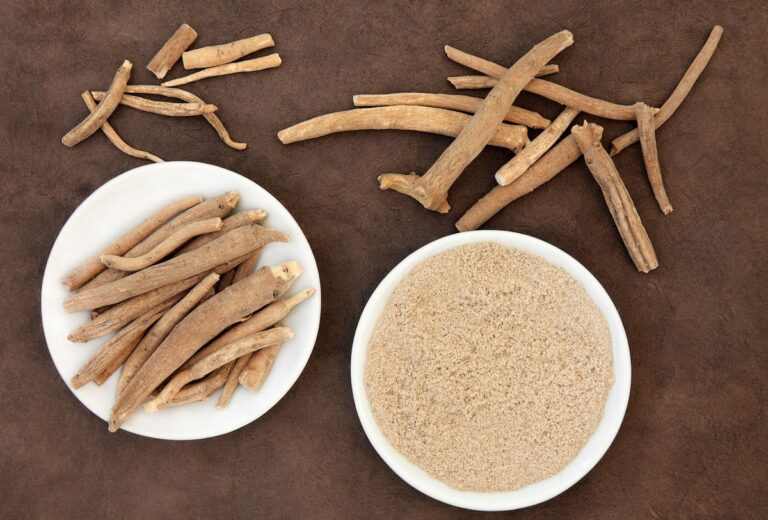
Ashwagandha is not a dietary nutrient. It can only be obtained from the root and leaves of ashwagandha and supplements

Supplements

Types of ashwagandha supplements

Root powder (traditional form)

  • Finely ground dried root
  • Commonly used in Ayurveda mixed into warm milk, ghee, honey or water
  • Typical dosage: 3–6 g per day
  • Less concentrated, larger amounts required for therapeutic effect

Standardised root extract

  • Concentrated extract, usually standardised to 5% withanolides
  • Most clinical studies use this form (e.g. KSM-66®, Sensoril®)
  • Typical dosage: 300–600 mg per day
  • Available in capsules, tablets or bulk powder

Capsules and tablets

  • Convenient form containing root powder or standardised extract
  • Common doses: 250–600 mg per capsule
  • Usually taken once or twice daily with meals

Liquid extracts and tinctures

  • Alcohol or glycerin-based liquid extracts
  • Useful for faster absorption or those who prefer not to take capsules
  • Dosage depends on concentration, typically 2–4 mL per day

Gummies

  • Growing in popularity as a user-friendly option
  • Contain measured amounts of extract, often 150–300 mg per gummy
  • May be combined with other calming herbs (eg lemon balm, valerian)

Teas

  • Usually combined with other herbs in herbal tea blends
  • Dried root pieces or powder brewed into tea
  • Less concentrated and often used for general wellbeing or relaxation

Key supplements info

  • Extracts are stronger and better studied than raw powders or teas
  • Powder and teas align more with traditional Ayurvedic practices
  • Capsules and gummies are the most convenient and standardised for modern use

Dosage

Ashwagandha recommended dosage

Standardised extract (root or root+leaf)

  • 300–600 mg per day, usually divided into 1–2 doses
  • Most clinical studies use KSM-66® or Sensoril® extracts standardised to 5% withanolides
  • Shown effective for stress, anxiety, sleep, energy, and exercise performance

Root powder (traditional form)

  • 3–6 g per day, typically taken as a powder mixed into warm milk, water or honey in Ayurveda
  • Less concentrated than extracts, so higher amounts are required

Capsules or tablets

  • Common strengths: 250 mg, 500 mg, or 600 mg
  • Usually taken once or twice daily with food

Liquid extracts/tinctures

  • Dosage depends on concentration (e.g. 1:1 or 1:2 extracts)
  • Typically 2–4 mL per day, in divided doses

Timing

  • Can be taken morning or evening
  • If used for energy, morning is best
  • If used for sleep or stress relief, evening is preferred

Key dosage info

  • Benefits are usually seen after 6–8 weeks of consistent use
  • Higher doses (up to 1,000 mg/day of extract) have been used in short-term studies, but long-term safety data is limited
  • Always best to start low and increase gradually under guidance

Toxicity

Overdosage, toxicity and side effects

Overdosage

  • Very high intakes of crude powder (e.g. >10 g/day) are not well studied and may pose risks
  • Clinical doses are usually 300–600 mg/day of standardised root extract (sometimes up to 1,000 mg/day short term)
  • Overdosage above 1,500–2,000 mg/day may increase the likelihood of side effects

Toxicity

  • Ashwagandha is generally considered low in toxicity when used in recommended amounts
  • Animal studies show high safety margins, but extremely large doses can cause gastrointestinal distress and lethargy
  • Toxicological data suggests caution with long-term high-dose use

Side effects (most are dose-related)

Common

  • Stomach upset, diarrhoea or nausea
  • Drowsiness or excessive sleepiness
  • Headaches in sensitive individuals

Less common

  • Increased thyroid hormone levels in some users
  • Dizziness or drop in blood pressure (particularly with other antihypertensives)
  • Vivid dreams or restlessness at higher doses

Rare but serious

  • Liver toxicity (few case reports, usually reversible after stopping use)
  • Allergic reactions (itching, rash, rarely swelling)
  • Possible interactions with sedatives, thyroid medication, or immunosuppressants leading to unwanted effects

Precautions

Precautions

Always use with caution if any of the following apply to you:

Pregnancy

  • Traditionally contraindicated in pregnancy as it may stimulate uterine contractions
  • Could increase the risk of miscarriage or preterm labour
  • Not recommended unless specifically prescribed under medical supervision

Breastfeeding

  • Insufficient safety data on use during lactation
  • Possible risk of transfer through breast milk with unknown effects on infants
  • Safer to avoid unless directed by a healthcare provider

Thyroid disorders

  • Ashwagandha may increase thyroid hormone production (T3 and T4)
  • Can be risky in hyperthyroidism or if taking thyroid hormone replacement (levothyroxine)
  • Needs careful monitoring of thyroid function if used in hypothyroidism under practitioner guidance

Autoimmune conditions

  • As an immune stimulant, it may worsen autoimmune activity in conditions like:
    • Rheumatoid arthritis
    • Systemic lupus erythematosus (SLE)
    • Multiple sclerosis (MS)
    • Hashimoto’s thyroiditis (caution if unstable)
  • Should only be considered under medical advice in these situations

Diabetes and blood sugar disorders

  • Ashwagandha can lower blood sugar, which may interact with:
    • Insulin injections
    • Oral hypoglycaemic drugs (metformin, sulfonylureas, etc)
  • Risk of hypoglycaemia if not monitored

Low blood pressure or hypertension medication

  • Can reduce blood pressure slightly
  • May interact with blood lowering medications, leading to dizziness, fainting or hypotension (very low blood pressure)

Gastrointestinal conditions

  • High doses may cause diarrhoea, nausea or stomach upset
  • People with sensitive digestion, irritable bowel syndrome or ulcers should start with low doses or avoid if symptoms worsen

Before surgery

  • Ashwagandha may affect blood sugar and interact with anaesthesia
  • Best practice is to stop supplementation at least 2 weeks before scheduled surgery

People with liver concerns

  • Very rare cases of liver damage have been reported (usually from high doses or poor-quality supplements)
  • Should be used cautiously in those with existing liver disease or elevated liver enzymes

Interactions

Interactions with Ashwagandha

Ashwagandha can adversely interact with a number of medications.

Sedatives, anti-anxiety or sleep medications

  • Ashwagandha may enhance the effects of benzodiazepines (eg diazepam, lorazepam), barbiturates, prescription sleeping medications (zolpidem, eszopiclone)
  • Could cause excess drowsiness or slowed reaction times if taken with these medications so it’s best to avoid mixing them

Thyroid medication

  • Ashwagandha can increase thyroid hormone levels (T3 & T4)
  • May interfere with levothyroxine or other thyroid medications, which increases the risk of hyperthyroidism symptoms (palpitations, anxiety, weight loss)

Blood sugar–lowering drugs

  • Ashwagandha may reduce blood glucose
  • Can interact with insulin injections, metformin
  • May increase risk of hypoglycaemia

Blood pressure–lowering drugs

  • Ashwagandha may reduce blood pressure slightly
  • Increases the risk of hypotension (low blood pressure, dizziness, fainting)

Immunosuppressants

  • Ashwagandha can stimulate immune activity
  • May reduce the effectiveness of corticosteroid medications (prednisone, dexamethasone), biologics (adalimumab, infliximab)

Thyroactive herbs or supplements

  • Combining with iodine, guggul, kelp or other thyroid boosters may cause overstimulation of the thyroid

CNS depressants (alcohol, opioids, antihistamines)

May enhance sedation and impair alertness so it’s best to avoid taking Ashwagandha with alcohol, opioids or antihistamines.

Food & supplement interactions

  • Alcohol – can increase sedative effects and risk of liver stress at high doses
  • Other calming herbs (valerian, kava, passionflower, hops, lemon balm) – may amplify drowsiness
  • Adaptogens (rhodiola, ginseng, holy basil) – usually compatible, but combining multiple adaptogens should be monitored for overstimulation or hormonal effects
  • Iron – some traditional use of ashwagandha with iron in Ayurveda, but no strong modern evidence. People with iron overload (eg haemochromatosis) should be cautious

Clinical caution

  • Pre-surgery – may affect blood sugar and sedation. It’s recommended to stop taking ashwagandha at least 2 weeks before surgery
  • Autoimmune conditions – ashwagandha may worsen disease activity due to immune stimulation

References

References

  • Chandrasekhar K, Kapoor J, Anishetty S. A prospective, randomized double-blind, placebo-controlled study of safety and efficacy of a high-concentration full-spectrum extract of ashwagandha root in reducing stress and anxiety in adults. Indian J Psychol Med 2012;34:255-62
  • Lopresti AL, Drummond PD, Smith SJ. A randomized double-blind placebo-controlled crossover study examining hormonal and vitality effects of ashwagandha in aging overweight males. Am J Mens Health 2019;13:1557988319835985
  • Langade D, Kanchi S, Salve J et al. Efficacy and safety of ashwagandha (Withania somnifera) root extract on sleep in healthy subjects: a randomized, double-blind, placebo-controlled study and meta-analysis. PLoS One 2021;16:e0257843
  • van der Watt G, Laugharne J, Janca A. The efficacy of ashwagandha for anxiety and stress: a systematic review and meta-analysis. BJPsych Open 2025;11:eXX [online ahead of print]
  • Shenoy S, Chaskar U, Sandhu JS, Paadhi MM. Effect of ashwagandha (Withania somnifera) on VO₂max in elite cyclists: a randomized controlled trial. J Ethnopharmacol 2021;268:113594
  • Khan S, Zargar F, Wani IA et al. Clinical evaluation of the spermatogenic activity of the root extract of ashwagandha in oligospermic males: a randomized placebo-controlled study. Evid Based Complement Alternat Med 2013;2013:571420
  • Björnsson ES, Bergmann OM, Björnsson HK et al. Ashwagandha-induced liver injury: a case series from Iceland and the US Drug-Induced Liver Injury Network. Liver Int 2020;40:825-829
  • Office of Dietary Supplements, National Institutes of Health. Ashwagandha: Is it helpful for stress, anxiety, or sleep? Fact Sheet for Consumers. NIH ODS 2023; updated Dec 4, 2023
  • Health Canada. Ashwagandha (Withania somnifera) monograph. Natural Health Products Directorate, Health Canada 2024

Last reviewed and updated: 15 August 2025

Insomnia

Facts

What is insomnia

Insomnia is a sleep disorder. Insomnia causes difficulty falling asleep, waking often from sleep or waking up too early from sleep without being able to get back to sleep.

The average amount of sleep adults require is about 7-8 hours, but this is just an average, as everyone is different and some people need more sleep, while others can survive quite well on less.

General hours of sleep required through the ages (these are averages and there will be variations):

LifestageHours of sleep
Newborn babies16-18 hours
Young children (3-4 years)12 hours
Older children (5-12 years)10 hours
Teenagers8 hours
Adults7 hours
Older adults (over 65 years)5-6 hours

Sleep is highly complex. It’s when the brain dreams and produces a number of different brain waves, as well as a number of other changes that are physiological and chemical in nature. Sleep is when the immune system works to repair and recharge the body.

There are five stages of sleep

  • Stage 1 & 2 are light sleep/true sleep
  • Stage 3 & 4 are deep sleep
  • Stage 5 is when REM sleep occurs.

People who miss out on sleep tend to miss out on the transition stages (stages 1 & 2) as the body tends to try to catch up on deep sleep first and then REM sleep.

Insomnia is described as being unable to wake up from sleep feeling refreshed and restored, rather waking up feeling tired and exhausted. Insomnia occurs when the quality of sleep is poor and this leaves the person feeling tired and lethargic upon waking. Insomnia is not about the hours of sleep, but rather the quality of sleep.

Two basic types of insomnia

  • Primary insomnia – this type of insomnia is due to some type of severe psychological distress or major life changes and is the less common form. This type of insomnia is not due to any other external or internal factor and is a disorder on its own
  • Secondary insomnia – this type of insomnia is due to an underlying health disorder (such as anxiety, depression, Alzheimer’s disease, restless legs syndrome), taking certain medicines, an underlying sleep disorder (such as sleep apnoea) and/or using certain stimulating substances (such as caffeine, smoking cigarettes)

People who experience constant insomnia are not able to function very well and falling asleep while driving is one example of how insomnia can be very dangerous.

There are two main types of insomnia symptoms (and people can experience one or the other or both types):

  • Sleep maintenance insomnia – this type of insomnia is characterised by frequent awakenings (throughout the night) or waking too early
  • Sleep onset insomnia – this type of insomnia is characterised by an difficulty in falling asleep

Facts about insomnia

  • Insomnia literally means “no sleep”, it is derived from Latin
  • Insomnia is the most common sleep disorder in Australia (and this is the same in the USA, UK and many other countries)
  • Statistics from the Australasian Sleep Association suggest that around 10% of people take medication to help them sleep (but these statistics don’t include all people with insomnia symptoms, only a subset of those who take medication)
  • A 2003 survey by the National Sleep Foundation in the United States found that 60% of adults surveyed reported driving while feeling drowsy
  • Not everyone needs the same amount of sleep
  • Insomnia is all about a lack of quality sleep that leaves a person feeling tired in the morning after waking up
  • Eating too late at night can often cause insomnia
  • Excessive worry and thinking too much at night can also cause insomnia
  • Caffeine late at night over-stimulates the brain and can cause insomnia
  • People who have insomnia generally have some form of depression too
  • Insomnia causes excessive tiredness throughout the day
  • People with any type of anxiety disorder often experience insomnia at a high frequency
  • There are a number of medications that can cause insomnia to occur
  • There are a number of health conditions that can cause insomnia to occur
  • People experiencing any life changing or traumatic/emotional events can experience insomnia

Symptoms

Symptoms of insomnia

Insomnia can cause a number of symptoms:

  • Feeling tired after waking
  • Inability to fall asleep
  • Inability to fall asleep after waking up during the night
  • Waking up often during the night
  • Waking up too early in the morning

Other symptoms

In addition to these symptoms during the night/morning, insomnia can also cause the following symptoms:

  • Decreased alertness
  • Excessive daytime sleepiness
  • Falling asleep while undertaking any daily activity (work, driving, watching tv)
  • Feelings of anxiety and tension
  • Inability to concentrate properly during the day
  • Irritability
  • Memory lapses

Causes

Causes of insomnia

Primary insomnia

Primary insomnia has one cause – any type of major life changes:

  • Major life changes – any type of stress, either positive, neutral or negative can trigger primary insomnia in people
    • changes to schedule
    • death of loved one
    • different responsibilities at work
    • illness of loved one
    • marriage
    • moving house
    • new job
    • travel for work

Primary insomnia usually occurs for at least one month.

Researchers believe that even if these life changes become resolved, the patterns that occurred with the insomnia and the associated changes to the internal body clock (circadian rhythms) may not go back to normal so easily or so quickly. People with primary insomnia may need to find some strategies to help them sleep once their issue has been resolved.

Secondary insomnia

There are a number of causes of secondary insomnia, which is a symptom of another health condition:

  • Certain medications – a number of medications can increase feelings of anxiety and unease, which can increase likelihood of insomnia. The medications mostly responsible for this effect are: anti-depressants, anti-convulsants, cold and flu medicines, corticosteroids, HRT, ritalin, thyroxine. These medications treat a number of health disorders, so if you are unsure about your medication, ask your doctor or pharmacist about side effects
  • Menopause – women who are in menopause often find it difficult getting to sleep or to sleep properly partly because of the hot flushes and partly because of the fluctuating hormones
  • Mental health conditions – health conditions that are emotional/psychological in nature can cause insomnia as part of the symptoms of the disorder. Examples are: anxiety disordersdepression, post-traumatic stress disorder
  • Neurological health conditions – health conditions that are neurological in nature can cause insomnia as part of the symptoms of the disorder. Examples are: Alzheimer’s disease, Parkinson’s disease
  • Other health conditions – a number of health conditions can cause pain at night, which disturbs ability to get to sleep, such as arthritisgastroeosophageal reflex (GERD), headaches and migraines. A number of other health disorders impair with breathing, such as allergic rhinitis (hay fever)asthmasinusitis. An overactive thyroid, which is producing too much thyroxin can also keep a person alert and unable to sleep. Stroke and heart failure can cause insomnia symptoms
  • Sleep disorders – people with other sleep disorders, such as snoring, sleep apnoea and restless legs syndrome find it very difficult to have refreshing sleep, either due to an inability to sleep properly or pain that prevents getting to sleep in the first place
  • Stimulants – a number of substances have a very stimulatory effect on the body (and brain) and make insomnia more likely. Known stimulants are: caffeine (found in coffee, tea, chocolate, energy drinks and soft drinks like cola), nicotine (cigarettes), some recreative drugs (speed, cocaine), alcohol

Prevention

Prevention of insomnia

Non-preventable risk factors

Insomnia may be unpreventable in certain circumstances:

  • Anxiety disorders – people with any type of anxiety disorders have a higher incidence of insomnia as part of the symptoms of this disorder and it is very difficult for people with high anxiety to be able to fall asleep very well
  • Certain medical conditions – there are a number of health conditions which can cause insomnia as a symptom of the disorder. Insomnia from this cause is difficult to prevent. Conditions known to cause insomnia are: anxietydepression, sleep disorders, neurological disorders, thyroid disorders, respiratory disorders, pain disorders
  • Certain medications – there are a number of medications which can cause insomnia as a side effect of the medication. It is difficult to prevent the insomnia from this cause. The medications that can most commonly cause insomnia are:
    • Anti-depressants – used for depression
    • Anti-convulsants – used for epilepsy
    • Bronchodilators – used for asthma and other lung conditions
    • Cold and flu medicines – especially if they contain the stimulant pseudoephedrine
    • Corticosteroids – used for asthmaarthritis and other inflammatory conditions
    • Hormone replacement therapy – oestrogen and progresterone replacement
    • Levodopa – used for Parkinson’s disease
    • MAOIs – used for depression and anxiety
    • Ritalin – used for ADHD
    • Sympathomimetics – found in cold/flu medicines
    • Theophylline – for asthma
    • Thyroid hormone – thyroxine, used for underactive thyroid hormone disorders
  • Dementia – people with all forms of dementia (including Alzheimer’s disease) experience a higher rate of insomnia and this so far is proving difficult to prevent
  • Depression – people with any type of depression have a higher incidence of insomnia as part of the symptoms of this disorder and it is very difficult for people with depression to be able to fall asleep very well
  • Hypoglycaemia – people who experience hypoglycaemia quite often experience insomnia due to much lowered blood glucose levels, especially at night, when the reserves are very low, so this can keep them up, awake and alert
  • Fibromyalgia – the inflammatory arthritis conditions fibromyalgia is often associated with insomnia because it causes a lot of pain and difficulty getting to sleep and difficulty having restful sleep
  • Menopause – many women who are going through menopause (which is a completely normal part of all women’s lives) will also experience insomnia, either due to the hot flushes that make it difficult to sleep at night, or from the fluctuating hormones
  • Thyroid disorders – people with thyroid disorders that increase the release of the thyroid hormone thyroxin find it very difficult to sleep because of the stimulating effect this hormone has on the body and it keeps them awake unable to get to sleep

Preventable risk factors

There may be ways to prevent insomnia from occurring or at least reduce severity and duration of symptoms:

  • Counselling – people experiencing a stressful situation which is the underlying cause of the primary insomnia, may need to get a referral to a counsellor or psychologist who can help to work through the issues
  • Keep blood glucose levels steady – lower than normal blood glucose levels can make a person feel very anxious and unable to get to sleep or even stay asleep. Ensure to eat enough food during the day and if necessary, have a small snack an hour or two before bed, to keep blood glucose levels maintained throughout sleep
  • Reduce intake of stimulants – there are many well-known stimulants which increase risk of insomnia (caffeine, nicotine, alcohol, recreational drugs). In order to prevent secondary insomnia from these causes, it is vital to reduce intake or completely avoid them
  • Regular exercise – it is important to engage in regular exercise every day, as it helps to improve mood, releases the “feel good” endorphins, exhausts energy and this may reduce incidence of insomnia symptoms from any type of insomnia
  • Regulate sleep patterns – while it can be difficult, it is important to try to regulate sleep patters, to reset the internal body clock (and circadian rhythms) back to normal by going to bed and waking up at the same time each day. This can greatly help to improve insomnia, but only if done on a regular basis

Complications

Complications of insomnia

There are a number of complications of insomnia, some of which can be really serious:

Accidents and injuries

Insomnia causes people to experience daytime sleepiness and excessive tiredness. In some people, this excessive tiredness can be lethal if they are driving and fall asleep and hit another car or some other object. Other people who operate machinery are also at great risk if they experience a lot of insomnia and daytime sleepiness that causes a loss of concentration when operating the machinery. At a more basic level, being excessively tired and cooking or participating in any activity can easily cause an accident or injury if concentration lapses too much.

Anxiety

While a lot of people who have insomnia already have some type of anxiety disorder, excessive insomnia and the irritability and lack of sleep can induce anxiety symptoms too, when cortisol level remain too high, the body is never able to relax and this can result in a great deal of anxiety due to the insomnia. This anxiety then fuels the insomnia and it just becomes a vicious circle which is hard to break from from.

Depression

While a lot of people who have insomnia already have some type of depressive illness, excessive insomnia and the irritability and lack of sleep can induce symptoms of depression too. This is due to the higher than normal cortisol levels, lowered tryptophan and serotonin levels (both of which are associated with normal mood) which are all associated with the risk of development of depression.

Lowered immunity

Sleep is the time for the body to repair itself and recharge energy. It is thought to be the time (especially during REM, deep sleep) when the immune system goes to work to repair any part of the body that is damaged or injuried or just not functioning properly. If the immune system does not have this opportunity, it means that the body cannot repair and recharge itself. Another factor in this is higher cortisol levels, which if they occur over a long period, can cause lowered immunity. This means that not only do you feel excessively tired and irritable from the lack of sleep, the immune system also fails to function properly and it means you are more vulnerable to illness.

Diagnosis

When to see a doctor about insomnia

People who have any of the symptoms associated with insomnia should see a doctor for proper diagnosis to confirm this condition (or to rule it out and confirm another diagnosis). In this way the doctor can try to work out a treatment plan to help reduce symptoms and help improve sleep patterns, or refer you to a counsellor/psychologist (if there any underlying psychological issues that are causing the insomnia) who may be able to help further.

People with existing insomnia need to see their doctor (or counsellor/psychologist) on a regular basis, to monitor their condition, to ensure they are not suffering from complications and to help with medication and lifestyle management.

People who experience worsening of symptoms, or experience new and different symptoms associated with the insomnia need to visit their doctor so that these symptoms can be investigated.

Diagnosis of insomnia

Initial diagnosis of insomnia includes:

  • Medical history of symptoms – the doctor will ask a series of questions about your symptoms (especially the duration and severity), whether there have been any impacts on your daily activities and if you fall asleep during the day. The doctor may ask you if you drink a lot of coffee, smoke cigarette, drink alcohol or engage in other activities which may predispose you to insomnia. You will also be asked if you are particularly worried about anything, if you feel stressed and under pressure at home or work, to try to get to the root of the insomnia
  • Physical examination – the doctor will examine your heart, lungs (breathing) and may do a general physical examination to check out your general lung and heart health to determine if there are any obvious signs of ill health

Further tests

If it is warranted, further tests can be requested:

  • Blood test – if it suspected that you may have a thyroid disorder (overactive thyroid) or vitamin B deficiency, this can be confirmed through a blood test
  • Monitoring device – such as an actigraph, which is a device that is worn on the wrist and measures activities of daily life (including daytime napping) and it also helps to detect any unusual circadian rhythms
  • Overnight sleep study – if it is suspected that you have sleep apnoea or are snoring at night and this could be the cause of the sleep apnoea, you will be requested to undergo a sleep study, which involves sleeping overnight in a special sleep laboratory, where you will be hooked up to a monitor with electrodes to your head and other parts of your body, in order to monitor your breathing, heart rate and oxygen levels while you sleep. If you snore or have sleep apnoea this test should reveal it (but only if you snore or have the sleep apnoea during the overnight test)

Treatment

Conventional treatment of insomnia

Conventional treatment of insomnia (unless it is persistent and pervasive) usually consists of lifestyle advice on avoiding certain stimulants and trying to relax more. Medication are normally prescribed if the insomnia is very severe and other more conservative strategies have not succeeded.

Medication

There are a number of medications that can be prescribed by a docotr (or purchased over-the-counter without prescription) for insomnia:

  • Anti-anxiety medications – these medications are prescribed to help reduce any anxiety symptoms (or anxiety disorders) that are the underlying cause of the insomnia. These medications help to reduce levels of anxiety and this is thought to help people relax and get to sleep more easily. There are a number of side effects associated with these types of medications and they do not suit everyone. Common examples are: Alprazolam (Xanax®), Diazepam (Valium®), Oxazepam (Serax®)
  • Anti-depressant medications – there are a number of different types of anti-depressant medications that can be prescribed for reducing depression that has either been caused by the insomnia or was there before the insomnia and is the cause of the insomnia. These medications help to improve mood and is this is thought to help people calm down and get to sleep more easily. There are a number of side effects associated with these medications and new research suggests that they may not be effective for depression anyway, that it is more effective to use other methods for depression instead. Common examples are: MAOIs: Phenelzine (Nardil®), Tranylcypromine (Parnate®), Isocarboxazid (Marplan®), SSRIs: Citalopram (Cipramil®), Paroxetine (Seroxat®), Fluoxetine (Prozac®), Tricyclics: Amitriptyline (Triptafen®), Clomipramine (Anafranil®), Imipramine (Tofranil®)
  • Anti-histamine medications – the sedating type of these medications can be purchased without a prescription at the chemist. There are a number of side effects associated with these medications (arrhythmia in particular) and they should not be taken by people with heart rhythm disorders (unless specified and monitored by a doctor) or people with depression or other mental health disorder (as these medications can make these disorders much worse). Common examples are: xxxxxx
  • Barbituate medications – these are an older type of sedative, which are highly addictive, both physically and mentally and which act on the central nervous system to produce mild sedation to anaesthesia effects. Barbituates have a high potential for lethal overdose and are not prescribed as much today as a sedative, except in special cases. Common examples are: Amobarbital (Amytal®), Pentobarbital (Nembutal®), Phenobarbitol (Luminal®), Secobarbital (Seconal®)
  • Benzodiazepine medications – these sedatives are also muscle relaxants commonly prescribed in people with insomnia for short term use. High dosage, combined with long term use can result in addiction. Even short term use in some people can result in rebound wakefulness (more insomnia than you started with). Discuss any side effects with your doctor and do not suddenly stop taking any medication you have been. Common examples are: Alprazolam (Xanax®), Chlordiazepoxide (Librium®), Diazepam (Valium®), Estazolam (Prosom®), Lorazepam (Ativan®), Nitrazepam (Mogadon®), Oxazepam (Serax®)
  • Non-benzodiazepine medications – these sedatives are a new class of drugs, which are similar to the benzodiazepines, but are not in the same class of drugs. The non-benzodiazepines tend to have less problems with addiction, but long term use of these drugs is still not recommended. Common examples are: Eszopiclone (Lunesta®), Zaleplon (Sonata®), Zolpidem (Ambien®), Zopiclone (Imovane®, Zimovane®)

Other strategies and therapies

There are a number of other strategies that some doctors will recommend first, before prescribing medications, as many of those medications can be habit-forming and do not treat the underlying issues:

  • Avoid stimulation before bed – caffeine, exercising late at night, watching too much television, using computers late at night all have a stimulanting effect and should be avoided for a few hours before you go to sleep. In addition to this, some doctors will recommend you avoid having a television in the bedroom because this provides more stimulation too close to sleep and can disturb sleep by causing strange dreams and nightmares
  • Counselling – if you cannot go to sleep because there is a stressful situation in your life which is making you worry too much, your doctor can recommend some counselling to help you deal with it and in this way, you can reduce the worry, be advised on some strategies to help your situation and this will alll help you get some more restful sleep. If you have been diagnosed with an anxiety disorderdepression or some other mental health disorder, your doctor will recommend you undertake some sort of psychotherapy to help you manage your condition. Psychologists today usually recommend CBT, cognitive behavioural therapy and mindfulness, both of which have a great deal of success in helping people with any type of stress/worry to anxiety and depressive illness. In Australia, a certain number of your sessions with a psychologist are covered under Medicare
  • Hot and cold packs on the legs – to reduce the pain symptoms of restless legs syndrome that some people experience, a general recommendation (other than pain medication) is to use alternating hot and cold packs on the legs which can help reduce the pain and inflammation symptoms and if pain is reduced, this can help induce sleep more easily
  • Regular sleep routine – your doctor will recommend you try to get your sleep routine more regulated as this will help to reset your body clock (circadian rhythm) back to a more normal level and this should help you sleep better. It will take a lot of hard work and effort to achieve this and it needs to be done on a regular basis to make it work
  • Relaxation – some doctors will recommend you engage in some type of relaxation therapy, as this is known to help people relax, reduce anxiety and tension and ultimately help you sleep better. Some good forms of relaxation are: meditationtai chi and yoga. Your doctor will suggest that you can try a CD/DVD or join a class, but ensure you find a reputable one
  • Supplements for restless legs syndrome – if you have the neurological disorder restless legs syndrome, your doctor may recommend you take certain supplements, especially if you have been confirmed to have lower than normal blood levels of these nutrients. Most commonly, ironfolic acidmagnesium and vitamin B12 (cyanocobalamin) will be prescribed as they are known to reduce the symptoms of restless legs syndrome either from primary or secondary causes

Alternative

Alternative / complementary treatment of insomnia

There are a number of alternative / complementary treatment for insomnia (that are not habit-forming), which should be tried first before trying any conventional treatments.

Herbs

There are a number of herbs that can be used to reduce symptoms:

  • Chamomile – the tea of chamomile flowers is one of the most gentle and non-habit forming ways to relax the body and help you get to sleep. Try to have at least one cup of chamomile about an hour before sleep and if that does not work, try another cup. The most effective way to have chamomile is to use the loose flowers and boil them in water for a few minutes, strain and then drink with a little honey to sweeten
  • Lemon balm (Melissa officinalis) – the herb lemon balm is used in herbal preparations to reduce insomnia and induce sleep. Studies show lemon balm is effective in helping to reduce stress and anxiety to then promote sleep. It is often combined with other herbs (scullcap, passionflower and valerian) to increase the relaxation effect and induce sleep more quickly
  • Passionflower (Passiflora incarnata) – the herb passionflower is used in herbal preparations to reduce insomnia and induce sleep. Studies have shown that passionflower has significant anxiety-reducing properties, which may assist with increased relaxation and help with sleep. Passionflower if often combined with lemon balm, scullcap and sometimes valerian to increase efficacy in reducing insomnia
  • Scullcap (Scutellaria lateriflora) – the herb scullcap is used in herbal preparations to reduce insomnia and induce sleep. Scullcap is often combined with other herbs (passionflower, lemon balm and valerian) to reduce anxiety and nervous tension and help induce sleep
  • St John’s Wort (Hypericum perforatum) – the herb St John’s Wort is often used to help reduce anxiety, depression and stress. Studies show that St John’s Wort may be a beneficial and effective treatment for mild to moderate depression without any of the side effects of prescription anti-depressant medications. St John’s Wort works by increasing the levels of the neurotransmitter serotonin, which regulates mood and decreases insomnia. If you are taking any type of anti-depressant you must not take St John’s Wort and you must also wait a few weeks after stopping the anti-depressants before trying it. If you are taking any other medications, talk to your doctor about St John’s Wort before trying it, as it could cause some serious problems if you take certain medications together with this herb
  • Valerian (Valeriana officinalis) – the herb valerian is used to treat anxiety and nervous restlessness which may lead to insomnia. Research shows that valerian increases the amount the amino acid gamma amino-butyric acid (GABA), which also functions as a neurotransmitter in the brain. GABA helps regulate nerve cells so that they function properly and it also has a calming effect on anxiety by producing a much more relaxed mood. Valerian has sedative effects, but it is not habit forming (so you cannot get addicted to it), which is why many people use it instead of pharmaceutical sedative medications. Despite these beneficial effects, there is a very small percentage (about 5%) of people who are over-stimulated by valerian, instead of being relaxed, so try a lower dose to gauge your reaction. You can build up the dosage if it does not stimulate you

Vitamins

There are a number of vitamins that can be used to reduce symptoms:

  • Folic acid – folic acid is vital for people with restless legs syndrome, as it can help to reduce their symptoms
  • Inositol – the B vitamin co-factor inositol helps to enhance REM sleep, which is when the immune system goes to work to repair the body
  • Vitamin B complex – these vitamins are important to help normalise nervous tissue function and reduce overall tension, anxiety and stress. A B vitamin complex containing all the B vitamins (thiaminriboflavinniacinpantothenic acidpyridoxinecyanocobalamin) and also the B vitamin co-factors (cholinefolic acidinositolPABA) should only be taken 1-2 times a day, in the morning and just after lunch, but not at night as the B vitamins may stimulate you too much and make you less likely to sleep
  • Vitamin B3 (niacin) – vitamin B3 (niacin) is especially useful for reducing the restless sleep patterns in people who toss and turn all night without respite
  • Vitamin B6 (pyridoxine) – vitamin B6 (pyridoxine) is the precursor to tryptophan and may be especially useful in reducing the stress and anxiety symptoms that may be causing the insomnia and it also may help reduce incidence of nightmares. Just make sure to take it in the morning and/or just after lunch, but not in the evening as it can over-stimulate the mind and make you less likely to be able to sleep
  • Vitamin E – the antioxidant vitamin E can help improve circulation and helps to reduce jerking of the legs, which may assist people with restless legs syndrome to find relief from their symptoms

Minerals

There are a number of minerals that can be used to reduce symptoms:

  • Iron – people with restless legs syndrome may have a deficiency of iron (only after diagnosed with a blood test) and supplementation may be required to help reduce symptoms and reduce incidence of insomnia
  • Magnesium – the mineral magnesium is essential for relaxing all the muscles in the body (both the muscles we can move and those we cant move, that surround our internal organs), which may relax your whole body enough to reduce insomnia symptoms and help you sleep

Other nutrients

There are a number of other nutrients that can be used to reduce symptoms:

  • Essential fatty acids (EFA) – the essential fatty acids (omega-3 from a variety of sources as well as gamma-linoleic acid from evening primrose oil) are essential in the proper function of the brain and of the neurotransmitters and nerve cells and helps to reduce incidence of insomnia
  • GABA – the amino acid and neurotransmitterGABA helps regulate nerve cells so that they function properly and it also has a calming effect on anxiety by producing a much more relaxed mood, which can help to reduce incidence of insomnia. Due to this, GABA is also known as the “great relaxer”
  • Tryptophan – the amino acid tryptophan is the precursor to the neurotransmitter serotonin as well as the hormone melatonin, both of which are required to help initiate normal, restful sleep. Serotonin is the neurotransmitter which helps to relax the body, reducing any anxiety or stress by managing mood and melatonin regulates the circadian sleep cycles (body clock)

Dietary modifications

There are a number of dietary modifications that can be used to reduce symptoms:

  • Avoid caffeine after dinner – limit any caffeine intake for at least 6 hours before going to bed. Caffeine is a stimulant and can make insomnia symptoms worse if you drink it too close to bed time. Sources of caffeine are: coffee, tea, cola, chocolate, some soft drinks, energy drinks
  • Eat more magnesium rich foods – try to eat more foods that are rich in magnesium, as this mineral helps to relax smooth muscles in the body and relaxes the whole body
  • Maintain stable blood sugar levels – ensure you have enough food throughout the day to keep your blood sugar levels stable. This can be achieved by eating 5-6 smaller meals and have a small snack about an hour before bedtime. Low blood sugar levels can have the effect of making you feel tense and unable to sleep
  • Reduce alcohol intake – while alcohol has a sedative effect, it is actually not beneficial for helping to induce sleep as it does not provide a restful sleep and excessive alcohol intake is associated with a number of adverse health effects

Lifestyle modifications

There are a number of lifestyle modifications that can be used to reduce symptoms:

  • Avoid exercise just before bed – this is because exercise stimulates the whole body, increases circulation, increases heartbeat and all of this can keep you more alert instead of helping you to wind down to sleep. Try to complete exercise at least 6 hours before going to bed
  • Regular exercise – it is beneficial to engage in regular exercise every day for anywhere between 30-60 minutes. Alternate your workouts between cardiovascular exercises that elevates heart rate to 80% of maximum rate and resistance training (such as pilates, yoga, weight training) to help condition every part of the body, increase circulation, use up your energy and help you sleep better
  • Regular sleep routine – to help reset your body clock (and circadian rhythms) to more normal levels, try to go to bed and wake up at the same time every day, even if this means you cannot get to sleep until very late and feel more tired the next day. Persevering with this strategy on a very strict and regular basis can help reset the body clock back to normal
  • Relaxation techniques – it would be beneficial for you to try to use some form of relaxation technique to help you wind down and relax a little before going to bed (as well as any time you feel stressed or tense). Some examples of relaxation techniques are: meditationtai chiyoga and you can either buy a CD/DVD or join a class, but ensure you find a reputable one
  • Sleep diary – use a sleep diary to help monitor your sleep patters to see where you need the most assistance and to use this information to help you improve your sleep

Alternative treatments

  • Bright light therapy – this helps to overcome any type of circadian rhythm sleep disorders (such as insomnia) as the bright light therapy helps to reset the circadian rhythm control centre back to normal. A new type of bright light therapy involves using a Rio Lightmask™, which shines pulsed light (at a specific rate) onto the closed eyes at night. It is used at night before falling asleep, to help sleep come more quickly
  • Certified Organic lavender essential oil – lavender is very beneficial as it has calmative properties. Add 3-5 drops into a warm bath and soak in it for about 20 minutes, or add a few drops of the lavender to an aromatherapy vaporiser for a few hours in the evening before you go to sleep, or you can even use a purchased room spritzer with certified organic lavender oil (usually mixed with water)

Always ensure that you notify your medical practitioner of any supplements that you want to take – it may interfere with other medication or conditions you have. Confirm with your doctor it is safe to take before you try it.

Self care

Living with insomnia

Self care strategies

There are a number of strategies which are recommended to help you more effectively deal with insomnia:

  • Avoid alcohol – alcohol may help to numb you for a short while, but it has no long term effect other than damaging your health. It is a quick fix and has no real benefit other than in the very short term. Avoid it. You need to find other strategies to get to sleep instead of using alcohol (if you do drink it to try to induce sleep). In addition to this, excessive alcohol intake in general is not good as it has a stimulating effect on the whole body and can keep you unable to sleep properly, which only compounds the symptoms of insomnia
  • Chamomile tea – chamomile has relaxing properties. Try some chamomile tea before bed. Use the real flowers and add them to water and let them boil for about 5-10 minutes. Strain and drink with some honey added. Try 1-2 cups about half an hour before bed to help relax your mind and release some tension to help you sleep a little better
  • Don’t smoke – smoking cigarettes has a stimulating effect on the body, mainly due to the effect of the nicotine on the brain so if you smoke, you really need to try to give up. In addition to this, do not be exposed to other people’s second hand smoke as that is just as detrimental
  • Eat more magnesium rich foods – try to eat more foods which are rich in magnesium up to the recommended daily intake, as this mineral helps to relax smooth muscles in the whole body and relaxes the whole body. Some examples of foods rich in magnesium are: almondschickpeaspumpkin seeds, any type of dried beans, spinach, salmon
  • Lavender oil – a very helpful way to help you wind down and relax is to use certified organic lavender oil (that way you know it’s the real thing and it will be more potent in its effect). You can add 3-5 drops into a warm bath and soak in it for about 20 minutes, or add a few drops of the lavender to an aromatherapy vaporiser for a few hours in the evening before you go to sleep, or you can even use a room spritzer with certified organic lavender oil (usually mixed with water)
  • Less caffeine – any caffeine you drink/eat will stimulate your brain and may impact on your ability to sleep properly. The more caffeine the less sleep is the general rule. Even if you think you are immune to the effects of caffeine, you are not. Don’t drink any coffee or strong tea after dinner and limit your caffeine intake during the day. Other sources of caffeine are: cola, energy drinks, some soft drinks and chocolate
  • Maintain stable blood sugar levels – ensure you have enough food throughout the day to keep your blood sugar levels stable. This can be achieved by eating 5-6 smaller meals and have a small snack about an hour before bedtime (fruit and/or nuts or some yoghurt). This will help ensure your blood glucose levels are maintained while you sleep
  • Psychological counselling – if there is a stressful situation which is the underlying cause of the insomnia, you may need to get a referral to a counsellor or psychologist who can help you work through the issues that are causing your symptoms
  • Regular exercise – it is really beneficial for you to engage in regular exercise every day between 30-60 minutes. Alternate your workouts between cardiovascular exercises that elevates heart rate to 80% of maximum rate and resistance training (such as pilates, yoga, weight training) to help condition every part of the body, increase circulation, use up your energy, tire you out and help you sleep better. Just don’t exercise near your bedtime. Try to complete all your exercise before dinner
  • Relaxation – it would be very beneficial if you use some form of relaxation therapy every day, to help train your mind to relax and be able to go to sleep. It may be useful to try meditation, yoga or tai chi. There are a number of relaxation CD’s that you purchase or you can join a class with other people and have the social interaction too, just ensure you find a reputable one
  • Vitamin B complex – the B vitamins are all essential for a healthy nervous system and three of the B vitamins are especially needed to help reduce the effects of insomnia: folic acid and vitamin B3 (niacin) are both needed to help reduce symptoms of insomnia associated with restless legs syndrome and vitamin B3 (pyridoxine) is needed as it is the precursor to tryptophan, the amino acid needed to make serotonin and melatonin.

Talk to your doctor before trying any vitamins, minerals or herbs to make sure it is safe for you to do so.

Caring for someone with insomnia

Partner

If you have a partner with insomnia, there are some useful strategies that you can use to assist them:

  • Avoid alcohol after dinner – it will be really beneficial for your partner’s ability to sleep (and not keep you awake too) to not have any alcohol after dinner, as this is not recommended. In addition to this, it is preferable for your partner to keep alcohol consumption to a minimum and your support in this would be helpful
  • Don’t smoke inside – you need to make sure you do not smoke inside the house as your second-hand smoke can stimulate your partner’s brain to prevent them falling asleep even more. You also need to encourage your partner not to smoke if they do so
  • Encourage exercise – encourage your partner to engage in more exercise, every day, as this is a very helpful strategy for using up energy and will help your partner feel more tired and less likely to have insomnia symptoms. Just make sure your partner takes it slowly at first
  • Support – it is really important that your partner has your care, understanding and support as it is really difficult for anyone to exist without adequate sleep, day after day. It is totally exhausting. Ask your partner what you can do to make their life easier and less stressful (if possible)

Friends

If you have a friend with insomnia, there are some useful strategies that you can use to assist them:

  • Avoid alcohol – try to ensure your social interactions with your friend are in venues which alcohol is not the focus, because excessive alcohol intake can worsen your friend’s symptoms of insomnia
  • Don’t smoke near your friend – you need to make sure you do not smoke near your friend, as your second-hand smoke can stimulate your friend’s brain to prevent them falling asleep even more
  • Support – it is really important tat your friend has your support and understanding, as it is really difficult for anyone to exist without adequate sleep, day after day. When you can (and if you can), ask your friend what you can do to help. Even just being there, being supportive and listening to your friend is helpful

Parents

If you have a child with insomnia, there are some useful strategies that you can use to assist them:

  • Chamomile tea – a really simple and effective way you can help to relax your child is to provide them a cup of diluted (1/2 cup of the chamomile tea with water added). Use the real flowers and make a proper tea as this has more potent effects. A cup about an hour before your child’s bedtime will be beneficial. Chamomile has a relaxing, soothing effect on the whole body. Just make sure your child is not allergic to ragweed, because they will also be allergic to chamomile too
  • Don’t smoke inside – you need to make sure you do not smoke inside the house as your second-hand smoke can over-stimulate your child’s brain to prevent them falling asleep even more. As of 1 January 2010, there are laws in certain parts of Australia which prevent anyone from smoking inside a car if there are any children present because it is so detrimental to the child’s health on so many levels
  • Encourage exercise – make sure your child is engaging in adequate forms and amounts of exercise for their age, as this helps them burn off excess energy which will make them tired and more likely to sleep properly
  • Limit sugar and processed foods – try to ensure your child eats limited amounts of sugar and processed foods as these foods over-stimulate a child and cause spikes in their blood glucose levels, which means they are not stabilised
  • Limit television/computers before bed – try to ensure your child is engaged in non-television and non-computer or computer game activities before bed as these activities can over-stimulate the child’s mind and make it difficult to relax and sleep properly
  • No artificial additives – keep your child’s food as additive free as possible to prevent over-stimulation of their mind and an inability to relax, calm down and sleep. Do not buy anything with artificial colours, preservatives or flavours as studies show they can be responsible for ADHD-like effects
  • Unprocessed foods – make sure (unless you are otherwise advised by your doctor) to provide lots of fresh, unprocessed foods in their natural form to your child for every meal and snack. You need to ensure your child is getting an adequate supply of leafy green vegetables, fruit, nuts, seeds, legumes, wholegrains and good quality protein, such as eggs, milk, yoghurt, cheese, lean chicken and fish (as long as your child is not allergic or intolerant to any of these foods). These foods are rich in nutrients and will provide the nutrients necessary to help your child function better

References

References

  • Altena E, Van Der Werf YD, Sanz-Arigita EJ, Voorn TA, Rombouts SA, Kuijer JP, Van Someren EJ. Prefrontal hypoactivation and recovery in insomnia. Sleep. 2008 Sep 1;31(9):1271-6
  • Altena E, Van Der Werf YD, Strijers RL, Van Someren EJ. Sleep loss affects vigilance: effects of chronic insomnia and sleep therapy. J Sleep Res. 2008 Sep;17(3):335-43
  • Basta M, Chrousos GP, Vela-Bueno A, Vgontzas AN. Chronic Insomnia and Stress System. Sleep Med Clin. 2007 Jun;2(2):279-291. Accessed 19 January 2010
  • Brown L. The Insomniac’s Best Friend: How to Ge a Better Night’s Sleep. Thorsons, 2004
  • Deschenes CL, McCurry SM. Current treatments for sleep disturbances in individuals with dementia. Curr Psychiatry Rep. 2009 Feb;11(1):20-6
  • Doghramji K. Melatonin and its receptors: a new class of sleep-promoting agents. J Clin Sleep Med. 2007 Aug 15;3(5 Suppl):S17-23
  • Gooneratne NS. Complementary and alternative medicine for sleep disturbances in older adults
  • . Clin Geriatr Med. 2008 Feb;24(1):121-38, viii
  • Hilty D, Young JS, Bourgeois JA, Klein S, Hardin KA. Algorithms for the assessment and management of insomnia in primary care. Patient Prefer Adherence. 2009 Nov 3;3:9-20
  • Irwin MR, Olmstead R, Motivala SJ. Improving sleep quality in older adults with moderate sleep complaints: A randomized controlled trial of Tai Chi Chih. Sleep. 2008 Jul 1;31(7):1001-8
  • Kalman DS, Feldman S, Feldman R, Schwartz HI, Krieger DR, Garrison R. Effect of a proprietary Magnolia and Phellodendron extract on stress levels in healthy women: a pilot, double-blind, placebo-controlled clinical trial. Nutr J. 2008 Apr 21;7:11
  • Koetter U, Schrader E, Käufeler R, Brattström A. A randomized, double blind, placebo-controlled, prospective clinical study to demonstrate clinical efficacy of a fixed valerian hops extract combination (Ze 91019) in patients suffering from non-organic sleep disorder. Phytother Res. 2007 Sep;21(9):847-51
  • Krystal AD, Erman M, Zammit GK, Soubrane C, Roth T; ZOLONG Study Group. Long-term efficacy and safety of zolpidem extended-release 12.5 mg, administered 3 to 7 nights per week for 24 weeks, in patients with chronic primary insomnia: a 6-month, randomized, double-blind, placebo-controlled, parallel-group, multicenter study. Sleep. 2008 Jan 1;31(1):79-90
  • Manber R, Edinger JD, Gress JL, San Pedro-Salcedo MG, Kuo TF, Kalista T. Cognitive behavioral therapy for insomnia enhances depression outcome in patients with comorbid major depressive disorder and insomnia. Sleep. 2008 Apr 1;31(4):489-95
  • McKinstry B, Wilson P, Espie C. Non-pharmacological management of chronic insomnia in primary care. Br J Gen Pract. 2008 Feb;58(547):79-80. Accessed 19 January 2010
  • Meolie AL, Rosen C, Kristo D, Kohrman M, Gooneratne N, Aguillard RN, Fayle R, Troell R, Townsend D, Claman D, Hoban T, Mahowald M; Clinical Practice Review Committee; American Academy of Sleep Medicine. Oral nonprescription treatment for insomnia: an evaluation of products with limited evidence. J Clin Sleep Med. 2005 Apr 15;1(2):173-87
  • Morin CM, Koetter U, Bastien C, Ware JC, Wooten V. Valerian-hops combination and diphenhydramine for treating insomnia: a randomized placebo-controlled clinical trial. Sleep. 2005 Nov 1;28(11):1465-71
  • Murray M, Pizzorno J. Encyclopedia of Natural Medicine, 2nd Edition. Prima Publishing USA, 2000
  • Osiecki H. The Physicans Handbook of Clininical Nutrition, 6th Edition. Bioconcepts Publishing QLD, 2001
  • Richardson GS, Zammit G, Wang-Weigand S, Zhang J. Safety and subjective sleep effects of ramelteon administration in adults and older adults with chronic primary insomnia: a 1-year, open-label study. J Clin Psychiatry. 2009 Mar 10. pii: ej07m03834
  • Roth T, Hull SG, Lankford DA, Rosenberg R, Scharf MB; Intermezzo Study Group. Low-dose sublingual zolpidem tartrate is associated with dose-related improvement in sleep onset and duration in insomnia characterized by middle-of-the-night (MOTN) awakenings. Sleep. 2008 Sep 1;31(9):1277-84
  • Roth T, Zammit GK, Scharf MB, Farber R. Efficacy and safety of as-needed, post bedtime dosing with indiplon in insomnia patients with chronic difficulty maintaining sleep. Sleep. 2007 Dec 1;30(12):1731-8
  • Sadeghniiat-Haghighi K, Aminian O, Pouryaghoub G, Yazdi Z. Efficacy and hypnotic effects of melatonin in shift-work nurses: double-blind, placebo-controlled crossover trial. J Circadian Rhythms. 2008 Oct 29;6:10
  • Sarris J. Herbal medicines in the treatment of psychiatric disorders: a systematic review. Phytother Res. 2007 Aug;21(8):703-16
  • Sobanski E, Schredl M, Kettler N, Alm B. Sleep in adults with attention deficit hyperactivity disorder (ADHD) before and during treatment with methylphenidate: a controlled polysomnographic study. Sleep. 2008 Mar 1;31(3):375-81
  • Tratter R, Jones A. Better Health Through Natural Healing: How to Get Well Without Drugs or Surgery, 2nd Edition. McGraw Hill, 2001
  • Wilens TE, Klint T, Adler L, West S, Wesnes K, Graff O, Mikkelsen B. A randomized controlled trial of a novel mixed monoamine reuptake inhibitor in adults with ADHD. Behav Brain Funct. 2008 Jun 13;4:24
  • Zammit G, Erman M, Wang-Weigand S, Sainati S, Zhang J, Roth T. Evaluation of the efficacy and safety of ramelteon in subjects with chronic insomnia. J Clin Sleep Med. 2007 Aug 15;3(5):495-504
  • Zavesicka L, Brunovsky M, Matousek M, Sos P. Discontinuation of hypnotics during cognitive behavioural therapy for insomnia. BMC Psychiatry. 2008 Sep 18;8:80

Last reviewed and updated: 8 May 2025

Tinnitus

Facts

What is tinnitus

Tinnitus is characterised by constant ringing, buzzing or other sound that can be heard in a person’s ears, that no-one else can hear.

The noise that is heard can be either soft or loud and can be of any type of noise.

Tinnitus is often worse at night, because that is when there are no other competing noises (television, other people, street noises, animals). People most often notice the tinnitus at night, when they are in bed.

Facts about tinnitus

  • Tinnitus may affect about 20% of the population at any given time
  • Tinnitus is a very common condition but is temporary in most situations
  • Most people may experience mild tinnitus symptoms on occasion, which normally go away
  • People with more severe tinnitus may have difficulty sleeping and concentrating properly
  • Certain mineral deficiencies may be associated with the development of tinnitus
  • Labyrinthitis that is of an allergic nature can develop into tinnitus
  • Tinnitus can be due to a number of factors
  • The exact cause of tinnitus is not known

Symptoms

Symptoms of tinnitus

There are a multitude of noise symptoms for tinnitus and not everyone hears the same noise:

  • Blowing
  • Buzzing
  • Hissing
  • Humming
  • Ringing
  • Roaring
  • Whistling
  • Whooshing

The strength of the tinnitus can be either loud or soft, or anywhere in between and the noise levels can vary from day to day.

Some people even hear really unusual noises, such as:

  • Air escaping from their ear
  • A sound akin to listening to the inside of a seashell
  • Musical notes
  • Water running

Causes

Causes of tinnitus

The exact cause of tinnitus is not known, but there are a number of theories about the underlying factors that may precipitate it:

Alcohol

Alcohol can cause a variety of “ringing in the ears”, tinnitus symptoms, especially at night after drinking the alcohol.

Caffeine

Caffeine (coffee, tea, chocolate, energy drinks) can cause a variety of “ringing in the ears”, tinnitus symptoms, especially at night after eating/drinking the caffeine containing foods/drinks.

Ear wax

An excessive amount of ear wax in the ear can also be responsible for causing “ringing in the ears” and other symptoms of tinnitus.

Medications

There are a number of medications which are thought to cause the “ringing in the ears” symptoms of tinnitus. The most common medications to do this are: antibiotics, aspirin and non-steroidal anti-inflammatory (NSAIDs) medications, but any other medications may also cause the same tinnitus symptoms. In addition to this, salicylate foods (ie tomatoes and foods with artificial additives) can also cause tinnitus symptoms.

Nutritional deficiency

Some experts believe that there are a number of nutritional deficiencies that can precipitate tinnitus symptoms or make them much worse. A deficiency in the following are the nutrients most commonly thought to be responsible: folic acid (folate), manganesevitamin B12 (cyanocobalamin) and zinc.

Prolonged exposure to loud noise

Any exposure to any type of loud noises for prolonged periods of time can cause tinnitus symptoms. The loud noises most commonly responsible for tinnitus from this cause are: construction noise, drilling and loud music.

Smoking

Cigarette smoking and also prolonged exposure to second hand smoke can both precipitate tinnitus symptoms and cause worsening of symptoms in existing condition.

Viral infection

Any type of viral infection of the ear (particularly labyrinthitis) can cause tinnitus symptoms. Allergic labyrinthitis (an allergic inflammation of the middle ear) can present as tinnitus and unless the allergens are avoided it can continue unabated.

Prevention

Prevention of tinnitus

Non-preventable risk factors

Tinnitus may be unpreventable in certain circumstances:

  • Allergies – studies show that some people who have allergies to certain substances (mould, fungus, pollen, chemicals) may develop tinnitus from the allergy. This cause of tinnitus is difficult to prevent, but can be managed more effectively by avoiding exposure to the allergens and preventing an allergic reaction from precipitating the tinnitus
  • Folic acid deficiency – studies show that folic acid deficiency is particularly associated with the development of tinnitus
  • Viral infection – any type of upper respiratory viral infection, but especially those which affect the ear (such as labyrinthitis, lyme disease) have the potential to cause tinnitus and this is difficult to prevent. Always strengthen the immune system to avoid complications of any type of viral infection
  • Vitamin B12 deficiency – some studies have shown that a vitamin B12 deficiency is particularly associated with the development of tinnitus
  • Zinc deficiency – studies show that zinc deficiency is particularly associated with the development of tinnitus, especially in the elderly

Preventable risk factors

There are ways to prevent tinnitus from occurring or at least preventing symptoms from worsening:

  • Don’t listen to really loud music – close proximity to very loud music is a known risk factor for the development of tinnitus, so people who listen to music on a hand-held instrument should try to listen to it on lower levels or risk developing tinnitus (and maybe even deafness)
  • Don’t smoke – people who smoke have much worse symptoms due to the detrimental effects cigarette smoke has on the blood vessels in the ears. People who do not smoke should also stay away from second hand smoke to prevent worsening of symptoms
  • Healthy diet – there are a number of nutritional deficiencies which are associated with the development of tinnitus, particularly folic acidvitamin B12 and zinc. To prevent this, always eat healthy, unprocessed foods as the mainstay of the diet, with plenty of vegetables, fruit, whole grains, legumes, healthy fats and lean protein
  • Keep blood pressure normal – higher than normal blood pressure is a known factor which increases not only risk for tinnitus, but also worse symptoms from the condition. People with high blood pressure must use medication or alternative therapies to reduce their blood pressure so that it is normal

Complications

Complications of tinnitus

There are a number of possible complications of tinnitus:

  • Hearing loss – prolonged and untreated tinnitus can possibly result in hearing loss, due to the damage that the cause of the tinnitus has on the ear. Exposure to loud noises, for example, if prolonged can result in some hearing loss over time, especially if the exposure has been prolonged and the noise levels have been exceedingly high. In the same way, viral infections other causes of tinnitus can also possibly cause hearing loss if left untreated
  • Tumour – a tumour is a growth that can be either benign (harmless) or malignant (deadly). While tinnitus may not be responsible for causing the tumour, the underlying causes of tinnitus could be the catalyst that causes the tumour growth in the first place. A tumour is more likely to be present in people with persistent and severe tinnitus symptoms, or in symptoms that consistently get worse

Diagnosis

When to see a doctor about tinnitus

People who have any of the symptoms of tinnitis need to make an appointment to see their doctor who can diagnose this condition (or rule it out) and prescribe appropriate treatment to relieve symptoms.

People who have been diagnosed with tinnitus need to see their doctor if:

  • Their symptoms suddenly get worse and none of the medications or other strategies to alleviate symptoms are effective
  • They experience different symptoms to the ones they normally experience

Diagnosis of tinnitus

Tinnitus is initially diagnosed through the following tests:

  • Medical history of symptoms – the doctor will ask a series of questions about your symptoms (especially the duration and severity), your family medical history (if anyone else has similar symptoms) and some questions about whether you smoke or have any other risk factors associated with this condition
  • Physical examination – the ear will be examined by the doctor to determine if there is any obvious swelling or other symptoms of infection

Other tests

If the initial tests are not conclusive, or if symptoms are quite severe, then further tests will be requested:

  • Hearing test – a hearing test may be performed to determine if there is any hearing loss and whether it is temporary or permanent
  • Diagnostic imaging tests – imaging tests such as MRI and CAT scans can be performed to get an image of the middle ear. These tests provide a more detailed view of the inner ear and will show if there is any damage or inflammation to the ear
  • Referrals – if symptoms do not resolve, a referral is given to an ear, nose and throat (ENT) specialist who can perform further testing

Treatment

Conventional treatment of tinnitus

Conventional treatment of tinnitus depends on the underlying cause of the condition:

Alcohol, caffeine, medications

  • Avoid – it is imperative to avoid any form of caffeine (coffee, tea, chocolate, energy drinks), alcohol and certain medications (antibiotics, aspirin, NSAIDs) when tinnitus symptoms are present. Your doctor should be informed if you experience tinnitus symptoms when taking any type of antibiotics

Ear wax

  • Clear the ears – if it is determined that a build-up of ear wax is causing the tinnitus symptoms, then the doctor will recommend the ear be cleaned out with a saline solution. Your family doctor can do this simple procedure as can an ear specialist

Loud noises

  • Avoid – if the cause of the tinnitus is exposure to loud noises, the treatment is to avoid exposure, or if this is not practical, to use ear plugs which can reduce the level of the noise to a lesser degree. People who listen to loud music on iPods need to turn the volume down to a lower level

Nutritional Deficiency

  • Supplements – if a nutritional deficiency is suspected and your doctor determines that that is the cause of the tinnitus, a blood test will be requested. The results of the blood test will determine treatment option – usually supplements recommended by your doctor

Smoking

  • Avoid – it is really important to avoid exposure to any type of cigarette smoke, even second hand smoke from other people smoking. People who smoke cigarettes will be recommended to give it up

Viral infection

  • Healthy diet – lots of unprocessed fresh foods in the diet to help increase the body’s ability to fight off the infection
  • Rest – it is really important to allow the body to fight off any type of viral infection by resting, as this allows the body to use most of its energy in the fight against the virus without having to divert energy to other bodily processes. People who rest generally recover more quickly from any type of viral infection than those who “soldier on”

Alternative

Alternative / complementary treatment of tinnitus

There are a number of alternative / complementary therapy options in the treatment of tinnitus, which aim to treat the underlying cause of the condition and strengthen the immune system. People with tinnitus need to check with their doctor before trying any of the therapies recommended.

Herbs

There are a number of herbs which may help to reduce the symptoms of tinnitus by improving the underlying cause:

  • Echinacea – the herb echinacea has potent anti-viral properties which may assist with healing tinnitus that is due to a viral infection of the ear or other part of the upper respiratory system
  • Ginkgo biloba – studies show the herb ginkgo biloba may help to increase blood circulation, including to the ear and may help to reduce symptoms (but one recent study has claimed that there is no benefit)
  • Olive leaf – studies show that the herb olive leaf has potent anti-viral properties which may assist with healing tinnitus that is due to a viral infection of the ear or other part of the upper respiratory system

Vitamins

There are a number of vitamins which may help to reduce the symptoms of tinnitus by improving the underlying cause:

  • Bioflavonoids – studies show that the bioflavonoids, together with vitamin C, have potent antioxidant properties that help with healing
  • Folic acid – studies show that a deficiency in folic acid (folate) can be responsible in causing tinnitus symptoms in some people so supplementation may be necessary once blood tests have confirmed a deficiency exists
  • Vitamin A – studies show that the antioxidant vitamin A provides a boost to the immune system to fight off a viral or bacterial infection and it also may help to reduce inflammation in the middle ear, by ensuring all mucous membranes are healthy
  • Vitamin B12 – studies show that a deficiency in vitamin B12 (cyanocobalamin) can be responsible in causing tinnitus symptoms in some people so supplementation may be necessary once blood tests have confirmed a deficiency exists
  • Vitamin C – studies show that vitamin C, together with bioflavonoids have potent antioxidant properties that help with healing
  • Vitamin E – studies show the antioxidant vitamin E helps to enable healing to happen more quickly which helps to reduce symptoms overall

Minerals

There are a number of minerals which may help to reduce the symptoms of tinnitus by improving the underlying cause:

  • Magnesium – the mineral magnesium relaxes all of the tissues in the body, especially the smooth tissues, so may help with feelings of stress and anxiety associated with long-term symptoms. In addition to this, studies show that magnesium therapy is very effective in preventing hearing loss and healing it if it occurs (within a specific timeframe)
  • Manganese – studies show that a deficiency in manganese can be responsible in causing tinnitus symptoms in some people so supplementation may be necessary once blood tests have confirmed a deficiency exists
  • Selenium – studies show the antioxidant mineral selenium helps to boost the immune system during a viral infection and this may reduce the severity and duration of symptoms
  • Zinc – a deficiency in zinc may be responsible in causing tinnitus symptoms in some people, so supplementation may be necessary once blood tests have confirmed a deficiency exists. Studies also show the antioxidant mineral zinc, may help the body heal more quickly from any type of viral infection

Other nutrients

There are a number of other nutrients which may help to reduce the symptoms of tinnitus by improving the underlying cause:

  • Alpha lipoic acid – studies show that alpha-lipoic acid has potent antioxidant properties that boost the function of the immune system. Alpha-lipoic acid can help to reduce the severity of symptoms, especially when the tinnitus is caused by any type of viral infection
  • Coenzyme Q10– a recent study showed when people with chronic tinnitus were supplemented with coenzyme Q10 (especially if there blood levels were low), had improvement in their symptoms during the trial (while they were underoing supplementation with coenzyme Q10). This is the first study of this type and more will be needed to confirm these results
  • Garlic – studies show that the herb garlic has potent anti-viral, anti-bacterial properties and may assist with healing more quickly and reducing the symptoms of tinnitus, especially when it is caused (or initiated) by a viral or bacterial infection
  • Omega 3 fatty acids – studies show that omega-3 essential fatty acids can assist people who have lots of ear wax in their ears, that could be causing the tinnitus symptoms. In addition to this, omega-3 fatty acids can help to reduce any type of inflammation in the ear

Dietary modifications

There are a number of dietary modifications which may help to reduce the symptoms of tinnitus by improving the underlying cause:

  • Avoid alcohol – heavy drinking is a risk factor for developing tinnitus, so limiting alcohol is advisable
  • Eat more vegetables – eating adequate amounts of vegetables every day will provide the nutrients necessary to help the body to heal. Especially beneficial are the dark green leafy vegetables, which are dense in nutrients
  • Limit processed foods – it is really important to reduce intake of processed foods, as they can cause a burden on the body to try to digest them and get rid of the toxins they produce. Besides this, processed foods have little nutritional value, so do not provide any functional benefits

Lifestyle modifications

There are a number of lifestyle modifications which may help to reduce the symptoms of tinnitus by improving the underlying cause:

  • Don’t smoke – cigarette smoking will only exacerbate symptoms, so don’t smoke and avoid other people’s second hand smoke
  • More fluids – drink more water, juice and herbal teas to help hydrate the middle ear and help it heal more quickly
  • Rest – enabling the body to rest, by lying down and doing very little, will give the body the best chance to heal itself if a viral infection has caused the tinnitus

Alternative treatments

  • Acupuncture – several studies show that acupuncture may be used to help treat the underlying cause of the tinnitus and reduce symptomes. Always seek a qualified and recommended therapist

Always ensure that you notify your medical practitioner of any supplements that you want to take – it may interfere with other medication or conditions you have. Confirm with your doctor it is safe to take before you try it.

Self care

Living with tinnitus

Self care strategies

There are a number of strategies which are recommended to help deal with tinnitus:

  • Avoid alcohol – heavy drinking is a risk factor for developing tinnitus, so limiting alcohol is advisable
  • Avoid caffeine – caffeine intake is another risk factor for developing tinnitus, so limit caffeine intake is advisable. Caffeine exists in: coffee, tea, chocolate, energy drinks and some soft drinks
  • Avoid tonic water – check the ingredients on any tonic water (or other aerated spring waters) to ensure there is no quinine, as quinine can increase the risk of developing tinnitus
  • Don’t smoke – cigarette smoking will only exacerbate your tinnitus symptoms, so don’t smoke and avoid exposure to other people’s second hand cigarette smoke
  • Healthy diet – a deficiency in a number of nutrients is thought to cause some forms of tinnitus, so ensure you and your family are eating mainly unprocessed foods, with plenty of fresh vegetables and fruitlegumesnutsseedsunsaturated fatswholegrains and lean protein. If your have had a blood test to determine deficiency in any nutrients, your doctor will possibly recommend supplements and a diet rich in the foods highest in the particular nutrient
  • More fluids – you need to increase your intake of water, diluted fresh juices or herbal teas to increase hydration in the body and help it heal more quickly from the underlying reason causing the tinnitus
  • More vegetables and fruit – you need to increase your intake of vegetables, especially the leafy dark green ones and the dark purple ones and the brightly coloured fruits, as they are packed with antioxidants and vital nutrients to help the body heal more quickly from the underlying cause of the tinnitus
  • Reduce blood pressure – if you have high blood pressure, it may cause tinnitus symptoms, so managing your condition is essential to preventing not just tinnitus symptoms but far worse outcomes. Ensure you eat less salt, less processed foods and more fresh produce
  • Supplements – if you have had a blood test that has determined you are deficient in certain nutrients that are known risk factors for tinnitus if there is a deficiency, then your doctor will recommend supplements to increase these nutrients in the body, as well as recommending a diet rich in these nutrients

Caring for someone with tinnitus

Partner

There are a number of useful strategies to help a partner deal with tinnitus:

  • Don’t smoke – exposure to second hand cigarette smoke is a factor which causes worsening of tinnitus symptoms in your partner, so if you have to smoke, do so outside. If your partner smokes, encourage them to give up, for the sake of improving their symptoms and improving their health
  • Healthy diet – a deficiency in a number of nutrients is thought to cause some forms of tinnitus, so ensure you and your partner are eating mainly unprocessed foods, with plenty of fresh vegetables and fruitlegumesnutsseedsunsaturated fatswholegrains and lean protein. If your partner has had a blood test to determine deficiency in any nutrients, your doctor will possibly recommend supplements and a diet rich in the foods highest in the particular nutrient
  • No alcohol – try to encourage your partner to drink less alcohol, as it will only exacerbate their symptoms. Try to have less alcohol in the house as it removes temptation
  • Reduce exposure to loud noises – keep the television and radio volume levels down lower as more noise exposure can exacerbate symptoms. This is especially pertinent if the tinnitus your partner suffers from is due to prolonged exposure to loud noises

Friends

There are a number of useful strategies to help a friend deal with tinnitus:

  • Don’t smoke – exposure to second hand cigarette smoke is a factor which causes worsening of tinnitus symptoms in your friend, so if you have to smoke, do so away from your friend. If your friend smokes, encourage them to give up, for the sake of improving their symptoms and improving their health
  • No alcohol – ensure your meetings with your friend do not involve alcohol, as the alcohol can exacerbate their symptoms. Encourage your friend to drink less alcohol

Parents

There are a number of useful strategies to help a child deal with tinnitus:

  • Don’t smoke – exposure to second hand cigarette smoke is a factor which causes worsening of tinnitus symptoms in your child, so if you have to smoke, do so outside. If your child smokes, encourage them to give up, for the sake of improving their symptoms and improving their health
  • Healthy diet – a deficiency in a number of nutrients is thought to cause some forms of tinnitus, so ensure you and your family are eating mainly unprocessed foods, with plenty of fresh vegetables and fruitlegumesnutsseedsunsaturated fatswholegrains and lean protein. If your partner has had a blood test to determine deficiency in any nutrients, your doctor will possibly recommend supplements and a diet rich in the foods highest in the particular nutrient
  • Reduce exposure to loud noises – keep the television and radio volume levels down lower as more noise exposure can exacerbate symptoms. This is especially pertinent if the tinnitus your child suffers from is due to prolonged exposure to loud noises. Encourage your child to listen to the music in their iPods with the volume lowered

References

References

Last reviewed and updated: 8 May 2025

Irritable bowel syndrome (IBS)

Facts

What is irritable bowel syndrome (IBS)

Irritable bowel syndrome (IBS) is a chronic disorder of the gastrointestinal tract, especially of the bowel. It is one of the most common disorders of the gastrointestinal system.

Irritable bowel syndrome (IBS) is a functional condition as the bowel does not appear damaged when it is examined, so it is still operational, but it does not function as well as it should.

IBS is not a condition that can be inherited, it is not caused by a virus or bacteria and it is generally a benign condition which does not cause malignancies.

3 types of irritable bowel syndrome (IBS)

  • IBS with diarrhoea predominance (IBS-D) – in this type of IBS, there is a great deal of abdominal pain, cramping and discomfort, together with an urgency to pass loose, watery stools (at least three times a day) and there is often a feeling of not having emptied the bowel completely even after the numerous sessions in the bathroom
  • IBS with constipation predominance (IBS-C) – in this type of IBS, there is a great deal of abdominal pain, cramping and discomfort, together with hard, lumpy stools and straining when trying to pass these stools, less than three bowel movements a week and a great deal of bloating or feeling full
  • Alternating IBS (IBS-A) – in this type of IBS, there is a great deal of abdominal pain, cramping and discomfort and an alteration between diarrhoea and constipation (and associated symptoms)

Facts about irritable bowel syndrome (IBS)

  • Irritable bowel syndrome (IBS) is a very common gastrointestinal disorder – it is the “common cold” of the digestive tract
  • Around one in five people have irritable bowel syndrome, but not all have major symptoms that require treatment
  • IBS can occur predominantly with normal bowel movement and either only constipation or diarrhoea
  • IBS can occur predominantly with normal bowel movement and then alternate between constipation and diarrhoea
  • Women are more likely to be affected by IBS than men
  • Many people that do get IBS do so after experiencing a bout of gastroenteritis, an infection of the stomach
  • People with gastritis also seem to be predisposed to develop IBS
  • Irritable bowel syndrome is thought to affect up to 25% of all people in Western nations such as Australia, UK and the USA

Symptoms

Symptoms of irritable bowel syndrome (IBS)

Many other gastric disorders have the same symptoms as irritable bowel syndrome (IBS), so this disorder needs to be evaluated by a medical specialist to rule out other conditions.

Symptoms must be present for at least 3 months for a diagnosis of IBS to be made and other gastrointestinal disorders must be ruled out to confirm diagnosis.

General IBS symptoms

  • Abdominal cramping and pain, especially in the lower abdomen
  • Alternating constipation with diarrhoea
  • Bloating
  • Change in the frequency of passing stools (sometimes a lot, sometimes a little)
  • Constipation
  • Diarrhoea
  • Feeling that the bowels are not completely empty after a bowel movement
  • Gas (flatulence)
  • Loose stools and increased bowel movements accompanied with stomach pain
  • Passing mucous from the rectum

Other IBS symptoms

There are also some other symptoms which are associated with IBS:

  • Excessive burping (belching)
  • Headaches
  • Heartburn
  • Indigestion (dyspepsia)
  • Lethargy
  • Nausea
  • Painful periods (menstruation)
  • Reflux (GERD)
  • Sensitive bladder
  • Sleep problems

Health conditions associated with IBS

In addition to the above symptoms, there are some disorders which are commonly associated with IBS:

Causes

Causes of irritable bowel syndrome (IBS)

It is not currently known what exactly causes irritable bowel syndrome (IBS), but there are known triggers which may increase incidence of the condition. There is much disagreement and division in the medical community about the exact cause of IBS, as some of the theories of the cause of IBS above have yet to be proven (especially the redundant colon theory).

The following are triggers which could cause symptoms and precipitate this condition:

Bowel dysfunction (disordered motility)

Some people have a bowel which is either longer or shorter than normal and this causes the muscles in the bowel to be unable to contract properly and move food through the bowel.

Diet

Some experts believe that some people have an intolerance to simple carbohydrates (high GI carbohydrates) and artificial sweeteners and so when they ingest these type of carbohydrates, they are not digested and absorbed properly in the small intestines. When they travel to the large intestines, these undigested food particles are then fermented by the intestinal bacteria, which causes a great deal of gas (flatulence), bloating and discomfort as the bacteria are not able to properly digest these food particle and perform their function properly.

Gastrointestinal infection

Studies estimate that up to around 25% of all people who have IBS, do so after they experience a bacterial or viral infection of the bowel or stomach.

Stress

It is well known that stress has an adverse effect on the digestive system, mainly because stress causes the stress hormones to be released into the blood stream and this prevents proper digestion from occurring. Some theories link IBS with mental disorders such as anxiety and depression, because symptoms of IBS get much worse during a flare-up in the mental health conditions.

Visceral hypersensitivity

Many experts believe that some people are just more aware of their body and their bowel in particular and so may have heightened sensitivity with the workings of their bowels which may be experienced as pain.

Prevention

Prevention of irritable bowel syndrome (IBS)

Non-preventable risk factors

Irritable bowel syndrome (IBS) may be unpreventable in certain circumstances:

  • Disordered motility – some people have a bowel that is either smaller or larger than normal that does not contract properly to allow food to move through normally and causes some problems with the muscle contractions
  • Food sensitivities and allergies – some people find allergies or sensitivities to certain foods trigger symptoms
  • Gastroenteritis – in some cases, irritable bowel syndrome develops after a bout of viral or bacterial gastroenteritis and this is largely unpreventable (other than having a strong and healthy immune system that prevents deterioration of the digestive system in the first place)
  • Genetics – a very small number of cases of IBS are inherited from family members due to a gene problem
  • Lactose intolerance – can trigger IBS symptoms in some people
  • Redundant colon – the loops of the large bowel may hang lower in some people with IBS, which may affect the bowels’ ability to contract properly and move the food through properly and this could be a factor in causing the symptoms of discomfort as well as other symptoms
  • Visceral hypersensitivity – some people are just more aware of their digestive system and have a more conscious experience and awareness of pain

Preventable risk factors

There are ways to possibly prevent IBS from occuring or at least reduce severity and duration of symptoms :

  • Artificial sweeteners – some recent research suggest that IBS symptoms may be triggered by artificial sweeteners (saccharin, aspartame, sorbitol), so these should be avoided when symptoms are at their worst and strictly limited at other times, to prevent worsening of symptoms
  • Diet – while diet is not a currently known cause of irritable bowel syndrome, it is known that following a diet that includes mostly fresh, unprocessed and low fat foods, with plenty of soluble fibre, such as psyillium (that has been gradually added to the diet) and avoiding high fat, high GI, processed foods seems to help reduce incidence of symptoms
  • Stress – while not directly causing irritable bowel syndrome in the first place, stress can aggravate it and make the symptoms much worse, so reducing stress is encouraged through some type of relaxation therapy (meditationtai chiyoga are all good examples)

Complications

Complications of irritable bowel syndrome (IBS)

There are no major complications of irritable bowel syndrome (IBS) as it is a functional disorder, which means it does not cause any major and problematic problems of the bowel, it just affects the functioning of the bowel.

Irritable bowel syndrome (IBS) may cause some people to skip meals (when they have pain), avoid certain foods (that are known to cause pain) and it just causes interference with daily life when symptoms are at their worst and people cannot function as well as they can normally.

Other than these, there are no serious complications with irritable bowel syndrome (IBS).

Diagnosis

When to see a doctor about irritable bowel syndrome (IBS)

People who have any of the gastrointestinal symptoms associated with irritable bowel syndrome (IBS) should see their doctor to have a proper diagnosis to confirm whether or not they have this condition.

A doctor is the best person to diagnose this disorder and to rule out any other digestive disorder, which may present with very similar symptoms to irritable bowel syndrome (IBS).

People with existing irritable bowel syndrome (IBS) need to see their doctor if their symptoms change – if the severity of symptoms becomes worse or they experience a different set of symptoms than experienced before.

Diagnosis of irritable bowel syndrome (IBS)

Initial diagnosis of irritable bowel syndrome (IBS) includes:

  • Medical history – the doctor will ask a series of questions about your symptoms (especially the duration and severity), your diet, your family medical history (if anyone else has similar symptoms or other gastrointestinal disorders)
  • Physical examination – the doctor (or gastroenterologist) will examine your abdominal area for pain or discomfort, as well as examining other parts of your body if needed (your hands, eyes and mouth)

Other tests

If the initial diagnosis warrant it, the following tests can be done to further evaluate the symptoms:

  • Blood test – this is ordered to test ironhaemoglobinvitamin B12intrinsic factorcalcium levels and other nutrients. A blood test can also determine malnourishment or even if coeliac disease is present. Sometimes the thyroid function is also requested to be tested
  • Stool sample – this is ordered to determine if there is any blood in the stools or if there is a bacterial infection in the bowel present

Diagnostic tests

Once the doctor (or gastroenterologist) has reviewed the medical history and determines that further investigation is warranted, the following tests can be ordered:

  • Barium meal – is often performed to rule out any other disorders of the bowel, such as ulcers and inflammatory bowel disease (IBD), ulcerations of the bowel and stomach, narrowing of the bowel and fistulas in the bowel (little pockets in the bowel). This test is not performed much in Australia any more as a CAT scan can show the same information without having to enduring the ingestion of the barium (less invasive)
  • CAT scan – gives a more clearer view of the bowel and may be performed if a colonoscopy is not done (for whatever reason) and can show any major abnormalities in the bowel
  • MRI – magnetic resonance imaging, can show clear pictures of the body tissues and organs, so it can show any abnormalities in the bowel and rule out other conditions
  • Colonoscopy – people that have blood in their stools are often recommended to undergo a colonoscopy, which a gastroenterologist performs (a gastro specialist) and it involves having a colonoscope (small, flexible tube with a camera and light at the end) being inserted into the colon (from the anus) to get a better view of the colon (or bowel) and to take a sample of the colon (a biopsy). The colonoscopy is usually performed under light sedation and takes only about 10-15 minutes to be completed
  • Gynaecological exam – many women with abdominal pain may need to undergo a gynaecological exam to rule out any gynaecological problems, if their symptoms warrant
  • Ultrasound – an ultrasound can show any major abnormalities in the bowel and rule out other conditions

The further tests and investigation can rule out other conditions, especially the more serious and life threatening illnesses which can present with similar symptoms. Once other digestive disorders can be ruled out, then irritable bowel syndrome (IBS) can be diagnosed.

Treatment

Conventional treatment of irritable bowel syndrome (IBS)

Since the cause of IBS is not known, conventional treatment is difficult and instead just focuses on alleviating symptoms, which is tailored for each patient’s particular symptoms. There is a slight focus on natural or complementary treatment even by conventional doctors because current drug treatments for irritable bowel syndrome (IBS) are of limited value to the patient.

Dietary modifications

Conventional medicine recommends that certain additions and limitations to the diet seem to improve symptoms in some people:

  • Increase fibre – edible plant sources of fibre should be gradually incorporated into the diet to promote healthy bowel movements and prevent constipation. Soluble fibre, especially from oats and psyllium are especially recommended as they both really help the bowel to function more normally. People who have not had much fibre in their diet are recommended to add it very gradually to prevent symptoms from getting worse (and to drink lots of water and fluids)
  • Increase fluid intake – drinking enough water is necessary to help hydrate the body adequately and to help with constipation symptoms especially. It is recommended to drink at least eight glasses of water every day, a little more if exercising vigorously
  • Reduce foods that produce gas – certain foods such as beans and cruciferous vegetables (broccoli, cabbage, cauliflower and brussels sprouts) produce a lot of gas (flatulence) and bloating. These foods are recommended to be limited in the diet to alleviate some of the symptoms of irritable bowel syndrome (IBS)

Lifestyle modifications

Conventional medicine recommends that certain lifestyle modifications are used to help reduce severity and duration of symptoms and improve the well being overall:

  • Exercise – regular exercise may reduce stress (which is often associated with aggravation of IBS symptoms) and it also helps with well-being in general
  • Relax – the symptoms associated with IBS seems to get worse under periods of stress, so relaxation is a must. The gastrointestinal tract is especially susceptible to stress and strain, so any form of relaxation is recommended – yogameditationtai chi, visualisation
  • Stop smoking – smoking cigarettes irritates the bowel and can make IBS symptoms worse, so it is recommended to stop smoking in order to help symptoms and get better

Peppermint oil

Conventional gastroenterologists and general practitioners are are recommending peppermint oil to help alleviate symptoms of irritable bowel syndrome (IBS)), as it helps to reduce spasms in the bowel by relaxing it and assisting it in normal contractions.

The peppermint oil capsules made for IBS are coated with an enteric (protective) coating, which only dissolves and releases the peppermint oil once it enters the bowel.

Peppermint oil generally has no side effects for most people, although it can cause indigestion or allergic reactions (but these are not common side effects).

Medications

Most medications recommended for irritable bowel syndrome will only just treat the symptoms of this condition and not the cause (which is not yet known). In addition, some medications are not legal in Australia as they have too many side effects, so caution is advised:

  • Anti-diarrhoeals – are used to treat and control diarrhoea symptoms associated with irritable bowel syndrome (IBS) by slowing the movement of food in the bowel to form more bulkier stools. Some common ones are: Immodium, Loperamide. These medications are normally safe to take long term, except they should not be used in children, the elderly. Anti-diarrhoeal medications should definitely not be used in a bout of gastroenteritis or inflammatory bowel disease (IBD) as they can produce potentially dangerous side effects
  • Anticholinergics – are basically anti-spasmodic medications as they reduce the spasms in the bowel by relaxing the bowel muscles and slowing the churning and contractions in the bowel to alleviate cramps. Common drugs are: Buscopan, Atrobel, Colofac. These drugs have minor side effects: dry mouth, constipation, sleepiness
  • Anti-depressants – these medications are used to relax and calm the nerves in the bowel and only very small doses of anti-depressant medications are required for this purpose. Mostly commonly used medications are: SSRIs (selective serotonin re-uptake inhibitors) such as Paxil, Prozac, Zoloft and tricyclics such as Norpramin, Surmontil, Tofranil. Anti-depressants have side effects such as: diarrhoea, restlessness, nervousness, dry mouth, drowsiness, low blood pressure and depression
  • Cholestyramine – is used for treating diarrhoea symptoms associated with IBS. It binds with the bile salts to prevent diarrhoea. It is not a common medication for diarrhoea, but is sometimes used.
  • Laxatives – used for assisting with constipation symptoms and work by helping the eliminate the stools from the bowel. There are two types: (1) Osmotic laxatives, which include Movicol, Lactulose and Epsom salts, the best of which is epsom salt as it produces the least side effects; (2) Stimulant laxatives, which include senna, Ford pills and Senokot, all of which irritate the bowel after some use, so are not recommended long term
  • Stool-bulking agents – this natural supplement is used for assisting with constipation symptoms and works by softening the stools and giving them bulk, to help them move through the bowel properly without getting stuck. The best ones are: Metamucil, Normafibre and Fybrogel
  • Alosetron – this medication is used in women who do not relief from other IBS treatment and should only be used short-term. It is used when severe, chronic, diarrhea-predominant IBS is present
  • Tegaserod – this medication seems to assist women with IBS associated with constipation; it stimulates the digestive tract to maintain movement, so decreases the risk of developing constipation. Unfortunately the effect of this medication seems to dissipate with longer-term use and it is also expensive. It is not listed on the PBS, which means it is not subsidised in Australia

Alternative

Alternative / complementary treatment of irritable bowel syndrome (IBS)

Alternative treatment for IBS is recommended as a starting point, due to the very reason that the cause of IBS is not known. To get a better understanding of your IBS symptoms and to create a tailored treatment plan just for you, see a qualified naturopath.

People who are taking any type of medication (not just for IBS) need to consult their doctor before trying any herbs or other supplements as there could be a serious and adverse interaction.

Herbs

There are a number of excellent herbs which may help to provide relief for symptoms:

  • Peppermint – this herb (as a tea or tincture) helps to promote proper digestion, as it relaxes the digestive tract. Peppermint oil helps to relax the muscles in the bowel and restore normal bowel contractions to relieve discomfort and pain, which reduces bloating and flatulence associated with IBS. Note: Only take peppermint oil capsules which have been specifically created for IBS, do not try making your own peppermint oil as it can severely irritate and burn the upper digestive tract. The peppermint oil capsules made for IBS are coated with an enteric (protective) coating, which only dissolves and releases the peppermint oil once it enters the bowel
  • Slippery elm powder – also known as ulmus fulva, this herb has a protective effect on the whole gastrointestinal system with its mucilaginous properties. It coats the whole digestive tract and as it has similar properties to the actual mucous that coats the digestive tract normally, it helps to relax the muscles, allows the stools to pass more easily through the bowel and enables the stomach, intestines and other areas of the digestive system to heal

Vitamins

There are a number of vitamins which may help to provide relief for symptoms:

  • Vitamin A – this antioxidant vitamin is important in promoting healthy mucosa in the gastrointestinal tract and so could help reduce symptoms by allowing more normal stool movement in the bowel. Vitamin A could also be deficit in people with IBS, as they may not be absorbing many of the nutrients in food, but especially the fat-soluble vitamins as the bowel is not functioning properly and not digesting fat properly (which is needed to digest the fat-soluble vitamins)
  • Vitamin D – people with IBS may not be able to digest and use the fat-soluble vitamin D properly because they are not able digest fats since the intestine is not functioning properly
  • Vitamin E – people with IBS may not be able to digest and use the fat-soluble vitamin E properly because they are not able digest fats since the intestine is not functioning properly
  • Vitamin K – people with IBS may not be able to digest and use the fat-soluble vitamin K properly because they are not able digest fats since the intestine is not functioning properly

Minerals

There are a number of minerals which may help to provide relief for symptoms:

  • Magnesium – the mineral magnesium is a known, natural muscle relaxant as it helps all the muscle tissues, but especially the smooth muscles relax (and smooth muscle is what is surrounding the intestine walls). This means magnesium is also useful in reducing stress on a general level in the whole body. Magnesium helps to assist by reducing spasms that happen in the colon, reducing pain, cramping, bloating and flatulence and this reduces severity and duration of symptoms
  • Zinc – the important antioxidant mineral zinc promotes healing of all tissue cells and especially in the bowel which may be highly irritated and sore from all the abnormal spasms and contractions

Other nutrients

There are a number of other nutrients which may help to provide relief for symptoms:

  • Carnitine – the amino acid-like substance, carnitine helps to reduce symptoms associated with IBS as it assists the mucous membranes of the intestine to heal. Studies show the effect of carnitine is greatly enhanced when combined with zinc
  • Lipoic acid – the antioxidant lipoic acid, may assist in reducing severity and duration of symptoms as it helps the immune system function more effectively and boost the other antioxidants in the body so that they perform their functions more effectively
  • Omega 3 fatty acids – many studies show that the omega 3 fatty acids, especially DHA/EPA have really potent anti-inflammatory properties which can provide relief of symptoms on all levels
  • Probiotics – these are required to rebalance the intestinal flora, which may not be in proper balance, due to this condition. Several studies show the probiotic lactobacillus plantarum may be especially beneficial in reducing IBS symptoms by reducing the levels of intestinal bacteria that causes the bloating and flatulence
  • Tryptophan – the amino acid tryptophan helps to supports the nervous system because adequate levels of this amino acid are required to make the “happy hormone” serotonin, which is important in mood regulation. Studies also show that serotonin may be especially depleted in times of stress and tryptophan may help to ensure that serotonin levels are normal, which helps the body deal better with stress and this can greatly reduce symptoms

Dietary modifications

There are a number of dietary modification strategies which may help to provide relief for symptoms (these are the same recommendations as the conventional ones):

  • Increase fibre – gradually increase foods high in fibre, such as fruit, vegetables, nuts, grains, seeds, legumes. Ensure that these foods are added gradually into the diet, as a sudden intake of high fibre foods may cause a flare-up of symptoms because they put too much pressure on the digestive system which is not functioning properly. Soluble fibre, especially from oats and psyllium are especially recommended as they both really help the bowel to function more normally
  • Reduce gas-forming foods – some foods can cause an excess of gas (flatulence) and bloating and can be reduced (or limited) when symptoms are severe to stop aggravation of symptoms. Foods to limit: beans, raw vegetables, fasts foods high in fat, high fat dairy, foods with high caffeine content, spicy barbeque sauce, any foods high in saturated fat

Lifestyle modifications

There are a number of lifestyle modifications which may help to provide relief for symptoms (these are the same recommendations as the conventional ones):

  • Exercise – regular exercise may reduce stress (which is often associated with aggravation of IBS symptoms) and it also helps with well-being in general
  • Relax – the symptoms associated with IBS seems to get worse under periods of stress, so relaxation is a must. The gastrointestinal tract is especially susceptible to stress and strain, so any form of relaxation is recommended – yogameditationtai chi, visualisation
  • Stop smoking – smoking cigarettes irritates the bowel and can make IBS symptoms worse, so it is recommended to stop smoking in order to help symptoms and get better

Alternative treatments

  • Food sensitivities – get checked for food sensitivities and/or use an elimination diet to find any food intolerance or food allergies (especially for lactose intolerance or gluten intolerance)

Always ensure that you notify your medical practitioner of any supplements that you want to take – it may interfere with other medication or conditions you have. Confirm with your doctor it is safe to take before you try it.

Self care

Living with irritable bowel syndrome (IBS)

Irritable bowel syndrome (IBS) requires some diligence in maintaining a healthy diet and some supplementation may be required to help heal the digestive system and reduce severity and duration of symptoms.

Self care strategies

The following are the strategies most recommended to achieve this:

  • Antioxidants – there are a number of antioxidant supplements that are especially recommended for helping reduce symptoms and increase healing capacity (carnitine and lipoic acid)
  • Avoid alcohol – it may be necessary to stop drinking any alcohol while the intestines and the rest of the digestive system are in the process of healing and this is because acohol is known to irritate the intestines
  • Avoid artificial additives – any type of artificial colour, flavour or preservative is potentially a trigger to worsen IBS symptoms. Read food nutrition labels and avoid foods which have any numbers in the ingredient list, as these will invariably be some type of artificial additive
  • Avoid artificial sweeteners – these can trigger severe diarhoea symptoms so should be avoided. Always read food labels and avoid foods that are labelled “diet” or “no sugar”, as this invariably means they contain some type of artifical sweetener, such as: sorbitol, asparatame, saccharin (but there are others)
  • Avoid carbonated drinks – any type of carbonated drinks should be completely avoided as they create further gas and bloating in the intestines, as well as causing abdominal pain
  • Avoid coffee – it is advisable to avoid coffee as it can cause abdominal cramping and diarrhoea in many people with IBS
  • Avoid fried foods – foods that are really high in fat (butter, margarine and other high fat spreads) and any fried foods should also be avoided as they cause more pressure on the digestive system because fats are quite slow to digest and can cause an aggravation of symptoms
  • Avoid refined sugar – there is some evidence to suggest that a diet high in refined sugar can have a detrimental effect on intestinal bacteria and cause gas buildup to occur in the intestines. Foods high in sugar are those which are processed and should be avoided as much as possible
  • Avoid cigarette smoke – people who smoke have to give up. This is just another reason to help with the decision to stop smoking. Cigarette smoke causes a number of problems with digestion and should be avoided. People who do not smoke should avoid exposure to second hand smoke from people who smoke around them
  • Digestive and pancreatic enzymes – the digestive and pancreatic enzymes are released by the digestive to help digest foods that are eaten so that their nutrients can be absorbed through the bloodstream. Digestions starts mainly in the stomach and ends in the small intestine. The digestive and pancreatic enzymes help to increase the amount of food digested by reducing the load on the digestive system and this reduces the amount of undigested foods that may escape into the bloodstream and cause the immune system to resonde with an allergic reaction
  • Essential fatty acids – the essential fatty acids, especially the omega 3 (DHA/EPA) and omega 6 (GLA) are vital for a properly functioning gastrointestinal system as they reduce inflammation that may be associated with this digestive disorder and this reduces severity and duration of symptoms. The best way to get adequate levels of the essential fatty acids is to eat 3-4 servings of oily fish each week and ensure it is deep ocean, wild fish (not farmed). The fish with the highest levels of omega-3 fatty acids are: mackerel, salmon, sardines, trout, tuna. People who cannot eat fish should try a supplement with balanced levels of each of the essential fatty acids and ensure it has been tested for mercury
  • Exercise regularly – physical activity is a must for anyone with a digestive disorder as it helps to increase blood and lymphatic circulation. This helps to eliminate any toxins or unwanted substances more quickly out of the body. Exercise also increases the endorphins released and reduces stress
  • Fibre – increasing the amount of fibre in the diet is vital for ensuring healthy digestion. The best types of soluble fibres is psyllium, which helps the intestinal flora digest food properly. The best ways to add psyillium or slippery elm to the diet are in: smoothies, milkshakes, sauces, yoghurt, breakfast cereal, muesli, dips. Suggested dosage is up to 2-3 teaspoons per day, but add it gradually if fibre hasnt been an integral part of the diet previously, start with 1/2 teaspoon for a few days and add another 1/2 teaspoon every 4 days until at the 2-3 teaspoons a day level
  • Food intolerances or sensitivities – these can be confirmed (if not known) through either an elimination diet or a blood test. An elimination diet involves removal of all the suspected allergens (such as dairy, gluten) as well as all processed foods and associated food additives and then re-introducing these foods, one at a time to determine if they have an adverse effect on digestion, or any other part of the body
  • Limit red meat intake – red meat is most often a trigger for IBS symptoms and that is because it takes a long time to digest and absorb meat through the digestive system, which can put a big strain on all parts of digeston and trigger symptoms of IBS
  • Organic – another strategy to reduce the stress on the gastrointestinal system is to avoid foods which are not grown organically (without the use of pesticides and other chemicals and antibiotics). This helps the digestive system because it does not have to also try to detoxify the chemicals in the food in addition to trying to digest foods normally (which is not occuring in this condition). Not only this, but studies show that organic food has higher levels of all their nutrients than food not grown organically
  • Peppermint oil – this oil is highly recommended by doctors and gastroenterologists to reduce the spasms in the intestines which cause the pain and also cause the improper digestion of foods
  • Probiotics – the “good” bacteria may be in short supply in the digestive system which could be contributing to the symptoms. Acidophilus and other probiotic bacteria are required to help re-populate the intestines with “good” bacteria, which help to properly digest foods and reduce the amount of undigested food that escapes the gut. People who are not lactose intolerant should also include yoghurt that has live cultures
  • Reduce stress and relax – prolonged and unrelenting stress is not good for healthy digestion. While stress is not known to cause leaky gut syndrome, it certainly can make symptoms worse because it causes the parasympathetic nervous system to remain in stress mode, which means digestion and absorption is not effective as the nerve that controls it prevents it from happening properly. Learn stress reduction techniques to help reduce this trigger for IBS symptoms
  • Slippery elm – the herb slippery elm is necessary for intestinal health as it is required to heal the intestinal mucosa by providing a mucilaginous layer over the intestinal wall, which reduces the stress on the intestines and helps to heal the intestines more quickly
  • Smaller meals – eat smaller meals to help reduce the load on the digestive system, which is not working properly and cannot handle larger meals, which can cause worsening of symptoms when the stomach and intestines struggles to handle the large amount of food eaten. Aim to have around 6 smaller meals each day
  • Supplements – certain supplements may be required to help in the healing process by reducing the load on the intestines and reduce symptoms. The fat-soluble vitamins may especially be required because this digestive disorder causes a problem with fat digestion, magnesium to help relax the strong muscles that surround the intestines and tryptophan to help induce a more relaxed state of mind by increasing amount of the mood enhancer serotonin

Caring for someone with irritable bowel syndrome (IBS)

Partner

The best way to help a partner with irritable bowel syndrome (IBS) is to be supportive and sympathetic, but also the following can be helpful too:

  • Avoiding smoking inside – people with irritable bowel syndrome (IBS) need to be away from any cigarette smoke, as it can exacerbate their symptoms
  • Eating smaller meals – help your partner to eat smaller meals by joining them in eating smaller meals, as this helps support your partner a great deal. Cooking and eating smaller meals is one way to help reduce the load on the digestive system by reducing the amount of food that needs to be digested and absorbed
  • Encourage a healthy diet – a healthy diet is one which has adequate amounts of fresh fruit and vegetables, wholegrains, legumes, protein and healthy fats and has little or no processed foods. Try to avoid buying and eating processed foods at home as this will help to prevent your partner from indulging too (and subsequently having digestive problems)
  • Encourage exercise – going for walks (or joining a gym together) with your partner is a great way to bond. Exercise helps to improve circulation, reduces stress and encourages better health overall

Friends

People who have a friend who has irritable bowel syndrome (IBS) can support their friend by the following:

  • Dinner parties – if you invite your friend to a dinner party, try to ensure there is food that they can eat. The best way to do this is to ask what foods are off limits for them and ensure to let them know beforehand which foods they should avoid
  • Discourage alcohol – if your friend has IBS, they should be limiting alcohol intake as it can cause a worsening of symptoms, so try to make your social meetings ones that are alcohol free

Parents

Parents of a child who has irritable bowel syndrome (IBS) can support their child by:

  • Avoid smoking inside – people with irritable bowel syndrome (IBS) need to be away from any cigarette smoke, as it can exacerbate their symptoms
  • Cooking smaller meals – this is one way to help reduce the load on the childs digestive system by reducing the amount of food that needs to be digested and absorbed
  • Fibre – it is important to include some soluble fibre in the child’s diet, slowly and a little at a time (to prevent worsening of symptoms) to help with symptoms. Studies show that a diet high in plant fibre is associated with lower incidence of IBD. Some good sources of fibre are: psyllium (this can be added to cereals and smoothies, but ensure to have adequate amounts of water to enable it to flow through the digestive system properly), vegetables, legumes and cereals
  • Probiotics – introduce some probiotics to the child’s diet, preferably in powder form as it can be more easily assimilated into other foods, but the tablets can also be taken if this is not successful
  • Slippery elm – find creative ways to add slippery elm to foods (smoothies, breakfast cereal, muesli) in the childs diet. Slippery elm is one of the herbs most beneficial for any type of digestive disorder, but especially one in which there is irritation and damage to the intestinal wall and the intestinal mucosa

References

References

  • Astegiano M, Pellicano R, Terzi E, Simondi D, Rizzetto M. Treatment of irritable bowel syndrome. A case control experience. Minerva Gastroenterol Dietol. 2006 Dec;52(4):359-63
  • Beyond Blue: The National Depression Initiative (Australia). Antidepressant Medication – Factsheet 11. Accessed 2 February 2009
  • Bijkerk CJ, Muris JW, Knottnerus JA, Hoes AW, de Wit NJ. Systematic review: the role of different types of fibre in the treatment of irritable bowel syndrome. Aliment Pharmacol Ther. 2004 Feb 1;19(3):245-51
  • Bolin TD. Irritable bowel syndrome. Aust Fam Physician. 2005 Apr;34(4):221-4
  • Camilleri M. Treating irritable bowel syndrome: overview, perspective and future therapies. Br J Pharmacol 2004;141:1237–48
  • Farnam A, Somi MH, Sarami F, Farhang S. Five personality dimensions in patients with irritable bowel syndrome. Neuropsychiatr Dis Treat. 2008 Oct;4(5):959-62
  • Hussain Z, Quigley EM. Systematic review: Complementary and alternative medicine in the irritable bowel syndrome. Aliment Pharmacol Ther. 2006 Feb 15;23(4):465-71
  • Kumar A, Kumar N, Vij JC, Sarin SK, Anand BS. Optimum dosage of ispaghula husk in patients with irritable bowel syndrome: correlation of symptom relief with whole gut transit time and stool weight. Gut. 1987 Feb;28(2):150-5
  • Levitt MD, Furne J, Olsson S. The relation of passage of gas an abdominal bloating to colonic gas production. Ann Intern Med. 1996 Feb 15;124(4):422-4
  • Marks DM, Han C, Krulewicz S, Pae CU, Peindl K, Patkar AA, Masand PS. History of depressive and anxiety disorders and paroxetine response in patients with irritable bowel syndrome: post hoc analysis from a placebo-controlled study. Prim Care Companion J Clin Psychiatry. 2008;10(5):368-75
  • Osiecki H. The Physicans Handbook of Clininical Nutrition, 6th Edition. Bioconcepts Publishing QLD, 2001
  • Parkes GC, Brostoff J, Whelan K, Sanderson JD. Gastrointestinal microbiota in irritable bowel syndrome: their role in its pathogenesis and treatment. Am J Gastroenterol. 2008 Jun;103(6):1557-67
  • Prior A, Whorwell PJ. Management of irritable bowel syndrome. Biomed Pharmacother. 1986;40(1):4-5
  • Shepherd SJ, Parker FC, Muir JG, Gibson PR. Dietary triggers of abdominal symptoms in patients with irritable bowel syndrome: randomized placebo-controlled evidence. Clin Gastroenterol Hepatol. 2008 Jul;6(7):765-71
  • Singh B. Psyllium as therapeutic and drug delivery agent. Int J Pharm. 2007 Apr 4;334(1-2):1-14
  • Srinivas SR, Prasad PD, Umapathy NS, Ganapathy V, Shekhawat PS. Transport of butyryl-L-carnitine, a potential prodrug, via the carnitine transporter OCTN2 and the amino acid transporter ATB(0,+). Am J Physiol Gastrointest Liver Physiol. 2007 Nov;293(5):G1046-53
  • Tratter R, Jones A. Better Health Through Natural Healing: How to Get Well Without Drugs or Surgery, 2nd Edition. McGraw Hill, 2001
  • Wald A, Rakel D. Behavioral and complementary approaches for the treatment of irritable bowel syndrome. Nutr Clin Pract. 2008 Jun-Jul;23(3):284-92
  • Zeng J, Li YQ, Zuo XL, Zhen YB, Yang J, Liu CH. Clinical trial: effect of active lactic acid bacteria on mucosal barrier function in patients with diarrhoea-predominant irritable bowel syndrome. Aliment Pharmacol Ther. 2008 Oct 15;28(8):994-1002
  • Zijdenbos IL, de Wit NJ, van der Heijden GJ, Rubin G, Quartero AO. Psychological treatments for the management of irritable bowel syndrome. Cochrane Database Syst Rev. 2009 Jan 21;(1):CD006442

Last reviewed and updated: 6 May 2025

Fever

Facts

What is fever

Fever is a raising of the body temperature, usually by the immune system in response to some type of infection.

Most bacteria that infect the body exist very comfortably at body temperature and by increasing body temperature to a higher level, the body is able to kill the bacteria or viruses by the millions and reduce or stop infection.

The body’s thermostat in the hypothalamus controls body temperature and fever.

Normal body temperature is about 37° C (or 98.6° F). Fever occurs when the body temperature rises above this.

Facts about fever

  • Normal body temperature is about 37° C (or 98.6° F)
  • Fever is a self defence mechanism controlled by the hypothalamus and initiating an immune system response
  • Always err on the side of caution with children who have a fever over 40° C and take them to the doctor immediately (or call an ambulance – 000)
  • If a child is convulsing due to fever and it does not stop after 5 minutes, call an ambulance – 000
  • Children under 3 months who have a fever over 38° C (100.4°F) should be taken to a doctor immediately as they may be quite ill and require immediate medical attention
  • Babies less than 6 weeks old who have any type of fever should be taken to a doctor as they require immediate medical attention
  • Antibiotics have no effect on fever caused by viruses or any other reason other than a fever caused by a bacteria
  • Aspirin should not be used in babies, children or teenagers to treat fever

Symptoms

Symptoms of fever

Fever generally causes the following symptoms:

  • Alternatively feeling hot and cold
  • Feeling generally unwell
  • High body temperature (over 37.5° C)
  • Hot feeling in the face
  • Lethargy
  • Shivering

High fever symptoms

If fever progresses or gets too high, it can cause the following symptoms:

  • Confusion
  • Fits (or convulsions) especially in babies and young children
  • Hallucinations
  • Muscle spasms
  • Rapid heart beat (palpitations)

High fever can cause convulsions and may be especially dangerous in babies, toddlers, young children and the elderly if it is not reduced back to normal.

Always consult a doctor if fever is higher than 37°C or 98.6°F, especially if a baby or young child has a high fever.

Causes

Causes of fever

Fever is usually cause by the body in response to a viral or bacterial infection of some type. When bacteria or viruses invade the body and cause infection, they are able to do so because the body provides the perfect environment for them to multiply and infect. The body’s core temperature of 37°C (or 98.6°F) is the optimal environment for viruses or bacteria to live and breed, but they cannot survive long in temperatures a lot higher or a lot lower than this.

In response to a viral or bacterial infection, the hypothalamus (the body’s thermostat) increases the body temperature rapidly and drops it just as rapidly. This is why the symptoms of feeling hot then shivering cold are common symptoms of fever. The rapid changes in body temperature kills off many of the viruses or bacteria and prevents them from continuing to multiple. By rapidly increasing and decreasing the body temperature, the hypothalamus is trying to bring the body back to a healthy state.

Other causes of fever

  • Chronic illness – these conditions can normally cause a recurrence of a low grade fever. The chronic conditions most likely to cause some fever are: rheumatoid arthritishay feverbronchitissinusitis
  • Heat stroke – can cause the body to heat up, but without any sweating usually, so that it feels like a fever
  • HIV infection – one of the first sign of infection by the human immunodeficiency virus (HIV) is a low grade fever
  • Leukaemia – the condition leukemia usually cause some type of recurrent fever
  • Malignancies – some malignant tumours can cause fever to occur
  • Tropical diseases – certain tropical diseases such as typhoid fever, can cause a fever, which can then recur over time

Prevention

Prevention of fever

Non-preventable risk factors

Fever may be unpreventable in certain circumstances:

  • Chronic health conditions – there are a number of chronic health conditions, which, while generally not serious, can cause a low grade fever every time they occur. A low grade fever is one in which the body temperature is slightly raised above normal. The conditions that most commonly cause a low grade fever are:
  • Infection – if the body has been invaded by viruses or bacteria and an infection ensues, the hypothalamus may try to increase body temperature rapidly to make it less hospitable for the viruses or bacteria to continue to multiply
  • Malignancy – Certain conditions such as leukaemia and malignant tumours can cause a fever (which can be one-off at the start of the condition or it can be recurrent). Fever can be the body’s response to the malignancy

Preventable risk factors

There really is no way to prevent a fever from occurring (as it is a self defence mechanism by the body in response to infection), but there are ways to reduce it:

  • Cool compress – a cool compress can be made by wetting a face cloth and wringing it out and then placing this on the body pulse points (inner wrists, arms, neck, forehead and legs) to reduce body temperature naturally
  • Keep hydrated – it is really important to keep the body hydrated when an infection of any type is present. Usually when a person has a fever, they tend not to feel very hungry, but liquids can be tolerated. Try to have as much of the following: water, diluted fruit juice and herbal teas (chamomile, peppermint and rose hip)

Complications

Complications of fever

Very high fever that is sudden or which has occurred over a prolonged period can be dangerous and cause serious complications, ranging from brain damage to death.

It can be dangerous when the body temperature increases too high or for too long, when the hypothalamus tries harder to get rid of the viruses or bacteria, as this can overheat the body.

Any type of fever (higher than normal body temperature and associated with infection) in newborn babies and infants should not be permitted to rise too quickly. The hypothalamus does not work as effectively in babies and infants as it does in older children and adults and high fever can become uncontrollable. If fever in a baby or infant reaches 42°C (106°F) brain damage can occur.

Always seek immediate medical attention if your baby or infant has a high temperature. This can have serious repercussions if not reduced back to normal.

Diagnosis

When to see a doctor about fever

Babies and infants are the most vulnerable to the effects of high fever as their body temperature can rise very quickly during an infection.

General guidelines on fever for babies, infants and children

  • Babies that are less than six weeks and have any type of fever may develop an uncontrolled fever (due to their inability to reduce fever) and require immediate medical attention
  • Infants under 3 months who have a fever over 38° C (100.4°F) should be taken to a doctor immediately as they may be quite ill and require immediate medical attention
  • Children that are convulsing for over five minutes, due to a fever may need urgent medical attention – take them to the doctor immediately (or call an ambulance – 000)
  • Always err on the side of caution with children who have a fever over 40°C (104°F) and take them to the doctor immediately (or call an ambulance – 000)

General guidelines on fever for adults

  • Adults who have a fever over 40°C (104°F) need to seek immediate medical attention
  • Adults with a low grade fever associated with a chronic medical condition (such as rheumatoid arthritishay feverbronchitissinusitis) need to seek medical attention as this indicates there is an infection which needs to be diagnosed and treated
  • Adults with persistent fever not associated with any chronic medical condition need to seek the advice of a medical practitioner to determine the cause of the fever

Diagnosis of fever

Fever is diagnosed by the following:

  • Medical history – the doctor will ask a series of questions about the duration and onset of fever, whether or not you have measured it and will ask about other symptoms
  • Physical examination – the doctor will examine the eyes, ears and throat to check for infection, as well as the skin (if necessary). The doctor will also check the body temperature with a thermometer (either under the armpit, in the mouth, in the ear or rarely in the rectum)

Today thermometers are mostly electronic so a diagnosis of temperature can usually be taken fairly quickly.

It is highly recommended for parents to keep a thermometer at home, in order to check and monitor their children’s body temperature when they have an infection.

Today, electronic thermometers can be purchased from a chemist. They provide a very quick and accurate diagnosis of temperature, so it can be easily monitored.

An electronic thermometer is a valuable part of a first aid kit.

Nurses at Australian hospitals take a patients’ temperature by gently moving their highly sensitive electronic thermometer around the perimeter of the patient’s face, generally not even touching the person’s face.

Treatment

Conventional treatment of fever

The conventional treatment of fever (especially if it is caused by a viral or bacterial infection) recommends the following:

  • Cool compress – it is advisable to use a cool compress, which is a cloth that has been moistened through with cold water and then dabbed on the pulse points of the skin to cool the body down and reduce the fever. Once the cloth warms up (and it will do so quickly), it is time to moisten it again with cold water and apply it again. This should be repeated until the body temperature has been reduced (take a measurement with a thermometer after apply the cool compress). It is a treatment especially recommended for babies and children, as it helps reduce their fever considerably in many cases
  • Increase fluid intake – it is recommended to drink more water and fruit juice to help rehydrate the body and in doing so, help lower body temperature. Babies and children with fever should be given diluted juices
  • Monitor temperature – it is important to monitor body temperature to ensure the fever has reduces and temperature steadily falls back to normal, but if it continues to increase, seek medical attention. In babies and children with fever, their temperature must be regularly monitored as they are more vulnerable to the effects of increased body temperature. Use a digital (or electronic) thermometer, as it is more precise and does not contain any toxic mercury
  • Paracetemol or ibuprofen – the function of these medications is to work on lowering body temperature and reducing fever. These are the only medications that should be used for reducing fever, especially in babies and children. Do not use aspirin in babies and children to treat fever
  • Rest – the doctor will recommend that you have plenty of rest to help your body heal from the infection and lower the fever. Try to keep babies and children cool enough so that they can sleep comfortably

Alternative

Alternative / complementary treatment of fever

There are a number of alternative/complementary treatments recommended for fever:

Herbs

There are a number of excellent herbs which may help to provide relief for symptoms:

  • Elderflower tea – studies show that the flowers of the elderberry tree have significant anti-viral and anti-bacterial properties. Elderberry tea helps to lower the levels of the virus or bacteria, which in turn will help to lower fever
  • Garlic – the herb garlic should be incorporated either as a supplement or fresh in food, to assist the body in healing when fever is caused by a bacterial or viral infection. Garlic has excellent anti-bacterial and anti-viral properties and can help to reduce likelihood of infection in the first place

Vitamins

There are a number of vitamins which may help to provide relief for symptoms:

  • Vitamin A – the potent antioxidant vitamin A assists the body to heal more quickly, especially when the fever is due to a bacterial or viral infection and this is because vitamin A helps to boost the immune system to fight off the infection more effectively. Vitamin A is best if taken prior to infection, to prevent it from getting worse, but can be taken when infection is present too to reduce fever
  • Vitamin C – the potent antioxidant vitamin C especially help the body to reduce fever and is especially effective if taken in the powdered form (which is generally less acidic). Vitamin C has anti-viral properties, which help to reduce levels of virus and this helps to reduce fever

Minerals

There are a no minerals which are recommended to treat fever.

Other nutrients

There are a no other nutrients which are recommended to treat fever.

Dietary modifications

There are a number of dietary modification strategies which may help to provide relief for symptoms:

  • Increase fluid intake – drink plenty of plain water (around 8-10 glasses), juices (mix them with water) and herbal tea such as peppermint and chamomile to help replace the fluids lost through the fever, to help the body rehydrate and help with healing

Lifestyle modifications

There are a number of lifestyle modifications which may help to provide relief for symptoms:

  • Cold compresses – use a wet cotton cloth on the pulse points (forehead, chest and arms especially, but also legs) to help lower the body temperature. The cold compress should be re-applied every 10-15 minutes as the cloth will heat up quickly due to the high body temperature
  • Rest – resting the body and sleeping more, without exertion allows the body to heal itself naturally. The body is usually fighting an infection when fever is present and resting gives the body more resources to help with the healing process

Alternative treatments

There are no other alternative treatments recommended to treat fever.

Always ensure that you notify your medical practitioner of any supplements that you want to take – it may interfere with other medication or conditions you have. Confirm with your doctor it is safe to take before you try it.

Self care

Living with fever

Self care strategies

There are some general recommendations for managing fever at home:

  • Cool compress – use a wet cotton cloth on the pulse points (forehead, chest and arms especially, but also legs and torso) to help lower the body temperature. The cold compress should be re-applied every 10-15 minutes as the cloth will heat up quickly due to the high body temperature
  • Increase fluids – ensure that you (or your child) are drinking adequate amounts of water, diluted fruit juice and herbal teas such as peppermint and chamomile. These types of fluids help to hydrate the body and reduce likelihood of dehydration
  • Medical attention – if fever increases to over 38° C (100.4°F) in children or over 40°C (104°F) in adults then you need to seek medical attention. When to see a doctor has the recommendations for fever for babies, infants and children. Always seek immediate medical attention for babies under six weeks who have any type of fever
  • Monitor temperature – if babies, infants or children have a fever, they need to be regularly monitored to ensure the fever does not rise too high. Children with infection can have a very quickly rising fever, so monitoring is vital to prevent complications due to fever. Adults with a low grade fever should monitor it to ensure it does not rise too high
  • Paracetemol or ibuprofen – a doctor or other medical practitioner will recommend paracetemol or ibuprofen to reduce body temperature and fever
  • Rest – it is really important to rest, either by sleeping or laying down and staying stationary, to give the body the best chance of reducing the number of viruses or bacteria, reducing infection and therefore reducing fever

Caring for someone with fever

Partner

If you have a partner with a fever, there are some useful strategies that can assist them:

  • Monitor temperature – use a thermometer to monitor your partner’s temperature at regular intervals and seek medical attention if it rises above 40°C (104°F)
  • Use a cool compress – use a wet cotton cloth on the pulse points (forehead, chest and arms especially, but also legs and torso) to help lower the body temperature. The cold compress should be re-applied every 10-15 minutes as the cloth will heat up quickly due to the high body temperature

Friends

If you have a friend with a fever, there are some useful strategies that can assist them:

  • Medical attention – seek medical attention for your friend if their temperature rises above 40°C (104°F)

Parents

If you have a child with a fever, there are some useful strategies that can assist them:

  • Increase fluids – ensure that your child is drinking adequate amounts of water, diluted fruit juice and herbal teas such as peppermint and chamomile. These types of fluids help to hydrate the body and reduce likelihood of dehydration
  • Monitor temperature – use a thermometer to monitor your child’s temperature at regular intervals and seek medical attention if it rises above 38° C (100.4°F) in children, above 38° C (100.4°F) in infants younger than three months and any fever in babies less than six weeks
  • Use a cool compress – use a wet cotton cloth on the pulse points (forehead, chest and arms especially, but also legs and torso) to help lower the body temperature. The cold compress should be re-applied every 10-15 minutes as the cloth will heat up quickly due to the high body temperature

References

References

  • Amar PJ, Schiff ER. Acetaminophen safety and hepatotoxicity–where do we go from here? Expert Opin Drug Saf. 2007 Jul;6(4):341-55. Review
  • Fetveit A. Assessment of febrile seizures in children. Eur J Pediatr. 2007 Sep 2
  • Murray M, Pizzorno J. Encyclopedia of Natural Medicine, 2nd Edition. Prima Publishing USA 2000.
  • Osiecki H. The Physicans Handbook of Clininical Nutrition, 6th Edition. Bioconcepts Publishing QLD, 2001
  • Schmitt BD. Your Child’s Health: The Parents’ One-Stop Reference Guide to: Symptoms, Emergencies, Common Illnesses, Behavior Problems, and Healthy Development., 2nd Edition. Bantam Publishing, USA 2005
  • Tratter R, Jones A. Better Health Through Natural Healing: How to Get Well Without Drugs or Surgery, 2nd Edition. McGraw Hill, 2001
  • Walsh A, Edwards H, Fraser J. Over-the-counter medication use for childhood fever: A cross-sectional study of Australian parents. J Paediatr Child Health. 2007 Sep;43(9):601-6. Epub 2007 Jun 29

Last reviewed and updated: 5 May 2025

Endometriosis

Facts

What is endometriosis

The endometrium is the inner lining of the uterus, which is shed each month (after it builds up) in the form of bleeding during the first week of the menstrual cycle.

In women with endometriosis, parts of the lining of the uterus travel to other organs and tissues outside the endometrium (and uterus) and this causes inflammation and pain as well as all the other symptoms of endometriosis.

Endometrial tissues can be found in any of the following areas:

  • Pelvic cavity – most adhesions are found within the pelvic cavity, on the: ovaries, fallopian tubes, vagina, cervix, vulva, outer surface of the endometrium and all other areas within the pelvic cavity
  • Abdominal cavity – some adhesions have also been found within the abdominal cavity, on the: outside of the stomach, colon, liver, and other areas within the abdominal cavity
  • Thoracic cavity – rarely, adhesions have been found within the thoracic cavity on the: outside of the lungs, ribs

Endometrial tissue has been found in all areas in the body including the peripheral nerves, spinal column and the skin, except for the brain, heart and spleen. The endometrial tissue which travels outside the endometrium are called implants, as they implant on the body’s organs and they have adhesive quality because they act as an adhesive (or “glue”) which makes them sticky and this causes whatever tissue they are located on to stick to other nearby tissues and organs.

The endometrial adhesions, wherever they are, will expand and then bleed each month (as if they were inside the endometrium, ready for menstruation), as if they existed in the uterus, getting ready to implant an egg because they have eostrogen receptors and because of the effect that eostrogen has on these cells.

This constant expansion of the endometrial cells outside the endometrium causes great inflammation in the other organs where these lesions are located, plus it makes organs that should be separate, stick together, putting pressure on the whole pelvic region and this is what causes all the pain associated with endometriosis.

Endometriosis is classified according to the following:

  • Stage I (minimal) – very little endometrial tissue outside the endometrium, with some implanted on one ovary and in the peritoneum. Implants are between 1-3cm deep and have some adhesion
  • Stage II (mild) – some more endometrial tissue outside the endometrium, with some implanted on both ovaries and in the peritoneum. Implants are larger than 3cm deep and have some adhesion
  • Stage III (moderate) – a lot more endometrial tissue in the peritoneum and both ovaries, as well as on the fallopian tubes. The pouch of Douglas (area between the uterus and anus) is partially obstructed. Implants are larger then 3cm deep, some with a little adhesion and others with deep adhesion
  • Stage IV (severe) – a lot of endometrial tissue in the peritoneum, along the peritoneum and on both ovaries, as well as on the fallopian tubes. The implants are very deep and over 3cm deep with deep adhesion. The The pouch of Douglas (area between the uterus and anus) is totally obstructed

Facts about endometriosis

  • Endometriosis is a much misdiagnosed, underdiagnosed and misunderstood disorder
  • Endometriosis is a very common gynaecological disorder of women
  • Endometriosis literally means “abnormal condition of the endometrium”, the inner lining of the uterus
  • Experts believe that endometriosis affects anywhere between 1%-10% of all women of child bearing years, but the figures may be as high as 20% because not all women with pelvic pain visit a doctor or have investigative procedures to confirm or rule out this conditions
  • Experts think endometriosis is due to an excessive amount of eostrogen (“eostrogen dominance”)
  • Endometriosis causes pain in many women both during menstruation as well as when not menstruating
  • Endometriosis can make sex painful for a woman, especially during penetration
  • Endometriosis is named because it refer to the endometrium, the inner lining of the uterus, which is normally shed during the menstrual cycle but in women with endometriosis, this lining instead finds itself outside of the uterus and in and on surrounding body tissues and organs
  • Endometrial implants have adhesive qualities, which makes them sticky and causes organs they implant to get stuck together or be obstructed (partially or totally)
  • Some women with endometriosis have no pain at all nor other symptoms (asymptomatic), even if they have stage IV (severe) endometriosis
  • Up to 30% of women with endometriosis experience no pain at all, no matter how severe or mild their condition
  • Approximately 60% of women with endometriosis also develop cysts on their ovaries, usually on both
  • About 30%-50% of women with endometriosis become infertile (unable to get pregnant)
  • Some women experience a lot of pain and other symptoms even if they have stage I (minimal) endometriosis
  • Endometriosis can often be diagnosed during another procedure, by accident

Symptoms

Symptoms of endometriosis

There are a number of symptoms of endometriosis, most of which are non-specific and so can be easily confused with other conditions:

Health conditions aggravated by endometriosis

In addition to the symptoms above, there are a number of other health conditions which are either aggravated or possibly caused by endometriosis.

All of these are inflammatory conditions, which may be precipitated by the edometriosis, which is also an inflammatory condition:

Causes

Causes of endometriosis

While science is not sure why endometriosis occurs, there are a number of possible theories that have been identified and it could be that endometriosis is caused by a combination of these:

Oestrogen sensitivity

One theory about endometriosis is that some women with have an increased sensitivity to oestrogen and their bodies react in an abnormal to produce the uterine tissue implants outside the uterus. Experts think that these women’s bodies react in a different way to the oestrogen to cause the uterine tissue to be implanted on other tissues and organs outside the uterus, instead of it being expelled through the monthly bleeding out of the body. In addition to this, the eostrogen then makes the extra-uterine tissue behave as if it were inside the uterus and it bleeds on a cyclic basis (as if it was menstruating, but out of the uterus and into the pelvic cavity). This causes inflammation and all the symptoms associated with endometriosis.

Nutrient deficiencies

Endometriosis is an inflammatory condition and women who have this condition may have lower than normal levels of certain nutrients which mediate the body’s inflammatory response and allow the immune system to get rid of any extra-uterine (abnormal) tissue and reduce risk of endometriosis.

The nutrients mostly responsible for regulating the inflammatory processes (and cytokines) in the body and reducing likelihood of endometrial tissue implanting outside the uterus are those with potent antioxidant or anti-inflammatory properties:

Retrograde menstruation

Another theory about the cause of endometriosis proposed is that some of the lining of the endometrium, instead of flowing out of the uterus and outside the body (bleeding of menstruation), they may actually flow backwards up the fallopian tubes and towards the ovaries and into the pelvic and abdominal cavities and this may be the reason there are endometrial implants on the tissues and organs outside the endometrium. This is called retrograde menstruation.

Prevention

Prevention of endometriosis

Non-preventable risk factors

Endometriosis is very difficult to prevent as the cause is not yet known. There are some definitely and known risk factors which are difficult to prevent:

  • Family history – women who have immediate family members with endometriosis are at a much higher risk for also developing this condition, a risk factor which is not easily preventable
  • Heavy menstrual bleeding – heavy menstrual bleeding exposes a woman to more circulating oestrogen and possible sensitivity to the that oestrogen in their body and as endometriosis is an oestrogen-dependent disorder, this makes it a difficult risk factor to prevent
  • Hypothyroidism – women who have hypothyroidism have increased density of their oestrogen receptors on their cells and are also likely candidates for endometriosis too
  • Menstrual cycle starting at early age – women who started their menstrual cycle at an early age may be exposed to more circulating oestrogen and possible sensitivity to the that oestrogen in their body and as endometriosis is an oestrogen-dependent disorder, this makes it a difficult risk factor to prevent
  • Short menstrual cycle with heavy bleeding – women who have a shorter menstrual cycle together with heavy bleeding may be exposed to more circulating eostrogen and possible sensitivity to the that oestrogen in their body and as endometriosis is an oestrogen-dependent disorder, this makes it a difficult risk factor to prevent

Preventable risk factors

There may be ways to prevent worsening of symptoms of endometriosis from occurring or even reduce risk of developing this condition in the first place:

  • Correct omega6:omega3 ratio in diet – experts believe that a diet lower in saturated fat and lower in processed foods may reduce levels of inflammation in the body, because this type of diet is high in the pro-inflammatory omega-6 fatty acids. The ratio of omega-6:omega3 fatty acids should be about 2:1 (or even 1:1), but in women who have a poor diet, it could be 15:1 or even higher and this places a greater risk on any type of inflammatory condition developing, not just endometriosis
  • Exercise – studies show that women who exercise regularly, every day and have been doing so since a younger age (around age 16) tend to have less incidence of endometriosis. This could be because exercise ensures proper circulation and helps the immune system and other systems stay strong and healthy
  • Exposure to certain environmental toxins – human and animal studies show that exposure to certain toxins (namely dioxin) may increase the risk of endometriosis development and this is because dioxin is an endocrine disrupter. An endocrine disrupt or is a substance which disrupts the proper function of the endocrine (hormonal) system so that the hormones no longer function in a healthy manner and a number of endocrine disorders can occur (endometriosis is one of them, but there are possibly links to cancer too)
  • Obesity – women who are obese and/or have a higher fat ratio (higher than what is considered normal and healthy) have a much higher incidence of developing endometriosis. Experts believe this could be because these women have a higher intake of the inflammatory omega-6 fatty acids from foods that are high in saturated fat or are highly processed and have very little intake of the anti-inflammatory foods in omega-3 fatty acids or GLA and this increases the inflammation in their body, which may increase risk of endometriosis
  • Lower saturated fat intake – experts believe that a diet lower in saturated fat may reduce levels of inflammation in the body, because this type of diet is high in the pro-inflammatory omega-6 fatty acids. The ratio of omega-6:omega3 fatty acids should be about 2:1 (or even 1:1), but in women who have a poor diet, it could be 15:1 or even higher and this places a greater risk on any type of inflammatory condition developing, not just endometriosis
  • Reduce exposure to environmental toxins – there are a number of studies which suggest that women who are exposed to environmental toxins such as dioxin have a greater incidence of endometriosis. This is because dioxin (and other environmental toxins) is an endocrine (hormone) disruptor, which acts as a xenoestrogens and this means it blocks the normal function of the hormones in the body and causes abnormal hormone functions and this can cause endometriosis. Women should try to stay away from the environmental toxins known to be endocrine disruptors, especially plastics and PVC, which are the two most common ones
  • Shorter menstrual cycle – women who have a shorter menstrual cycle, together with heavier menstrual bleeding are also at risk of developing endometriosis and this is because they have more exposure and possible sensitivity to the circulating eostrogen in their body, which is a risk factor for endometriosis, as it is an oestrogen disorder

Complications

Complications of endometriosis

There are a number of complications of endometriosis:

Cysts

Cysts are a common feature of endometriosis with up to 60% of all women with endometriosis developing cysts on the ovaries.

The endometrial implants on the ovaries can be small and red (blood coloured), clear or pink or darker red to brown or white, if they have been present a longer time. Younger women tend to have more red, clear or pink cysts, while older women tend to have cysts that are either white, red-brown, or black. In order to stop the endometrial implant from growing larger, the ovary creates a covering over the top of it and this is how the cysts are formed.

Chocolate cysts are the largest types of endometrial cysts, which can be up to 10cm wide. These cysts have fluid inside which is dark brown and looks like chocolate sauce, hence the name. An endometriosis cyst on an ovary is called an endometrioma.

The endometrial cysts on the ovaries will shed blood at each period.

Some of the endometrial cysts can rupture and bleed into the area around the ovaries, which can infect the whole peritoneum and require immediate emergency surgery (and antibiotics) as this could be life threatening. This is a rare scenario and usually only occurs with very large cysts. Most cysts are diagnosed before they get too large as most cysts cause some pain that require investigation.

Ectopic pregnancy

If the fallopian tubes and both ovaries are implanted with sticky endometrial implants, it can be very difficult (and probably impossible) for an egg to travel from the ovary, down the fallopian tubes and into the uterus in order to be fertilised by a sperm cell. This can cause the egg to become stuck, usually in the fallopian tube, where it can be fertilised by a sperm cell and become an ectopic (unviable) pregnancy.

An ectopic pregnancy is dangerous because it can cause the fallopian tube to burst and cause serious internal bleeding, which can be life threatening.

Infertility

The main complication of severe endometriosis is infertility. When the endometrial tissue implants on other organs, it causes havoc with the hormones because those endometrial tissues bleed cyclically (as if they were menstruating) and the blood cannot pass out of the cervix. In addition to this, if the fallopian tubes and both ovaries are implanted with sticky endometrial implants, it can be very difficult (and probably impossible) for an egg to travel from the ovary, down the fallopian tubes and into the uterus in order to be fertilised by a sperm cell.

Approximately 30-50% of women with endometriosis have a lot of difficulty trying to get pregnant. The older a woman is, the more severe the endometriosis, the more difficult to get pregnant.

Internal scarring

Another common complications of endometriosis is internal scarring, which occurs due to the endometrial tissue growing outside the endometrium, which bleeds every month. This internal bleeding causes inflammation and makes the body send clotting agents to stop the blood flow. After the bleeding has stopped, this will create scar tissue over the organ or tissue on which the endometrial implant sits. The scar tissue can build up on various organs in the pelvic region over time and this may cause some issues with the ability of those organs to function effectively.

Scarring, especially if it occurs on the ovaries or the fallopian tubes and impairs the ability of the egg to travel down the fallopian tubes and into the uterus for fertilisation, can greatly and adversely impair fertility.

Diagnosis

When to see a doctor about endometriosis

Women who have any (or many) of the symptoms of endometriosis need to visit their doctor and discuss the possibility of this condition. Ensure you take a list of all your symptoms so that your doctor can be more informed about your condition.

Your doctor will send you to see a specialist (gynaecologist) who can examine you properly and perform the test needed to confirm (or rule out) endometriosis.

Women who experience any new menstrual (or pre-menstrual) symptoms of any severity should also visit their doctor for review.

Women who have endometriosis and who suddenly experience worsening of pain that is not relieved by pain medication need to see their doctor for a review.

Women who have any type of pelvic pain symptoms need to visit their doctor for diagnosis and review.

Diagnosis of endometriosis

Initial diagnosis of endometriosis involves the following:

  • Medical history of symptoms – the doctor will ask a series of questions about severity and duration of symptoms, including the onset, to determine if there is a risk factor of endometriosis
  • Physical examination – the doctor will perform a physical examination to determine if there are any obvious physical symptoms of endometriosis

Examinations

Your doctor can can also perform the following examination:

  • Internal examination – you doctor inserts one digit into your vagina and puts their other hand on your pelvic area to feel the pelvic area from both the inside and outside and determine if there are any obvious signs of endometriosis (or other abnormalities)

The internal examination is completely voluntary and many women feel nervous about it, which is understandable. If you don’t want to have this test, you can say no, as it wont diagnose the endometriosis anyway, it only gives the doctor a very general impression of the uterus and other organs in the pelvic region.

Other diagnostic tests

Your doctor can also recommend you have the following tests:

  • Pelvic ultrasound (external) – an ultrasound is a diagnostic test involves the clinician spreading some gel on the pelvic area and then moving a special instrument around the pelvic area to get a picture of the organs in this area
  • Pelvic ultrasound (internal) – an intrauterine ultrasound is a diagnostic test and is usually performed at the same time as the external ultrasounds and involves the clinician inserting a special wand-like instrument into your vagina and up the cervix. This test cannot diagnose endometriosis, but it can provide a better view of the ovaries and determine if there are any cysts or other abnormalities that may need further investigation

Gynaecologists tests

If the doctor thinks it warrants further investigation, you may be referred to see a gynaecologist who can properly investigate the symptoms and definitely diagnose endometriosis (or rule it out).

A gynaecologist will complete the following tests:

  • Medical history of symptoms – the gynaecologist will ask the same (or more detailed) series of questions
  • Physical examination – you doctor inserts one digit into your vagina and puts their other hand on your pelvic area to feel the pelvic area from both the inside and outside and determine if there are any obvious signs of endometriosis (or other abnormalities)

Again, the internal examination is completely voluntary with the gynaecologist too. You can refuse it if you do not feel comfortable having this type of examination.

Diagnostic tests

Based on your symptoms (and physical examination if it is performed), the gynaecologist will recommend the following diagnostic procedure, which is the only definitive way to confirm (or rule out) endometriosis:

  • Laparoscopy – in this test you will be given a general anaesthetic (although it can be sometimes performed under light sedation too). The gynaecologist will make some cuts in the abdominal wall in which a laparoscope (a thin fibre-optic rod with a light source and video camera at the end) is inserted inside.The abdominal cavity will be inflated with carbon dioxide to help separate the organs and make it easier to view the organs and any possible endometrial tissue that is outside the endometrium.The gynaecologist can also insert other instruments into the laparoscope (incision tools to remove the endometrial implants) and take video shots of the area both before and after incision (if there is to be any). Your gynaecologist will ask you for your written permission to be able to remove external endometrial or other abnormal tissue prior to having this procedure, including the possibility of a full abdominal incision if necessary.The length of this procedure will depend on what (if anything) the gynaecologist finds in the pelvic region. If there is little or no endometrial implants, this procedure can take about 30 minutes, but the more implants found, the longer the procedure. Once completed, the gynaecologist will remove the instruments and stitch up the incisions made.A laparoscopy is normally performed as a day procedure.After the procedure, it is normal to feel a little pain from the stitches (you will be given pain relievers to remedy this) and some shoulder/neck pain due to the carbon dioxide irritating the diaphragm and you may need to urinate more often than normal, because of the effect of the carbon dioxide on the bladder.

Treatment

Conventional treatment of endometriosis

Conventional treatment of endometriosis depends on a number of factors – pain levels, severity of symptoms, age and future pregnancy plans.

Medication

There are a number of medications which are prescribed (either alone or in combination) for women with endometriosis, depending on their pain levels, severity of symptoms and whether or not they plan to become pregnant:

  • Androgens – this is the synthetic version of the hormone testosterone and which helps to inhibit the activity of both eostrogen and progesterone in the body and reduce effects of endometriosis. This drug has a lot of side effects (it causes masculinisation, including facial hair growth, lowering of the voice and increased cholesterol levels), which may be intolerable for many women
  • GnRH agonists – gonadotropin-releasing hormone agonists are drugs which switch off the signal to the pituitary gland to produce eostrogen and progesterone which can help to reduce progression of endometriosis. GnRH agonists are usually prescribed to be taken together with the contraceptive pill, but as GnRH agonists have very serious side effects (decrease in bone density and osteoporosis) they can only be prescribed for 6 months due to these side effects (even when taken in combination with the contraceptive pill). Examples are: Goserelin, Leuprolide, Nafarelin
  • Oral contraceptives – combination estradiol and progestin medications (oral contraceptives) are given to women who are of child bearing years and who are not ready to become pregnant, as they help to greatly reduce progression of endometriosis and are often prescribed after surgery to remove the endometrial implants (to prevent further growth and progression). This traditional advice is refuted by a recent study which suggests that this is not necessary as recurrence of endometrial implants after surgical removal was similar whether or not oral contraceptives were used post surgery. There are a number of different types of oral contraceptives with different ratios of estradiol and progestin
  • Painkillers – there are a number of painkillers that can be either prescribed or purchased without a prescription to help reduce pain levels, depending on the amount of pain:
    • Codeine-based painkillers – these are a stronger type of painkiller used for more severe pain. These painkillers can cause a number of gastrointestinal side effects
    • NSAIDs – non-steroidal anti-inflammatory drugs (NSAIDs) are prescribed to reduce the level of pain and may be the only medication prescribed for women with mild to moderate pain symptoms and few endometrial implants (as diagnosed by laparoscopy). NSAIDs should be taken prior to menstruation to relieve pain symptoms. There are a number of side effects of NSAIDs, which includes stomach upset, gastritis, ulcers and should be avoided by people with asthma
    • Other painkillers – there are a number of other painkillers which are stronger than the other types of painkillers and which need to be prescribed by a doctor as they are restricted in Australia (and other countries) and should not be purchased without a prescription
    • Paracetemol – these painkillers can be easily purchased from any supermarket or chemist and are recommended for mild pain
  • Progestins – this is the synthetic version of the hormone progesterone, which is given to reduce the effects of eostrogen in the body and reduce effects of endometriosis. The most common form of progestin is: Medroxyprogesterone acetate

Lifestyle modifications

Doctors also recommend the following lifestyle modifications to help reduce symptoms:

  • Warm bath – a warm bath is a great way to reduce stress and relax. If your doctor thinks your stress may be contributing to an exacerbation of your symptoms, s/he may recommend you try any number of stress reducing strategies to help reduce exacerbation of symptoms
  • Hot water bottle – many women feel better if they use a hot water bottle to their stomach/pelvic area during menstruation, so your doctor may also recommend this strategy for less severe pain (or together with pain relief)
  • Stress reduction – while stress wont cause endometriosis, it will exacerbate symptoms and make them (and everything else) feel worse. Most doctors will suggest some stress reduction techniques to help reduce an aggravating factor

Surgery

Surgery may be required after the initial laparoscopy, as it may be inadequate to remove larger or more prevalent endometrial implants that are present on various organs and tissues, which may be hindering their proper function. Surgery is only a temporary solution to endometriosis, as the implants will grow back again in most cases, although certain medication can slow its progress and are usually prescribed at the least, straight after surgery.

Surgery can consist of:

  • Hysterectomy – this is a last resort surgery, for women who either have such extensive endometrial implants that it is impossible to treat without removal of either the uterus or the ovaries or both, or for women who are past child-bearing years and want to have a permanent solution for the endometriosis. A hysterectomy will usually induce early menopause, so doctors now will not perform it so casually as it is not without risk
  • Laparotomy – if more extensive surgery is required, as detected into the initial laparoscopy, a laparotomy will be performed. In this surgery, an incision (cut) is made into the abdominal wall in order for the surgeon to access the abdominal and pelvic cavities to view the regions with the extensive endometrial implants so that they can be removed. This surgery can involve any of the following as part of the surgery:
    • Electrocautery – a special device is used which produce heat by way of an electrical current and this allows the surgeon to cut out and remove the endometrial implants
    • Laser ablation – the use of a laser to cut out and remove endometrial implants quickly and concisely

Alternative

Alternative / complementary treatment of endometriosis

Women who suspect they have endometriosis, should visit their doctor for diagnosis and confirmation.

The alternative/complementary strategies discussed here should be used as an adjunct to treatment (after removal of the endometrial implants) and to boost the immune system and reduce further risk of endometrial implants, but only with the permission of a doctor that it is safe to do so, given that some women may be taking medications or have other health conditions that may interact with some alternative/complementary strategies.

Herbs

There are a number of excellent herbs which may help to provide relief for symptoms:

  • Black cohosh (Actaea rcaemosa/Cimicifuga racemosa) – the herb black cohosh has been traditionally used to treat menopause symptoms and to balance the female hormones which may help to reduce symptoms. This herb may be especially beneficial for women who have had a hysterectomy. Due to the effect that black cohosh has on eostrogen, it should not be used in women with female-type eostrogen-dependent cancers, without approval from a doctor, it should not be used by women who are also taking the contraceptive pill and it should not be used for longer than six months
  • Chasteberry (Vitex agnus-castus) – the herb chasteberry has been traditionally used by herbalists to normalise eostrogen levels (by inducing the pituitary gland to produce more luteinising hormone (LH) and increasing production of progesterone). Chasteberry also helps to promote ovulation, which may help women who have trouble conceiving. Studies show that when women are supplemented with chasteberry, their progesterone levels became normal, but these studies may not have been reliable, so NCCAM is funding studies on chasteberry
  • Dong Quai (Angelica sinesis) – the herb dong quai has been used in Traditional Chinese Medicine (TCM) for centuries as treatment for menstrual related problems. Studies show dong quai has substances which help to relax smooth muscles (such as the uterus), reduce menstrual pain and normalise eostrogen levels
  • Milk thistle (Silybum marianum) – the potent antioxidant milk thistle (St Mary’s Thistle) helps to protect the liver from the damage caused by free radicals due to the inflammation of endometriosis. Many studies show that milk thistle reduces oxidative damage to the liver and protects it from dysfunction and damage as good as, or better than any known medicatƒions
  • White peony (Paenoia lactiflora) – the herb white peony has been used in Traditional Chinese Medicine (TCM) for centuries to reduce uterine spasm and pain due to endometriosis during menstruation. One study suggests that this herb does have anti-inflammatory properties which may reduce prostaglandin activity and reduce pain symptoms of endometriosis. While TCM is a respected form of herbal medicine, there are not enough published studies to verify these results on a larger scale, but they are currently ongoing

Vitamins

There are a number of vitamins which may help to provide relief for symptoms:

  • Bioflavonoids – the potent antioxidant bioflavonoids help to keep the immune system functioning normally and healthy. Bioflavonoids, together with vitamin C, are needed to help reduce the damage from free radicals, which are produced in inflammatory conditions such as endometriosis
  • Vitamin A – the potent antioxidant vitamin A helps to keep the immune system functioning normally and healthy. Vitamin A is needed to help reduce the damage from free radicals, which are produced in inflammatory conditions such as endometriosis
  • Vitamin C – the potent antioxidant vitamin C helps to keep the immune system functioning normally and healthy. Vitamin C is needed to help reduce the damage from free radicals, which are produced in inflammatory conditions such as endometriosis. In addition to this, vitamin C helps the body get rid of excess eostrogen
  • Vitamin E – the potent antioxidant vitamin E helps to keep the immune system functioning normally and healthy. Vitamin E is needed to help reduce the damage from free radicals, which are produced in inflammatory conditions such as endometriosis. Studies show vitamin E helps to inhibit arachidonic acid to prevent increase in prostaglandins. In addition to this, vitamin E is needed for healthy circulation so it may assist with removal of the endometrial implants

Minerals

There are a number of minerals which may help to provide relief for symptoms:

  • Calcium – the mineral calcium is especially needed during menstruation because it helps to reduce pelvic cramping and pain because calcium helps to ensure muscle tone is normal and healthy (and not spasming)
  • Iron – women who suffer heavy bleeding during menstruation will need to replenish their iron levels to avoid risk of iron deficiency and anaemia
  • Magnesium – the mineral magnesium helps to relax all smooth muscles (it is a natural muscle relaxant), which means it is required in conditions such as endometriosis, where the uterine wall is contracting in spasms, to reduce these spasms and reduce pain symptoms. Magnesium is also indicated for women with PMS (or PMDD) too
  • Zinc – the potent antioxidant zinc helps to keep the immune system functioning normally and healthy. Zinc is needed to help reduce the damage from free radicals, which are produced in inflammatory conditions such as endometriosis. Zinc also stimulates the gonadotropin-releasing hormones (GnRH) which promote ovulation

Other nutrients

There are a number of other nutrients which may help to provide relief for symptoms:

  • Evening primrose oil – evening primrose oil has high content of GLA (gamma-linoleic acid), which is an excellent anti-inflammatory omega-6 fatty acid. Evening primrose oil inhibits the formation of the inflammatory prostaglandins released during menstruation, reduces inflammation in the pelvic region in general and helps to reduce pain symptoms
  • Fish oil – a number of studies suggest the anti-inflammatory properties of omega-3 fatty acids in fish oil (DHA/EPA) have a beneficial effect in women with endometriosis, by reducing inflammation, reducing the prevalence of endometrial implants and reducing symptoms
  • Glutathione – the potent antioxidant amino acid glutathione helps to reduce free radical activity in the body, which occurs when there is an increased amount of inflammation in conditions such as endometriosis. Studies show that this antioxidant also helps the liver detoxify from free radicals and other toxins produced during inflammation
  • Quercetin – the potent antioxidant quercetin is actually a flavonoid, which is especially needed to reduce the allergic response to inflammation and as many women who have endometriosis have allergy symptoms, it may be beneficial as it has anti-inflammatory properties

Dietary modifications

There are a number of dietary modification strategies which may help to provide relief for symptoms:

  • Adequate intake of poly and mono unsaturated fats – ensure that your diet has adequate amounts of these healthy fats, which contain the anti-inflammatory omega-3 fatty acids. Most beneficial are: olive oil, sunflower oil and safflower oil
  • Decrease saturated fat intake – excessive intake of saturated fats, from fatty meat and especially from fried foods and processed foods has a pro-inflammatory effect on the body, which increases inflammation and can make symptoms much worse
  • Decrease sugar intake – excessive sugar intake can increase inflammation in the body, by increasing the number of prostaglandins present and this is bad news if you have endometriosis, as it means you have high levels of inflammation and the excessive sugar intake can only make it worse. The simplest and easiest way to cut down on sugar intake is to limit intake of processed foods and always read labels
  • Don’t smoke cigarettes – smoking cigarettes will only increase inflammation in the body, increase symptoms and increase risk of infertility, which is already a risk for women with endometriosis, so smoking greatly increases that risk. If you smoke, give it up and do not be exposed to other people’s second hand cigarette smoke as it has exactly the same effect as if you were smoking the cigarettes (but unfiltered, so it makes it worse) yourself
  • Increase intake of plant foods – increase your intake of vegetablesfruitslegumesgrainsnuts and seeds to provide more adequate nutrients for your body, reduce inflammation and reduce symptoms
  • Limit alcohol intake – excessive alcohol intake (beyond the recommended amounts) increases inflammation in the body and can exacerbate symptoms. It is recommended to have only 1 standard alcoholic drink 4-5 days per week at the most, for women with endometriosis. In addition to this, high alcohol intake is associated with infertility and birth defects
  • Limit caffeine intake – excessive caffeine intake increases inflammation, is a diuretic and is associated with infertility too. Sources of caffeine: coffee, tea (green, white and black), chocolate, energy drinks, some soft drinks

Lifestyle modifications

There are a number of lifestyle modifications which may help to provide relief for symptoms:

  • Avoid xenoestrogens – there are a number of chemicals used today that have eostrogenic effects on the body (they are called xenoestrogens). These xenoestrogens disrupt the endocrine (hormone) system, by attaching to the hormone receptors on cells, or by otherwise blocking the body’s natural hormones from performing their function properly. A number of health concerns are indicated for xenoeostrogens: endometriosis, cancer, infertility, ovarian dysfunction, so they should be avoided as much as possible. The most common xenoestrogens are: dioxin, plastics, pesticides, PCB’s, PVC, alkyl phenols, cadmium and lead
  • Exercise regularly – try to ensure that you exercise for at least 30-45 minutes every day (preferably longer and more intense workouts). Alternate workouts with cardiovascular training and fitness training to strengthen every part of the body, increase circulation, boost the immune system and reduce incidence of endometrial implants. Studies show that regular exercise is associated with a 40%-80% reduction in risk for endometriosis

Alternative treatments

  • Acupuncture – several studies suggest that acupuncture (traditional Chinese or Japanese) may be a useful, effective and safe strategy for reducing pelvic pain (as well as fatigue, headaches and nausea) in young women diagnosed with endometriosis
  • Progesterone cream – some studies suggest a beneficial effect from using a bio-identical progesterone cream (usually made from wild yam) to help normalise levels of all hormone and reduce eostrogen levels if too high. Since endometriosis is an eostrogen-dominant condition, normalising oestrogen levels may help to reduce pain symptoms of endometriosis. A bio-identical progesterone cream has much fewer side effects than progestin, the synthetic version of progesterone

Always ensure that you notify your medical practitioner of any supplements that you want to take – it may interfere with other medication or conditions you have. Confirm with your doctor it is safe to take before you try it.

Self care

Living with endometriosis

Self care strategies

There are a number of strategies which are recommended to help deal with endometriosis:

  • Check for food intolerance – studies show that women with endometriosis have a higher incidence of a number of food intolerance (or allergies) and this may either be a contributing factor, or be caused by the endometriosis. In either case, it is well worth finding out if there are any food intolerance (gluten intolerance, lactose intolerance, among others)
  • Decrease intake of saturated fats – these foods create more inflammation in the body, so it would be beneficial in helping reduce some of your symptoms by reducing any foods high in saturated fat. These include: fried foods, high fat meats, junk foods, processed foods
  • Decrease intake of sugar – this is because sugar has an inflammatory effect on the body by increasing levels of prostaglandins and these are the substances with cause inflammation as part of the healing process. Try to avoid processed and junk foods as they usually contain high levels of sugar
  • Exercise regularly – you need to start exercising more and regularly. Studies show that women who exercise regularly and since teenage years, have less incidence of endometriosis. Aim to do 30-45 minutes of exercise every day, alternating cardiovascular workouts with strength training
  • Fish oil supplement – consider taking a fish oil supplement (but discuss this with your doctor before trying it as it may interact with your other medication). Many studies have suggested that a fish oil supplement with DHA/EPA helps to reduce the inflammation associated with endometriosis and reduces the number of endometrial implants outside the uterus
  • Increase intake of essential fatty acids – increase intake of foods which are rich in omega-3 essential fatty acids and GLA (gamma-linoleic acid) both of which help to reduce inflammation in any part of the body. Foods rich in these nutrients are: evening primrose oilflaxseed oil, oily fish (mackerel, salmon, sardines, trout, tuna), pecans, safflower oil, sunflower oil, walnuts. These foods should be part of a healthy diet, even if you take supplements too
  • Increase intake of fresh vegetables – increase intake of vegetables to have about 6-7 portions of vegetables each day. Aim to have one salad every day, filled with lots of dark green leafy and dark red/purple (ie purple cabbage) vegetables . This helps provide the body with adequate antioxidants to help the immune system function better
  • Increase intake of fibre – studies show that a diet rich in adequate soluble and non-soluble fibre helps to remove any excessive levels of eostrogen and this may assist with reducing symptoms of endometriosis. Aim to have 30g of fibre each day, but if you have not been recently eating many foods high in fibre, start adding a few more fibre-rich foods in your diet each day, slowly, a little at a time and build up to an adequate supply. Psyllium is an excellent fibre which is well tolerated in most people and it also helps to ensure the gastrointestinal system is functioning correctly and in a healthy manner
  • Pain medication – make sure to take some pain medication to reduce level of pain (which is due to inflammation because of the endometrial implants) and visit your doctor to discuss further treatment if pain is unbearable even despite using pain relief
  • Reduce alcohol intake – if you drink a lot of alcohol it can worsen the inflammation and pain you experience. While it may seem that alcohol provides a certain numbness and reduction of pain symptoms in the short term, over the longer tem it will make your condition much worse, so try to limit your alcohol intake to the standard recommended at the very most (1 standard drink 4-5 nights a week)
  • Rest – if you are in pain, especially during menstruation, it is important just to rest as that is the most appropriate way to help your body recover more quickly from the pain
  • Try acupuncture – several studies show that acupuncture may be a more safer and effective way to treat pelvic pain associated with endometriosis than medications (that are not without possible side effects and complications, especially in the stronger painkiller categories). Talk to your doctor about trying acupuncture for your pain symptoms

Caring for someone with endometriosis

Partner

If you have a partner with endometriosis, there are a number of strategies you can use to help them:

  • Healthy diet – try to encourage your partner to eat more foods which will reduce inflammation (fish, walnuts, pecans) and reduce intake of foods that will increase inflammation (highly saturated foods, processed and junk foods) as this will help improve some of their symptoms
  • Reduce alcohol intake – especially if it is more than the standard drinks recommended by health experts, it can cause not just general problems with health, but also inflammation in the body which will only further exacerbate your partner’s symptoms, so encourage her to drink less and be supportive by reducing your alcohol intake too. Try not to have more than 1 standard drink 4-5 nights a week
  • Sex – if your partner has pain on deeper penetration, try to be sensitive to them and do not enter her so deeply . Sex should be a enjoyable experience and if your partner is in pain, she will not be enjoying it
  • Support – try to provide support and loving care for your partner, especially if you know they are experiencing a great deal of pain and discomfort from their condition. Try to be as understanding as you can be to their situation

Friends

If you have a friend with endometriosis, there are a number of strategies you can use to help them:

  • Don’t drink alcohol – try to ensure your social interactions with your friend do not involve alcohol, as it can make their symptoms much worse over the long term
  • Support – try to provide support and loving care for your friend, especially if you know they are experiencing a great deal of pain and discomfort from their condition. Try to be as understanding as you can be to their situation

Parents

If you have a daughter with endometriosis, there are a number of strategies you can use to help them:

  • Exercise – try to encourage your daughter to exercise every day, for at least 30 minutes, but longer is preferable. Studies show that women who exercise regularly as girls and continue to do so into their 30’s and 40’s have much less incidence of endometriosis
  • Healthy diet – try to encourage your daughter to eat more foods which will reduce inflammation (fish, walnuts, pecans) and reduce intake of foods that will increase inflammation (highly saturated foods, processed and junk foods) as this will help improve some of their symptoms
  • Support – try to provide support and loving care for your daughter, especially if you know they are experiencing a great deal of pain and discomfort from their condition. Try to be as understanding as you can be to their situation

References

References

  • Agarwal A, Gupta S, Sharma RK. Role of oxidative stress in female reproduction. Reprod Biol Endocrinol. 2005 Jul 14;3:28
  • Buck GM, Sever LE, Batt RE, Mendola P. Life-style factors and female infertility. Epidemiology. 1997 Jul;8(4):435-41
  • Cooke K, Trickey R. Endometriosis: Natural and Medical Solutions. Allan and Unwin, Australia 2002
  • Cooke K, Trickey R. Women’s Trouble: Natural and Medical Solutions. Allan and Unwin, Australia 1998
  • Covens AL, Christopher P, Casper RF. The effect of dietary supplementation with fish oil fatty acids on surgically induced endometriosis in the rabbit. Fertil Steril. 1988 Apr;49(4):698-703
  • Cramer DW, Missmer SA. The epidemiology of endometriosis. Ann N Y Acad Sci. 2002 Mar;955:11-22; discussion 34-6, 396-406
  • Dhillon PK, Holt VL. Recreational physical activity and endometrioma risk. Am J Epidemiol. 2003 Jul 15;158(2):156-6
  • Eskenazi B, Mocarelli P, Warner M, Samuels S, Vercellini P, Olive D, et al. Serum dioxin concentrations and endometriosis: a cohort study in Seveso, Italy. Environ Health Perspect. 2002 Jul;110(7):629-34
  • Evans S, Marsh J, Taylor M. Endometriosis and Other Pelvic Pain. Lothain Books, Australia 2005
  • Fugh-Berman A, Kronenberg F. Complementary and alternative medicine (CAM) in reproductive-age women: a review of randomized controlled trials. Reprod Toxicol. 2003 Mar-Apr;17(2):137-52
  • Gazvani MR, Smith L, Haggarty P, Fowler PA, Templeton A. High omega-3:omega-6 fatty acid ratios in culture medium reduce endometrial-cell survival in combined endometrial gland and stromal cell cultures from women with and without endometriosis. Fertil Steril. 2001 Oct;76(4):717-22
  • Geller SE, Studee L. Botanical and dietary supplements for menopausal symptoms: what works, what does not. J Womens Health (Larchmt). 2005 Sep;14(7):634-49
  • Heilier JF, Donnez J, Lison D. Organochlorines and endometriosis: a mini-review. Chemosphere. 2008 Mar;71(2):203-10. Epub 2007 Nov 19
  • Heilier JF, Nackers F, Verougstraete V, Tonglet R, Lison D, Donnez J. Increased dioxin-like compounds in the serum of women with peritoneal endometriosis and deep endometriotic (adenomyotic) nodules. Fertil Steril. 2005 Aug;84(2):305-12
  • Highfield ES, Laufer MR, Schnyer RN, Kerr CE, Thomas P, Wayne PM. Adolescent endometriosis-related pelvic pain treated with acupuncture: two case reports. J Altern Complement Med. 2006 Apr;12(3):317-22
  • Jackson LW, Schisterman EF, Dey-Rao R, Browne R, Armstrong D. Oxidative stress and endometriosis. Hum Reprod. 2005 Jul;20(7):2014-20. Epub 2005 Apr 7
  • Kronenberg F, Fugh-Berman A. Complementary and alternative medicine for menopausal symptoms: a review of randomized, controlled trials. Ann Intern Med. 2002 Nov 19;137(10):805-13
  • Lundeberg T, Lund I. Is there a role for acupuncture in endometriosis pain, or ‘endometrialgia’? Acupunct Med. 2008 Jun;26(2):94-110
  • Mier-Cabrera J, Aburto-Soto T, Burrola-Méndez S, Jiménez-Zamudio L, Tolentino MC, et al. Women with endometriosis improved their peripheral antioxidant markers after the application of a high antioxidant diet. Reprod Biol Endocrinol. 2009 May 28;7:54
  • Morris KA. Living Well With Endometriosis: What Your Doctor Doesn’t Tell You… That You Need to Know. HarperCollins Publishers, USA 2006
  • Netsu S, Konno R, Odagiri K, Soma M, Fujiwara H, Suzuki M. Oral eicosapentaenoic acid supplementation as possible therapy for endometriosis. Fertil Steril. 2008 Oct;90(4 Suppl):1496-502. Epub 2007 Dec 3
  • O’Callaghan D. Endometriosis–an update. Aust Fam Physician. 2006 Nov;35(11):864-7
  • Osiecki H. The Physicans Handbook of Clininical Nutrition, 6th Edition. Bioconcepts Publishing QLD, 2001
  • Porpora MG, Ingelido AM, di Domenico A, et al. Increased levels of polychlorobiphenyls in Italian women with endometriosis. Chemosphere. 2006 May;63(8):1361-7. Epub 2005 Nov 11
  • Rier S, Foster WG. Environmental dioxins and endometriosis. Semin Reprod Med. 2003 May;21(2):145-54
  • Rier SE. The potential role of exposure to environmental toxicants in the pathophysiology of endometriosis. Ann N Y Acad Sci. 2002 Mar;955:201-12; discussion 230-2, 396-406
  • Rier SE et al. Endometriosis in Rhesus Monkeys (Macaca Mulatta) Following Chronic Exposure to 2,3,7,8,-tetrachlorodibenzo-p-dioxin. Fundamental and Applied Toxicology, 1993 Vol.21, pp.433-441
  • Rier SE, Martin DC, Bowman RE, Becker JL. Immunoresponsiveness in endometriosis: implications of estrogenic toxicants. Environ Health Perspect. 1995 Oct;103 Suppl 7:151-6
  • Sesti F, Capozzolo T, Pietropolli A, Marziali M, Bollea MR, Piccione E. Recurrence rate of endometrioma after laparoscopic cystectomy: a comparative randomized trial between post-operative hormonal suppression treatment or dietary therapy vs. placebo. Eur J Obstet Gynecol Reprod Biol. 2009 Nov;147(1):72-7. Epub 2009 Aug 7
  • Sesti F, Pietropolli A, Capozzolo T, Broccoli P, Pierangeli S, Bollea MR, Piccione E. Hormonal suppression treatment or dietary therapy versus placebo in the control of painful symptoms after conservative surgery for endometriosis stage III-IV. A randomized comparative trial. Fertil Steril. 2007 Dec;88(6):1541-7. Epub 2007 Apr 16
  • Wayne PM, Kerr CE, Schnyer RN, Legedza AT, Savetsky-German J, et al. Japanese-style acupuncture for endometriosis-related pelvic pain in adolescents and young women: results of a randomized sham-controlled trial. J Pediatr Adolesc Gynecol. 2008 Oct;21(5):247-57
  • Wieser F, Cohen M, Gaeddert A, Yu J, Burks-Wicks C, Berga SL, Taylor RN. Evolution of medical treatment for endometriosis: back to the roots? Hum Reprod Update. 2007 Sep-Oct;13(5):487-99. Epub 2007 Jun 16

Last reviewed and updated: 6 May 2025

Cataracts

Facts

What are cataracts

Cataracts are cloudy, opaque areas on the lens of the eye which interfere with proper vision, which eventually can cause blindness as they cover the lens. The lens of the eye needs to be clear to enable vision. The lens focuses light (or an image) onto the retina, when nerve signals are sent to the brain to receive a sharp image.

The lens of the eye consists of three layers:

  • Outer layer (capsule) – this consists of a thin, clear membrane
  • Middle layer (cortex) – this is the soft, middle layer
  • Inner layer (nucleus) – this is the hard centre of the lens

3 types of cataracts

There are three types of cataracts depending on which part of the lens is affected:

  • Subcapsular – affects the outer layer (capsule) and causes a small cloudy area just under the capsule of the lens preventing light from entering correctly and it causes problems with reading and vision at night
  • Cortical – affects the middle layer (cortex) and causes cloudy streak formations on the outer edge of the cortex which then migrate to the centre of the lens and severely cloud vision so that both distant and near objects appear blurry or distorted
  • Nuclear – affects the inner layer (nucleus) and causes a change in the way that light is focused, the lens eventually becoming more yellowed and cloudy affecting driving and inability to distinguish between certain colours (blue and purple)

Cataract formation can start as early as the 40’s, but it is people who are over 65 that have a higher risk of developing this condition, with more than half of all people in Australia estimated to have cataracts by age 80.

Facts about cataracts

  • Cataracts are one of the leading causes of blindness in the world
  • Most types of cataracts are due to ageing
  • While symptoms of cataracts can start in the 40’s and 50’s, it is not until the 60’s that they cause vision loss
  • The length of time it takes for cataracts to cause vision loss can take anywhere from many months to many years
  • Cataract surgery is quite safe and very effective in removing cataracts and improving eyesight
  • Cataracts can develop in one eye or in both eyes
  • A diet high in fresh vegetables and fruits (rich in antioxidants) may help to prevent cataracts from developing in the first place

Symptoms

Symptoms of cataracts

General symptoms of cataracts:

  • Cloudy or blurry vision
  • Double vision
  • Frequent prescriptions to change lens of glasses (as eyesight gets increasingly worse)
  • Halo around lights
  • Perception of colours looking faded
  • Perception of looking through a veil or cloud
  • Sensitivity to glare from lights, which may appear to be too bright

The development of cataracts is generally gradual and is not painful. Symptoms generally do not show up until the condition is very advanced. Anyone who experiences very rapid changes in their vision or any painful symptoms should see their doctor for evaluation and referral to an eye specialist.

Causes

Causes of cataracts

It is not yet known why cataracts develop, although scientists do have some theories about the causes:

  • Being over 65 years – deterioration of eyesight is a normal part of aging and so are alterations to the structure of the eyes (especially the lens), which means people who are over 65 years are more at risk of developing cataracts basically due to their age
  • Dehydration – some studies show that dehydration, especially if it is caused by excessive sodium intake can cause cataract formation
  • Diabetes – secondary cataracts can occur due to the serious condition diabetes which may impair circulation in the body and especially circulation to the eyes and this may cause cataract formation
  • Excessive alcohol intake – there have been many studies which have suggested that people who drink alcohol excessively have increased cataract formation than in people who have a low or no consumption of alcohol
  • Excessive ultraviolet light exposure – many studies suggest that excessive exposure to ultraviolet light can cause cataract formation. Eye specialists recommend wearing sunglasses for people who are outside all day to prevent cataract formation from ultraviolet light damage to the eyes
  • Genetics – some types of cataracts are congenital, so some babies are born with cataracts and other children develop cataracts in childhood. Some adults may develop cataracts later due to a family history of this eye condition
  • Injury to the eye – traumatic cataracts are those which occur as a result of an injury to the eye
  • Long term use of medications – certain medications are associated with cataract development, such as corticosteroids (oral, topical, or inhaled steroids) as well as statins (used in heart disease, especially to lower high LDL cholesterol) and phenothiazines (used for serious mental disorders such as schizophrenia)
  • Malnutrition – some studies are starting to suggest that a diet deficient in the antioxidant vitamins, especially vitamin Avitamin C and vitamin E may be more at risk of developing cataracts. People who are malnutritioned may not be getting adequate nutritional intake of any of the necessary vitamins and minerals
  • Obesity – there some evidence about a link between obesity and cataract formation
  • Unhealthy diet – people who have an unhealthy diet are unlikely to get adequate intake of of all the antioxidant vitamins and minerals that may prevent cataract formation

Prevention

Prevention of cataracts

Non-preventable risk factors

Cataracts may be unpreventable in certain circumstances:

  • Aged over 65 – it is difficult to prevent cataracts in people who are over 65 years old because as the eye ages, it is can be more susceptible to the oxidative damage that causes cataract formation. The only way to reduce the risk is to ensure the diet is rich in antioxidants, there is adequate physical activity each day and glasses are always worn when outside
  • Diabetes – people who have diabetes may develop cataracts at a higher rate than people without diabetes due to the improper functioning of several systems in the body including blood circulation as well a probable deficiency in the various antioxidants through an extra requirement due to the diabetes, which can make cataracts more likely
  • Genetics – cataract development appears to run in families, which scientists believe could be caused by defective genes
  • Medications – people that are taking certain medications (such as corticosteroids) are known to have a higher risk for developing cataracts. If these medications have been prescribed for conditions that warrant their usage should talk to their doctor about alternative medication or try to increase the antioxidants in their diet to help boost their resistance to developing cataracts would be very useful
  • Rubella in pregnancy – women who are pregnant and who develop a rubella infection (German measles) could possibly pass on cataract development to the baby. This is known as congenital cataracts and while it is very rare, it does occur

Preventable risk factors

There may be ways to prevent cataracts from occurring:

  • Drinking less alcohol – people who drink a lot of alcohol may not be getting adequate levels of the antioxidants, as they may not be eating properly and so may develop cataracts as a result. Cataracts from this cause can be (almost) prevented if drinking amounts are reduced and nutritional intake and antioxidants are healthy. People whose alcohol intake is excessive over prolonged periods are the most at risk of cataracts
  • Eye injuries – people who injury their eyes in any type of accidents are more prone to developing cataracts at a future point in their life. Studies have shown that people who have accidentally injured their eye in some way, have a higher risk of developing cataracts. This is because the eye injury could cause the eye to become less flexible, have scar tissue and not function properly. Protective eyewear should always be worn when doing any work that has the potential to damage the eyes to prevent possible cataract development in the future
  • Reduce exposure to sunlight – it is well known that long term exposure to ultraviolet light is a cause of the development of cataracts. Sunglasses should always be worn when outside in sunlight, or even if it is a little cloudy, to prevent the ultraviolet light from damaging the eyes and possibly causing development of cataracts in the future. Foods rich in antioxidants should form part of the diet to further prevent the risk of development of cataracts
  • Stop smoking – people who smoke should give up, because this is a well known risk factor for the development of cataracts, due to the complex way that smoking depletes the antioxidants from the body and further increases the risk of development of cataracts. Smoking causes many problems to blood circulation and in particular circulation to the eyes (as well as problems in many other systems in the body) and giving up smoking is one way to greatly reduce the risk of developing cataracts. People who do smoke cigarettes and cannot give up should be eating foods rich in the antioxidant nutrients rather than taking ay supplements. The diet of smokers should be rich in foods high in the following nutrients: vitamin A (or betacarotene), vitamin Cvitamin Eseleniumzinc

Complications

Complications of cataracts

There is one main complication of having cataracts:

  • Blindness – once the cataract forms over the lens of the eye, clouding vision, then blindness will ensue. Cataracts are one of the leading causes of unnecessary blindness in the world, especially the developed world, where they do not have as much access to specialist eye treatment for the condition

The only way to remove the cataracts is generally through surgery (unless the doctor can effectively prescribe a non-surgical treatment solution). But as with all surgery, it comes with some complications too. Always discuss your treatment options with your ophthalmologist to make the best decision.

Diagnosis

When to see a doctor about cataracts

People who have any of the symptoms of cataracts need to consult their doctor in order to get a referral to an eye specialist (an ophthalmologist) to perform the diagnosis to confirm cataracts and recommend a treatment plan. If caught early, cataracts can usually be treated non-surgically. Alternatively, most eye care providers (optometrists) have bulk billed eye tests, which can be the first step in diagnosing cataracts.

Cataracts are one of the main causes of blindness. They are one of the most preventable causes of lifelong visual impairment. Early detection can help to reduce risk of blindness.

Diagnosis of cataracts

Cataracts are diagnosed through complete eye exams including:

  • Eye chart testing – to determine how well you can view the letters in the eye chart from each eye and at different distances; this test shows how clear vision is and at which distance vision becomes distorted
  • Eye exam – special eye drops will be administered to each eye (which do not normally cause any pain) which widen the pupil to allow the eye specialist to view your eyes through a magnifying lens machine for signs of cataracts; vision may stay blurry after the eye exam, due to the effects of the eye drops, but this effect is temporary (it is recommended to have someone take you home after the test)

The eye examinations performed by the eye specialist are comprehensive examinations to determine exactly where the cataract is, how advanced it is and which part of the lens it affects.

The eye examinations will also determine if the patient is a good candidate for laser eye surgery to remove the cataract.

Treatment

Conventional treatment of cataracts

The best way to treat cataracts is to have surgery to remove them and restore proper vision by replacing the damaged lens with a clear lens implant. Cataract surgery is simple and effective and is performed without the need for over-night stay in an eye hospital.

Sometimes the cataracts can be corrected through non-surgical means (if they are mild) to prevent further deterioration of eyesight. This is achieve through the use of special prescription glasses or contact lenses.

Surgical procedures to treat cataracts

There are 3 types of surgical procedures used to remove a complex cataract that is interfering with sight and insert an artificial lens in Australia, with the eye specialist (ophthalmologist) viewing the eye and operating through a special microscope device to enable precise surgery. Surgery usually involves anaesthetic only to the affected eye:

  • Phacoemulsification – in this procedure, a small cut is made in the eye and a small probe is inserted into the cataract to break it up into small pieces and suction it up (the lens is also removed), after which the artificial lens is positioned; stitches are usually not required and this procedure usually last 1 hour
  • Extracapsular Extraction – this procedure is not commonly used except on those patients whose lens is difficult to remove with the normal surgery (phacoemulsification), where the front of the capsule is cut to enable removal of the lens; this procedures requires stitches and post-operative care
  • Intracapsular Extraction – this is a rare surgery, not normally performed, where the entire lens and capsule are removed and replaced with an artificial one; stitches and more post-operative care may be required

Alternative

Alternative / complementary treatment of cataracts

There are a number of different alternative /complementary approaches for reducing the risk of cataract developing in the first place, but also to help reduce the symptoms and reduce deterioration of eyesight in people with existing cataracts.

Herbs

Certain herbs have known beneficial properties to help improve the health of the eye, to reduce cataract symptoms or prevent cataracts happening in the first place:

  • Bilberry – British air force pilots who ate bilberry jam before night raids, found their night vision was better than if they didn’t eat it. Bilberries contain the antioxidant compound anthocyanidins which have known beneficial effects on eye health and cataracts prevention
  • Ginkgo biloba – the herb ginkgo biloba increases vascular blood activity to the eye, ensuring there is a proper blood supply, plus it contains high levels of flavonoid and terpenoid compounds which are potent antioxidants that neutralise or prevent free radical damage that can potentially cause cataracts

Vitamins

Studies show that the antioxidant properties of many vitamins are responsible for reducing the severity of symptoms of cataracts (if the condition is already present) or preventing it from developing altogether:

  • Betacarotene – the antioxidant betacarotene is the precursor to vitamin A and is often used instead of vitamin A, as it has less toxicity when used in higher doses. Betacarotene acts to prevent free radical damage to the eye and could reduce the risk of cataract formation. People who drink or smoke (or have done so in the past) should not take betacarotene supplements, but get their intake from the foods in their diet instead, due to a higher risk of cancer from this supplement (which a large study has recently found)
  • Bioflavonoids – studies show the antioxidant activity of bioflavonoids (especially when combined with vitamin C) reduce the risk for developing cataracts or alleviating symptoms in people with existing cataracts
  • Vitamin A – the antioxidant vitamin A is a potent antioxidant which acts to prevent free radical damage to the eye and lowers the risk of cataracts and reduces symptoms in people with existing cataracts
  • Vitamin C – the antioxidant vitamin C (together with bioflavonoids) is a major antioxidant which acts to prevent free radical damage to the eye and lowers risk of cataracts and reduces symptoms in people with existing cataracts
  • Vitamin E – the antioxidant vitamin E is a potent antioxidant which acts to prevent free radical damage to the eye and lowers the risk of cataracts developing, but also reduces symptoms in people with existing cataracts

Minerals

There are two main minerals which have potent antioxidant activity that may reduce risk of cataracts from developing in the first place or reducing symptoms in people with an existing condition:

  • Selenium – studies have shown that the antioxidant mineral selenium works to prevent free radical damage which is thought to damage the eye cells and allow cataracts to develop in the first place
  • Zinc – numerous studies show that the antioxidant mineral zinc is very important for eye health as it prevents free radical damage to the eyes which can enable cataracts to develop

Other nutrients

Various other nutrients have been shown to have a beneficial effect on cataracts by increasing antioxidant activity and reducing risk of damage to the delicate lens by free radicals

  • Alpha-lipoic acid – the nutrient alpha-lipoic acid is a really potent antioxidant which greatly impedes the oxidation damage in the whole body, but especially to the cells of the eye. Alpha-lipoic acid also boost the antioxidant effect of the other antioxidants, so this further increases the reduction in oxidative damage to the eyes
  • Glutathione – the amino acid glutathione is a really potent antioxidant which removes toxins and neutralises free radicals and prevents the damage that free radicals can cause to the eye that can lead to cataract formation
  • Lutein – the antioxidant lutein is found in fruits and vegetables lowers the risk for cataracts and naturally exists in the retina. Lutein is one of the natural pigments that colours the eye and needs to be in adequate supply to ensure the eye is functioning properly
  • N-acetyl-cysteine (NAC) – this amino acid cysteine, but more so in the form N-acetyl-cysteine is a powerful antioxidant which helps to removes toxin from the eye and neutralises free radical damages so that they cannot damage the eye and cause cataracts to form. Cysteine is the precursor to the antioxidant amino acid glutathione
  • Zeaxanthin – the antioxidant zeaxanthin is found in fruits and vegetables lowers the risk for cataracts and naturally exists in the retina. Zeaxanthin is one of the natural pigments that colours the eye and needs to be in adequate supply to ensure the eye is functioning properly

Dietary modifications

There are a number of dietary modifications that can be utilised to help reduce severity and duration of symptoms and even to help reduce the risk of development of cataracts in the first place:

  • Decrease cholesterol – some studies show that a diet high in cholesterol may cause an increased risk of cataract formation, so people with high blood cholesterol should endeavour to reduce their cholesterol levels by increasing legumes and wholegrains in their diet and reducing intake of red meat and animal products, but organic eggs can be eaten in moderation
  • Eat more leafy green vegetables – these contain high levels of betacarotene and vitamin C, as well as other antioxidants and nutrients needed by the eyes to enable good health
  • Eat more orange vegetables – these contain high levels of betacarotene and vitamin C, as well as other antioxidants and nutrients needed by the eyes to enable good health
  • Reduce milk intake – this is because milk contains the simple sugar galactose which could increase the risk of cataract development and could make existing cataract symptoms worse. Another reason for milk’s adverse effects on the eyes could be due to an inability to metabolise calcium properly

Lifestyle modifications

Certain lifestyle factors are recommended to reduce risk of developing cataracts:

  • Stop drinking – excessive alcohol intake is a well known risk factor for cataract development, so alcohol intake should be limited and dietary intake of antioxidant foods increased to help reduce risk of cataract development
  • Stop smoking – people who smoke cigarettes are increasing their risk of developing cataracts, so they should give up. People who cannot give up smoking should at least try to increase their intake of foods rich in the antioxidant nutrients: vitamin A (betacarotene), vitamin Cvitamin Eseleniumzinc
  • Wear a hat – whenever outside, always wear a hat, as that helps to reduce sun exposure to the eyes, especially ultraviolet light, which is another known risk factor for cataract development
  • Wear sunglasses – whenever outside, always wear sunglasses, as they will help to reduce sun exposure to the eyes, especially ultraviolet light, which is another known risk factor for cataract development

Always ensure that you notify your medical practitioner of any supplements that you want to take – it may interfere with other medication or conditions you have. Confirm with your doctor it is safe to take before you try it.

Self care

Living with cataracts

There are a number of strategies that are useful for people who have cataracts:

  • Caution when driving – cataracts impair vision, so it may also impair your ability to drive, if your symptoms are severe. Check with your doctor if you can drive and ensure you don’t drive in poor weather, at night or when it is raining, because your vision will not be very good in these conditions. Ask your partner or other family member to drive you if you need to go anywhere in these conditions
  • Eye specialist – ensure you see your eye specialist on a regular basis (as often as required). Your eye specialist can also advise if you are a suitable candidate for eye surgery to correct your vision problems or if you need special prescription glasses as a treatment option
  • Glasses – since vision may be compromised, you will need to wear the glasses that the ophthalmologist or optometrist has prescribed. Vision will get worse with cataracts, so this is only a temporary solution until surgery (if that is the solution prescribed)
  • Healthy diet – you must eat healthy food, such as fresh fruit (2-3 per day) and vegetables (5-7 portions a day), but especially leafy green, orange and red fruits and vegetables as they are full of the nutrients vital for eye health (lutein, zeaxanthin, betacarotenevitamin Avitamin Cvitamin E), nuts and seeds, oily fish about 2-3 times a week (mackerel, salmon, sardines, trout, tuna), legumes most days, wholegrains, some low fat dairy, poultry and some red meat 2-3 times a week. Always try to use fresh produce and organic is better as it has more of the nutrients available in the food than non-organic
  • Help from family and friends – you may need help with shopping, with housework and paying bills (and other home maintenance), so if you have any family or close friends living near you, it would be very helpful for you if you could ask them for their help with these

Other strategies

Further strategies that are useful for people who have cataracts:

  • Proper lighting – make sure you have proper lighting in your home so that you can see better
  • Special large letter appliances – you may be able to purchase some special large lettering appliances (clocks, telephones, radios) which have extra large lettering to help you read them better
  • Stop smoking – it is well known that cigarette smoking is implicated as a risk factor for cataract development. Smoking damages the fine blood vessels in the retina and macular and it also robs the body of a number of the antioxidant vitamins (such as vitamin C), which are vitally necessary for the health of the eye, so if you have been diagnosed with cataracts, you must stop smoking, to reduce any further damage to the eye and worsening of symptoms and disease progression
  • Travel with other people – if your vision is no longer clear, try to get your friends and family to take you out when you need to do your errands, or use a bus (or other public transport), or even find a community bus which can take you from door to door and help you too
  • Use a magnifying glass to read – a good magnifying glass can help to enlarge letters so that they do not appear fuzzy, which makes them easier to read

Strategies for people who’ve had cataract surgery

There are a number of strategies that are useful for people who have had surgery to remove their cataracts:

  • Good hygiene – always practice good hygiene after the surgery, always wash your hands before touching your eye and keep your eye clean
  • Use medications prescribed – the doctor may prescribe some painkilling (and other) medications after the surgery to prevent infection of the eye and reduce pain
  • Wear glasses – after the surgery, the ophthalmologist will prescribe different prescription glasses (sometimes bifocals) than before the surgery to help with both near and distant vision

Caring for someone with cataracts

Partner

If you have a partner with cataracts, there are a number of useful strategies you can use to help them:

  • Cleaning – your partner may not be able to perform much of the cleaning duties in the house, so either you will need to do most of them, you can try to enlist family and friends to help, you can employ a cleaner or a combination of all of these. Just make sure you and your partner are agreed about the way forward
  • Depression – people with any type of vision loss condition can easily become depressed, due to the inability to be independent from loss of vision. If you notice your partner’s mood changes, you could suggest a visit to the doctor just as a precaution to make sure it is not depression, but if it is, your partner’s doctor can make some suggestions for treatment
  • Healthy diet – some recent studies suggest that cataract formation may be linked to a diet deficient in certain antioxidant vitamins (vitamin Avitamin Cvitamin E especially). A diet deficient in antioxidants enable free radical damage to the eyes, so it may be beneficial for your partner to include more foods rich in these vitamins
  • Support – your partner needs your love and support and to know that you are there for them if they need you. Try to be there to listen to their concerns and worries and if you cannot manage everything, talk to your doctor about other support options (including from family and friends)

Friends and family members

If you have a friend or family member with cataracts, there are a number of useful strategies you can use to help them:

  • Driving – your friend may not be able to drive themselves to visit you or go shopping, so you may be able to help them out when you can
  • Support – your friend needs your love and support and to know that you are there for them if they need you. Try to be there to listen to their concerns and worries and let them know you are available for support

Parents

If you have a child with cataracts, there are a number of useful strategies you can use to help them:

  • Eye specialist – ensure your child visits the eye specialist on a regular basis for all their appointments prior to, during and after surgery
  • Healthy diet – some recent studies suggest that cataract formation may be linked to a diet deficient in certain antioxidant vitamins (vitamin Avitamin Cvitamin E especially), so it may be beneficial for your child to include more foods rich in these vitamins
  • Support – your child needs your love and support and to know that you are there for them if they need you. Try to be there to listen to their concerns and worries and let them know you are available for support

References

References

  • Jacques PF, Chylack Jr LT . Epidemiologic evidence of a role for the antioxidant vitamins and carotenoids in cataract prevention. American Journal of Clinical Nutrition, 1991; Vol 53, 352S-355S
  • Maitra I, Serbinova E, Trischler H, Packer L. Alpha-lipoic acid prevents buthionine sulfoximine-induced cataract formation in newborn rats. Free Radical Biology and Medicine, Volume 18(4), 1995:823-829(7)
  • Mares, JA. High-dose Antioxidant Supplementation and Cataract Risk. Nutrition Reviews, Volume 62(1),2004:28-32(5)
  • Moeller SM, JacquesPF, Blumberg JB. The Potential Role of Dietary Xanthophylls in Cataract and Age-Related Macular Degeneration. Journal of the American College of Nutrition, Vol. 19, No. 90005, 522S-527S (2000)
  • Varma SD, Hegde KR, Kovtun S. Attenuation and Delay of Diabetic Cataracts by Antioxidants: Effectiveness of Pyruvate after Onset of Cataract. Ophthalmologica 2005;219:309-315
  • Yeum K-J, Shang F, Schalch W, Russell RM, Taylor A. Fat-soluble nutrient concentrations in different layers of human cataractous lens. Current Eye Research, Volume 19(6), December 1999; 502-505

Last reviewed and updated: 6 May 2025

Gastro-oesphageal reflux disease (GERD)

Facts

What is gastro-esophageal reflux disease (GERD)?

Gastro-oesophageal reflux disease (GERD) is a common disorder of the digestive system where the oesophagus is exposed to the stomachs contents (partially digested food and stomach acids) through reflux or regurgitation and this causes erosion, ulceration and inflammation to the oesophagus, together with discomfort and pain.

The oesophagus (also known as the gullet) passes from the back of the throat to the stomach and it moves in rhythmic wave-like motion to move food down through it and into the stomach. At each end of the oesophagus there are sphincters – the one near the throat prevents foods from coming back up and the one near the stomach (the lower oesophageal sphincter) keeps the food in the stomach and prevents the food from coming back up the oesophagus

In people with gastro-oesophageal reflux disease (GERD), the lower oesophageal sphincter opens to allow undigested food and acid from the stomach into the oesophagus and this invariable damages the oesophagus since there is no protective lining on the oesophagus to prevent damage from the acidic contents, as there is in the stomach.

Facts about gastro-oesophageal reflux disease (GERD)

  • Gastro-oesophageal reflux disease (GERD) is the most common cause of heartburn and indigestion in Western society
  • It is estimated that around 25% of the population experiences symptoms from gastro-oesophageal reflux disease (GERD) weekly
  • GERD is very common in Western countries where the diet is often rich in fats and high in alcohol and low in fibre
  • Drinking excessive amounts of alcohol often causes reflux symptoms associated with GERD
  • Caffeine causes symptoms in people with GERD
  • GERD is mostly responsible for heartburn symptoms
  • Reflux symptoms are very common in babies and toddler and usually does not signify any serious problem

Symptoms

Symptoms of gastro-oesophageal reflux disease (GERD)

The most common symptoms of gastro-oesophageal reflux disease (GERD) are:

  • Acid regurgitation
  • Chronic cough
  • Difficulty swallowing
  • Eroded dental enamel
  • Heartburn
  • Indigestion
  • Nausea
  • Postnasal drip
  • Repeated feeling of needing to clear the throat
  • Stomach discomfort or pain

Reflux symptoms are very common in babies and young children and are not usually due to any other factor other than a less than properly functioning digestive system, which will improve as the child gets older. If the reflux (or vomiting) is also associated with a fever or excessive irritability, this could signify an underlying disorder and parents should seek medical advice.

Less common symptoms

There are also other, less common symptoms associated with gastro-oesophageal reflux disease (GERD):

  • Asthma-like symptoms
  • Burping (belching)
  • Chest pain
  • Difficulty swallowing (dysphagia)
  • Oesophageal bleeding
  • Excessive production of saliva (waterbrash)
  • Pneumonitis (inflammation of the lungs)
  • Severe pain on swallowing (odynophagia)
  • Severe stomach queasiness
  • Shortness of breath
  • Ulceration of the oesophagus

Sometimes reflux symptoms can be confused with a heart attack or angina because it can produce chest pain and other symptoms similar to heart attach or angina. Any chest pain needs to be investigated immediately.

Causes

Causes of gastro-oesophageal reflux disease (GERD)

There is no consensus on the cause of gastro-oesophageal reflux disease (GERD), but there are two main theories:

Ineffective lower oesophageal sphincter

When the lower oesophageal sphincter (LOS) does not close properly as it should, this can allow some of the contents of the stomach to escape up and out into the oesophagus and this causes the symptoms associated with this disorder.

There can be increased pressure on the whole oesophagus and subsequently the lower oesophageal sphincter (LOS), which ultimately causes the LOS to be unable to sustain the pressure and it opens up and some of the contents of the stomach to escape up and out into the oesophagus and this causes the symptoms associated with this disorder.

Poor gastric digestion

If food is not broken down and digested properly in the stomach, it can start to ferment while it just sits there and this can produce more gas. The gas causes pressure to be built up in the stomach, which may be sufficient to open the lower oesophageal sphincter (LOS) to expose some of the contents of the stomach to the oesophagus. The stomach contents (partially digested foods and stomach juices) are quite acidic, which can cause irritation to the lining of the oesophagus, which is not supposed to be exposed to the stomach’s content. Depending on the pressure of the stomach, its contents can go up the length of the oesophagus and into the throat or even lungs.

Prevention

Prevention of gastro-oesophageal reflux disease (GERD)

Non-preventable risk factors

GERD may be unpreventable in certain circumstances:

  • Babies and infants – reflux symptoms are very common in babies and toddler, are not easy to prevent and usually do not signify any serious problem
  • Genetics – some people are just born with a less than properly functioning lower oesophageal sphincter (LOS) which can predispose a person to this condition
  • Poor gastric digestion – if the digestion process that begins in the stomach is not happening as it should, this could cause more acid to be produced to try to digest the partially digested food and this causes higher level of gas to be produced. This may cause gastric pressure to rise and enable contents of the stomach to be exposed to the oesophagus and cause symptoms
  • Pregnancy – the hormones circulating and extra pressure on the abdominal area can loosen the normal pressure of the lower oesophageal sphincter (LOS) and cause reflux symptoms

Preventable risk factors

There are ways to either reduce symptoms or even prevent GERD from occurring:

  • Chew food properly – eating food without chewing it properly puts extra pressure on the stomach to try to break it down, so it produces more acids which produces more gas and this can produce symptoms associated with GERD (and some experts believe it can be a major factor in causing it)
  • Less caffeine – a high intake of caffeine is a known factor which puts extra pressure on the lower oesophageal sphincter (LOS). This is another risk factor for triggering symptoms. People who drink a lot of coffee or eat a lot of chocolate often experience worsening of symptoms with an increase in caffeine intake. This is due to caffeine’s effect on reducing the pressure on the lower oesophageal sphincter (LOS)
  • Lose weight – being in a normal weight range decreases any extra pressure on the lower oesophageal sphincter (LOS) and may reduce severity and duration of symptoms. Excess weight puts a lot of pressure on the whole digestive system and especially on the lower oesophageal sphincter (LOS) and can cause reflux symptoms. The LOS is the flap that ensures the stomach contents are kept intact and do not rise out
  • Reduce alcohol intake – a well known risk factor for triggering symptoms is excessive alcohol intake. This is because alcohol puts pressure on the whole digestive system, but especially the lower oesophageal sphincter (LOS) which can produce quite severe symptoms, depending on the amount of alcohol intake
  • Stop smoking – smoking is a known factor which puts extra pressure on the lower oesophageal sphincter (LOS) and this can cause reflux symptoms

Complications

Complications of gastro-oesophageal reflux disease (GERD)

There are a number of complications of gastro-oesophageal reflux disease (GERD), some of which are mostly rare, but can occur if symptoms continue unabated and very long term without proper treatment to heal the damage of the oesophagus.

Barrette’s oesophagus

This is a condition which is defined when there are changes in the cells that line the part of the oesophagus which is closest to the stomach. These changes in the cells of the oesophagus are thought to lead to oesophagus cancer.

This condition is normally diagnosed when an endoscopy is performed and a biopsy is taken, although many people with Barrette’s oesophagus do not know they have it. Follow-up endoscopy is recommended on a regular basis for people who have Barrette’s oesophagus (every five year).

Cough and / or asthma

Gastro-oesophageal reflux disease (GERD) is irritating to the oesophagus and this causes a coughing reflex in many people. In more susceptible people, it can even trigger asthma symptoms due to the irritation it causes.

Sore throat and / or pneumonia

If any of the liquid from the stomach rises out through the oesophageal sphincter, up through the oesophagus and into the throat (pharynx) it can cause inflammation to the throat that can make it sore (due to the acidic nature of the liquid).

A sore throat is not the only complication of the refluxed liquid. If any of it rises high enough and passes through the larynx it can enter the lungs, which can infect the lungs severely enough to cause pneumonia, which is a serious infection of the lungs that needs urgent medical intervention.

Strictures

Prolonged and repeated reflux into the oesophagus can damage the cells of the oesophagus and cause scar tissue (or stricture) to form. Strictures can be a serious complication of this condition when food particles get lodged and this can cause choking. While strictures are a very rare complication of gastro-oesophageal reflux disease (GERD), they do occur in a small percentage of people with this condition.

Adenocarcinoma

While it is quite rare, there is a cancer which can occur in people with gastro-oesophageal reflux disease (GERD), especially those who have Barrette’s oesophagus. This type of cancer occurs in the area where the stomach and oesophagus meet.

Diagnosis

When to see a doctor about gastro-oesophageal reflux disease (GERD)

People who have any of the symptoms of GERD should see their doctor to properly diagnose their gastric symptoms and get advice on treatment.

The sooner that treatment can begin (even if it is just lifestyle and dietary modifications), the sooner that the worse of symptoms can be avoided or at least greatly limited.

People with gastro-oesophageal reflux disease (GERD) often delay a visit to the doctor for a long time, usually just self-medicating with antacids and other over-the-counter medications.

Babies who have reflux symptoms and also have a fever, are not looking well or not feeding should be taken to a doctor immediately as there may be an underlying condition which needs urgent medical intervention.

Diagnosis of gastro-oesophageal reflux disease (GERD)

Initially, a doctor will perform the following tests to diagnose gastro-oesophageal reflux disease (GERD):

  • Medical history – this will consist of of a series of questions about the nature, duration and intensity of the symptoms and also when the symptoms started. The doctor will also ask if any specific activities make the symptoms worse (or reduce them)
  • Physical examination – the doctor will examine the stomach area for pain or discomfort, by pressing down (gently to firmly) on various parts of the upper and lower abdomen while the patient is lying down on the examination table

Further diagnostic tests

If warranted, further diagnosis can be undertaken with the following:

  • Barium meal – this test is not often performed to diagnosing gastro-oesophageal reflux disease (GERD) as there are other tests which give a better diagnosis, although it used to be. The barium meal involves swallowing a barium liquid, which is then x-rayed as it goes through the oesophagus and stomach. It is used more to determine if there are any strictures present in people who have difficulty swallowing food properly
  • Endoscopy (or gastroscopy) – this is a diagnostic test which is performed under light sedation by a gastroenterologist to definitely diagnose the cause of the reflux and the procedure is as follows:
    • The gastroenterologist inserts a sterile, flexible tube with a camera at one end inside the mouth and through the oesophagus into the stomach
    • Images are taken of the stomach lining
    • A small amount of the oesophagus and stomach lining is taken to perform test to determine cause of GERD, to rule out Barrette’s oesophagus and to ensure there is malignancy in the oesophagus
    • The procedure is usually performed on a day patient basis with patients spending only a few hours in the surgery
  • Manometry – this test is performed for people who have problems swallowing and pain on swallowing, to determine if the oesophageal nerves muscles are causing the problem. In this procedure, a thin plastic tube is placed through the nose and down the oesophagus, which is used to measure pressure of the oesophageal muscles as food goes down
  • pH monitoring – this diagnostic test is only used when endoscopy and medication have been unsuccessful and prior to surgery. This test involves a thin plastic tube through the nose and down the oesophagus. At the end of the tube in the oesophagus measures the amount of acid present over 24 hours
  • Video capsule endoscopy – this diagnostic test involves swallowing a small pill-sized camera that goes down the oesophagus and into the stomach in the same path that food normally would. It transmits video images which are reviewed by a gastroenterologist to determine if there is any obvious underlying disorder or if endoscopy with included biopsy is required. This test does not requite preparation or sedation and takes about one minute to complete, but as it is very expensive, it is not routinely performed

Treatment

Conventional treatment of gastro-oesophageal reflux disease (GERD)

Conventional treatment of gastro-oesophageal reflux disease (GERD) involves treating the symptoms to reduce their effects and is based on a number of approaches used in conjunction.

Dietary modifications

It is well documented that some foods can make reflux symptoms worse, but not everyone will have the same reaction to these foods every time.

The best way to determine which foods cause exacerbation of symptoms, keep a dairy of symptoms and remove these foods from the diet (or strictly limit them) and re-introduce them, one food at a time later to see if they still cause symptoms.

Lifestyle modifications

The following lifestyle modifications are recommended to reduce severity and duration of symptoms:

  • Add fibre to the diet – it is really important to add some fibre to the diet, especially soluble fibre in the form of oat bran, psyllium, as it helps the digestive system become more healthy by reducing the pressure in the digestive system. Fibre also helps to reduce constipation symptoms
  • Avoid large meals or eating late at night – large meals cause a lot of pressure on the digestive system as it needs to break down, digest and absorb the food that has been eaten. Digestion involves producing stomach acids and the more foods that are eaten, the more stomach acids that need to be produced, which can cause reflux symptoms to get worse. Eating late at night is not advised, because the digestive system needs a few hours to properly digest food and eating late does not give adequate time for this to occur and this can increase reflux symptoms and discomfort and inability to get to sleep
  • Avoiding lying down after meals – this can cause a great deal of reflux symptoms as it becomes very easy for the sphincter to allow stomach acids up the oesophagus as there is no gravity to prevent it
  • Avoid wearing tight clothes – especially tight pants, tight tops and tight belts and this is because these tight clothes can constrict the gastro-oesophageal area, which may be inflamed and cause it to further become more inflamed and worsen symptoms
  • Check medications – some medications are known to have side effects which cause reflux or make reflux symptoms worse. The most common medications to cause this are: heart medication, Parkinson’s disease medication, aspirin, non-steroidal anti-inflammatory medications (NSAIDs). People taking these types of medications and who also have GERD should ask their doctor if there are alternatives that do not aggravate their symptoms
  • Elevate pillows – this is useful when the reflux symptoms occur later at night and sleep is difficult. Elevating the pillows will elevate the head, the upper part of the torso and subsequently the oesophagus so that reflux symptoms are less likely to occur
  • Maintain a healthy weight – being overweight can put more pressure on the whole digestive system and cause a worsening of symptoms from the excessive fat
  • Reduce alcohol intake – all alcohol, but especially red wine can make reflux symptoms much worse as they have a very low pH (too acidic)
  • Reduce caffeine intake – a known trigger for causing worsening of symptoms is caffeine (from coffee, chocolate, tea or even energy drinks) and intake should be reduced to prevent symptoms
  • Stop smoking – it is essential to stop smoking as studies show that smoking makes reflux symptoms worse and smoking also increases the risk of cancer of the throat and oesophagus

Medication

Gastro-oesophageal reflux disease (GERD) is treated by two different groups of medications:

  • Over-the-counter medications – these medications can be purchased at a pharmacy and do not require a prescription from a doctor (although often a doctor may recommend them):
    • Antacids – as the name suggests, these medications work by reducing the amount of acid in the stomach which prevents reflux symptoms. Antacids are available in liquid, lozenge and tablet form. Common examples are: Gaviscon, Mylanta, Rennie
    • Histamine H2-receptor antagonists (H2RAs) – these medications decrease the production of acid in the stomach by suppressing the action of histamine on the parietal cells in the stomach (which normally produce the stomach acids). These medications should not be used long term as this can cause possible complications. Common examples are: Gaviscon Advance, Pepcidine, Zantac
  • Prescribed medications – these are prescribed to heal the inflammation in the oesophagus and give relief from reflux symptoms. There are two classes of medications which are prescribed for this condition:
    • Proton pump inhibitors (PPIs) – this class of medications work on the reducing the pump mechanism action that produces acid in the parietal cells in the stomach and this reduces the amount of acid produced and helps to reduce reflux symptoms. This medication is usually prescribed to be taken at a higher dose at first and then tapered down for maintenance. Common examples are: Losec, Pariet, Nexium, Zoton
    • Prokinetics – this class of medications are used to help quicken the emptying of the stomach contents, so less acid is required and this helps to reduce incidence of reflux symptoms. These medications work on the nerves in the stomach, by promoting the signal to empty the stomach contents more quickly. This medication is normally taken longer term, but can be used as often or as little as required. Common examples are: Maxalon, Motilium

All medications can produce side effects and any concern about these should be discussed with a medical doctor. With the prescription medications for GERD, the PPI’s cause few side effects and are well tolerated by most people, but the prokinetics can sometimes cause side effects.

Surgery

Surgery is not often recommended for gastro-oesophageal reflux disease (GERD) and the only people who are advised to have surgery are those with very severe symptoms that cannot be adequately controlled with medication and if these symptoms cause a major impact to quality of life. Other diagnostic tests need to be performed first before surgery can be done to ensure that this type of surgery is actually warranted.

The only surgical procedure recommended is:

  • Nissen fundoplication – this procedure involves keyhole surgery that wraps some of the top of the stomach around the lower end of the oesophagus and is very effective to help prevent future reflux symptoms. Sometimes complications arise if the wrapping is too tight or if swallowing becomes difficult (but these are able to be remedied)

Alternative

Alternative / complementary treatment of gastro-oesophageal reflux disease (GERD)

There are a number of alternative / complementary treatment strategies which can be initially used to try to treat GERD symptoms and prevent recurrence of symptoms.

Herbs

There are a number of excellent herbs which may help to provide relief for symptoms:

  • Chamomile – the herb chamomile has calming and anti-inflammatory properties which can be used in cases of mild to moderate GERD to relieve symptoms and relax the inflamed oesophageal tissue
  • Marshmallow – a mucilaginous herb which provides protection of the stomach lining in the same way as slippery elm does; one caution is that it can lower blood sugar levels and cause “avitaminosis” (prevent proper absorption of vitamins and minerals) if used for prolonged periods
  • Slippery elm – this is an excellent herb which provides a protective mucilaginous (mucous-like, moist and sticky) layer around the stomach lining, protecting it from the acid in the gastric juices and greatly relieving symptoms and allows the stomach lining to heal and can assist with all types of GERD, from mild to severe. Slippery elm is available in tablet or powder form – the powder needs to be mixed with water (or a little juice) and quickly drank to get the most benefits. This is a very safe herb that is not known to produce any adverse side effects when it is used correctly

Vitamins

There are a number of vitamins which may help to provide relief for symptoms:

  • Vitamin A – the antioxidant vitamin A is essential in keeping the mucous membranes of the stomach lining as well as the membranes of the oesophagus healthy, which may be damaged by the gastric acids and so supplementation may be necessary
  • Vitamin C – the antioxidant vitamin C is lowered when conventional medication is used to treat GERD that is caused by helicobacter pylori. In addition to this, supplementation is advised as this vital nutrient may help to heal the tissues of the stomach and oesophagus lining more effectively and more quickly. Studies have shown that vitamin C (together with the bioflavonoids) can heal GERD caused by helicobacter pylori in some people who may not be absorbing enough of this vitamin in the first place
  • Vitamin E – studies have shown that vitamin E may be beneficial in preventing malignancies of the gastrointestinal tract, which may be particularly useful in people with chronic GERD as it is associated with (possible but rare malignant) changes in the oesophagus

Minerals

There are a number of minerals which may help to provide relief for symptoms:

  • Magnesium – this is an excellent mineral to calm muscles and other body tissue, which are inflamed and may be tense due to GERD. Magnesium is required not just by the stomach, but every smooth muscle in the body, in order to function properly
  • Zinc – the antioxidant mineral zinc has been shown in studies to help promote quicker healing of GERD symptoms and also any associated ulceration of the oesophagus and it also provides a quicker reduction in symptoms, especially if it is combined with carnosine

Other nutrients

There are a number of other nutrients which may help to provide relief for symptoms:

  • Bromelain – this is an enzyme which is found naturally in pineapples and can help with proper digestion. Bromelain is found to reduce stomach pain and other GERD symptoms, especially if it is used with other digestive enzymes
  • Carnosine – the amino-acid like substance carnosine has been shown in studies to be effective at healing GERD symptoms and also any associated ulceration of the oesophagus and it also provides a quicker reduction in symptoms, especially if it is combined with zinc
  • Digestive enzymes – these enzymes may be beneficial to assist with digestion in the stomach and intestine
  • Essential fatty acids – the essential fatty acids omega 3 and GLA especially, provide anti-inflammatory properties to reduce severity of symptoms and promote healing
  • Probiotics – the ratio of “good” and “bad” bacteria may be disturbed by GERD and supplementation is required to rebalance the intestinal flora with the probiotic acidophilus

Dietary modifications

There are a number of dietary modification strategies which may help to provide relief for symptoms:

  • Add fibre to the diet – it is really important to add some fibre to the diet, especially soluble fibre in the form of oat bran, psyllium, as it helps the digestive system become more healthy by reducing the pressure in the digestive system. Fibre also helps to reduce constipation symptoms
  • Avoid large meals or eating late at night – large meals cause a lot of pressure on the digestive system as it needs to break down, digest and absorb the food that has been eaten. Digestion involves producing stomach acids and the more foods that are eaten, the more stomach acids that need to be produced, which can cause reflux symptoms to get worse. Eating late at night is not advised, because the digestive system needs a few hours to properly digest food and eating late does not give adequate time for this to occur and this can increase reflux symptoms and discomfort and inability to get to sleep
  • Avoiding lying down after meals – this can cause a great deal of reflux symptoms as it becomes very easy for the sphincter to allow stomach acids up the oesophagus as there is no gravity to prevent it
  • Cabbage juice – the juice of cabbage contains “substance U” which has proven ulcer healing properties and it can help to reduce the ulceration of the stomach (or even oesophagus) mucosa and provide relief for symptoms, reducing their severity and duration
  • Chew food properly – chewing allows the food to be broken up into smaller portions which do not require as much gastric juices to be produced in the stomach to break them down further for absorption
  • Eat easily digested foods – to prevent high acid production in the stomach, it is advised to eat foods which are easily digested – bananas, rice, thin porridge, toast, crackers – while symptoms are at their worst
  • Eat smaller meals – while the stomach lining is inflamed it is recommended to eat small meals to prevent the high and prolonged acid production required to break down a large meal
  • Limit liquids with meals – do not drink lots of water with a meal, drink it about 15 minutes before or 30 minutes after the end of a meal; the excessive water may dilute gastric juices which can cause insufficient digestion and abortion which can cause chronic GERD and other digestive disorders
  • Maintain a healthy weight – being overweight can put more pressure on the whole digestive system and cause a worsening of symptoms from the excessive fat
  • Reduce alcohol intake – all alcohol, but especially red wine can make reflux symptoms much worse as they have a very low pH (too acidic)
  • Reduce caffeine intake – a known trigger for causing worsening of symptoms is caffeine (from coffee, chocolate, tea or even energy drinks) and intake should be reduced to prevent symptoms
  • Reduce intake of fatty foods – the types of foods which can make symptoms worse are: deep fried foods, high fat foods, highly processed foods, animal fat. These foods cause pressure on the stomach to break them down, especially when intake is high and this can cause symptoms to get worse

Lifestyle modifications

There are a number of lifestyle modifications which may help to provide relief for symptoms:

  • Avoid wearing tight clothes – especially tight pants, tight tops and tight belts and this is because these tight clothes can constrict the gastro-oesophageal area, which may be inflamed and cause it to further become more inflamed and worsen symptoms
  • Check medications – some medications are known to have side effects which cause reflux or make reflux symptoms worse. The most common medications to cause this are: heart medication, Parkinson’s disease medication, aspirin, non-steroidal anti-inflammatory medications (NSAIDs). People taking these types of medications and who also have GERD should ask their doctor if there are alternatives that do not aggravate their symptoms
  • Elevate pillows – this is useful when the reflux symptoms occur later at night and sleep is difficult. Elevating the pillows will elevate the head, the upper part of the torso and subsequently the oesophagus so that reflux symptoms are less likely to occur
  • Stop smoking – it is essential to stop smoking as studies show that smoking makes reflux symptoms worse and smoking also increases the risk of cancer of the throat and oesophagus

Alternative treatments

  • Naturopath – a naturopath can provide a regimen of dietary and lifestyle changes, as well as a herbal tincture (or tablets) to help heal symptoms. Each person’s symptoms are different, so you will need to consult a naturopath in person, to get a proper diagnosis and be provided treatment options

Always ensure that you notify your medical practitioner of any supplements that you want to take – it may interfere with other medication or conditions you have. Confirm with your doctor it is safe to take before you try it.

Self care

Living with gastro-oesophageal reflux disease (GERD)

Gastro-oesophageal reflux disease (GERD) requires some diligence to try to reduce symptoms and some supplementation may be required to help heal the digestive system and reduce severity and duration of symptoms. The following are the strategies most recommended to achieve this:

  • Avoid cigarette smoke – people who smoke have to give up. This is just another reason to help with the decision to stop smoking. Cigarette smoke causes a number of problems with digestion and should be avoided. People who do not smoke should avoid exposure to second hand smoke from people who smoke around them
  • Avoid coffee – it is advisable to avoid coffee as it can cause abdominal cramping and diarrhoea in many people with diverticulitis. There are a number of alternatives to coffee which are actually good for the digestive system (such as roasted dandelion root)
  • Digestive and pancreatic enzymes – the digestive and pancreatic enzymes are released by the digestive to help digest foods that are eaten so that their nutrients can be absorbed through the bloodstream. Digestions starts mainly in the stomach and ends in the small intestine. The digestive and pancreatic enzymes help to increase the amount of food digested by reducing the load on the digestive system
  • Essential fatty acids – the essential fatty acids, especially the omega 3 (DHA/EPA) and omega 6 (GLA) are vital for a properly functioning gastrointestinal system as they reduce inflammation that may be associated with this digestive disorder and this reduces severity and duration of symptoms. The best way to get adequate levels of the essential fatty acids is to eat 3-4 servings of oily fish each week and ensure it is deep ocean, wild fish (not farmed). The fish with the highest levels of omega-3 fatty acids are: mackerel, salmon, sardines, trout, tuna. People who cannot eat fish should try a supplement with balanced levels of each of the essential fatty acids and ensure it has been tested for mercury
  • Fibre – increasing the amount of fibre in the diet is vital for ensuring healthy digestion. The best types of soluble fibres is psyllium, which helps the intestinal flora digest food properly. The best ways to add psyllium or slippery elm to the diet are in: smoothies, milkshakes, sauces, yoghurt, breakfast cereal, muesli, dips. Suggested dosage is up to 2-3 teaspoons per day, but add it gradually if fibre hasn’t been an integral part of the diet previously, start with 1/2 teaspoon for a few days and add another 1/2 teaspoon every 4 days until at the 2-3 teaspoons a day level
  • Limit alcohol – it may be necessary to stop drinking any alcohol while the stomach, oesophagus and lower oesophageal sphincter (LOS) and the rest of the digestive system are in the process of healing and this is because alcohol is known to irritate and put pressure on these tissues and cause worsening of symptoms
  • Probiotics – the “good” bacteria may be in short supply in the digestive system which could be contributing to the symptoms. Acidophilus and other probiotic bacteria are required to help re-populate the intestines with “good” bacteria, which help to properly digest foods and reduce the amount of undigested food that escapes the gut. People who are not lactose intolerant should also include yoghurt that has live cultures
  • Reduce stress and relax – prolonged and unrelenting stress is not good for healthy digestion. While stress is not known to cause leaky gut syndrome, it certainly can make symptoms worse because it causes the parasympathetic nervous system to remain in stress mode, which means digestion and absorption is not effective as the nerve that controls it prevents it from happening properly. Effective stress reduction techniques are needed to reduce stress and reduce symptoms
  • Slippery elm – the herb slippery elm is necessary for intestinal health as it is required to heal the intestinal mucosa by providing a mucilaginous layer over the intestinal wall, which reduces the stress on the intestines and helps to heal the intestines more quickly
  • Smaller meals – eat smaller meals to help reduce the load on the digestive system, which is not working properly and cannot handle larger meals, which can cause worsening of symptoms when the stomach and intestines struggles to handle the large amount of food eaten. Aim to have around 6 smaller meals each day

Caring for someone with gastro-oesophageal reflux disease (GERD)

Partner

The best way to help a partner with GERD is to be supportive and sympathetic, but also the following can be helpful too:

  • Avoiding smoking inside – people with GERD need to be away from any cigarette smoke, as it can exacerbate their symptoms
  • Eating smaller meals – help your partner to eat smaller meals by joining them in eating smaller meals, as this helps support your partner a great deal. Cooking and eating smaller meals is one way to help reduce the load on the digestive system by reducing the amount of food that needs to be digested and absorbed
  • Encourage a healthy diet – a healthy diet is one which has adequate amounts of fresh fruit and vegetables, whole grains, legumes, protein and healthy fats and has little or no processed foods
  • Encourage exercise – going for walks (or joining a gym together) with your partner is a great way to bond. Exercise helps to improve circulation, reduces stress and encourages better health overall

Friends

People who have a friend who has GERD can support their friend by the following:

  • Dinner parties – if you invite your friend to a dinner party, try to ensure there is food that they can eat. The best way to do this is to ask what foods are off limits for them and ensure to let them know beforehand which foods they should avoid
  • Discourage alcohol – if your friend has GERD, they should be limiting alcohol intake as it can cause a worsening of symptoms, so try to make your social meetings ones that are alcohol free

Parents

Parents of a child who has GERD can support their child by:

  • Avoid smoking inside – people with GERD need to be away from any cigarette smoke, as it can exacerbate their symptoms
  • Cooking smaller meals – this is one way to help reduce the load on the child’s digestive system by reducing the amount of food that needs to be digested and absorbed and possibly reduce symptoms
  • Probiotics – introduce some probiotics to the child’s diet, preferably in powder form as it can be more easily assimilated into other foods, but the tablets can also be taken if this is not successful
  • Psyllium – find creative ways to add psyllium to foods (smoothies, breakfast cereal, muesli, sauces, shakes) in the child’s diet. Psyllium is a soluble fibre which has a gel-like consistency in the digestive tract and helps to promote the health of the whole gastrointestinal system
  • Simple strategies for babies – putting a baby on its side when feeding is a simple way of reducing reflux symptoms; thickening the feed in older babies (older than four months) with non-GMO maize flour. Slightly raise the head of the cot to have gravity help reduce reflux symptoms
  • Slippery elm – find creative ways to add slippery elm to foods (smoothies, breakfast cereal, muesli) in the child’s diet. Slippery elm is one of the herbs most beneficial for any type of digestive disorder, but especially one in which there is irritation and damage to the intestinal wall and the intestinal mucosa

References

References

  • Osiecki H. The Physicans Handbook of Clininical Nutrition, 6th Edition. Bioconcepts Publishing QLD, 2001
  • Tratter R, Jones A. Better Health Through Natural Healing: How to Get Well Without Drugs or Surgery, 2nd Edition. McGraw Hill, 2001

Last reviewed and updated: 5 May 2025

Arrhythmia

Facts

What is arrhythmia?

Arrhythmia is a disorder of the heart rate (heart rhythm) in which the heart can beat too fast, too slow or just irregularly (the heart skips a beat or races fast). Arrhythmias are categorised by which part of the heart they affect (atria or ventricles) and by their impact on heart rhythm.

Tachycardia (fast heart beat)

Tachycardia is a fast heart beat, of more than 100 beats per minute, which is not normal. There are a few different types of tachycardia:

  • Long QT syndrome – this is a rare congenital (inherited) heart condition which is associated with a long pause in the QT interval which is the time it takes for the heart muscles to contract and then recover. The long QT interval increases the risk for life threatening ventricular tachycardia. People with long QT syndrome often experience tachycardia arrhythmia symptoms during exercise or with intense emotions. Long QT syndrome is one of the main causes of sudden death in young people. Long QT syndrome may be acquired through other means (certain medications mainly)
  • Multifocal atrial tachycardia – this type of tachycardia occurs when multiple electrical impulses fire off at the same time in the heart which causes the heart to beat too fast (100-250 beats per minute). This tachycardia is most common in people over 50 and those with lung conditions
  • Supraventricular tachycardia (SVT) – this is a condition which involves both the ventricles and atria (all four chambers of the heart) and involves episodes of very fast heart beats that start and end without any reason. The SVTs may be due to extra electrical connections between the atria and ventricles and can be difficult to control without surgery
  • Ventricular tachycardia – a condition which involves rapid heart beat originating in the ventricles (the lower chambers of the heart) and is the cause of most heart failure as it is usual fatal if it happens to a person – this is a serious and life threatening condition
  • Wolff-Parkinson-White syndrome – this is a special type of supraventricular tachycardia and is one of the most common causes of tachycardia (fast heart beat) in children and infants. In people with this type of tachycardia, there is an extra connection between the atria and ventricles, which causes a specific electrical impulse which can be viewed on an electrocardiogram

Bradycardia (slow heart beat)

Bradycardia is an abnormally slow heart heat, of less than 60 beats per minute. There are a few different types of bradycardia:

  • Heart block (or A-V block) – in this bradycardia arrhythmia there is a dysfunction in the way the heartbeat is triggered from the sinus node to the ventricles. There are three degrees of heart (A-V) block, ranging from a slowed electrical response to no response at all. The heart may beat irregularly or more slowly depending on the degree of the heart (A-V) block
  • Sinus node dysfunction – this occurs when the sinus node is impaired, which causes a heat rate of 50 beats per minute or less. The sinus node is the heart’s natural pacemaker, responsible for controlling heart rhythm, so if it is impaired in any way, it may not be able to fire its signal for the heartbeat, so it could cause this condition. Sometimes the dysfunction of the sinus node can cause heart rate to speed up and alternate between slow and fast heart beat The most common cause of sinus node dysfunction is scar tissue that has developed in the area of the sinus node, which may eventually replace the sinus node. This condition is also known as sick sinus syndrome

Fibrillation (irregular heart beat)

Fibrillation is an irregular heart beat and is the most common arrhythmia in people over 75. There are a few different types of fibrillation:

  • Atrial fibrillation – this causes a very fast and irregular heartbeat, which causes the atria (upper chambers of the heart) to contract abnormally or not at all. The atria quiver or fibrillate (like worms jiggling around) during atrial fibrillation. In this condition, the heartbeat is triggered in different parts of the atria instead of the sinus node (where it should be triggered). Atrial fibrillation is very common in people with heart disease and older people. The abnormal and irregular heartbeat that occurs in atrial fibrillation causes the blood to be unable to be pumped out of the heart properly, which means blood clots can form inside the heart
  • Atrial flutter – causes a “fluttering” effect on heart beat, due to overactive electrical activity in the atria to make the heart beat too fast for a short time. This type of arrhythmia happens due to an abnormal loop of electricity in the atria
  • Ventricular fibrillation – this type of fibrillation causes electrical signals in the heart to fire off very erratically and this causes the ventricles to quiver and to stop pumping blood. This is a life threatening condition. If the person with this condition does not receive medical attention immediately, they could die

Abnormal, but not dangerous arrhythmias

Some arrhythmias are just an occasional abnormal heart beat which occur in normal, healthy adults, do not signify an underlying problem with the heart and are not serious. These types of arrhythmias do not have any serious health implications nor do they have an impact on the ability of a person to have a normal life.

  • Premature ventricular contraction – in this condition, an electrical impulse originating in the the ventricles triggers an early heartbeat and then the heart seems to pause before it beats normally again. This type of arrhythmia is commonly seen in normal and healthy adults without any underlying heart disease
  • Sinus tachycardia – the sinus node sends out an electrical impulse to make the heart beat fast. This type of fast heartbeat happens during physical exertion such as exercise and is considered normal
  • Premature supraventricular (or atria) contraction – this occurs when there are extra or premature beats that cause an irregular heartbeat. The irregular heartbeats can start in the atria (upper chamber of the heart) and are called premature atrial contractions (PAC) and the irregular heartbeats that start in the ventricles are called premature supraventricular contractions (PSC). This type of irregular heartbeat are quite common and are considered to be a benign condition

Facts about arrhythmia

  • Ventricular arrhythmias are caused by heart disease and can be very serious
  • Arrhythmias can occur in normal, healthy adults and have no serious underlying conditions and are considered to be benign
  • Some arrhythmias are so serious and life threatening, that they can be fatal
  • Arrhythmias are generally associated with other types of heart disease
  • To reduce risk of heart disease, people are recommended to eat properly, exercise, stop smoking, maintain healthy body weight and take medication as prescribed
  • Some arrhythmias, are a signal of a serious heart problem and should be thoroughly investigated before they cause further serious health problems
  • Wolff-Parkinson-White syndrome occurs in about four out of every 100,000 people and is one of the most common causes of fast heart rate (tachycardia) in infants and children

Symptoms

Symptoms of arrhythmia

Main arrhythmia symptoms

The main symptoms of arrhythmia are palpitations which present in any of the following ways:

  • Faster than normal heartbeat
  • Heart flutter
  • Rapid heartbeat that lasts a short time
  • Missed heartbeat
  • Skipped heartbeat
  • Slower than normal heartbeat
  • Thumping heartbeats

Other general symptoms

In addition to the main heart palpitation symptoms, other symptoms can also be present, depending on the type of arrhythmia:

  • Chest pain
  • Dizziness
  • Fainting
  • Fatigue
  • Light-headed
  • Shortness of breath
  • Sweating
  • Weak or racing pulse
  • Weakness

Causes

Causes of arrhythmia

Arrhythmia can be caused by a whole range of reasons, but sometimes the cause is never found (especially in those arrhythmias that do not have any basis in heart disease and are not serious).

Some of the most common causes of arrthymias are:

Abnormal blood chemistry

If certain substances in the blood are unbalanced, it could cause arrhythmia. The most common reasons are due to an imbalance (usually deficiency) of:

  • Calcium – a lack of calcium may cause abnormal heart rhythm. Calcium is needed to regulate heart beat to normal levels. Calcium also helps to control blood pressure
  • Magnesium – a lack of magnesium can cause abnormal heart rhythm. Magnesium is needed to ensure the heart muscle is healthy and beats properly and regularly, so it vital for healthy heart rhythm. Magnesium is also needed to control blood pressure
  • Vitamin B1 – a lack of vitamin B1 (thiamin) can cause abnormal heart rhythm. The body needs adequate levels of vitamin B1 (thiamin) to enable the heart to beat strong and healthy and to ensure the heart muscle is elastic and functions properly

Anxiety or intense emotions

Anxiety or very intense emotions can often cause a “flutter” type of heart beat or to feel that the heart is racing, or skipping a beat. This type of arrhythmia is usually not serious, but if it continues unabated, it should be investigate by a doctor to rule out any underlying serious heart problems. Several recent studies are showing that depression, anger, prolonged stress and intense emotions may cause arrhythmia and also heart disease.

Certain illicit and prescription drugs

Certain illicit drugs may cause an increased heart rate, palpitations and arrhythmias which can range from benign to life threatening. The most common drugs to cause this type of symptom are: speed and cocaine (or any drugs that are derivatives of either).

Certain prescription medications can also cause arrhythmia as a side effect. The most common medications to cause this type of side effect are:

  • Allergy and sinus medications that contain pseudoephedrine
  • Appetite suppressants
  • Beta-blockers
  • Psychotropics (anti-depressants)
  • Thyroid medications

Caffeine

A high intake (or even moderate intake for some people) is enough to cause arrhythmias. The arrhythmias normally occur due to the stimulatory effect of caffeine on the heart. People who are concerned should cut down on their caffeine intake.

There are some guidelines for maximum caffeine intake for children and adults (from the Canadian government):

  • Children aged 4-6 : 46mg caffeine per day
  • Children aged 7-9 : 62.5 mg caffeine per day
  • Children aged 10-12 : 85 mg caffeine per day
  • Children aged 13-18 : 100mg caffeine per day
  • Adults over 18 : 400mg caffeine per day
  • Women 18-50 : 300 mg caffeine per day

The most common sources of caffeine are:

  • Chocolate: 4-30 mg per 40g
  • Coffee: 70-120 mg per cup
  • Cola: 34-50 mg per can
  • Energy drinks:- 20-40 mg per can
  • Fizzy drinks: 20-40 mg per can
  • Black (non-herbal) tea: 15-45 mg per cup

Exercise

In some people exercise can precipitate arrhythmia in certain circumstance, some of which are completely normal and others which may be serious, or potentially life threatening.

Fever

Sometimes a fever can cause an arrhythmia. This type of arrhythmia is normally benign and does not usually signify a underlying problem with the heart.

Heart disease

Many diseases of the heart can cause abnormal heart beats and very serious heart disorders can cause tachycardia (very fast heartbeats).

Stress

Sometimes being under prolonged stress can cause the heart to beat a little bit fast or skip a beat. This is because of the effect that the stress hormones (adrenaline and noradrenaline) have on the heart. People concerned about stress should engage in some meditation or other types of relaxation therapy.

Thyroid disorder

An overactive thyroid gland (hyperthyroidism) can cause the heart beat to increase as one of the symptoms of this disorder. Sometimes the medications for an underactive thyroid can cause arrhythmia if they over-stimulate the thyroid.

Prevention

Prevention of arrhythmia

Non-preventable risk factors

Arrhythmia may be unpreventable in certain circumstances:

  • Genetics – long QT syndrome is an arrhythmia which is inherited mainly (but can also be due to taking certain medications). There is very little which can be done to reduce the risk factors associated with this arrhythmia
  • Overactive thyroid – people who have an overactive thyroid gland (hyperthyroidism) often also experience a fast heart rate due to their condition. This is not preventable as it is part of the thyroid disorder. The only way people with hyperthyroidism can reduce their heart rate to become more normal is through the medications they are prescribed for their condition, which reduces the action of their thyroid gland to become somewhat more normal
  • Underactive thyroid – people who have an underactive thyroid (hypothyroidism) are often prescribed medication to increase the function of the thyroid. One of the side effects of this medication is to increase heart rate as the thyroid gland starts to function more. People with this problem should consult their doctor to determine if they can reduce their dosage, or take a different type of medication to reduce the arrhythmia symptoms

Preventable risk factors

There are though, many ways to prevent arrhythmia from occurring:

  • Alcohol intake – excessive intake of alcohol is a risk factor for any type of arrhythmia, from the benign to the more serious types
  • Anxiety and stress – recent studies suggest that intense emotions, anxiety, grief, depression and chronic stress may be associated with arrhythmia, even without any underlying heart disease. There are a number of relaxation strategies that can be used to reduce depression, intense emotions, anxiety and/or stress so that the abnormal heart beats are at least abated or do not happen at all. Some good relaxation strategies are: meditationtai chiyoga, visualisation
  • Caffeine – people who drink too much coffee, could reduce their caffeine intake by trying an alternate drink, such as roasted dandelion root, which has a very similar, bitter taste to coffee. The dandelion not only does not contain any caffeine, but it is actually really good for the liver, as it helps to detoxify the liver. Tea drinkers can try to decrease intake and drink herbal teas (such as peppermint or rose hip) which contain no caffeine and also have a beneficial effect on the body. People who eat a lot of chocolate can try to eat only a small amount of organic, dark chocolate, which is packed full of antioxidants and is actually beneficial for the heart. Those people who drink energy drinks packed with caffeine should swap these with plain water or juice instead to immediately reduce their caffeine intake to prevent further arrhythmia
  • Intense emotions and stress – recent research suggests that experiencing intense grief, depression, anger or chronic stress can all contribute to a risk of developing an arrhythmia, even without any underlying heart disease
  • Medications – certain over-the-counter (OTC) and prescription can cause arrhythmias, especially if taken over a longer term. If any medications are causing arrhythmia as a side effect, this should be discussed with the treating doctor to find an alternative medication that is not going to cause these symptoms. People taking illicit drugs (speed or cocaine) should cut down on their intake to reduce their symptoms and to prevent any future heart problems
  • Nutrient deficiencies – a diet that includes high intake of processed foods, very little fresh and healthy foods (fruits and vegetables especially) may be increasing their risk of nutritional deficiencies associated with arrhythmias from a lack of certain nutrients. The only way to determine if the arrhythmia (palpitations, fast heart beat) are caused by a nutrient deficiency (omega-3 fatty acidscalciummagnesiumvitamin B1), is to have a blood test.  Once confirmed, then the only way to prevent this is to eat more foods rich in these nutrients and/or use some supplements (as advised)
  • Obesity – people who are overweight and obese significantly increase their risk of developing any type of arrhythmia due to the increased pressure on the heart
  • Smoking – cigarette smoke is a well known risk factor for any type of heart disorder, including arrhythmia. Not only are people who smoke at risk, but also people who are exposed to second-hand smoke from other people. Cigarettes contribute to as much as one third of all cardiovascular disease cases

Complications

Complications of arrhythmia

Arrhythmia can cause a some serious and life threatening complications.

  • Heart failure – the risk of heart failure significantly increases with some types of arrhythmia (long QT syndrome, ventricular fibrillation, ventricular tachycardia) and is associated with the other serious arrhythmias. Heart failure can happen if the heart is beating ineffectively for a long period due to an arrhythmia and finally the heart is unable to function and heart failure ensues, which can be fatal if there is no immediate medical attention
  • Stroke – the risk of stroke is quite common in some types of arrhythmia more than in others and especially in atrial fibrillation. When the heart is unable to pump blood through the arteries properly, this can cause the blood to pool in the arteries, which may increase the risk of blood clots to form. If a blood clot breaks away, it can travel to one of the arteries in the neck which supply the heart and cause stroke. A stroke may damage some or all of the brain and can even cause death

Immediately life threatening complications

Certain arrhythmias need really urgent medical attention to prevent a fatal outcome:

  • Long QT syndrome – this is the most common cause of sudden death in younger people, who are seemingly healthy
  • Ventricular fibrillation – a type of fibrillation that can be fatal without immediate and urgent medical attention (defibrillation)
  • Ventricular tachycardia – most common cause of heart failure and needs immediate and urgent medical attention to prevent death

Diagnosis

When to see a doctor about arrhythmia

People who have any arrhythmia symptoms, even just minor palpitations, should consult their doctor to diagnose their condition. If there are no underlying heart problems (which can usually be diagnosed with blood tests), no underlying structural heart problems and no underlying fault with the electrical activity of the heart, the arrhythmia is usually considered benign.

People who have been diagnosed with arrhythmia need to ensure they visit their doctor on a regular basis, to monitor their symptoms and any underlying heart disease, to monitor their medication and adjust it if necessary and to provide advice on surgical options (if warranted).

Diagnosis of arrhythmia

Arrhythmia is diagnosed through a series of tests to determine the cause and type of the arrhythmia and to work out if it is serious (and life threatening) or just an abnormality that is not going to cause adverse health effects.

Electrocardiography (ECG)

The most common (and main) test for arrhythmia is the electrocardiography (ECG). The ECG shows how the electrical impulses in the heart are working; during an ECG, small patches are places on various parts of the chest, arms and legs, to which electrical leads (from an ECG machine) are attached; this records the electrical activity of the heart over a specific period to determine arrhythmia activity.

There are three types of ECG tests that can be performed:

  • Resting ECG – this ECG test is usually performed when a person is resting and lasts only a few minutes. A number of attachments from an ECG machine are put on various parts of the body to do a quick, preliminary test of the electrical activity of the heart
  • Holter ECG monitor – a special ECG monitor which has electrical leads that are attached (glued) to various parts of the body is worn under clothing for 24 hours to record heart rhythm while a person just goes about their normal daily acclivities. The person also needs to record their activities of the day. This is one of the best ways to determine the cause of arrhythmia as it gives a very good indication on any triggers of the arrhythmia
  • Stress ECG – an ECG machine is used to determine the heart’s activity during exercise (usually while a person is on a tread mill or exercise bike). A set of leads are attached to certain part of the body and the person is required to run on a treadmill (or ride an exercise bike) for a specified amount of time to increase heart rate by putting pressure on it through exercise, to determine if there are any problems with the heart and if these problems can be viewed on the electrical activity of the heart on the ECG

Echocardiogram

This is basically an ultrasound of the heart and is the next most common diagnostic test to rule out structural problems with the heart that may be causing the arrhythmia.

A special ultrasound machine called an echocardiogram is used in a similar way as a regular ultrasound machine. A special rod (covered in some gel to help it roll over the chest area) is used to get a picture of the heart – the atria, ventricles and other parts – to determine if there are any structural problems of the heart, including blockages, that may be causing the arrhythmia.

Electrophysiology studies

This is done to work out what is going on in the heart to cause the arrhythmias; during this test, special thin tubes are inserted into a large vein (usually in the legs) and taken up to the heart in order to record the heart’s electrical impulses and test the heart’s response to stimulus.

Tilt table studies

This test is done to determine if there are sudden drops in blood pressure or slow pulse rates when the person is strapped to a table, hooked up to an electrocardiogram and blood pressure monitor and tilted at different angle in quick succession. The electrocardiogram will provide electrical activity of the heart and the blood pressure monitor will provide blood pressure results at the different tilts.

Treatment

Conventional treatment of arrhythmia

The treatments for the various types of arrhythmias depend on the type of arrhythmia the person has. Treatment can either be of the form of medication or surgical intervention or a combination of both.

If the arrhythmia is caused from a non-serious reason, there is no treatment other than to observe symptoms and seek medical attention if they worsen.

Medication

There are a number of different medications that are used to treat arrhythmia, depending on the cause of the arrhythmia. Some of these medications may be used in combination:

Anti-arrhythmic medications

These medications are used to control the rhythm of the heart rate, to bring it back to normal. There are a number of different types of anti-arrhythmic medications and they are prescribed depending on the nature, frequency and severity of the abnormal heart rhythm and whether the arrhythmia starts in the upper (atria) or lower chambers (ventricles) of the heart. The different types of anti-arrhythmic medications are:

  • Sodium channel blockers – these medications block sodium channels in the heart cells to decrease the conduction of electrical signals from cell to cell in the heart and reduce fast heartbeat
  • Beta-adrenergic antagonists (beta- blockers) – these medications are normally used to treat high blood pressure, angina and reduce incidence of further heart attacks in people who have already had a heart attack. Beta-blockers are also used for some types of arrhythmia, as they decrease the heart’s requirement for blood and oxygen and so reduce its workload, which helps the heart to beat regularly
  • Potassium channel blockers – these medications help to slow nerve impulses in the heart tissue, without affecting the heart’s normal electrical activity. The potassium channel blockers have less adverse affects on the heart’s pumping ability and act on both the upper (atria) and lower (ventricles) chambers of the heart
  • Calcium channel blockers (calcium antagonists) – these drugs help to dilate the blood vessels which reduces the pressure on the heart. Calcium channel blockers are most often used to treat hypertension (high blood pressure) as well as for treating coronary artery disease associated with atherosclerosis, but are not prescribed for people with heart failure or any type of structural damage to the heart
  • Anti-clotting medications – these medications are used to prevent blood clots that can cause heart attack and stroke. Certain types of arrhythmia have a high risk for blood clots (atrial fibrillation) and this type of medication can reduce the risk of blood clots. The anti-clotting medications are also used to treat stable angina and protect against heart attacks from occurring. These medications have to be carefully monitored because they may cause internal bleeding that may not be stopped, if there is an internal injury
  • Anti-hypertensive medications – there are a number of medications which can be used to treat any underlying high blood pressure (hypertension) that may be the cause of the arrhythmia. The most common medications used for hypertension are: Angiotensin Converting Enzyme (ACE) Inhibitors, Angiotensin Receptor Blockers (ARBs), Alpha-Adrenergic Blockers (or alpha blockers), Beta-blockers, Diuretics and Hydralazine
  • Cholesterol lowering medications – these medications help to reduce or prevent the accumulation of high levels of cholesterol or triglycerides (fat) in the blood. The cholesterol lowering medications may help improve blood flow in the arteries, even when taken for only a short time
  • Diuretics – these medications help to reduce the amount of water and sodium (salt) in the body and are often recommended to treat high blood pressure. Diuretics are also used to treat heart failure and preventing stroke
  • Inotropic and cardiotonic drugs – these medications are used to stimulate and increase the strength of the muscle contractions that pump blood from the heart and are used in people who are at risk (or have experienced) heart failure
  • Pain relief medications – these medications may be prescribed after a heart attack to treat pain or relieve angina pain. These medications act on blood vessels and dilate them by relaxing smooth muscle in the vessel wall, they produce an increase in diameter, which in turn increases the volume of blood flowing through the coronary arteries and stop chest pain
  • Thrombolytic therapy (clot breaking medications) – these medications are used in the early stages of heart attack or stroke to break up a blood clot and restore blood flow by helping to open up the arteries to normal levels to enable better blood flow and oxygenisation

Heart surgery

There are a number of surgical procedures which are used to treat arrhythmias. The type of surgery depends on the type of arrhythmia condition:

  • Ablation – this is a surgical procedure conducted with a catheter, where abnormal electrical tissue of the heart is removed. The defunct electrical tissue is identified during an electrophysiology study. This procedure works to resolve many types of arrhythmias, including: atrial fibrillation, atrial flutter, ventricular tachycardia, atrial tachycardia, supraventricular tachycardia
  • CryoMaze procedure – this is a special procedure in which certain areas of the heart are frozen to help restores normal heartbeat in people with fibrillation which doesn’t respond to other treatment (medication or ablation). The CryoMaze procedure can restore proper and normal pumping from the upper chambers of the heart and this can restore the heartbeat back to normal and resolve the atrial fibrillation symptoms

Other medical procedures

There are a number of minor surgical procedures in which certain devices are implanted in the skin near the heart and which are used to treat some types of arrhythmia:

  • Implantable cardioverter-defibrillator (ICD) – this type of battery-powered device is usually recommended for people at high risk of serious forms of either ventricular fibrillation (VF) or ventricular tachycardia (VT), which cause dangerously fast or quivering heartbeats that can cause death. An ICD is implanted near the left collarbone and one or more electrode-tipped wires are inserted into the veins to run to the heart. The ICD monitors the heart rhythm and if it detects slow heartbeat, it functions as a pacemaker (sends electrical signals to fire up the rhythm of the heart to increase heart rate so that it becomes normal). If the ICD detects VF or VT, it sends out some electrical shocks to the heart to re-sets the rhythm back to normal. An ICD may significantly decrease the risk of experiencing a fatal arrhythmia (especially when compared to using medication). There are also ICDs which can be used in people with serious forms of atrial fibrillation too
  • Pacemaker – this is an artificial battery device which is inserted under the skin near the collarbone in a minor surgical procedure to make a slow heart beat normally. A pacemaker has an insulated wire which is attached to the right side of the heart. When the pacemaker detects a heart rate that is too slow (or no heart rate at all), it emits small electrical impulses to stimulate the heart to start the heartbeat again or to speed up the heartbeat. A pacemaker is also used for those people with life-threatening ventricular arrhythmias. This minor surgical procedure usually requires an overnight (up to two night) stay in hospital

Emergency defibrillation

This is the application of an electrical shock to the chest area to return heart beat back to normal. This is performed when the heart suddenly stops, so is used in an emergency where life is at risk.

Vagal manoeuvres

Certain ventricular arrhythmias (supraventricular tachycardia, or SVT) may be able to be stopped by using a certain maneouvre – holding the breath and straining, putting your face in icy water or coughing. The reason these maneouvres work to stop certain ventricular arrhythmias is because they affect the vagal nerves, a part of the sympathetic nervous system which control heartbeat and may cause the heart to slow down back to normal. The cardiologist will show you how to do the vagal maneouvres.

Alternative

Alternative / complementary treatment of arrhythmia

People who have been diagnosed with any type of arrhythmia must seek their doctors advice before trying any of the alternative / complementary strategies advised here

Some alternative / complementary treatments could seriously and adversely affect you if they are taken in combination with certain medications

These treatment strategies are advised as part of a heart healthy lifestyle and should not be used as a way of self-treatment.

Herbs

There are some herbs which have heart-protective benefits, but they need to be individually prescribed by a qualified herbalist to ensure the best benefit. Always seek your doctors advice before trying any herbs for your arrhythmia as it could have serious and life threatening consequences.

Vitamins

The antioxidant vitamins may be especially beneficial for people with arrhythmia (but do not take these in supplement form unless you have approval from your medical specialist to do so):

  • Betacarotene – the antioxidant betacarotene is required for the health of the arteries, as it helps to reduce oxidative damage that free radicals or any inflammation may cause. Since betacarotene is less toxic and is the precursor to vitamin A, it has been most often recommended instead of vitamin A in supplements. Recent studies suggest that betacarotene supplements must not be used by people who are current or former smokers or who currently drink excessive amounts of alcohol, as it may increase their risk of a number of cancers. It is recommended to get your betacarotene from the food in your diet (orange and dark green coloured fruits and vegetables have the highest amounts of betacarotene)
  • Bioflavonoids – the bioflavonoids, together with vitamin C help to ensure the walls of arteries and other blood vessels are strong and healthy
  • Folic acid – the B vitamin, folic acid has vasodilation properties, which helps to ensure the blood vessels and arteries are not narrowed to allow proper blood flow
  • Vitamin A – the antioxidant vitamin A is vital for the reducing oxidative damage from free radicals and ensure the cells in the heart are healthy. Vitamin A recommended intakes must not be exceeded in supplements, as they can produce toxic side effects
  • Vitamin C – the antioxidant vitamin C, together with the bioflavonoids, help to ensure the walls of arteries and other blood vessels are strong and healthy. One large study of people who had coronary artery bypass surgery, and who were also taking beta-blocker medications were divided into two groups: one group were supplemented with vitamin C and the other was not. The study found that the people who were taking the vitamin C as well as their beta-blocker medications were significantly less likely to experience atrial fibrillation than the people who were just taking the beta-blocker medications
  • Vitamin E – the antioxidant vitamin E is vital for the health of the arteries, as it helps to reduce oxidative damage that free radicals and inflammation may cause to the arteries. In addition to this, vitamin E helps to thin the blood, which may significantly decrease the risk of blood clots forming. People taking any type of blood thinning medications must talk to their doctor about using any vitamin E supplements in combination with their medications, as it may not be advised to do so

Minerals

There are a few minerals which may be beneficial for people with arrhythmia (but do not take these in supplement form unless you have approval from your medical specialist to do so):

  • Magnesium – the mineral magnesium is really beneficial for the heart, as it helps to ensure the heart muscle is able to be relaxed (after contractions), functioning properly and that the heart rate is normal, which reduces the risk of arrhythmia. Adequate levels of magnesium are also necessary to reduce any calcium deposits in the arteries, which may cause blockages. Several studies also show that intravenous magnesium, compared with placebo or control, is effective in preventing atrial fibrillation in people who have had any type of heart surgery (such as coronary by-pass surgery), if the magnesium is administered post-operatively
  • Selenium – some studies show that the antioxidant mineral selenium may help to protect the heart against oxidative damage and heart disease. A severe lack of selenium in the diet may cause a type of heart disease called Keshan’s disease

Other nutrients

There are a few nutrients which may be beneficial for people with arrhythmia (but do not take these in supplement form unless you have approval from your medical specialist to do so):

  • Arginine – studies show that the amino acid arginine is a vasodilator, which helps to keep the arteries and other blood vessels open, preventing narrowing and enabling proper blood flow. Studies show the effect of arginine on the arteries is greatly enhanced when vitamin C is also supplemented together
  • Carnitine – the amino acid carnitine is very beneficial for improving the function of the heart. Research shows that carnitine is a key regulator of fatty acid metabolism, which helps to ensure that cholesterol levels are normal (by eliminating excess levels of cholesterol so that they do not circulate in the blood and risk plaque build-up in the arteries) which may help to reduce risk of atherosclerosis. One study showed that combining carnitine with simvastatin (a cholesterol-lowering drug) in people with diabetes helped to reduce their cholesterol levels better than just with simvastatin alone. Studies also show that carnitine helps to reduce inflammation which is associated with atherosclerosis
  • Co-enzyme Q10 – studies show that coenzyme Q10 may prevent blood clots from forming and may boost the function of the other antioxidant nutrients in the body, as well as boosting the mitochondria of the heart, enabling it to function better. Other studies suggest that there is evidence to support the therapeutic value of CoQ10 as an adjunct to standard medical therapy in congestive heart failure. Several other studies show that people who take statins (a medication for lowering LDL (“bad”) cholesterol levels) have lowered levels of coenzyme Q10. People taking statins need to seek their doctor’s advice about trying some coenzyme Q10 supplements
  • Lipoic acid – several studies show that alpha-lipoic acid has anti-inflammatory, antioxidant properties, which help to reduce fatty plaque build-up in the artery walls. The studies also showed that alpha-lipoic acid helps to reduce triglycerides (fat) levels in the blood
  • Omega-3 fatty acids – many studies have shown that omega-3 fatty acids (DHA and EPA found in fish oil can help prevent atherosclerosis from worsening or even prevent it from developing, by stopping the development of plaque and blood clots in the arteries. Many studies have also shown that omega-3 fatty acids may help to prevent heart disease, lower blood pressure and reduce the level of triglycerides (fats) in the blood. The Australian Heart Foundation recommends people eat at least two servings of oily fish (mackerel, salmon, sardines, trout, tuna) per week to reduce the risk of heart disease. In addition to this, several studies have shown that adequate intake of omega-3 fatty acids may prevent sudden cardiac death associated with life threatening arrhythmia. People with existing arrhythmia and who want to reduce their blood pressure or triglycerides levels can try an omega-3 fatty acid supplement, but need to talk to their doctor before doing so, because many medications may not work well in combination with omega-3 supplements and increase the risk of internal bleeding (especially blood thinning medications)
  • Quercetin – the flavonoid quercetin is a part of the bioflavonoids, so it has the same protective effects on the artery walls, strengthening the walls and reducing the risk of atherosclerosis from developing and since quercetin has antioxidant properties it reduces oxidative damage to the arteries and may prevent oxidation of cholesterol which reduces the risk of plaque build-up in the artery walls
  • Taurine – several studies on animal hearts show that the amino acid taurine has a protective effect on the heart by stabilising irregular heartbeat (arrhythmia), which is accomplished by taurines’ ability to stabilise cell membranes and through its properties as an antioxidant, by scavenging for free radicals and reducing oxidative damage to the heart. The studies with taurine suggested that certain arrhythmias could be prevented with taurine supplementation. The arrhythmia studies and prevented were: premature atrial contractions (PACs), premature ventricular contractions (PVCs), atrial fibrillation and related sinus pauses

Dietary modifications

There are a number of dietary modifications which may be beneficial in maintaining good heart health:

  • Eat enough legumes and wholegrains – the diet needs to include adequate amounts of legumes (chickpeas, peas, beans and soya beans) as well as wholegrains to ensure that the diet has adequate fibre, as well as the various nutrients that the legumes and wholegrains provide. Adequate fibre intake can help to reduce the amount of LDL (“bad”) cholesterol in the blood
  • Eat enough “good” fats – you need to ensure the diet includes adequate amounts of the “good” fats which are the polyunsaturated fats, from foods such as olive oil, safflower oil, sunflower oil, olives (but take care that they are not too salty), avocado, as well as all types of nuts and seeds
  • Eat more fruit and vegetables – intake of fresh fruit and vegetables needs to be increased so that the diet includes about 2-3 portions of fruit and 5-7 portions of vegetables every day. The vitamins, minerals and especially the antioxidants in the fruit and vegetables can help the heart function more effectively and reduce the risk of blockages in the coronary arteries and may reduce risk of oxidative damage to the heart
  • Eat more garlic and onions – both garlic and onions, but especially garlic have blood thinning effects, which may help to prevent stickiness and blood clots, as well as reduce the risk of artery blockages. Fresh garlic and onions, are best, but they can be cooked in meals. People who cannot tolerate garlic can try supplements, but always seek the advice of a medical doctor before trying supplements as they may not be recommended in conjunction to your other medication
  • Eat more ginger – fresh ginger is highly recommended as it helps to reduce inflammation in the body. Fresh ginger can be finely grated into smoothies and fruit juice and it can also be cooked in meals
  • Eat more oily fish – research suggests that people at risk of any type of heart disease should eat more oily fish (mackerel, salmon, sardines, trout, tuna). Heart foundations around the world recommends eating these types of fish around 2-3 times a week in order to provide adequate levels of the heart-healthy, anti-inflammatory omega-3 fatty acids from the fish
  • Increase fibre intake – fibre is essential for ensuring good digestive health and good heart health, as adequate fibre intake reduces the amount of cholesterol in the blood and this may be helpful in reducing the risk of blockages by the cholesterol in the arteries
  • Increase intake of potassium-rich foods – the mineral potassium is needed to counter the effects of sodium, especially in people with high blood pressure, whose heart may not be functioning properly and may be causing the angina. Foods high in potassium include: bananas, apricots, treacle, sultanas, raisins, wheat bran, figs, currants, unsalted nuts, baked potato and most fruits and vegetables. People taking certain medications should talk to their doctor about their potassium intake
  • Increase intake of magnesium-rich foods – the mineral magnesium is so beneficial for the heart, as it helps to ensure the heart muscle is relaxed, functioning properly and heart rate is normal. Foods high in magnesium include: beans, spinach, wholegrain bread and cereals, wholemeal flour, yeast, seafood, almonds, brazil nuts, peanuts, walnuts and treacle. People taking certain medications should talk to their doctor about their magnesium intake
  • Limit intake of saturated fat – foods that are high in saturated fat (full cream milk, cheese, butter, sour cream, as well as red meat, any fried foods, any processed foods, any take-away or junk foods) need to be limited in the diet, to help reduce levels of cholesterol and triglycerides as well as reduce risk of possible blockage build-up in the arteries

Lifestyle modifications

There are a number of lifestyle modifications which may be beneficial in maintaining good heart health:

  • Antibiotics – always use the antibiotics you have been prescribed around one hour before and also six hours after a dental procedure, to reduce risk of any bacterial infection of the heart
  • Exercise – regular physical activity is recommended to help reduce the pressure on the heart and enable it to function better. Since some arrhythmias can be induced by exercise, always seek your doctor (or cardiac specialists) advice about the type and duration of exercise you are allowed to do
  • Stop smoking – people who smoke are recommended to stop because the chemicals inside cigarettes can damage the walls of arteries and make them more susceptible to blockages and narrowing, as well
  • Stress reduction – there are a number of stress reduction therapies available for people who experience prolonged stress, as it is not healthy for the heart and could be the reason for the arrhythmia. Stress reduction therapies include: meditationtai chi and yoga
  • Weight reduction – people who are very overweight and obese will be advised to lose weight, because their excess weight may be causing the arrhythmia and the heart disease

Alternative treatments

There are no other alternative treatments recommended for arrhythmia.

Always ensure that you notify your medical practitioner of any supplements that you want to take as they may interfere with other medication or conditions you have. Confirm with your doctor it is safe to take before you try it.

Self care

Living with arrhythmia

If you have any seriously fast (over 100 beats a minute for more than a few minutes) or very slowed heart rate (less than 60 beats per minute for more than a few minutes), you need to seek immediate emergency medical attention – call an ambulance 000

Management of arrhythmia consists of a number of factors relating mainly to lifestyle and dietary modifications:

  • Avoid cigarette smoke – smoking cigarettes can damage the artery walls and lead to atherosclerosis, which can cause arrhythmia. In addition to this, smoking depletes the body of many of the antioxidants, especially vitamin C, which is required to ensure the artery walls are strong and healthy. Not only should you not smoke, but you should also not be around other people who smoke, because when you breath their unfiltered cigarette smoke it has exactly the same effect on your arteries as if you smoked yourself
  • Avoid recreational drugs – there are a number of recreational drugs which can exacerbate arrhythmia or even cause it in the first place. Certain drugs (speed, cocaine, amphetamines) are stimulants which increase heart rate and should be avoided by people who have been diagnosed with arrhythmia
  • Exercise regularly – in order to help condition the heart and improve circulation, a regular exercise program is required. Your doctor will advise you on the type of exercises you may be able to engage in, depending on your condition and the severity of your symptoms. If you can exercise, you should try to do so for at least 30-45 minutes every day (but only with your doctor’s approval). Some people with certain types of arrhythmia may need to be careful when exercising, as any form of physical activity may initiate (sometimes life threatening) arrhythmia. Always seeks your doctors advice about exercise
  • Increase intake of fruit – you need to make sure you eat at least 2-3 portions of fruit every day, ensuring that you have at least a few servings of cherries and berries each week. Fruit contains a number of vitamins and minerals and the cherries and berries contain the potent antioxidants anthocyanins, which may be useful in preventing oxidative damage to the artery walls, plus the fruit helps to reduce risk of high cholesteroltriglyceridesblood pressure levels
  • Increase intake of vegetables – you need to ensue that you have at least 5-7 portions of vegetables every day, with at least 1-2 of those portions being leafy green vegetables, which are packed full of folic acid, fibre, vitamins and minerals. The folic acid may help to reduce homocysteine levels which is implicated in atherosclerosis, plus the vegetables help to reduce cholesterol, blood pressure and triglycerides levels
  • Limit alcohol intake – alcohol puts a lot of stress on the arteries and the heart and is implicated in the worsening of atherosclerosis. Women should have no more than one drink and men should have no more than two drinks per day, with at least two days of the week being alcohol free
  • Limit caffeine intake – caffeine is a stimulant, which increases heart rate and may cause some forms of arrhythmia to occur (usually the benign forms, but also can be the more serious ones). Caffeine intake should be limited to no more than two cups of coffee on most days, with some days to be caffeine free
  • Medications – if you experience any palpitations, fast or irregular heartbeat from any medications you are taking (especially over-the-counter cold and sinus medications), you must talk to your doctor about it. Your doctor will advise you on how to reduce your reliance on this type of medication and offer advice on alternatives
  • More oily fish in the diet – you need to make sure you eat at least two portions of oily fish each week, to increase your intake of the omega-3 fatty acids, which reduce inflammation and are vital for heart health. The best types of oily fish are: mackerel, salmon, sardines, trout, tuna and should be wild and fresh (canned fish should be eaten less regularly)
  • Reduce stress – prolonged amounts of stress can increase the amount of the stress hormone cortisol, which creates a great deal of inflammation everywhere in the body and it can also damage the artery walls and the heart. Reducing stress is vital to ensuring better heart, artery and cardiovascular health. There are a number of excellent stress-reduction strategies: dancing, having a bath, meditationtai chi, visualisation, yoga
  • Regular doctor visits – you need to see your doctor on a regular basis, in order to monitor your symptoms, the progression of your condition and to adjust medications (if you are getting any side effects). You can also ask your doctor’s advice about any supplements you want to take in addition to your medications (if you are taking any) to make sure that it is safe to do so. Your doctor may request regular blood tests to monitor your cholesteroltriglycerides and blood pressure

Caring for someone with arrhythmia

Partner

People who have a partner with arrhythmia, can help them with a number of strategies:

  • Don’t smoke – if you smoke, only do so outside the house (and car) and never smoking near your partner as the second hand some for your cigarettes can damage their artery walls and exacerbate their symptoms
  • Emergency – if your partner is experiencing very fast heartbeat (over 100 beats a minute, for longer than a few minutes without any exertion), or very slowed heartbeat (less than 60 beats a minute without being asleep or relaxing) you must seek immediate emergency medical advice and they have the symptoms of arrhythmia – call an ambulance 000
  • Exercise program – encourage your partner to engage in some type of exercise program which has been recommended by your doctor, who will advise the best types of exercise for your partner. Walking will most likely be advised, so go for regular walks with your partner, when your schedule permits. Your partner needs to make sure they are allowed to exercise and have advice on the type of exercise they can do, because some arrhythmia’s may be brought about by exercise
  • Healthy diet – you need to ensure to cook healthy and fresh foods with your partner and remove (or limit) processed foods, junk foods and saturated fats from your diet to help reduce their temptation to eat these types of foods. Always have lots of fresh fruit and vegetables, as well as nuts and seeds for healthy snacks
  • Limit alcohol – your partner should not be indulging in large amounts of alcohol as it can worsen their condition, so try to make sure that there is less alcohol in your evening meals at home and when you go out socially

Friends

People who have a partner with friends, can help them with a number of strategies:

  • Don’t smoke – if you smoke, only do so outside the house (and car) and never smoking near your partner as the second hand some for your cigarettes can damage their artery walls and exacerbate their symptoms
  • Emergency – if your friend is experiencing very fast heartbeat (over 100 beats a minute, for longer than a few minutes without any exertion), or very slowed heartbeat (less than 60 beats a minute without being asleep or relaxing) you must seek immediate emergency medical advice and they have the symptoms of arrhythmia – call an ambulance 000

Parents

Parents who have a child with arrhythmia, can help them with a number of strategies:

  • Antibiotics before and after dental work – either ensure you give your child the antibiotics or remind them to take them before (1 hour) and after (6 hours) any dental work, to prevent any possible infection in the tooth from affecting the heart
  • Emergency – if your child is experiencing very fast heartbeat (over 100 beats a minute, for longer than a few minutes without any exertion), or very slowed heartbeat (less than 60 beats a minute without being asleep or relaxing) you must seek immediate emergency medical advice and they have the symptoms of arrhythmia – call an ambulance 000
  • Exercise program – encourage your child to engage in some type of exercise program which has been recommended by your doctor, who will advise the best types of exercise for your child. Your child needs to make sure they are allowed to exercise and have advice on the type of exercise they can do, because some arrhythmia’s may be brought about by exercise
  • Healthy diet – ensure to cook healthy and fresh food, provide healthy lunches and snacks for your child, remove (or limit) processed foods and junk foods and saturated fats from the diet
  • Oily fish every week – oily fish such as mackerel, salmon, sardines, trout or tuna should be part of your child’s diet at least two times a week. The fish can be steamed, grilled, baked or even fried, but only with good quality cold pressed, extra virgin olive oil
  • Stop smoking near your child – if you smoke, only do so outside the house (and car) and never smoking near your child as the second hand some for your cigarettes can damage their artery walls and exacerbate their symptoms

References

References

Last reviewed and updated: 5 May 2025