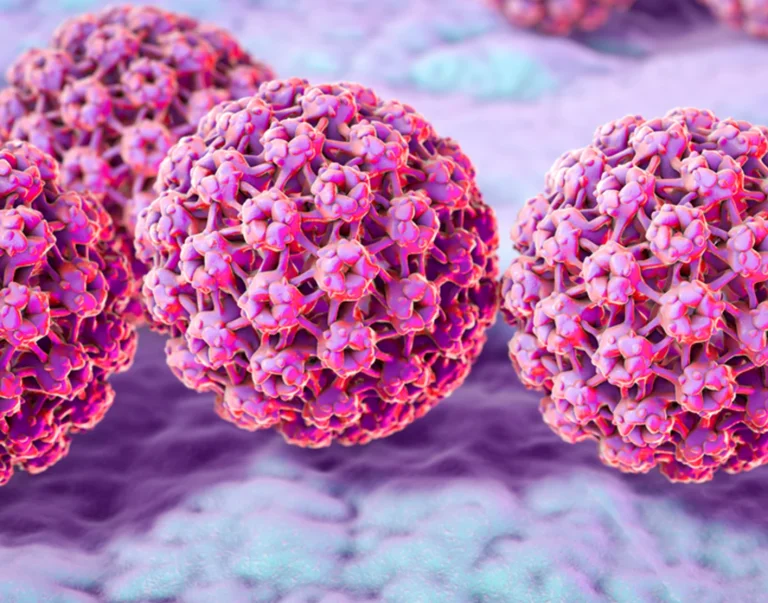
The varicella-zoster virus is a member of the herpes virus family.
It causes two distinct diseases:
Chickenpox (varicella)
This is typically the primary infection, usually occurring in childhood.
It manifests as an itchy, blister-like rash, fever, and general discomfort.
Chickenpox is highly contagious and spreads through respiratory droplets or direct contact with the rash.
Shingles (herpes zoster)
This is a reactivation of the same virus that causes chickenpox.
After the initial chickenpox infection, the virus remains dormant in the nerve tissues and can reactivate later in life, typically when the immune system is weakened.
Shingles is characterised by a painful rash that usually appears on one side of the body or face.
Important varicella-zoster virus facts
it’s a type of herpes virus
it can cause chickenpox, shingles and other infections
it can style in your nerve cells even after you’ve recovered from chickenpox
both chickenpox and shingles can be prevented through vaccination
the varicella vaccine is commonly given to children to prevent chickenpox. It’s free through the National Immunisation Program
the shingles vaccine is recommended for older adults to reduce the risk and severity of shingles. Certain people are eligible to get it free through the National Immunisation Program
if it’s reactivated, it can cause meningitis, encephalitis and meningoencephalitis (brain or lining infection), eye shingles, facial paralysis. While serious, these are rare conditions
References
Chickenpox and shingles (varicella / herpes zoster). Department of Health, Victoria, Australia. Accessed 19 July 2024
Chickenpox (varicella) vaccine. Australian Government Department of Health and Aged Care. Accessed 19 July 2024
Shingles (herpes-zoster). Centers for Disease Control and Prevention, USA. Accessed 19 July 2024
Varicella-zoster virus (chickenpox). National Institutes of Health, USA. Accessed 19 July 2024
Ketoacidosis is a serious metabolic condition characterised by an accumulation of ketone bodies in the blood, leading to a decrease in blood pH (acidosis).
It occurs when the body starts breaking down fats at an excessive rate, producing ketones faster than they can be utilised or cleared.
Types of ketoacidosis
There are 3 types of ketoacidosis:
diabetic ketoacidosis
alcoholic ketoacidosis
starvation ketoacidosis
Diabetic ketoacidosis
This is a complication of diabetes, particularly type 1 diabetes, but can also occur in type 2 diabetes. It happens when insulin levels are too low, leading to high blood glucose levels and subsequent ketone production. Common causes include infection, stress, missed insulin doses or undiagnosed diabetes.
Symptoms can include:
High blood sugar levels
Ketones in the urine
Fruity-smelling breath
Rapid breathing
Nausea and vomiting
Abdominal pain
Confusion or lethargy
Alcoholic ketoacidosis
This can occur in people with chronic alcohol consumption. It is more prevalent in people who have been drinking heavily and then suddenly reduce their intake or stop drinking.
Symptoms can include:
Abdominal pain
Nausea and vomiting
Confusion
Dehydration
Rapid breathing
Starvation ketoacidosis
Starvation ketoacidosis is a type of ketoacidosis that occurs in the context of prolonged fasting, starvation, or extreme caloric restriction. It results from the body’s response to inadequate glucose availability, which leads to increased fat metabolism and elevated ketone production. Some extreme diets which recommend calorie restriction can easily cause ketoacidosis.
When the body is deprived of carbohydrates for an extended period, it shifts from using glucose as its primary energy source to using fatty acids. As fats are broken down, ketone bodies are produced as an alternative energy source. In cases of prolonged starvation or very low carbohydrate intake, ketone production can become excessive, leading to ketoacidosis.
Symptoms can include:
Fatigue and weakness
Nausea and vomiting
Abdominal pain
Dehydration
Confusion or irritability
Fruity-smelling breath (similar to diabetic ketoacidosis)
Ketoacidosis treatment
Treatment for ketoacidosis typically involves:
addressing the underlying cause
administering fluids
electrolytes
insulin
providing supportive care
reintroducing carbohydrates and adequate nutrition
It’s important to seek medical attention if ketoacidosis is suspected, as it can lead to serious complications if not treated promptly.
References
Adult diabetic ketoacidosis. National Institutes of Health, USA. Accessed 18 July 2024
Alcohol ketoacidosis. National Institutes of Health, USA. Accessed 18 July 2024
Ketoacidosis. National Institutes of Health, USA. Accessed 18 July 2024
Starvation ketoacidosis on the acute medical take. National Institutes of Health, USA. Accessed 18 July 2024
Human papillomavirus (HPV) is a group of viruses that infect the skin and mucous membranes.
HPV is one of the most common sexually transmitted infections (STIs). HPV can affect various parts of the body, including:
genital area
mouth
throat
There are over 200 different types of HPV, and they are categorised into low-risk and high-risk types based on their potential to cause disease.
Types of HPV
Low-Risk HPVs
They are associated with benign conditions such as:
Genital warts – small, warty growths that can appear on the genitals, around the anus or in the throat
Common warts – these benign warts appear on other areas of the body, such as hands and feet
High-Risk HPVs
They are linked to more serious conditions, including:
Cervical cancer – high-risk types, such as HPV-16 and HPV-18, are strongly associated with cervical cancer. Persistent infection with these types can lead to changes in cervical cells and potentially progress to cancer
Other cancers – high-risk HPV types can also be associated with other cancers. These include anal, penile, vulvar, vaginal, and oropharyngeal cancers (cancer of the throat, base of the tongue, and tonsils)
Transmission
HPV is primarily spread through direct skin-to-skin contact, including:
Sexual contact – this includes vaginal, anal and oral sex. It is one of the most common STIs because it is highly contagious and can be transmitted even when an infected person has no visible symptoms
Non-sexual contact – some types of HPV can spread through non-sexual skin-to-skin contact, such as common warts on the hands
Prevention
Vaccination – the HPV vaccine prevents infection with the most common high-risk and low-risk HPV types. It’s recommended for preteens (both boys and girls) aged 11 to 12 years, but it can be given up to age 45. The vaccine can greatly reduce the risk of developing HPV-related cancers and genital warts
Screening – women should get regular cervical screening (Pap tests and HPV tests). These tests are crucial for detecting precancerous changes in the cervix early, to prevent cervical cancer
Treatment
Low-risk HPV
Treatments for genital warts or other benign lesions can include:
topical treatments
freezing (cryotherapy)
surgical removal
High-risk HPV
There is no direct treatment for the virus itself.
Management focuses on monitoring and treating any precancerous or cancerous changes.
Regular screening helps in early detection and management of potential complications.
HPV is a widespread virus, but with appropriate preventive measures and screening, the risks associated with it can be significantly reduced.
References
HPV and cancer. National Cancer Institute, USA. Accessed 18 July 2024
Human papillomavirus (HPV). Australian Government Department of Health and Aged Care. Accessed 18 July 2024
Human papillomavirus (HPV). Centers for Disease Control and Prevention. Accessed 18 July 2024
Human papillomavirus and cancer. World Health Organization. Accessed 18 July 2024
What is HPV? Cancer Council, Australia. Accessed 18 July 2024
Stress management used to be framed as something we did after we were already overwhelmed: take a break, have a bath, go for a walk, calm down. These strategies can help, but they often arrive too late. By the time stress has built up, the body may already be in a high-alert state, with a racing mind, tense muscles, shallow breathing, disrupted digestion and poor sleep.
Nervous system fitness is a more proactive way to think about stress. Instead of only trying to “relax” after stress takes over, the goal is to train the body to move more smoothly between activation and recovery. It is about improving flexibility, not avoiding stress altogether.
What is nervous system fitness?
Nervous system fitness refers to the body’s ability to respond to pressure, then return to a steadier state once the challenge has passed. A well-regulated nervous system is not calm all the time. It can mobilise energy when needed, focus under pressure and then shift back into rest, digestion, connection and repair.
This matters because stress is not only a feeling. It is a whole-body response involving the brain, autonomic nervous system, hormones, breathing, heart rate, muscle tone, digestion and immune function. Short bursts of stress can be useful. They can help us react quickly, perform well and solve problems. The issue is not stress itself, but stress without enough recovery.
When the body repeatedly stays in high-alert mode, stress can become chronic. This may show up as poor sleep, fatigue, irritability, headaches, muscle tension, digestive symptoms, brain fog, low mood, anxiety or feeling constantly “wired but tired”.
Why the nervous system matters in stress
The autonomic nervous system helps control automatic body functions such as heart rate, breathing, blood pressure and digestion. It includes the sympathetic nervous system, which helps prepare the body for action, and the parasympathetic nervous system, which supports recovery.
When we feel threatened, overloaded or under pressure, the sympathetic system becomes more active. Heart rate can rise, breathing may become faster, muscles tighten and the body becomes more alert. This is useful in short bursts.
The parasympathetic system helps bring the body back down after stress. It supports slower breathing, steadier heart rate, digestion, repair and recovery. The vagus nerve is a major part of this calming and regulating system.
Nervous system fitness is essentially the ability to use both sides well: enough activation to deal with life, enough recovery to avoid staying stuck in survival mode.
The role of heart rate variability
Heart rate variability, often called HRV, is one way researchers measure autonomic nervous system regulation. HRV looks at the tiny variations in time between heartbeats. A healthy heart does not beat like a metronome. It adjusts constantly in response to breathing, movement, emotion, sleep, illness and stress.
Higher HRV is often associated with better physiological flexibility and recovery capacity, while lower HRV may occur with stress, poor sleep, illness, overtraining or burnout. However, HRV is highly individual. It is more useful to watch your own trends over time than to compare your number with someone else’s.
For everyday stress management, the lesson is simple: the body likes rhythm, recovery and adaptability. Breathwork, exercise, sleep, relaxation practices, social connection and time outdoors can all support that flexibility.
How to train your nervous system
You do not need extreme routines to support nervous system fitness. Small, repeated practices are usually more useful than occasional dramatic resets.
1. Practise slower breathing
Slow breathing is one of the most accessible ways to influence the stress response. When breathing becomes slower and steadier, it can support parasympathetic activity and help the body shift out of high-alert mode.
A simple practice is to breathe in gently through the nose for 4 seconds, then breathe out slowly for 6 seconds. Repeat for 2 to 5 minutes. The longer exhale is often useful because it encourages the body to soften rather than brace.
This should feel comfortable. If breathwork makes you dizzy, anxious or short of breath, stop and return to normal breathing.
2. Build recovery into the day
Many people wait until the end of the day to recover, but the nervous system responds better to regular small pauses. Recovery can be as simple as stepping outside, loosening the jaw, unclenching the shoulders, taking 5 slow breaths or sitting quietly without a screen.
These micro-recoveries tell the body that the day is not one continuous emergency. They help create a pattern of activation followed by recovery, which is the core of nervous system fitness.
3. Move your body regularly
Exercise is not only for muscles, weight management or cardiovascular health. It also helps train the stress response. Regular physical activity can improve mood, sleep, autonomic regulation and stress resilience.
The key is matching movement to your current capacity. A brisk walk, cycling, swimming, strength training, yoga or gentle mobility work can all help. If you are exhausted or burnt out, very intense exercise may not be the best starting point. Begin with low to moderate movement and build gradually.
4. Use the body to signal safety
Stress often lives in the body as much as the mind. Tight shoulders, clenched hands, a locked jaw, shallow breathing and a rigid posture can reinforce the message that you are under threat.
Try relaxing the tongue from the roof of the mouth, dropping the shoulders, softening the belly and slowing the breath. Gentle stretching, warm showers, humming, singing, walking outdoors and progressive muscle relaxation may also help some people feel more settled.
These practices are not magic switches. They are body-based cues that can support regulation when used regularly.
5. Strengthen your sleep rhythm
Sleep is one of the most important foundations of nervous system fitness. Poor sleep can make the body more reactive to stress, while chronic stress can make sleep worse. This creates a cycle where the nervous system has fewer chances to recover.
Support sleep by keeping a consistent bedtime and wake time where possible, reducing bright screens before bed, limiting caffeine late in the day and creating a wind-down routine. The aim is not perfect sleep, but a predictable rhythm that helps the body know when it is safe to rest.
6. Train attention with mindfulness
Mindfulness can help people notice stress earlier, before it becomes overwhelming. This might mean observing breathing, noticing body sensations, naming emotions or pausing before reacting.
The goal is not to empty the mind. It is to create a little more space between a trigger and a response. Over time, this can help reduce automatic stress habits such as catastrophising, overworking, avoidance or emotional reactivity.
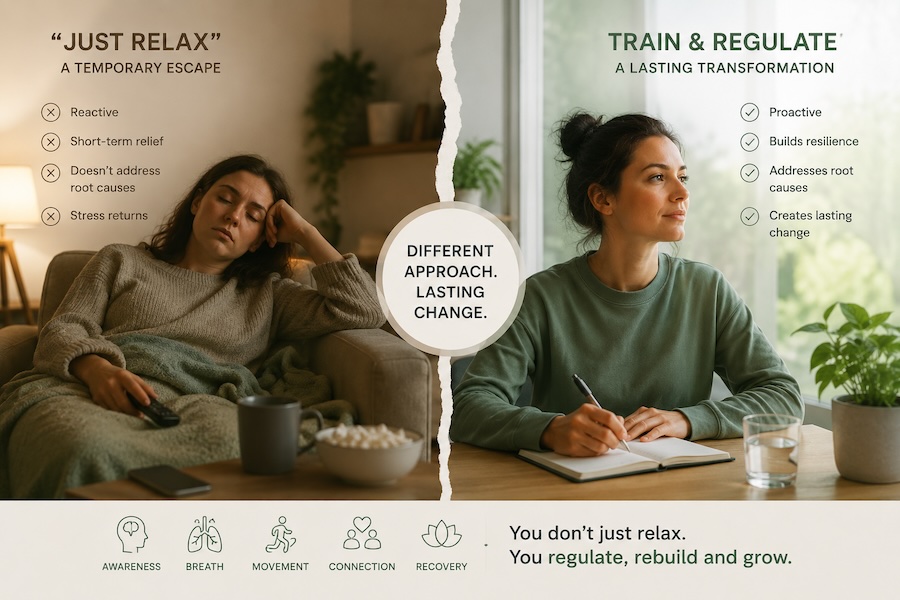
Why this is different from “just relax”
Telling someone to relax can feel dismissive, especially when their body is already in a stress state. Nervous system fitness is different because it recognises that regulation is a skill built through repetition.
It also shifts the focus from blame to training. If your stress response is strong, it does not mean you are weak. It may mean your body has learned to stay alert because of workload, trauma, illness, uncertainty, poor sleep, caregiving, financial pressure or repeated overload.
The way forward is not to shame the body for reacting. It is to teach it, slowly and consistently, that recovery is possible.
When stress needs more support
Self-care practices can support everyday stress, but they are not a replacement for medical or mental health care. Speak with a GP, psychologist or qualified health professional if stress feels unmanageable, continues for a long time, affects work or relationships, disrupts sleep or is linked with panic, depression, trauma symptoms or thoughts of self-harm.
Nervous system fitness works best as part of a broader approach that includes lifestyle support, healthy relationships, appropriate healthcare and realistic changes to the sources of stress where possible.
The bottom line
Nervous system fitness is the new stress management because it moves beyond quick fixes. It focuses on training the body to respond, recover and adapt.
Stress will always be part of life. The goal is not to become calm all the time. The goal is to build a nervous system that can meet pressure without staying trapped in it.
References
Activating This Nerve Can Relieve Stress: The Science of Vagal Tone. (2026). The Washington Post Wellness Reports. The Washington Post.
Brown, L, Rando, A A, Eichel, K, Van Dam, N T, Celano, C M, Huffman, J C, Morris, M E. (2021). The effects of mindfulness and meditation on vagally mediated heart rate variability: A meta-analysis. Psychosomatic Medicine, 83(6), 631-640. doi: 10.1097/PSY.0000000000000900.
Fincham, G W, Strauss, C, Montero-Marin, J, Cavanagh, K. (2023). Effect of breathwork on stress and mental health: A meta-analysis of randomised-controlled trials. Scientific Reports, 13, 432. doi: 10.1038/s41598-022-27247-y.
Goessl, V C, Curtiss, J E, Hofmann, S G. (2017). The effect of heart rate variability biofeedback training on stress and anxiety: A meta-analysis. Psychological Medicine, 47(15), 2578-2586. doi: 10.1017/S0033291717001003.
How Somatic Movement Restores the Autonomic Nervous System. (2026). WelleCo Science & Intuitive Health Insights. WelleCo Journal.
Lehrer, P M, Gevirtz, R. (2014). Heart rate variability biofeedback: How and why does it work? Frontiers in Psychology, 5, 756. doi: 10.3389/fpsyg.2014.00756.
Nervous System Regulation: A Definitive Guide to Autonomic States. (2026). Mind Health Australia Clinical Guides. Mind Health Australia.
Neuro-Informed Approaches and Vagus Nerve-Calming Interventions. (2026). Journal of Neurological and Psychological Wellness, 5-12. Sage Journals.
What Somatic Exercises Do to Your Nervous System: Clinical Evidence vs. Viral Trends. (2026). Superpower Health Intelligence Guides. Superpower Research.
WHO defines stress as a natural human response to difficult situations and notes that too much stress can affect both mental and physical health. Healthdirect Australia also describes stress as a normal physical response that becomes problematic when it is prolonged or overwhelming.
Zaccaro, A, Piarulli, A, Laurino, M, Garbella, E, Menicucci, D, Neri, B, Gemignani, A. (2018). How breath-control can change your life: A systematic review on psycho-physiological correlates of slow breathing. Frontiers in Human Neuroscience, 12, 353. doi: 10.3389/fnhum.2018.00353.
Zhang, W, Bi, S, Luo, L. (2025). The impact of long-term exercise intervention on heart rate variability indices: A systematic meta-analysis. Frontiers in Cardiovascular Medicine, 12, 1364905. doi: 10.3389/fcvm.2025.1364905.
Nightmares are a common part of the sleep experience. They can be distressing dreams that often provoke strong negative emotions such as fear, anxiety, or sadness.
They typically occur during the REM (rapid eye movement) stage of sleep, which is when most vivid dreaming happens.
If they become problematic or persistent, seeking guidance from a healthcare provider can help address any underlying issues and improve overall sleep quality.
Characteristics of nightmares
Disturbing content – nightmares often involve threatening or frightening scenarios, such as being chased, attacked, or experiencing disasters
Emotional impact – they often lead to feelings of terror, panic, or helplessness. Upon waking, individuals may feel distressed or have difficulty falling back asleep
Frequency – occasional nightmares are common and can affect anyone. Frequent nightmares or recurring themes might indicate underlying stress or mental health issues
Causes of nightmares
Stress and anxiety – high levels of stress or anxiety can contribute to the occurrence of nightmares
Trauma – experiences of trauma or post-traumatic stress disorder (PTSD) can lead to recurring nightmares related to the traumatic event
Sleep disorders – conditions such as sleep apnoea or narcolepsy can increase the likelihood of experiencing nightmares
Medications – certain medications or substances, including some antidepressants and medications affecting the central nervous system, can contribute to nightmares
Illness – fevers or other physical illnesses can sometimes lead to disturbing dreams or nightmares
Diet and lifestyle – eating large meals or consuming caffeine or alcohol close to bedtime may affect sleep quality and contribute to nightmares
Impact of nightmares
Sleep disruption – frequent nightmares can disrupt sleep patterns. This can lead to difficulties falling asleep or staying asleep and may cause daytime fatigue
Emotional and psychological effects – persistent nightmares can contribute to stress, anxiety and overall reduced quality of life
Management and treatment of nightmares
Stress management – techniques such as mindfulness, relaxation exercises and stress reduction strategies can help alleviate nightmares
Cognitive behavioural therapy for insomnia (CBT-I) – this form of therapy can be effective in addressing nightmares, particularly if they are related to stress or anxiety
Sleep hygiene – improving sleep habits, such as maintaining a consistent sleep schedule and creating a comfortable sleep environment, can help reduce the frequency of nightmares
Professional help – if nightmares are frequent, severe, or impacting daily life, consulting a healthcare provider or mental health professional. They can help to address potential underlying causes or to explore therapeutic options
References
Nightmares. Sleep Education, USA. Accessed 18 July 2024
Nightmares. Sleep Health Foundation, USA. Accessed 18 July 2024
Nightmares and the brain. Harvard Medical School, USA. Accessed 18 July 2024
Why we have nightmares (and how to prevent them). Sleep Foundation, USA. Accessed 18 July 2024
Separating from a partner can be a complex and emotional journey, but with careful planning, support, and self-care, you can navigate this transition and move toward a healthier and more fulfilling future.
Separating from an abusive or gaslighting relationship, can be challenging and emotionally taxing.
Here’s a comprehensive guide to help you navigate this process.
Assess your situation
Evaluate your safety – if you’re in an abusive relationship, prioritise your safety. Make a safety plan that includes emergency contacts, a safe place to go, and important documents
Clarify your reasons – write down your reasons for wanting to separate. This can help you stay focused and motivated during difficult moments
Seek support
Therapy and counselling – a mental health professional can help you process your emotions, navigate the separation, and rebuild your self-esteem
Support groups – join support groups for individuals who have experienced similar situations. Sharing experiences with others can provide emotional support and practical advice.
Trusted friends and family – confide in friends and family who can offer emotional support and practical help during this time
Plan the separation
Financial preparation – assess your financial situation and plan for any changes. This might involve budgeting, understanding your rights, and possibly seeking legal advice regarding financial settlements or spousal support
Legal advice – consult with a lawyer to understand your rights and obligations, especially if you have shared assets or children. This can help you prepare for legal aspects of the separation
Housing arrangements – decide where you will live after the separation. This might involve finding a new place or making arrangements to stay with friends or family
Communicate effectively
Choose the right time – pick a time to discuss the separation when you’re calm and not in the heat of an argument
Be clear and direct – communicate your decision clearly and calmly. Use “I” statements to express your feelings and reasons without placing blame
Prepare for reactions – be prepared for a range of emotional responses from your partner. They may try to persuade you to stay or react with anger or distress
Focus on self-care
Emotional healing – engage in activities that help you process your emotions, such as journalling, meditating, or talking with a therapist
Physical health – maintain a healthy lifestyle through exercise, balanced nutrition, and sufficient sleep to support your overall well-being
Personal interests – reconnect with hobbies and interests that bring you joy and fulfilment
Establish boundaries
Limit contact – after separation, set clear boundaries with your ex-partner. Decide on how much contact you will have and stick to it
Maintain boundaries – if your partner tries to cross boundaries or manipulate you, reinforce your limits firmly and consistently
Manage the practicalities
Change passwords – update passwords for personal accounts, especially if they were shared with your partner
Update documents – change your address and update any legal documents or identification if necessary
Inform relevant parties – notify any relevant institutions or services about your change in circumstances, such as banks, utilities, and employers
Rebuild your life
Set new goals – focus on personal growth and set new goals for your future. This can help you stay positive and forward-looking
Build a support network – strengthen connections with friends and family who can provide ongoing support and encouragement
Explore new opportunities – embrace new opportunities and experiences that align with your values and interests
Legal and custody matters (if applicable)
Custody arrangements – if you have children, work on creating a fair and clear custody arrangement that prioritises their well-being. Consult a family lawyer to help navigate this process
Legal protection – if necessary, seek legal protection from harassment or threats, such as restraining orders
Reflect and learn
Reflect on the relationship – take time to reflect on what you’ve learned from the relationship and how you can use this insight to build healthier relationships in the future
Seek personal growth – engage in activities or therapy that support personal growth and help you develop healthier relationship patterns
Life after divorce can be a period of significant transition and adjustment. It’s a time to rebuild, rediscover yourself, and create a new path forward.
Life after divorce can be a challenging yet transformative period. It’s a multifaceted process, but with time, self-care, building new connections and setting personal goals, you can navigate this transition and build a new, fulfilling chapter in your life.
Here are some strategies and tips for navigating life after divorce.
Allow yourself to grieve
Acknowledge your emotions – it’s normal to experience a range of emotions after a divorce, including sadness, anger, relief, and confusion. Allow yourself to feel and process these emotions. Accept that you may experience a range of emotions, such as sadness, anger, relief, confusion, and even guilt. These feelings are normal and part of the grieving process
Avoid suppressing emotions – don’t try to push your feelings aside or pretend they don’t exist. Recognising and accepting your emotions is crucial for healing
Seek support – consider talking to a therapist or counsellor to help you navigate your emotions and deal with any residual pain or anxiety associated with the breakup of your marriage
Focus on self-care
Create stability – develop a daily routine to provide structure and a sense of normalcy. Routine can help manage stress and create a sense of stability during a period of change.
Develop coping strategies – create strategies for dealing with these triggers, such as reaching out to a support network or engaging in comforting activities.
Physical activity and health – maintain a healthy lifestyle through regular exercise, a balanced diet, and adequate sleep. Taking care of your body can improve your mood and overall well-being
Recognise emotional triggers – be aware of situations or events that might trigger emotional responses related to your divorce, such as anniversaries or reminders
Self-Compassion – be kind to yourself and avoid self-criticism. Understand that healing takes time and it’s okay to move at your own pace
Rebuild your social network
Reconnect with friends – rebuild relationships with friends and family members who can provide support and companionship. Don’t be scared of connecting with friends you haven’t seen in a long time. Social connections are crucial for emotional support
Expand your circle – join clubs, groups, or activities that interest you. Meeting new people and forming new connections can help you create a fulfilling social life. Join community groups online, which do offline activities. Find activities that make you happy and spark your joy
Set new goals
Adjust goals as needed – life is unpredictable, so be prepared to adjust your goals if circumstances change. Flexibility can help you stay resilient and focused
Personal growth – reflect on what you want for yourself moving forward. Set new personal and professional goals that align with your values and interests
Career and education – consider pursuing further education, career development, or hobbies that you’re passionate about. This can help you focus on positive changes and personal growth
Manage finances
Create a budget – develop a new budget based on your current financial situation. Track your income and expenses to manage your finances effectively. Think about how you can better use your money to manage your life’s expenses
Financial planning – consult with a financial adviser to plan for long-term financial stability and address any changes resulting from the divorce, such as property division or alimony
Navigate family dynamics
Co-parenting – if you have children, work on establishing a healthy co-parenting relationship with your ex-partner. Focus on providing stability and support for your children so there is a seamless transition to their new lives
Family relationships – maintain open communication with family members and seek their support. Be mindful of any changes in family dynamics and address them as needed
Embrace new experiences
Travel and adventure – if possible, take the opportunity to travel or engage in new experiences. This can provide a fresh perspective and a sense of renewal
Create new traditions – establish new routines and traditions that reflect your current life and interests. Creating new rituals can help you build a sense of stability and joy
Seek professional help if needed
Therapy – continue therapy or counselling if you find it helpful. Professional support can assist in managing any lingering emotional challenges and in working through personal issues
Legal advice – if there are ongoing legal matters or concerns related to the divorce, seek legal advice to ensure that your rights and interests are protected
Cultivate positivity
Be kind to yourself – treat yourself with the same compassion and understanding you would offer a friend. Avoid self-criticism and be gentle with yourself as you navigate this difficult time
Celebrate achievements – recognise and celebrate your progress and achievements, no matter how small. This can boost your motivation and self-confidence
Practice gratitude – focus on positive aspects of your life and practice gratitude. Keeping a gratitude journal can help shift your mindset toward the positive
Recognise your strengths – acknowledge your resilience and the strengths you’ve demonstrated through this challenging period. Remember to tell yourself that you have survived and will eventually thrive
Stay optimistic – maintain an optimistic outlook on the future. Believe in your ability to create a fulfilling and happy life post-divorce
Ear wax, also known as cerumen, is a natural substance produced by glands in the ear canal. It serves several important functions.
Composition
Secretions – ear wax is a mixture of secretions from ceruminous glands (modified sweat glands) and sebaceous glands (oil-producing glands) in the ear canal
Dead skin cells – it also contains dead skin cells from the lining of the ear canal
Debris -ear wax can trap dust, small particles, and microorganisms
Functions
Protective barrier – ear wax helps protect the ear canal by trapping dust, debris, and microorganisms, preventing them from reaching the eardrum
Moisturising – it helps keep the ear canal moisturised, preventing dryness and itching
Cleaning mechanism – ear wax has a natural self-cleaning mechanism. As it accumulates, it gradually moves out of the ear canal due to the movement of the jaw (e.g., while talking or chewing)
Types
Dry cerumen – more common in people of Asian and Native American descent, it is usually light in colour and flaky
Wet cerumen – more common in people of European and African descent, it is typically sticky and moist
Problems and management
Impacted – sometimes, ear wax can build up and become impacted, causing symptoms like hearing loss, earache, dizziness, or itching
Excessive production – some people produce more ear wax than others, which can lead to buildup and potential blockage
Removal – if ear wax becomes impacted or causes symptoms, it can be removed by a healthcare professional using methods such as irrigation, manual extraction, or ear drops designed to soften the wax. It is generally advised not to use cotton swabs or other objects to clean the ears, as these can push the wax further into the ear canal or cause injury
If you’re experiencing symptoms related to ear wax buildup or have concerns about your ear health, it’s best to consult a healthcare professional for appropriate advice and treatment.
References
Ear wax. MedlinePlus Medical Encyclopedia, USA. Accessed 17 July 2024
Ear wax information. Mount Sinai – New York, USA. Accessed 17 July 2024
Got an earful? Here’s some advice for ear wax removal. Harvard Health, USA. Accessed 17 July 2024
Understanding the basics of ear wax. Ear Science Institute Australia. Accessed 17 July 2024
Building and maintaining strong relationships with different people involves a mix of communication skills, empathy, and effort.
Here are some tips to help you foster better relationships:
Listen actively – pay close attention when others are speaking. Show interest by asking questions and providing feedback. This shows that you value their perspective and helps you understand them better
Communicate openly and honestly – share your thoughts and feelings clearly and respectfully. Honesty builds trust, but it’s important to balance honesty with tact to avoid unnecessary conflicts
Show empathy – try to understand things from the other person’s perspective. This can help you respond to their needs and feelings more effectively and strengthen your connection
Be reliable – follow through on promises and be dependable. Reliability builds trust and shows that you respect and value the other person
Spend quality time together – make an effort to spend time with the people who matter to you. Shared experiences can deepen your bond and create positive memories
Be supportive – offer encouragement and be there for people in times of need. Showing support can strengthen your relationship and build mutual respect
Respect boundaries – understand and respect the personal space and boundaries of others. This shows that you value their comfort and autonomy
Show appreciation – express gratitude for the things people do for you. A simple thank you or a gesture of appreciation can go a long way
Be open to feedback – be willing to listen to and consider feedback from others. It can help you grow and improve your relationships
Handle conflicts constructively – address conflicts calmly and respectfully. Focus on finding solutions rather than assigning blame
Be authentic – be yourself and let others see the real you. Authenticity fosters deeper and more genuine connections
Celebrate achievements – acknowledge and celebrate the successes and milestones of the people in your life. Sharing in their joy can strengthen your bond
Building strong relationships takes time and effort, but by consistently applying these principles, you can create meaningful and lasting connections with those around you.