Facts
What is acne?
Acne is an inflammatory skin condition which affects up to 80% of all teenagers. Acne is usually the result of over-activity of oil glands in the skin, usually because of increased hormonal activity in adolescence and often signals the start of puberty in many teenagers.
Some acne does occur in adulthood. This type of acne starts in adulthood to people that may or may not have experienced any acne as teenagers.
Acne is classified as follows:
- Grade I – this is the mildest form of acne, in which there are blackheads, some pimples and whiteheads on the skin without any inflammation. This type of acne is very easy to treat
- Grade II – this is moderate acne, where there are a many blackheads and whiteheads on the skin, with some pimples having quite a bit of pus. This type of acne is usually easy to treat with over-the-counter medications or soaps, but a doctor should be seen if it gets worse
- Grade III – this is moderate to severe acne, where there are a great number of blackheads and whiteheads on the skin, with many pimples having quite a bit of pus, as well as visible redness and inflammation on the skin. This type of acne needs to be properly treated by a dermatologist as it can cause possible scarring
- Grade IV – this is severe acne, where the skin many pustules, nodules, and cysts, as well as a very large number of blackheads and whiteheads. There will also be very visible redness and inflammation to a large extent on the skin. This type of acne needs to be properly treated by a dermatologist as it can cause possible scarring
Facts about acne
- Almost all teenagers will have varying degrees of acne
- Most acne usually heals by itself in time
- Many women experience a flare-up of acne during the time of PMS (or PMDD), which resolves as soon as menstruation starts
- Shea butter is an excellent emollient to be used on the skin, as it is high in vitamin A and vitamin E, as well as essential fatty acids. It penetrates deep into the skin and helps to reduce inflammation
- Jojoba oil is excellent as it promotes healthy skin and is really beneficial for acne sufferers
- Natural clays that contain naturally-occuring minerals, which help to draw out impurities and are beneficial in the treatment of acne on the face and body
- Severe acne needs treatment by a dermatologist because it can cause scarring, which can only make the discomfort and embarrassment worse
- Acne is officially known as acne vulgaris
Symptoms
Symptoms of acne
The acne can cause lesions that may be of the following forms:
- abscesses (these may cause pus to erupt)
- black (open acne lesions)
- black heads (comedone acne lesions)
- nodules
- papules
- pustules
- white heads (closed acne lesions)
Certain medications, soaps, antibiotics, cosmetics and other irritants can cause acne symptoms to become worse.
Acne is mostly present on the following areas of the body which have the largest sebaceous (oil-producing) glands:
- face
- back
- upper inner chest area
- front of neck
Causes
Causes of acne
There are a number of reasons why acne occurs and it is usually a combination of several factors and not just one cause.
Main causes of acne
- Overactive sebaceous glands – this is another of the most common reasons for causing acne. If the sebaceous glands become overactive, producing too much oil, this can cause inflammation inside the sebaceous gland and if there are also bacteria present, this can further inflame the sebaceous gland and produce acne symptoms
- Imbalanced hormones – this is one of the most common reasons for causing acne. The hormones control the secretions of the sebaceous glands and if these hormones are not in balance, then this causes acne symptoms by promoting an inflammatory response in the sebaceous gland
- PMS/PMDD – it is very common in many women to experiences some pimples erupting on their skin in the two weeks prior to menstruation. Science still cannot explain why this occurs, but it is thought that the fluctuating levels of hormones during this time has an effect on the sebum production in the skin of many women
Less common causes of acne
- Antibiotics – interestingly, in some people antibiotics can have a side effect of acne-like symptoms, but it is quite rare to have this type of side effect so
- Cosmetics – some of the chemicals in some cosmetics can cause an irritation to the sebaceous glands in the skin, which produces acne-like symptoms (and possibly other allergic symptoms)
- Chemical irritants – some chemicals can cause an irritation to the sebaceous glands in the skin, which produces acne-like symptoms (and possibly other allergic symptoms)
- Medications – some types of medications (particularly corticosteroids and steroids) can have a side effect of acne-like symptoms, but it is quite rare to have this type of side effect
Adult onset acne
The cause of adult onset acne is not known, but there are a number of factors which are thought to trigger symptoms:
- Allergies – it is believed that certain allergies may be an underlying trigger for causing adult acne symptoms to get worse or even trigger the condition in the first place
- Food sensitivities – it is also thought that sensitivity to certain foods may trigger a worsening of adult acne symptoms or even trigger the condition in the first place
Prevention
Prevention of acne
It is very difficult to prevent acne if it is caused by certain risk factors
Unpreventable causes of acne
- Being a teenager – just being a teenager during puberty is an unpreventable risk factor for acne. Hormones are fluctuating widely during the teenage years, which can disturb sebum production and cause acne. This is because of the hormones affect the skin and the sebacecous glands in particular. Puberty is generally the time when acne starts and statistics show that some degree of acne affects as many as 80% of all teenagers
- Excessive sebum production – some people’s skin produces too much sebum so in this circumstance, it can be difficult to prevent the acne from occurring, but it doesn’t mean that it cannot be treated, either conventionally or with alternative-complimentary treatment
- Imbalanced hormones – people who have hormones that are not in balanaced levels (especially the sex hormones) are more likely to experience acne.
- Medications – a number of different types of medications (especially anabolic steroids, corticosteroids and others) can trigger or exacerbate acne symptoms in some people
- PMS/PMDD – many women who experience PMS (or PMDD) symptoms often also experience some type of acne symptoms in the preceding two weeks prior to menstruation. This is mainly due to the fluctuating hormones circulating in the body
Preventable causes of acne
There are, ways to prevent acne from worsening or in some cases, prevent it from occurring in the first place.
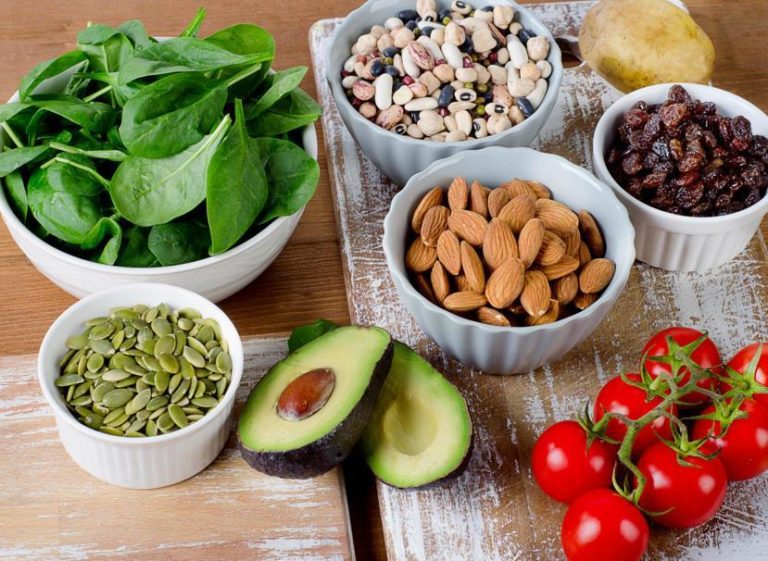
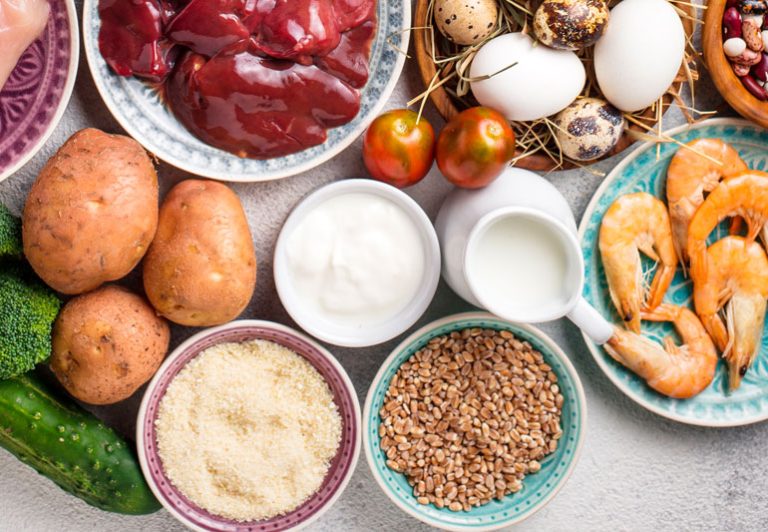
- A healthy diet – a healthy diet (one which does not include any or much processed foods) can assist the body in reducing inflammation by providing all the nutrients required, especially if the diet contains the healthy omega-3 fatty acids and vitamin A, both of which are vital for healthy skin
- Good hygiene – the face should be washed in the morning and at night with a gentle cleanser (preferably one which has been dermatologically tested, is organic and perfume-free). Use only oil-free, gentle skin care products on the face to help prevent the pores clogging up, which will make sebum production higher and produce a worsening of symptoms
- Don’t leave make-up on at night – always wash the make-up off your face (if you wear it during the day) before you go to bed. If you go to bed with cosmetics on your face, this can clog the tiny openings in the pores and cause worsening of the acne
- Don’t pick or squeeze the acne – this can irritate the skin and make it very red and sore, but not only that, your fingers and hands are a source of bacteria, which can infect and inflame the open pore and worsen the acne. In addition to this, picking and squeezing pimples/acne can cause scarring in some people, so avoid it
- Don’t use cream-based foundation – try to use powder based foundation only as it doesn’t clog the pores as much as cream-based foundation, which is heavier and can irritate the skin of people with acne and cause it to worsen
- Don’t use harsh face cleansers – if very harsh face cleansers are used that really dry out the skin, the skin may produce more oil to counter this and cause a worsening of the acne condition
- Don’t wear very tight-fitting clothes – people who are prone to acne on the body need to avoid wearing clothes that are very tight-fitting, as this can trap heat as well as moisture on the skin, which can irritate the skin and cause worsening of the acne
Complications
Complications of acne
The complications of acne are only usually related to the more severe cases of this condition:
- Anxiety – some people with very severe acne may feel very self-conscious and embarrassed about the condition of their skin, especially when they are out in public and this may develop into a psychological disorder such as anxiety. Anxiety can be quite serious and require anti-anxiety medication and/or counselling to overcome the anxious feelings about the state of their skin
- Depression – some people with very severe acne may feel so self-conscious and embarrassed about the condition of their skin and these self-loathing feelings may develop into depression if the negative feelings are severe enough and they have no support system and no relief of symptoms. Depression can be quite a serious condition and may require anti-depressant medication and/or counselling to boost confidence and self-worth
- Permanent scarring – some people who have very severe acne may experience permanent scarring if their condition is not treated at an early stage. The permanent scarring is especially difficult to treat effectively without a number of laser treatments to try to treat the damage to the skin. Some of the scarring may be permanent, so the damage may even be irreversible in some people. The acne spots should never be picked at or squeezed as this can exacerbate scarring
Diagnosis
When to see a doctor about acne for diagnosis
Adolescents who start to get acne, especially if it is more severe and spread all over the face and body should see their doctor or naturopath to plan a course of action to help treat the condition and reduce likelihood of complications.
People with existing acne need to have regular consultation with their doctor or naturopath to ensure the treatment plan is working well at reducing symptoms.
People with adult acne should see their doctor or naturopath to help find a solution to reduce symptoms and prevent complications.
Diagnosis of acne
Diagnosis of acne is done through the following methods:
- Medical history of symptoms – the doctor will ask a series of questions about the onset and severity of acne symptoms
- Physical examination – the visual diagnosis of acne is quite a good test as the acne lesions on the face and other parts of the body are quite apparent on visual diagnosis
Further tests can be done by a dermatologist to determine extent of injury to the skin from acne, especially if acne is really severe:
- In-depth diagnosis – dermatologists can use special magnifying equipment to properly diagnose the grade of the acne and to determine treatment strategy
Treatment
Conventional treatment of acne
Conventional treatment of acne is through a combination of treatments:
Lifestyle modifications
There are a number of lifestyle modifications that are recommended by some doctors:
- Avoid alcohol – moderate to excessive intake of alcohol should be avoided because it can trigger worsening of symptoms (clogging of sebaceous glands, worsening of pus and other acne symptoms) because the liver may not be functioning as well as it should be to remove toxins, because it is being over-burdened by the alcohol
- Exercise regularly – regular physical activity can help to ensure proper circulation in the body, which can greatly assist with removing toxins out of the body (especially excessive amounts of circulating hormones which are known to trigger acne)
- Some sunshine – moderate levels of sunshine can help reduce risk of worsening of symptoms. Only about 10-20 minutes of sun on the skin are required on a daily basis, in the hours when the sun is at the weakest (before 10am or earlier or after 5pm, and later, depending on how hot the day will be)
- Stop smoking – studies show that smoking cigarettes can exacerbate or even trigger symptoms and should be stopped. People who do not smoke should also avoid second hand smoke from people smoking around them
Topical acne treatments
Acne is treated with the following topical treatments, when it is mild to moderate, which can all be purchased over-the-counter at a pharmacy:
- Benzoyl peroxide – is a common ingredient in many topical acne treatments (lotions, gels and creams). Benzoyl peroxide was one of the first proven treatments for acne and it is still widely used as it is very successful in drying up the acne and reducing symptoms
- Resorcinol – this ingredient is most often used together with sulfur in topical acne treatments to help improve mild acne symptoms
- Salicylic acid – this is a beta hydroxy acid which is used to treat mild acne with no inflammation and it is found in many creams, lotions and gels used to treat mild acne
- Sulfur – this is an ingredient which is found in many topical acne treatments (creams, gels and lotions) to help reduce acne symptoms
Treatments that require prescription
- Azelaic acid – a topical cream or gel which helps to reduce acne symptoms
- Topical antibiotics – such as clindamycin, erythromycin, sulfacetamide help to reduce infection in the sebaceous glands and reduce symptoms
- Topical retinoids – such as adapalene, tazarotene, tretinoin, in a topical cream, gel or solution to help reduce acne symptoms
Medications
Moderate to severe acne is treated with the following medications and treatment can include either just one type of medication or a combination of medications. These medications are taken orally to help stop the internal reasons for the acne and are often used in conjunction with topical acne treatments:
- Antibiotics – oral antibiotics are given to help clear up infection in the skin. The most commonly prescribed antibiotics are: erythromycin, tetracycline, minocycline, doxycycline
- Hormonal treatments – these medications are used to control the excess hormones which may be causing the acne to occur. The main form of hormonal treatments are: birth control pills, spironolactone
- Isotretinoin – this medication (also known as Accutane, Amnesteem, Claravis, and Sotret), is a powerful drug which is used to treat severe acne, especially if there are cysts present and if there is a great deal of inflammation. This medication is used as a last resort for people whose acne has not responded to other treatment (mostly because it has a number of severe side effects). Isotretinoin is known as a retinoid, which means it has properties similar to vitamin A, but is a synthetic version. People who are taking this medication should not also take any vitamin A or betacarotene supplements as they can overdose on vitamin A and this can cause a number of adverse health effects
Procedural acne treatments
There are a number of procedures which can be undertaken to help improve the condition of the skin and are meant to be used in conjunction with the other advised treatments. These are usually performed by a dermatologist or beauty care professional:
- Chemical peels – these deeply exfoliate the skin using an alpha-hydroxy, beta-hydroxy, or glycolic acid. Chemical peels improve acne by removing dead skin cells and helping to clear pores of debris and may be useful for people with mild to moderate acne
- Dermabrasion – this involves a machine which rapidly discharges super-fine crystals over the skin’s surface, blasting away dead skin cells. A microdermabrasion treatment deeply exfoliates the skin, loosening debris from within the pore and is not suitable for people with acne that involves inflammation of the skin
- Phototherapy – this is normally done by a dermatologist and involves light (or laser) therapy to the affected parts of the face and skin and may help people with all types of acne (from mild to severe) . Phothotherapy redues inflammation and shrinks the sebaceous glands and reduces acne symptoms. There are many different types of light and laser treatments available
Alternative
Alternative / complementary treatment of acne
Nutritional support is a vital aspect of skin health and appearance, and optimising detoxification of the body assists with alleviating skin conditions such as acne.
People taking medication for acne must discuss any alternative treatments prior to taking them, as they could cause adverse reactions (vitamin A or betacarotene supplements must not be taken with the medication Roaccutane due to the adverse effects of excessive vitamin A intake may cause).
Herbs
There are a number of excellent herbs which may help to provide relief for symptoms:
- Calendula – the herb calendula is generally used as a topical cream to help reduce inflammation and possible scarring with acne
- Dandelion – the root of dandelion is used to help the liver detoxify any toxins (including any excess hormones) which may help reduce the severity of symptoms
Vitamins
There are a number of vitamins which may help to provide relief for symptoms:
- Folic acid – the B vitamin folic acid helps all types of acne to clear up, but it is especially useful for premenstrual acne
- Vitamin A – the potent antioxidant vitamin A is vital for healthy skin, as it helps to form healthy skin membranes (all the skin layers). Some studies have shown that people who have acne, may be deficient in vitamin A so supplementation may help
- Vitamin B2 – this vitamin is vital for maintaining healthy mucous membranes in all parts of the body. This means that vitamin B2 is useful for ensuring the various layers of skin are healthy
- Vitamin B5 – this B vitamin decreases the sebum production so that it can return to a more normal level. Studies have found that a deficiency of vitamin B5 may cause abnormal fatty acid metabolism, which can create a build-up of fat in the sebaceous glands and exacerbate (or even cause) acne
- Vitamin B6 – is beneficial in assisting in the metabolism of hormones, which helps to balance them. If a deficiency of vitamin B6 exists, it can cause a further imbalance of the male hormones (especially testosterone), so supplementation is advised. Vitamin B6 is especially useful in treating premenstrual acne
- Vitamin C – is an excellent antioxidant, which helps the immune system more effectively deal with the acne. In addition to this, vitamin C is also necessary to help build collagen which is vital for healthy skin, so it helps to heal the skin
- Vitamin E – is an excellent antioxidant, which helps the immune system more effectively deal with the acne. In addition to this, vitamin E promotes more effective and quicker healing of the skin by protecting against oxidation of the skins oil (sebaceous) glands and healing any potential scarring that may occur as a result of the acne
Minerals
There are a number of minerals which may help to provide relief for symptoms:
- Chromium – this mineral helps to improve the way insulin converts linoleic acid into prostaglandins, the anti-inflammatory hormone-like substances that help to ensure better skin condition
- Magnesium – the mineral magnesium is a muscle relaxant, so it helps relax the skin that is inflamed when acne is present
- Zinc – the mineral zinc is required to metabolise many hormones properly, so that they are balanced and at healthy levels. This means zinc reduces acne production in the first place, but because of its antioxidant properties, it also helps the skin heal more quickly and in a healthy way that prevents scarring, allowing the skin to heal naturally. Some studies show that zinc supplementation may work as effectively as tetracycline antibiotics, one of the conventional treatments of acne
Other nutrients
There are a number of other nutrients which may help to provide relief for symptoms:
- Evening primrose oil – the supplemental form of evening primrose oil is extremely important for the skin as it reduces the inflammation in the skin, regulates the hormones associated with creating the acne in the first place and it also helps to keep the skin supple and healthy
- Lipoic acid – the antioxidant nutrient lipoic acid helps the skin to heal more quickly from any scarring that results from acne
- Omega 3 EFA – the DHA and EPA present in omega 3 essential fatty acids are very beneficial for reducing the inflammation present in acne, plus they provide a good source of linoleic acid, which also provides a potent anti-inflammatory source
Dietary modifications
There are a number of dietary modification strategies which may help to provide relief for symptoms and help to normal skin condition:
- Eat more fresh vegetables – eating fresh vegetables gives the whole body more nutrients and helps to support the skin’s normal functioning by higher intake of all the vitamins and minerals required for better skin
- Eat more fresh fruits – eating fresh fruit gives the whole body more nutrients and helps to support the skins normal functioning
- Eat garlic – the herb garlic is extremely useful for its anti-bacterial properties, which can help reduce any infection in the skin and reduce acne symptoms
- Eat organic – try to buy organic for milk/diary, meat, chicken/poultry and eggs especially. Non-organics foods tend to have not just chemicals, but also hormones and other growth stimulants added, which can play havoc acne, causing further hormone imbalances in a person with existing imbalance
- Limit iodine intake – iodine can exacerbate acne, so foods rich in iodine (kelp, iodised salt) should be limited in the diet while acne is present
- Limit processed foods – try to avoid all processed foods, which are high in fat, sugar, calories and artificial additives, which can all cause an exacerbation of acne symptoms
- Limit saturated fat intake – try to avoid all forms of saturated fats (especially fried foods) as these can exacerbate acne symptoms
- Limit sugar intake – try to avoid all foods high in refined sugar, as they may cause acne symptoms to worsen
Lifestyle modifications
There are a number of lifestyle modifications which may help to provide relief for symptoms:
- Avoid alcohol – moderate to excessive intake of alcohol should be avoided because it can trigger worsening of symptoms (clogging of sebaceous glands, worsening of pus and other acne symptoms) because the liver may not be functioning as well as it should be to remove toxins, because it is being over-burdened by the alcohol
- Exercise regularly – regular physical activity can help to ensure proper circulation in the body, which can greatly assist with removing toxins out of the body (especially excessive amounts of circulating hormones which are known to trigger acne)
- Some sunshine – moderate levels of sunshine can help reduce risk of worsening of symptoms. Only about 10-20 minutes of sun on the skin are required on a daily basis, in the hours when the sun is at the weakest (before 10am or earlier or after 5pm, and later, depending on how hot the day will be)
- Stop smoking – studies show that smoking cigarettes can exacerbate or even trigger symptoms and should be stopped. People who do not smoke should also avoid second hand smoke from people smoking around them
Alternative treatments
There are no other alternative treatments to help with acne symptoms that are advised.
Always ensure that you notify your medical practitioner of any supplements that you want to take – it may interfere with other medication or conditions you have. Confirm with your doctor it is safe to take before you try it.
Self care
Living with acne
People who have acne need to know that they have a number of options for treating this often debilitating skin disorder and that they need to get treatment as soon as possible to prevent worsening of symptoms or scarring (and other complications).
To get the best out of the skin and prevent worsening of symptoms, a few strategies should be followed:
- Clean skin regularly – a regular skin care routine should be followed in the morning and at night to help ensure the skin cells are as clean as possible and remove any debris from the pores. This routine should include exfoliation and skin masks, which can really exfoliate the skin and loosen debris from within the pore and this can reduce symptoms
- Exercise – get adequate levels of physical activity every day, as it will help the body’s circulation improve which can help remove toxins more quickly and this may reduce severity of symptoms
- Healthy diet – a diet which is rich in fresh fruits and vegetables, wholegrains, legumes, dairy and some protein (fish) needs to be followed to get the best out of the skin. This is because these foods are naturally rich in many vitamins, minerals and other nutrients which can help to support the skin to heal
- Limit saturated fat intake – foods that are high in saturated fat need to be strictly limited in the diet, because they can continue to clog the pores and cause worsening of symptoms. Highly processed foods, full cream dairy and red meat usually have high levels of saturated fat and should be avoided as much as possible in the diet (red meat intake should be limited to only once a week, use only low fat dairy and avoid all processed foods altogether)
- Stop smoking – cigarette smoking is very damaging to the skin and should be stopped. Being around people who smoke should also be avoided
- Sunshine – a little bit of sunshine every day is needed (not just for the vitamin D it provides) for good health overall
- Use topical treatments – the topical treatments recommended by conventional doctors and dermatologists may help to reduce symptoms in people with mild to moderate acne
Caring for someone else with acne
Partner
People who have a partner that has acne, need to be supportive and loving, to help them stop feeling embarrassed about their skin:
- Good diet – help to support your partner by following the same healthy diet they are adhering to
- Stop smoking – acne symptoms may get worse by being exposed to cigarette smoke , so avoid smoking around your partner
Friends
People who have a friend who has acne can support their friend through the following strategies:
- Alcohol free – try to arrange your social interactions so that they do not involve alcohol
- Healthy diet – many people who have acne are advised to follow a healthy eating plan, so if you invite them out to dinner, try to find restaurants that have food that is included in their diet plan and try to avoid visiting fast food places
Parents
Parents of children with acne can support their child through the following strategies:
- Healthy diet – try to cook fresh and healthy food for everyone in the family, as this gives better support to your child when everyone is eating the same and always have fresh fruits and vegetables available as snacks
- Stop smoking – acne symptoms may get worse by being exposed to cigarette smoke , so avoid smoking around your child
References
References
Last reviewed and updated: 5 May 2025