Zinc for fertility

Question

I have found articles that say the required level of zinc is between 8 and 11 mg depending on whether you are male or female.

I give zinc supplements (25mg) to my husband, as I do not think the food we eat provides 11mg per day. Should he take the supplements daily, since maximum zinc intake per day is a total of 40mg. I am trying to get pregnant.

Answer

Zinc is a mineral that is vital for the health of sperm and is therefore thought to be important in helping women become pregnant with healthy, viable sperm that can impregnate an ovum.

Zinc supplements are recommended if (a) the diet is lacking in this important mineral, or (b) if a couple wants to get pregnant and wants to increase the chance of producing healthy, viable sperm.

Look at the ingredients list of the supplement and you will see that although the amount of zinc in there is 25mg, the actual equivalence of elemental (and available) zinc is much less than that, so it is unlikely that your husband will overdose on zinc (as long as you are following the manufacturers recommended daily intake of the supplement).

If you are still unsure, seek the advice of your doctor, or even a pharmacist at your local pharmacy/chemist.

Please note that the information provided is for educational purposes only and is not meant to diagnose or treat medical conditions. Consult with your medical physician regarding appropriateness of using supplements in your healing process.
How much juice for children

Question

I was wondering, for a child under 5 and an adult what is the nutrition intake for each daily? How much juice would each be able to have daily – what is the recommended amount?

Answer

You can find the nutrition intake information for yourself and your child in the recommended calorie intake tables. There is also a recommended calorie intake calculator which you can use to determine if you are getting enough calories in your diet.

Juice is not recommended on a daily basis for infants and children because it is packed too high with calories, but does not have all the fibre that the fresh fruit has eaten raw. In addition to this, most fruit juices have a lot of sugar added to them, which are not healthy for young children.

If you want to give your child some juice, it is preferable that you juice some fresh, organic fruit yourself and use all the fibre in the juice – that way, you know you are given your child wholesome juice that you have prepared yourself.

It is much better to give your child a fruit salad with fresh organic fruit than fruit juice.

Another suggestion is: you can steam some fruit (for maybe five minutes) and then mash it up (or blend it) with some ground up nuts (such as walnuts or almonds) and add some yoghurt. This makes a great, nutritious snack for your child, packed full of vitamins and plenty of calcium too.

Please note that the information provided is for educational purposes only and is not meant to diagnose or treat medical conditions. Consult with your medical physician regarding appropriateness of using supplements in your healing process.

Nutrition for colon issues

Question

I have recently been found to have an extremely elongated colon, particularly sigmoid colon. I have been told to take laxatives for the rest of my life (epsom salts @ 4tspns a day). I am wondering if I can make other dietary changes, other than the obvious increasing fibre, to lessen my need for laxatives. Would it be worth my while to consult a naturopath, or dietitian?

Answer

An elongated colon means that the transit time for the faeces will be longer than in a regularly sized colon, which could produce some stress on the colon and faecal motions in general and promote constipation.

There are several strategies that you could use to help with your issue:

  • Reduce gas-producing foods – these foods can cause a high build-up of gas in the colon and cause a great deal of discomfort and pain, so aim to reduce their consumption (beans, legumes, asparagus and too many raw vegetables in one meal are the main culprits)
  • Eat small, frequent meals – eating about 5-6 small meals throughout the day will put less stress on the colon and will help transit time
  • Reduce sugar and processed foods – these foods do nothing beneficial for the gastrointestinal system (they do not have many nutrients that can be digested and absorbed) and cause unnecessary stress on the gastrointestinal system
  • Increase fluid intake – drink around 1.5 – 2 litres of water every day, as this can help to prevent the colon from drying out and promoting constipation (which is more likely in someone with an elongated colon due to the extra transit time)
  • Exercise – is required to help stimulate proper circulation and ensure that the colon is also working properly
  • Probiotics – certain strains of probiotics can help to repopulate the colon with beneficial bacteria to ensure that food is digested and absorbed properly
  • Fish oil – contains the essential omega-3 fatty acids, which help to ensure that the whole gastrointestinal system is functioning properly, by helping to bulk up faeces, so that they promote better motion in the colon and help reduce transit time

It would be very beneficial for you to see a qualified naturopath with a speciality in nutrition, who can advise you on the best diet plan for you, plus can tailor a supplement regime to help your colon function more effectively.

Please note that the information provided is for educational purposes only and is not meant to diagnose or treat medical conditions. Consult with your medical physician regarding appropriateness of using supplements in your healing process.
Can I reduce my fat cells

Question

I need to know how I can make my fat cells get smaller and for me to get thinner?

Answer

Unfortunately, there is no quick fix to making the fat cells (adipose tissue cells) thinner or smaller.

The only way to reduce the number of adipose (fat) cells in the body is to exercise every day for at least 30 minutes (cardio plus resistance), in order to increase your physical activity and help the body burn the adipose (fat) cells to be used as energy in the body.

Please note that the information provided is for educational purposes only and is not meant to diagnose or treat medical conditions. Consult with your medical physician regarding appropriateness of using supplements in your healing process.
Health benefits Himalyan salt

Question

I have been told that Himalayan salt is really good for you. What is the difference between Himalayan salt and unrefined sea salt?

Answer

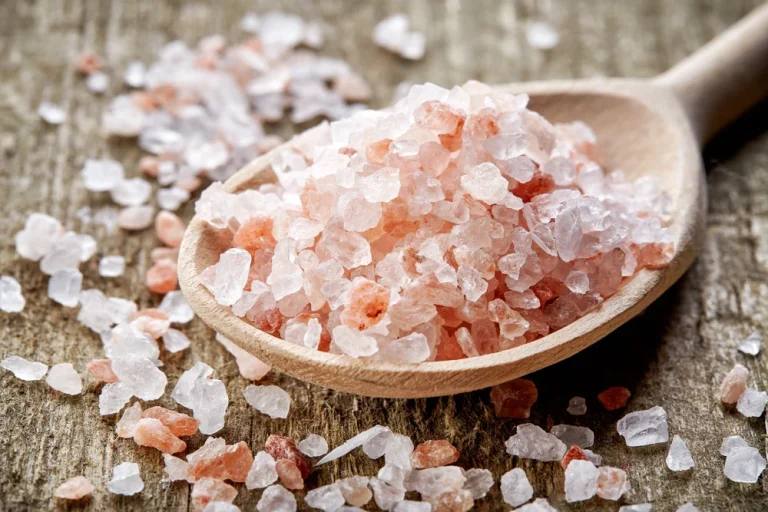
Himalayan salt is mined from ancient inland ocean beds in the Himalayan Mountains at altitudes of over 10,000 feet and is rich in naturally occurring complex of sodium chloride, major minerals such as calcium and magnesium and has a complete complement of all the essential trace minerals (such as iodine and selenium).

Himalayan pink salt is a fossil marine salt and is rich in many minerals including calcium, magnesium, potassium, copper, iodine and iron which gives the salt its beautiful speckled pink color.

There are many types of unrefined sea salt. The best ones are the ones labelled “unrefined” otherwise you are just getting plain, refined table salt with little in it other than iodine and quite a bit of chlorine (which is used in the refining process).

Unrefined salt is also rich in all the vital trace minerals (such as iodine and selenium), thereby promoting optimum biological function and cellular maintenance.

Unrefined sea salt is usually quite grey in colour and is derived directly from a living ocean or sea. It is harvested through channeling ocean water into large clay trays and allowing the sun and wind to evaporate it naturally. Manufacturers of sea salt generally do not refine sea salt much, so it still contains traces of other minerals, including iron, magnesium, calcium, potassium, manganese, zinc and iodine.

There are different schools of thought about which salt is better (Himalayan or unrefined salt), but in general, they have similar composition and are both good for you. Some advocate Himalayan over other types of unrefined sea salt because of the pristine environmental condition of the Himalayan mountains gives rise to untainted salt crystals (as could be the case from the salt from the ocean, either unrefined or refined). Ultimately, it is your choice which you prefer.

Please note that the information provided is for educational purposes only and is not meant to diagnose or treat medical conditions. Consult with your medical physician regarding appropriateness of using supplements in your healing process.

Do slow cookers keep nutrients intact

Question

I would like the convenience of using a slow cooker, but I am afraid to buy one, as I have heard that there is a loss of minerals and vitamins by using this slow cooking method. Is this true?

Answer

No, it is not completely true.

You can buy a slow cooker (or crock pot) and cook whatever you like and rest assured that almost all of the nutrients (vitamins, minerals, amino acids) still remain within the pot.

Cooking with a slow cooker means that all the juices, water and steam will be retained inside the pot while it is cooking – it is a self contained unit and nothing can escape while the food is cooking inside.

Some nutrients can be lost through heat, but most of them will still be retained in the juices of the food inside the slow cooker. Just ensure you also eat all the juice/water from the meal inside the slow cooker.

In addition to this, just ensure you also eat plenty of fresh fruits and vegetables (these are the foods that can lose some of their nutrients when cooked) every day and you should not miss out on any of the vital nutrients in your diet.

Please note that the information provided is for educational purposes only and is not meant to diagnose or treat medical conditions. Consult with your medical physician regarding appropriateness of using supplements in your healing process.
Child eating spicy food

Question

My ten year old son insists on eating hot Mexican food, adding chillies to meals and eating hot salami whenever he can. He lives in a house with four adults and we think he is just mimicking their behaviour. I don’t think a child this young should be teaching his palate to only like spicy foods. Am I wrong?

Answer

Your question is a common one mothers have about their children.

There should be no problem at all in your son eating hot, spicy foods. As long as he is not getting a stomach ache after eating these foods (and not eating too much at one meal that it gives him a stomach ache), then be you do not need be concerned, as it just shows he has a palate that is open to eating such foods.

It is now acceptable for pregnant and nursing mothers to eat some hot and spicy foods in their diet – that could be where he learnt to have a “taste” for this type of food.

Paediatric experts say that it is fine to feed infants food with spice and flavor – even spicy hot foods – as long as the meal is nutritious.

Just make sure you are feeding him a wide variety of foods, which hot and spicy is just one type of the foods.

Please note that the information provided is for educational purposes only and is not meant to diagnose or treat medical conditions. Consult with your medical physician regarding appropriateness of using supplements in your healing process.
Anorexia recovery time frame

Question

On average how long does it take to recover from anorexia?

Answer

Anorexia is a serious eating disorder which affects many women (and men) during their life.

Recovery from anorexia is very possible.

It takes an average of about five to six years after you have been diagnosed to recover from anorexia. However, the time it takes to recover varies greatly depending on the person. For some people, anorexia lasts for a much shorter period of time, sometimes for only a few months.

It is very important that people who have anorexia seek help as early as possible, because this increases chances of recovery. Recovering from an eating disorder can be a difficult process, but it is possible.

The important thing with anorexia is to accept treatment, because that will encourage and promote a much quicker recovery (or recovery at all).

In regards to recovery statistics, about 40% of people with anorexia make a full recovery, while around 20-30% of people with anorexia find it difficult and do not recover from this eating disorder. The rest (around 30-40%), usually take a little longer to make a full (or even partial) recovery.

A good resource for anorexia is: www.anred.com

Please note that the information provided is for educational purposes only and is not meant to diagnose or treat medical conditions. Consult with your medical physician regarding appropriateness of using supplements in your healing process.

Young girl with chronic fatigue

Question

My daughter suffers chronic fatigue, sleeps in every weekend and needs a nap every day after school otherwise she cannot function for the rest of the evening. What foods are best and what diet regime should she follow to increase her energy levels?

Answer

People who have chronic fatigue syndrome need to prioritise their daily activities and use a schedule for monitoring their activities and to help them conserve their energy. User realistic goal setting in the schedule to avoid over-exhaustion.

Exercise, while it may be difficult, is very important. You need to discuss with your doctor (or paediatrician) the best types and duration of exercise for your daughter. The exercise regime will need to be started slowly (if your daughter is not engaging in much physical activity at present) and building up to a certain level (as advised by your doctor).

Exercise is excellent as it increases energy, improves their mood, improves endurance, strength and stamina and helps to improve the appetite.

In terms of food, small, but frequent meals are the best answer for someone who experiences chronic fatigue, as this is a great way to give the body cells a constant supply of energy and constant blood sugar levels. Five to six small meals a day are recommended, around every 3-4 hours.

Ensure your daughter is not eating too much sugar, processed foods or junk foods of any kind – these will give an energy spike followed by a big energy slump, which in her condition becomes even worse. Always ensure your daughter is eating enough fresh, natural foods from all the different food groups, to ensure she is getting enough energy, vitamins, minerals, amino acids and antioxidants from her diet, to help her with her condition.

Try to feed your daughter organic foods as they retain more of their vitamins and nutrients than non-organic foods, so are better in the long term (as they provide more of the essential nutrients than foods that have not been grown organically).

Please note that the information provided is for educational purposes only and is not meant to diagnose or treat medical conditions. Consult with your medical physician regarding appropriateness of using supplements in your healing process.

No carbs – healthy or unhealthy

Question

I was wondering if it is safe to have no carbohydrates as a way of life? I have been going no carbs for one week so far and feel wonderful with much more energy. I have prediabetes. I also have 68 pounds to lose. So far I have lost 8 pounds.

Answer

To answer your question in one word – no.

The body has certain requirements of all the macronutrients, carbohydrates, fat, protein and to have no carbohydrates at all, is really unsafe as a long term solution, especially since there are many nutrients (vitamins and minerals) that you could be missing out on by not eating ANY carbohydrates. Multivitamins can only do so much – you also need to be eating the foods that have these essential vitamins and minerals.

It can though, be conducive to helping you lose weight and to kick start your metabolism somewhat, if you drastically reduce your carbohydrates. The ones that you may reduce are the high GI carbohydrates (sugar, cakes, chips, sweets, biscuits, lollies, high GI breads and pastries, as well as all processed foods). Eating too many of these foods does contribute to weight gain and can cause exhaustion of the pancreas (which can then lead to pre-diabetes and then diabetes).

Even while you are on this diet, you should ensure you eat low GI wholegrains, legumes, nuts and seeds and especially plenty of fresh vegetables (especially the leafy green vegetables, which are full of vitamins, minerals and antioxidants) as well as fruits. Try to eat organically as much as possible.

Have a look at the food groups section, to find out how much of each food from each of the food groups you need to eat each day.

Please note that the information provided is for educational purposes only and is not meant to diagnose or treat medical conditions. Consult with your medical physician regarding appropriateness of using supplements in your healing process.