What are the pros and cons of acai berry

Question

Can you give me nutritional information on the acai berry? Can it cause harm? Do you know anything about mona vie juice and positive or negative information?

Answer

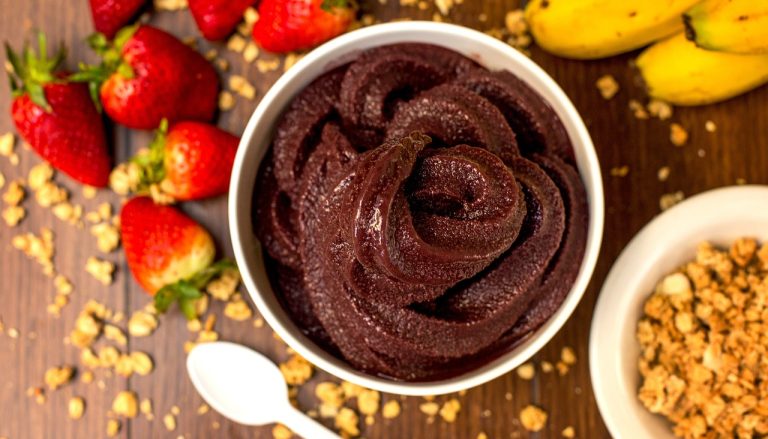
Acai berry is a berry native to South America and the Amazon in particular. The acai berry is rich in the following nutrients:

There are a lot of claims made on the acai berry for its antioxidant properties, but the results of the studies performed on this berry have been variable. More studies are required to show its full potential. In saying this, the acai berry would be a good addition to a healthy diet.

Mona Vie juice is made up of 19 different fruit juices, of which acai berry is one of them. The others are: Apricot, Aronia, Acerola, Purple Grape, Passion Fruit, Camu Camu, Banana, Lychee Fruit, Nashi Pear, Kiwi, Pomegranate, Prune, Wolfberry, Pear, Bilberry, Cranberry, Blueberry and White Grape.

Mona Vie juice is probably quite good for you (as long as it doesn’t contain too much added sugar), but you really should be getting your nutrients from the whole fruit because you will also get the fibre in the whole fruit, which is not available in the fruit juice. Mona Vie juice will not harm your health if you drink it.

Please note that the information provided is for educational purposes only and is not meant to diagnose or treat medical conditions. Consult with your medical physician regarding appropriateness of using supplements in your healing process.

Vitamin B17 and cancer

Question

Could you please let me know about vitamin B17? I know it assists in cancer prevention.

Answer

Vitamin B17 is also known as laetrile or amygdalin. It is not actually officially known as a vitamin as it is not vitally necessary for health. Laetrile and amygdalin both belong to a family of compounds called cyanogenic glycosides and even though both terms are used interchangeably they are chemically different substances.

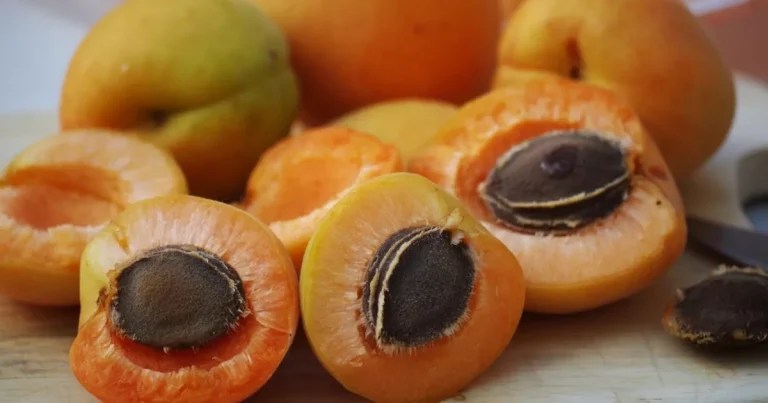
Laetrile and amygdalin are both found in the kernels of apricots, peaches, plums, cherries, nectarines, apples and almonds

In 1980, the National Cancer Institute began a clinical study of laetrile in terminal cancer patients. “Conducted in collaboration with four major U.S. medical centers, the clinical tests showed that laetrile failed on four counts: it did not make cancer regress; it did not extend the life span of cancer patients; it did not improve cancer patients’ symptoms; and it did not help cancer patients to gain weight or otherwise become more physically active. Laetrile and natural products containing it, such as apricot pits were thus found to be ‘ineffective as a treatment for cancer.

In addition to this, there is concern about cyanide poisoning from the high cyanide content in the kernel of the food. Laetrile has been banned by the FDA because of the risk of poisoning from its cyanide content.

Please note that the information provided is for educational purposes only and is not meant to diagnose or treat medical conditions. Consult with your medical physician regarding appropriateness of using supplements in your healing process.
Frequent mono infections in boy

Question

My 13 year old son weighs 84 pounds and isn’t a very good eater, but he is very active: he has soccer practice 2-3 times a week and plays two games each weekend.

This is the second year he has gotten mononucleosis. Is it possible he isn’t getting enough nutrition therefore his immune system is low for his age.

Answer

It may very be possible that your son’s frequent mononucleosis infections are caused by his lack of good nutrition, due to not eating enough of the right foods. The immune system relies greatly on protein foods and the B vitamins to run properly. Your son needs to be eating foods rich in these nutrients every day.

There are many ways you can disguise foods he may not like in meals, so that he eats them and has enough of the vitamins, minerals, antioxidants and amino acids he needs. Some ways you can do this are:

  • finely grate vegetables in sauces to disguise their taste and presence
  • make smoothies with real yoghurt and fruit, especially banana and berries (a real favourite for most kids)
  • cut meat/chicken/fish into much smaller portions – this is a good way to make it appear that he is not eating so much
  • encourage your child to snack between meals, there are a few recipes in the snacks sections, but you can also make your own healthy snacks for your child – some good snacks are: wholegrain crackers (or bread) with some cheese and fruit, dried fruit compote with plain yoghurt
  • foods that have high antioxidant properties are very good for the immune system (foods high in vitamin A, betacarotene, vitamin C, vitamin E, zinc and selenium) – the most brightly (or darkly) coloured fruits and vegetables are high in antioxidants, plus nuts and seeds
  • try to get as much organic food in his diet as you can, because latest research shows that organic foods have around 20-40% and more of many nutrients

Make sure that you let your child know that he needs to eat all the nutritious foods to help him play soccer much better. This is not only true, but it will help him realise that food is required. You can explain it like this:

The body is like the engine of a car – a car needs fuel to enable you to drive it, without fuel, the car wont run properly or at all and the engine soon goes awry.

The human body is the same – the body needs food to work properly (to walk, talk, exercise, do homework, etc) and without enough food, the body will not be able to work properly.

You can also see a registered dietitian to review his diet, to ensure that he is eating enough of all the right nutrients.

Hopefully these tips will help your son back to good health.

Please note that the information provided is for educational purposes only and is not meant to diagnose or treat medical conditions. Consult with your medical physician regarding appropriateness of using supplements in your healing process.
Multivitamin for seniors

Question

What is a good multivitamin for someone over 60 to take?

Answer

The US Department of Agriculture’s Human Nutrition Research Center on Aging has developed a new food guide pyramid for senior adults, as they have different nutritional needs than other adults.

Healthy adults ages 70 and over should follow different nutritional guidelines than other people, according to a new food guide pyramid developed by the US Department of Agriculture’s Human Nutrition Research Center on Aging. This will take you to an external link.

When you chose a multivitamin ensure it has the following:

  • The natural form of vitamin E (d-alpha tocopherol) – do not buy a supplement with the synthetic version of vitamin E, which is called dl-alpha-tocopherol, as it is poorly absorbed and not as good as the natural form of vitamin E
  • Fish oil with omega 3 fatty acids – this is an excellent nutrient that is an anti-inflammatory and which has beneficial effects on the heart
  • Good levels of calcium in the form of calcium citrate, calcium orotate or calcium amino acid chelate and you should be getting around 1200mg per day (this is equivalent to three servings of calcium-rich dairy products, such as milk, hard cheese or yogurt, which should be all low-fat)
  • Good levels of vitamin D – you should be getting around 400IU or 10mcg per day (vitamin D helps the body to better absorb calcium)
  • Good levels of magnesium – you should be getting around 420mg per day (magnesium helps the body to better absorb calcium)
  • Minerals that do not have oxides – these are heavy and are not so well absorbed. The most common ones that have oxide added are: zinc oxide and magnesium oxide (but other minerals could have the oxides added) – do not buy any supplements if they contain these oxides

In addition to this, you should be eating the following foods:

  • Foods high in fibre – to prevent constipation and help reduce cholesterol (fruits, vegetables, wholegrains, nuts, seeds)
  • Low red fat meat
  • Oily fish, such as salmon, trout, mackerel and tuna, which contain high levels of the essential fatty acid, omega-3. Just be sure to buy wild or deep ocean fish, as these contain more nutrients and have less risk of being tainted with heavy metals such as mercury
  • Low fat dairy – this is an absolute necessity for women, to reduce risk of osteoporosis – ensure you have some foods high in calcium each day

Please note that the information provided is for educational purposes only and is not meant to diagnose or treat medical conditions. Consult with your medical physician regarding appropriateness of using supplements in your healing process.

Male wants to put on weight

Question

I am a very thin male and no matter how much I eat, I do not gain weight. I brisk-walk for about 20 mins, 3 times a week. I would like to put on just a bit more weight to look healthier.

Answer

There are two possible reasons why you cannot put on weight:

1. You may have a very efficient metabolism, which runs at a higher speed than normal and this means you burn energy quite quickly and so cannot seem to put on weight. There is probably very little you can do about your metabolism other than wait until you are older, when it will naturally slow down and you will notice you put on some weight in your 40’s and older.

In the meantime, you could try to incorporate more carbohydrates foods that have medium-high glycemic. This could help a little, for you to put on a some weight. The reason that these foods are suggested is that they have more energy than lower glycemic index foods and may help you retain this energy in the form of stored fat.

The glycemic index (GI) content of foods are defined as follows:

  • Low GI = lowe than 55
  • Medium GI = 55 – 69
  • High GI = 70 and higher

Foods which have a medium-high glycemic are the following:

Breads

  • Rye bread (GI = 76)
  • Bagels (GI = 72)
  • White bread (GI = 70)
  • Wholemeal bread (GI = 69)
  • Pita bread (GI = 57)

Breakfast cereals

  • Rice Bubbles (GI = 89)
  • Cornflakes (GI = 84)
  • Puffed Wheat (GI = 80)
  • Vita Brits (GI = 61)

Fruits

  • Watermelon (GI = 72)
  • Rockmelon/cantaloupe (GI = 65)
  • Banana (GI = 55)
  • Mango (GI = 55)

Grains / Pasta

  • Brown rice (GI = 76)
  • Long grain white rice (GI = 76)
  • Taco shells (GI = 68)
  • Basmati rice (GI = 58)

Legumes

  • Broad beans (GI = 79)

Vegetables

  • New potatoes (GI = 65)
  • Pontiac potatoes (GI = 65)
  • Beetroot (GI = 64)
  • Corn (GI = 55)

You can find more information about GI from the University of Sydney’s official web site about glycemic index.

You may want to check the GI of the foods you buy to see how high or low it is and make your decision from that point.

Just be aware, that it is more healthier to eat foods that have a low to medium glycemic index.

2. You may not be taking in enough calories for your activity level (and age/weight) to ensure you put on weight.

You should use our recommended calorie intake calculator, to calculate how many calories of food you require given your level of activity (and other parameters) each day.

Please note that the information provided is for educational purposes only and is not meant to diagnose or treat medical conditions. Consult with your medical physician regarding appropriateness of using supplements in your healing process.
RDI of all the vitamins and minerals

Question

Is there a table of RDI (recommended daily intake) of vitamins anywhere out there? I am not sure what I should be aiming for. I am a 26yr old female.

Answer

The recommended daily intakes of all the vitamins, minerals and amino acids (as appropriate) are available on this website, together with the tolerable upper intake of all the vitamins is also listed, as well as the toxic/dangerous levels.

The links below will take you to the main page for each section and to review the amounts of each vitamin you require, just click on it. The foods that are highest in these vitamins/minerals/amino acids are also listed, as well as a comprehensive amount of information about each nutrient:

Please note that the information provided is for educational purposes only and is not meant to diagnose or treat medical conditions. Consult with your medical physician regarding appropriateness of using supplements in your healing process.
How much protein the body uses

Question

I am wondering if you could clarify this fact about protein. I would like to know if it is true that your body can only absorb 25 grams of protein in one go, which means that if your meal contains 40 grams of protein, then only 25g will be absorbed and the rest is excreted. Cant amino acids be stored in amino acid pool for future use or are they excreted?

Answer

The body does not excrete any nutrient that it needs – it always stores any excess nutrient for future use.

When protein is ingested, it is first broken down into its component amino acids, which are used by the body for various bodily processes. If there is an excess of protein ingested (and an excess of amino acids), these are then stored in an amino acid pool, which is stored in the muscles for future use. When the amino acids are required, they are unlocked from the amino acid pool and absorbed by the body to be used where required.

Please note that the information provided is for educational purposes only and is not meant to diagnose or treat medical conditions. Consult with your medical physician regarding appropriateness of using supplements in your healing process.

Healthy snacks for construction worker

Question

I am 35 years old and work in industrial construction. I work away from home living in a hotel for 10 days, then home for 4 days and the cycle repeats itself. I rarely seem to have or make time for breakfast and just eat something on the go.

I have breaks at work at 9:30am, 12:00pm and 3:00pm, work until 5:00pm and have supper in the restaurant at 7pm. I would like to know what are some good healthy foods for me to pack to work to eat during my breaks, and at lunch, keeping in mind that the day is long and the work is labour intensive?

Answer

Basically you need to have lots of carbohydrates, protein and fat in the correct ratios so that you can sustain your strength in the construction work (physical labour)  you are doing. You will need a higher percentage of complex carbohydrates because you are doing hard manual work, so try to ensure you get enough foods high in complex carbohydrate (which are low GI) – vegetables, fruits, grains, cereals, rice, legumes, soy, nuts and seeds.

Some snack ideas:

Breakfast

  • Tub of yoghurt + 2 pieces of fruit + handful of nuts sprinkled on the yoghurt
  • Boiled eggs + wholegrain bread + fruit
  • Sardines + avocado spread on wholegrain bread
  • Leftovers from dinner (heated up)

Lunch

  • Can tuna/salmon on wholemeal bread, salad in a pack with balsamic dressing (and oil)
  • Roasted chicken (purchased and kept in the fridge) and vegetable sandwich + piece of fruit + tub of yoghurt (the chicken can last for 2-3 days)
  • Marinated tofu with vegetables + pasta (or rice)

Snacks

  • Boiled eggs + fruit ( add wholemeal crackers x3-4 if really hungry)
  • Cheese + fruit salad or juice
  • Nuts (handful) + 2 pieces of fruit (or handful dried fruit)
  • Hommous (or other seed/nut dip) + 2-3 wholegrain crackers + raw vegetables (cucumber or capsicum)

All of the above meal ideas for snacks, breakfast and lunch can either be pre-purchased or made the night before very quickly.

Please note that the information provided is for educational purposes only and is not meant to diagnose or treat medical conditions. Consult with your medical physician regarding appropriateness of using supplements in your healing process.

Is there an endometriosis diet

Question

I would like to know a proper diet that I need to follow to reduce symptoms associated with endometriosis. I have had surgery for this condition but the endometriosis still remains and fertility is a problem because of this condition.

Answer

Endometriosis best responds to herbal medicine (combined with some essential nutrients), which can be beneficial if you want to control it naturally.

Herbs like dong quai, paeonia, ladies mantle and calendula would be used in combination to help with endometriosis. The herbs would be combined with essential fatty acids (omega 3, 6 and 9) and magnesium, as well as other herbs to support the liver and assist with liver clearance of the hormones. The B vitamins will also be required to reduce the amount of stress on the body that endometriosis produces.

The mode of action of the herbs and nutrients are: astringent, lymphatic, anti-inflammatory, antispasmodic and stimulates the circulation. This means they help to get rid of the endometrial tissue that the condition produces in a safe and effective manner.

It is best if you see a naturopath or registered dietitian who can help you formulate the best herbs, supplements and diet, for your specific condition and monitor you while you are in their care, to ensure your health improves and you heal from the endometriosis.

Please note that the information provided is for educational purposes only and is not meant to diagnose or treat medical conditions. Consult with your medical physician regarding appropriateness of using supplements in your healing process.

What’s the calorie intake adult male

Question

I was wondering what the calorie intake should be for a 25 year old male?

Answer

The calorie intake for males 19-50 years is approximately 2,550 calories.

This is an average calorie intake, which does not take into consideration those males who are more active and who will need more calories or those males who are less active and need less calories.

To assist you with your particular requirements, we have added a calorie intake calculator.

Please note that the information provided is for educational purposes only and is not meant to diagnose or treat medical conditions. Consult with your medical physician regarding appropriateness of using supplements in your healing process.